

#newtonprotocol
newtonprotocol
159,295 visualizaciones
2,333 participa(n) en el debate
Populares
Novedades

·
--
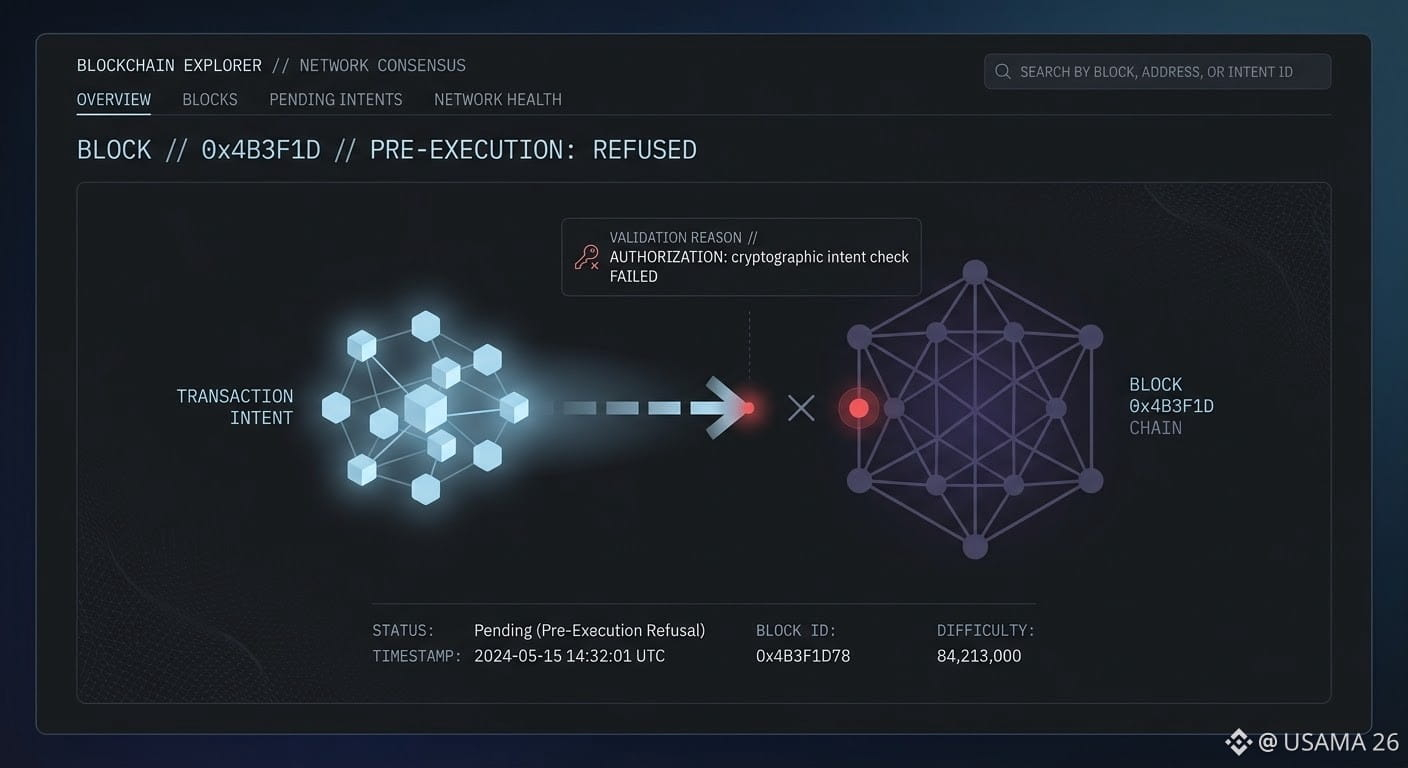
La financiación dio un vuelco brusco el viernes por la noche y me sorprendí preguntándome cuánto confío realmente en cualquier cosa que firme en mi nombre. Así que empecé a revisar Newton Protocol Mainnet Beta, sobre todo la parte de las políticas, con $NEWT T abierto en otra pestaña y las notas de #NewtonProtocol ol a medio escribir, siguiendo @NewtonProtocol l para ver los detalles. Supuse que una intención rechazada tendría el mismo aspecto que cualquier transacción fallida que conozco: un hash, una reversión, una línea roja en el explorador. Envié una intención que infringía mi propio límite de gasto y no paraba de actualizar el explorador, esperando ese hash. Pensé que la red iba con retraso, quizá los operadores estaban tardando. Pero, en realidad, no había nada que encontrar, porque el rechazo se produjo antes de que nada llegara a la cadena. Ninguna transacción fallida, nada de gas consumido, ninguna traza que señalar. Por extraño que parezca, eso me tranquilizó menos que una reversión, porque estoy acostumbrado a que las pruebas de un fallo sean visibles. Un bloqueo previo a la ejecución deja el explorador limpio y la pantalla vacía, así que las pruebas de que hubo protección están en otra parte. Cerré la pestaña y volví a abrirla; seguía sin haber nada. Si el mejor resultado de una capa de autorización es que no pase nada visible, ¿cómo sabría en un día tranquilo que está funcionando?
La financiación dio un vuelco brusco el viernes por la noche y me sorprendí preguntándome cuánto confío realmente en cualquier cosa que firme en mi nombre. Así que empecé a revisar Newton Protocol Mainnet Beta, sobre todo la parte de las políticas, con $NEWT T abierto en otra pestaña y las notas de #NewtonProtocol ol a medio escribir, siguiendo @NewtonProtocol l para ver los detalles. Supuse que una intención rechazada tendría el mismo aspecto que cualquier transacción fallida que conozco: un hash, una reversión, una línea roja en el explorador. Envié una intención que infringía mi propio límite de gasto y no paraba de actualizar el explorador, esperando ese hash. Pensé que la red iba con retraso, quizá los operadores estaban tardando. Pero, en realidad, no había nada que encontrar, porque el rechazo se produjo antes de que nada llegara a la cadena. Ninguna transacción fallida, nada de gas consumido, ninguna traza que señalar. Por extraño que parezca, eso me tranquilizó menos que una reversión, porque estoy acostumbrado a que las pruebas de un fallo sean visibles. Un bloqueo previo a la ejecución deja el explorador limpio y la pantalla vacía, así que las pruebas de que hubo protección están en otra parte. Cerré la pestaña y volví a abrirla; seguía sin haber nada. Si el mejor resultado de una capa de autorización es que no pase nada visible, ¿cómo sabría en un día tranquilo que está funcionando?
333
$NEWT
{spot}(NEWTUSDT)
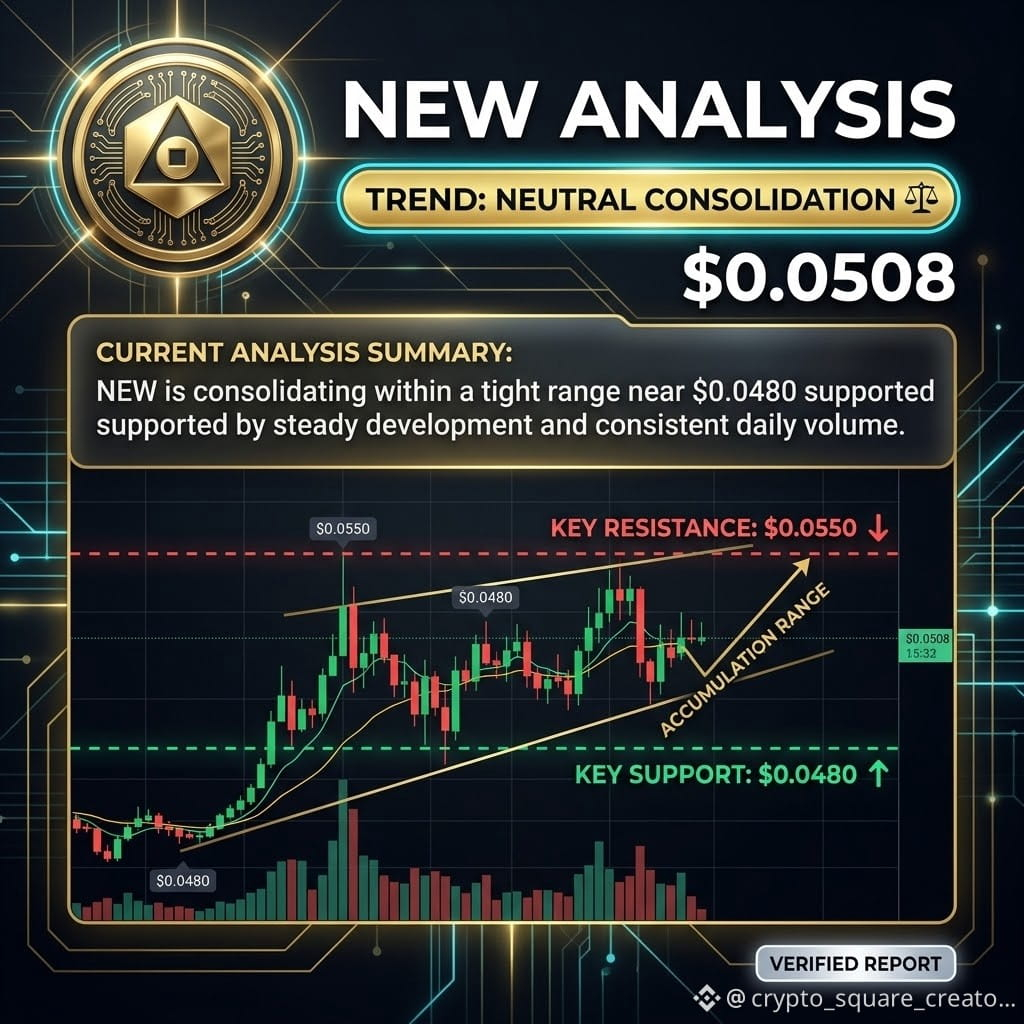
⚡ NEWTON PROTOCOL ($NEW) SE CONSOLIDA CERCA DE $0.051: ¿Se aproxima un avance?
Newton Protocol ($NEW) sigue formando una base de soporte y cotiza actualmente cerca de $0.0508, mientras los compradores absorben la presión vendedora.
Tendencia: Consolidación neutral
Soporte clave: $0.0480
Resistencia clave: $0.0550
Por qué se mueve: La estabilidad del precio se sustenta en el desarrollo constante de infraestructura descentralizada y un volumen diario estable, lo que evita una caída significativa pese a la volatilidad general del mercado.
¿Podrá $NEW mantener el soporte de $0.048 y repuntar para superar la resistencia de $0.055? ¡Comparte tus objetivos abajo! 👇
#NewtonProtocol #NEW #CryptoAnalysis #BinanceSquareTalks #TechnicalAnalysiss #Altcoins #TradingCripto
Esto no es asesoramiento financiero.
$NEWT
⚡ NEWTON PROTOCOL ($NEW) SE CONSOLIDA CERCA DE $0.051: ¿Se aproxima un avance?
Newton Protocol ($NEW) sigue formando una base de soporte y cotiza actualmente cerca de $0.0508, mientras los compradores absorben la presión vendedora.
Tendencia: Consolidación neutral
Soporte clave: $0.0480
Resistencia clave: $0.0550
Por qué se mueve: La estabilidad del precio se sustenta en el desarrollo constante de infraestructura descentralizada y un volumen diario estable, lo que evita una caída significativa pese a la volatilidad general del mercado.
¿Podrá $NEW mantener el soporte de $0.048 y repuntar para superar la resistencia de $0.055? ¡Comparte tus objetivos abajo! 👇
#NewtonProtocol #NEW #CryptoAnalysis #BinanceSquareTalks #TechnicalAnalysiss #Altcoins #TradingCripto
Esto no es asesoramiento financiero.
⚡ NEWTON PROTOCOL ($NEW) SE CONSOLIDA CERCA DE $0.051: ¿Se aproxima un avance?
Newton Protocol ($NEW) sigue formando una base de soporte y cotiza actualmente cerca de $0.0508, mientras los compradores absorben la presión vendedora.
Tendencia: Consolidación neutral
Soporte clave: $0.0480
Resistencia clave: $0.0550
Por qué se mueve: La estabilidad del precio se sustenta en el desarrollo constante de infraestructura descentralizada y un volumen diario estable, lo que evita una caída significativa pese a la volatilidad general del mercado.
¿Podrá $NEW mantener el soporte de $0.048 y repuntar para superar la resistencia de $0.055? ¡Comparte tus objetivos abajo! 👇
#NewtonProtocol #NEW #CryptoAnalysis #BinanceSquareTalks #TechnicalAnalysiss #Altcoins #TradingCripto
Esto no es asesoramiento financiero.
251

·
--
Aunque la nueva regla es una gran iniciativa para la equidad, parece que el sistema automatizado actual podría no estar detectando completamente todas las infracciones de etiquetado. Algunas cuentas parecen estar eludiendo las reglas al editar publicaciones después de su publicación, lo que da como resultado “No se detectó ninguna infracción” en los informes manuales.
En mi opinión, una regla más estricta—como asignar automáticamente 0 puntos a cualquier publicación editada—podría hacer que la campaña sea mucho más justa para todos. Agradecería mucho más transparencia por parte del equipo sobre cómo se revisan estos casos.
Me gustaría preguntarle a la comunidad, especialmente a los creadores con experiencia que aparecen etiquetados a continuación: ¿Qué opinan al respecto? ¿Cómo podemos hacer que la campaña continua del Newton Protocol sea más transparente y justa para los creadores genuinos? 🙏
#creatorpad #BinanceSquare #NewtonProtocol
@Binance_Square_Official
@Alif07 @HUTMO @JON_SENS544 @Lalamaqbool @Square-Creator-3ca6144669ec @Optimus_prime_ @LaibakhanRYKcrypto @eagle_crypto659 @itsumar1122 @BitBeacon7 @Square-Creator-8b1b9a3a65b1e
Aunque la nueva regla es una gran iniciativa para la equidad, parece que el sistema automatizado actual podría no estar detectando completamente todas las infracciones de etiquetado. Algunas cuentas parecen estar eludiendo las reglas al editar publicaciones después de su publicación, lo que da como resultado “No se detectó ninguna infracción” en los informes manuales.
En mi opinión, una regla más estricta—como asignar automáticamente 0 puntos a cualquier publicación editada—podría hacer que la campaña sea mucho más justa para todos. Agradecería mucho más transparencia por parte del equipo sobre cómo se revisan estos casos.
Me gustaría preguntarle a la comunidad, especialmente a los creadores con experiencia que aparecen etiquetados a continuación: ¿Qué opinan al respecto? ¿Cómo podemos hacer que la campaña continua del Newton Protocol sea más transparente y justa para los creadores genuinos? 🙏
#creatorpad #BinanceSquare #NewtonProtocol
@Binance Square Official
@BLANK _ @BlueTokenCapital @JÖN_SÊNS @Mike_Block @Neeeno @ADITYAA-56 @Hannah_汉娜 @Crypto_Empires @S T E P H E N @Bit Beacon @Zayric 12
En mi opinión, una regla más estricta—como asignar automáticamente 0 puntos a cualquier publicación editada—podría hacer que la campaña sea mucho más justa para todos. Agradecería mucho más transparencia por parte del equipo sobre cómo se revisan estos casos.
Me gustaría preguntarle a la comunidad, especialmente a los creadores con experiencia que aparecen etiquetados a continuación: ¿Qué opinan al respecto? ¿Cómo podemos hacer que la campaña continua del Newton Protocol sea más transparente y justa para los creadores genuinos? 🙏
#creatorpad #BinanceSquare #NewtonProtocol
@Binance Square Official
@BLANK _ @BlueTokenCapital @JÖN_SÊNS @Mike_Block @Neeeno @ADITYAA-56 @Hannah_汉娜 @Crypto_Empires @S T E P H E N @Bit Beacon @Zayric 12


Binance Square Official
·
--
En vigor a partir del 2026-07-11 00:00 UTC, todas las presentaciones de contenido de CreatorPad deben incluir el hashtag requerido, el ticker del token y la etiqueta de la cuenta del proyecto en la primera publicación. No está permitido ni se recompensará intentar captar tráfico editando contenido para añadir los tags requeridos que faltan después.
Notas:
- Sin etiquetado retroactivo: editar una publicación para añadir los tags requeridos después de la publicación inicial (dentro de la ventana T+1 hasta las 23:59 UTC) dará 0 puntos para esa publicación.
- Sin reutilización de contenido: modificar una publicación existente —por ejemplo, convertir contenido de alto tráfico, alto compromiso o no relacionado en una presentación de CreatorPad antes de T+1 23:59 UTC— también dará 0 puntos.
Notas:
- Sin etiquetado retroactivo: editar una publicación para añadir los tags requeridos después de la publicación inicial (dentro de la ventana T+1 hasta las 23:59 UTC) dará 0 puntos para esa publicación.
- Sin reutilización de contenido: modificar una publicación existente —por ejemplo, convertir contenido de alto tráfico, alto compromiso o no relacionado en una presentación de CreatorPad antes de T+1 23:59 UTC— también dará 0 puntos.
2
2
178
Una comunidad unida en torno a la utilidad real 🌐
La campaña #NewtonProtocol pone de relieve una nueva generación de creadores que prioriza la utilidad tecnológica real por encima de las simples tendencias pasajeras. Este es el caso de @Square-Creator-3572a908ed830 y @Rich_girl5858 , cuyos análisis enriquecen considerablemente el flujo de Binance Square. El lanzamiento de Newton Mainnet Beta muestra que la conformidad programable ya no es un concepto lejano, sino una realidad operativa. Al permitir una autorización programable para la automatización on-chain, el proyecto asegura las interacciones futuras. ¡Bravo a estos creadores por su compromiso constante en divulgar estas innovaciones! 📈🌟
#Newt #Web3 #CreatorPad
Una comunidad unida en torno a la utilidad real 🌐
La campaña #NewtonProtocol pone de relieve una nueva generación de creadores que prioriza la utilidad tecnológica real por encima de las simples tendencias pasajeras. Este es el caso de @Pi_vn1 y @Rich_girl5858 , cuyos análisis enriquecen considerablemente el flujo de Binance Square. El lanzamiento de Newton Mainnet Beta muestra que la conformidad programable ya no es un concepto lejano, sino una realidad operativa. Al permitir una autorización programable para la automatización on-chain, el proyecto asegura las interacciones futuras. ¡Bravo a estos creadores por su compromiso constante en divulgar estas innovaciones! 📈🌟
#Newt #Web3 #CreatorPad
La campaña #NewtonProtocol pone de relieve una nueva generación de creadores que prioriza la utilidad tecnológica real por encima de las simples tendencias pasajeras. Este es el caso de @Pi_vn1 y @Rich_girl5858 , cuyos análisis enriquecen considerablemente el flujo de Binance Square. El lanzamiento de Newton Mainnet Beta muestra que la conformidad programable ya no es un concepto lejano, sino una realidad operativa. Al permitir una autorización programable para la automatización on-chain, el proyecto asegura las interacciones futuras. ¡Bravo a estos creadores por su compromiso constante en divulgar estas innovaciones! 📈🌟
#Newt #Web3 #CreatorPad
3

·
--
Artículo
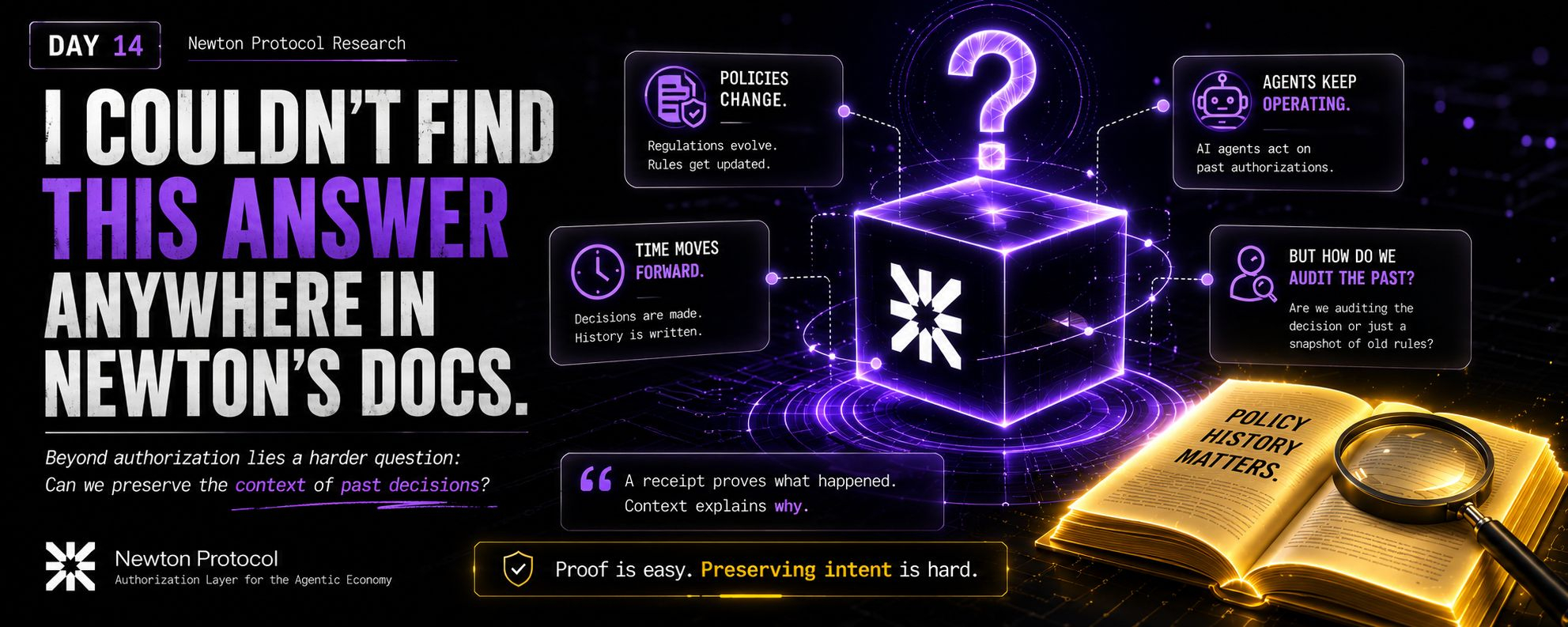
No pude encontrar esta respuesta en ningún lugar de los Docs de NewtonPasé la mañana revisando de nuevo la arquitectura @NewtonProtocol , esperando entender mejor un solo detalle.
En cambio, me llevé una pregunta más grande.
El protocolo pasa mucho tiempo explicando cómo se verifican las decisiones de autorización. Se evalúan las políticas. Los operadores atestiguan. Las pruebas criptográficas confirman el resultado.
Esa parte tiene sentido.
Lo que no podía dejar de pensar era todo lo que ocurre después de la autorización.
Supongamos que una institución actualiza una de sus políticas porque cambian las regulaciones. Cientos de agentes de IA ya han estado operando bajo la versión anterior.
No pude encontrar esta respuesta en ningún lugar de los Docs de Newton
Pasé la mañana revisando de nuevo la arquitectura @NewtonProtocol , esperando entender mejor un solo detalle.
En cambio, me llevé una pregunta más grande.
El protocolo pasa mucho tiempo explicando cómo se verifican las decisiones de autorización. Se evalúan las políticas. Los operadores atestiguan. Las pruebas criptográficas confirman el resultado.
Esa parte tiene sentido.
Lo que no podía dejar de pensar era todo lo que ocurre después de la autorización.
Supongamos que una institución actualiza una de sus políticas porque cambian las regulaciones. Cientos de agentes de IA ya han estado operando bajo la versión anterior.
En cambio, me llevé una pregunta más grande.
El protocolo pasa mucho tiempo explicando cómo se verifican las decisiones de autorización. Se evalúan las políticas. Los operadores atestiguan. Las pruebas criptográficas confirman el resultado.
Esa parte tiene sentido.
Lo que no podía dejar de pensar era todo lo que ocurre después de la autorización.
Supongamos que una institución actualiza una de sus políticas porque cambian las regulaciones. Cientos de agentes de IA ya han estado operando bajo la versión anterior.
2
1
381
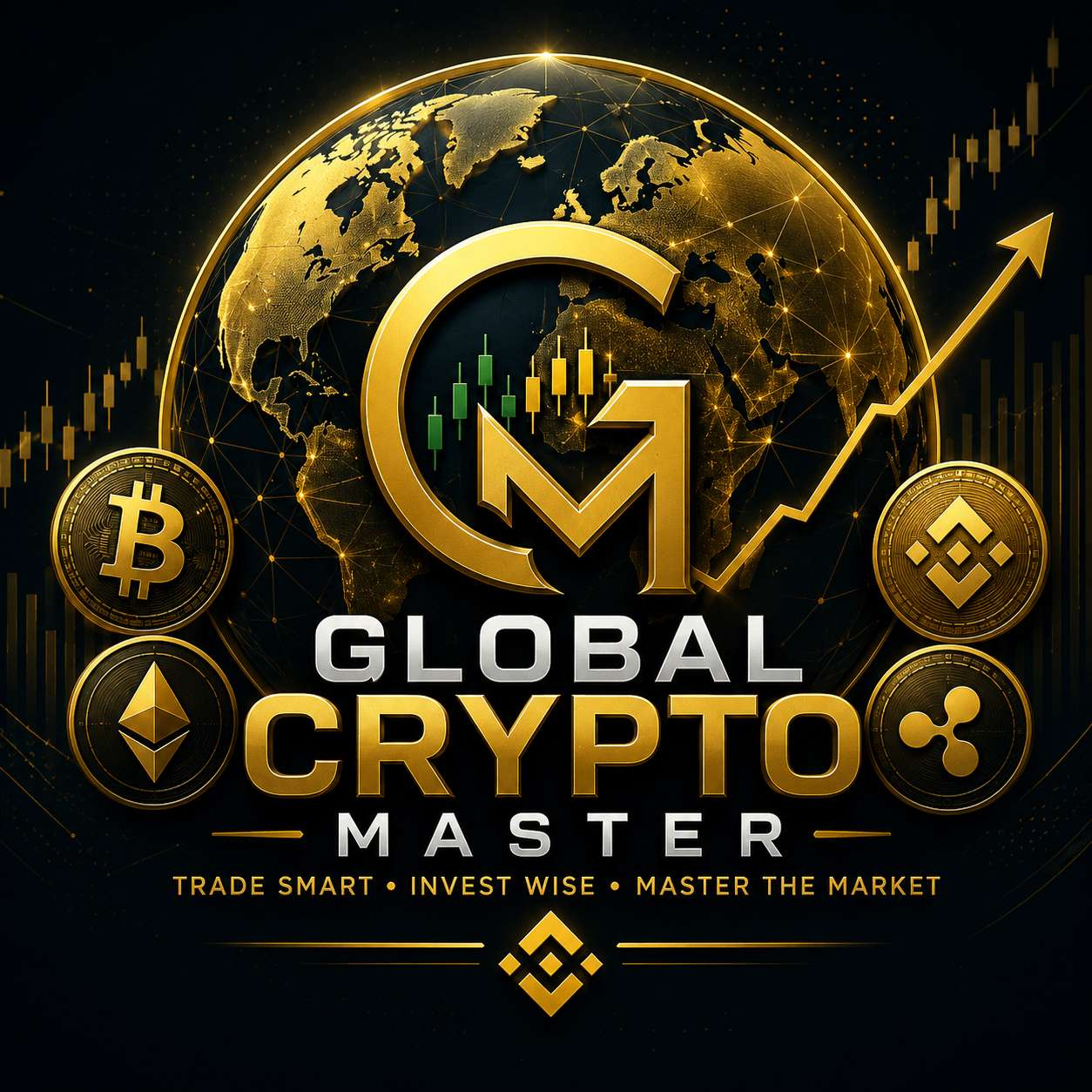
$NEWT 🛡️ De reactiva a proactiva: una nueva dirección para la seguridad en blockchain
La mayor parte de la seguridad en blockchain se activa después de que algo sale mal: parches, auditorías o soluciones de emergencia tras un exploit.
Newton Protocol toma un enfoque diferente. ⚡
En lugar de reaccionar ante transacciones maliciosas, las evalúa antes de ejecutarlas, comprobando si cumplen reglas de política predefinidas, como restricciones de jurisdicción, límites de gasto o requisitos de cumplimiento.
🔍 Esto desplaza la seguridad del control de daños a la prevención de riesgos.
Otro aspecto interesante es el uso de Rego, un lenguaje de políticas ya de confianza en entornos empresariales. En lugar de obligar a las instituciones a rediseñar sus aplicaciones o migrar a una nueva cadena, la lógica de cumplimiento puede añadirse como una capa de políticas programable.
💡 La oportunidad a largo plazo no es solo una seguridad más sólida: es hacer que la infraestructura de blockchain sea compatible con la gobernanza del mundo real, manteniendo la composabilidad.
🚀 La siguiente fase de Web3 puede definirse no por transacciones más rápidas, sino por una autorización más inteligente antes de la ejecución.
#NewtonProtocol #Newt #Blockchain #Web3 #DeFi #Security #compliance
$NEWT 🛡️ De reactiva a proactiva: una nueva dirección para la seguridad en blockchain
La mayor parte de la seguridad en blockchain se activa después de que algo sale mal: parches, auditorías o soluciones de emergencia tras un exploit.
Newton Protocol toma un enfoque diferente. ⚡
En lugar de reaccionar ante transacciones maliciosas, las evalúa antes de ejecutarlas, comprobando si cumplen reglas de política predefinidas, como restricciones de jurisdicción, límites de gasto o requisitos de cumplimiento.
🔍 Esto desplaza la seguridad del control de daños a la prevención de riesgos.
Otro aspecto interesante es el uso de Rego, un lenguaje de políticas ya de confianza en entornos empresariales. En lugar de obligar a las instituciones a rediseñar sus aplicaciones o migrar a una nueva cadena, la lógica de cumplimiento puede añadirse como una capa de políticas programable.
💡 La oportunidad a largo plazo no es solo una seguridad más sólida: es hacer que la infraestructura de blockchain sea compatible con la gobernanza del mundo real, manteniendo la composabilidad.
🚀 La siguiente fase de Web3 puede definirse no por transacciones más rápidas, sino por una autorización más inteligente antes de la ejecución.
#NewtonProtocol #Newt #Blockchain #Web3 #DeFi #Security #compliance
La mayor parte de la seguridad en blockchain se activa después de que algo sale mal: parches, auditorías o soluciones de emergencia tras un exploit.
Newton Protocol toma un enfoque diferente. ⚡
En lugar de reaccionar ante transacciones maliciosas, las evalúa antes de ejecutarlas, comprobando si cumplen reglas de política predefinidas, como restricciones de jurisdicción, límites de gasto o requisitos de cumplimiento.
🔍 Esto desplaza la seguridad del control de daños a la prevención de riesgos.
Otro aspecto interesante es el uso de Rego, un lenguaje de políticas ya de confianza en entornos empresariales. En lugar de obligar a las instituciones a rediseñar sus aplicaciones o migrar a una nueva cadena, la lógica de cumplimiento puede añadirse como una capa de políticas programable.
💡 La oportunidad a largo plazo no es solo una seguridad más sólida: es hacer que la infraestructura de blockchain sea compatible con la gobernanza del mundo real, manteniendo la composabilidad.
🚀 La siguiente fase de Web3 puede definirse no por transacciones más rápidas, sino por una autorización más inteligente antes de la ejecución.
#NewtonProtocol #Newt #Blockchain #Web3 #DeFi #Security #compliance
65

·
--
Artículo
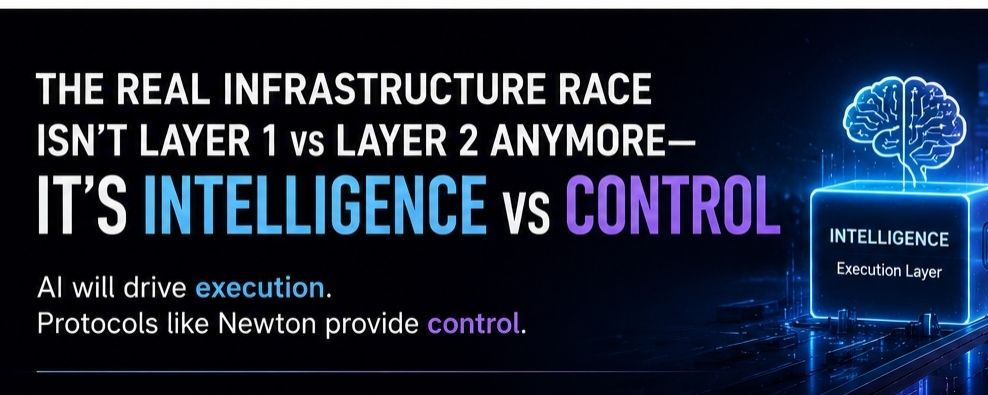
La verdadera carrera de infraestructura ya no es Capa 1 vs Capa 2, sino Inteligencia vs ControlDurante años, la industria blockchain ha debatido la misma pregunta: ¿Qué infraestructura gana: la Capa 1 o la Capa 2?
Transacciones más rápidas. Menores comisiones. Mejor escalabilidad.
Estos indicadores han impulsado la innovación, pero quizá no definan el próximo capítulo de Web3.
Ya está en marcha un cambio mucho más grande.
A medida que los agentes de IA se vuelven capaces de gestionar billeteras, ejecutar operaciones, reequilibrar carteras e interactuar con protocolos DeFi de forma autónoma, el verdadero desafío ya no es la ejecución: es el control.
El futuro de la blockchain no pertenecerá simplemente a la red más rápida. Pertenecerá a la infraestructura que pueda garantizar que los sistemas autónomos funcionen dentro de límites transparentes, verificables y autorizados.
La verdadera carrera de infraestructura ya no es Capa 1 vs Capa 2, sino Inteligencia vs Control
Durante años, la industria blockchain ha debatido la misma pregunta: ¿Qué infraestructura gana: la Capa 1 o la Capa 2?
Transacciones más rápidas. Menores comisiones. Mejor escalabilidad.
Estos indicadores han impulsado la innovación, pero quizá no definan el próximo capítulo de Web3.
Ya está en marcha un cambio mucho más grande.
A medida que los agentes de IA se vuelven capaces de gestionar billeteras, ejecutar operaciones, reequilibrar carteras e interactuar con protocolos DeFi de forma autónoma, el verdadero desafío ya no es la ejecución: es el control.
El futuro de la blockchain no pertenecerá simplemente a la red más rápida. Pertenecerá a la infraestructura que pueda garantizar que los sistemas autónomos funcionen dentro de límites transparentes, verificables y autorizados.
Transacciones más rápidas. Menores comisiones. Mejor escalabilidad.
Estos indicadores han impulsado la innovación, pero quizá no definan el próximo capítulo de Web3.
Ya está en marcha un cambio mucho más grande.
A medida que los agentes de IA se vuelven capaces de gestionar billeteras, ejecutar operaciones, reequilibrar carteras e interactuar con protocolos DeFi de forma autónoma, el verdadero desafío ya no es la ejecución: es el control.
El futuro de la blockchain no pertenecerá simplemente a la red más rápida. Pertenecerá a la infraestructura que pueda garantizar que los sistemas autónomos funcionen dentro de límites transparentes, verificables y autorizados.
75

·
--
Con verificación
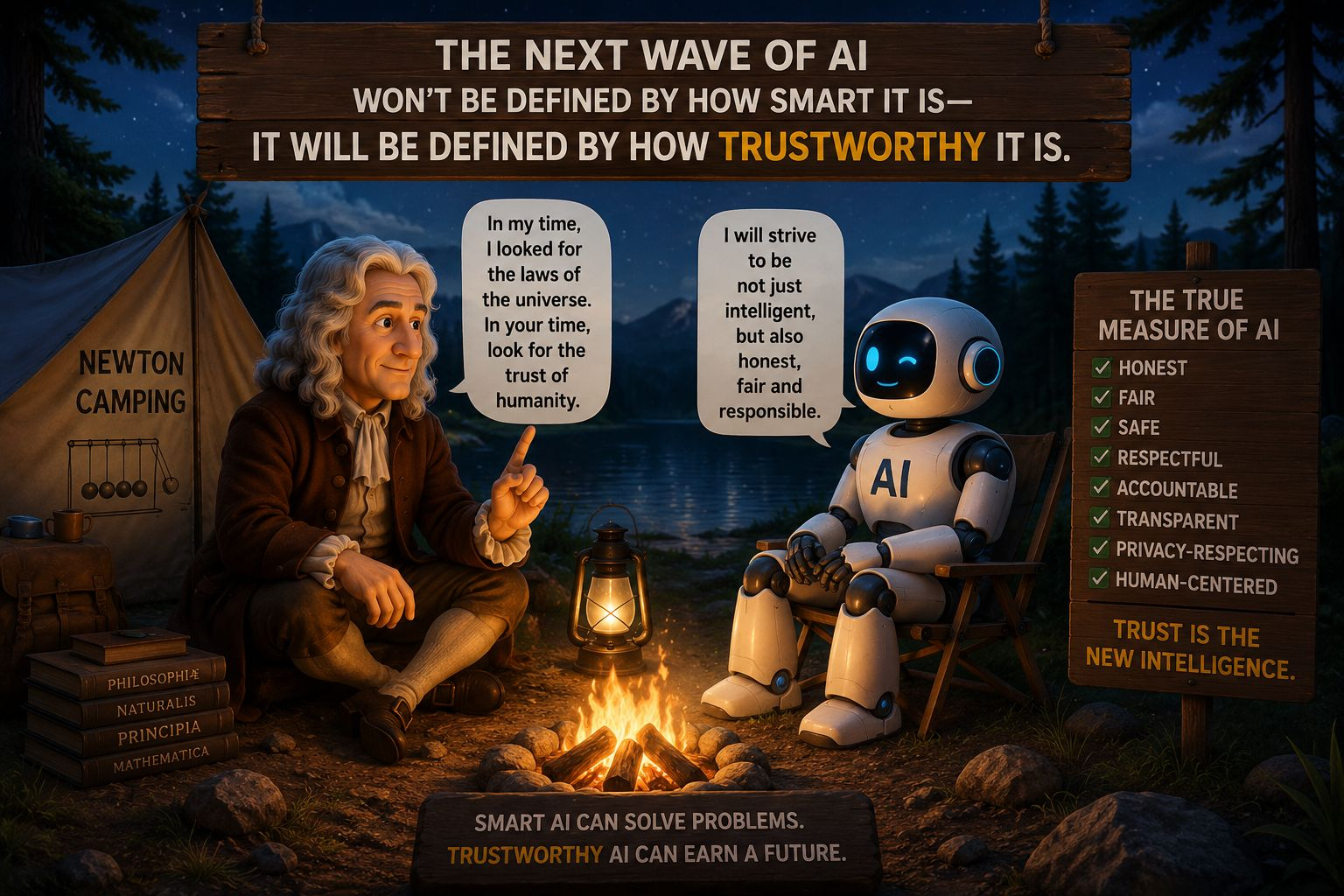
@NewtonProtocol La próxima ola de la IA no se definirá por lo inteligente que sea, sino por lo confiable que sea.
En un mundo descentralizado, los agentes de IA necesitan algo más que inteligencia. Necesitan identidad, datos verificables y una ejecución transparente.
Ahí es donde destaca Newton Protocol.
Al construir infraestructura para IA verificable y automatización en cadena, @NewtonProtocol está ayudando a crear un futuro en el que la IA pueda operar de forma segura sin sacrificar la descentralización.
El futuro de Web3 no es solo autónomo.
También debe ser sin confianza, transparente y verificable.
Los proyectos que están construyendo esta base hoy podrían convertirse en el pilar de la economía descentralizada del mañana.
¿Qué característica de IA importa más en la Seguridad Web3: Privacidad o Verificación?
Esto es una asociación de pago
$NEWT #Newt #NewtonProtocol
@NewtonProtocol La próxima ola de la IA no se definirá por lo inteligente que sea, sino por lo confiable que sea.
En un mundo descentralizado, los agentes de IA necesitan algo más que inteligencia. Necesitan identidad, datos verificables y una ejecución transparente.
Ahí es donde destaca Newton Protocol.
Al construir infraestructura para IA verificable y automatización en cadena, @NewtonProtocol está ayudando a crear un futuro en el que la IA pueda operar de forma segura sin sacrificar la descentralización.
El futuro de Web3 no es solo autónomo.
También debe ser sin confianza, transparente y verificable.
Los proyectos que están construyendo esta base hoy podrían convertirse en el pilar de la economía descentralizada del mañana.
¿Qué característica de IA importa más en la Seguridad Web3: Privacidad o Verificación?
Esto es una asociación de pago
$NEWT #Newt #NewtonProtocol
En un mundo descentralizado, los agentes de IA necesitan algo más que inteligencia. Necesitan identidad, datos verificables y una ejecución transparente.
Ahí es donde destaca Newton Protocol.
Al construir infraestructura para IA verificable y automatización en cadena, @NewtonProtocol está ayudando a crear un futuro en el que la IA pueda operar de forma segura sin sacrificar la descentralización.
El futuro de Web3 no es solo autónomo.
También debe ser sin confianza, transparente y verificable.
Los proyectos que están construyendo esta base hoy podrían convertirse en el pilar de la economía descentralizada del mañana.
¿Qué característica de IA importa más en la Seguridad Web3: Privacidad o Verificación?
Esto es una asociación de pago
$NEWT #Newt #NewtonProtocol
3
1
664

·
--
#newt $NEWT
RWAs — los activos del mundo real tokenizados, son uno de los segmentos de más rápido crecimiento en cripto ahora mismo. Tesorerías tokenizadas, crédito privado, bienes raíces. Las instituciones están moviendo dinero real onchain.
Aquí está el problema que nadie está resolviendo de forma limpia todavía. Cuando un activo tokenizado se mueve onchain, las reglas de cumplimiento que lo rigen — quién puede poseerlo, qué jurisdicciones lo permiten, qué límites de contraparte aplican — esas reglas aún viven fuera de la cadena. En documentos. Aplicadas manualmente. Revisadas a posteriori, si es que se revisan.
Ese es el vacío que @NewtonProtocol está construyendo. Aplicación de políticas que se ejecuta antes de que una transacción se liquide, no después. Verificaciones de OFAC, verificación de identidad, límites de riesgo de contraparte, todo automático, todo verificable, todo onchain.
Las RWAs necesitan una capa de autorización. Newton está construyendo exactamente eso.
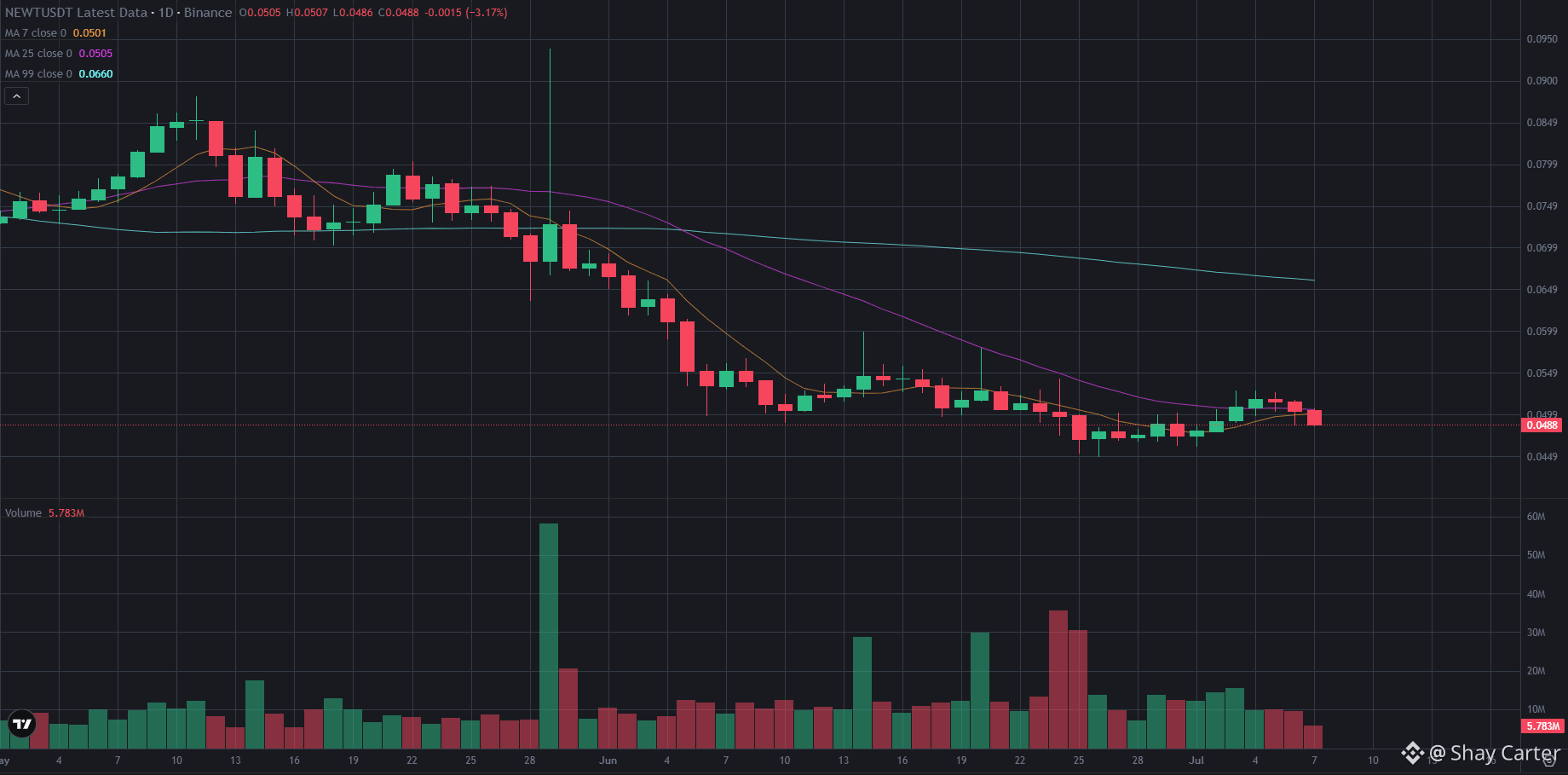
$NEWT hoy está en $0.0488, bajando apenas un poco más de 3%.. El discurso sobre RWAs se está haciendo más fuerte. La infraestructura para ello ya está en marcha.
#Newt #NewtonProtocol
{spot}(NEWTUSDT)
#newt $NEWT
RWAs — los activos del mundo real tokenizados, son uno de los segmentos de más rápido crecimiento en cripto ahora mismo. Tesorerías tokenizadas, crédito privado, bienes raíces. Las instituciones están moviendo dinero real onchain.
Aquí está el problema que nadie está resolviendo de forma limpia todavía. Cuando un activo tokenizado se mueve onchain, las reglas de cumplimiento que lo rigen — quién puede poseerlo, qué jurisdicciones lo permiten, qué límites de contraparte aplican — esas reglas aún viven fuera de la cadena. En documentos. Aplicadas manualmente. Revisadas a posteriori, si es que se revisan.
Ese es el vacío que @NewtonProtocol está construyendo. Aplicación de políticas que se ejecuta antes de que una transacción se liquide, no después. Verificaciones de OFAC, verificación de identidad, límites de riesgo de contraparte, todo automático, todo verificable, todo onchain.
Las RWAs necesitan una capa de autorización. Newton está construyendo exactamente eso.
$NEWT hoy está en $0.0488, bajando apenas un poco más de 3%.. El discurso sobre RWAs se está haciendo más fuerte. La infraestructura para ello ya está en marcha.
#Newt #NewtonProtocol
RWAs — los activos del mundo real tokenizados, son uno de los segmentos de más rápido crecimiento en cripto ahora mismo. Tesorerías tokenizadas, crédito privado, bienes raíces. Las instituciones están moviendo dinero real onchain.
Aquí está el problema que nadie está resolviendo de forma limpia todavía. Cuando un activo tokenizado se mueve onchain, las reglas de cumplimiento que lo rigen — quién puede poseerlo, qué jurisdicciones lo permiten, qué límites de contraparte aplican — esas reglas aún viven fuera de la cadena. En documentos. Aplicadas manualmente. Revisadas a posteriori, si es que se revisan.
Ese es el vacío que @NewtonProtocol está construyendo. Aplicación de políticas que se ejecuta antes de que una transacción se liquide, no después. Verificaciones de OFAC, verificación de identidad, límites de riesgo de contraparte, todo automático, todo verificable, todo onchain.
Las RWAs necesitan una capa de autorización. Newton está construyendo exactamente eso.
$NEWT hoy está en $0.0488, bajando apenas un poco más de 3%.. El discurso sobre RWAs se está haciendo más fuerte. La infraestructura para ello ya está en marcha.
#Newt #NewtonProtocol
1
99


Artículo
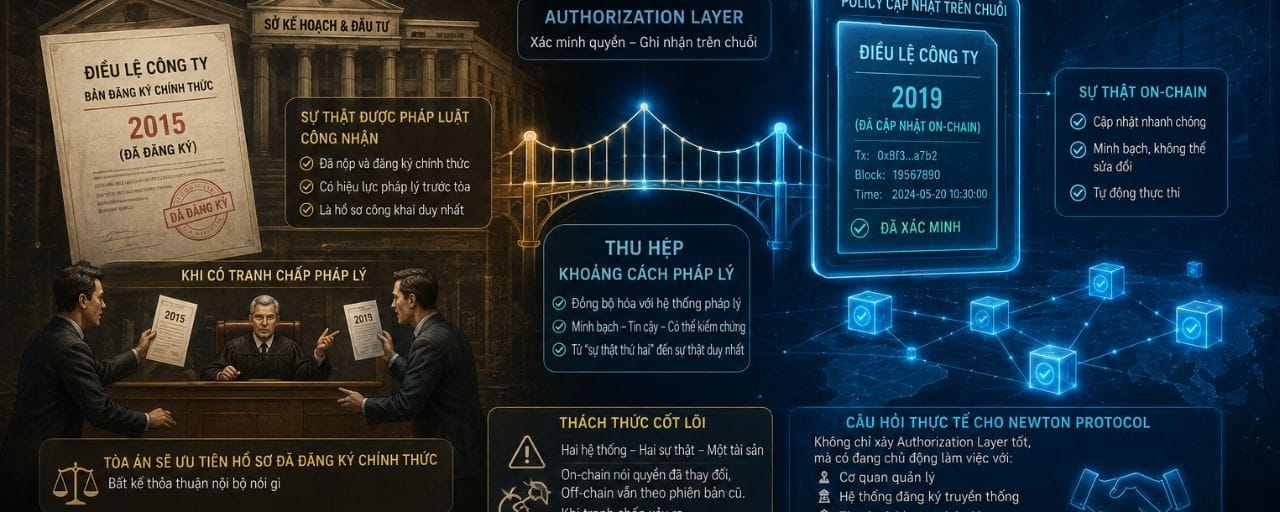
WhEn TwO TrUtHs ExIsT: ThE ReAL ChAlleNge BeHinD On-ChAiN OwNeRsHiPLa mayoría de las personas asume que, una vez que la información se registra en algún lugar, todos están mirando la misma versión de la realidad.
Pero rara vez es así como funciona el mundo real.
Cuanto más pienso en los activos tokenizados, más me doy cuenta de que la blockchain no elimina la confianza: solo cambia dónde tiene que existir esa confianza.
En el mundo físico, la propiedad, los derechos y los acuerdos solo son tan sólidos como las instituciones que los reconocen.
La tecnología puede registrar un cambio al instante, pero el sistema legal puede seguir operando a partir de un registro completamente diferente.
WhEn TwO TrUtHs ExIsT: ThE ReAL ChAlleNge BeHinD On-ChAiN OwNeRsHiP
La mayoría de las personas asume que, una vez que la información se registra en algún lugar, todos están mirando la misma versión de la realidad.
Pero rara vez es así como funciona el mundo real.
Cuanto más pienso en los activos tokenizados, más me doy cuenta de que la blockchain no elimina la confianza: solo cambia dónde tiene que existir esa confianza.
En el mundo físico, la propiedad, los derechos y los acuerdos solo son tan sólidos como las instituciones que los reconocen.
La tecnología puede registrar un cambio al instante, pero el sistema legal puede seguir operando a partir de un registro completamente diferente.
Pero rara vez es así como funciona el mundo real.
Cuanto más pienso en los activos tokenizados, más me doy cuenta de que la blockchain no elimina la confianza: solo cambia dónde tiene que existir esa confianza.
En el mundo físico, la propiedad, los derechos y los acuerdos solo son tan sólidos como las instituciones que los reconocen.
La tecnología puede registrar un cambio al instante, pero el sistema legal puede seguir operando a partir de un registro completamente diferente.
49
20
627
·
--
$LAB 'S NUETON PROTOCOL ESTÁ CONSTRUYENDO CONFIANZA QUE SE COMBINA CON EL TIEMPO 🎯
Lo que distingue a Newton Protocol no es otro método de verificación: es la fiabilidad compuesta de políticas que se comprueban a sí mismas mediante el uso repetido. Cuanto menos una política necesite excepciones, más se convierte en una capa base de la que otros dependen en silencio. Este es un cambio estructural de “reconstruir” a “perfeccionar”.
El valor real surge cuando las decisiones respaldadas por evidencia reemplazan el retrabajo constante. Ese tipo de confianza no necesita publicidad: se la gana. ¿Qué proyectos crees que lograrán ese nivel de fiabilidad a largo plazo?
No es asesoramiento financiero. Gestiona siempre tu riesgo.
#LAB #NewtonProtocol #Trust #CryptoFundamentals
💎
$LAB 'S NUETON PROTOCOL ESTÁ CONSTRUYENDO CONFIANZA QUE SE COMBINA CON EL TIEMPO 🎯
Lo que distingue a Newton Protocol no es otro método de verificación: es la fiabilidad compuesta de políticas que se comprueban a sí mismas mediante el uso repetido. Cuanto menos una política necesite excepciones, más se convierte en una capa base de la que otros dependen en silencio. Este es un cambio estructural de “reconstruir” a “perfeccionar”.
El valor real surge cuando las decisiones respaldadas por evidencia reemplazan el retrabajo constante. Ese tipo de confianza no necesita publicidad: se la gana. ¿Qué proyectos crees que lograrán ese nivel de fiabilidad a largo plazo?
No es asesoramiento financiero. Gestiona siempre tu riesgo.
#LAB #NewtonProtocol #Trust #CryptoFundamentals
💎
Lo que distingue a Newton Protocol no es otro método de verificación: es la fiabilidad compuesta de políticas que se comprueban a sí mismas mediante el uso repetido. Cuanto menos una política necesite excepciones, más se convierte en una capa base de la que otros dependen en silencio. Este es un cambio estructural de “reconstruir” a “perfeccionar”.
El valor real surge cuando las decisiones respaldadas por evidencia reemplazan el retrabajo constante. Ese tipo de confianza no necesita publicidad: se la gana. ¿Qué proyectos crees que lograrán ese nivel de fiabilidad a largo plazo?
No es asesoramiento financiero. Gestiona siempre tu riesgo.
#LAB #NewtonProtocol #Trust #CryptoFundamentals
💎
270

#Newt $NEWT Hay una cosa que aprecio de los proyectos de infraestructura: que a menudo se centran en desafíos a largo plazo en lugar de tendencias a corto plazo.
Por lo que he leído, Newton Protocol está trabajando en la coordinación basada en políticas para sistemas de IA autónomos.
A medida que las aplicaciones descentralizadas se vuelven más avanzadas, los marcos que mejoran la transparencia y el comportamiento predecible pueden volverse cada vez más valiosos.
Me interesa ver cómo se desarrolla el ecosistema a través de los próximos lanzamientos.
#NewtonProtocol #Web3 #AI #NEWT
{future}(NEWTUSDT)
#Newt $NEWT Hay una cosa que aprecio de los proyectos de infraestructura: que a menudo se centran en desafíos a largo plazo en lugar de tendencias a corto plazo.
Por lo que he leído, Newton Protocol está trabajando en la coordinación basada en políticas para sistemas de IA autónomos.
A medida que las aplicaciones descentralizadas se vuelven más avanzadas, los marcos que mejoran la transparencia y el comportamiento predecible pueden volverse cada vez más valiosos.
Me interesa ver cómo se desarrolla el ecosistema a través de los próximos lanzamientos.
#NewtonProtocol #Web3 #AI #NEWT
Por lo que he leído, Newton Protocol está trabajando en la coordinación basada en políticas para sistemas de IA autónomos.
A medida que las aplicaciones descentralizadas se vuelven más avanzadas, los marcos que mejoran la transparencia y el comportamiento predecible pueden volverse cada vez más valiosos.
Me interesa ver cómo se desarrolla el ecosistema a través de los próximos lanzamientos.
#NewtonProtocol #Web3 #AI #NEWT
1
1
91

·
--
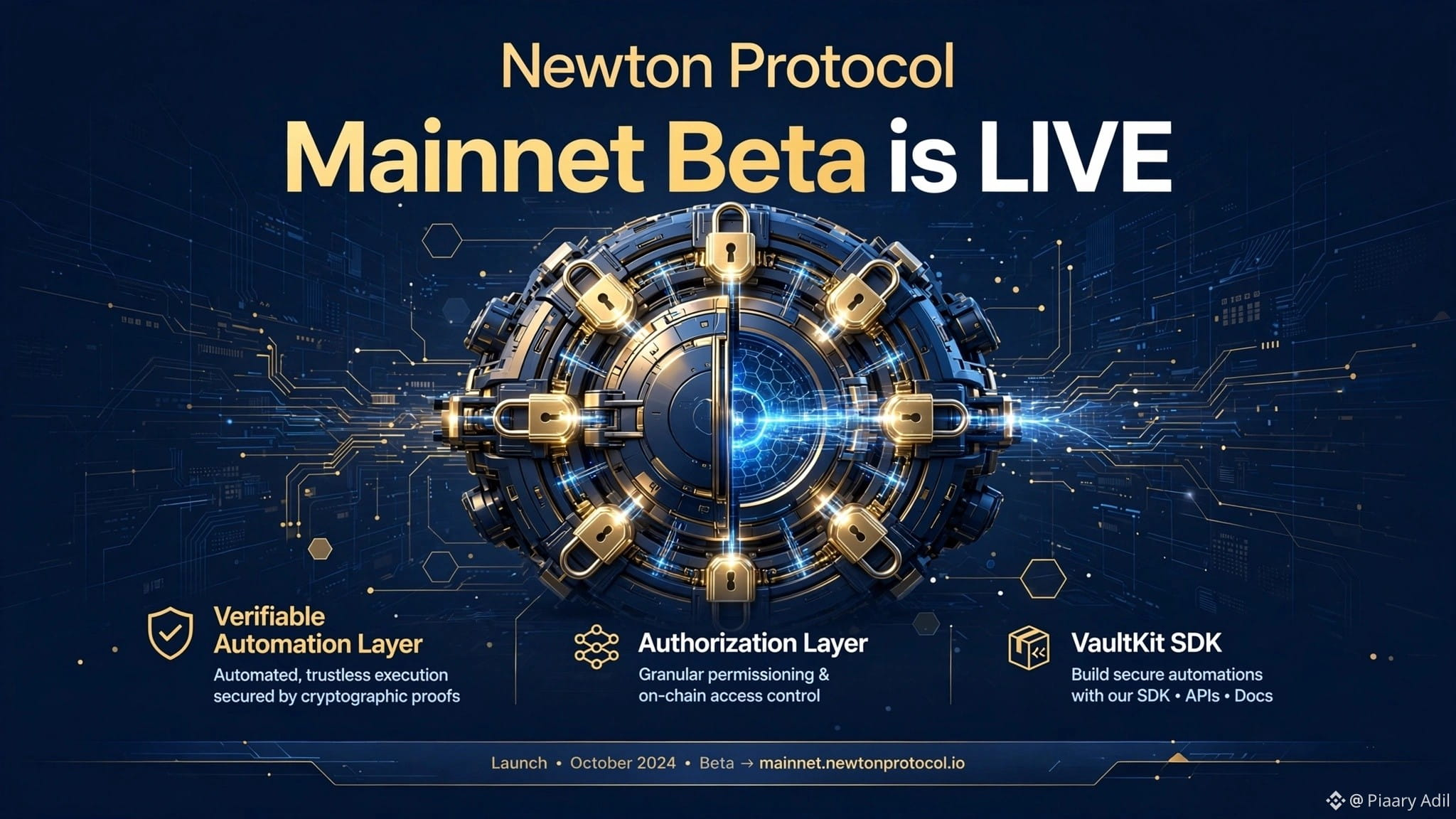
¡La espera terminó! @NewtonProtocol Mainnet Beta está EN VIVO desde el escenario principal de TokenizeThis.
Newton está resolviendo la pieza faltante de DeFi, la capa de autorización. TradFi tenía KYC, AML y verificaciones de riesgo; DeFi se lo saltó. Newton lo corrige con zkPermissions programables y VaultKit.
Ahora las reglas avanzan con capital. Verificables, privadas y exigibles onchain.
Entusiasmado con lo que los builders harán con $NEWT
#Newt #NewtonProtocol #BinanceSquare #PiaaryAdil #CryptoPakistan
¡La espera terminó! @NewtonProtocol Mainnet Beta está EN VIVO desde el escenario principal de TokenizeThis.
Newton está resolviendo la pieza faltante de DeFi, la capa de autorización. TradFi tenía KYC, AML y verificaciones de riesgo; DeFi se lo saltó. Newton lo corrige con zkPermissions programables y VaultKit.
Ahora las reglas avanzan con capital. Verificables, privadas y exigibles onchain.
Entusiasmado con lo que los builders harán con $NEWT
#Newt #NewtonProtocol #BinanceSquare #PiaaryAdil #CryptoPakistan
Newton está resolviendo la pieza faltante de DeFi, la capa de autorización. TradFi tenía KYC, AML y verificaciones de riesgo; DeFi se lo saltó. Newton lo corrige con zkPermissions programables y VaultKit.
Ahora las reglas avanzan con capital. Verificables, privadas y exigibles onchain.
Entusiasmado con lo que los builders harán con $NEWT
#Newt #NewtonProtocol #BinanceSquare #PiaaryAdil #CryptoPakistan
2
2
84

·
--
Artículo
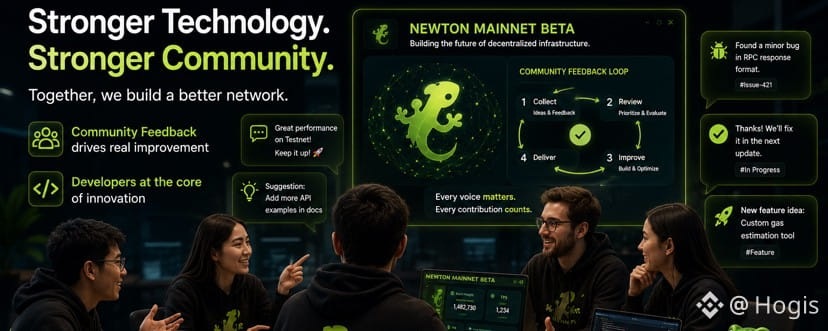
La participación de la comunidad hace que cada mainnet sea más fuerteLa tecnología es solo una parte de una blockchain exitosa. La otra parte es una comunidad activa que prueba continuamente, comparte ideas y ayuda a mejorar la red.
Durante el Newton Mainnet Beta, cada discusión, informe de errores, sugerencia de funciones y visión de desarrolladores contribuye a construir un ecosistema más sólido. La retroalimentación de la comunidad no solo identifica problemas: también ayuda a priorizar mejoras, perfeccionar herramientas para desarrolladores, mejorar la documentación y crear una mejor experiencia para todos los que construyen sobre la red.
La participación de la comunidad hace que cada mainnet sea más fuerte
La tecnología es solo una parte de una blockchain exitosa. La otra parte es una comunidad activa que prueba continuamente, comparte ideas y ayuda a mejorar la red.
Durante el Newton Mainnet Beta, cada discusión, informe de errores, sugerencia de funciones y visión de desarrolladores contribuye a construir un ecosistema más sólido. La retroalimentación de la comunidad no solo identifica problemas: también ayuda a priorizar mejoras, perfeccionar herramientas para desarrolladores, mejorar la documentación y crear una mejor experiencia para todos los que construyen sobre la red.
Durante el Newton Mainnet Beta, cada discusión, informe de errores, sugerencia de funciones y visión de desarrolladores contribuye a construir un ecosistema más sólido. La retroalimentación de la comunidad no solo identifica problemas: también ayuda a priorizar mejoras, perfeccionar herramientas para desarrolladores, mejorar la documentación y crear una mejor experiencia para todos los que construyen sobre la red.
84

·
--
#newt $NEWT
{future}(NEWTUSDT)
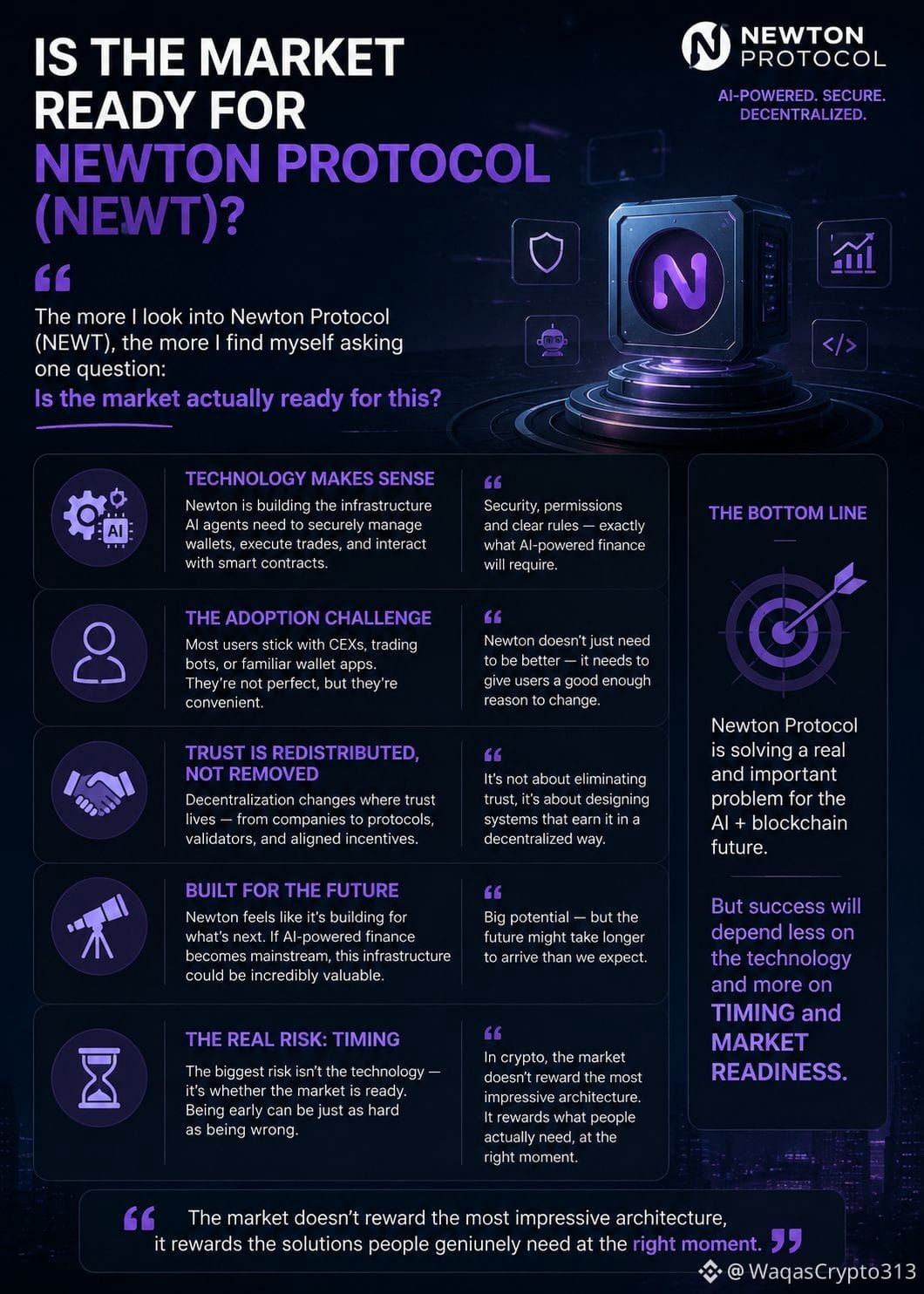
Acabo de probar la Mainnet Beta del Protocolo Newton y me impresionó 🚀
@NewtonProtocol está construyendo infraestructura real de IA + Web3. Con la Mainnet Beta de Newton activa, los desarrolladores ahora pueden implementar aplicaciones descentralizadas más inteligentes con mejor flujo de datos y automatización.
El futuro de los agentes de IA on-chain ya está aquí.
Manteniendo $NEWT para largo plazo 💎
#Newt #NewtonProtocol #Web3 #Aİ
#newt $NEWT
Acabo de probar la Mainnet Beta del Protocolo Newton y me impresionó 🚀
@NewtonProtocol está construyendo infraestructura real de IA + Web3. Con la Mainnet Beta de Newton activa, los desarrolladores ahora pueden implementar aplicaciones descentralizadas más inteligentes con mejor flujo de datos y automatización.
El futuro de los agentes de IA on-chain ya está aquí.
Manteniendo $NEWT para largo plazo 💎
#Newt #NewtonProtocol #Web3 #Aİ
Acabo de probar la Mainnet Beta del Protocolo Newton y me impresionó 🚀
@NewtonProtocol está construyendo infraestructura real de IA + Web3. Con la Mainnet Beta de Newton activa, los desarrolladores ahora pueden implementar aplicaciones descentralizadas más inteligentes con mejor flujo de datos y automatización.
El futuro de los agentes de IA on-chain ya está aquí.
Manteniendo $NEWT para largo plazo 💎
#Newt #NewtonProtocol #Web3 #Aİ
1
14
·
--
¡Deja de perseguir bots de IA llamativos! La VERDADERA oportunidad de IA en cripto está escondida debajo...🤖 ¡Deja de perseguir bots de IA llamativos! La VERDADERA oportunidad de IA en cripto está escondida debajo... 💸🛡️
Todo el mundo y su vecino está hablando ahora mismo sobre agentes de IA en cripto. 🗣️ "¡Modelos más inteligentes!" "¡Señales de trading alucinantes!" "¡Carteras automatizadas 100x!"
La emoción es real, pero casi todo el mundo se está perdiendo la pregunta más crítica: ¿Qué pasa después de que la IA decide hacer una operación? 🤔💭
Veamos la dura verdad sobre operar en cadena. 👇
🪤 La trampa de la Casa de Cristal
Puedes tener la estrategia de trading con IA más avanzada y brillante del mundo. Pero en el mismo segundo en que tu IA envía esa transacción a la blockchain, se vuelve pública.
¡Deja de perseguir bots de IA llamativos! La VERDADERA oportunidad de IA en cripto está escondida debajo...
🤖 ¡Deja de perseguir bots de IA llamativos! La VERDADERA oportunidad de IA en cripto está escondida debajo... 💸🛡️
Todo el mundo y su vecino está hablando ahora mismo sobre agentes de IA en cripto. 🗣️ "¡Modelos más inteligentes!" "¡Señales de trading alucinantes!" "¡Carteras automatizadas 100x!"
La emoción es real, pero casi todo el mundo se está perdiendo la pregunta más crítica: ¿Qué pasa después de que la IA decide hacer una operación? 🤔💭
Veamos la dura verdad sobre operar en cadena. 👇
🪤 La trampa de la Casa de Cristal
Puedes tener la estrategia de trading con IA más avanzada y brillante del mundo. Pero en el mismo segundo en que tu IA envía esa transacción a la blockchain, se vuelve pública.
Todo el mundo y su vecino está hablando ahora mismo sobre agentes de IA en cripto. 🗣️ "¡Modelos más inteligentes!" "¡Señales de trading alucinantes!" "¡Carteras automatizadas 100x!"
La emoción es real, pero casi todo el mundo se está perdiendo la pregunta más crítica: ¿Qué pasa después de que la IA decide hacer una operación? 🤔💭
Veamos la dura verdad sobre operar en cadena. 👇
🪤 La trampa de la Casa de Cristal
Puedes tener la estrategia de trading con IA más avanzada y brillante del mundo. Pero en el mismo segundo en que tu IA envía esa transacción a la blockchain, se vuelve pública.
2
38
·
--
#newt $NEWT
Estoy siguiendo los avances de
#NewtonProtocol con mucho interés. Newton Mainnet Beta representa una etapa importante para evaluar el crecimiento del ecosistema y el desarrollo de nuevas oportunidades alrededor de $NEWT Seguiré atento a las próximas actualizaciones. #Newt
#newt $NEWT
Estoy siguiendo los avances de
#NewtonProtocol con mucho interés. Newton Mainnet Beta representa una etapa importante para evaluar el crecimiento del ecosistema y el desarrollo de nuevas oportunidades alrededor de $NEWT Seguiré atento a las próximas actualizaciones. #Newt
Estoy siguiendo los avances de
#NewtonProtocol con mucho interés. Newton Mainnet Beta representa una etapa importante para evaluar el crecimiento del ecosistema y el desarrollo de nuevas oportunidades alrededor de $NEWT Seguiré atento a las próximas actualizaciones. #Newt
118
·
--

Artículo
Por qué la Arquitectura Modular de Pruebas del Protocolo Newton Podría Redefinir la Autorización en Web3 🚀Mientras exploraba recientemente la arquitectura del Protocolo Newton, me encontré pensando menos en las transacciones y más en la confianza.
La mayoría de las discusiones sobre blockchain se centran en la velocidad de ejecución, el rendimiento o los costos de transacción. Newton adopta un enfoque diferente: se hace otra pregunta:
¿Cuánta evidencia necesita realmente cada acción?
Eso puede sonar como un detalle técnico menor, pero creo que es una de las decisiones de diseño más infravaloradas del protocolo.
En lugar de obligar a que cada solicitud de autorización pase por el mismo costoso proceso de verificación, Newton introduce una arquitectura de pruebas flexible donde distintas acciones pueden recibir diferentes niveles de garantía criptográfica según sus requisitos.
Por qué la Arquitectura Modular de Pruebas del Protocolo Newton Podría Redefinir la Autorización en Web3 🚀
Mientras exploraba recientemente la arquitectura del Protocolo Newton, me encontré pensando menos en las transacciones y más en la confianza.
La mayoría de las discusiones sobre blockchain se centran en la velocidad de ejecución, el rendimiento o los costos de transacción. Newton adopta un enfoque diferente: se hace otra pregunta:
¿Cuánta evidencia necesita realmente cada acción?
Eso puede sonar como un detalle técnico menor, pero creo que es una de las decisiones de diseño más infravaloradas del protocolo.
En lugar de obligar a que cada solicitud de autorización pase por el mismo costoso proceso de verificación, Newton introduce una arquitectura de pruebas flexible donde distintas acciones pueden recibir diferentes niveles de garantía criptográfica según sus requisitos.
La mayoría de las discusiones sobre blockchain se centran en la velocidad de ejecución, el rendimiento o los costos de transacción. Newton adopta un enfoque diferente: se hace otra pregunta:
¿Cuánta evidencia necesita realmente cada acción?
Eso puede sonar como un detalle técnico menor, pero creo que es una de las decisiones de diseño más infravaloradas del protocolo.
En lugar de obligar a que cada solicitud de autorización pase por el mismo costoso proceso de verificación, Newton introduce una arquitectura de pruebas flexible donde distintas acciones pueden recibir diferentes niveles de garantía criptográfica según sus requisitos.
89

·
--
Alcista
#newt $NEWT @NewtonProtocol
El poder silencioso de los recibos verificables
Antes pensaba que estos recibos eran, sobre todo, para mantener contentos a los auditores: solo otra formalidad de cumplimiento que creaba un buen rastro de papel y nada más. Pero al ver a Newton adjuntar una atestación criptográfica a cada transacción autorizada, cambió mi perspectiva. El recibo no solo es una prueba después de que se asienta el polvo; actúa como un filtro en tiempo real que decide si una transacción siquiera se aprueba. Si no coincide con la política codificada, no se emite ninguna atestación.
Esto crea una especie de fricción sutil que la mayoría de usuarios ocasionales nunca notan, pero que reconfigura fundamentalmente la confianza dentro de todo el flujo. Los auditores ganan la capacidad de convertir conciliaciones complejas en simples consultas, mientras que la gente común puede ir más allá de la fe ciega y comprobar las cosas por sí misma.
Lo que de verdad se destaca no es solo la transparencia por sí misma, sino si alguien continúa verificando cuando se desvanece la curiosidad inicial. Al final, estos recibos solo aportan un valor duradero si las personas siguen apareciendo para examinarlos. La gran incógnita es si la demanda real por esa verificación resistirá el impulso inicial, o si la mayoría de nosotros simplemente confiará en la marca de verificación y dejará de mirar con más atención.
#newton #NewtonProtocol
#newt $NEWT @NewtonProtocol
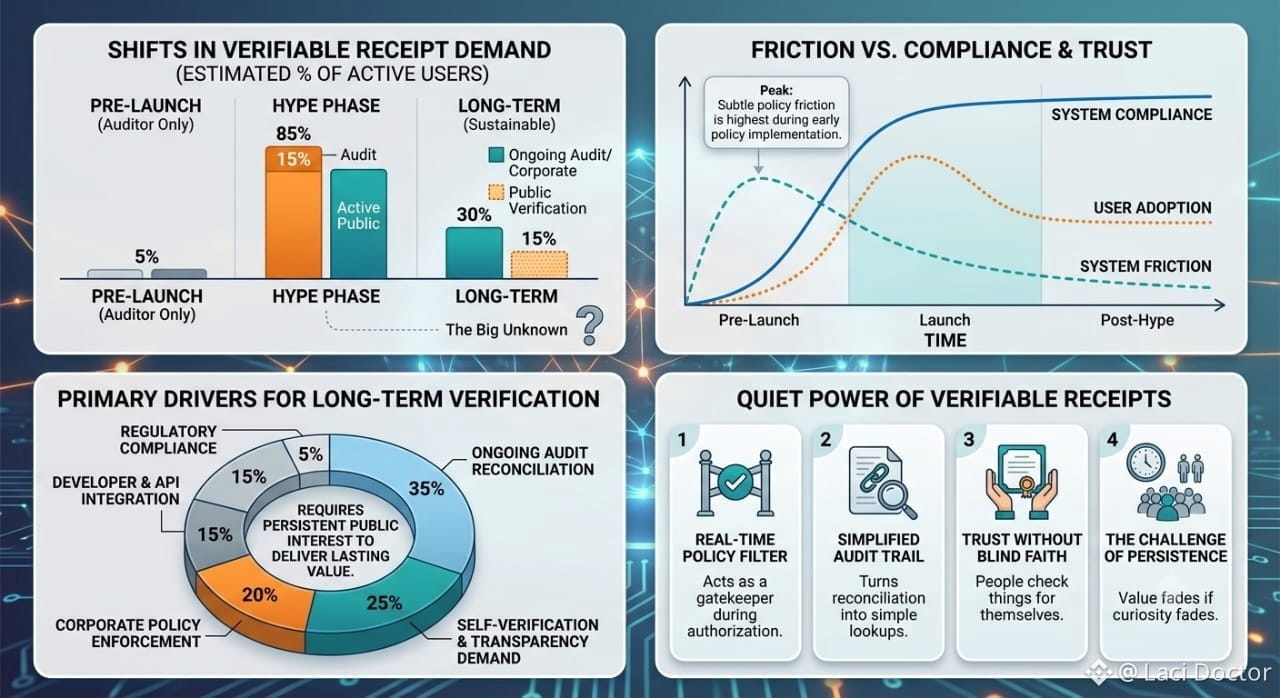
El poder silencioso de los recibos verificables
Antes pensaba que estos recibos eran, sobre todo, para mantener contentos a los auditores: solo otra formalidad de cumplimiento que creaba un buen rastro de papel y nada más. Pero al ver a Newton adjuntar una atestación criptográfica a cada transacción autorizada, cambió mi perspectiva. El recibo no solo es una prueba después de que se asienta el polvo; actúa como un filtro en tiempo real que decide si una transacción siquiera se aprueba. Si no coincide con la política codificada, no se emite ninguna atestación.
Esto crea una especie de fricción sutil que la mayoría de usuarios ocasionales nunca notan, pero que reconfigura fundamentalmente la confianza dentro de todo el flujo. Los auditores ganan la capacidad de convertir conciliaciones complejas en simples consultas, mientras que la gente común puede ir más allá de la fe ciega y comprobar las cosas por sí misma.
Lo que de verdad se destaca no es solo la transparencia por sí misma, sino si alguien continúa verificando cuando se desvanece la curiosidad inicial. Al final, estos recibos solo aportan un valor duradero si las personas siguen apareciendo para examinarlos. La gran incógnita es si la demanda real por esa verificación resistirá el impulso inicial, o si la mayoría de nosotros simplemente confiará en la marca de verificación y dejará de mirar con más atención.
#newton #NewtonProtocol
El poder silencioso de los recibos verificables
Antes pensaba que estos recibos eran, sobre todo, para mantener contentos a los auditores: solo otra formalidad de cumplimiento que creaba un buen rastro de papel y nada más. Pero al ver a Newton adjuntar una atestación criptográfica a cada transacción autorizada, cambió mi perspectiva. El recibo no solo es una prueba después de que se asienta el polvo; actúa como un filtro en tiempo real que decide si una transacción siquiera se aprueba. Si no coincide con la política codificada, no se emite ninguna atestación.
Esto crea una especie de fricción sutil que la mayoría de usuarios ocasionales nunca notan, pero que reconfigura fundamentalmente la confianza dentro de todo el flujo. Los auditores ganan la capacidad de convertir conciliaciones complejas en simples consultas, mientras que la gente común puede ir más allá de la fe ciega y comprobar las cosas por sí misma.
Lo que de verdad se destaca no es solo la transparencia por sí misma, sino si alguien continúa verificando cuando se desvanece la curiosidad inicial. Al final, estos recibos solo aportan un valor duradero si las personas siguen apareciendo para examinarlos. La gran incógnita es si la demanda real por esa verificación resistirá el impulso inicial, o si la mayoría de nosotros simplemente confiará en la marca de verificación y dejará de mirar con más atención.
#newton #NewtonProtocol
9
5
137
La infraestructura al servicio de la innovación algorítmica 🚀
Para cerrar este enfoque sobre la cima del ranking, un gran aplauso para @AnhNhỏEm y @alisaadkahoot , que cierran brillantemente este Top 20 de la campaña #NewtonProtocol . Su presencia muestra la diversidad y la fuerza de una comunidad unida detrás de un objetivo común: promover una Web3 altamente segura. Al explorar los casos de uso del cumplimiento programable para las finanzas y la gestión de datos, recuerdan que @NewtonProtocol aporta bases indispensables. El token $NEWT es el combustible de esta revolución en la que la inteligencia artificial por fin se vuelve totalmente transparente y fiable. ¡Imprescindible seguirlo! 🤖🛡️
#Newt #AI #Web3
La infraestructura al servicio de la innovación algorítmica 🚀
Para cerrar este enfoque sobre la cima del ranking, un gran aplauso para @AnhNhỏEm y @A L I Web3 , que cierran brillantemente este Top 20 de la campaña #NewtonProtocol . Su presencia muestra la diversidad y la fuerza de una comunidad unida detrás de un objetivo común: promover una Web3 altamente segura. Al explorar los casos de uso del cumplimiento programable para las finanzas y la gestión de datos, recuerdan que @NewtonProtocol aporta bases indispensables. El token $NEWT es el combustible de esta revolución en la que la inteligencia artificial por fin se vuelve totalmente transparente y fiable. ¡Imprescindible seguirlo! 🤖🛡️
#Newt #AI #Web3
Para cerrar este enfoque sobre la cima del ranking, un gran aplauso para @AnhNhỏEm y @A L I Web3 , que cierran brillantemente este Top 20 de la campaña #NewtonProtocol . Su presencia muestra la diversidad y la fuerza de una comunidad unida detrás de un objetivo común: promover una Web3 altamente segura. Al explorar los casos de uso del cumplimiento programable para las finanzas y la gestión de datos, recuerdan que @NewtonProtocol aporta bases indispensables. El token $NEWT es el combustible de esta revolución en la que la inteligencia artificial por fin se vuelve totalmente transparente y fiable. ¡Imprescindible seguirlo! 🤖🛡️
#Newt #AI #Web3
1
1
17
Inicia sesión para explorar más contenidos
Únete a usuarios de criptomonedas de todo el mundo en Binance Square
⚡️ Obtén la información más reciente y útil sobre criptomonedas.
💬 Confía en el mayor exchange de criptomonedas del mundo.
👍 Descubre opiniones reales de creadores verificados.
Correo electrónico/número de teléfono
Temas en tendencia
1
#BinancePick
3.1M visualizaciones
152,868 participa(n) en el debate
2
#EarningsSeason
5.3M visualizaciones
26,007 participa(n) en el debate
3
#AnthropicTTMRevenueGrewAbout1200%
29,072 visualizaciones
424 participa(n) en el debate
4
#AnthropicS1ExpectedToday
25,714 visualizaciones
351 participa(n) en el debate
5
#SouthKoreaReportedlyWeighsFourthCryptoTaxDelay
30,183 visualizaciones
473 participa(n) en el debate
6
#FranklinTempletonFilesForTwoDividendToBitcoinETFs
39,779 visualizaciones
544 participa(n) en el debate
7
#StrategyMSTRSurpassesNasdaqInMarketCap
30,172 visualizaciones
387 participa(n) en el debate
8
#CanadaProposesStablecoinRedemptionWithin3BusinessDays
1,320 visualizaciones
36 participa(n) en el debate
9
#ElectrumWalletBugLetRogueServersStealFunds
30,934 visualizaciones
464 participa(n) en el debate
10
#ArgentineCourtDismissesLIBRACaseAgainstMilei
46,326 visualizaciones
582 participa(n) en el debate