

#positionsizing
positionsizing
27,036 vistas
194 están debatiendo
Hot
Lo último

#PositionSizing #GestióndelRiesgo
El precio de entrada es de USD 100 y se supone que la orden de stop se ejecuta a USD 95. Con un riesgo previsto de USD 500, ¿comprarías 5 unidades o 100?
Respuesta: 100 unidades. Se supone que cada unidad genera una pérdida de USD 5, así que 500 / 5 = 100. Con 5 unidades, el riesgo sería de USD 25 bajo el mismo supuesto.
Este es un cálculo de la posición en efectivo antes de los costos. Los multiplicadores de contratos, los gaps y el deslizamiento deben tratarse por separado.
#PositionSizing #GestióndelRiesgo
El precio de entrada es de USD 100 y se supone que la orden de stop se ejecuta a USD 95. Con un riesgo previsto de USD 500, ¿comprarías 5 unidades o 100?
Respuesta: 100 unidades. Se supone que cada unidad genera una pérdida de USD 5, así que 500 / 5 = 100. Con 5 unidades, el riesgo sería de USD 25 bajo el mismo supuesto.
Este es un cálculo de la posición en efectivo antes de los costos. Los multiplicadores de contratos, los gaps y el deslizamiento deben tratarse por separado.
El precio de entrada es de USD 100 y se supone que la orden de stop se ejecuta a USD 95. Con un riesgo previsto de USD 500, ¿comprarías 5 unidades o 100?
Respuesta: 100 unidades. Se supone que cada unidad genera una pérdida de USD 5, así que 500 / 5 = 100. Con 5 unidades, el riesgo sería de USD 25 bajo el mismo supuesto.
Este es un cálculo de la posición en efectivo antes de los costos. Los multiplicadores de contratos, los gaps y el deslizamiento deben tratarse por separado.
59

·
--
La gestión del riesgo no se trata de evitar pérdidas: se trata de sobrevivir a ellas.
La mayoría de los traders revienta no porque haya elegido el activo equivocado, sino porque dimensionó mal. Una asignación del 2% de la cartera a una posición puede caer un 80% y apenas registrarse. Una asignación del 30% a la misma operación puede terminar tu año en una semana.
La matemática que importa:
• El tamaño de la posición controla tu arrepentimiento máximo, no tu stop-loss.
• Un drawdown del 50% requiere una recuperación del 100%. Cada punto porcentual más profundo vuelve la matemática exponencialmente más difícil.
• El dimensionamiento ajustado por volatilidad (dividir por ATR o volatilidad realizada) te reduce automáticamente en condiciones agitadas sin exigir disciplina en el momento.
La mayor ventaja para $BTC y $ETH sus titulares en los últimos cuatro años no fue entrar con el timing perfecto: fue tener suficiente pólvora seca para comprar en las profundidades en lugar de verse obligado a vender. $BNB pasó por retrocesos del 70–80% antes de máximos de varios años. Los supervivientes dimensionaron para el retroceso, no solo para la subida.
La gestión del riesgo es la capitalización que ocurre en segundo plano: te mantiene en el juego el tiempo suficiente para que tu tesis se materialice.
Define tu tolerancia máxima a la caída antes de entrar, no después.
#RiskManagement #CryptoTrading #PositionSizing #Crypto2026
La gestión del riesgo no se trata de evitar pérdidas: se trata de sobrevivir a ellas.
La mayoría de los traders revienta no porque haya elegido el activo equivocado, sino porque dimensionó mal. Una asignación del 2% de la cartera a una posición puede caer un 80% y apenas registrarse. Una asignación del 30% a la misma operación puede terminar tu año en una semana.
La matemática que importa:
• El tamaño de la posición controla tu arrepentimiento máximo, no tu stop-loss.
• Un drawdown del 50% requiere una recuperación del 100%. Cada punto porcentual más profundo vuelve la matemática exponencialmente más difícil.
• El dimensionamiento ajustado por volatilidad (dividir por ATR o volatilidad realizada) te reduce automáticamente en condiciones agitadas sin exigir disciplina en el momento.
La mayor ventaja para $BTC y $ETH sus titulares en los últimos cuatro años no fue entrar con el timing perfecto: fue tener suficiente pólvora seca para comprar en las profundidades en lugar de verse obligado a vender. $BNB pasó por retrocesos del 70–80% antes de máximos de varios años. Los supervivientes dimensionaron para el retroceso, no solo para la subida.
La gestión del riesgo es la capitalización que ocurre en segundo plano: te mantiene en el juego el tiempo suficiente para que tu tesis se materialice.
Define tu tolerancia máxima a la caída antes de entrar, no después.
#RiskManagement #CryptoTrading #PositionSizing #Crypto2026
La mayoría de los traders revienta no porque haya elegido el activo equivocado, sino porque dimensionó mal. Una asignación del 2% de la cartera a una posición puede caer un 80% y apenas registrarse. Una asignación del 30% a la misma operación puede terminar tu año en una semana.
La matemática que importa:
• El tamaño de la posición controla tu arrepentimiento máximo, no tu stop-loss.
• Un drawdown del 50% requiere una recuperación del 100%. Cada punto porcentual más profundo vuelve la matemática exponencialmente más difícil.
• El dimensionamiento ajustado por volatilidad (dividir por ATR o volatilidad realizada) te reduce automáticamente en condiciones agitadas sin exigir disciplina en el momento.
La mayor ventaja para $BTC y $ETH sus titulares en los últimos cuatro años no fue entrar con el timing perfecto: fue tener suficiente pólvora seca para comprar en las profundidades en lugar de verse obligado a vender. $BNB pasó por retrocesos del 70–80% antes de máximos de varios años. Los supervivientes dimensionaron para el retroceso, no solo para la subida.
La gestión del riesgo es la capitalización que ocurre en segundo plano: te mantiene en el juego el tiempo suficiente para que tu tesis se materialice.
Define tu tolerancia máxima a la caída antes de entrar, no después.
#RiskManagement #CryptoTrading #PositionSizing #Crypto2026
61


Muéstrame tu tamaño de posición, y te diré tu tasa de supervivencia. La mayoría de los traders minoristas explotan no porque su sesgo estuviera equivocado, sino porque trataron un libro de órdenes de microcap como si fuera un patio de alta liquidez. Cuando empujas mucho tamaño en libros delgados, no operas el mercado. Te conviertes en el mercado.
La liquidez dicta tu salida. Si tu tamaño de posición representa más del uno por ciento del volumen diario de operaciones, estás atrapado antes incluso de hacer clic en comprar. El slippage se comerá tus beneficios en papel en el camino de salida. Ajusta tu tamaño a la profundidad del libro, no a tu codicia. Mantén tu riesgo de ruina en cero calculando primero la fricción de la salida.
Gestiona tu riesgo, observa los libros de órdenes y protege siempre tu capital. Esto no es asesoramiento financiero, así que asegúrate de hacer tu propia investigación (DYOR) antes de entrar en cualquier estrategia. Deja que $BTC and $ETH se encarguen del tamaño pesado y mantén las jugadas salvajes pequeñas. 📊🛡️🔥 #Write2Earn #CryptoTrading #PositionSizing #RiskManagement
Muéstrame tu tamaño de posición, y te diré tu tasa de supervivencia. La mayoría de los traders minoristas explotan no porque su sesgo estuviera equivocado, sino porque trataron un libro de órdenes de microcap como si fuera un patio de alta liquidez. Cuando empujas mucho tamaño en libros delgados, no operas el mercado. Te conviertes en el mercado.
La liquidez dicta tu salida. Si tu tamaño de posición representa más del uno por ciento del volumen diario de operaciones, estás atrapado antes incluso de hacer clic en comprar. El slippage se comerá tus beneficios en papel en el camino de salida. Ajusta tu tamaño a la profundidad del libro, no a tu codicia. Mantén tu riesgo de ruina en cero calculando primero la fricción de la salida.
Gestiona tu riesgo, observa los libros de órdenes y protege siempre tu capital. Esto no es asesoramiento financiero, así que asegúrate de hacer tu propia investigación (DYOR) antes de entrar en cualquier estrategia. Deja que $BTC and $ETH se encarguen del tamaño pesado y mantén las jugadas salvajes pequeñas. 📊🛡️🔥 #Write2Earn #CryptoTrading #PositionSizing #RiskManagement
La liquidez dicta tu salida. Si tu tamaño de posición representa más del uno por ciento del volumen diario de operaciones, estás atrapado antes incluso de hacer clic en comprar. El slippage se comerá tus beneficios en papel en el camino de salida. Ajusta tu tamaño a la profundidad del libro, no a tu codicia. Mantén tu riesgo de ruina en cero calculando primero la fricción de la salida.
Gestiona tu riesgo, observa los libros de órdenes y protege siempre tu capital. Esto no es asesoramiento financiero, así que asegúrate de hacer tu propia investigación (DYOR) antes de entrar en cualquier estrategia. Deja que $BTC and $ETH se encarguen del tamaño pesado y mantén las jugadas salvajes pequeñas. 📊🛡️🔥 #Write2Earn #CryptoTrading #PositionSizing #RiskManagement
31

·
--
Tu tamaño de posición debe salir de tu stop-loss, no de lo seguro que te sientas. ⚠️
“Estoy muy seguro” no es un modelo de riesgo.
Empieza con un número: ¿cuánto de tu cuenta puedes perder si esta operación falla?
Ejemplo:
Cuenta = $2,000
Riesgo por operación = 1% = $20
Entrada = $100
Stop-loss = $96
Tu riesgo por moneda es de $4.
Tamaño de la posición = $20 ÷ $4 = 5 monedas.
Así que el valor de la posición es de $500.
Ahora compáralo con un stop más ajustado:
Entrada = $100
Stop = $99
Riesgo por moneda = $1
Con el mismo riesgo de $20, permite 20 monedas, o una posición de $2,000.
¿Ves el punto? 🎯
Un stop ajustado no significa automáticamente “más seguro”. Puede permitir una posición mucho más grande. Si el stop está demasiado cerca del movimiento normal del precio, puedes salirte repetidamente.
Regla práctica:
Primero define el nivel de invalidación. Luego calcula el tamaño para que un stop-out cueste solo tu riesgo planificado.
Nunca aumentes el tamaño porque el setup “parezca obvio”. El mercado no le importa tu convicción. 🧠
La confianza elige si tomas un setup válido.
El riesgo decide cuánto puedes permitirte perder.
¿Qué porcentaje arriesgas por operación? 👇
#PositionSizing #RiskManagement #CryptoTrading #TradingEducation
Tu tamaño de posición debe salir de tu stop-loss, no de lo seguro que te sientas. ⚠️
“Estoy muy seguro” no es un modelo de riesgo.
Empieza con un número: ¿cuánto de tu cuenta puedes perder si esta operación falla?
Ejemplo:
Cuenta = $2,000
Riesgo por operación = 1% = $20
Entrada = $100
Stop-loss = $96
Tu riesgo por moneda es de $4.
Tamaño de la posición = $20 ÷ $4 = 5 monedas.
Así que el valor de la posición es de $500.
Ahora compáralo con un stop más ajustado:
Entrada = $100
Stop = $99
Riesgo por moneda = $1
Con el mismo riesgo de $20, permite 20 monedas, o una posición de $2,000.
¿Ves el punto? 🎯
Un stop ajustado no significa automáticamente “más seguro”. Puede permitir una posición mucho más grande. Si el stop está demasiado cerca del movimiento normal del precio, puedes salirte repetidamente.
Regla práctica:
Primero define el nivel de invalidación. Luego calcula el tamaño para que un stop-out cueste solo tu riesgo planificado.
Nunca aumentes el tamaño porque el setup “parezca obvio”. El mercado no le importa tu convicción. 🧠
La confianza elige si tomas un setup válido.
El riesgo decide cuánto puedes permitirte perder.
¿Qué porcentaje arriesgas por operación? 👇
#PositionSizing #RiskManagement #CryptoTrading #TradingEducation
“Estoy muy seguro” no es un modelo de riesgo.
Empieza con un número: ¿cuánto de tu cuenta puedes perder si esta operación falla?
Ejemplo:
Cuenta = $2,000
Riesgo por operación = 1% = $20
Entrada = $100
Stop-loss = $96
Tu riesgo por moneda es de $4.
Tamaño de la posición = $20 ÷ $4 = 5 monedas.
Así que el valor de la posición es de $500.
Ahora compáralo con un stop más ajustado:
Entrada = $100
Stop = $99
Riesgo por moneda = $1
Con el mismo riesgo de $20, permite 20 monedas, o una posición de $2,000.
¿Ves el punto? 🎯
Un stop ajustado no significa automáticamente “más seguro”. Puede permitir una posición mucho más grande. Si el stop está demasiado cerca del movimiento normal del precio, puedes salirte repetidamente.
Regla práctica:
Primero define el nivel de invalidación. Luego calcula el tamaño para que un stop-out cueste solo tu riesgo planificado.
Nunca aumentes el tamaño porque el setup “parezca obvio”. El mercado no le importa tu convicción. 🧠
La confianza elige si tomas un setup válido.
El riesgo decide cuánto puedes permitirte perder.
¿Qué porcentaje arriesgas por operación? 👇
#PositionSizing #RiskManagement #CryptoTrading #TradingEducation
227

·
--
Posicionamiento 101: La regla del 1-2% que protege tu capital
Riesga un pequeño porcentaje fijo por operación para que una racha de pérdidas no pueda acabarte; muestra los cálculos
#RiskManagement #PositionSizing
$SOL $ZEC $BNB
{future}(BNBUSDT)
{spot}(ZECUSDT)
{future}(SOLUSDT)
Posicionamiento 101: La regla del 1-2% que protege tu capital
Riesga un pequeño porcentaje fijo por operación para que una racha de pérdidas no pueda acabarte; muestra los cálculos
#RiskManagement #PositionSizing
$SOL $ZEC $BNB
Riesga un pequeño porcentaje fijo por operación para que una racha de pérdidas no pueda acabarte; muestra los cálculos
#RiskManagement #PositionSizing
$SOL $ZEC $BNB
157

·
--
Ver $BTC flotando alrededor de 63,600 y $ETH cerca de 1,858 me recuerda lo fácil que es dejar que una sola operación dicte el día. La primera línea de defensa es una regla de stop‑loss clara que se ajuste a tu tolerancia al riesgo, no al estado de ánimo del mercado.
Normalmente pongo el stop unos puntos porcentuales por debajo de la entrada, pero también observo los últimos mínimos de oscilación. Por ejemplo, si compré $BTC a 63,500, el mínimo de 24 horas de 62,445 da un suelo natural. Colocar un stop en 62,250 (aprox. un 2 % por debajo de la entrada) limita la pérdida mientras deja margen para la volatilidad normal.
Luego viene el dimensionamiento de la posición. Si mi presupuesto de riesgo diario es el 1 % del capital total, una pérdida de 2,000 en una cuenta de 200,000 es el máximo que aceptaría. Con una distancia de stop de 2,250, eso se traduce en unas 0.89 BTC (≈ $2,000) – suficiente para seguir en la operación sin arruinar la cuenta.
Por último, la disciplina importa más que cualquier indicador. Cuando el precio se acerca mucho al stop, resiste la tentación de “mover los postes”. Acepta la pérdida, revisa la operación y reinicia para el siguiente escenario.
¿Cómo equilibras la estrechez del stop‑loss con el riesgo de que te saquen por oscilaciones normales?
#CryptoRisk #TradingDiscipline #PositionSizing #GAMERXERO
Ver $BTC flotando alrededor de 63,600 y $ETH cerca de 1,858 me recuerda lo fácil que es dejar que una sola operación dicte el día. La primera línea de defensa es una regla de stop‑loss clara que se ajuste a tu tolerancia al riesgo, no al estado de ánimo del mercado.
Normalmente pongo el stop unos puntos porcentuales por debajo de la entrada, pero también observo los últimos mínimos de oscilación. Por ejemplo, si compré $BTC a 63,500, el mínimo de 24 horas de 62,445 da un suelo natural. Colocar un stop en 62,250 (aprox. un 2 % por debajo de la entrada) limita la pérdida mientras deja margen para la volatilidad normal.
Luego viene el dimensionamiento de la posición. Si mi presupuesto de riesgo diario es el 1 % del capital total, una pérdida de 2,000 en una cuenta de 200,000 es el máximo que aceptaría. Con una distancia de stop de 2,250, eso se traduce en unas 0.89 BTC (≈ $2,000) – suficiente para seguir en la operación sin arruinar la cuenta.
Por último, la disciplina importa más que cualquier indicador. Cuando el precio se acerca mucho al stop, resiste la tentación de “mover los postes”. Acepta la pérdida, revisa la operación y reinicia para el siguiente escenario.
¿Cómo equilibras la estrechez del stop‑loss con el riesgo de que te saquen por oscilaciones normales?
#CryptoRisk #TradingDiscipline #PositionSizing #GAMERXERO
Normalmente pongo el stop unos puntos porcentuales por debajo de la entrada, pero también observo los últimos mínimos de oscilación. Por ejemplo, si compré $BTC a 63,500, el mínimo de 24 horas de 62,445 da un suelo natural. Colocar un stop en 62,250 (aprox. un 2 % por debajo de la entrada) limita la pérdida mientras deja margen para la volatilidad normal.
Luego viene el dimensionamiento de la posición. Si mi presupuesto de riesgo diario es el 1 % del capital total, una pérdida de 2,000 en una cuenta de 200,000 es el máximo que aceptaría. Con una distancia de stop de 2,250, eso se traduce en unas 0.89 BTC (≈ $2,000) – suficiente para seguir en la operación sin arruinar la cuenta.
Por último, la disciplina importa más que cualquier indicador. Cuando el precio se acerca mucho al stop, resiste la tentación de “mover los postes”. Acepta la pérdida, revisa la operación y reinicia para el siguiente escenario.
¿Cómo equilibras la estrechez del stop‑loss con el riesgo de que te saquen por oscilaciones normales?
#CryptoRisk #TradingDiscipline #PositionSizing #GAMERXERO
58
·
--
$BTC is cotizando alrededor de $63,627 en Binance, un rango estrecho de 24 h que se siente cómodo pero puede volverse volátil en minutos. Ese es el escenario perfecto para poner a prueba un plan de stop‑loss disciplinado en lugar de esperar que el precio siga subiendo poco a poco.
Empiezo definiendo mi riesgo por operación: 1 % de mi capital total. Si mi cuenta es de $10 k, eso significa una pérdida máxima de $100. Luego calculo la distancia desde la entrada hasta un stop lógico. En este caso, pondría el stop a unos cientos de dólares por debajo del nivel actual, digamos alrededor de $63,200, donde se sitúa el mínimo reciente. La brecha de $427 se traduce en una pérdida de $100 si dimensiono la posición con aproximadamente 0.004 BTC (≈$254). Ese fragmento tan pequeño mantiene la cuenta segura mientras aún le da espacio a la operación.
Mantenerse en un nivel de riesgo preestablecido y ajustar los stops solo después de que el precio confirme un movimiento elimina la emoción de la ecuación. ¿Cómo dimensionas tus posiciones cuando el mercado se mantiene en un rango tan estrecho?
#CryptoRisk #PositionSizing #TradingDiscipline #GAMERXERO
$BTC is cotizando alrededor de $63,627 en Binance, un rango estrecho de 24 h que se siente cómodo pero puede volverse volátil en minutos. Ese es el escenario perfecto para poner a prueba un plan de stop‑loss disciplinado en lugar de esperar que el precio siga subiendo poco a poco.
Empiezo definiendo mi riesgo por operación: 1 % de mi capital total. Si mi cuenta es de $10 k, eso significa una pérdida máxima de $100. Luego calculo la distancia desde la entrada hasta un stop lógico. En este caso, pondría el stop a unos cientos de dólares por debajo del nivel actual, digamos alrededor de $63,200, donde se sitúa el mínimo reciente. La brecha de $427 se traduce en una pérdida de $100 si dimensiono la posición con aproximadamente 0.004 BTC (≈$254). Ese fragmento tan pequeño mantiene la cuenta segura mientras aún le da espacio a la operación.
Mantenerse en un nivel de riesgo preestablecido y ajustar los stops solo después de que el precio confirme un movimiento elimina la emoción de la ecuación. ¿Cómo dimensionas tus posiciones cuando el mercado se mantiene en un rango tan estrecho?
#CryptoRisk #PositionSizing #TradingDiscipline #GAMERXERO
Empiezo definiendo mi riesgo por operación: 1 % de mi capital total. Si mi cuenta es de $10 k, eso significa una pérdida máxima de $100. Luego calculo la distancia desde la entrada hasta un stop lógico. En este caso, pondría el stop a unos cientos de dólares por debajo del nivel actual, digamos alrededor de $63,200, donde se sitúa el mínimo reciente. La brecha de $427 se traduce en una pérdida de $100 si dimensiono la posición con aproximadamente 0.004 BTC (≈$254). Ese fragmento tan pequeño mantiene la cuenta segura mientras aún le da espacio a la operación.
Mantenerse en un nivel de riesgo preestablecido y ajustar los stops solo después de que el precio confirme un movimiento elimina la emoción de la ecuación. ¿Cómo dimensionas tus posiciones cuando el mercado se mantiene en un rango tan estrecho?
#CryptoRisk #PositionSizing #TradingDiscipline #GAMERXERO
30
·
--
$BTC está sentado en $77,843 y ha estado por encima de su mínimo de 24 horas de $76,264 durante la mayor parte de la sesión. En un rango como este, lo primero que reviso es cuánto estoy dispuesto a perder si el mercado rebota de vuelta hacia ese mínimo.
Una regla simple que me funciona es “arriesgar 1 % del capital total por operación”. Si tu cuenta es de $10,000, eso significa un riesgo de $100. Con $BTC a $77,843, un stop‑loss del 1 % estaría alrededor de $77,065: solo unos cientos de dólares por debajo del precio actual y cómodamente por encima del mínimo de las últimas 24 horas. La distancia desde la entrada hasta el stop es de aproximadamente $778, así que un riesgo de $100 se traduce en un tamaño de posición de alrededor de $12,700 (≈0.16 BTC). Si se alcanza el stop, pierdes el $100 predefinido; si el precio se mantiene dentro del rango, conservas el capital listo para el siguiente setup.
La clave es respetar el stop. La presión emocional de alejarlo solo infla el riesgo y debilita la red de seguridad que construiste. ¿Cuál es tu método preferido para calcular el tamaño de una operación cuando el mercado está atrapado en una banda estrecha?
#CryptoRisk #PositionSizing #TradingDiscipline #GAMERXERO
$BTC está sentado en $77,843 y ha estado por encima de su mínimo de 24 horas de $76,264 durante la mayor parte de la sesión. En un rango como este, lo primero que reviso es cuánto estoy dispuesto a perder si el mercado rebota de vuelta hacia ese mínimo.
Una regla simple que me funciona es “arriesgar 1 % del capital total por operación”. Si tu cuenta es de $10,000, eso significa un riesgo de $100. Con $BTC a $77,843, un stop‑loss del 1 % estaría alrededor de $77,065: solo unos cientos de dólares por debajo del precio actual y cómodamente por encima del mínimo de las últimas 24 horas. La distancia desde la entrada hasta el stop es de aproximadamente $778, así que un riesgo de $100 se traduce en un tamaño de posición de alrededor de $12,700 (≈0.16 BTC). Si se alcanza el stop, pierdes el $100 predefinido; si el precio se mantiene dentro del rango, conservas el capital listo para el siguiente setup.
La clave es respetar el stop. La presión emocional de alejarlo solo infla el riesgo y debilita la red de seguridad que construiste. ¿Cuál es tu método preferido para calcular el tamaño de una operación cuando el mercado está atrapado en una banda estrecha?
#CryptoRisk #PositionSizing #TradingDiscipline #GAMERXERO
Una regla simple que me funciona es “arriesgar 1 % del capital total por operación”. Si tu cuenta es de $10,000, eso significa un riesgo de $100. Con $BTC a $77,843, un stop‑loss del 1 % estaría alrededor de $77,065: solo unos cientos de dólares por debajo del precio actual y cómodamente por encima del mínimo de las últimas 24 horas. La distancia desde la entrada hasta el stop es de aproximadamente $778, así que un riesgo de $100 se traduce en un tamaño de posición de alrededor de $12,700 (≈0.16 BTC). Si se alcanza el stop, pierdes el $100 predefinido; si el precio se mantiene dentro del rango, conservas el capital listo para el siguiente setup.
La clave es respetar el stop. La presión emocional de alejarlo solo infla el riesgo y debilita la red de seguridad que construiste. ¿Cuál es tu método preferido para calcular el tamaño de una operación cuando el mercado está atrapado en una banda estrecha?
#CryptoRisk #PositionSizing #TradingDiscipline #GAMERXERO
23
SOBREVIVE CON 1000U - NO TE CONVIERTAS EN CARNE DE LIQUIDACIÓN $BTC 🔥
Manteniendo $BTC con 1000U y persiguiendo 100x lleva a una liquidación rápida. Los traders inteligentes usan 8 tramos de 125U cada uno, con un stop estricto al 10% de pérdida por operación. Eso es un riesgo de 12.5U por configuración.
Apalancamiento máximo de 15x, no más. Cuando llegues a una ganancia del 200%, retira el capital inicial. Operar con dinero de la “casa” cambia el enfoque mental.
Los datos muestran que la mayoría de las cuentas minoristas fallan en una semana debido a controles de riesgo deficientes. ¿Tus stops están lo bastante ajustados?
No es asesoramiento financiero. Siempre gestiona tu riesgo.
#BTC #RiskManagement #PositionSizing #TradingDiscipline
🔥
SOBREVIVE CON 1000U - NO TE CONVIERTAS EN CARNE DE LIQUIDACIÓN $BTC 🔥
Manteniendo $BTC con 1000U y persiguiendo 100x lleva a una liquidación rápida. Los traders inteligentes usan 8 tramos de 125U cada uno, con un stop estricto al 10% de pérdida por operación. Eso es un riesgo de 12.5U por configuración.
Apalancamiento máximo de 15x, no más. Cuando llegues a una ganancia del 200%, retira el capital inicial. Operar con dinero de la “casa” cambia el enfoque mental.
Los datos muestran que la mayoría de las cuentas minoristas fallan en una semana debido a controles de riesgo deficientes. ¿Tus stops están lo bastante ajustados?
No es asesoramiento financiero. Siempre gestiona tu riesgo.
#BTC #RiskManagement #PositionSizing #TradingDiscipline
🔥
Manteniendo $BTC con 1000U y persiguiendo 100x lleva a una liquidación rápida. Los traders inteligentes usan 8 tramos de 125U cada uno, con un stop estricto al 10% de pérdida por operación. Eso es un riesgo de 12.5U por configuración.
Apalancamiento máximo de 15x, no más. Cuando llegues a una ganancia del 200%, retira el capital inicial. Operar con dinero de la “casa” cambia el enfoque mental.
Los datos muestran que la mayoría de las cuentas minoristas fallan en una semana debido a controles de riesgo deficientes. ¿Tus stops están lo bastante ajustados?
No es asesoramiento financiero. Siempre gestiona tu riesgo.
#BTC #RiskManagement #PositionSizing #TradingDiscipline
🔥
63
·
--
Estaba mirando $BTC linger alrededor de $64,650 durante las últimas sesiones y me di cuenta de que mi stop‑loss todavía era una línea vaga de “solo por debajo del mínimo reciente”. Esa línea vaga se volvió un hábito de ir moviendo el stop después de un pequeño rebote, lo que erosiona la confianza y puede fijar pérdidas.
Una forma más limpia es anclar el stop a una medida fija de volatilidad. Toma el ATR de 14 días para $BTC (aprox. $1,200) y coloca el stop a 1.5 × ATR por debajo de la entrada. Si compras en $64,600, el stop cae cerca de $62,800. Esa distancia equivale a cerca de 2.8 % de la posición, un nivel que la mayoría de los traders puede tolerar sin destrozar la cuenta.
Luego, ajusta el tamaño de la posición para que un solo impacto del stop‑loss nunca supere el 1 % de tu capital total. Con una cuenta de $10,000, un movimiento del 2.8 % equivale a $280, así que tomarías aproximadamente $3,500 en $BTC (≈0.054 BTC). Esto mantiene el riesgo constante incluso si operas $ETH, donde la misma regla del 1 % te daría una cantidad menor de moneda porque el precio es más bajo.
¿Cómo configuras actualmente tus niveles de stop‑loss: porcentajes fijos, ATR u otra cosa?
#CryptoRisk #TradingDiscipline #PositionSizing #GAMERXERO
Estaba mirando $BTC linger alrededor de $64,650 durante las últimas sesiones y me di cuenta de que mi stop‑loss todavía era una línea vaga de “solo por debajo del mínimo reciente”. Esa línea vaga se volvió un hábito de ir moviendo el stop después de un pequeño rebote, lo que erosiona la confianza y puede fijar pérdidas.
Una forma más limpia es anclar el stop a una medida fija de volatilidad. Toma el ATR de 14 días para $BTC (aprox. $1,200) y coloca el stop a 1.5 × ATR por debajo de la entrada. Si compras en $64,600, el stop cae cerca de $62,800. Esa distancia equivale a cerca de 2.8 % de la posición, un nivel que la mayoría de los traders puede tolerar sin destrozar la cuenta.
Luego, ajusta el tamaño de la posición para que un solo impacto del stop‑loss nunca supere el 1 % de tu capital total. Con una cuenta de $10,000, un movimiento del 2.8 % equivale a $280, así que tomarías aproximadamente $3,500 en $BTC (≈0.054 BTC). Esto mantiene el riesgo constante incluso si operas $ETH , donde la misma regla del 1 % te daría una cantidad menor de moneda porque el precio es más bajo.
¿Cómo configuras actualmente tus niveles de stop‑loss: porcentajes fijos, ATR u otra cosa?
#CryptoRisk #TradingDiscipline #PositionSizing #GAMERXERO
Una forma más limpia es anclar el stop a una medida fija de volatilidad. Toma el ATR de 14 días para $BTC (aprox. $1,200) y coloca el stop a 1.5 × ATR por debajo de la entrada. Si compras en $64,600, el stop cae cerca de $62,800. Esa distancia equivale a cerca de 2.8 % de la posición, un nivel que la mayoría de los traders puede tolerar sin destrozar la cuenta.
Luego, ajusta el tamaño de la posición para que un solo impacto del stop‑loss nunca supere el 1 % de tu capital total. Con una cuenta de $10,000, un movimiento del 2.8 % equivale a $280, así que tomarías aproximadamente $3,500 en $BTC (≈0.054 BTC). Esto mantiene el riesgo constante incluso si operas $ETH , donde la misma regla del 1 % te daría una cantidad menor de moneda porque el precio es más bajo.
¿Cómo configuras actualmente tus niveles de stop‑loss: porcentajes fijos, ATR u otra cosa?
#CryptoRisk #TradingDiscipline #PositionSizing #GAMERXERO
1
25

·
--
$ATH$GRASS$TRX ¿Es el tamaño de tu posición en $TRX apropiado para la volatilidad actual? La gestión de riesgos comienza con el tamaño de la posición. Si el mercado está movido, reduce tu tamaño. Si está en una tendencia fuerte, podrías entrar con cuidado. Nunca apuestes más de lo que puedes permitirte perder en una sola operación. No es consejo financiero. DYOR.
#PositionSizing #RiskControl #TradingDiscipline #PreservaciónDeCapital
¿Cómo ajustas el tamaño de la posición para monedas de alta volatilidad?
$ATH $GRASS $TRX ¿Es el tamaño de tu posición en $TRX apropiado para la volatilidad actual? La gestión de riesgos comienza con el tamaño de la posición. Si el mercado está movido, reduce tu tamaño. Si está en una tendencia fuerte, podrías entrar con cuidado. Nunca apuestes más de lo que puedes permitirte perder en una sola operación. No es consejo financiero. DYOR.
#PositionSizing #RiskControl #TradingDiscipline #PreservaciónDeCapital
¿Cómo ajustas el tamaño de la posición para monedas de alta volatilidad?
#PositionSizing #RiskControl #TradingDiscipline #PreservaciónDeCapital
¿Cómo ajustas el tamaño de la posición para monedas de alta volatilidad?
1
41

📚 Cómo calcular el tamaño de la posición: la habilidad de gestión de riesgos más importante
El 2 de julio de 2026, con Bitcoin $BTC en 60,728 dólares y con la volatilidad de las criptomonedas elevada, el dimensionamiento de posiciones es la habilidad más importante que un trader puede desarrollar.
Nunca arriesgues más del 1-2% de tu cartera total en una sola operación. Calcula tu tamaño de posición según el nivel al que se colocará tu stop-loss, no en función de cuánto beneficio esperas obtener.
Los traders profesionales se enfocan primero en la gestión del riesgo y después en las ganancias. Protege tu capital y siempre tendrás la oportunidad de operar otro día.
📌 Idea clave:
El dimensionamiento de posiciones es la habilidad más infravalorada en cripto: arriesga 1-2% por operación, supera los inevitables retrocesos y vive para operar otro día.
#RiskManagement #PositionSizing
#BinanceAlphaAlert
📚 Cómo calcular el tamaño de la posición: la habilidad de gestión de riesgos más importante
El 2 de julio de 2026, con Bitcoin $BTC en 60,728 dólares y con la volatilidad de las criptomonedas elevada, el dimensionamiento de posiciones es la habilidad más importante que un trader puede desarrollar.
Nunca arriesgues más del 1-2% de tu cartera total en una sola operación. Calcula tu tamaño de posición según el nivel al que se colocará tu stop-loss, no en función de cuánto beneficio esperas obtener.
Los traders profesionales se enfocan primero en la gestión del riesgo y después en las ganancias. Protege tu capital y siempre tendrás la oportunidad de operar otro día.
📌 Idea clave:
El dimensionamiento de posiciones es la habilidad más infravalorada en cripto: arriesga 1-2% por operación, supera los inevitables retrocesos y vive para operar otro día.
#RiskManagement #PositionSizing
#BinanceAlphaAlert
El 2 de julio de 2026, con Bitcoin $BTC en 60,728 dólares y con la volatilidad de las criptomonedas elevada, el dimensionamiento de posiciones es la habilidad más importante que un trader puede desarrollar.
Nunca arriesgues más del 1-2% de tu cartera total en una sola operación. Calcula tu tamaño de posición según el nivel al que se colocará tu stop-loss, no en función de cuánto beneficio esperas obtener.
Los traders profesionales se enfocan primero en la gestión del riesgo y después en las ganancias. Protege tu capital y siempre tendrás la oportunidad de operar otro día.
📌 Idea clave:
El dimensionamiento de posiciones es la habilidad más infravalorada en cripto: arriesga 1-2% por operación, supera los inevitables retrocesos y vive para operar otro día.
#RiskManagement #PositionSizing
#BinanceAlphaAlert
35
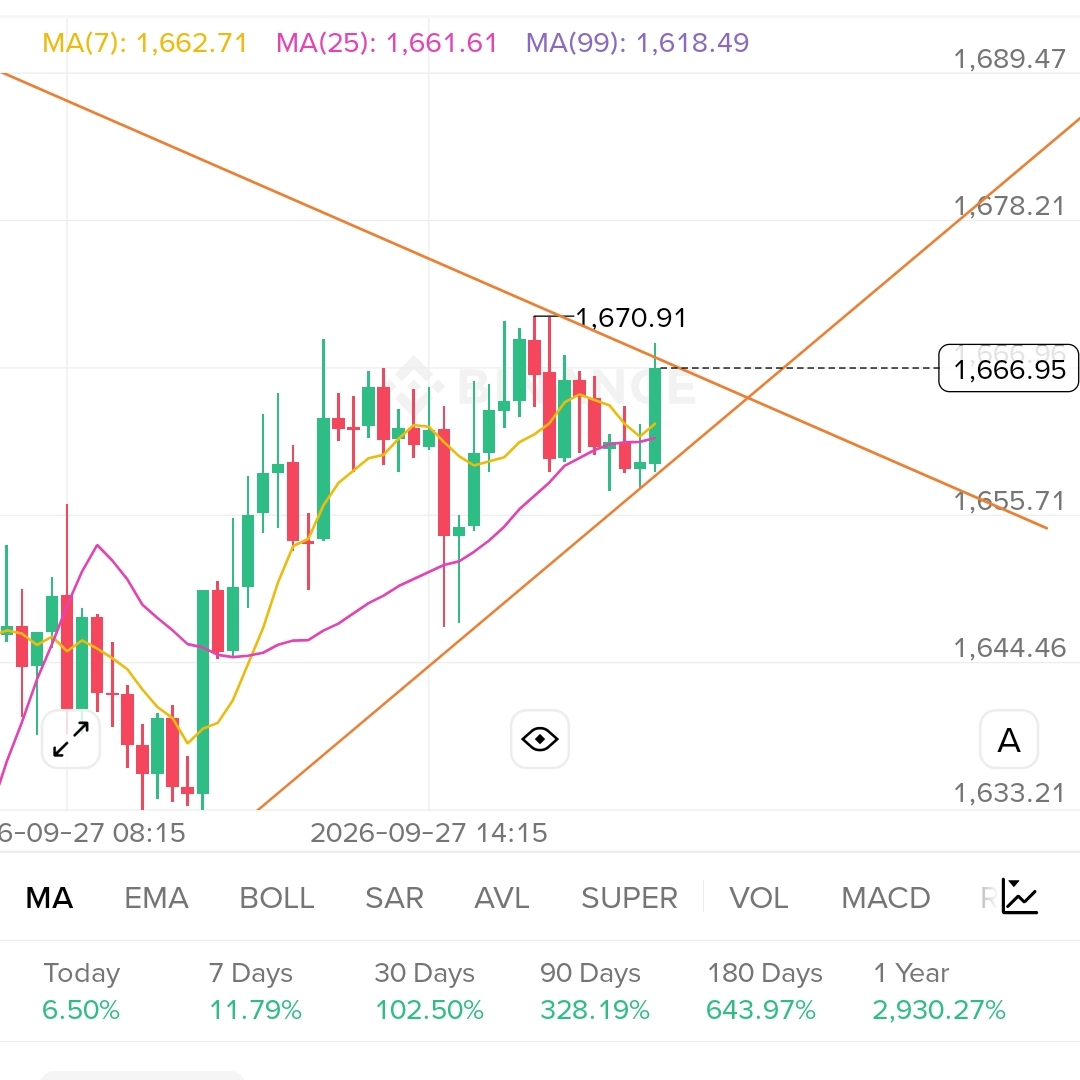
🛡️💰 Exploté $600 ignorando el tamaño de la posición. Es la única habilidad que separa a los traders que sobreviven de las cuentas que explotan. Nunca arriesgues más del 1-2% de tu capital por operación.
Números reales: Tienes una cuenta de $1000. Tu riesgo máximo por operación: $1000 * 0.02 = $20. Ahora, digamos que tu stop-loss en futuros de BTC está a $100 de tu entrada. El tamaño de tu posición es riesgo máximo / stop-loss: $20 / $100 = 0.2 BTC. Solo abres una posición de 0.2 BTC, independientemente de las opciones de apalancamiento de tu plataforma.
Esto previene las explosiones. Si alcanzas tu stop-loss, pierdes solo $20. Puedes perder 10 operaciones seguidas y aun así tener $800 (80% del capital) restante. Compáralo con arriesgar $100 por operación y quedar eliminado en 2-3 pérdidas. Esto te mantiene en el juego. Calcula esto antes de *cada* operación.
#PositionSizing #RiskManagement #FuturesTrading #TradeSmart #BinanceSquare
🛡️💰 Exploté $600 ignorando el tamaño de la posición. Es la única habilidad que separa a los traders que sobreviven de las cuentas que explotan. Nunca arriesgues más del 1-2% de tu capital por operación.
Números reales: Tienes una cuenta de $1000. Tu riesgo máximo por operación: $1000 * 0.02 = $20. Ahora, digamos que tu stop-loss en futuros de BTC está a $100 de tu entrada. El tamaño de tu posición es riesgo máximo / stop-loss: $20 / $100 = 0.2 BTC. Solo abres una posición de 0.2 BTC, independientemente de las opciones de apalancamiento de tu plataforma.
Esto previene las explosiones. Si alcanzas tu stop-loss, pierdes solo $20. Puedes perder 10 operaciones seguidas y aun así tener $800 (80% del capital) restante. Compáralo con arriesgar $100 por operación y quedar eliminado en 2-3 pérdidas. Esto te mantiene en el juego. Calcula esto antes de *cada* operación.
#PositionSizing #RiskManagement #FuturesTrading #TradeSmart #BinanceSquare
Números reales: Tienes una cuenta de $1000. Tu riesgo máximo por operación: $1000 * 0.02 = $20. Ahora, digamos que tu stop-loss en futuros de BTC está a $100 de tu entrada. El tamaño de tu posición es riesgo máximo / stop-loss: $20 / $100 = 0.2 BTC. Solo abres una posición de 0.2 BTC, independientemente de las opciones de apalancamiento de tu plataforma.
Esto previene las explosiones. Si alcanzas tu stop-loss, pierdes solo $20. Puedes perder 10 operaciones seguidas y aun así tener $800 (80% del capital) restante. Compáralo con arriesgar $100 por operación y quedar eliminado en 2-3 pérdidas. Esto te mantiene en el juego. Calcula esto antes de *cada* operación.
#PositionSizing #RiskManagement #FuturesTrading #TradeSmart #BinanceSquare
29

📐 Los porcentajes de beneficio pueden engañarte. Mide cada operación en “R” en su lugar.
R es la cantidad que aceptas arriesgar antes de la entrada.
Ejemplo:
• Entrada: 100
• Stop: 98
• Riesgo por unidad: 2 = 1R
• Objetivo: 104 = potencial +2R
Por qué esto importa:
1️⃣ Las operaciones diferentes se vuelven fáciles de comparar.
2️⃣ El tamaño de la posición puede cambiar mientras el riesgo para la cuenta se mantiene controlado.
3️⃣ Puedes evaluar si la recompensa esperada justifica el riesgo.
4️⃣ Tu diario muestra la calidad del proceso, no solo el beneficio en dólares.
Una tasa de acierto del 70% no significa que sea automáticamente rentable si las pérdidas son mucho mayores que las ganancias. Revisa siempre la tasa de acierto junto con la R media ganada y perdida.
وحدة R تعني مقدار المخاطرة المحدد قبل الدخول، وتساعدك على مقارنة الصفقات وإدارة رأس المال بوضوح.
¿Registras tus resultados en dinero, porcentajes o múltiplos de R?
Solo contenido educativo, no asesoramiento financiero.
#RiskManagement #TradingEducation #PositionSizing #CryptoTrading
📐 Los porcentajes de beneficio pueden engañarte. Mide cada operación en “R” en su lugar.
R es la cantidad que aceptas arriesgar antes de la entrada.
Ejemplo:
• Entrada: 100
• Stop: 98
• Riesgo por unidad: 2 = 1R
• Objetivo: 104 = potencial +2R
Por qué esto importa:
1️⃣ Las operaciones diferentes se vuelven fáciles de comparar.
2️⃣ El tamaño de la posición puede cambiar mientras el riesgo para la cuenta se mantiene controlado.
3️⃣ Puedes evaluar si la recompensa esperada justifica el riesgo.
4️⃣ Tu diario muestra la calidad del proceso, no solo el beneficio en dólares.
Una tasa de acierto del 70% no significa que sea automáticamente rentable si las pérdidas son mucho mayores que las ganancias. Revisa siempre la tasa de acierto junto con la R media ganada y perdida.
وحدة R تعني مقدار المخاطرة المحدد قبل الدخول، وتساعدك على مقارنة الصفقات وإدارة رأس المال بوضوح.
¿Registras tus resultados en dinero, porcentajes o múltiplos de R?
Solo contenido educativo, no asesoramiento financiero.
#RiskManagement #TradingEducation #PositionSizing #CryptoTrading
R es la cantidad que aceptas arriesgar antes de la entrada.
Ejemplo:
• Entrada: 100
• Stop: 98
• Riesgo por unidad: 2 = 1R
• Objetivo: 104 = potencial +2R
Por qué esto importa:
1️⃣ Las operaciones diferentes se vuelven fáciles de comparar.
2️⃣ El tamaño de la posición puede cambiar mientras el riesgo para la cuenta se mantiene controlado.
3️⃣ Puedes evaluar si la recompensa esperada justifica el riesgo.
4️⃣ Tu diario muestra la calidad del proceso, no solo el beneficio en dólares.
Una tasa de acierto del 70% no significa que sea automáticamente rentable si las pérdidas son mucho mayores que las ganancias. Revisa siempre la tasa de acierto junto con la R media ganada y perdida.
وحدة R تعني مقدار المخاطرة المحدد قبل الدخول، وتساعدك على مقارنة الصفقات وإدارة رأس المال بوضوح.
¿Registras tus resultados en dinero, porcentajes o múltiplos de R?
Solo contenido educativo, no asesoramiento financiero.
#RiskManagement #TradingEducation #PositionSizing #CryptoTrading
88
·
--
Apuestas asimétricas y el arte de dimensionar posiciones de cripto
La mayoría de los traders pierden dinero no porque elijan los activos equivocados, sino porque dimensionan mal sus posiciones. La asimetría de las criptomonedas significa que tus ganadores tienen que pagar por varios perdedores. Si no puedes estructurar tu cartera de esa manera, las matemáticas están trabajando contra ti.
Aquí tienes un marco que vale la pena interiorizar:
Separación entre lo central y lo táctico. Reserva el 60–70% de tu portafolio para mantener durante mucho tiempo lo que tienes más convicción. $BTC and $ETH belong aquí. Estas posiciones deben dimensionarse de modo que puedas resistir un retroceso del 50–60% sin verte obligado a vender. El otro 30–40% es tu “manga” táctica, donde expresas ideas de mayor riesgo y mayor potencial.
El enfoque de Kelly importa. Las apuestas con Kelly completo te arruinan en un entorno de “fat tail” como el de las criptomonedas. Usar media Kelly o Kelly fraccionado te obliga a tener una ventaja real antes de aumentar el tamaño. Si no puedes explicar por qué una operación tiene valor esperado positivo —no solo una sensación direccional— tu posición es demasiado grande.
La volatilidad normaliza el dimensionamiento. Una posición $BTC y una posición $SOL con el mismo valor nocional en USD no conllevan el mismo riesgo. Normaliza con la volatilidad realizada. Una moneda con 3x $BTC volatilidad debería equivaler aproximadamente a 1/3 del tamaño en USD si buscas un riesgo equivalente por posición.
La paciencia y el efectivo también son posiciones. Mantener pólvora seca cuando el conjunto de oportunidades es escaso no es debilidad: es cómo sigues vivo cuando aparece el setup real.
Dimensiona para sobrevivir. Los traders que todavía están aquí después de varios ciclos entendieron esto. Los que ya no están, no lo hicieron.
#RiskManagement #CryptoTrading #PositionSizing #PortfolioStrategy
Apuestas asimétricas y el arte de dimensionar posiciones de cripto
La mayoría de los traders pierden dinero no porque elijan los activos equivocados, sino porque dimensionan mal sus posiciones. La asimetría de las criptomonedas significa que tus ganadores tienen que pagar por varios perdedores. Si no puedes estructurar tu cartera de esa manera, las matemáticas están trabajando contra ti.
Aquí tienes un marco que vale la pena interiorizar:
Separación entre lo central y lo táctico. Reserva el 60–70% de tu portafolio para mantener durante mucho tiempo lo que tienes más convicción. $BTC and $ETH belong aquí. Estas posiciones deben dimensionarse de modo que puedas resistir un retroceso del 50–60% sin verte obligado a vender. El otro 30–40% es tu “manga” táctica, donde expresas ideas de mayor riesgo y mayor potencial.
El enfoque de Kelly importa. Las apuestas con Kelly completo te arruinan en un entorno de “fat tail” como el de las criptomonedas. Usar media Kelly o Kelly fraccionado te obliga a tener una ventaja real antes de aumentar el tamaño. Si no puedes explicar por qué una operación tiene valor esperado positivo —no solo una sensación direccional— tu posición es demasiado grande.
La volatilidad normaliza el dimensionamiento. Una posición $BTC y una posición $SOL con el mismo valor nocional en USD no conllevan el mismo riesgo. Normaliza con la volatilidad realizada. Una moneda con 3x $BTC volatilidad debería equivaler aproximadamente a 1/3 del tamaño en USD si buscas un riesgo equivalente por posición.
La paciencia y el efectivo también son posiciones. Mantener pólvora seca cuando el conjunto de oportunidades es escaso no es debilidad: es cómo sigues vivo cuando aparece el setup real.
Dimensiona para sobrevivir. Los traders que todavía están aquí después de varios ciclos entendieron esto. Los que ya no están, no lo hicieron.
#RiskManagement #CryptoTrading #PositionSizing #PortfolioStrategy
La mayoría de los traders pierden dinero no porque elijan los activos equivocados, sino porque dimensionan mal sus posiciones. La asimetría de las criptomonedas significa que tus ganadores tienen que pagar por varios perdedores. Si no puedes estructurar tu cartera de esa manera, las matemáticas están trabajando contra ti.
Aquí tienes un marco que vale la pena interiorizar:
Separación entre lo central y lo táctico. Reserva el 60–70% de tu portafolio para mantener durante mucho tiempo lo que tienes más convicción. $BTC and $ETH belong aquí. Estas posiciones deben dimensionarse de modo que puedas resistir un retroceso del 50–60% sin verte obligado a vender. El otro 30–40% es tu “manga” táctica, donde expresas ideas de mayor riesgo y mayor potencial.
El enfoque de Kelly importa. Las apuestas con Kelly completo te arruinan en un entorno de “fat tail” como el de las criptomonedas. Usar media Kelly o Kelly fraccionado te obliga a tener una ventaja real antes de aumentar el tamaño. Si no puedes explicar por qué una operación tiene valor esperado positivo —no solo una sensación direccional— tu posición es demasiado grande.
La volatilidad normaliza el dimensionamiento. Una posición $BTC y una posición $SOL con el mismo valor nocional en USD no conllevan el mismo riesgo. Normaliza con la volatilidad realizada. Una moneda con 3x $BTC volatilidad debería equivaler aproximadamente a 1/3 del tamaño en USD si buscas un riesgo equivalente por posición.
La paciencia y el efectivo también son posiciones. Mantener pólvora seca cuando el conjunto de oportunidades es escaso no es debilidad: es cómo sigues vivo cuando aparece el setup real.
Dimensiona para sobrevivir. Los traders que todavía están aquí después de varios ciclos entendieron esto. Los que ya no están, no lo hicieron.
#RiskManagement #CryptoTrading #PositionSizing #PortfolioStrategy
75
🤔📉 ¿Escuchaste historias sobre cuentas explotadas? Yo *fui* una, haciendo explotar $600 en futuros apalancados. El secreto para sobrevivir no es predecir las subidas, es el tamaño de la posición. Adopta la regla del 1-2%: nunca arriesgues más de 1-2% de tu capital total en *cada operación*.
Supongamos que tienes $1000. Tu riesgo máximo por operación es $10 (1%). Si tu estrategia de stop loss está a $0.01 de tu entrada por moneda (por ejemplo, entrás a $0.50 y SL en $0.49), puedes comprar 1000 monedas ($10 de riesgo / $0.01 de SL por moneda). Esta matemática simple significa que incluso si aciertas 10 stop losses consecutivos, solo has perdido 10% de tu cuenta. Es un golpe recuperable, no una aniquilación. Calcula esto *antes* de cada operación. Es el escudo definitivo.
#PositionSizing #RiskManagement #FuturesTrading #TradingTips #DontBlowUp
🤔📉 ¿Escuchaste historias sobre cuentas explotadas? Yo *fui* una, haciendo explotar $600 en futuros apalancados. El secreto para sobrevivir no es predecir las subidas, es el tamaño de la posición. Adopta la regla del 1-2%: nunca arriesgues más de 1-2% de tu capital total en *cada operación*.
Supongamos que tienes $1000. Tu riesgo máximo por operación es $10 (1%). Si tu estrategia de stop loss está a $0.01 de tu entrada por moneda (por ejemplo, entrás a $0.50 y SL en $0.49), puedes comprar 1000 monedas ($10 de riesgo / $0.01 de SL por moneda). Esta matemática simple significa que incluso si aciertas 10 stop losses consecutivos, solo has perdido 10% de tu cuenta. Es un golpe recuperable, no una aniquilación. Calcula esto *antes* de cada operación. Es el escudo definitivo.
#PositionSizing #RiskManagement #FuturesTrading #TradingTips #DontBlowUp
Supongamos que tienes $1000. Tu riesgo máximo por operación es $10 (1%). Si tu estrategia de stop loss está a $0.01 de tu entrada por moneda (por ejemplo, entrás a $0.50 y SL en $0.49), puedes comprar 1000 monedas ($10 de riesgo / $0.01 de SL por moneda). Esta matemática simple significa que incluso si aciertas 10 stop losses consecutivos, solo has perdido 10% de tu cuenta. Es un golpe recuperable, no una aniquilación. Calcula esto *antes* de cada operación. Es el escudo definitivo.
#PositionSizing #RiskManagement #FuturesTrading #TradingTips #DontBlowUp
16
📉💸 Gasté $600 en futuros. El dimensionamiento de posición separa a los que sobreviven de las cuentas arruinadas. Aprende de mi error.
Regla: Nunca arriesgues más del 1-2% del capital por operación. Con $1000, eso son $10-$20 como máximo.
Ejemplo: Long BTC a $60,000, Stop $59,500 ($500 de riesgo por BTC).
Tamaño de la posición: Riesgo Máximo ($10) / Riesgo por Unidad ($500) = 0.02 BTC. Operar 0.02 BTC.
Por qué te salva: Con un riesgo del 1%, hacen falta 100 pérdidas *consecutivas* para dejarte en cero. Esto te compra un tiempo de aprendizaje crucial. Una sola operación apalancada en futuros puede borrarte de golpe.
Haz de esto tu hábito diario antes de operar. Quédate en el juego.
#PositionSizing #RiskManagement #FuturesTrading #TradeSmart #BinanceSquare
📉💸 Gasté $600 en futuros. El dimensionamiento de posición separa a los que sobreviven de las cuentas arruinadas. Aprende de mi error.
Regla: Nunca arriesgues más del 1-2% del capital por operación. Con $1000, eso son $10-$20 como máximo.
Ejemplo: Long BTC a $60,000, Stop $59,500 ($500 de riesgo por BTC).
Tamaño de la posición: Riesgo Máximo ($10) / Riesgo por Unidad ($500) = 0.02 BTC. Operar 0.02 BTC.
Por qué te salva: Con un riesgo del 1%, hacen falta 100 pérdidas *consecutivas* para dejarte en cero. Esto te compra un tiempo de aprendizaje crucial. Una sola operación apalancada en futuros puede borrarte de golpe.
Haz de esto tu hábito diario antes de operar. Quédate en el juego.
#PositionSizing #RiskManagement #FuturesTrading #TradeSmart #BinanceSquare
Regla: Nunca arriesgues más del 1-2% del capital por operación. Con $1000, eso son $10-$20 como máximo.
Ejemplo: Long BTC a $60,000, Stop $59,500 ($500 de riesgo por BTC).
Tamaño de la posición: Riesgo Máximo ($10) / Riesgo por Unidad ($500) = 0.02 BTC. Operar 0.02 BTC.
Por qué te salva: Con un riesgo del 1%, hacen falta 100 pérdidas *consecutivas* para dejarte en cero. Esto te compra un tiempo de aprendizaje crucial. Una sola operación apalancada en futuros puede borrarte de golpe.
Haz de esto tu hábito diario antes de operar. Quédate en el juego.
#PositionSizing #RiskManagement #FuturesTrading #TradeSmart #BinanceSquare
14
La regla del 2% que protege tu cartera
La mayoría de los traders arriesgan demasiado en una sola operación.
Luego una pérdida borra semanas de ganancias.
Aquí está la solución:
📌 NUNCA ARRIESGUES MÁS DEL 2%
Cuenta de $10,000 = $200 de pérdida máxima por operación.
Eso es todo. Sin negociaciones.
📌 POR QUÉ FUNCIONA EL 2%
10 pérdidas seguidas = 80% de capital restante.
Sigues con vida para operar otro día.
📌 LA VENTAJA EMOCIONAL
Con un riesgo del 2%, no entras en pánico.
Mente clara = mejores decisiones.
¿Sabes tu riesgo exacto por operación ahora mismo?
Sigue para gestión diaria del riesgo.
#RiskManagement #PositionSizing #TradingRules #CryptoEducation
La regla del 2% que protege tu cartera
La mayoría de los traders arriesgan demasiado en una sola operación.
Luego una pérdida borra semanas de ganancias.
Aquí está la solución:
📌 NUNCA ARRIESGUES MÁS DEL 2%
Cuenta de $10,000 = $200 de pérdida máxima por operación.
Eso es todo. Sin negociaciones.
📌 POR QUÉ FUNCIONA EL 2%
10 pérdidas seguidas = 80% de capital restante.
Sigues con vida para operar otro día.
📌 LA VENTAJA EMOCIONAL
Con un riesgo del 2%, no entras en pánico.
Mente clara = mejores decisiones.
¿Sabes tu riesgo exacto por operación ahora mismo?
Sigue para gestión diaria del riesgo.
#RiskManagement #PositionSizing #TradingRules #CryptoEducation
La mayoría de los traders arriesgan demasiado en una sola operación.
Luego una pérdida borra semanas de ganancias.
Aquí está la solución:
📌 NUNCA ARRIESGUES MÁS DEL 2%
Cuenta de $10,000 = $200 de pérdida máxima por operación.
Eso es todo. Sin negociaciones.
📌 POR QUÉ FUNCIONA EL 2%
10 pérdidas seguidas = 80% de capital restante.
Sigues con vida para operar otro día.
📌 LA VENTAJA EMOCIONAL
Con un riesgo del 2%, no entras en pánico.
Mente clara = mejores decisiones.
¿Sabes tu riesgo exacto por operación ahora mismo?
Sigue para gestión diaria del riesgo.
#RiskManagement #PositionSizing #TradingRules #CryptoEducation
1
75
·
--
La mayoría de los traders se obsesionan con las entradas. Los profesionales se obsesionan con el tamaño de la posición.
En cripto, esta diferencia lo es todo. Un mercado volátil puede darte la tesis correcta y, aun así, borrar tu cuenta si tu sizing está mal. Aquí tienes un marco que vale la pena conservar:
• Nunca arriesgues más del 1-2% del capital total en una sola operación. Los mercados pueden ser irracionales durante mucho más tiempo que el que puedes mantenerte solvente.
• Divide tu cartera en tres segmentos: un núcleo de alta convicción (BTC y ETH), una capa de rotación de riesgo medio (SOL, BNB) y un tramo especulativo para apuestas de alto beta.
• Escala en las posiciones, nunca todo a la vez. Entrar en tres tramos en distintos niveles de precio reduce el arrepentimiento y mejora el costo promedio.
• Establece los stop-loss antes de entrar, no después. Cuando estás dentro de una operación, las emociones distorsionan tu criterio. La decisión debería estar ya tomada.
• Rebalancea de forma trimestral. La deriva de la cartera cripto es impresionante. Una asignación especulativa del 5% puede convertirse en un 25% después de un rally alcista, cambiando tu perfil de riesgo sin que te des cuenta.
La mayoría de las pérdidas en cripto no son malas decisiones. Son buenas decisiones con una gestión del riesgo terrible. El mercado premia la disciplina con más constancia que recompensa la predicción.
Protege el capital primero. Créalo después. $BTC $ETH $SOL
#CryptoRiskManagement #PositionSizing #CryptoStrategy #BinanceSquare
La mayoría de los traders se obsesionan con las entradas. Los profesionales se obsesionan con el tamaño de la posición.
En cripto, esta diferencia lo es todo. Un mercado volátil puede darte la tesis correcta y, aun así, borrar tu cuenta si tu sizing está mal. Aquí tienes un marco que vale la pena conservar:
• Nunca arriesgues más del 1-2% del capital total en una sola operación. Los mercados pueden ser irracionales durante mucho más tiempo que el que puedes mantenerte solvente.
• Divide tu cartera en tres segmentos: un núcleo de alta convicción (BTC y ETH), una capa de rotación de riesgo medio (SOL, BNB) y un tramo especulativo para apuestas de alto beta.
• Escala en las posiciones, nunca todo a la vez. Entrar en tres tramos en distintos niveles de precio reduce el arrepentimiento y mejora el costo promedio.
• Establece los stop-loss antes de entrar, no después. Cuando estás dentro de una operación, las emociones distorsionan tu criterio. La decisión debería estar ya tomada.
• Rebalancea de forma trimestral. La deriva de la cartera cripto es impresionante. Una asignación especulativa del 5% puede convertirse en un 25% después de un rally alcista, cambiando tu perfil de riesgo sin que te des cuenta.
La mayoría de las pérdidas en cripto no son malas decisiones. Son buenas decisiones con una gestión del riesgo terrible. El mercado premia la disciplina con más constancia que recompensa la predicción.
Protege el capital primero. Créalo después. $BTC $ETH $SOL
#CryptoRiskManagement #PositionSizing #CryptoStrategy #BinanceSquare
En cripto, esta diferencia lo es todo. Un mercado volátil puede darte la tesis correcta y, aun así, borrar tu cuenta si tu sizing está mal. Aquí tienes un marco que vale la pena conservar:
• Nunca arriesgues más del 1-2% del capital total en una sola operación. Los mercados pueden ser irracionales durante mucho más tiempo que el que puedes mantenerte solvente.
• Divide tu cartera en tres segmentos: un núcleo de alta convicción (BTC y ETH), una capa de rotación de riesgo medio (SOL, BNB) y un tramo especulativo para apuestas de alto beta.
• Escala en las posiciones, nunca todo a la vez. Entrar en tres tramos en distintos niveles de precio reduce el arrepentimiento y mejora el costo promedio.
• Establece los stop-loss antes de entrar, no después. Cuando estás dentro de una operación, las emociones distorsionan tu criterio. La decisión debería estar ya tomada.
• Rebalancea de forma trimestral. La deriva de la cartera cripto es impresionante. Una asignación especulativa del 5% puede convertirse en un 25% después de un rally alcista, cambiando tu perfil de riesgo sin que te des cuenta.
La mayoría de las pérdidas en cripto no son malas decisiones. Son buenas decisiones con una gestión del riesgo terrible. El mercado premia la disciplina con más constancia que recompensa la predicción.
Protege el capital primero. Créalo después. $BTC $ETH $SOL
#CryptoRiskManagement #PositionSizing #CryptoStrategy #BinanceSquare
52
·
--
Estaba viendo $BTC trade alrededor de 64,964 dólares con un rango de 24 horas muy ajustado de 64,166 a 65,391 dólares, y pensé en cómo un simple ajuste de gestión de riesgos puede mantener una cartera segura cuando la volatilidad parece baja.
Imagina que tienes 10,000 dólares asignados a cripto. Decides arriesgar solo un 2% en cualquier operación: eso son 200 dólares. Si entras en una posición larga al precio actual, coloca un stop-loss justo por debajo del mínimo reciente, por ejemplo 64,100. La distancia desde la entrada hasta el stop es de aproximadamente 864 dólares, es decir, alrededor del 1.3% del precio. Para mantener el riesgo en dólares en 200, ajustarías el tamaño de la posición a 200 / 0.013 ≈ 15,400 dólares, lo cual supera tu capital; así que tendrías que reducir la apuesta o ajustar el stop. En la práctica, podrías comprar acciones por un valor de 2,500 dólares en $BTC, lo que te daría una pérdida de 30 dólares si el stop se activa, dentro del límite del 2%.
¿Cómo dimensionas actualmente las posiciones y colocas los stops cuando el mercado se mueve en rangos?
#CryptoRisk #PositionSizing #CapitalPreservation #GAMERXERO
Estaba viendo $BTC trade alrededor de 64,964 dólares con un rango de 24 horas muy ajustado de 64,166 a 65,391 dólares, y pensé en cómo un simple ajuste de gestión de riesgos puede mantener una cartera segura cuando la volatilidad parece baja.
Imagina que tienes 10,000 dólares asignados a cripto. Decides arriesgar solo un 2% en cualquier operación: eso son 200 dólares. Si entras en una posición larga al precio actual, coloca un stop-loss justo por debajo del mínimo reciente, por ejemplo 64,100. La distancia desde la entrada hasta el stop es de aproximadamente 864 dólares, es decir, alrededor del 1.3% del precio. Para mantener el riesgo en dólares en 200, ajustarías el tamaño de la posición a 200 / 0.013 ≈ 15,400 dólares, lo cual supera tu capital; así que tendrías que reducir la apuesta o ajustar el stop. En la práctica, podrías comprar acciones por un valor de 2,500 dólares en $BTC , lo que te daría una pérdida de 30 dólares si el stop se activa, dentro del límite del 2%.
¿Cómo dimensionas actualmente las posiciones y colocas los stops cuando el mercado se mueve en rangos?
#CryptoRisk #PositionSizing #CapitalPreservation #GAMERXERO
Imagina que tienes 10,000 dólares asignados a cripto. Decides arriesgar solo un 2% en cualquier operación: eso son 200 dólares. Si entras en una posición larga al precio actual, coloca un stop-loss justo por debajo del mínimo reciente, por ejemplo 64,100. La distancia desde la entrada hasta el stop es de aproximadamente 864 dólares, es decir, alrededor del 1.3% del precio. Para mantener el riesgo en dólares en 200, ajustarías el tamaño de la posición a 200 / 0.013 ≈ 15,400 dólares, lo cual supera tu capital; así que tendrías que reducir la apuesta o ajustar el stop. En la práctica, podrías comprar acciones por un valor de 2,500 dólares en $BTC , lo que te daría una pérdida de 30 dólares si el stop se activa, dentro del límite del 2%.
¿Cómo dimensionas actualmente las posiciones y colocas los stops cuando el mercado se mueve en rangos?
#CryptoRisk #PositionSizing #CapitalPreservation #GAMERXERO
20
Inicia sesión para explorar más contenidos
Únete a usuarios globales de criptomonedas en Binance Square
⚡️ Obtén información útil y actualizada sobre criptos.
💬 Avalado por el mayor exchange de criptomonedas en el mundo.
👍 Descubre perspectivas reales de creadores verificados.
Email/número de teléfono
Temas populares
1
#STRKRisesAbout20%In24Hours
381 vistas
43 están debatiendo
2
#LedgerPausesCryptoBilisSales
0 vistas
1 están debatiendo
3
#EvernorthCompletesSPACMergerWithArmadaII
151 vistas
23 están debatiendo
4
#NEARAccountsSupportPostQuantumMLDSA
0 vistas
2 están debatiendo
5
#B3PlansSecuritiesTokenizationPlatformForFirstHalfOf2027
14 vistas
4 están debatiendo
6
#TelegramExpectedToLaunchGramWallet
0 vistas
2 están debatiendo
7
#BitcoinReboundsTo$83K
55,369 vistas
270 están debatiendo
8
#EthereumLiquidationsHit$356M
42,596 vistas
160 están debatiendo
9
#BitcoinETFsSee$244MNetOutflows
11,810 vistas
109 están debatiendo
10
#ZcashTargetsJanuaryForQuantumResistantPayments
49,547 vistas
714 están debatiendo