

#beginnersguide
beginnersguide
678,287 vistas
1,309 están debatiendo
Hot
Lo último
·
--
#Beginnersguide
📚 Conceptos básicos de las criptomonedas: ¿Qué es Bitcoin?
Cuando empecé a aprender sobre las criptomonedas, una de las primeras cosas que quise entender fue Bitcoin. Vamos a explicarlo de forma sencilla. 👇
₿ ¿Qué es Bitcoin ($BTC)?
Bitcoin es una moneda digital que funciona en una red descentralizada. Esto significa que los participantes de la red pueden verificar las transacciones sin depender de una única autoridad central para mantener el registro de Bitcoin.
🔑 3 cosas que todo principiante debería saber:
1️⃣ Oferta limitada: El protocolo de Bitcoin establece una oferta máxima de 21 millones de BTC.
2️⃣ Transparencia: Las transacciones de Bitcoin se registran en una cadena de bloques pública que cualquiera puede consultar con un explorador de bloques.
3️⃣ Volatilidad: El precio de Bitcoin puede subir o bajar significativamente. No hay garantía de que aumente su valor y puedes perder dinero.
💡 Mi mayor conclusión: Antes de pensar en comprar cualquier criptomoneda, entiende cómo funciona, cuáles son sus riesgos y en qué te estás metiendo.
Estoy aprendiendo sobre criptomonedas paso a paso y creo que entender los conceptos básicos es un mejor punto de partida que dejarse llevar por la euforia.
👇 Pregunta para la comunidad: ¿Cuál fue la PRIMERA cosa que aprendiste sobre Bitcoin y que te ayudó a entender mejor las criptomonedas?
#bitcoin #CryptoEducation💡🚀 #BinanceSquareBTC
#Beginnersguide
📚 Conceptos básicos de las criptomonedas: ¿Qué es Bitcoin?
Cuando empecé a aprender sobre las criptomonedas, una de las primeras cosas que quise entender fue Bitcoin. Vamos a explicarlo de forma sencilla. 👇
₿ ¿Qué es Bitcoin ($BTC)?
Bitcoin es una moneda digital que funciona en una red descentralizada. Esto significa que los participantes de la red pueden verificar las transacciones sin depender de una única autoridad central para mantener el registro de Bitcoin.
🔑 3 cosas que todo principiante debería saber:
1️⃣ Oferta limitada: El protocolo de Bitcoin establece una oferta máxima de 21 millones de BTC.
2️⃣ Transparencia: Las transacciones de Bitcoin se registran en una cadena de bloques pública que cualquiera puede consultar con un explorador de bloques.
3️⃣ Volatilidad: El precio de Bitcoin puede subir o bajar significativamente. No hay garantía de que aumente su valor y puedes perder dinero.
💡 Mi mayor conclusión: Antes de pensar en comprar cualquier criptomoneda, entiende cómo funciona, cuáles son sus riesgos y en qué te estás metiendo.
Estoy aprendiendo sobre criptomonedas paso a paso y creo que entender los conceptos básicos es un mejor punto de partida que dejarse llevar por la euforia.
👇 Pregunta para la comunidad: ¿Cuál fue la PRIMERA cosa que aprendiste sobre Bitcoin y que te ayudó a entender mejor las criptomonedas?
#bitcoin #CryptoEducation💡🚀 #BinanceSquareBTC
📚 Conceptos básicos de las criptomonedas: ¿Qué es Bitcoin?
Cuando empecé a aprender sobre las criptomonedas, una de las primeras cosas que quise entender fue Bitcoin. Vamos a explicarlo de forma sencilla. 👇
₿ ¿Qué es Bitcoin ($BTC)?
Bitcoin es una moneda digital que funciona en una red descentralizada. Esto significa que los participantes de la red pueden verificar las transacciones sin depender de una única autoridad central para mantener el registro de Bitcoin.
🔑 3 cosas que todo principiante debería saber:
1️⃣ Oferta limitada: El protocolo de Bitcoin establece una oferta máxima de 21 millones de BTC.
2️⃣ Transparencia: Las transacciones de Bitcoin se registran en una cadena de bloques pública que cualquiera puede consultar con un explorador de bloques.
3️⃣ Volatilidad: El precio de Bitcoin puede subir o bajar significativamente. No hay garantía de que aumente su valor y puedes perder dinero.
💡 Mi mayor conclusión: Antes de pensar en comprar cualquier criptomoneda, entiende cómo funciona, cuáles son sus riesgos y en qué te estás metiendo.
Estoy aprendiendo sobre criptomonedas paso a paso y creo que entender los conceptos básicos es un mejor punto de partida que dejarse llevar por la euforia.
👇 Pregunta para la comunidad: ¿Cuál fue la PRIMERA cosa que aprendiste sobre Bitcoin y que te ayudó a entender mejor las criptomonedas?
#bitcoin #CryptoEducation💡🚀 #BinanceSquareBTC
83

🎓 Cripto 101: ¿Qué es el promedio del costo en dólares (DCA)?
¿Te estás iniciando en el mundo cripto y te asusta la volatilidad del mercado? Necesitas conocer el DCA (promedio del costo en dólares).
🤔 ¿Qué es?
En lugar de invertir todo tu dinero de una sola vez (comprar por FOMO), el DCA es una estrategia que consiste en invertir una cantidad fija de dinero a intervalos regulares (por ejemplo, 10 $ cada semana), sin importar el precio.
✅ Por qué funciona:
• Reduce el riesgo: compras más cuando el precio está bajo y menos cuando está alto.
• Elimina las emociones: no tienes que estresarte por intentar encontrar el «mínimo» exacto del mercado.
• Crecimiento compuesto: es la forma más sencilla de crear una cartera sólida a largo plazo.
#CryptoEducation💡🚀 en #DCA #LearnAndEarn" n #BinanceSquare #Beginnersguide de
🎓 Cripto 101: ¿Qué es el promedio del costo en dólares (DCA)?
¿Te estás iniciando en el mundo cripto y te asusta la volatilidad del mercado? Necesitas conocer el DCA (promedio del costo en dólares).
🤔 ¿Qué es?
En lugar de invertir todo tu dinero de una sola vez (comprar por FOMO), el DCA es una estrategia que consiste en invertir una cantidad fija de dinero a intervalos regulares (por ejemplo, 10 $ cada semana), sin importar el precio.
✅ Por qué funciona:
• Reduce el riesgo: compras más cuando el precio está bajo y menos cuando está alto.
• Elimina las emociones: no tienes que estresarte por intentar encontrar el «mínimo» exacto del mercado.
• Crecimiento compuesto: es la forma más sencilla de crear una cartera sólida a largo plazo.
#CryptoEducation💡🚀 en #DCA #LearnAndEarn" n #BinanceSquare #Beginnersguide de
¿Te estás iniciando en el mundo cripto y te asusta la volatilidad del mercado? Necesitas conocer el DCA (promedio del costo en dólares).
🤔 ¿Qué es?
En lugar de invertir todo tu dinero de una sola vez (comprar por FOMO), el DCA es una estrategia que consiste en invertir una cantidad fija de dinero a intervalos regulares (por ejemplo, 10 $ cada semana), sin importar el precio.
✅ Por qué funciona:
• Reduce el riesgo: compras más cuando el precio está bajo y menos cuando está alto.
• Elimina las emociones: no tienes que estresarte por intentar encontrar el «mínimo» exacto del mercado.
• Crecimiento compuesto: es la forma más sencilla de crear una cartera sólida a largo plazo.
#CryptoEducation💡🚀 en #DCA #LearnAndEarn" n #BinanceSquare #Beginnersguide de
51

¡3 reglas de oro para principiantes en criptomonedas en 2026! 💡🛡️
Entrar en el mercado de las criptomonedas puede ser emocionante, ¡pero mantener la rentabilidad requiere disciplina! Aquí tienes 3 reglas esenciales que todo trader debería seguir:
1: Nunca inviertas dinero que no puedas permitirte perder: empieza siempre con poco y gestiona el riesgo con cuidado.
2: Usa órdenes de stop-loss: protege tu capital de las caídas repentinas del mercado antes de realizar cualquier operación.
3: Haz tu propia investigación ($DYOR.US ): ¡Nunca compres un token solo por la expectación; primero, comprende para qué sirve!
¿Cuál de estas reglas te parece más importante para los traders principiantes? ¡Cuéntamelo en los comentarios! 👇
$BTC $BNB #CryptoTips #TradingTips" #BinanceSquareFamily #Beginnersguide
¡3 reglas de oro para principiantes en criptomonedas en 2026! 💡🛡️
Entrar en el mercado de las criptomonedas puede ser emocionante, ¡pero mantener la rentabilidad requiere disciplina! Aquí tienes 3 reglas esenciales que todo trader debería seguir:
1: Nunca inviertas dinero que no puedas permitirte perder: empieza siempre con poco y gestiona el riesgo con cuidado.
2: Usa órdenes de stop-loss: protege tu capital de las caídas repentinas del mercado antes de realizar cualquier operación.
3: Haz tu propia investigación ($DYOR.US ): ¡Nunca compres un token solo por la expectación; primero, comprende para qué sirve!
¿Cuál de estas reglas te parece más importante para los traders principiantes? ¡Cuéntamelo en los comentarios! 👇
$BTC $BNB #CryptoTips #TradingTips" #BinanceSquareFamily #Beginnersguide
Entrar en el mercado de las criptomonedas puede ser emocionante, ¡pero mantener la rentabilidad requiere disciplina! Aquí tienes 3 reglas esenciales que todo trader debería seguir:
1: Nunca inviertas dinero que no puedas permitirte perder: empieza siempre con poco y gestiona el riesgo con cuidado.
2: Usa órdenes de stop-loss: protege tu capital de las caídas repentinas del mercado antes de realizar cualquier operación.
3: Haz tu propia investigación ($DYOR.US ): ¡Nunca compres un token solo por la expectación; primero, comprende para qué sirve!
¿Cuál de estas reglas te parece más importante para los traders principiantes? ¡Cuéntamelo en los comentarios! 👇
$BTC $BNB #CryptoTips #TradingTips" #BinanceSquareFamily #Beginnersguide
78

¿Eres nuevo en Binance y no sabes por dónde empezar? 🚀
Estas sencillas reglas pueden ser muy útiles para principiantes:
1️⃣ Nunca compres criptomonedas con prisas por miedo a quedarte fuera (FOMO, por sus siglas en inglés). Investiga siempre el mercado por tu cuenta primero.
2️⃣ Diversifica siempre tu cartera: no inviertas todos tus fondos en una sola criptomoneda.
3️⃣ Da prioridad a la seguridad: mantén activada la autenticación de dos factores (2FA) y nunca compartas tu contraseña con nadie.
La paciencia y la constancia son las verdaderas claves del éxito en el mercado de las criptomonedas. ¿Cuál fue tu primer paso? ¡Cuéntamelo en los comentarios! 👇
$BTC $ETH $BNB #BinanceSquare #CryptoTips #BeginnersGuide
¿Eres nuevo en Binance y no sabes por dónde empezar? 🚀
Estas sencillas reglas pueden ser muy útiles para principiantes:
1️⃣ Nunca compres criptomonedas con prisas por miedo a quedarte fuera (FOMO, por sus siglas en inglés). Investiga siempre el mercado por tu cuenta primero.
2️⃣ Diversifica siempre tu cartera: no inviertas todos tus fondos en una sola criptomoneda.
3️⃣ Da prioridad a la seguridad: mantén activada la autenticación de dos factores (2FA) y nunca compartas tu contraseña con nadie.
La paciencia y la constancia son las verdaderas claves del éxito en el mercado de las criptomonedas. ¿Cuál fue tu primer paso? ¡Cuéntamelo en los comentarios! 👇
$BTC $ETH $BNB #BinanceSquare #CryptoTips #BeginnersGuide
Estas sencillas reglas pueden ser muy útiles para principiantes:
1️⃣ Nunca compres criptomonedas con prisas por miedo a quedarte fuera (FOMO, por sus siglas en inglés). Investiga siempre el mercado por tu cuenta primero.
2️⃣ Diversifica siempre tu cartera: no inviertas todos tus fondos en una sola criptomoneda.
3️⃣ Da prioridad a la seguridad: mantén activada la autenticación de dos factores (2FA) y nunca compartas tu contraseña con nadie.
La paciencia y la constancia son las verdaderas claves del éxito en el mercado de las criptomonedas. ¿Cuál fue tu primer paso? ¡Cuéntamelo en los comentarios! 👇
$BTC $ETH $BNB #BinanceSquare #CryptoTips #BeginnersGuide
115

Cripto para gente normal (sin velas, sin estrés) 🙂
Podrías ser bibliotecario, conductor, asistente de un profesor, encargado de una tienda, o simplemente alguien como yo con una vida ocupada. No quieres pasar sentado frente a gráficos todo el día, pero tampoco quieres perderte toda la historia de las criptomonedas. Buenas noticias: no tienes que.
Aquí va mi estrategia sencilla. Y sí, es aburrida a propósito:
Solo hodl.
Compra, mantén y deja que el tiempo haga el trabajo. No necesitas aprender una tecnología complicada ni entender la “magia de las velas”. Ese es un trabajo a tiempo completo, y ya tienes uno.
Invierte una cantidad pequeña cada mes.
Mi recomendación personal es del 0,5% al 1,5% de tu ingreso neto, según tu país y tu situación. El mío es 0,65%. Lo suficientemente pequeño como para que casi no lo notes, pero lo bastante regular como para que se acumule.
El 1,5% es el máximo.
Si tienes más dinero para invertir, mira hacia otros lados: acciones, depósitos bancarios, lo que tenga sentido para ti. Las cripto deberían ser una porción pequeña de tu vida, no todo el pastel.
Nada de shitcoins.
Probablemente son la forma más rápida de convertir tu dinero en una lección. Sí, sé lo que estás pensando: “¡Pero tú tienes $SHIB !” 🐕 Culpable. Eso no es invertir: es amor. Estoy totalmente enamorado de los #SHIBARMY , y no puedes discutirle al corazón. 😄 Pero incluso el amor con dinero sigue siendo pequeño. Si no tienes una historia de amor del tamaño de una Shiba, aléjate.
No hagas trading.
En el momento en que te registras en un exchange o empiezas a seguir a gente de cripto (sí, como yo 😄), el algoritmo te enterrará en ofertas de “te enseñaré a hacer trading”. No vayas por ahí. Y si lo intentas y pierdes dinero tres veces, párate en la tercera. No esperes a la cuarta.
La idea: no necesitas ser experto para formar parte de esto.
Las cripto deberían ser algo que posees, no algo que te posee. Si revisar el precio te arruina el desayuno, probablemente lo estás haciendo mal. ☕😄
#HODL #Beginnersguide
Cripto para gente normal (sin velas, sin estrés) 🙂
Podrías ser bibliotecario, conductor, asistente de un profesor, encargado de una tienda, o simplemente alguien como yo con una vida ocupada. No quieres pasar sentado frente a gráficos todo el día, pero tampoco quieres perderte toda la historia de las criptomonedas. Buenas noticias: no tienes que.
Aquí va mi estrategia sencilla. Y sí, es aburrida a propósito:
Solo hodl.
Compra, mantén y deja que el tiempo haga el trabajo. No necesitas aprender una tecnología complicada ni entender la “magia de las velas”. Ese es un trabajo a tiempo completo, y ya tienes uno.
Invierte una cantidad pequeña cada mes.
Mi recomendación personal es del 0,5% al 1,5% de tu ingreso neto, según tu país y tu situación. El mío es 0,65%. Lo suficientemente pequeño como para que casi no lo notes, pero lo bastante regular como para que se acumule.
El 1,5% es el máximo.
Si tienes más dinero para invertir, mira hacia otros lados: acciones, depósitos bancarios, lo que tenga sentido para ti. Las cripto deberían ser una porción pequeña de tu vida, no todo el pastel.
Nada de shitcoins.
Probablemente son la forma más rápida de convertir tu dinero en una lección. Sí, sé lo que estás pensando: “¡Pero tú tienes $SHIB !” 🐕 Culpable. Eso no es invertir: es amor. Estoy totalmente enamorado de los #SHIBARMY , y no puedes discutirle al corazón. 😄 Pero incluso el amor con dinero sigue siendo pequeño. Si no tienes una historia de amor del tamaño de una Shiba, aléjate.
No hagas trading.
En el momento en que te registras en un exchange o empiezas a seguir a gente de cripto (sí, como yo 😄), el algoritmo te enterrará en ofertas de “te enseñaré a hacer trading”. No vayas por ahí. Y si lo intentas y pierdes dinero tres veces, párate en la tercera. No esperes a la cuarta.
La idea: no necesitas ser experto para formar parte de esto.
Las cripto deberían ser algo que posees, no algo que te posee. Si revisar el precio te arruina el desayuno, probablemente lo estás haciendo mal. ☕😄
#HODL #Beginnersguide
Podrías ser bibliotecario, conductor, asistente de un profesor, encargado de una tienda, o simplemente alguien como yo con una vida ocupada. No quieres pasar sentado frente a gráficos todo el día, pero tampoco quieres perderte toda la historia de las criptomonedas. Buenas noticias: no tienes que.
Aquí va mi estrategia sencilla. Y sí, es aburrida a propósito:
Solo hodl.
Compra, mantén y deja que el tiempo haga el trabajo. No necesitas aprender una tecnología complicada ni entender la “magia de las velas”. Ese es un trabajo a tiempo completo, y ya tienes uno.
Invierte una cantidad pequeña cada mes.
Mi recomendación personal es del 0,5% al 1,5% de tu ingreso neto, según tu país y tu situación. El mío es 0,65%. Lo suficientemente pequeño como para que casi no lo notes, pero lo bastante regular como para que se acumule.
El 1,5% es el máximo.
Si tienes más dinero para invertir, mira hacia otros lados: acciones, depósitos bancarios, lo que tenga sentido para ti. Las cripto deberían ser una porción pequeña de tu vida, no todo el pastel.
Nada de shitcoins.
Probablemente son la forma más rápida de convertir tu dinero en una lección. Sí, sé lo que estás pensando: “¡Pero tú tienes $SHIB !” 🐕 Culpable. Eso no es invertir: es amor. Estoy totalmente enamorado de los #SHIBARMY , y no puedes discutirle al corazón. 😄 Pero incluso el amor con dinero sigue siendo pequeño. Si no tienes una historia de amor del tamaño de una Shiba, aléjate.
No hagas trading.
En el momento en que te registras en un exchange o empiezas a seguir a gente de cripto (sí, como yo 😄), el algoritmo te enterrará en ofertas de “te enseñaré a hacer trading”. No vayas por ahí. Y si lo intentas y pierdes dinero tres veces, párate en la tercera. No esperes a la cuarta.
La idea: no necesitas ser experto para formar parte de esto.
Las cripto deberían ser algo que posees, no algo que te posee. Si revisar el precio te arruina el desayuno, probablemente lo estás haciendo mal. ☕😄
#HODL #Beginnersguide
316
·
--
3 reglas simples para principiantes de cripto y evitar perder dinero.
La criptomoneda es emocionante. Los precios suben y bajan rápido. Muchos nuevos traders entran y pierden dinero porque no tienen un plan.Si eres nuevo en $BTC y $ETH , sigue estas tres reglas simples para proteger tus fondos.
1. Nunca inviertas el dinero que necesitas
Los mercados cripto son muy volátiles (cambian rápido). Los precios pueden caer de repente. Usa solo el dinero extra que no vas a necesitar para el alquiler, la comida o las facturas. Esto te ayuda a no entrar en pánico y vender con pérdidas.
2. Aprende lo básico antes de operar
No compres una moneda solo porque alguien en redes sociales la mencionó. Entiende qué hace el proyecto. Aprende a usar herramientas básicas en Binance, como el Spot Trading, antes de intentar opciones avanzadas como los futuros.
3. No persigas el hype
Cuando el precio de una moneda sube rápidamente, la gente siente FOMO (miedo a quedarse fuera). Comprar justo en la cima es peligroso. Los precios suelen caer justo después de un gran impulso (pump). Ten paciencia y espera tendencias estables.
Reflexiones finales
Invertir en cripto es una maratón, no una carrera.Tómate tu tiempo para aprender, mantén la calma y protege tu capital primero.¿Cuál ha sido tu lección más importante como principiante en cripto?
¡Cuéntanos en los comentarios!#Beginnersguide #CryptoTips #Web3 #learncrypto $BTC
{spot}(BTCUSDT)
3 reglas simples para principiantes de cripto y evitar perder dinero.
La criptomoneda es emocionante. Los precios suben y bajan rápido. Muchos nuevos traders entran y pierden dinero porque no tienen un plan.Si eres nuevo en $BTC y $ETH , sigue estas tres reglas simples para proteger tus fondos.
1. Nunca inviertas el dinero que necesitas
Los mercados cripto son muy volátiles (cambian rápido). Los precios pueden caer de repente. Usa solo el dinero extra que no vas a necesitar para el alquiler, la comida o las facturas. Esto te ayuda a no entrar en pánico y vender con pérdidas.
2. Aprende lo básico antes de operar
No compres una moneda solo porque alguien en redes sociales la mencionó. Entiende qué hace el proyecto. Aprende a usar herramientas básicas en Binance, como el Spot Trading, antes de intentar opciones avanzadas como los futuros.
3. No persigas el hype
Cuando el precio de una moneda sube rápidamente, la gente siente FOMO (miedo a quedarse fuera). Comprar justo en la cima es peligroso. Los precios suelen caer justo después de un gran impulso (pump). Ten paciencia y espera tendencias estables.
Reflexiones finales
Invertir en cripto es una maratón, no una carrera.Tómate tu tiempo para aprender, mantén la calma y protege tu capital primero.¿Cuál ha sido tu lección más importante como principiante en cripto?
¡Cuéntanos en los comentarios!#Beginnersguide #CryptoTips #Web3 #learncrypto $BTC
La criptomoneda es emocionante. Los precios suben y bajan rápido. Muchos nuevos traders entran y pierden dinero porque no tienen un plan.Si eres nuevo en $BTC y $ETH , sigue estas tres reglas simples para proteger tus fondos.
1. Nunca inviertas el dinero que necesitas
Los mercados cripto son muy volátiles (cambian rápido). Los precios pueden caer de repente. Usa solo el dinero extra que no vas a necesitar para el alquiler, la comida o las facturas. Esto te ayuda a no entrar en pánico y vender con pérdidas.
2. Aprende lo básico antes de operar
No compres una moneda solo porque alguien en redes sociales la mencionó. Entiende qué hace el proyecto. Aprende a usar herramientas básicas en Binance, como el Spot Trading, antes de intentar opciones avanzadas como los futuros.
3. No persigas el hype
Cuando el precio de una moneda sube rápidamente, la gente siente FOMO (miedo a quedarse fuera). Comprar justo en la cima es peligroso. Los precios suelen caer justo después de un gran impulso (pump). Ten paciencia y espera tendencias estables.
Reflexiones finales
Invertir en cripto es una maratón, no una carrera.Tómate tu tiempo para aprender, mantén la calma y protege tu capital primero.¿Cuál ha sido tu lección más importante como principiante en cripto?
¡Cuéntanos en los comentarios!#Beginnersguide #CryptoTips #Web3 #learncrypto $BTC

Engagement gifts
De User-f679e11e
3
59
·
--

Artículo
¿Qué es Web3?🌐 ¿Qué es Web3?
La forma en que usamos Internet ha ido cambiando con el tiempo. En sus inicios, Internet se centraba principalmente en leer información, y luego se hizo más fácil crear y compartir contenido, así como usar servicios, gracias a plataformas como las redes sociales, YouTube y Google.
¿Qué es Web3?
🌐 ¿Qué es Web3?
La forma en que usamos Internet ha ido cambiando con el tiempo. En sus inicios, Internet se centraba principalmente en leer información, y luego se hizo más fácil crear y compartir contenido, así como usar servicios, gracias a plataformas como las redes sociales, YouTube y Google.
La forma en que usamos Internet ha ido cambiando con el tiempo. En sus inicios, Internet se centraba principalmente en leer información, y luego se hizo más fácil crear y compartir contenido, así como usar servicios, gracias a plataformas como las redes sociales, YouTube y Google.
3
7
178


Artículo
Bitcoin ¿Qué es? Guía sencilla para principiantes 2026As-salamu alaykum amigos. ¡Hoy te voy a explicar sobre Bitcoin en palabras sencillas!
1. ¿Qué es Bitcoin?
Bitcoin es un dinero digital; no puedes tocarlo con las manos, pero sí puedes enviarlo desde el móvil. No tiene ningún banco.
2. ¿Por qué Bitcoin es caro?
En el mundo solo se crearán 21 millones de Bitcoin, por eso es tan valioso como el oro (Gold). Cuanta más gente lo compra, más caro se vuelve.
3. ¿Qué deberían hacer los principiantes?
A esta nueva gente le hace falta: :P primero aprendan, luego compren. Inviertan poco a poco. Tengan paciencia, no se dejen llevar por el afán de volverse ricos rápido.
Bitcoin ¿Qué es? Guía sencilla para principiantes 2026
As-salamu alaykum amigos. ¡Hoy te voy a explicar sobre Bitcoin en palabras sencillas!
1. ¿Qué es Bitcoin?
Bitcoin es un dinero digital; no puedes tocarlo con las manos, pero sí puedes enviarlo desde el móvil. No tiene ningún banco.
2. ¿Por qué Bitcoin es caro?
En el mundo solo se crearán 21 millones de Bitcoin, por eso es tan valioso como el oro (Gold). Cuanta más gente lo compra, más caro se vuelve.
3. ¿Qué deberían hacer los principiantes?
A esta nueva gente le hace falta: :P primero aprendan, luego compren. Inviertan poco a poco. Tengan paciencia, no se dejen llevar por el afán de volverse ricos rápido.
1. ¿Qué es Bitcoin?
Bitcoin es un dinero digital; no puedes tocarlo con las manos, pero sí puedes enviarlo desde el móvil. No tiene ningún banco.
2. ¿Por qué Bitcoin es caro?
En el mundo solo se crearán 21 millones de Bitcoin, por eso es tan valioso como el oro (Gold). Cuanta más gente lo compra, más caro se vuelve.
3. ¿Qué deberían hacer los principiantes?
A esta nueva gente le hace falta: :P primero aprendan, luego compren. Inviertan poco a poco. Tengan paciencia, no se dejen llevar por el afán de volverse ricos rápido.
1
33

🧠 Publicación 5 — Consejo para principiantes sobre trading
¿Eres nuevo en el trading de criptomonedas? Empieza aquí 👇
1️⃣ Aprende análisis técnico básico
2️⃣ Entiende la gestión del riesgo
3️⃣ Empieza con posiciones pequeñas
4️⃣ Evita el apalancamiento excesivo
5️⃣ Lleva un diario de trading
6️⃣ Nunca operes basándote solo en la llamada de otra persona
Tu objetivo no es ganar en cada operación. Tu objetivo es sobrevivir y mejorar. 📚📈
#Beginnersguide #LearnTogether
🧠 Publicación 5 — Consejo para principiantes sobre trading
¿Eres nuevo en el trading de criptomonedas? Empieza aquí 👇
1️⃣ Aprende análisis técnico básico
2️⃣ Entiende la gestión del riesgo
3️⃣ Empieza con posiciones pequeñas
4️⃣ Evita el apalancamiento excesivo
5️⃣ Lleva un diario de trading
6️⃣ Nunca operes basándote solo en la llamada de otra persona
Tu objetivo no es ganar en cada operación. Tu objetivo es sobrevivir y mejorar. 📚📈
#Beginnersguide #LearnTogether
¿Eres nuevo en el trading de criptomonedas? Empieza aquí 👇
1️⃣ Aprende análisis técnico básico
2️⃣ Entiende la gestión del riesgo
3️⃣ Empieza con posiciones pequeñas
4️⃣ Evita el apalancamiento excesivo
5️⃣ Lleva un diario de trading
6️⃣ Nunca operes basándote solo en la llamada de otra persona
Tu objetivo no es ganar en cada operación. Tu objetivo es sobrevivir y mejorar. 📚📈
#Beginnersguide #LearnTogether
93

·
--

Artículo
La guía definitiva para principiantes del trading de cripto: 12 estrategias a las que de verdad puedes ceñirteEl trading de cripto parece emocionante desde fuera: grandes velas verdes, bombas durante la noche y capturas de “ganancias que cambian la vida”. En realidad, la mayoría de los principiantes pierde dinero no porque el mercado sea malo, sino porque entran sin una estrategia, sin reglas de riesgo y con demasiadas emociones.
Si estás empezando, tu objetivo no es hacerte rico rápidamente. Tu objetivo es sobrevivir el tiempo suficiente para aprender, desarrollar habilidades y permitir que tu capital crezca con el paso del tiempo. Esta guía recorre 12 estrategias prácticas que puedes usar desde el día uno, sin perderte en jerga o en exageraciones.
La guía definitiva para principiantes del trading de cripto: 12 estrategias a las que de verdad puedes ceñirte
El trading de cripto parece emocionante desde fuera: grandes velas verdes, bombas durante la noche y capturas de “ganancias que cambian la vida”. En realidad, la mayoría de los principiantes pierde dinero no porque el mercado sea malo, sino porque entran sin una estrategia, sin reglas de riesgo y con demasiadas emociones.
Si estás empezando, tu objetivo no es hacerte rico rápidamente. Tu objetivo es sobrevivir el tiempo suficiente para aprender, desarrollar habilidades y permitir que tu capital crezca con el paso del tiempo. Esta guía recorre 12 estrategias prácticas que puedes usar desde el día uno, sin perderte en jerga o en exageraciones.
Si estás empezando, tu objetivo no es hacerte rico rápidamente. Tu objetivo es sobrevivir el tiempo suficiente para aprender, desarrollar habilidades y permitir que tu capital crezca con el paso del tiempo. Esta guía recorre 12 estrategias prácticas que puedes usar desde el día uno, sin perderte en jerga o en exageraciones.
111

·
--
El éxito en el mercado de las criptomonedas comienza con un rasgo esencial: la paciencia. Perseguir la riqueza de la noche a la mañana solo llevará a pérdidas. 📉
Algunos consejos rápidos para principiantes:
Nunca compres monedas a ciegas basándote en las palabras de otros: haz siempre tu propia investigación (DYOR).
Empieza con un capital pequeño y domina la gestión del riesgo.
Controla tu codicia y aprende a conformarte con ganancias pequeñas.
¿Con qué moneda comenzaste tu viaje en cripto? ¡Cuéntamelo en los comentarios! 👇
#BinanceSquare #CryptoTips #CryptoEducation #Beginnersguide
El éxito en el mercado de las criptomonedas comienza con un rasgo esencial: la paciencia. Perseguir la riqueza de la noche a la mañana solo llevará a pérdidas. 📉
Algunos consejos rápidos para principiantes:
Nunca compres monedas a ciegas basándote en las palabras de otros: haz siempre tu propia investigación (DYOR).
Empieza con un capital pequeño y domina la gestión del riesgo.
Controla tu codicia y aprende a conformarte con ganancias pequeñas.
¿Con qué moneda comenzaste tu viaje en cripto? ¡Cuéntamelo en los comentarios! 👇
#BinanceSquare #CryptoTips #CryptoEducation #Beginnersguide
Algunos consejos rápidos para principiantes:
Nunca compres monedas a ciegas basándote en las palabras de otros: haz siempre tu propia investigación (DYOR).
Empieza con un capital pequeño y domina la gestión del riesgo.
Controla tu codicia y aprende a conformarte con ganancias pequeñas.
¿Con qué moneda comenzaste tu viaje en cripto? ¡Cuéntamelo en los comentarios! 👇
#BinanceSquare #CryptoTips #CryptoEducation #Beginnersguide
76

¡Los 3 Errores Cripto Que Deben Evitar los Principiantes! 🛑👇
Si eres nuevo en el mundo cripto, cometer estos errores puede vaciar tu billetera al instante. Protege tus fondos evitando lo siguiente:
1. Perseguir Esquemas de "Enriquecimiento Rápido" 🏃♂️💨
Las criptos no son un truco mágico. Si alguien te promete duplicar tu dinero en un día, es 100% una estafa. ¡Enfócate en aprender, no en la suerte de una noche!
2. Operar Sin un Plan (FOMO) 📉
Comprar una moneda solo porque está en verde o porque todo el mundo está hablando de ella es una trampa enorme. Nunca inviertas dinero que no puedas permitirte perder.
3. Ignorar la Seguridad de la Billetera 🔒
Nunca compartas tu frase semilla o tu OTP con nadie. Siempre activa herramientas como códigos Anti-Phishing en tu cuenta de Binance para proteger tus correos de los hackers.
¡Siempre elige la educación sobre la especulación! 📚💡
#Beginnersguide #BinanceSq$uare #cryptotrading #SpaceXIPOUSStocksOpenHigher #SpaceXIPOUSStocksOpenHigher
¡Los 3 Errores Cripto Que Deben Evitar los Principiantes! 🛑👇
Si eres nuevo en el mundo cripto, cometer estos errores puede vaciar tu billetera al instante. Protege tus fondos evitando lo siguiente:
1. Perseguir Esquemas de "Enriquecimiento Rápido" 🏃♂️💨
Las criptos no son un truco mágico. Si alguien te promete duplicar tu dinero en un día, es 100% una estafa. ¡Enfócate en aprender, no en la suerte de una noche!
2. Operar Sin un Plan (FOMO) 📉
Comprar una moneda solo porque está en verde o porque todo el mundo está hablando de ella es una trampa enorme. Nunca inviertas dinero que no puedas permitirte perder.
3. Ignorar la Seguridad de la Billetera 🔒
Nunca compartas tu frase semilla o tu OTP con nadie. Siempre activa herramientas como códigos Anti-Phishing en tu cuenta de Binance para proteger tus correos de los hackers.
¡Siempre elige la educación sobre la especulación! 📚💡
#Beginnersguide #BinanceSq$uare #cryptotrading #SpaceXIPOUSStocksOpenHigher #SpaceXIPOUSStocksOpenHigher
Si eres nuevo en el mundo cripto, cometer estos errores puede vaciar tu billetera al instante. Protege tus fondos evitando lo siguiente:
1. Perseguir Esquemas de "Enriquecimiento Rápido" 🏃♂️💨
Las criptos no son un truco mágico. Si alguien te promete duplicar tu dinero en un día, es 100% una estafa. ¡Enfócate en aprender, no en la suerte de una noche!
2. Operar Sin un Plan (FOMO) 📉
Comprar una moneda solo porque está en verde o porque todo el mundo está hablando de ella es una trampa enorme. Nunca inviertas dinero que no puedas permitirte perder.
3. Ignorar la Seguridad de la Billetera 🔒
Nunca compartas tu frase semilla o tu OTP con nadie. Siempre activa herramientas como códigos Anti-Phishing en tu cuenta de Binance para proteger tus correos de los hackers.
¡Siempre elige la educación sobre la especulación! 📚💡
#Beginnersguide #BinanceSq$uare #cryptotrading #SpaceXIPOUSStocksOpenHigher #SpaceXIPOUSStocksOpenHigher
182

Las criptomonedas son el futuro de las finanzas digitales 🌐📈
Empezar a operar en cripto es sencillo cuando aprendes lo básico: 💰 Bitcoin y Ethereum para principiantes
🔐 Monederos seguros para protección
📊 Estrategias de trading inteligentes
⚡ Transacciones rápidas y descentralizadas
Empieza pequeño, aprende a diario y opera con sabiduría.
El éxito llega con paciencia y conocimiento 🚀
#Crypto #Bitcoin #Ethereum #Trading #Beginnersguide Trader #CryptoTrading
Las criptomonedas son el futuro de las finanzas digitales 🌐📈
Empezar a operar en cripto es sencillo cuando aprendes lo básico: 💰 Bitcoin y Ethereum para principiantes
🔐 Monederos seguros para protección
📊 Estrategias de trading inteligentes
⚡ Transacciones rápidas y descentralizadas
Empieza pequeño, aprende a diario y opera con sabiduría.
El éxito llega con paciencia y conocimiento 🚀
#Crypto #Bitcoin #Ethereum #Trading #Beginnersguide Trader #CryptoTrading
Empezar a operar en cripto es sencillo cuando aprendes lo básico: 💰 Bitcoin y Ethereum para principiantes
🔐 Monederos seguros para protección
📊 Estrategias de trading inteligentes
⚡ Transacciones rápidas y descentralizadas
Empieza pequeño, aprende a diario y opera con sabiduría.
El éxito llega con paciencia y conocimiento 🚀
#Crypto #Bitcoin #Ethereum #Trading #Beginnersguide Trader #CryptoTrading
1
178

Nadie Le Enseña Esto a los Principiantes
Todos dan motivación…
pero muy pocos explican por dónde realmente COMENZAR.
La mayoría de los principiantes se lanzan al trading sin entender primero los fundamentos. Por eso, muchos pierden dinero al principio y se rinden muy rápido.
Para convertirte en un trader disciplinado, necesitas entender estos conceptos básicos paso a paso:
• Futuros y Opciones
• Velas
• Patrones de Gráfico
• Acción del Precio
• Ruptura y Desglose
• Análisis Técnico
• Análisis en Cadena
• Volumen
• Indicador
• Gestión de Riesgos
• Estrategias de Trading
• Psicología del Trading
Dominar estos conceptos puede cambiar completamente la forma en que ves el mercado.
Y tu amigo está aquí para ayudarte a aprender todo — desde lo básico hasta lo avanzado. 🚀
Y sí… todo esto GRATIS.
#Beginnersguide
#Candlestick
#PriceAction
#cryptouniverseofficial
Nadie Le Enseña Esto a los Principiantes
Todos dan motivación…
pero muy pocos explican por dónde realmente COMENZAR.
La mayoría de los principiantes se lanzan al trading sin entender primero los fundamentos. Por eso, muchos pierden dinero al principio y se rinden muy rápido.
Para convertirte en un trader disciplinado, necesitas entender estos conceptos básicos paso a paso:
• Futuros y Opciones
• Velas
• Patrones de Gráfico
• Acción del Precio
• Ruptura y Desglose
• Análisis Técnico
• Análisis en Cadena
• Volumen
• Indicador
• Gestión de Riesgos
• Estrategias de Trading
• Psicología del Trading
Dominar estos conceptos puede cambiar completamente la forma en que ves el mercado.
Y tu amigo está aquí para ayudarte a aprender todo — desde lo básico hasta lo avanzado. 🚀
Y sí… todo esto GRATIS.
#Beginnersguide
#Candlestick
#PriceAction
#cryptouniverseofficial
Todos dan motivación…
pero muy pocos explican por dónde realmente COMENZAR.
La mayoría de los principiantes se lanzan al trading sin entender primero los fundamentos. Por eso, muchos pierden dinero al principio y se rinden muy rápido.
Para convertirte en un trader disciplinado, necesitas entender estos conceptos básicos paso a paso:
• Futuros y Opciones
• Velas
• Patrones de Gráfico
• Acción del Precio
• Ruptura y Desglose
• Análisis Técnico
• Análisis en Cadena
• Volumen
• Indicador
• Gestión de Riesgos
• Estrategias de Trading
• Psicología del Trading
Dominar estos conceptos puede cambiar completamente la forma en que ves el mercado.
Y tu amigo está aquí para ayudarte a aprender todo — desde lo básico hasta lo avanzado. 🚀
Y sí… todo esto GRATIS.
#Beginnersguide
#Candlestick
#PriceAction
#cryptouniverseofficial
175

·
--
Alcista
🚨 Las 5 consejos dorados más importantes para cada principiante en el mundo cripto 🧠👇
Si acabas de empezar tu viaje en el mercado de las criptomonedas, aquí están los fundamentos que te evitarán pérdidas y te ayudarán a tener éxito:
1️⃣ Invierte solo lo que puedes permitirte:
¡El mercado es muy volátil! No te arriesgues con el dinero que necesitas para tu vida diaria.
2️⃣ Aprende a gestionar el riesgo (Risk Management):
Usa siempre la orden de "Stop Loss" (Stop Loss) y no pongas más del 2% al 5% de tu capital en una sola operación.
3️⃣ Evita el miedo a perderte oportunidades (FOMO):
Cuando veas una moneda subir con fuerza, ¡no te lances a comprar de inmediato! Espera siempre las zonas de corrección.
4️⃣ Haz tu propia investigación (DYOR):
No sigas consejos al azar en redes sociales. Comprende el proyecto, su tecnología y el valor que ofrece antes de invertir.
5️⃣ La diversificación es seguridad:
Distribuye tu cartera de inversión entre monedas fuertes y líderes como $BTC y $BNB, y monedas estables como $USDC, para proteger tu capital.
💬 ¡Comenta con nosotros! ¿Cuál es el consejo más importante que aprendiste desde que entraste en este mundo? 👇
#Write2Earn #BinanceSquare #CryptoTips #BTC #BNB #BeginnersGuide
{spot}(BTCUSDT)
🚨 Las 5 consejos dorados más importantes para cada principiante en el mundo cripto 🧠👇
Si acabas de empezar tu viaje en el mercado de las criptomonedas, aquí están los fundamentos que te evitarán pérdidas y te ayudarán a tener éxito:
1️⃣ Invierte solo lo que puedes permitirte:
¡El mercado es muy volátil! No te arriesgues con el dinero que necesitas para tu vida diaria.
2️⃣ Aprende a gestionar el riesgo (Risk Management):
Usa siempre la orden de "Stop Loss" (Stop Loss) y no pongas más del 2% al 5% de tu capital en una sola operación.
3️⃣ Evita el miedo a perderte oportunidades (FOMO):
Cuando veas una moneda subir con fuerza, ¡no te lances a comprar de inmediato! Espera siempre las zonas de corrección.
4️⃣ Haz tu propia investigación (DYOR):
No sigas consejos al azar en redes sociales. Comprende el proyecto, su tecnología y el valor que ofrece antes de invertir.
5️⃣ La diversificación es seguridad:
Distribuye tu cartera de inversión entre monedas fuertes y líderes como $BTC y $BNB, y monedas estables como $USDC, para proteger tu capital.
💬 ¡Comenta con nosotros! ¿Cuál es el consejo más importante que aprendiste desde que entraste en este mundo? 👇
#Write2Earn #BinanceSquare #CryptoTips #BTC #BNB #BeginnersGuide
Si acabas de empezar tu viaje en el mercado de las criptomonedas, aquí están los fundamentos que te evitarán pérdidas y te ayudarán a tener éxito:
1️⃣ Invierte solo lo que puedes permitirte:
¡El mercado es muy volátil! No te arriesgues con el dinero que necesitas para tu vida diaria.
2️⃣ Aprende a gestionar el riesgo (Risk Management):
Usa siempre la orden de "Stop Loss" (Stop Loss) y no pongas más del 2% al 5% de tu capital en una sola operación.
3️⃣ Evita el miedo a perderte oportunidades (FOMO):
Cuando veas una moneda subir con fuerza, ¡no te lances a comprar de inmediato! Espera siempre las zonas de corrección.
4️⃣ Haz tu propia investigación (DYOR):
No sigas consejos al azar en redes sociales. Comprende el proyecto, su tecnología y el valor que ofrece antes de invertir.
5️⃣ La diversificación es seguridad:
Distribuye tu cartera de inversión entre monedas fuertes y líderes como $BTC y $BNB, y monedas estables como $USDC, para proteger tu capital.
💬 ¡Comenta con nosotros! ¿Cuál es el consejo más importante que aprendiste desde que entraste en este mundo? 👇
#Write2Earn #BinanceSquare #CryptoTips #BTC #BNB #BeginnersGuide
4
493

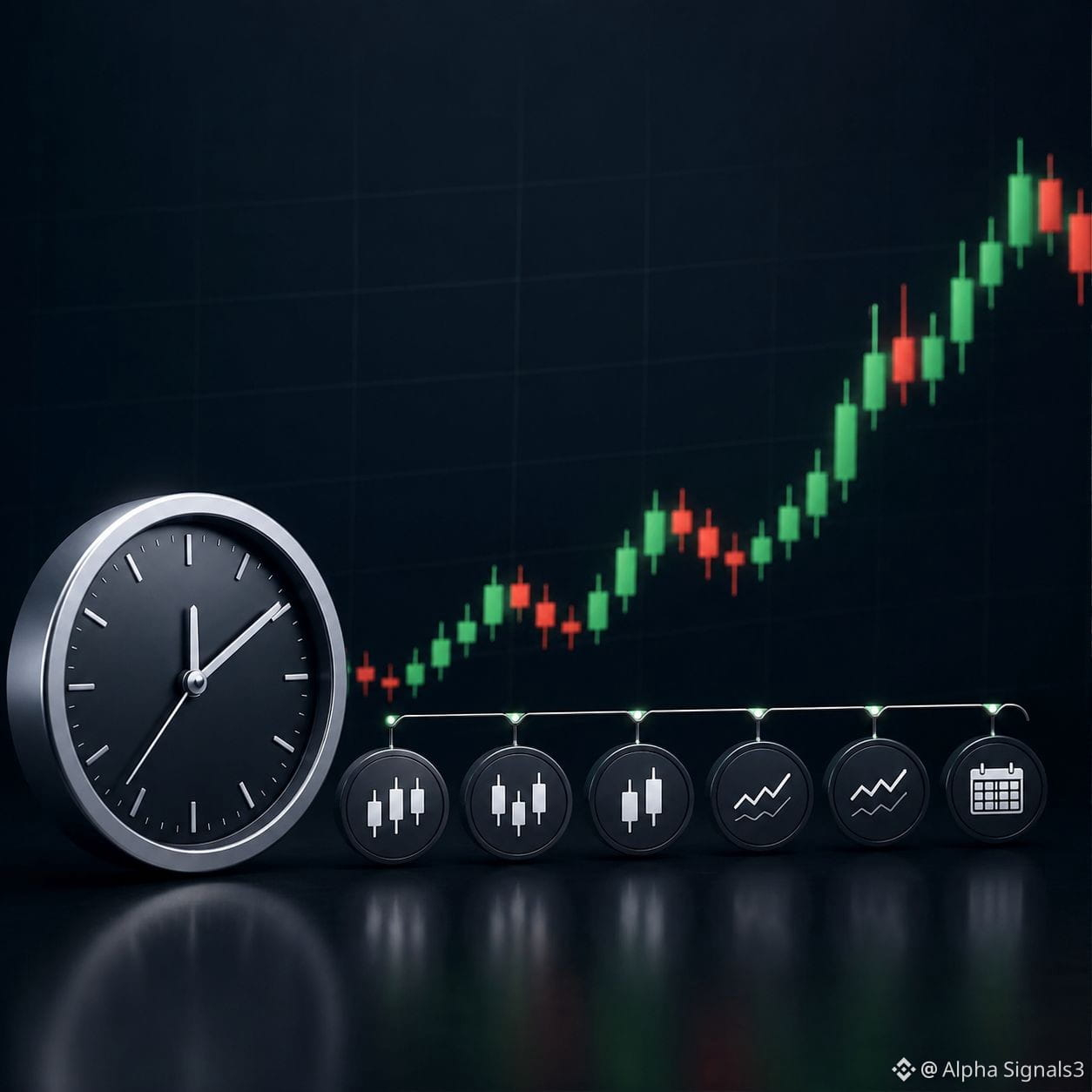
¿Qué es un marco temporal?
El marco temporal indica cuánto tiempo de información está mostrando una vela.
📊 Marcos Temporales Comunes:
🔹 1 Minuto (1m)
🔹 5 Minutos (5m)
🔹 15 Minutos (15m)
🔹 1 Hora (1H)
🔹 4 Horas (4H)
🔹 1 Día (1D)
Ejemplo: Si estás usando un marco temporal de 1H, cada vela mostrará el movimiento de precio durante 1 hora.
💡 Para principiantes, entender los marcos temporales de 1H y 4H suele ser más fácil.
#trading #timeframe #Beginnersguide
$TSLAB $NVDAB
{spot}(NVDABUSDT)
{spot}(TSLABUSDT)
¿Qué es un marco temporal?
El marco temporal indica cuánto tiempo de información está mostrando una vela.
📊 Marcos Temporales Comunes:
🔹 1 Minuto (1m)
🔹 5 Minutos (5m)
🔹 15 Minutos (15m)
🔹 1 Hora (1H)
🔹 4 Horas (4H)
🔹 1 Día (1D)
Ejemplo: Si estás usando un marco temporal de 1H, cada vela mostrará el movimiento de precio durante 1 hora.
💡 Para principiantes, entender los marcos temporales de 1H y 4H suele ser más fácil.
#trading #timeframe #Beginnersguide
$TSLAB $NVDAB
El marco temporal indica cuánto tiempo de información está mostrando una vela.
📊 Marcos Temporales Comunes:
🔹 1 Minuto (1m)
🔹 5 Minutos (5m)
🔹 15 Minutos (15m)
🔹 1 Hora (1H)
🔹 4 Horas (4H)
🔹 1 Día (1D)
Ejemplo: Si estás usando un marco temporal de 1H, cada vela mostrará el movimiento de precio durante 1 hora.
💡 Para principiantes, entender los marcos temporales de 1H y 4H suele ser más fácil.
#trading #timeframe #Beginnersguide
$TSLAB $NVDAB
114

Artículo
¡3 reglas de oro que todo principiante debe conocer antes de operar!¡Si eres nuevo en el mundo cripto, bienvenido! Es un viaje emocionante, pero también puede resultar abrumador. Con miles de monedas y movimientos del mercado sin parar, perder dinero es fácil si no tienes un plan.
Para ayudarte a comenzar tu viaje de forma segura en Binance, aquí tienes 3 reglas de oro que todo principiante debe seguir:
1. DYOR (Haz tu propia investigación) 🔍
Nunca compres una moneda solo porque alguien en redes sociales te dijo que va a la luna. Antes de invertir tu dinero ganado con esfuerzo, pregúntate:
¡3 reglas de oro que todo principiante debe conocer antes de operar!
¡Si eres nuevo en el mundo cripto, bienvenido! Es un viaje emocionante, pero también puede resultar abrumador. Con miles de monedas y movimientos del mercado sin parar, perder dinero es fácil si no tienes un plan.
Para ayudarte a comenzar tu viaje de forma segura en Binance, aquí tienes 3 reglas de oro que todo principiante debe seguir:
1. DYOR (Haz tu propia investigación) 🔍
Nunca compres una moneda solo porque alguien en redes sociales te dijo que va a la luna. Antes de invertir tu dinero ganado con esfuerzo, pregúntate:
Para ayudarte a comenzar tu viaje de forma segura en Binance, aquí tienes 3 reglas de oro que todo principiante debe seguir:
1. DYOR (Haz tu propia investigación) 🔍
Nunca compres una moneda solo porque alguien en redes sociales te dijo que va a la luna. Antes de invertir tu dinero ganado con esfuerzo, pregúntate:
140

·
--
Artículo
🚀 La Guía Definitiva para Principiantes: 5 Reglas para un Trading de Cripto Inteligente¡Bienvenido al emocionante mundo del trading de criptomonedas! Ya sea que seas completamente nuevo en este espacio o estés buscando construir una mejor base, el trading puede ser un viaje gratificante si se hace correctamente. Sin embargo, el mercado puede ser muy volátil, y entrar sin un plan a menudo conduce a estrés innecesario y pérdidas. [[1](https://www.binance.com/en/square/post/24638330228449)]
Aquí están las 5 reglas de oro que todo principiante necesita saber antes de hacer su primera operación: [[1](https://www.binance.com/en/square/post/28302229858698), [2](https://www.binance.com/en-IN/square/post/32455568132546)]
1. La Regla de Oro: Solo Invierte Lo Que Puedes Permitir Perder 💰
🚀 La Guía Definitiva para Principiantes: 5 Reglas para un Trading de Cripto Inteligente
¡Bienvenido al emocionante mundo del trading de criptomonedas! Ya sea que seas completamente nuevo en este espacio o estés buscando construir una mejor base, el trading puede ser un viaje gratificante si se hace correctamente. Sin embargo, el mercado puede ser muy volátil, y entrar sin un plan a menudo conduce a estrés innecesario y pérdidas. [1]
Aquí están las 5 reglas de oro que todo principiante necesita saber antes de hacer su primera operación: [1, 2]
1. La Regla de Oro: Solo Invierte Lo Que Puedes Permitir Perder 💰
Aquí están las 5 reglas de oro que todo principiante necesita saber antes de hacer su primera operación: [1, 2]
1. La Regla de Oro: Solo Invierte Lo Que Puedes Permitir Perder 💰
143
·
--

Artículo
Trading para principiantes 101¿Qué es el “Trading”?
Cuando empieces a interesarte por las criptomonedas, probablemente escucharás la palabra “Trading” con frecuencia. Sin embargo, es importante que, como principiante, primero entiendas qué es realmente el Trading y en qué se diferencian el Spot y el Futures.
Trading para principiantes 101
¿Qué es el “Trading”?
Cuando empieces a interesarte por las criptomonedas, probablemente escucharás la palabra “Trading” con frecuencia. Sin embargo, es importante que, como principiante, primero entiendas qué es realmente el Trading y en qué se diferencian el Spot y el Futures.
Cuando empieces a interesarte por las criptomonedas, probablemente escucharás la palabra “Trading” con frecuencia. Sin embargo, es importante que, como principiante, primero entiendas qué es realmente el Trading y en qué se diferencian el Spot y el Futures.
1
2
10
185
·
--

Artículo
Futures Trading para principiantes🔴 Futures Trading para principiantes
En el Spot Trading, puedes comprar realmente cripto y mantenerla. En cambio, el Futures Trading es un poco diferente.
En Futures no se compra y mantiene la cripto directamente; se negocia un contrato basándose en el movimiento del precio de la cripto.
Futures Trading para principiantes
🔴 Futures Trading para principiantes
En el Spot Trading, puedes comprar realmente cripto y mantenerla. En cambio, el Futures Trading es un poco diferente.
En Futures no se compra y mantiene la cripto directamente; se negocia un contrato basándose en el movimiento del precio de la cripto.
En el Spot Trading, puedes comprar realmente cripto y mantenerla. En cambio, el Futures Trading es un poco diferente.
En Futures no se compra y mantiene la cripto directamente; se negocia un contrato basándose en el movimiento del precio de la cripto.
1
1
9
174
Inicia sesión para explorar más contenidos
Únete a usuarios globales de criptomonedas en Binance Square
⚡️ Obtén información útil y actualizada sobre criptos.
💬 Avalado por el mayor exchange de criptomonedas en el mundo.
👍 Descubre perspectivas reales de creadores verificados.
Email/número de teléfono
Temas populares
1
#BinancePick
2.6M vistas
141,730 están debatiendo
2
#EarningsSeason
5M vistas
24,354 están debatiendo
3
#FranklinTempletonFilesForTwoDividendToBitcoinETFs
1,564 vistas
93 están debatiendo
4
#StrategyMSTRSurpassesNasdaqInMarketCap
2,387 vistas
96 están debatiendo
5
#CanadaProposesStablecoinRedemptionWithin3BusinessDays
97 vistas
13 están debatiendo
6
#ElectrumWalletBugLetRogueServersStealFunds
8,475 vistas
234 están debatiendo
7
#ArgentineCourtDismissesLIBRACaseAgainstMilei
18,618 vistas
314 están debatiendo
8
#SKHynixReportedlyPlansSpecialDividendFromKioxiaStakeSale
3,122 vistas
48 están debatiendo
9
#KeystoneWebsiteBreachExposesBuyersShippingAddresses
1,669 vistas
40 están debatiendo
10
#USQ3GDPAndSeptemberPCEDueNextWeek
96,688 vistas
1,134 están debatiendo