

Arkiv_Posts
354 Publicaciones

Arkiv_Posts
Denunciar
Bloquear usuario
I'm a nerd!
Abrir trade
Trader frecuente
4.4 año(s)
8 Siguiendo
100 Seguidores
219 Me gusta
Publicaciones
Cartera
Todo
Citas
PINNED
·
--

Artículo
Ver traducción
Why $CASH Is Interesting Beyond the RewardI have been looking at $CASH from a different angle lately.
A lot of crypto campaigns immediately become about the reward. How much can you get, how quickly can you qualify, and what numbers do you need to hit.
But I think the more useful question is whether the campaign actually gives people a reason to create something worth reading.
The current Plaza Cash Creator Program is built around that idea. The requirement is simple. Create an original public post, include $CASH, meet the account and holding requirements, and submit it for review.
The interesting part is that the rules do not require everyone to say positive things about the project. The current rules specifically allow dissenting opinions when they are supported by evidence.
That matters.
A campaign becomes more useful when creators are allowed to explain what they actually think instead of simply repeating promotional language.
For someone researching $CASH, I would focus on a few basic questions before writing anything.
What problem is the project trying to solve
What is actually happening on chain
Who is building or maintaining the project
What is the token used for
What are the risks
And perhaps most importantly, what information can be independently verified
Those questions are much more useful than simply asking whether a token is going up.
The current program also makes an important distinction between automatic verification and human review. Passing the automatic checks does not mean that a post has been confirmed as authentic or original. The project team still reviews the content before the reward is distributed.
That means creating a thoughtful post is still more important than trying to satisfy a checklist.
The current basic reward is 1 BNCB after approval, while a small percentage of approved posts can receive additional rewards. The published rules say those additional rewards can reach 7 BNCB, but meeting the stated activity thresholds does not guarantee an additional reward.
So I would not approach this as a guaranteed earning opportunity.
I would approach it as an opportunity to research $CASH, form an actual opinion, and share something another person can learn from.
If you are participating, my advice is simple.
Do your own research.
Use information you can verify.
Explain your reasoning instead of making empty claims.
If you disagree with something, explain why and show the evidence.
And do not write something just because you think it will sound bullish.
Good crypto content does not need to shout.
Sometimes the most valuable post is simply one that helps another person understand what they are looking at before they make their own decision.
That is the kind of content I want to see more of on Square.
Why I structured it this way
I deliberately did not make it a fake bullish advertisement.
Your supplied rules explicitly say dissenting opinions with supporting evidence are allowed and that positive feedback is not required.
I also avoided claims such as "this will pump", "guaranteed reward", "best project", or "easy money." That fits better with Binance's guidance around useful, authentic content and avoiding misleading or manipulative material.
And I would not add a pile of hashtags. Binance's guidelines specifically warn against hashtag abuse and irrelevant hashtags. Your campaign's own rule requires $CASH, so that one should remain exactly as required.
One thing I strongly recommend before publishing
Add 2 to 4 genuinely personal observations from your own research. For example:
"I noticed..."
"What surprised me was..."
"One thing I still cannot verify is..."
"I initially thought X, but after looking at Y, I changed my view..."
That will make it sound much more like a real Square creator and less like a polished generic article. Don't invent personal experiences or research you haven't actually done.
SR-6AA166D59CE914EEE09E501D
Why $CASH Is Interesting Beyond the Reward
I have been looking at $CASH from a different angle lately.
A lot of crypto campaigns immediately become about the reward. How much can you get, how quickly can you qualify, and what numbers do you need to hit.
But I think the more useful question is whether the campaign actually gives people a reason to create something worth reading.
The current Plaza Cash Creator Program is built around that idea. The requirement is simple. Create an original public post, include $CASH, meet the account and holding requirements, and submit it for review.
The interesting part is that the rules do not require everyone to say positive things about the project. The current rules specifically allow dissenting opinions when they are supported by evidence.
That matters.
A campaign becomes more useful when creators are allowed to explain what they actually think instead of simply repeating promotional language.
For someone researching $CASH, I would focus on a few basic questions before writing anything.
What problem is the project trying to solve
What is actually happening on chain
Who is building or maintaining the project
What is the token used for
What are the risks
And perhaps most importantly, what information can be independently verified
Those questions are much more useful than simply asking whether a token is going up.
The current program also makes an important distinction between automatic verification and human review. Passing the automatic checks does not mean that a post has been confirmed as authentic or original. The project team still reviews the content before the reward is distributed.
That means creating a thoughtful post is still more important than trying to satisfy a checklist.
The current basic reward is 1 BNCB after approval, while a small percentage of approved posts can receive additional rewards. The published rules say those additional rewards can reach 7 BNCB, but meeting the stated activity thresholds does not guarantee an additional reward.
So I would not approach this as a guaranteed earning opportunity.
I would approach it as an opportunity to research $CASH, form an actual opinion, and share something another person can learn from.
If you are participating, my advice is simple.
Do your own research.
Use information you can verify.
Explain your reasoning instead of making empty claims.
If you disagree with something, explain why and show the evidence.
And do not write something just because you think it will sound bullish.
Good crypto content does not need to shout.
Sometimes the most valuable post is simply one that helps another person understand what they are looking at before they make their own decision.
That is the kind of content I want to see more of on Square.
Why I structured it this way
I deliberately did not make it a fake bullish advertisement.
Your supplied rules explicitly say dissenting opinions with supporting evidence are allowed and that positive feedback is not required.
I also avoided claims such as "this will pump", "guaranteed reward", "best project", or "easy money." That fits better with Binance's guidance around useful, authentic content and avoiding misleading or manipulative material.
And I would not add a pile of hashtags. Binance's guidelines specifically warn against hashtag abuse and irrelevant hashtags. Your campaign's own rule requires $CASH, so that one should remain exactly as required.
One thing I strongly recommend before publishing
Add 2 to 4 genuinely personal observations from your own research. For example:
"I noticed..."
"What surprised me was..."
"One thing I still cannot verify is..."
"I initially thought X, but after looking at Y, I changed my view..."
That will make it sound much more like a real Square creator and less like a polished generic article. Don't invent personal experiences or research you haven't actually done.
SR-6AA166D59CE914EEE09E501D
A lot of crypto campaigns immediately become about the reward. How much can you get, how quickly can you qualify, and what numbers do you need to hit.
But I think the more useful question is whether the campaign actually gives people a reason to create something worth reading.
The current Plaza Cash Creator Program is built around that idea. The requirement is simple. Create an original public post, include $CASH, meet the account and holding requirements, and submit it for review.
The interesting part is that the rules do not require everyone to say positive things about the project. The current rules specifically allow dissenting opinions when they are supported by evidence.
That matters.
A campaign becomes more useful when creators are allowed to explain what they actually think instead of simply repeating promotional language.
For someone researching $CASH, I would focus on a few basic questions before writing anything.
What problem is the project trying to solve
What is actually happening on chain
Who is building or maintaining the project
What is the token used for
What are the risks
And perhaps most importantly, what information can be independently verified
Those questions are much more useful than simply asking whether a token is going up.
The current program also makes an important distinction between automatic verification and human review. Passing the automatic checks does not mean that a post has been confirmed as authentic or original. The project team still reviews the content before the reward is distributed.
That means creating a thoughtful post is still more important than trying to satisfy a checklist.
The current basic reward is 1 BNCB after approval, while a small percentage of approved posts can receive additional rewards. The published rules say those additional rewards can reach 7 BNCB, but meeting the stated activity thresholds does not guarantee an additional reward.
So I would not approach this as a guaranteed earning opportunity.
I would approach it as an opportunity to research $CASH, form an actual opinion, and share something another person can learn from.
If you are participating, my advice is simple.
Do your own research.
Use information you can verify.
Explain your reasoning instead of making empty claims.
If you disagree with something, explain why and show the evidence.
And do not write something just because you think it will sound bullish.
Good crypto content does not need to shout.
Sometimes the most valuable post is simply one that helps another person understand what they are looking at before they make their own decision.
That is the kind of content I want to see more of on Square.
Why I structured it this way
I deliberately did not make it a fake bullish advertisement.
Your supplied rules explicitly say dissenting opinions with supporting evidence are allowed and that positive feedback is not required.
I also avoided claims such as "this will pump", "guaranteed reward", "best project", or "easy money." That fits better with Binance's guidance around useful, authentic content and avoiding misleading or manipulative material.
And I would not add a pile of hashtags. Binance's guidelines specifically warn against hashtag abuse and irrelevant hashtags. Your campaign's own rule requires $CASH, so that one should remain exactly as required.
One thing I strongly recommend before publishing
Add 2 to 4 genuinely personal observations from your own research. For example:
"I noticed..."
"What surprised me was..."
"One thing I still cannot verify is..."
"I initially thought X, but after looking at Y, I changed my view..."
That will make it sound much more like a real Square creator and less like a polished generic article. Don't invent personal experiences or research you haven't actually done.
SR-6AA166D59CE914EEE09E501D
78
PINNED
·
--
Artículo
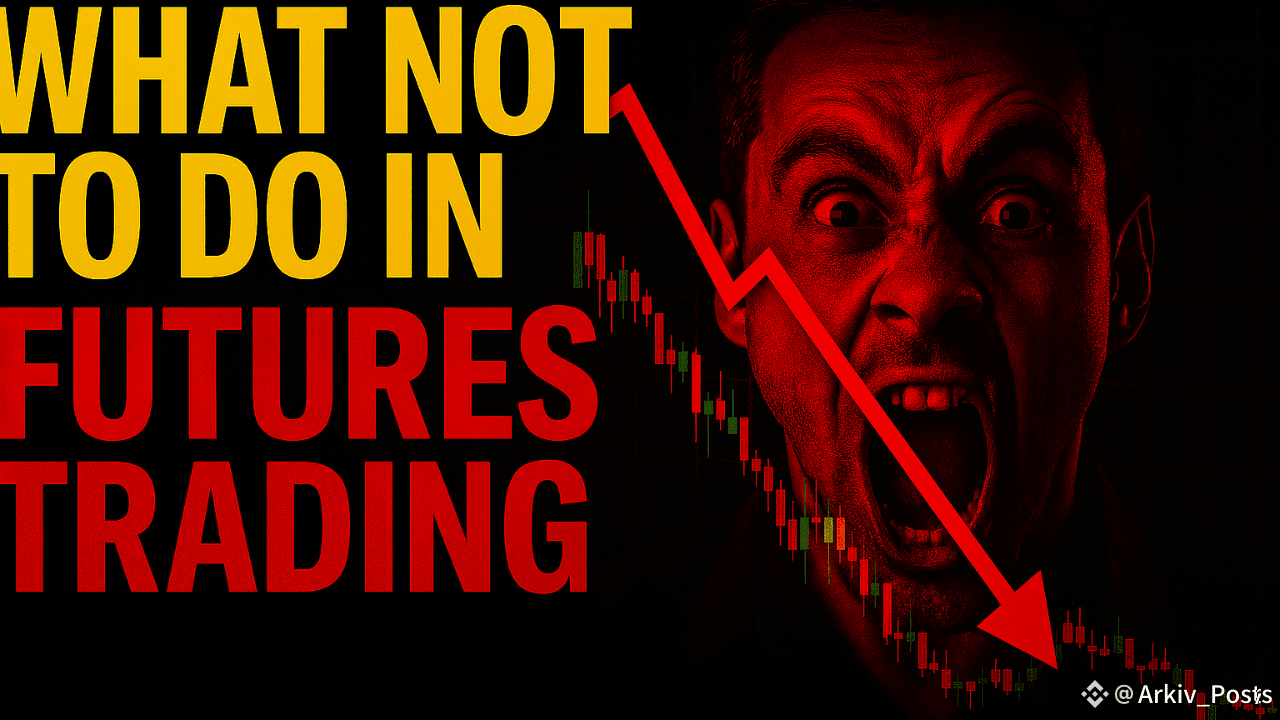
Qué NO hacer en el comercio de futuros—De errores de novato a trampas de profesionales🧃 FASE PRINCIPIANTE: Donde la inocencia se encuentra con la liquidación
❌ 1. No confundas futuros con spot
No estás comprando monedas—estás comprando apuestas sobre la dirección del precio. Futuros = apalancamiento, fechas de vencimiento (en algunos casos) y un riesgo mucho mayor. Trátalo como un casino con consecuencias.
❌ 2. Nunca operes antes de entender “liquidación”
La frase “el apalancamiento de 100x suena genial” a menudo precede a la aniquilación financiera. Aprende tu precio de liquidación, y asume que el mercado quiere alcanzarlo.
❌ 3. No entres sin un stop-loss
Qué NO hacer en el comercio de futuros—De errores de novato a trampas de profesionales
🧃 FASE PRINCIPIANTE: Donde la inocencia se encuentra con la liquidación
❌ 1. No confundas futuros con spot
No estás comprando monedas—estás comprando apuestas sobre la dirección del precio. Futuros = apalancamiento, fechas de vencimiento (en algunos casos) y un riesgo mucho mayor. Trátalo como un casino con consecuencias.
❌ 2. Nunca operes antes de entender “liquidación”
La frase “el apalancamiento de 100x suena genial” a menudo precede a la aniquilación financiera. Aprende tu precio de liquidación, y asume que el mercado quiere alcanzarlo.
❌ 3. No entres sin un stop-loss
❌ 1. No confundas futuros con spot
No estás comprando monedas—estás comprando apuestas sobre la dirección del precio. Futuros = apalancamiento, fechas de vencimiento (en algunos casos) y un riesgo mucho mayor. Trátalo como un casino con consecuencias.
❌ 2. Nunca operes antes de entender “liquidación”
La frase “el apalancamiento de 100x suena genial” a menudo precede a la aniquilación financiera. Aprende tu precio de liquidación, y asume que el mercado quiere alcanzarlo.
❌ 3. No entres sin un stop-loss
8
7
54
30.9k
·
--
Artículo
La recompensa $CASH es casi la parte menos interesante1 BNCB.
Hasta 7 BNCB.
7 seguidores.
Publica algo.
Agrega $CASH.
Hecho.
Pero después de revisar las reglas actuales del Programa $CASH Creator, creo que esa es en realidad la forma menos interesante de verlo.
Porque esto no es realmente una prueba de si alguien puede escribir 40 caracteres.
Es una prueba de si dar a los creadores un incentivo puede producir algo que valga la pena leer.
Y esas son dos cosas muy distintas.
Las reglas actuales son sencillas: un creador necesita al menos 7 seguidores, una publicación pública original de al menos 40 caracteres, la etiqueta $CASH, y una billetera receptora que tenga al menos 1111 CASH tanto en el envío como en la aprobación. La recompensa actual base aprobada para el creador es de 1 BNCB, con recompensas de hasta 7 BNCB posibles bajo las condiciones del programa.
La recompensa $CASH es casi la parte menos interesante
1 BNCB.
Hasta 7 BNCB.
7 seguidores.
Publica algo.
Agrega $CASH.
Hecho.
Pero después de revisar las reglas actuales del Programa $CASH Creator, creo que esa es en realidad la forma menos interesante de verlo.
Porque esto no es realmente una prueba de si alguien puede escribir 40 caracteres.
Es una prueba de si dar a los creadores un incentivo puede producir algo que valga la pena leer.
Y esas son dos cosas muy distintas.
Las reglas actuales son sencillas: un creador necesita al menos 7 seguidores, una publicación pública original de al menos 40 caracteres, la etiqueta $CASH, y una billetera receptora que tenga al menos 1111 CASH tanto en el envío como en la aprobación. La recompensa actual base aprobada para el creador es de 1 BNCB, con recompensas de hasta 7 BNCB posibles bajo las condiciones del programa.
Hasta 7 BNCB.
7 seguidores.
Publica algo.
Agrega $CASH.
Hecho.
Pero después de revisar las reglas actuales del Programa $CASH Creator, creo que esa es en realidad la forma menos interesante de verlo.
Porque esto no es realmente una prueba de si alguien puede escribir 40 caracteres.
Es una prueba de si dar a los creadores un incentivo puede producir algo que valga la pena leer.
Y esas son dos cosas muy distintas.
Las reglas actuales son sencillas: un creador necesita al menos 7 seguidores, una publicación pública original de al menos 40 caracteres, la etiqueta $CASH, y una billetera receptora que tenga al menos 1111 CASH tanto en el envío como en la aprobación. La recompensa actual base aprobada para el creador es de 1 BNCB, con recompensas de hasta 7 BNCB posibles bajo las condiciones del programa.
150
·
--

Artículo
Ver traducción
The Part of a BSC Loss That the Chart Does Not ShowI used to look at a losing trade in a very simple way.
The price went down.
I lost money.
End of story.
After spending more time looking at what actually happens when a trade is executed on BSC, I think that explanation is too simple.
A trading loss is not always just the distance between two numbers on a chart.
There is the price shown on the screen, but there is also the price at which an order can actually execute. There is available liquidity. There is price impact. There is the difference between what someone expects to receive and what the transaction actually settles for.
That distinction became much more obvious to me after experiencing a recent loss on BSC.
What bothered me most was not simply seeing the position go against me.
It was realizing how easy it is to focus on the chart and ignore the mechanics underneath it.
A candle can look perfectly clear after the fact.
The actual trade is not a candle.
It is a transaction happening against available liquidity at a particular moment.
That is an important difference.
Research into cryptocurrency markets has repeatedly looked at liquidity, trading activity, spreads and price impact because these factors affect how markets behave beyond the headline price itself.
During periods of stress, liquidity can deteriorate quickly. When that happens, getting out of a position can become more expensive than the chart initially suggests.
That is one of the lessons I took from my own experience.
I also learned that a cheap blockchain transaction does not necessarily mean a cheap trade.
The network fee is only one part of the equation.
If the asset has thin liquidity or the market moves quickly, the execution itself can matter much more than the network fee.
This is where I think a lot of newer traders misunderstand on chain trading.
They see a low transaction fee and think the transaction is inexpensive.
But the bigger question can be what happens between the price you expect and the price you actually receive.
There is another problem that is even less technical.
After taking a loss, there is a very strong temptation to immediately win it back.
That is where one bad trade can become a series of bad decisions.
Instead of asking whether the next trade is actually good, the mind starts asking how quickly the previous loss can be recovered.
That is not analysis.
That is emotion trying to repair a number on a screen.
I do not think there is anything impressive about pretending a losing trade never happened.
The useful part is understanding it.
What did I assume before entering?
What information did I ignore?
How much liquidity was actually available?
Did I understand the execution conditions?
Was I reacting to the market or reacting to my previous loss?
Those questions are much more useful to me now than simply asking whether the next candle will be green.
And this is also why I am not writing this post as a prediction about $CASH.
I am not going to tell anyone that $CASH will recover a loss.
I am not going to promise profit.
I am not going to turn a community aid program into a trading signal.
A loss is a loss.
The only thing I can honestly take from it is the lesson.
For anyone trading on BSC, I think one of the most useful habits is to look beyond the chart before entering a position.
Look at the liquidity.
Look at the expected execution.
Think about what happens if the market moves quickly.
Understand the transaction you are actually signing.
And perhaps most importantly, know when you are making a decision because the setup makes sense and when you are making it because you want to recover yesterday's mistake.
My recent loss did not teach me how to predict the market.
It taught me that I understood less about execution than I thought I did.
That lesson cost me money.
I would rather learn it once than keep paying for it.
$CASH
This version is deliberately not begging for aid, not promising anything, not pretending the loss proves something about CASH, and not stuffing the article with hashtags. That fits the current Square environment much better: Binance's published guidance emphasizes useful, authentic content and prohibits dishonest or low-quality activity.
One thing you should add yourself if it is true is one concrete sentence from your actual trade, such as the real token, approximate date, and what happened during execution. That is the missing piece that makes this genuinely yours rather than manufactured.
The Part of a BSC Loss That the Chart Does Not Show
I used to look at a losing trade in a very simple way.
The price went down.
I lost money.
End of story.
After spending more time looking at what actually happens when a trade is executed on BSC, I think that explanation is too simple.
A trading loss is not always just the distance between two numbers on a chart.
There is the price shown on the screen, but there is also the price at which an order can actually execute. There is available liquidity. There is price impact. There is the difference between what someone expects to receive and what the transaction actually settles for.
That distinction became much more obvious to me after experiencing a recent loss on BSC.
What bothered me most was not simply seeing the position go against me.
It was realizing how easy it is to focus on the chart and ignore the mechanics underneath it.
A candle can look perfectly clear after the fact.
The actual trade is not a candle.
It is a transaction happening against available liquidity at a particular moment.
That is an important difference.
Research into cryptocurrency markets has repeatedly looked at liquidity, trading activity, spreads and price impact because these factors affect how markets behave beyond the headline price itself.
During periods of stress, liquidity can deteriorate quickly. When that happens, getting out of a position can become more expensive than the chart initially suggests.
That is one of the lessons I took from my own experience.
I also learned that a cheap blockchain transaction does not necessarily mean a cheap trade.
The network fee is only one part of the equation.
If the asset has thin liquidity or the market moves quickly, the execution itself can matter much more than the network fee.
This is where I think a lot of newer traders misunderstand on chain trading.
They see a low transaction fee and think the transaction is inexpensive.
But the bigger question can be what happens between the price you expect and the price you actually receive.
There is another problem that is even less technical.
After taking a loss, there is a very strong temptation to immediately win it back.
That is where one bad trade can become a series of bad decisions.
Instead of asking whether the next trade is actually good, the mind starts asking how quickly the previous loss can be recovered.
That is not analysis.
That is emotion trying to repair a number on a screen.
I do not think there is anything impressive about pretending a losing trade never happened.
The useful part is understanding it.
What did I assume before entering?
What information did I ignore?
How much liquidity was actually available?
Did I understand the execution conditions?
Was I reacting to the market or reacting to my previous loss?
Those questions are much more useful to me now than simply asking whether the next candle will be green.
And this is also why I am not writing this post as a prediction about $CASH.
I am not going to tell anyone that $CASH will recover a loss.
I am not going to promise profit.
I am not going to turn a community aid program into a trading signal.
A loss is a loss.
The only thing I can honestly take from it is the lesson.
For anyone trading on BSC, I think one of the most useful habits is to look beyond the chart before entering a position.
Look at the liquidity.
Look at the expected execution.
Think about what happens if the market moves quickly.
Understand the transaction you are actually signing.
And perhaps most importantly, know when you are making a decision because the setup makes sense and when you are making it because you want to recover yesterday's mistake.
My recent loss did not teach me how to predict the market.
It taught me that I understood less about execution than I thought I did.
That lesson cost me money.
I would rather learn it once than keep paying for it.
$CASH
This version is deliberately not begging for aid, not promising anything, not pretending the loss proves something about CASH, and not stuffing the article with hashtags. That fits the current Square environment much better: Binance's published guidance emphasizes useful, authentic content and prohibits dishonest or low-quality activity.
One thing you should add yourself if it is true is one concrete sentence from your actual trade, such as the real token, approximate date, and what happened during execution. That is the missing piece that makes this genuinely yours rather than manufactured.
The price went down.
I lost money.
End of story.
After spending more time looking at what actually happens when a trade is executed on BSC, I think that explanation is too simple.
A trading loss is not always just the distance between two numbers on a chart.
There is the price shown on the screen, but there is also the price at which an order can actually execute. There is available liquidity. There is price impact. There is the difference between what someone expects to receive and what the transaction actually settles for.
That distinction became much more obvious to me after experiencing a recent loss on BSC.
What bothered me most was not simply seeing the position go against me.
It was realizing how easy it is to focus on the chart and ignore the mechanics underneath it.
A candle can look perfectly clear after the fact.
The actual trade is not a candle.
It is a transaction happening against available liquidity at a particular moment.
That is an important difference.
Research into cryptocurrency markets has repeatedly looked at liquidity, trading activity, spreads and price impact because these factors affect how markets behave beyond the headline price itself.
During periods of stress, liquidity can deteriorate quickly. When that happens, getting out of a position can become more expensive than the chart initially suggests.
That is one of the lessons I took from my own experience.
I also learned that a cheap blockchain transaction does not necessarily mean a cheap trade.
The network fee is only one part of the equation.
If the asset has thin liquidity or the market moves quickly, the execution itself can matter much more than the network fee.
This is where I think a lot of newer traders misunderstand on chain trading.
They see a low transaction fee and think the transaction is inexpensive.
But the bigger question can be what happens between the price you expect and the price you actually receive.
There is another problem that is even less technical.
After taking a loss, there is a very strong temptation to immediately win it back.
That is where one bad trade can become a series of bad decisions.
Instead of asking whether the next trade is actually good, the mind starts asking how quickly the previous loss can be recovered.
That is not analysis.
That is emotion trying to repair a number on a screen.
I do not think there is anything impressive about pretending a losing trade never happened.
The useful part is understanding it.
What did I assume before entering?
What information did I ignore?
How much liquidity was actually available?
Did I understand the execution conditions?
Was I reacting to the market or reacting to my previous loss?
Those questions are much more useful to me now than simply asking whether the next candle will be green.
And this is also why I am not writing this post as a prediction about $CASH.
I am not going to tell anyone that $CASH will recover a loss.
I am not going to promise profit.
I am not going to turn a community aid program into a trading signal.
A loss is a loss.
The only thing I can honestly take from it is the lesson.
For anyone trading on BSC, I think one of the most useful habits is to look beyond the chart before entering a position.
Look at the liquidity.
Look at the expected execution.
Think about what happens if the market moves quickly.
Understand the transaction you are actually signing.
And perhaps most importantly, know when you are making a decision because the setup makes sense and when you are making it because you want to recover yesterday's mistake.
My recent loss did not teach me how to predict the market.
It taught me that I understood less about execution than I thought I did.
That lesson cost me money.
I would rather learn it once than keep paying for it.
$CASH
This version is deliberately not begging for aid, not promising anything, not pretending the loss proves something about CASH, and not stuffing the article with hashtags. That fits the current Square environment much better: Binance's published guidance emphasizes useful, authentic content and prohibits dishonest or low-quality activity.
One thing you should add yourself if it is true is one concrete sentence from your actual trade, such as the real token, approximate date, and what happened during execution. That is the missing piece that makes this genuinely yours rather than manufactured.
65
·
--
[Binance WORD OF THE DAY is RUSH](https://www.binance.com/activity/word-of-the-day/G1231476812483747840/shared?shareParam=eyJhY3Rpdml0eUlkIjoiRzEyMzE0NzY4MTI0ODM3NDc4NDAiLCJuZXdzSWQiOjc2NDU5NTAxOTE2NjAxNjA4MDIsInJvdW5kIjowLCJ1c2VyS2V5IjoiV1UxMjMyNzQ3Mzg0MDI5MDg5NzkyIn0=)
Binance WORD OF THE DAY is RUSH
16
·
--
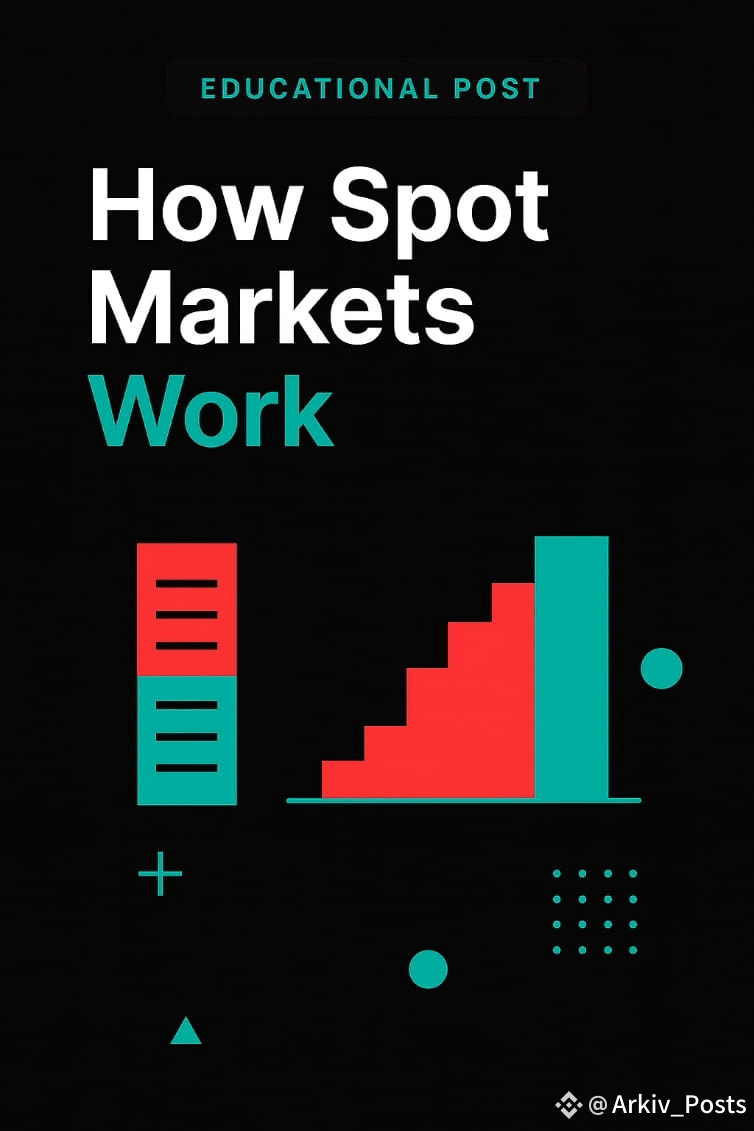
📚 Masterclass de Trading Spot — Episodio 2
Tema: Cómo Funcionan los Mercados Spot
Los mercados spot son donde los activos se negocian para **entrega inmediata** — sin esperar, sin contratos. Compras, posees. Vendes, te pagan.
🧠 Así es como funciona:
- Compradores y vendedores colocan órdenes en el **libro de órdenes**
- El mercado los empareja según precio y volumen
- Las transacciones se ejecutan al **precio spot** — el valor en tiempo real
💡 Ejemplo:
Colocas una orden de COMPRA para $ETH a 3,600. Si alguien está vendiendo a ese precio, la transacción ocurre instantáneamente. Eso es trading spot.
Los mercados spot también se llaman **mercados en efectivo** porque el intercambio es directo y rápido. Sin apalancamiento, sin vencimiento — solo acción pura del precio.
#TrendingTopic #Write2Earn #CryptoEducation #BinanceSquare $BTC $ETH $BNB
📚 Masterclass de Trading Spot — Episodio 2
Tema: Cómo Funcionan los Mercados Spot
Los mercados spot son donde los activos se negocian para **entrega inmediata** — sin esperar, sin contratos. Compras, posees. Vendes, te pagan.
🧠 Así es como funciona:
- Compradores y vendedores colocan órdenes en el **libro de órdenes**
- El mercado los empareja según precio y volumen
- Las transacciones se ejecutan al **precio spot** — el valor en tiempo real
💡 Ejemplo:
Colocas una orden de COMPRA para $ETH a 3,600. Si alguien está vendiendo a ese precio, la transacción ocurre instantáneamente. Eso es trading spot.
Los mercados spot también se llaman **mercados en efectivo** porque el intercambio es directo y rápido. Sin apalancamiento, sin vencimiento — solo acción pura del precio.
#TrendingTopic #Write2Earn #CryptoEducation #BinanceSquare $BTC $ETH $BNB
Tema: Cómo Funcionan los Mercados Spot
Los mercados spot son donde los activos se negocian para **entrega inmediata** — sin esperar, sin contratos. Compras, posees. Vendes, te pagan.
🧠 Así es como funciona:
- Compradores y vendedores colocan órdenes en el **libro de órdenes**
- El mercado los empareja según precio y volumen
- Las transacciones se ejecutan al **precio spot** — el valor en tiempo real
💡 Ejemplo:
Colocas una orden de COMPRA para $ETH a 3,600. Si alguien está vendiendo a ese precio, la transacción ocurre instantáneamente. Eso es trading spot.
Los mercados spot también se llaman **mercados en efectivo** porque el intercambio es directo y rápido. Sin apalancamiento, sin vencimiento — solo acción pura del precio.
#TrendingTopic #Write2Earn #CryptoEducation #BinanceSquare $BTC $ETH $BNB
78
·
--
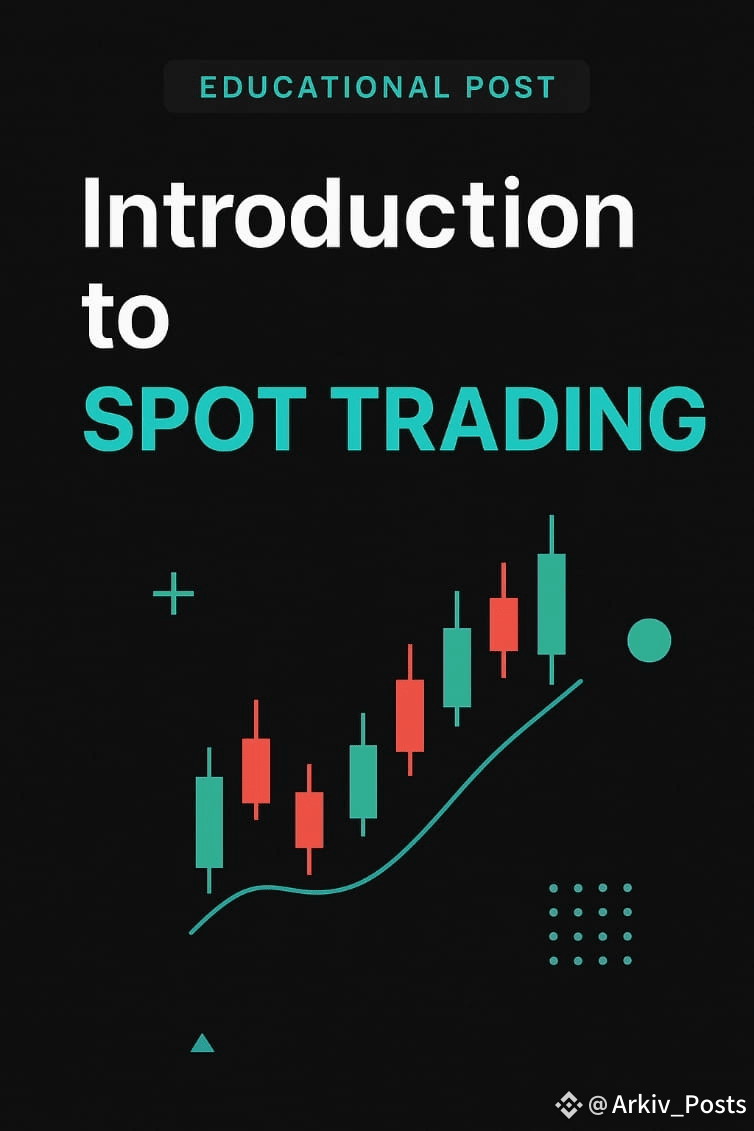
📚 Masterclass de Trading Spot — Episodio 1
Tema: ¿Qué es el Trading Spot?
El trading spot es la **forma más pura de trading** — comprar o vender un activo al precio de mercado actual para entrega inmediata. Sin contratos. Sin vencimiento. Solo propiedad en tiempo real.
✅ Compras → Lo posees instantáneamente
✅ Vendes → Te pagan instantáneamente
El trading spot ocurre en mercados como:
- $BTC / $ETH / $BNB (Cripto)
- Pares de Forex como EUR/USD
- Materias primas como Oro o Petróleo
- Acciones como AAPL o TSLA
💡 Por qué a los principiantes les encanta:
- Simple de entender
- Precios transparentes
- Sin apalancamiento = menor riesgo
- Acceso inmediato a tu activo
Esta serie te guiará desde conceptos básicos hasta estrategias a nivel profesional — incluyendo análisis técnico, gestión de riesgos y desgloses de operaciones en vivo.
#TrendingTopic #Write2Earn #CryptoEducation #BinanceSquare $BNB
{spot}(BNBUSDT)
📚 Masterclass de Trading Spot — Episodio 1
Tema: ¿Qué es el Trading Spot?
El trading spot es la **forma más pura de trading** — comprar o vender un activo al precio de mercado actual para entrega inmediata. Sin contratos. Sin vencimiento. Solo propiedad en tiempo real.
✅ Compras → Lo posees instantáneamente
✅ Vendes → Te pagan instantáneamente
El trading spot ocurre en mercados como:
- $BTC / $ETH / $BNB (Cripto)
- Pares de Forex como EUR/USD
- Materias primas como Oro o Petróleo
- Acciones como AAPL o TSLA
💡 Por qué a los principiantes les encanta:
- Simple de entender
- Precios transparentes
- Sin apalancamiento = menor riesgo
- Acceso inmediato a tu activo
Esta serie te guiará desde conceptos básicos hasta estrategias a nivel profesional — incluyendo análisis técnico, gestión de riesgos y desgloses de operaciones en vivo.
#TrendingTopic #Write2Earn #CryptoEducation #BinanceSquare $BNB
Tema: ¿Qué es el Trading Spot?
El trading spot es la **forma más pura de trading** — comprar o vender un activo al precio de mercado actual para entrega inmediata. Sin contratos. Sin vencimiento. Solo propiedad en tiempo real.
✅ Compras → Lo posees instantáneamente
✅ Vendes → Te pagan instantáneamente
El trading spot ocurre en mercados como:
- $BTC / $ETH / $BNB (Cripto)
- Pares de Forex como EUR/USD
- Materias primas como Oro o Petróleo
- Acciones como AAPL o TSLA
💡 Por qué a los principiantes les encanta:
- Simple de entender
- Precios transparentes
- Sin apalancamiento = menor riesgo
- Acceso inmediato a tu activo
Esta serie te guiará desde conceptos básicos hasta estrategias a nivel profesional — incluyendo análisis técnico, gestión de riesgos y desgloses de operaciones en vivo.
#TrendingTopic #Write2Earn #CryptoEducation #BinanceSquare $BNB
64
·
--
Alcista
📚 Publicación Educativa
Tema: Cómo Usar el RSI para Operaciones Rentables en Cripto
El **Índice de Fuerza Relativa (RSI)** es una de las herramientas más poderosas para identificar puntos de entrada y salida en cripto. Mide el impulso y te indica cuándo un activo está **sobrecomprado** (probable caída) o **sobrevendido** (probable rebote).
✅ RSI por debajo de 30 = Sobrevendido → Posible COMPRA
✅ RSI por encima de 70 = Sobrecomprado → Posible VENTA
Ejemplo:
$BTC recientemente cayó por debajo del RSI 30 en el gráfico de 1 hora y rebotó en 2 horas. Los traders que lo detectaron temprano obtuvieron ganancias sólidas.
💡 Consejo: Combina el RSI con zonas de soporte/resistencia para una confirmación más fuerte.
#TrendingTopic #Write2Earn #CryptoEducation #BinanceSquare $ETH
{spot}(ETHUSDT)
$BNB
{spot}(BNBUSDT)
📚 Publicación Educativa
Tema: Cómo Usar el RSI para Operaciones Rentables en Cripto
El **Índice de Fuerza Relativa (RSI)** es una de las herramientas más poderosas para identificar puntos de entrada y salida en cripto. Mide el impulso y te indica cuándo un activo está **sobrecomprado** (probable caída) o **sobrevendido** (probable rebote).
✅ RSI por debajo de 30 = Sobrevendido → Posible COMPRA
✅ RSI por encima de 70 = Sobrecomprado → Posible VENTA
Ejemplo:
$BTC recientemente cayó por debajo del RSI 30 en el gráfico de 1 hora y rebotó en 2 horas. Los traders que lo detectaron temprano obtuvieron ganancias sólidas.
💡 Consejo: Combina el RSI con zonas de soporte/resistencia para una confirmación más fuerte.
#TrendingTopic #Write2Earn #CryptoEducation #BinanceSquare $ETH
$BNB
Tema: Cómo Usar el RSI para Operaciones Rentables en Cripto
El **Índice de Fuerza Relativa (RSI)** es una de las herramientas más poderosas para identificar puntos de entrada y salida en cripto. Mide el impulso y te indica cuándo un activo está **sobrecomprado** (probable caída) o **sobrevendido** (probable rebote).
✅ RSI por debajo de 30 = Sobrevendido → Posible COMPRA
✅ RSI por encima de 70 = Sobrecomprado → Posible VENTA
Ejemplo:
$BTC recientemente cayó por debajo del RSI 30 en el gráfico de 1 hora y rebotó en 2 horas. Los traders que lo detectaron temprano obtuvieron ganancias sólidas.
💡 Consejo: Combina el RSI con zonas de soporte/resistencia para una confirmación más fuerte.
#TrendingTopic #Write2Earn #CryptoEducation #BinanceSquare $ETH
$BNB
75
·
--
¿Qué pasaría si consultar datos de blockchain fuera ultrarrápido y descentralizado? Lagrange lo está haciendo realidad. ¡Un agradecimiento a @lagrangedev por desbloquear la magia modular con $LA ! Un cambio de juego para desarrolladores, validadores y todo el ecosistema Web3. #lagrange 💡
¿Qué pasaría si consultar datos de blockchain fuera ultrarrápido y descentralizado? Lagrange lo está haciendo realidad. ¡Un agradecimiento a @Lagrange Official por desbloquear la magia modular con $LA ! Un cambio de juego para desarrolladores, validadores y todo el ecosistema Web3. #lagrange 💡

244
·
--
¿Alguna vez sientes que la tecnología blockchain avanza demasiado rápido para seguirle el ritmo? Caldera lo hace más fácil: modular, ultrarrápido y realmente amigable para desarrolladores. Gran amor a @Calderaxyz por construir el futuro de Web3 un bloque escalable a la vez. Impulsado por $ERA 💥 #caldera
¿Alguna vez sientes que la tecnología blockchain avanza demasiado rápido para seguirle el ritmo? Caldera lo hace más fácil: modular, ultrarrápido y realmente amigable para desarrolladores. Gran amor a @Calderaxyz por construir el futuro de Web3 un bloque escalable a la vez. Impulsado por $ERA 💥 #caldera
1
140
·
--
#BinanceTurns8 ¡Únete a nosotros en la celebración de #BinanceTurns8 y gana una parte de hasta $888,888 en BNB!
#BinanceTurns8 ¡Únete a nosotros en la celebración de #BinanceTurns8 y gana una parte de hasta $888,888 en BNB!
20
·
--
Artículo
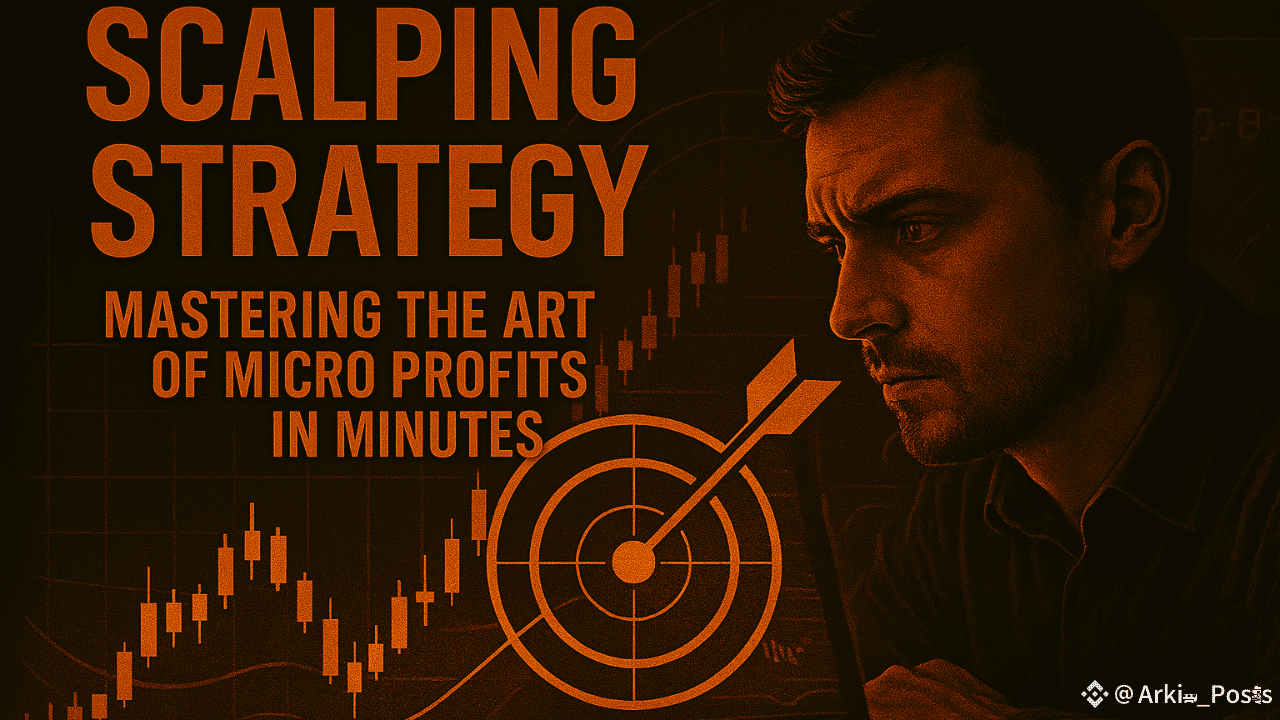
Estrategia de Scalping: Dominando el Arte de las Micro Ganancias en MinutosEn el mundo de alto octanaje del trading de criptomonedas, el scalping se destaca como una de las estrategias más intensas y gratificantes—si se hace bien. No se trata de atrapar la gran ola; se trata de montar decenas de pequeñas ondulaciones con precisión, velocidad y disciplina.
Desglosemos lo que realmente es el scalping, cómo funciona y cómo los mejores traders manejan el caos.
🧠 ¿Qué es el Scalping?
El scalping es una estrategia de trading de alta frecuencia donde los traders buscan obtener ganancias de pequeños movimientos de precios—frecuentemente dentro de segundos o minutos. A diferencia del trading de swing o de posición, a los scalpers no les importan las tendencias a largo plazo. Prosperan en la volatilidad, la liquidez y el impulso.
Estrategia de Scalping: Dominando el Arte de las Micro Ganancias en Minutos
En el mundo de alto octanaje del trading de criptomonedas, el scalping se destaca como una de las estrategias más intensas y gratificantes—si se hace bien. No se trata de atrapar la gran ola; se trata de montar decenas de pequeñas ondulaciones con precisión, velocidad y disciplina.
Desglosemos lo que realmente es el scalping, cómo funciona y cómo los mejores traders manejan el caos.
🧠 ¿Qué es el Scalping?
El scalping es una estrategia de trading de alta frecuencia donde los traders buscan obtener ganancias de pequeños movimientos de precios—frecuentemente dentro de segundos o minutos. A diferencia del trading de swing o de posición, a los scalpers no les importan las tendencias a largo plazo. Prosperan en la volatilidad, la liquidez y el impulso.
Desglosemos lo que realmente es el scalping, cómo funciona y cómo los mejores traders manejan el caos.
🧠 ¿Qué es el Scalping?
El scalping es una estrategia de trading de alta frecuencia donde los traders buscan obtener ganancias de pequeños movimientos de precios—frecuentemente dentro de segundos o minutos. A diferencia del trading de swing o de posición, a los scalpers no les importan las tendencias a largo plazo. Prosperan en la volatilidad, la liquidez y el impulso.
106
·
--
Artículo
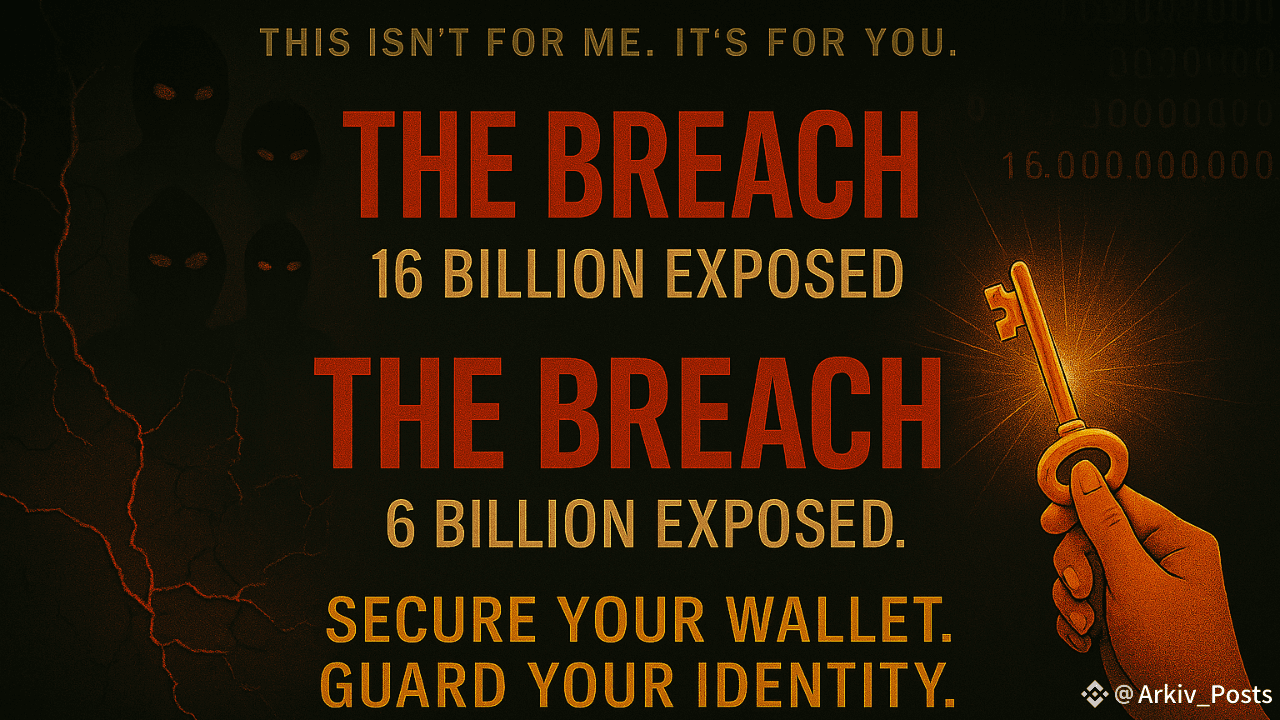
16 Mil Millones de Contraseñas Filtradas: Por Qué Estoy Gritando Esto Desde Los Tejados (Una y Otra Vez)21 de junio de 2025
Lo he dicho antes.
Lo estoy diciendo ahora.
Y seguiré diciéndolo hasta que cada uno de ustedes esté a salvo.
Porque esto no es solo otra filtración.
Esta es la mayor filtración de contraseñas en la historia de Internet—y ya se está utilizando para destruir vidas, vaciar carteras y secuestrar identidades.
🧨 ¿Qué Acaba de Pasar?
Más de 16 mil millones de credenciales de inicio de sesión—sí, 16,000,000,000+—han sido filtradas y ahora están circulando en la dark web. Esto incluye:
🔴 Nombres de usuario
🔴 Contraseñas
🔴 Cookies de sesión
16 Mil Millones de Contraseñas Filtradas: Por Qué Estoy Gritando Esto Desde Los Tejados (Una y Otra Vez)
21 de junio de 2025
Lo he dicho antes.
Lo estoy diciendo ahora.
Y seguiré diciéndolo hasta que cada uno de ustedes esté a salvo.
Porque esto no es solo otra filtración.
Esta es la mayor filtración de contraseñas en la historia de Internet—y ya se está utilizando para destruir vidas, vaciar carteras y secuestrar identidades.
🧨 ¿Qué Acaba de Pasar?
Más de 16 mil millones de credenciales de inicio de sesión—sí, 16,000,000,000+—han sido filtradas y ahora están circulando en la dark web. Esto incluye:
🔴 Nombres de usuario
🔴 Contraseñas
🔴 Cookies de sesión
Lo he dicho antes.
Lo estoy diciendo ahora.
Y seguiré diciéndolo hasta que cada uno de ustedes esté a salvo.
Porque esto no es solo otra filtración.
Esta es la mayor filtración de contraseñas en la historia de Internet—y ya se está utilizando para destruir vidas, vaciar carteras y secuestrar identidades.
🧨 ¿Qué Acaba de Pasar?
Más de 16 mil millones de credenciales de inicio de sesión—sí, 16,000,000,000+—han sido filtradas y ahora están circulando en la dark web. Esto incluye:
🔴 Nombres de usuario
🔴 Contraseñas
🔴 Cookies de sesión
1
264
·
--
Artículo
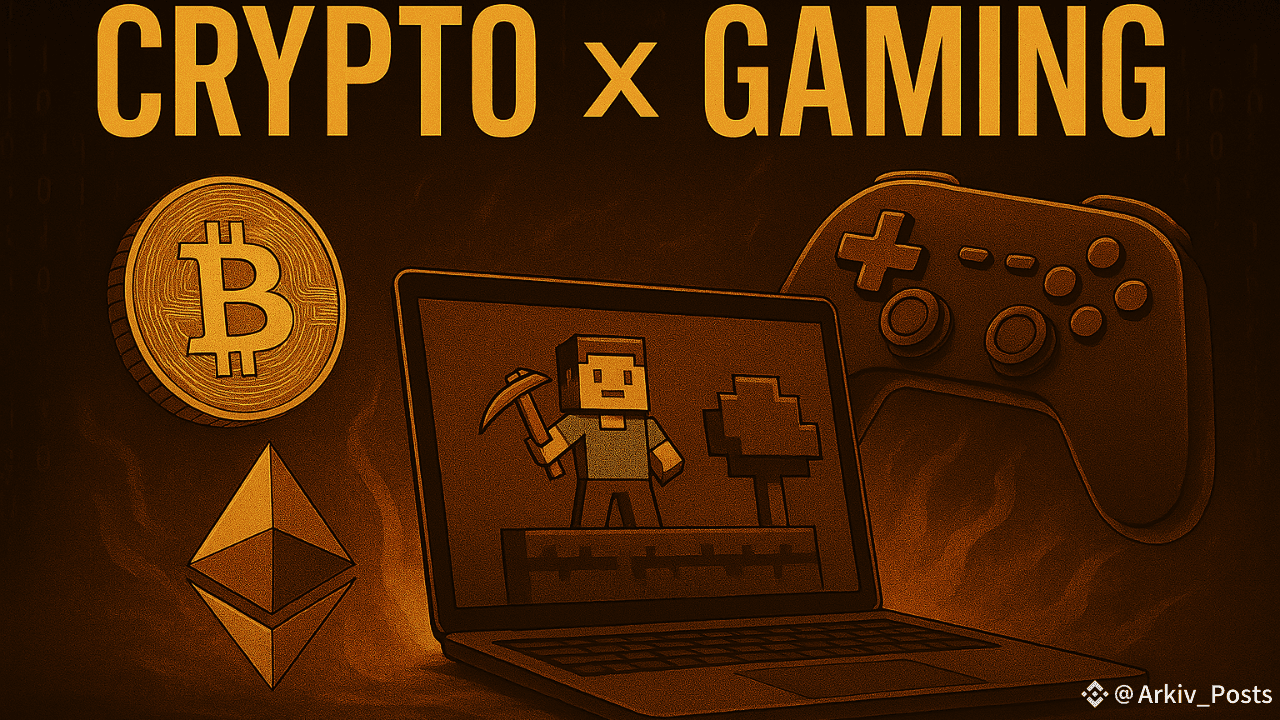
Cripto x Juegos: La Verdadera Revolución que Ya Está OcurriendoEn 2025, la fusión de criptomonedas y juegos ya no es un concepto futurista; es un ecosistema vivo y en funcionamiento que está reconfigurando cómo jugamos, ganamos y poseemos. Esto no es especulación. Esto es una disrupción del mundo real, respaldada por millones de usuarios, miles de millones en volumen y una nueva generación de economías digitales.
Adentrémonos en las historias reales, plataformas reales y el impacto real de esta convergencia imparable.
🧬 1. De Pixels a Beneficios: El Auge del Play-to-Earn
El punto de inflexión llegó en 2024, cuando juegos como Hamster Combat y Pixels explotaron en Telegram y plataformas Web3. Estos no eran solo juegos; eran ecosistemas financieros.
Cripto x Juegos: La Verdadera Revolución que Ya Está Ocurriendo
En 2025, la fusión de criptomonedas y juegos ya no es un concepto futurista; es un ecosistema vivo y en funcionamiento que está reconfigurando cómo jugamos, ganamos y poseemos. Esto no es especulación. Esto es una disrupción del mundo real, respaldada por millones de usuarios, miles de millones en volumen y una nueva generación de economías digitales.
Adentrémonos en las historias reales, plataformas reales y el impacto real de esta convergencia imparable.
🧬 1. De Pixels a Beneficios: El Auge del Play-to-Earn
El punto de inflexión llegó en 2024, cuando juegos como Hamster Combat y Pixels explotaron en Telegram y plataformas Web3. Estos no eran solo juegos; eran ecosistemas financieros.
Adentrémonos en las historias reales, plataformas reales y el impacto real de esta convergencia imparable.
🧬 1. De Pixels a Beneficios: El Auge del Play-to-Earn
El punto de inflexión llegó en 2024, cuando juegos como Hamster Combat y Pixels explotaron en Telegram y plataformas Web3. Estos no eran solo juegos; eran ecosistemas financieros.
540
·
--
Bajista
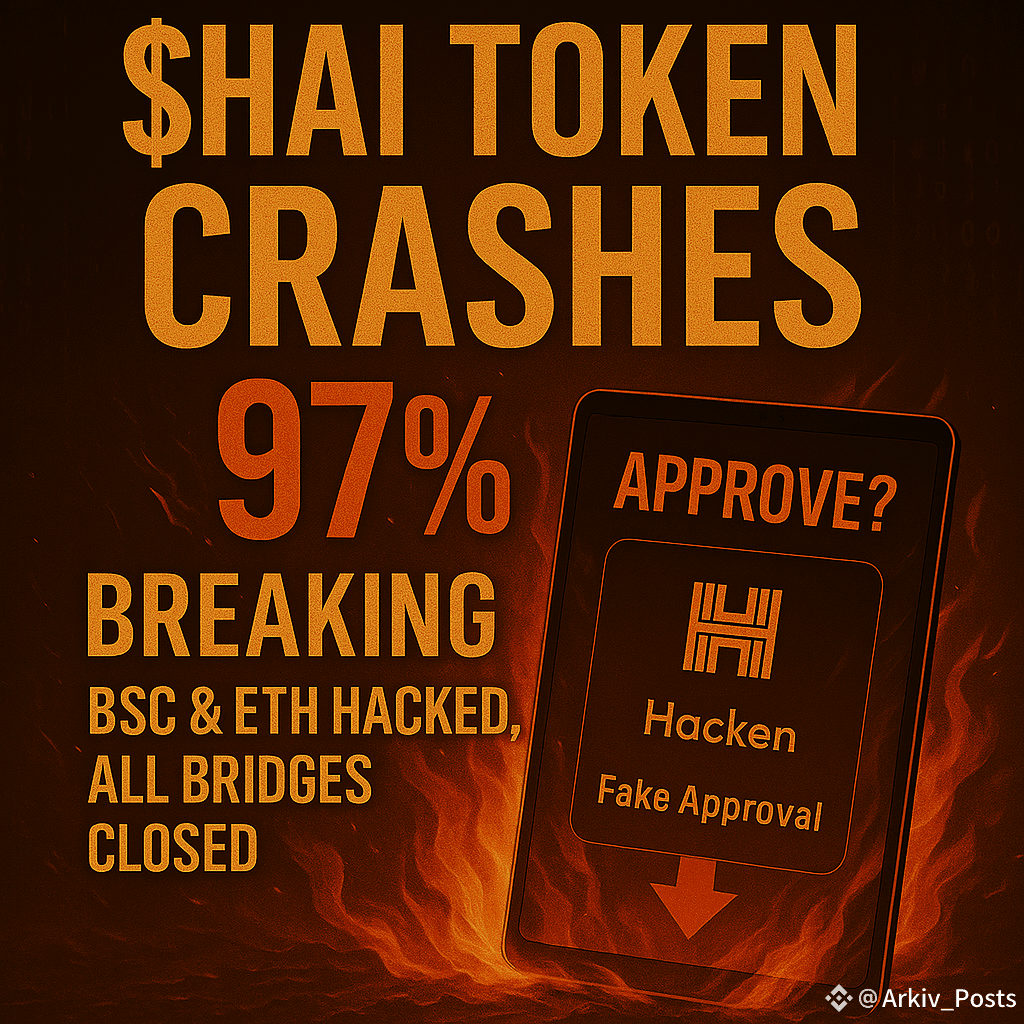
🚨 ÚLTIMA HORA: El Token $HAI de Hacken Se Desploma un 97% Ante el Cierre de Puentes Intercadenas 🚨
El proyecto de criptomonedas enfocado en ciberseguridad Hacken ($HAI) ha sufrido un devastador colapso del 97% en su precio, tras una importante violación de seguridad que afecta tanto a sus puentes BSC como Ethereum. En respuesta, todos los puentes intercadenas han sido suspendidos, siendo VeChain la única red válida y segura para transacciones de HAI.
⚠️ Lo Que Necesitas Saber
🔴 El token $HAI se ha desplomado de ~$0.47 a ~$0.015, eliminando casi todo su valor de mercado
🔴 Puentes BSC y ETH comprometidos—se insta a los usuarios a evitar cualquier transacción en estas cadenas
🔴 Solo VeChain sigue operativo y seguro para transferencias de HAI
🔴 Se están reportando aprobaciones falsas y ventanas emergentes de phishing—NO apruebes ningún aviso de billetera a menos que esté verificado
🛡️ Acciones Inmediatas para los Poseedores de HAI
✅ NO interactúes con contratos BSC o ETH relacionados con HAI
✅ Revoca cualquier aprobación reciente utilizando herramientas como Revoke.cash
✅ Mueve tu HAI a VeChain si es posible
✅ Mantente alejado de dApps o ventanas emergentes sospechosas—el phishing al estilo deepfake está en aumento
✅ Monitorea los canales oficiales de Hacken para actualizaciones verificadas
🙏 Palabra Final
Esto no es solo una caída de precio—es una crisis de seguridad total. Si posees $HAI, actúa rápido, mantente alerta y reza por protección en este paisaje de amenazas impulsadas por IA.
"En un mundo de contratos inteligentes, mantente más inteligente. En un mundo de deepfakes, mantente más profundo en la verdad."
$HAI
#HAIHack #CryptoAlert #BridgeExploit #VeChainSafe #BinanceSquare #Write2Earn
🚨 ÚLTIMA HORA: El Token $HAI de Hacken Se Desploma un 97% Ante el Cierre de Puentes Intercadenas 🚨
El proyecto de criptomonedas enfocado en ciberseguridad Hacken ($HAI) ha sufrido un devastador colapso del 97% en su precio, tras una importante violación de seguridad que afecta tanto a sus puentes BSC como Ethereum. En respuesta, todos los puentes intercadenas han sido suspendidos, siendo VeChain la única red válida y segura para transacciones de HAI.
⚠️ Lo Que Necesitas Saber
🔴 El token $HAI se ha desplomado de ~$0.47 a ~$0.015, eliminando casi todo su valor de mercado
🔴 Puentes BSC y ETH comprometidos—se insta a los usuarios a evitar cualquier transacción en estas cadenas
🔴 Solo VeChain sigue operativo y seguro para transferencias de HAI
🔴 Se están reportando aprobaciones falsas y ventanas emergentes de phishing—NO apruebes ningún aviso de billetera a menos que esté verificado
🛡️ Acciones Inmediatas para los Poseedores de HAI
✅ NO interactúes con contratos BSC o ETH relacionados con HAI
✅ Revoca cualquier aprobación reciente utilizando herramientas como Revoke.cash
✅ Mueve tu HAI a VeChain si es posible
✅ Mantente alejado de dApps o ventanas emergentes sospechosas—el phishing al estilo deepfake está en aumento
✅ Monitorea los canales oficiales de Hacken para actualizaciones verificadas
🙏 Palabra Final
Esto no es solo una caída de precio—es una crisis de seguridad total. Si posees $HAI, actúa rápido, mantente alerta y reza por protección en este paisaje de amenazas impulsadas por IA.
"En un mundo de contratos inteligentes, mantente más inteligente. En un mundo de deepfakes, mantente más profundo en la verdad."
$HAI
#HAIHack #CryptoAlert #BridgeExploit #VeChainSafe #BinanceSquare #Write2Earn
El proyecto de criptomonedas enfocado en ciberseguridad Hacken ($HAI) ha sufrido un devastador colapso del 97% en su precio, tras una importante violación de seguridad que afecta tanto a sus puentes BSC como Ethereum. En respuesta, todos los puentes intercadenas han sido suspendidos, siendo VeChain la única red válida y segura para transacciones de HAI.
⚠️ Lo Que Necesitas Saber
🔴 El token $HAI se ha desplomado de ~$0.47 a ~$0.015, eliminando casi todo su valor de mercado
🔴 Puentes BSC y ETH comprometidos—se insta a los usuarios a evitar cualquier transacción en estas cadenas
🔴 Solo VeChain sigue operativo y seguro para transferencias de HAI
🔴 Se están reportando aprobaciones falsas y ventanas emergentes de phishing—NO apruebes ningún aviso de billetera a menos que esté verificado
🛡️ Acciones Inmediatas para los Poseedores de HAI
✅ NO interactúes con contratos BSC o ETH relacionados con HAI
✅ Revoca cualquier aprobación reciente utilizando herramientas como Revoke.cash
✅ Mueve tu HAI a VeChain si es posible
✅ Mantente alejado de dApps o ventanas emergentes sospechosas—el phishing al estilo deepfake está en aumento
✅ Monitorea los canales oficiales de Hacken para actualizaciones verificadas
🙏 Palabra Final
Esto no es solo una caída de precio—es una crisis de seguridad total. Si posees $HAI, actúa rápido, mantente alerta y reza por protección en este paisaje de amenazas impulsadas por IA.
"En un mundo de contratos inteligentes, mantente más inteligente. En un mundo de deepfakes, mantente más profundo en la verdad."
$HAI
#HAIHack #CryptoAlert #BridgeExploit #VeChainSafe #BinanceSquare #Write2Earn
221
·
--
Alcista
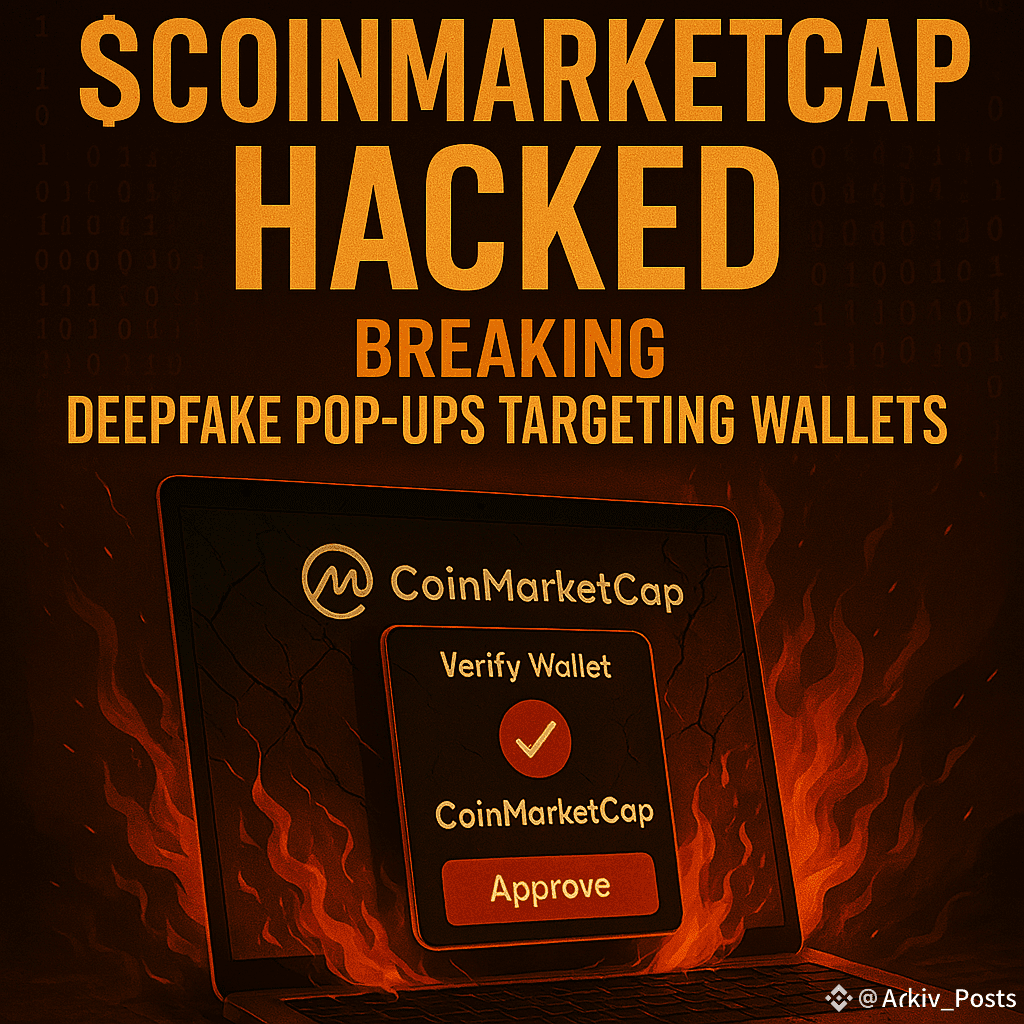
🚨 ÚLTIMA HORA: CoinMarketCap Hackeado — Ventanas emergentes Deepfake Apuntando a Monederos 🚨
Una importante violación de seguridad ha sacudido el mundo cripto. CoinMarketCap, uno de los nombres más confiables en datos cripto, ha sido hackeado, exponiendo a millones de usuarios a ventanas emergentes deepfake maliciosas diseñadas para vaciar monederos.
⚠️ ¿Qué Sucedió?
🔴 Los usuarios que visitaban CoinMarketCap veían ventanas emergentes falsas de “Verificar Monedero”, instándolos a conectar sus monederos y aprobar el acceso. Estas ventanas emergentes imitaron solicitudes legítimas de monederos utilizando superposiciones de interfaz al estilo deepfake.
🔴 Una vez que se hacía clic, los usuarios aprobaban sin saber el acceso a tokens ERC-20, permitiendo a los atacantes vaciar fondos directamente de los monederos.
🔴 Proveedores de monederos como MetaMask y Phantom inmediatamente marcaron el sitio como inseguro, advirtiendo a los usuarios que no interactuaran con ninguna solicitud.
🧠 Por Qué Esto Es Tan Peligroso
Las ventanas emergentes parecían auténticas, engañando incluso a usuarios experimentados.
Las víctimas creían que estaban aprobando actualizaciones de aplicaciones o verificaciones de seguridad.
Una vez aprobados, los monederos se comprometían instantáneamente.
🛡️ Lo Que DEBES Hacer Ahora
✅ NO apruebes ninguna ventana emergente en CoinMarketCap o sitios similares.
✅ Solo actualiza aplicaciones a través de Play Store o App Store—nunca a través de solicitudes del navegador.
✅ Realiza un escaneo de malware y revoca cualquier permiso sospechoso de monedero.
✅ Revisa la actividad de tu monedero y utiliza herramientas como Revoke.cash para eliminar aprobaciones no autorizadas.
✅ Reza por protección—porque en esta era impulsada por IA, incluso tus instintos pueden ser engañados.
🙏 Palabra Final
Esto no es solo un hackeo. Es una llamada de atención.
La IA ahora se está utilizando para imitar la confianza, explotar hábitos y robar identidades.
Debemos mantenernos vigilantes, informados y arraigados en la verdad.
Que Dios proteja tus activos, tu identidad y tu paz mental.
Mantente a salvo. Mantente alerta. Mantente soberano.
#Write2Earn
#CoinMarketCapHack #CryptoSecurity #DeepfakeAlert
🚨 ÚLTIMA HORA: CoinMarketCap Hackeado — Ventanas emergentes Deepfake Apuntando a Monederos 🚨
Una importante violación de seguridad ha sacudido el mundo cripto. CoinMarketCap, uno de los nombres más confiables en datos cripto, ha sido hackeado, exponiendo a millones de usuarios a ventanas emergentes deepfake maliciosas diseñadas para vaciar monederos.
⚠️ ¿Qué Sucedió?
🔴 Los usuarios que visitaban CoinMarketCap veían ventanas emergentes falsas de “Verificar Monedero”, instándolos a conectar sus monederos y aprobar el acceso. Estas ventanas emergentes imitaron solicitudes legítimas de monederos utilizando superposiciones de interfaz al estilo deepfake.
🔴 Una vez que se hacía clic, los usuarios aprobaban sin saber el acceso a tokens ERC-20, permitiendo a los atacantes vaciar fondos directamente de los monederos.
🔴 Proveedores de monederos como MetaMask y Phantom inmediatamente marcaron el sitio como inseguro, advirtiendo a los usuarios que no interactuaran con ninguna solicitud.
🧠 Por Qué Esto Es Tan Peligroso
Las ventanas emergentes parecían auténticas, engañando incluso a usuarios experimentados.
Las víctimas creían que estaban aprobando actualizaciones de aplicaciones o verificaciones de seguridad.
Una vez aprobados, los monederos se comprometían instantáneamente.
🛡️ Lo Que DEBES Hacer Ahora
✅ NO apruebes ninguna ventana emergente en CoinMarketCap o sitios similares.
✅ Solo actualiza aplicaciones a través de Play Store o App Store—nunca a través de solicitudes del navegador.
✅ Realiza un escaneo de malware y revoca cualquier permiso sospechoso de monedero.
✅ Revisa la actividad de tu monedero y utiliza herramientas como Revoke.cash para eliminar aprobaciones no autorizadas.
✅ Reza por protección—porque en esta era impulsada por IA, incluso tus instintos pueden ser engañados.
🙏 Palabra Final
Esto no es solo un hackeo. Es una llamada de atención.
La IA ahora se está utilizando para imitar la confianza, explotar hábitos y robar identidades.
Debemos mantenernos vigilantes, informados y arraigados en la verdad.
Que Dios proteja tus activos, tu identidad y tu paz mental.
Mantente a salvo. Mantente alerta. Mantente soberano.
#Write2Earn
#CoinMarketCapHack #CryptoSecurity #DeepfakeAlert
Una importante violación de seguridad ha sacudido el mundo cripto. CoinMarketCap, uno de los nombres más confiables en datos cripto, ha sido hackeado, exponiendo a millones de usuarios a ventanas emergentes deepfake maliciosas diseñadas para vaciar monederos.
⚠️ ¿Qué Sucedió?
🔴 Los usuarios que visitaban CoinMarketCap veían ventanas emergentes falsas de “Verificar Monedero”, instándolos a conectar sus monederos y aprobar el acceso. Estas ventanas emergentes imitaron solicitudes legítimas de monederos utilizando superposiciones de interfaz al estilo deepfake.
🔴 Una vez que se hacía clic, los usuarios aprobaban sin saber el acceso a tokens ERC-20, permitiendo a los atacantes vaciar fondos directamente de los monederos.
🔴 Proveedores de monederos como MetaMask y Phantom inmediatamente marcaron el sitio como inseguro, advirtiendo a los usuarios que no interactuaran con ninguna solicitud.
🧠 Por Qué Esto Es Tan Peligroso
Las ventanas emergentes parecían auténticas, engañando incluso a usuarios experimentados.
Las víctimas creían que estaban aprobando actualizaciones de aplicaciones o verificaciones de seguridad.
Una vez aprobados, los monederos se comprometían instantáneamente.
🛡️ Lo Que DEBES Hacer Ahora
✅ NO apruebes ninguna ventana emergente en CoinMarketCap o sitios similares.
✅ Solo actualiza aplicaciones a través de Play Store o App Store—nunca a través de solicitudes del navegador.
✅ Realiza un escaneo de malware y revoca cualquier permiso sospechoso de monedero.
✅ Revisa la actividad de tu monedero y utiliza herramientas como Revoke.cash para eliminar aprobaciones no autorizadas.
✅ Reza por protección—porque en esta era impulsada por IA, incluso tus instintos pueden ser engañados.
🙏 Palabra Final
Esto no es solo un hackeo. Es una llamada de atención.
La IA ahora se está utilizando para imitar la confianza, explotar hábitos y robar identidades.
Debemos mantenernos vigilantes, informados y arraigados en la verdad.
Que Dios proteja tus activos, tu identidad y tu paz mental.
Mantente a salvo. Mantente alerta. Mantente soberano.
#Write2Earn
#CoinMarketCapHack #CryptoSecurity #DeepfakeAlert
38
Inicia sesión para explorar más contenidos
Únete a usuarios globales de criptomonedas en Binance Square
⚡️ Obtén información útil y actualizada sobre criptos.
💬 Avalado por el mayor exchange de criptomonedas en el mundo.
👍 Descubre perspectivas reales de creadores verificados.
Email/número de teléfono
Temas populares
EarningsSeason
138,900 vistas
1,321 están debatiendo
Temporada de Resultados: Ganancias del 4T de Micron — ¿Alcista o Bajista?
Binance Square Official
·265 me gusta
·465.6k vistas
BitwiseLaunchesFirstSpotNEARETF
804 vistas
83 están debatiendo
USJobOpeningsFallToFiveMonthLow
1,204 vistas
64 están debatiendo