

The MeeCrypt
114 Publicaciones

The MeeCrypt
Denunciar
Bloquear usuario
Early on crypto trends | Talking DePIN, AI & blockchain
9 Siguiendo
45 Seguidores
136 Me gusta
Publicaciones
Todo
Citas
·
--
Durante mucho tiempo, la computación descentralizada sonaba bien en teoría, pero era difícil de usar en la práctica.
Para los desarrolladores y equipos que crean productos, la flexibilidad que ofrece @fluence es revolucionaria. Puedes crear sin preocuparte por los costos ocultos y las restricciones que vienen con los proveedores tradicionales de nube centralizada.
Esto es lo que ofrecen👇
1. Cero tarifas de salida de datos: mueve tus datos dentro y fuera sin que te cobren extra. Pagas solo por lo que usas.
2. Ancho de banda ilimitado: sin limitaciones de velocidad ni facturas sorpresa cuando tu aplicación crece.
3. Estándares abiertos: basado en protocolos abiertos, no en sistemas cerrados. Tú eres dueño de tu infraestructura.
4. Migración sencilla y sin dependencia de un proveedor: implementa donde quieras y cuando quieras. Migra cargas de trabajo en minutos, no en meses.
Entrenar modelos, ejecutar inferencias y almacenar enormes conjuntos de datos: todo requiere una infraestructura escalable, asequible y flexible. Tener el control de DÓNDE se ejecutan tus cargas de trabajo y de CÓMO escalas ya no es un lujo; es una necesidad para cualquier desarrollador que se tome en serio lo que hace.
Fluence les está dando esa libertad a los desarrolladores. La libertad de elegir, escalar y crear sin límites.
Los desarrolladores ya están haciendo el cambio.
#Fluence #DePIN #DecentralizedCloud #AI
Durante mucho tiempo, la computación descentralizada sonaba bien en teoría, pero era difícil de usar en la práctica.
Para los desarrolladores y equipos que crean productos, la flexibilidad que ofrece @Fluence es revolucionaria. Puedes crear sin preocuparte por los costos ocultos y las restricciones que vienen con los proveedores tradicionales de nube centralizada.
Esto es lo que ofrecen👇
1. Cero tarifas de salida de datos: mueve tus datos dentro y fuera sin que te cobren extra. Pagas solo por lo que usas.
2. Ancho de banda ilimitado: sin limitaciones de velocidad ni facturas sorpresa cuando tu aplicación crece.
3. Estándares abiertos: basado en protocolos abiertos, no en sistemas cerrados. Tú eres dueño de tu infraestructura.
4. Migración sencilla y sin dependencia de un proveedor: implementa donde quieras y cuando quieras. Migra cargas de trabajo en minutos, no en meses.
Entrenar modelos, ejecutar inferencias y almacenar enormes conjuntos de datos: todo requiere una infraestructura escalable, asequible y flexible. Tener el control de DÓNDE se ejecutan tus cargas de trabajo y de CÓMO escalas ya no es un lujo; es una necesidad para cualquier desarrollador que se tome en serio lo que hace.
Fluence les está dando esa libertad a los desarrolladores. La libertad de elegir, escalar y crear sin límites.
Los desarrolladores ya están haciendo el cambio.
#Fluence #DePIN #DecentralizedCloud #AI
Para los desarrolladores y equipos que crean productos, la flexibilidad que ofrece @Fluence es revolucionaria. Puedes crear sin preocuparte por los costos ocultos y las restricciones que vienen con los proveedores tradicionales de nube centralizada.
Esto es lo que ofrecen👇
1. Cero tarifas de salida de datos: mueve tus datos dentro y fuera sin que te cobren extra. Pagas solo por lo que usas.
2. Ancho de banda ilimitado: sin limitaciones de velocidad ni facturas sorpresa cuando tu aplicación crece.
3. Estándares abiertos: basado en protocolos abiertos, no en sistemas cerrados. Tú eres dueño de tu infraestructura.
4. Migración sencilla y sin dependencia de un proveedor: implementa donde quieras y cuando quieras. Migra cargas de trabajo en minutos, no en meses.
Entrenar modelos, ejecutar inferencias y almacenar enormes conjuntos de datos: todo requiere una infraestructura escalable, asequible y flexible. Tener el control de DÓNDE se ejecutan tus cargas de trabajo y de CÓMO escalas ya no es un lujo; es una necesidad para cualquier desarrollador que se tome en serio lo que hace.
Fluence les está dando esa libertad a los desarrolladores. La libertad de elegir, escalar y crear sin límites.
Los desarrolladores ya están haciendo el cambio.
#Fluence #DePIN #DecentralizedCloud #AI

70
·
--
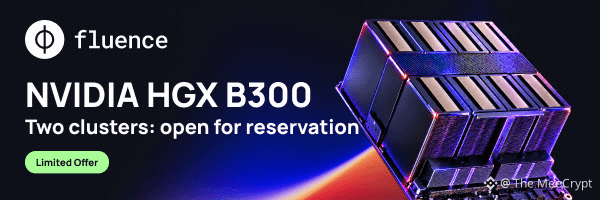
@fluence actualiza su red de computación con dos nuevos clústeres NVIDIA B300
Dos clústeres NVIDIA HGX B300 ya están disponibles para reserva a través de Fluence, lo que añade más capacidad de GPU de alto rendimiento a su red de computación.
Esto es lo interesante:
🇺🇸 Texas: 10 nodos refrigerados por líquido, con 8 GPU B300 por nodo. Cada GPU tiene 288 GB de memoria HBM3E, lo que proporciona 2,3 TB de memoria GPU por nodo. El clúster puede estar listo en el plazo de una semana desde la firma del contrato.
🇺🇸 Nevada: 6 nodos refrigerados por aire que utilizan sistemas Aivres KR9288X3 con GPU HGX B300; se espera que estén listos el 1 de enero de 2027.
Ambas opciones ofrecen infraestructura bare metal dedicada, acceso root completo, 2 TB de memoria del sistema y 30,72 TB de almacenamiento NVMe.
Lo que me parece interesante de esta actualización es su lado práctico. No se trata simplemente de nuevas especificaciones de hardware para leer. Los equipos pueden reservar la infraestructura para sus propias cargas de trabajo y controlar directamente sus sistemas.
A medida que las cargas de trabajo de IA se vuelven más exigentes, creo que la infraestructura que las impulsa merece tanta atención como las aplicaciones que todos ven.
Fluence sigue desarrollando su presencia en este ámbito, y me interesa ver cómo evoluciona su red de computación.
#Fluence #AI #DePIN
@Fluence actualiza su red de computación con dos nuevos clústeres NVIDIA B300
Dos clústeres NVIDIA HGX B300 ya están disponibles para reserva a través de Fluence, lo que añade más capacidad de GPU de alto rendimiento a su red de computación.
Esto es lo interesante:
🇺🇸 Texas: 10 nodos refrigerados por líquido, con 8 GPU B300 por nodo. Cada GPU tiene 288 GB de memoria HBM3E, lo que proporciona 2,3 TB de memoria GPU por nodo. El clúster puede estar listo en el plazo de una semana desde la firma del contrato.
🇺🇸 Nevada: 6 nodos refrigerados por aire que utilizan sistemas Aivres KR9288X3 con GPU HGX B300; se espera que estén listos el 1 de enero de 2027.
Ambas opciones ofrecen infraestructura bare metal dedicada, acceso root completo, 2 TB de memoria del sistema y 30,72 TB de almacenamiento NVMe.
Lo que me parece interesante de esta actualización es su lado práctico. No se trata simplemente de nuevas especificaciones de hardware para leer. Los equipos pueden reservar la infraestructura para sus propias cargas de trabajo y controlar directamente sus sistemas.
A medida que las cargas de trabajo de IA se vuelven más exigentes, creo que la infraestructura que las impulsa merece tanta atención como las aplicaciones que todos ven.
Fluence sigue desarrollando su presencia en este ámbito, y me interesa ver cómo evoluciona su red de computación.
#Fluence #AI #DePIN
Dos clústeres NVIDIA HGX B300 ya están disponibles para reserva a través de Fluence, lo que añade más capacidad de GPU de alto rendimiento a su red de computación.
Esto es lo interesante:
🇺🇸 Texas: 10 nodos refrigerados por líquido, con 8 GPU B300 por nodo. Cada GPU tiene 288 GB de memoria HBM3E, lo que proporciona 2,3 TB de memoria GPU por nodo. El clúster puede estar listo en el plazo de una semana desde la firma del contrato.
🇺🇸 Nevada: 6 nodos refrigerados por aire que utilizan sistemas Aivres KR9288X3 con GPU HGX B300; se espera que estén listos el 1 de enero de 2027.
Ambas opciones ofrecen infraestructura bare metal dedicada, acceso root completo, 2 TB de memoria del sistema y 30,72 TB de almacenamiento NVMe.
Lo que me parece interesante de esta actualización es su lado práctico. No se trata simplemente de nuevas especificaciones de hardware para leer. Los equipos pueden reservar la infraestructura para sus propias cargas de trabajo y controlar directamente sus sistemas.
A medida que las cargas de trabajo de IA se vuelven más exigentes, creo que la infraestructura que las impulsa merece tanta atención como las aplicaciones que todos ven.
Fluence sigue desarrollando su presencia en este ámbito, y me interesa ver cómo evoluciona su red de computación.
#Fluence #AI #DePIN
71
·
--
𝗖𝗼́𝗺𝗼 𝗿𝗲𝗱𝘂𝗰𝗶𝗿 𝗹𝗼𝘀 𝗰𝗼𝘀𝘁𝗼𝘀 𝗱𝗲 𝗹𝗮 𝗻𝘂𝗯𝗲 𝗰𝗼𝗻 𝗙𝗹𝘂𝗲𝗻𝗰𝗲 𝗲𝗻 𝟯 𝗽𝗮𝘀𝗼𝘀:
𝗣𝗮𝘀𝗼 𝟭: 𝗩𝗲 𝗮 𝗹𝗮 𝗰𝗼𝗻𝘀𝗼𝗹𝗮 𝗱𝗲 𝗙𝗹𝘂𝗲𝗻𝗰𝗲
No vayas a AWS. Ve a http://fluence.ai/gpu
Conecta tu billetera y verás el panel de control.
𝗣𝗮𝘀𝗼 𝟮: 𝗔𝗹𝗾𝘂𝗶𝗹𝗮 𝗚𝗣𝗨, 𝗻𝗼 𝗹𝗮 𝗻𝘂𝗯𝗲
Haz clic en «Alquilar GPU».
Elige lo que necesitas: H100, A100, H200. Elige una ubicación cercana.
Fluence tiene más de 1400 GPU en 32 regiones. El precio ya es un 60 % más bajo que en AWS/GCP. Puedes ver el precio por hora en tiempo real.
𝗣𝗮𝘀𝗼 𝟯: 𝗣𝗮𝗴𝗮 𝘀𝗼𝗹𝗼 𝗰𝘂𝗮𝗻𝗱𝗼 𝗹𝗮 𝘂𝘀𝗲𝘀
Iníciala, implementa tu modelo y entrénalo.
Cuando termines, APÁGALA.
Fluence cobra por segundo. Sin compromisos mensuales. Si la usas durante 2 horas, solo pagas esas 2 horas.
𝗬 𝗲𝘀𝗼 𝗲𝘀 𝘁𝗼𝗱𝗼.
Sin créditos, llamadas de ventas ni contratos empresariales.
Nube tradicional: pagas 3,50 $/h, incluso cuando está inactiva; eso son 2500 $/mes.
Fluence: pagas alrededor de 1,40 $/h y solo cuando está activa; eso equivale a unos 900 $/mes.
Reduces los costos en un 60 % porque:
1. Pagas menos por hora.
2. Pagas solo por el tiempo de uso activo.
#Fluence #GPU #DePIN #AI
𝗖𝗼́𝗺𝗼 𝗿𝗲𝗱𝘂𝗰𝗶𝗿 𝗹𝗼𝘀 𝗰𝗼𝘀𝘁𝗼𝘀 𝗱𝗲 𝗹𝗮 𝗻𝘂𝗯𝗲 𝗰𝗼𝗻 𝗙𝗹𝘂𝗲𝗻𝗰𝗲 𝗲𝗻 𝟯 𝗽𝗮𝘀𝗼𝘀:
𝗣𝗮𝘀𝗼 𝟭: 𝗩𝗲 𝗮 𝗹𝗮 𝗰𝗼𝗻𝘀𝗼𝗹𝗮 𝗱𝗲 𝗙𝗹𝘂𝗲𝗻𝗰𝗲
No vayas a AWS. Ve a http://fluence.ai/gpu
Conecta tu billetera y verás el panel de control.
𝗣𝗮𝘀𝗼 𝟮: 𝗔𝗹𝗾𝘂𝗶𝗹𝗮 𝗚𝗣𝗨, 𝗻𝗼 𝗹𝗮 𝗻𝘂𝗯𝗲
Haz clic en «Alquilar GPU».
Elige lo que necesitas: H100, A100, H200. Elige una ubicación cercana.
Fluence tiene más de 1400 GPU en 32 regiones. El precio ya es un 60 % más bajo que en AWS/GCP. Puedes ver el precio por hora en tiempo real.
𝗣𝗮𝘀𝗼 𝟯: 𝗣𝗮𝗴𝗮 𝘀𝗼𝗹𝗼 𝗰𝘂𝗮𝗻𝗱𝗼 𝗹𝗮 𝘂𝘀𝗲𝘀
Iníciala, implementa tu modelo y entrénalo.
Cuando termines, APÁGALA.
Fluence cobra por segundo. Sin compromisos mensuales. Si la usas durante 2 horas, solo pagas esas 2 horas.
𝗬 𝗲𝘀𝗼 𝗲𝘀 𝘁𝗼𝗱𝗼.
Sin créditos, llamadas de ventas ni contratos empresariales.
Nube tradicional: pagas 3,50 $/h, incluso cuando está inactiva; eso son 2500 $/mes.
Fluence: pagas alrededor de 1,40 $/h y solo cuando está activa; eso equivale a unos 900 $/mes.
Reduces los costos en un 60 % porque:
1. Pagas menos por hora.
2. Pagas solo por el tiempo de uso activo.
#Fluence #GPU #DePIN #AI
𝗣𝗮𝘀𝗼 𝟭: 𝗩𝗲 𝗮 𝗹𝗮 𝗰𝗼𝗻𝘀𝗼𝗹𝗮 𝗱𝗲 𝗙𝗹𝘂𝗲𝗻𝗰𝗲
No vayas a AWS. Ve a http://fluence.ai/gpu
Conecta tu billetera y verás el panel de control.
𝗣𝗮𝘀𝗼 𝟮: 𝗔𝗹𝗾𝘂𝗶𝗹𝗮 𝗚𝗣𝗨, 𝗻𝗼 𝗹𝗮 𝗻𝘂𝗯𝗲
Haz clic en «Alquilar GPU».
Elige lo que necesitas: H100, A100, H200. Elige una ubicación cercana.
Fluence tiene más de 1400 GPU en 32 regiones. El precio ya es un 60 % más bajo que en AWS/GCP. Puedes ver el precio por hora en tiempo real.
𝗣𝗮𝘀𝗼 𝟯: 𝗣𝗮𝗴𝗮 𝘀𝗼𝗹𝗼 𝗰𝘂𝗮𝗻𝗱𝗼 𝗹𝗮 𝘂𝘀𝗲𝘀
Iníciala, implementa tu modelo y entrénalo.
Cuando termines, APÁGALA.
Fluence cobra por segundo. Sin compromisos mensuales. Si la usas durante 2 horas, solo pagas esas 2 horas.
𝗬 𝗲𝘀𝗼 𝗲𝘀 𝘁𝗼𝗱𝗼.
Sin créditos, llamadas de ventas ni contratos empresariales.
Nube tradicional: pagas 3,50 $/h, incluso cuando está inactiva; eso son 2500 $/mes.
Fluence: pagas alrededor de 1,40 $/h y solo cuando está activa; eso equivale a unos 900 $/mes.
Reduces los costos en un 60 % porque:
1. Pagas menos por hora.
2. Pagas solo por el tiempo de uso activo.
#Fluence #GPU #DePIN #AI

137
·
--
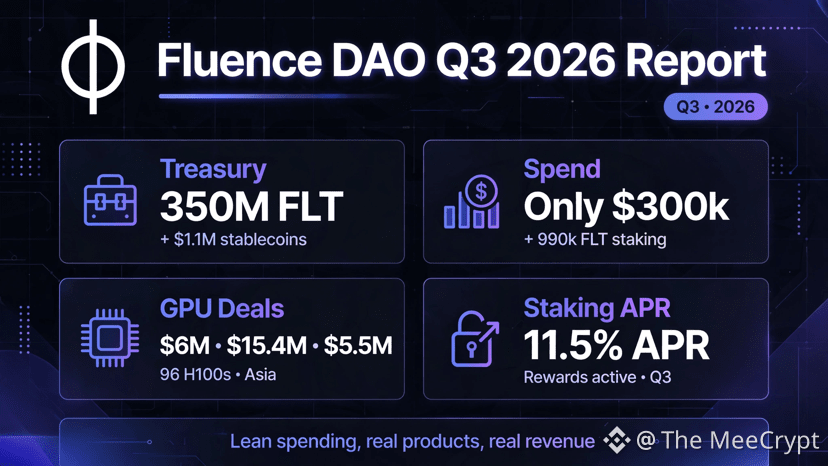
@fluence El informe del Q3 de 2026 de DAO ya está disponible y soy aún más optimista sobre $FLT
Aquí tienes un resumen sencillo del informe:
1. Gastan muy poco, pero construyen mucho.
En 3 meses, solo gastaron $300k, más las recompensas por staking. Para una empresa tecnológica que está creando una plataforma completa en la nube, es muy poco. La mayoría de las empresas gasta 10 veces más.
Y todavía les queda una enorme tesorería: más de 350 millones de FLT y más de $1.1 millones en stablecoins. Eso significa que pueden seguir construyendo durante mucho tiempo.
2. Están lanzando productos reales que la gente puede usar.
• Lanzaron Virtual Private Cloud, que permite a las empresas ejecutar sus aplicaciones de forma más segura y privada.
• Lanzaron computadoras económicas desde $2.54 al mes, para que hasta los pequeños desarrolladores puedan usarlas.
• Añadieron una Terminal Web, para que puedas usarla directamente desde tu navegador.
• Añadieron una función que permite a los agentes de IA pagar por su cuenta con USDC y alquilar computadoras automáticamente. No hace falta que una persona se registre.
Y lo más importante: las subastas de GPU. Ayudan a las empresas a alquilar GPU potentes para IA. Solo en el Q3, ayudaron a cerrar contratos por valor de $6M, $15.4M y $5.5M, incluido uno por 96 H100 en Asia. Eso sí es un negocio real.
También migraron a http://fluence.ai para mostrar que ahora se centran en la nube para IA.
3. Los holders siguen obteniendo ganancias.
Pagaron 990k FLT en recompensas por staking durante el Q3, con un APR de alrededor del 11.5%. 340k en julio, 300k en agosto y 350k en septiembre.
Para mí, es sencillo: poco gasto, una tesorería más sólida, buenos productos y clientes reales que pagan millones por GPU.
Sigo de cerca el crecimiento de FLT
#FLT #Web3 #DePIN
@Fluence El informe del Q3 de 2026 de DAO ya está disponible y soy aún más optimista sobre $FLT
Aquí tienes un resumen sencillo del informe:
1. Gastan muy poco, pero construyen mucho.
En 3 meses, solo gastaron $300k, más las recompensas por staking. Para una empresa tecnológica que está creando una plataforma completa en la nube, es muy poco. La mayoría de las empresas gasta 10 veces más.
Y todavía les queda una enorme tesorería: más de 350 millones de FLT y más de $1.1 millones en stablecoins. Eso significa que pueden seguir construyendo durante mucho tiempo.
2. Están lanzando productos reales que la gente puede usar.
• Lanzaron Virtual Private Cloud, que permite a las empresas ejecutar sus aplicaciones de forma más segura y privada.
• Lanzaron computadoras económicas desde $2.54 al mes, para que hasta los pequeños desarrolladores puedan usarlas.
• Añadieron una Terminal Web, para que puedas usarla directamente desde tu navegador.
• Añadieron una función que permite a los agentes de IA pagar por su cuenta con USDC y alquilar computadoras automáticamente. No hace falta que una persona se registre.
Y lo más importante: las subastas de GPU. Ayudan a las empresas a alquilar GPU potentes para IA. Solo en el Q3, ayudaron a cerrar contratos por valor de $6M, $15.4M y $5.5M, incluido uno por 96 H100 en Asia. Eso sí es un negocio real.
También migraron a http://fluence.ai para mostrar que ahora se centran en la nube para IA.
3. Los holders siguen obteniendo ganancias.
Pagaron 990k FLT en recompensas por staking durante el Q3, con un APR de alrededor del 11.5%. 340k en julio, 300k en agosto y 350k en septiembre.
Para mí, es sencillo: poco gasto, una tesorería más sólida, buenos productos y clientes reales que pagan millones por GPU.
Sigo de cerca el crecimiento de FLT
#FLT #Web3 #DePIN
Aquí tienes un resumen sencillo del informe:
1. Gastan muy poco, pero construyen mucho.
En 3 meses, solo gastaron $300k, más las recompensas por staking. Para una empresa tecnológica que está creando una plataforma completa en la nube, es muy poco. La mayoría de las empresas gasta 10 veces más.
Y todavía les queda una enorme tesorería: más de 350 millones de FLT y más de $1.1 millones en stablecoins. Eso significa que pueden seguir construyendo durante mucho tiempo.
2. Están lanzando productos reales que la gente puede usar.
• Lanzaron Virtual Private Cloud, que permite a las empresas ejecutar sus aplicaciones de forma más segura y privada.
• Lanzaron computadoras económicas desde $2.54 al mes, para que hasta los pequeños desarrolladores puedan usarlas.
• Añadieron una Terminal Web, para que puedas usarla directamente desde tu navegador.
• Añadieron una función que permite a los agentes de IA pagar por su cuenta con USDC y alquilar computadoras automáticamente. No hace falta que una persona se registre.
Y lo más importante: las subastas de GPU. Ayudan a las empresas a alquilar GPU potentes para IA. Solo en el Q3, ayudaron a cerrar contratos por valor de $6M, $15.4M y $5.5M, incluido uno por 96 H100 en Asia. Eso sí es un negocio real.
También migraron a http://fluence.ai para mostrar que ahora se centran en la nube para IA.
3. Los holders siguen obteniendo ganancias.
Pagaron 990k FLT en recompensas por staking durante el Q3, con un APR de alrededor del 11.5%. 340k en julio, 300k en agosto y 350k en septiembre.
Para mí, es sencillo: poco gasto, una tesorería más sólida, buenos productos y clientes reales que pagan millones por GPU.
Sigo de cerca el crecimiento de FLT
#FLT #Web3 #DePIN
13
·
--
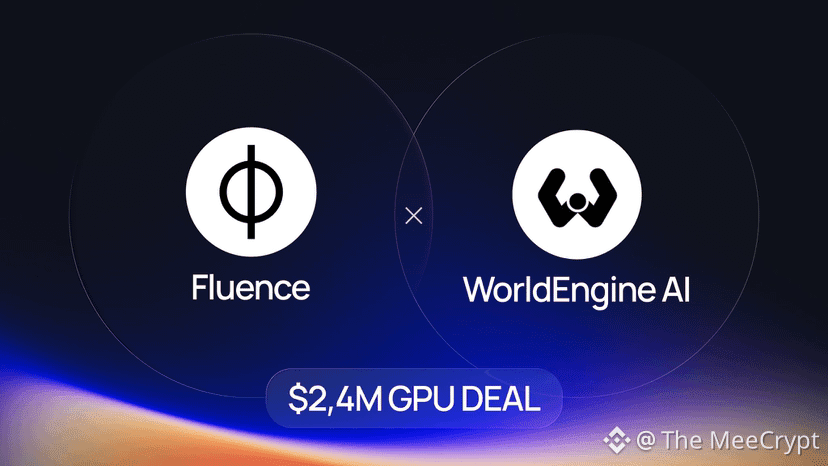
@fluence consigue otros 2,4 millones de dólares y ahora impulsa la IA física con worldengine_ai
Otro día, otro contrato real para Fluence. Y este es importante para la narrativa.
Fluence acaba de firmar un acuerdo de 2,4 millones de dólares con WorldEngine AI para proporcionar capacidad de cómputo de inferencia para la IA física.
Esta es la razón por la que creo que esto es enorme para quienes tienen $FLT:
1. Ingresos reales, caso de uso real
Esto no es una subvención ni una alianza para una testnet. Son 2,4 millones de dólares por cargas de trabajo de inferencia reales. Necesitamos más iniciativas de este tipo en DePIN.
2. IA física > IA digital
Hoy en día cualquiera puede entrenar un modelo. El cuello de botella está en el despliegue. Los robots necesitan capacidad de cómputo confiable y de baja latencia, las 24 horas del día, los 7 días de la semana. Si la inferencia falla, el robot falla. Fluence está resolviendo ese problema.
3. La integración de la pila es perfecta
WorldEngine está trabajando en:
→ datos de robótica
→ entrenamiento de modelos
→ evaluación
→ despliegue
Fluence encaja a la perfección como la columna vertebral descentralizada de cómputo que impulsa la capa final y más importante: la inferencia.
Llevo meses diciéndolo: el futuro de la IA es físico. Y cuando la IA entre en el mundo físico, los ganadores no serán solo quienes creen los modelos. Serán los proveedores de infraestructura que mantengan todo en funcionamiento.
Más alianzas como esta significan más demanda de $FLT.
La IA está adquiriendo un cuerpo, y Fluence está impulsando su cerebro.
Decir que soy optimista se queda corto.
#FLT #DePIN #Web3 #AI
@Fluence consigue otros 2,4 millones de dólares y ahora impulsa la IA física con worldengine_ai
Otro día, otro contrato real para Fluence. Y este es importante para la narrativa.
Fluence acaba de firmar un acuerdo de 2,4 millones de dólares con WorldEngine AI para proporcionar capacidad de cómputo de inferencia para la IA física.
Esta es la razón por la que creo que esto es enorme para quienes tienen $FLT:
1. Ingresos reales, caso de uso real
Esto no es una subvención ni una alianza para una testnet. Son 2,4 millones de dólares por cargas de trabajo de inferencia reales. Necesitamos más iniciativas de este tipo en DePIN.
2. IA física > IA digital
Hoy en día cualquiera puede entrenar un modelo. El cuello de botella está en el despliegue. Los robots necesitan capacidad de cómputo confiable y de baja latencia, las 24 horas del día, los 7 días de la semana. Si la inferencia falla, el robot falla. Fluence está resolviendo ese problema.
3. La integración de la pila es perfecta
WorldEngine está trabajando en:
→ datos de robótica
→ entrenamiento de modelos
→ evaluación
→ despliegue
Fluence encaja a la perfección como la columna vertebral descentralizada de cómputo que impulsa la capa final y más importante: la inferencia.
Llevo meses diciéndolo: el futuro de la IA es físico. Y cuando la IA entre en el mundo físico, los ganadores no serán solo quienes creen los modelos. Serán los proveedores de infraestructura que mantengan todo en funcionamiento.
Más alianzas como esta significan más demanda de $FLT.
La IA está adquiriendo un cuerpo, y Fluence está impulsando su cerebro.
Decir que soy optimista se queda corto.
#FLT #DePIN #Web3 #AI
Otro día, otro contrato real para Fluence. Y este es importante para la narrativa.
Fluence acaba de firmar un acuerdo de 2,4 millones de dólares con WorldEngine AI para proporcionar capacidad de cómputo de inferencia para la IA física.
Esta es la razón por la que creo que esto es enorme para quienes tienen $FLT:
1. Ingresos reales, caso de uso real
Esto no es una subvención ni una alianza para una testnet. Son 2,4 millones de dólares por cargas de trabajo de inferencia reales. Necesitamos más iniciativas de este tipo en DePIN.
2. IA física > IA digital
Hoy en día cualquiera puede entrenar un modelo. El cuello de botella está en el despliegue. Los robots necesitan capacidad de cómputo confiable y de baja latencia, las 24 horas del día, los 7 días de la semana. Si la inferencia falla, el robot falla. Fluence está resolviendo ese problema.
3. La integración de la pila es perfecta
WorldEngine está trabajando en:
→ datos de robótica
→ entrenamiento de modelos
→ evaluación
→ despliegue
Fluence encaja a la perfección como la columna vertebral descentralizada de cómputo que impulsa la capa final y más importante: la inferencia.
Llevo meses diciéndolo: el futuro de la IA es físico. Y cuando la IA entre en el mundo físico, los ganadores no serán solo quienes creen los modelos. Serán los proveedores de infraestructura que mantengan todo en funcionamiento.
Más alianzas como esta significan más demanda de $FLT.
La IA está adquiriendo un cuerpo, y Fluence está impulsando su cerebro.
Decir que soy optimista se queda corto.
#FLT #DePIN #Web3 #AI
77
·
--
Muchos productos de infraestructura hacen que los desarrolladores abandonen su flujo de trabajo existente para usarlos.
@fluence MCP va en dirección opuesta.
Una vez conectado, tu agente de codificación con IA puede trabajar con el cómputo de Fluence directamente desde el entorno que ya usas.
La configuración es ligera:
• Un fragmento de configuración
• Una clave de API de Fluence
• Un cliente compatible con MCP
No hay que instalar un servidor local de MCP. No hay actualizaciones que gestionar.
Y después de la conexión inicial, no necesitas seguir abriendo la Consola de Fluence. La interacción se mantiene dentro de tu cliente de desarrollo.
Eso puede sonar como una mejora pequeña de la experiencia de usuario, pero creo que importa.
Los desarrolladores ya se están sintiendo cómodos con que los agentes de IA gestionen más partes del proceso de desarrollo. Darles acceso al cómputo es el siguiente paso lógico.
#FluenceProject #DePIN #AI
Muchos productos de infraestructura hacen que los desarrolladores abandonen su flujo de trabajo existente para usarlos.
@Fluence MCP va en dirección opuesta.
Una vez conectado, tu agente de codificación con IA puede trabajar con el cómputo de Fluence directamente desde el entorno que ya usas.
La configuración es ligera:
• Un fragmento de configuración
• Una clave de API de Fluence
• Un cliente compatible con MCP
No hay que instalar un servidor local de MCP. No hay actualizaciones que gestionar.
Y después de la conexión inicial, no necesitas seguir abriendo la Consola de Fluence. La interacción se mantiene dentro de tu cliente de desarrollo.
Eso puede sonar como una mejora pequeña de la experiencia de usuario, pero creo que importa.
Los desarrolladores ya se están sintiendo cómodos con que los agentes de IA gestionen más partes del proceso de desarrollo. Darles acceso al cómputo es el siguiente paso lógico.
#FluenceProject #DePIN #AI
@Fluence MCP va en dirección opuesta.
Una vez conectado, tu agente de codificación con IA puede trabajar con el cómputo de Fluence directamente desde el entorno que ya usas.
La configuración es ligera:
• Un fragmento de configuración
• Una clave de API de Fluence
• Un cliente compatible con MCP
No hay que instalar un servidor local de MCP. No hay actualizaciones que gestionar.
Y después de la conexión inicial, no necesitas seguir abriendo la Consola de Fluence. La interacción se mantiene dentro de tu cliente de desarrollo.
Eso puede sonar como una mejora pequeña de la experiencia de usuario, pero creo que importa.
Los desarrolladores ya se están sintiendo cómodos con que los agentes de IA gestionen más partes del proceso de desarrollo. Darles acceso al cómputo es el siguiente paso lógico.
#FluenceProject #DePIN #AI

350
·
--
DePIN todavía tiene dificultades para que la infraestructura descentralizada sea accesible para los desarrolladores.
@fluence está adoptando un enfoque interesante con su nueva integración de MCP. Esto permite que los agentes de IA interactúen con la capacidad de cómputo de Fluence mediante herramientas compatibles con MCP.
• Conecta Cursor, Claude Code, VS Code, Codex u otro cliente de MCP
• Indícale a tu agente de IA qué capacidad de cómputo necesitas
• Deja que el agente se encargue de interactuar con Fluence
• Accede a capacidad de cómputo descentralizada sin que la gestión de la infraestructura se convierta en el centro de tu flujo de trabajo
Los desarrolladores no necesariamente quieren aprender a usar otra pila de infraestructura complicada. Quieren crear, implementar y dejar que los sistemas subyacentes hagan su trabajo.
Si Fluence puede hacer que un agente de IA simplemente solicite capacidad de cómputo descentralizada cuando la necesite, DePIN tendrá una propuesta mucho más práctica para los desarrolladores.
La conclusión para quienes desarrollan es sencilla: no se limiten a seguir la narrativa de DePIN. Prueben la infraestructura.
De verdad espero que más desarrolladores descubran Fluence y vean lo que pueden crear con ella.
#FLT #DePIN #Web3 #AI
DePIN todavía tiene dificultades para que la infraestructura descentralizada sea accesible para los desarrolladores.
@Fluence está adoptando un enfoque interesante con su nueva integración de MCP. Esto permite que los agentes de IA interactúen con la capacidad de cómputo de Fluence mediante herramientas compatibles con MCP.
• Conecta Cursor, Claude Code, VS Code, Codex u otro cliente de MCP
• Indícale a tu agente de IA qué capacidad de cómputo necesitas
• Deja que el agente se encargue de interactuar con Fluence
• Accede a capacidad de cómputo descentralizada sin que la gestión de la infraestructura se convierta en el centro de tu flujo de trabajo
Los desarrolladores no necesariamente quieren aprender a usar otra pila de infraestructura complicada. Quieren crear, implementar y dejar que los sistemas subyacentes hagan su trabajo.
Si Fluence puede hacer que un agente de IA simplemente solicite capacidad de cómputo descentralizada cuando la necesite, DePIN tendrá una propuesta mucho más práctica para los desarrolladores.
La conclusión para quienes desarrollan es sencilla: no se limiten a seguir la narrativa de DePIN. Prueben la infraestructura.
De verdad espero que más desarrolladores descubran Fluence y vean lo que pueden crear con ella.
#FLT #DePIN #Web3 #AI
@Fluence está adoptando un enfoque interesante con su nueva integración de MCP. Esto permite que los agentes de IA interactúen con la capacidad de cómputo de Fluence mediante herramientas compatibles con MCP.
• Conecta Cursor, Claude Code, VS Code, Codex u otro cliente de MCP
• Indícale a tu agente de IA qué capacidad de cómputo necesitas
• Deja que el agente se encargue de interactuar con Fluence
• Accede a capacidad de cómputo descentralizada sin que la gestión de la infraestructura se convierta en el centro de tu flujo de trabajo
Los desarrolladores no necesariamente quieren aprender a usar otra pila de infraestructura complicada. Quieren crear, implementar y dejar que los sistemas subyacentes hagan su trabajo.
Si Fluence puede hacer que un agente de IA simplemente solicite capacidad de cómputo descentralizada cuando la necesite, DePIN tendrá una propuesta mucho más práctica para los desarrolladores.
La conclusión para quienes desarrollan es sencilla: no se limiten a seguir la narrativa de DePIN. Prueben la infraestructura.
De verdad espero que más desarrolladores descubran Fluence y vean lo que pueden crear con ella.
#FLT #DePIN #Web3 #AI

90
·
--
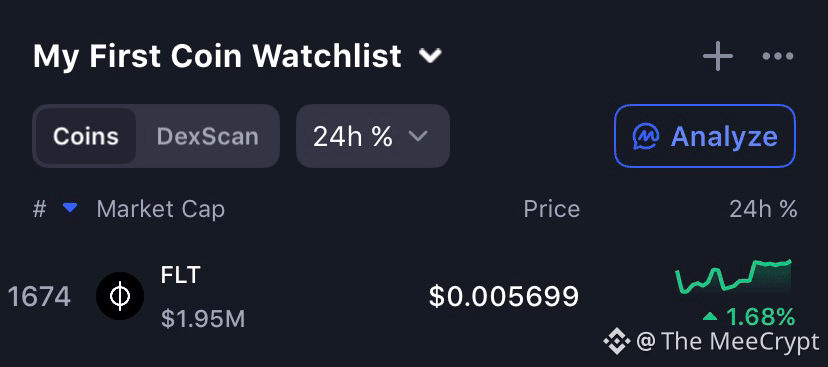
Casi se me olvida que tenía algo de $FLT en mi billetera: @fluence .
Recogí un par de FLT el año pasado, y sinceramente, durante un tiempo no le estaba prestando tanta atención.
Pero al volver a mirar Fluence recientemente me dieron ganas de volver a comprobar qué hace realmente el token dentro del ecosistema.
Y hay más de lo que inicialmente pensé.
• FLT forma parte del sistema de staking, donde los tokens se usan en torno a la seguridad y la coordinación de los recursos de cómputo.
• Tiene un papel en la gobernanza, dándole a la comunidad una forma de participar en las decisiones sobre el ecosistema de Fluence.
• Los proveedores de cómputo y la economía de la red están conectados con FLT, lo que le da al token un papel práctico más allá de simplemente quedarse en una billetera.
• El lado de la nube también está volviéndose más interesante. Fluence está construyendo infraestructura para que los usuarios puedan acceder a recursos de cómputo sin tener que depender por completo de proveedores tradicionales de nube centralizados.
• Y ahora hay un enfoque aún más grande: IA y cómputo con GPU. Con la cantidad de potencia de cómputo que exigen las aplicaciones de IA, el acceso descentralizado a GPUs se está volviendo un espacio mucho más interesante para seguir.
Esa última parte probablemente fue la que más llamó mi atención.
Porque cuando compré esos pocos FLT el año pasado, no estaba pensando mucho en la infraestructura de IA ni en la demanda de GPUs.
Ahora la conversación sobre Fluence se ve muy diferente.
No digo que sepa hacia dónde va FLT desde aquí.
Solo pienso que es interesante cuando un token que recogiste de forma casual empieza a convertirse en parte de una historia de infraestructura mucho más grande.
Así que sí… volveré a estar atento a mi pequeño «bolsito» de FLT.
#Fluence #Web3 #DePIN #AI
Casi se me olvida que tenía algo de $FLT en mi billetera: @Fluence .
Recogí un par de FLT el año pasado, y sinceramente, durante un tiempo no le estaba prestando tanta atención.
Pero al volver a mirar Fluence recientemente me dieron ganas de volver a comprobar qué hace realmente el token dentro del ecosistema.
Y hay más de lo que inicialmente pensé.
• FLT forma parte del sistema de staking, donde los tokens se usan en torno a la seguridad y la coordinación de los recursos de cómputo.
• Tiene un papel en la gobernanza, dándole a la comunidad una forma de participar en las decisiones sobre el ecosistema de Fluence.
• Los proveedores de cómputo y la economía de la red están conectados con FLT, lo que le da al token un papel práctico más allá de simplemente quedarse en una billetera.
• El lado de la nube también está volviéndose más interesante. Fluence está construyendo infraestructura para que los usuarios puedan acceder a recursos de cómputo sin tener que depender por completo de proveedores tradicionales de nube centralizados.
• Y ahora hay un enfoque aún más grande: IA y cómputo con GPU. Con la cantidad de potencia de cómputo que exigen las aplicaciones de IA, el acceso descentralizado a GPUs se está volviendo un espacio mucho más interesante para seguir.
Esa última parte probablemente fue la que más llamó mi atención.
Porque cuando compré esos pocos FLT el año pasado, no estaba pensando mucho en la infraestructura de IA ni en la demanda de GPUs.
Ahora la conversación sobre Fluence se ve muy diferente.
No digo que sepa hacia dónde va FLT desde aquí.
Solo pienso que es interesante cuando un token que recogiste de forma casual empieza a convertirse en parte de una historia de infraestructura mucho más grande.
Así que sí… volveré a estar atento a mi pequeño «bolsito» de FLT.
#Fluence #Web3 #DePIN #AI
Recogí un par de FLT el año pasado, y sinceramente, durante un tiempo no le estaba prestando tanta atención.
Pero al volver a mirar Fluence recientemente me dieron ganas de volver a comprobar qué hace realmente el token dentro del ecosistema.
Y hay más de lo que inicialmente pensé.
• FLT forma parte del sistema de staking, donde los tokens se usan en torno a la seguridad y la coordinación de los recursos de cómputo.
• Tiene un papel en la gobernanza, dándole a la comunidad una forma de participar en las decisiones sobre el ecosistema de Fluence.
• Los proveedores de cómputo y la economía de la red están conectados con FLT, lo que le da al token un papel práctico más allá de simplemente quedarse en una billetera.
• El lado de la nube también está volviéndose más interesante. Fluence está construyendo infraestructura para que los usuarios puedan acceder a recursos de cómputo sin tener que depender por completo de proveedores tradicionales de nube centralizados.
• Y ahora hay un enfoque aún más grande: IA y cómputo con GPU. Con la cantidad de potencia de cómputo que exigen las aplicaciones de IA, el acceso descentralizado a GPUs se está volviendo un espacio mucho más interesante para seguir.
Esa última parte probablemente fue la que más llamó mi atención.
Porque cuando compré esos pocos FLT el año pasado, no estaba pensando mucho en la infraestructura de IA ni en la demanda de GPUs.
Ahora la conversación sobre Fluence se ve muy diferente.
No digo que sepa hacia dónde va FLT desde aquí.
Solo pienso que es interesante cuando un token que recogiste de forma casual empieza a convertirse en parte de una historia de infraestructura mucho más grande.
Así que sí… volveré a estar atento a mi pequeño «bolsito» de FLT.
#Fluence #Web3 #DePIN #AI
94
·
--
@fluence ha trasladado oficialmente su sitio web de Fluence Network a fluence.ai, y creo que este cambio dice más sobre la dirección del proyecto de lo que podría parecer a primera vista.
• Nuevo dominio: Fluence Network ahora está representado mediante fluence.ai, acercando la IA mucho más al centro de la identidad del proyecto.
• Infraestructura de IA: Esto refleja el creciente enfoque de Fluence en la infraestructura para cargas de trabajo de IA, en lugar de ser conocida simplemente como una red de computación descentralizada.
• Cómputo GPU + CPU: Fluence se está construyendo en torno al acceso tanto a recursos de GPU como de CPU, que se vuelven cada vez más importantes a medida que las cargas de trabajo de IA continúan creciendo.
• Fluence Cloud: Un detalle interesante es que ahora Fluence describe Fluence Cloud como el sucesor del Fluence Project.
• Un enfoque de infraestructura más amplio: La dirección del proyecto parece estar moviéndose hacia la infraestructura en la nube y haciendo que la computación distribuida sea más accesible para desarrolladores y creadores.
• El dominio cuenta parte de la historia: Pasar de “Network” a “.ai” le da a la marca una conexión más directa con el espacio de infraestructura de IA en el que está enfocándose cada vez más.
Aún es solo un cambio de dominio en la superficie, pero cuando observas la imagen más grande, se siente como una señal más clara de hacia dónde se dirige Fluence.
De la computación descentralizada a la infraestructura en la nube enfocada en IA, la evolución se vuelve más fácil de ver.
#Fluence #AI #DePIN #Web3
@Fluence ha trasladado oficialmente su sitio web de Fluence Network a fluence.ai, y creo que este cambio dice más sobre la dirección del proyecto de lo que podría parecer a primera vista.
• Nuevo dominio: Fluence Network ahora está representado mediante fluence.ai, acercando la IA mucho más al centro de la identidad del proyecto.
• Infraestructura de IA: Esto refleja el creciente enfoque de Fluence en la infraestructura para cargas de trabajo de IA, en lugar de ser conocida simplemente como una red de computación descentralizada.
• Cómputo GPU + CPU: Fluence se está construyendo en torno al acceso tanto a recursos de GPU como de CPU, que se vuelven cada vez más importantes a medida que las cargas de trabajo de IA continúan creciendo.
• Fluence Cloud: Un detalle interesante es que ahora Fluence describe Fluence Cloud como el sucesor del Fluence Project.
• Un enfoque de infraestructura más amplio: La dirección del proyecto parece estar moviéndose hacia la infraestructura en la nube y haciendo que la computación distribuida sea más accesible para desarrolladores y creadores.
• El dominio cuenta parte de la historia: Pasar de “Network” a “.ai” le da a la marca una conexión más directa con el espacio de infraestructura de IA en el que está enfocándose cada vez más.
Aún es solo un cambio de dominio en la superficie, pero cuando observas la imagen más grande, se siente como una señal más clara de hacia dónde se dirige Fluence.
De la computación descentralizada a la infraestructura en la nube enfocada en IA, la evolución se vuelve más fácil de ver.
#Fluence #AI #DePIN #Web3
• Nuevo dominio: Fluence Network ahora está representado mediante fluence.ai, acercando la IA mucho más al centro de la identidad del proyecto.
• Infraestructura de IA: Esto refleja el creciente enfoque de Fluence en la infraestructura para cargas de trabajo de IA, en lugar de ser conocida simplemente como una red de computación descentralizada.
• Cómputo GPU + CPU: Fluence se está construyendo en torno al acceso tanto a recursos de GPU como de CPU, que se vuelven cada vez más importantes a medida que las cargas de trabajo de IA continúan creciendo.
• Fluence Cloud: Un detalle interesante es que ahora Fluence describe Fluence Cloud como el sucesor del Fluence Project.
• Un enfoque de infraestructura más amplio: La dirección del proyecto parece estar moviéndose hacia la infraestructura en la nube y haciendo que la computación distribuida sea más accesible para desarrolladores y creadores.
• El dominio cuenta parte de la historia: Pasar de “Network” a “.ai” le da a la marca una conexión más directa con el espacio de infraestructura de IA en el que está enfocándose cada vez más.
Aún es solo un cambio de dominio en la superficie, pero cuando observas la imagen más grande, se siente como una señal más clara de hacia dónde se dirige Fluence.
De la computación descentralizada a la infraestructura en la nube enfocada en IA, la evolución se vuelve más fácil de ver.
#Fluence #AI #DePIN #Web3

86
·
--
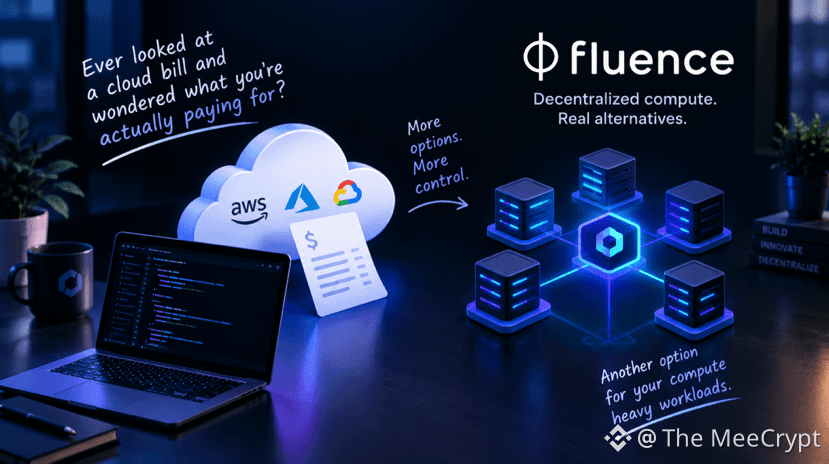
Tu factura de la nube podría ser más flexible de lo que crees.
La infraestructura en la nube es cómoda, pero la conveniencia puede resultar costosa cuando la demanda de cómputo empieza a escalar, especialmente en cargas de trabajo de IA.
@fluence $FLT adopta un enfoque diferente al conectar las cargas de trabajo con una red descentralizada de proveedores de cómputo.
• Menores costos de infraestructura: acceso a cómputo distribuido sin depender por completo de los proveedores tradicionales de la nube
• Más flexibilidad: las cargas de trabajo pueden aprovechar cómputo de diferentes proveedores
• Infraestructura preparada para IA útil a medida que las aplicaciones de IA siguen aumentando la demanda de cómputo
• Menor concentración en la nube: una alternativa a canalizar todo a través de los mismos proveedores principales
La idea más grande es sencilla: el cómputo es cada vez más importante, así que contar con más opciones sobre dónde y cómo se obtiene podría importar tanto como tener más de él.
Ahí es donde el cómputo descentralizado se vuelve interesante.
#Fluence #DePIN #AI
Tu factura de la nube podría ser más flexible de lo que crees.
La infraestructura en la nube es cómoda, pero la conveniencia puede resultar costosa cuando la demanda de cómputo empieza a escalar, especialmente en cargas de trabajo de IA.
@Fluence $FLT adopta un enfoque diferente al conectar las cargas de trabajo con una red descentralizada de proveedores de cómputo.
• Menores costos de infraestructura: acceso a cómputo distribuido sin depender por completo de los proveedores tradicionales de la nube
• Más flexibilidad: las cargas de trabajo pueden aprovechar cómputo de diferentes proveedores
• Infraestructura preparada para IA útil a medida que las aplicaciones de IA siguen aumentando la demanda de cómputo
• Menor concentración en la nube: una alternativa a canalizar todo a través de los mismos proveedores principales
La idea más grande es sencilla: el cómputo es cada vez más importante, así que contar con más opciones sobre dónde y cómo se obtiene podría importar tanto como tener más de él.
Ahí es donde el cómputo descentralizado se vuelve interesante.
#Fluence #DePIN #AI
La infraestructura en la nube es cómoda, pero la conveniencia puede resultar costosa cuando la demanda de cómputo empieza a escalar, especialmente en cargas de trabajo de IA.
@Fluence $FLT adopta un enfoque diferente al conectar las cargas de trabajo con una red descentralizada de proveedores de cómputo.
• Menores costos de infraestructura: acceso a cómputo distribuido sin depender por completo de los proveedores tradicionales de la nube
• Más flexibilidad: las cargas de trabajo pueden aprovechar cómputo de diferentes proveedores
• Infraestructura preparada para IA útil a medida que las aplicaciones de IA siguen aumentando la demanda de cómputo
• Menor concentración en la nube: una alternativa a canalizar todo a través de los mismos proveedores principales
La idea más grande es sencilla: el cómputo es cada vez más importante, así que contar con más opciones sobre dónde y cómo se obtiene podría importar tanto como tener más de él.
Ahí es donde el cómputo descentralizado se vuelve interesante.
#Fluence #DePIN #AI
9
·
--
Todos dijeron $ETH . Empecé a pensar en $FLT desde @fluence
Recientemente vi una pregunta interesante: si $BTC desapareciera de repente, ¿qué activo podría ocupar su lugar?
Las respuestas fueron en su mayoría ETH y otros nombres cripto establecidos.
Empecé a pensar en un ángulo diferente: ¿y si el próximo relato importante no es solo otro activo financiero, sino la infraestructura que impulsa la próxima ola de tecnología?
La IA ya está creando una demanda masiva de cómputo. Los modelos, los agentes y las aplicaciones necesitan recursos informáticos para funcionar.
Por eso $FLT ha sido interesante de seguir.
@fluence está trabajando hacia la computación descentralizada y, como discutió Evgeny Ponomarev en un AMA reciente, la visión más grande es crear una alternativa a la infraestructura cloud cada vez más centralizada, con la IA como punto de partida importante.
$BTC representa un capítulo importante en las finanzas descentralizadas.
¿Podría la computación descentralizada convertirse en una parte igual de importante del próximo capítulo de Web3?
Todos dijeron $ETH . Empecé a pensar en $FLT desde @Fluence
Recientemente vi una pregunta interesante: si $BTC desapareciera de repente, ¿qué activo podría ocupar su lugar?
Las respuestas fueron en su mayoría ETH y otros nombres cripto establecidos.
Empecé a pensar en un ángulo diferente: ¿y si el próximo relato importante no es solo otro activo financiero, sino la infraestructura que impulsa la próxima ola de tecnología?
La IA ya está creando una demanda masiva de cómputo. Los modelos, los agentes y las aplicaciones necesitan recursos informáticos para funcionar.
Por eso $FLT ha sido interesante de seguir.
@Fluence está trabajando hacia la computación descentralizada y, como discutió Evgeny Ponomarev en un AMA reciente, la visión más grande es crear una alternativa a la infraestructura cloud cada vez más centralizada, con la IA como punto de partida importante.
$BTC representa un capítulo importante en las finanzas descentralizadas.
¿Podría la computación descentralizada convertirse en una parte igual de importante del próximo capítulo de Web3?
Recientemente vi una pregunta interesante: si $BTC desapareciera de repente, ¿qué activo podría ocupar su lugar?
Las respuestas fueron en su mayoría ETH y otros nombres cripto establecidos.
Empecé a pensar en un ángulo diferente: ¿y si el próximo relato importante no es solo otro activo financiero, sino la infraestructura que impulsa la próxima ola de tecnología?
La IA ya está creando una demanda masiva de cómputo. Los modelos, los agentes y las aplicaciones necesitan recursos informáticos para funcionar.
Por eso $FLT ha sido interesante de seguir.
@Fluence está trabajando hacia la computación descentralizada y, como discutió Evgeny Ponomarev en un AMA reciente, la visión más grande es crear una alternativa a la infraestructura cloud cada vez más centralizada, con la IA como punto de partida importante.
$BTC representa un capítulo importante en las finanzas descentralizadas.
¿Podría la computación descentralizada convertirse en una parte igual de importante del próximo capítulo de Web3?

70
·
--
@fluence : ¿Quién Obtiene la Capacidad de la GPU?
Cómo se compra y se vende realmente la capacidad de GPU. Puede haber muchas GPU en el mundo y aun así existir una escasez para un comprador, ubicación, carga de trabajo o periodo de tiempo específicos. Eso hace que el precio y el acceso sean más complicados que simplemente poner un número junto a una GPU.
Aquí es donde las subastas se vuelven útiles. Una subasta directa permite que los compradores compitan por la capacidad disponible, mientras que una subasta inversa permite que los proveedores compitan para cumplir la demanda.
Ambas crean una forma más dinámica de descubrir cuánto vale realmente la computación en un momento dado. Y para alguien que compra capacidad de GPU en serio, la opción más barata no necesariamente es la correcta.
También necesitas preguntarte: ¿la capacidad está realmente disponible cuando la necesitas? ¿La infraestructura de red puede manejar la carga de trabajo? ¿Qué SLA incluye la infraestructura? Si algo se rompe, ¿qué tan rápido puede restablecerse? Estos detalles pueden marcar una gran diferencia cuando las cargas de trabajo de IA se ejecutan a gran escala.
Fluence está avanzando hacia un mercado global donde los centros de datos pueden conectarse directamente con una demanda calificada para clústeres de GPU reservados.
Lo interesante es que esto no se trata solo de agregar más GPU. Se trata de hacer que las GPU que ya existen sean más fáciles de descubrir, comparar, ponerles precio y utilizar.
#Fluence #DePIN #AI
@Fluence : ¿Quién Obtiene la Capacidad de la GPU?
Cómo se compra y se vende realmente la capacidad de GPU. Puede haber muchas GPU en el mundo y aun así existir una escasez para un comprador, ubicación, carga de trabajo o periodo de tiempo específicos. Eso hace que el precio y el acceso sean más complicados que simplemente poner un número junto a una GPU.
Aquí es donde las subastas se vuelven útiles. Una subasta directa permite que los compradores compitan por la capacidad disponible, mientras que una subasta inversa permite que los proveedores compitan para cumplir la demanda.
Ambas crean una forma más dinámica de descubrir cuánto vale realmente la computación en un momento dado. Y para alguien que compra capacidad de GPU en serio, la opción más barata no necesariamente es la correcta.
También necesitas preguntarte: ¿la capacidad está realmente disponible cuando la necesitas? ¿La infraestructura de red puede manejar la carga de trabajo? ¿Qué SLA incluye la infraestructura? Si algo se rompe, ¿qué tan rápido puede restablecerse? Estos detalles pueden marcar una gran diferencia cuando las cargas de trabajo de IA se ejecutan a gran escala.
Fluence está avanzando hacia un mercado global donde los centros de datos pueden conectarse directamente con una demanda calificada para clústeres de GPU reservados.
Lo interesante es que esto no se trata solo de agregar más GPU. Se trata de hacer que las GPU que ya existen sean más fáciles de descubrir, comparar, ponerles precio y utilizar.
#Fluence #DePIN #AI
Cómo se compra y se vende realmente la capacidad de GPU. Puede haber muchas GPU en el mundo y aun así existir una escasez para un comprador, ubicación, carga de trabajo o periodo de tiempo específicos. Eso hace que el precio y el acceso sean más complicados que simplemente poner un número junto a una GPU.
Aquí es donde las subastas se vuelven útiles. Una subasta directa permite que los compradores compitan por la capacidad disponible, mientras que una subasta inversa permite que los proveedores compitan para cumplir la demanda.
Ambas crean una forma más dinámica de descubrir cuánto vale realmente la computación en un momento dado. Y para alguien que compra capacidad de GPU en serio, la opción más barata no necesariamente es la correcta.
También necesitas preguntarte: ¿la capacidad está realmente disponible cuando la necesitas? ¿La infraestructura de red puede manejar la carga de trabajo? ¿Qué SLA incluye la infraestructura? Si algo se rompe, ¿qué tan rápido puede restablecerse? Estos detalles pueden marcar una gran diferencia cuando las cargas de trabajo de IA se ejecutan a gran escala.
Fluence está avanzando hacia un mercado global donde los centros de datos pueden conectarse directamente con una demanda calificada para clústeres de GPU reservados.
Lo interesante es que esto no se trata solo de agregar más GPU. Se trata de hacer que las GPU que ya existen sean más fáciles de descubrir, comparar, ponerles precio y utilizar.
#Fluence #DePIN #AI

1
117
·
--
¿Quién impulsa entre bastidores la IA? @fluence
Una cosa que me resulta interesante sobre los agentes de IA es que la latencia no siempre es causada por el modelo en sí.
Un agente puede realizar varias llamadas a herramientas, recuperar estado, ejecutar validaciones, actualizar memoria y repetir el bucle varias veces. Unos pocos milisegundos de retraso de CPU en cada paso podrían parecer insignificantes por sí solos, pero a lo largo de todo el flujo de trabajo, esos retrasos pueden acumularse y empujar la solicitud más allá de su plazo.
Aquí es donde la infraestructura se vuelve más importante de lo que parece a primera vista.
Para cargas de trabajo de IA, el rendimiento promedio no siempre es suficiente. El problema real puede aparecer
especialmente cuando la contención de CPU provoca pequeños retrasos en muchas etapas.
Eso hace que el cómputo dedicado sea una opción interesante para cargas de trabajo donde importa el rendimiento predecible.
Fluence está abordando esto desde el lado del cómputo descentralizado, brindando a los desarrolladores acceso a recursos de CPU dedicados para cargas de trabajo que necesitan una capacidad más consistente.
Creo que esto se vuelve cada vez más relevante a medida que los agentes de IA pasan de simples experimentos a entornos de producción. Cuando un agente maneja decenas de pasos, reducir la variabilidad en cada etapa puede tener un impacto mucho mayor en la experiencia final del usuario.
La pregunta que estoy observando es sencilla: a medida que las cargas de trabajo de los agentes se vuelven más complejas, ¿el cómputo predecible será igual de importante que el poder bruto de cómputo?
https://fluence.ai/
#Fluence #AI #DePIN
¿Quién impulsa entre bastidores la IA? @Fluence
Una cosa que me resulta interesante sobre los agentes de IA es que la latencia no siempre es causada por el modelo en sí.
Un agente puede realizar varias llamadas a herramientas, recuperar estado, ejecutar validaciones, actualizar memoria y repetir el bucle varias veces. Unos pocos milisegundos de retraso de CPU en cada paso podrían parecer insignificantes por sí solos, pero a lo largo de todo el flujo de trabajo, esos retrasos pueden acumularse y empujar la solicitud más allá de su plazo.
Aquí es donde la infraestructura se vuelve más importante de lo que parece a primera vista.
Para cargas de trabajo de IA, el rendimiento promedio no siempre es suficiente. El problema real puede aparecer
especialmente cuando la contención de CPU provoca pequeños retrasos en muchas etapas.
Eso hace que el cómputo dedicado sea una opción interesante para cargas de trabajo donde importa el rendimiento predecible.
Fluence está abordando esto desde el lado del cómputo descentralizado, brindando a los desarrolladores acceso a recursos de CPU dedicados para cargas de trabajo que necesitan una capacidad más consistente.
Creo que esto se vuelve cada vez más relevante a medida que los agentes de IA pasan de simples experimentos a entornos de producción. Cuando un agente maneja decenas de pasos, reducir la variabilidad en cada etapa puede tener un impacto mucho mayor en la experiencia final del usuario.
La pregunta que estoy observando es sencilla: a medida que las cargas de trabajo de los agentes se vuelven más complejas, ¿el cómputo predecible será igual de importante que el poder bruto de cómputo?
https://fluence.ai/
#Fluence #AI #DePIN
Una cosa que me resulta interesante sobre los agentes de IA es que la latencia no siempre es causada por el modelo en sí.
Un agente puede realizar varias llamadas a herramientas, recuperar estado, ejecutar validaciones, actualizar memoria y repetir el bucle varias veces. Unos pocos milisegundos de retraso de CPU en cada paso podrían parecer insignificantes por sí solos, pero a lo largo de todo el flujo de trabajo, esos retrasos pueden acumularse y empujar la solicitud más allá de su plazo.
Aquí es donde la infraestructura se vuelve más importante de lo que parece a primera vista.
Para cargas de trabajo de IA, el rendimiento promedio no siempre es suficiente. El problema real puede aparecer
especialmente cuando la contención de CPU provoca pequeños retrasos en muchas etapas.
Eso hace que el cómputo dedicado sea una opción interesante para cargas de trabajo donde importa el rendimiento predecible.
Fluence está abordando esto desde el lado del cómputo descentralizado, brindando a los desarrolladores acceso a recursos de CPU dedicados para cargas de trabajo que necesitan una capacidad más consistente.
Creo que esto se vuelve cada vez más relevante a medida que los agentes de IA pasan de simples experimentos a entornos de producción. Cuando un agente maneja decenas de pasos, reducir la variabilidad en cada etapa puede tener un impacto mucho mayor en la experiencia final del usuario.
La pregunta que estoy observando es sencilla: a medida que las cargas de trabajo de los agentes se vuelven más complejas, ¿el cómputo predecible será igual de importante que el poder bruto de cómputo?
https://fluence.ai/
#Fluence #AI #DePIN

1
53
·
--
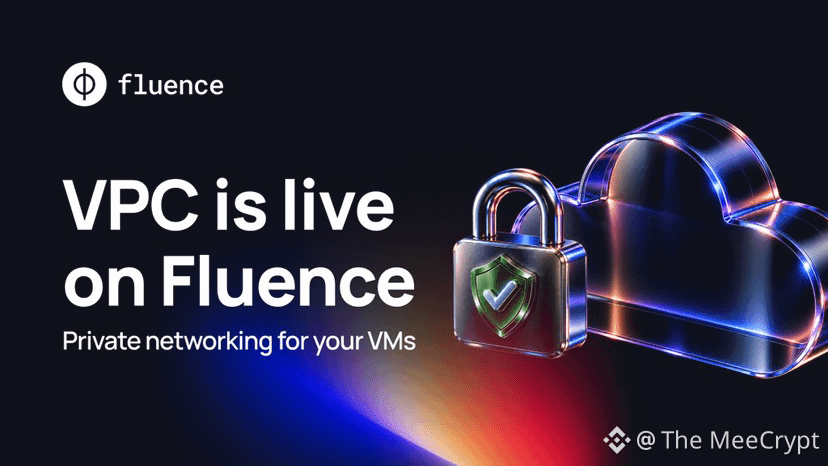
@fluence VPC ya está en marcha: podría ser un paso importante para el ecosistema de Fluence.
https://fluence.ai/
La nueva infraestructura de VPC permite a los desarrolladores ejecutar múltiples VM con redes privadas, grupos de seguridad, salida controlada, IPs públicas opcionales y cloud-init. En términos simples, hace que Fluence sea más adecuado para ejecutar aplicaciones reales, con diferentes servicios que trabajan juntos de forma segura.
Desde la perspectiva de $FLT, aquí es donde creo que las cosas se ponen interesantes.
Una nueva función de infraestructura no significa automáticamente que suba el precio de FLT. La pregunta más grande es si la VPC ayuda a Fluence a atraer más desarrolladores, cargas de trabajo y empresas.
Si la adopción crece, se podría desplegar más cómputo a través de la red, creando una demanda subyacente más sólida y, potencialmente, mejorando los fundamentos que respaldan a FLT.
Así que estoy observando el uso más que el anuncio en sí. Si Fluence sigue agregando infraestructura práctica y esas funciones se traducen en actividad real de red, creo que con el tiempo podría convertirse en un catalizador positivo para FLT.
Para mí, la tesis es sencilla: mejor infraestructura → más casos de uso → más actividad de red → potencialmente fundamentos más sólidos de FLT.
#DePIN #AI #Web3
@Fluence VPC ya está en marcha: podría ser un paso importante para el ecosistema de Fluence.
https://fluence.ai/
La nueva infraestructura de VPC permite a los desarrolladores ejecutar múltiples VM con redes privadas, grupos de seguridad, salida controlada, IPs públicas opcionales y cloud-init. En términos simples, hace que Fluence sea más adecuado para ejecutar aplicaciones reales, con diferentes servicios que trabajan juntos de forma segura.
Desde la perspectiva de $FLT, aquí es donde creo que las cosas se ponen interesantes.
Una nueva función de infraestructura no significa automáticamente que suba el precio de FLT. La pregunta más grande es si la VPC ayuda a Fluence a atraer más desarrolladores, cargas de trabajo y empresas.
Si la adopción crece, se podría desplegar más cómputo a través de la red, creando una demanda subyacente más sólida y, potencialmente, mejorando los fundamentos que respaldan a FLT.
Así que estoy observando el uso más que el anuncio en sí. Si Fluence sigue agregando infraestructura práctica y esas funciones se traducen en actividad real de red, creo que con el tiempo podría convertirse en un catalizador positivo para FLT.
Para mí, la tesis es sencilla: mejor infraestructura → más casos de uso → más actividad de red → potencialmente fundamentos más sólidos de FLT.
#DePIN #AI #Web3
https://fluence.ai/
La nueva infraestructura de VPC permite a los desarrolladores ejecutar múltiples VM con redes privadas, grupos de seguridad, salida controlada, IPs públicas opcionales y cloud-init. En términos simples, hace que Fluence sea más adecuado para ejecutar aplicaciones reales, con diferentes servicios que trabajan juntos de forma segura.
Desde la perspectiva de $FLT, aquí es donde creo que las cosas se ponen interesantes.
Una nueva función de infraestructura no significa automáticamente que suba el precio de FLT. La pregunta más grande es si la VPC ayuda a Fluence a atraer más desarrolladores, cargas de trabajo y empresas.
Si la adopción crece, se podría desplegar más cómputo a través de la red, creando una demanda subyacente más sólida y, potencialmente, mejorando los fundamentos que respaldan a FLT.
Así que estoy observando el uso más que el anuncio en sí. Si Fluence sigue agregando infraestructura práctica y esas funciones se traducen en actividad real de red, creo que con el tiempo podría convertirse en un catalizador positivo para FLT.
Para mí, la tesis es sencilla: mejor infraestructura → más casos de uso → más actividad de red → potencialmente fundamentos más sólidos de FLT.
#DePIN #AI #Web3
1
82
·
--
Otro acuerdo de computación por $5.5M para @fluence
Fluence ha conseguido un acuerdo de computación de $5.5M con un cliente que está construyendo AGI centrada en encontrar rutas más rápidas desde la biología hasta los medicamentos.
Lo que me llama la atención no es solo el tamaño del acuerdo.
Es el problema que se está resolviendo: asegurarse de que la computación no se convierta en el cuello de botella.
El desarrollo de la IA se está volviendo cada vez más intensivo en computación, pero simplemente tener más GPUs no lo es todo. El reto mayor es hacer que la computación esté disponible donde y cuando se necesita.
Ahí es donde los mercados descentralizados de GPUs se vuelven interesantes.
Fluence está construyendo un mercado donde los proveedores de GPUs pueden competir por cargas de trabajo, creando potencialmente una forma más flexible para que los equipos accedan a la computación que necesitan.
Creo que escucharemos más sobre la capa de computación detrás de la IA, no solo sobre los modelos en sí.
$5.5M es solo un acuerdo, pero también muestra lo valioso que se está volviendo el acceso fiable a la computación con GPUs.
Vale la pena observar lo que Fluence hace a continuación.
$FLT #DePIN #AI #Web3
Otro acuerdo de computación por $5.5M para @Fluence
Fluence ha conseguido un acuerdo de computación de $5.5M con un cliente que está construyendo AGI centrada en encontrar rutas más rápidas desde la biología hasta los medicamentos.
Lo que me llama la atención no es solo el tamaño del acuerdo.
Es el problema que se está resolviendo: asegurarse de que la computación no se convierta en el cuello de botella.
El desarrollo de la IA se está volviendo cada vez más intensivo en computación, pero simplemente tener más GPUs no lo es todo. El reto mayor es hacer que la computación esté disponible donde y cuando se necesita.
Ahí es donde los mercados descentralizados de GPUs se vuelven interesantes.
Fluence está construyendo un mercado donde los proveedores de GPUs pueden competir por cargas de trabajo, creando potencialmente una forma más flexible para que los equipos accedan a la computación que necesitan.
Creo que escucharemos más sobre la capa de computación detrás de la IA, no solo sobre los modelos en sí.
$5.5M es solo un acuerdo, pero también muestra lo valioso que se está volviendo el acceso fiable a la computación con GPUs.
Vale la pena observar lo que Fluence hace a continuación.
$FLT #DePIN #AI #Web3
Fluence ha conseguido un acuerdo de computación de $5.5M con un cliente que está construyendo AGI centrada en encontrar rutas más rápidas desde la biología hasta los medicamentos.
Lo que me llama la atención no es solo el tamaño del acuerdo.
Es el problema que se está resolviendo: asegurarse de que la computación no se convierta en el cuello de botella.
El desarrollo de la IA se está volviendo cada vez más intensivo en computación, pero simplemente tener más GPUs no lo es todo. El reto mayor es hacer que la computación esté disponible donde y cuando se necesita.
Ahí es donde los mercados descentralizados de GPUs se vuelven interesantes.
Fluence está construyendo un mercado donde los proveedores de GPUs pueden competir por cargas de trabajo, creando potencialmente una forma más flexible para que los equipos accedan a la computación que necesitan.
Creo que escucharemos más sobre la capa de computación detrás de la IA, no solo sobre los modelos en sí.
$5.5M es solo un acuerdo, pero también muestra lo valioso que se está volviendo el acceso fiable a la computación con GPUs.
Vale la pena observar lo que Fluence hace a continuación.
$FLT #DePIN #AI #Web3

1
76
·
--
@fluence : El mercado oculto de GPU
Las cargas de trabajo de IA están creciendo, los centros de datos se están haciendo más grandes y las empresas están gastando mucho en capacidad de cómputo.
Pero hay otra cara de la historia de las GPU que creo que vale la pena observar:
Parte del hardware permanece inactivo entre cargas de trabajo. Otra parte está subutilizada. Y parte del cómputo simplemente es difícil de acceder para otros.
Eso hace que el futuro del cómputo dependa menos de solo añadir más GPU y más de qué tan eficientemente podemos usar las GPU que ya existen.
@fluence idea es simple, pero interesante: crear una infraestructura que pueda conectar el cómputo disponible con las personas y las cargas de trabajo que lo necesitan.
Si la demanda de IA sigue acelerándose, creo que la conversación pasará gradualmente de:
“¿Quién tiene más GPU?”
a:
“¿Quién puede poner a disposición la mayor cantidad de cómputo, de forma flexible y con un uso eficiente?”
La economía de las GPU quizá ya no sea solo cuestión de hardware.
También podría tratarse de construir mejores mercados alrededor del cómputo que ya existe.
#DePIN #AI #Web3
@Fluence : El mercado oculto de GPU
Las cargas de trabajo de IA están creciendo, los centros de datos se están haciendo más grandes y las empresas están gastando mucho en capacidad de cómputo.
Pero hay otra cara de la historia de las GPU que creo que vale la pena observar:
Parte del hardware permanece inactivo entre cargas de trabajo. Otra parte está subutilizada. Y parte del cómputo simplemente es difícil de acceder para otros.
Eso hace que el futuro del cómputo dependa menos de solo añadir más GPU y más de qué tan eficientemente podemos usar las GPU que ya existen.
@Fluence idea es simple, pero interesante: crear una infraestructura que pueda conectar el cómputo disponible con las personas y las cargas de trabajo que lo necesitan.
Si la demanda de IA sigue acelerándose, creo que la conversación pasará gradualmente de:
“¿Quién tiene más GPU?”
a:
“¿Quién puede poner a disposición la mayor cantidad de cómputo, de forma flexible y con un uso eficiente?”
La economía de las GPU quizá ya no sea solo cuestión de hardware.
También podría tratarse de construir mejores mercados alrededor del cómputo que ya existe.
#DePIN #AI #Web3
Las cargas de trabajo de IA están creciendo, los centros de datos se están haciendo más grandes y las empresas están gastando mucho en capacidad de cómputo.
Pero hay otra cara de la historia de las GPU que creo que vale la pena observar:
Parte del hardware permanece inactivo entre cargas de trabajo. Otra parte está subutilizada. Y parte del cómputo simplemente es difícil de acceder para otros.
Eso hace que el futuro del cómputo dependa menos de solo añadir más GPU y más de qué tan eficientemente podemos usar las GPU que ya existen.
@Fluence idea es simple, pero interesante: crear una infraestructura que pueda conectar el cómputo disponible con las personas y las cargas de trabajo que lo necesitan.
Si la demanda de IA sigue acelerándose, creo que la conversación pasará gradualmente de:
“¿Quién tiene más GPU?”
a:
“¿Quién puede poner a disposición la mayor cantidad de cómputo, de forma flexible y con un uso eficiente?”
La economía de las GPU quizá ya no sea solo cuestión de hardware.
También podría tratarse de construir mejores mercados alrededor del cómputo que ya existe.
#DePIN #AI #Web3

1
88
·
--
La GPU más rápida sobre el papel no es automáticamente la mejor opción para todas las cargas de trabajo.
Un benchmark podría decirte qué GPU puede generar más tokens por segundo, pero los despliegues reales tienen más variables que considerar.
El tamaño del modelo, la longitud de salida, los requisitos de memoria, la concurrencia, la región, la disponibilidad y, por supuesto, el costo real de ejecutar la carga de trabajo pueden cambiar por completo la ecuación.
Ahí es donde @fluence adopta un enfoque interesante.
Con las subastas de clústeres GPU, los compradores pueden comparar ofertas de distintos proveedores según el tipo de GPU, la capacidad, la región, el precio y la disponibilidad.
Eso desplaza la decisión de simplemente perseguir el hardware de mayor rendimiento.
En lugar de preguntar:
“¿Cuál GPU es la más rápida?”
Una mejor pregunta podría ser:
¿Qué GPU me ofrece el rendimiento que necesito a un precio que realmente tenga sentido?
Porque si una GPU más potente cuesta significativamente más pero no aporta una ventaja significativa para tu carga de trabajo específica, el rendimiento extra puede no valer lo que cuesta.
Y si otra GPU puede manejar la misma carga de trabajo a un costo menor, esa diferencia empieza a importar a gran escala.
A medida que las cargas de trabajo de IA siguen evolucionando, la demanda de GPU no se tratará solo de encontrar más capacidad de cómputo.
También se tratará de encontrar el cómputo adecuado, en el lugar adecuado, al precio adecuado.
Ahí es donde el descubrimiento de precios de GPU podría volverse cada vez más importante.
#Flt #DePIN #Web3 #AI
La GPU más rápida sobre el papel no es automáticamente la mejor opción para todas las cargas de trabajo.
Un benchmark podría decirte qué GPU puede generar más tokens por segundo, pero los despliegues reales tienen más variables que considerar.
El tamaño del modelo, la longitud de salida, los requisitos de memoria, la concurrencia, la región, la disponibilidad y, por supuesto, el costo real de ejecutar la carga de trabajo pueden cambiar por completo la ecuación.
Ahí es donde @Fluence adopta un enfoque interesante.
Con las subastas de clústeres GPU, los compradores pueden comparar ofertas de distintos proveedores según el tipo de GPU, la capacidad, la región, el precio y la disponibilidad.
Eso desplaza la decisión de simplemente perseguir el hardware de mayor rendimiento.
En lugar de preguntar:
“¿Cuál GPU es la más rápida?”
Una mejor pregunta podría ser:
¿Qué GPU me ofrece el rendimiento que necesito a un precio que realmente tenga sentido?
Porque si una GPU más potente cuesta significativamente más pero no aporta una ventaja significativa para tu carga de trabajo específica, el rendimiento extra puede no valer lo que cuesta.
Y si otra GPU puede manejar la misma carga de trabajo a un costo menor, esa diferencia empieza a importar a gran escala.
A medida que las cargas de trabajo de IA siguen evolucionando, la demanda de GPU no se tratará solo de encontrar más capacidad de cómputo.
También se tratará de encontrar el cómputo adecuado, en el lugar adecuado, al precio adecuado.
Ahí es donde el descubrimiento de precios de GPU podría volverse cada vez más importante.
#Flt #DePIN #Web3 #AI
Un benchmark podría decirte qué GPU puede generar más tokens por segundo, pero los despliegues reales tienen más variables que considerar.
El tamaño del modelo, la longitud de salida, los requisitos de memoria, la concurrencia, la región, la disponibilidad y, por supuesto, el costo real de ejecutar la carga de trabajo pueden cambiar por completo la ecuación.
Ahí es donde @Fluence adopta un enfoque interesante.
Con las subastas de clústeres GPU, los compradores pueden comparar ofertas de distintos proveedores según el tipo de GPU, la capacidad, la región, el precio y la disponibilidad.
Eso desplaza la decisión de simplemente perseguir el hardware de mayor rendimiento.
En lugar de preguntar:
“¿Cuál GPU es la más rápida?”
Una mejor pregunta podría ser:
¿Qué GPU me ofrece el rendimiento que necesito a un precio que realmente tenga sentido?
Porque si una GPU más potente cuesta significativamente más pero no aporta una ventaja significativa para tu carga de trabajo específica, el rendimiento extra puede no valer lo que cuesta.
Y si otra GPU puede manejar la misma carga de trabajo a un costo menor, esa diferencia empieza a importar a gran escala.
A medida que las cargas de trabajo de IA siguen evolucionando, la demanda de GPU no se tratará solo de encontrar más capacidad de cómputo.
También se tratará de encontrar el cómputo adecuado, en el lugar adecuado, al precio adecuado.
Ahí es donde el descubrimiento de precios de GPU podría volverse cada vez más importante.
#Flt #DePIN #Web3 #AI

1
66
·
--
@fluence LAS SUBASTAS DE GPU ACABAN DE CONSEGUIR OTRO ACUERDO DE MÁS DE 15,4 M$
Fluence ha asegurado otro importante acuerdo de GPU a través de su plataforma de subastas.
Este cubre 96 nodos H100 en toda Asia, entrando en producción para dar soporte a la inferencia de IA y al entrenamiento de modelos.
La parte interesante no es solo el tamaño del acuerdo.
Muestra que la demanda real de GPU se está moviendo a través de licitaciones competitivas, conectando a compradores que buscan capacidad con proveedores que tienen GPU disponibles.
Con más acuerdos de alto valor llegando a través de la plataforma, las subastas de GPU se están convirtiendo en una pieza interesante del mercado de infraestructura de IA a observar.
#FLT #DePIN #Web3
@Fluence LAS SUBASTAS DE GPU ACABAN DE CONSEGUIR OTRO ACUERDO DE MÁS DE 15,4 M$
Fluence ha asegurado otro importante acuerdo de GPU a través de su plataforma de subastas.
Este cubre 96 nodos H100 en toda Asia, entrando en producción para dar soporte a la inferencia de IA y al entrenamiento de modelos.
La parte interesante no es solo el tamaño del acuerdo.
Muestra que la demanda real de GPU se está moviendo a través de licitaciones competitivas, conectando a compradores que buscan capacidad con proveedores que tienen GPU disponibles.
Con más acuerdos de alto valor llegando a través de la plataforma, las subastas de GPU se están convirtiendo en una pieza interesante del mercado de infraestructura de IA a observar.
#FLT #DePIN #Web3
Fluence ha asegurado otro importante acuerdo de GPU a través de su plataforma de subastas.
Este cubre 96 nodos H100 en toda Asia, entrando en producción para dar soporte a la inferencia de IA y al entrenamiento de modelos.
La parte interesante no es solo el tamaño del acuerdo.
Muestra que la demanda real de GPU se está moviendo a través de licitaciones competitivas, conectando a compradores que buscan capacidad con proveedores que tienen GPU disponibles.
Con más acuerdos de alto valor llegando a través de la plataforma, las subastas de GPU se están convirtiendo en una pieza interesante del mercado de infraestructura de IA a observar.
#FLT #DePIN #Web3

1
95
·
--
¿Preferirías sostener un token con utilidad real o uno que solo capta atención cuando el gráfico empieza a moverse?
Eso es lo que hace que $FLT valga la pena mirarlo.
@fluence está construyendo infraestructura de cómputo descentralizado para la economía de la IA, y $FLT está en el centro de la economía de su red.
Entonces, ¿qué puede hacer realmente $FLT?
→ Staking: FLT se puede apostar para ayudar a asegurar y aprovisionar recursos de cómputo, y los titulares de tokens pueden participar en el staking.
→ Gobernanza: los titulares de FLT pueden participar en la gobernanza de Fluence DAO y votar propuestas que dan forma a la red.
→ Incentivos de red: FLT forma parte del sistema de incentivos que coordina a los proveedores de cómputo y ayuda a asegurar la red.
Lo que me resulta interesante es que el token no está completamente desconectado de la infraestructura.
La red está enfocada en IA y en cómputo de GPU, y Fluence dice que ahora ofrece 1.400+ GPU en 32 regiones y 71 centros de datos.
Y aquí es donde creo que algunas personas se perdieron la imagen más grande durante el último movimiento de $FLT.
Un pump capta la atención de todos.
La utilidad es lo que hace que yo siga mirando.
La pregunta interesante ahora no es solo hacia dónde va $FLT después.
Es cuánta utilidad y valor se puede construir alrededor de la infraestructura que impulsa.
La IA necesita cómputo.
Fluence está construyendo la capa de cómputo.
$FLT forma parte de la capa económica detrás de ello.
¿Crees que los tokens de utilidad superarán a las apuestas puramente narrativas en la próxima fase de DePIN?
#Fluence #DePIN #AI
¿Preferirías sostener un token con utilidad real o uno que solo capta atención cuando el gráfico empieza a moverse?
Eso es lo que hace que $FLT valga la pena mirarlo.
@Fluence está construyendo infraestructura de cómputo descentralizado para la economía de la IA, y $FLT está en el centro de la economía de su red.
Entonces, ¿qué puede hacer realmente $FLT?
→ Staking: FLT se puede apostar para ayudar a asegurar y aprovisionar recursos de cómputo, y los titulares de tokens pueden participar en el staking.
→ Gobernanza: los titulares de FLT pueden participar en la gobernanza de Fluence DAO y votar propuestas que dan forma a la red.
→ Incentivos de red: FLT forma parte del sistema de incentivos que coordina a los proveedores de cómputo y ayuda a asegurar la red.
Lo que me resulta interesante es que el token no está completamente desconectado de la infraestructura.
La red está enfocada en IA y en cómputo de GPU, y Fluence dice que ahora ofrece 1.400+ GPU en 32 regiones y 71 centros de datos.
Y aquí es donde creo que algunas personas se perdieron la imagen más grande durante el último movimiento de $FLT.
Un pump capta la atención de todos.
La utilidad es lo que hace que yo siga mirando.
La pregunta interesante ahora no es solo hacia dónde va $FLT después.
Es cuánta utilidad y valor se puede construir alrededor de la infraestructura que impulsa.
La IA necesita cómputo.
Fluence está construyendo la capa de cómputo.
$FLT forma parte de la capa económica detrás de ello.
¿Crees que los tokens de utilidad superarán a las apuestas puramente narrativas en la próxima fase de DePIN?
#Fluence #DePIN #AI
Eso es lo que hace que $FLT valga la pena mirarlo.
@Fluence está construyendo infraestructura de cómputo descentralizado para la economía de la IA, y $FLT está en el centro de la economía de su red.
Entonces, ¿qué puede hacer realmente $FLT?
→ Staking: FLT se puede apostar para ayudar a asegurar y aprovisionar recursos de cómputo, y los titulares de tokens pueden participar en el staking.
→ Gobernanza: los titulares de FLT pueden participar en la gobernanza de Fluence DAO y votar propuestas que dan forma a la red.
→ Incentivos de red: FLT forma parte del sistema de incentivos que coordina a los proveedores de cómputo y ayuda a asegurar la red.
Lo que me resulta interesante es que el token no está completamente desconectado de la infraestructura.
La red está enfocada en IA y en cómputo de GPU, y Fluence dice que ahora ofrece 1.400+ GPU en 32 regiones y 71 centros de datos.
Y aquí es donde creo que algunas personas se perdieron la imagen más grande durante el último movimiento de $FLT.
Un pump capta la atención de todos.
La utilidad es lo que hace que yo siga mirando.
La pregunta interesante ahora no es solo hacia dónde va $FLT después.
Es cuánta utilidad y valor se puede construir alrededor de la infraestructura que impulsa.
La IA necesita cómputo.
Fluence está construyendo la capa de cómputo.
$FLT forma parte de la capa económica detrás de ello.
¿Crees que los tokens de utilidad superarán a las apuestas puramente narrativas en la próxima fase de DePIN?
#Fluence #DePIN #AI

1
116
·
--
$6M EN CONTRATOS DE GPU: @fluence
Las GPU se volvieron escasas, caras e cada vez más importantes para los equipos que crean productos de IA. Pero tener GPU es solo la mitad del problema. La otra mitad es conectar la capacidad disponible con los equipos que realmente la necesitan.
Ahí es donde entran las https://auctions.fluence.network/ Subastas de GPU.
Desde el lanzamiento del marketplace, ya se han registrado $6M en contratos de clúster de GPU.
El modelo es sencillo:
→ Los equipos publican su demanda de cómputo
→ Los proveedores compiten con ofertas
→ Los compradores comparan precio, SLA y ventanas de alquiler
→ Los contratos se forman en torno a la oferta aceptada
El marketplace actual muestra 6,468 GPU disponibles en 4 países.
Lo que me resulta interesante aquí es el cambio de simplemente alquilar cómputo a crear un mercado más competitivo en torno a la capacidad de GPU.
La IA necesita más cómputo.
Pero también necesita mejores formas de asignar el cómputo del que ya disponemos.
Y Fluence está apostando por resolver esa parte de la ecuación.
¿Necesitas cómputo? ¿Tienes capacidad?
#Fluence #DePIN #AI #Web3
$6M EN CONTRATOS DE GPU: @Fluence
Las GPU se volvieron escasas, caras e cada vez más importantes para los equipos que crean productos de IA. Pero tener GPU es solo la mitad del problema. La otra mitad es conectar la capacidad disponible con los equipos que realmente la necesitan.
Ahí es donde entran las https://auctions.fluence.network/ Subastas de GPU.
Desde el lanzamiento del marketplace, ya se han registrado $6M en contratos de clúster de GPU.
El modelo es sencillo:
→ Los equipos publican su demanda de cómputo
→ Los proveedores compiten con ofertas
→ Los compradores comparan precio, SLA y ventanas de alquiler
→ Los contratos se forman en torno a la oferta aceptada
El marketplace actual muestra 6,468 GPU disponibles en 4 países.
Lo que me resulta interesante aquí es el cambio de simplemente alquilar cómputo a crear un mercado más competitivo en torno a la capacidad de GPU.
La IA necesita más cómputo.
Pero también necesita mejores formas de asignar el cómputo del que ya disponemos.
Y Fluence está apostando por resolver esa parte de la ecuación.
¿Necesitas cómputo? ¿Tienes capacidad?
#Fluence #DePIN #AI #Web3
Las GPU se volvieron escasas, caras e cada vez más importantes para los equipos que crean productos de IA. Pero tener GPU es solo la mitad del problema. La otra mitad es conectar la capacidad disponible con los equipos que realmente la necesitan.
Ahí es donde entran las https://auctions.fluence.network/ Subastas de GPU.
Desde el lanzamiento del marketplace, ya se han registrado $6M en contratos de clúster de GPU.
El modelo es sencillo:
→ Los equipos publican su demanda de cómputo
→ Los proveedores compiten con ofertas
→ Los compradores comparan precio, SLA y ventanas de alquiler
→ Los contratos se forman en torno a la oferta aceptada
El marketplace actual muestra 6,468 GPU disponibles en 4 países.
Lo que me resulta interesante aquí es el cambio de simplemente alquilar cómputo a crear un mercado más competitivo en torno a la capacidad de GPU.
La IA necesita más cómputo.
Pero también necesita mejores formas de asignar el cómputo del que ya disponemos.
Y Fluence está apostando por resolver esa parte de la ecuación.
¿Necesitas cómputo? ¿Tienes capacidad?
#Fluence #DePIN #AI #Web3
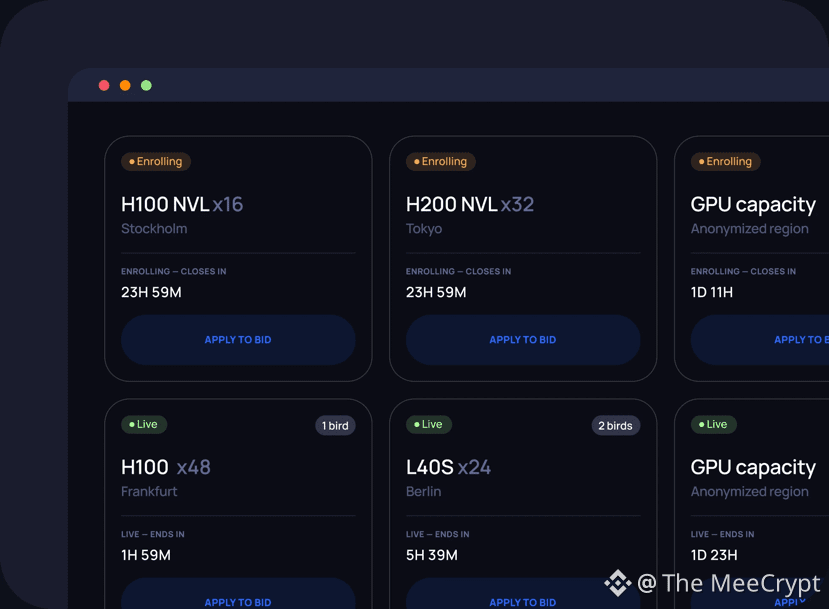
99
Inicia sesión para explorar más contenidos
Únete a usuarios globales de criptomonedas en Binance Square
⚡️ Obtén información útil y actualizada sobre criptos.
💬 Avalado por el mayor exchange de criptomonedas en el mundo.
👍 Descubre perspectivas reales de creadores verificados.
Email/número de teléfono
Temas populares
BinancePick
2.8M vistas
147,627 están debatiendo
¡Únete a #TemporadaDeResultados: predice resultados en Binance Pick y comparte tu opinión en Binance Square!
Binance Square Official
·403 me gusta
·340.8k vistas
EarningsSeason
5.1M vistas
25,217 están debatiendo
AnthropicTTMRevenueGrewAbout1200%
1,805 vistas
123 están debatiendo