

starter78
483 Publicaciones

starter78
Denunciar
Bloquear usuario
I'm looking forward to learning, investing, and growing my knowledge in this space. Let's connect and learn together
Abrir trade
Trader frecuente
5.2 año(s)
153 Siguiendo
241 Seguidores
177 Me gusta
Publicaciones
Cartera
Todo
Citas
Videos
·
--

Artículo
La blockchain de Cronos se detiene tras una explotación de 75 millones de dólares:La blockchain de Cronos literalmente dejó de funcionar; no estás imaginando cosas, en realidad ocurrió.
El domingo 30 de agosto, Cronos (la red blockchain vinculada a Crypto . com) detuvo por completo la producción de bloques. Eso significa cero transacciones, cero transferencias y cero actividad de contratos inteligentes. Todo está congelado. Esto ocurrió porque un hacker drenó aproximadamente 75 millones de dólares de Tectonic, el protocolo de préstamos más grande que opera en Cronos.
El investigador en cadena Weilin Li lo describió como un "ataque de manipulación de precios tipo bomba y préstamo del estilo de Mango Market", haciendo eco del infame hack de Mango Markets de 100 millones de dólares en 2022.
La blockchain de Cronos se detiene tras una explotación de 75 millones de dólares:
La blockchain de Cronos literalmente dejó de funcionar; no estás imaginando cosas, en realidad ocurrió.
El domingo 30 de agosto, Cronos (la red blockchain vinculada a Crypto . com) detuvo por completo la producción de bloques. Eso significa cero transacciones, cero transferencias y cero actividad de contratos inteligentes. Todo está congelado. Esto ocurrió porque un hacker drenó aproximadamente 75 millones de dólares de Tectonic, el protocolo de préstamos más grande que opera en Cronos.
El investigador en cadena Weilin Li lo describió como un "ataque de manipulación de precios tipo bomba y préstamo del estilo de Mango Market", haciendo eco del infame hack de Mango Markets de 100 millones de dólares en 2022.
El domingo 30 de agosto, Cronos (la red blockchain vinculada a Crypto . com) detuvo por completo la producción de bloques. Eso significa cero transacciones, cero transferencias y cero actividad de contratos inteligentes. Todo está congelado. Esto ocurrió porque un hacker drenó aproximadamente 75 millones de dólares de Tectonic, el protocolo de préstamos más grande que opera en Cronos.
El investigador en cadena Weilin Li lo describió como un "ataque de manipulación de precios tipo bomba y préstamo del estilo de Mango Market", haciendo eco del infame hack de Mango Markets de 100 millones de dólares en 2022.
113
·
--
Grayscale Dice que Zcash Podría Darle un Mordisco al Dominio de BitcoinBitcoin ha sido el rey indiscutible de las criptomonedas durante más de una década. Pero un nuevo informe de Grayscale, uno de los nombres más grandes en gestión de criptoactivos, está haciendo una afirmación audaz: Zcash (ZEC), una moneda mucho más pequeña centrada en la privacidad, podría tener realmente una oportunidad de empezar a erosionar la cuota de mercado de Bitcoin.
# Las noticias, en términos sencillos
El director de Investigación de Grayscale, Zach Pandl, acaba de publicar un informe en el que sostiene que Zcash tiene tres cosas que Bitcoin simplemente no ofrece. El momento no es casualidad: Grayscale también acaba de lanzar el ETF de Zcash, conocido como ZCSH, en NYSE Arca después de convertir su Zcash Trust existente, brindando a los inversores estadounidenses cotidianos una forma fácil de obtener exposición a ZEC a través de una cuenta de corretaje regular, como si se tratara de una acción. Y el propio ZEC ha estado en llamas, alcanzando su precio más alto desde 2018.
Grayscale Dice que Zcash Podría Darle un Mordisco al Dominio de Bitcoin
Bitcoin ha sido el rey indiscutible de las criptomonedas durante más de una década. Pero un nuevo informe de Grayscale, uno de los nombres más grandes en gestión de criptoactivos, está haciendo una afirmación audaz: Zcash (ZEC), una moneda mucho más pequeña centrada en la privacidad, podría tener realmente una oportunidad de empezar a erosionar la cuota de mercado de Bitcoin.
# Las noticias, en términos sencillos
El director de Investigación de Grayscale, Zach Pandl, acaba de publicar un informe en el que sostiene que Zcash tiene tres cosas que Bitcoin simplemente no ofrece. El momento no es casualidad: Grayscale también acaba de lanzar el ETF de Zcash, conocido como ZCSH, en NYSE Arca después de convertir su Zcash Trust existente, brindando a los inversores estadounidenses cotidianos una forma fácil de obtener exposición a ZEC a través de una cuenta de corretaje regular, como si se tratara de una acción. Y el propio ZEC ha estado en llamas, alcanzando su precio más alto desde 2018.
# Las noticias, en términos sencillos
El director de Investigación de Grayscale, Zach Pandl, acaba de publicar un informe en el que sostiene que Zcash tiene tres cosas que Bitcoin simplemente no ofrece. El momento no es casualidad: Grayscale también acaba de lanzar el ETF de Zcash, conocido como ZCSH, en NYSE Arca después de convertir su Zcash Trust existente, brindando a los inversores estadounidenses cotidianos una forma fácil de obtener exposición a ZEC a través de una cuenta de corretaje regular, como si se tratara de una acción. Y el propio ZEC ha estado en llamas, alcanzando su precio más alto desde 2018.
233
·
--
El multimillonario cripto de Melbourne lleva a un ex empleado a los tribunales por más de $500.000
Russell Wilson es el hombre detrás de CoinSpot, uno de los intercambios de criptomonedas más grandes de Australia. Se le conoce como "reservado" porque rara vez aparece en público o concede entrevistas, aunque su empresa obtuvo 270 millones de dólares de beneficio en el año fiscal 2025.
Ahora está en las noticias por un motivo diferente. Su empresa ha presentado una demanda contra un ex empleado, acusándolo de robar dinero del intercambio.
Según documentos judiciales, el ex empleado, un miembro del equipo de atención al cliente llamado Iresh Pawan Perera, supuestamente movió 478.932 dólares desde la empresa a su propia cuenta bancaria personal. Esto no ocurrió de una sola vez. Presuntamente sucedió en 76 transacciones separadas a lo largo de aproximadamente dos años, hasta marzo.
La demanda sostiene que Perera convirtió las criptomonedas de la empresa en efectivo para su propio uso. Fue despedido de inmediato en cuanto la empresa se enteró, el 9 de marzo, ya que el presunto mal uso de los fondos rompió su acuerdo laboral.
CoinSpot no ha compartido muchos detalles públicamente desde que el caso aún está en manos de los tribunales. Una portavoz dijo que la empresa tiene sólidas salvaguardas y que no se vieron afectados fondos de clientes. Agregó que CoinSpot tiene tolerancia cero ante el fraude y trabaja estrechamente con la policía para proteger a sus usuarios.
Esta historia es un buen recordatorio de que incluso las grandes y bien establecidas empresas cripto no están exentas del robo por parte de empleados internos. No siempre se trata de hackers externos; a veces el riesgo proviene de dentro, de alguien que ya tiene acceso a los sistemas de la empresa. También muestra por qué las empresas necesitan controles internos sólidos, no solo seguridad contra ataques externos.
El caso está en curso, por lo que podrían salir a la luz más detalles a medida que avance a través de los tribunales.
#Ali_Imran
#CryptoNews #CryptoFraudCase #Cybersecurity
El multimillonario cripto de Melbourne lleva a un ex empleado a los tribunales por más de $500.000
Russell Wilson es el hombre detrás de CoinSpot, uno de los intercambios de criptomonedas más grandes de Australia. Se le conoce como "reservado" porque rara vez aparece en público o concede entrevistas, aunque su empresa obtuvo 270 millones de dólares de beneficio en el año fiscal 2025.
Ahora está en las noticias por un motivo diferente. Su empresa ha presentado una demanda contra un ex empleado, acusándolo de robar dinero del intercambio.
Según documentos judiciales, el ex empleado, un miembro del equipo de atención al cliente llamado Iresh Pawan Perera, supuestamente movió 478.932 dólares desde la empresa a su propia cuenta bancaria personal. Esto no ocurrió de una sola vez. Presuntamente sucedió en 76 transacciones separadas a lo largo de aproximadamente dos años, hasta marzo.
La demanda sostiene que Perera convirtió las criptomonedas de la empresa en efectivo para su propio uso. Fue despedido de inmediato en cuanto la empresa se enteró, el 9 de marzo, ya que el presunto mal uso de los fondos rompió su acuerdo laboral.
CoinSpot no ha compartido muchos detalles públicamente desde que el caso aún está en manos de los tribunales. Una portavoz dijo que la empresa tiene sólidas salvaguardas y que no se vieron afectados fondos de clientes. Agregó que CoinSpot tiene tolerancia cero ante el fraude y trabaja estrechamente con la policía para proteger a sus usuarios.
Esta historia es un buen recordatorio de que incluso las grandes y bien establecidas empresas cripto no están exentas del robo por parte de empleados internos. No siempre se trata de hackers externos; a veces el riesgo proviene de dentro, de alguien que ya tiene acceso a los sistemas de la empresa. También muestra por qué las empresas necesitan controles internos sólidos, no solo seguridad contra ataques externos.
El caso está en curso, por lo que podrían salir a la luz más detalles a medida que avance a través de los tribunales.
#Ali_Imran
#CryptoNews #CryptoFraudCase #Cybersecurity
Russell Wilson es el hombre detrás de CoinSpot, uno de los intercambios de criptomonedas más grandes de Australia. Se le conoce como "reservado" porque rara vez aparece en público o concede entrevistas, aunque su empresa obtuvo 270 millones de dólares de beneficio en el año fiscal 2025.
Ahora está en las noticias por un motivo diferente. Su empresa ha presentado una demanda contra un ex empleado, acusándolo de robar dinero del intercambio.
Según documentos judiciales, el ex empleado, un miembro del equipo de atención al cliente llamado Iresh Pawan Perera, supuestamente movió 478.932 dólares desde la empresa a su propia cuenta bancaria personal. Esto no ocurrió de una sola vez. Presuntamente sucedió en 76 transacciones separadas a lo largo de aproximadamente dos años, hasta marzo.
La demanda sostiene que Perera convirtió las criptomonedas de la empresa en efectivo para su propio uso. Fue despedido de inmediato en cuanto la empresa se enteró, el 9 de marzo, ya que el presunto mal uso de los fondos rompió su acuerdo laboral.
CoinSpot no ha compartido muchos detalles públicamente desde que el caso aún está en manos de los tribunales. Una portavoz dijo que la empresa tiene sólidas salvaguardas y que no se vieron afectados fondos de clientes. Agregó que CoinSpot tiene tolerancia cero ante el fraude y trabaja estrechamente con la policía para proteger a sus usuarios.
Esta historia es un buen recordatorio de que incluso las grandes y bien establecidas empresas cripto no están exentas del robo por parte de empleados internos. No siempre se trata de hackers externos; a veces el riesgo proviene de dentro, de alguien que ya tiene acceso a los sistemas de la empresa. También muestra por qué las empresas necesitan controles internos sólidos, no solo seguridad contra ataques externos.
El caso está en curso, por lo que podrían salir a la luz más detalles a medida que avance a través de los tribunales.
#Ali_Imran
#CryptoNews #CryptoFraudCase #Cybersecurity

147
·
--
LIDAC 2026 Vuelve a Kuala Lumpur.Si te interesa la cripto, las fintech o simplemente tienes curiosidad sobre hacia dónde se dirige el dinero digital en Malasia, marca tu calendario. "24 de septiembre de 2026" es la fecha para "LIDAC 2026", la segunda edición de la Luno Institutional Digital Asset Conference, que tendrá lugar en el "M Resort Hotel, Kuala Lumpur".
√ ¿Qué es LIDAC, en palabras sencillas?
Piensa en LIDAC como una gran reunión en la que bancos, reguladores, empresas de cripto y expertos en finanzas se reúnen durante un día completo para hablar sobre activos digitales, cosas como Bitcoin, las stablecoins (monedas estables) y las finanzas tokenizadas. No es para traders casuales; está dirigido a instituciones (bancos, gestores de fondos, reguladores) que están descubriendo cómo usar estas nuevas herramientas digitales de manera responsable.
LIDAC 2026 Vuelve a Kuala Lumpur.
Si te interesa la cripto, las fintech o simplemente tienes curiosidad sobre hacia dónde se dirige el dinero digital en Malasia, marca tu calendario. "24 de septiembre de 2026" es la fecha para "LIDAC 2026", la segunda edición de la Luno Institutional Digital Asset Conference, que tendrá lugar en el "M Resort Hotel, Kuala Lumpur".
√ ¿Qué es LIDAC, en palabras sencillas?
Piensa en LIDAC como una gran reunión en la que bancos, reguladores, empresas de cripto y expertos en finanzas se reúnen durante un día completo para hablar sobre activos digitales, cosas como Bitcoin, las stablecoins (monedas estables) y las finanzas tokenizadas. No es para traders casuales; está dirigido a instituciones (bancos, gestores de fondos, reguladores) que están descubriendo cómo usar estas nuevas herramientas digitales de manera responsable.
√ ¿Qué es LIDAC, en palabras sencillas?
Piensa en LIDAC como una gran reunión en la que bancos, reguladores, empresas de cripto y expertos en finanzas se reúnen durante un día completo para hablar sobre activos digitales, cosas como Bitcoin, las stablecoins (monedas estables) y las finanzas tokenizadas. No es para traders casuales; está dirigido a instituciones (bancos, gestores de fondos, reguladores) que están descubriendo cómo usar estas nuevas herramientas digitales de manera responsable.
156
·
--
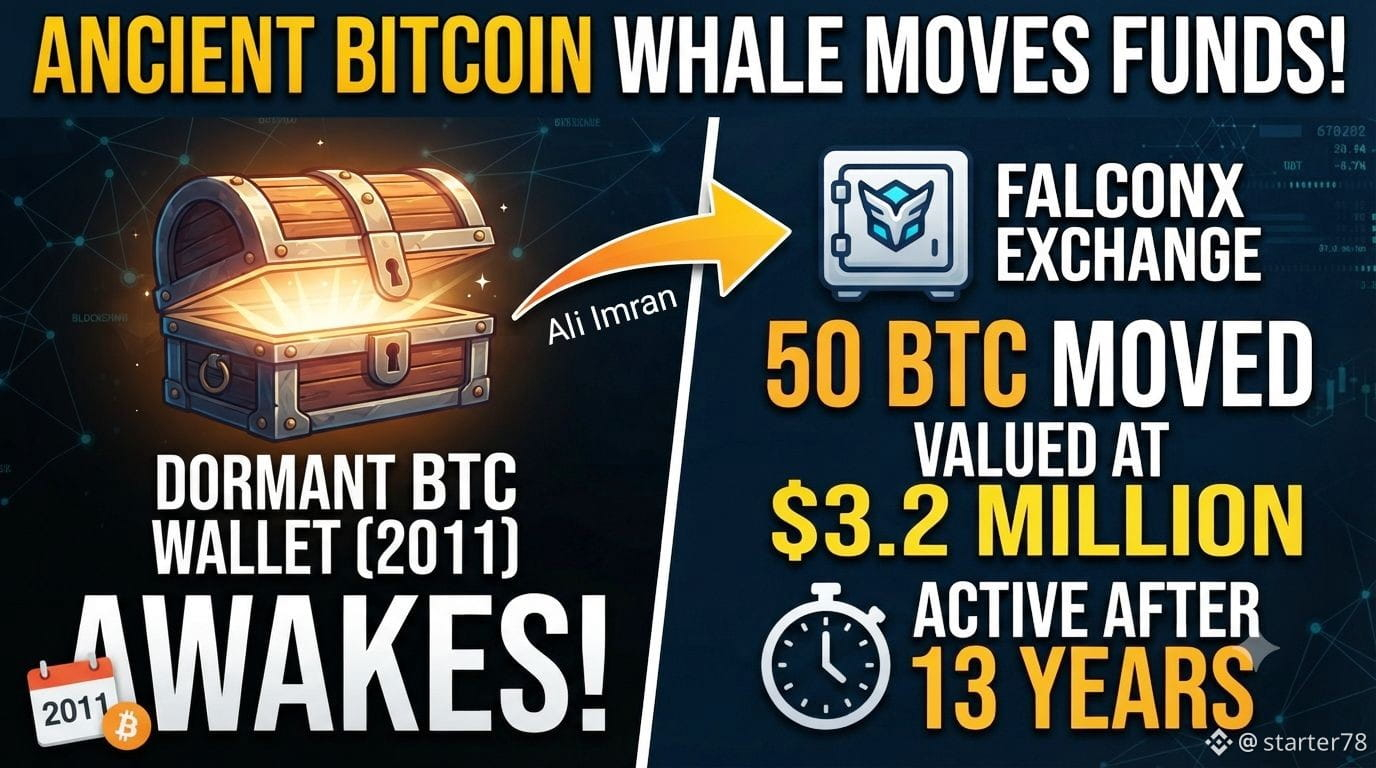
Movimientos de billetera de Bitcoin de 2011: $3,2 M a una dirección vinculada a corretaje.
Una antigua billetera de Bitcoin que no había tocado sus fondos desde 2011 se acaba de despertar y movió $3,2 millones en Bitcoin (50 BTC) a una dirección vinculada a una plataforma de operaciones de criptomonedas llamada FalconX.
Si bien las monedas actualmente están depositadas en esa nueva dirección, la billetera tiene un historial de enviar fondos a FalconX antes. Esto significa que el propietario podría solo estar reorganizando su reserva digital, o podría estar preparándose para vender o intercambiar su Bitcoin.
#Ali_Imran
#cryptonews #crypto #cryptocurrency
Movimientos de billetera de Bitcoin de 2011: $3,2 M a una dirección vinculada a corretaje.
Una antigua billetera de Bitcoin que no había tocado sus fondos desde 2011 se acaba de despertar y movió $3,2 millones en Bitcoin (50 BTC) a una dirección vinculada a una plataforma de operaciones de criptomonedas llamada FalconX.
Si bien las monedas actualmente están depositadas en esa nueva dirección, la billetera tiene un historial de enviar fondos a FalconX antes. Esto significa que el propietario podría solo estar reorganizando su reserva digital, o podría estar preparándose para vender o intercambiar su Bitcoin.
#Ali_Imran
#cryptonews #crypto #cryptocurrency
Una antigua billetera de Bitcoin que no había tocado sus fondos desde 2011 se acaba de despertar y movió $3,2 millones en Bitcoin (50 BTC) a una dirección vinculada a una plataforma de operaciones de criptomonedas llamada FalconX.
Si bien las monedas actualmente están depositadas en esa nueva dirección, la billetera tiene un historial de enviar fondos a FalconX antes. Esto significa que el propietario podría solo estar reorganizando su reserva digital, o podría estar preparándose para vender o intercambiar su Bitcoin.
#Ali_Imran
#cryptonews #crypto #cryptocurrency
107
·
--
Alcista
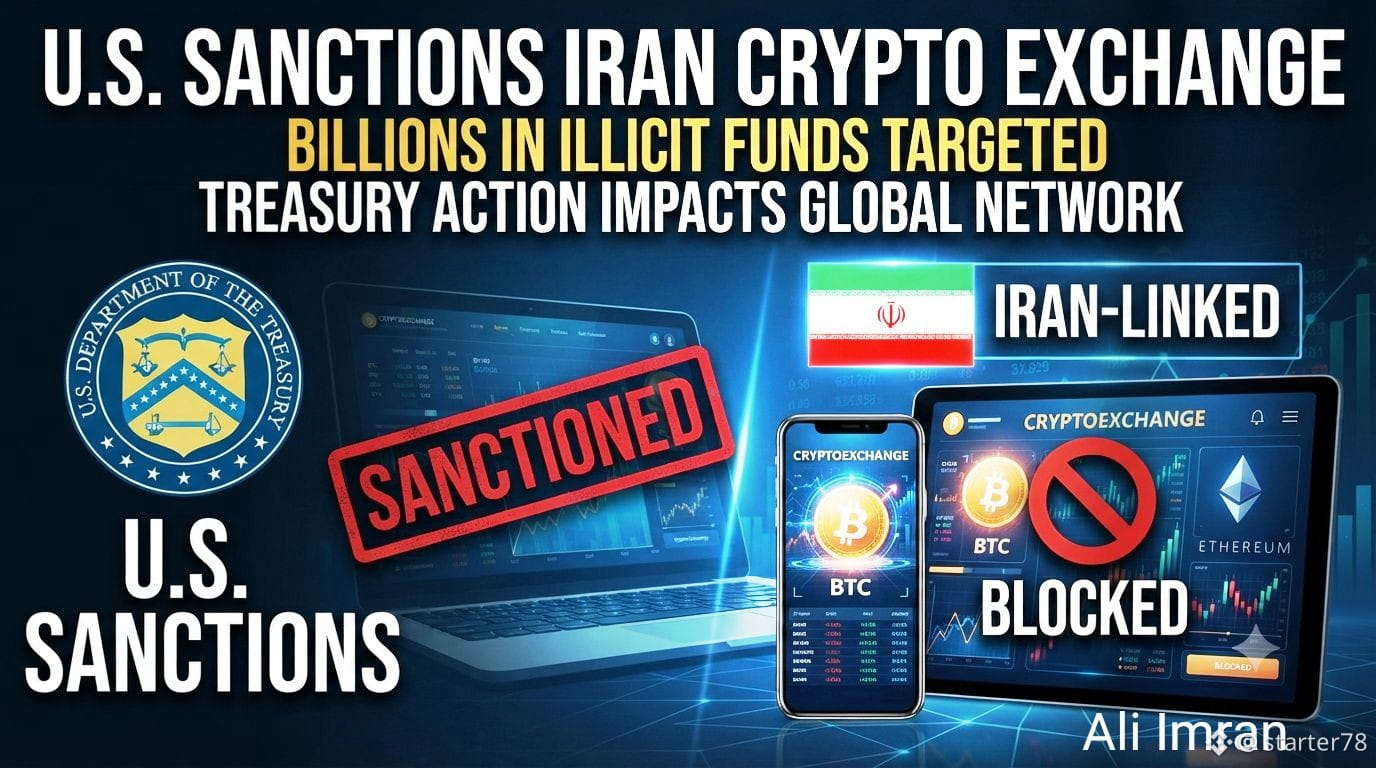
Los EE. UU. Acaban de Sancionar un Exchange de Criptomonedas Vinculado a Irán.
El 7 de agosto, el gobierno de EE. UU. impuso sanciones a un exchange de criptomonedas llamado Shelbit. Esto no era una plataforma con licencia y regulada: operaba en varios estados sin la autorización adecuada. La acusación: que Shelbit ayudó a mover millones de dólares en cripto para el Cuerpo de la Guardia Revolucionaria Islámica de Irán (IRGC), un grupo que EE. UU. considera una amenaza grave para la seguridad nacional, junto con otras organizaciones vinculadas al gobierno iraní.
Esto no surgió de la nada. Solo una semana antes, el 31 de julio, Reuters publicó una investigación que puso a Shelbit, con sede en Dubái, bajo la lupa. Los reporteros hallaron que el exchange era, supuestamente, el centro de una enorme operación de evasión de sanciones, estimada en alrededor de 4.000 millones de dólares.
Según esa investigación, la red cripto de Shelbit supuestamente llegó a tocar a actores bastante importantes:
El banco central de Irán, supuestamente usando el exchange para mover dinero eludiendo sanciones
Una gran red ilegal de apuestas en línea, descrita como una de las más grandes de su tipo
Direcciones de monederos vinculadas al IRGC, marcadas específicamente por fuentes de inteligencia israelíes
Este caso es un buen ejemplo de cómo, aunque la cripto sea descentralizada y muchas veces se describa como "sin fronteras", todavía puede rastrearse con mucha facilidad cuando los investigadores y reguladores se ponen manos a la obra. También muestra cómo los regímenes sancionados y las redes criminales intentan usar exchanges de cripto como alternativas para mover dinero fuera del sistema bancario tradicional, donde las sanciones son más difíciles de aplicar.
Para los usuarios cotidianos de cripto, esto es un recordatorio para ser cautelosos con los exchanges que usan. Las plataformas no autorizadas que operan en zonas grises regulatorias no solo son riesgosas por estafas o hackeos: también pueden convertirse en objetivos de acciones gubernamentales, congelando tus fondos o atrayendo escrutinio legal incluso si tú personalmente no hiciste nada malo.
#Ali_Imran
#cryptoNews #Iran
$USDC
Los EE. UU. Acaban de Sancionar un Exchange de Criptomonedas Vinculado a Irán.
El 7 de agosto, el gobierno de EE. UU. impuso sanciones a un exchange de criptomonedas llamado Shelbit. Esto no era una plataforma con licencia y regulada: operaba en varios estados sin la autorización adecuada. La acusación: que Shelbit ayudó a mover millones de dólares en cripto para el Cuerpo de la Guardia Revolucionaria Islámica de Irán (IRGC), un grupo que EE. UU. considera una amenaza grave para la seguridad nacional, junto con otras organizaciones vinculadas al gobierno iraní.
Esto no surgió de la nada. Solo una semana antes, el 31 de julio, Reuters publicó una investigación que puso a Shelbit, con sede en Dubái, bajo la lupa. Los reporteros hallaron que el exchange era, supuestamente, el centro de una enorme operación de evasión de sanciones, estimada en alrededor de 4.000 millones de dólares.
Según esa investigación, la red cripto de Shelbit supuestamente llegó a tocar a actores bastante importantes:
El banco central de Irán, supuestamente usando el exchange para mover dinero eludiendo sanciones
Una gran red ilegal de apuestas en línea, descrita como una de las más grandes de su tipo
Direcciones de monederos vinculadas al IRGC, marcadas específicamente por fuentes de inteligencia israelíes
Este caso es un buen ejemplo de cómo, aunque la cripto sea descentralizada y muchas veces se describa como "sin fronteras", todavía puede rastrearse con mucha facilidad cuando los investigadores y reguladores se ponen manos a la obra. También muestra cómo los regímenes sancionados y las redes criminales intentan usar exchanges de cripto como alternativas para mover dinero fuera del sistema bancario tradicional, donde las sanciones son más difíciles de aplicar.
Para los usuarios cotidianos de cripto, esto es un recordatorio para ser cautelosos con los exchanges que usan. Las plataformas no autorizadas que operan en zonas grises regulatorias no solo son riesgosas por estafas o hackeos: también pueden convertirse en objetivos de acciones gubernamentales, congelando tus fondos o atrayendo escrutinio legal incluso si tú personalmente no hiciste nada malo.
#Ali_Imran
#cryptoNews #Iran
$USDC
El 7 de agosto, el gobierno de EE. UU. impuso sanciones a un exchange de criptomonedas llamado Shelbit. Esto no era una plataforma con licencia y regulada: operaba en varios estados sin la autorización adecuada. La acusación: que Shelbit ayudó a mover millones de dólares en cripto para el Cuerpo de la Guardia Revolucionaria Islámica de Irán (IRGC), un grupo que EE. UU. considera una amenaza grave para la seguridad nacional, junto con otras organizaciones vinculadas al gobierno iraní.
Esto no surgió de la nada. Solo una semana antes, el 31 de julio, Reuters publicó una investigación que puso a Shelbit, con sede en Dubái, bajo la lupa. Los reporteros hallaron que el exchange era, supuestamente, el centro de una enorme operación de evasión de sanciones, estimada en alrededor de 4.000 millones de dólares.
Según esa investigación, la red cripto de Shelbit supuestamente llegó a tocar a actores bastante importantes:
El banco central de Irán, supuestamente usando el exchange para mover dinero eludiendo sanciones
Una gran red ilegal de apuestas en línea, descrita como una de las más grandes de su tipo
Direcciones de monederos vinculadas al IRGC, marcadas específicamente por fuentes de inteligencia israelíes
Este caso es un buen ejemplo de cómo, aunque la cripto sea descentralizada y muchas veces se describa como "sin fronteras", todavía puede rastrearse con mucha facilidad cuando los investigadores y reguladores se ponen manos a la obra. También muestra cómo los regímenes sancionados y las redes criminales intentan usar exchanges de cripto como alternativas para mover dinero fuera del sistema bancario tradicional, donde las sanciones son más difíciles de aplicar.
Para los usuarios cotidianos de cripto, esto es un recordatorio para ser cautelosos con los exchanges que usan. Las plataformas no autorizadas que operan en zonas grises regulatorias no solo son riesgosas por estafas o hackeos: también pueden convertirse en objetivos de acciones gubernamentales, congelando tus fondos o atrayendo escrutinio legal incluso si tú personalmente no hiciste nada malo.
#Ali_Imran
#cryptoNews #Iran
$USDC
128
·
--
El futuro de los cajeros automáticos de criptomonedas en Nueva Zelanda. Entra en casi cualquier lechería, estación de servicio o tienda de vapeo desde Auckland hasta Invercargill, y podrías ver una máquina que parece un cajero automático normal. Pero si la miras con más detenimiento, verás que en realidad es un quiosco de criptomonedas. Estas máquinas permiten que cualquiera inserte efectivo y salga con Bitcoin u otro activo digital en cuestión de minutos. Con más de 200 máquinas de este tipo operando en toda Nueva Zelanda, se han convertido en uno de los terrenos de batalla más difíciles en la guerra del gobierno contra el blanqueo de capitales y el fraude financiero.
El futuro de los cajeros automáticos de criptomonedas en Nueva Zelanda.
Entra en casi cualquier lechería, estación de servicio o tienda de vapeo desde Auckland hasta Invercargill, y podrías ver una máquina que parece un cajero automático normal. Pero si la miras con más detenimiento, verás que en realidad es un quiosco de criptomonedas. Estas máquinas permiten que cualquiera inserte efectivo y salga con Bitcoin u otro activo digital en cuestión de minutos. Con más de 200 máquinas de este tipo operando en toda Nueva Zelanda, se han convertido en uno de los terrenos de batalla más difíciles en la guerra del gobierno contra el blanqueo de capitales y el fraude financiero.
142
·
--
✈️ Emirates Airlines Convierte las Reservas de Vuelos en una Realidad con Cripto: ✈️
Emirates ha lanzado oficialmente Crypto .com Pay, convirtiéndose en la primera aerolínea importante del Golfo en aceptar pagos con criptomonedas para reservas de vuelos.
✈️ Cómo funciona el sistema: ✈️
Si eres un residente elegible de los Emiratos Árabes Unidos (EAU) y tienes una cuenta en Crypto .com, puedes reservar vuelos en el sitio web o la aplicación de Emirates y pagar directamente desde tu billetera de criptomonedas.
✈️ En el móvil: Te redirigen a la app de Crypto.com para aprobar el pago y, luego, te envían de vuelta a Emirates para la confirmación y tu billete.
✈️ En escritorio: Es un simple escaneo de código QR que apruebas usando la app de Crypto.com.
✈️ Una nota importante: ✈️
Técnicamente, no estás comprando billetes "en cripto". Todo tiene precio y se realiza en dirhams de los EAU (AED), así que tu criptomoneda simplemente actúa como fuente de fondos. Emirates sigue recibiendo divisas tradicionales estándar. Piensa en ello como un carril rápido entre tu billetera de cripto y tu pase de abordar, en lugar de un sistema de boletos completamente nuevo basado en criptomonedas.
Esto tampoco es un movimiento repentino. Se trata del despliegue de una asociación que Emirates y Crypto.com firmaron en julio de 2025. Se alinea perfectamente con el objetivo más amplio de Dubái de digitalizar el 90% de las transacciones del gobierno y del sector privado para finales de 2026.
Por ahora, esto es solo el comienzo de una sola aerolínea. Con Emirates dando este paso, otras aerolíneas globales que observan de cerca las criptomonedas ahora tienen un ejemplo en la vida real a seguir.
#Ali_Imran
#emirates #CryptoPay #CryptoNews #DubaiCashlessStrategy
✈️ Emirates Airlines Convierte las Reservas de Vuelos en una Realidad con Cripto: ✈️
Emirates ha lanzado oficialmente Crypto .com Pay, convirtiéndose en la primera aerolínea importante del Golfo en aceptar pagos con criptomonedas para reservas de vuelos.
✈️ Cómo funciona el sistema: ✈️
Si eres un residente elegible de los Emiratos Árabes Unidos (EAU) y tienes una cuenta en Crypto .com, puedes reservar vuelos en el sitio web o la aplicación de Emirates y pagar directamente desde tu billetera de criptomonedas.
✈️ En el móvil: Te redirigen a la app de Crypto.com para aprobar el pago y, luego, te envían de vuelta a Emirates para la confirmación y tu billete.
✈️ En escritorio: Es un simple escaneo de código QR que apruebas usando la app de Crypto.com.
✈️ Una nota importante: ✈️
Técnicamente, no estás comprando billetes "en cripto". Todo tiene precio y se realiza en dirhams de los EAU (AED), así que tu criptomoneda simplemente actúa como fuente de fondos. Emirates sigue recibiendo divisas tradicionales estándar. Piensa en ello como un carril rápido entre tu billetera de cripto y tu pase de abordar, en lugar de un sistema de boletos completamente nuevo basado en criptomonedas.
Esto tampoco es un movimiento repentino. Se trata del despliegue de una asociación que Emirates y Crypto.com firmaron en julio de 2025. Se alinea perfectamente con el objetivo más amplio de Dubái de digitalizar el 90% de las transacciones del gobierno y del sector privado para finales de 2026.
Por ahora, esto es solo el comienzo de una sola aerolínea. Con Emirates dando este paso, otras aerolíneas globales que observan de cerca las criptomonedas ahora tienen un ejemplo en la vida real a seguir.
#Ali_Imran
#emirates #CryptoPay #CryptoNews #DubaiCashlessStrategy
Emirates ha lanzado oficialmente Crypto .com Pay, convirtiéndose en la primera aerolínea importante del Golfo en aceptar pagos con criptomonedas para reservas de vuelos.
✈️ Cómo funciona el sistema: ✈️
Si eres un residente elegible de los Emiratos Árabes Unidos (EAU) y tienes una cuenta en Crypto .com, puedes reservar vuelos en el sitio web o la aplicación de Emirates y pagar directamente desde tu billetera de criptomonedas.
✈️ En el móvil: Te redirigen a la app de Crypto.com para aprobar el pago y, luego, te envían de vuelta a Emirates para la confirmación y tu billete.
✈️ En escritorio: Es un simple escaneo de código QR que apruebas usando la app de Crypto.com.
✈️ Una nota importante: ✈️
Técnicamente, no estás comprando billetes "en cripto". Todo tiene precio y se realiza en dirhams de los EAU (AED), así que tu criptomoneda simplemente actúa como fuente de fondos. Emirates sigue recibiendo divisas tradicionales estándar. Piensa en ello como un carril rápido entre tu billetera de cripto y tu pase de abordar, en lugar de un sistema de boletos completamente nuevo basado en criptomonedas.
Esto tampoco es un movimiento repentino. Se trata del despliegue de una asociación que Emirates y Crypto.com firmaron en julio de 2025. Se alinea perfectamente con el objetivo más amplio de Dubái de digitalizar el 90% de las transacciones del gobierno y del sector privado para finales de 2026.
Por ahora, esto es solo el comienzo de una sola aerolínea. Con Emirates dando este paso, otras aerolíneas globales que observan de cerca las criptomonedas ahora tienen un ejemplo en la vida real a seguir.
#Ali_Imran
#emirates #CryptoPay #CryptoNews #DubaiCashlessStrategy

127
·
--
Otro intercambio cripto cierra sus puertas:
BitMart, un exchange de criptomonedas que ha estado en funcionamiento durante unos nueve años, anunció recientemente que cerrará. Y no es el único: este anuncio llega justo después de la salida del mercado de otros dos exchanges, AscendEX y BitMEX, en los últimos días.
El cierre de tres exchanges en apenas unos días no es una simple coincidencia. Es una noticia que merece atención.
Llevar adelante un exchange de criptomonedas no es barato. En medio de la caída de los volúmenes de trading, el aumento de la competencia y las regulaciones estrictas, las plataformas pequeñas y medianas a menudo no pueden cubrir sus gastos. Cuando el mercado se frena y el volumen baja, estos exchanges pierden las comisiones de las que dependen para sobrevivir.
Lo que nos dice la historia:
Curiosamente, esto no es algo nuevo. Las grandes caídas del mercado cripto tienen un historial de cierres de exchanges:
* 2014: Mt. Gox
* 2018: BitGrail
* 2022: FTX
Algunos traders ven este ciclo recurrente como una señal de que el suelo del mercado podría estar mucho más abajo de lo que creen. Cuando expulsan a los jugadores débiles, el mercado cripto despeja el camino para que plataformas más fuertes se hagan con la participación.
¿Qué lección deberías aprender de esto?
* Usa siempre exchanges bien establecidos y confiables.
* Nunca mantengas todos tus fondos en una sola plataforma.
* Considera pasar las tenencias a largo plazo a una billetera personal que tú controlas por completo.
Que los exchanges se cierren podría parecer alarmante a simple vista, pero a menudo forma parte del proceso natural de limpieza del mercado y no una señal de que el cripto esté fallando.
#Ali_Imran
#CryptoMarketCrisis
#ExchangeShutdown
#NewBeginning
Otro intercambio cripto cierra sus puertas:
BitMart, un exchange de criptomonedas que ha estado en funcionamiento durante unos nueve años, anunció recientemente que cerrará. Y no es el único: este anuncio llega justo después de la salida del mercado de otros dos exchanges, AscendEX y BitMEX, en los últimos días.
El cierre de tres exchanges en apenas unos días no es una simple coincidencia. Es una noticia que merece atención.
Llevar adelante un exchange de criptomonedas no es barato. En medio de la caída de los volúmenes de trading, el aumento de la competencia y las regulaciones estrictas, las plataformas pequeñas y medianas a menudo no pueden cubrir sus gastos. Cuando el mercado se frena y el volumen baja, estos exchanges pierden las comisiones de las que dependen para sobrevivir.
Lo que nos dice la historia:
Curiosamente, esto no es algo nuevo. Las grandes caídas del mercado cripto tienen un historial de cierres de exchanges:
* 2014: Mt. Gox
* 2018: BitGrail
* 2022: FTX
Algunos traders ven este ciclo recurrente como una señal de que el suelo del mercado podría estar mucho más abajo de lo que creen. Cuando expulsan a los jugadores débiles, el mercado cripto despeja el camino para que plataformas más fuertes se hagan con la participación.
¿Qué lección deberías aprender de esto?
* Usa siempre exchanges bien establecidos y confiables.
* Nunca mantengas todos tus fondos en una sola plataforma.
* Considera pasar las tenencias a largo plazo a una billetera personal que tú controlas por completo.
Que los exchanges se cierren podría parecer alarmante a simple vista, pero a menudo forma parte del proceso natural de limpieza del mercado y no una señal de que el cripto esté fallando.
#Ali_Imran
#CryptoMarketCrisis
#ExchangeShutdown
#NewBeginning
BitMart, un exchange de criptomonedas que ha estado en funcionamiento durante unos nueve años, anunció recientemente que cerrará. Y no es el único: este anuncio llega justo después de la salida del mercado de otros dos exchanges, AscendEX y BitMEX, en los últimos días.
El cierre de tres exchanges en apenas unos días no es una simple coincidencia. Es una noticia que merece atención.
Llevar adelante un exchange de criptomonedas no es barato. En medio de la caída de los volúmenes de trading, el aumento de la competencia y las regulaciones estrictas, las plataformas pequeñas y medianas a menudo no pueden cubrir sus gastos. Cuando el mercado se frena y el volumen baja, estos exchanges pierden las comisiones de las que dependen para sobrevivir.
Lo que nos dice la historia:
Curiosamente, esto no es algo nuevo. Las grandes caídas del mercado cripto tienen un historial de cierres de exchanges:
* 2014: Mt. Gox
* 2018: BitGrail
* 2022: FTX
Algunos traders ven este ciclo recurrente como una señal de que el suelo del mercado podría estar mucho más abajo de lo que creen. Cuando expulsan a los jugadores débiles, el mercado cripto despeja el camino para que plataformas más fuertes se hagan con la participación.
¿Qué lección deberías aprender de esto?
* Usa siempre exchanges bien establecidos y confiables.
* Nunca mantengas todos tus fondos en una sola plataforma.
* Considera pasar las tenencias a largo plazo a una billetera personal que tú controlas por completo.
Que los exchanges se cierren podría parecer alarmante a simple vista, pero a menudo forma parte del proceso natural de limpieza del mercado y no una señal de que el cripto esté fallando.
#Ali_Imran
#CryptoMarketCrisis
#ExchangeShutdown
#NewBeginning
87
·
--
✓ Mercado de criptomonedas en las últimas 24 horas (a 27 de julio de 2026):
√ Precios y sentimiento:
🪙 Capitalización total del mercado: ~$2,3 billones, +1,7% en las últimas 24 horas, con un volumen de operaciones de alrededor de $40,7 mil millones.
🪙 Bitcoin: vuelve a superar los $65.000, recuperando el nivel mientras los traders bajistas quedaban superados. Cotiza cerca de $65.150–65.360, con una subida de aproximadamente 1–1,4%.
🪙 Ethereum lideró las ganancias entre las principales criptomonedas, acelerando más rápido que Bitcoin y reavivando las conversaciones sobre una posible “temporada de altcoins”.
🪙 Polkadot y el ecosistema de la XRP Ledger fueron los mayores ganadores del día.
🪙 Sentimiento: aún en territorio de “Miedo” pese al repunte.
√ Qué lo está impulsando:
🪙 Un segundo día sin nuevos ataques militares de EE. UU. contra Irán hizo que bajaran los precios del petróleo, favoreciendo una rotación de vuelta hacia activos de riesgo; ese es el catalizador principal.
🪙 Se liquidaron más de $200 millones en posiciones de cripto durante el día, en su mayoría por cobertura de posiciones cortas.
🪙 Los mercados también se están posicionando de cara a la reunión del 28–29 de julio de la Fed, con la expectativa de que las tasas se mantengan y con solo ~34% de probabilidad ya descontada para una subida.
√ Titulares destacables:
🪙 BitMart anunció que está cerrando sus operaciones tras casi nueve años, después de salidas recientes de AscendEX y BitMEX que algunos interpretan como una señal de capitulación en el ciclo tardío de los exchanges.
🪙 Los ETFs spot de Bitcoin registraron la tercera semana consecutiva de entradas netas, a pesar de pérdidas de $465 millones a finales de semana, con IBIT de BlackRock concentrando la mayor parte de esa salida.
🪙 Un grupo de hackers presuntamente vulneró los sistemas de un banco central, lavó cripto a través de corredores chinos y usó transferencias pequeñas para evadir la detección.
🪙 El CEO de Coinbase, Brian Armstrong, criticó a las startups cripto por renombrarse como empresas de IA.
#Ali_Imran
#ETH #Blockchain #CryptoTrading #AltSeason
✓ Mercado de criptomonedas en las últimas 24 horas (a 27 de julio de 2026):
√ Precios y sentimiento:
🪙 Capitalización total del mercado: ~$2,3 billones, +1,7% en las últimas 24 horas, con un volumen de operaciones de alrededor de $40,7 mil millones.
🪙 Bitcoin: vuelve a superar los $65.000, recuperando el nivel mientras los traders bajistas quedaban superados. Cotiza cerca de $65.150–65.360, con una subida de aproximadamente 1–1,4%.
🪙 Ethereum lideró las ganancias entre las principales criptomonedas, acelerando más rápido que Bitcoin y reavivando las conversaciones sobre una posible “temporada de altcoins”.
🪙 Polkadot y el ecosistema de la XRP Ledger fueron los mayores ganadores del día.
🪙 Sentimiento: aún en territorio de “Miedo” pese al repunte.
√ Qué lo está impulsando:
🪙 Un segundo día sin nuevos ataques militares de EE. UU. contra Irán hizo que bajaran los precios del petróleo, favoreciendo una rotación de vuelta hacia activos de riesgo; ese es el catalizador principal.
🪙 Se liquidaron más de $200 millones en posiciones de cripto durante el día, en su mayoría por cobertura de posiciones cortas.
🪙 Los mercados también se están posicionando de cara a la reunión del 28–29 de julio de la Fed, con la expectativa de que las tasas se mantengan y con solo ~34% de probabilidad ya descontada para una subida.
√ Titulares destacables:
🪙 BitMart anunció que está cerrando sus operaciones tras casi nueve años, después de salidas recientes de AscendEX y BitMEX que algunos interpretan como una señal de capitulación en el ciclo tardío de los exchanges.
🪙 Los ETFs spot de Bitcoin registraron la tercera semana consecutiva de entradas netas, a pesar de pérdidas de $465 millones a finales de semana, con IBIT de BlackRock concentrando la mayor parte de esa salida.
🪙 Un grupo de hackers presuntamente vulneró los sistemas de un banco central, lavó cripto a través de corredores chinos y usó transferencias pequeñas para evadir la detección.
🪙 El CEO de Coinbase, Brian Armstrong, criticó a las startups cripto por renombrarse como empresas de IA.
#Ali_Imran
#ETH #Blockchain #CryptoTrading #AltSeason
√ Precios y sentimiento:
🪙 Capitalización total del mercado: ~$2,3 billones, +1,7% en las últimas 24 horas, con un volumen de operaciones de alrededor de $40,7 mil millones.
🪙 Bitcoin: vuelve a superar los $65.000, recuperando el nivel mientras los traders bajistas quedaban superados. Cotiza cerca de $65.150–65.360, con una subida de aproximadamente 1–1,4%.
🪙 Ethereum lideró las ganancias entre las principales criptomonedas, acelerando más rápido que Bitcoin y reavivando las conversaciones sobre una posible “temporada de altcoins”.
🪙 Polkadot y el ecosistema de la XRP Ledger fueron los mayores ganadores del día.
🪙 Sentimiento: aún en territorio de “Miedo” pese al repunte.
√ Qué lo está impulsando:
🪙 Un segundo día sin nuevos ataques militares de EE. UU. contra Irán hizo que bajaran los precios del petróleo, favoreciendo una rotación de vuelta hacia activos de riesgo; ese es el catalizador principal.
🪙 Se liquidaron más de $200 millones en posiciones de cripto durante el día, en su mayoría por cobertura de posiciones cortas.
🪙 Los mercados también se están posicionando de cara a la reunión del 28–29 de julio de la Fed, con la expectativa de que las tasas se mantengan y con solo ~34% de probabilidad ya descontada para una subida.
√ Titulares destacables:
🪙 BitMart anunció que está cerrando sus operaciones tras casi nueve años, después de salidas recientes de AscendEX y BitMEX que algunos interpretan como una señal de capitulación en el ciclo tardío de los exchanges.
🪙 Los ETFs spot de Bitcoin registraron la tercera semana consecutiva de entradas netas, a pesar de pérdidas de $465 millones a finales de semana, con IBIT de BlackRock concentrando la mayor parte de esa salida.
🪙 Un grupo de hackers presuntamente vulneró los sistemas de un banco central, lavó cripto a través de corredores chinos y usó transferencias pequeñas para evadir la detección.
🪙 El CEO de Coinbase, Brian Armstrong, criticó a las startups cripto por renombrarse como empresas de IA.
#Ali_Imran
#ETH #Blockchain #CryptoTrading #AltSeason
198
·
--
Japón se prepara para su primer ETF de Bitcoin.El 15 de julio de 2026, el parlamento de Japón (conocido como la Dieta Nacional) aprobó una ley importante. Esta ley mueve Bitcoin y más de 100 otras criptomonedas desde una antigua norma centrada en los pagos y hacia una nueva categoría: Instrumentos financieros. Esto significa que, a partir de ahora, las criptomonedas se regularán de manera más similar a las acciones y los bonos, en lugar de tratarse solo como otro método de pago.
Este cambio es importante porque le proporciona al regulador financiero de Japón, la FSA, la base legal que eventualmente necesita para permitir un ETF de Bitcoin al contado: un fondo que mantiene Bitcoin real de forma directa, el cual los inversores habituales pueden comprar mediante una cuenta de corretaje de acciones normal, como comprar acciones de una empresa.
Japón se prepara para su primer ETF de Bitcoin.
El 15 de julio de 2026, el parlamento de Japón (conocido como la Dieta Nacional) aprobó una ley importante. Esta ley mueve Bitcoin y más de 100 otras criptomonedas desde una antigua norma centrada en los pagos y hacia una nueva categoría: Instrumentos financieros. Esto significa que, a partir de ahora, las criptomonedas se regularán de manera más similar a las acciones y los bonos, en lugar de tratarse solo como otro método de pago.
Este cambio es importante porque le proporciona al regulador financiero de Japón, la FSA, la base legal que eventualmente necesita para permitir un ETF de Bitcoin al contado: un fondo que mantiene Bitcoin real de forma directa, el cual los inversores habituales pueden comprar mediante una cuenta de corretaje de acciones normal, como comprar acciones de una empresa.
Este cambio es importante porque le proporciona al regulador financiero de Japón, la FSA, la base legal que eventualmente necesita para permitir un ETF de Bitcoin al contado: un fondo que mantiene Bitcoin real de forma directa, el cual los inversores habituales pueden comprar mediante una cuenta de corretaje de acciones normal, como comprar acciones de una empresa.
104
·
--
Pakistán crea una unidad policial dedicada a los delitos con criptomonedas:Si has estado siguiendo el mundo de las criptomonedas, sabes que Pakistán ha tenido un largo y accidentado recorrido con las monedas digitales. Millones de personas en el país comercian con cripto, aunque las normas al respecto han sido poco claras durante años. Ahora, el gobierno ha dado un paso importante para limpiar el sector.
La Agencia Federal de Investigación de Pakistán (FIA), que puedes considerar como la versión pakistaní del FBI, ha creado una unidad completamente nueva cuya única labor es investigar delitos relacionados con criptomonedas. Se llama «Cryptocurrency Investigation Unit (CIU)» (Unidad de Investigación de Criptoactivos).
Pakistán crea una unidad policial dedicada a los delitos con criptomonedas:
Si has estado siguiendo el mundo de las criptomonedas, sabes que Pakistán ha tenido un largo y accidentado recorrido con las monedas digitales. Millones de personas en el país comercian con cripto, aunque las normas al respecto han sido poco claras durante años. Ahora, el gobierno ha dado un paso importante para limpiar el sector.
La Agencia Federal de Investigación de Pakistán (FIA), que puedes considerar como la versión pakistaní del FBI, ha creado una unidad completamente nueva cuya única labor es investigar delitos relacionados con criptomonedas. Se llama «Cryptocurrency Investigation Unit (CIU)» (Unidad de Investigación de Criptoactivos).
La Agencia Federal de Investigación de Pakistán (FIA), que puedes considerar como la versión pakistaní del FBI, ha creado una unidad completamente nueva cuya única labor es investigar delitos relacionados con criptomonedas. Se llama «Cryptocurrency Investigation Unit (CIU)» (Unidad de Investigación de Criptoactivos).
112
·
--
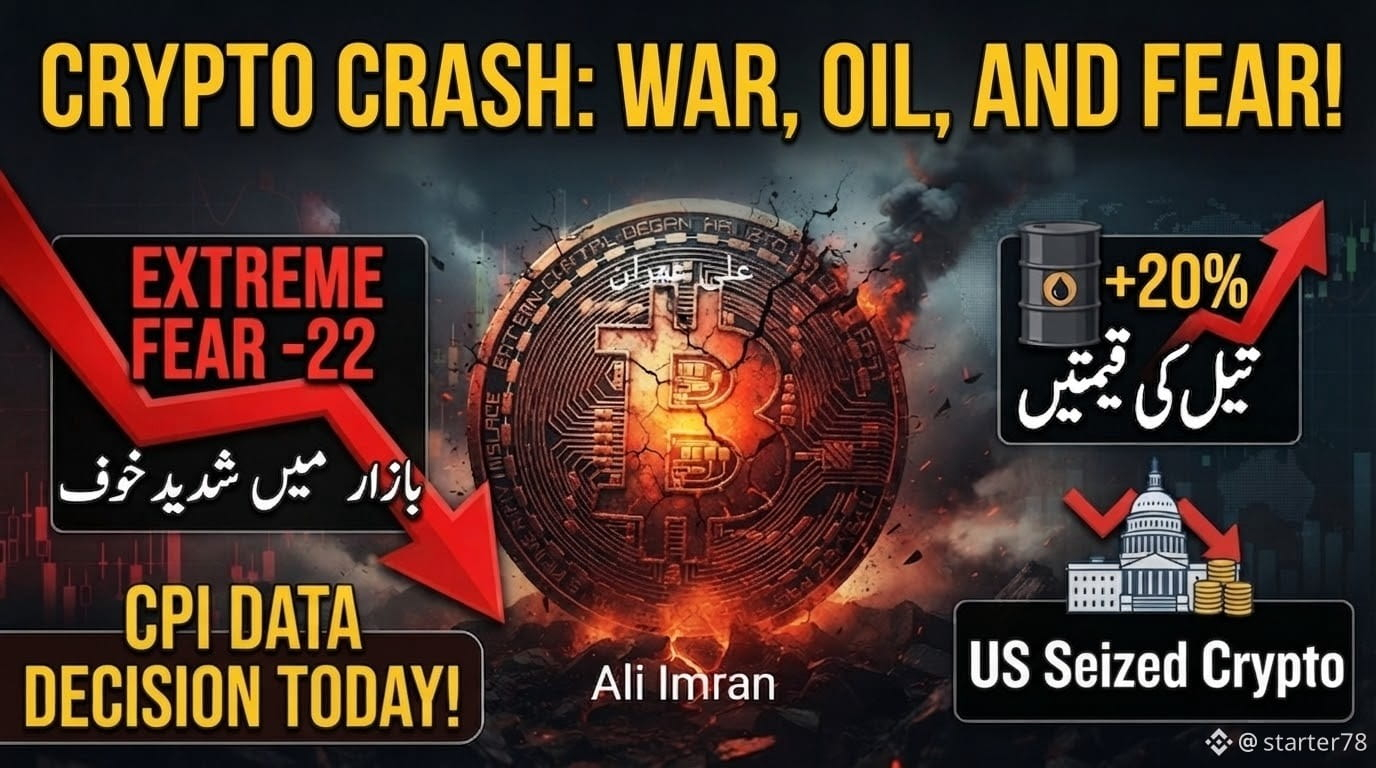
*1. La geopolítica arrastra los precios hacia abajo: Bitcoin cotizó cerca de 62.600 dólares el martes, con una caída del 0,3% en 24 horas, ya que el resurgimiento de las tensiones entre EE. UU. e Irán envió a bitcoin a la baja, incluso cuando los flujos de los ETF muestran demanda . El petróleo crudo WTI ha subido un 20% desde su mínimo de julio, superando los 80 dólares por barril, ya que los precios más altos del petróleo son inflacionarios y aumentan la probabilidad de nuevos aumentos de tasas
*2. Sentimiento de miedo extremo, caída general del mercado: La capitalización total del mercado cayó de 2,26 billones de dólares a 2,23 billones mientras el volumen de operaciones bajó de 77,9B a 68,5B, y el Índice de Miedo y Codicia se desplomó de 28 (Miedo) a 22 (Miedo extremo)
*3. El informe del IPC de hoy es el gran catalizador: los mercados están descontando una probabilidad del 40% de un aumento de tasas, con el rendimiento del Tesoro a 10 años por encima del 4,6%; se espera que la inflación general se desacelere hasta 3,8% interanual, y un dato “caliente” combinado con un petróleo al alza podría acumular una segunda señal restrictiva antes de la reunión de la Fed del 28-29 de julio
*4. Impulso de la tokenización en el Reino Unido: BlackRock, Goldman Sachs, JPMorgan y Morgan Stanley se han unido al grupo de trabajo del gobierno del Reino Unido sobre tokenización, un colectivo de 54 firmas respaldado por la City of London que invertirá durante el próximo año en casos de uso de tokenización en vivo en los mercados del Reino Unido .
*5. Movimientos del gobierno de EE. UU. con cripto incautada:
el gobierno de EE. UU. transfirió 288 millones de dólares en bitcoin y ether incautados a Coinbase Prime, mientras que por separado Jito DAO aprobó dirigir los ingresos del protocolo hacia los tenedores de JTO, usando todos los ingresos de JTX para recompras y quemas automáticas hasta 2027
Bitcoin se mantiene aproximadamente en el rango de 62.000–63.000 dólares; las altcoins están mixtas (Polkadot y XRP, entre las mayores ganadoras del día según rastreadores estilo CoinMarketCap), y el ánimo general es cauto de cara a los datos de inflación. ¿Quieres que profundice en cualquiera de estos?
Ali Imran
#CryptoMarketMoves #market
*1. La geopolítica arrastra los precios hacia abajo: Bitcoin cotizó cerca de 62.600 dólares el martes, con una caída del 0,3% en 24 horas, ya que el resurgimiento de las tensiones entre EE. UU. e Irán envió a bitcoin a la baja, incluso cuando los flujos de los ETF muestran demanda . El petróleo crudo WTI ha subido un 20% desde su mínimo de julio, superando los 80 dólares por barril, ya que los precios más altos del petróleo son inflacionarios y aumentan la probabilidad de nuevos aumentos de tasas
*2. Sentimiento de miedo extremo, caída general del mercado: La capitalización total del mercado cayó de 2,26 billones de dólares a 2,23 billones mientras el volumen de operaciones bajó de 77,9B a 68,5B, y el Índice de Miedo y Codicia se desplomó de 28 (Miedo) a 22 (Miedo extremo)
*3. El informe del IPC de hoy es el gran catalizador: los mercados están descontando una probabilidad del 40% de un aumento de tasas, con el rendimiento del Tesoro a 10 años por encima del 4,6%; se espera que la inflación general se desacelere hasta 3,8% interanual, y un dato “caliente” combinado con un petróleo al alza podría acumular una segunda señal restrictiva antes de la reunión de la Fed del 28-29 de julio
*4. Impulso de la tokenización en el Reino Unido: BlackRock, Goldman Sachs, JPMorgan y Morgan Stanley se han unido al grupo de trabajo del gobierno del Reino Unido sobre tokenización, un colectivo de 54 firmas respaldado por la City of London que invertirá durante el próximo año en casos de uso de tokenización en vivo en los mercados del Reino Unido .
*5. Movimientos del gobierno de EE. UU. con cripto incautada:
el gobierno de EE. UU. transfirió 288 millones de dólares en bitcoin y ether incautados a Coinbase Prime, mientras que por separado Jito DAO aprobó dirigir los ingresos del protocolo hacia los tenedores de JTO, usando todos los ingresos de JTX para recompras y quemas automáticas hasta 2027
Bitcoin se mantiene aproximadamente en el rango de 62.000–63.000 dólares; las altcoins están mixtas (Polkadot y XRP, entre las mayores ganadoras del día según rastreadores estilo CoinMarketCap), y el ánimo general es cauto de cara a los datos de inflación. ¿Quieres que profundice en cualquiera de estos?
Ali Imran
#CryptoMarketMoves #market
*2. Sentimiento de miedo extremo, caída general del mercado: La capitalización total del mercado cayó de 2,26 billones de dólares a 2,23 billones mientras el volumen de operaciones bajó de 77,9B a 68,5B, y el Índice de Miedo y Codicia se desplomó de 28 (Miedo) a 22 (Miedo extremo)
*3. El informe del IPC de hoy es el gran catalizador: los mercados están descontando una probabilidad del 40% de un aumento de tasas, con el rendimiento del Tesoro a 10 años por encima del 4,6%; se espera que la inflación general se desacelere hasta 3,8% interanual, y un dato “caliente” combinado con un petróleo al alza podría acumular una segunda señal restrictiva antes de la reunión de la Fed del 28-29 de julio
*4. Impulso de la tokenización en el Reino Unido: BlackRock, Goldman Sachs, JPMorgan y Morgan Stanley se han unido al grupo de trabajo del gobierno del Reino Unido sobre tokenización, un colectivo de 54 firmas respaldado por la City of London que invertirá durante el próximo año en casos de uso de tokenización en vivo en los mercados del Reino Unido .
*5. Movimientos del gobierno de EE. UU. con cripto incautada:
el gobierno de EE. UU. transfirió 288 millones de dólares en bitcoin y ether incautados a Coinbase Prime, mientras que por separado Jito DAO aprobó dirigir los ingresos del protocolo hacia los tenedores de JTO, usando todos los ingresos de JTX para recompras y quemas automáticas hasta 2027
Bitcoin se mantiene aproximadamente en el rango de 62.000–63.000 dólares; las altcoins están mixtas (Polkadot y XRP, entre las mayores ganadoras del día según rastreadores estilo CoinMarketCap), y el ánimo general es cauto de cara a los datos de inflación. ¿Quieres que profundice en cualquiera de estos?
Ali Imran
#CryptoMarketMoves #market
186
·
--
🪙 Gran noticia: Circle acaba de recibir la luz verde para operar su propio banco.🏦Si sigues el mundo cripto, probablemente has visto los titulares: Circle acaba de recibir la aprobación para operar como un "banco fiduciario" y el precio de sus acciones subió. Pero, ¿qué significa esto realmente para todos?
🪙 ¿Quién es Circle?
El círculo es la empresa detrás de *USDC*, una de las "stablecoins" (monedas estables) más populares del mundo. Una stablecoin es una moneda digital diseñada para mantener un valor estable de 1 $. Para que esto funcione, Circle mantiene dólares reales y bonos del gobierno de Estados Unidos en reserva para respaldar cada token de USDC que emiten. Piénsalo así: por cada 1 $ de moneda digital, ellos mantienen 1 $ de activos seguros y reales del mundo.
🪙 Gran noticia: Circle acaba de recibir la luz verde para operar su propio banco.🏦
Si sigues el mundo cripto, probablemente has visto los titulares: Circle acaba de recibir la aprobación para operar como un "banco fiduciario" y el precio de sus acciones subió. Pero, ¿qué significa esto realmente para todos?
🪙 ¿Quién es Circle?
El círculo es la empresa detrás de *USDC*, una de las "stablecoins" (monedas estables) más populares del mundo. Una stablecoin es una moneda digital diseñada para mantener un valor estable de 1 $. Para que esto funcione, Circle mantiene dólares reales y bonos del gobierno de Estados Unidos en reserva para respaldar cada token de USDC que emiten. Piénsalo así: por cada 1 $ de moneda digital, ellos mantienen 1 $ de activos seguros y reales del mundo.
🪙 ¿Quién es Circle?
El círculo es la empresa detrás de *USDC*, una de las "stablecoins" (monedas estables) más populares del mundo. Una stablecoin es una moneda digital diseñada para mantener un valor estable de 1 $. Para que esto funcione, Circle mantiene dólares reales y bonos del gobierno de Estados Unidos en reserva para respaldar cada token de USDC que emiten. Piénsalo así: por cada 1 $ de moneda digital, ellos mantienen 1 $ de activos seguros y reales del mundo.
157
·
--
Artículo
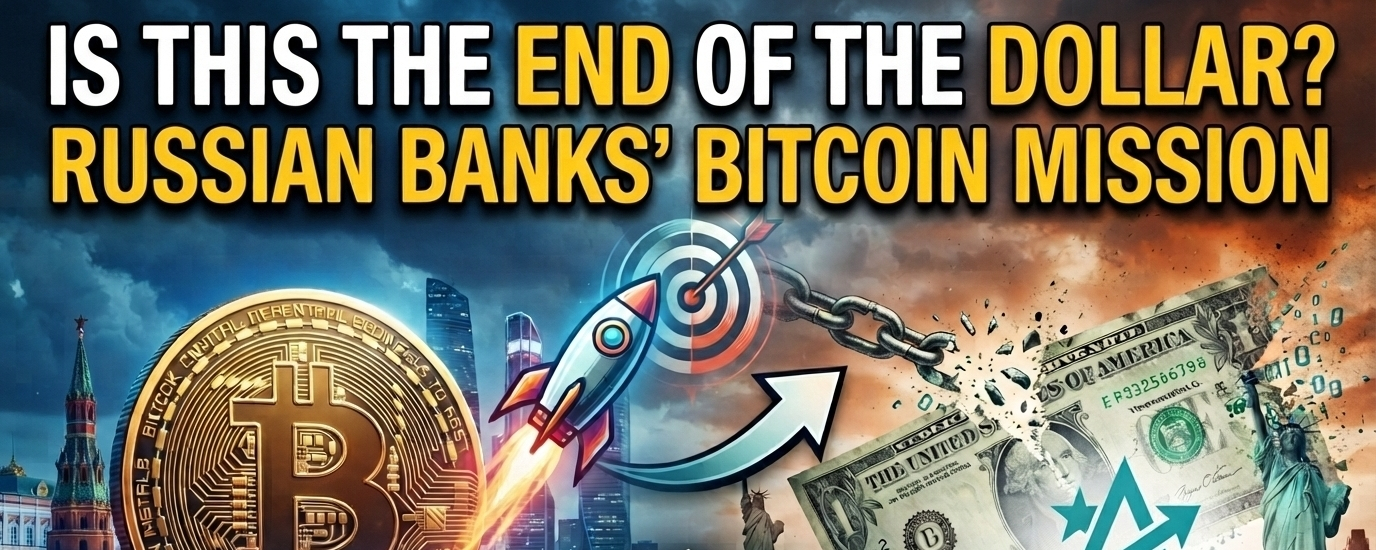
Rusia También Dio un Paso Hacia el Mundo de las Criptomonedas y el Bitcoin.Si sigues las noticias del sector cripto, actualmente se está desarrollando un gran acontecimiento en Rusia: el banco privado más grande del país, Alfa-Bank, se está preparando para ofrecer a sus clientes servicios de Bitcoin y de criptomonedas.
🪙 ¿Cuál es el plan de Alfa-Bank?
El director de operaciones (COO) del banco, Dmitry Vitman, ha declarado que, en cuanto se apruebe la legislación pertinente, el banco pretende ofrecer "todos los servicios posibles relacionados con las criptomonedas". Entre ellos se incluyen:
* Trading de criptomonedas: comprar y vender monedas como Bitcoin.
* Servicios de custodia: mantener de forma segura las criptomonedas de los clientes, actuando esencialmente como una "cartera digital".
Rusia También Dio un Paso Hacia el Mundo de las Criptomonedas y el Bitcoin.
Si sigues las noticias del sector cripto, actualmente se está desarrollando un gran acontecimiento en Rusia: el banco privado más grande del país, Alfa-Bank, se está preparando para ofrecer a sus clientes servicios de Bitcoin y de criptomonedas.
🪙 ¿Cuál es el plan de Alfa-Bank?
El director de operaciones (COO) del banco, Dmitry Vitman, ha declarado que, en cuanto se apruebe la legislación pertinente, el banco pretende ofrecer "todos los servicios posibles relacionados con las criptomonedas". Entre ellos se incluyen:
* Trading de criptomonedas: comprar y vender monedas como Bitcoin.
* Servicios de custodia: mantener de forma segura las criptomonedas de los clientes, actuando esencialmente como una "cartera digital".
🪙 ¿Cuál es el plan de Alfa-Bank?
El director de operaciones (COO) del banco, Dmitry Vitman, ha declarado que, en cuanto se apruebe la legislación pertinente, el banco pretende ofrecer "todos los servicios posibles relacionados con las criptomonedas". Entre ellos se incluyen:
* Trading de criptomonedas: comprar y vender monedas como Bitcoin.
* Servicios de custodia: mantener de forma segura las criptomonedas de los clientes, actuando esencialmente como una "cartera digital".
1
191
·
--
Escándalo de acciones de Bitcoin del director del FBI: la "inversión secreta" causa revuelo en D.C. 🚨📈Los vigilantes de Washington están indignados después de que se revelara que el director del FBI, Kash Patel, compró una cantidad significativa de acciones en MicroStrategy, una empresa fuertemente vinculada con Bitcoin, sin decírselo a nadie durante seis meses.
*La situación:
El 21 de noviembre de 2025, Patel compró acciones de MicroStrategy por un valor entre 100.001 y 250.000 dólares. ¿El problema? No informó la operación a los reguladores federales hasta el 26 de mayo de 2026. Según un informe del medio de noticias sin fines de lucro NOTUS, esta divulgación llegó con más de seis meses de retraso.
Escándalo de acciones de Bitcoin del director del FBI: la "inversión secreta" causa revuelo en D.C. 🚨📈
Los vigilantes de Washington están indignados después de que se revelara que el director del FBI, Kash Patel, compró una cantidad significativa de acciones en MicroStrategy, una empresa fuertemente vinculada con Bitcoin, sin decírselo a nadie durante seis meses.
*La situación:
El 21 de noviembre de 2025, Patel compró acciones de MicroStrategy por un valor entre 100.001 y 250.000 dólares. ¿El problema? No informó la operación a los reguladores federales hasta el 26 de mayo de 2026. Según un informe del medio de noticias sin fines de lucro NOTUS, esta divulgación llegó con más de seis meses de retraso.
*La situación:
El 21 de noviembre de 2025, Patel compró acciones de MicroStrategy por un valor entre 100.001 y 250.000 dólares. ¿El problema? No informó la operación a los reguladores federales hasta el 26 de mayo de 2026. Según un informe del medio de noticias sin fines de lucro NOTUS, esta divulgación llegó con más de seis meses de retraso.
149
·
--
Crorregulación: el nuevo movimiento de Gran Bretaña—¿Está a salvo el futuro de Londres?Si esta semana has estado siguiendo las noticias sobre cripto, es probable que hayas visto los titulares sobre el nuevo marco regulatorio emitido por la Autoridad de Conducta Financiera (FCA) del Reino Unido. Aunque podría sonar como mero lenguaje burocrático, esto es un gran avance para los traders, las empresas cripto y para cualquiera que espere ver al Reino Unido convertirse en un actor clave en los activos digitales.
Desglosemos esto en términos simples.
El 30 de junio de 2026, la FCA publicó su regulación cripto más detallada hasta la fecha. Esto no es un ajuste menor; por primera vez, incluye muchas actividades de cripto (como plataformas de trading, custodios, emisores de stablecoins y proveedores de staking) bajo supervisión regulatoria total. Hasta ahora, el control de la FCA sobre las criptomonedas era relativamente débil, limitado principalmente a la prevención del lavado de dinero (AML) y a la aprobación de anuncios de cripto.
Crorregulación: el nuevo movimiento de Gran Bretaña—¿Está a salvo el futuro de Londres?
Si esta semana has estado siguiendo las noticias sobre cripto, es probable que hayas visto los titulares sobre el nuevo marco regulatorio emitido por la Autoridad de Conducta Financiera (FCA) del Reino Unido. Aunque podría sonar como mero lenguaje burocrático, esto es un gran avance para los traders, las empresas cripto y para cualquiera que espere ver al Reino Unido convertirse en un actor clave en los activos digitales.
Desglosemos esto en términos simples.
El 30 de junio de 2026, la FCA publicó su regulación cripto más detallada hasta la fecha. Esto no es un ajuste menor; por primera vez, incluye muchas actividades de cripto (como plataformas de trading, custodios, emisores de stablecoins y proveedores de staking) bajo supervisión regulatoria total. Hasta ahora, el control de la FCA sobre las criptomonedas era relativamente débil, limitado principalmente a la prevención del lavado de dinero (AML) y a la aprobación de anuncios de cripto.
Desglosemos esto en términos simples.
El 30 de junio de 2026, la FCA publicó su regulación cripto más detallada hasta la fecha. Esto no es un ajuste menor; por primera vez, incluye muchas actividades de cripto (como plataformas de trading, custodios, emisores de stablecoins y proveedores de staking) bajo supervisión regulatoria total. Hasta ahora, el control de la FCA sobre las criptomonedas era relativamente débil, limitado principalmente a la prevención del lavado de dinero (AML) y a la aprobación de anuncios de cripto.
115
·
--
Artículo
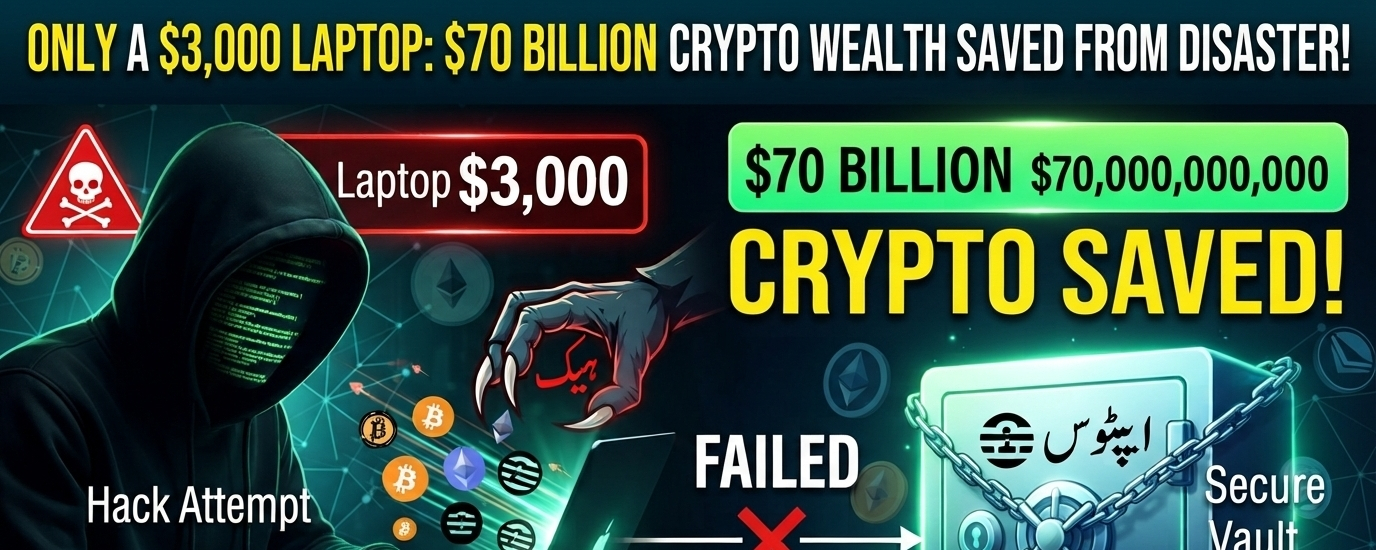
Un equipo con laptop de $3,000 casi puso en riesgo $70 mil millones en cripto.Imagina que alguien pudiera amenazar con $70 mil millones en riqueza usando equipos que cuestan menos que un auto usado. Eso es básicamente lo que pasó en el mundo de las criptomonedas, pero, por suerte, "los buenos" (piratas informáticos éticos) descubrieron la vulnerabilidad antes de que cualquier criminal pudiera hacerlo.
* Aptos es una blockchain, un libro de contabilidad digital que registra la propiedad, similar a Bitcoin o Ethereum, pero basada en su propia tecnología llamada "Move". Move comenzó originalmente como un proyecto dentro de Facebook (cuando Facebook intentaba lanzar su propia moneda, "Diem").
Un equipo con laptop de $3,000 casi puso en riesgo $70 mil millones en cripto.
Imagina que alguien pudiera amenazar con $70 mil millones en riqueza usando equipos que cuestan menos que un auto usado. Eso es básicamente lo que pasó en el mundo de las criptomonedas, pero, por suerte, "los buenos" (piratas informáticos éticos) descubrieron la vulnerabilidad antes de que cualquier criminal pudiera hacerlo.
* Aptos es una blockchain, un libro de contabilidad digital que registra la propiedad, similar a Bitcoin o Ethereum, pero basada en su propia tecnología llamada "Move". Move comenzó originalmente como un proyecto dentro de Facebook (cuando Facebook intentaba lanzar su propia moneda, "Diem").
* Aptos es una blockchain, un libro de contabilidad digital que registra la propiedad, similar a Bitcoin o Ethereum, pero basada en su propia tecnología llamada "Move". Move comenzó originalmente como un proyecto dentro de Facebook (cuando Facebook intentaba lanzar su propia moneda, "Diem").
185
·
--
سلام عليكم ورحمة الله وبركاته ۔
جمعة مباركة ۔
$SPCXB
{spot}(SPCXBUSDT)
$SOL
{future}(SOLUSDT)
$TRUMP
{future}(TRUMPUSDT)
سلام عليكم ورحمة الله وبركاته ۔
جمعة مباركة ۔
$SPCXB
$SOL
$TRUMP
جمعة مباركة ۔
$SPCXB
$SOL
$TRUMP
34
·
--
Artículo
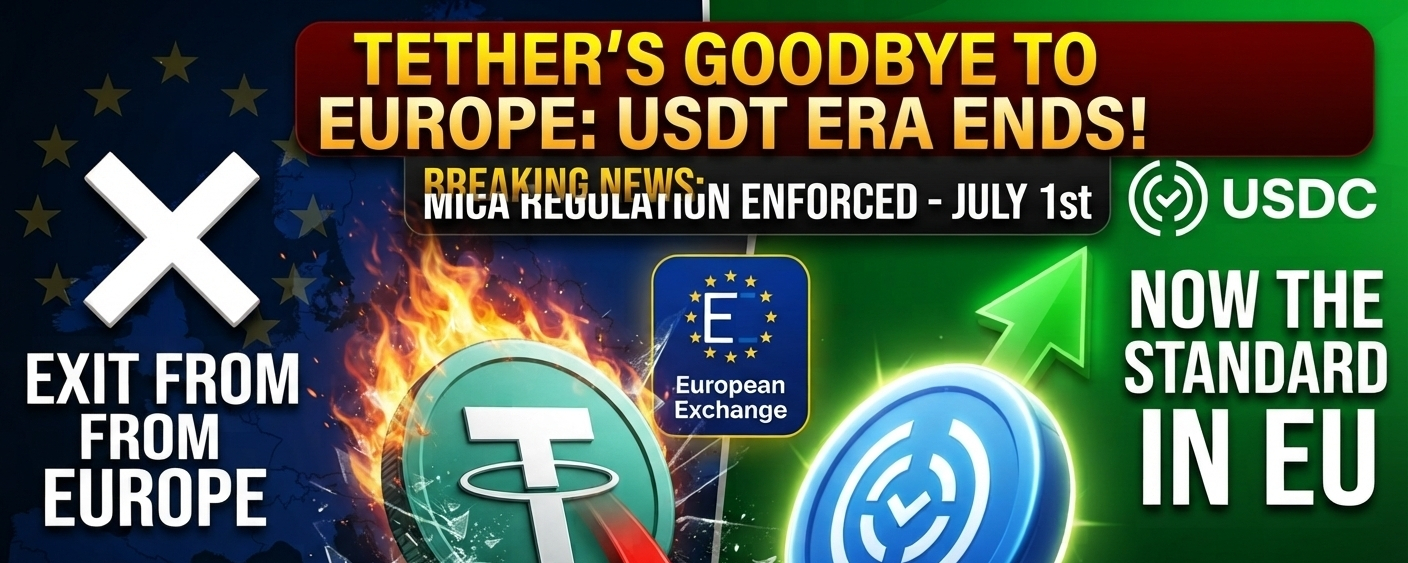
Tether acaba de perder Europa.A partir del 1 de julio de 2026, USDT, la stablecoin más grande del mundo, valorada en unos 180 mil millones de dólares, ya no podrá negociarse en bolsas cripto europeas reguladas. Esto no es un rumor. Es el resultado de una norma que se ha estado gestando durante más de un año y que acaba de llegar a su fecha límite.
Europa aprobó una ley llamada MiCA (Reglamento de Mercados en Criptoactivos). Dice que cualquier stablecoin ofrecida en una bolsa de la UE con licencia debe hacer que el emisor tenga una autorización de licencia especial llamada “token de dinero electrónico”. Eso significa mantener una gran parte de las reservas, alrededor de un 60%, en bancos de la UE, con plena transparencia y auditorías.
Tether acaba de perder Europa.
A partir del 1 de julio de 2026, USDT, la stablecoin más grande del mundo, valorada en unos 180 mil millones de dólares, ya no podrá negociarse en bolsas cripto europeas reguladas. Esto no es un rumor. Es el resultado de una norma que se ha estado gestando durante más de un año y que acaba de llegar a su fecha límite.
Europa aprobó una ley llamada MiCA (Reglamento de Mercados en Criptoactivos). Dice que cualquier stablecoin ofrecida en una bolsa de la UE con licencia debe hacer que el emisor tenga una autorización de licencia especial llamada “token de dinero electrónico”. Eso significa mantener una gran parte de las reservas, alrededor de un 60%, en bancos de la UE, con plena transparencia y auditorías.
Europa aprobó una ley llamada MiCA (Reglamento de Mercados en Criptoactivos). Dice que cualquier stablecoin ofrecida en una bolsa de la UE con licencia debe hacer que el emisor tenga una autorización de licencia especial llamada “token de dinero electrónico”. Eso significa mantener una gran parte de las reservas, alrededor de un 60%, en bancos de la UE, con plena transparencia y auditorías.
132
Inicia sesión para explorar más contenidos
Únete a usuarios globales de criptomonedas en Binance Square
⚡️ Obtén información útil y actualizada sobre criptos.
💬 Avalado por el mayor exchange de criptomonedas en el mundo.
👍 Descubre perspectivas reales de creadores verificados.
Email/número de teléfono
Temas populares
BinancePick
3.1M vistas
153,320 están debatiendo
¡Únete a #TemporadaDeResultados: predice resultados en Binance Pick y comparte tu opinión en Binance Square!
Binance Square Official
·413 me gusta
·343.5k vistas
EarningsSeason
5.3M vistas
26,065 están debatiendo
AnthropicTTMRevenueGrewAbout1200%
36,046 vistas
446 están debatiendo