

Marvin Alvis
12.7k Publicaciones

Marvin Alvis
 Verificado de Binance Square
Denunciar
Bloquear usuario
Abrir trade
Trader frecuente
1.9 año(s)
803 Siguiendo
30.7K+ Seguidores
18.6K+ Me gusta
Publicaciones
Cartera
Todo
Citas
Live
·
--
Alcista
GALA: Infraestructura de videojuegos con dolores de crecimiento
He estado siguiendo Gala Games desde que se posicionó como un ecosistema de gaming descentralizado, y la ambición no ha disminuido aunque el mercado sí.
Gala opera varias redes blockchain que admiten distintas funciones. GalaChain se encarga de las transacciones enfocadas en la velocidad, mientras que otras cadenas soportan operaciones compatibles con Ethereum. La idea es que los juegos necesitan una infraestructura rápida y barata que no sacrifique la propiedad. Los nodos forman la base, y los operadores ganan GALA por mantener la red.
Lo que funciona de verdad es la variedad de juegos. Town Star, Spider Tanks y otros tienen jugadores activos, no solo poseedores de tokens esperando airdrops. La empresa lleva años construyendo, y esa persistencia se nota en el rango de productos.
Los retos también son reales. El ecosistema atravesó convulsiones de liderazgo en 2022 y 2023, que plantearon dudas sobre la dirección y la estabilidad interna. Algunas funciones prometidas llegaron tarde o cambiaron de forma. Los operadores de nodos han expresado frustración en ocasiones sobre la economía de las recompensas. No son problemas fatales, pero sí son el tipo de fricción que pone a prueba la paciencia de la comunidad.
La forma de Gala de abordar la propiedad es interesante. Los jugadores pueden, de hecho, poseer activos dentro del juego como NFTs y comerciarlos, lo que cambia la relación entre el tiempo invertido y el valor recibido. Todavía no está claro si los gamers del público general se preocupan por esto. La mayoría aún prefiere la conveniencia por encima de la custodia.
Sigo observando para ver si la infraestructura madura más rápido que el mercado pierde el interés. Esa es la carrera completa para proyectos como este.
$GALA
{spot}(GALAUSDT)
#USStocksCloseHigherOnWeakJobsData #ICBASuesOCCOverCryptoBankCharters #G7PlansToReleaseUpTo100MBarrelsOilDiesel #SECApproves3xLongCryptoCommodityETPs #SECProposesCryptoCustodyRules
GALA: Infraestructura de videojuegos con dolores de crecimiento
He estado siguiendo Gala Games desde que se posicionó como un ecosistema de gaming descentralizado, y la ambición no ha disminuido aunque el mercado sí.
Gala opera varias redes blockchain que admiten distintas funciones. GalaChain se encarga de las transacciones enfocadas en la velocidad, mientras que otras cadenas soportan operaciones compatibles con Ethereum. La idea es que los juegos necesitan una infraestructura rápida y barata que no sacrifique la propiedad. Los nodos forman la base, y los operadores ganan GALA por mantener la red.
Lo que funciona de verdad es la variedad de juegos. Town Star, Spider Tanks y otros tienen jugadores activos, no solo poseedores de tokens esperando airdrops. La empresa lleva años construyendo, y esa persistencia se nota en el rango de productos.
Los retos también son reales. El ecosistema atravesó convulsiones de liderazgo en 2022 y 2023, que plantearon dudas sobre la dirección y la estabilidad interna. Algunas funciones prometidas llegaron tarde o cambiaron de forma. Los operadores de nodos han expresado frustración en ocasiones sobre la economía de las recompensas. No son problemas fatales, pero sí son el tipo de fricción que pone a prueba la paciencia de la comunidad.
La forma de Gala de abordar la propiedad es interesante. Los jugadores pueden, de hecho, poseer activos dentro del juego como NFTs y comerciarlos, lo que cambia la relación entre el tiempo invertido y el valor recibido. Todavía no está claro si los gamers del público general se preocupan por esto. La mayoría aún prefiere la conveniencia por encima de la custodia.
Sigo observando para ver si la infraestructura madura más rápido que el mercado pierde el interés. Esa es la carrera completa para proyectos como este.
$GALA
#USStocksCloseHigherOnWeakJobsData #ICBASuesOCCOverCryptoBankCharters #G7PlansToReleaseUpTo100MBarrelsOilDiesel #SECApproves3xLongCryptoCommodityETPs #SECProposesCryptoCustodyRules
He estado siguiendo Gala Games desde que se posicionó como un ecosistema de gaming descentralizado, y la ambición no ha disminuido aunque el mercado sí.
Gala opera varias redes blockchain que admiten distintas funciones. GalaChain se encarga de las transacciones enfocadas en la velocidad, mientras que otras cadenas soportan operaciones compatibles con Ethereum. La idea es que los juegos necesitan una infraestructura rápida y barata que no sacrifique la propiedad. Los nodos forman la base, y los operadores ganan GALA por mantener la red.
Lo que funciona de verdad es la variedad de juegos. Town Star, Spider Tanks y otros tienen jugadores activos, no solo poseedores de tokens esperando airdrops. La empresa lleva años construyendo, y esa persistencia se nota en el rango de productos.
Los retos también son reales. El ecosistema atravesó convulsiones de liderazgo en 2022 y 2023, que plantearon dudas sobre la dirección y la estabilidad interna. Algunas funciones prometidas llegaron tarde o cambiaron de forma. Los operadores de nodos han expresado frustración en ocasiones sobre la economía de las recompensas. No son problemas fatales, pero sí son el tipo de fricción que pone a prueba la paciencia de la comunidad.
La forma de Gala de abordar la propiedad es interesante. Los jugadores pueden, de hecho, poseer activos dentro del juego como NFTs y comerciarlos, lo que cambia la relación entre el tiempo invertido y el valor recibido. Todavía no está claro si los gamers del público general se preocupan por esto. La mayoría aún prefiere la conveniencia por encima de la custodia.
Sigo observando para ver si la infraestructura madura más rápido que el mercado pierde el interés. Esa es la carrera completa para proyectos como este.
$GALA
#USStocksCloseHigherOnWeakJobsData #ICBASuesOCCOverCryptoBankCharters #G7PlansToReleaseUpTo100MBarrelsOilDiesel #SECApproves3xLongCryptoCommodityETPs #SECProposesCryptoCustodyRules
168
·
--
Alcista
SAND: El constructor paciente del Metaverso
He estado siguiendo Sandbox durante un tiempo y lo que me llama la atención no son los ciclos de hype por los que pasó en 2021 ni los periodos de calma que siguieron. Es cómo el proyecto siguió publicando mientras otros desaparecían.
Sandbox es un mundo virtual donde los usuarios construyen, son dueños y monetizan experiencias de juego usando activos basados en vóxeles. Todo funciona sobre Ethereum, con SAND como token de utilidad para transacciones, staking y gobernanza dentro de su DAO. La tierra está limitada a 166.464 parcelas, lo que crea una escasez natural sin necesidad de presión artificial.
Lo que realmente funciona es la economía de creadores. La herramienta Game Maker permite a la gente crear sin programar, y VoxEdit se encarga de la creación de activos. He notado estudios como Atari y Care Bears manteniendo presencia allí, pero la actividad más interesante proviene de creadores independientes que lo tratan como un espacio real de prototipado. La plataforma procesa de forma constante las ventas de terrenos y los intercambios de activos, aunque el volumen se ha enfriado respecto a los años pico.
La estructura del DAO le da a los tenedores de SAND un poder de voto real sobre la asignación de subvenciones y las decisiones de la plataforma. No es una gobernanza perfecta, pero funciona. El equipo de Animoca Brands también ha sido transparente sobre los retrasos del roadmap, lo cual importa cuando tantos proyectos de metaverso desaparecieron en silencio.
Lo que merece cautela es la profundidad de adopción. Construir experiencias atractivas lleva tiempo y muchos mundos virtuales aún se sienten vacíos fuera de los eventos. Sandbox no es inmune a esto. La claridad regulatoria sobre la clasificación de los tokens sigue sin resolverse globalmente, lo que afecta a cada proyecto en este espacio.
Sigo preguntándome si la tierra virtual mantendrá un valor cultural como los espacios físicos, o si todavía estamos demasiado pronto para saberlo. Sandbox parece preparado para esperar esa respuesta.
$SAND
{spot}(SANDUSDT)
#USRussiaUkraineTalksReportedlyIncludeLukoilOilDeal #CerebrasSinksNearly20%OnReportNvidiaToPowerOpenAI #SECProposesCryptoCustodyRules #SECApproves3xLongCryptoCommodityETPs #ICBASuesOCCOverCryptoBankCharters
SAND: El constructor paciente del Metaverso
He estado siguiendo Sandbox durante un tiempo y lo que me llama la atención no son los ciclos de hype por los que pasó en 2021 ni los periodos de calma que siguieron. Es cómo el proyecto siguió publicando mientras otros desaparecían.
Sandbox es un mundo virtual donde los usuarios construyen, son dueños y monetizan experiencias de juego usando activos basados en vóxeles. Todo funciona sobre Ethereum, con SAND como token de utilidad para transacciones, staking y gobernanza dentro de su DAO. La tierra está limitada a 166.464 parcelas, lo que crea una escasez natural sin necesidad de presión artificial.
Lo que realmente funciona es la economía de creadores. La herramienta Game Maker permite a la gente crear sin programar, y VoxEdit se encarga de la creación de activos. He notado estudios como Atari y Care Bears manteniendo presencia allí, pero la actividad más interesante proviene de creadores independientes que lo tratan como un espacio real de prototipado. La plataforma procesa de forma constante las ventas de terrenos y los intercambios de activos, aunque el volumen se ha enfriado respecto a los años pico.
La estructura del DAO le da a los tenedores de SAND un poder de voto real sobre la asignación de subvenciones y las decisiones de la plataforma. No es una gobernanza perfecta, pero funciona. El equipo de Animoca Brands también ha sido transparente sobre los retrasos del roadmap, lo cual importa cuando tantos proyectos de metaverso desaparecieron en silencio.
Lo que merece cautela es la profundidad de adopción. Construir experiencias atractivas lleva tiempo y muchos mundos virtuales aún se sienten vacíos fuera de los eventos. Sandbox no es inmune a esto. La claridad regulatoria sobre la clasificación de los tokens sigue sin resolverse globalmente, lo que afecta a cada proyecto en este espacio.
Sigo preguntándome si la tierra virtual mantendrá un valor cultural como los espacios físicos, o si todavía estamos demasiado pronto para saberlo. Sandbox parece preparado para esperar esa respuesta.
$SAND
#USRussiaUkraineTalksReportedlyIncludeLukoilOilDeal #CerebrasSinksNearly20%OnReportNvidiaToPowerOpenAI #SECProposesCryptoCustodyRules #SECApproves3xLongCryptoCommodityETPs #ICBASuesOCCOverCryptoBankCharters
He estado siguiendo Sandbox durante un tiempo y lo que me llama la atención no son los ciclos de hype por los que pasó en 2021 ni los periodos de calma que siguieron. Es cómo el proyecto siguió publicando mientras otros desaparecían.
Sandbox es un mundo virtual donde los usuarios construyen, son dueños y monetizan experiencias de juego usando activos basados en vóxeles. Todo funciona sobre Ethereum, con SAND como token de utilidad para transacciones, staking y gobernanza dentro de su DAO. La tierra está limitada a 166.464 parcelas, lo que crea una escasez natural sin necesidad de presión artificial.
Lo que realmente funciona es la economía de creadores. La herramienta Game Maker permite a la gente crear sin programar, y VoxEdit se encarga de la creación de activos. He notado estudios como Atari y Care Bears manteniendo presencia allí, pero la actividad más interesante proviene de creadores independientes que lo tratan como un espacio real de prototipado. La plataforma procesa de forma constante las ventas de terrenos y los intercambios de activos, aunque el volumen se ha enfriado respecto a los años pico.
La estructura del DAO le da a los tenedores de SAND un poder de voto real sobre la asignación de subvenciones y las decisiones de la plataforma. No es una gobernanza perfecta, pero funciona. El equipo de Animoca Brands también ha sido transparente sobre los retrasos del roadmap, lo cual importa cuando tantos proyectos de metaverso desaparecieron en silencio.
Lo que merece cautela es la profundidad de adopción. Construir experiencias atractivas lleva tiempo y muchos mundos virtuales aún se sienten vacíos fuera de los eventos. Sandbox no es inmune a esto. La claridad regulatoria sobre la clasificación de los tokens sigue sin resolverse globalmente, lo que afecta a cada proyecto en este espacio.
Sigo preguntándome si la tierra virtual mantendrá un valor cultural como los espacios físicos, o si todavía estamos demasiado pronto para saberlo. Sandbox parece preparado para esperar esa respuesta.
$SAND
#USRussiaUkraineTalksReportedlyIncludeLukoilOilDeal #CerebrasSinksNearly20%OnReportNvidiaToPowerOpenAI #SECProposesCryptoCustodyRules #SECApproves3xLongCryptoCommodityETPs #ICBASuesOCCOverCryptoBankCharters
165
·
--
Alcista
MAGMA: Días Iniciales, Preguntas Reales
He estado pensando en MAGMA últimamente y, honestamente, todavía no hay mucho que pensar.
El token apareció recientemente en Binance y lo que he encontrado es poco. No hay whitepaper que pueda verificar. No hay documentación que explique qué problema resuelve. No hay una página de equipo donde se liste quién lo está construyendo. Esto no es inusual para tokens recién listados, pero significa que, por ahora, todo se apoya en la especulación en lugar de en sustancia.
Lo que sí puedo observar es la actividad de trading. Las cifras de liquidación sugieren una volatilidad típica de activos de baja liquidez. Eso no es una crítica al proyecto en sí, solo la realidad de los tokens en etapa temprana encontrando el descubrimiento de precios.
Proyectos como este a menudo surgen de comunidades más que de empresas. A veces funciona. A veces no. La diferencia suele depender de si los desarrolladores aparecen públicamente y empiezan a explicar lo que realmente están construyendo.
Me gustaría ver un sitio web con detalles técnicos. Querría entender la tokenómica más allá de lo que listan los exchanges. Querría escuchar a las personas involucradas. Hasta entonces, solo observo desde la distancia, esperando señales de que hay algo real debajo del ticker.
No todos los tokens necesitan una gran visión. Pero todo proyecto necesita explicarse eventualmente.
$MAGMA
{future}(MAGMAUSDT)
#ICBASuesOCCOverCryptoBankCharters #USStocksCloseHigherOnWeakJobsData #G7PlansToReleaseUpTo100MBarrelsOilDiesel #SECApproves3xLongCryptoCommodityETPs #SECProposesCryptoCustodyRules
MAGMA: Días Iniciales, Preguntas Reales
He estado pensando en MAGMA últimamente y, honestamente, todavía no hay mucho que pensar.
El token apareció recientemente en Binance y lo que he encontrado es poco. No hay whitepaper que pueda verificar. No hay documentación que explique qué problema resuelve. No hay una página de equipo donde se liste quién lo está construyendo. Esto no es inusual para tokens recién listados, pero significa que, por ahora, todo se apoya en la especulación en lugar de en sustancia.
Lo que sí puedo observar es la actividad de trading. Las cifras de liquidación sugieren una volatilidad típica de activos de baja liquidez. Eso no es una crítica al proyecto en sí, solo la realidad de los tokens en etapa temprana encontrando el descubrimiento de precios.
Proyectos como este a menudo surgen de comunidades más que de empresas. A veces funciona. A veces no. La diferencia suele depender de si los desarrolladores aparecen públicamente y empiezan a explicar lo que realmente están construyendo.
Me gustaría ver un sitio web con detalles técnicos. Querría entender la tokenómica más allá de lo que listan los exchanges. Querría escuchar a las personas involucradas. Hasta entonces, solo observo desde la distancia, esperando señales de que hay algo real debajo del ticker.
No todos los tokens necesitan una gran visión. Pero todo proyecto necesita explicarse eventualmente.
$MAGMA
#ICBASuesOCCOverCryptoBankCharters #USStocksCloseHigherOnWeakJobsData #G7PlansToReleaseUpTo100MBarrelsOilDiesel #SECApproves3xLongCryptoCommodityETPs #SECProposesCryptoCustodyRules
He estado pensando en MAGMA últimamente y, honestamente, todavía no hay mucho que pensar.
El token apareció recientemente en Binance y lo que he encontrado es poco. No hay whitepaper que pueda verificar. No hay documentación que explique qué problema resuelve. No hay una página de equipo donde se liste quién lo está construyendo. Esto no es inusual para tokens recién listados, pero significa que, por ahora, todo se apoya en la especulación en lugar de en sustancia.
Lo que sí puedo observar es la actividad de trading. Las cifras de liquidación sugieren una volatilidad típica de activos de baja liquidez. Eso no es una crítica al proyecto en sí, solo la realidad de los tokens en etapa temprana encontrando el descubrimiento de precios.
Proyectos como este a menudo surgen de comunidades más que de empresas. A veces funciona. A veces no. La diferencia suele depender de si los desarrolladores aparecen públicamente y empiezan a explicar lo que realmente están construyendo.
Me gustaría ver un sitio web con detalles técnicos. Querría entender la tokenómica más allá de lo que listan los exchanges. Querría escuchar a las personas involucradas. Hasta entonces, solo observo desde la distancia, esperando señales de que hay algo real debajo del ticker.
No todos los tokens necesitan una gran visión. Pero todo proyecto necesita explicarse eventualmente.
$MAGMA
#ICBASuesOCCOverCryptoBankCharters #USStocksCloseHigherOnWeakJobsData #G7PlansToReleaseUpTo100MBarrelsOilDiesel #SECApproves3xLongCryptoCommodityETPs #SECProposesCryptoCustodyRules
374
·
--
Alcista
Bitcoin — La Parte I a la que le sigo prestando atención
Estoy mirando el gráfico de Bitcoin, pero el precio no es lo que mantiene mi atención.
Lo que destaca es cómo la red sigue desarrollándose por debajo del ruido. Bitcoin sigue siendo un sistema abierto y de igual a igual, sin un operador central, mientras que los nodos completos verifican de forma independiente los bloques y las transacciones frente a las reglas del protocolo.
Esa base no ha dejado de evolucionar. Bitcoin Core sigue recibiendo versiones revisadas; la v31.1 incluye nuevas funciones, correcciones y mejoras de rendimiento.
Aún hay compromisos reales: las transacciones son públicas y permanentes, la autocustodia pone la responsabilidad de la seguridad en el usuario, y los periodos de alta actividad pueden afectar las comisiones y los tiempos de confirmación.
Quizá por eso Bitcoin me resulta interesante, después de tantos años. La pregunta no es solo hasta dónde puede llegar.
Es si la gente sigue confiando lo suficiente en el sistema como para seguir construyendo sobre él.
$BTC
{spot}(BTCUSDT)
#USStocksCloseHigherOnWeakJobsData #AnchorageReportedlyCuts17%Workforce #ICBASuesOCCOverCryptoBankCharters #G7PlansToReleaseUpTo100MBarrelsOilDiesel #SECProposesCryptoCustodyRules
Bitcoin — La Parte I a la que le sigo prestando atención
Estoy mirando el gráfico de Bitcoin, pero el precio no es lo que mantiene mi atención.
Lo que destaca es cómo la red sigue desarrollándose por debajo del ruido. Bitcoin sigue siendo un sistema abierto y de igual a igual, sin un operador central, mientras que los nodos completos verifican de forma independiente los bloques y las transacciones frente a las reglas del protocolo.
Esa base no ha dejado de evolucionar. Bitcoin Core sigue recibiendo versiones revisadas; la v31.1 incluye nuevas funciones, correcciones y mejoras de rendimiento.
Aún hay compromisos reales: las transacciones son públicas y permanentes, la autocustodia pone la responsabilidad de la seguridad en el usuario, y los periodos de alta actividad pueden afectar las comisiones y los tiempos de confirmación.
Quizá por eso Bitcoin me resulta interesante, después de tantos años. La pregunta no es solo hasta dónde puede llegar.
Es si la gente sigue confiando lo suficiente en el sistema como para seguir construyendo sobre él.
$BTC
#USStocksCloseHigherOnWeakJobsData #AnchorageReportedlyCuts17%Workforce #ICBASuesOCCOverCryptoBankCharters #G7PlansToReleaseUpTo100MBarrelsOilDiesel #SECProposesCryptoCustodyRules
Estoy mirando el gráfico de Bitcoin, pero el precio no es lo que mantiene mi atención.
Lo que destaca es cómo la red sigue desarrollándose por debajo del ruido. Bitcoin sigue siendo un sistema abierto y de igual a igual, sin un operador central, mientras que los nodos completos verifican de forma independiente los bloques y las transacciones frente a las reglas del protocolo.
Esa base no ha dejado de evolucionar. Bitcoin Core sigue recibiendo versiones revisadas; la v31.1 incluye nuevas funciones, correcciones y mejoras de rendimiento.
Aún hay compromisos reales: las transacciones son públicas y permanentes, la autocustodia pone la responsabilidad de la seguridad en el usuario, y los periodos de alta actividad pueden afectar las comisiones y los tiempos de confirmación.
Quizá por eso Bitcoin me resulta interesante, después de tantos años. La pregunta no es solo hasta dónde puede llegar.
Es si la gente sigue confiando lo suficiente en el sistema como para seguir construyendo sobre él.
$BTC
#USStocksCloseHigherOnWeakJobsData #AnchorageReportedlyCuts17%Workforce #ICBASuesOCCOverCryptoBankCharters #G7PlansToReleaseUpTo100MBarrelsOilDiesel #SECProposesCryptoCustodyRules
152
·
--
Alcista
Moonriver (MOVR): La red “Canary” que aún canta
He estado siguiendo Moonriver desde sus primeros días, cuando era el paralelo de Kusama a Moonbeam. La idea era sencilla: probar código nuevo en una red más rápida y arriesgada antes de llevarlo a Polkadot. Es un entorno de pruebas, pero vivo, con un valor real en juego. Es una forma inteligente de reducir el riesgo del desarrollo, y por eso MOVR ha mantenido la atención incluso cuando el hype alrededor de Polkadot se ha enfriado. El movimiento reciente sugiere que la gente sigue prestando atención a lo que está ocurriendo en el lado “canary”, no solo en el mainnet. Es un recordatorio de que, a veces, el terreno de pruebas es donde la innovación real ocurre primero.
$MOVR
{spot}(MOVRUSDT)
#MulticoinInvestsInGrass #SECChairWantsStockMarketsOnChain #ChainlinkLaunchesBankSWIFTLedgerFramework #ChainlinkLaunchesBankSWIFTLedgerFramework #BitgetHotWalletBreachTiedToThirdPartySecurityFlaw
Moonriver (MOVR): La red “Canary” que aún canta
He estado siguiendo Moonriver desde sus primeros días, cuando era el paralelo de Kusama a Moonbeam. La idea era sencilla: probar código nuevo en una red más rápida y arriesgada antes de llevarlo a Polkadot. Es un entorno de pruebas, pero vivo, con un valor real en juego. Es una forma inteligente de reducir el riesgo del desarrollo, y por eso MOVR ha mantenido la atención incluso cuando el hype alrededor de Polkadot se ha enfriado. El movimiento reciente sugiere que la gente sigue prestando atención a lo que está ocurriendo en el lado “canary”, no solo en el mainnet. Es un recordatorio de que, a veces, el terreno de pruebas es donde la innovación real ocurre primero.
$MOVR
#MulticoinInvestsInGrass #SECChairWantsStockMarketsOnChain #ChainlinkLaunchesBankSWIFTLedgerFramework #ChainlinkLaunchesBankSWIFTLedgerFramework #BitgetHotWalletBreachTiedToThirdPartySecurityFlaw
He estado siguiendo Moonriver desde sus primeros días, cuando era el paralelo de Kusama a Moonbeam. La idea era sencilla: probar código nuevo en una red más rápida y arriesgada antes de llevarlo a Polkadot. Es un entorno de pruebas, pero vivo, con un valor real en juego. Es una forma inteligente de reducir el riesgo del desarrollo, y por eso MOVR ha mantenido la atención incluso cuando el hype alrededor de Polkadot se ha enfriado. El movimiento reciente sugiere que la gente sigue prestando atención a lo que está ocurriendo en el lado “canary”, no solo en el mainnet. Es un recordatorio de que, a veces, el terreno de pruebas es donde la innovación real ocurre primero.
$MOVR
#MulticoinInvestsInGrass #SECChairWantsStockMarketsOnChain #ChainlinkLaunchesBankSWIFTLedgerFramework #ChainlinkLaunchesBankSWIFTLedgerFramework #BitgetHotWalletBreachTiedToThirdPartySecurityFlaw
168
·
--
Alcista
LayerZero (ZRO): Conectando las Islas
He estado pensando en cómo las blockchains fragmentadas se han vuelto. Cada cadena es su propio país con sus propias reglas, y mover activos entre ellas sigue siendo torpe. LayerZero está intentando solucionarlo con un protocolo de mensajería que permite que diferentes cadenas se comuniquen entre sí sin un intermediario central. No es un puente en el sentido tradicional; es una capa de comunicación. Esa distinción importa porque los puentes han sido el punto débil en las criptomonedas durante años. El enfoque de LayerZero es más resistente, pero también es más complejo. La actividad reciente me dice que la gente está empezando a ver el valor de la infraestructura que funciona en silencio en segundo plano en lugar de buscar titulares.
$ZRO
{spot}(ZROUSDT)
#SECChairWantsStockMarketsOnChain #MulticoinInvestsInGrass #EarningsSeason #ChainlinkLaunchesBankSWIFTLedgerFramework #OpenAIUnveilsAlwaysOnAgentDots
LayerZero (ZRO): Conectando las Islas
He estado pensando en cómo las blockchains fragmentadas se han vuelto. Cada cadena es su propio país con sus propias reglas, y mover activos entre ellas sigue siendo torpe. LayerZero está intentando solucionarlo con un protocolo de mensajería que permite que diferentes cadenas se comuniquen entre sí sin un intermediario central. No es un puente en el sentido tradicional; es una capa de comunicación. Esa distinción importa porque los puentes han sido el punto débil en las criptomonedas durante años. El enfoque de LayerZero es más resistente, pero también es más complejo. La actividad reciente me dice que la gente está empezando a ver el valor de la infraestructura que funciona en silencio en segundo plano en lugar de buscar titulares.
$ZRO
#SECChairWantsStockMarketsOnChain #MulticoinInvestsInGrass #EarningsSeason #ChainlinkLaunchesBankSWIFTLedgerFramework #OpenAIUnveilsAlwaysOnAgentDots
He estado pensando en cómo las blockchains fragmentadas se han vuelto. Cada cadena es su propio país con sus propias reglas, y mover activos entre ellas sigue siendo torpe. LayerZero está intentando solucionarlo con un protocolo de mensajería que permite que diferentes cadenas se comuniquen entre sí sin un intermediario central. No es un puente en el sentido tradicional; es una capa de comunicación. Esa distinción importa porque los puentes han sido el punto débil en las criptomonedas durante años. El enfoque de LayerZero es más resistente, pero también es más complejo. La actividad reciente me dice que la gente está empezando a ver el valor de la infraestructura que funciona en silencio en segundo plano en lugar de buscar titulares.
$ZRO
#SECChairWantsStockMarketsOnChain #MulticoinInvestsInGrass #EarningsSeason #ChainlinkLaunchesBankSWIFTLedgerFramework #OpenAIUnveilsAlwaysOnAgentDots
101
·
--
Alcista
Berachain (BERA): Liquidez como Ciudadano de Primera Clase
No dejo de notar cuántas Layer 1 lanzan con el mismo discurso: más rápido, más barato, mejor. Berachain es diferente. Su innovación central es la prueba de liquidez, lo que significa que la seguridad de la red está vinculada a los proveedores de liquidez, en lugar de solo a los stakers. Ese es un cambio significativo. Alinea los incentivos de una manera que se siente más natural para los usuarios nativos de DeFi. El proyecto tiene una cultura comunitaria sólida, algo raro y valioso. El riesgo es que los mecanismos de consenso novedosos tarden en demostrarse bajo estrés real. Está empezando, pero el diseño merece la pena seguirlo, especialmente si la liquidez realmente se mantiene.
$BERA
{spot}(BERAUSDT)
#MulticoinInvestsInGrass #SECChairWantsStockMarketsOnChain #EarningsSeason #ChainlinkLaunchesBankSWIFTLedgerFramework #BitgetHotWalletBreachTiedToThirdPartySecurityFlaw
Berachain (BERA): Liquidez como Ciudadano de Primera Clase
No dejo de notar cuántas Layer 1 lanzan con el mismo discurso: más rápido, más barato, mejor. Berachain es diferente. Su innovación central es la prueba de liquidez, lo que significa que la seguridad de la red está vinculada a los proveedores de liquidez, en lugar de solo a los stakers. Ese es un cambio significativo. Alinea los incentivos de una manera que se siente más natural para los usuarios nativos de DeFi. El proyecto tiene una cultura comunitaria sólida, algo raro y valioso. El riesgo es que los mecanismos de consenso novedosos tarden en demostrarse bajo estrés real. Está empezando, pero el diseño merece la pena seguirlo, especialmente si la liquidez realmente se mantiene.
$BERA
#MulticoinInvestsInGrass #SECChairWantsStockMarketsOnChain #EarningsSeason #ChainlinkLaunchesBankSWIFTLedgerFramework #BitgetHotWalletBreachTiedToThirdPartySecurityFlaw
No dejo de notar cuántas Layer 1 lanzan con el mismo discurso: más rápido, más barato, mejor. Berachain es diferente. Su innovación central es la prueba de liquidez, lo que significa que la seguridad de la red está vinculada a los proveedores de liquidez, en lugar de solo a los stakers. Ese es un cambio significativo. Alinea los incentivos de una manera que se siente más natural para los usuarios nativos de DeFi. El proyecto tiene una cultura comunitaria sólida, algo raro y valioso. El riesgo es que los mecanismos de consenso novedosos tarden en demostrarse bajo estrés real. Está empezando, pero el diseño merece la pena seguirlo, especialmente si la liquidez realmente se mantiene.
$BERA
#MulticoinInvestsInGrass #SECChairWantsStockMarketsOnChain #EarningsSeason #ChainlinkLaunchesBankSWIFTLedgerFramework #BitgetHotWalletBreachTiedToThirdPartySecurityFlaw
168
·
--
Alcista
un gato en un mundo de perros (MEW): El Meme Con Pulso
He estado observando el mundo de las meme coins durante un tiempo, y la mayor parte es ruido. Pero de vez en cuando, un token construye una comunidad que se siente menos como un pump-and-dump y más como una subcultura genuina. MEW es una de esas. Es un meme de gato en un mercado dominado por perros, lo cual es un enfoque ingenioso. Pero lo que importa es si la comunidad permanece después de que se desvanece la emoción inicial. Las meme coins son inherentemente volátiles y especulativas, así que tengo cautela. Aun así, hay algo interesante en cómo estos tokens se convierten en centros sociales. No son solo activos; son marcadores de identidad. Eso es un fenómeno real, aunque sea difícil de valorar.
$MEW
{future}(MEWUSDT)
#SECChairWantsStockMarketsOnChain #MulticoinInvestsInGrass #EarningsSeason #ChainlinkLaunchesBankSWIFTLedgerFramework #OpenAIUnveilsAlwaysOnAgentDots
un gato en un mundo de perros (MEW): El Meme Con Pulso
He estado observando el mundo de las meme coins durante un tiempo, y la mayor parte es ruido. Pero de vez en cuando, un token construye una comunidad que se siente menos como un pump-and-dump y más como una subcultura genuina. MEW es una de esas. Es un meme de gato en un mercado dominado por perros, lo cual es un enfoque ingenioso. Pero lo que importa es si la comunidad permanece después de que se desvanece la emoción inicial. Las meme coins son inherentemente volátiles y especulativas, así que tengo cautela. Aun así, hay algo interesante en cómo estos tokens se convierten en centros sociales. No son solo activos; son marcadores de identidad. Eso es un fenómeno real, aunque sea difícil de valorar.
$MEW
#SECChairWantsStockMarketsOnChain #MulticoinInvestsInGrass #EarningsSeason #ChainlinkLaunchesBankSWIFTLedgerFramework #OpenAIUnveilsAlwaysOnAgentDots
He estado observando el mundo de las meme coins durante un tiempo, y la mayor parte es ruido. Pero de vez en cuando, un token construye una comunidad que se siente menos como un pump-and-dump y más como una subcultura genuina. MEW es una de esas. Es un meme de gato en un mercado dominado por perros, lo cual es un enfoque ingenioso. Pero lo que importa es si la comunidad permanece después de que se desvanece la emoción inicial. Las meme coins son inherentemente volátiles y especulativas, así que tengo cautela. Aun así, hay algo interesante en cómo estos tokens se convierten en centros sociales. No son solo activos; son marcadores de identidad. Eso es un fenómeno real, aunque sea difícil de valorar.
$MEW
#SECChairWantsStockMarketsOnChain #MulticoinInvestsInGrass #EarningsSeason #ChainlinkLaunchesBankSWIFTLedgerFramework #OpenAIUnveilsAlwaysOnAgentDots
251
·
--
Alcista
Quant (QNT): La jugada silenciosa de la interoperabilidad
He estado pensando en cómo Quant lleva en el mercado desde 2018, construyendo en segundo plano de manera discreta mientras proyectos más nuevos acaparaban la atención. Su enfoque es la interoperabilidad: conectar sistemas financieros tradicionales con blockchains a través de su plataforma Overledger. Ese es un gran problema, pero poco “sexy”, y requiere paciencia. Quant no está intentando ganar un concurso de popularidad; está tratando de que los bancos y las empresas adopten sus carriles (rails). El reciente movimiento del precio podría ser una señal de que la gente lo está redescubriendo, pero a mí me interesa más la adopción empresarial a largo plazo. Eso es una combustión lenta, y no está garantizado, pero sí es un caso de uso real.
$QNT
{spot}(QNTUSDT)
#SECChairWantsStockMarketsOnChain #MulticoinInvestsInGrass #EarningsSeason #ChainlinkLaunchesBankSWIFTLedgerFramework #TrumpRejectsAIRulesForVoluntaryAudits
Quant (QNT): La jugada silenciosa de la interoperabilidad
He estado pensando en cómo Quant lleva en el mercado desde 2018, construyendo en segundo plano de manera discreta mientras proyectos más nuevos acaparaban la atención. Su enfoque es la interoperabilidad: conectar sistemas financieros tradicionales con blockchains a través de su plataforma Overledger. Ese es un gran problema, pero poco “sexy”, y requiere paciencia. Quant no está intentando ganar un concurso de popularidad; está tratando de que los bancos y las empresas adopten sus carriles (rails). El reciente movimiento del precio podría ser una señal de que la gente lo está redescubriendo, pero a mí me interesa más la adopción empresarial a largo plazo. Eso es una combustión lenta, y no está garantizado, pero sí es un caso de uso real.
$QNT
#SECChairWantsStockMarketsOnChain #MulticoinInvestsInGrass #EarningsSeason #ChainlinkLaunchesBankSWIFTLedgerFramework #TrumpRejectsAIRulesForVoluntaryAudits
He estado pensando en cómo Quant lleva en el mercado desde 2018, construyendo en segundo plano de manera discreta mientras proyectos más nuevos acaparaban la atención. Su enfoque es la interoperabilidad: conectar sistemas financieros tradicionales con blockchains a través de su plataforma Overledger. Ese es un gran problema, pero poco “sexy”, y requiere paciencia. Quant no está intentando ganar un concurso de popularidad; está tratando de que los bancos y las empresas adopten sus carriles (rails). El reciente movimiento del precio podría ser una señal de que la gente lo está redescubriendo, pero a mí me interesa más la adopción empresarial a largo plazo. Eso es una combustión lenta, y no está garantizado, pero sí es un caso de uso real.
$QNT
#SECChairWantsStockMarketsOnChain #MulticoinInvestsInGrass #EarningsSeason #ChainlinkLaunchesBankSWIFTLedgerFramework #TrumpRejectsAIRulesForVoluntaryAudits
383
·
--
Alcista
El detalle que merece la pena ver: el anuncio oficial del 28 de septiembre de Strategy informa 1,665 BTC, en lugar de 1,666. La historia a largo plazo trata de algo más que la acumulación: se trata de si la empresa puede gestionar los riesgos financieros que surgen con una estrategia de Bitcoin tan concentrada.
$BTC
{spot}(BTCUSDT)
#strategy #Crypto
El detalle que merece la pena ver: el anuncio oficial del 28 de septiembre de Strategy informa 1,665 BTC, en lugar de 1,666. La historia a largo plazo trata de algo más que la acumulación: se trata de si la empresa puede gestionar los riesgos financieros que surgen con una estrategia de Bitcoin tan concentrada.
$BTC
#strategy #Crypto
$BTC
#strategy #Crypto
Strategy's official
50%
long-term story
0%
Bitcoin strategy
50%
2 Voto(s) • Votación cerrada
1
269
·
--
Alcista
Verificado
$ZEC es un asesino silencioso, un corredor solitario y muy rápido
He estado siguiendo Zcash durante un tiempo, y lo que destaca ahora no es solo la atención alrededor de ZEC: es cuánto ha tenido que demostrar el protocolo bajo presión real.
Zcash se construyó en torno a la privacidad de conocimiento cero, lo que permite verificar transacciones sin exponer públicamente todos los detalles del pago. Su nuevo fondo protegido Ironwood salió en vivo en julio de 2026 después de que una vulnerabilidad de solidez de Orchard obligara al ecosistema a replantear parte de su modelo de seguridad.
Ese episodio es importante. Zcash no solo corrigió el problema; Ironwood introdujo un nuevo fondo con verificación formal y comprobada por máquinas, incluyendo más de 2.700 teoremas que respaldan sus pruebas de integridad del saldo.
También hay un lado práctico. ECC ha estado poniendo más atención en Zashi y el uso cotidiano protegido, mientras que el ecosistema en general sigue desarrollando carteras, software de nodos y actualizaciones del protocolo.
Aun así, la tecnología de privacidad tiene un estándar difícil: tiene que seguir siendo privada y mantenerse comprensible, utilizable y segura cuando algo sale mal.
Eso es lo que estoy observando con Zcash ahora. No solo cuánta atención recibe, sino si años de investigación criptográfica pueden traducirse en algo que la gente común pueda confiar en silencio.
$BTC $ETH
#BitgetBreachForgedRequestsNotStolenKeys #BitcoinSpotETFsTurnNetPositiveYTD #CFTCUpdatesGuidanceOnTokenizedAssets #BinanceWillListHyperliquid(HYPE) #QNTRises39%
$ZEC es un asesino silencioso, un corredor solitario y muy rápido
He estado siguiendo Zcash durante un tiempo, y lo que destaca ahora no es solo la atención alrededor de ZEC: es cuánto ha tenido que demostrar el protocolo bajo presión real.
Zcash se construyó en torno a la privacidad de conocimiento cero, lo que permite verificar transacciones sin exponer públicamente todos los detalles del pago. Su nuevo fondo protegido Ironwood salió en vivo en julio de 2026 después de que una vulnerabilidad de solidez de Orchard obligara al ecosistema a replantear parte de su modelo de seguridad.
Ese episodio es importante. Zcash no solo corrigió el problema; Ironwood introdujo un nuevo fondo con verificación formal y comprobada por máquinas, incluyendo más de 2.700 teoremas que respaldan sus pruebas de integridad del saldo.
También hay un lado práctico. ECC ha estado poniendo más atención en Zashi y el uso cotidiano protegido, mientras que el ecosistema en general sigue desarrollando carteras, software de nodos y actualizaciones del protocolo.
Aun así, la tecnología de privacidad tiene un estándar difícil: tiene que seguir siendo privada y mantenerse comprensible, utilizable y segura cuando algo sale mal.
Eso es lo que estoy observando con Zcash ahora. No solo cuánta atención recibe, sino si años de investigación criptográfica pueden traducirse en algo que la gente común pueda confiar en silencio.
$BTC $ETH
#BitgetBreachForgedRequestsNotStolenKeys #BitcoinSpotETFsTurnNetPositiveYTD #CFTCUpdatesGuidanceOnTokenizedAssets #BinanceWillListHyperliquid(HYPE) #QNTRises39%
He estado siguiendo Zcash durante un tiempo, y lo que destaca ahora no es solo la atención alrededor de ZEC: es cuánto ha tenido que demostrar el protocolo bajo presión real.
Zcash se construyó en torno a la privacidad de conocimiento cero, lo que permite verificar transacciones sin exponer públicamente todos los detalles del pago. Su nuevo fondo protegido Ironwood salió en vivo en julio de 2026 después de que una vulnerabilidad de solidez de Orchard obligara al ecosistema a replantear parte de su modelo de seguridad.
Ese episodio es importante. Zcash no solo corrigió el problema; Ironwood introdujo un nuevo fondo con verificación formal y comprobada por máquinas, incluyendo más de 2.700 teoremas que respaldan sus pruebas de integridad del saldo.
También hay un lado práctico. ECC ha estado poniendo más atención en Zashi y el uso cotidiano protegido, mientras que el ecosistema en general sigue desarrollando carteras, software de nodos y actualizaciones del protocolo.
Aun así, la tecnología de privacidad tiene un estándar difícil: tiene que seguir siendo privada y mantenerse comprensible, utilizable y segura cuando algo sale mal.
Eso es lo que estoy observando con Zcash ahora. No solo cuánta atención recibe, sino si años de investigación criptográfica pueden traducirse en algo que la gente común pueda confiar en silencio.
$BTC $ETH
#BitgetBreachForgedRequestsNotStolenKeys #BitcoinSpotETFsTurnNetPositiveYTD #CFTCUpdatesGuidanceOnTokenizedAssets #BinanceWillListHyperliquid(HYPE) #QNTRises39%
Ironwood shielded pool
43%
Ironwood shielded
0%
attention on Zashi
29%
silent killer
28%
7 Voto(s) • Votación cerrada
2k
·
--
Alcista
Verificado
Ormuz se está convirtiendo en una prueba de qué tan rápido puede cambiar el riesgo
He estado observando de cerca el Estrecho de Ormuz y las cifras más recientes son difíciles de ignorar.
Solo se rastrearon de forma visible 2 buques de carga a través de Ormuz el 21 de septiembre, en comparación con aproximadamente 125 grandes buques comerciales al día antes del conflicto. También se atacaron dos barcos comerciales durante un período similar.
Pero hay otra cara de la historia.
Según se informa, Irán le dijo a Reuters que podría reabrir el estrecho en un plazo de siete días si se reduce la presión militar de EE. UU. y se levanta el bloqueo sobre los puertos iraníes. Mientras tanto, los contactos diplomáticos se están intensificando en torno a la Asamblea General de la ONU en Nueva York.
Lo que más me interesa es la brecha entre la interrupción física y la posibilidad diplomática. El transporte marítimo puede casi detenerse de un día para otro, pero recuperar la confianza podría tardar mucho más.
Para los mercados, la energía, la logística y eventualmente las criptomonedas, esa distinción importa.
A veces, la señal más grande no es lo que ya ha ocurrido.
Es si la gente empieza a creer que la actividad normal puede volver.
$NIL
{spot}(NILUSDT)
$NOM
{spot}(NOMUSDT)
$LSK
{spot}(LSKUSDT)
#21SharesLaunchesEuropesFirstZcashETP #DollarIndexReclaims101 #WallStreetEarningsRevisionsTurnBearish #BCHJumps28%OnCMEFuturesListing #USWeighsPromotingDollarStablecoinsAbroad
Ormuz se está convirtiendo en una prueba de qué tan rápido puede cambiar el riesgo
He estado observando de cerca el Estrecho de Ormuz y las cifras más recientes son difíciles de ignorar.
Solo se rastrearon de forma visible 2 buques de carga a través de Ormuz el 21 de septiembre, en comparación con aproximadamente 125 grandes buques comerciales al día antes del conflicto. También se atacaron dos barcos comerciales durante un período similar.
Pero hay otra cara de la historia.
Según se informa, Irán le dijo a Reuters que podría reabrir el estrecho en un plazo de siete días si se reduce la presión militar de EE. UU. y se levanta el bloqueo sobre los puertos iraníes. Mientras tanto, los contactos diplomáticos se están intensificando en torno a la Asamblea General de la ONU en Nueva York.
Lo que más me interesa es la brecha entre la interrupción física y la posibilidad diplomática. El transporte marítimo puede casi detenerse de un día para otro, pero recuperar la confianza podría tardar mucho más.
Para los mercados, la energía, la logística y eventualmente las criptomonedas, esa distinción importa.
A veces, la señal más grande no es lo que ya ha ocurrido.
Es si la gente empieza a creer que la actividad normal puede volver.
$NIL
$NOM
$LSK
#21SharesLaunchesEuropesFirstZcashETP #DollarIndexReclaims101 #WallStreetEarningsRevisionsTurnBearish #BCHJumps28%OnCMEFuturesListing #USWeighsPromotingDollarStablecoinsAbroad
He estado observando de cerca el Estrecho de Ormuz y las cifras más recientes son difíciles de ignorar.
Solo se rastrearon de forma visible 2 buques de carga a través de Ormuz el 21 de septiembre, en comparación con aproximadamente 125 grandes buques comerciales al día antes del conflicto. También se atacaron dos barcos comerciales durante un período similar.
Pero hay otra cara de la historia.
Según se informa, Irán le dijo a Reuters que podría reabrir el estrecho en un plazo de siete días si se reduce la presión militar de EE. UU. y se levanta el bloqueo sobre los puertos iraníes. Mientras tanto, los contactos diplomáticos se están intensificando en torno a la Asamblea General de la ONU en Nueva York.
Lo que más me interesa es la brecha entre la interrupción física y la posibilidad diplomática. El transporte marítimo puede casi detenerse de un día para otro, pero recuperar la confianza podría tardar mucho más.
Para los mercados, la energía, la logística y eventualmente las criptomonedas, esa distinción importa.
A veces, la señal más grande no es lo que ya ha ocurrido.
Es si la gente empieza a creer que la actividad normal puede volver.
$NIL
$NOM
$LSK
#21SharesLaunchesEuropesFirstZcashETP #DollarIndexReclaims101 #WallStreetEarningsRevisionsTurnBearish #BCHJumps28%OnCMEFuturesListing #USWeighsPromotingDollarStablecoinsAbroad
Strait of Hormuz
29%
Two commercial ships
14%
U.S. military pressure
29%
diplomatic possibility
28%
7 Voto(s) • Votación cerrada
1.3k
·
--
Alcista
$ENA está desencadenando un feroz short squeeze mientras las liquidaciones se acumulan agresivamente.
Los bajistas están quedando atrapados, forzando una gran ola de presión compradora.
EP
0.2130 - 0.2160
TP
0.2250
0.2350
0.2480
SL
0.2020
La cascada de liquidaciones en corto está aportando el combustible para una ruptura violenta. El impulso está cambiando rápidamente y los vendedores atrapados se apresuran para cubrirse, haciendo que el precio suba.
Vamos $ENA
{spot}(ENAUSDT)
#BNBMarketCapPassesBNYMellon #DogecoinRises15% #CardanoJoinsX402PaymentStandard #21SharesLaunchesEuropesFirstZcashETP #AIStocksWhatNext
$ENA está desencadenando un feroz short squeeze mientras las liquidaciones se acumulan agresivamente.
Los bajistas están quedando atrapados, forzando una gran ola de presión compradora.
EP
0.2130 - 0.2160
TP
0.2250
0.2350
0.2480
SL
0.2020
La cascada de liquidaciones en corto está aportando el combustible para una ruptura violenta. El impulso está cambiando rápidamente y los vendedores atrapados se apresuran para cubrirse, haciendo que el precio suba.
Vamos $ENA
#BNBMarketCapPassesBNYMellon #DogecoinRises15% #CardanoJoinsX402PaymentStandard #21SharesLaunchesEuropesFirstZcashETP #AIStocksWhatNext
Los bajistas están quedando atrapados, forzando una gran ola de presión compradora.
EP
0.2130 - 0.2160
TP
0.2250
0.2350
0.2480
SL
0.2020
La cascada de liquidaciones en corto está aportando el combustible para una ruptura violenta. El impulso está cambiando rápidamente y los vendedores atrapados se apresuran para cubrirse, haciendo que el precio suba.
Vamos $ENA
#BNBMarketCapPassesBNYMellon #DogecoinRises15% #CardanoJoinsX402PaymentStandard #21SharesLaunchesEuropesFirstZcashETP #AIStocksWhatNext
146
·
--
Alcista
$TAO está castigando a las posiciones cortas con una enorme barrida de liquidaciones.
El precio se está disparando mientras los osos se ven obligados a capitular con una pérdida considerable.
EP
308.00 - 311.00
TP
325.00
342.00
365.00
SL
292.00
El short squeeze está en pleno efecto. Con liquidaciones significativas activándose, la ruta de menor resistencia es agresivamente hacia arriba, mientras los vendedores atrapados se apresuran para salir de sus posiciones.
Vamos $TAO
{spot}(TAOUSDT)
#BNBMarketCapPassesBNYMellon #DogecoinRises15% #CardanoJoinsX402PaymentStandard #21SharesLaunchesEuropesFirstZcashETP #AIStocksWhatNext
$TAO está castigando a las posiciones cortas con una enorme barrida de liquidaciones.
El precio se está disparando mientras los osos se ven obligados a capitular con una pérdida considerable.
EP
308.00 - 311.00
TP
325.00
342.00
365.00
SL
292.00
El short squeeze está en pleno efecto. Con liquidaciones significativas activándose, la ruta de menor resistencia es agresivamente hacia arriba, mientras los vendedores atrapados se apresuran para salir de sus posiciones.
Vamos $TAO
#BNBMarketCapPassesBNYMellon #DogecoinRises15% #CardanoJoinsX402PaymentStandard #21SharesLaunchesEuropesFirstZcashETP #AIStocksWhatNext
El precio se está disparando mientras los osos se ven obligados a capitular con una pérdida considerable.
EP
308.00 - 311.00
TP
325.00
342.00
365.00
SL
292.00
El short squeeze está en pleno efecto. Con liquidaciones significativas activándose, la ruta de menor resistencia es agresivamente hacia arriba, mientras los vendedores atrapados se apresuran para salir de sus posiciones.
Vamos $TAO
#BNBMarketCapPassesBNYMellon #DogecoinRises15% #CardanoJoinsX402PaymentStandard #21SharesLaunchesEuropesFirstZcashETP #AIStocksWhatNext
121
·
--
Alcista
$NEAR está presenciando una brusca liquidación en corto, tomando a los osos por sorpresa.
Este repentino estallido de presión compradora señala un cambio claro en el control del mercado.
EP
4.78 - 4.81
TP
4.95
5.12
5.35
SL
4.55
La agresiva liquidación de posiciones cortas confirma una intención alcista abrumadora. A medida que el mercado vuelve a fijar precios, el camino de menor resistencia está firmemente hacia arriba, dejando a los osos atrapados en el polvo.
Vamos $NEAR
{spot}(NEARUSDT)
#DogecoinRises15% #CardanoJoinsX402PaymentStandard #21SharesLaunchesEuropesFirstZcashETP #AIStocksWhatNext #BNBMarketCapPassesBNYMellon
$NEAR está presenciando una brusca liquidación en corto, tomando a los osos por sorpresa.
Este repentino estallido de presión compradora señala un cambio claro en el control del mercado.
EP
4.78 - 4.81
TP
4.95
5.12
5.35
SL
4.55
La agresiva liquidación de posiciones cortas confirma una intención alcista abrumadora. A medida que el mercado vuelve a fijar precios, el camino de menor resistencia está firmemente hacia arriba, dejando a los osos atrapados en el polvo.
Vamos $NEAR
#DogecoinRises15% #CardanoJoinsX402PaymentStandard #21SharesLaunchesEuropesFirstZcashETP #AIStocksWhatNext #BNBMarketCapPassesBNYMellon
Este repentino estallido de presión compradora señala un cambio claro en el control del mercado.
EP
4.78 - 4.81
TP
4.95
5.12
5.35
SL
4.55
La agresiva liquidación de posiciones cortas confirma una intención alcista abrumadora. A medida que el mercado vuelve a fijar precios, el camino de menor resistencia está firmemente hacia arriba, dejando a los osos atrapados en el polvo.
Vamos $NEAR
#DogecoinRises15% #CardanoJoinsX402PaymentStandard #21SharesLaunchesEuropesFirstZcashETP #AIStocksWhatNext #BNBMarketCapPassesBNYMellon
75
·
--
Alcista
$GIGGLE está provocando un rápido evento de liquidación por cortos, impulsando una subida repentina.
Los alcistas están entrando con fuerza, castigando a los vendedores sobreapalancados.
EP
40.50 - 40.90
TP
42.50
44.80
47.50
SL
38.50
Esta barrida de liquidaciones ha despejado el camino para un rally potente. El short squeeze está en pleno efecto, y el impulso se está acelerando mientras los bajistas se ven obligados a capitular.
Vamos por $GIGGLE
{spot}(GIGGLEUSDT)
#BNBMarketCapPassesBNYMellon #DogecoinRises15% #CardanoJoinsX402PaymentStandard #21SharesLaunchesEuropesFirstZcashETP #AIStocksWhatNext
$GIGGLE está provocando un rápido evento de liquidación por cortos, impulsando una subida repentina.
Los alcistas están entrando con fuerza, castigando a los vendedores sobreapalancados.
EP
40.50 - 40.90
TP
42.50
44.80
47.50
SL
38.50
Esta barrida de liquidaciones ha despejado el camino para un rally potente. El short squeeze está en pleno efecto, y el impulso se está acelerando mientras los bajistas se ven obligados a capitular.
Vamos por $GIGGLE
#BNBMarketCapPassesBNYMellon #DogecoinRises15% #CardanoJoinsX402PaymentStandard #21SharesLaunchesEuropesFirstZcashETP #AIStocksWhatNext
Los alcistas están entrando con fuerza, castigando a los vendedores sobreapalancados.
EP
40.50 - 40.90
TP
42.50
44.80
47.50
SL
38.50
Esta barrida de liquidaciones ha despejado el camino para un rally potente. El short squeeze está en pleno efecto, y el impulso se está acelerando mientras los bajistas se ven obligados a capitular.
Vamos por $GIGGLE
#BNBMarketCapPassesBNYMellon #DogecoinRises15% #CardanoJoinsX402PaymentStandard #21SharesLaunchesEuropesFirstZcashETP #AIStocksWhatNext
1
310
·
--
Alcista
$AGPU está experimentando una enorme liquidación en corto, lo que señala una ruptura poderosa.
Los bajistas están siendo destruidos mientras el precio supera una resistencia crítica.
EP
13.30 - 13.45
TP
14.10
15.00
16.20
SL
12.60
Este enorme evento de liquidación confirma una presión alcista abrumadora. Los cortos están atrapados y la presión de compra resultante está creando una poderosa espiral ascendente.
¡Vamos $AGPU
{future}(AGPUUSDT)
#BNBMarketCapPassesBNYMellon #DogecoinRises15% #CardanoJoinsX402PaymentStandard #21SharesLaunchesEuropesFirstZcashETP #AIStocksWhatNext
$AGPU está experimentando una enorme liquidación en corto, lo que señala una ruptura poderosa.
Los bajistas están siendo destruidos mientras el precio supera una resistencia crítica.
EP
13.30 - 13.45
TP
14.10
15.00
16.20
SL
12.60
Este enorme evento de liquidación confirma una presión alcista abrumadora. Los cortos están atrapados y la presión de compra resultante está creando una poderosa espiral ascendente.
¡Vamos $AGPU
#BNBMarketCapPassesBNYMellon #DogecoinRises15% #CardanoJoinsX402PaymentStandard #21SharesLaunchesEuropesFirstZcashETP #AIStocksWhatNext
Los bajistas están siendo destruidos mientras el precio supera una resistencia crítica.
EP
13.30 - 13.45
TP
14.10
15.00
16.20
SL
12.60
Este enorme evento de liquidación confirma una presión alcista abrumadora. Los cortos están atrapados y la presión de compra resultante está creando una poderosa espiral ascendente.
¡Vamos $AGPU
#BNBMarketCapPassesBNYMellon #DogecoinRises15% #CardanoJoinsX402PaymentStandard #21SharesLaunchesEuropesFirstZcashETP #AIStocksWhatNext
372
·
--
Alcista
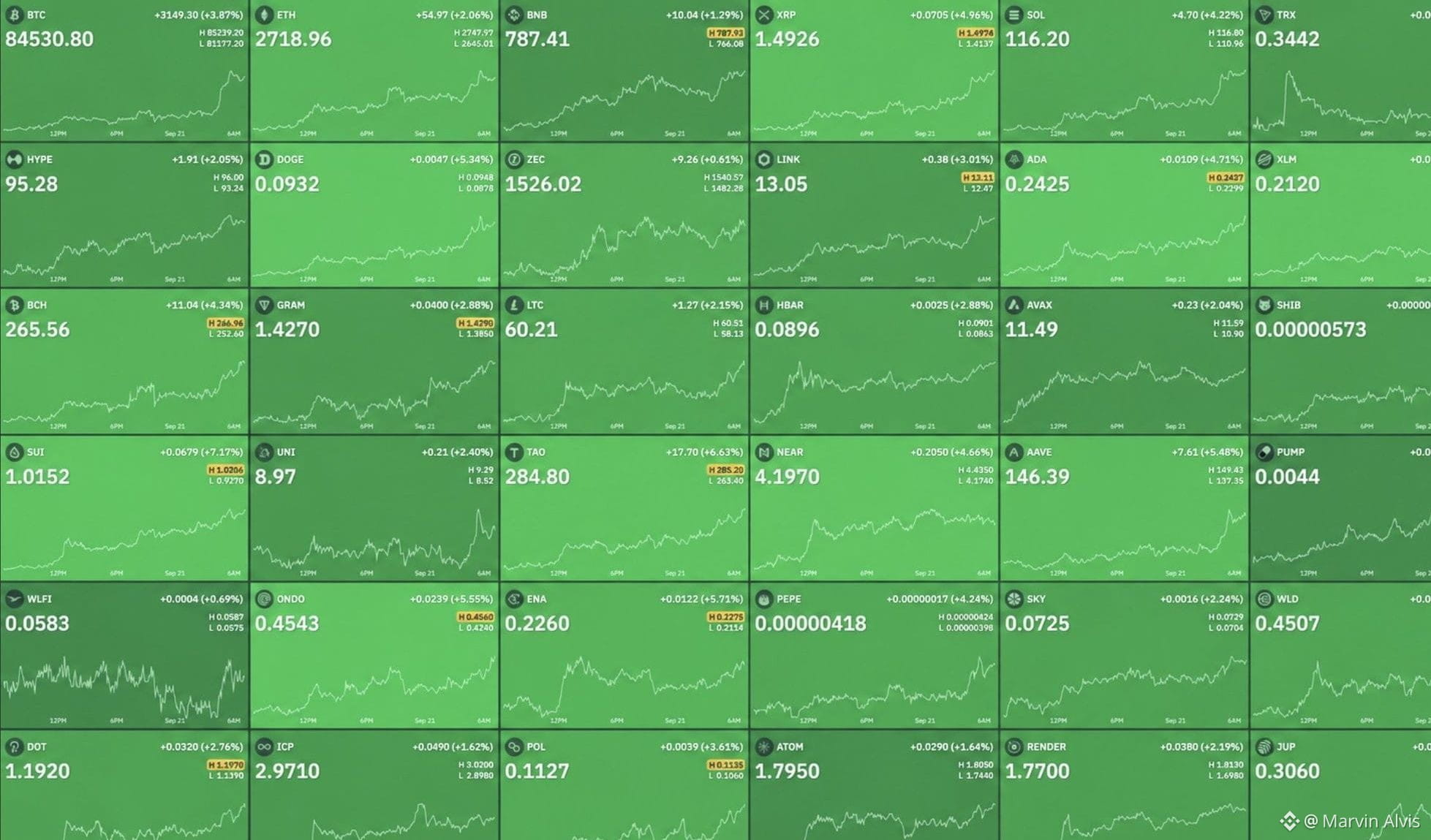
Sigo observando el cambio de liquidez, y los últimos días han sido difíciles de ignorar.
Según se informa, alrededor de $300B volvieron a entrar en las criptomonedas, con Bitcoin y Ethereum impulsando al alza y la capitalización total de mercado cerca de $2.9T.
La gran pregunta ahora es si este impulso puede mantenerse.
Las criptomonedas están despertando otra vez. 👀
$BTC
{spot}(BTCUSDT)
#BNBMarketCapPassesBNYMellon #DogecoinRises15% #AIStocksWhatNext #21SharesLaunchesEuropesFirstZcashETP #CardanoJoinsX402PaymentStandard
Sigo observando el cambio de liquidez, y los últimos días han sido difíciles de ignorar.
Según se informa, alrededor de $300B volvieron a entrar en las criptomonedas, con Bitcoin y Ethereum impulsando al alza y la capitalización total de mercado cerca de $2.9T.
La gran pregunta ahora es si este impulso puede mantenerse.
Las criptomonedas están despertando otra vez. 👀
$BTC
#BNBMarketCapPassesBNYMellon #DogecoinRises15% #AIStocksWhatNext #21SharesLaunchesEuropesFirstZcashETP #CardanoJoinsX402PaymentStandard
Según se informa, alrededor de $300B volvieron a entrar en las criptomonedas, con Bitcoin y Ethereum impulsando al alza y la capitalización total de mercado cerca de $2.9T.
La gran pregunta ahora es si este impulso puede mantenerse.
Las criptomonedas están despertando otra vez. 👀
$BTC
#BNBMarketCapPassesBNYMellon #DogecoinRises15% #AIStocksWhatNext #21SharesLaunchesEuropesFirstZcashETP #CardanoJoinsX402PaymentStandard
1
122
·
--
Alcista
Verificado
He estado siguiendo OVERTAKE, y lo interesante no es solo la atención repentina alrededor de $TAKE.
El proyecto está construyendo un ecosistema enfocado en gaming en torno al trading de activos digitales, con su marketplace usando Sui y escrow de smart contracts para que las transacciones sean más transparentes.
Lo que importa ahora es la ejecución: ¿los gamers y los desarrolladores realmente lo usarán a escala?
La infraestructura está tomando forma, pero la adopción a largo plazo contará la historia real. Estoy observando el uso, las integraciones y la actividad del ecosistema más que los titulares.
$TAKE
{future}(TAKEUSDT)
$ETC
{spot}(ETCUSDT)
He estado siguiendo OVERTAKE, y lo interesante no es solo la atención repentina alrededor de $TAKE .
El proyecto está construyendo un ecosistema enfocado en gaming en torno al trading de activos digitales, con su marketplace usando Sui y escrow de smart contracts para que las transacciones sean más transparentes.
Lo que importa ahora es la ejecución: ¿los gamers y los desarrolladores realmente lo usarán a escala?
La infraestructura está tomando forma, pero la adopción a largo plazo contará la historia real. Estoy observando el uso, las integraciones y la actividad del ecosistema más que los titulares.
$TAKE
$ETC
El proyecto está construyendo un ecosistema enfocado en gaming en torno al trading de activos digitales, con su marketplace usando Sui y escrow de smart contracts para que las transacciones sean más transparentes.
Lo que importa ahora es la ejecución: ¿los gamers y los desarrolladores realmente lo usarán a escala?
La infraestructura está tomando forma, pero la adopción a largo plazo contará la historia real. Estoy observando el uso, las integraciones y la actividad del ecosistema más que los titulares.
$TAKE
$ETC
OVERTAKE
78%
smart-contract
22%
integrations
0%
9 Voto(s) • Votación cerrada
1.2k
·
--
Alcista
He estado viendo cómo las acciones de IA siguen atrayendo capital hacia la misma esquina del mercado, y me hace preguntarme qué se está pasando por alto en otros lugares.
Dónde pueden estar las próximas oportunidades
La IA en sí no es la única historia. El sistema físico que la respalda se está volviendo igual de importante.
Se espera que la demanda de centros de datos aumente con fuerza hasta 2030, mientras que la disponibilidad de energía, la capacidad de la red, la refrigeración, la conectividad y el equipo industrial se están convirtiendo en limitaciones reales. McKinsey estima que la demanda global de centros de datos podría acercarse a 220 GW para 2030, frente a unos 82 GW en 2025.
Eso coloca a la energía, los servicios públicos, la infraestructura de red y el equipo industrial en una posición interesante.
También está la ciberseguridad. Más IA significa más sistemas automatizados, más exposición de datos y una mayor superficie de ataque. El gasto en seguridad cada vez más forma parte del presupuesto de infraestructura, en lugar de ser un gasto opcional de TI.
Luego están los ámbitos más alejados del comercio de IA más evidente: salud, materiales críticos, robótica e infraestructura más amplia. La investigación de 2026 de BlackRock señala estos sectores como parte de la economía de IA en expansión, mientras que iShares destaca energía, materiales y salud como áreas a las que los inversores podrían estar prestando menos atención que a la tecnología de mega-cap.
Pero no trataría las “alternativas a la IA” como automáticamente más seguras.
El FMI ha advertido que la alta concentración y las valoraciones estiradas en acciones relacionadas con la IA pueden amplificar el riesgo de mercado.
Para mí, la pregunta más interesante se está volviendo más sencilla:
¿Quién suministra la electricidad, el equipo, la seguridad, los materiales y la infraestructura sin los cuales la IA no puede funcionar?
A veces, la parte menos glamorosa de un auge tecnológico te dice más sobre su capacidad de mantenerse que los nombres que encabezan los titulares.
$NVDAB
{spot}(NVDABUSDT)
$BTC
{spot}(BTCUSDT)
$MUBARAK
{spot}(MUBARAKUSDT)
#AIStocksWhatNext
He estado viendo cómo las acciones de IA siguen atrayendo capital hacia la misma esquina del mercado, y me hace preguntarme qué se está pasando por alto en otros lugares.
Dónde pueden estar las próximas oportunidades
La IA en sí no es la única historia. El sistema físico que la respalda se está volviendo igual de importante.
Se espera que la demanda de centros de datos aumente con fuerza hasta 2030, mientras que la disponibilidad de energía, la capacidad de la red, la refrigeración, la conectividad y el equipo industrial se están convirtiendo en limitaciones reales. McKinsey estima que la demanda global de centros de datos podría acercarse a 220 GW para 2030, frente a unos 82 GW en 2025.
Eso coloca a la energía, los servicios públicos, la infraestructura de red y el equipo industrial en una posición interesante.
También está la ciberseguridad. Más IA significa más sistemas automatizados, más exposición de datos y una mayor superficie de ataque. El gasto en seguridad cada vez más forma parte del presupuesto de infraestructura, en lugar de ser un gasto opcional de TI.
Luego están los ámbitos más alejados del comercio de IA más evidente: salud, materiales críticos, robótica e infraestructura más amplia. La investigación de 2026 de BlackRock señala estos sectores como parte de la economía de IA en expansión, mientras que iShares destaca energía, materiales y salud como áreas a las que los inversores podrían estar prestando menos atención que a la tecnología de mega-cap.
Pero no trataría las “alternativas a la IA” como automáticamente más seguras.
El FMI ha advertido que la alta concentración y las valoraciones estiradas en acciones relacionadas con la IA pueden amplificar el riesgo de mercado.
Para mí, la pregunta más interesante se está volviendo más sencilla:
¿Quién suministra la electricidad, el equipo, la seguridad, los materiales y la infraestructura sin los cuales la IA no puede funcionar?
A veces, la parte menos glamorosa de un auge tecnológico te dice más sobre su capacidad de mantenerse que los nombres que encabezan los titulares.
$NVDAB
$BTC
$MUBARAK
#AIStocksWhatNext
Dónde pueden estar las próximas oportunidades
La IA en sí no es la única historia. El sistema físico que la respalda se está volviendo igual de importante.
Se espera que la demanda de centros de datos aumente con fuerza hasta 2030, mientras que la disponibilidad de energía, la capacidad de la red, la refrigeración, la conectividad y el equipo industrial se están convirtiendo en limitaciones reales. McKinsey estima que la demanda global de centros de datos podría acercarse a 220 GW para 2030, frente a unos 82 GW en 2025.
Eso coloca a la energía, los servicios públicos, la infraestructura de red y el equipo industrial en una posición interesante.
También está la ciberseguridad. Más IA significa más sistemas automatizados, más exposición de datos y una mayor superficie de ataque. El gasto en seguridad cada vez más forma parte del presupuesto de infraestructura, en lugar de ser un gasto opcional de TI.
Luego están los ámbitos más alejados del comercio de IA más evidente: salud, materiales críticos, robótica e infraestructura más amplia. La investigación de 2026 de BlackRock señala estos sectores como parte de la economía de IA en expansión, mientras que iShares destaca energía, materiales y salud como áreas a las que los inversores podrían estar prestando menos atención que a la tecnología de mega-cap.
Pero no trataría las “alternativas a la IA” como automáticamente más seguras.
El FMI ha advertido que la alta concentración y las valoraciones estiradas en acciones relacionadas con la IA pueden amplificar el riesgo de mercado.
Para mí, la pregunta más interesante se está volviendo más sencilla:
¿Quién suministra la electricidad, el equipo, la seguridad, los materiales y la infraestructura sin los cuales la IA no puede funcionar?
A veces, la parte menos glamorosa de un auge tecnológico te dice más sobre su capacidad de mantenerse que los nombres que encabezan los titulares.
$NVDAB
$BTC
$MUBARAK
#AIStocksWhatNext
overlooked
25%
cybersecurity
25%
BlackRock's
25%
AI alternatives
25%
4 Voto(s) • Votación cerrada
6
2
714
Inicia sesión para explorar más contenidos
Únete a usuarios globales de criptomonedas en Binance Square
⚡️ Obtén información útil y actualizada sobre criptos.
💬 Avalado por el mayor exchange de criptomonedas en el mundo.
👍 Descubre perspectivas reales de creadores verificados.
Email/número de teléfono
Temas populares
Nikkei225Jumps2.5%ToThreeMonthHigh
15,705 vistas
336 están debatiendo
El Nikkei 225 sube 2,5% y alcanza su nivel más alto en tres meses.
El Nikkei 225 es el principal índice bursátil de Japón y reúne a 225 grandes empresas cotizadas en la Bolsa de Tokio. Incluye compañías de sectores como tecnología, industria, automoción, finanzas y consumo, por lo que suele utilizarse como una referencia clave para medir la salud del mercado japonés.
La reciente subida de alrededor de 2,5% llevó al índice a máximos de los últimos tres meses, reflejando una mejora del apetito por las acciones japonesas. Factores como la evolución del yen, las expectativas sobre la política monetaria del Banco de Japón, los resultados corporativos y la demanda ligada a inteligencia artificial y semiconductores pueden influir en este movimiento.
¿Por qué importa fuera de Japón? Porque Japón es una de las economías más grandes del mundo. Un Nikkei fuerte puede señalar un mayor interés global por activos de riesgo y por sectores tecnológicos e industriales. Ese cambio en el sentimiento también puede influir indirectamente en mercados como el de Bitcoin y otros criptoactivos, aunque no existe una relación automática.
Aun así, un avance de una sola jornada no confirma una tendencia sostenida. Los próximos datos económicos, los rendimientos de los bonos y las decisiones del Banco de Japón seguirán siendo claves para evaluar la continuidad del impulso.
Crees que el avance del Nikkei 225 refleja una recuperación más sólida de los mercados asiáticos o solo un impulso temporal?
SIGUEME PARA MÁS NOTICIAS Y ANALISIS..
#Nikkei225Jumps2.5%ToThreeMonthHigh
$NVDAB
ALØNDRACRYPTØ1
·1 me gusta
·851 vistas
DriftHackVictimsBeginClaims
91,746 vistas
1,006 están debatiendo
SolanaTokenizedStockVolumeTops$4.4BInSeptember
8,834 vistas
98 están debatiendo