

Askanda
1.2k Publicaciones
Askanda
 Verificado de Binance Square
Denunciar
Bloquear usuario
Travel Crypto Trader, Signals Provider. Teach trading

Level 1 Creator
Trader frecuente
7 año(s)
2 Siguiendo
31.6K+ Seguidores
13.1K+ Me gusta
1 Insignias
Publicaciones
Todo
Citas
Videos
PINNED
·
--
Alcista
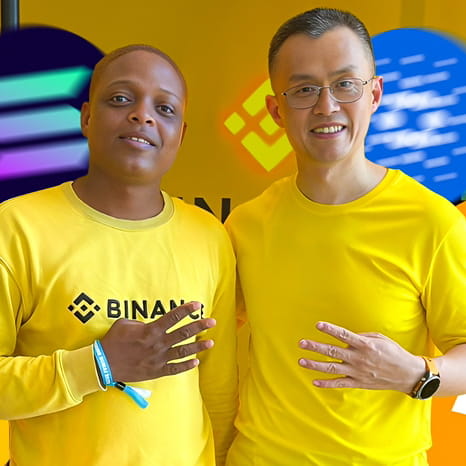
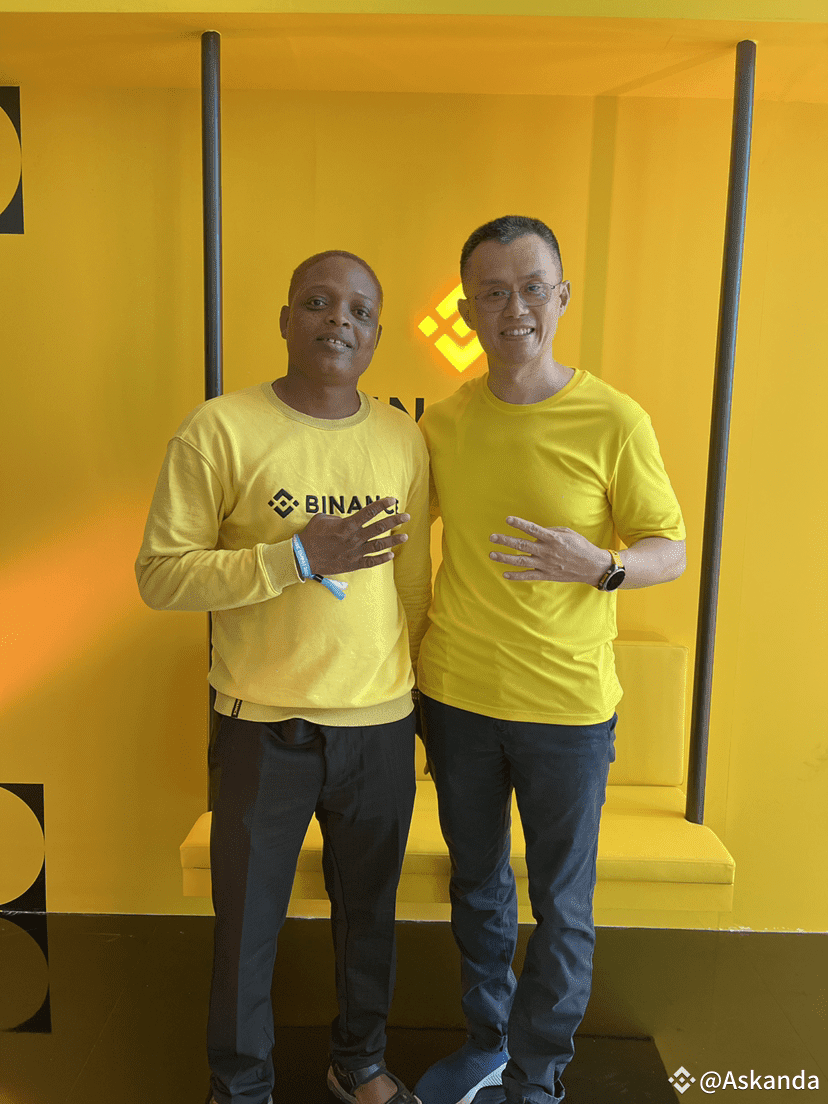
El año pasado. ustedes recordaron en el grupo de telegram.
Les dije que quería conocer al CEO de Binance y hacerle algunas preguntas.
Ayer Insha Allah. Lo hice
Fue como un sueño. No estaba seguro 🤔. Esta mañana creo que realmente sucedió
Dios es Dios. Solo sigue avanzando
Pequeñas victorias sostienen el crecimiento.
Me lo agradecerás más tarde.
@CZ
@richardteng
#BinanceAlphaAlert
#AirdropSafetyGuide
#Trump100Days
$BTC
$BNB
$ETH
El año pasado. ustedes recordaron en el grupo de telegram.
Les dije que quería conocer al CEO de Binance y hacerle algunas preguntas.
Ayer Insha Allah. Lo hice
Fue como un sueño. No estaba seguro 🤔. Esta mañana creo que realmente sucedió
Dios es Dios. Solo sigue avanzando
Pequeñas victorias sostienen el crecimiento.
Me lo agradecerás más tarde.
@CZ
@Richard Teng
#BinanceAlphaAlert
#AirdropSafetyGuide
#Trump100Days
$BTC
$BNB
$ETH
Les dije que quería conocer al CEO de Binance y hacerle algunas preguntas.
Ayer Insha Allah. Lo hice
Fue como un sueño. No estaba seguro 🤔. Esta mañana creo que realmente sucedió
Dios es Dios. Solo sigue avanzando
Pequeñas victorias sostienen el crecimiento.
Me lo agradecerás más tarde.
@CZ
@Richard Teng
#BinanceAlphaAlert
#AirdropSafetyGuide
#Trump100Days
$BTC
$BNB
$ETH
17
9
81
1.3k
PINNED
·
--
Bajista
Nunca hagas esto de nuevo…
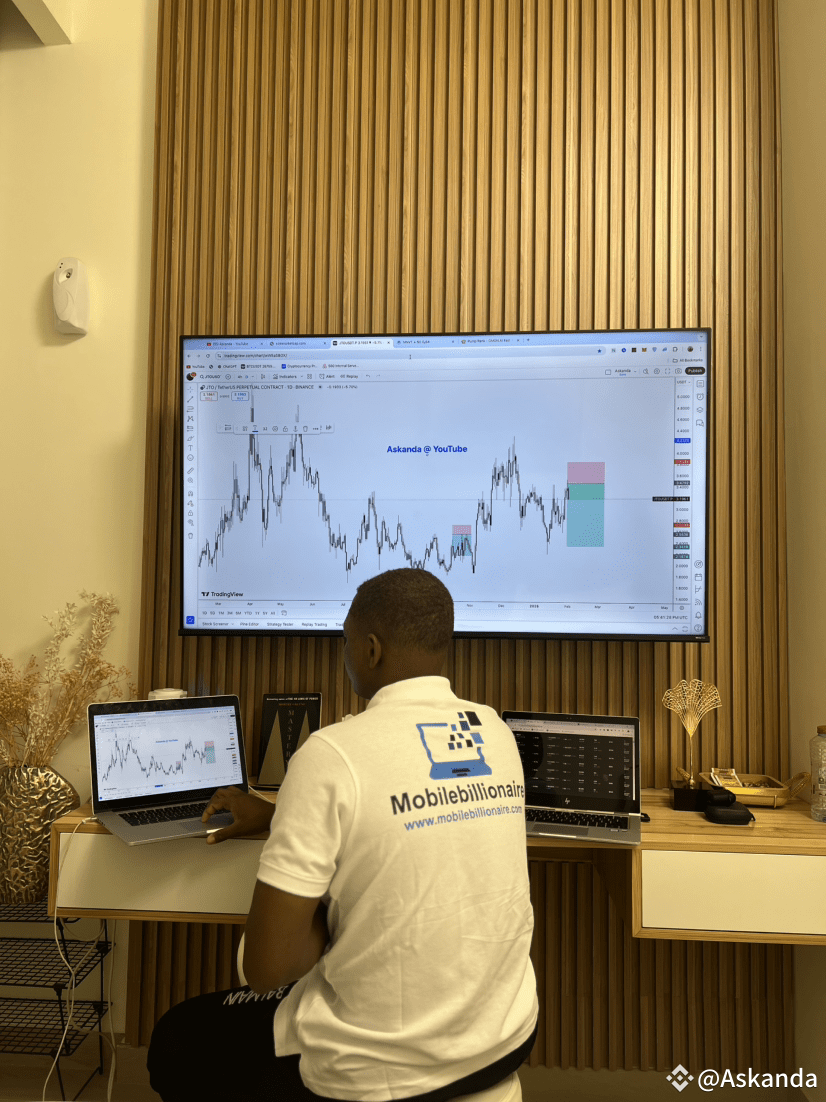
Cuando comencé a operar en el día, estaba operando todo el día, todos los días.
Parecía lógico, ¿verdad? Más operaciones = más oportunidades de ganar.
Este enfoque en realidad me estaba costando dinero.
El verdadero cambio de juego ocurrió cuando cambié mi perspectiva sobre cuánto debería operar realmente.
En lugar de perseguir el mercado, aprendí a dejar que el mercado viniera a mí.
No necesitas tantas operaciones. Solo 2-3 operaciones por semana son más que suficientes.
Se trata de calidad, no de cantidad.
Esperas a que el precio alcance tus niveles predeterminados - estos son los momentos en que el mercado presenta oportunidades reales.
Muchos operadores caen en la trampa de forzar operaciones entre estos niveles clave. ¿Por qué?
Porque están adictos a la acción de operar, no porque el mercado esté señalando una oportunidad clara. Es una diferencia sutil pero crucial.
Operar no se trata de estar activo todo el tiempo. Se trata de ser paciente y estratégico.
Así que la próxima vez, antes de lanzarte a una operación, pregúntate: "¿Estoy operando desde un nivel clave, o solo estoy alimentando mi adicción a operar?"
Tu billetera te lo agradecerá más tarde.
Menos puede ser verdaderamente más en el trading.
#USTariffs
#CzechBitcoinReserve?
#BitcoinReserveWave
$SOL
$BTC
$XRP
Nunca hagas esto de nuevo…
Cuando comencé a operar en el día, estaba operando todo el día, todos los días.
Parecía lógico, ¿verdad? Más operaciones = más oportunidades de ganar.
Este enfoque en realidad me estaba costando dinero.
El verdadero cambio de juego ocurrió cuando cambié mi perspectiva sobre cuánto debería operar realmente.
En lugar de perseguir el mercado, aprendí a dejar que el mercado viniera a mí.
No necesitas tantas operaciones. Solo 2-3 operaciones por semana son más que suficientes.
Se trata de calidad, no de cantidad.
Esperas a que el precio alcance tus niveles predeterminados - estos son los momentos en que el mercado presenta oportunidades reales.
Muchos operadores caen en la trampa de forzar operaciones entre estos niveles clave. ¿Por qué?
Porque están adictos a la acción de operar, no porque el mercado esté señalando una oportunidad clara. Es una diferencia sutil pero crucial.
Operar no se trata de estar activo todo el tiempo. Se trata de ser paciente y estratégico.
Así que la próxima vez, antes de lanzarte a una operación, pregúntate: "¿Estoy operando desde un nivel clave, o solo estoy alimentando mi adicción a operar?"
Tu billetera te lo agradecerá más tarde.
Menos puede ser verdaderamente más en el trading.
#USTariffs
#CzechBitcoinReserve?
#BitcoinReserveWave
$SOL
$BTC
$XRP
Cuando comencé a operar en el día, estaba operando todo el día, todos los días.
Parecía lógico, ¿verdad? Más operaciones = más oportunidades de ganar.
Este enfoque en realidad me estaba costando dinero.
El verdadero cambio de juego ocurrió cuando cambié mi perspectiva sobre cuánto debería operar realmente.
En lugar de perseguir el mercado, aprendí a dejar que el mercado viniera a mí.
No necesitas tantas operaciones. Solo 2-3 operaciones por semana son más que suficientes.
Se trata de calidad, no de cantidad.
Esperas a que el precio alcance tus niveles predeterminados - estos son los momentos en que el mercado presenta oportunidades reales.
Muchos operadores caen en la trampa de forzar operaciones entre estos niveles clave. ¿Por qué?
Porque están adictos a la acción de operar, no porque el mercado esté señalando una oportunidad clara. Es una diferencia sutil pero crucial.
Operar no se trata de estar activo todo el tiempo. Se trata de ser paciente y estratégico.
Así que la próxima vez, antes de lanzarte a una operación, pregúntate: "¿Estoy operando desde un nivel clave, o solo estoy alimentando mi adicción a operar?"
Tu billetera te lo agradecerá más tarde.
Menos puede ser verdaderamente más en el trading.
#USTariffs
#CzechBitcoinReserve?
#BitcoinReserveWave
$SOL
$BTC
$XRP
83
46
232
145.6k
·
--
Alcista
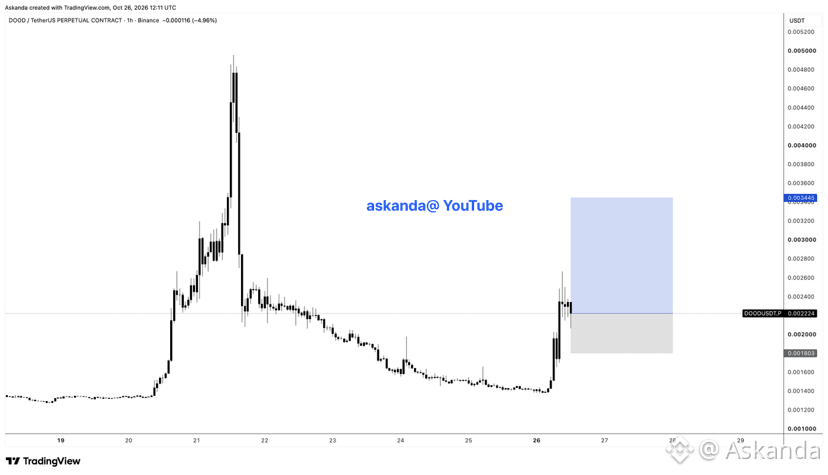
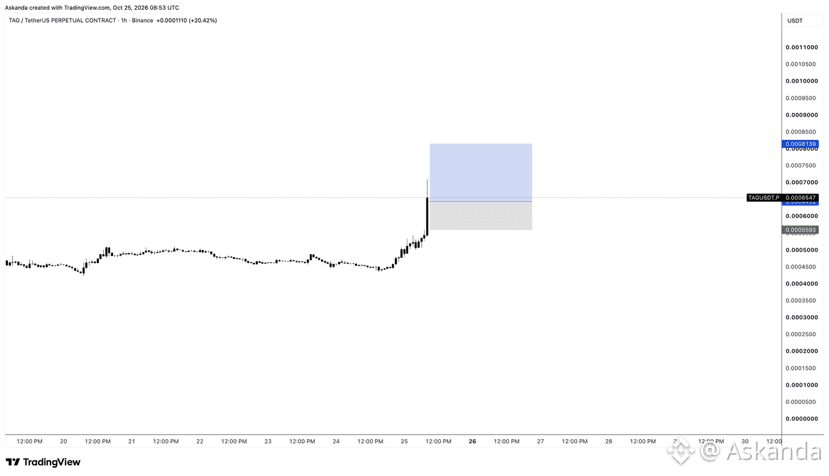
Abrir posición larga $TAG
Sígueme para recibir operaciones diarias #signals
Alto riesgo
Orden de mercado
Margen cruzado
Apalancamiento 20x
Entrada: 0.006634
Objetivo de ganancias: 0.008139
Stop loss
0.0005593
#BinancePick #EarningsSeason #USQ3GDPAndSeptemberPCEDueNextWeek
Abrir posición larga $TAG
Sígueme para recibir operaciones diarias #signals
Alto riesgo
Orden de mercado
Margen cruzado
Apalancamiento 20x
Entrada: 0.006634
Objetivo de ganancias: 0.008139
Stop loss
0.0005593
#BinancePick #EarningsSeason #USQ3GDPAndSeptemberPCEDueNextWeek
Sígueme para recibir operaciones diarias #signals
Alto riesgo
Orden de mercado
Margen cruzado
Apalancamiento 20x
Entrada: 0.006634
Objetivo de ganancias: 0.008139
Stop loss
0.0005593
#BinancePick #EarningsSeason #USQ3GDPAndSeptemberPCEDueNextWeek
2
1
490
·
--
Cómo empezar a operar con criptomonedas en 2027 #cryptotrading #EarningsSeason #BinancePick #askanda $BTC $DASH
Cómo empezar a operar con criptomonedas en 2027 #cryptotrading #EarningsSeason #BinancePick #askanda $BTC $DASH
1
629
·
--
Trading diario de criptomonedas en 2027 #EarningsSeason #DayTradingTips @Binance_Square_Official #askanda
Trading diario de criptomonedas en 2027 #EarningsSeason #DayTradingTips @Binance Square Official #askanda
2
528
·
--
Bajista
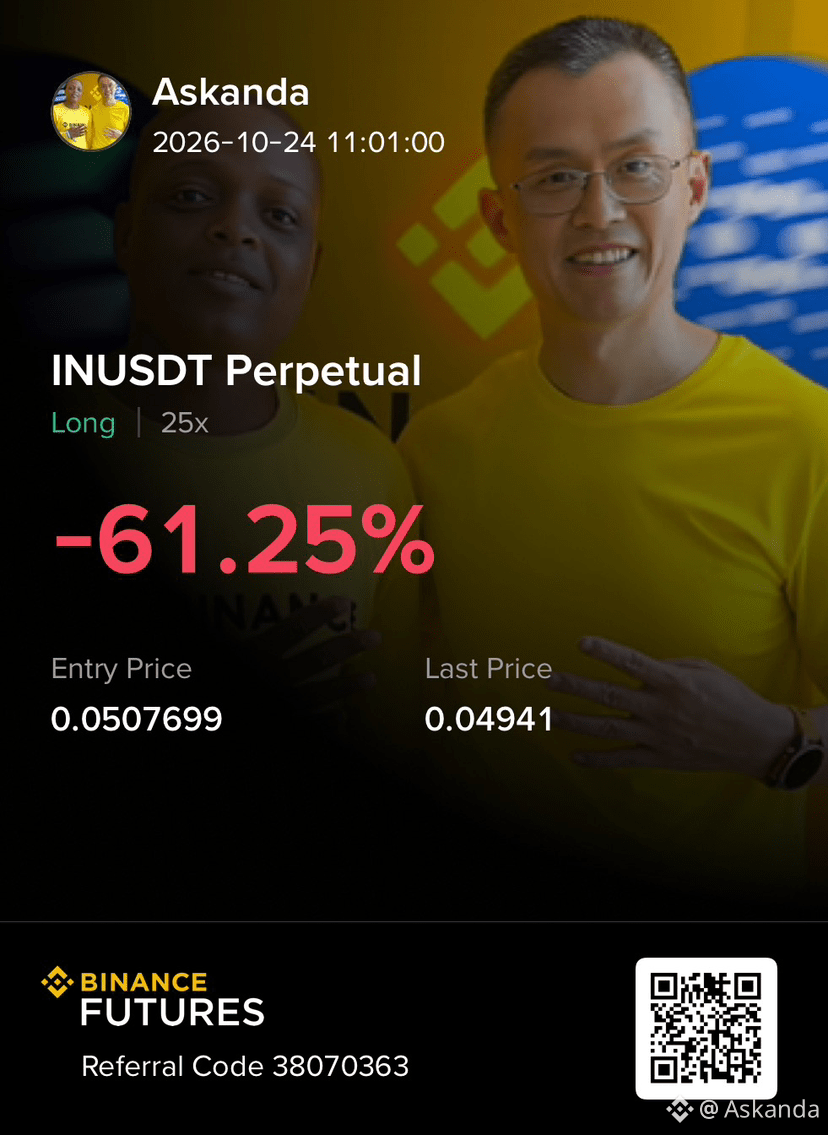
Sí, pérdida
Sí, pérdida
Askanda
·
--
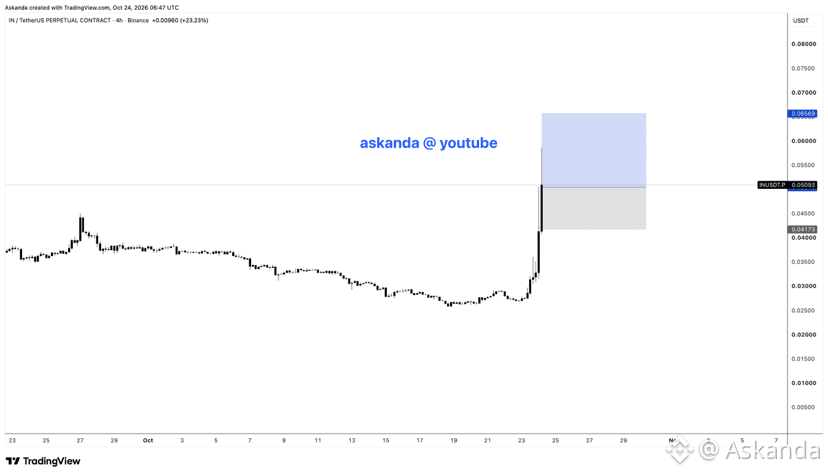
Abrir posición larga en IN/usdt
Alto riesgo
Orden de mercado
Margen cruzado
Apalancamiento 25x
Entrada: 0.05078
TP: 0.0659
Stop loss
0.04173
$IN #signal #askanda
Alto riesgo
Orden de mercado
Margen cruzado
Apalancamiento 25x
Entrada: 0.05078
TP: 0.0659
Stop loss
0.04173
$IN #signal #askanda
217
·
--
Abrir posición larga en IN/usdt
Alto riesgo
Orden de mercado
Margen cruzado
Apalancamiento 25x
Entrada: 0.05078
TP: 0.0659
Stop loss
0.04173
$IN #signal #askanda
Abrir posición larga en IN/usdt
Alto riesgo
Orden de mercado
Margen cruzado
Apalancamiento 25x
Entrada: 0.05078
TP: 0.0659
Stop loss
0.04173
$IN #signal #askanda
Alto riesgo
Orden de mercado
Margen cruzado
Apalancamiento 25x
Entrada: 0.05078
TP: 0.0659
Stop loss
0.04173
$IN #signal #askanda
2
3
576
·
--
Abrí una posición larga en el token IRys$IRYS #
Abrí una posición larga en el token IRys$IRYS #
1
344
·
--
Alcista
directamente desde el desierto @Binance_Square_Official vota por @Askanda #EarningsSeason #BinancePick
directamente desde el desierto @Binance Square Official vota por @Askanda #EarningsSeason #BinancePick
Askanda
·
--
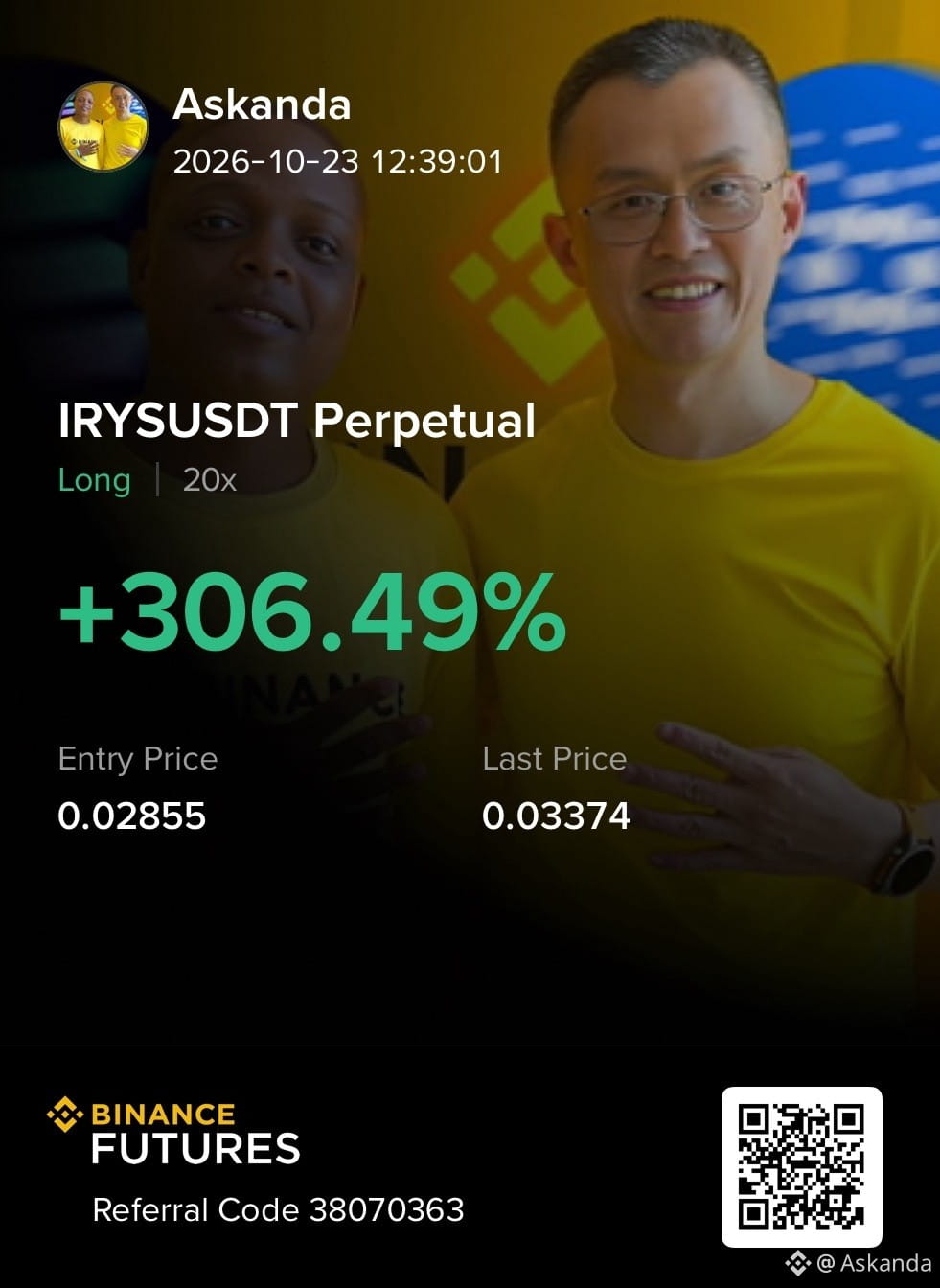
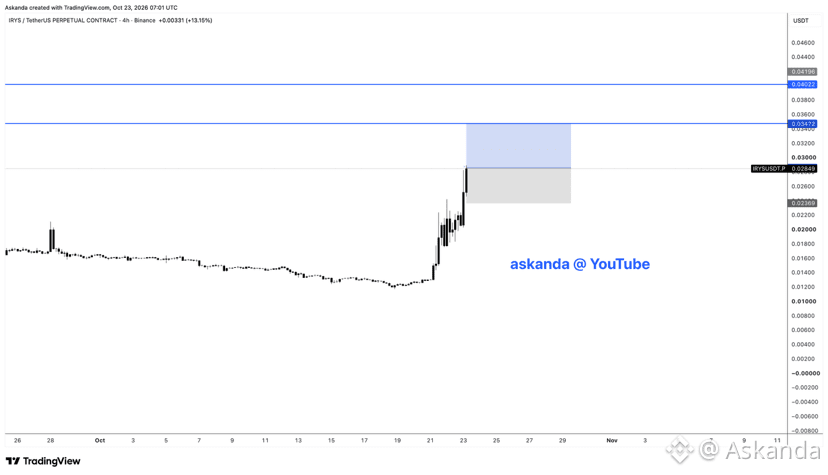
AlcistaCompra en largo IRys
Alto riesgo
Orden de mercado
Margen cruzado
Apalancamiento 20x
Entrada: 0.02844
TP: 0.3472
Stop loss
0.02369
#askanda #crypto #daytrading
$IRYS
Alto riesgo
Orden de mercado
Margen cruzado
Apalancamiento 20x
Entrada: 0.02844
TP: 0.3472
Stop loss
0.02369
#askanda #crypto #daytrading
$IRYS
1
516
·
--
Alcista
Compra en largo IRys
Alto riesgo
Orden de mercado
Margen cruzado
Apalancamiento 20x
Entrada: 0.02844
TP: 0.3472
Stop loss
0.02369
#askanda #crypto #daytrading
$IRYS
Compra en largo IRys
Alto riesgo
Orden de mercado
Margen cruzado
Apalancamiento 20x
Entrada: 0.02844
TP: 0.3472
Stop loss
0.02369
#askanda #crypto #daytrading
$IRYS
Alto riesgo
Orden de mercado
Margen cruzado
Apalancamiento 20x
Entrada: 0.02844
TP: 0.3472
Stop loss
0.02369
#askanda #crypto #daytrading
$IRYS
1
331
·
--
Estilo de vida del day trading de criptomonedas #BinancePick #TeslaSlides5%PreMarket #EarningsSeason
Estilo de vida del day trading de criptomonedas #BinancePick #TeslaSlides5%PreMarket #EarningsSeason
3
288
·
--
guía para principiantes: aprenderás cómo funcionan las cuentas de trading financiadas con criptomonedas, cómo elegir una empresa de trading de criptomonedas y cómo prepararte para un desafío de trading financiado. #fundedaccount #cryoptofundedaccounts #askanda
guía para principiantes: aprenderás cómo funcionan las cuentas de trading financiadas con criptomonedas, cómo elegir una empresa de trading de criptomonedas y cómo prepararte para un desafío de trading financiado. #fundedaccount #cryoptofundedaccounts #askanda
4
545
·
--
Bajista
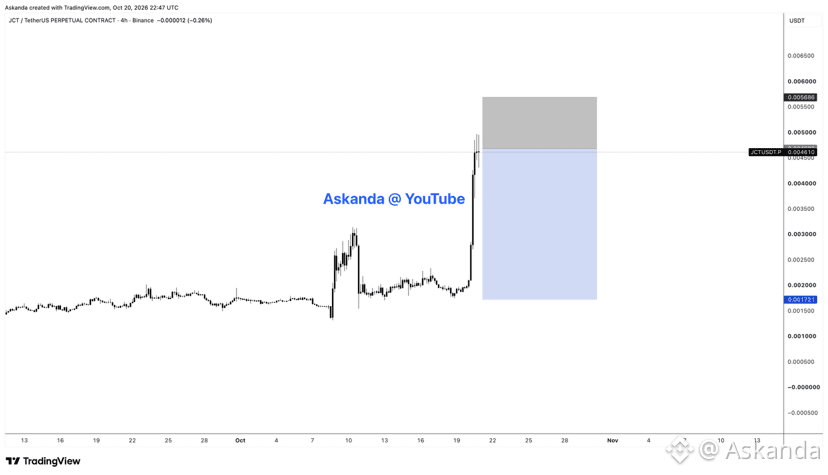
Vender en corto $JCT
Alto riesgo
Orden de mercado
Margen cruzado
Apalancamiento 20x
Entrada: 0.004683
TP: 0.001712
Stop loss
0.006372
#askanda #crypto #daytrading #tradingsignals
Vender en corto $JCT
Alto riesgo
Orden de mercado
Margen cruzado
Apalancamiento 20x
Entrada: 0.004683
TP: 0.001712
Stop loss
0.006372
#askanda #crypto #daytrading #tradingsignals
Alto riesgo
Orden de mercado
Margen cruzado
Apalancamiento 20x
Entrada: 0.004683
TP: 0.001712
Stop loss
0.006372
#askanda #crypto #daytrading #tradingsignals
4
937
·
--
Alcista
[🏆 Vote for Askanda in The 2026 Blockchain 100 Awards!](https://www.binance.com/en/square/profile/askanda)
La industria blockchain está creciendo rápidamente, y las personas que educan, inspiran y empoderan a la próxima generación de entusiastas de las criptomonedas merecen ser reconocidas. Hoy, le pido a mi increíble comunidad que apoye a
[Askanda on Binance Square in The 2026 Blockchain 100 Awards! 🚀](https://www.binance.com/en/square/profile/askanda)
A lo largo de los años, mi misión ha sido ayudar a las personas a comprender las criptomonedas, aprender sobre la tecnología blockchain y mejorar sus conocimientos sobre el trading de criptomonedas mediante contenido educativo y estrategias prácticas. Desde el day trading de criptomonedas y las altcoins hasta el análisis de mercado y la gestión de riesgos, sigo comprometido con compartir conocimientos que puedan ayudar a las personas a tomar decisiones más informadas en el mundo cripto.
Esta nominación es mucho más que un premio. Representa a nuestra creciente comunidad, nuestra pasión compartida por blockchain y el futuro que estamos construyendo juntos.
Todas las personas que han aprendido algo con mi contenido, han seguido mi trayectoria, han interactuado con mis publicaciones o han apoyado mi trabajo han contribuido a este camino. Ahora, les pido que den un paso más y nos ayuden a alcanzar este hito.
🗳️ Cómo puedes apoyar a Askanda
✅ Vota por Askanda en Binance Square en los Premios Blockchain 100 de 2026.
✅ Comparte la oportunidad de votar con tus amigos y otros entusiastas de las criptomonedas.
✅ Interactúa con mi contenido en Binance Square y ayuda a que más personas descubran nuestra comunidad.
Si mi contenido alguna vez te ha enseñado algo valioso sobre las criptomonedas, te ha inspirado a seguir aprendiendo o te ha ayudado a comprender mejor el mercado, agradecería mucho tu voto.
¡Demostremos al mundo lo que nuestra comunidad puede lograr cuando nos unimos!
Una comunidad. Una misión. Un futuro más prometedor para blockchain. 🌍
#VOTE #Binance #askanda #Web3
🏆 Vote for Askanda in The 2026 Blockchain 100 Awards!
La industria blockchain está creciendo rápidamente, y las personas que educan, inspiran y empoderan a la próxima generación de entusiastas de las criptomonedas merecen ser reconocidas. Hoy, le pido a mi increíble comunidad que apoye a
Askanda on Binance Square in The 2026 Blockchain 100 Awards! 🚀
A lo largo de los años, mi misión ha sido ayudar a las personas a comprender las criptomonedas, aprender sobre la tecnología blockchain y mejorar sus conocimientos sobre el trading de criptomonedas mediante contenido educativo y estrategias prácticas. Desde el day trading de criptomonedas y las altcoins hasta el análisis de mercado y la gestión de riesgos, sigo comprometido con compartir conocimientos que puedan ayudar a las personas a tomar decisiones más informadas en el mundo cripto.
Esta nominación es mucho más que un premio. Representa a nuestra creciente comunidad, nuestra pasión compartida por blockchain y el futuro que estamos construyendo juntos.
Todas las personas que han aprendido algo con mi contenido, han seguido mi trayectoria, han interactuado con mis publicaciones o han apoyado mi trabajo han contribuido a este camino. Ahora, les pido que den un paso más y nos ayuden a alcanzar este hito.
🗳️ Cómo puedes apoyar a Askanda
✅ Vota por Askanda en Binance Square en los Premios Blockchain 100 de 2026.
✅ Comparte la oportunidad de votar con tus amigos y otros entusiastas de las criptomonedas.
✅ Interactúa con mi contenido en Binance Square y ayuda a que más personas descubran nuestra comunidad.
Si mi contenido alguna vez te ha enseñado algo valioso sobre las criptomonedas, te ha inspirado a seguir aprendiendo o te ha ayudado a comprender mejor el mercado, agradecería mucho tu voto.
¡Demostremos al mundo lo que nuestra comunidad puede lograr cuando nos unimos!
Una comunidad. Una misión. Un futuro más prometedor para blockchain. 🌍
#VOTE #Binance #askanda #Web3
La industria blockchain está creciendo rápidamente, y las personas que educan, inspiran y empoderan a la próxima generación de entusiastas de las criptomonedas merecen ser reconocidas. Hoy, le pido a mi increíble comunidad que apoye a
Askanda on Binance Square in The 2026 Blockchain 100 Awards! 🚀
A lo largo de los años, mi misión ha sido ayudar a las personas a comprender las criptomonedas, aprender sobre la tecnología blockchain y mejorar sus conocimientos sobre el trading de criptomonedas mediante contenido educativo y estrategias prácticas. Desde el day trading de criptomonedas y las altcoins hasta el análisis de mercado y la gestión de riesgos, sigo comprometido con compartir conocimientos que puedan ayudar a las personas a tomar decisiones más informadas en el mundo cripto.
Esta nominación es mucho más que un premio. Representa a nuestra creciente comunidad, nuestra pasión compartida por blockchain y el futuro que estamos construyendo juntos.
Todas las personas que han aprendido algo con mi contenido, han seguido mi trayectoria, han interactuado con mis publicaciones o han apoyado mi trabajo han contribuido a este camino. Ahora, les pido que den un paso más y nos ayuden a alcanzar este hito.
🗳️ Cómo puedes apoyar a Askanda
✅ Vota por Askanda en Binance Square en los Premios Blockchain 100 de 2026.
✅ Comparte la oportunidad de votar con tus amigos y otros entusiastas de las criptomonedas.
✅ Interactúa con mi contenido en Binance Square y ayuda a que más personas descubran nuestra comunidad.
Si mi contenido alguna vez te ha enseñado algo valioso sobre las criptomonedas, te ha inspirado a seguir aprendiendo o te ha ayudado a comprender mejor el mercado, agradecería mucho tu voto.
¡Demostremos al mundo lo que nuestra comunidad puede lograr cuando nos unimos!
Una comunidad. Una misión. Un futuro más prometedor para blockchain. 🌍
#VOTE #Binance #askanda #Web3
5
1
20
2.4k
Inicia sesión para explorar más contenidos
Únete a usuarios globales de criptomonedas en Binance Square
⚡️ Obtén información útil y actualizada sobre criptos.
💬 Avalado por el mayor exchange de criptomonedas en el mundo.
👍 Descubre perspectivas reales de creadores verificados.
Email/número de teléfono
Temas populares
BinancePick
2.7M vistas
144,317 están debatiendo
¡Únete a #TemporadaDeResultados: predice resultados en Binance Pick y comparte tu opinión en Binance Square!
Binance Square Official
·402 me gusta
·339.4k vistas
EarningsSeason
5M vistas
24,749 están debatiendo
SouthKoreaReportedlyWeighsFourthCryptoTaxDelay
3,523 vistas
149 están debatiendo