

#securityalert
securityalert
535,076 vistas
1,359 están debatiendo
Hot
Lo último

·
--
🚨 $INIT BAJO ATAQUE POR UNA VULNERABILIDAD DE DÍA CERO: ¡SE REVELAN LOS MOVIMIENTOS DE LA BALLENA! 🦈
📊 El exploit de día cero en MoveVM de Initia abrió una puerta trasera para acuñar tokens, lo que permitió a una ballena acuñar $INIT nuevos tokens y desviar 2,7 millones de dólares en AUSD, ETH y USDC. El rastro entre cadenas muestra una clásica extracción de liquidez: el atacante apretó el botón de pausa justo antes de que la salida neta apareciera en el radar.
🦈 Quienes siguen el dinero inteligente ven esto como una señal de alerta para el ecosistema: cualquier exposición que persista podría desencadenar nuevas pérdidas, y la pausa podría ocultar bloques de órdenes pendientes de recuperar. Mantente atento a las zonas de reentrada cuando la cadena vuelva a abrir; una nueva oleada de compras podría impulsar un rebote a corto plazo. 💬 ¿Te mantendrás al margen o te posicionarás para un rebote tras la pausa? 👇
⚠️ Esto no es asesoramiento financiero. Gestiona siempre tu riesgo. 🛡️
🏷️ #INIT #SecurityAlert #WhaleAction #Crypto
🔥 💎
🚨 $INIT BAJO ATAQUE POR UNA VULNERABILIDAD DE DÍA CERO: ¡SE REVELAN LOS MOVIMIENTOS DE LA BALLENA! 🦈
📊 El exploit de día cero en MoveVM de Initia abrió una puerta trasera para acuñar tokens, lo que permitió a una ballena acuñar $INIT nuevos tokens y desviar 2,7 millones de dólares en AUSD, ETH y USDC. El rastro entre cadenas muestra una clásica extracción de liquidez: el atacante apretó el botón de pausa justo antes de que la salida neta apareciera en el radar.
🦈 Quienes siguen el dinero inteligente ven esto como una señal de alerta para el ecosistema: cualquier exposición que persista podría desencadenar nuevas pérdidas, y la pausa podría ocultar bloques de órdenes pendientes de recuperar. Mantente atento a las zonas de reentrada cuando la cadena vuelva a abrir; una nueva oleada de compras podría impulsar un rebote a corto plazo. 💬 ¿Te mantendrás al margen o te posicionarás para un rebote tras la pausa? 👇
⚠️ Esto no es asesoramiento financiero. Gestiona siempre tu riesgo. 🛡️
🏷️ #INIT #SecurityAlert #WhaleAction #Crypto
🔥 💎
📊 El exploit de día cero en MoveVM de Initia abrió una puerta trasera para acuñar tokens, lo que permitió a una ballena acuñar $INIT nuevos tokens y desviar 2,7 millones de dólares en AUSD, ETH y USDC. El rastro entre cadenas muestra una clásica extracción de liquidez: el atacante apretó el botón de pausa justo antes de que la salida neta apareciera en el radar.
🦈 Quienes siguen el dinero inteligente ven esto como una señal de alerta para el ecosistema: cualquier exposición que persista podría desencadenar nuevas pérdidas, y la pausa podría ocultar bloques de órdenes pendientes de recuperar. Mantente atento a las zonas de reentrada cuando la cadena vuelva a abrir; una nueva oleada de compras podría impulsar un rebote a corto plazo. 💬 ¿Te mantendrás al margen o te posicionarás para un rebote tras la pausa? 👇
⚠️ Esto no es asesoramiento financiero. Gestiona siempre tu riesgo. 🛡️
🏷️ #INIT #SecurityAlert #WhaleAction #Crypto
🔥 💎
7

🚨 $INIT MAINNET SUSPENDIDA – UN INCIDENTE DE SEGURIDAD SACUDE LA RED 🛑
📊 La interrupción abrupta de la L1 y el Rollup de Initia indica una brecha grave, que obligó a los validadores y a un exchange de primer nivel a desconectarse mientras los equipos forenses trabajan contrarreloj. ⚡ El impulso se ha desvanecido mientras los traders evitan los enlaces no oficiales y los rumores, convirtiendo el mercado en una sala de espera llena de cautela.
💡 Con la infraestructura principal fuera de línea, es probable que los inversores experimentados estén reasignando capital a redes más estables hasta que se publiquen actualizaciones verificadas. 💬 ¿Cómo estás ajustando tu exposición mientras se calma la situación? 👇
⚠️ Esto no es asesoramiento financiero. Gestiona siempre tus riesgos. 🛡️
🏷️ #INIT #SecurityAlert #NetworkSuspension #Crypto
🔥 💎
🚨 $INIT MAINNET SUSPENDIDA – UN INCIDENTE DE SEGURIDAD SACUDE LA RED 🛑
📊 La interrupción abrupta de la L1 y el Rollup de Initia indica una brecha grave, que obligó a los validadores y a un exchange de primer nivel a desconectarse mientras los equipos forenses trabajan contrarreloj. ⚡ El impulso se ha desvanecido mientras los traders evitan los enlaces no oficiales y los rumores, convirtiendo el mercado en una sala de espera llena de cautela.
💡 Con la infraestructura principal fuera de línea, es probable que los inversores experimentados estén reasignando capital a redes más estables hasta que se publiquen actualizaciones verificadas. 💬 ¿Cómo estás ajustando tu exposición mientras se calma la situación? 👇
⚠️ Esto no es asesoramiento financiero. Gestiona siempre tus riesgos. 🛡️
🏷️ #INIT #SecurityAlert #NetworkSuspension #Crypto
🔥 💎
📊 La interrupción abrupta de la L1 y el Rollup de Initia indica una brecha grave, que obligó a los validadores y a un exchange de primer nivel a desconectarse mientras los equipos forenses trabajan contrarreloj. ⚡ El impulso se ha desvanecido mientras los traders evitan los enlaces no oficiales y los rumores, convirtiendo el mercado en una sala de espera llena de cautela.
💡 Con la infraestructura principal fuera de línea, es probable que los inversores experimentados estén reasignando capital a redes más estables hasta que se publiquen actualizaciones verificadas. 💬 ¿Cómo estás ajustando tu exposición mientras se calma la situación? 👇
⚠️ Esto no es asesoramiento financiero. Gestiona siempre tus riesgos. 🛡️
🏷️ #INIT #SecurityAlert #NetworkSuspension #Crypto
🔥 💎
10

🚨 $INIT RED PRINCIPAL SUSPENDIDA TRAS UN INCIDENTE DE SEGURIDAD ⚠️
📊 La interrupción repentina de la L1 y los rollups de Initia apunta a una retirada coordinada de liquidez, que obligó a los validadores a abandonar el libro de órdenes. 🦈 Los nodos de dinero inteligente están reevaluando su exposición mientras la brecha de seguridad modifica la matriz de riesgos. 🔍 Los equipos están contactando a exchanges y custodios de primer nivel para contener posibles consecuencias, lo que significa que la profundidad del mercado podría reducirse drásticamente hasta que concluya la verificación.
📌 La vigilancia es primordial: evita los enlaces no oficiales, sigue los canales oficiales para obtener información verificada y reduce el tamaño de tus posiciones hasta que se dé a conocer el alcance del incidente. 🤔 ¿Cómo estás ajustando tu exposición a $INIT ante esta pausa sistémica? 👇
⚠️ Esto no es asesoramiento financiero. Gestiona siempre tus riesgos. 🛡️
🏷️ #INIT #SecurityAlert #Crypto #Incident
🛡️ 🔥
🚨 $INIT RED PRINCIPAL SUSPENDIDA TRAS UN INCIDENTE DE SEGURIDAD ⚠️
📊 La interrupción repentina de la L1 y los rollups de Initia apunta a una retirada coordinada de liquidez, que obligó a los validadores a abandonar el libro de órdenes. 🦈 Los nodos de dinero inteligente están reevaluando su exposición mientras la brecha de seguridad modifica la matriz de riesgos. 🔍 Los equipos están contactando a exchanges y custodios de primer nivel para contener posibles consecuencias, lo que significa que la profundidad del mercado podría reducirse drásticamente hasta que concluya la verificación.
📌 La vigilancia es primordial: evita los enlaces no oficiales, sigue los canales oficiales para obtener información verificada y reduce el tamaño de tus posiciones hasta que se dé a conocer el alcance del incidente. 🤔 ¿Cómo estás ajustando tu exposición a $INIT ante esta pausa sistémica? 👇
⚠️ Esto no es asesoramiento financiero. Gestiona siempre tus riesgos. 🛡️
🏷️ #INIT #SecurityAlert #Crypto #Incident
🛡️ 🔥
📊 La interrupción repentina de la L1 y los rollups de Initia apunta a una retirada coordinada de liquidez, que obligó a los validadores a abandonar el libro de órdenes. 🦈 Los nodos de dinero inteligente están reevaluando su exposición mientras la brecha de seguridad modifica la matriz de riesgos. 🔍 Los equipos están contactando a exchanges y custodios de primer nivel para contener posibles consecuencias, lo que significa que la profundidad del mercado podría reducirse drásticamente hasta que concluya la verificación.
📌 La vigilancia es primordial: evita los enlaces no oficiales, sigue los canales oficiales para obtener información verificada y reduce el tamaño de tus posiciones hasta que se dé a conocer el alcance del incidente. 🤔 ¿Cómo estás ajustando tu exposición a $INIT ante esta pausa sistémica? 👇
⚠️ Esto no es asesoramiento financiero. Gestiona siempre tus riesgos. 🛡️
🏷️ #INIT #SecurityAlert #Crypto #Incident
🛡️ 🔥
2

·
--
🚨 $ETH SOL-LIVE ALERTA DE PUERTA TRASERA: UN TERMINAL MALICIOSO ACECHA EN GITHUB ⚡
SlowMist acaba de señalar un repositorio de GitHub que se hace pasar por un entorno de pruebas para entrevistas de Solidity, pero que oculta una puerta trasera de tres módulos que roba datos. Al iniciar la configuración personalizada del terminal, puede sustraer credenciales de inicio de sesión del navegador, extensiones de monederos e incluso archivos del llavero de macOS. 📊
La cadena se activa en macOS y Linux, mientras que en Windows aún no se ha confirmado debido a ciertas particularidades en el uso de comillas. Los atacantes también pueden analizar archivos locales, ejecutar scripts remotos y vigilar el contenido del portapapeles, lo que les da acceso completo a un shell interactivo. ⚡
💬 ¿Has auditado hoy tus dependencias de desarrollo o sigues confiando en repositorios desconocidos? 👇
⚠️ Esto no es asesoramiento financiero. Gestiona siempre tus riesgos. 🛡️
🏷️ #ETH #SecurityAlert #DevSafety #Crypto
🛡️ 🔥
🚨 $ETH SOL-LIVE ALERTA DE PUERTA TRASERA: UN TERMINAL MALICIOSO ACECHA EN GITHUB ⚡
SlowMist acaba de señalar un repositorio de GitHub que se hace pasar por un entorno de pruebas para entrevistas de Solidity, pero que oculta una puerta trasera de tres módulos que roba datos. Al iniciar la configuración personalizada del terminal, puede sustraer credenciales de inicio de sesión del navegador, extensiones de monederos e incluso archivos del llavero de macOS. 📊
La cadena se activa en macOS y Linux, mientras que en Windows aún no se ha confirmado debido a ciertas particularidades en el uso de comillas. Los atacantes también pueden analizar archivos locales, ejecutar scripts remotos y vigilar el contenido del portapapeles, lo que les da acceso completo a un shell interactivo. ⚡
💬 ¿Has auditado hoy tus dependencias de desarrollo o sigues confiando en repositorios desconocidos? 👇
⚠️ Esto no es asesoramiento financiero. Gestiona siempre tus riesgos. 🛡️
🏷️ #ETH #SecurityAlert #DevSafety #Crypto
🛡️ 🔥
SlowMist acaba de señalar un repositorio de GitHub que se hace pasar por un entorno de pruebas para entrevistas de Solidity, pero que oculta una puerta trasera de tres módulos que roba datos. Al iniciar la configuración personalizada del terminal, puede sustraer credenciales de inicio de sesión del navegador, extensiones de monederos e incluso archivos del llavero de macOS. 📊
La cadena se activa en macOS y Linux, mientras que en Windows aún no se ha confirmado debido a ciertas particularidades en el uso de comillas. Los atacantes también pueden analizar archivos locales, ejecutar scripts remotos y vigilar el contenido del portapapeles, lo que les da acceso completo a un shell interactivo. ⚡
💬 ¿Has auditado hoy tus dependencias de desarrollo o sigues confiando en repositorios desconocidos? 👇
⚠️ Esto no es asesoramiento financiero. Gestiona siempre tus riesgos. 🛡️
🏷️ #ETH #SecurityAlert #DevSafety #Crypto
🛡️ 🔥
6

·
--
🚨 $ETH SOL‑LIVE ALERTA DE PUERTA TRASERA 🦈
📊 Un repositorio de GitHub llamado «sol‑live» se hace pasar por un proyecto para entrevistas de Solidity, pero oculta una carga útil de robo de datos con tres módulos. Puede extraer bases de datos de inicio de sesión del navegador, el almacenamiento de extensiones de monederos de criptomonedas e incluso archivos del llavero de macOS, antes de analizar y subir datos locales. ⚡ La ejecución depende de que los usuarios inicien una configuración personalizada de terminal, otorgando acceso remoto al shell y permiso para supervisar el portapapeles.
🦈 Los desarrolladores que gestionan fondos inteligentes deben tratar cada script de terceros como una posible trampa de liquidez. Inspecciona los parámetros de la terminal, aísla los dispositivos comprometidos y migra los activos mediante hardware de confianza. 📌 ¿Con qué rigor verificas el código externo antes de ejecutarlo? 💬
⚠️ Esto no es asesoramiento financiero. Gestiona siempre tus riesgos. 🛡️
🏷️ #ETH #SecurityAlert #DevSafety #SmartMoney #Crypto
🔥 💎
🚨 $ETH SOL‑LIVE ALERTA DE PUERTA TRASERA 🦈
📊 Un repositorio de GitHub llamado «sol‑live» se hace pasar por un proyecto para entrevistas de Solidity, pero oculta una carga útil de robo de datos con tres módulos. Puede extraer bases de datos de inicio de sesión del navegador, el almacenamiento de extensiones de monederos de criptomonedas e incluso archivos del llavero de macOS, antes de analizar y subir datos locales. ⚡ La ejecución depende de que los usuarios inicien una configuración personalizada de terminal, otorgando acceso remoto al shell y permiso para supervisar el portapapeles.
🦈 Los desarrolladores que gestionan fondos inteligentes deben tratar cada script de terceros como una posible trampa de liquidez. Inspecciona los parámetros de la terminal, aísla los dispositivos comprometidos y migra los activos mediante hardware de confianza. 📌 ¿Con qué rigor verificas el código externo antes de ejecutarlo? 💬
⚠️ Esto no es asesoramiento financiero. Gestiona siempre tus riesgos. 🛡️
🏷️ #ETH #SecurityAlert #DevSafety #SmartMoney #Crypto
🔥 💎
📊 Un repositorio de GitHub llamado «sol‑live» se hace pasar por un proyecto para entrevistas de Solidity, pero oculta una carga útil de robo de datos con tres módulos. Puede extraer bases de datos de inicio de sesión del navegador, el almacenamiento de extensiones de monederos de criptomonedas e incluso archivos del llavero de macOS, antes de analizar y subir datos locales. ⚡ La ejecución depende de que los usuarios inicien una configuración personalizada de terminal, otorgando acceso remoto al shell y permiso para supervisar el portapapeles.
🦈 Los desarrolladores que gestionan fondos inteligentes deben tratar cada script de terceros como una posible trampa de liquidez. Inspecciona los parámetros de la terminal, aísla los dispositivos comprometidos y migra los activos mediante hardware de confianza. 📌 ¿Con qué rigor verificas el código externo antes de ejecutarlo? 💬
⚠️ Esto no es asesoramiento financiero. Gestiona siempre tus riesgos. 🛡️
🏷️ #ETH #SecurityAlert #DevSafety #SmartMoney #Crypto
🔥 💎
1


·
--
🚨 ALERTA URGENTE DE SEGURIDAD: PHP2Shell
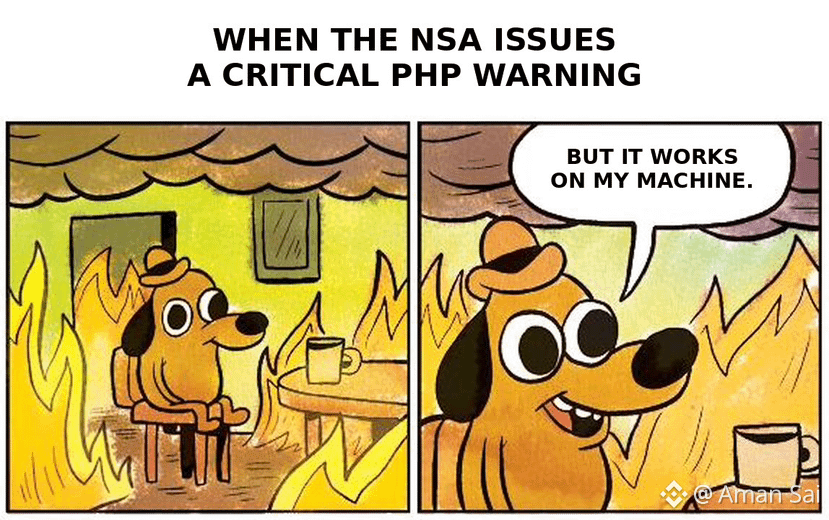
La NSA ha emitido una advertencia inmediata para las organizaciones que utilizan PHP, tras descubrirse dos vulnerabilidades críticas en este lenguaje de programación de uso generalizado.
Estas fallas tienen una puntuación CVSS de 9,2/10 (Crítica) y pueden permitir la ejecución remota de código sin autenticación, lo que significa que un atacante podría ejecutar comandos maliciosos en un servidor vulnerable sin tener que iniciar sesión. (PHP)
¿Por qué es grave? 👇
🔴 PHP se ejecuta en una enorme parte de la web y se utiliza habitualmente en sitios web, aplicaciones web y sistemas del lado del servidor.
🔴 Las vulnerabilidades, denominadas en conjunto PHP2Shell, podrían permitir a los atacantes acceder a los sistemas que se encuentran detrás de servicios web PHP vulnerables.
🔴 El riesgo es especialmente grave para los servidores expuestos a internet, donde los atacantes podrían explotar la vulnerabilidad de forma remota.
🔴 La NSA recomienda a las organizaciones identificar los sistemas PHP vulnerables y priorizar de inmediato la instalación de los parches de seguridad oficiales. Si un sistema no se puede actualizar cuanto antes, la NSA recomienda desconectarlo hasta que se pueda mitigar completamente la vulnerabilidad.
✅ Qué deben hacer ahora las organizaciones:
• Revisar todos los sistemas expuestos a internet que ejecuten PHP
• Identificar la versión de PHP en uso
• Instalar la versión de seguridad más reciente
• Actualizar el software y los paquetes relacionados de los proveedores
• Intensificar la supervisión y el registro de actividades sospechosas
• Revisar los sistemas para detectar indicios de intrusión
• Aislar o desconectar los sistemas vulnerables si no se pueden aplicar los parches
PHP ha publicado actualizaciones de seguridad, incluidas las versiones PHP 8.5.12, 8.4.27, 8.3.36 y 8.2.35, que corrigen las dos vulnerabilidades críticas. (PHP)
⚠️ No es una situación para «aplicar el parche más adelante».
Si administras un sitio web, servidor, plataforma de intercambio, aplicación o infraestructura empresarial basada en PHP, revísala ahora.
La medida más segura es sencilla:
Identificar → Aplicar el parche → Verificar → Supervisar.
Un solo servidor vulnerable puede convertirse en la puerta de entrada a toda una organización.
#PHP #CyberSecurity #PHP2Shell #Hacking #InfoSec #CyberAttack #WebSecurity #Technology #SecurityAlert
🚨 ALERTA URGENTE DE SEGURIDAD: PHP2Shell
La NSA ha emitido una advertencia inmediata para las organizaciones que utilizan PHP, tras descubrirse dos vulnerabilidades críticas en este lenguaje de programación de uso generalizado.
Estas fallas tienen una puntuación CVSS de 9,2/10 (Crítica) y pueden permitir la ejecución remota de código sin autenticación, lo que significa que un atacante podría ejecutar comandos maliciosos en un servidor vulnerable sin tener que iniciar sesión. (PHP)
¿Por qué es grave? 👇
🔴 PHP se ejecuta en una enorme parte de la web y se utiliza habitualmente en sitios web, aplicaciones web y sistemas del lado del servidor.
🔴 Las vulnerabilidades, denominadas en conjunto PHP2Shell, podrían permitir a los atacantes acceder a los sistemas que se encuentran detrás de servicios web PHP vulnerables.
🔴 El riesgo es especialmente grave para los servidores expuestos a internet, donde los atacantes podrían explotar la vulnerabilidad de forma remota.
🔴 La NSA recomienda a las organizaciones identificar los sistemas PHP vulnerables y priorizar de inmediato la instalación de los parches de seguridad oficiales. Si un sistema no se puede actualizar cuanto antes, la NSA recomienda desconectarlo hasta que se pueda mitigar completamente la vulnerabilidad.
✅ Qué deben hacer ahora las organizaciones:
• Revisar todos los sistemas expuestos a internet que ejecuten PHP
• Identificar la versión de PHP en uso
• Instalar la versión de seguridad más reciente
• Actualizar el software y los paquetes relacionados de los proveedores
• Intensificar la supervisión y el registro de actividades sospechosas
• Revisar los sistemas para detectar indicios de intrusión
• Aislar o desconectar los sistemas vulnerables si no se pueden aplicar los parches
PHP ha publicado actualizaciones de seguridad, incluidas las versiones PHP 8.5.12, 8.4.27, 8.3.36 y 8.2.35, que corrigen las dos vulnerabilidades críticas. (PHP)
⚠️ No es una situación para «aplicar el parche más adelante».
Si administras un sitio web, servidor, plataforma de intercambio, aplicación o infraestructura empresarial basada en PHP, revísala ahora.
La medida más segura es sencilla:
Identificar → Aplicar el parche → Verificar → Supervisar.
Un solo servidor vulnerable puede convertirse en la puerta de entrada a toda una organización.
#PHP #CyberSecurity #PHP2Shell #Hacking #InfoSec #CyberAttack #WebSecurity #Technology #SecurityAlert
La NSA ha emitido una advertencia inmediata para las organizaciones que utilizan PHP, tras descubrirse dos vulnerabilidades críticas en este lenguaje de programación de uso generalizado.
Estas fallas tienen una puntuación CVSS de 9,2/10 (Crítica) y pueden permitir la ejecución remota de código sin autenticación, lo que significa que un atacante podría ejecutar comandos maliciosos en un servidor vulnerable sin tener que iniciar sesión. (PHP)
¿Por qué es grave? 👇
🔴 PHP se ejecuta en una enorme parte de la web y se utiliza habitualmente en sitios web, aplicaciones web y sistemas del lado del servidor.
🔴 Las vulnerabilidades, denominadas en conjunto PHP2Shell, podrían permitir a los atacantes acceder a los sistemas que se encuentran detrás de servicios web PHP vulnerables.
🔴 El riesgo es especialmente grave para los servidores expuestos a internet, donde los atacantes podrían explotar la vulnerabilidad de forma remota.
🔴 La NSA recomienda a las organizaciones identificar los sistemas PHP vulnerables y priorizar de inmediato la instalación de los parches de seguridad oficiales. Si un sistema no se puede actualizar cuanto antes, la NSA recomienda desconectarlo hasta que se pueda mitigar completamente la vulnerabilidad.
✅ Qué deben hacer ahora las organizaciones:
• Revisar todos los sistemas expuestos a internet que ejecuten PHP
• Identificar la versión de PHP en uso
• Instalar la versión de seguridad más reciente
• Actualizar el software y los paquetes relacionados de los proveedores
• Intensificar la supervisión y el registro de actividades sospechosas
• Revisar los sistemas para detectar indicios de intrusión
• Aislar o desconectar los sistemas vulnerables si no se pueden aplicar los parches
PHP ha publicado actualizaciones de seguridad, incluidas las versiones PHP 8.5.12, 8.4.27, 8.3.36 y 8.2.35, que corrigen las dos vulnerabilidades críticas. (PHP)
⚠️ No es una situación para «aplicar el parche más adelante».
Si administras un sitio web, servidor, plataforma de intercambio, aplicación o infraestructura empresarial basada en PHP, revísala ahora.
La medida más segura es sencilla:
Identificar → Aplicar el parche → Verificar → Supervisar.
Un solo servidor vulnerable puede convertirse en la puerta de entrada a toda una organización.
#PHP #CyberSecurity #PHP2Shell #Hacking #InfoSec #CyberAttack #WebSecurity #Technology #SecurityAlert
2
1.2k

🚨 $ETH ¡EN RIESGO POR LA BRECHA DE SEGURIDAD EN LA NUBE DE RAILWAY! 🛑
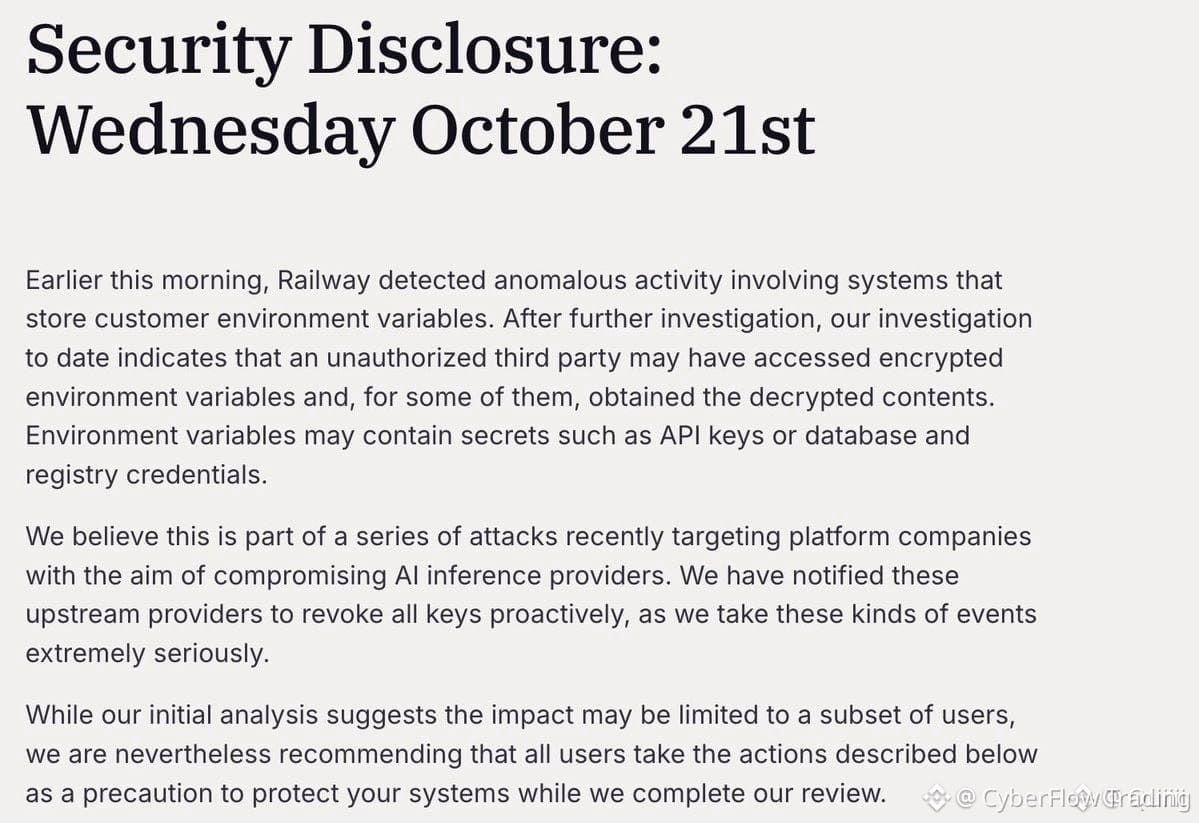
📊 Un fallo en la nube de Railway dejó expuestas claves de API y credenciales de bases de datos de varios proyectos. Mientras que pesos pesados como $AAVE , Chainlink y LayerZero informan que no hay problemas, las claves de administrador de Swell apuntan a una exposición de 2,500 ETH que aún no está confirmada. 🦈 Es probable que los inversores astutos estén ajustando sus posiciones y buscando barridos de liquidez antes de que se disipe el polvo. ⚡ Los proyectos que ya rotaron sus claves (infiniFi, Monad) muestran la primera línea de defensa, pero la coincidencia temporal alimenta las especulaciones.
💬 ¿Cómo cubrirás tu exposición ante las posibles consecuencias? 👇
⚠️ Esto no es asesoramiento financiero. Gestiona siempre tus riesgos. 🛡️
🏷️ #ETH #SecurityAlert #CloudBreach #CryptoRisk
🔥 💎
🚨 $ETH ¡EN RIESGO POR LA BRECHA DE SEGURIDAD EN LA NUBE DE RAILWAY! 🛑
📊 Un fallo en la nube de Railway dejó expuestas claves de API y credenciales de bases de datos de varios proyectos. Mientras que pesos pesados como $AAVE , Chainlink y LayerZero informan que no hay problemas, las claves de administrador de Swell apuntan a una exposición de 2,500 ETH que aún no está confirmada. 🦈 Es probable que los inversores astutos estén ajustando sus posiciones y buscando barridos de liquidez antes de que se disipe el polvo. ⚡ Los proyectos que ya rotaron sus claves (infiniFi, Monad) muestran la primera línea de defensa, pero la coincidencia temporal alimenta las especulaciones.
💬 ¿Cómo cubrirás tu exposición ante las posibles consecuencias? 👇
⚠️ Esto no es asesoramiento financiero. Gestiona siempre tus riesgos. 🛡️
🏷️ #ETH #SecurityAlert #CloudBreach #CryptoRisk
🔥 💎
📊 Un fallo en la nube de Railway dejó expuestas claves de API y credenciales de bases de datos de varios proyectos. Mientras que pesos pesados como $AAVE , Chainlink y LayerZero informan que no hay problemas, las claves de administrador de Swell apuntan a una exposición de 2,500 ETH que aún no está confirmada. 🦈 Es probable que los inversores astutos estén ajustando sus posiciones y buscando barridos de liquidez antes de que se disipe el polvo. ⚡ Los proyectos que ya rotaron sus claves (infiniFi, Monad) muestran la primera línea de defensa, pero la coincidencia temporal alimenta las especulaciones.
💬 ¿Cómo cubrirás tu exposición ante las posibles consecuencias? 👇
⚠️ Esto no es asesoramiento financiero. Gestiona siempre tus riesgos. 🛡️
🏷️ #ETH #SecurityAlert #CloudBreach #CryptoRisk
🔥 💎
1

·
--
🚨 $ALT BAJO ALERTA DE SEGURIDAD: ¿CAÍDA POTENCIAL O IMPULSO A LA CONFIANZA A LARGO PLAZO? ⚡
🦈 La nueva advertencia de CZ sobre vulnerabilidades de PHP sin parchear está causando revuelo en el flujo de capital inteligente. El temor inmediato podría provocar una venta masiva a corto plazo, mientras los inversores reacios al riesgo se apresuran a proteger sus credenciales. 📊
🔍 Sin embargo, la misma alerta obliga a los exchanges y proyectos a reforzar sus medidas de seguridad, un factor clásico que impulsa la confianza institucional. Se espera que el fondo de liquidez reajuste sus precios cuando pase la tormenta, creando una zona de demanda más sólida para quienes mantienen sus activos a largo plazo. 💡
💬 ¿Crees que el mercado aprovechará la caída para comprar o acabará consolidándose con una prima de confianza más alta? 👇
⚠️ Esto no es asesoramiento financiero. Gestiona siempre tus riesgos. 🛡️
🏷️ #ALT #SecurityAlert #MarketSentiment
🔥 💎
🚨 $ALT BAJO ALERTA DE SEGURIDAD: ¿CAÍDA POTENCIAL O IMPULSO A LA CONFIANZA A LARGO PLAZO? ⚡
🦈 La nueva advertencia de CZ sobre vulnerabilidades de PHP sin parchear está causando revuelo en el flujo de capital inteligente. El temor inmediato podría provocar una venta masiva a corto plazo, mientras los inversores reacios al riesgo se apresuran a proteger sus credenciales. 📊
🔍 Sin embargo, la misma alerta obliga a los exchanges y proyectos a reforzar sus medidas de seguridad, un factor clásico que impulsa la confianza institucional. Se espera que el fondo de liquidez reajuste sus precios cuando pase la tormenta, creando una zona de demanda más sólida para quienes mantienen sus activos a largo plazo. 💡
💬 ¿Crees que el mercado aprovechará la caída para comprar o acabará consolidándose con una prima de confianza más alta? 👇
⚠️ Esto no es asesoramiento financiero. Gestiona siempre tus riesgos. 🛡️
🏷️ #ALT #SecurityAlert #MarketSentiment
🔥 💎
🦈 La nueva advertencia de CZ sobre vulnerabilidades de PHP sin parchear está causando revuelo en el flujo de capital inteligente. El temor inmediato podría provocar una venta masiva a corto plazo, mientras los inversores reacios al riesgo se apresuran a proteger sus credenciales. 📊
🔍 Sin embargo, la misma alerta obliga a los exchanges y proyectos a reforzar sus medidas de seguridad, un factor clásico que impulsa la confianza institucional. Se espera que el fondo de liquidez reajuste sus precios cuando pase la tormenta, creando una zona de demanda más sólida para quienes mantienen sus activos a largo plazo. 💡
💬 ¿Crees que el mercado aprovechará la caída para comprar o acabará consolidándose con una prima de confianza más alta? 👇
⚠️ Esto no es asesoramiento financiero. Gestiona siempre tus riesgos. 🛡️
🏷️ #ALT #SecurityAlert #MarketSentiment
🔥 💎

⚡ $ETH ALERTA: UNA VULNERABILIDAD DE PHP EN EL GOBIERNO PODRÍA SACUDIR LA INFRAESTRUCTURA 🚨
📊 La Casa Blanca confirmó que el 16 de octubre salió a la luz una falla crítica de PHP, lo que llevó a las agencias federales a apresurarse para instalar un parche. Los operadores de redes y los laboratorios de sistemas están en alerta máxima y se apresuran a proteger al gobierno y a las infraestructuras críticas de posibles ataques. 🦈 Los inversores institucionales ya están evaluando el riesgo de contagio a los nodos cripto que dependen de tecnologías similares.
⚡ Un despliegue rápido de medidas de mitigación podría provocar volatilidad a corto plazo en los exchanges, mientras los operadores reevalúan su exposición. Mantente atento a las barridas de liquidez y a la posible presión vendedora sobre los activos relacionados. 💬 ¿Cómo estás ajustando tus posiciones ante esta inminente carrera por instalar el parche? 👇
⚠️ Esto no es asesoramiento financiero. Gestiona siempre tus riesgos. 🛡️
🏷️ #ETH #SecurityAlert #CryptoRisk #Infrastructure
🔥 🦈
⚡ $ETH ALERTA: UNA VULNERABILIDAD DE PHP EN EL GOBIERNO PODRÍA SACUDIR LA INFRAESTRUCTURA 🚨
📊 La Casa Blanca confirmó que el 16 de octubre salió a la luz una falla crítica de PHP, lo que llevó a las agencias federales a apresurarse para instalar un parche. Los operadores de redes y los laboratorios de sistemas están en alerta máxima y se apresuran a proteger al gobierno y a las infraestructuras críticas de posibles ataques. 🦈 Los inversores institucionales ya están evaluando el riesgo de contagio a los nodos cripto que dependen de tecnologías similares.
⚡ Un despliegue rápido de medidas de mitigación podría provocar volatilidad a corto plazo en los exchanges, mientras los operadores reevalúan su exposición. Mantente atento a las barridas de liquidez y a la posible presión vendedora sobre los activos relacionados. 💬 ¿Cómo estás ajustando tus posiciones ante esta inminente carrera por instalar el parche? 👇
⚠️ Esto no es asesoramiento financiero. Gestiona siempre tus riesgos. 🛡️
🏷️ #ETH #SecurityAlert #CryptoRisk #Infrastructure
🔥 🦈
📊 La Casa Blanca confirmó que el 16 de octubre salió a la luz una falla crítica de PHP, lo que llevó a las agencias federales a apresurarse para instalar un parche. Los operadores de redes y los laboratorios de sistemas están en alerta máxima y se apresuran a proteger al gobierno y a las infraestructuras críticas de posibles ataques. 🦈 Los inversores institucionales ya están evaluando el riesgo de contagio a los nodos cripto que dependen de tecnologías similares.
⚡ Un despliegue rápido de medidas de mitigación podría provocar volatilidad a corto plazo en los exchanges, mientras los operadores reevalúan su exposición. Mantente atento a las barridas de liquidez y a la posible presión vendedora sobre los activos relacionados. 💬 ¿Cómo estás ajustando tus posiciones ante esta inminente carrera por instalar el parche? 👇
⚠️ Esto no es asesoramiento financiero. Gestiona siempre tus riesgos. 🛡️
🏷️ #ETH #SecurityAlert #CryptoRisk #Infrastructure
🔥 🦈
11

·
--
Serie: Sé inteligente con Binance
3 ajustes que protegen tu dinero 🛡️
Lista blanca de retiros: solo puedes retirar fondos a direcciones que hayas añadido previamente.
Gestión de dispositivos: revisa los dispositivos conectados a tu cuenta y elimina los que no reconozcas.
Claves API: si usas bots de trading, desactiva el permiso de retiro y restringe la clave a una dirección IP específica.
❓ ¿Cuándo fue la última vez que revisaste los dispositivos de tu cuenta?
#API #SecurityAlert #BinanceAcademy
Serie: Sé inteligente con Binance
3 ajustes que protegen tu dinero 🛡️
Lista blanca de retiros: solo puedes retirar fondos a direcciones que hayas añadido previamente.
Gestión de dispositivos: revisa los dispositivos conectados a tu cuenta y elimina los que no reconozcas.
Claves API: si usas bots de trading, desactiva el permiso de retiro y restringe la clave a una dirección IP específica.
❓ ¿Cuándo fue la última vez que revisaste los dispositivos de tu cuenta?
#API #SecurityAlert #BinanceAcademy
3 ajustes que protegen tu dinero 🛡️
Lista blanca de retiros: solo puedes retirar fondos a direcciones que hayas añadido previamente.
Gestión de dispositivos: revisa los dispositivos conectados a tu cuenta y elimina los que no reconozcas.
Claves API: si usas bots de trading, desactiva el permiso de retiro y restringe la clave a una dirección IP específica.
❓ ¿Cuándo fue la última vez que revisaste los dispositivos de tu cuenta?
#API #SecurityAlert #BinanceAcademy
94
·
--
🚨 ¡ALERTA DE CONFUSIÓN POR EL MALWARE DE $FOMO! 🦈
📊 El CISO de SlowMist acaba de confirmar que la app oficial de $FOMO para iOS es segura y atribuye el «malware» a un clon fraudulento llamado FOMOPeek. 📌 La versión falsa estuvo rondando por la App Store del 9 al 17 de septiembre y robó activos antes de desaparecer. ⚡ Ahora, los inversores más astutos están buscando posibles riesgos persistentes, mientras que los titulares legítimos pueden respirar más tranquilos, siempre que se mantengan alerta.
💡 Este episodio pone de relieve las implacables tácticas de drenaje de liquidez de actores oportunistas: una sola descarga comprometida puede desencadenar una cascada de presión vendedora. 👇 ¿Cómo proteges tus tenencias de $FOMO frente a amenazas de código oculto?
⚠️ Esto no es asesoramiento financiero. Gestiona siempre tus riesgos. 🛡️
🏷️ #FOMO #SecurityAlert #Crypto #Malware
🔥 💎
🚨 ¡ALERTA DE CONFUSIÓN POR EL MALWARE DE $FOMO! 🦈
📊 El CISO de SlowMist acaba de confirmar que la app oficial de $FOMO para iOS es segura y atribuye el «malware» a un clon fraudulento llamado FOMOPeek. 📌 La versión falsa estuvo rondando por la App Store del 9 al 17 de septiembre y robó activos antes de desaparecer. ⚡ Ahora, los inversores más astutos están buscando posibles riesgos persistentes, mientras que los titulares legítimos pueden respirar más tranquilos, siempre que se mantengan alerta.
💡 Este episodio pone de relieve las implacables tácticas de drenaje de liquidez de actores oportunistas: una sola descarga comprometida puede desencadenar una cascada de presión vendedora. 👇 ¿Cómo proteges tus tenencias de $FOMO frente a amenazas de código oculto?
⚠️ Esto no es asesoramiento financiero. Gestiona siempre tus riesgos. 🛡️
🏷️ #FOMO #SecurityAlert #Crypto #Malware
🔥 💎
📊 El CISO de SlowMist acaba de confirmar que la app oficial de $FOMO para iOS es segura y atribuye el «malware» a un clon fraudulento llamado FOMOPeek. 📌 La versión falsa estuvo rondando por la App Store del 9 al 17 de septiembre y robó activos antes de desaparecer. ⚡ Ahora, los inversores más astutos están buscando posibles riesgos persistentes, mientras que los titulares legítimos pueden respirar más tranquilos, siempre que se mantengan alerta.
💡 Este episodio pone de relieve las implacables tácticas de drenaje de liquidez de actores oportunistas: una sola descarga comprometida puede desencadenar una cascada de presión vendedora. 👇 ¿Cómo proteges tus tenencias de $FOMO frente a amenazas de código oculto?
⚠️ Esto no es asesoramiento financiero. Gestiona siempre tus riesgos. 🛡️
🏷️ #FOMO #SecurityAlert #Crypto #Malware
🔥 💎
5

·
--
🚨 Una brecha de seguridad afecta a Ledger en la UE después de que un usuario descubriera que un dispositivo comprado a un importante minorista había sido manipulado. La IA descubre un error masivo en la oferta de XRP —que, según se informa, asciende a 18 billones de tokens—, pero la recompensa es de solo 250.000 dólares. Esto pone de relieve los riesgos de seguridad persistentes de las carteras de hardware y las posibles preocupaciones sobre la tokenómica. El mercado podría reaccionar al deterioro de la confianza en las soluciones de custodia. ¿Cómo responderán los holders de XRP al aumento de las vulnerabilidades de las carteras? #SecurityAlert
$XRP #TradingSignal #CryptoAnalysis
🚨 Una brecha de seguridad afecta a Ledger en la UE después de que un usuario descubriera que un dispositivo comprado a un importante minorista había sido manipulado. La IA descubre un error masivo en la oferta de XRP —que, según se informa, asciende a 18 billones de tokens—, pero la recompensa es de solo 250.000 dólares. Esto pone de relieve los riesgos de seguridad persistentes de las carteras de hardware y las posibles preocupaciones sobre la tokenómica. El mercado podría reaccionar al deterioro de la confianza en las soluciones de custodia. ¿Cómo responderán los holders de XRP al aumento de las vulnerabilidades de las carteras? #SecurityAlert
$XRP #TradingSignal #CryptoAnalysis
$XRP #TradingSignal #CryptoAnalysis

20
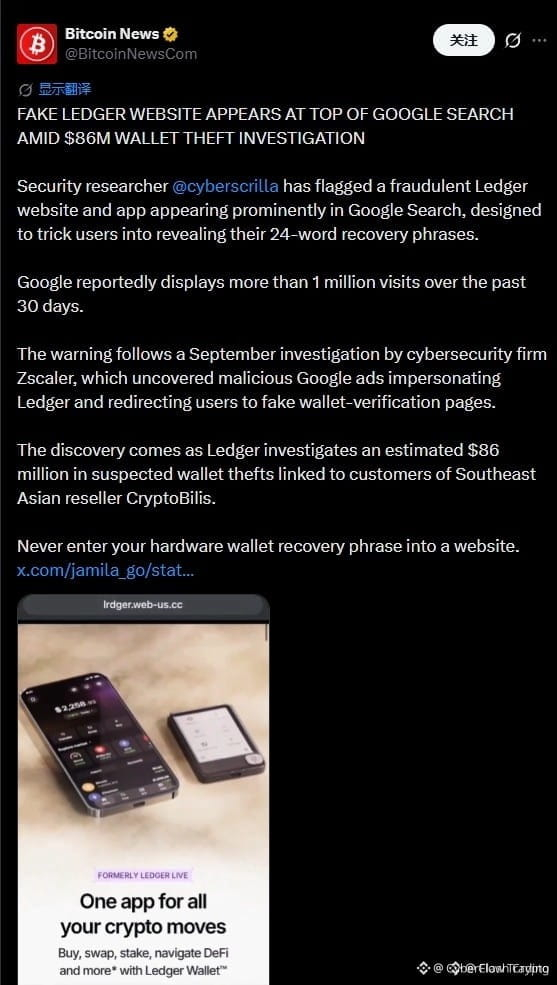
🚨 LOS PRINCIPALES MOTORES DE BÚSQUEDA PONEN EN PELIGRO LA SEGURIDAD DE LAS BILLETERAS: ¡SITIOS DE PHISHING ATACAN A LOS TITULARES DE $BTC ! ⚠️
Una enorme amenaza de phishing está atacando actualmente a usuarios de billeteras de hardware mediante anuncios en los principales motores de búsqueda, y ha acumulado más de 1 millón de visitas solo durante el último mes. 🔍 Atacantes sofisticados están interceptando activamente a usuarios desprevenidos y vaciando sus fondos al capturar las credenciales de recuperación de 24 palabras.
En investigaciones relacionadas ya se han drenado más de 86 millones de dólares. La seguridad del hardware sigue siendo inútil si expones tus credenciales críticas en portales de verificación falsos. 🛡️ Protege tu almacenamiento en frío sin conexión, verifica dos veces cada dominio web y nunca escribas tus frases secretas en ningún sitio de Internet. 💬 ¿Estás comprobando dos veces los marcadores de tu aplicación de hardware antes de acceder a tus fondos? 👇
⚠️ Esto no es asesoramiento financiero. Gestiona siempre tus riesgos. 🛡️
🏷️ #BTC #SecurityAlert #Crypto #Web3 #CryptoSecurity
⚡ 🛡️
🚨 LOS PRINCIPALES MOTORES DE BÚSQUEDA PONEN EN PELIGRO LA SEGURIDAD DE LAS BILLETERAS: ¡SITIOS DE PHISHING ATACAN A LOS TITULARES DE $BTC ! ⚠️
Una enorme amenaza de phishing está atacando actualmente a usuarios de billeteras de hardware mediante anuncios en los principales motores de búsqueda, y ha acumulado más de 1 millón de visitas solo durante el último mes. 🔍 Atacantes sofisticados están interceptando activamente a usuarios desprevenidos y vaciando sus fondos al capturar las credenciales de recuperación de 24 palabras.
En investigaciones relacionadas ya se han drenado más de 86 millones de dólares. La seguridad del hardware sigue siendo inútil si expones tus credenciales críticas en portales de verificación falsos. 🛡️ Protege tu almacenamiento en frío sin conexión, verifica dos veces cada dominio web y nunca escribas tus frases secretas en ningún sitio de Internet. 💬 ¿Estás comprobando dos veces los marcadores de tu aplicación de hardware antes de acceder a tus fondos? 👇
⚠️ Esto no es asesoramiento financiero. Gestiona siempre tus riesgos. 🛡️
🏷️ #BTC #SecurityAlert #Crypto #Web3 #CryptoSecurity
⚡ 🛡️
Una enorme amenaza de phishing está atacando actualmente a usuarios de billeteras de hardware mediante anuncios en los principales motores de búsqueda, y ha acumulado más de 1 millón de visitas solo durante el último mes. 🔍 Atacantes sofisticados están interceptando activamente a usuarios desprevenidos y vaciando sus fondos al capturar las credenciales de recuperación de 24 palabras.
En investigaciones relacionadas ya se han drenado más de 86 millones de dólares. La seguridad del hardware sigue siendo inútil si expones tus credenciales críticas en portales de verificación falsos. 🛡️ Protege tu almacenamiento en frío sin conexión, verifica dos veces cada dominio web y nunca escribas tus frases secretas en ningún sitio de Internet. 💬 ¿Estás comprobando dos veces los marcadores de tu aplicación de hardware antes de acceder a tus fondos? 👇
⚠️ Esto no es asesoramiento financiero. Gestiona siempre tus riesgos. 🛡️
🏷️ #BTC #SecurityAlert #Crypto #Web3 #CryptoSecurity
⚡ 🛡️
10
🚨 ¡UN ATAQUE DE PHISHING QUE SUPLANTA A MONEDEROS FÍSICOS DRENA MILLONES EN MEDIO DE LA VOLATILIDAD DEL MERCADO $BTC ! ⚠️
Investigadores de seguridad acaban de descubrir una enorme trampa de búsqueda falsa dirigida a los titulares de criptomonedas, que ha atraído más de un millón de visitas solo este mes. Las campañas de phishing están desplegando sitios maliciosos de monederos para robar claves de recuperación; se estima que las pérdidas entre los usuarios afectados ascienden a 86 millones de dólares. 📊 🚨
En un mercado donde el almacenamiento en frío es tu mayor ventaja, caer en redirecciones de búsquedas patrocinadas puede acabar silenciosamente con tu capital. Los inversores inteligentes refuerzan la seguridad y protegen sus fondos mucho antes de perseguir la próxima ruptura alcista. 💡 🔒
💬 ¿Compruebas dos veces los marcadores de tu monedero físico antes de aprobar conexiones? 👇
⚠️ Esto no es asesoramiento financiero. Gestiona siempre tus riesgos. 🛡️
🏷️ #BTC #CryptoSecurity #SecurityAlert #Crypto
🛡️ 👁️
🚨 ¡UN ATAQUE DE PHISHING QUE SUPLANTA A MONEDEROS FÍSICOS DRENA MILLONES EN MEDIO DE LA VOLATILIDAD DEL MERCADO $BTC ! ⚠️
Investigadores de seguridad acaban de descubrir una enorme trampa de búsqueda falsa dirigida a los titulares de criptomonedas, que ha atraído más de un millón de visitas solo este mes. Las campañas de phishing están desplegando sitios maliciosos de monederos para robar claves de recuperación; se estima que las pérdidas entre los usuarios afectados ascienden a 86 millones de dólares. 📊 🚨
En un mercado donde el almacenamiento en frío es tu mayor ventaja, caer en redirecciones de búsquedas patrocinadas puede acabar silenciosamente con tu capital. Los inversores inteligentes refuerzan la seguridad y protegen sus fondos mucho antes de perseguir la próxima ruptura alcista. 💡 🔒
💬 ¿Compruebas dos veces los marcadores de tu monedero físico antes de aprobar conexiones? 👇
⚠️ Esto no es asesoramiento financiero. Gestiona siempre tus riesgos. 🛡️
🏷️ #BTC #CryptoSecurity #SecurityAlert #Crypto
🛡️ 👁️
Investigadores de seguridad acaban de descubrir una enorme trampa de búsqueda falsa dirigida a los titulares de criptomonedas, que ha atraído más de un millón de visitas solo este mes. Las campañas de phishing están desplegando sitios maliciosos de monederos para robar claves de recuperación; se estima que las pérdidas entre los usuarios afectados ascienden a 86 millones de dólares. 📊 🚨
En un mercado donde el almacenamiento en frío es tu mayor ventaja, caer en redirecciones de búsquedas patrocinadas puede acabar silenciosamente con tu capital. Los inversores inteligentes refuerzan la seguridad y protegen sus fondos mucho antes de perseguir la próxima ruptura alcista. 💡 🔒
💬 ¿Compruebas dos veces los marcadores de tu monedero físico antes de aprobar conexiones? 👇
⚠️ Esto no es asesoramiento financiero. Gestiona siempre tus riesgos. 🛡️
🏷️ #BTC #CryptoSecurity #SecurityAlert #Crypto
🛡️ 👁️
16

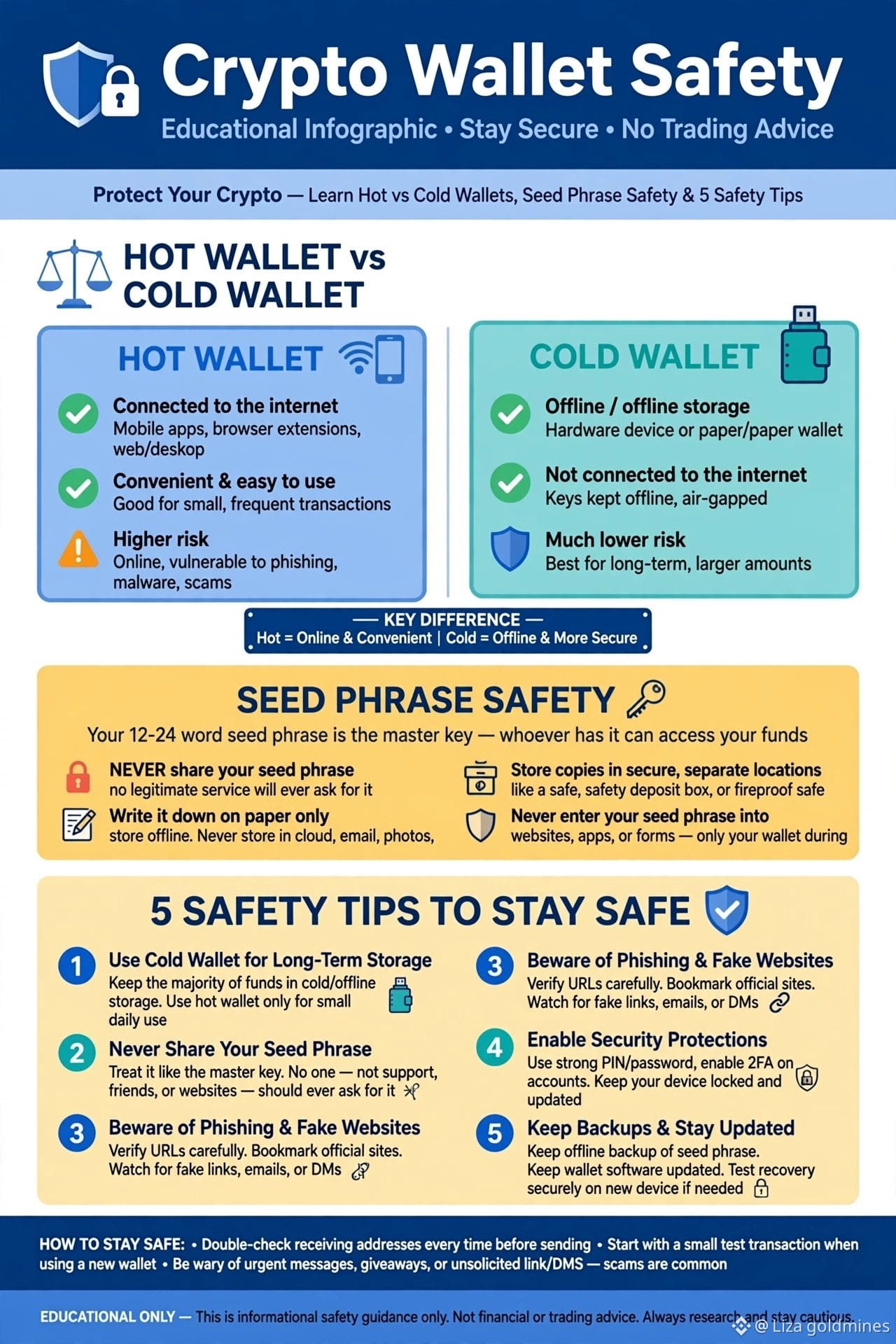
Seguridad de las billeteras de criptomonedas: ¡LECTURA OBLIGATORIA! 🔐
Billetera caliente = En línea, cómoda, mayor riesgo
Billetera fría = Sin conexión, muy segura, ideal para el largo plazo
¡NUNCA compartas tu frase semilla de 12 a 24 palabras!
¡Escríbela solo en papel, nunca en la nube ni por correo electrónico!
¡5 consejos de seguridad en el gráfico!
Solo una guía educativa de seguridad.
#SeguridadCripto #wallet🔥 t #SecurityAlert #SeedPhrase #BinanceSquare
Seguridad de las billeteras de criptomonedas: ¡LECTURA OBLIGATORIA! 🔐
Billetera caliente = En línea, cómoda, mayor riesgo
Billetera fría = Sin conexión, muy segura, ideal para el largo plazo
¡NUNCA compartas tu frase semilla de 12 a 24 palabras!
¡Escríbela solo en papel, nunca en la nube ni por correo electrónico!
¡5 consejos de seguridad en el gráfico!
Solo una guía educativa de seguridad.
#SeguridadCripto #wallet🔥 t #SecurityAlert #SeedPhrase #BinanceSquare
Billetera caliente = En línea, cómoda, mayor riesgo
Billetera fría = Sin conexión, muy segura, ideal para el largo plazo
¡NUNCA compartas tu frase semilla de 12 a 24 palabras!
¡Escríbela solo en papel, nunca en la nube ni por correo electrónico!
¡5 consejos de seguridad en el gráfico!
Solo una guía educativa de seguridad.
#SeguridadCripto #wallet🔥 t #SecurityAlert #SeedPhrase #BinanceSquare
57

·
--
ÚLTIMA HORA: LA BILLETERA FOMO DE TRADER FROGMANHAHA ACABA DE SER HACKEADA Y LE HAN ROBADO MÁS DE 4 MILLONES DE DÓLARES EN ACTIVOS
SE RUMOREA QUE EL HACKEO OCURRIÓ DURANTE LA CONFERENCIA TOKEN2049
#SecurityAlert
ÚLTIMA HORA: LA BILLETERA FOMO DE TRADER FROGMANHAHA ACABA DE SER HACKEADA Y LE HAN ROBADO MÁS DE 4 MILLONES DE DÓLARES EN ACTIVOS
SE RUMOREA QUE EL HACKEO OCURRIÓ DURANTE LA CONFERENCIA TOKEN2049
#SecurityAlert
SE RUMOREA QUE EL HACKEO OCURRIÓ DURANTE LA CONFERENCIA TOKEN2049
#SecurityAlert

74
🚨 ¡TRADER FROGMAN CONFIRMA UN EXPLOIT DE 4 MILLONES DE DÓLARES MIENTRAS LOS ATACANTES BLANQUEAN FONDOS A TRAVÉS DE $ETH Y $SOL ! 💣
Un exploit masivo de 4 millones de dólares afectó al trader Frogman. Los atacantes drenaron nueve tokens distintos, incluidas grandes cantidades de $BP, y blanquearon los fondos mediante herramientas de privacidad. 🔍 Los responsables cambiaron de inmediato los activos robados por otros de alta liquidez, como $ETH , antes de dispersar los fondos a través de Chainflip.
📌 Los equipos de seguridad de Singapur están rastreando la dirección señalada, pero la venta agresiva de tokens de baja capitalización provoca perturbaciones inmediatas en la oferta de los libros de órdenes descentralizados. 💡 La seguridad de las carteras sigue siendo el principal factor de riesgo en entornos de mercado volátiles. 💬 ¿Qué tan estrictos son tus protocolos de autocustodia durante los ciclos de trading activos? 👇
⚠️ Esto no es asesoramiento financiero. Gestiona siempre tus riesgos. 🛡️
🏷️ #ETH #SecurityAlert #Crypto #Exploit
🚨 🛡️
🚨 ¡TRADER FROGMAN CONFIRMA UN EXPLOIT DE 4 MILLONES DE DÓLARES MIENTRAS LOS ATACANTES BLANQUEAN FONDOS A TRAVÉS DE $ETH Y $SOL ! 💣
Un exploit masivo de 4 millones de dólares afectó al trader Frogman. Los atacantes drenaron nueve tokens distintos, incluidas grandes cantidades de $BP, y blanquearon los fondos mediante herramientas de privacidad. 🔍 Los responsables cambiaron de inmediato los activos robados por otros de alta liquidez, como $ETH , antes de dispersar los fondos a través de Chainflip.
📌 Los equipos de seguridad de Singapur están rastreando la dirección señalada, pero la venta agresiva de tokens de baja capitalización provoca perturbaciones inmediatas en la oferta de los libros de órdenes descentralizados. 💡 La seguridad de las carteras sigue siendo el principal factor de riesgo en entornos de mercado volátiles. 💬 ¿Qué tan estrictos son tus protocolos de autocustodia durante los ciclos de trading activos? 👇
⚠️ Esto no es asesoramiento financiero. Gestiona siempre tus riesgos. 🛡️
🏷️ #ETH #SecurityAlert #Crypto #Exploit
🚨 🛡️
Un exploit masivo de 4 millones de dólares afectó al trader Frogman. Los atacantes drenaron nueve tokens distintos, incluidas grandes cantidades de $BP, y blanquearon los fondos mediante herramientas de privacidad. 🔍 Los responsables cambiaron de inmediato los activos robados por otros de alta liquidez, como $ETH , antes de dispersar los fondos a través de Chainflip.
📌 Los equipos de seguridad de Singapur están rastreando la dirección señalada, pero la venta agresiva de tokens de baja capitalización provoca perturbaciones inmediatas en la oferta de los libros de órdenes descentralizados. 💡 La seguridad de las carteras sigue siendo el principal factor de riesgo en entornos de mercado volátiles. 💬 ¿Qué tan estrictos son tus protocolos de autocustodia durante los ciclos de trading activos? 👇
⚠️ Esto no es asesoramiento financiero. Gestiona siempre tus riesgos. 🛡️
🏷️ #ETH #SecurityAlert #Crypto #Exploit
🚨 🛡️
38
·
--
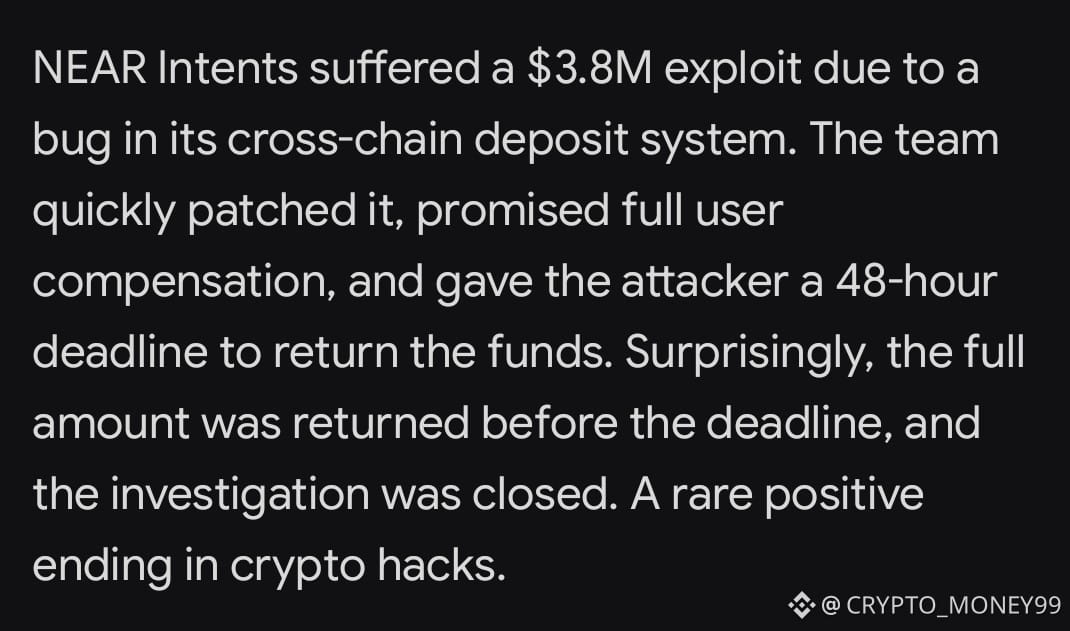
🚨 Una intrusión de 3.8 millones de dólares… ¿y termina con una historia inesperada?
Hace unos días, el protocolo NEAR Intents se vio afectado por la explotación de una vulnerabilidad en su sistema de depósitos y retiros entre cadenas.
El atacante retiró aproximadamente 3.8 millones de USDT de un contrato en la red en cuestión de pocas horas.
La mayoría de las historias terminan aquí: fondos perdidos, investigaciones largas y compensaciones postergadas.
Pero esta vez las cosas fueron distintas.
El equipo detuvo los servicios de inmediato, corrigió la vulnerabilidad y lo dejó claro:
«Los fondos serán reembolsados en su totalidad».
Luego hicieron algo más… valiente.
Identificaron a la parte responsable y le dieron un plazo de solo 48 horas para devolverlo todo.
¿El resultado?
Antes de que terminara el plazo, los fondos regresaron completos.
Una gran parte volvió en forma de bitcoin, y la investigación se cerró oficialmente.
Incluso el atacante dejó un mensaje en la cadena diciendo que había estado equivocado, agradeciendo al equipo por un trato respetuoso y recomendando usar Bug Bounties en lugar de hackear.
La lección aquí es clara:
No todo hack termina en una catástrofe.
La rapidez para reparar + la transparencia + la presión inteligente… a veces pueden convertir una pérdida en una historia de éxito rara en el mundo cripto.
¿Qué opinan? ¿Este modelo debería convertirse en la norma?
#SecurityAlert #Near #crypto #USDT #Binance
🚨 Una intrusión de 3.8 millones de dólares… ¿y termina con una historia inesperada?
Hace unos días, el protocolo NEAR Intents se vio afectado por la explotación de una vulnerabilidad en su sistema de depósitos y retiros entre cadenas.
El atacante retiró aproximadamente 3.8 millones de USDT de un contrato en la red en cuestión de pocas horas.
La mayoría de las historias terminan aquí: fondos perdidos, investigaciones largas y compensaciones postergadas.
Pero esta vez las cosas fueron distintas.
El equipo detuvo los servicios de inmediato, corrigió la vulnerabilidad y lo dejó claro:
«Los fondos serán reembolsados en su totalidad».
Luego hicieron algo más… valiente.
Identificaron a la parte responsable y le dieron un plazo de solo 48 horas para devolverlo todo.
¿El resultado?
Antes de que terminara el plazo, los fondos regresaron completos.
Una gran parte volvió en forma de bitcoin, y la investigación se cerró oficialmente.
Incluso el atacante dejó un mensaje en la cadena diciendo que había estado equivocado, agradeciendo al equipo por un trato respetuoso y recomendando usar Bug Bounties en lugar de hackear.
La lección aquí es clara:
No todo hack termina en una catástrofe.
La rapidez para reparar + la transparencia + la presión inteligente… a veces pueden convertir una pérdida en una historia de éxito rara en el mundo cripto.
¿Qué opinan? ¿Este modelo debería convertirse en la norma?
#SecurityAlert #Near #crypto #USDT #Binance
Hace unos días, el protocolo NEAR Intents se vio afectado por la explotación de una vulnerabilidad en su sistema de depósitos y retiros entre cadenas.
El atacante retiró aproximadamente 3.8 millones de USDT de un contrato en la red en cuestión de pocas horas.
La mayoría de las historias terminan aquí: fondos perdidos, investigaciones largas y compensaciones postergadas.
Pero esta vez las cosas fueron distintas.
El equipo detuvo los servicios de inmediato, corrigió la vulnerabilidad y lo dejó claro:
«Los fondos serán reembolsados en su totalidad».
Luego hicieron algo más… valiente.
Identificaron a la parte responsable y le dieron un plazo de solo 48 horas para devolverlo todo.
¿El resultado?
Antes de que terminara el plazo, los fondos regresaron completos.
Una gran parte volvió en forma de bitcoin, y la investigación se cerró oficialmente.
Incluso el atacante dejó un mensaje en la cadena diciendo que había estado equivocado, agradeciendo al equipo por un trato respetuoso y recomendando usar Bug Bounties en lugar de hackear.
La lección aquí es clara:
No todo hack termina en una catástrofe.
La rapidez para reparar + la transparencia + la presión inteligente… a veces pueden convertir una pérdida en una historia de éxito rara en el mundo cripto.
¿Qué opinan? ¿Este modelo debería convertirse en la norma?
#SecurityAlert #Near #crypto #USDT #Binance
2
1.3k

·
--
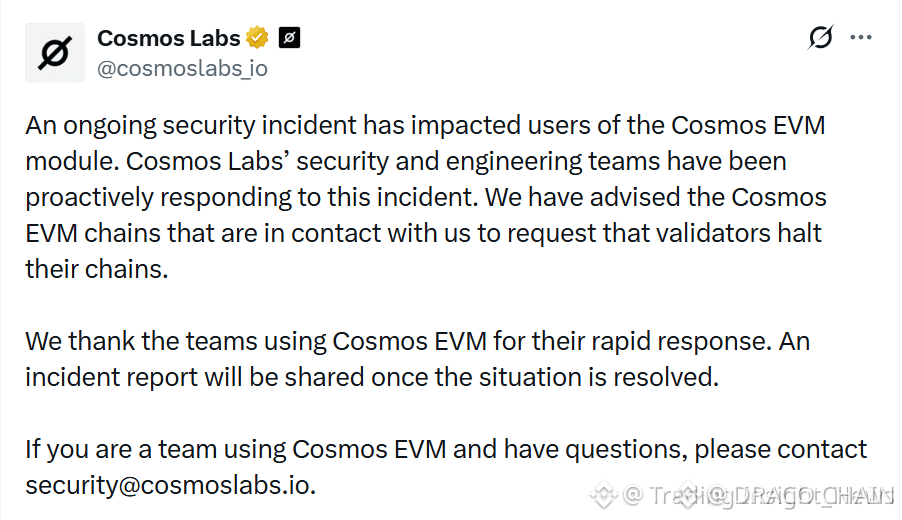
🚨 $ATOM CRITICAL EXPLOIT: SEGURIDAD COSMOS EVM VULNERADA DISPARA PARADAS MULTICADENA 📉
Cosmos Labs ha confirmado una vulnerabilidad grave dentro del módulo Cosmos EVM, forzando a múltiples redes de validadores en todo el ecosistema a entrar en paradas de emergencia. 🔍 Los modelos de riesgo institucional están cambiando hacia la preservación de capital mientras el dinero inteligente evalúa el alcance total de la vulnerabilidad estructural en cadenas interconectadas. ⚠️
Cuando las capas de infraestructura experimentan fallos sistémicos, las cascadas de liquidez siguen rápidamente, dejando el flujo de órdenes expuesto a contagio. 📊 Los equipos de proyecto que utilizan la arquitectura EVM están realizando auditorías de seguridad inmediatas, mientras que los participantes del mercado monitorean posibles riesgos de cascada. 📌
🤔 ¿Estás retirando liquidez de las cadenas Cosmos EVM afectadas o esperando actualizaciones oficiales de mitigación? 👇
⚠️ No es asesoramiento financiero. Gestiona siempre tu riesgo. 🛡️
🏷️ #ATOM #Cosmos #SecurityAlert #Crypto
🚨 🛡️
🚨 $ATOM CRITICAL EXPLOIT: SEGURIDAD COSMOS EVM VULNERADA DISPARA PARADAS MULTICADENA 📉
Cosmos Labs ha confirmado una vulnerabilidad grave dentro del módulo Cosmos EVM, forzando a múltiples redes de validadores en todo el ecosistema a entrar en paradas de emergencia. 🔍 Los modelos de riesgo institucional están cambiando hacia la preservación de capital mientras el dinero inteligente evalúa el alcance total de la vulnerabilidad estructural en cadenas interconectadas. ⚠️
Cuando las capas de infraestructura experimentan fallos sistémicos, las cascadas de liquidez siguen rápidamente, dejando el flujo de órdenes expuesto a contagio. 📊 Los equipos de proyecto que utilizan la arquitectura EVM están realizando auditorías de seguridad inmediatas, mientras que los participantes del mercado monitorean posibles riesgos de cascada. 📌
🤔 ¿Estás retirando liquidez de las cadenas Cosmos EVM afectadas o esperando actualizaciones oficiales de mitigación? 👇
⚠️ No es asesoramiento financiero. Gestiona siempre tu riesgo. 🛡️
🏷️ #ATOM #Cosmos #SecurityAlert #Crypto
🚨 🛡️
Cosmos Labs ha confirmado una vulnerabilidad grave dentro del módulo Cosmos EVM, forzando a múltiples redes de validadores en todo el ecosistema a entrar en paradas de emergencia. 🔍 Los modelos de riesgo institucional están cambiando hacia la preservación de capital mientras el dinero inteligente evalúa el alcance total de la vulnerabilidad estructural en cadenas interconectadas. ⚠️
Cuando las capas de infraestructura experimentan fallos sistémicos, las cascadas de liquidez siguen rápidamente, dejando el flujo de órdenes expuesto a contagio. 📊 Los equipos de proyecto que utilizan la arquitectura EVM están realizando auditorías de seguridad inmediatas, mientras que los participantes del mercado monitorean posibles riesgos de cascada. 📌
🤔 ¿Estás retirando liquidez de las cadenas Cosmos EVM afectadas o esperando actualizaciones oficiales de mitigación? 👇
⚠️ No es asesoramiento financiero. Gestiona siempre tu riesgo. 🛡️
🏷️ #ATOM #Cosmos #SecurityAlert #Crypto
🚨 🛡️
162

·
--
Chino:
¡La plataforma NEAR Intents, bajo el protocolo NEAR, fue hackeada! ¡Pérdida de 3,8 millones de dólares! Se informa que esta vulnerabilidad está relacionada con el incidente de seguridad anterior en el que ayudaron a Bitget. La plataforma promete compensar a los usuarios, pero esta jugada realmente da escalofríos. ¡Los viejos problemas de seguridad en DeFi vuelven a aparecer! ¡Atrévanse a estar atentos, chicos! #DeFiHack #SecurityAlert $NEAR
¡La plataforma NEAR Intents de NEAR acaba de ser atacada con un exploit de 3,8 millones de dólares! El fallo surgió al ayudar con la brecha de seguridad de Bitget. Prometen compensar a los usuarios afectados, pero esto demuestra que incluso ayudar a otros puede salir mal en cripto. ¡Manténganse alerta por ahí! #SecurityAlert #DeFiHack $NEAR
Chino:
¡La plataforma NEAR Intents, bajo el protocolo NEAR, fue hackeada! ¡Pérdida de 3,8 millones de dólares! Se informa que esta vulnerabilidad está relacionada con el incidente de seguridad anterior en el que ayudaron a Bitget. La plataforma promete compensar a los usuarios, pero esta jugada realmente da escalofríos. ¡Los viejos problemas de seguridad en DeFi vuelven a aparecer! ¡Atrévanse a estar atentos, chicos! #DeFiHack #SecurityAlert $NEAR
¡La plataforma NEAR Intents de NEAR acaba de ser atacada con un exploit de 3,8 millones de dólares! El fallo surgió al ayudar con la brecha de seguridad de Bitget. Prometen compensar a los usuarios afectados, pero esto demuestra que incluso ayudar a otros puede salir mal en cripto. ¡Manténganse alerta por ahí! #SecurityAlert #DeFiHack $NEAR
¡La plataforma NEAR Intents, bajo el protocolo NEAR, fue hackeada! ¡Pérdida de 3,8 millones de dólares! Se informa que esta vulnerabilidad está relacionada con el incidente de seguridad anterior en el que ayudaron a Bitget. La plataforma promete compensar a los usuarios, pero esta jugada realmente da escalofríos. ¡Los viejos problemas de seguridad en DeFi vuelven a aparecer! ¡Atrévanse a estar atentos, chicos! #DeFiHack #SecurityAlert $NEAR
¡La plataforma NEAR Intents de NEAR acaba de ser atacada con un exploit de 3,8 millones de dólares! El fallo surgió al ayudar con la brecha de seguridad de Bitget. Prometen compensar a los usuarios afectados, pero esto demuestra que incluso ayudar a otros puede salir mal en cripto. ¡Manténganse alerta por ahí! #SecurityAlert #DeFiHack $NEAR
194
Inicia sesión para explorar más contenidos
Únete a usuarios globales de criptomonedas en Binance Square
⚡️ Obtén información útil y actualizada sobre criptos.
💬 Avalado por el mayor exchange de criptomonedas en el mundo.
👍 Descubre perspectivas reales de creadores verificados.
Email/número de teléfono
Temas populares
1
#BinancePick
2.9M vistas
149,321 están debatiendo
2
#EarningsSeason
5.2M vistas
25,491 están debatiendo
3
#AnthropicTTMRevenueGrewAbout1200%
7,725 vistas
224 están debatiendo
4
#AnthropicS1ExpectedToday
11,068 vistas
212 están debatiendo
5
#SouthKoreaReportedlyWeighsFourthCryptoTaxDelay
19,230 vistas
349 están debatiendo
6
#FranklinTempletonFilesForTwoDividendToBitcoinETFs
26,176 vistas
455 están debatiendo
7
#StrategyMSTRSurpassesNasdaqInMarketCap
20,051 vistas
339 están debatiendo
8
#CanadaProposesStablecoinRedemptionWithin3BusinessDays
920 vistas
33 están debatiendo
9
#ElectrumWalletBugLetRogueServersStealFunds
23,465 vistas
426 están debatiendo
10
#ArgentineCourtDismissesLIBRACaseAgainstMilei
35,444 vistas
523 están debatiendo