

#protocol
protocol
59,341 vistas
317 están debatiendo
Hot
Lo último
·
--
Bajista
💸 ¿Qué protocolos cripto generan los mayores rendimientos para los titulares de tokens?
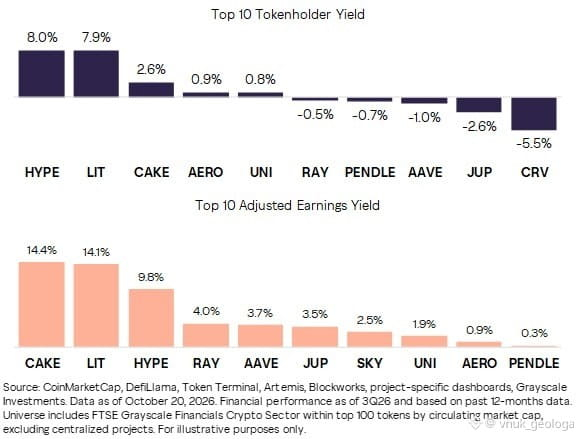
Grayscale ha comparado los protocolos cripto según los pagos a los titulares y los rendimientos, teniendo en cuenta la dilución de la oferta.
En cuanto a los rendimientos para los titulares de tokens, los líderes son:
• HYPE ($HYPE )— 8%;
• LIT ($LITKEY )— 7.9%;
• CAKE ($CAKE ) — 2.6%.
Esta métrica tiene en cuenta las recompensas por staking y las recompras, descontando la emisión de nuevos tokens. Cabe destacar que incluso hay cifras negativas entre los diez primeros.
En cuanto a los rendimientos relativos a la capitalización de mercado —ajustados por la dilución—, los líderes son CAKE (14.4%), LIT (14.1%) y HYPE (9.8%).
#NewsAboutCrypto #protocol
💸 ¿Qué protocolos cripto generan los mayores rendimientos para los titulares de tokens?
Grayscale ha comparado los protocolos cripto según los pagos a los titulares y los rendimientos, teniendo en cuenta la dilución de la oferta.
En cuanto a los rendimientos para los titulares de tokens, los líderes son:
• HYPE ($HYPE )— 8%;
• LIT ($LITKEY )— 7.9%;
• CAKE ($CAKE ) — 2.6%.
Esta métrica tiene en cuenta las recompensas por staking y las recompras, descontando la emisión de nuevos tokens. Cabe destacar que incluso hay cifras negativas entre los diez primeros.
En cuanto a los rendimientos relativos a la capitalización de mercado —ajustados por la dilución—, los líderes son CAKE (14.4%), LIT (14.1%) y HYPE (9.8%).
#NewsAboutCrypto #protocol
Grayscale ha comparado los protocolos cripto según los pagos a los titulares y los rendimientos, teniendo en cuenta la dilución de la oferta.
En cuanto a los rendimientos para los titulares de tokens, los líderes son:
• HYPE ($HYPE )— 8%;
• LIT ($LITKEY )— 7.9%;
• CAKE ($CAKE ) — 2.6%.
Esta métrica tiene en cuenta las recompensas por staking y las recompras, descontando la emisión de nuevos tokens. Cabe destacar que incluso hay cifras negativas entre los diez primeros.
En cuanto a los rendimientos relativos a la capitalización de mercado —ajustados por la dilución—, los líderes son CAKE (14.4%), LIT (14.1%) y HYPE (9.8%).
#NewsAboutCrypto #protocol
4
672

·
--
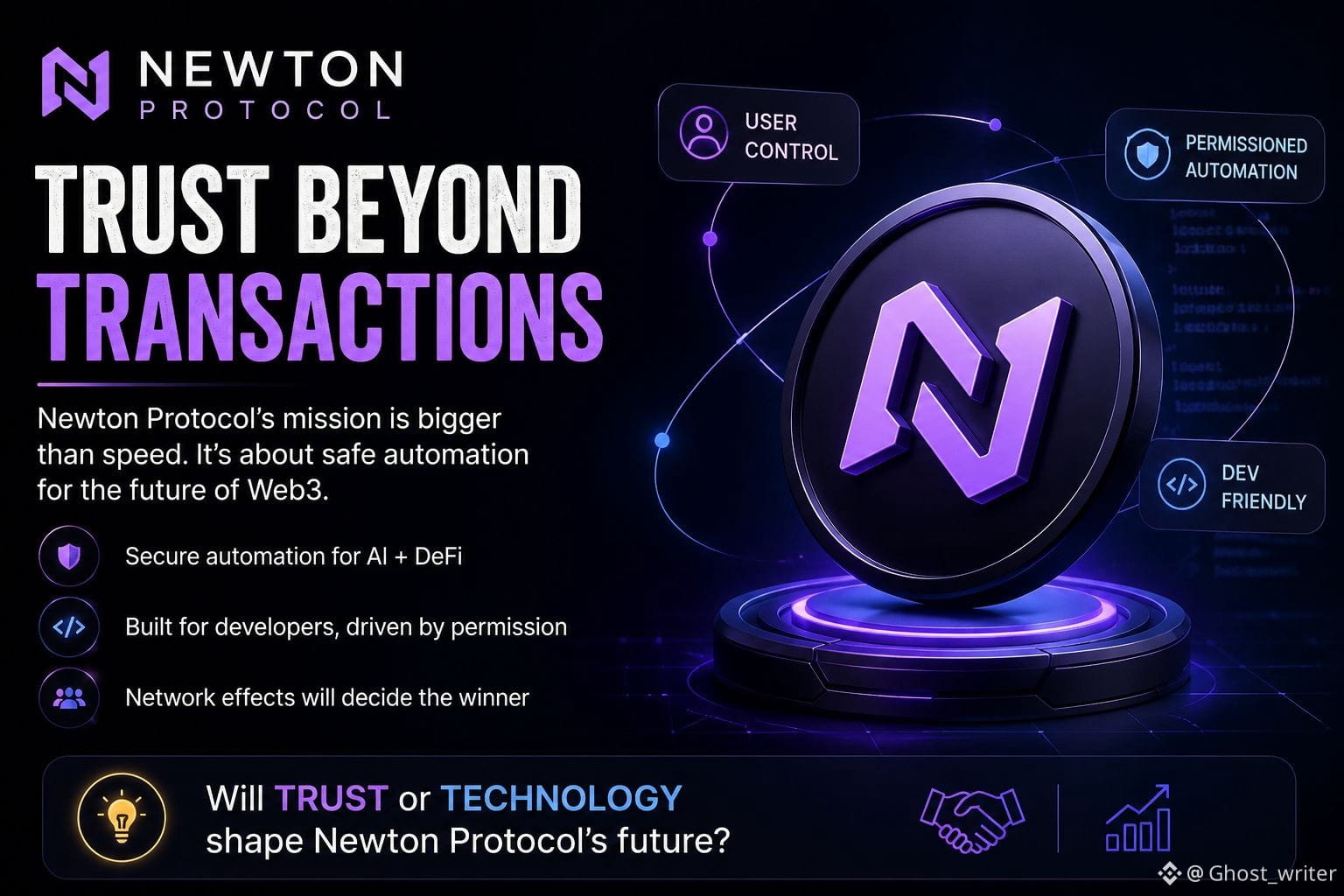
He estado mirando #Newt y hay algo que destaca para mí: está intentando resolver un problema de confianza, no solo un problema de escalabilidad.
Muchos proyectos cripto se enfocan en hacer las transacciones más rápidas o más baratas. Newton Protocol parece plantear una pregunta diferente: ¿cómo pueden los usuarios permitir con seguridad que el software actúe en su nombre sin ceder el control total? Esa idea me parece más práctica a medida que las herramientas de IA se integran en la actividad cripto cotidiana.
Lo que más me interesa es el lado de los desarrolladores. Una #protocol como esta solo se vuelve útil si los creadores realmente construyen automatizaciones fiables que los usuarios quieren usar. La tecnología por sí sola no crea un efecto de red. Los desarrolladores necesitan incentivos, los usuarios necesitan confianza y la liquidez tiene que seguir una actividad real en lugar de recompensas temporales.
También creo que hay un desafío del que la gente no habla lo suficiente. La automatización aumenta la comodidad, pero también incrementa la responsabilidad. Si los usuarios dependen de agentes autónomos, exigirán permisos transparentes, garantías de seguridad claras y formas sencillas de revocar el acceso. Eso es mucho más difícil que escribir contratos inteligentes.
Desde la perspectiva de un inversor, me interesan menos el hype de corto plazo y más si #NewtonProtocol puede atraer a una comunidad que siga construyendo cuando la atención inicial se desvanezca.
El uso sostenible suele contar una historia más honesta que el precio del token.
Para mí, la prueba real no es si @NewtonProtocol introduce nueva tecnología. La cuestión es si los desarrolladores y los usuarios confían lo suficiente como para incorporarlo en su flujo de trabajo cripto diario. ¿Crees que la confianza o la tecnología serán el factor más importante en su adopción a largo plazo?
#newt $NEWT
He estado mirando #Newt y hay algo que destaca para mí: está intentando resolver un problema de confianza, no solo un problema de escalabilidad.
Muchos proyectos cripto se enfocan en hacer las transacciones más rápidas o más baratas. Newton Protocol parece plantear una pregunta diferente: ¿cómo pueden los usuarios permitir con seguridad que el software actúe en su nombre sin ceder el control total? Esa idea me parece más práctica a medida que las herramientas de IA se integran en la actividad cripto cotidiana.
Lo que más me interesa es el lado de los desarrolladores. Una #protocol como esta solo se vuelve útil si los creadores realmente construyen automatizaciones fiables que los usuarios quieren usar. La tecnología por sí sola no crea un efecto de red. Los desarrolladores necesitan incentivos, los usuarios necesitan confianza y la liquidez tiene que seguir una actividad real en lugar de recompensas temporales.
También creo que hay un desafío del que la gente no habla lo suficiente. La automatización aumenta la comodidad, pero también incrementa la responsabilidad. Si los usuarios dependen de agentes autónomos, exigirán permisos transparentes, garantías de seguridad claras y formas sencillas de revocar el acceso. Eso es mucho más difícil que escribir contratos inteligentes.
Desde la perspectiva de un inversor, me interesan menos el hype de corto plazo y más si #NewtonProtocol puede atraer a una comunidad que siga construyendo cuando la atención inicial se desvanezca.
El uso sostenible suele contar una historia más honesta que el precio del token.
Para mí, la prueba real no es si @NewtonProtocol introduce nueva tecnología. La cuestión es si los desarrolladores y los usuarios confían lo suficiente como para incorporarlo en su flujo de trabajo cripto diario. ¿Crees que la confianza o la tecnología serán el factor más importante en su adopción a largo plazo?
#newt $NEWT
Muchos proyectos cripto se enfocan en hacer las transacciones más rápidas o más baratas. Newton Protocol parece plantear una pregunta diferente: ¿cómo pueden los usuarios permitir con seguridad que el software actúe en su nombre sin ceder el control total? Esa idea me parece más práctica a medida que las herramientas de IA se integran en la actividad cripto cotidiana.
Lo que más me interesa es el lado de los desarrolladores. Una #protocol como esta solo se vuelve útil si los creadores realmente construyen automatizaciones fiables que los usuarios quieren usar. La tecnología por sí sola no crea un efecto de red. Los desarrolladores necesitan incentivos, los usuarios necesitan confianza y la liquidez tiene que seguir una actividad real en lugar de recompensas temporales.
También creo que hay un desafío del que la gente no habla lo suficiente. La automatización aumenta la comodidad, pero también incrementa la responsabilidad. Si los usuarios dependen de agentes autónomos, exigirán permisos transparentes, garantías de seguridad claras y formas sencillas de revocar el acceso. Eso es mucho más difícil que escribir contratos inteligentes.
Desde la perspectiva de un inversor, me interesan menos el hype de corto plazo y más si #NewtonProtocol puede atraer a una comunidad que siga construyendo cuando la atención inicial se desvanezca.
El uso sostenible suele contar una historia más honesta que el precio del token.
Para mí, la prueba real no es si @NewtonProtocol introduce nueva tecnología. La cuestión es si los desarrolladores y los usuarios confían lo suficiente como para incorporarlo en su flujo de trabajo cripto diario. ¿Crees que la confianza o la tecnología serán el factor más importante en su adopción a largo plazo?
#newt $NEWT
2
2
98

·
--
Ha ocurrido otro incidente de seguridad entre cadenas 💥
El protocolo Maya Protocol fue atacado; el atacante aprovechó una vulnerabilidad para transferir $BTC y otros activos desde su red de transacciones entre cadenas
La vulnerabilidad podría estar relacionada con el mecanismo de validación de los pools de liquidez. Los puentes entre cadenas / los DEX entre cadenas siempre han sido la caja registradora favorita de los hackers
Ahora la velocidad a la que se mueven fondos on-chain es cada vez mayor, y la protección de seguridad también debe ponerse al día
En la próxima etapa de la industria cripto, no basta con perseguir transacciones más rápidas: hay que construir un ecosistema más seguro
Sin seguridad, toda la liquidez es como un castillo en el aire
#protocol
Ha ocurrido otro incidente de seguridad entre cadenas 💥
El protocolo Maya Protocol fue atacado; el atacante aprovechó una vulnerabilidad para transferir $BTC y otros activos desde su red de transacciones entre cadenas
La vulnerabilidad podría estar relacionada con el mecanismo de validación de los pools de liquidez. Los puentes entre cadenas / los DEX entre cadenas siempre han sido la caja registradora favorita de los hackers
Ahora la velocidad a la que se mueven fondos on-chain es cada vez mayor, y la protección de seguridad también debe ponerse al día
En la próxima etapa de la industria cripto, no basta con perseguir transacciones más rápidas: hay que construir un ecosistema más seguro
Sin seguridad, toda la liquidez es como un castillo en el aire
#protocol
El protocolo Maya Protocol fue atacado; el atacante aprovechó una vulnerabilidad para transferir $BTC y otros activos desde su red de transacciones entre cadenas
La vulnerabilidad podría estar relacionada con el mecanismo de validación de los pools de liquidez. Los puentes entre cadenas / los DEX entre cadenas siempre han sido la caja registradora favorita de los hackers
Ahora la velocidad a la que se mueven fondos on-chain es cada vez mayor, y la protección de seguridad también debe ponerse al día
En la próxima etapa de la industria cripto, no basta con perseguir transacciones más rápidas: hay que construir un ecosistema más seguro
Sin seguridad, toda la liquidez es como un castillo en el aire
#protocol
141


Artículo
¿Newton Protocol es un paso importante hacia el futuro de la inteligencia artificial descentralizada?$NEWT
Durante los últimos meses, escuchamos mucho sobre la integración de la inteligencia artificial con blockchain. Pero la mayoría de las soluciones actuales son centralizadas y dependen de los servidores de grandes empresas. Aquí es donde entra en juego @NewtonProtocol.
Newton Protocol construye una infraestructura que permite que los "AI Agents" (agentes de IA) trabajen de forma independiente y descentralizada en la cadena. La idea es sencilla: en lugar de que tú ejecutes la tarea por tu cuenta, haz que un agente de IA la ejecute en tu nombre y se encargue de los contratos inteligentes y otros protocolos.
¿Newton Protocol es un paso importante hacia el futuro de la inteligencia artificial descentralizada?
$NEWT
Durante los últimos meses, escuchamos mucho sobre la integración de la inteligencia artificial con blockchain. Pero la mayoría de las soluciones actuales son centralizadas y dependen de los servidores de grandes empresas. Aquí es donde entra en juego @NewtonProtocol.
Newton Protocol construye una infraestructura que permite que los "AI Agents" (agentes de IA) trabajen de forma independiente y descentralizada en la cadena. La idea es sencilla: en lugar de que tú ejecutes la tarea por tu cuenta, haz que un agente de IA la ejecute en tu nombre y se encargue de los contratos inteligentes y otros protocolos.
Durante los últimos meses, escuchamos mucho sobre la integración de la inteligencia artificial con blockchain. Pero la mayoría de las soluciones actuales son centralizadas y dependen de los servidores de grandes empresas. Aquí es donde entra en juego @NewtonProtocol.
Newton Protocol construye una infraestructura que permite que los "AI Agents" (agentes de IA) trabajen de forma independiente y descentralizada en la cadena. La idea es sencilla: en lugar de que tú ejecutes la tarea por tu cuenta, haz que un agente de IA la ejecute en tu nombre y se encargue de los contratos inteligentes y otros protocolos.

10USDTهدية
De بينانس يا ناس
2
29

·
--
Alcista
PROTOCOLO 🌐
El protocolo es una de las bases más importantes de la tecnología blockchain y los sistemas de comunicación digital. Un protocolo es un conjunto de reglas, estándares e instrucciones que permiten a redes, dispositivos y sistemas blockchain comunicarse de manera segura y eficiente. En la industria de las criptomonedas, los protocolos ayudan a mantener el orden, la seguridad, la transparencia y el funcionamiento fluido en los ecosistemas descentralizados.
IB☆CRYPT cree que los protocolos representan estructura, estabilidad y diseño inteligente de sistemas en el mundo digital. Sin protocolos, las redes blockchain no funcionarían correctamente porque no habría un método claro para validar transacciones, compartir datos o mantener la seguridad de la red.
Diferentes proyectos de blockchain utilizan distintos protocolos para lograr objetivos únicos como mayor velocidad de transacción, mejor escalabilidad, tarifas más bajas y una descentralización mejorada. Bitcoin, Ethereum, Solana y muchas otras redes operan utilizando protocolos avanzados diseñados para soportar sus ecosistemas blockchain de manera efectiva.
Los protocolos también crean confianza entre los participantes en sistemas descentralizados. Aseguran que cada transacción siga reglas específicas, haciendo que las redes sean más seguras, transparentes y fiables para los usuarios a nivel global. Los desarrolladores continúan mejorando los protocolos blockchain para apoyar la innovación futura y la adopción masiva.
IB☆CRYPT representa inteligencia, disciplina y avance tecnológico. Entender los protocolos blockchain ayuda a los inversores, desarrolladores e innovadores a construir sistemas más sólidos y tomar decisiones más inteligentes en la industria cripto.
El futuro de la blockchain depende en gran medida de protocolos fuertes y adaptativos capaces de soportar la transformación digital global y la innovación financiera.
Construye sistemas inteligentes. Sigue fundamentos sólidos. Da forma al futuro.
IB☆CRYPT 🚀#protocol
PROTOCOLO 🌐
El protocolo es una de las bases más importantes de la tecnología blockchain y los sistemas de comunicación digital. Un protocolo es un conjunto de reglas, estándares e instrucciones que permiten a redes, dispositivos y sistemas blockchain comunicarse de manera segura y eficiente. En la industria de las criptomonedas, los protocolos ayudan a mantener el orden, la seguridad, la transparencia y el funcionamiento fluido en los ecosistemas descentralizados.
IB☆CRYPT cree que los protocolos representan estructura, estabilidad y diseño inteligente de sistemas en el mundo digital. Sin protocolos, las redes blockchain no funcionarían correctamente porque no habría un método claro para validar transacciones, compartir datos o mantener la seguridad de la red.
Diferentes proyectos de blockchain utilizan distintos protocolos para lograr objetivos únicos como mayor velocidad de transacción, mejor escalabilidad, tarifas más bajas y una descentralización mejorada. Bitcoin, Ethereum, Solana y muchas otras redes operan utilizando protocolos avanzados diseñados para soportar sus ecosistemas blockchain de manera efectiva.
Los protocolos también crean confianza entre los participantes en sistemas descentralizados. Aseguran que cada transacción siga reglas específicas, haciendo que las redes sean más seguras, transparentes y fiables para los usuarios a nivel global. Los desarrolladores continúan mejorando los protocolos blockchain para apoyar la innovación futura y la adopción masiva.
IB☆CRYPT representa inteligencia, disciplina y avance tecnológico. Entender los protocolos blockchain ayuda a los inversores, desarrolladores e innovadores a construir sistemas más sólidos y tomar decisiones más inteligentes en la industria cripto.
El futuro de la blockchain depende en gran medida de protocolos fuertes y adaptativos capaces de soportar la transformación digital global y la innovación financiera.
Construye sistemas inteligentes. Sigue fundamentos sólidos. Da forma al futuro.
IB☆CRYPT 🚀#protocol
El protocolo es una de las bases más importantes de la tecnología blockchain y los sistemas de comunicación digital. Un protocolo es un conjunto de reglas, estándares e instrucciones que permiten a redes, dispositivos y sistemas blockchain comunicarse de manera segura y eficiente. En la industria de las criptomonedas, los protocolos ayudan a mantener el orden, la seguridad, la transparencia y el funcionamiento fluido en los ecosistemas descentralizados.
IB☆CRYPT cree que los protocolos representan estructura, estabilidad y diseño inteligente de sistemas en el mundo digital. Sin protocolos, las redes blockchain no funcionarían correctamente porque no habría un método claro para validar transacciones, compartir datos o mantener la seguridad de la red.
Diferentes proyectos de blockchain utilizan distintos protocolos para lograr objetivos únicos como mayor velocidad de transacción, mejor escalabilidad, tarifas más bajas y una descentralización mejorada. Bitcoin, Ethereum, Solana y muchas otras redes operan utilizando protocolos avanzados diseñados para soportar sus ecosistemas blockchain de manera efectiva.
Los protocolos también crean confianza entre los participantes en sistemas descentralizados. Aseguran que cada transacción siga reglas específicas, haciendo que las redes sean más seguras, transparentes y fiables para los usuarios a nivel global. Los desarrolladores continúan mejorando los protocolos blockchain para apoyar la innovación futura y la adopción masiva.
IB☆CRYPT representa inteligencia, disciplina y avance tecnológico. Entender los protocolos blockchain ayuda a los inversores, desarrolladores e innovadores a construir sistemas más sólidos y tomar decisiones más inteligentes en la industria cripto.
El futuro de la blockchain depende en gran medida de protocolos fuertes y adaptativos capaces de soportar la transformación digital global y la innovación financiera.
Construye sistemas inteligentes. Sigue fundamentos sólidos. Da forma al futuro.
IB☆CRYPT 🚀#protocol
1
117

🟢🔥 NEAR PROTOCOL (NEAR): QUÉ PODRÍA IMPULSAR UN NUEVO MÁXIMO?
El $NEAR está en la región de 4,5 USD, con fuerte volumen. El proyecto se ha estado posicionando en áreas como IA, Chain Abstraction y transacciones cross-chain.
📌 1. INTELIGENCIA ARTIFICIAL
NEAR se enfoca en la economía de agentes, conectando IA y blockchain. NEAR AI también ofrece infraestructura para ejecutar modelos de forma confidencial.
📌 2. CHAIN ABSTRACTION
La tecnología permite que usuarios y aplicaciones interactúen con diferentes blockchains sin lidiar directamente con la complejidad de cada red. NEAR afirma unificar la liquidez de 35+ cadenas.
📌 3. NEAR INTENTS
El protocolo permite que usuarios y agentes definan el resultado deseado, mientras la infraestructura ejecuta operaciones entre diferentes redes.
📌 4. ESCALABILIDAD
El Dynamic Resharding permite añadir shards conforme crece la demanda, acompañando la expansión de los Intents y de la economía de agentes.
📌 5. INTERÉS INSTITUCIONAL
El ETP de Bitwise vinculado a NEAR superó los 100 millones de USD, aunque ese patrimonio no necesariamente represente 100 millones de USD en nuevas entradas.
🔥 PRINCIPALES CATALIZADORES
🤖 IA y agentes
🌐 Chain Abstraction
🔄 NEAR Intents
🔐 Computación confidencial
🏦 Interés institucional
⚡ Escalabilidad
La diferencia de NEAR está en la combinación de blockchain + IA + interoperabilidad.
🚀 Si la adopción de Intents, agentes de IA y Chain Abstraction continúa creciendo, el uso del ecosistema puede aumentar y crear nuevos catalizadores para NEAR.
⚠️ Riesgo: el crecimiento tecnológico no garantiza una apreciación. La competencia, la adopción, la tokenomics y las condiciones del mercado siguen siendo importantes.
📌 CONCLUSIÓN: la tesis de NEAR incluye IA + Intents + Chain Abstraction + escalabilidad + privacidad + adopción institucional, pero esos factores no garantizan una subida.
⚠️ No es recomendación financiera. Los criptoactivos tienen alta volatilidad y un riesgo elevado. Haz tu propia investigación e invierte solo lo que puedas perder.
#near #nearprotocol #protocol #etf
🟢🔥 NEAR PROTOCOL (NEAR): QUÉ PODRÍA IMPULSAR UN NUEVO MÁXIMO?
El $NEAR está en la región de 4,5 USD, con fuerte volumen. El proyecto se ha estado posicionando en áreas como IA, Chain Abstraction y transacciones cross-chain.
📌 1. INTELIGENCIA ARTIFICIAL
NEAR se enfoca en la economía de agentes, conectando IA y blockchain. NEAR AI también ofrece infraestructura para ejecutar modelos de forma confidencial.
📌 2. CHAIN ABSTRACTION
La tecnología permite que usuarios y aplicaciones interactúen con diferentes blockchains sin lidiar directamente con la complejidad de cada red. NEAR afirma unificar la liquidez de 35+ cadenas.
📌 3. NEAR INTENTS
El protocolo permite que usuarios y agentes definan el resultado deseado, mientras la infraestructura ejecuta operaciones entre diferentes redes.
📌 4. ESCALABILIDAD
El Dynamic Resharding permite añadir shards conforme crece la demanda, acompañando la expansión de los Intents y de la economía de agentes.
📌 5. INTERÉS INSTITUCIONAL
El ETP de Bitwise vinculado a NEAR superó los 100 millones de USD, aunque ese patrimonio no necesariamente represente 100 millones de USD en nuevas entradas.
🔥 PRINCIPALES CATALIZADORES
🤖 IA y agentes
🌐 Chain Abstraction
🔄 NEAR Intents
🔐 Computación confidencial
🏦 Interés institucional
⚡ Escalabilidad
La diferencia de NEAR está en la combinación de blockchain + IA + interoperabilidad.
🚀 Si la adopción de Intents, agentes de IA y Chain Abstraction continúa creciendo, el uso del ecosistema puede aumentar y crear nuevos catalizadores para NEAR.
⚠️ Riesgo: el crecimiento tecnológico no garantiza una apreciación. La competencia, la adopción, la tokenomics y las condiciones del mercado siguen siendo importantes.
📌 CONCLUSIÓN: la tesis de NEAR incluye IA + Intents + Chain Abstraction + escalabilidad + privacidad + adopción institucional, pero esos factores no garantizan una subida.
⚠️ No es recomendación financiera. Los criptoactivos tienen alta volatilidad y un riesgo elevado. Haz tu propia investigación e invierte solo lo que puedas perder.
#near #nearprotocol #protocol #etf
El $NEAR está en la región de 4,5 USD, con fuerte volumen. El proyecto se ha estado posicionando en áreas como IA, Chain Abstraction y transacciones cross-chain.
📌 1. INTELIGENCIA ARTIFICIAL
NEAR se enfoca en la economía de agentes, conectando IA y blockchain. NEAR AI también ofrece infraestructura para ejecutar modelos de forma confidencial.
📌 2. CHAIN ABSTRACTION
La tecnología permite que usuarios y aplicaciones interactúen con diferentes blockchains sin lidiar directamente con la complejidad de cada red. NEAR afirma unificar la liquidez de 35+ cadenas.
📌 3. NEAR INTENTS
El protocolo permite que usuarios y agentes definan el resultado deseado, mientras la infraestructura ejecuta operaciones entre diferentes redes.
📌 4. ESCALABILIDAD
El Dynamic Resharding permite añadir shards conforme crece la demanda, acompañando la expansión de los Intents y de la economía de agentes.
📌 5. INTERÉS INSTITUCIONAL
El ETP de Bitwise vinculado a NEAR superó los 100 millones de USD, aunque ese patrimonio no necesariamente represente 100 millones de USD en nuevas entradas.
🔥 PRINCIPALES CATALIZADORES
🤖 IA y agentes
🌐 Chain Abstraction
🔄 NEAR Intents
🔐 Computación confidencial
🏦 Interés institucional
⚡ Escalabilidad
La diferencia de NEAR está en la combinación de blockchain + IA + interoperabilidad.
🚀 Si la adopción de Intents, agentes de IA y Chain Abstraction continúa creciendo, el uso del ecosistema puede aumentar y crear nuevos catalizadores para NEAR.
⚠️ Riesgo: el crecimiento tecnológico no garantiza una apreciación. La competencia, la adopción, la tokenomics y las condiciones del mercado siguen siendo importantes.
📌 CONCLUSIÓN: la tesis de NEAR incluye IA + Intents + Chain Abstraction + escalabilidad + privacidad + adopción institucional, pero esos factores no garantizan una subida.
⚠️ No es recomendación financiera. Los criptoactivos tienen alta volatilidad y un riesgo elevado. Haz tu propia investigación e invierte solo lo que puedas perder.
#near #nearprotocol #protocol #etf
4
676


Artículo
La Evolución de la Escalabilidad: Explorando Bedrock 2.0**El panorama de los protocolos descentralizados está cambiando rápidamente, y la última iteración de Bedrock—Bedrock 2.0—está estableciendo un nuevo estándar para la eficiencia y la integridad de la red.
Al refinar la arquitectura central, Bedrock 2.0 está abordando cuellos de botella críticos que durante mucho tiempo han obstaculizado el rendimiento en protocolos similares. Las mejoras clave incluyen:
* **Mecanismo de Consenso Optimizado:** Reducción de la latencia mientras se mantiene la descentralización.
* **Interoperabilidad Mejorada:** Integración fluida a través de ecosistemas multi-chain.
La Evolución de la Escalabilidad: Explorando Bedrock 2.0**
El panorama de los protocolos descentralizados está cambiando rápidamente, y la última iteración de Bedrock—Bedrock 2.0—está estableciendo un nuevo estándar para la eficiencia y la integridad de la red.
Al refinar la arquitectura central, Bedrock 2.0 está abordando cuellos de botella críticos que durante mucho tiempo han obstaculizado el rendimiento en protocolos similares. Las mejoras clave incluyen:
* **Mecanismo de Consenso Optimizado:** Reducción de la latencia mientras se mantiene la descentralización.
* **Interoperabilidad Mejorada:** Integración fluida a través de ecosistemas multi-chain.
Al refinar la arquitectura central, Bedrock 2.0 está abordando cuellos de botella críticos que durante mucho tiempo han obstaculizado el rendimiento en protocolos similares. Las mejoras clave incluyen:
* **Mecanismo de Consenso Optimizado:** Reducción de la latencia mientras se mantiene la descentralización.
* **Interoperabilidad Mejorada:** Integración fluida a través de ecosistemas multi-chain.
56
·
--

Artículo
Compound vuelve con un plan de 52 millones de dólares: ¿encabeza la nueva ola institucional de DeFi? 💼📈Después de años de dominio de los memes y las monedas pequeñas, uno de los protocolos #protocol más antiguos de #defi vuelve al centro de atención con un plan ambicioso. ✔️Compound, pionero del préstamo descentralizado en Ethereum$ETH , anunció un plan de desarrollo de 52 millones de dólares y un cambio total en el liderazgo, con un giro estratégico claro hacia las finanzas institucionales y los activos del mundo real ($RWA ).
Compound vuelve con un plan de 52 millones de dólares: ¿encabeza la nueva ola institucional de DeFi? 💼📈
Después de años de dominio de los memes y las monedas pequeñas, uno de los protocolos #protocol más antiguos de #defi vuelve al centro de atención con un plan ambicioso. ✔️Compound, pionero del préstamo descentralizado en Ethereum$ETH , anunció un plan de desarrollo de 52 millones de dólares y un cambio total en el liderazgo, con un giro estratégico claro hacia las finanzas institucionales y los activos del mundo real ($RWA ).
193

·
--
Artículo
La brecha entre "Enviado" y "Liquidado"He dedicado una buena parte de las últimas semanas a leer la documentación de las bóvedas de DeFi y encontré un patrón que antes me molestaba: un curador de la bóveda escribe en algún lugar un conjunto de reglas — un documento, un tuit, una publicación en un foro de gobernanza — y el contrato inteligente en sí no tiene ni idea de que eso existe. Las reglas viven en una promesa. El código simplemente se ejecuta. Si el curador cambia de opinión, es comprometido o simplemente se equivoca, nada en el contrato impide que la transacción continúe de todos modos.
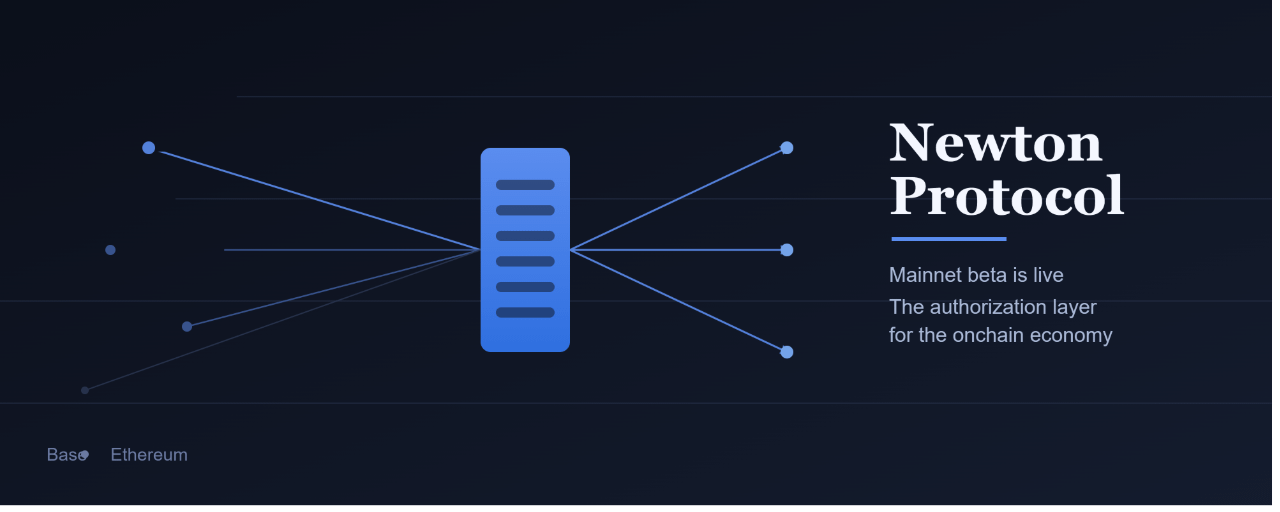
Ese es el vacío alrededor del cual se construye Newton Protocol, y su beta en mainnet, en vivo desde el 23 de junio en Base y Ethereum, es el primer intento real que he visto de cerrarlo a nivel del contrato, en lugar del nivel de la documentación. La comparación que hizo que todo encajara es una que el propio equipo usa: las redes de tarjetas no mueven dinero, lo autorizan antes de que se mueva. Newton está intentando ser ese paso de autorización para transacciones onchain: se sitúa entre el momento en que alguien inicia una transferencia y el momento en que se liquida, la contrasta con una política y solo la deja pasar si cumple.
La brecha entre "Enviado" y "Liquidado"
He dedicado una buena parte de las últimas semanas a leer la documentación de las bóvedas de DeFi y encontré un patrón que antes me molestaba: un curador de la bóveda escribe en algún lugar un conjunto de reglas — un documento, un tuit, una publicación en un foro de gobernanza — y el contrato inteligente en sí no tiene ni idea de que eso existe. Las reglas viven en una promesa. El código simplemente se ejecuta. Si el curador cambia de opinión, es comprometido o simplemente se equivoca, nada en el contrato impide que la transacción continúe de todos modos.
Ese es el vacío alrededor del cual se construye Newton Protocol, y su beta en mainnet, en vivo desde el 23 de junio en Base y Ethereum, es el primer intento real que he visto de cerrarlo a nivel del contrato, en lugar del nivel de la documentación. La comparación que hizo que todo encajara es una que el propio equipo usa: las redes de tarjetas no mueven dinero, lo autorizan antes de que se mueva. Newton está intentando ser ese paso de autorización para transacciones onchain: se sitúa entre el momento en que alguien inicia una transferencia y el momento en que se liquida, la contrasta con una política y solo la deja pasar si cumple.
Ese es el vacío alrededor del cual se construye Newton Protocol, y su beta en mainnet, en vivo desde el 23 de junio en Base y Ethereum, es el primer intento real que he visto de cerrarlo a nivel del contrato, en lugar del nivel de la documentación. La comparación que hizo que todo encajara es una que el propio equipo usa: las redes de tarjetas no mueven dinero, lo autorizan antes de que se mueva. Newton está intentando ser ese paso de autorización para transacciones onchain: se sitúa entre el momento en que alguien inicia una transferencia y el momento en que se liquida, la contrasta con una política y solo la deja pasar si cumple.
2
1
119
·
--

Artículo
¿Qué cambió en el sector DeFi?Al principio #defi , muchos proyectos se centraron en ofrecer rendimientos muy altos para atraer liquidez.
Pero la experiencia demostró que un rendimiento alto puede deberse a la inflación de la oferta o a recompensas temporales, y no a ingresos reales.
Por eso, los inversores más experimentados empezaron a centrarse en indicadores más importantes, como:
✔️El volumen real de operaciones.
¿Qué cambió en el sector DeFi?
Al principio #defi , muchos proyectos se centraron en ofrecer rendimientos muy altos para atraer liquidez.
Pero la experiencia demostró que un rendimiento alto puede deberse a la inflación de la oferta o a recompensas temporales, y no a ingresos reales.
Por eso, los inversores más experimentados empezaron a centrarse en indicadores más importantes, como:
✔️El volumen real de operaciones.
Pero la experiencia demostró que un rendimiento alto puede deberse a la inflación de la oferta o a recompensas temporales, y no a ingresos reales.
Por eso, los inversores más experimentados empezaron a centrarse en indicadores más importantes, como:
✔️El volumen real de operaciones.
108
·
--
✅ La moneda $RE está vinculada a un proyecto RE#protocol , que es un protocolo que busca introducir el reaseguro en el mundo #blockchain
✴️La idea del proyecto se basa en conectar la liquidez de las monedas estables con oportunidades de reaseguro organizadas y totalmente cubiertas.
✔️La moneda funciona en la red #etherreum , y su oferta total es de 1.000.000.000 $RE .
🔶La oferta circulante es de aproximadamente 160 millones RE.
Su precio oscila aproximadamente entre 0,59 y 0,60 USD según la plataforma y el momento.
✔️Se considera uno de los proyectos prometedores $RWA porque está conectado con un mercado real y enorme.
{spot}(REUSDT)
✅ La moneda $RE está vinculada a un proyecto RE#protocol , que es un protocolo que busca introducir el reaseguro en el mundo #blockchain
✴️La idea del proyecto se basa en conectar la liquidez de las monedas estables con oportunidades de reaseguro organizadas y totalmente cubiertas.
✔️La moneda funciona en la red #etherreum , y su oferta total es de 1.000.000.000 $RE .
🔶La oferta circulante es de aproximadamente 160 millones RE.
Su precio oscila aproximadamente entre 0,59 y 0,60 USD según la plataforma y el momento.
✔️Se considera uno de los proyectos prometedores $RWA porque está conectado con un mercado real y enorme.
✴️La idea del proyecto se basa en conectar la liquidez de las monedas estables con oportunidades de reaseguro organizadas y totalmente cubiertas.
✔️La moneda funciona en la red #etherreum , y su oferta total es de 1.000.000.000 $RE .
🔶La oferta circulante es de aproximadamente 160 millones RE.
Su precio oscila aproximadamente entre 0,59 y 0,60 USD según la plataforma y el momento.
✔️Se considera uno de los proyectos prometedores $RWA porque está conectado con un mercado real y enorme.
1
150

·
--
Las bombas de Cardano a medida que la red avanza hacia una mayor descentralización del desarrollo
Input Output entrega su infraestructura central a equipos externos mientras ADA recibe un impulso de una inminente actualización de protocolo.
Este desarrollo destaca qué tan rápido sigue evolucionando el panorama de activos digitales, ya que los participantes del mercado evalúan el posible impacto en la liquidez, el sentimiento y la adopción en todo el ecosistema.
Los analistas señalan que cambios como este a menudo se extienden por el mercado en general, ya que los actores institucionales y minoristas reevalúan su posicionamiento. La actividad en cadena y los flujos de capital tienden a reaccionar con rapidez ante este tipo de titulares.
Aún queda por ver si esto marca una tendencia duradera o un movimiento de corto plazo, pero subraya la creciente intersección entre tecnología, regulación y finanzas que está dando forma al espacio cripto hoy.
¿Qué opinas de esto? 👇
#Cardano #Protocol #Pumps
Las bombas de Cardano a medida que la red avanza hacia una mayor descentralización del desarrollo
Input Output entrega su infraestructura central a equipos externos mientras ADA recibe un impulso de una inminente actualización de protocolo.
Este desarrollo destaca qué tan rápido sigue evolucionando el panorama de activos digitales, ya que los participantes del mercado evalúan el posible impacto en la liquidez, el sentimiento y la adopción en todo el ecosistema.
Los analistas señalan que cambios como este a menudo se extienden por el mercado en general, ya que los actores institucionales y minoristas reevalúan su posicionamiento. La actividad en cadena y los flujos de capital tienden a reaccionar con rapidez ante este tipo de titulares.
Aún queda por ver si esto marca una tendencia duradera o un movimiento de corto plazo, pero subraya la creciente intersección entre tecnología, regulación y finanzas que está dando forma al espacio cripto hoy.
¿Qué opinas de esto? 👇
#Cardano #Protocol #Pumps
Input Output entrega su infraestructura central a equipos externos mientras ADA recibe un impulso de una inminente actualización de protocolo.
Este desarrollo destaca qué tan rápido sigue evolucionando el panorama de activos digitales, ya que los participantes del mercado evalúan el posible impacto en la liquidez, el sentimiento y la adopción en todo el ecosistema.
Los analistas señalan que cambios como este a menudo se extienden por el mercado en general, ya que los actores institucionales y minoristas reevalúan su posicionamiento. La actividad en cadena y los flujos de capital tienden a reaccionar con rapidez ante este tipo de titulares.
Aún queda por ver si esto marca una tendencia duradera o un movimiento de corto plazo, pero subraya la creciente intersección entre tecnología, regulación y finanzas que está dando forma al espacio cripto hoy.
¿Qué opinas de esto? 👇
#Cardano #Protocol #Pumps
67

#newt $NEWT
@NewtonProtocol https://www.binance.com/en/square/profile/newtonprotocol
esto fue algo que no había escuchado antes, pero cuando lo escuché realmente me encantó, es tan bueno. Ustedes pueden revisarlo. Esto de verdad es algo bueno.... ¿todavía estás ahí? ... ¿qué estás haciendo? Ve y revísalo con tantas ofertas. Gracias a #protocol $NEWT por esto
#newt $NEWT
@NewtonProtocol https://www.binance.com/en/square/profile/newtonprotocol
esto fue algo que no había escuchado antes, pero cuando lo escuché realmente me encantó, es tan bueno. Ustedes pueden revisarlo. Esto de verdad es algo bueno.... ¿todavía estás ahí? ... ¿qué estás haciendo? Ve y revísalo con tantas ofertas. Gracias a #protocol $NEWT por esto
@NewtonProtocol https://www.binance.com/en/square/profile/newtonprotocol
esto fue algo que no había escuchado antes, pero cuando lo escuché realmente me encantó, es tan bueno. Ustedes pueden revisarlo. Esto de verdad es algo bueno.... ¿todavía estás ahí? ... ¿qué estás haciendo? Ve y revísalo con tantas ofertas. Gracias a #protocol $NEWT por esto
17

·
--
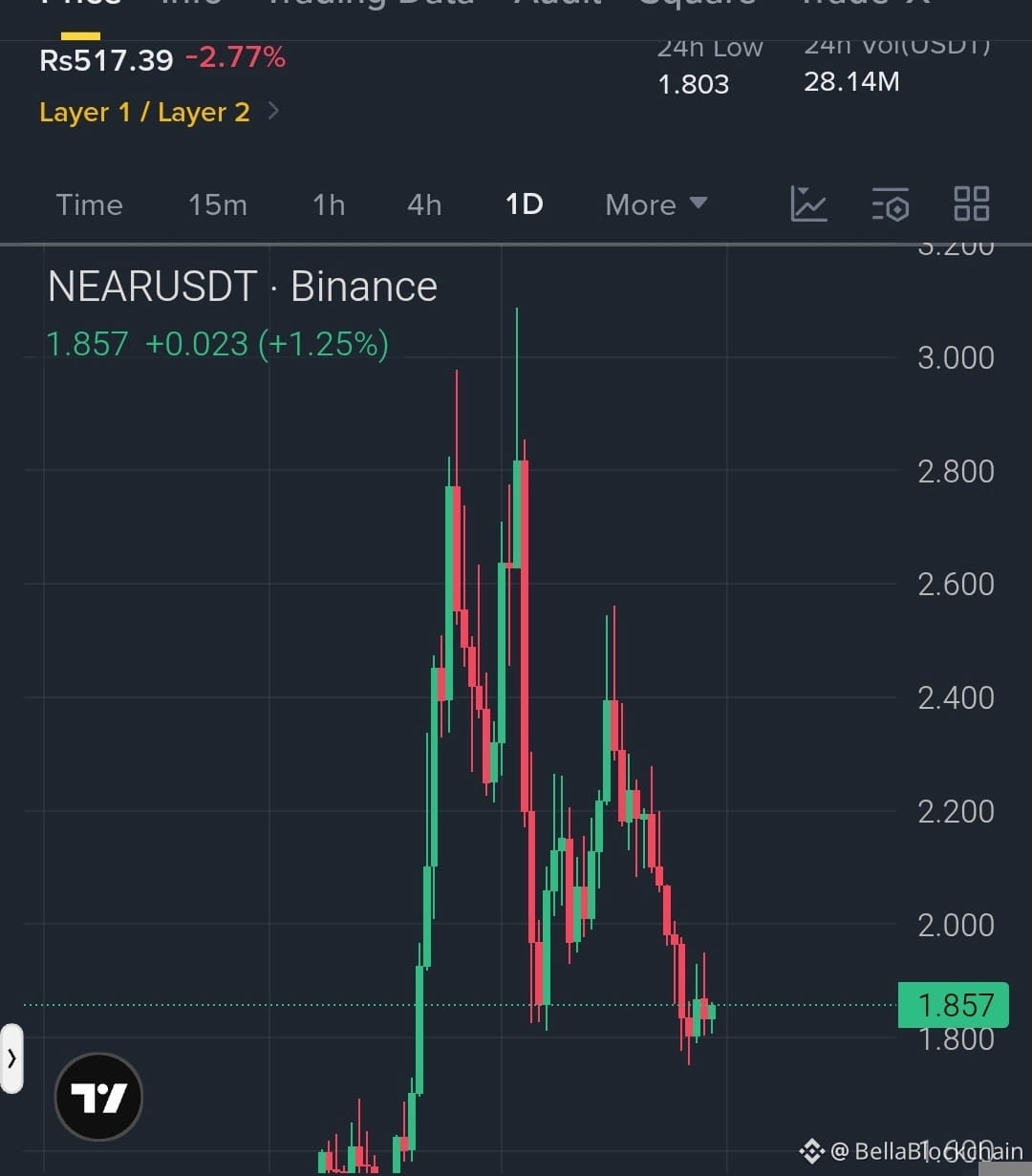
$NEAR estructura permanece resiliente por encima de la EMA 200. El RSI refleja una fuerza creciente a medida que el volumen confirma una base sólida en el soporte. 📊🚀 #NEAR #Protocolo
$NEAR estructura permanece resiliente por encima de la EMA 200. El RSI refleja una fuerza creciente a medida que el volumen confirma una base sólida en el soporte. 📊🚀 #NEAR #Protocolo
33

·
--
Bajista
$NEAR in 1000016855.jpg destaca una fase de consolidación sólida después de una corrección de mercado más profunda. El activo ha establecido con éxito una estructura de doble suelo cerca de la zona de soporte de 1.800 y actualmente muestra señales de un giro alcista, con la vela diaria registrando ganancias positivas hasta 1.857. Respaldado por un volumen de negociación sólido en 24 horas de 28,14M, la acción actual del precio indica que la presión vendedora se está agotando, despejando el camino para que los compradores impulsen el momentum de nuevo hacia niveles de resistencia previos con alta liquidez.
* Objetivo 1: 2.150
* Objetivo 2: 2.500
* Objetivo 3: 2.850
#NEAR #Protocol #Crypto
$NEAR
{future}(NEARUSDT)
$NEAR in 1000016855.jpg destaca una fase de consolidación sólida después de una corrección de mercado más profunda. El activo ha establecido con éxito una estructura de doble suelo cerca de la zona de soporte de 1.800 y actualmente muestra señales de un giro alcista, con la vela diaria registrando ganancias positivas hasta 1.857. Respaldado por un volumen de negociación sólido en 24 horas de 28,14M, la acción actual del precio indica que la presión vendedora se está agotando, despejando el camino para que los compradores impulsen el momentum de nuevo hacia niveles de resistencia previos con alta liquidez.
* Objetivo 1: 2.150
* Objetivo 2: 2.500
* Objetivo 3: 2.850
#NEAR #Protocol #Crypto
$NEAR
* Objetivo 1: 2.150
* Objetivo 2: 2.500
* Objetivo 3: 2.850
#NEAR #Protocol #Crypto
$NEAR
1
82
·
--

Artículo
¿AAVE vuelve al primer plano como el gigante de los préstamos DeFi?En los últimos días, $AAVE la atención se ha intensificado después de un fuerte aumento que superó el 64% en una semana y luego entró en una fase de calma saludable por encima de nuevos niveles de soporte, mientras la liquidez y el interés de las ballenas seguían siendo evidentes entre bambalinas.¿Por qué importa AAVE a los traders?Porque es uno de los protocolos más grandes de préstamos DeFi en el mercado. #protocol Porque se benefició de una fuerte ola de revalorización del sector #defi .
¿AAVE vuelve al primer plano como el gigante de los préstamos DeFi?
En los últimos días, $AAVE la atención se ha intensificado después de un fuerte aumento que superó el 64% en una semana y luego entró en una fase de calma saludable por encima de nuevos niveles de soporte, mientras la liquidez y el interés de las ballenas seguían siendo evidentes entre bambalinas.¿Por qué importa AAVE a los traders?Porque es uno de los protocolos más grandes de préstamos DeFi en el mercado. #protocol Porque se benefició de una fuerte ola de revalorización del sector #defi .
1
156
·
--

Artículo
Arbitrum (ARB) vuelve a captar la atención con la actualización Elara.Vuelve al círculo de atención tras una oleada de desarrollos positivos a nivel del protocolo#protocol y del ecosistema, destacando la actualización , el avance en el camino #ZK y el crecimiento de la actividad de algunas cadenas Orbit como Robinhood Chain. Estos factores respaldan la idea de que $ARB no es solo un token#Token especulativo, sino un activo vinculado a una infraestructura importante dentro del ecosistema de la capa 2 en Ethereum #Ethereum .
Arbitrum (ARB) vuelve a captar la atención con la actualización Elara.
Vuelve al círculo de atención tras una oleada de desarrollos positivos a nivel del protocolo#protocol y del ecosistema, destacando la actualización , el avance en el camino #ZK y el crecimiento de la actividad de algunas cadenas Orbit como Robinhood Chain. Estos factores respaldan la idea de que $ARB no es solo un token#Token especulativo, sino un activo vinculado a una infraestructura importante dentro del ecosistema de la capa 2 en Ethereum #Ethereum .
207

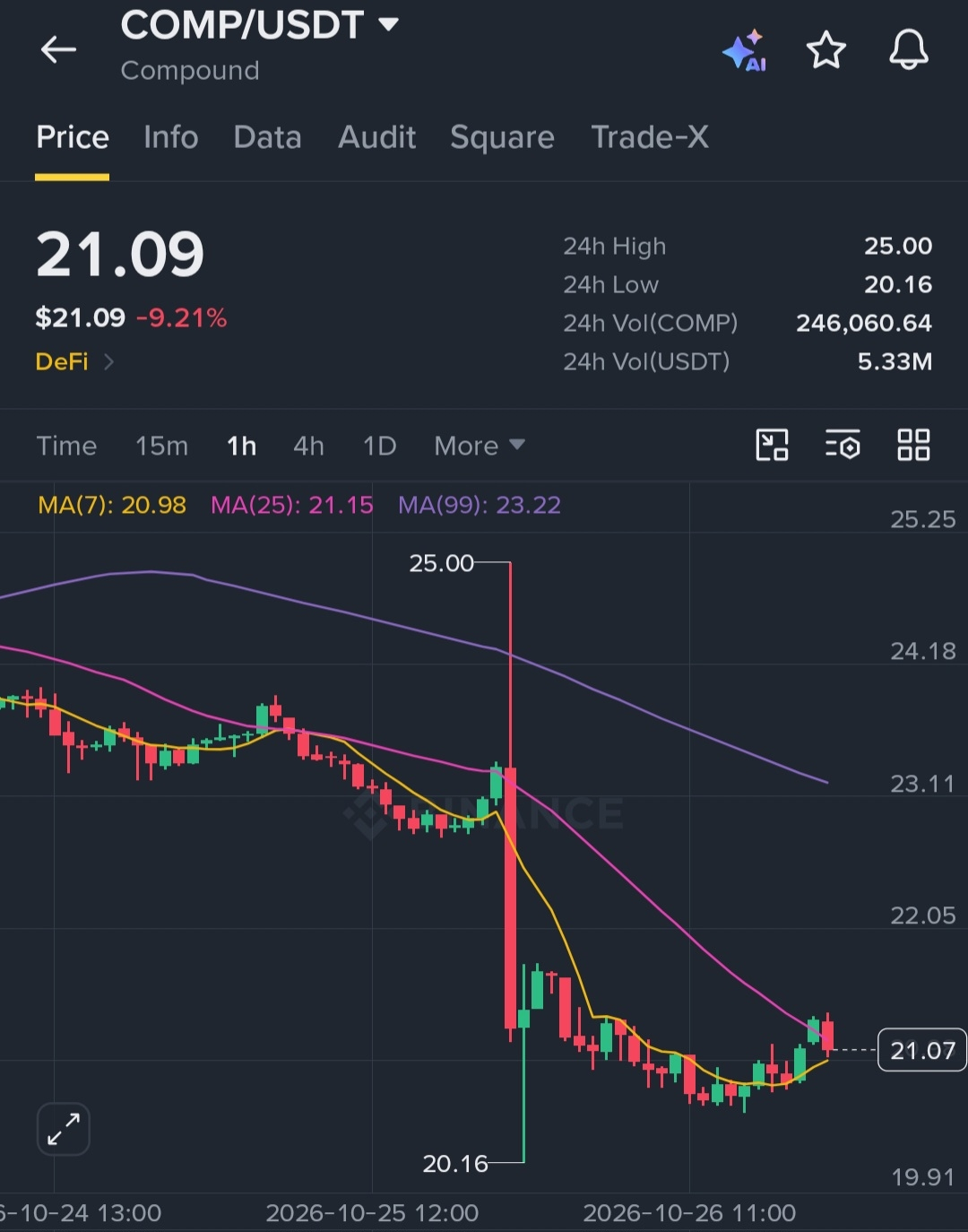
🏦 $COMP /USDT — 🔴 CORTO · Confianza 60%
━━━━━━━━━━━━━━
📍 Entrada: 21.0267 – 21.1533
🛑 SL: 22.8465
🎯 TP1: 20.0355
✅ TP2: 19.1919
🏆 TP3: 17.9265
━━━━━━━━━━━━━━
🔎 Un volumen masivo hizo caer el precio de 25.00 a 20.16, manteniéndolo por debajo de la media móvil de 1H (25) en 21.15.
🧠 $COMP : Compound es un protocolo algorítmico autónomo de tipos de interés centrado en los préstamos descentralizados de criptomonedas, aunque los rendimientos competitivos de las plataformas DeFi más recientes suponen riesgos para su cuota de mercado.
💬 ¿Podrán las plataformas tradicionales de préstamos DeFi mantener su dominio del TVL frente a los nuevos protocolos de alto rendimiento?
#COMP #Compound #DeFi #Lending #Protocol
{future}(COMPUSDT)
🏦 $COMP /USDT — 🔴 CORTO · Confianza 60%
━━━━━━━━━━━━━━
📍 Entrada: 21.0267 – 21.1533
🛑 SL: 22.8465
🎯 TP1: 20.0355
✅ TP2: 19.1919
🏆 TP3: 17.9265
━━━━━━━━━━━━━━
🔎 Un volumen masivo hizo caer el precio de 25.00 a 20.16, manteniéndolo por debajo de la media móvil de 1H (25) en 21.15.
🧠 $COMP : Compound es un protocolo algorítmico autónomo de tipos de interés centrado en los préstamos descentralizados de criptomonedas, aunque los rendimientos competitivos de las plataformas DeFi más recientes suponen riesgos para su cuota de mercado.
💬 ¿Podrán las plataformas tradicionales de préstamos DeFi mantener su dominio del TVL frente a los nuevos protocolos de alto rendimiento?
#COMP #Compound #DeFi #Lending #Protocol
━━━━━━━━━━━━━━
📍 Entrada: 21.0267 – 21.1533
🛑 SL: 22.8465
🎯 TP1: 20.0355
✅ TP2: 19.1919
🏆 TP3: 17.9265
━━━━━━━━━━━━━━
🔎 Un volumen masivo hizo caer el precio de 25.00 a 20.16, manteniéndolo por debajo de la media móvil de 1H (25) en 21.15.
🧠 $COMP : Compound es un protocolo algorítmico autónomo de tipos de interés centrado en los préstamos descentralizados de criptomonedas, aunque los rendimientos competitivos de las plataformas DeFi más recientes suponen riesgos para su cuota de mercado.
💬 ¿Podrán las plataformas tradicionales de préstamos DeFi mantener su dominio del TVL frente a los nuevos protocolos de alto rendimiento?
#COMP #Compound #DeFi #Lending #Protocol

1
388

⚙️ Adam Back apoya los códigos operativos de Covenant como “un soft fork final” para Bitcoin
Adam Back, pionero en criptografía, señaló los códigos operativos de Covenant como una posible mejora para el desarrollo del protocolo de Bitcoin. Esta modificación propuesta busca reforzar la estabilidad del protocolo y reducir la necesidad de actualizaciones futuras frecuentes.
━━━━━━━━━━━━━━
📊 Impacto: 📈 Alto
🏷️ BITCOIN
#Bitcoin #SoftFork #Protocol #Blockchain #AdamBack
📰 Fuente: cryptobriefing.com
⚙️ Adam Back apoya los códigos operativos de Covenant como “un soft fork final” para Bitcoin
Adam Back, pionero en criptografía, señaló los códigos operativos de Covenant como una posible mejora para el desarrollo del protocolo de Bitcoin. Esta modificación propuesta busca reforzar la estabilidad del protocolo y reducir la necesidad de actualizaciones futuras frecuentes.
━━━━━━━━━━━━━━
📊 Impacto: 📈 Alto
🏷️ BITCOIN
#Bitcoin #SoftFork #Protocol #Blockchain #AdamBack
📰 Fuente: cryptobriefing.com
Adam Back, pionero en criptografía, señaló los códigos operativos de Covenant como una posible mejora para el desarrollo del protocolo de Bitcoin. Esta modificación propuesta busca reforzar la estabilidad del protocolo y reducir la necesidad de actualizaciones futuras frecuentes.
━━━━━━━━━━━━━━
📊 Impacto: 📈 Alto
🏷️ BITCOIN
#Bitcoin #SoftFork #Protocol #Blockchain #AdamBack
📰 Fuente: cryptobriefing.com
59
·
--
Alcista
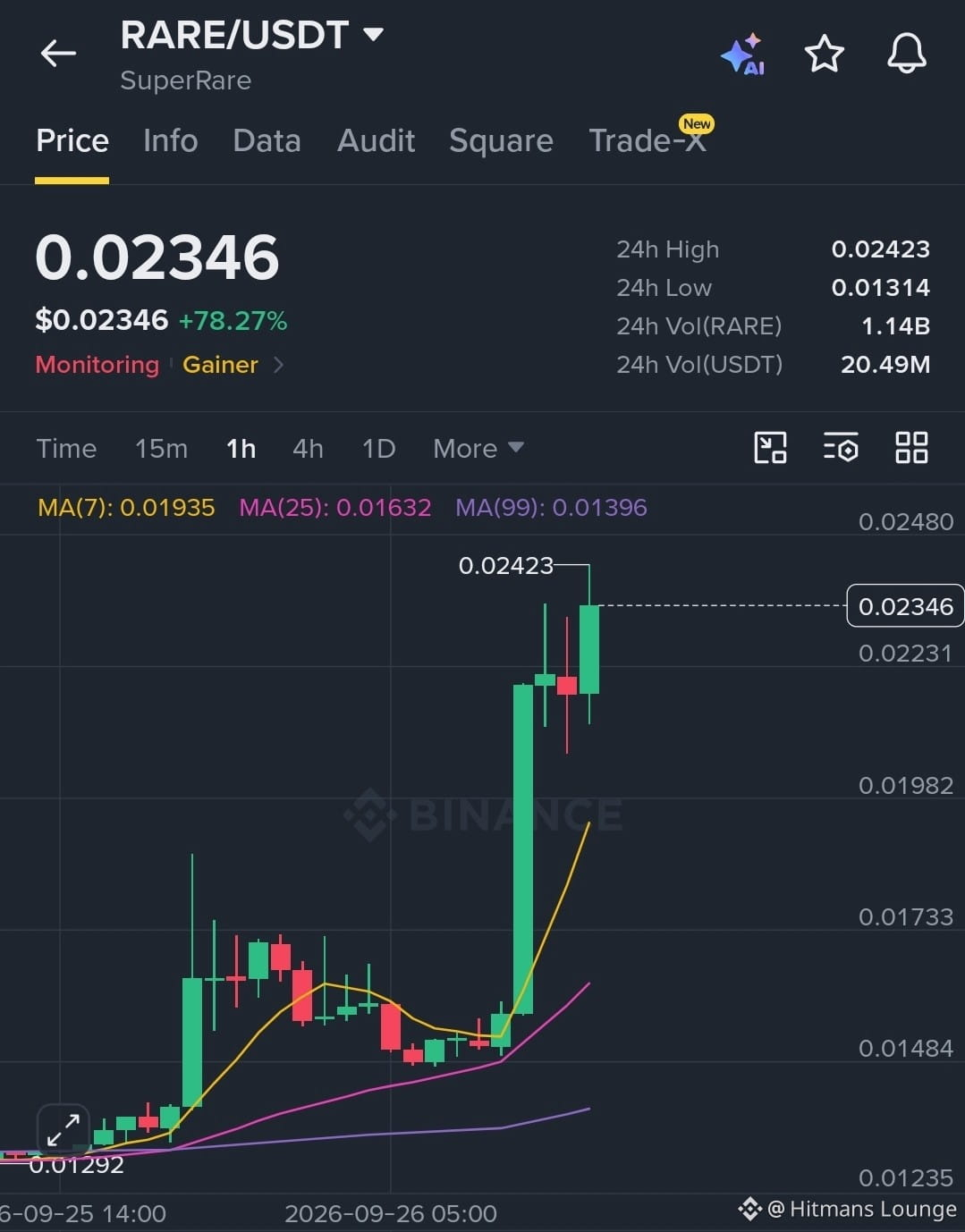
$RARE /USDT — 🟢 LARGO · Conf 70%
📍 Entrada: 0.0234 – 0.0235
🛑 SL: 0.0131
🎯 TP1: 0.0246
✅ TP2: 0.0256
🏆 TP3: 0.0270
El precio ha salido de una ruptura +78.27% desde la base de 0.01292, con la vela actual consolidando justo por debajo del máximo de 0.02423 — la MA7 (0.01935) está subiendo con fuerza desde muy por debajo, confirmando que el movimiento es reciente, pero el SL amplio refleja la realidad de la volatilidad en un low-cap con un rango de este tipo.
$RARE : SuperRare es un marketplace de arte NFT curado 1/1 donde RARE gobierna la curaduría y las decisiones de tesorería — los ingresos del protocolo dependen por completo de los volúmenes del mercado de arte NFT, que se mantienen muy por debajo de los picos de 2021–22, y este movimiento parece estar impulsado por el momentum más que por fundamentos.
¿Un movimiento de +78% en un solo día en RARE refleja algún aumento verificable en el volumen de la plataforma de SuperRare o en la incorporación de nuevos artistas, o es simplemente un token de baja liquidez montando la rotación más amplia de la narrativa NFT?
#RARE #SuperRare #NFT #Platform #Protocol
{future}(RAREUSDT)
$RARE /USDT — 🟢 LARGO · Conf 70%
📍 Entrada: 0.0234 – 0.0235
🛑 SL: 0.0131
🎯 TP1: 0.0246
✅ TP2: 0.0256
🏆 TP3: 0.0270
El precio ha salido de una ruptura +78.27% desde la base de 0.01292, con la vela actual consolidando justo por debajo del máximo de 0.02423 — la MA7 (0.01935) está subiendo con fuerza desde muy por debajo, confirmando que el movimiento es reciente, pero el SL amplio refleja la realidad de la volatilidad en un low-cap con un rango de este tipo.
$RARE : SuperRare es un marketplace de arte NFT curado 1/1 donde RARE gobierna la curaduría y las decisiones de tesorería — los ingresos del protocolo dependen por completo de los volúmenes del mercado de arte NFT, que se mantienen muy por debajo de los picos de 2021–22, y este movimiento parece estar impulsado por el momentum más que por fundamentos.
¿Un movimiento de +78% en un solo día en RARE refleja algún aumento verificable en el volumen de la plataforma de SuperRare o en la incorporación de nuevos artistas, o es simplemente un token de baja liquidez montando la rotación más amplia de la narrativa NFT?
#RARE #SuperRare #NFT #Platform #Protocol
📍 Entrada: 0.0234 – 0.0235
🛑 SL: 0.0131
🎯 TP1: 0.0246
✅ TP2: 0.0256
🏆 TP3: 0.0270
El precio ha salido de una ruptura +78.27% desde la base de 0.01292, con la vela actual consolidando justo por debajo del máximo de 0.02423 — la MA7 (0.01935) está subiendo con fuerza desde muy por debajo, confirmando que el movimiento es reciente, pero el SL amplio refleja la realidad de la volatilidad en un low-cap con un rango de este tipo.
$RARE : SuperRare es un marketplace de arte NFT curado 1/1 donde RARE gobierna la curaduría y las decisiones de tesorería — los ingresos del protocolo dependen por completo de los volúmenes del mercado de arte NFT, que se mantienen muy por debajo de los picos de 2021–22, y este movimiento parece estar impulsado por el momentum más que por fundamentos.
¿Un movimiento de +78% en un solo día en RARE refleja algún aumento verificable en el volumen de la plataforma de SuperRare o en la incorporación de nuevos artistas, o es simplemente un token de baja liquidez montando la rotación más amplia de la narrativa NFT?
#RARE #SuperRare #NFT #Platform #Protocol

1
356
Inicia sesión para explorar más contenidos
Únete a usuarios globales de criptomonedas en Binance Square
⚡️ Obtén información útil y actualizada sobre criptos.
💬 Avalado por el mayor exchange de criptomonedas en el mundo.
👍 Descubre perspectivas reales de creadores verificados.
Email/número de teléfono
Temas populares
1
#BinancePick
3.2M vistas
158,517 están debatiendo
2
#EarningsSeason
5.4M vistas
26,326 están debatiendo
3
#BitmineAdds10452ETH
259 vistas
28 están debatiendo
4
#SouthKoreaConsidersEducationTaxOnCryptoExchanges
589 vistas
49 están debatiendo
5
#OCCUrgesCommunityBanksToEnterStablecoinPayments
322 vistas
34 están debatiendo
6
#RippleWinsFullApprovalAsNationalTrustBank
335 vistas
32 están debatiendo
7
#AkashSelectsSolanaAsMigrationTarget
109 vistas
6 están debatiendo
8
#OndoToOpenSubscriptionsForOpenAIPreIPOTokenizedNotes
28 vistas
3 están debatiendo
9
#AnthropicTTMRevenueGrewAbout1200%
44,812 vistas
514 están debatiendo
10
#AnthropicS1ExpectedToday
36,547 vistas
402 están debatiendo