
汪子扬
315 Posts

汪子扬
Report
Block User
3 Following
168 Followers
328 Liked
Posts
All
Quotes
Videos
PINNED
·
--
True. Free Pork Knuckle Rice (Binance really listens to user suggestions)
True. Free Pork Knuckle Rice (Binance really listens to user suggestions)

6
4
5
5.6k
·
--
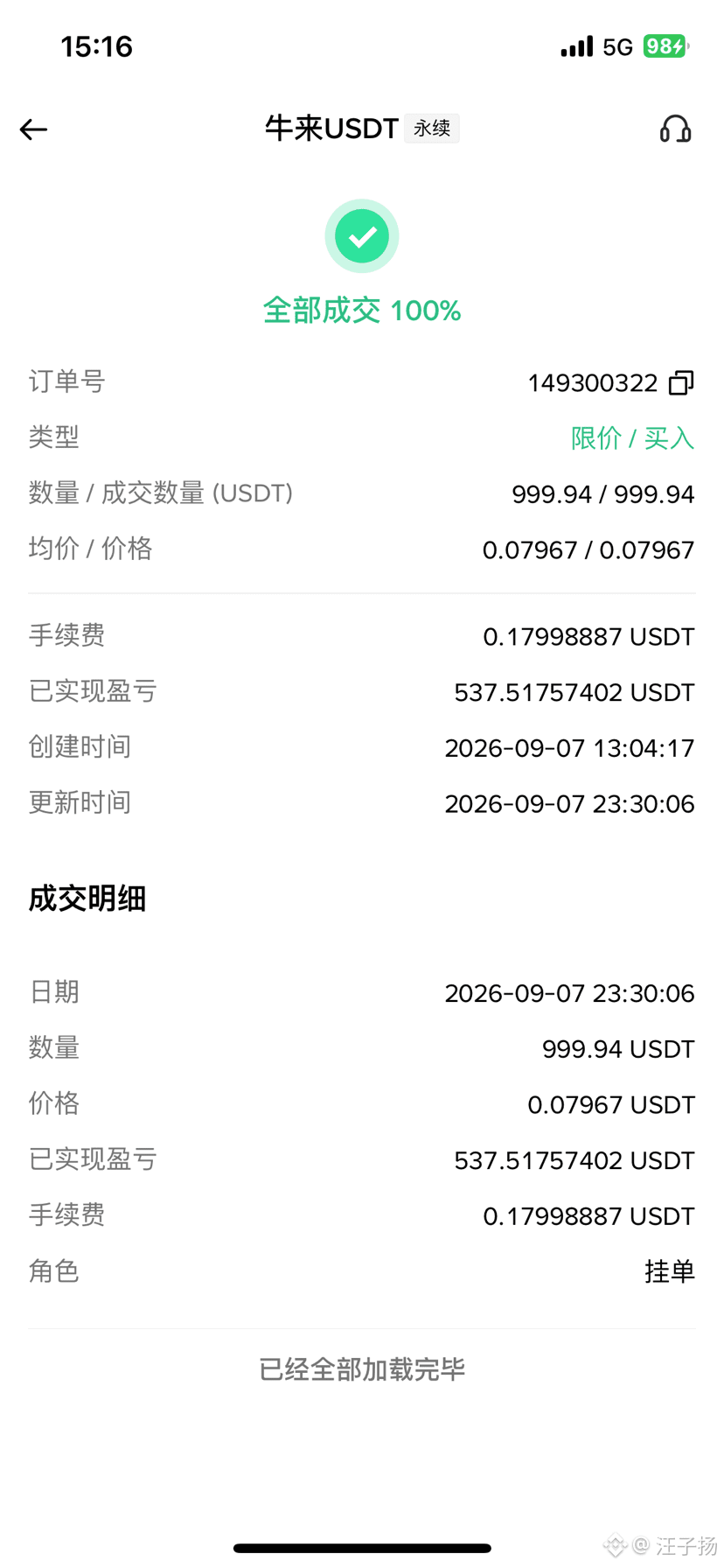
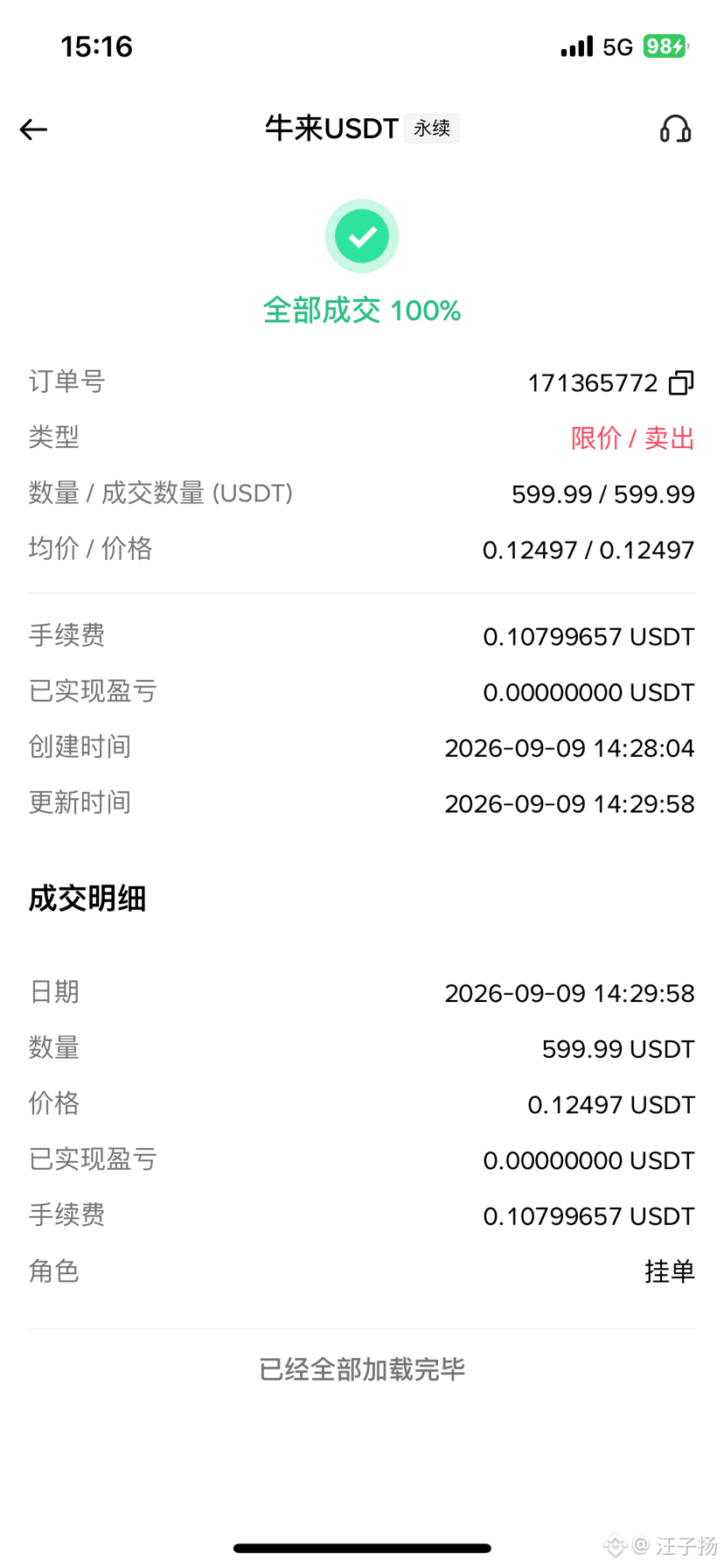
I like this coin called Niu Lai. This is a swing trade.
The core position has always been long, looking to the upside.
Don’t believe in lies—family, no.
I hope everyone makes money together.
Niu Lai—slow and steady bull market—let’s keep going together.
Go long, Niu Lai—let’s get rich together.
I like this coin called Niu Lai. This is a swing trade.
The core position has always been long, looking to the upside.
Don’t believe in lies—family, no.
I hope everyone makes money together.
Niu Lai—slow and steady bull market—let’s keep going together.
Go long, Niu Lai—let’s get rich together.
The core position has always been long, looking to the upside.
Don’t believe in lies—family, no.
I hope everyone makes money together.
Niu Lai—slow and steady bull market—let’s keep going together.
Go long, Niu Lai—let’s get rich together.
529
·
--
Game Theory and Coordination Mechanisms in Crypto CommunitiesI. The story of Olympus DAO and (3,3)
Background: OHM was launched in May 2021 by an anonymous developer “Zeus” team, positioning itself as a “decentralized algorithmic reserve currency.” It expanded the treasury by relying on high-stakes rebase rewards and “bond” sales, turning “buy-stake-attract new users” into a positive-sum game.
(3,3) is what: a payoff matrix meme—everyone stakes (3,3) (win-win);
If you stake, I sell: (3,-3);
If everyone sells, you get (-3,-3).
The official documentation drew this scoring table, packaging “staking = cooperation, selling = betrayal” as a Prisoner’s Dilemma-style choice; the conclusion is “cooperation is optimal.”
Source: In the summer and autumn of 2021, the Olympus community distilled game-theory rhetoric into the symbol (3,3). During the OHM surge and the Twitter frenzy period (Oct–Nov 2021), it became a phenomenon-level meme. Afterwards, many OHM forks such as Wonderland (TIME) and KlimaDAO adopted the (3,3) narrative; the community called them “3,3 forks,” and variants such as ve(3,3) also emerged.
Game Theory and Coordination Mechanisms in Crypto Communities
I. The story of Olympus DAO and (3,3)
Background: OHM was launched in May 2021 by an anonymous developer “Zeus” team, positioning itself as a “decentralized algorithmic reserve currency.” It expanded the treasury by relying on high-stakes rebase rewards and “bond” sales, turning “buy-stake-attract new users” into a positive-sum game.
(3,3) is what: a payoff matrix meme—everyone stakes (3,3) (win-win);
If you stake, I sell: (3,-3);
If everyone sells, you get (-3,-3).
The official documentation drew this scoring table, packaging “staking = cooperation, selling = betrayal” as a Prisoner’s Dilemma-style choice; the conclusion is “cooperation is optimal.”
Source: In the summer and autumn of 2021, the Olympus community distilled game-theory rhetoric into the symbol (3,3). During the OHM surge and the Twitter frenzy period (Oct–Nov 2021), it became a phenomenon-level meme. Afterwards, many OHM forks such as Wonderland (TIME) and KlimaDAO adopted the (3,3) narrative; the community called them “3,3 forks,” and variants such as ve(3,3) also emerged.
Background: OHM was launched in May 2021 by an anonymous developer “Zeus” team, positioning itself as a “decentralized algorithmic reserve currency.” It expanded the treasury by relying on high-stakes rebase rewards and “bond” sales, turning “buy-stake-attract new users” into a positive-sum game.
(3,3) is what: a payoff matrix meme—everyone stakes (3,3) (win-win);
If you stake, I sell: (3,-3);
If everyone sells, you get (-3,-3).
The official documentation drew this scoring table, packaging “staking = cooperation, selling = betrayal” as a Prisoner’s Dilemma-style choice; the conclusion is “cooperation is optimal.”
Source: In the summer and autumn of 2021, the Olympus community distilled game-theory rhetoric into the symbol (3,3). During the OHM surge and the Twitter frenzy period (Oct–Nov 2021), it became a phenomenon-level meme. Afterwards, many OHM forks such as Wonderland (TIME) and KlimaDAO adopted the (3,3) narrative; the community called them “3,3 forks,” and variants such as ve(3,3) also emerged.
134
·
--
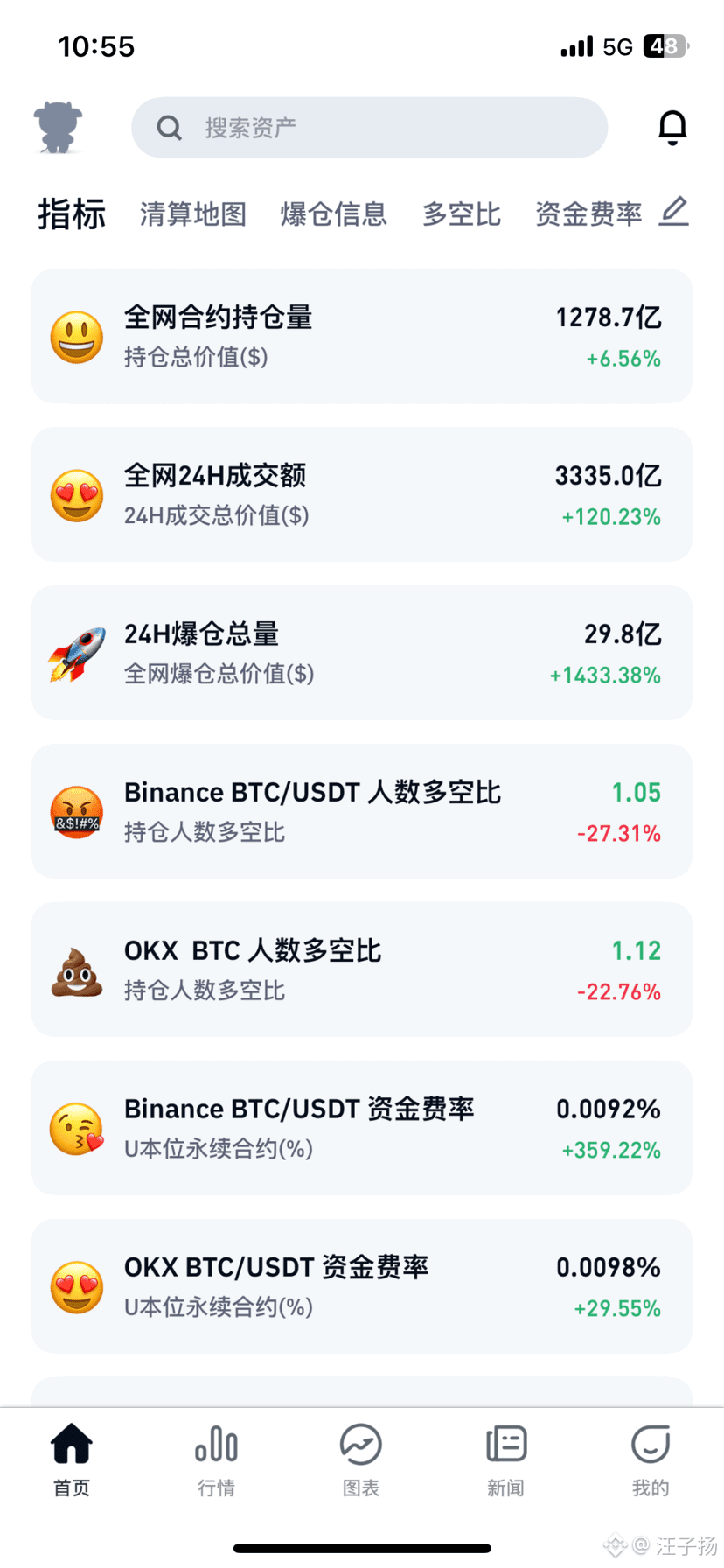
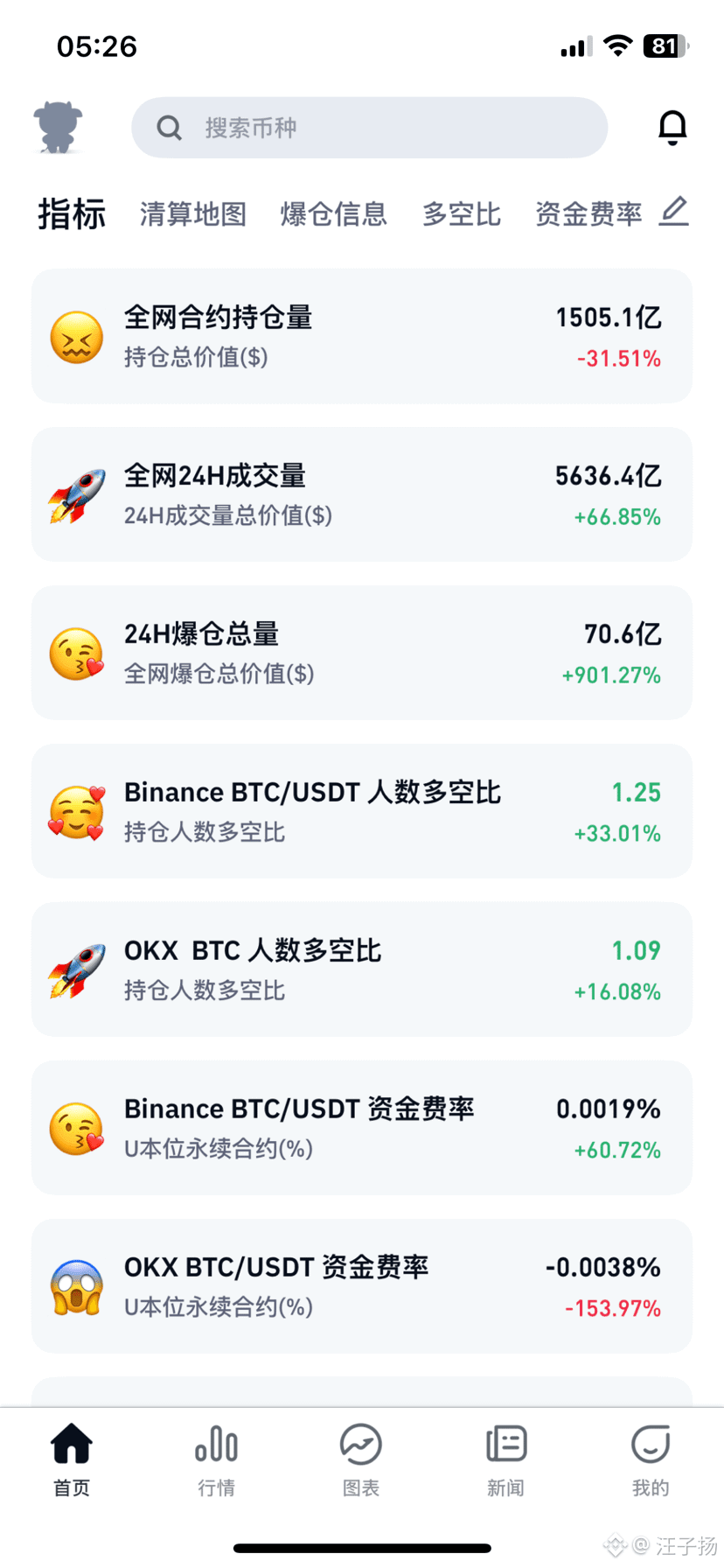
Fun fact: Today’s trading liquidation was halfway at 1011, with $BTC
Fun fact: Today’s trading liquidation was halfway at 1011, with $BTC
259
·
--
Isolated Markets — TermMax Sets an Example for DeFi Risk Control
The risk contagion issues in traditional lending shared liquidity pools have always been a headache. @termmax uses an isolated, independent market architecture: each market is isolated on its own, so collateral and risk do not propagate to each other. You can lock in the full-cycle financing cost upon entry, without the risk of interest rates spiking mid-term. It has already been integrated with leading protocols such as Morpho, Aave, Venus, and Pendle. This “order your own dish” model is redefining the risk-control standards for DeFi lending. #TermMax
Isolated Markets — TermMax Sets an Example for DeFi Risk Control
The risk contagion issues in traditional lending shared liquidity pools have always been a headache. @TermMax uses an isolated, independent market architecture: each market is isolated on its own, so collateral and risk do not propagate to each other. You can lock in the full-cycle financing cost upon entry, without the risk of interest rates spiking mid-term. It has already been integrated with leading protocols such as Morpho, Aave, Venus, and Pendle. This “order your own dish” model is redefining the risk-control standards for DeFi lending. #TermMax
The risk contagion issues in traditional lending shared liquidity pools have always been a headache. @TermMax uses an isolated, independent market architecture: each market is isolated on its own, so collateral and risk do not propagate to each other. You can lock in the full-cycle financing cost upon entry, without the risk of interest rates spiking mid-term. It has already been integrated with leading protocols such as Morpho, Aave, Venus, and Pendle. This “order your own dish” model is redefining the risk-control standards for DeFi lending. #TermMax
253
·
--
#termmax @termmax
The DeFi fixed-rate segment has long been undervalued. But @TermMax has demonstrated, with data, the real demand for this direction—TVL surpassing $90 million, over 1.5 million registered wallets, around 90,000 daily active users, and deployment across 10 EVM chains. Token Terminal data shows that at one point, its daily active addresses ranked second among DeFi lending protocols, only behind Aave. Fixed-rate lending is not a niche narrative—it’s a real need that the market is validating. With the Aug 25 TMX TGE approaching, value discovery for the fixed-rate segment may have only just begun. #TermMax
#termmax @TermMax
The DeFi fixed-rate segment has long been undervalued. But @TermMax has demonstrated, with data, the real demand for this direction—TVL surpassing $90 million, over 1.5 million registered wallets, around 90,000 daily active users, and deployment across 10 EVM chains. Token Terminal data shows that at one point, its daily active addresses ranked second among DeFi lending protocols, only behind Aave. Fixed-rate lending is not a niche narrative—it’s a real need that the market is validating. With the Aug 25 TMX TGE approaching, value discovery for the fixed-rate segment may have only just begun. #TermMax
The DeFi fixed-rate segment has long been undervalued. But @TermMax has demonstrated, with data, the real demand for this direction—TVL surpassing $90 million, over 1.5 million registered wallets, around 90,000 daily active users, and deployment across 10 EVM chains. Token Terminal data shows that at one point, its daily active addresses ranked second among DeFi lending protocols, only behind Aave. Fixed-rate lending is not a niche narrative—it’s a real need that the market is validating. With the Aug 25 TMX TGE approaching, value discovery for the fixed-rate segment may have only just begun. #TermMax
74
·
--
【Long-term Signal · Weekly/Monthly Direction Layer】 2026-08-09
Current Price 65,024
MA50 63,376 Above ✓
MA150 69,399 Below ✗
MA200 70,173 Below ✗
── Direction Judgment Bear-tail rebound (after a deep pullback, price stayed back above MA50; not a reversal)
【Short-term Signal · 4h/Daily Execution Layer】(does not predict direction; only looks for entry points within the long-term direction)
Entry Level 64,127 (MA50(4h); rule not backtested/verified)
Stop Loss (2×ATR) 61,416 Distance from current price -5.5%
Near Target 72,301 (upper bound of the VPVR value area)
Far Target 69,399 (MA150 reversal confirmation level)
【Comprehensive Trading Suggestions】
◐ Bear-tail rebound (after a deep pullback, price stayed back above MA50; not a reversal)
· Rebound, not reversal: you may take a small long position (trend back above MA50); stop loss 61,416
· Near target 72,301, far target 69,399 (add to the long-term position only after price returns to MA150 confirming a reversal)
· Keep position size light; it may be pushed back down by MA150 at any time.
【Long-term Signal · Weekly/Monthly Direction Layer】 2026-08-09
Current Price 65,024
MA50 63,376 Above ✓
MA150 69,399 Below ✗
MA200 70,173 Below ✗
── Direction Judgment Bear-tail rebound (after a deep pullback, price stayed back above MA50; not a reversal)
【Short-term Signal · 4h/Daily Execution Layer】(does not predict direction; only looks for entry points within the long-term direction)
Entry Level 64,127 (MA50(4h); rule not backtested/verified)
Stop Loss (2×ATR) 61,416 Distance from current price -5.5%
Near Target 72,301 (upper bound of the VPVR value area)
Far Target 69,399 (MA150 reversal confirmation level)
【Comprehensive Trading Suggestions】
◐ Bear-tail rebound (after a deep pullback, price stayed back above MA50; not a reversal)
· Rebound, not reversal: you may take a small long position (trend back above MA50); stop loss 61,416
· Near target 72,301, far target 69,399 (add to the long-term position only after price returns to MA150 confirming a reversal)
· Keep position size light; it may be pushed back down by MA150 at any time.
Current Price 65,024
MA50 63,376 Above ✓
MA150 69,399 Below ✗
MA200 70,173 Below ✗
── Direction Judgment Bear-tail rebound (after a deep pullback, price stayed back above MA50; not a reversal)
【Short-term Signal · 4h/Daily Execution Layer】(does not predict direction; only looks for entry points within the long-term direction)
Entry Level 64,127 (MA50(4h); rule not backtested/verified)
Stop Loss (2×ATR) 61,416 Distance from current price -5.5%
Near Target 72,301 (upper bound of the VPVR value area)
Far Target 69,399 (MA150 reversal confirmation level)
【Comprehensive Trading Suggestions】
◐ Bear-tail rebound (after a deep pullback, price stayed back above MA50; not a reversal)
· Rebound, not reversal: you may take a small long position (trend back above MA50); stop loss 61,416
· Near target 72,301, far target 69,399 (add to the long-term position only after price returns to MA150 confirming a reversal)
· Keep position size light; it may be pushed back down by MA150 at any time.
152
·
--
【Long-Term Signal · Weekly/Monthly Direction Layer】 2026-08-08
Current Price 65,018
MA50 63,363 Above ✓
MA150 69,436 Below ✗
MA200 70,295 Below ✗
── Market Structure Bearish tail rebound (after a deep pullback, price returned to MA50 and did not reverse)
【Volatility Regime Layer · Leverage Cap】
Leverage Cap 3.0x Normal positions available / grid orders allowed
【Short-Term Signals · 4h/Daily Execution Layer】
Entry Price 63,888 (near the lower edge of the VPVR value area)
Stop Loss (2×ATR) 61,032 -6.1% from current price
Near-Term Target 66,220 (near the upper edge of the VPVR value area)
Far-Term Target 69,436 (MA150 reversal confirmation level)
【Overall Trading Suggestions】
◐ Bearish tail rebound (after a deep pullback, price returned to MA50 and did not reverse)
· Not a full reversal: can take a small long position (trend back above MA50), stop loss 61,032
· Near-term target 66,220; far-term 69,436 (add to the long-term position only after MA150 confirms the reversal)
· Keep position size light; MA150 may push price back down at any time. $BTC
【Long-Term Signal · Weekly/Monthly Direction Layer】 2026-08-08
Current Price 65,018
MA50 63,363 Above ✓
MA150 69,436 Below ✗
MA200 70,295 Below ✗
── Market Structure Bearish tail rebound (after a deep pullback, price returned to MA50 and did not reverse)
【Volatility Regime Layer · Leverage Cap】
Leverage Cap 3.0x Normal positions available / grid orders allowed
【Short-Term Signals · 4h/Daily Execution Layer】
Entry Price 63,888 (near the lower edge of the VPVR value area)
Stop Loss (2×ATR) 61,032 -6.1% from current price
Near-Term Target 66,220 (near the upper edge of the VPVR value area)
Far-Term Target 69,436 (MA150 reversal confirmation level)
【Overall Trading Suggestions】
◐ Bearish tail rebound (after a deep pullback, price returned to MA50 and did not reverse)
· Not a full reversal: can take a small long position (trend back above MA50), stop loss 61,032
· Near-term target 66,220; far-term 69,436 (add to the long-term position only after MA150 confirms the reversal)
· Keep position size light; MA150 may push price back down at any time. $BTC
Current Price 65,018
MA50 63,363 Above ✓
MA150 69,436 Below ✗
MA200 70,295 Below ✗
── Market Structure Bearish tail rebound (after a deep pullback, price returned to MA50 and did not reverse)
【Volatility Regime Layer · Leverage Cap】
Leverage Cap 3.0x Normal positions available / grid orders allowed
【Short-Term Signals · 4h/Daily Execution Layer】
Entry Price 63,888 (near the lower edge of the VPVR value area)
Stop Loss (2×ATR) 61,032 -6.1% from current price
Near-Term Target 66,220 (near the upper edge of the VPVR value area)
Far-Term Target 69,436 (MA150 reversal confirmation level)
【Overall Trading Suggestions】
◐ Bearish tail rebound (after a deep pullback, price returned to MA50 and did not reverse)
· Not a full reversal: can take a small long position (trend back above MA50), stop loss 61,032
· Near-term target 66,220; far-term 69,436 (add to the long-term position only after MA150 confirms the reversal)
· Keep position size light; MA150 may push price back down at any time. $BTC
91
·
--
Explain the RGB protocol on BTC in full text—no AI text【Full original, not AI-generated】
Let’s sort out RGB for everyone. It may not be completely correct—please point out any mistakes.
What is RGB?
The RGB protocol is a client-side verification and smart contract/asset issuance protocol built on top of the Bitcoin protocol layer. It allows developers to issue assets and execute complex smart contracts on Bitcoin by leveraging the security of the Bitcoin network and the high throughput of the Lightning Network, without changing the consensus of the Bitcoin mainnet and without occupying storage space on the Bitcoin chain.
The key feature is that contract code and state-change data are only transmitted and verified between the transaction parties and are not stored in Bitcoin blocks. Only the holder and the recipient need to verify the complete history of that specific asset; other unrelated nodes have no knowledge at all.
Explain the RGB protocol on BTC in full text—no AI text
【Full original, not AI-generated】
Let’s sort out RGB for everyone. It may not be completely correct—please point out any mistakes.
What is RGB?
The RGB protocol is a client-side verification and smart contract/asset issuance protocol built on top of the Bitcoin protocol layer. It allows developers to issue assets and execute complex smart contracts on Bitcoin by leveraging the security of the Bitcoin network and the high throughput of the Lightning Network, without changing the consensus of the Bitcoin mainnet and without occupying storage space on the Bitcoin chain.
The key feature is that contract code and state-change data are only transmitted and verified between the transaction parties and are not stored in Bitcoin blocks. Only the holder and the recipient need to verify the complete history of that specific asset; other unrelated nodes have no knowledge at all.
Let’s sort out RGB for everyone. It may not be completely correct—please point out any mistakes.
What is RGB?
The RGB protocol is a client-side verification and smart contract/asset issuance protocol built on top of the Bitcoin protocol layer. It allows developers to issue assets and execute complex smart contracts on Bitcoin by leveraging the security of the Bitcoin network and the high throughput of the Lightning Network, without changing the consensus of the Bitcoin mainnet and without occupying storage space on the Bitcoin chain.
The key feature is that contract code and state-change data are only transmitted and verified between the transaction parties and are not stored in Bitcoin blocks. Only the holder and the recipient need to verify the complete history of that specific asset; other unrelated nodes have no knowledge at all.
1
119
·
--
【Long-term Signal · Weekly/Monthly Direction Layer】
Current Price 64,428
MA50 63,296 Above ✓
MA150 69,505 Below ✗
MA200 70,551 Below ✗
── Market Structure Bearish-tail rebound (After a deep pullback, it returned to MA50; not yet reversed)
【Volatility Regime Layer · Leverage Upper Limit】
ATR Percentile 0.10 (Low Volatility)
Leverage Upper Limit 3.0x Suitable for normal positions / grid trading
【Short-term Signal · 4h/Daily Execution Layer】
Entry Level 63,569 (Lower edge of the VPVR Value Area)
Stop Loss (2×ATR) 60,523 Distance from current price -6.1%
Near Target 65,356 (Upper edge of the VPVR Value Area)
Far Target 69,505 (MA150 reversal confirmation level)
【Comprehensive Trading Suggestions】
◐ Bearish-tail rebound: You can go long with a light position; stop loss 60,523
Near target 65,356, far target 69,505
Keep the position size light—there is a chance it will be pushed back down by MA150 at any time
【Long-term Signal · Weekly/Monthly Direction Layer】
Current Price 64,428
MA50 63,296 Above ✓
MA150 69,505 Below ✗
MA200 70,551 Below ✗
── Market Structure Bearish-tail rebound (After a deep pullback, it returned to MA50; not yet reversed)
【Volatility Regime Layer · Leverage Upper Limit】
ATR Percentile 0.10 (Low Volatility)
Leverage Upper Limit 3.0x Suitable for normal positions / grid trading
【Short-term Signal · 4h/Daily Execution Layer】
Entry Level 63,569 (Lower edge of the VPVR Value Area)
Stop Loss (2×ATR) 60,523 Distance from current price -6.1%
Near Target 65,356 (Upper edge of the VPVR Value Area)
Far Target 69,505 (MA150 reversal confirmation level)
【Comprehensive Trading Suggestions】
◐ Bearish-tail rebound: You can go long with a light position; stop loss 60,523
Near target 65,356, far target 69,505
Keep the position size light—there is a chance it will be pushed back down by MA150 at any time
Current Price 64,428
MA50 63,296 Above ✓
MA150 69,505 Below ✗
MA200 70,551 Below ✗
── Market Structure Bearish-tail rebound (After a deep pullback, it returned to MA50; not yet reversed)
【Volatility Regime Layer · Leverage Upper Limit】
ATR Percentile 0.10 (Low Volatility)
Leverage Upper Limit 3.0x Suitable for normal positions / grid trading
【Short-term Signal · 4h/Daily Execution Layer】
Entry Level 63,569 (Lower edge of the VPVR Value Area)
Stop Loss (2×ATR) 60,523 Distance from current price -6.1%
Near Target 65,356 (Upper edge of the VPVR Value Area)
Far Target 69,505 (MA150 reversal confirmation level)
【Comprehensive Trading Suggestions】
◐ Bearish-tail rebound: You can go long with a light position; stop loss 60,523
Near target 65,356, far target 69,505
Keep the position size light—there is a chance it will be pushed back down by MA150 at any time
82
·
--
【Long-term Signal · Weekly/Monthly Direction Layer】 2026-08-05
Current Price 64,480
MA50 63,294 Above ✓
MA150 69,530 Below ✗
MA200 70,697 Below ✗
── Market Structure Bearish tail rebound (after a deep pullback, price returned to MA50 but has not reversed)
【Volatility Regime Layer · Leverage Upper Limit】
ATR percentile 0.11 (low volatility)
Leverage Upper Limit 3.0x Normal positions / can open grids
【Short-term Signal · 4h/Daily Execution Layer】
Entry Price 63,569 (lower bound of the VPVR value area)
Stop Loss (2×ATR) 60,447 -6.3% from the current price
Near-term Target 66,163 (upper bound of the VPVR value area)
Far-term Target 69,530 (MA150 reversal confirmation level)
【Overall Trading Recommendations】
Bearish tail rebound (after a deep pullback, price returned to MA50 but has not reversed)
· Rebound, not a reversal: consider a small long position (trend has returned to MA50), stop loss 60,447
· Near-term target 66,163, far-term 69,530 (add to the long-term position only after MA150 confirms the reversal)
· Keep position size light; price may be pushed back down by MA150 at any time.
【Long-term Signal · Weekly/Monthly Direction Layer】 2026-08-05
Current Price 64,480
MA50 63,294 Above ✓
MA150 69,530 Below ✗
MA200 70,697 Below ✗
── Market Structure Bearish tail rebound (after a deep pullback, price returned to MA50 but has not reversed)
【Volatility Regime Layer · Leverage Upper Limit】
ATR percentile 0.11 (low volatility)
Leverage Upper Limit 3.0x Normal positions / can open grids
【Short-term Signal · 4h/Daily Execution Layer】
Entry Price 63,569 (lower bound of the VPVR value area)
Stop Loss (2×ATR) 60,447 -6.3% from the current price
Near-term Target 66,163 (upper bound of the VPVR value area)
Far-term Target 69,530 (MA150 reversal confirmation level)
【Overall Trading Recommendations】
Bearish tail rebound (after a deep pullback, price returned to MA50 but has not reversed)
· Rebound, not a reversal: consider a small long position (trend has returned to MA50), stop loss 60,447
· Near-term target 66,163, far-term 69,530 (add to the long-term position only after MA150 confirms the reversal)
· Keep position size light; price may be pushed back down by MA150 at any time.
Current Price 64,480
MA50 63,294 Above ✓
MA150 69,530 Below ✗
MA200 70,697 Below ✗
── Market Structure Bearish tail rebound (after a deep pullback, price returned to MA50 but has not reversed)
【Volatility Regime Layer · Leverage Upper Limit】
ATR percentile 0.11 (low volatility)
Leverage Upper Limit 3.0x Normal positions / can open grids
【Short-term Signal · 4h/Daily Execution Layer】
Entry Price 63,569 (lower bound of the VPVR value area)
Stop Loss (2×ATR) 60,447 -6.3% from the current price
Near-term Target 66,163 (upper bound of the VPVR value area)
Far-term Target 69,530 (MA150 reversal confirmation level)
【Overall Trading Recommendations】
Bearish tail rebound (after a deep pullback, price returned to MA50 but has not reversed)
· Rebound, not a reversal: consider a small long position (trend has returned to MA50), stop loss 60,447
· Near-term target 66,163, far-term 69,530 (add to the long-term position only after MA150 confirms the reversal)
· Keep position size light; price may be pushed back down by MA150 at any time.
85
·
--
Testnet Field Notes — Walk Through TBV’s Full Deposit and Lending Workflow
TBV’s public testnet is now live on Bitcoin Signet and Ethereum testnets. I personally went through the process, and a few key experiences are worth sharing.
Deposit time has been significantly optimized. Peg-in deposit time has been reduced to about 3 hours, mainly depending on Bitcoin confirmation speed. On-chain transaction fees are down by more than three times—an improvement that is very practical for everyday users.
Delegation of permissions is now available. Users can delegate lending permissions to a yield provider without transferring custody of assets throughout the entire process. This means that even if you’re not familiar with complex lending operations, you can still have professionals manage your positions—while your BTC remains in your hands at all times.
Security audits are advancing in parallel. The protocol is undergoing comprehensive audits by multiple independent cybersecurity firms ahead of launch. Early testnet usage experiences are helping the team collect real feedback and shape the final form of the mainnet. From deposits to lending, each step can be personally verified—TBV isn’t just a concept in a whitepaper; it’s a real, hands-on product. #baby @babylonlabs_io $BABY
{future}(BABYUSDT)
Testnet Field Notes — Walk Through TBV’s Full Deposit and Lending Workflow
TBV’s public testnet is now live on Bitcoin Signet and Ethereum testnets. I personally went through the process, and a few key experiences are worth sharing.
Deposit time has been significantly optimized. Peg-in deposit time has been reduced to about 3 hours, mainly depending on Bitcoin confirmation speed. On-chain transaction fees are down by more than three times—an improvement that is very practical for everyday users.
Delegation of permissions is now available. Users can delegate lending permissions to a yield provider without transferring custody of assets throughout the entire process. This means that even if you’re not familiar with complex lending operations, you can still have professionals manage your positions—while your BTC remains in your hands at all times.
Security audits are advancing in parallel. The protocol is undergoing comprehensive audits by multiple independent cybersecurity firms ahead of launch. Early testnet usage experiences are helping the team collect real feedback and shape the final form of the mainnet. From deposits to lending, each step can be personally verified—TBV isn’t just a concept in a whitepaper; it’s a real, hands-on product. #baby @BabylonLabs_io $BABY
TBV’s public testnet is now live on Bitcoin Signet and Ethereum testnets. I personally went through the process, and a few key experiences are worth sharing.
Deposit time has been significantly optimized. Peg-in deposit time has been reduced to about 3 hours, mainly depending on Bitcoin confirmation speed. On-chain transaction fees are down by more than three times—an improvement that is very practical for everyday users.
Delegation of permissions is now available. Users can delegate lending permissions to a yield provider without transferring custody of assets throughout the entire process. This means that even if you’re not familiar with complex lending operations, you can still have professionals manage your positions—while your BTC remains in your hands at all times.
Security audits are advancing in parallel. The protocol is undergoing comprehensive audits by multiple independent cybersecurity firms ahead of launch. Early testnet usage experiences are helping the team collect real feedback and shape the final form of the mainnet. From deposits to lending, each step can be personally verified—TBV isn’t just a concept in a whitepaper; it’s a real, hands-on product. #baby @BabylonLabs_io $BABY
109
·
--
【Long-term signal · Weekly/Monthly direction layer】 2026-08-04
Current price 64,165
MA50 63,319 Above ✓
MA150 69,541 Below ✗
MA200 70,850 Below ✗
── Market structure Bearish-tail rebound (after a deep pullback, price returned to MA50 without reversing)
【Volatility regime layer · Leverage upper limit】
ATR percentile 0.17 (low volatility)
Leverage upper limit 3.0x Suitable for normal positioning / can open a grid
【Short-term signal · 4h/Daily execution layer】
Entry level 63,569 (lower edge of the VPVR value area)
Stop-loss (2×ATR) 60,359 -5.9% from current price
Near-term target 66,220 (upper edge of the VPVR value area)
Far-term target 69,541 (MA150 reversal confirmation level)
【Overall trading suggestions】
Bearish-tail rebound (after a deep pullback, price returned to MA50 without reversing)
· Rebound, not reversal: you may go long with a light position (trend has returned to MA50); stop-loss 60,359
· Near-term target 66,220, far-term 69,541 (add to long position only after MA150 is confirmed on reversal)
· Keep position size light; it may be pushed back down by MA150 at any time.$BTC
{future}(BTCUSDT)
【Long-term signal · Weekly/Monthly direction layer】 2026-08-04
Current price 64,165
MA50 63,319 Above ✓
MA150 69,541 Below ✗
MA200 70,850 Below ✗
── Market structure Bearish-tail rebound (after a deep pullback, price returned to MA50 without reversing)
【Volatility regime layer · Leverage upper limit】
ATR percentile 0.17 (low volatility)
Leverage upper limit 3.0x Suitable for normal positioning / can open a grid
【Short-term signal · 4h/Daily execution layer】
Entry level 63,569 (lower edge of the VPVR value area)
Stop-loss (2×ATR) 60,359 -5.9% from current price
Near-term target 66,220 (upper edge of the VPVR value area)
Far-term target 69,541 (MA150 reversal confirmation level)
【Overall trading suggestions】
Bearish-tail rebound (after a deep pullback, price returned to MA50 without reversing)
· Rebound, not reversal: you may go long with a light position (trend has returned to MA50); stop-loss 60,359
· Near-term target 66,220, far-term 69,541 (add to long position only after MA150 is confirmed on reversal)
· Keep position size light; it may be pushed back down by MA150 at any time.$BTC
Current price 64,165
MA50 63,319 Above ✓
MA150 69,541 Below ✗
MA200 70,850 Below ✗
── Market structure Bearish-tail rebound (after a deep pullback, price returned to MA50 without reversing)
【Volatility regime layer · Leverage upper limit】
ATR percentile 0.17 (low volatility)
Leverage upper limit 3.0x Suitable for normal positioning / can open a grid
【Short-term signal · 4h/Daily execution layer】
Entry level 63,569 (lower edge of the VPVR value area)
Stop-loss (2×ATR) 60,359 -5.9% from current price
Near-term target 66,220 (upper edge of the VPVR value area)
Far-term target 69,541 (MA150 reversal confirmation level)
【Overall trading suggestions】
Bearish-tail rebound (after a deep pullback, price returned to MA50 without reversing)
· Rebound, not reversal: you may go long with a light position (trend has returned to MA50); stop-loss 60,359
· Near-term target 66,220, far-term 69,541 (add to long position only after MA150 is confirmed on reversal)
· Keep position size light; it may be pushed back down by MA150 at any time.$BTC
60
·
--
AI writing articles isn’t scary
Free version AI writing articles is scary
AI writing articles isn’t scary
Free version AI writing articles is scary
Free version AI writing articles is scary
81
·
--
1% dilemma and TBV’s solution—why Bitcoin is almost “absent” from DeFi
A surprising fact: Bitcoin is the largest asset in the crypto space, but its participation rate in DeFi is only about 1%. The other 99% of BTC either sits in cold wallets or moves between exchanges, never taking part in any on-chain financial activity.
The reason is simple. When you deposit ETH into Aave, you’re trusting the Ethereum chain, smart contract code, and price oracles—no third party can take your ETH. But Bitcoin is different. The Bitcoin network itself lacks sufficient programmability to host DeFi products. To participate in DeFi, Bitcoin holders must hand their BTC to a custodian or a bridging service in exchange for a “synthetic Bitcoin” (such as wBTC). This custodian can be a single entity (like BitGo) or a set of validators—but in essence, you’re trusting that “someone” won’t act maliciously.
TBV’s answer is simple: remove the middleman. BTC is locked throughout the entire process inside Bitcoin mainnet Taproot scripts, and release is determined by cryptographic proofs rather than the custodian’s will. The security assumptions for Bitcoin entering DeFi align for the first time with those of Ethereum entering DeFi, putting both on the same starting line.@babylonlabs_io #baby $BABY
{future}(BABYUSDT)
1% dilemma and TBV’s solution—why Bitcoin is almost “absent” from DeFi
A surprising fact: Bitcoin is the largest asset in the crypto space, but its participation rate in DeFi is only about 1%. The other 99% of BTC either sits in cold wallets or moves between exchanges, never taking part in any on-chain financial activity.
The reason is simple. When you deposit ETH into Aave, you’re trusting the Ethereum chain, smart contract code, and price oracles—no third party can take your ETH. But Bitcoin is different. The Bitcoin network itself lacks sufficient programmability to host DeFi products. To participate in DeFi, Bitcoin holders must hand their BTC to a custodian or a bridging service in exchange for a “synthetic Bitcoin” (such as wBTC). This custodian can be a single entity (like BitGo) or a set of validators—but in essence, you’re trusting that “someone” won’t act maliciously.
TBV’s answer is simple: remove the middleman. BTC is locked throughout the entire process inside Bitcoin mainnet Taproot scripts, and release is determined by cryptographic proofs rather than the custodian’s will. The security assumptions for Bitcoin entering DeFi align for the first time with those of Ethereum entering DeFi, putting both on the same starting line.@BabylonLabs_io #baby $BABY
A surprising fact: Bitcoin is the largest asset in the crypto space, but its participation rate in DeFi is only about 1%. The other 99% of BTC either sits in cold wallets or moves between exchanges, never taking part in any on-chain financial activity.
The reason is simple. When you deposit ETH into Aave, you’re trusting the Ethereum chain, smart contract code, and price oracles—no third party can take your ETH. But Bitcoin is different. The Bitcoin network itself lacks sufficient programmability to host DeFi products. To participate in DeFi, Bitcoin holders must hand their BTC to a custodian or a bridging service in exchange for a “synthetic Bitcoin” (such as wBTC). This custodian can be a single entity (like BitGo) or a set of validators—but in essence, you’re trusting that “someone” won’t act maliciously.
TBV’s answer is simple: remove the middleman. BTC is locked throughout the entire process inside Bitcoin mainnet Taproot scripts, and release is determined by cryptographic proofs rather than the custodian’s will. The security assumptions for Bitcoin entering DeFi align for the first time with those of Ethereum entering DeFi, putting both on the same starting line.@BabylonLabs_io #baby $BABY
1
175
·
--
《Now You See Me 4: The Disappearing Identity》
The cryptocurrency exchange “Giveth Group” collapsed overnight, with tens of billions in assets disappearing. Regulators, hacker teams, and financial investigators all believe this is the largest digital theft case in history.
After retiring, the “Four Horsemen” reunite. This time, they’re not facing a bank vault, but a financial empire hidden within the world of blockchain.
They discover that “Dr. Han,” the founder behind “Giveth Exchange,” does not exist.
A childhood photo was generated by AI. His education came from a fabricated database. His investment records were from hundreds of shell companies. The so-called “assets” of a billion-plus users were merely a financial illusion created through identity magic tricks.
There is no person in the world called Dr. Han! “Giveth Exchange” is fake, too!!!
This con fooled everyone—including blockchain itself.
《Now You See Me 4: The Disappearing Identity》
The cryptocurrency exchange “Giveth Group” collapsed overnight, with tens of billions in assets disappearing. Regulators, hacker teams, and financial investigators all believe this is the largest digital theft case in history.
After retiring, the “Four Horsemen” reunite. This time, they’re not facing a bank vault, but a financial empire hidden within the world of blockchain.
They discover that “Dr. Han,” the founder behind “Giveth Exchange,” does not exist.
A childhood photo was generated by AI. His education came from a fabricated database. His investment records were from hundreds of shell companies. The so-called “assets” of a billion-plus users were merely a financial illusion created through identity magic tricks.
There is no person in the world called Dr. Han! “Giveth Exchange” is fake, too!!!
This con fooled everyone—including blockchain itself.
The cryptocurrency exchange “Giveth Group” collapsed overnight, with tens of billions in assets disappearing. Regulators, hacker teams, and financial investigators all believe this is the largest digital theft case in history.
After retiring, the “Four Horsemen” reunite. This time, they’re not facing a bank vault, but a financial empire hidden within the world of blockchain.
They discover that “Dr. Han,” the founder behind “Giveth Exchange,” does not exist.
A childhood photo was generated by AI. His education came from a fabricated database. His investment records were from hundreds of shell companies. The so-called “assets” of a billion-plus users were merely a financial illusion created through identity magic tricks.
There is no person in the world called Dr. Han! “Giveth Exchange” is fake, too!!!
This con fooled everyone—including blockchain itself.
65
·
--
【Long-term Signals · Weekly/Monthly Direction Layer】 2026-08-03
Current Price 63,731
MA50 63,367 Above ✓
MA150 69,563 Below ✗
MA200 71,008 Below ✗
── Market Structure Bearish-tail rebound (After a deep pullback, price returned to MA50 but did not reverse)
【Volatility Regime Layer · Leverage Upper Limit】$BTC
ATR Percentile 0.24 (Low volatility)
Leverage Upper Limit 3.0x Normal position sizing / can open grid orders
【Short-term Signals · 4h/Daily Execution Layer】
Entry Point 63,569 (Lower edge of VPVR value area)
Stop Loss (2×ATR) 60,266 -5.4% from current price
Near Target 66,220 (Upper edge of VPVR value area)
Far Target 69,563 (MA150 reversal confirmation level)
【Integrated Trading Suggestions】
Bearish-tail rebound (After a deep pullback, price returned to MA50 but did not reverse)
· Rebound, not reversal: You may go long with a small position (trend reclaiming MA50), stop loss 60,266
· Near target 66,220, far target 69,563 (Add to the long-term position after reclaiming and confirming the MA150 reversal)
· Keep position size light; it may be pushed back below MA150 at any time.
{future}(BTCUSDT)
【Long-term Signals · Weekly/Monthly Direction Layer】 2026-08-03
Current Price 63,731
MA50 63,367 Above ✓
MA150 69,563 Below ✗
MA200 71,008 Below ✗
── Market Structure Bearish-tail rebound (After a deep pullback, price returned to MA50 but did not reverse)
【Volatility Regime Layer · Leverage Upper Limit】$BTC
ATR Percentile 0.24 (Low volatility)
Leverage Upper Limit 3.0x Normal position sizing / can open grid orders
【Short-term Signals · 4h/Daily Execution Layer】
Entry Point 63,569 (Lower edge of VPVR value area)
Stop Loss (2×ATR) 60,266 -5.4% from current price
Near Target 66,220 (Upper edge of VPVR value area)
Far Target 69,563 (MA150 reversal confirmation level)
【Integrated Trading Suggestions】
Bearish-tail rebound (After a deep pullback, price returned to MA50 but did not reverse)
· Rebound, not reversal: You may go long with a small position (trend reclaiming MA50), stop loss 60,266
· Near target 66,220, far target 69,563 (Add to the long-term position after reclaiming and confirming the MA150 reversal)
· Keep position size light; it may be pushed back below MA150 at any time.
Current Price 63,731
MA50 63,367 Above ✓
MA150 69,563 Below ✗
MA200 71,008 Below ✗
── Market Structure Bearish-tail rebound (After a deep pullback, price returned to MA50 but did not reverse)
【Volatility Regime Layer · Leverage Upper Limit】$BTC
ATR Percentile 0.24 (Low volatility)
Leverage Upper Limit 3.0x Normal position sizing / can open grid orders
【Short-term Signals · 4h/Daily Execution Layer】
Entry Point 63,569 (Lower edge of VPVR value area)
Stop Loss (2×ATR) 60,266 -5.4% from current price
Near Target 66,220 (Upper edge of VPVR value area)
Far Target 69,563 (MA150 reversal confirmation level)
【Integrated Trading Suggestions】
Bearish-tail rebound (After a deep pullback, price returned to MA50 but did not reverse)
· Rebound, not reversal: You may go long with a small position (trend reclaiming MA50), stop loss 60,266
· Near target 66,220, far target 69,563 (Add to the long-term position after reclaiming and confirming the MA150 reversal)
· Keep position size light; it may be pushed back below MA150 at any time.
1
174
·
--
Due to the development of quantum computing and AI,
large numbers of cold wallets were stolen.
Cryptocurrencies were transferred to exchanges.
It is known as———the coin-depositing movement $BTC
Due to the development of quantum computing and AI,
large numbers of cold wallets were stolen.
Cryptocurrencies were transferred to exchanges.
It is known as———the coin-depositing movement $BTC
large numbers of cold wallets were stolen.
Cryptocurrencies were transferred to exchanges.
It is known as———the coin-depositing movement $BTC
165
·
--
From 100,000 BTC to Fixed-Rate Returns — TBV’s 2026 Milestones for the Ecosystem
2026 is the pivotal year for TBV to move from concept validation to large-scale implementation. From the beginning of the year to mid-year, a series of milestone events has outlined a clear path forward.
In January, Babylon raised $15 million from the a16z crypto platform. That same month, Babylon revealed at the Q4 founders meeting that its Bitcoin staking protocol has activated more than 100,000 BTC in total, and the team currently holds about 56,853 BTC. More importantly, in Q4 the team completed a mainnet experiment: using native BTC as collateral, it borrowed real USDC on the Ethereum mainnet. The team described this as “the first native Bitcoin collateralized borrowing completed in a trust-minimized way.”
In March, Ledger announced native signature support for TBV, along with the Clear Signing feature. In May, the testnet officially went live: Peg-in deposit time was reduced to about 3 hours, and on-chain transaction fees dropped by more than three times. Also that month, Babylon submitted a temperature check proposal to the Aave governance forum.
In June, Babylon partnered with Aegis, planning to combine TBV, Aave v4, and fixed-rate lending in Q4 2026. For institutions, fixed rates mean predictability—treasuries can forecast interest expenses in advance, and funds can calculate the full cost of positions.
In July, 84 Labs announced it would bring TBV to the South Korean market, deploying it to Upbit’s Giwa platform.
From a staking scale of 100,000 BTC to Aave proposals, Ledger integration, fixed-rate products, and expansion into the South Korean market—over the course of half a year, TBV is turning “Bitcoin can participate in DeFi without the need for self-custody” from a technical idea into real infrastructure spanning multiple global markets.
@babylonlabs_io #baby $BABY
{future}(BABYUSDT)
From 100,000 BTC to Fixed-Rate Returns — TBV’s 2026 Milestones for the Ecosystem
2026 is the pivotal year for TBV to move from concept validation to large-scale implementation. From the beginning of the year to mid-year, a series of milestone events has outlined a clear path forward.
In January, Babylon raised $15 million from the a16z crypto platform. That same month, Babylon revealed at the Q4 founders meeting that its Bitcoin staking protocol has activated more than 100,000 BTC in total, and the team currently holds about 56,853 BTC. More importantly, in Q4 the team completed a mainnet experiment: using native BTC as collateral, it borrowed real USDC on the Ethereum mainnet. The team described this as “the first native Bitcoin collateralized borrowing completed in a trust-minimized way.”
In March, Ledger announced native signature support for TBV, along with the Clear Signing feature. In May, the testnet officially went live: Peg-in deposit time was reduced to about 3 hours, and on-chain transaction fees dropped by more than three times. Also that month, Babylon submitted a temperature check proposal to the Aave governance forum.
In June, Babylon partnered with Aegis, planning to combine TBV, Aave v4, and fixed-rate lending in Q4 2026. For institutions, fixed rates mean predictability—treasuries can forecast interest expenses in advance, and funds can calculate the full cost of positions.
In July, 84 Labs announced it would bring TBV to the South Korean market, deploying it to Upbit’s Giwa platform.
From a staking scale of 100,000 BTC to Aave proposals, Ledger integration, fixed-rate products, and expansion into the South Korean market—over the course of half a year, TBV is turning “Bitcoin can participate in DeFi without the need for self-custody” from a technical idea into real infrastructure spanning multiple global markets.
@BabylonLabs_io #baby $BABY
2026 is the pivotal year for TBV to move from concept validation to large-scale implementation. From the beginning of the year to mid-year, a series of milestone events has outlined a clear path forward.
In January, Babylon raised $15 million from the a16z crypto platform. That same month, Babylon revealed at the Q4 founders meeting that its Bitcoin staking protocol has activated more than 100,000 BTC in total, and the team currently holds about 56,853 BTC. More importantly, in Q4 the team completed a mainnet experiment: using native BTC as collateral, it borrowed real USDC on the Ethereum mainnet. The team described this as “the first native Bitcoin collateralized borrowing completed in a trust-minimized way.”
In March, Ledger announced native signature support for TBV, along with the Clear Signing feature. In May, the testnet officially went live: Peg-in deposit time was reduced to about 3 hours, and on-chain transaction fees dropped by more than three times. Also that month, Babylon submitted a temperature check proposal to the Aave governance forum.
In June, Babylon partnered with Aegis, planning to combine TBV, Aave v4, and fixed-rate lending in Q4 2026. For institutions, fixed rates mean predictability—treasuries can forecast interest expenses in advance, and funds can calculate the full cost of positions.
In July, 84 Labs announced it would bring TBV to the South Korean market, deploying it to Upbit’s Giwa platform.
From a staking scale of 100,000 BTC to Aave proposals, Ledger integration, fixed-rate products, and expansion into the South Korean market—over the course of half a year, TBV is turning “Bitcoin can participate in DeFi without the need for self-custody” from a technical idea into real infrastructure spanning multiple global markets.
@BabylonLabs_io #baby $BABY
122
·
--
BitVM3 and BABE — the “dual engines” of TBV’s underlying cryptography
TBV enables Bitcoin to participate in DeFi without relying on bridging or custody, supported by two key technologies behind it: BitVM3 and BABE.
BitVM3 is a protocol for verifying SNARK proofs on Bitcoin. By using garbled circuits, it shifts the verification workload off-chain, significantly reducing on-chain usage. It allows complex smart-contract logic to be executed off-chain, while the chain only retains the bare minimum fraud proofs, enabling UTXOs to be recognized by external protocols without modifying Bitcoin scripts. TBV leverages BitVM3 and zero-knowledge proofs to verify whether conditions on external chains are satisfied, bringing the cost of routine vault operations down to about $2.66.
BABE, meanwhile, is the cornerstone of the verification layer—published by Stanford professor David Tse in January 2026. It compresses the multi-pairing computations of Groth16 zero-knowledge proofs into a single elliptic-curve scalar multiplication, reducing verification cost by over three orders of magnitude. BABE establishes a challenge framework between the Claimer and Challenger for each vault creation, using a cut-and-choose protocol and multiple candidate garbled-circuit instances for dispute resolution.
BitVM3 handles “how to verify on Bitcoin,” while BABE handles “how to make verification cheap enough.” Together, they allow TBV to achieve “assets stay put, proofs go first”—Bitcoin does not leave the main chain, and cross-chain state verification can be completed using cryptographic evidence alone. This is the fundamental technical barrier that distinguishes TBV from all encapsulation and bridge-based solutions. @babylonlabs_io #baby $BABY
{future}(BABYUSDT)
BitVM3 and BABE — the “dual engines” of TBV’s underlying cryptography
TBV enables Bitcoin to participate in DeFi without relying on bridging or custody, supported by two key technologies behind it: BitVM3 and BABE.
BitVM3 is a protocol for verifying SNARK proofs on Bitcoin. By using garbled circuits, it shifts the verification workload off-chain, significantly reducing on-chain usage. It allows complex smart-contract logic to be executed off-chain, while the chain only retains the bare minimum fraud proofs, enabling UTXOs to be recognized by external protocols without modifying Bitcoin scripts. TBV leverages BitVM3 and zero-knowledge proofs to verify whether conditions on external chains are satisfied, bringing the cost of routine vault operations down to about $2.66.
BABE, meanwhile, is the cornerstone of the verification layer—published by Stanford professor David Tse in January 2026. It compresses the multi-pairing computations of Groth16 zero-knowledge proofs into a single elliptic-curve scalar multiplication, reducing verification cost by over three orders of magnitude. BABE establishes a challenge framework between the Claimer and Challenger for each vault creation, using a cut-and-choose protocol and multiple candidate garbled-circuit instances for dispute resolution.
BitVM3 handles “how to verify on Bitcoin,” while BABE handles “how to make verification cheap enough.” Together, they allow TBV to achieve “assets stay put, proofs go first”—Bitcoin does not leave the main chain, and cross-chain state verification can be completed using cryptographic evidence alone. This is the fundamental technical barrier that distinguishes TBV from all encapsulation and bridge-based solutions. @BabylonLabs_io #baby $BABY
TBV enables Bitcoin to participate in DeFi without relying on bridging or custody, supported by two key technologies behind it: BitVM3 and BABE.
BitVM3 is a protocol for verifying SNARK proofs on Bitcoin. By using garbled circuits, it shifts the verification workload off-chain, significantly reducing on-chain usage. It allows complex smart-contract logic to be executed off-chain, while the chain only retains the bare minimum fraud proofs, enabling UTXOs to be recognized by external protocols without modifying Bitcoin scripts. TBV leverages BitVM3 and zero-knowledge proofs to verify whether conditions on external chains are satisfied, bringing the cost of routine vault operations down to about $2.66.
BABE, meanwhile, is the cornerstone of the verification layer—published by Stanford professor David Tse in January 2026. It compresses the multi-pairing computations of Groth16 zero-knowledge proofs into a single elliptic-curve scalar multiplication, reducing verification cost by over three orders of magnitude. BABE establishes a challenge framework between the Claimer and Challenger for each vault creation, using a cut-and-choose protocol and multiple candidate garbled-circuit instances for dispute resolution.
BitVM3 handles “how to verify on Bitcoin,” while BABE handles “how to make verification cheap enough.” Together, they allow TBV to achieve “assets stay put, proofs go first”—Bitcoin does not leave the main chain, and cross-chain state verification can be completed using cryptographic evidence alone. This is the fundamental technical barrier that distinguishes TBV from all encapsulation and bridge-based solutions. @BabylonLabs_io #baby $BABY
80
Log in to explore more content
Join global crypto users on Binance Square
⚡️ Get latest and useful information about crypto.
💬 Trusted by the world’s largest crypto exchange.
👍 Discover real insights from verified creators.
Email / Phone number
Trending Topics
USAugustPPIRisesLessThanExpected
29,985 views
619 Discussing
🚨 US AUG PPI: Rises LESS Than Expected! Bullish for Crypto? 🚀
PPI +0.4% MoM as expected, but CORE PPI only +0.2% vs +0.3% expected - cooling!
What it means:
• Wholesale inflation softer than feared
• Fed rate hike chance now 62% - but dovish signals coming
• Core PCE revisions expected downward - bullish
• BTC usually pumps on softer PPI
Fed meeting Sep 15-16 - Market now expects pause, not hike?
Is this the green light for Q4 rally?
#Bitcoin #PPI #Fed #CryptoNews #BTC#usaugustppiriseslessthanexpected
True News
·1 Likes
·1.3k views
SECApprovesNasdaqTexasCommodityTrustRule
19,183 views
473 Discussing
ECBRaisesRatesSecondTimeTo2.5%
16,077 views
350 Discussing