

I R Andrews
128 Posts

I R Andrews
Very Intelligent and unique.
Open Trade
Frequent Trader
3.5 Years
178 Following
62 Followers
35 Liked
Posts
Portfolio
All
Quotes
Videos




Kripto Kurdu
·
--
Liquidations Have Surged in $BTC and Altcoins!
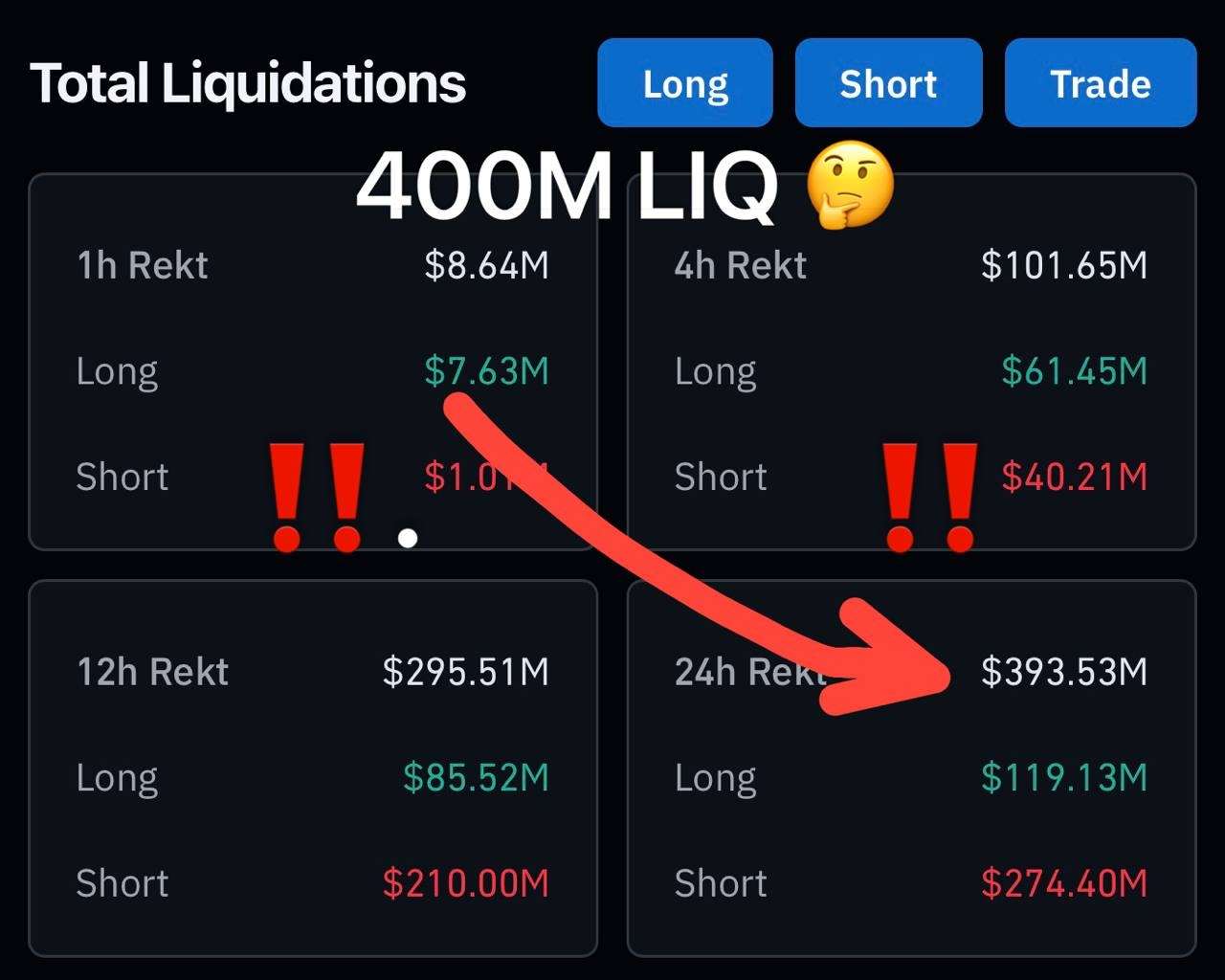
Since last night, #Bitcoin has seen a rise of only $3,000. Following this increase, a significant data point has resurfaced.
We’ve seen liquidations totaling $400 million nearly half a billion dollars. The sheer magnitude of this figure really shows that there are still a lot of traders betting on a downtrend.
Every small rally following a minor dip is triggering major liquidations.
I still believe the trend is upward, but as long as there are this many short positions, it looks like we’ll continue to see liquidation activity for a while longer.
What do you think?
Since last night, #Bitcoin has seen a rise of only $3,000. Following this increase, a significant data point has resurfaced.
We’ve seen liquidations totaling $400 million nearly half a billion dollars. The sheer magnitude of this figure really shows that there are still a lot of traders betting on a downtrend.
Every small rally following a minor dip is triggering major liquidations.
I still believe the trend is upward, but as long as there are this many short positions, it looks like we’ll continue to see liquidation activity for a while longer.
What do you think?




Binance Academy
·
--
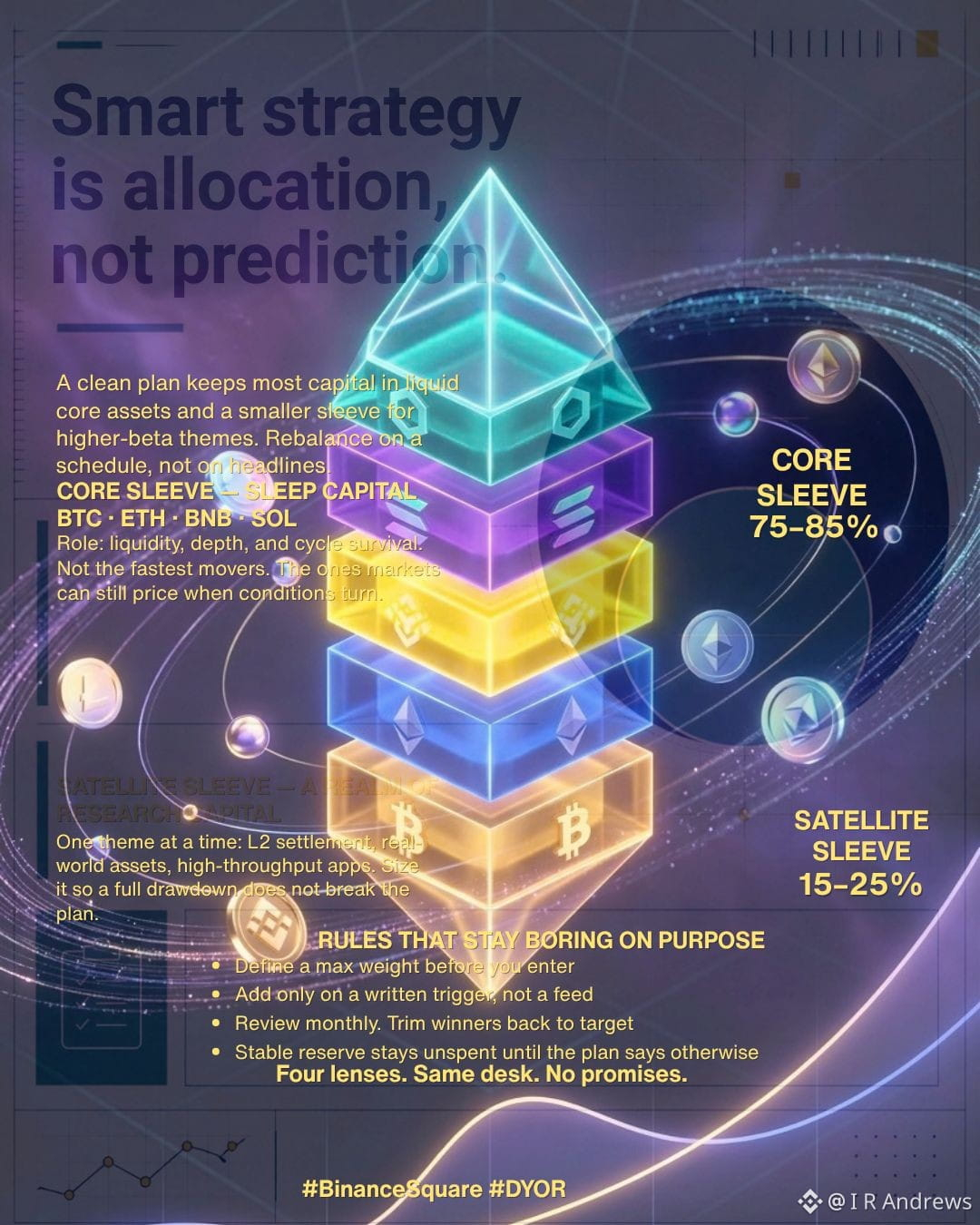
October is historically a bullish month for digital assets, earning the nickname "Uptober" among traders. With Bitcoin opening the month near $85,000 and analysts forecasting $5 billion in ETF inflows over the next year, it is the perfect time to build your foundational knowledge.
For our new users this month — ready to earn your first Bitcoin this October? 🎓
Our Bitcoin Basics Learn & Earn is back!
For our new users this month — ready to earn your first Bitcoin this October? 🎓
Our Bitcoin Basics Learn & Earn is back!




_Ram
·
--
$QNT did more than 300 % this week and has been in lots of discussion throughout the week, I dig it a bit and found that :
they’re building let say real world asset infra.
The basic idea is that commercial bank deposits can be represented as tokens and moved across blockchain-based infrastructure.
So you can now move ur account balance onchain, instead of swift.
they have been used recently by seven major UK banks in a project and the Clearing House owned by 25 major US banks which settle more than $2 trillion per day select them to connect its new on-chain money network.
So yes, the project itself is definitely interesting, but there, is not the point, since it’s not about stocks. It’s about token.
From what I initially heard, one of the main mechanisms is that software licenses can be paid in QNT.
great, but are banks actually required to use QNT? FAQ says No.
if a bank can pay the software fees in fiat, then why would it necessarily need to buy a token first?
more details to come…
they’re building let say real world asset infra.
The basic idea is that commercial bank deposits can be represented as tokens and moved across blockchain-based infrastructure.
So you can now move ur account balance onchain, instead of swift.
they have been used recently by seven major UK banks in a project and the Clearing House owned by 25 major US banks which settle more than $2 trillion per day select them to connect its new on-chain money network.
So yes, the project itself is definitely interesting, but there, is not the point, since it’s not about stocks. It’s about token.
From what I initially heard, one of the main mechanisms is that software licenses can be paid in QNT.
great, but are banks actually required to use QNT? FAQ says No.
if a bank can pay the software fees in fiat, then why would it necessarily need to buy a token first?
more details to come…

Crypto_LUX
·
--
BearishARE YOU READY FOR A DEEPER CORRECTION IN $BTC ?
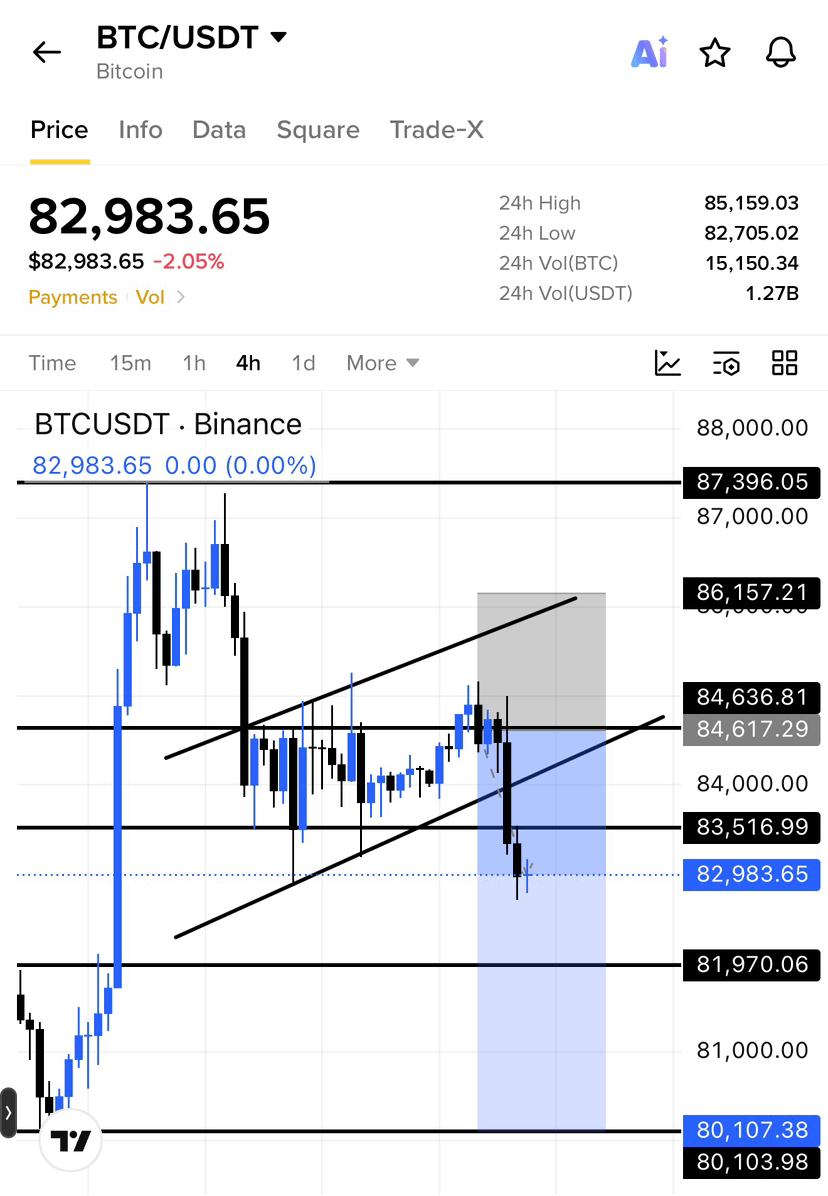
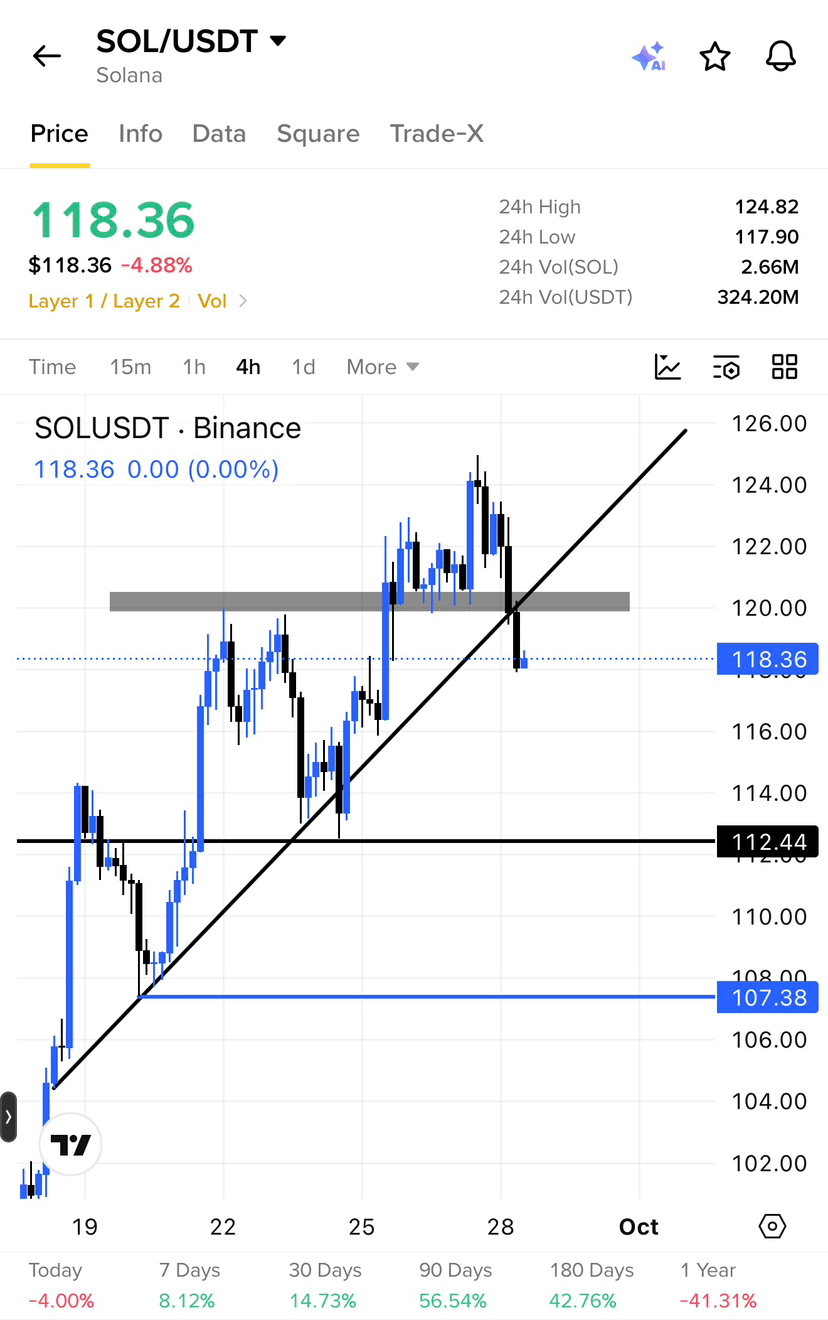
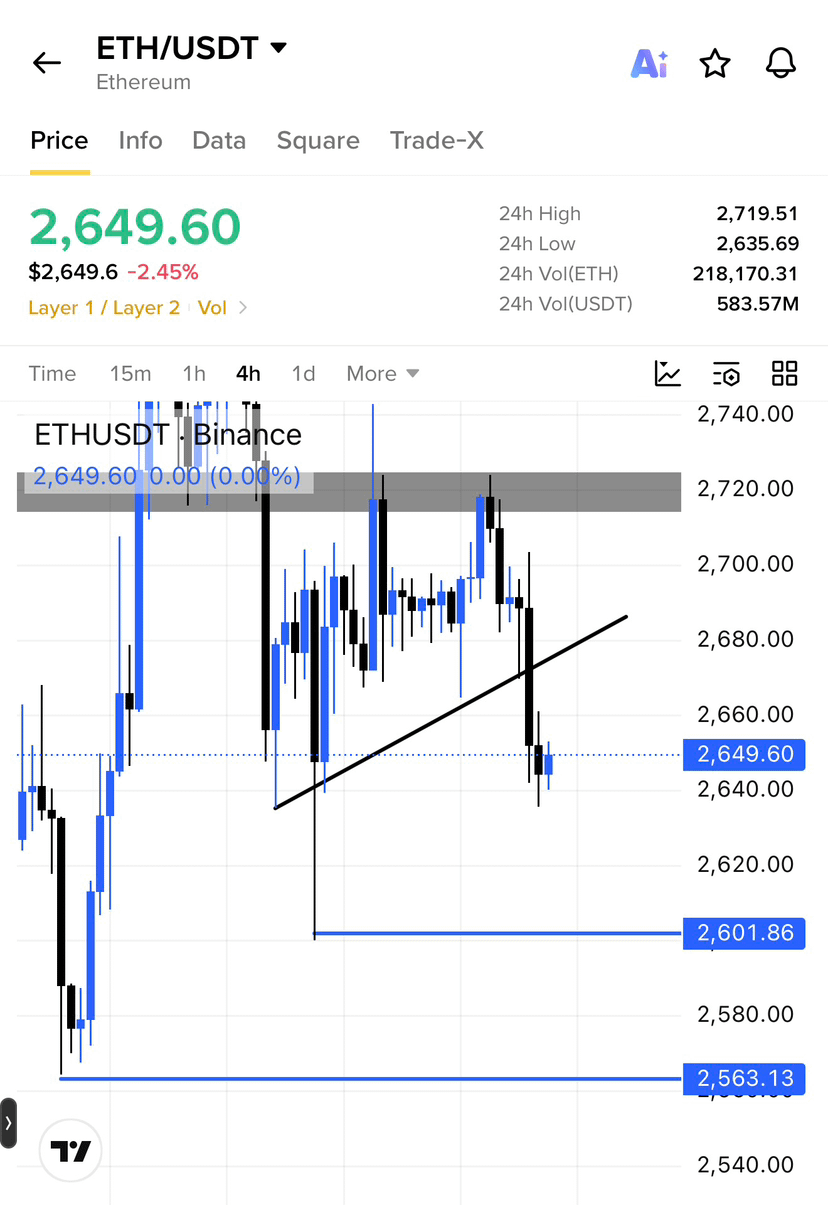
Under $80,000? Yes, it will. I don’t think $82,750 will hold for long. I’m looking at liquidations around $80,100, with a quick wick below that level during the equity session. Same for the $SOL ETH sharing the charts and marking the liquidity zones what you can target! I have the actives trades thats why i am not going with the SOL and ETH . $HYPE short running the way i was looking!
And what could be the reason?
Technically, this bear flag still has to play out. Secondly, as I was talking about this yesterday, I was expecting the low of this week to form within the first two days of the week. USD dominance has now got a bullish breakout from the 1H LTF weekend range, along with some bad fundamentals: oil is pushing higher, while 10Y and 30Y bond yields are sitting at levels not seen in the past three decades despite rate hikes.
So yes, a deeper correction is still pending, and we are riding the short. Let’s go.
First target is already done at $82,750. The second target I’m looking at is $81,790, followed by the $80,000 liquidity zone.
I expect a major correction under these levels. Once the market gets below $82,750, a 4H close there would confirm further weakness.
Stop-loss trailed to $83,800
Enjoy the rest of the move and take partials at the following levels, but keep at least 30% of the position open for a potential move under $80,000. If we need to book, I’ll make the call.
Make it as it is just rearrange and fix grammer!
#BTCFallsBelow$83000 #BitcoinSpotETFs$2.39BWeeklyNetInflow #FedProposesPaymentStablecoinRules #ChinaMayLetAlibabaByteDanceBuyNvidiaChips
Under $80,000? Yes, it will. I don’t think $82,750 will hold for long. I’m looking at liquidations around $80,100, with a quick wick below that level during the equity session. Same for the $SOL ETH sharing the charts and marking the liquidity zones what you can target! I have the actives trades thats why i am not going with the SOL and ETH . $HYPE short running the way i was looking!
And what could be the reason?
Technically, this bear flag still has to play out. Secondly, as I was talking about this yesterday, I was expecting the low of this week to form within the first two days of the week. USD dominance has now got a bullish breakout from the 1H LTF weekend range, along with some bad fundamentals: oil is pushing higher, while 10Y and 30Y bond yields are sitting at levels not seen in the past three decades despite rate hikes.
So yes, a deeper correction is still pending, and we are riding the short. Let’s go.
First target is already done at $82,750. The second target I’m looking at is $81,790, followed by the $80,000 liquidity zone.
I expect a major correction under these levels. Once the market gets below $82,750, a 4H close there would confirm further weakness.
Stop-loss trailed to $83,800
Enjoy the rest of the move and take partials at the following levels, but keep at least 30% of the position open for a potential move under $80,000. If we need to book, I’ll make the call.
Make it as it is just rearrange and fix grammer!
#BTCFallsBelow$83000 #BitcoinSpotETFs$2.39BWeeklyNetInflow #FedProposesPaymentStablecoinRules #ChinaMayLetAlibabaByteDanceBuyNvidiaChips

1232342
·
--
I’ll do nothing and wait for Dec.
Hope you guys keep sade.
Hope you guys keep sade.
Log in to explore more content