
tong77
1.1k Posts

tong77
Report
Block User
立志当 100u 战神, 山寨开单不超过十倍,严格止盈止损。敬畏市场,一起学习,一起进步。
135 Following
6.1K+ Followers
2.0K+ Liked
Posts
All
Quotes
·
--
In this market cycle, why have so many projects backed by major institutions kept falling after listing?
The main reason is that the business and the token are completely disconnected. The project teams talk about technology and how huge their projects’ potential is. But the tokens themselves are good for nothing beyond voting. Buying pressure is supported entirely by sentiment around the time of listing.
So when I researched @SpaceandTimeDB , I didn’t pay attention to any of the stories it was hyping. I went straight to digging into the underlying economic system of $SXT .
First, let’s look at demand. AI agents auditing accounts, tokenized assets calculating net asset value, and DeFi querying historical data are all high-frequency, essential computing tasks. As long as on-chain finance keeps growing, the workload of running data across networks will keep increasing, and payments must be made in SXT. In other words, buying pressure for SXT isn’t driven by retail investors shilling it; it’s determined by the volume of real data requests.
Next, let’s look at supply and security. What’s the biggest risk with data chains? Malicious nodes and falsified results. That’s why validators have to stake SXT as collateral before they can participate. The more funds flowing on-chain, the greater the demand for data security—and the more SXT nodes need to lock up.
See how this feedback loop works?
On one side, external business activity continually creates demand for computation, paying for it in SXT. On the other, validators keep locking SXT in staking pools to protect data security. The busier the business gets, the tighter the circulating supply becomes and the stronger security gets—which in turn makes it possible to support even more financial activity.
When the tide goes out, you find out who’s been swimming naked. A project’s value can’t be sustained by empty promises alone. With projects like SXT, where the business and the token are tied together, at least the logic holds together—and that’s what it takes to weather a market cycle.#sxt $SXT @SpaceandTimeDB
In this market cycle, why have so many projects backed by major institutions kept falling after listing?
The main reason is that the business and the token are completely disconnected. The project teams talk about technology and how huge their projects’ potential is. But the tokens themselves are good for nothing beyond voting. Buying pressure is supported entirely by sentiment around the time of listing.
So when I researched @SpaceandTime , I didn’t pay attention to any of the stories it was hyping. I went straight to digging into the underlying economic system of $SXT .
First, let’s look at demand. AI agents auditing accounts, tokenized assets calculating net asset value, and DeFi querying historical data are all high-frequency, essential computing tasks. As long as on-chain finance keeps growing, the workload of running data across networks will keep increasing, and payments must be made in SXT. In other words, buying pressure for SXT isn’t driven by retail investors shilling it; it’s determined by the volume of real data requests.
Next, let’s look at supply and security. What’s the biggest risk with data chains? Malicious nodes and falsified results. That’s why validators have to stake SXT as collateral before they can participate. The more funds flowing on-chain, the greater the demand for data security—and the more SXT nodes need to lock up.
See how this feedback loop works?
On one side, external business activity continually creates demand for computation, paying for it in SXT. On the other, validators keep locking SXT in staking pools to protect data security. The busier the business gets, the tighter the circulating supply becomes and the stronger security gets—which in turn makes it possible to support even more financial activity.
When the tide goes out, you find out who’s been swimming naked. A project’s value can’t be sustained by empty promises alone. With projects like SXT, where the business and the token are tied together, at least the logic holds together—and that’s what it takes to weather a market cycle.#sxt $SXT @SpaceandTime
415
·
--
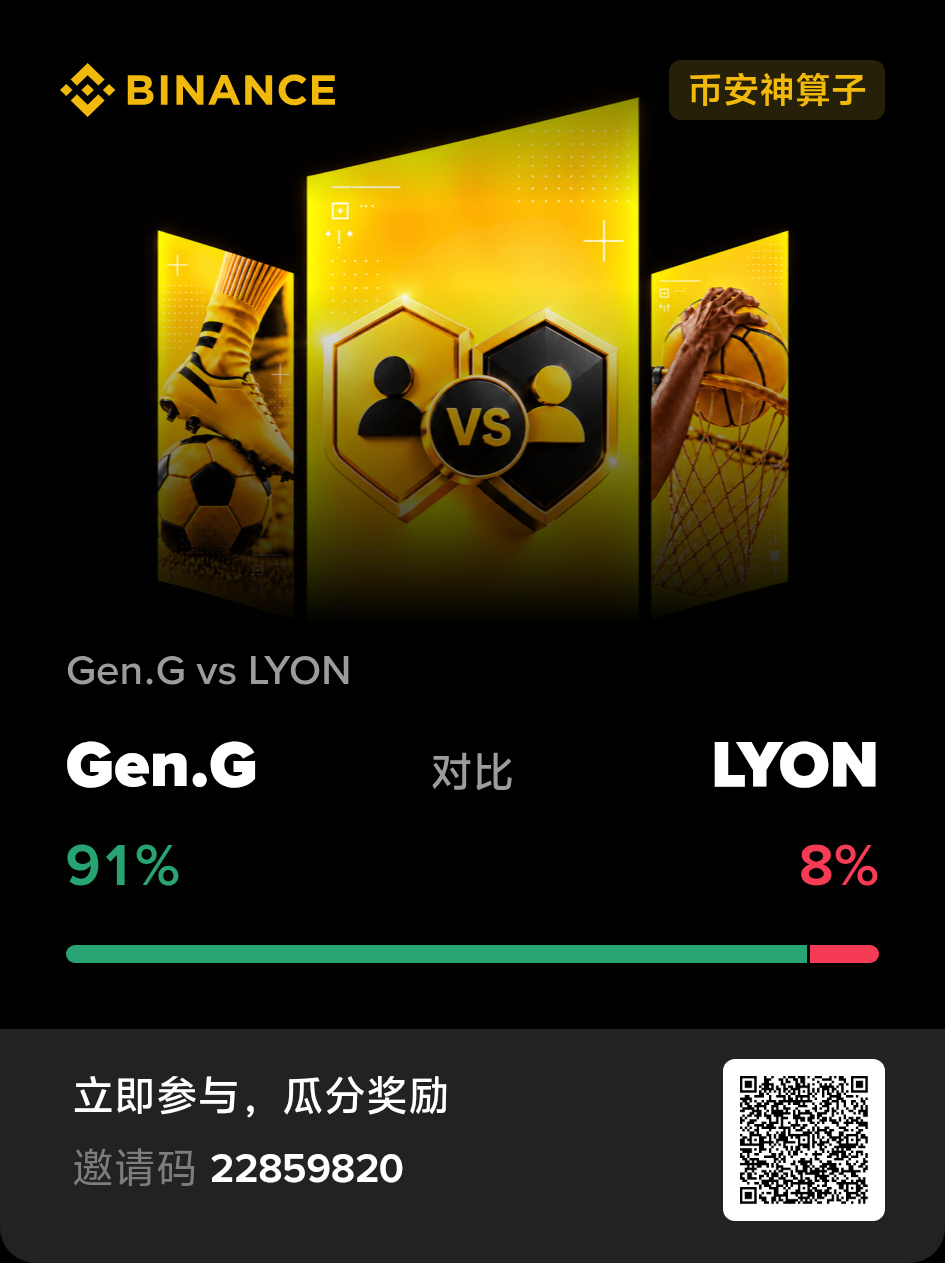
#币安神算子 Take a gamble and turn your bicycle into a motorcycle. Either way, it's 0 points, so what are you afraid of?
#币安神算子 Take a gamble and turn your bicycle into a motorcycle. Either way, it's 0 points, so what are you afraid of?
21
·
--
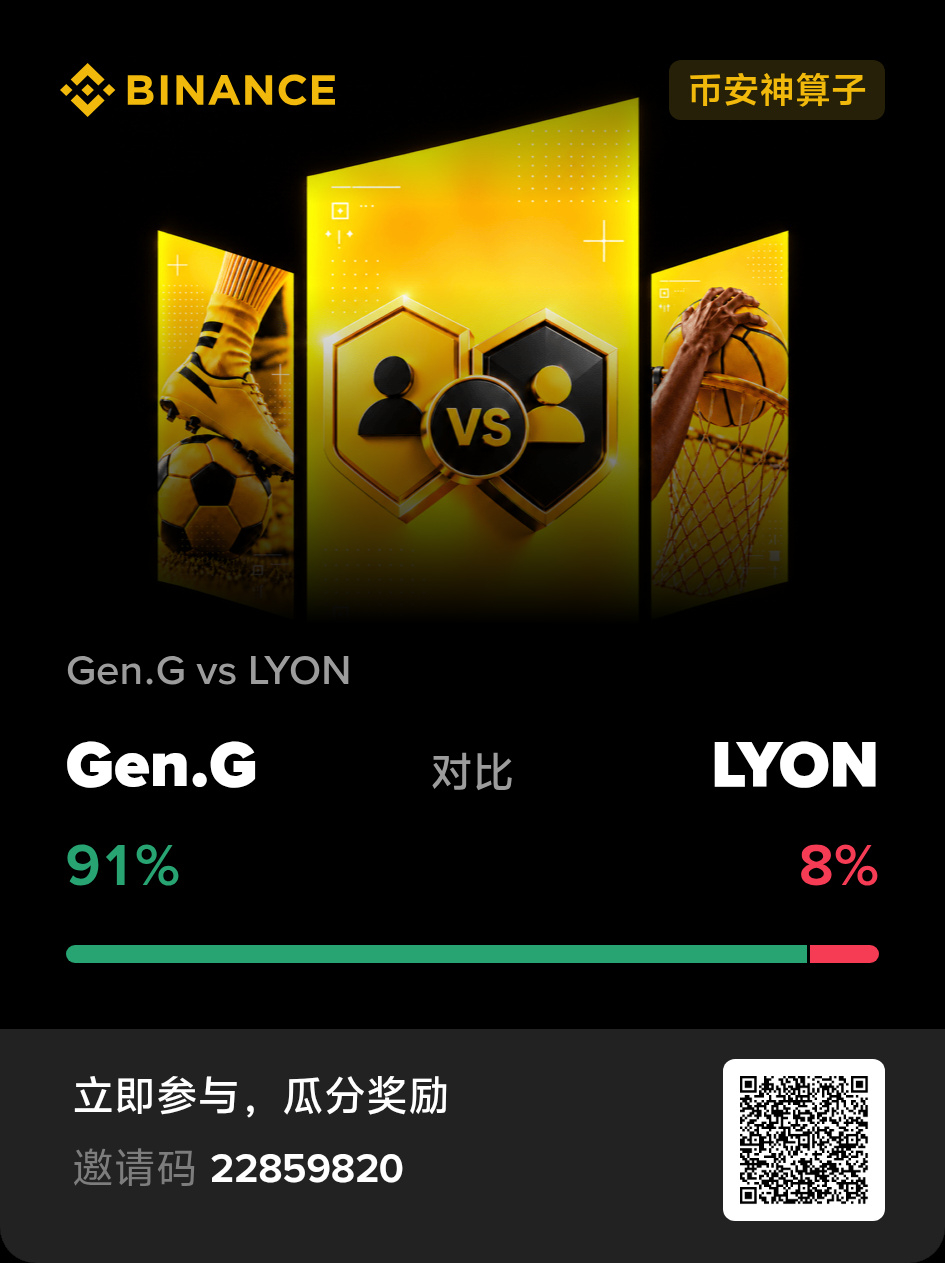
#币安神算子 Take a chance and turn a bicycle into a motorcycle. I’ll just go for the Lion with the points from these past few days—they’re all zero anyway.
#币安神算子 Take a chance and turn a bicycle into a motorcycle. I’ll just go for the Lion with the points from these past few days—they’re all zero anyway.
7
·
--
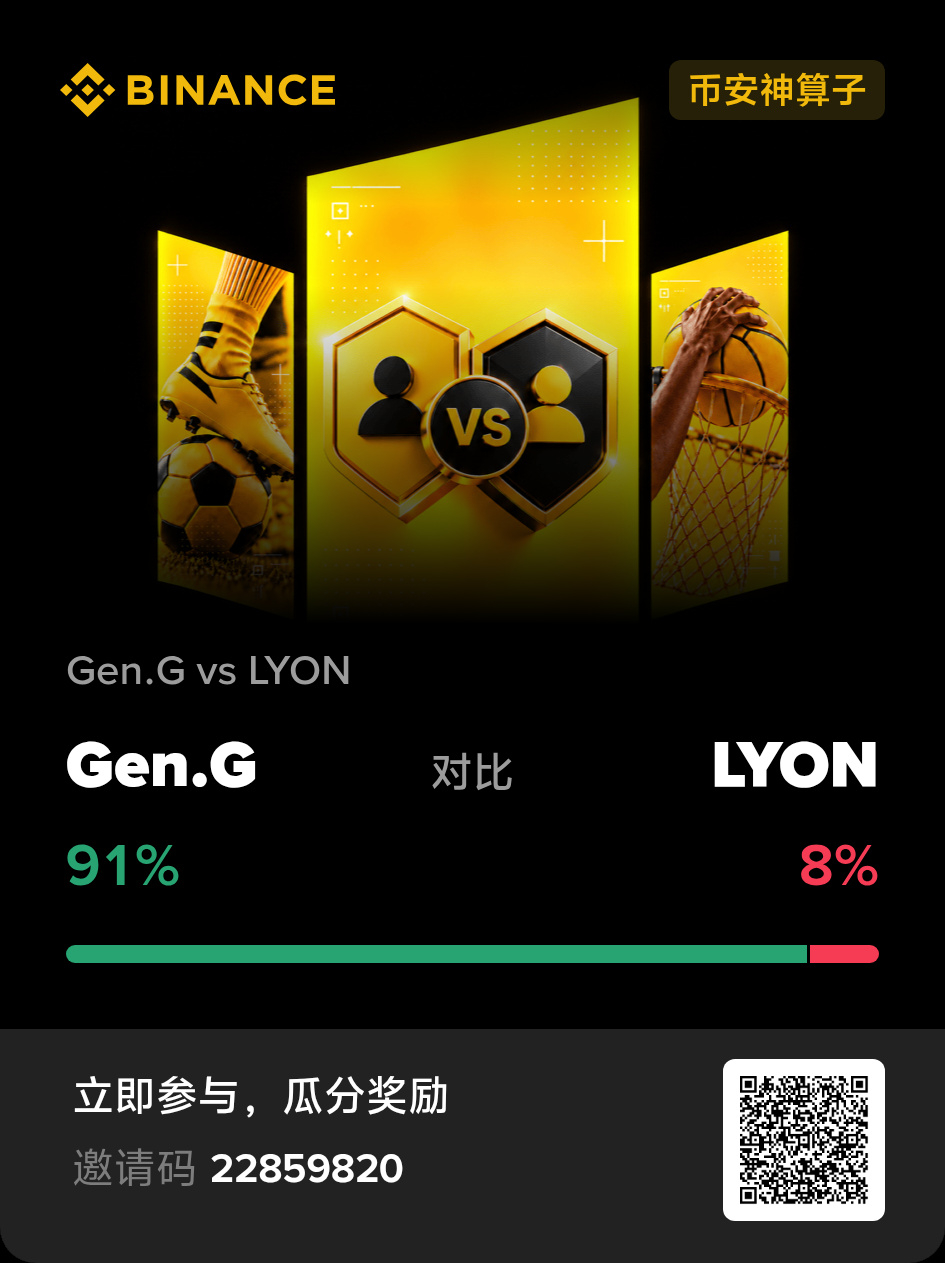
#币安神算子 Lion is great value for money. I think it's definitely worth a try; after all, I got 0 points.
#币安神算子 Lion is great value for money. I think it's definitely worth a try; after all, I got 0 points.
15
·
--
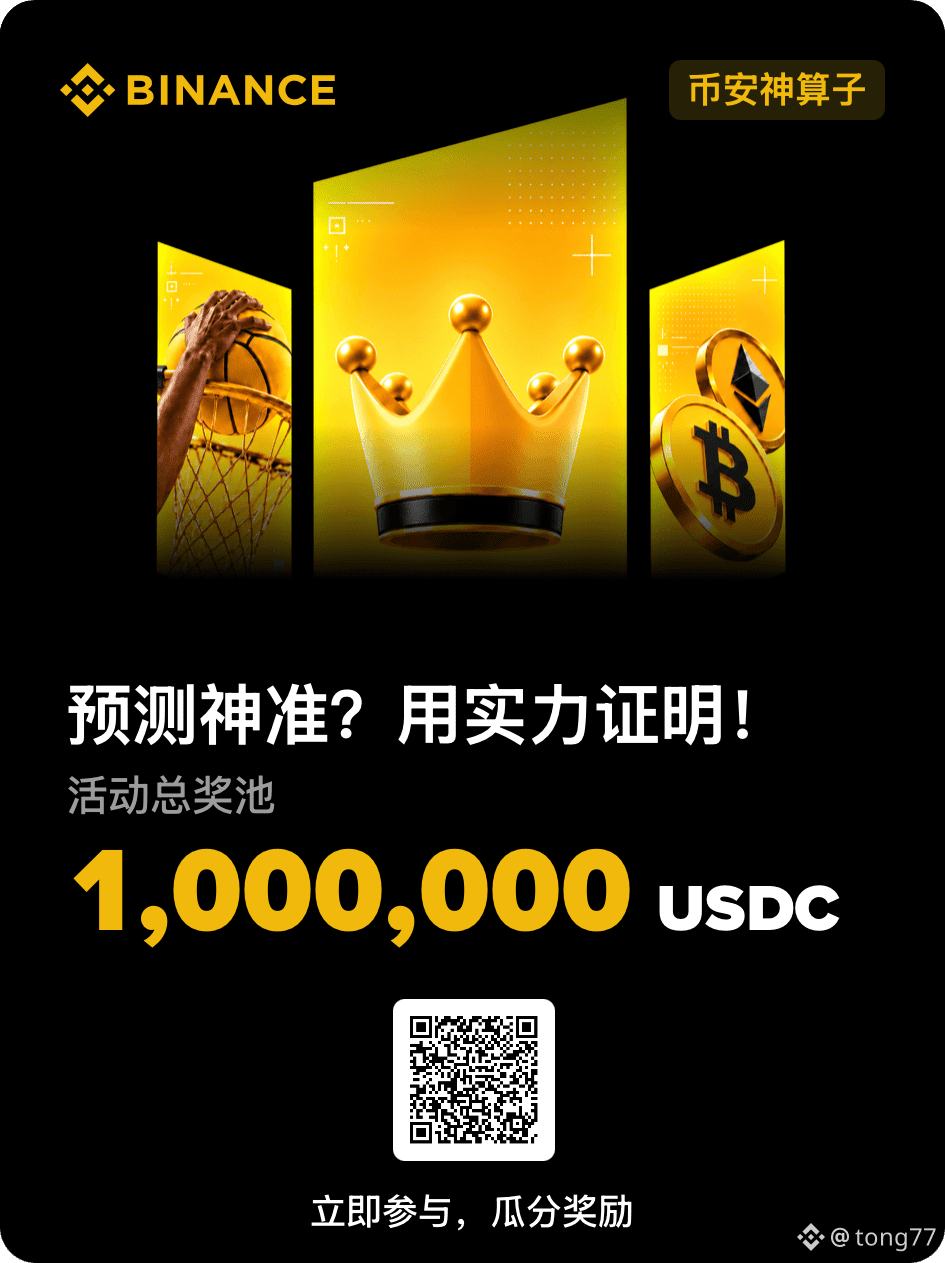
#币安神算子 Guys, guys, please carry this newbie. I really have no idea how to play this game 😮💨
#币安神算子 Guys, guys, please carry this newbie. I really have no idea how to play this game 😮💨
13
·
--
#币安神算子 Take a chance and turn a bicycle into a motorcycle. Rui had a great time yesterday; I wonder if there's anything promising today.
#币安神算子 Take a chance and turn a bicycle into a motorcycle. Rui had a great time yesterday; I wonder if there's anything promising today.
18
·
--
#币安神算子 , which side are we talking about tonight? Are we talking about liquid or someone else?
#币安神算子 , which side are we talking about tonight? Are we talking about liquid or someone else?
13
·
--
#币安神算子 Let's pull off something big tonight, guys. Which one should we go for? Any leads?
#币安神算子 Let's pull off something big tonight, guys. Which one should we go for? Any leads?
21
·
--
#Binance's oracle is making a big move tonight—let's charge in together, brothers!
#Binance's oracle is making a big move tonight—let's charge in together, brothers!
14
·
--
#币安神算子 bets on upsets every day, but there are no upsets, so they lose big.
#币安神算子 bets on upsets every day, but there are no upsets, so they lose big.
12
·
--
#币安神算子 As long as there's hope, there's a dream. I can always start over 😭😭😭😭 I've been losing money nonstop.
#币安神算子 As long as there's hope, there's a dream. I can always start over 😭😭😭😭 I've been losing money nonstop.
19
·
--
#币安神算子 I lost it all last week. Starting over, starting over. I’ve got to win it back this week.
#币安神算子 I lost it all last week. Starting over, starting over. I’ve got to win it back this week.
12
·
--
#币安神算子 I lost it all in one go yesterday, so I'm starting over today.
#币安神算子 I lost it all in one go yesterday, so I'm starting over today.
7
·
--
#币安神算子 is now ranked in the top 2,000. Let's see if it can hold on until Monday.
#币安神算子 is now ranked in the top 2,000. Let's see if it can hold on until Monday.
77
·
--
This #币安神算子 promotion is great. Come play for a bit when you're tired of trading every day.
This #币安神算子 promotion is great. Come play for a bit when you're tired of trading every day.
113
·
--
#币安神算子 , the prediction expert can join in—no money upfront, just treat it like a little game.
#币安神算子 , the prediction expert can join in—no money upfront, just treat it like a little game.
81
·
--
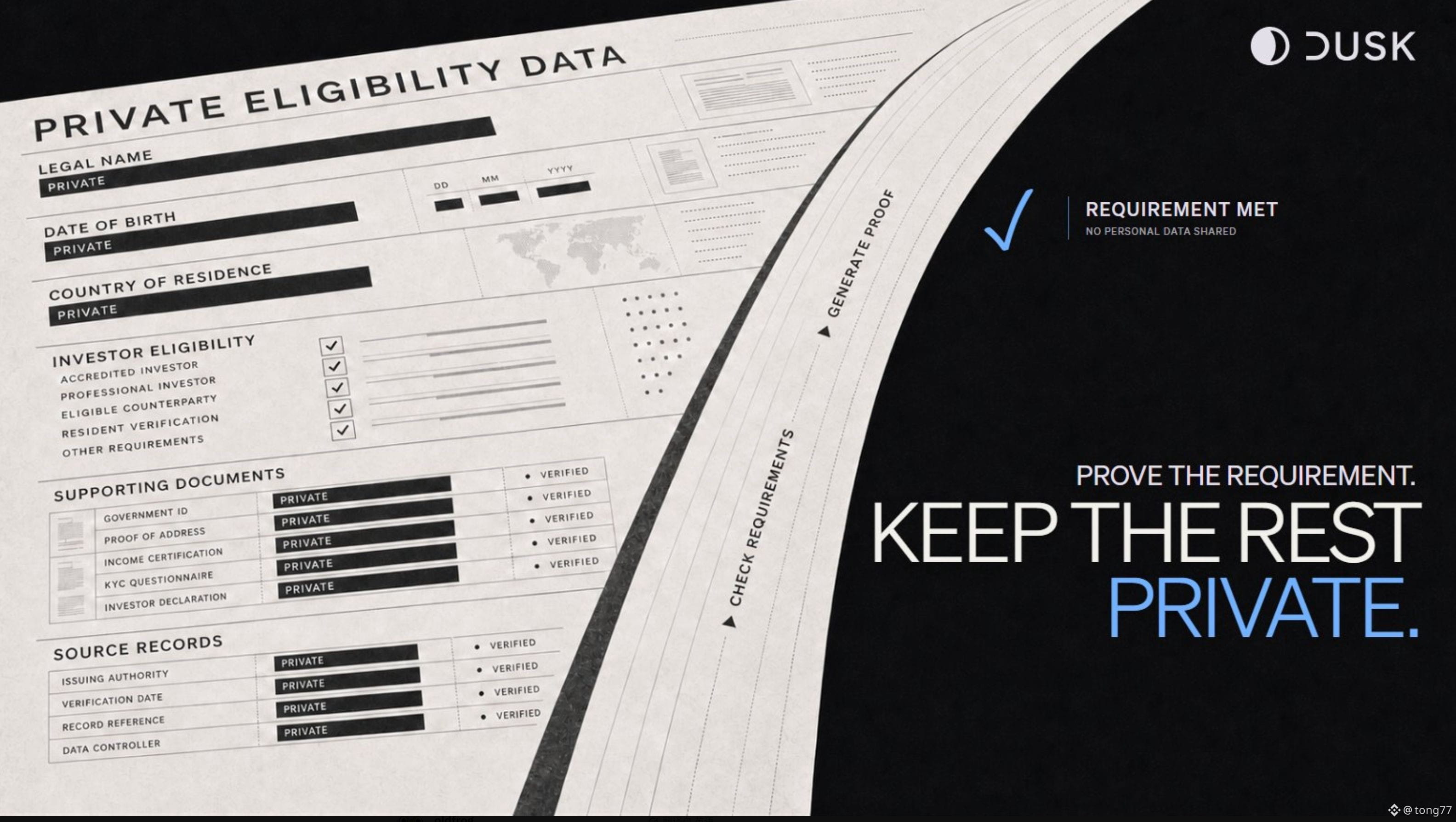
Every time I talk about Dusk, two kinds of people always show up in the comments. One type directly slaps labels on it, saying privacy chains are just set up for money laundering and will inevitably be hammered to death by regulators. The other type worries for the regulators, saying compliance means you disclose everything at the right level—so how is that still “privacy”? These two statements are wrong in the same place: they equate privacy with anonymity, and they equate compliance with full transparency.
Let’s correct the first equation. Anonymity means that no one can see anything. Privacy means controlling who can see what. Traditional finance has long made this distinction. In securities accounts, counterparties can’t see your positions, while regulators, with proper procedures, can obtain the complete picture at any time. The securities market has operated for hundreds of years, and it has never done “fully nude transparency.” The truly radical approach is the public chain: every transaction is broadcast to the entire network, and institutions watch that setup, which is why they don’t dare to enter.
Dusk’s selective disclosure moves these rules back on-chain. The mechanism compresses into eight words: by default it’s confidential, and it’s viewable in a controlled way. In the default state, transaction details are hidden from the market; when proof is needed, the relevant view opens according to your role. Regulators look for compliance status, auditors check financial evidence—permission gates each party into the controlled view. Outsiders can only find the redacted results. In the same ledger, different roles see different pages.
Now let’s correct the second equation. The true meaning of compliance is to be able to explain things to the parties you’re supposed to explain them to, not to explain them to the whole world. Spreading trade secrets to competitors is not called compliance—it’s called leaking. Besides, European data laws have already ruled that full transparency is non-compliant, and letting the general public read individuals’ trading data doesn’t even pass the requirements.
Corrections are corrections, but cold water should still be poured. First bucket: correcting people’s cognition is a heavy-asset business. You educate the whole industry, burning your own traffic, and once the masses clearly distinguish concepts, what you might harvest are following competitors—doing someone else’s wedding dress for them. Second bucket: the boundary of “what should be seen” isn’t naturally the same everywhere. Germany and the Netherlands may want different levels of granularity. One template has to adapt to the EU-wide review standards; the engineering and communication cost hiding in that process won’t be written in whitepapers.
Cognitive warfare doesn’t end with a ceasefire. I only hope that next time someone takes the “money laundering” label in the comments, people who understand can dismantle these two equations themselves. Once your mindset is anchored, it’s yours. At what moment did you start distinguishing privacy from anonymity? #dusk $DUSK @Dusk_Foundation
Every time I talk about Dusk, two kinds of people always show up in the comments. One type directly slaps labels on it, saying privacy chains are just set up for money laundering and will inevitably be hammered to death by regulators. The other type worries for the regulators, saying compliance means you disclose everything at the right level—so how is that still “privacy”? These two statements are wrong in the same place: they equate privacy with anonymity, and they equate compliance with full transparency.
Let’s correct the first equation. Anonymity means that no one can see anything. Privacy means controlling who can see what. Traditional finance has long made this distinction. In securities accounts, counterparties can’t see your positions, while regulators, with proper procedures, can obtain the complete picture at any time. The securities market has operated for hundreds of years, and it has never done “fully nude transparency.” The truly radical approach is the public chain: every transaction is broadcast to the entire network, and institutions watch that setup, which is why they don’t dare to enter.
Dusk’s selective disclosure moves these rules back on-chain. The mechanism compresses into eight words: by default it’s confidential, and it’s viewable in a controlled way. In the default state, transaction details are hidden from the market; when proof is needed, the relevant view opens according to your role. Regulators look for compliance status, auditors check financial evidence—permission gates each party into the controlled view. Outsiders can only find the redacted results. In the same ledger, different roles see different pages.
Now let’s correct the second equation. The true meaning of compliance is to be able to explain things to the parties you’re supposed to explain them to, not to explain them to the whole world. Spreading trade secrets to competitors is not called compliance—it’s called leaking. Besides, European data laws have already ruled that full transparency is non-compliant, and letting the general public read individuals’ trading data doesn’t even pass the requirements.
Corrections are corrections, but cold water should still be poured. First bucket: correcting people’s cognition is a heavy-asset business. You educate the whole industry, burning your own traffic, and once the masses clearly distinguish concepts, what you might harvest are following competitors—doing someone else’s wedding dress for them. Second bucket: the boundary of “what should be seen” isn’t naturally the same everywhere. Germany and the Netherlands may want different levels of granularity. One template has to adapt to the EU-wide review standards; the engineering and communication cost hiding in that process won’t be written in whitepapers.
Cognitive warfare doesn’t end with a ceasefire. I only hope that next time someone takes the “money laundering” label in the comments, people who understand can dismantle these two equations themselves. Once your mindset is anchored, it’s yours. At what moment did you start distinguishing privacy from anonymity? #dusk $DUSK @Dusk
92
·
--
I've been thinking about a problem for a while. Technically, putting stocks and bonds on-chain is no longer hard. But truly compliant assets that can actually run in practice are painfully scarce. After looking through the token contracts of several projects, the answer became clear: DUSK put its effort into the places that others didn't pay attention to. The first-principles issue with compliant assets is not technology—it’s permissions.
What does that mean? The fundamental difference between securities and meme coins isn’t whether the underlying layer is a blockchain. It’s the rules governing transfers. Who can hold the token, under what conditions it can be transferred—these restrictions are what make something a security.
A token that anyone can transfer to anyone—even if it’s made beautifully—is just an “air coin” in a suit.
The industry’s common approach is standards like ERC-1400: write a whitelist into the contract. Addresses that pass KYC are added to the list; the token only transfers within the whitelist, and the contract enforces the rules. That’s more reliable than enforcing limits at the wallet layer—because you can’t simply route around it by using a different address. But the whitelist contains addresses only; eligibility can change. Today’s approved investor might end up on a sanctions list tomorrow, and the contract won’t know.
Another camp uses off-chain approval: for every transaction, it first goes through a centralized compliance server. After the server signs off with a certificate, the contract only proceeds when it sees that certificate. It works—but if the server goes down, the entire chain stalls. And identity data gets held back by the platform.
DUSK’s XSC contract takes one step forward. Its permission logic is built directly into the token contract itself. Transfer eligibility is verified natively on-chain, together with Citadel zero-knowledge credentials. The contract can confirm, in real time, that the counterparty’s eligibility is still valid—without needing to see any raw underlying data. If eligibility changes, verification immediately fails. There’s no need for off-chain servers to give approval.
With this, transfer restrictions are no longer a patch bolted onto the outside of the token—they’re a factory setting. Traditional securities rely on layers of checks by brokers and registries; DUSK writes the “gatekeeping” directly into the asset. Permissions are intrinsic to the asset, and compliance follows from that.
Of course, the more complex the permission rules are, the larger the contract’s attack surface—and the audit bar isn’t low. That’s the cost you have to pay. I’ll keep watching the deployment volume of the XSC contract and how complex the rules are. Do you think on-chain permission management will become a gatekeeping requirement for security-token access?
#dusk $DUSK @Dusk_Foundation
I've been thinking about a problem for a while. Technically, putting stocks and bonds on-chain is no longer hard. But truly compliant assets that can actually run in practice are painfully scarce. After looking through the token contracts of several projects, the answer became clear: DUSK put its effort into the places that others didn't pay attention to. The first-principles issue with compliant assets is not technology—it’s permissions.
What does that mean? The fundamental difference between securities and meme coins isn’t whether the underlying layer is a blockchain. It’s the rules governing transfers. Who can hold the token, under what conditions it can be transferred—these restrictions are what make something a security.
A token that anyone can transfer to anyone—even if it’s made beautifully—is just an “air coin” in a suit.
The industry’s common approach is standards like ERC-1400: write a whitelist into the contract. Addresses that pass KYC are added to the list; the token only transfers within the whitelist, and the contract enforces the rules. That’s more reliable than enforcing limits at the wallet layer—because you can’t simply route around it by using a different address. But the whitelist contains addresses only; eligibility can change. Today’s approved investor might end up on a sanctions list tomorrow, and the contract won’t know.
Another camp uses off-chain approval: for every transaction, it first goes through a centralized compliance server. After the server signs off with a certificate, the contract only proceeds when it sees that certificate. It works—but if the server goes down, the entire chain stalls. And identity data gets held back by the platform.
DUSK’s XSC contract takes one step forward. Its permission logic is built directly into the token contract itself. Transfer eligibility is verified natively on-chain, together with Citadel zero-knowledge credentials. The contract can confirm, in real time, that the counterparty’s eligibility is still valid—without needing to see any raw underlying data. If eligibility changes, verification immediately fails. There’s no need for off-chain servers to give approval.
With this, transfer restrictions are no longer a patch bolted onto the outside of the token—they’re a factory setting. Traditional securities rely on layers of checks by brokers and registries; DUSK writes the “gatekeeping” directly into the asset. Permissions are intrinsic to the asset, and compliance follows from that.
Of course, the more complex the permission rules are, the larger the contract’s attack surface—and the audit bar isn’t low. That’s the cost you have to pay. I’ll keep watching the deployment volume of the XSC contract and how complex the rules are. Do you think on-chain permission management will become a gatekeeping requirement for security-token access?
#dusk $DUSK @Dusk
XSC 技术不错期待
0%
不好说哦
0%
0 votes • Voting closed
120
·
--
No matter how well you build a chain, if the assets can’t come in or can’t get out, it’s just an island with no way back. When I was researching Dusk’s cross-chain layout, I kept picturing it in my head: three bridges like three strands of thread—can they weave the assets into a single complete fabric?
First, see where each of these three strands leads. The longest one goes to Ethereum. DUSK was originally issued in the form of an ERC20 token, so this old bridge handles historical token migration: it swaps old-form tokens on Ethereum back into the native coins on the main network. The BSC strand is already running bidirectionally. The mechanism is mainnet lock-and-mint on the other chain; the funds arrive in about an hour, and each bridge operation charges a 1 DUSK fee.
Most importantly, there is the official bridge within the family—connecting L1 and the DuskEVM layer. Assets on the EVM side ultimately settle back on the underlying layer. It determines whether the dual virtual machine architecture truly interlocks, or whether each side runs separately.
After sorting the responsibilities: the old bridge handles historical migrations, the BSC bridge serves as an entry point for external liquidity. As for the internal asset circulation of the family, it all rests on the official bridge. On the books, this really does look like a fabric’s framework.
But anyone who has woven knows the easiest place for fabric to split is at the seams. Bridges are widely recognized across the entire industry as the most fragile point. Historically, almost every theft case involving hundreds of millions of dollars traced back to the bridge itself. Once the lock-and-mint model’s “gatekeeper” is compromised, the minting power on the counterparty chain becomes an unlimited cash machine. Three bridges also mean three sets of independent trust assumptions—if any one is breached, it’s the entire Dusk asset credibility that gets smashed.
There’s also a more straightforward issue: a bridge is a pipeline, not a water pump. Even if you build the pipeline as thick as you want, it doesn’t mean there will be water willing to flow through. The convenience of in-and-out is only a necessary condition; what truly determines flow is whether the chain has worthwhile yield or value-capture scenarios worth staying for. And that still comes back to the business itself.
I plan to run small, test transfers through all three bridges soon, measure the fees and actual settlement times, then整理 the data and share it so everyone can use it as a reference. When you choose a bridge, do you look first at security or speed? #dusk $DUSK @Dusk_Foundation
No matter how well you build a chain, if the assets can’t come in or can’t get out, it’s just an island with no way back. When I was researching Dusk’s cross-chain layout, I kept picturing it in my head: three bridges like three strands of thread—can they weave the assets into a single complete fabric?
First, see where each of these three strands leads. The longest one goes to Ethereum. DUSK was originally issued in the form of an ERC20 token, so this old bridge handles historical token migration: it swaps old-form tokens on Ethereum back into the native coins on the main network. The BSC strand is already running bidirectionally. The mechanism is mainnet lock-and-mint on the other chain; the funds arrive in about an hour, and each bridge operation charges a 1 DUSK fee.
Most importantly, there is the official bridge within the family—connecting L1 and the DuskEVM layer. Assets on the EVM side ultimately settle back on the underlying layer. It determines whether the dual virtual machine architecture truly interlocks, or whether each side runs separately.
After sorting the responsibilities: the old bridge handles historical migrations, the BSC bridge serves as an entry point for external liquidity. As for the internal asset circulation of the family, it all rests on the official bridge. On the books, this really does look like a fabric’s framework.
But anyone who has woven knows the easiest place for fabric to split is at the seams. Bridges are widely recognized across the entire industry as the most fragile point. Historically, almost every theft case involving hundreds of millions of dollars traced back to the bridge itself. Once the lock-and-mint model’s “gatekeeper” is compromised, the minting power on the counterparty chain becomes an unlimited cash machine. Three bridges also mean three sets of independent trust assumptions—if any one is breached, it’s the entire Dusk asset credibility that gets smashed.
There’s also a more straightforward issue: a bridge is a pipeline, not a water pump. Even if you build the pipeline as thick as you want, it doesn’t mean there will be water willing to flow through. The convenience of in-and-out is only a necessary condition; what truly determines flow is whether the chain has worthwhile yield or value-capture scenarios worth staying for. And that still comes back to the business itself.
I plan to run small, test transfers through all three bridges soon, measure the fees and actual settlement times, then整理 the data and share it so everyone can use it as a reference. When you choose a bridge, do you look first at security or speed? #dusk $DUSK @Dusk
119
·
--
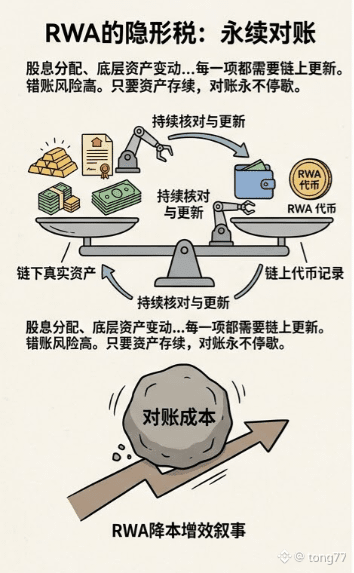
There’s a topic in the RWA track that every project party tacitly understands: reconciliation costs. No matter how beautifully Dusk and NPEX tell the story of moving assets on-chain, they can’t get around this invisible tax.
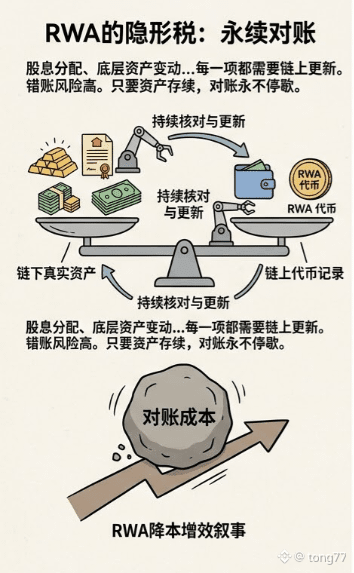
Let’s lay that tax out. Tokenization is only the first step; the on-chain record string and the real underlying assets off-chain must be kept in continuous alignment. How much dividends were paid, whether the underlying assets changed—every real-world change requires someone to update the corresponding records on-chain. This reconciliation work isn’t a one-time thing; it’s perpetual. As long as the assets still exist, reconciliation can’t stop for a single day. Who performs the reconciliation, who’s responsible if it’s wrong, how to account for transactions during the period when the books don’t match—every stage comes with costs. Almost nobody in the industry brings this up proactively, because it would undermine the narrative that RWA reduces cost and boosts efficiency. What everyone sells is a story that’s cheaper on-chain than off-chain, but very few have actually calculated how much profit this long-term, ongoing reconciliation expense eats away over time.
Dusk has its advantages, and NPEX itself is a licensed exchange. Its off-chain custody and settlement infrastructure is already in place, so reconciliation can reuse existing processes instead of building from scratch. That’s a much higher starting point than a pure crypto team entering the RWA space. But this also exposes the other side of the problem: the reconciliation cost advantage comes from being tightly coupled to traditional institutions. If this model needs to expand into an open ecosystem where any asset can be put on-chain, then each new issuer would have to bring along its own set of trusted off-chain systems—and that threshold is definitely not low.
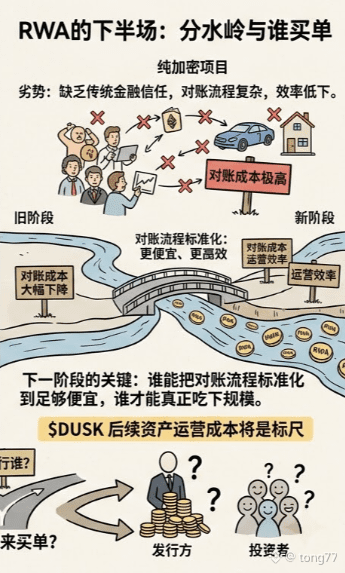
In my view, the watershed moment for the next phase of the RWA track won’t be determined by technology, but by this invisible tax. Whichever party can standardize the reconciliation process to make it cheap enough will be the one that can truly capture scale. Otherwise, all projects can only stay with one or two pilot projects to tell their stories. What reconciliation costs get down to—at what “water level”—is what will determine whether RWA has truly crossed the commercialization threshold. I’ll use the ongoing on-chain asset operation costs for DUSK as the benchmark. In your opinion, who ultimately pays this tax—the issuer or the investors?
#dusk $DUSK @Dusk_Foundation
There’s a topic in the RWA track that every project party tacitly understands: reconciliation costs. No matter how beautifully Dusk and NPEX tell the story of moving assets on-chain, they can’t get around this invisible tax.
Let’s lay that tax out. Tokenization is only the first step; the on-chain record string and the real underlying assets off-chain must be kept in continuous alignment. How much dividends were paid, whether the underlying assets changed—every real-world change requires someone to update the corresponding records on-chain. This reconciliation work isn’t a one-time thing; it’s perpetual. As long as the assets still exist, reconciliation can’t stop for a single day. Who performs the reconciliation, who’s responsible if it’s wrong, how to account for transactions during the period when the books don’t match—every stage comes with costs. Almost nobody in the industry brings this up proactively, because it would undermine the narrative that RWA reduces cost and boosts efficiency. What everyone sells is a story that’s cheaper on-chain than off-chain, but very few have actually calculated how much profit this long-term, ongoing reconciliation expense eats away over time.
Dusk has its advantages, and NPEX itself is a licensed exchange. Its off-chain custody and settlement infrastructure is already in place, so reconciliation can reuse existing processes instead of building from scratch. That’s a much higher starting point than a pure crypto team entering the RWA space. But this also exposes the other side of the problem: the reconciliation cost advantage comes from being tightly coupled to traditional institutions. If this model needs to expand into an open ecosystem where any asset can be put on-chain, then each new issuer would have to bring along its own set of trusted off-chain systems—and that threshold is definitely not low.
In my view, the watershed moment for the next phase of the RWA track won’t be determined by technology, but by this invisible tax. Whichever party can standardize the reconciliation process to make it cheap enough will be the one that can truly capture scale. Otherwise, all projects can only stay with one or two pilot projects to tell their stories. What reconciliation costs get down to—at what “water level”—is what will determine whether RWA has truly crossed the commercialization threshold. I’ll use the ongoing on-chain asset operation costs for DUSK as the benchmark. In your opinion, who ultimately pays this tax—the issuer or the investors?
#dusk $DUSK @Dusk
111
Log in to explore more content
Join global crypto users on Binance Square
⚡️ Get latest and useful information about crypto.
💬 Trusted by the world’s largest crypto exchange.
👍 Discover real insights from verified creators.
Email / Phone number
Trending Topics
NVIDIAReinstatesJensenHuangasCEO
123,138 views
980 Discussing
TradFi News | Nvidia Board Unanimously Reinstates Jensen Huang as CEO; Shares Jump 30% Premarket
Binance News
·43 Likes
·44.2k views
WillMarketsStageAThanksgivingReliefRally?
231,018 views
1,940 Discussing
WillOctCorePCEShiftFedHikeExpectations?
80,143 views
845 Discussing