

交易员杰哥
2.6k Posts

交易员杰哥
Report
Block User
公众号:加密杰哥 币安聊天室id:1150790718
八年币圈交易经验,不定期分享经验与动态,专业指导学习
25 Following
5.0K+ Followers
4.7K+ Liked
Posts
All
Quotes
PINNED
·
--
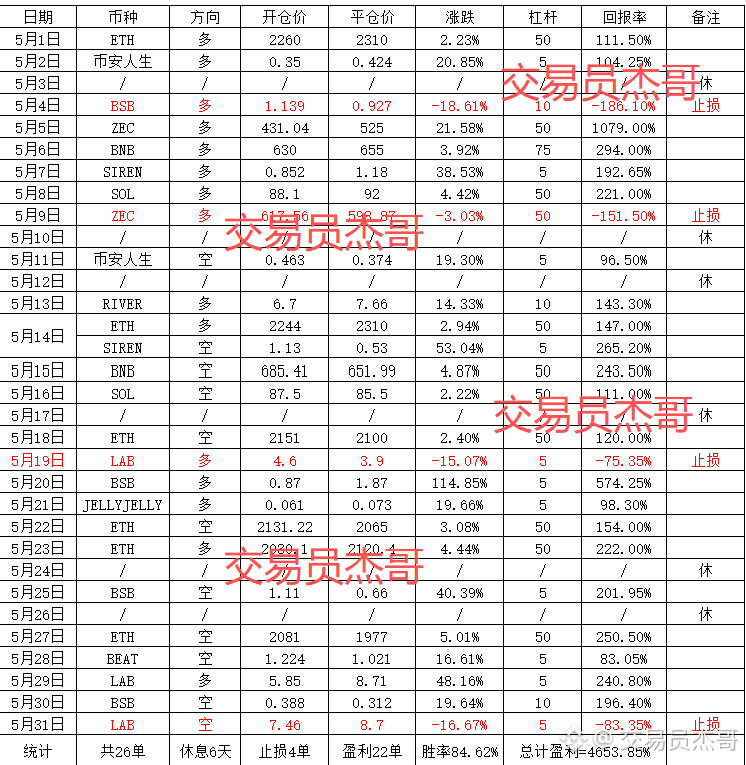
Brother Jie May Contract Live Trading Record Summary:
This month, I placed a total of 26 trades, took 6 days off, stopped loss on 4 trades, and took profit on 22 trades. Win rate was 84.62%, with a total profit of 4653.85%.
Overall, whether it’s major coins like ETH, SOL, and BNB, or smaller coins like SIREN, RIVER, and JELLY, the trading pace has remained fairly consistent.
The direction judgment accuracy is high, and the stop-loss execution is also decisive. The overall profit-to-loss balance on the trades is well controlled.
There weren’t any consecutive big losses, and I didn’t blindly add to positions to “hold through.” Instead, I mainly accumulated profits through a stable win rate and sensible risk control.
Strength isn’t something you can just talk about—it’s proven by the real records of each trade.
May’s data is the best proof. Keep it steady and press on—let’s go again next month! 💪💪
(Data is real and can be verified. If you’re interested, feel free to chat.)

10
15
493
PINNED
·
--
Binance has now launched a new feature - you can chat directly via private messages within the platform.
Friends who need to communicate or consult can directly scan the QR code below to add.
The personal profile also has a chat ID, just enter the ID to search and add Brother Jie.
Binance has now launched a new feature - you can chat directly via private messages within the platform.
Friends who need to communicate or consult can directly scan the QR code below to add.
The personal profile also has a chat ID, just enter the ID to search and add Brother Jie.
Friends who need to communicate or consult can directly scan the QR code below to add.
The personal profile also has a chat ID, just enter the ID to search and add Brother Jie.

3
2
6
427
·
--
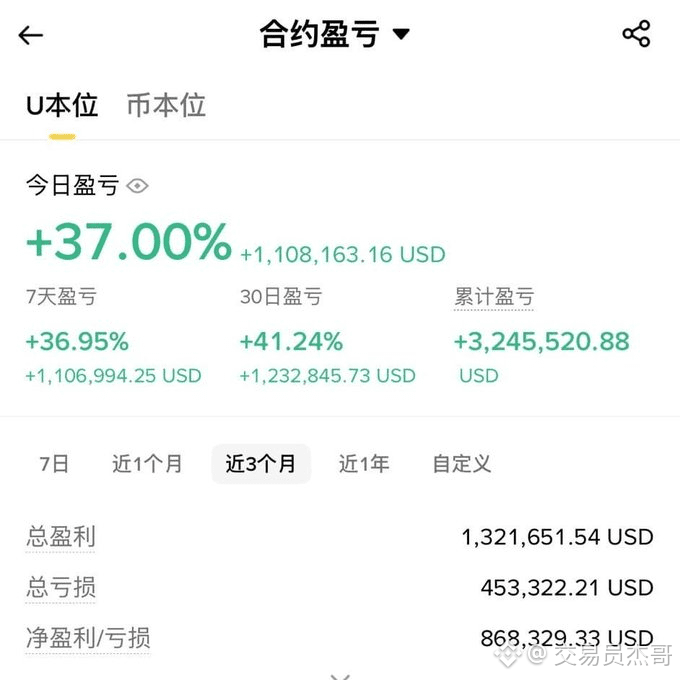
He was crouched on the company rooftop, smoking what he’d lost count of. On his phone was a screenshot of his account balance, which had just dropped from over 300,000 yuan to only 400U.
It wasn’t that he’d never made money. He’d make it, give it all back, then gamble to win it back, only to lose again. He borrowed money to trade, copied other people’s trades, chased hot trends—he’d made every mistake there was to make. During that time, he was afraid to go home. He dreaded his wife asking, “How did it go today?” and worried that when it was time to pay the kids’ tuition, he wouldn’t have the money.
Later, he told me he’d spent a long time thinking on that rooftop that day. In the end, he didn’t jump because he couldn’t accept it. Why could other people make money while he was stuck being the sucker left holding the bag?
He started over from scratch. He emptied his account, took an entire week to clear his head, and didn’t touch a single trade. Then I gave him one rule: use only 20% of his 2,000U to test the waters. No adding to positions, no going all in, no chasing hot trends, no betting on a rebound. Steady to the point of boredom, steady to the point of nausea—but little by little, his account stopped bleeding.
Then he built himself a trading system. He only traded assets and time frames he understood, and reviewed and recorded his trades every day: why he entered, why he exited, where he lost, where he made money. He wrote down every trade, like keeping a diary.
After a while, his profits started to compound. After each win, he’d increase his position using the profits; after a loss, he’d automatically reduce it. After several wins in a row, he’d force himself to stay out of the market for two days, so he wouldn’t get carried away. He told me the hardest part wasn’t the technical side—it was being able to keep his hands off the keyboard after making money.
Now his account has long since recovered, and he’s frighteningly steady.
That day, he messaged me and said, “Brother Jie, these days I just check the charts. If it’s time to get in, I get in; if it’s time to get out, I get out. No more messing around. I used to think trading was about fighting hard. Now I realize it’s about knowing when not to fight.”
I asked him if he still remembered that cigarette on the rooftop. He said he did, but he’d never go up there again.
If you’re losing money in this market and don’t know what to do, Brother Jie won’t teach you how to get rich overnight. I’ll just teach you how to start with 400U and work your way out, step by step.
428
·
--
How much pressure can an ordinary man really take? A mortgage, car payments, kids’ tuition, supporting aging parents, social obligations, and everyday expenses.
You don’t earn much, but there’s no shortage of things to spend money on. The moment something comes up, you’re short on cash.
If you’re supporting your family by trading crypto, save these eight ironclad rules right now!
Eight years of hands-on experience going from losses to profits in crypto, distilled into these eight ironclad rules. They’ve helped me avoid every major crash and land safely every time! Today I’m sharing them with people who get it. Understand them, and you’ll take fewer wrong turns and avoid losing a fortune!
1. Don’t rely only on the daily chart for short-term entries: When trading short term, don’t just watch the daily crypto chart. Check the 30-minute chart too, and only enter when the broader market has stabilized and the signals align.
Sometimes you’ll see a candlestick with a long upper wick and think the opportunity has passed, only for a big bullish candle—or even a limit-up move—the next day. The 30-minute chart can reveal what’s happening.
2. If the trend and market structure are wrong, don’t follow blindly: When the trend and structure aren’t right, even taking another look could lead you into a bad trade. Go with the trend, and make sure the structure of the uptrend remains intact.
3. If it’s not a short-term hot sector, don’t bother: If a short-term trade isn’t in a hot sector or one with the potential to heat up, you’re better off sitting it out.
4. Set aside impulsiveness and trade with a plan: Give up the urge to jump in on impulse. “Trade your plan, and plan your trade.”
5. Treat others’ opinions as reference; your own analysis matters most: Anyone’s views or opinions are just a reference. You need to think deeply and do your own careful analysis.
6. Choose your direction before picking coins: First identify the broader direction, then carefully select individual coins. Get the direction right, and you’ll achieve more with less effort; get it wrong, and you’ll work twice as hard for half the result.
7. Enter coins that are already rising: Trying to guess the bottom is a major mistake. Don’t keep imagining that a rebound is just around the corner or that one final shakeout is coming. Prices tend to move toward areas of least resistance, so entering a coin that’s already rising means choosing the path of least resistance.
8. After a big win or loss, step aside and review: After a big win or loss, stay out of the market for a while and reassess both the charts and yourself. Once you’ve figured out what happened, trade again. Years of experience have shown me that this approach works over 90% of the time.
Follow Jie. No hype, no empty promises—just practical experience to help you survive in this market. If you keep losing and starting over, come talk to me. I’ll show you how to make trading simple.

106
·
--
Many retail traders get the fundamentals of compounding a small account wrong.
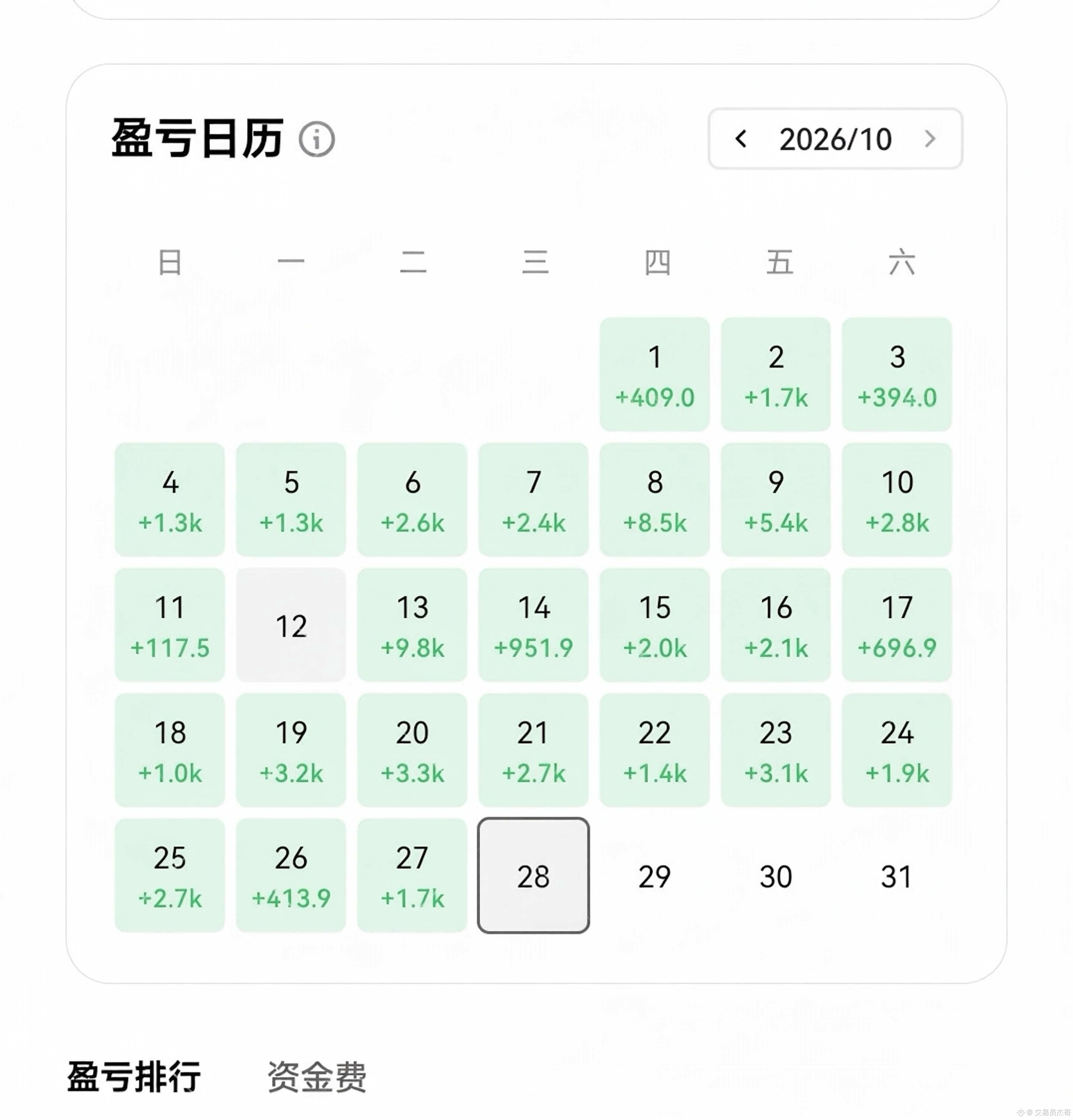
They think that if they want to double 1,000 USDT quickly, they need to go all in with huge positions and trade constantly. In the end, they usually get liquidated and wiped out just as quickly. I've spent years in crypto and have helped countless newcomers turn small accounts into substantial gains through real, hands-on trading. Today, I'm sharing the complete practical steps for growing a 1,000 USDT account from scratch—straightforward, actionable, and repeatable, with no fluff.
Growing an account properly has never meant betting your life on oversized positions or making high-frequency trades. It means controlling position sizes, finding the right rhythm, and executing consistently to build gains step by step. First, strictly limit your starting position size. With 1,000 USDT in capital, keep each position under 500 USDT, and try to use only 200–300 USDT to test the market at first. The top priority for a small account isn't getting rich overnight; it's protecting your capital. Avoid liquidation and major drawdowns. As long as you stay in the game, you'll always have a chance to turn things around.
Second, only trade setups you understand—no blindly opening positions. Choose opportunities with clear support and resistance, a favorable overall trend, and manageable stop-losses. Stick to a risk-reward ratio of at least 2:1, aiming to make each trade a well-considered one. Don't try to guess tops or bottoms, and don't chase erratic markets. Third, set your stop-loss in advance. Limit the maximum loss on each trade to 5%–7% of your account. For a 1,000 USDT account, the stop-loss on any one trade should be no more than 70 USDT. Place your orders in advance, and never widen your stop-loss or hold onto a losing position in the heat of the moment.
Fourth, take profits rationally—don't get greedy. Aim for 30–50 points on small swings and 80–150 points on larger moves. For mid-term positions, maintain a 3:1 risk-reward ratio. The key is to build gains little by little.
Fifth, add to positions in stages. Once your account grows to 3,000 USDT, increase your position size moderately while tightening your risk controls and strictly limiting drawdowns.
Sixth, withdraw profits every time your account doubles. Turn paper gains into real gains, keep a level head, and make sure your hard work doesn't go to waste.
Small accounts depend on protection, medium-sized accounts on execution, and large accounts on stability. I've been teaching my followers this account-growth system through hands-on practice for years. Stick to it consistently for 30 days, and your account curve will speak for itself.
Follow me, Jie. No boasting or empty promises—just practical experience to help you survive in the crypto market. If you're still losing repeatedly and starting over again and again, come talk to me. I'll show you how to make trading simpler.
2
867
·
--
From blowing up my account over and over to making a profit every month—what made the difference?
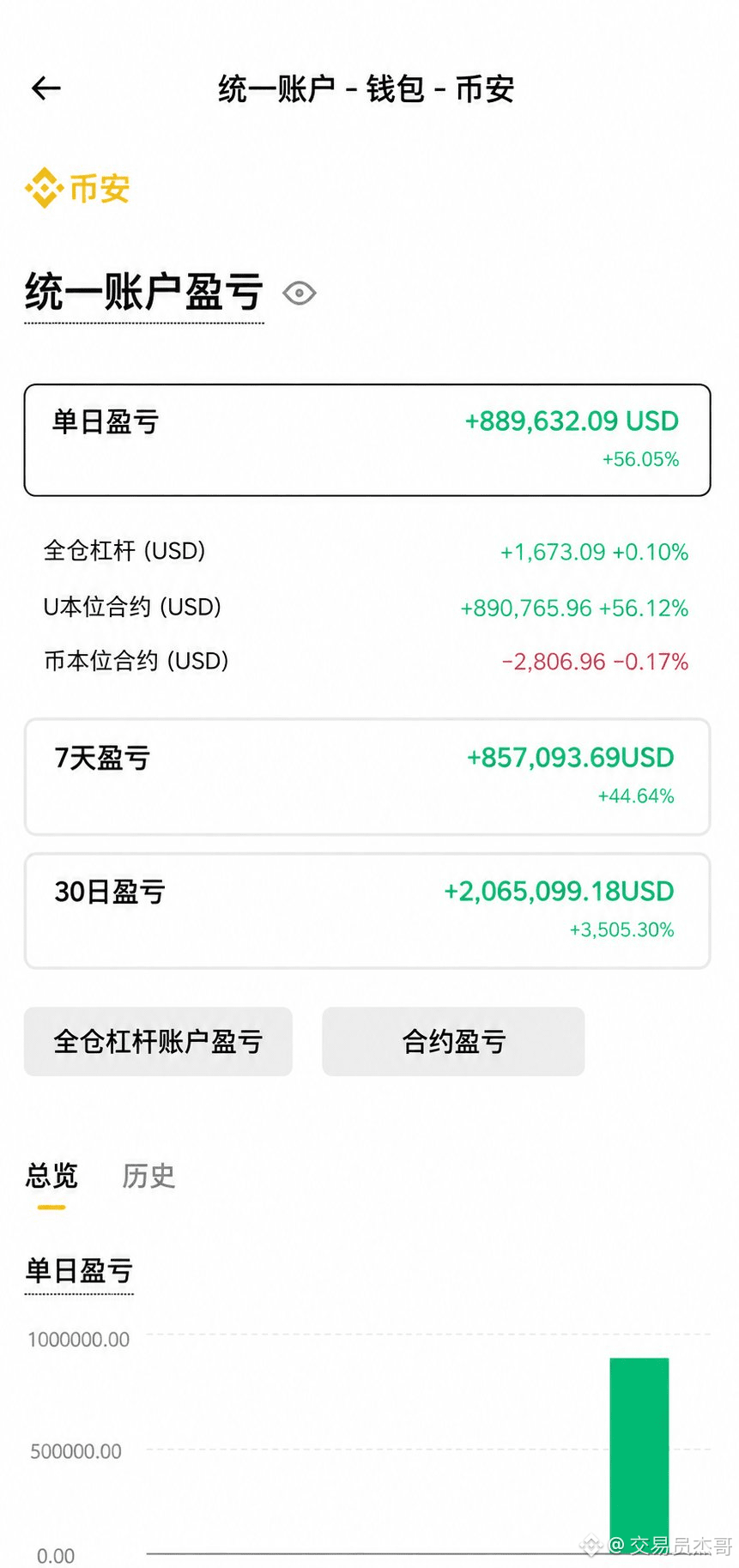
The essence of trading has never been a contest of technical skill; it’s about mastering human nature. Jie learned this lesson only after blowing up his account four times and paying a price of $350,000.
Beginners often fall into three traps: learning every indicator but not daring to place a trade; getting carried away after a small win, then losing everything by overleveraging; and staying up all night watching the charts as their account balance turns red. In reality, 90% of losses stem from cognitive traps.
There are four stages to advancing as a trader. The first is the “blow-up cycle”: placing trades on instinct and mistaking luck for skill, until a string of wins—the market’s “sugar-coated bullets”—gives way to its true, predatory nature. The second is the “knowledge collector”: frantically studying strategies and copying trades without understanding risk management, like running naked through a minefield.
The third is the “willpower warrior”: having the technical skills down but relying on sheer willpower to keep going. The harder you suppress your emotions, the more painfully you lose when you finally snap. The fourth is the “system master”: keeping position sizes fixed (risking less than 2% per trade), becoming comfortable with waiting (better to miss a trade than make a bad one), and staying emotionally detached from wins and losses (account fluctuations no longer determine your sense of success or failure in life). At this point, trading has finally become a tool.
Consistent profitability rests on three pillars: money management is the foundation—you need enough room to make mistakes to survive; a trading system is the framework—its rules must be simple enough to follow almost mindlessly; and mental discipline is the soul. The greed and fear reflected in the candlesticks are your real opponents.
The market never sets out to defeat anyone; losers defeat themselves. The essence of consistent profitability is taming the part of yourself that always wants to get rich overnight.
Follow Jie: no boasting, no empty promises—just practical experience that can help you survive in this field. If you’re still losing, starting over, and losing again, come talk to me. I’ll show you how to simplify trading.
51
·
--
At the height of the 2021 bull run, Brother Jie’s account had unrealized gains of over 3 million in a single day.
But what nobody knew was that before then, I’d lost money consistently for two whole years.
At my lowest point, the first thing I did every morning was check whether I’d been liquidated.
I was really into researching all kinds of indicators.
MACD, KDJ, horizontal lines, Chan theory…
My charts looked more professional than anyone else’s.
But my account just wouldn’t make money.
It was only later that I gradually realized: people who really make money don’t overcomplicate trading.
So I started removing indicators.
In the end, I left only the 20-day moving average on the chart.
From then on, my account started making steady profits for the first time.
What I do is actually very simple:
I only enter when a strong coin breaks out on heavy volume;
if it breaks below my rules, I get out immediately.
If I’m down 2%, I cut my losses;
if I’m up 10%, I start locking in profits. I don’t try to guess the top or catch the bottom.
When there’s no signal, I stay out of the market.
Some people think that’s too slow.
But gradually, my account became more and more stable.
Later, I caught a few major uptrends, and my capital started growing rapidly.
From just over 10,000 to a million, then from a million to ten million.
Even today, I still think the scariest thing in crypto isn’t a bad market.
It’s having no real ability, yet believing you can see right through the market.
Over the years, I’ve seen too many people: they make money fast, lose it even faster, and vanish.
They’re hailed as legends in a bull market, then disappear when the bear market roars in.
The traders who truly survive are often “boring,”
because they only take opportunities they understand.
Follow Brother Jie. No bragging, no empty promises—just practical experience to help you survive in crypto. If you keep losing and starting over, come talk to me. I’ll teach you how to keep trading simple.
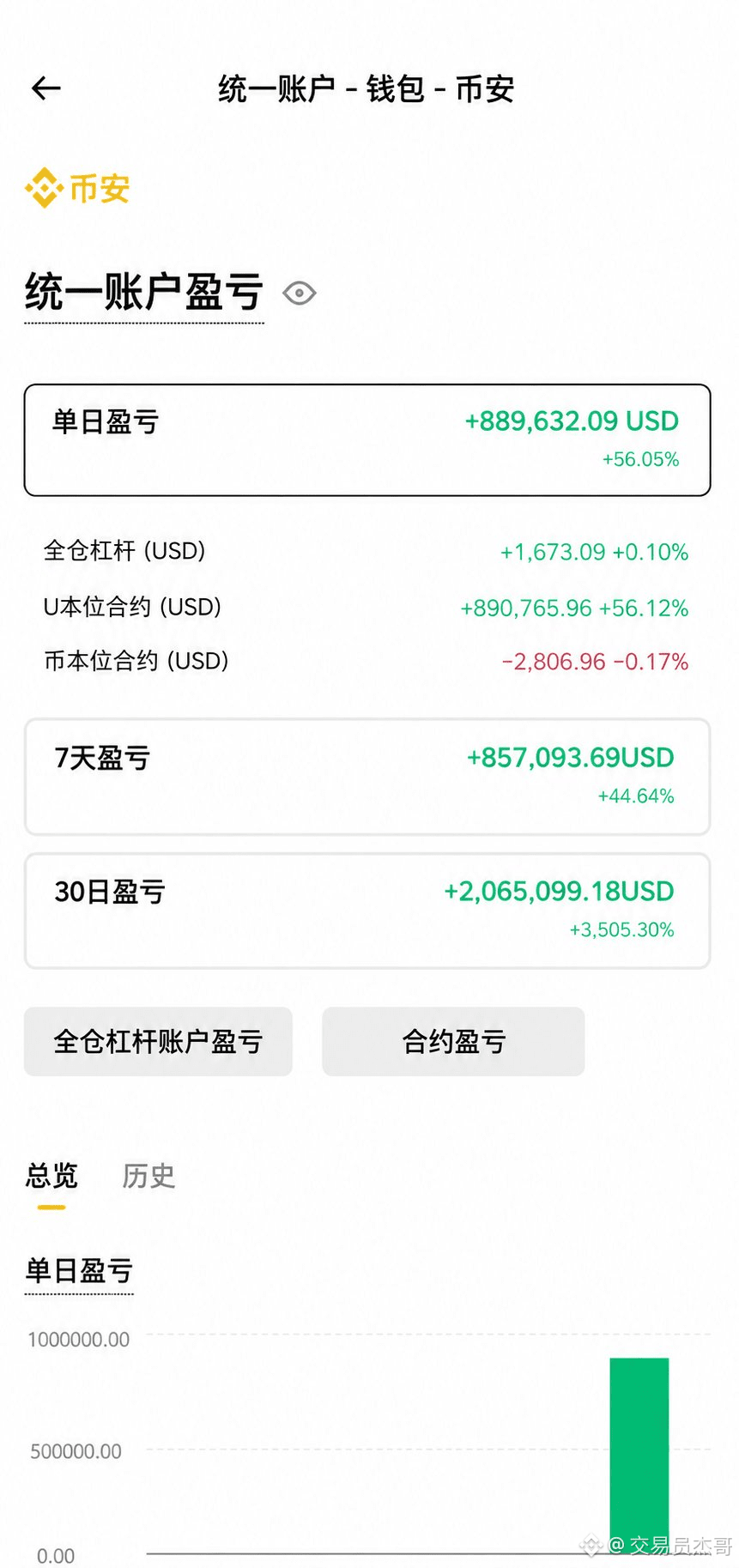
1
121
·
--
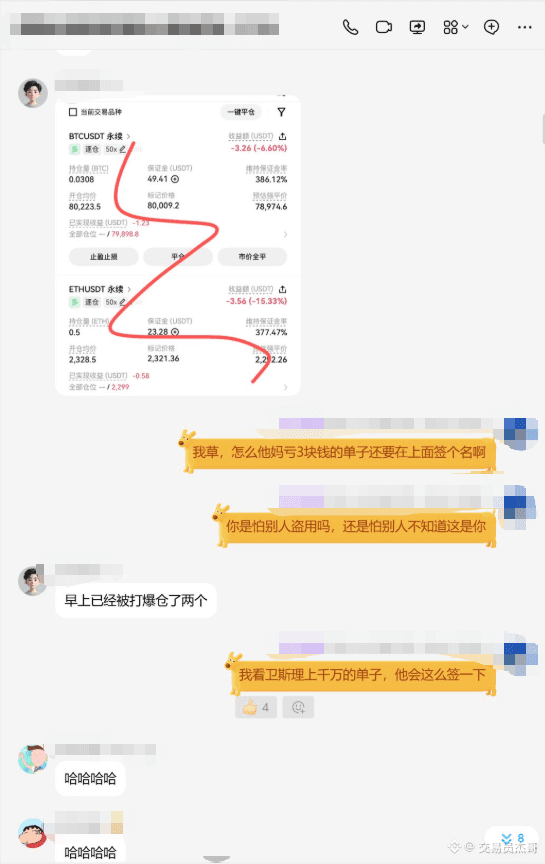
Turning 5,000 USDT into 200,000 USDT was never about gambling.
It came from understanding earlier than most people that in the futures market, what really matters isn’t guts—it’s self-control.
When I first started trading futures, I was just like most people.
Going all in, holding losing positions, betting on direction.
I’d get carried away after a small win and stubbornly hold on after a small loss.
At my worst, I lost more than half my account in a single night.
Sitting in front of the computer, my back was drenched in cold sweat.
It took me a while to understand: the people who survive in futures don’t rely on some magical trading move.
They rely on discipline.
Eventually, I completely changed the way I traded.
I split my funds into 10 portions.
Each time, I risked only a small portion while testing the waters.
If I got the direction right, I rode the trend;
if I got it wrong, I got out immediately.
I never argue with the market, because the market is always right.
I’m the only one who can be wrong.
There’s one more thing I’m absolutely strict about: I never hesitate to cut my losses.
I don’t fantasize about a rebound or wait to “see what happens.”
Because often, holding on for just one more minute can double your losses.
I also set myself one hard rule: after five consecutive losing trades, I stop.
I shut down the computer and walk away.
Because once your emotions take over, you’re not trading anymore—you’re just giving your money away.
One more thing is especially important: you have to withdraw your profits.
The numbers in your account often aren’t really your money.
It only counts as a profit when you actually withdraw it.
Over the years, I’ve come to believe more and more that futures trading isn’t about who makes the biggest gains.
It’s about who can last the longest.
A lot of people go all in and look fearless.
But the ones who can truly weather bull and bear markets are usually the most restrained.
Follow Brother Jie. No bragging, no empty promises—just practical experience to help you survive in this market. If you keep losing and starting over, come talk to me. I’ll show you how to simplify trading.
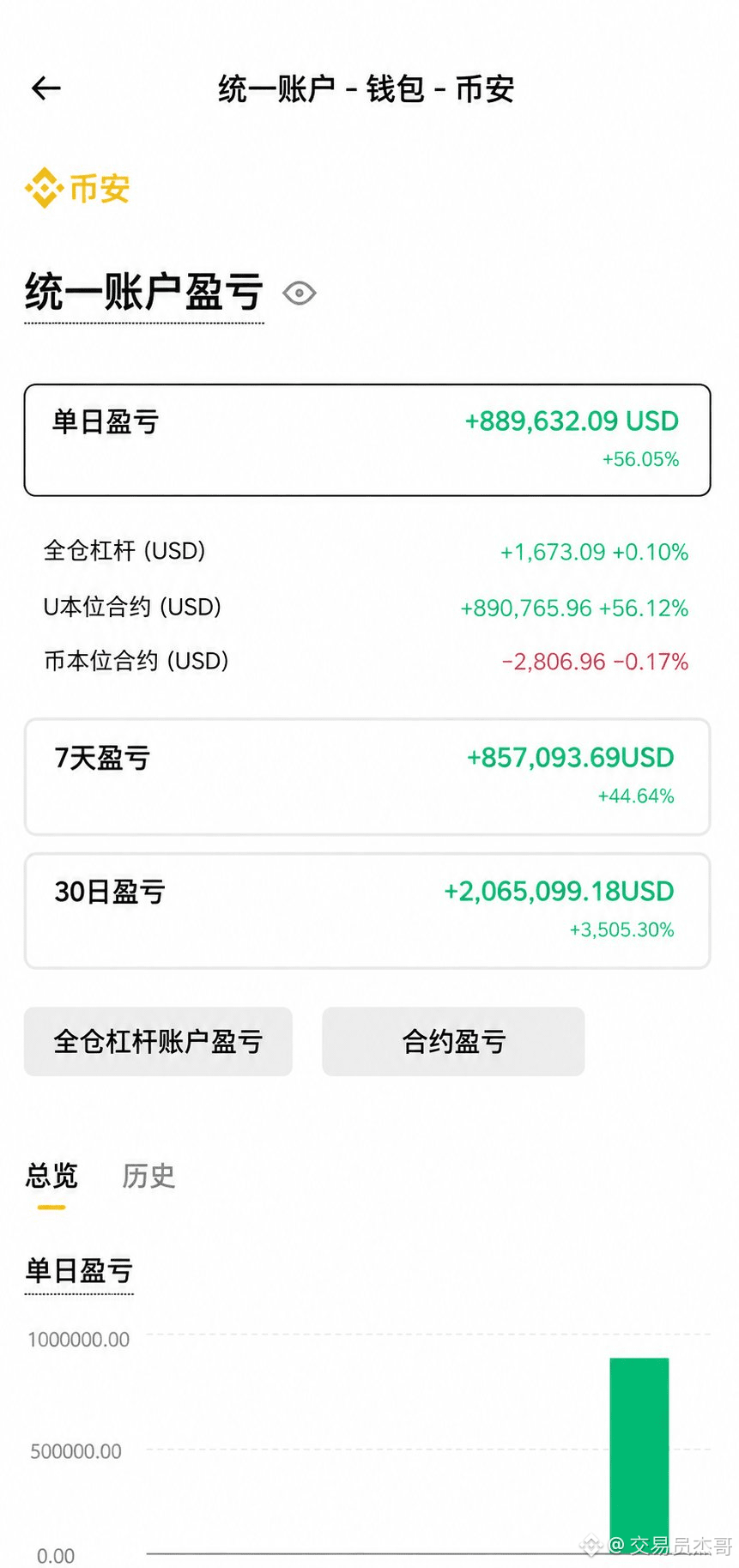
91
·
--
People who can make money consistently over the long term have never relied on luck
In my first few years in the market, I was just like most people
Chasing pumps, going all in, following tips, betting on insider info
Jealous when I saw others making money, but too reluctant to cut losses when prices plunged
At my lowest point, my account kept bleeding until only 3,000U was left
Back then, I stayed up late almost every night, staring blankly at candlestick charts
I’d scroll through other people’s profit screenshots while wondering if I simply wasn’t cut out for this market
Then one day, I suddenly realized something: I wasn’t losing to the market; I was losing to my own greed
That’s when I completely changed the way I traded
I stopped trying to call tops and bottoms; stopped gambling on a comeback; and focused only on trends and swing trades
When the market was moving in my favor, I stayed in; when it wasn’t, I got out immediately
Later, I set a few hard rules for myself: keep positions small; use stop-losses
Take profits first, and prioritize getting my principal out
When the market went crazy, I stayed calm
When the market panicked, that was when I started buying the dips gradually
A lot of people think that’s too slow
But this “simple-minded approach” was what took me from 3,000U to over 50,000U, bit by bit
No liquidations along the way, no risking everything, and definitely no insider tips
Over the years, I’ve come to believe more and more that the scariest thing in crypto has never been a sudden crash
It’s your emotions
You chase when others make money, then panic when the market drops
In the end, you just keep trading back and forth, working for the market
I’ve since coached some of my followers
Some started with 500U and gradually multiplied it several times over—or even more—in just a few months. It wasn’t talent that got them there
They finally learned not to gamble recklessly or chase every move
Follow Jie Ge. No hype, no empty promises—just practical experience to help you survive in crypto. If you’re stuck in a cycle of losing and starting over, come talk to me. I’ll show you how to simplify trading
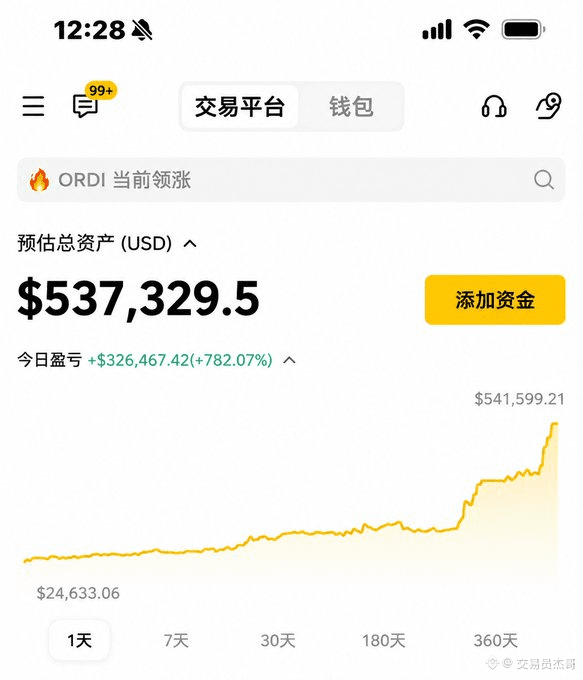
128
·
--
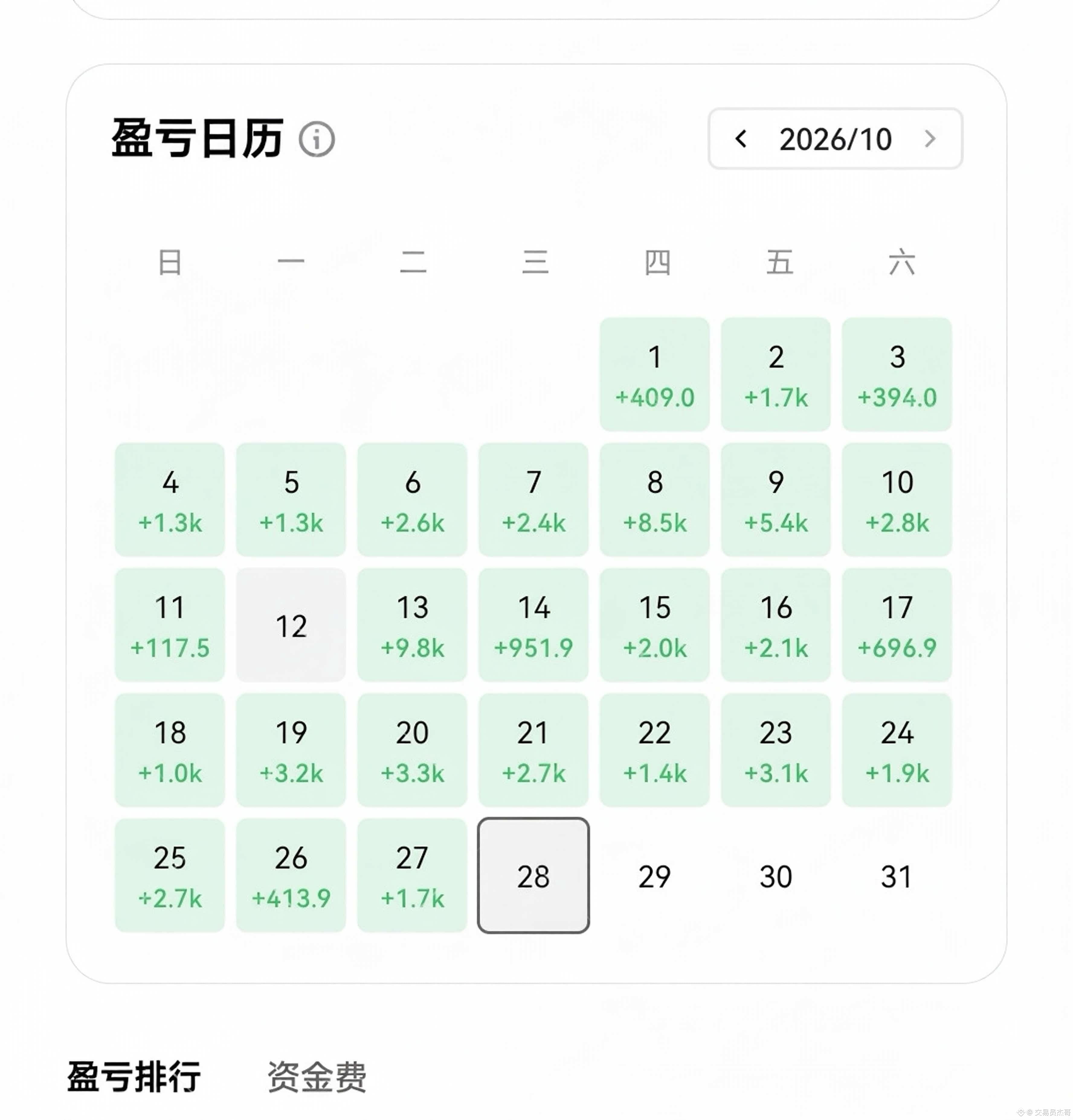
Last year, after one of his followers got liquidated and lost 300,000 U, only 10,000 U remained in his account. He was on the verge of a breakdown.
But in just five months, he not only made it all back, but also netted 50,000 U! The method behind it is worth serious thought from every one of you.
A look at his trading history revealed all the classic “retail trader traps”: chasing pumps and panic-selling dips, going all-in on emotion, and stubbornly holding losing positions.
I immediately told him to stop trading for a week. His only task: review every losing trade.
The results were shocking—90% of his losses came down to two fatal flaws: trading impulses running wild, and stop-loss discipline being nothing more than words on paper.
To address the problem, I laid down two hard rules for him: never risk more than 5% on a single trade, and cap daily losses at 10%.
I also taught him the essence of “leveraging profits”: only enter BTC/ETH trades at key support and resistance levels, with stop-losses placed precisely 1.5% beyond those levels. More importantly, once a trade is up 5%, immediately withdraw the original capital and trade only with the profits—cutting risk off at the root.
The third move was the finishing touch: set aside 2,000 U and split it across three small-cap coins—but absolutely no random shots in the dark.
The selection criteria were strict: first, on-chain data had to show that major holders were still in the game; second, the amount of that coin on exchanges had to be steadily declining (a strong potential signal of an upcoming pump).
With these three strategies, his 10,000 U was like an engine powered by compound growth, surging to 150,000 U in three months!
In crypto, having 10,000 U is never a dead end, yet 99% of people fall prey to the obsession with “making it all back fast.”
Remember: staying in the game longer is a thousand times more important than making money faster! Now, ask yourself seriously: Can you keep your hands off the trade button? Can you engrain your strategy into your trading mindset? If the answer is “yes,” then turning things around is simply a medal that time will award you.
The crypto world is like a martial arts world: victory doesn’t come from being ruthless in the moment, but from staying steady for the long haul. If you understand this, you’re already ahead at the starting line of sound judgment.
If you still don’t know what to do, follow Jie Ge. No boasting, no empty promises—just practical experience that can help you survive in crypto. If you keep losing and starting over, come talk to me. I’ll show you how to simplify trading.
112
·
--
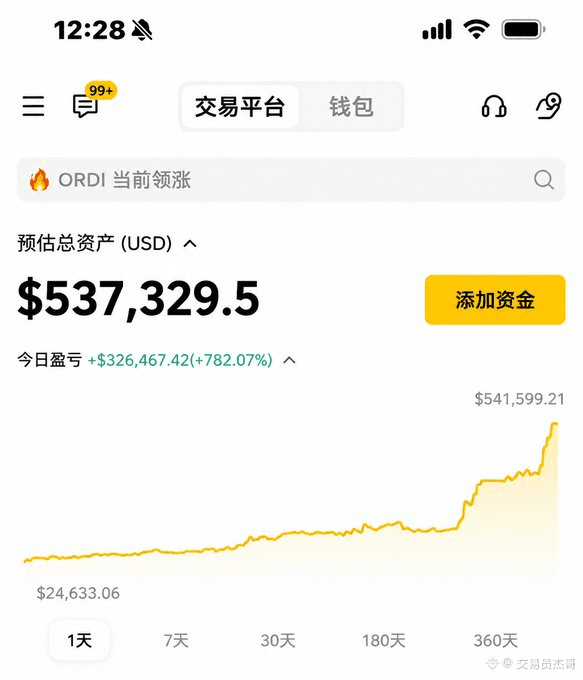
Many newcomers enter the crypto market with one fatal flaw: they want quick profits and low risk, and expect every trade to be a winner. The greedier you get, the more chaotic your timing becomes—and in the end, you’re often the first to get wiped out. Most people lose money not because they can’t read the market, but because they get the timing of their trades completely wrong.
Here’s a real pattern known to people in the industry: genuinely strong coins often drift downward for seven or eight days in a row. Retail traders can’t take the fear and sell at a loss, leaving while cursing the market. Experienced traders, meanwhile, quietly watch the charts and accumulate, knowing that this kind of decline isn’t a crash—it’s just the big players building up momentum and shaking out weak hands.
By contrast, when a coin rises for two days in a row, newcomers see nothing but signs that it’s about to take off and blindly chase it higher. Experienced traders quietly reduce their positions and take profits. When short-term sentiment gets crowded and overheated, a pullback is never far away. A coin that surges more than 7% in a single day may continue climbing on momentum the next day, but keep a close eye on trading volume—you absolutely mustn’t blindly hold on.
Never chase a big winner at the top; a pullback is the best time to enter. We’re in the market to make money, not to prove who has the most courage. Many people get anxious watching the charts and can’t resist switching coins when one trades sideways for a few days. In reality, they’re just wearing themselves down in a market that’s going nowhere. If you can’t read the market and nothing is happening, the best move is to wait patiently.
Here’s one more piece of honest advice: if the price hasn’t even recovered your entry cost by the next day, get out. Don’t stubbornly hold on. In short-term trading, never get into a contest of wills with the market. Popular coins all go through sentiment cycles. Take the middle of the move, not the beginning or the end. Around the fifth day of a rally, take profits and exit decisively. Don’t turn a short-term trade into an obsession.
Remember the key principle: candlesticks show the result; trading volume reveals market sentiment. High volume at low prices is an opportunity; high volume near the top without further gains is a risk. Only trade coins in an uptrend—don’t stubbornly cling to sideways, choppy markets.
With a small account, don’t worry about having little capital—just don’t expect one trade to turn your life around. Long-term profits in crypto are built one trade at a time. The market doesn’t reward the smartest people; it rewards those who stick to their timing and keep their hands in check.
Follow Jie哥. No boasting, no empty promises—just practical experience to help you survive in the market. If you’re still losing over and over and starting over again, come talk to me. I’ll show you how to make trading simple.
89
·
--
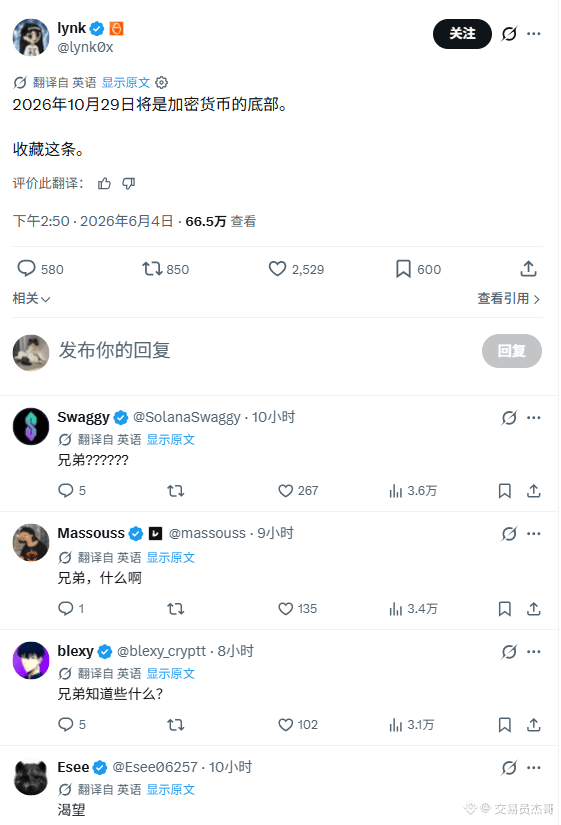
Why can he predict so accurately? Could it be? $ETH
Why can he predict so accurately? Could it be? $ETH
2
2.1k
·
--
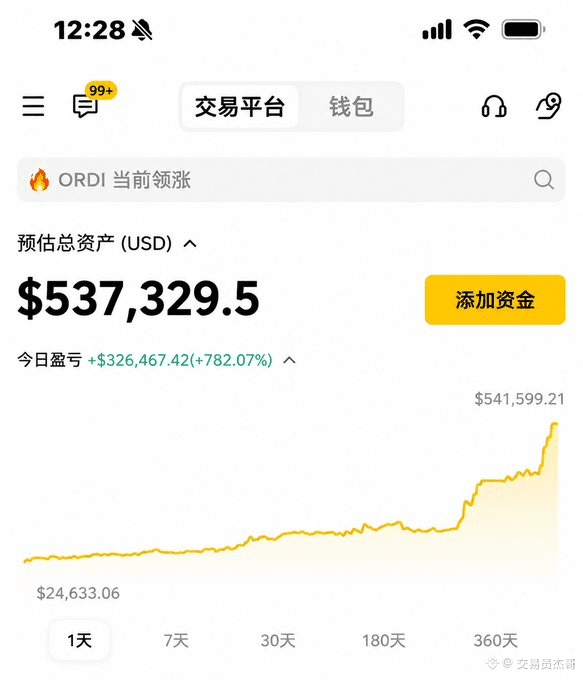
The “foolproof” way to win 95% of your futures trades: just 10 minutes a day, no brainpower needed, and steady profits
When I first started trading futures, I made plenty of mistakes too. I’d stare at a bunch of indicators like MACD and RSI, and the more I looked, the more confused I got. I’d make a dozen trades a day, panic when I made a little profit, and hold on when I was losing. My mindset was shot. I’d stay up watching the charts until the early hours, wrecking my health while my account kept losing more and more
Later, I worked out a simple strategy with a win rate consistently above 90%. That’s when I realized making money really doesn’t have to be this exhausting
Most people in crypto actually lose because they’re “too clever”—always trying to call the exact top or bottom and make quick money with high-frequency trades. In the end, emotions lead them astray, and choppy markets keep proving them wrong
This simple approach does the opposite: don’t predict the direction, don’t chase pumps or sell-offs, and don’t rely on complicated indicators. Just spend 10 minutes a day
A step-by-step guide for beginners—save this post:
First, watch just one indicator: the EMA lines
Set the EMA21 and EMA55. EMA21 shows the short-term trend, while EMA55 shows the medium- to long-term trend. Go long when they cross upward, and go short when they cross downward. Don’t add more indicators—they’ll only cloud your judgment. Just follow these two lines, and the plan is crystal clear
Second, only enter at key levels on the 4-hour chart
Ignore the shorter timeframes. On the 4-hour chart, open a long position when EMA21 crosses above EMA55 and the candle closes bullish. Open a short position when EMA21 crosses below EMA55 and the candle closes bearish. Stay firmly out of choppy areas in between to avoid getting stopped out repeatedly
Third, always use a stop-loss. Never hold on to a losing trade
Place the stop-loss at the high or low of the previous 4-hour candle, and make sure your loss doesn’t exceed 3% to 5% of your capital. I used to hold losing positions and take big losses. Now I stick to my stop-loss rules, and I haven’t had another major setback
Fourth, add to your position as it grows, and let your profits run
Open an initial position using just 5% to 10% of your capital. Once you’re up 5% to 8%, add another 5% to 10%. Keep adding as profits grow, until the EMA lines cross again to signal a reversal. This protects the profit on your initial position while maximizing what you can earn from the trend
One last thing: don’t expect to win every trade. Missing a trade is better than getting it wrong. Make no more than one or two trades a day, and don’t overtrade. Trust your strategy and stick to your rules—that matters more than anything
Follow Jie. No bragging, no empty promises—just practical experience to help you survive in the crypto market. If you’re still stuck in a cycle of losing and starting over, come talk to me. I’ll show you how to simplify trading
193
·
--
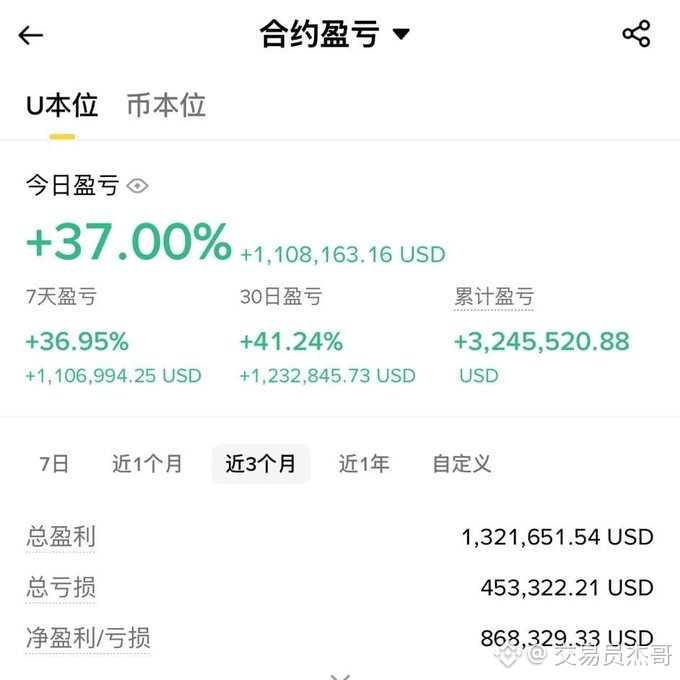
Why does Brother Jie rarely watch the charts, yet grow a five-figure portfolio into eight figures in 8 years? The answer is just four words: turn off the quotes.
People often ask me: “Brother Jie, how long do you watch the market each day?”
I say: “One hour.”
They don’t believe me.
But I’ll tell you this: the longer you watch the charts, the more you lose.
I used to spend more than ten hours a day watching the market—drawing trend lines, guessing tops, chasing news. I blew up my account three times and nearly couldn’t pay rent.
Then I figured it out: candlesticks won’t go up just because you stare at them, but staring at them can make you act irrationally.
So I did something “against human nature”—I simplified.
I deleted every indicator and kept only one 20-day moving average.
I open the exchange just twice a day: at 10 a.m., I take a quick look at the 4-hour chart; at 10 p.m., I check whether my take-profit or stop-loss has been triggered.
I have only one weapon: the N-shaped pattern.
A vertical surge, a slanted pullback, then another vertical breakout—that’s when I enter.
If the pattern breaks down, I exit.
No adding to losing positions, no holding and hoping, no leverage.
A 2% stop-loss and a 10% take-profit—even a 35% win rate can still make you consistently profitable.
Brother Jie reached A8 not through “divine predictions,” but through mechanical execution.
Follow Brother Jie: no bragging, no empty promises—just practical experience for surviving in this space. If you’re still losing over and over and starting from scratch each time, come talk to me. I’ll teach you how to simplify trading.
146
·
--
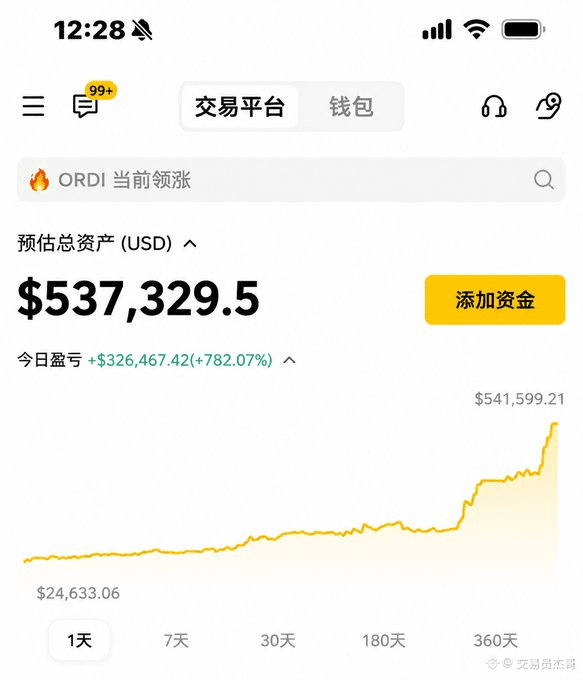
If you’re working with less than 5,000 USDT and want to 10x your money in a bull market
Don’t argue with me: for Jie, having less than 5,000 USDT is pretty much the same as having 500 USDT. Either way, you’re still building your initial capital—you’re not ready to hit the accelerator yet.
These 10 lessons could save you—especially number 8, where most people lose money.
1. With a small bankroll, learn to “wait,” not go “all in”
With 200,000 yuan in capital, catching two or three moves of over 30% in major coins is enough. In a bull market, the biggest danger isn’t missing out—it’s being stuck in a fully invested position. Those who dare to sit on the sidelines are the real hunters.
2. Learn how not to lose before learning how to make money
The most expensive sentence in crypto is: “I think this time is different.” You can only make money within the limits of what you understand. Practice on a demo account first, and only trade with real money once you’re level-headed. Remember: one loss in live trading could mean you never get another chance.
3. Good news = bad news? Watch out for the “news trap”
If a coin has already surged by the day major good news is announced, a higher open the next day is often a chance to sell. Market makers know better than you how to use good news to fleece retail traders.
4. One thing you should always do before a holiday
Looking at data from the past five years, the odds of a drop in the week before a holiday are over 70%. Either reduce your position or sit out the holiday—don’t fight the pattern.
5. The key to medium- and long-term investing: always keep some powder dry
Don’t use up all your chips at once. Sell in batches when prices rise, buy in batches when they fall. Cash flow is your safety net.
6. For short-term trading, focus on one thing: momentum
A sudden surge in volume plus a breakout above resistance? Get in right away. If the price is moving sideways on declining volume, it’s better to miss the move than make a bad trade.
7. Could a sharp crash actually be an opportunity?
A slow, steady decline means there may be no buyers stepping in, and prices could keep falling. A sharp drop on heavy volume is often the final flush—and a rebound may be just around the corner.
8. 90% of people fail because of this one mistake
“Just wait a little longer and I’ll break even” is the biggest illusion. Cut losses quickly and let profits run. If you lose 50% of your capital, you need to make 100% just to break even—are you sure you can do that?
9. A short-term trading tool: the 15-minute KDJ
Buy on a golden cross, sell on a death cross, and use trading volume to filter out false signals. Suitable for people who don’t have time to watch the charts.
10. The ultimate advice: less is more
Mastering three to five profitable strategies is enough. There are thousands of technical indicators, but usually only one or two can help you make consistent profits.
Follow Jie: no hype, no empty promises—just practical experience for surviving in the crypto market. If you keep losing and starting over, come talk to me. I’ll show you how to simplify trading.
216
·
--
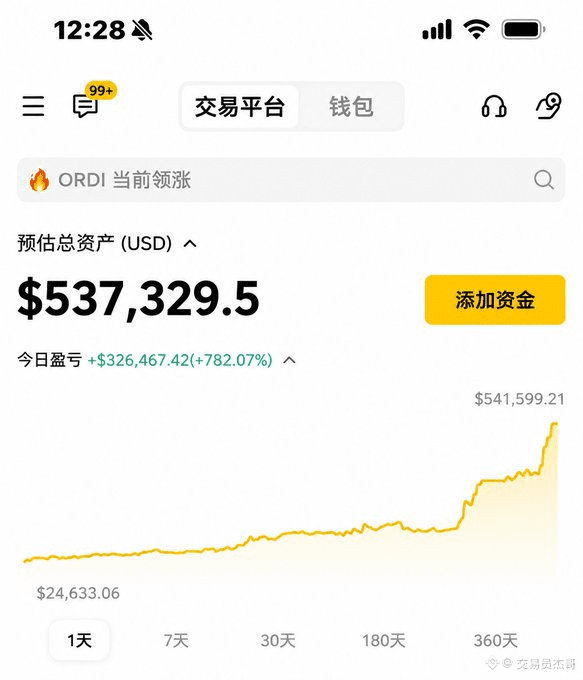
The market doesn’t move because you guess—it shows you where it’s going.
People often ask me, “Jie, will it go up or down tomorrow?” My answer is always: “I don’t know.”
I don’t try to call the top or pick the bottom.
I just wait for the price to reach my key levels, wait for the candlesticks to give me a confirmation signal, and then follow my rules.
Making friends with the market is what we should do.
My biggest lesson from these past few years is learning to wait.
When a signal comes, I take the trade. If I’m wrong, I cut my losses. If I’m right, I let it run.
It’s not that I think the price will fall—it’s that my system tells me this is a place to go short.
It’s not that I think the price will rise—it’s that my system tells me this is a place to go long.
How the market moves is up to the market. How I respond is up to me. All I can do is make my rules clear, then follow them.
Act when the price reaches my level. If it doesn’t, do nothing.
If I’m wrong, I own it. If I’m right, I don’t get greedy. If I can’t make sense of it, I wait. If I can, I trade.
That’s my rhythm. It’s not perfect, but it’s kept me in the game.
Follow Jie: no hype, no empty promises—just practical experience that can help you survive in this field. If you’re stuck losing over and over and starting over again, come talk to me. I’ll teach you how to simplify trading.
84
·
--
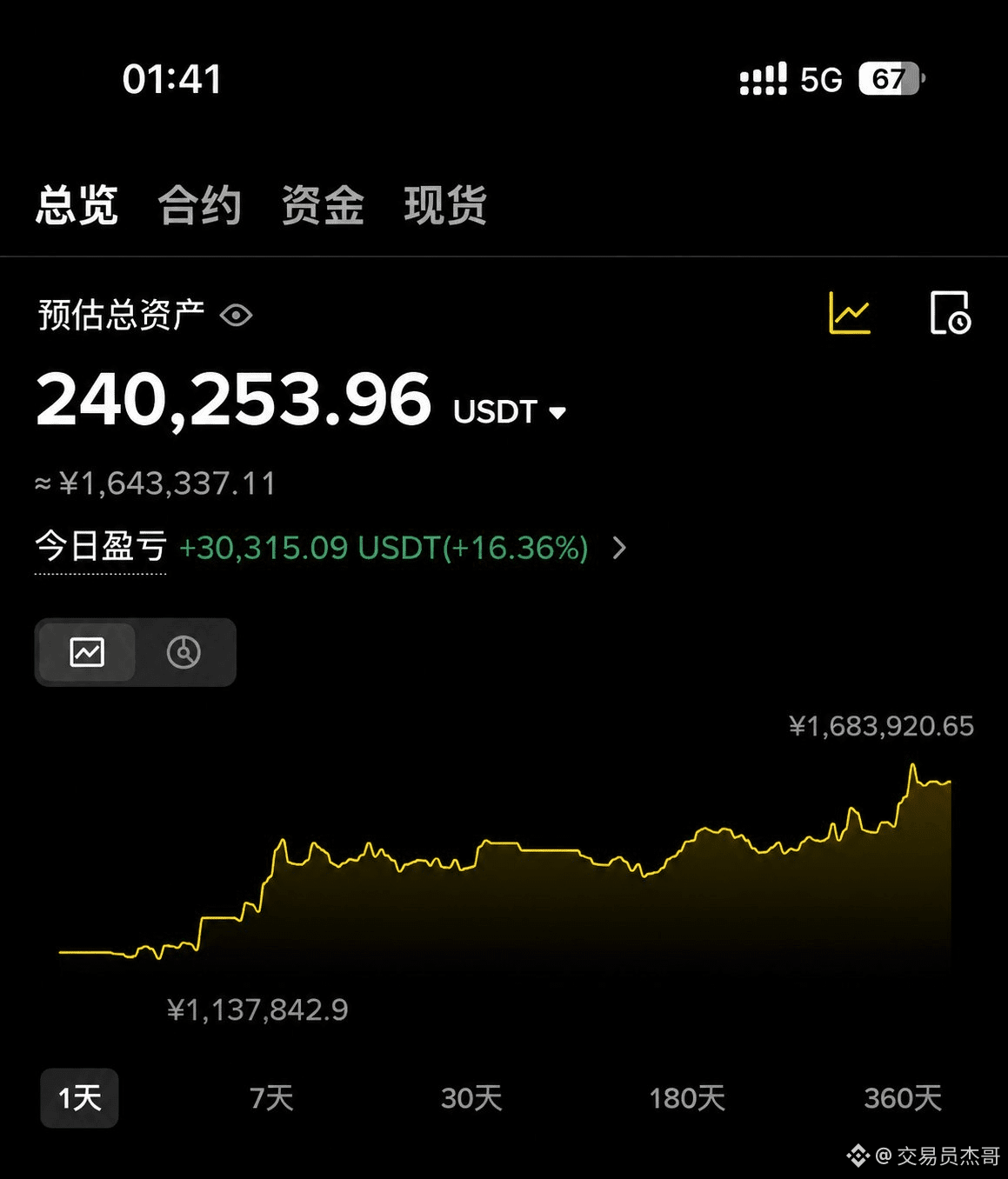
During that bear market, one of Brother Jie's followers lost 300,000. In the end, he slowly climbed back, bit by bit, using the little principal he had left.
It wasn't like he blew it all in one trade. He watched his account shrink day by day, like a frog slowly boiling in water, and kept telling himself, “Just hang in there and it'll come back.”
It wasn't until the day his balance hit zero that it finally sank in—everything was gone.
During that time, he couldn't sleep, didn't want to look at his social feed, and couldn't be bothered replying when people asked him anything.
He dreaded anyone asking, “How have you been lately?” because he didn't even have the energy to pretend everything was fine.
He really did think about giving up. He figured maybe this was just how things were going to be.
Then he came across a line that snapped him out of it: “Losing everything isn't the end. Refusing to quit is.” And it was true. Money can be earned again; you can't let yourself fall apart along with it.
He dug out what money he had left. No more high-leverage contracts, no more dreams of getting rich overnight.
He just studied the charts and took it one trade at a time. Even if he only made a few dozen yuan on a trade, at least he was moving forward. At his lowest point, he ate just one meal a day and watched the charts until his eyes ached.
But he had just one thought in mind: this time, I don't need to make it big. I just need to survive.
And so he kept going, slowly building back up, slowly enduring. It wasn't anything impressive, but he did come to understand one thing:
A real comeback isn't about how much you can make in one go. It's about daring to stand back up after you've lost everything.
If you're going through a hard time right now, too—don't worry about being slow or making too little, and don't be afraid to start over.
As long as you're still in the game, you haven't lost.
Follow Brother Jie. No bragging, no empty promises—just practical experience to help you survive in this market. If you keep losing and starting over, come talk to me. I'll show you how to simplify trading.
203
·
--
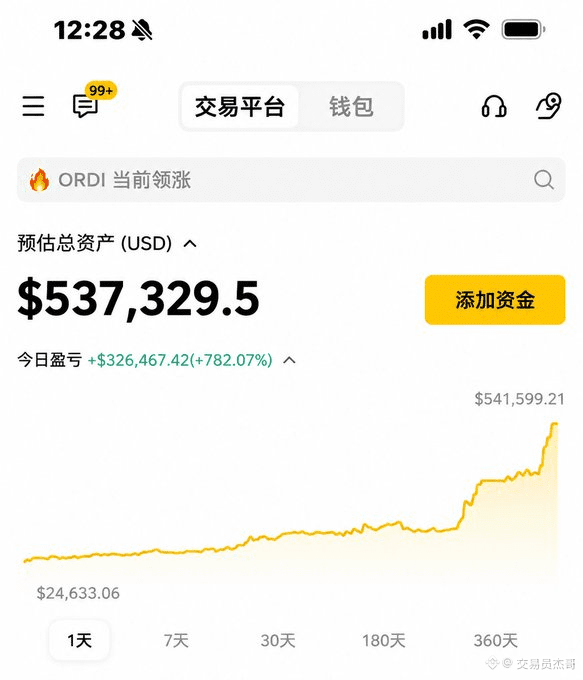
Today, let’s talk about a harsh reality. So many followers come to me and say, “Bro Jie, how come I see so many people on the boards making money going long, but the more I go long, the more I lose?
Are you like that too? You see other people posting their wins and get so tempted that you rush to check your own account, only to find you’re still going nowhere. So you panic, chase the pump, go all in with high leverage, and wish you could make back in one trade what someone else earned in a year. And what happens? They’re still posting their wins, while your account is almost wiped out.
The problem isn’t that you don’t have opportunities. It’s that you’re always dancing to someone else’s tune. They make money going long, so you follow them in—just as they’re getting ready to exit. They make money shorting, so you follow them again—and they’ve already left. You’re always chasing, always left holding the bag.
I had a follower who used to be exactly like that. Every day, he’d watch the group chat to see who was making money and who had doubled their account, then jump right in. He got liquidated twice in three months. Later, I told him to do one thing: leave all the groups. Stop watching how much other people make, and focus only on his own charts and rules. Two months later, his account finally started turning green. He told me that once he stopped watching other people, he could finally calm down.
Stop staring at the meat in someone else’s bowl. Your job is to get your own pot cooking. People who make money aren’t necessarily brilliant—they stick to their own pace, stay calm, and don’t follow the crowd. Bring your attention back to yourself and keep your hands in check. Wait when it’s time to wait, and act when it’s time to act. You’ll find that you can catch those opportunities you used to envy, too.
Follow Bro Jie. No empty promises or pie in the sky—just practical experience on how to survive in this space. If you keep losing and starting over, come talk to me. I’ll show you how to make trading simple.
86
·
--
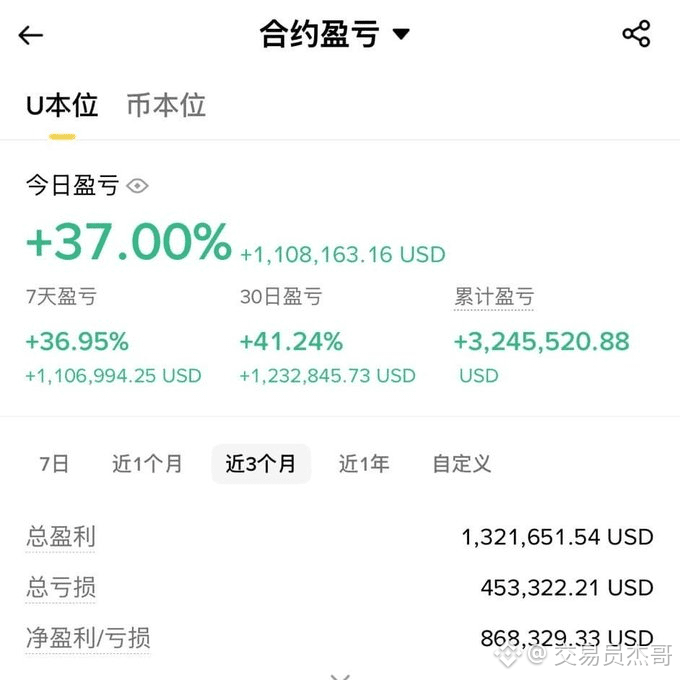
Stop averaging down! 90% of people in crypto die by this one move.
A follower recently told me:
“I held on to three huge losing positions… I lost hundreds of thousands, and it took me a whole month just to slowly fill the hole back in.”
“It was really tormenting.”
After hearing that, I had only one thing to say:
Futures aren’t what hurt people; the mindset is the executioner.
01|Averaging down is the gentlest, yet most deadly illusion for retail traders
At first, you tell yourself:
“Wait a bit longer, it’ll come back.”
“Hold on a little, the rebound is coming any second.”
“If it drops a bit more, I’ll cut it.”
And the result?
The market doesn’t rebound, but your heart does first.
The chart doesn’t kill you; you kill yourself.
Averaging down is not a luck issue,
it’s treating losses as a lucky break and risk as a belief.
02|Why can’t you average down? Because anyone who does will eventually blow up once.
You might get lucky once, twice, three times.
But as long as the market gives you one “ultimate punishment,”
it can swallow up every bit of luck you had before.
Remember this harsh but true line:
Those who can survive small losses will eventually fail to survive a big one.
Beginners who get taught by the market will sooner or later get taught by liquidation.
03|Being steady goes against human nature, but steady people are the ones who survive.
Steady, step-by-step progress is not cowardice,
it is maturity.
Not averaging down is not weakness,
it is understanding.
People who go far don’t rely on “big gambles,”
they rely on:
stable mindset
controllable risk
admitting mistakes with a clear head
respecting the trend
knowing when to cut losses
Sounds boring?
But it’s these five things that turn countless people from gamblers into players.
04|What truly hurts people isn’t futures, it’s thinking you can “beat the market”
The market won’t soften because you’re losing money,
it won’t rebound because you insist on it,
and it definitely won’t change direction because you keep averaging down.
What you’re holding on to isn’t the loss,
it’s the illusion.
What you lose isn’t money,
it’s future opportunities.
05|A heartfelt line for all beginners:
Don’t average down.
Don’t gamble with your life.
Don’t trade emotions for tuition.
Those who make it through are never the most aggressive,
but the most steady.
Stay steady, and the market may spare you.
Follow Jie Ge. No bragging, no empty promises—just practical experience on how to survive in this space. If you’re still losing over and over and starting over again, come talk to me. I’ll teach you how to keep trading simple
233
Log in to explore more content
Join global crypto users on Binance Square
⚡️ Get latest and useful information about crypto.
💬 Trusted by the world’s largest crypto exchange.
👍 Discover real insights from verified creators.
Email / Phone number
Trending Topics
UniswapA16zSeekDeFiExemptionFromIllinoisCryptoTax
41,141 views
909 Discussing
#CryptoTax 🚨 CRYPTO MARKET & REGULATORY UPDATE #HKDollarStablecoinHKDAPToLaunchOnSolana
#uniswapa16zseekdefiexemptionfromillinoiscryptotax UNISWAP, a16z & DeFi Education Fund Challenge Illinois Crypto Tax Rules
October 30, 2026 | Market Volatility & Industry Developments
📊 1. MARKET SNAPSHOT
Crypto markets are showing mixed signals, with selected assets posting sharp gains while several major cryptocurrencies remain under pressure.
📈 Top reported gainers
SOPH: +60.81% — $0.00238
BEAMX: +37.94% — $0.004701
SKDDB: +16.81% — $9.38
📉 Notable reported losers
INTWUSDT: −61.09% — $6.72
AKEUSDT: −31.47% — $0.013989
SNXXUSDT: −30.71% — $6.43
🔎 Major crypto assets under pressure
DOGE: −5.06%
PEPE: −4.91%
SUI: −4.83%
NEAR: −3.28%
XRP: −3.13%
Uniswap Labs, Andreessen Horowitz (a16z), and the DeFi Education Fund (DEF) are pushing for exemptions from Illinois’
#Uniswap #a16z #DeFi #CryptoRegulation #Illinois # #Web3 #BinanceSquare
#HKDollarStablecoinHKDAPToLaunchOnSolana #HKDAP #Stablecoin #CryptoNews #Blockchain #DeFi #DigitalPayments
⚖️ 3. UNISWAP, a16z & ILLINOIS CRYPTO TAX RULES
Uniswap Labs, Andreessen Horowitz (a16z), and the DeFi Education Fund are associated with efforts to seek exemptions proposed Illinois crypto tax requirements.
The debate highlights a key question: How should tax-reporting obligations apply to decentralized that may not operate like traditional financial intermediaries?
The outcome could influence DeFi compliance, developer obligations, and the future regulatory environment.
#BinanceSquare #CryptoNews #HKDAP #Stablecoin #Uniswap #a16z #DeFi #CryptoTax
CHASEPA SULUXù
·2 Likes
·447 views
HKDollarStablecoinHKDAPToLaunchOnSolana
29,611 views
593 Discussing
$1.5BInLeveragedCryptoBetsLiquidated
59,869 views
271 Discussing