

amerxp
10 Posts

amerxp
Report
Block User
Open Trade
12 Months
5 Following
33 Followers
61 Liked
Posts
Portfolio
·
--
Article
Better-than-expected US CPI inflation: Fed expected to continue supporting BitcoinAnother rate cut is almost certain. Market participants were eagerly awaiting the US Consumer Price Index (CPI) this Friday, October 24, 2025. This is an important indicator of whether the Fed (the US Federal Reserve) will continue to lower its key rates, as it did again last month. And the figures are now in: inflation is proving lower than expected.
Key points of this article:
Financial markets eagerly awaited the US consumer price index to assess the Fed's future policy.
The CPI release revealed inflation held steady at 3%, reinforcing expectations of a further cut in the Fed's key interest rates.
Inflation under control? CPI stagnates at 3% year-on-year in the United States
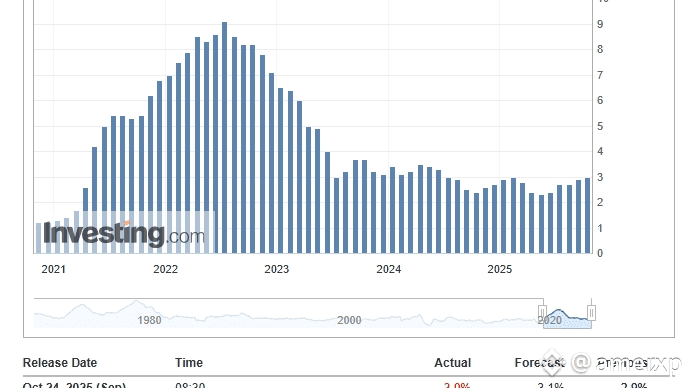
On October 24, the Bureau of Labor Statistics (BLS) released the monthly update of the CPI, or Consumer Price Index, which measures inflation in the United States. And despite a very slight increase, it is less strong than what was feared, going from 2.9% to 3% over a rolling year.
This is indeed better than expected, since the markets were anticipating a rise of 3.1%. And even better: the CPI Core index, which excludes categories subject to more volatility such as food and energy, even fell by -0.1%, to stand at 3% over one year also, against 3.1% previously and a forecast of 3.1%.
Consumer price inflation (CPI) is rising very slightly, but less than expected. – Source: investing.com
Another Fed Rate Cut Ahead: Good News for $BTC and Cryptocurrencies
$BTC
{spot}(BTCUSDT)
While the Bitcoin and cryptocurrency markets have yet to react strongly to these CPI figures, this continued control of US inflation should be bullish for the sector. Indeed, the Federal Reserve and its Chairman Jerome Powell are ensuring that inflation does not rise too sharply as the US central bank continues to lower its interest rates .
Financial market observers and players are more than confident that a further rate cut will take place at the next FOMC (Federal Open Market Committee) meeting on October 29.
Indeed, according to the CME Group's FedWatch tool (below), nearly 95% of market participants anticipate a cut in the Fed's key interest rates. These rates should therefore be reduced by 25 basis points, to settle in a range of 3.75 to 4% (compared to 4 to 4.25% currently).
This second rate cut for 2025 (before a third in December?) is all the more certain since the new Fed governor, Stephen Miran, appointed by President Donald Trump, is a fervent supporter. Last month, he even argued for a 50 basis point cut instead of just 25 points. In any case, in the long term, this reduction in rates by the American central bank should benefit Bitcoin and cryptocurrencies because, as with stocks and other "risk-on" assets, it indicates a more accommodative monetary policy and an influx of liquidity.
Better-than-expected US CPI inflation: Fed expected to continue supporting Bitcoin
Another rate cut is almost certain. Market participants were eagerly awaiting the US Consumer Price Index (CPI) this Friday, October 24, 2025. This is an important indicator of whether the Fed (the US Federal Reserve) will continue to lower its key rates, as it did again last month. And the figures are now in: inflation is proving lower than expected.
Key points of this article:
Financial markets eagerly awaited the US consumer price index to assess the Fed's future policy.
The CPI release revealed inflation held steady at 3%, reinforcing expectations of a further cut in the Fed's key interest rates.
Inflation under control? CPI stagnates at 3% year-on-year in the United States
On October 24, the Bureau of Labor Statistics (BLS) released the monthly update of the CPI, or Consumer Price Index, which measures inflation in the United States. And despite a very slight increase, it is less strong than what was feared, going from 2.9% to 3% over a rolling year.
This is indeed better than expected, since the markets were anticipating a rise of 3.1%. And even better: the CPI Core index, which excludes categories subject to more volatility such as food and energy, even fell by -0.1%, to stand at 3% over one year also, against 3.1% previously and a forecast of 3.1%.
Consumer price inflation (CPI) is rising very slightly, but less than expected. – Source: investing.com
Another Fed Rate Cut Ahead: Good News for $BTC and Cryptocurrencies
$BTC
While the Bitcoin and cryptocurrency markets have yet to react strongly to these CPI figures, this continued control of US inflation should be bullish for the sector. Indeed, the Federal Reserve and its Chairman Jerome Powell are ensuring that inflation does not rise too sharply as the US central bank continues to lower its interest rates .
Financial market observers and players are more than confident that a further rate cut will take place at the next FOMC (Federal Open Market Committee) meeting on October 29.
Indeed, according to the CME Group's FedWatch tool (below), nearly 95% of market participants anticipate a cut in the Fed's key interest rates. These rates should therefore be reduced by 25 basis points, to settle in a range of 3.75 to 4% (compared to 4 to 4.25% currently).
This second rate cut for 2025 (before a third in December?) is all the more certain since the new Fed governor, Stephen Miran, appointed by President Donald Trump, is a fervent supporter. Last month, he even argued for a 50 basis point cut instead of just 25 points. In any case, in the long term, this reduction in rates by the American central bank should benefit Bitcoin and cryptocurrencies because, as with stocks and other "risk-on" assets, it indicates a more accommodative monetary policy and an influx of liquidity.
Key points of this article:
Financial markets eagerly awaited the US consumer price index to assess the Fed's future policy.
The CPI release revealed inflation held steady at 3%, reinforcing expectations of a further cut in the Fed's key interest rates.
Inflation under control? CPI stagnates at 3% year-on-year in the United States
On October 24, the Bureau of Labor Statistics (BLS) released the monthly update of the CPI, or Consumer Price Index, which measures inflation in the United States. And despite a very slight increase, it is less strong than what was feared, going from 2.9% to 3% over a rolling year.
This is indeed better than expected, since the markets were anticipating a rise of 3.1%. And even better: the CPI Core index, which excludes categories subject to more volatility such as food and energy, even fell by -0.1%, to stand at 3% over one year also, against 3.1% previously and a forecast of 3.1%.
Consumer price inflation (CPI) is rising very slightly, but less than expected. – Source: investing.com
Another Fed Rate Cut Ahead: Good News for $BTC and Cryptocurrencies
$BTC
While the Bitcoin and cryptocurrency markets have yet to react strongly to these CPI figures, this continued control of US inflation should be bullish for the sector. Indeed, the Federal Reserve and its Chairman Jerome Powell are ensuring that inflation does not rise too sharply as the US central bank continues to lower its interest rates .
Financial market observers and players are more than confident that a further rate cut will take place at the next FOMC (Federal Open Market Committee) meeting on October 29.
Indeed, according to the CME Group's FedWatch tool (below), nearly 95% of market participants anticipate a cut in the Fed's key interest rates. These rates should therefore be reduced by 25 basis points, to settle in a range of 3.75 to 4% (compared to 4 to 4.25% currently).
This second rate cut for 2025 (before a third in December?) is all the more certain since the new Fed governor, Stephen Miran, appointed by President Donald Trump, is a fervent supporter. Last month, he even argued for a 50 basis point cut instead of just 25 points. In any case, in the long term, this reduction in rates by the American central bank should benefit Bitcoin and cryptocurrencies because, as with stocks and other "risk-on" assets, it indicates a more accommodative monetary policy and an influx of liquidity.
12
426
·
--

Article
JP Morgan to Accept Bitcoin and Ethereum as Collateral for Institutional LoansCrypto is becoming institutionalized. JPMorgan Chase, the investment banking giant that has historically been critical of crypto, is preparing to allow its institutional clients to use their $BTC and $ETH
{spot}(ETHUSDT)
holdings as collateral for loans. This initiative could even be completed by the end of the year, marking a major step in the integration of cryptocurrencies into traditional financial services.
Key points of this article:
JPMorgan Chase has announced plans to accept Bitcoin and Ethereum as collateral for institutional loans by the end of the year, a move that could disrupt traditional finance.
The move marks a historic step forward in Wall Street's embrace of cryptocurrencies, as other financial giants follow suit by expanding their digital asset services.
Bitcoin and Ethereum as collateral: a first for JPMorgan
In a move that may come as a surprise, but isn't entirely surprising, JPMorgan has just announced that it will soon accept cryptocurrencies as collateral for its institutional loans. Under this global program, BTC and ETH will be secured by a third-party custodian, providing investors with peace of mind.
This isn't the first time JPMorgan has dabbled in crypto. The bank had already begun accepting cryptocurrency-linked ETFs as loan collateral, but this latest move marks a significant step forward. With bitcoin reaching all-time highs and regulatory barriers easing, even Wall Street 's biggest skeptics seem ready to embrace the digital revolution.
JPMorgan to accept bitcoin and ether as collateral for institutional loans – Source: Compte X
Wall Street embraces cryptocurrency
JPMorgan isn't alone in this race for innovation. Other financial giants, such as Morgan Stanley , State Street, and Fidelity, are also expanding their cryptocurrency offerings. These institutions are launching custody and retail access solutions, responding to growing investor demand.
This trend reflects the rapid integration of digital assets into Wall Street 's lending infrastructure. Banks, once cautious about the risks associated with cryptocurrencies, are shifting course from skepticism to actively incorporating these assets into their financial services.
JPMorgan's decision to allow Bitcoin and Ethereum to be used as loan collateral could transform the financial landscape. It offers institutional investors a new way to leverage their cryptocurrency holdings while also strengthening the legitimacy of these assets on the global stage.
JP Morgan to Accept Bitcoin and Ethereum as Collateral for Institutional Loans
Crypto is becoming institutionalized. JPMorgan Chase, the investment banking giant that has historically been critical of crypto, is preparing to allow its institutional clients to use their $BTC and $ETH
holdings as collateral for loans. This initiative could even be completed by the end of the year, marking a major step in the integration of cryptocurrencies into traditional financial services.
Key points of this article:
JPMorgan Chase has announced plans to accept Bitcoin and Ethereum as collateral for institutional loans by the end of the year, a move that could disrupt traditional finance.
The move marks a historic step forward in Wall Street's embrace of cryptocurrencies, as other financial giants follow suit by expanding their digital asset services.
Bitcoin and Ethereum as collateral: a first for JPMorgan
In a move that may come as a surprise, but isn't entirely surprising, JPMorgan has just announced that it will soon accept cryptocurrencies as collateral for its institutional loans. Under this global program, BTC and ETH will be secured by a third-party custodian, providing investors with peace of mind.
This isn't the first time JPMorgan has dabbled in crypto. The bank had already begun accepting cryptocurrency-linked ETFs as loan collateral, but this latest move marks a significant step forward. With bitcoin reaching all-time highs and regulatory barriers easing, even Wall Street 's biggest skeptics seem ready to embrace the digital revolution.
JPMorgan to accept bitcoin and ether as collateral for institutional loans – Source: Compte X
Wall Street embraces cryptocurrency
JPMorgan isn't alone in this race for innovation. Other financial giants, such as Morgan Stanley , State Street, and Fidelity, are also expanding their cryptocurrency offerings. These institutions are launching custody and retail access solutions, responding to growing investor demand.
This trend reflects the rapid integration of digital assets into Wall Street 's lending infrastructure. Banks, once cautious about the risks associated with cryptocurrencies, are shifting course from skepticism to actively incorporating these assets into their financial services.
JPMorgan's decision to allow Bitcoin and Ethereum to be used as loan collateral could transform the financial landscape. It offers institutional investors a new way to leverage their cryptocurrency holdings while also strengthening the legitimacy of these assets on the global stage.
holdings as collateral for loans. This initiative could even be completed by the end of the year, marking a major step in the integration of cryptocurrencies into traditional financial services.
Key points of this article:
JPMorgan Chase has announced plans to accept Bitcoin and Ethereum as collateral for institutional loans by the end of the year, a move that could disrupt traditional finance.
The move marks a historic step forward in Wall Street's embrace of cryptocurrencies, as other financial giants follow suit by expanding their digital asset services.
Bitcoin and Ethereum as collateral: a first for JPMorgan
In a move that may come as a surprise, but isn't entirely surprising, JPMorgan has just announced that it will soon accept cryptocurrencies as collateral for its institutional loans. Under this global program, BTC and ETH will be secured by a third-party custodian, providing investors with peace of mind.
This isn't the first time JPMorgan has dabbled in crypto. The bank had already begun accepting cryptocurrency-linked ETFs as loan collateral, but this latest move marks a significant step forward. With bitcoin reaching all-time highs and regulatory barriers easing, even Wall Street 's biggest skeptics seem ready to embrace the digital revolution.
JPMorgan to accept bitcoin and ether as collateral for institutional loans – Source: Compte X
Wall Street embraces cryptocurrency
JPMorgan isn't alone in this race for innovation. Other financial giants, such as Morgan Stanley , State Street, and Fidelity, are also expanding their cryptocurrency offerings. These institutions are launching custody and retail access solutions, responding to growing investor demand.
This trend reflects the rapid integration of digital assets into Wall Street 's lending infrastructure. Banks, once cautious about the risks associated with cryptocurrencies, are shifting course from skepticism to actively incorporating these assets into their financial services.
JPMorgan's decision to allow Bitcoin and Ethereum to be used as loan collateral could transform the financial landscape. It offers institutional investors a new way to leverage their cryptocurrency holdings while also strengthening the legitimacy of these assets on the global stage.
8
136
·
--
Article
Bitcoin: SpaceX Moves $270 Million in BTC, Intriguing the CryptosphereBut why? Elon Musk's aerospace company, SpaceX, has just made a notable move by transferring nearly $270 million in Bitcoin. This transfer, the first since July, obviously raises questions about the company's intentions, with some observers suggesting it could be a simple portfolio reorganization.
Key points of this article:
SpaceX recently transferred nearly $270 million in Bitcoin, rekindling speculation about its financial strategy.
This move marks the first significant change in SpaceX's total Bitcoin holdings since June 2022, keeping its true intentions a mystery.
But why did SpaceX move 2,500 $BTC ?
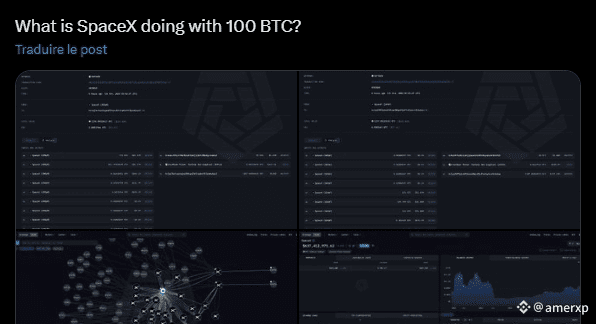
On October 21, SpaceX moved approximately $ 268.5 million in bitcoin, or nearly 2,500 BTC . According to Arkham, this is the first significant change in the company's total holdings since June 2022. Currently, SpaceX holds 11,509 BTC, valued at $1.24 billion.
Although the exact reason for this transfer is not yet clear, some analysts quoted by the specialized press believe that it could be an internal portfolio reorganization, especially since SpaceX sometimes interacts with Coinbase Prime.
An Ever-Evolving Bitcoin Strategy
This move comes after the company reduced its Bitcoin holdings by about 70% in mid-2022, following crypto market volatility caused by the collapse of Terra-Luna. At the time, the company sold $373 million worth of BTC, but it appears to have maintained a significant position in the cryptocurrency.
With this latest transfer, SpaceX continues to actively manage its Bitcoin portfolio, although the exact details of its strategy remain confidential. Finally, note that the latest financial documents shared by Tesla confirm that the company has not sold any of its 11,509 BTC.
Do these transfers ultimately reflect a simple internal reorganization of portfolios to strengthen security, an accounting optimization before audit or financing, or the beginnings of a still-unconfirmed partial sale? The answer will be in the company's upcoming financial statements, but if Tesla isn't selling, why would SpaceX?
Bitcoin: SpaceX Moves $270 Million in BTC, Intriguing the Cryptosphere
But why? Elon Musk's aerospace company, SpaceX, has just made a notable move by transferring nearly $270 million in Bitcoin. This transfer, the first since July, obviously raises questions about the company's intentions, with some observers suggesting it could be a simple portfolio reorganization.
Key points of this article:
SpaceX recently transferred nearly $270 million in Bitcoin, rekindling speculation about its financial strategy.
This move marks the first significant change in SpaceX's total Bitcoin holdings since June 2022, keeping its true intentions a mystery.
But why did SpaceX move 2,500 $BTC ?
On October 21, SpaceX moved approximately $ 268.5 million in bitcoin, or nearly 2,500 BTC . According to Arkham, this is the first significant change in the company's total holdings since June 2022. Currently, SpaceX holds 11,509 BTC, valued at $1.24 billion.
Although the exact reason for this transfer is not yet clear, some analysts quoted by the specialized press believe that it could be an internal portfolio reorganization, especially since SpaceX sometimes interacts with Coinbase Prime.
An Ever-Evolving Bitcoin Strategy
This move comes after the company reduced its Bitcoin holdings by about 70% in mid-2022, following crypto market volatility caused by the collapse of Terra-Luna. At the time, the company sold $373 million worth of BTC, but it appears to have maintained a significant position in the cryptocurrency.
With this latest transfer, SpaceX continues to actively manage its Bitcoin portfolio, although the exact details of its strategy remain confidential. Finally, note that the latest financial documents shared by Tesla confirm that the company has not sold any of its 11,509 BTC.
Do these transfers ultimately reflect a simple internal reorganization of portfolios to strengthen security, an accounting optimization before audit or financing, or the beginnings of a still-unconfirmed partial sale? The answer will be in the company's upcoming financial statements, but if Tesla isn't selling, why would SpaceX?
Key points of this article:
SpaceX recently transferred nearly $270 million in Bitcoin, rekindling speculation about its financial strategy.
This move marks the first significant change in SpaceX's total Bitcoin holdings since June 2022, keeping its true intentions a mystery.
But why did SpaceX move 2,500 $BTC ?
On October 21, SpaceX moved approximately $ 268.5 million in bitcoin, or nearly 2,500 BTC . According to Arkham, this is the first significant change in the company's total holdings since June 2022. Currently, SpaceX holds 11,509 BTC, valued at $1.24 billion.
Although the exact reason for this transfer is not yet clear, some analysts quoted by the specialized press believe that it could be an internal portfolio reorganization, especially since SpaceX sometimes interacts with Coinbase Prime.
An Ever-Evolving Bitcoin Strategy
This move comes after the company reduced its Bitcoin holdings by about 70% in mid-2022, following crypto market volatility caused by the collapse of Terra-Luna. At the time, the company sold $373 million worth of BTC, but it appears to have maintained a significant position in the cryptocurrency.
With this latest transfer, SpaceX continues to actively manage its Bitcoin portfolio, although the exact details of its strategy remain confidential. Finally, note that the latest financial documents shared by Tesla confirm that the company has not sold any of its 11,509 BTC.
Do these transfers ultimately reflect a simple internal reorganization of portfolios to strengthen security, an accounting optimization before audit or financing, or the beginnings of a still-unconfirmed partial sale? The answer will be in the company's upcoming financial statements, but if Tesla isn't selling, why would SpaceX?
4
170
·
--
Article
A BTC saved in extremis on this trendline?
The king of cryptocurrencies is fragile, as it continues to trade below the psychological threshold of $110,000. The trade war between the United States and China is destabilizing the price. Is it time for Bitcoin to wake up and accelerate? Some experts believe that $BTC will not go any lower, thanks in particular to the Fed's monetary policy. Another positive point is that Bitcoin has managed to maintain a significant trendline on a weekly basis. Here is the October 22nd bulletin!
Bitcoin price stagnates over the last 24 hours
Yesterday, the Bitcoin price managed to rebound to $114,000, but then the sellers showed up. And they pushed the price below $110,000. Since then, $BTC has stagnated over the past 24 hours.
BTC has fallen by 3.6% in one week, 5.6% in one month, and 8.6% in three months. Since the beginning of the year, the king of cryptocurrencies is up by about 17%. Meanwhile, the BTC/ETH pair has risen by 2.4% in one week and 5.2% in one month.
Bitcoin price maintains the bullish trendline in place since the start of the cycle
As seen in the October 18 analysis, Bitcoin remains above the 365-day moving average. Despite Bitcoin's recent fall below the psychological threshold at $110,000, the bull run is not in question if we refer to this indicator. And this is not the only element that suggests that the king of cryptocurrencies is still in good condition to continue its rise and to mark new ATHs:
Bitcoin price continues to move beyond the bullish trendline. Source: X by @ali_charts
The Bitcoin price has generally been showing ascending weekly lows and highs (bullish momentum) since the beginning of 2023. In addition, the price is developing beyond a bullish trendline. So far, all returns to this trendline have provoked reactions from buyers.
A drop below the bullish trendline could indicate a weakening of the trend, but even recently, buyers have responded. Heading for the ATH at $126,000 ? Let's take a look at the technical situation of $ in 4H.
BTC price remains below 4H resistance at $111,000
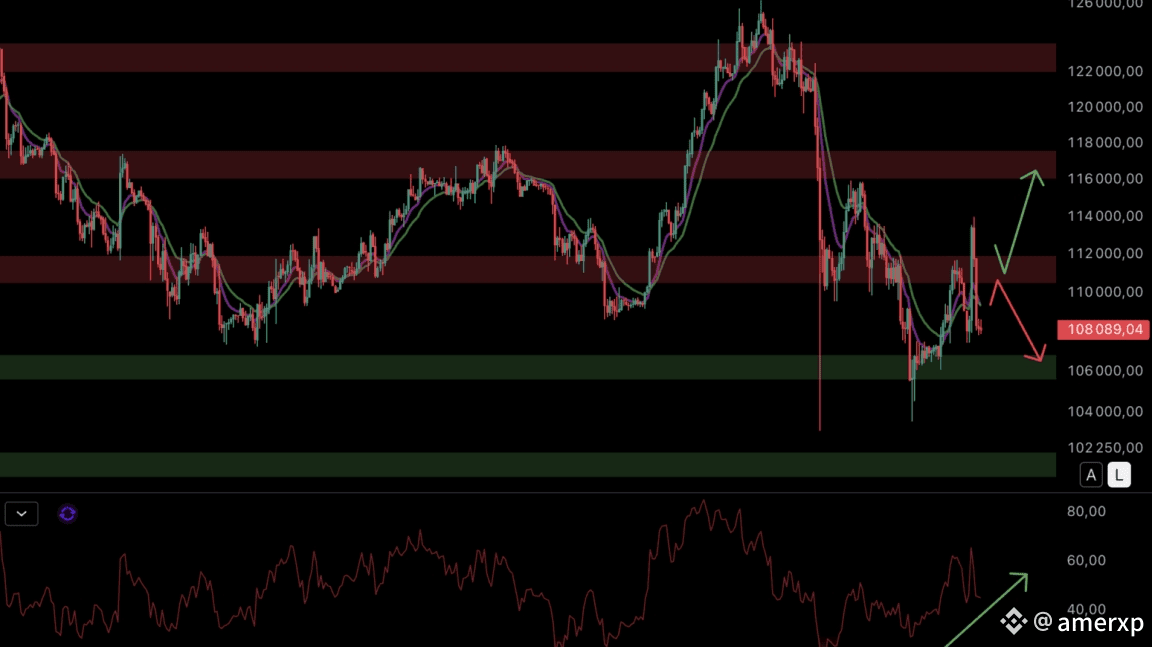
Despite yesterday's bullish move, Bitcoin's price remains stuck below the 4H resistance level at $111,000. BTC has been making a series of ascending lows and highs since Friday's local bottom, but remains below $110,000:
Bitcoin Price vs. Dollar (4H)
To hope to regain $117,000, it will be necessary to take $111,000 as support. In case of rejection around $111,000, BTC could reach the support level at $106,000. The RSI indicator continues to rise, so momentum is strong in the short term.
Despite the decline since the peak around $126,000, Bitcoin remains beyond the bullish trendline present since the beginning of the cycle. While this is good news that allows BTC to maintain a positive trajectory, the price has not managed to return sustainably above $110,000. In this context, the memecoin sector could continue to experience difficulties.
The king of cryptocurrencies is fragile, as it continues to trade below the psychological threshold of $110,000. The trade war between the United States and China is destabilizing the price. Is it time for Bitcoin to wake up and accelerate? Some experts believe that $BTC will not go any lower, thanks in particular to the Fed's monetary policy. Another positive point is that Bitcoin has managed to maintain a significant trendline on a weekly basis. Here is the October 22nd bulletin!
Bitcoin price stagnates over the last 24 hours
Yesterday, the Bitcoin price managed to rebound to $114,000, but then the sellers showed up. And they pushed the price below $110,000. Since then, $BTC has stagnated over the past 24 hours.
BTC has fallen by 3.6% in one week, 5.6% in one month, and 8.6% in three months. Since the beginning of the year, the king of cryptocurrencies is up by about 17%. Meanwhile, the BTC/ETH pair has risen by 2.4% in one week and 5.2% in one month.
Bitcoin price maintains the bullish trendline in place since the start of the cycle
As seen in the October 18 analysis, Bitcoin remains above the 365-day moving average. Despite Bitcoin's recent fall below the psychological threshold at $110,000, the bull run is not in question if we refer to this indicator. And this is not the only element that suggests that the king of cryptocurrencies is still in good condition to continue its rise and to mark new ATHs:
Bitcoin price continues to move beyond the bullish trendline. Source: X by @CryptoCeek 1
The Bitcoin price has generally been showing ascending weekly lows and highs (bullish momentum) since the beginning of 2023. In addition, the price is developing beyond a bullish trendline. So far, all returns to this trendline have provoked reactions from buyers.
A drop below the bullish trendline could indicate a weakening of the trend, but even recently, buyers have responded. Heading for the ATH at $126,000 ? Let's take a look at the technical situation of $ in 4H.
BTC price remains below 4H resistance at $111,000
Despite yesterday's bullish move, Bitcoin's price remains stuck below the 4H resistance level at $111,000. BTC has been making a series of ascending lows and highs since Friday's local bottom, but remains below $110,000:
Bitcoin Price vs. Dollar (4H)
To hope to regain $117,000, it will be necessary to take $111,000 as support. In case of rejection around $111,000, BTC could reach the support level at $106,000. The RSI indicator continues to rise, so momentum is strong in the short term.
Despite the decline since the peak around $126,000, Bitcoin remains beyond the bullish trendline present since the beginning of the cycle. While this is good news that allows BTC to maintain a positive trajectory, the price has not managed to return sustainably above $110,000. In this context, the memecoin sector could continue to experience difficulties.
A BTC saved in extremis on this trendline?
The king of cryptocurrencies is fragile, as it continues to trade below the psychological threshold of $110,000. The trade war between the United States and China is destabilizing the price. Is it time for Bitcoin to wake up and accelerate? Some experts believe that $BTC will not go any lower, thanks in particular to the Fed's monetary policy. Another positive point is that Bitcoin has managed to maintain a significant trendline on a weekly basis. Here is the October 22nd bulletin!
Bitcoin price stagnates over the last 24 hours
Yesterday, the Bitcoin price managed to rebound to $114,000, but then the sellers showed up. And they pushed the price below $110,000. Since then, $BTC has stagnated over the past 24 hours.
BTC has fallen by 3.6% in one week, 5.6% in one month, and 8.6% in three months. Since the beginning of the year, the king of cryptocurrencies is up by about 17%. Meanwhile, the BTC/ETH pair has risen by 2.4% in one week and 5.2% in one month.
Bitcoin price maintains the bullish trendline in place since the start of the cycle
As seen in the October 18 analysis, Bitcoin remains above the 365-day moving average. Despite Bitcoin's recent fall below the psychological threshold at $110,000, the bull run is not in question if we refer to this indicator. And this is not the only element that suggests that the king of cryptocurrencies is still in good condition to continue its rise and to mark new ATHs:
Bitcoin price continues to move beyond the bullish trendline. Source: X by @CryptoCeek 1
The Bitcoin price has generally been showing ascending weekly lows and highs (bullish momentum) since the beginning of 2023. In addition, the price is developing beyond a bullish trendline. So far, all returns to this trendline have provoked reactions from buyers.
A drop below the bullish trendline could indicate a weakening of the trend, but even recently, buyers have responded. Heading for the ATH at $126,000 ? Let's take a look at the technical situation of $ in 4H.
BTC price remains below 4H resistance at $111,000
Despite yesterday's bullish move, Bitcoin's price remains stuck below the 4H resistance level at $111,000. BTC has been making a series of ascending lows and highs since Friday's local bottom, but remains below $110,000:
Bitcoin Price vs. Dollar (4H)
To hope to regain $117,000, it will be necessary to take $111,000 as support. In case of rejection around $111,000, BTC could reach the support level at $106,000. The RSI indicator continues to rise, so momentum is strong in the short term.
Despite the decline since the peak around $126,000, Bitcoin remains beyond the bullish trendline present since the beginning of the cycle. While this is good news that allows BTC to maintain a positive trajectory, the price has not managed to return sustainably above $110,000. In this context, the memecoin sector could continue to experience difficulties.
2
103
·
--
Article
2025? Coinbase Institutional Investors Are OptimisticNavigating uncertainty. According to a recent report from crypto platform Coinbase, approximately 67% of institutional investors remain bullish on $BTC
{spot}(BTCUSDT)
for the next six months. Moreover, these same investors continue to accumulate cryptocurrencies, even after the recent market correction. These massive purchases demonstrate long-term confidence in the crypto market. We take stock.
Key points of this article:
A report from Coinbase revealed that 67% of institutional investors maintained their optimism towards Bitcoin for the next six months.
Institutions continued to accumulate cryptocurrencies, seeing the market correction as a buying opportunity.
Bitcoin and Ethereum: the stars of Wall Street
In detail, this report from Coinbase Institutional and Glassnode for the fourth quarter of 2025 (Q4 2025 Edition) provides a detailed 46-page overview of the crypto markets. Coinbase highlights that institutional funds continue to flow into crypto, despite volatility. $ETH her (ETH) attracted more inflows into Spot ETFs ($9.4 billion) than Bitcoin ($8.0 billion) for the first time in Q3 2025.
Institutional investors continue to buy cryptocurrencies. This accumulation is also visible in the growth of Digital Asset Treasury Companies (DATs), companies that store cryptocurrencies in treasury and have become a major source of structural demand.
Volatility: not even scared!
According to the report, the DAT sector maintains structural demand, holding approximately 3.7% of the total Ether supply and 3.5% of the Bitcoin supply. Moreover, according to Coinbase,
67% of institutional investors are bullish on Bitcoin for the next six months. They see the current correction as a buying opportunity.
“Conviction remains strong among institutions”“Navigating Uncertainty.” – Coinbase
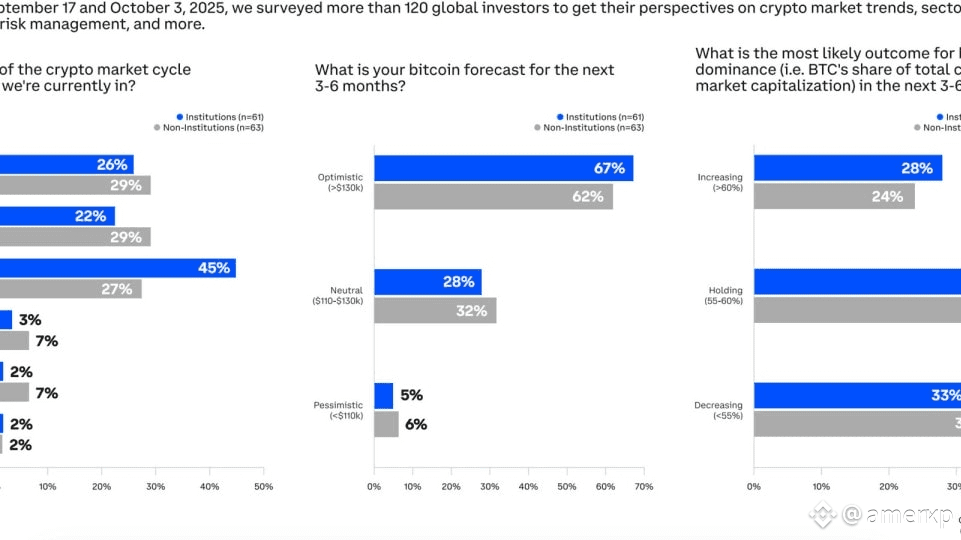
Analysis of the survey graphs (conducted among 120 global investors, including 61 institutions) thus confirms a divergence of approach between institutions and non-institutions. As shown by the responses to the questions above:
What phase of the crypto market cycle do you think we are currently in?
The majority of institutions (45%) believe that we are in a late bull market. This figure is significantly higher than that of non-institutions (27%). This indicates that, despite optimism, professionals believe that the market is already well underway.
What is your forecast for Bitcoin (BTC) in the next 3 to 6 months?
Optimism is very strong: 67% of institutions and 62% of non-institutions are optimistic, betting on a price above $130,000. The majority believe the price will continue to rise.
What is the most likely impact on Bitcoin dominance (its share of total market capitalization) over the next 3-6 months?
Both groups most often expect dominance to continue (39% of institutions) or to decline (33% of institutions).
Institutional investors are optimistic about Bitcoin
Institutional investors see several positive factors for crypto: Coinbase is anticipating two more Fed rate cuts this quarter, a key factor in freeing up capital. Added to this are regulatory developments (such as the GENIUS Act for stablecoins) that are strengthening the legal framework in the United States. These factors could push Bitcoin to new highs by the end of 2025.
Finally, institutional investors remain optimistic about Bitcoin and continue to buy cryptocurrencies , despite the volatility. With favorable macroeconomic factors, they expect the market to recover by the end of 2025.
2025? Coinbase Institutional Investors Are Optimistic
Navigating uncertainty. According to a recent report from crypto platform Coinbase, approximately 67% of institutional investors remain bullish on $BTC
for the next six months. Moreover, these same investors continue to accumulate cryptocurrencies, even after the recent market correction. These massive purchases demonstrate long-term confidence in the crypto market. We take stock.
Key points of this article:
A report from Coinbase revealed that 67% of institutional investors maintained their optimism towards Bitcoin for the next six months.
Institutions continued to accumulate cryptocurrencies, seeing the market correction as a buying opportunity.
Bitcoin and Ethereum: the stars of Wall Street
In detail, this report from Coinbase Institutional and Glassnode for the fourth quarter of 2025 (Q4 2025 Edition) provides a detailed 46-page overview of the crypto markets. Coinbase highlights that institutional funds continue to flow into crypto, despite volatility. $ETH her (ETH) attracted more inflows into Spot ETFs ($9.4 billion) than Bitcoin ($8.0 billion) for the first time in Q3 2025.
Institutional investors continue to buy cryptocurrencies. This accumulation is also visible in the growth of Digital Asset Treasury Companies (DATs), companies that store cryptocurrencies in treasury and have become a major source of structural demand.
Volatility: not even scared!
According to the report, the DAT sector maintains structural demand, holding approximately 3.7% of the total Ether supply and 3.5% of the Bitcoin supply. Moreover, according to Coinbase,
67% of institutional investors are bullish on Bitcoin for the next six months. They see the current correction as a buying opportunity.
“Conviction remains strong among institutions”“Navigating Uncertainty.” – Coinbase
Analysis of the survey graphs (conducted among 120 global investors, including 61 institutions) thus confirms a divergence of approach between institutions and non-institutions. As shown by the responses to the questions above:
What phase of the crypto market cycle do you think we are currently in?
The majority of institutions (45%) believe that we are in a late bull market. This figure is significantly higher than that of non-institutions (27%). This indicates that, despite optimism, professionals believe that the market is already well underway.
What is your forecast for Bitcoin (BTC) in the next 3 to 6 months?
Optimism is very strong: 67% of institutions and 62% of non-institutions are optimistic, betting on a price above $130,000. The majority believe the price will continue to rise.
What is the most likely impact on Bitcoin dominance (its share of total market capitalization) over the next 3-6 months?
Both groups most often expect dominance to continue (39% of institutions) or to decline (33% of institutions).
Institutional investors are optimistic about Bitcoin
Institutional investors see several positive factors for crypto: Coinbase is anticipating two more Fed rate cuts this quarter, a key factor in freeing up capital. Added to this are regulatory developments (such as the GENIUS Act for stablecoins) that are strengthening the legal framework in the United States. These factors could push Bitcoin to new highs by the end of 2025.
Finally, institutional investors remain optimistic about Bitcoin and continue to buy cryptocurrencies , despite the volatility. With favorable macroeconomic factors, they expect the market to recover by the end of 2025.
for the next six months. Moreover, these same investors continue to accumulate cryptocurrencies, even after the recent market correction. These massive purchases demonstrate long-term confidence in the crypto market. We take stock.
Key points of this article:
A report from Coinbase revealed that 67% of institutional investors maintained their optimism towards Bitcoin for the next six months.
Institutions continued to accumulate cryptocurrencies, seeing the market correction as a buying opportunity.
Bitcoin and Ethereum: the stars of Wall Street
In detail, this report from Coinbase Institutional and Glassnode for the fourth quarter of 2025 (Q4 2025 Edition) provides a detailed 46-page overview of the crypto markets. Coinbase highlights that institutional funds continue to flow into crypto, despite volatility. $ETH her (ETH) attracted more inflows into Spot ETFs ($9.4 billion) than Bitcoin ($8.0 billion) for the first time in Q3 2025.
Institutional investors continue to buy cryptocurrencies. This accumulation is also visible in the growth of Digital Asset Treasury Companies (DATs), companies that store cryptocurrencies in treasury and have become a major source of structural demand.
Volatility: not even scared!
According to the report, the DAT sector maintains structural demand, holding approximately 3.7% of the total Ether supply and 3.5% of the Bitcoin supply. Moreover, according to Coinbase,
67% of institutional investors are bullish on Bitcoin for the next six months. They see the current correction as a buying opportunity.
“Conviction remains strong among institutions”“Navigating Uncertainty.” – Coinbase
Analysis of the survey graphs (conducted among 120 global investors, including 61 institutions) thus confirms a divergence of approach between institutions and non-institutions. As shown by the responses to the questions above:
What phase of the crypto market cycle do you think we are currently in?
The majority of institutions (45%) believe that we are in a late bull market. This figure is significantly higher than that of non-institutions (27%). This indicates that, despite optimism, professionals believe that the market is already well underway.
What is your forecast for Bitcoin (BTC) in the next 3 to 6 months?
Optimism is very strong: 67% of institutions and 62% of non-institutions are optimistic, betting on a price above $130,000. The majority believe the price will continue to rise.
What is the most likely impact on Bitcoin dominance (its share of total market capitalization) over the next 3-6 months?
Both groups most often expect dominance to continue (39% of institutions) or to decline (33% of institutions).
Institutional investors are optimistic about Bitcoin
Institutional investors see several positive factors for crypto: Coinbase is anticipating two more Fed rate cuts this quarter, a key factor in freeing up capital. Added to this are regulatory developments (such as the GENIUS Act for stablecoins) that are strengthening the legal framework in the United States. These factors could push Bitcoin to new highs by the end of 2025.
Finally, institutional investors remain optimistic about Bitcoin and continue to buy cryptocurrencies , despite the volatility. With favorable macroeconomic factors, they expect the market to recover by the end of 2025.
2
22
·
--
Bullish
$BTC
{spot}(BTCUSDT)
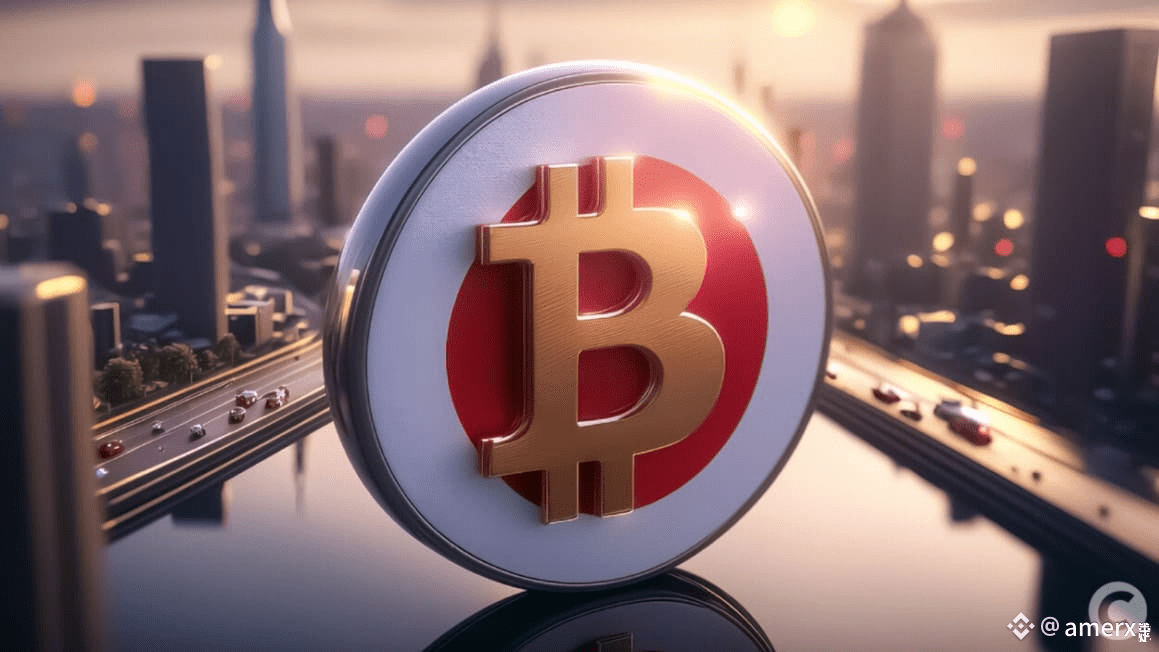
$BTC Bitcoin: Will Japanese banks soon be allowed to buy and sell cryptocurrencies?
Cryptocurrencies for Japanese banks. Japan is one of the most advanced countries in both the regulation and adoption of Bitcoin (BTC) and cryptocurrencies. And the Land of the Rising Sun may soon allow its local banks to dive even deeper into the cryptosphere. The Financial Services Agency ( FSA ) is considering reforming the current rules that prevent banks from holding digital assets . This initiative aims to create a framework for banks to buy and sell cryptocurrencies , while putting in place safeguards to mitigate financial risks.
Key points of this article:
Japan is reportedly considering reforming rules preventing its banks from holding digital assets, sparking potential upheaval in the banking sector.
According to a report by the Yomiuri Shimbun published on October 19, 2025, this reform could also allow banks to register as cryptocurrency exchange platforms , thus facilitating access to the market for individual investors via trusted banking institutions.
Towards stricter regulations against insider trading
In addition to opening the market to banks, the FSA is also working to make digital asset trading fairer. The agency plans to introduce amendments to explicitly prohibit trading based on non-public information , a practice better known as insider trading .
Violators of this rule could face financial penalties proportional to their illicit gains. This measure aims to protect investors and maintain market integrity.
If these reforms are adopted, they could transform the Japanese financial landscape by further integrating the Bitcoin and crypto sector into the traditional banking system. The FSA is expected to discuss these changes at an upcoming meeting of the Financial Services Council. In any case, some banks are wasting no time in diving into the cryptosphere, as three Japanese banking giants recently partnered to launch their own stabelcoin.$BTC
$BTC
$BTC Bitcoin: Will Japanese banks soon be allowed to buy and sell cryptocurrencies?
Cryptocurrencies for Japanese banks. Japan is one of the most advanced countries in both the regulation and adoption of Bitcoin (BTC) and cryptocurrencies. And the Land of the Rising Sun may soon allow its local banks to dive even deeper into the cryptosphere. The Financial Services Agency ( FSA ) is considering reforming the current rules that prevent banks from holding digital assets . This initiative aims to create a framework for banks to buy and sell cryptocurrencies , while putting in place safeguards to mitigate financial risks.
Key points of this article:
Japan is reportedly considering reforming rules preventing its banks from holding digital assets, sparking potential upheaval in the banking sector.
According to a report by the Yomiuri Shimbun published on October 19, 2025, this reform could also allow banks to register as cryptocurrency exchange platforms , thus facilitating access to the market for individual investors via trusted banking institutions.
Towards stricter regulations against insider trading
In addition to opening the market to banks, the FSA is also working to make digital asset trading fairer. The agency plans to introduce amendments to explicitly prohibit trading based on non-public information , a practice better known as insider trading .
Violators of this rule could face financial penalties proportional to their illicit gains. This measure aims to protect investors and maintain market integrity.
If these reforms are adopted, they could transform the Japanese financial landscape by further integrating the Bitcoin and crypto sector into the traditional banking system. The FSA is expected to discuss these changes at an upcoming meeting of the Financial Services Council. In any case, some banks are wasting no time in diving into the cryptosphere, as three Japanese banking giants recently partnered to launch their own stabelcoin.$BTC
$BTC Bitcoin: Will Japanese banks soon be allowed to buy and sell cryptocurrencies?
Cryptocurrencies for Japanese banks. Japan is one of the most advanced countries in both the regulation and adoption of Bitcoin (BTC) and cryptocurrencies. And the Land of the Rising Sun may soon allow its local banks to dive even deeper into the cryptosphere. The Financial Services Agency ( FSA ) is considering reforming the current rules that prevent banks from holding digital assets . This initiative aims to create a framework for banks to buy and sell cryptocurrencies , while putting in place safeguards to mitigate financial risks.
Key points of this article:
Japan is reportedly considering reforming rules preventing its banks from holding digital assets, sparking potential upheaval in the banking sector.
According to a report by the Yomiuri Shimbun published on October 19, 2025, this reform could also allow banks to register as cryptocurrency exchange platforms , thus facilitating access to the market for individual investors via trusted banking institutions.
Towards stricter regulations against insider trading
In addition to opening the market to banks, the FSA is also working to make digital asset trading fairer. The agency plans to introduce amendments to explicitly prohibit trading based on non-public information , a practice better known as insider trading .
Violators of this rule could face financial penalties proportional to their illicit gains. This measure aims to protect investors and maintain market integrity.
If these reforms are adopted, they could transform the Japanese financial landscape by further integrating the Bitcoin and crypto sector into the traditional banking system. The FSA is expected to discuss these changes at an upcoming meeting of the Financial Services Council. In any case, some banks are wasting no time in diving into the cryptosphere, as three Japanese banking giants recently partnered to launch their own stabelcoin.$BTC
2
35
·
--
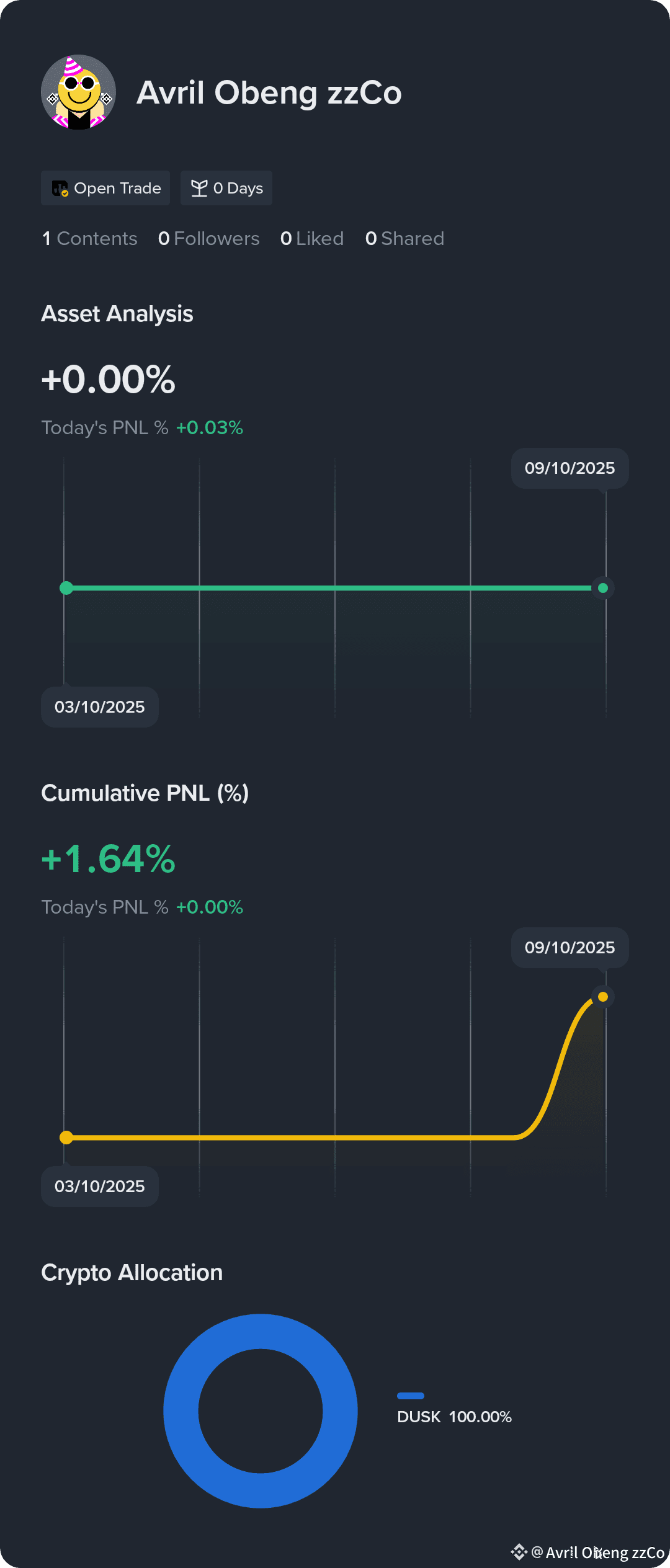
See my returns and portfolio breakdown. Follow for investment tips
See my returns and portfolio breakdown. Follow for investment tips
10
10
·
--
Article
Trading on Binance: How does it work?Binance is a secure and globally renowned platform that specializes in cryptocurrency trading.
Offering over 300 cryptocurrencies, Binance is a global platform dedicated to trading digital tokens . Thanks to the hype surrounding these tokens and the enormous potential profits they offer, this company attracts traders from all over the world. If you're interested in trading cryptocurrencies, let's take a closer look at how this platform works, its advantages, and its limitations.
Is Binance reliable?
Binance is one of the essential platforms of the moment for those who want to start trading virtual currencies. It was founded in 2017 in China by Changpeng Zhao via an ICO fundraising that raised 15 million USD . Since its inception, this online broker has held the first place in terms of trading volume. However, the company had to move its headquarters to Malta and its servers to Japan due to the Chinese ban on cryptocurrencies.
Binance Security Protocols
Over 1 billion USD is traded daily on this platform by millions of users . It is regulated in Malta and regulated by CySEC. Moreover, it complies with anti-money laundering requirements and has implemented a KYC-based system to identify and secure its users. In addition, it is also necessary to go through an additional verification step for withdrawals above 2 BTC. Currently, Binance is in the process of being approved in the United States.
This Chinese broker stores all of its cryptocurrencies in inaccessible offline wallets. It also provides backups to prevent possible losses in the event of a system crash. Furthermore, transaction security is enhanced by advanced protocols that immediately alert you in the event of a hacking attempt. Traders can also enable Google Authenticator 2FA to provide optimal protection for their accounts.
Additionally, Binance created the Secure Asset Fund for Users (SAFU) in June 2018 to provide emergency coverage for its customers. This fund is regularly replenished with 10% of the fees generated by the platform. All these measures were taken by the broker following the hack it suffered in 2018. However, this did not prevent the theft of 7,000 BTC , or nearly USD 40 million , from the platform in May 2019. The broker nevertheless covered all the losses, which is nearly 2% of all the Bitcoins it holds.
Responsive customer service at Binance
Although Binance is not yet 100% reliable, its operations remain fully compliant with European laws. Moreover, despite its shortcomings, it is currently one of the safest trading platforms. Its SAFU safety net also reflects its seriousness and efforts to provide a reliable trading environment. Moreover, for European investors, it created Binance Jersey, which offers EUR and GBP trading pairs. In 2020, Binance UK, its FCA-regulated subsidiary, was also launched.
Additionally, it offers extremely responsive customer service to answer all the questions its millions of users may have. This is an essential selection criterion before using an online trading platform. Binance's technical teams are accessible via email and chat. However, some may regret the lack of a telephone support service. However, an FAQ section is accessible even without prior registration. This provides comprehensive details on how the platform works, cryptocurrency trading, and the blockchain world in general.
Binance's offering and its different account types
Binance is popular for its trading pair offerings, as well as its low fees and commissions. Additionally, this exchange's order engine is very fast, capable of processing over 1,400,000 transactions per second.
Binance platforms
This crypto exchange is available on many different platforms, including its web trading interface and mobile apps compatible with Android and iOS. It is an online broker that currently offers four platforms with customer support available in seven languages:
Binance.com : This is Binance's web platform, accessible from the internet. It allows you to take advantage of a wide selection of cryptocurrencies, which are offered at low prices. In addition, this interface also allows you to take advantage of leverage to easily multiply the profits from certain transactions. You can also participate in initial exchange offerings (IEOs) and use wallets to store your tokens. Moreover, by making your cryptocurrencies available to this broker, you can earn interest.
Binance Jersey : This Binance subsidiary is specifically dedicated to the direct buying and selling of cryptocurrencies via euros and pounds sterling. It allows traders to easily acquire both major cryptocurrencies, such as BTC, ETH, Ripple, and altcoins, without going through other competing platforms like Bitcoin or Bitstamp
Trust Wallet: This is the cryptocurrency wallet that Binance has been making available to its users since 2017. It allows you to receive, send, and manage digital assets, altcoins, and tokens based on ERC-20 tokens and the Binance coin BNB. This hot wallet is a decentralized application that also allows you to make exchanges with Kyber Network and the web3 browser . It can also be used to track the prices of digital assets and choose between different fiat currencies for purchasing cryptos.
Binance DEX: This is Binance's decentralized exchange, where users can directly connect with their wallets without having to register. It is based on a decentralized blockchain, whose token is the Binance Coin (BNB) . This is therefore the only exchange currency that can be used. Traders must therefore credit their accounts with BNB before being able to purchase other cryptocurrencies. It is also necessary to convert these into BNB to be able to withdraw them.
Trading on Binance: How does it work?
Binance is a secure and globally renowned platform that specializes in cryptocurrency trading.
Offering over 300 cryptocurrencies, Binance is a global platform dedicated to trading digital tokens . Thanks to the hype surrounding these tokens and the enormous potential profits they offer, this company attracts traders from all over the world. If you're interested in trading cryptocurrencies, let's take a closer look at how this platform works, its advantages, and its limitations.
Is Binance reliable?
Binance is one of the essential platforms of the moment for those who want to start trading virtual currencies. It was founded in 2017 in China by Changpeng Zhao via an ICO fundraising that raised 15 million USD . Since its inception, this online broker has held the first place in terms of trading volume. However, the company had to move its headquarters to Malta and its servers to Japan due to the Chinese ban on cryptocurrencies.
Binance Security Protocols
Over 1 billion USD is traded daily on this platform by millions of users . It is regulated in Malta and regulated by CySEC. Moreover, it complies with anti-money laundering requirements and has implemented a KYC-based system to identify and secure its users. In addition, it is also necessary to go through an additional verification step for withdrawals above 2 BTC. Currently, Binance is in the process of being approved in the United States.
This Chinese broker stores all of its cryptocurrencies in inaccessible offline wallets. It also provides backups to prevent possible losses in the event of a system crash. Furthermore, transaction security is enhanced by advanced protocols that immediately alert you in the event of a hacking attempt. Traders can also enable Google Authenticator 2FA to provide optimal protection for their accounts.
Additionally, Binance created the Secure Asset Fund for Users (SAFU) in June 2018 to provide emergency coverage for its customers. This fund is regularly replenished with 10% of the fees generated by the platform. All these measures were taken by the broker following the hack it suffered in 2018. However, this did not prevent the theft of 7,000 BTC , or nearly USD 40 million , from the platform in May 2019. The broker nevertheless covered all the losses, which is nearly 2% of all the Bitcoins it holds.
Responsive customer service at Binance
Although Binance is not yet 100% reliable, its operations remain fully compliant with European laws. Moreover, despite its shortcomings, it is currently one of the safest trading platforms. Its SAFU safety net also reflects its seriousness and efforts to provide a reliable trading environment. Moreover, for European investors, it created Binance Jersey, which offers EUR and GBP trading pairs. In 2020, Binance UK, its FCA-regulated subsidiary, was also launched.
Additionally, it offers extremely responsive customer service to answer all the questions its millions of users may have. This is an essential selection criterion before using an online trading platform. Binance's technical teams are accessible via email and chat. However, some may regret the lack of a telephone support service. However, an FAQ section is accessible even without prior registration. This provides comprehensive details on how the platform works, cryptocurrency trading, and the blockchain world in general.
Binance's offering and its different account types
Binance is popular for its trading pair offerings, as well as its low fees and commissions. Additionally, this exchange's order engine is very fast, capable of processing over 1,400,000 transactions per second.
Binance platforms
This crypto exchange is available on many different platforms, including its web trading interface and mobile apps compatible with Android and iOS. It is an online broker that currently offers four platforms with customer support available in seven languages:
Binance.com : This is Binance's web platform, accessible from the internet. It allows you to take advantage of a wide selection of cryptocurrencies, which are offered at low prices. In addition, this interface also allows you to take advantage of leverage to easily multiply the profits from certain transactions. You can also participate in initial exchange offerings (IEOs) and use wallets to store your tokens. Moreover, by making your cryptocurrencies available to this broker, you can earn interest.
Binance Jersey : This Binance subsidiary is specifically dedicated to the direct buying and selling of cryptocurrencies via euros and pounds sterling. It allows traders to easily acquire both major cryptocurrencies, such as BTC, ETH, Ripple, and altcoins, without going through other competing platforms like Bitcoin or Bitstamp
Trust Wallet: This is the cryptocurrency wallet that Binance has been making available to its users since 2017. It allows you to receive, send, and manage digital assets, altcoins, and tokens based on ERC-20 tokens and the Binance coin BNB. This hot wallet is a decentralized application that also allows you to make exchanges with Kyber Network and the web3 browser . It can also be used to track the prices of digital assets and choose between different fiat currencies for purchasing cryptos.
Binance DEX: This is Binance's decentralized exchange, where users can directly connect with their wallets without having to register. It is based on a decentralized blockchain, whose token is the Binance Coin (BNB) . This is therefore the only exchange currency that can be used. Traders must therefore credit their accounts with BNB before being able to purchase other cryptocurrencies. It is also necessary to convert these into BNB to be able to withdraw them.
Offering over 300 cryptocurrencies, Binance is a global platform dedicated to trading digital tokens . Thanks to the hype surrounding these tokens and the enormous potential profits they offer, this company attracts traders from all over the world. If you're interested in trading cryptocurrencies, let's take a closer look at how this platform works, its advantages, and its limitations.
Is Binance reliable?
Binance is one of the essential platforms of the moment for those who want to start trading virtual currencies. It was founded in 2017 in China by Changpeng Zhao via an ICO fundraising that raised 15 million USD . Since its inception, this online broker has held the first place in terms of trading volume. However, the company had to move its headquarters to Malta and its servers to Japan due to the Chinese ban on cryptocurrencies.
Binance Security Protocols
Over 1 billion USD is traded daily on this platform by millions of users . It is regulated in Malta and regulated by CySEC. Moreover, it complies with anti-money laundering requirements and has implemented a KYC-based system to identify and secure its users. In addition, it is also necessary to go through an additional verification step for withdrawals above 2 BTC. Currently, Binance is in the process of being approved in the United States.
This Chinese broker stores all of its cryptocurrencies in inaccessible offline wallets. It also provides backups to prevent possible losses in the event of a system crash. Furthermore, transaction security is enhanced by advanced protocols that immediately alert you in the event of a hacking attempt. Traders can also enable Google Authenticator 2FA to provide optimal protection for their accounts.
Additionally, Binance created the Secure Asset Fund for Users (SAFU) in June 2018 to provide emergency coverage for its customers. This fund is regularly replenished with 10% of the fees generated by the platform. All these measures were taken by the broker following the hack it suffered in 2018. However, this did not prevent the theft of 7,000 BTC , or nearly USD 40 million , from the platform in May 2019. The broker nevertheless covered all the losses, which is nearly 2% of all the Bitcoins it holds.
Responsive customer service at Binance
Although Binance is not yet 100% reliable, its operations remain fully compliant with European laws. Moreover, despite its shortcomings, it is currently one of the safest trading platforms. Its SAFU safety net also reflects its seriousness and efforts to provide a reliable trading environment. Moreover, for European investors, it created Binance Jersey, which offers EUR and GBP trading pairs. In 2020, Binance UK, its FCA-regulated subsidiary, was also launched.
Additionally, it offers extremely responsive customer service to answer all the questions its millions of users may have. This is an essential selection criterion before using an online trading platform. Binance's technical teams are accessible via email and chat. However, some may regret the lack of a telephone support service. However, an FAQ section is accessible even without prior registration. This provides comprehensive details on how the platform works, cryptocurrency trading, and the blockchain world in general.
Binance's offering and its different account types
Binance is popular for its trading pair offerings, as well as its low fees and commissions. Additionally, this exchange's order engine is very fast, capable of processing over 1,400,000 transactions per second.
Binance platforms
This crypto exchange is available on many different platforms, including its web trading interface and mobile apps compatible with Android and iOS. It is an online broker that currently offers four platforms with customer support available in seven languages:
Binance.com : This is Binance's web platform, accessible from the internet. It allows you to take advantage of a wide selection of cryptocurrencies, which are offered at low prices. In addition, this interface also allows you to take advantage of leverage to easily multiply the profits from certain transactions. You can also participate in initial exchange offerings (IEOs) and use wallets to store your tokens. Moreover, by making your cryptocurrencies available to this broker, you can earn interest.
Binance Jersey : This Binance subsidiary is specifically dedicated to the direct buying and selling of cryptocurrencies via euros and pounds sterling. It allows traders to easily acquire both major cryptocurrencies, such as BTC, ETH, Ripple, and altcoins, without going through other competing platforms like Bitcoin or Bitstamp
Trust Wallet: This is the cryptocurrency wallet that Binance has been making available to its users since 2017. It allows you to receive, send, and manage digital assets, altcoins, and tokens based on ERC-20 tokens and the Binance coin BNB. This hot wallet is a decentralized application that also allows you to make exchanges with Kyber Network and the web3 browser . It can also be used to track the prices of digital assets and choose between different fiat currencies for purchasing cryptos.
Binance DEX: This is Binance's decentralized exchange, where users can directly connect with their wallets without having to register. It is based on a decentralized blockchain, whose token is the Binance Coin (BNB) . This is therefore the only exchange currency that can be used. Traders must therefore credit their accounts with BNB before being able to purchase other cryptocurrencies. It is also necessary to convert these into BNB to be able to withdraw them.
12
16
Log in to explore more content
Join global crypto users on Binance Square
⚡️ Get latest and useful information about crypto.
💬 Trusted by the world’s largest crypto exchange.
👍 Discover real insights from verified creators.
Email / Phone number
Trending Topics
ZcashETFPostsFirstWeeklyOutflow$93.6M
34,352 views
99 Discussing
#ZcashETFPostsFirstWeeklyOutflow$93.6M
🚨🚨🚨🚨🚨🚨🚨🚨🚨🚨🚨🚨🚨🚨✅ 🚨 ZCASH ETF FLOWS TURN NEGATIVE FOR THE FIRST TIME! 📉
$ZEC is facing a notable shift in institutional fund flows, with Zcash investment products recording their first weekly net outflow since launching in August.
According to fund-flow data, around $93.6M was withdrawn from Zcash products during the latest week, while ZEC price action also cooled significantly.
📊 WHAT HAPPENED?
• Weekly Zcash ETF outflow: $93.6M
• September 30 daily outflow: $30.25M
• ZCSH previously attracted around $98.2M in one week
• ZEC is trading near $1,300
• Recent high: around $1,690
• Weekly decline: roughly 17%+
🔍 LEVELS TO WATCH
🟢 Support: $1,280–$1,300
🔴 Resistance: $1,450–$1,500
The key question now is whether the $1,300 area can hold and attract fresh buyers.
Institutional flows will also be important. A return of consistent positive inflows could signal renewed confidence, while continued outflows may keep pressure on $ZEC .
👀 Is this simply profit-taking after ZEC’s huge rally, or could we see another deeper pullback before buyers return?
Share your view below. 👇
#Zcash #ZEC #ZcashETF #Crypto
#analysis
owhggwiohsjowve
·0 Likes
·156 views
GreekPoliceBustCryptoScamRingArrest17
71,991 views
686 Discussing
BitcoinRejectedAt$87K
120,134 views
158 Discussing