

Cryptiq369
6 Posts

Cryptiq369
Report
Block User
Your go-to source for insightful analysis and engaging content in the world of cryptocurrency.
2 Following
46 Followers
34 Liked
Posts
·
--
Article
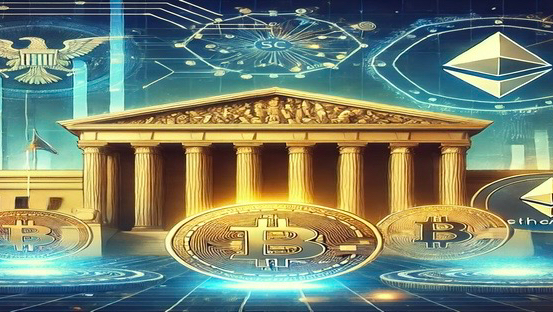
Who Will Lead the SEC After the Current Chief Resigns?The U.S. Securities and Exchange Commission (SEC) is at the heart of financial regulation in the United States. With rumors swirling about a possible resignation of SEC Chair Gary Gensler, the big question is: Who will step into this crucial role, and what could it mean for the cryptocurrency industry?
Potential Candidates to Lead the SEC
Historically, the SEC Chair is either succeeded by an internal commissioner or an external appointee with deep experience in securities law. Here are some names often floated as potential candidates:
Hester Peirce ("Crypto Mom")
Known for her pro-crypto stance, Hester Peirce has been a vocal advocate for a balanced regulatory framework that fosters innovation. As an existing SEC commissioner, she’s well-positioned to take over and could bring a more crypto-friendly approach.Allison Herren Lee
A former SEC commissioner with significant experience in regulatory policy, Lee has a strong background in securities law. While she has not been as outspoken on crypto, her leadership would likely emphasize investor protection.Michael Barr
Currently serving as the Vice Chair for Supervision at the Federal Reserve, Barr has a background in fintech and crypto policy. His leadership could bridge the gap between regulation and innovation.Chris Brummer
A Georgetown University law professor and expert in financial regulation, Brummer has written extensively about digital assets. His appointment could signal a forward-thinking approach to crypto.Rohit Chopra
As the current director of the Consumer Financial Protection Bureau (CFPB), Chopra has a reputation for advocating consumer rights. While his focus has not been on crypto, his leadership could emphasize stronger retail investor protections.
Impact on Cryptocurrencies
A new SEC leader will significantly influence the regulatory environment for the cryptocurrency industry. Here’s how some of the top cryptocurrencies might be affected:
#Bitcoin (#BTC): The regulatory ambiguity around Bitcoin’s classification as a commodity or security remains a key issue. A new SEC chief could push for clearer definitions, potentially easing institutional adoption.#Ethereum (#ETH): The post-Merge Ethereum faces scrutiny due to staking mechanisms. Pro-crypto leadership could offer clarity on its status, fostering innovation on its blockchain.#Ripple (#XRP): Ripple's ongoing legal battle with the SEC could see a shift in direction if a more open-minded leader assumes office. This would set important precedents for other altcoins.#Polygon (#MATIC): Polygon’s role in scaling Ethereum makes it a hot topic in regulatory circles. A crypto-savvy chief might recognize its utility and avoid stifling its growth.#Cardano (#ADA): Cardano’s decentralized finance (#DeFi) ambitions rely heavily on favorable regulations. A leadership change could bring much-needed clarity.#Solana (#SOL): High-performance blockchain projects like Solana, which attract both innovation and scrutiny, could gain from a more cooperative regulatory framework.
What Could Change Under New Leadership?
Pro-Innovation Policies: Candidates like Hester Peirce might prioritize innovation, fostering collaboration with blockchain developers.Stricter Consumer Protections: Rohit Chopra’s leadership could emphasize investor protections while addressing risks in the crypto space.Clarity on Token Classifications: With ongoing debates about whether tokens like #Ethereum or #Ripple are securities, new leadership could settle these issues.Balanced Enforcement: A candidate with a forward-thinking approach might reduce the aggressive enforcement actions seen during Gensler’s tenure.
Key Takeaways
The resignation of an SEC chief is a significant event, especially for the evolving cryptocurrency industry. Whether it’s #Bitcoin, #Ethereum, #Ripple, or emerging players like #Zeta and #Kaspa (#KAS), the new leader’s policies will shape the future of blockchain innovation in the U.S.
Conclusion
The potential resignation of Gary Gensler as SEC Chair opens the door for change. A balanced leader who understands blockchain technology and emphasizes collaboration could be a game-changer. As names like Hester Peirce, Allison Herren Lee, and Chris Brummer surface, the crypto world eagerly awaits to see if the new leadership will usher in a more innovation-friendly regulatory environment.
Stay tuned as the future of #crypto and #DeFi continues to unfold under evolving leadership.
#SEC #Blockchain #CryptoRegulation #CryptoNews
Who Will Lead the SEC After the Current Chief Resigns?
The U.S. Securities and Exchange Commission (SEC) is at the heart of financial regulation in the United States. With rumors swirling about a possible resignation of SEC Chair Gary Gensler, the big question is: Who will step into this crucial role, and what could it mean for the cryptocurrency industry?
Potential Candidates to Lead the SEC
Historically, the SEC Chair is either succeeded by an internal commissioner or an external appointee with deep experience in securities law. Here are some names often floated as potential candidates:
Hester Peirce ("Crypto Mom")
Known for her pro-crypto stance, Hester Peirce has been a vocal advocate for a balanced regulatory framework that fosters innovation. As an existing SEC commissioner, she’s well-positioned to take over and could bring a more crypto-friendly approach.Allison Herren Lee
A former SEC commissioner with significant experience in regulatory policy, Lee has a strong background in securities law. While she has not been as outspoken on crypto, her leadership would likely emphasize investor protection.Michael Barr
Currently serving as the Vice Chair for Supervision at the Federal Reserve, Barr has a background in fintech and crypto policy. His leadership could bridge the gap between regulation and innovation.Chris Brummer
A Georgetown University law professor and expert in financial regulation, Brummer has written extensively about digital assets. His appointment could signal a forward-thinking approach to crypto.Rohit Chopra
As the current director of the Consumer Financial Protection Bureau (CFPB), Chopra has a reputation for advocating consumer rights. While his focus has not been on crypto, his leadership could emphasize stronger retail investor protections.
Impact on Cryptocurrencies
A new SEC leader will significantly influence the regulatory environment for the cryptocurrency industry. Here’s how some of the top cryptocurrencies might be affected:
#Bitcoin (#BTC): The regulatory ambiguity around Bitcoin’s classification as a commodity or security remains a key issue. A new SEC chief could push for clearer definitions, potentially easing institutional adoption.#Ethereum (#ETH): The post-Merge Ethereum faces scrutiny due to staking mechanisms. Pro-crypto leadership could offer clarity on its status, fostering innovation on its blockchain.#Ripple (#XRP): Ripple's ongoing legal battle with the SEC could see a shift in direction if a more open-minded leader assumes office. This would set important precedents for other altcoins.#Polygon (#MATIC): Polygon’s role in scaling Ethereum makes it a hot topic in regulatory circles. A crypto-savvy chief might recognize its utility and avoid stifling its growth.#Cardano (#ADA): Cardano’s decentralized finance (#DeFi) ambitions rely heavily on favorable regulations. A leadership change could bring much-needed clarity.#Solana (#SOL): High-performance blockchain projects like Solana, which attract both innovation and scrutiny, could gain from a more cooperative regulatory framework.
What Could Change Under New Leadership?
Pro-Innovation Policies: Candidates like Hester Peirce might prioritize innovation, fostering collaboration with blockchain developers.Stricter Consumer Protections: Rohit Chopra’s leadership could emphasize investor protections while addressing risks in the crypto space.Clarity on Token Classifications: With ongoing debates about whether tokens like #Ethereum or #Ripple are securities, new leadership could settle these issues.Balanced Enforcement: A candidate with a forward-thinking approach might reduce the aggressive enforcement actions seen during Gensler’s tenure.
Key Takeaways
The resignation of an SEC chief is a significant event, especially for the evolving cryptocurrency industry. Whether it’s #Bitcoin, #Ethereum, #Ripple, or emerging players like #Zeta and #Kaspa (#KAS), the new leader’s policies will shape the future of blockchain innovation in the U.S.
Conclusion
The potential resignation of Gary Gensler as SEC Chair opens the door for change. A balanced leader who understands blockchain technology and emphasizes collaboration could be a game-changer. As names like Hester Peirce, Allison Herren Lee, and Chris Brummer surface, the crypto world eagerly awaits to see if the new leadership will usher in a more innovation-friendly regulatory environment.
Stay tuned as the future of #crypto and #DeFi continues to unfold under evolving leadership.
#SEC #Blockchain #CryptoRegulation #CryptoNews
Potential Candidates to Lead the SEC
Historically, the SEC Chair is either succeeded by an internal commissioner or an external appointee with deep experience in securities law. Here are some names often floated as potential candidates:
Hester Peirce ("Crypto Mom")
Known for her pro-crypto stance, Hester Peirce has been a vocal advocate for a balanced regulatory framework that fosters innovation. As an existing SEC commissioner, she’s well-positioned to take over and could bring a more crypto-friendly approach.Allison Herren Lee
A former SEC commissioner with significant experience in regulatory policy, Lee has a strong background in securities law. While she has not been as outspoken on crypto, her leadership would likely emphasize investor protection.Michael Barr
Currently serving as the Vice Chair for Supervision at the Federal Reserve, Barr has a background in fintech and crypto policy. His leadership could bridge the gap between regulation and innovation.Chris Brummer
A Georgetown University law professor and expert in financial regulation, Brummer has written extensively about digital assets. His appointment could signal a forward-thinking approach to crypto.Rohit Chopra
As the current director of the Consumer Financial Protection Bureau (CFPB), Chopra has a reputation for advocating consumer rights. While his focus has not been on crypto, his leadership could emphasize stronger retail investor protections.
Impact on Cryptocurrencies
A new SEC leader will significantly influence the regulatory environment for the cryptocurrency industry. Here’s how some of the top cryptocurrencies might be affected:
#Bitcoin (#BTC): The regulatory ambiguity around Bitcoin’s classification as a commodity or security remains a key issue. A new SEC chief could push for clearer definitions, potentially easing institutional adoption.#Ethereum (#ETH): The post-Merge Ethereum faces scrutiny due to staking mechanisms. Pro-crypto leadership could offer clarity on its status, fostering innovation on its blockchain.#Ripple (#XRP): Ripple's ongoing legal battle with the SEC could see a shift in direction if a more open-minded leader assumes office. This would set important precedents for other altcoins.#Polygon (#MATIC): Polygon’s role in scaling Ethereum makes it a hot topic in regulatory circles. A crypto-savvy chief might recognize its utility and avoid stifling its growth.#Cardano (#ADA): Cardano’s decentralized finance (#DeFi) ambitions rely heavily on favorable regulations. A leadership change could bring much-needed clarity.#Solana (#SOL): High-performance blockchain projects like Solana, which attract both innovation and scrutiny, could gain from a more cooperative regulatory framework.
What Could Change Under New Leadership?
Pro-Innovation Policies: Candidates like Hester Peirce might prioritize innovation, fostering collaboration with blockchain developers.Stricter Consumer Protections: Rohit Chopra’s leadership could emphasize investor protections while addressing risks in the crypto space.Clarity on Token Classifications: With ongoing debates about whether tokens like #Ethereum or #Ripple are securities, new leadership could settle these issues.Balanced Enforcement: A candidate with a forward-thinking approach might reduce the aggressive enforcement actions seen during Gensler’s tenure.
Key Takeaways
The resignation of an SEC chief is a significant event, especially for the evolving cryptocurrency industry. Whether it’s #Bitcoin, #Ethereum, #Ripple, or emerging players like #Zeta and #Kaspa (#KAS), the new leader’s policies will shape the future of blockchain innovation in the U.S.
Conclusion
The potential resignation of Gary Gensler as SEC Chair opens the door for change. A balanced leader who understands blockchain technology and emphasizes collaboration could be a game-changer. As names like Hester Peirce, Allison Herren Lee, and Chris Brummer surface, the crypto world eagerly awaits to see if the new leadership will usher in a more innovation-friendly regulatory environment.
Stay tuned as the future of #crypto and #DeFi continues to unfold under evolving leadership.
#SEC #Blockchain #CryptoRegulation #CryptoNews
1.2k
·
--

Article
When Will Altcoin Season Start?The cryptocurrency market is a dynamic space, constantly shifting between phases dominated by Bitcoin and those where altcoins (alternative cryptocurrencies) take center stage. The term "altcoin season" (or "alt season") refers to a period when altcoins significantly outperform Bitcoin (BTC) in terms of price growth and market dominance.
But when will the next altcoin season begin? Predicting it isn't an exact science, but there are certain trends, market conditions, and indicators that can provide clues. Let's dive into the factors that could signal the start of the next alt season.
Understanding Altcoin Season
Altcoin season typically occurs when investors shift their focus from Bitcoin to other cryptocurrencies, leading to a surge in altcoin prices. This happens for several reasons:
Profit Rotation: When Bitcoin experiences a significant rally, investors often take profits and reinvest in altcoins.Market Sentiment: Positive news or developments in specific altcoins can spark interest.Decreasing Bitcoin Dominance: A drop in Bitcoin’s dominance (its share of the total crypto market capitalization) often correlates with the rise of altcoins.
Key Indicators to Watch
Several indicators can help predict the onset of an altcoin season:
Bitcoin Dominance IndexThis measures Bitcoin's market capitalization relative to the entire cryptocurrency market. A decline in Bitcoin dominance below 40-45% often signals the start of an alt season.As of now, Bitcoin dominance is around [insert current %], and a sharp drop could be a sign of an upcoming alt season.Bitcoin Price StabilityAltcoins typically perform well when Bitcoin is stable or consolidating. High volatility in Bitcoin often draws attention away from altcoins.Look for periods of sideways movement in Bitcoin’s price as a potential precursor to an alt season.Inflow of Capital into AltcoinsWatch for increased trading volumes and capital inflows into altcoin projects. This can often be identified through on-chain data or exchange metrics.Major Developments in Altcoin EcosystemsNew partnerships, protocol upgrades, or large-scale adoptions of specific altcoins can trigger price rallies, potentially sparking a broader alt season.
Market Conditions Favoring Alt Season
Post-Bitcoin RallyHistorically, alt seasons follow Bitcoin's bull runs. For instance, after Bitcoin’s 2017 rally to $20,000, altcoins experienced a dramatic surge in early 2018.Improved Regulatory ClarityRegulatory news often affects altcoins more than Bitcoin. Clearer guidelines can boost investor confidence in specific altcoin projects.Bullish Market SentimentA rising tide lifts all boats. When the overall market sentiment is bullish, altcoins often see exaggerated price movements.Layer-1 and Layer-2 Ecosystem GrowthPlatforms like Ethereum, Solana, and Polygon are hubs for DeFi and NFTs. Their growth often drives interest in associated tokens, setting the stage for an alt season.
Challenges to Consider
While an altcoin season can bring tremendous opportunities, it’s not without risks:
Market Volatility: Altcoins are typically more volatile than Bitcoin, which can lead to rapid losses.Overcrowded Market: Thousands of altcoins exist, and many may lack real utility or value.Regulatory Crackdowns: Governments targeting specific altcoin projects can derail potential rallies.
When Can We Expect the Next Alt Season?
The timing of the next altcoin season depends on several factors:
If Bitcoin enters a consolidation phase after its current rally, we might see altcoins take off as early as the next quarter.With advancements in blockchain technology and increasing adoption, specific sectors like DeFi, NFTs, or AI-based tokens could lead the charge.Keep an eye on upcoming Ethereum developments or Bitcoin ETFs, as they could act as catalysts for a broader market movement.
Conclusion
Altcoin season offers opportunities for traders and investors to capitalize on high-growth projects. However, timing the market requires careful analysis of Bitcoin dominance, market trends, and broader economic conditions.
While predicting the exact start of an alt season is challenging, staying informed and prepared can help you make the most of it when it arrives. Keep a diversified portfolio, avoid chasing hype, and always conduct thorough research before investing.
The crypto space rewards those who are patient, strategic, and well-informed. When the next alt season begins, will you be ready?
Are you preparing for the next big market movement? Share your thoughts and strategies in the comments below!
When Will Altcoin Season Start?
The cryptocurrency market is a dynamic space, constantly shifting between phases dominated by Bitcoin and those where altcoins (alternative cryptocurrencies) take center stage. The term "altcoin season" (or "alt season") refers to a period when altcoins significantly outperform Bitcoin (BTC) in terms of price growth and market dominance.
But when will the next altcoin season begin? Predicting it isn't an exact science, but there are certain trends, market conditions, and indicators that can provide clues. Let's dive into the factors that could signal the start of the next alt season.
Understanding Altcoin Season
Altcoin season typically occurs when investors shift their focus from Bitcoin to other cryptocurrencies, leading to a surge in altcoin prices. This happens for several reasons:
Profit Rotation: When Bitcoin experiences a significant rally, investors often take profits and reinvest in altcoins.Market Sentiment: Positive news or developments in specific altcoins can spark interest.Decreasing Bitcoin Dominance: A drop in Bitcoin’s dominance (its share of the total crypto market capitalization) often correlates with the rise of altcoins.
Key Indicators to Watch
Several indicators can help predict the onset of an altcoin season:
Bitcoin Dominance IndexThis measures Bitcoin's market capitalization relative to the entire cryptocurrency market. A decline in Bitcoin dominance below 40-45% often signals the start of an alt season.As of now, Bitcoin dominance is around [insert current %], and a sharp drop could be a sign of an upcoming alt season.Bitcoin Price StabilityAltcoins typically perform well when Bitcoin is stable or consolidating. High volatility in Bitcoin often draws attention away from altcoins.Look for periods of sideways movement in Bitcoin’s price as a potential precursor to an alt season.Inflow of Capital into AltcoinsWatch for increased trading volumes and capital inflows into altcoin projects. This can often be identified through on-chain data or exchange metrics.Major Developments in Altcoin EcosystemsNew partnerships, protocol upgrades, or large-scale adoptions of specific altcoins can trigger price rallies, potentially sparking a broader alt season.
Market Conditions Favoring Alt Season
Post-Bitcoin RallyHistorically, alt seasons follow Bitcoin's bull runs. For instance, after Bitcoin’s 2017 rally to $20,000, altcoins experienced a dramatic surge in early 2018.Improved Regulatory ClarityRegulatory news often affects altcoins more than Bitcoin. Clearer guidelines can boost investor confidence in specific altcoin projects.Bullish Market SentimentA rising tide lifts all boats. When the overall market sentiment is bullish, altcoins often see exaggerated price movements.Layer-1 and Layer-2 Ecosystem GrowthPlatforms like Ethereum, Solana, and Polygon are hubs for DeFi and NFTs. Their growth often drives interest in associated tokens, setting the stage for an alt season.
Challenges to Consider
While an altcoin season can bring tremendous opportunities, it’s not without risks:
Market Volatility: Altcoins are typically more volatile than Bitcoin, which can lead to rapid losses.Overcrowded Market: Thousands of altcoins exist, and many may lack real utility or value.Regulatory Crackdowns: Governments targeting specific altcoin projects can derail potential rallies.
When Can We Expect the Next Alt Season?
The timing of the next altcoin season depends on several factors:
If Bitcoin enters a consolidation phase after its current rally, we might see altcoins take off as early as the next quarter.With advancements in blockchain technology and increasing adoption, specific sectors like DeFi, NFTs, or AI-based tokens could lead the charge.Keep an eye on upcoming Ethereum developments or Bitcoin ETFs, as they could act as catalysts for a broader market movement.
Conclusion
Altcoin season offers opportunities for traders and investors to capitalize on high-growth projects. However, timing the market requires careful analysis of Bitcoin dominance, market trends, and broader economic conditions.
While predicting the exact start of an alt season is challenging, staying informed and prepared can help you make the most of it when it arrives. Keep a diversified portfolio, avoid chasing hype, and always conduct thorough research before investing.
The crypto space rewards those who are patient, strategic, and well-informed. When the next alt season begins, will you be ready?
Are you preparing for the next big market movement? Share your thoughts and strategies in the comments below!
But when will the next altcoin season begin? Predicting it isn't an exact science, but there are certain trends, market conditions, and indicators that can provide clues. Let's dive into the factors that could signal the start of the next alt season.
Understanding Altcoin Season
Altcoin season typically occurs when investors shift their focus from Bitcoin to other cryptocurrencies, leading to a surge in altcoin prices. This happens for several reasons:
Profit Rotation: When Bitcoin experiences a significant rally, investors often take profits and reinvest in altcoins.Market Sentiment: Positive news or developments in specific altcoins can spark interest.Decreasing Bitcoin Dominance: A drop in Bitcoin’s dominance (its share of the total crypto market capitalization) often correlates with the rise of altcoins.
Key Indicators to Watch
Several indicators can help predict the onset of an altcoin season:
Bitcoin Dominance IndexThis measures Bitcoin's market capitalization relative to the entire cryptocurrency market. A decline in Bitcoin dominance below 40-45% often signals the start of an alt season.As of now, Bitcoin dominance is around [insert current %], and a sharp drop could be a sign of an upcoming alt season.Bitcoin Price StabilityAltcoins typically perform well when Bitcoin is stable or consolidating. High volatility in Bitcoin often draws attention away from altcoins.Look for periods of sideways movement in Bitcoin’s price as a potential precursor to an alt season.Inflow of Capital into AltcoinsWatch for increased trading volumes and capital inflows into altcoin projects. This can often be identified through on-chain data or exchange metrics.Major Developments in Altcoin EcosystemsNew partnerships, protocol upgrades, or large-scale adoptions of specific altcoins can trigger price rallies, potentially sparking a broader alt season.
Market Conditions Favoring Alt Season
Post-Bitcoin RallyHistorically, alt seasons follow Bitcoin's bull runs. For instance, after Bitcoin’s 2017 rally to $20,000, altcoins experienced a dramatic surge in early 2018.Improved Regulatory ClarityRegulatory news often affects altcoins more than Bitcoin. Clearer guidelines can boost investor confidence in specific altcoin projects.Bullish Market SentimentA rising tide lifts all boats. When the overall market sentiment is bullish, altcoins often see exaggerated price movements.Layer-1 and Layer-2 Ecosystem GrowthPlatforms like Ethereum, Solana, and Polygon are hubs for DeFi and NFTs. Their growth often drives interest in associated tokens, setting the stage for an alt season.
Challenges to Consider
While an altcoin season can bring tremendous opportunities, it’s not without risks:
Market Volatility: Altcoins are typically more volatile than Bitcoin, which can lead to rapid losses.Overcrowded Market: Thousands of altcoins exist, and many may lack real utility or value.Regulatory Crackdowns: Governments targeting specific altcoin projects can derail potential rallies.
When Can We Expect the Next Alt Season?
The timing of the next altcoin season depends on several factors:
If Bitcoin enters a consolidation phase after its current rally, we might see altcoins take off as early as the next quarter.With advancements in blockchain technology and increasing adoption, specific sectors like DeFi, NFTs, or AI-based tokens could lead the charge.Keep an eye on upcoming Ethereum developments or Bitcoin ETFs, as they could act as catalysts for a broader market movement.
Conclusion
Altcoin season offers opportunities for traders and investors to capitalize on high-growth projects. However, timing the market requires careful analysis of Bitcoin dominance, market trends, and broader economic conditions.
While predicting the exact start of an alt season is challenging, staying informed and prepared can help you make the most of it when it arrives. Keep a diversified portfolio, avoid chasing hype, and always conduct thorough research before investing.
The crypto space rewards those who are patient, strategic, and well-informed. When the next alt season begins, will you be ready?
Are you preparing for the next big market movement? Share your thoughts and strategies in the comments below!
13
17.7k
·
--
Article
Bitcoin as a Strategic Reserve Asset: A Potential Shift from Gold for the U.S. GovernmentFor decades, gold has been the cornerstone of global reserve assets, symbolizing stability and trust in an unpredictable financial landscape. However, as the world becomes increasingly digitized, the conversation around alternative reserve assets has gained momentum. Among these alternatives, Bitcoin has emerged as a compelling contender to replace gold, even as a strategic reserve asset for the U.S. government.
Why Gold? Why Now Bitcoin?
Gold's role as a reserve asset stems from its historical value, scarcity, and universal acceptance. Yet, it has its limitations: physical storage challenges, lack of portability, and susceptibility to confiscation. Bitcoin, a decentralized digital currency, offers a modern solution to these issues while bringing additional benefits, such as transparency, ease of transfer, and finite supply capped at 21 million coins.
In a world increasingly reliant on technology, Bitcoin aligns with the trajectory of financial systems that favor digitization and decentralization. Its unique features position it as a potential successor to gold, especially for nations like the U.S. looking to adapt to changing economic paradigms.
Advantages of Bitcoin as a Strategic Reserve Asset
Finite Supply
Gold is limited but still subject to new discoveries, which can alter supply dynamics. Bitcoin, in contrast, is immutable, with its supply mathematically capped at 21 million coins. This scarcity makes Bitcoin even more predictable than gold, enhancing its appeal as a hedge against inflation.
Portability and Accessibility
Unlike gold, which is cumbersome to transport and store, Bitcoin can be moved across borders instantly and securely with minimal cost. This portability makes it a strategic asset in scenarios requiring rapid liquidity or geopolitical flexibility.
Decentralization and Security
Bitcoin operates on a decentralized blockchain, immune to control by any single entity. This ensures that the asset cannot be seized or manipulated by external forces, providing a layer of security that gold stored in centralized vaults lacks.
Transparency and Auditability
The blockchain ledger allows for transparent and real-time tracking of Bitcoin transactions. This feature could enable governments to audit reserves more efficiently, fostering trust among stakeholders.
Increasing Adoption and Liquidity
Bitcoin's growing acceptance among institutional investors and its inclusion in financial products like ETFs signal its maturation as a legitimate asset class. Its liquidity rivals traditional markets, making it a practical choice for strategic reserves.
Challenges and Considerations
While Bitcoin presents numerous advantages, adopting it as a strategic reserve asset is not without challenges:
Volatility: Bitcoin’s price fluctuations remain a concern. However, proponents argue that its volatility decreases over time as adoption grows and the market matures.
Regulatory Landscape: The absence of a consistent global regulatory framework for cryptocurrencies could complicate adoption at a national level.
Energy Concerns: Bitcoin mining’s energy-intensive nature has drawn criticism. Yet, innovations in renewable energy usage are addressing these concerns.
The Strategic Case for the U.S. Government
The U.S. dollar has long been the world’s reserve currency, underpinned by the nation's economic dominance and strategic reserves, including gold. However, the rise of digital currencies like Bitcoin threatens to disrupt this status quo. Countries like China and El Salvador have already embraced blockchain technology and Bitcoin in various capacities, signaling a shift in global financial power dynamics.
By adopting Bitcoin as a strategic reserve asset, the U.S. could:
Hedge Against Dollar Depreciation: Bitcoin's independence from traditional fiat systems offers protection against potential weaknesses in the dollar.
Enhance Financial Sovereignty: Owning Bitcoin reserves would reduce reliance on traditional financial systems and diversify the national asset portfolio.
Lead the Digital Economy: As the world increasingly moves toward digital finance, early adoption would position the U.S. as a pioneer, strengthening its influence in the global economic order.
Conclusion
The idea of Bitcoin replacing gold as a strategic reserve asset may seem radical today, but it aligns with the technological evolution of global finance. As governments worldwide grapple with economic uncertainties and the rise of digital currencies, the U.S. must consider the long-term benefits of integrating Bitcoin into its strategic reserves.
By doing so, the U.S. can maintain its economic leadership, hedge against future financial uncertainties, and adapt to a rapidly digitizing world. Bitcoin may not just be the future of money; it could very well be the next cornerstone of national reserve strategy.
Bitcoin as a Strategic Reserve Asset: A Potential Shift from Gold for the U.S. Government
For decades, gold has been the cornerstone of global reserve assets, symbolizing stability and trust in an unpredictable financial landscape. However, as the world becomes increasingly digitized, the conversation around alternative reserve assets has gained momentum. Among these alternatives, Bitcoin has emerged as a compelling contender to replace gold, even as a strategic reserve asset for the U.S. government.
Why Gold? Why Now Bitcoin?
Gold's role as a reserve asset stems from its historical value, scarcity, and universal acceptance. Yet, it has its limitations: physical storage challenges, lack of portability, and susceptibility to confiscation. Bitcoin, a decentralized digital currency, offers a modern solution to these issues while bringing additional benefits, such as transparency, ease of transfer, and finite supply capped at 21 million coins.
In a world increasingly reliant on technology, Bitcoin aligns with the trajectory of financial systems that favor digitization and decentralization. Its unique features position it as a potential successor to gold, especially for nations like the U.S. looking to adapt to changing economic paradigms.
Advantages of Bitcoin as a Strategic Reserve Asset
Finite Supply
Gold is limited but still subject to new discoveries, which can alter supply dynamics. Bitcoin, in contrast, is immutable, with its supply mathematically capped at 21 million coins. This scarcity makes Bitcoin even more predictable than gold, enhancing its appeal as a hedge against inflation.
Portability and Accessibility
Unlike gold, which is cumbersome to transport and store, Bitcoin can be moved across borders instantly and securely with minimal cost. This portability makes it a strategic asset in scenarios requiring rapid liquidity or geopolitical flexibility.
Decentralization and Security
Bitcoin operates on a decentralized blockchain, immune to control by any single entity. This ensures that the asset cannot be seized or manipulated by external forces, providing a layer of security that gold stored in centralized vaults lacks.
Transparency and Auditability
The blockchain ledger allows for transparent and real-time tracking of Bitcoin transactions. This feature could enable governments to audit reserves more efficiently, fostering trust among stakeholders.
Increasing Adoption and Liquidity
Bitcoin's growing acceptance among institutional investors and its inclusion in financial products like ETFs signal its maturation as a legitimate asset class. Its liquidity rivals traditional markets, making it a practical choice for strategic reserves.
Challenges and Considerations
While Bitcoin presents numerous advantages, adopting it as a strategic reserve asset is not without challenges:
Volatility: Bitcoin’s price fluctuations remain a concern. However, proponents argue that its volatility decreases over time as adoption grows and the market matures.
Regulatory Landscape: The absence of a consistent global regulatory framework for cryptocurrencies could complicate adoption at a national level.
Energy Concerns: Bitcoin mining’s energy-intensive nature has drawn criticism. Yet, innovations in renewable energy usage are addressing these concerns.
The Strategic Case for the U.S. Government
The U.S. dollar has long been the world’s reserve currency, underpinned by the nation's economic dominance and strategic reserves, including gold. However, the rise of digital currencies like Bitcoin threatens to disrupt this status quo. Countries like China and El Salvador have already embraced blockchain technology and Bitcoin in various capacities, signaling a shift in global financial power dynamics.
By adopting Bitcoin as a strategic reserve asset, the U.S. could:
Hedge Against Dollar Depreciation: Bitcoin's independence from traditional fiat systems offers protection against potential weaknesses in the dollar.
Enhance Financial Sovereignty: Owning Bitcoin reserves would reduce reliance on traditional financial systems and diversify the national asset portfolio.
Lead the Digital Economy: As the world increasingly moves toward digital finance, early adoption would position the U.S. as a pioneer, strengthening its influence in the global economic order.
Conclusion
The idea of Bitcoin replacing gold as a strategic reserve asset may seem radical today, but it aligns with the technological evolution of global finance. As governments worldwide grapple with economic uncertainties and the rise of digital currencies, the U.S. must consider the long-term benefits of integrating Bitcoin into its strategic reserves.
By doing so, the U.S. can maintain its economic leadership, hedge against future financial uncertainties, and adapt to a rapidly digitizing world. Bitcoin may not just be the future of money; it could very well be the next cornerstone of national reserve strategy.
Why Gold? Why Now Bitcoin?
Gold's role as a reserve asset stems from its historical value, scarcity, and universal acceptance. Yet, it has its limitations: physical storage challenges, lack of portability, and susceptibility to confiscation. Bitcoin, a decentralized digital currency, offers a modern solution to these issues while bringing additional benefits, such as transparency, ease of transfer, and finite supply capped at 21 million coins.
In a world increasingly reliant on technology, Bitcoin aligns with the trajectory of financial systems that favor digitization and decentralization. Its unique features position it as a potential successor to gold, especially for nations like the U.S. looking to adapt to changing economic paradigms.
Advantages of Bitcoin as a Strategic Reserve Asset
Finite Supply
Gold is limited but still subject to new discoveries, which can alter supply dynamics. Bitcoin, in contrast, is immutable, with its supply mathematically capped at 21 million coins. This scarcity makes Bitcoin even more predictable than gold, enhancing its appeal as a hedge against inflation.
Portability and Accessibility
Unlike gold, which is cumbersome to transport and store, Bitcoin can be moved across borders instantly and securely with minimal cost. This portability makes it a strategic asset in scenarios requiring rapid liquidity or geopolitical flexibility.
Decentralization and Security
Bitcoin operates on a decentralized blockchain, immune to control by any single entity. This ensures that the asset cannot be seized or manipulated by external forces, providing a layer of security that gold stored in centralized vaults lacks.
Transparency and Auditability
The blockchain ledger allows for transparent and real-time tracking of Bitcoin transactions. This feature could enable governments to audit reserves more efficiently, fostering trust among stakeholders.
Increasing Adoption and Liquidity
Bitcoin's growing acceptance among institutional investors and its inclusion in financial products like ETFs signal its maturation as a legitimate asset class. Its liquidity rivals traditional markets, making it a practical choice for strategic reserves.
Challenges and Considerations
While Bitcoin presents numerous advantages, adopting it as a strategic reserve asset is not without challenges:
Volatility: Bitcoin’s price fluctuations remain a concern. However, proponents argue that its volatility decreases over time as adoption grows and the market matures.
Regulatory Landscape: The absence of a consistent global regulatory framework for cryptocurrencies could complicate adoption at a national level.
Energy Concerns: Bitcoin mining’s energy-intensive nature has drawn criticism. Yet, innovations in renewable energy usage are addressing these concerns.
The Strategic Case for the U.S. Government
The U.S. dollar has long been the world’s reserve currency, underpinned by the nation's economic dominance and strategic reserves, including gold. However, the rise of digital currencies like Bitcoin threatens to disrupt this status quo. Countries like China and El Salvador have already embraced blockchain technology and Bitcoin in various capacities, signaling a shift in global financial power dynamics.
By adopting Bitcoin as a strategic reserve asset, the U.S. could:
Hedge Against Dollar Depreciation: Bitcoin's independence from traditional fiat systems offers protection against potential weaknesses in the dollar.
Enhance Financial Sovereignty: Owning Bitcoin reserves would reduce reliance on traditional financial systems and diversify the national asset portfolio.
Lead the Digital Economy: As the world increasingly moves toward digital finance, early adoption would position the U.S. as a pioneer, strengthening its influence in the global economic order.
Conclusion
The idea of Bitcoin replacing gold as a strategic reserve asset may seem radical today, but it aligns with the technological evolution of global finance. As governments worldwide grapple with economic uncertainties and the rise of digital currencies, the U.S. must consider the long-term benefits of integrating Bitcoin into its strategic reserves.
By doing so, the U.S. can maintain its economic leadership, hedge against future financial uncertainties, and adapt to a rapidly digitizing world. Bitcoin may not just be the future of money; it could very well be the next cornerstone of national reserve strategy.
1
472
·
--

Article
Exploring the Top AI Cryptocurrencies for 2024Artificial intelligence (AI) is reshaping the blockchain landscape, merging advanced technologies with decentralized systems to create innovative solutions. From smart contracts to data privacy and predictive analytics, AI coins are leading the next wave of technological transformation. Here’s a closer look at some of the top-performing AI cryptocurrencies for today, their use cases, and why they’re making waves in the market.
1. NEAR Protocol (NEAR): AI-Driven Scalability
NEAR Protocol stands out for its focus on decentralized applications (dApps) powered by AI. Its unique sharding mechanism enhances scalability, ensuring efficient transaction throughput. Additionally, the protocol integrates AI for governance, automating decision-making and network upgrades. With over a 270% growth in the past year, NEAR remains a strong contender for those exploring AI-integrated blockchain investments
2. Render Token (RNDR): Decentralized GPU Rendering
Render Token enables distributed GPU rendering, offering solutions for industries like gaming, AI, and virtual reality. By decentralizing rendering processes, it provides high-performance outputs at reduced costs. The project has garnered attention for its role in powering creative industries and AI-driven projects
3. SingularityNET (AGIX): A Marketplace for AI Services
SingularityNET revolutionizes AI by creating a decentralized ecosystem for AI tools. Developers can create, share, and monetize AI algorithms on its platform, covering applications like robotics, speech recognition, and more. It offers unparalleled accessibility to AI technologies across various sectors
4. Fetch.ai (FET): Automation at Scale
Fetch.ai is a blockchain-based AI network that automates processes in industries such as supply chain, healthcare, and finance. By leveraging autonomous AI agents, Fetch.ai optimizes resource utilization and operational efficiency. It has demonstrated strong growth, highlighting its market relevance
5. Ocean Protocol (OCEAN): Secure Data Monetization
Ocean Protocol empowers businesses and individuals to monetize their data securely and privately. By combining blockchain with AI, it ensures data privacy while enabling fair and decentralized exchanges. Its focus on data as a commodity positions it as a key player in AI and blockchain integration
6. Internet Computer (ICP): Unlimited Smart Contracts
Internet Computer takes AI integration to the next level by supporting unlimited smart contracts, enabling seamless data processing and decentralized applications. Its advanced infrastructure is designed to optimize AI-driven solutions across industries
Why AI Coins Are Gaining Popularity
The integration of AI with blockchain technology offers significant advantages:
Efficiency: Automating processes through AI enhances speed and reduces costs.Scalability: Technologies like sharding and decentralized frameworks handle large-scale applications seamlessly.Data Privacy: AI projects prioritize secure and decentralized data handling.Interoperability: Many AI coins connect multiple blockchains, enabling widespread adoption.
Final Thoughts
AI coins are shaping the future of both blockchain and artificial intelligence by bridging the gap between the two technologies. Whether you’re an investor or a tech enthusiast, monitoring these coins could provide insights into the evolving tech landscape.
As always, ensure you conduct thorough research and stay updated with market trends before making any investment decisions.
Exploring the Top AI Cryptocurrencies for 2024
Artificial intelligence (AI) is reshaping the blockchain landscape, merging advanced technologies with decentralized systems to create innovative solutions. From smart contracts to data privacy and predictive analytics, AI coins are leading the next wave of technological transformation. Here’s a closer look at some of the top-performing AI cryptocurrencies for today, their use cases, and why they’re making waves in the market.
1. NEAR Protocol (NEAR): AI-Driven Scalability
NEAR Protocol stands out for its focus on decentralized applications (dApps) powered by AI. Its unique sharding mechanism enhances scalability, ensuring efficient transaction throughput. Additionally, the protocol integrates AI for governance, automating decision-making and network upgrades. With over a 270% growth in the past year, NEAR remains a strong contender for those exploring AI-integrated blockchain investments
2. Render Token (RNDR): Decentralized GPU Rendering
Render Token enables distributed GPU rendering, offering solutions for industries like gaming, AI, and virtual reality. By decentralizing rendering processes, it provides high-performance outputs at reduced costs. The project has garnered attention for its role in powering creative industries and AI-driven projects
3. SingularityNET (AGIX): A Marketplace for AI Services
SingularityNET revolutionizes AI by creating a decentralized ecosystem for AI tools. Developers can create, share, and monetize AI algorithms on its platform, covering applications like robotics, speech recognition, and more. It offers unparalleled accessibility to AI technologies across various sectors
4. Fetch.ai (FET): Automation at Scale
Fetch.ai is a blockchain-based AI network that automates processes in industries such as supply chain, healthcare, and finance. By leveraging autonomous AI agents, Fetch.ai optimizes resource utilization and operational efficiency. It has demonstrated strong growth, highlighting its market relevance
5. Ocean Protocol (OCEAN): Secure Data Monetization
Ocean Protocol empowers businesses and individuals to monetize their data securely and privately. By combining blockchain with AI, it ensures data privacy while enabling fair and decentralized exchanges. Its focus on data as a commodity positions it as a key player in AI and blockchain integration
6. Internet Computer (ICP): Unlimited Smart Contracts
Internet Computer takes AI integration to the next level by supporting unlimited smart contracts, enabling seamless data processing and decentralized applications. Its advanced infrastructure is designed to optimize AI-driven solutions across industries
Why AI Coins Are Gaining Popularity
The integration of AI with blockchain technology offers significant advantages:
Efficiency: Automating processes through AI enhances speed and reduces costs.Scalability: Technologies like sharding and decentralized frameworks handle large-scale applications seamlessly.Data Privacy: AI projects prioritize secure and decentralized data handling.Interoperability: Many AI coins connect multiple blockchains, enabling widespread adoption.
Final Thoughts
AI coins are shaping the future of both blockchain and artificial intelligence by bridging the gap between the two technologies. Whether you’re an investor or a tech enthusiast, monitoring these coins could provide insights into the evolving tech landscape.
As always, ensure you conduct thorough research and stay updated with market trends before making any investment decisions.
1. NEAR Protocol (NEAR): AI-Driven Scalability
NEAR Protocol stands out for its focus on decentralized applications (dApps) powered by AI. Its unique sharding mechanism enhances scalability, ensuring efficient transaction throughput. Additionally, the protocol integrates AI for governance, automating decision-making and network upgrades. With over a 270% growth in the past year, NEAR remains a strong contender for those exploring AI-integrated blockchain investments
2. Render Token (RNDR): Decentralized GPU Rendering
Render Token enables distributed GPU rendering, offering solutions for industries like gaming, AI, and virtual reality. By decentralizing rendering processes, it provides high-performance outputs at reduced costs. The project has garnered attention for its role in powering creative industries and AI-driven projects
3. SingularityNET (AGIX): A Marketplace for AI Services
SingularityNET revolutionizes AI by creating a decentralized ecosystem for AI tools. Developers can create, share, and monetize AI algorithms on its platform, covering applications like robotics, speech recognition, and more. It offers unparalleled accessibility to AI technologies across various sectors
4. Fetch.ai (FET): Automation at Scale
Fetch.ai is a blockchain-based AI network that automates processes in industries such as supply chain, healthcare, and finance. By leveraging autonomous AI agents, Fetch.ai optimizes resource utilization and operational efficiency. It has demonstrated strong growth, highlighting its market relevance
5. Ocean Protocol (OCEAN): Secure Data Monetization
Ocean Protocol empowers businesses and individuals to monetize their data securely and privately. By combining blockchain with AI, it ensures data privacy while enabling fair and decentralized exchanges. Its focus on data as a commodity positions it as a key player in AI and blockchain integration
6. Internet Computer (ICP): Unlimited Smart Contracts
Internet Computer takes AI integration to the next level by supporting unlimited smart contracts, enabling seamless data processing and decentralized applications. Its advanced infrastructure is designed to optimize AI-driven solutions across industries
Why AI Coins Are Gaining Popularity
The integration of AI with blockchain technology offers significant advantages:
Efficiency: Automating processes through AI enhances speed and reduces costs.Scalability: Technologies like sharding and decentralized frameworks handle large-scale applications seamlessly.Data Privacy: AI projects prioritize secure and decentralized data handling.Interoperability: Many AI coins connect multiple blockchains, enabling widespread adoption.
Final Thoughts
AI coins are shaping the future of both blockchain and artificial intelligence by bridging the gap between the two technologies. Whether you’re an investor or a tech enthusiast, monitoring these coins could provide insights into the evolving tech landscape.
As always, ensure you conduct thorough research and stay updated with market trends before making any investment decisions.
9
1.7k
·
--
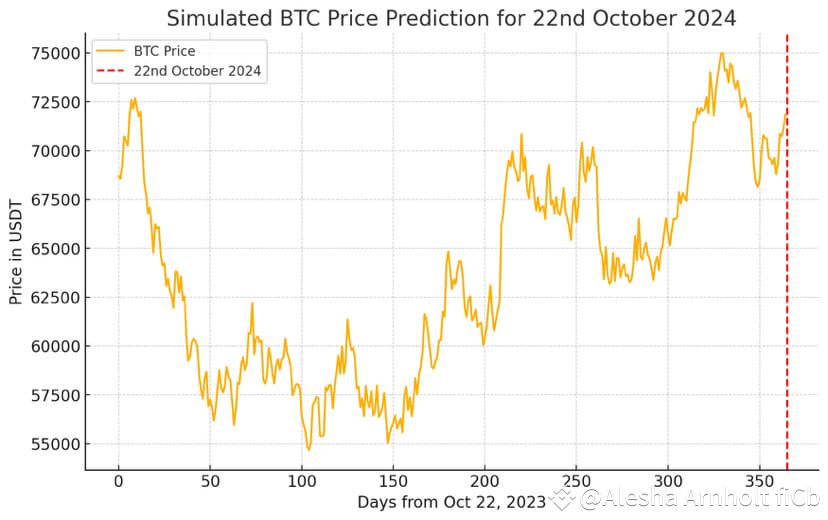
Based on the simulated analysis using technical assumptions, the predicted price of Bitcoin (BTC) on 22nd October 2024 is approximately 71,830 USDT.
Based on the simulated analysis using technical assumptions, the predicted price of Bitcoin (BTC) on 22nd October 2024 is approximately 71,830 USDT.
11
493
Log in to explore more content
Join global crypto users on Binance Square
⚡️ Get latest and useful information about crypto.
💬 Trusted by the world’s largest crypto exchange.
👍 Discover real insights from verified creators.
Email / Phone number
Trending Topics
SECHaltsCryptoETFReviewsAmidFundingLapse
11,812 views
192 Discussing
🚨 CRYPTO ETF APPROVALS JUST HIT A ROADBLOCK!$AIN
The SEC has reportedly paused crypto ETF reviews amid a funding lapse a delay that could keep the market waiting for key decisions. 👀📉$STRK $PUMP
#etf #SECHaltsCryptoETFReviewsAmidFundingLapse #CryptoNews
Adeem Jutt
·2 Likes
·216 views
ZcashETFPostsFirstWeeklyOutflow$93.6M
57,190 views
174 Discussing
GreekPoliceBustCryptoScamRingArrest17
174,782 views
1,212 Discussing