
肥猫胸口油
13 Posts
肥猫胸口油
Report
Block User
23 年入圈老韭菜,入圈三年历经 n 次黑天鹅,横穿一次牛熊
Open Trade
High-Frequency Trader
2.5 Months
7 Following
0 Followers
6 Liked
Posts
Portfolio
·
--
I just came across that post about Aoying, and another lucky fan got 500 $USDT for free!
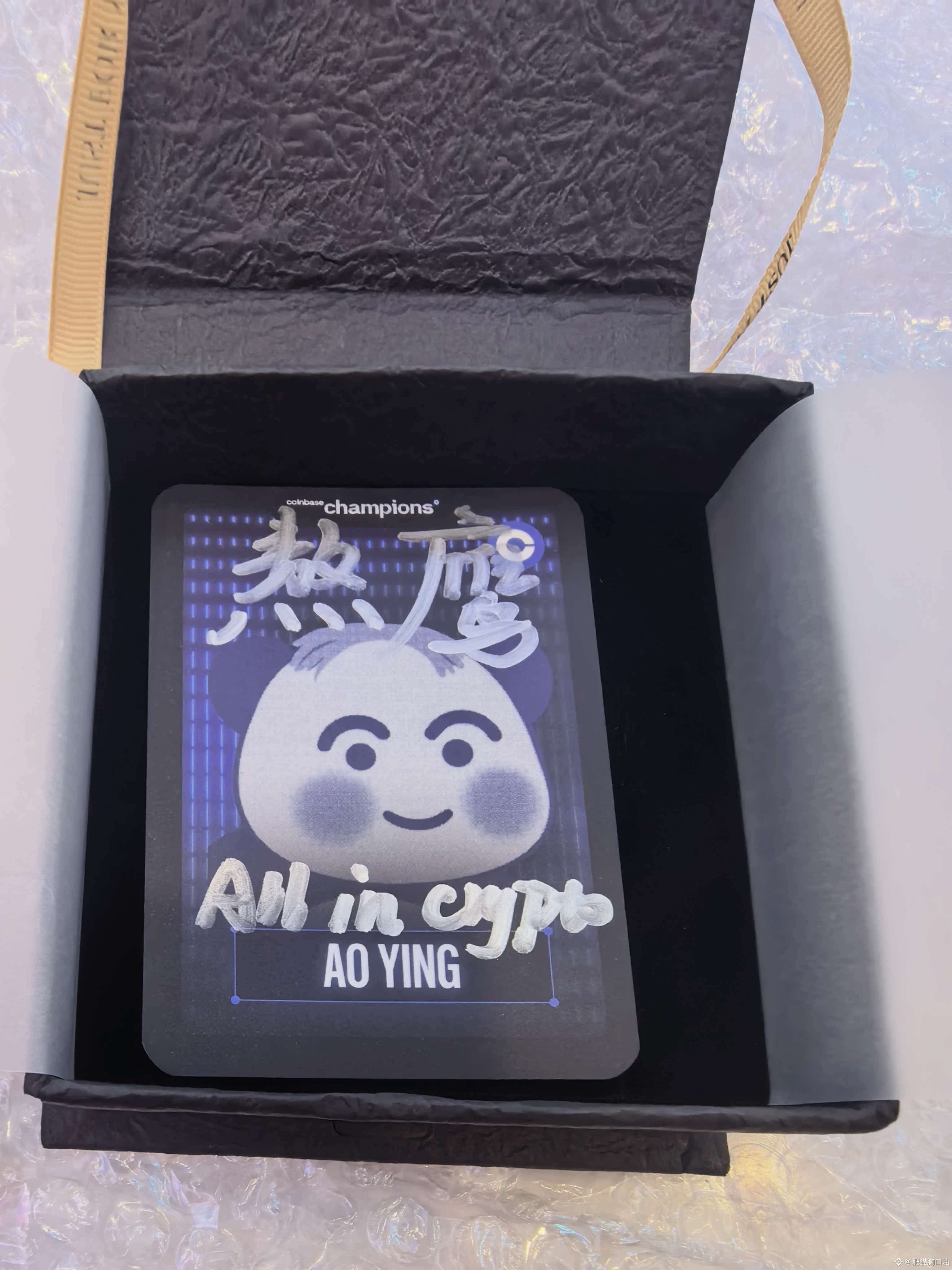
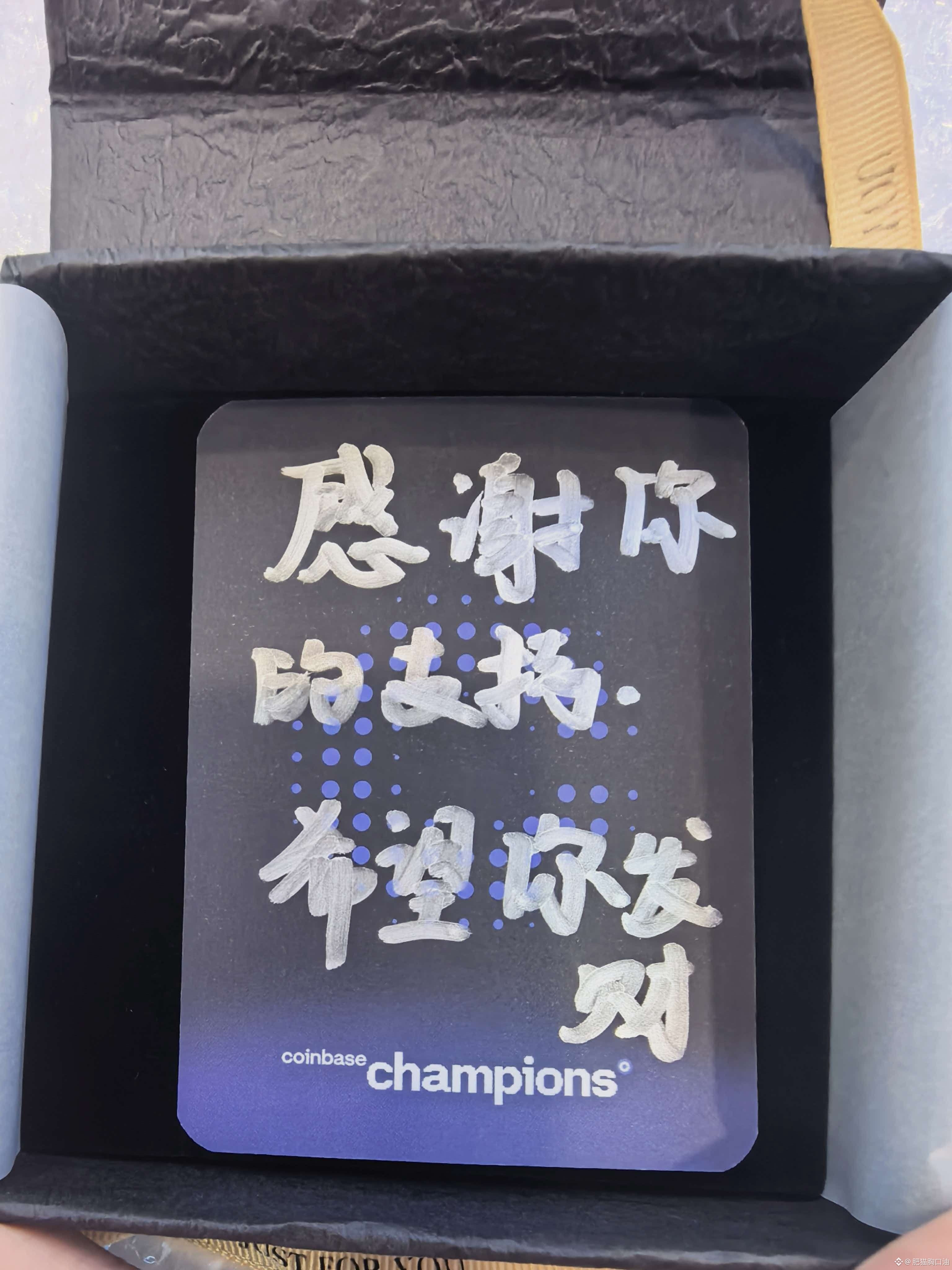
The fan showed off a card personally signed by Aoying, saying they hoped to share in his good fortune and make lots of profit. They also thanked him for the red envelope and congratulated him on returning to the top and making it to A9.
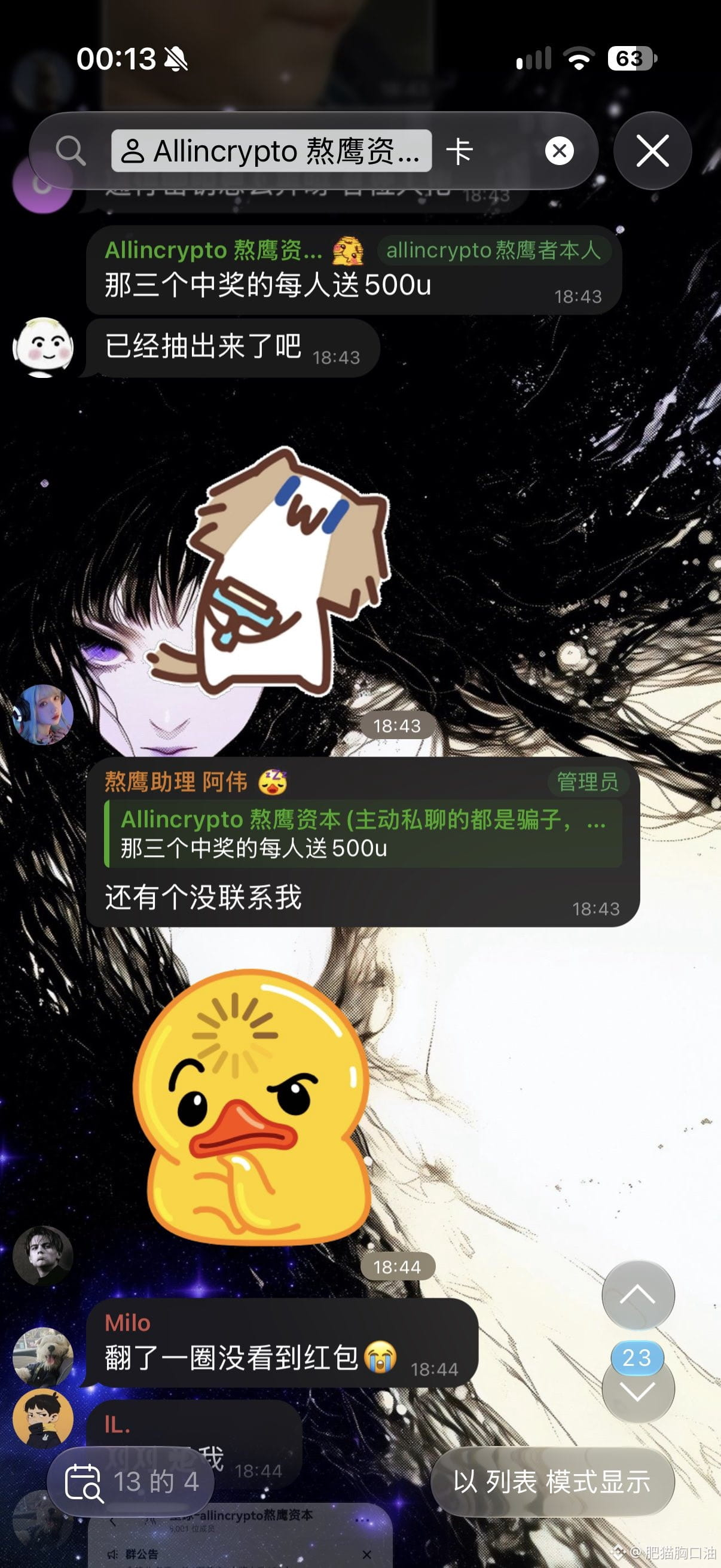
Aoying replied: “The delivery was late. I’d just gotten home,” and went ahead and sent another 500U to this fan and one other lucky fan.
A signed card, a red envelope, and another 500U—no one spoils their fans like this.
#熬鹰 #粉丝福利 #SignedCard
2
·
--
It’s not Binance’s fault; $WLFI blew up on its own!
Aoying just posted a follow-up. He said he’d been worried before that the project’s deep partnership with Binance was why ADL was unfair to retail traders.
After asking around in the English-speaking community and getting some explanations from friends, the conclusion is that $WLFI blew up on its own, selling $ETH to prevent its own collateral from being liquidated.
There are more liquidation levels below. Confidence is gone, and it can only turn into a death spiral.
Are you still holding?
#WLFI #ADL #Liquidation
1
205
·
--
A 500-million market cap, and the market maker blows up again—is there over a 50% chance it goes to zero?!
I just came across that post from Ao Ying. He said $WLFI now has a 500-million market cap, the market maker has blown up again, and there are still plenty of retail investors buying the dip.
His take: you can hold a small position long term as an investment, but he thinks the chance of it going to zero is already over 50%.
He himself shorted a bit around 0.0175 and will take another look after the Lunar New Year—just treating it as a little red-packet bonus.
What do you think? Is a project like this worth holding in a small position as an investment?
#WLFI #抄底 #marketmaker
1
157
·
--
What doesn’t kill you makes you stronger!
Watching Aoying’s post got me thinking. In 2024 and 2025, he had stretches where he consistently read the market right and made the right trades, building up from a small amount of capital. But he still couldn’t keep himself in check, and in the end, he got burned.
Still, he says that through this process, he’s become more and more willing to go big to win big, while making fewer and fewer mistakes. He accepts losses when he should, cuts losses when he should, and holds on to his gains instead of dwelling on the profits he left on the table by selling too early.
His returns have also increased every year. He says he’s like a Saiyan: as long as he isn’t beaten down for good, he’ll definitely come back stronger next time.
Every fall makes him more resilient.
What about you? After your biggest setback, did you come back stronger or call it quits?
#交易心态 #TradeReview
·
--
Online analyses of my trade records are almost all wrong!
I came across this post by Aoying. He said you can check his trade records against the timeline yourself—most of the analyses online are wrong.
Those people aren’t actually trying to help you review the trades; they’re just promoting their own websites.
Simply put, if you really want to learn from trade records, go through them yourself, one by one, against the timeline. Don’t trust secondhand analysis.
Do you usually review trade records? Where do you look at them?
#交割单 #Review
28
·
--
There are two kinds of real-trading bloggers—and this is what sets them apart!
I came across this post by Aoying, and it really hit home. There are two kinds of real-trading content creators.
One kind starts sharing from the very beginning, documenting their thoughts along the way. You get to watch them grow from small beginnings, and see that they’re wrong more often than they’re right—after all, they haven’t made it yet.
The other kind only starts an account after they’ve made it. Either they’re looking for an ego boost, or they’re trying to cash in. You can’t learn anything genuine from them, because once they’ve succeeded, all that’s left are stories and success formulas. The difficult part is long gone.
He ended by saying: cherish the traders who are still on the journey and working hard to share what they learn.
Which kind of blogger do you follow? Someone you watched build their way up, or someone who only started posting after they’d already made it?
#实盘 #TradingSharing
29
·
--
Asian markets are likely to open higher tomorrow!
As Ao Ying just said, now that the Thanksgiving weekend is over, funds probably won’t be too panicked, and Friday’s positive sentiment can carry over.
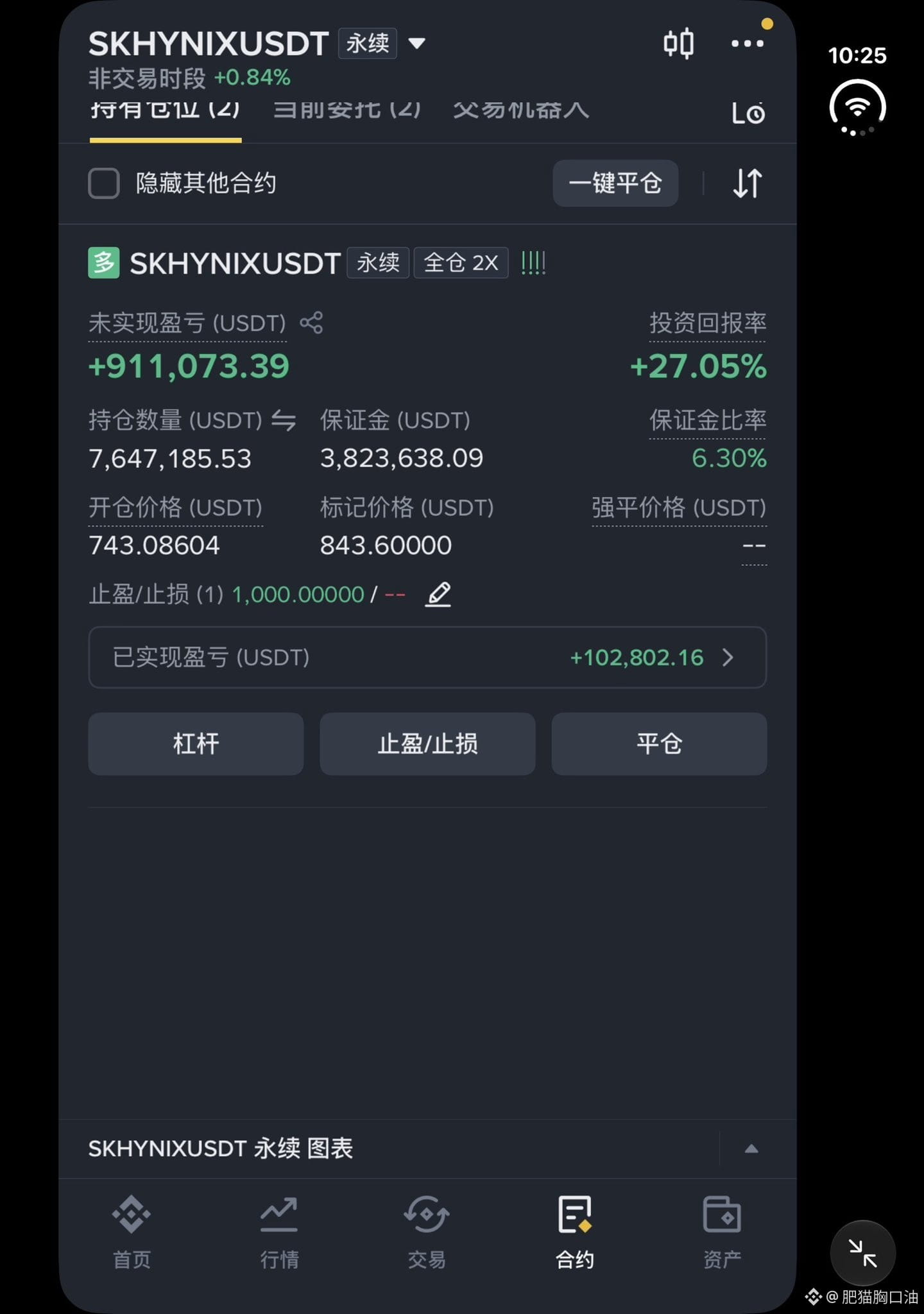
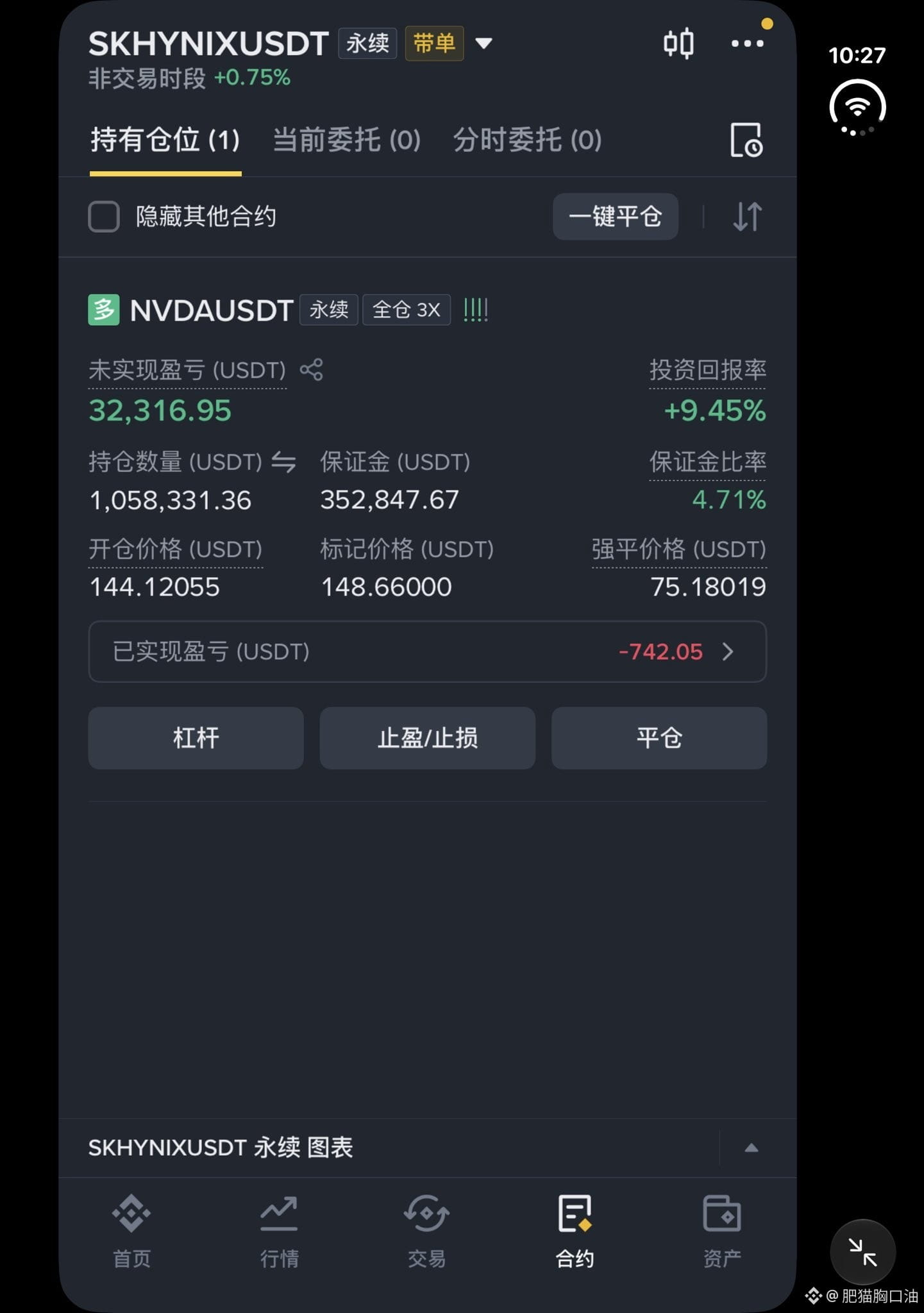
His positions back that up too: his Hynix perpetual long is up over $910,000, +27%, with a take-profit target of 1,000; the Nvidia long in his copy-trading account is also in profit, +9.45%.
Are you bullish or bearish at tomorrow’s open?
#亚盘 #USStocks
38
·
--
What I made in the first six months was nothing compared to what I made in November alone!
I just came across Ao Ying’s recap of this latest cycle, and I finally understand how money compounds.
He got the biggest gains from the storage trade. He went long Micron at the bottom on earnings day, then flipped short before the market opened after the report; he shorted after Micron’s CEO took a swipe at Apple; and on July 30, he went long SanDisk near the bottom of the storage cycle. Just these major storage trades brought in nearly $4 million.
He was busy on the crypto side, too. He went long $BTC during Trump’s shill, and caught the breakout trade around $ZEC 800 as well. Later, he turned bearish. The Jensen Huang controversy became the catalyst, and he rode a 20x $ETH short all the way through the massive crash.
The Nvidia trade was the most incredible. Before the turnaround, the market showed signs of easing up, so he went long first. On the night of the turnaround, he closed all his longs at the top. Then he saw that storage stocks were weak and went straight to shorting SK Hynix in the Asian session the next day, sending it tumbling. Last week, as the market plunged in fear, he bought back longs in SK Hynix and Nvidia at the bottom.
As he said himself, what he made in the first six months didn’t come close to what he made in November. Compounding is truly wild. You can look up all his trades under his Binance copy-trading ID.
What was your biggest winning trade this cycle?
#交易复盘 #美股 #crypto
406
·
--
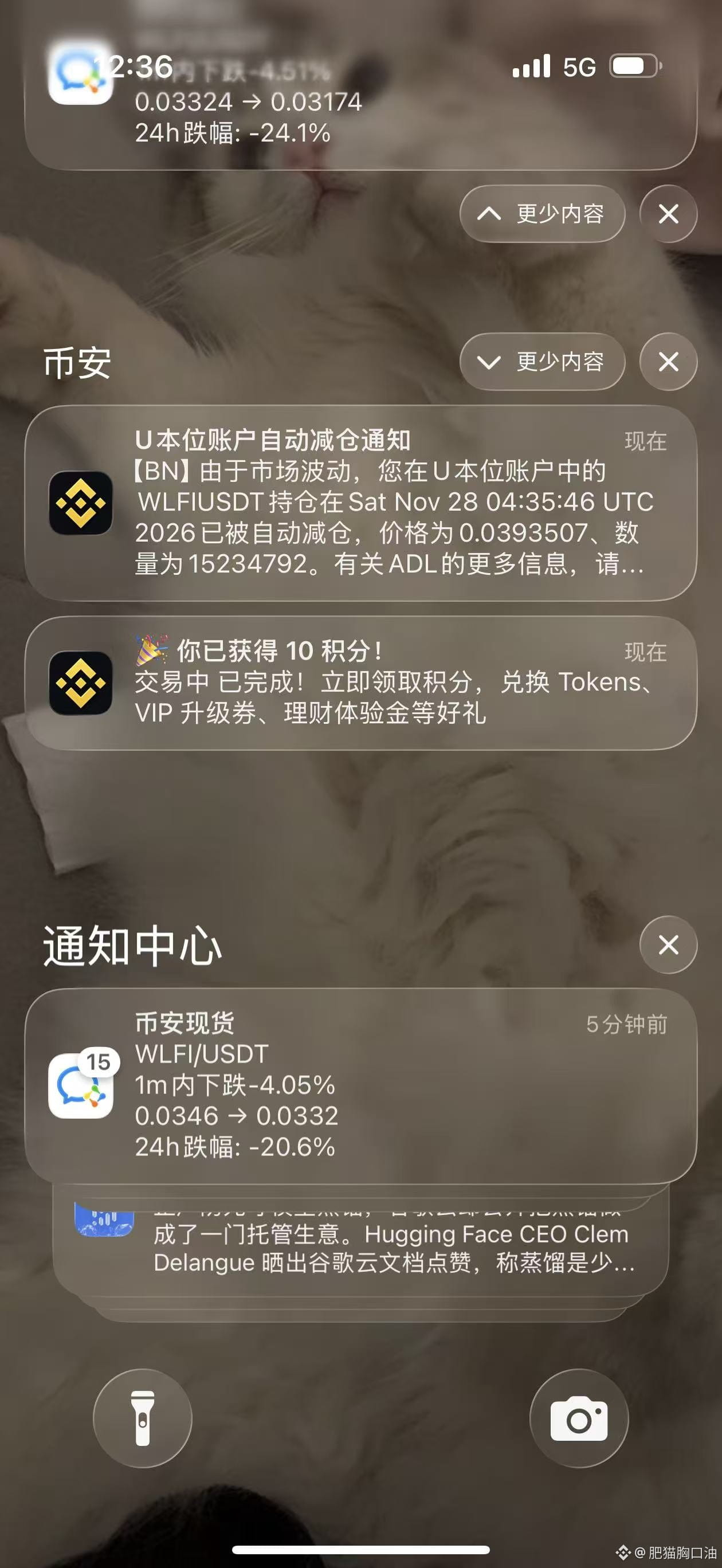
Got the direction right, made the right call, held for a month—and still got closed out in the end!
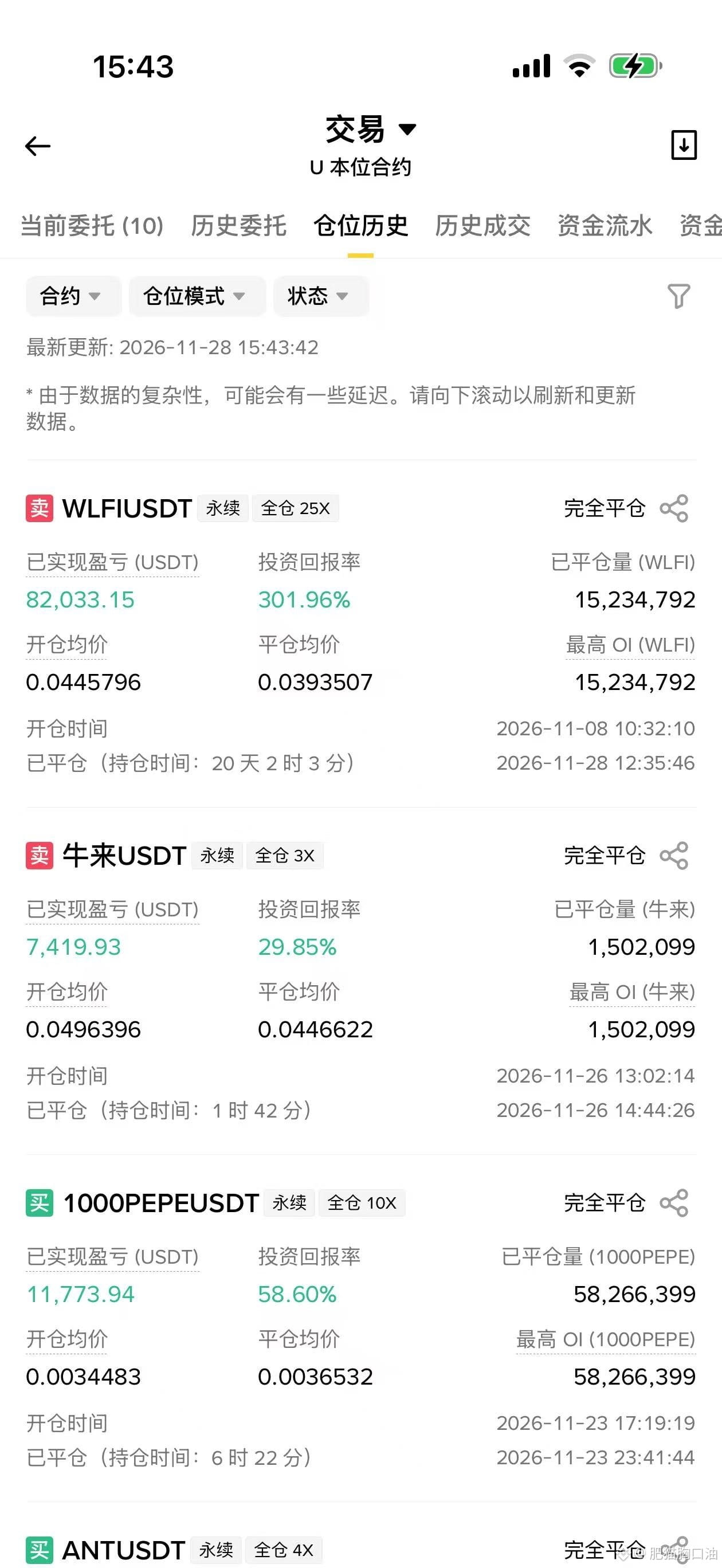
I came across this post and it honestly got me a little worked up. Someone had been short WLFI for a month. They got the direction right and held their position, but to avoid ADL, they only dared to open a position worth a few hundred thousand dollars.
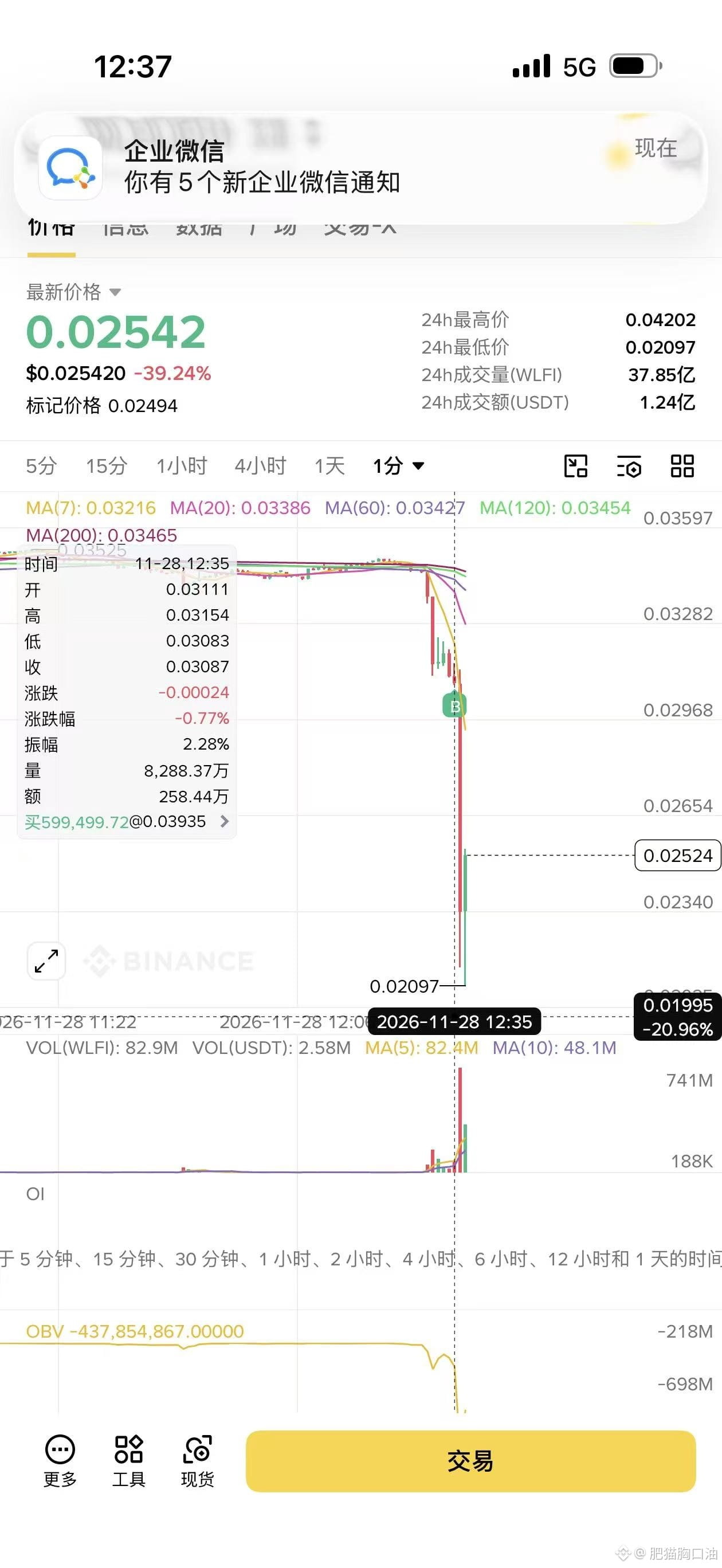
And what happened? Their profitable short was completely closed out by Binance ADL. At the exact second the notice went out, the highest publicly reported trade price was 0.03131, while their average ADL closing price was 0.0393507—25.68% higher.
By their own calculations, they’ve missed out on $380,000 in profits on the original position by now.
Honestly, the most gut-wrenching part isn’t the money. It’s getting the direction right, making the right call, holding on—and then having things end this way. Their question was pretty direct: If they can do this to an asset with a circulating market cap of $1.5 billion and $150 million in open interest on Binance, would you still dare to trade here in the future?
What do you think? If it were you, would you still dare to trade here?
#WLFI #币安 #ADL
3
·
--
Partly True
Latest news: It is reported that after a small exchange saw a low price at $USD1 , it froze all user accounts that had bought at the low price, and withdrawal requests were not approved. Some users’ bottom-fishing purchase records were rolled back, and large holders were directly frozen when they initiated withdrawals. The blogger questioned this: This is normal market trading behavior, so why are withdrawals not allowed? The incident has sparked discussion about the boundaries of exchange risk control and the handling of user assets. What do you think?
#USD1 #稳定币 #Exchange
#USD1 #稳定币 #Exchange
2
474
Log in to explore more content
Join global crypto users on Binance Square
⚡️ Get latest and useful information about crypto.
💬 Trusted by the world’s largest crypto exchange.
👍 Discover real insights from verified creators.
Email / Phone number
Trending Topics
EvolveAtBinanceBlockchainWeek
2.8M views
21,968 Discussing
Binance Blockchain Week is officially underway! 🌍
On November 28–29, whether you’re in Bangkok or joining from afar, tune in to the livestreams and join the conversation on Binance Square!
Here’s what’s in store 👇
📺 Watch the main stage live
Tune in throughout both days as industry speakers share their perspectives on this year’s theme, “Evolve” From technological innovation to real-world applications, explore what’s next for crypto.
⚔️ Watch two trading competitions
The Aster Open Qualifier and the Binance Trading Master Tournament will both be streamed live. Tune in to follow the traders in action.
🏆 Watch The Blockchain 100 Awards Ceremony
The Blockchain 100 list was selected by the community. Join us in celebrating the creators and the ideas they share!
💬 Join the community conversation
Use #EvolveAtBinanceBlockchainWeek in a post with a photo to share what you’re looking forward to, your views on the industry, or your favorite moments from the event.
The event page is now live! Subscribe to all livestreams with one click so you don’t miss a moment 👏
Binance Blockchain Week
·646 Likes
·1M views
IBSGovAccountMints1BTokensDrains5.71M
39,634 views
440 Discussing
SunReportedlyOffered4BToRescueFTX
8,658 views
111 Discussing