
黎姐交易
599 Posts

黎姐交易
Report
Block User
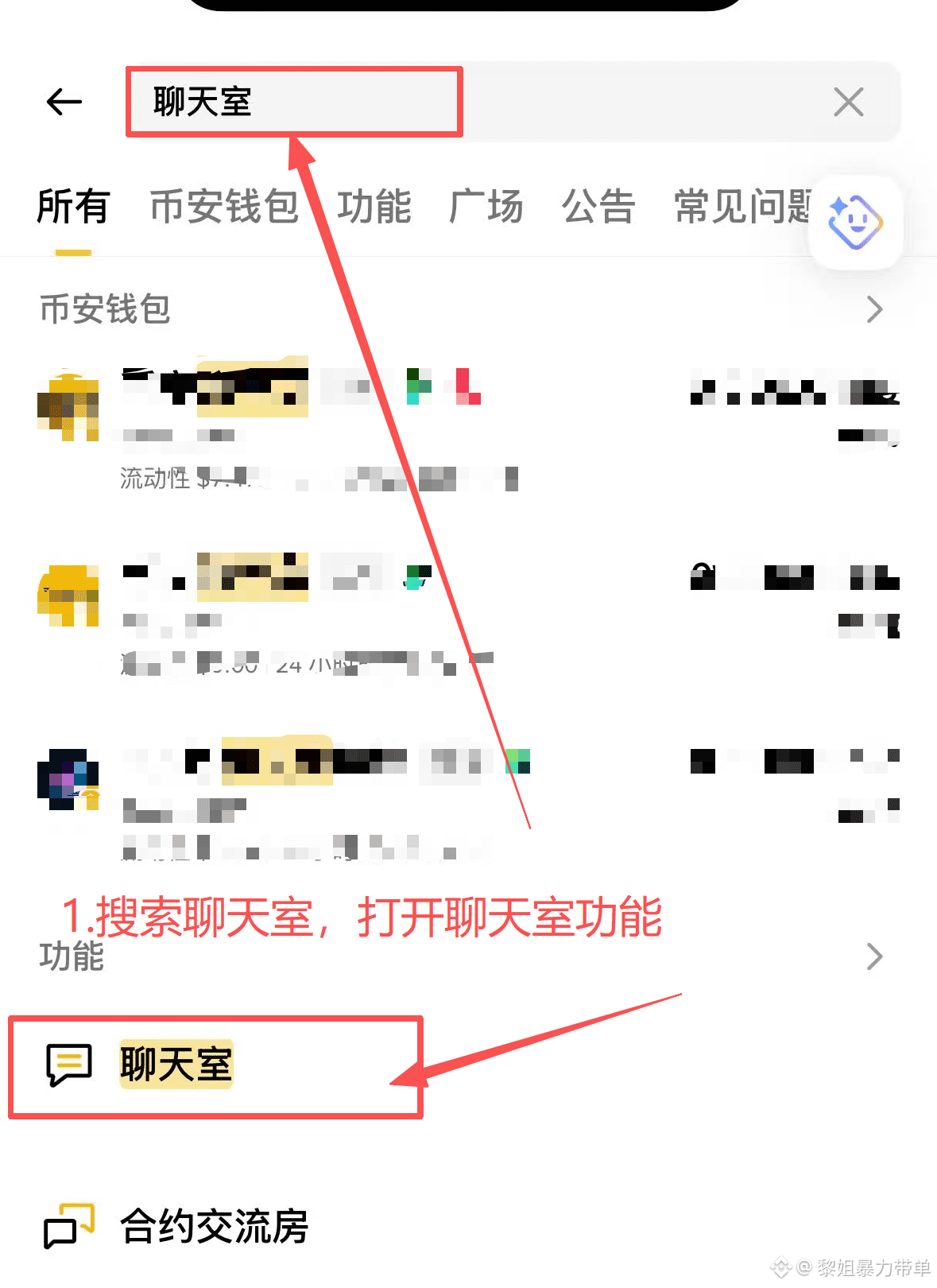
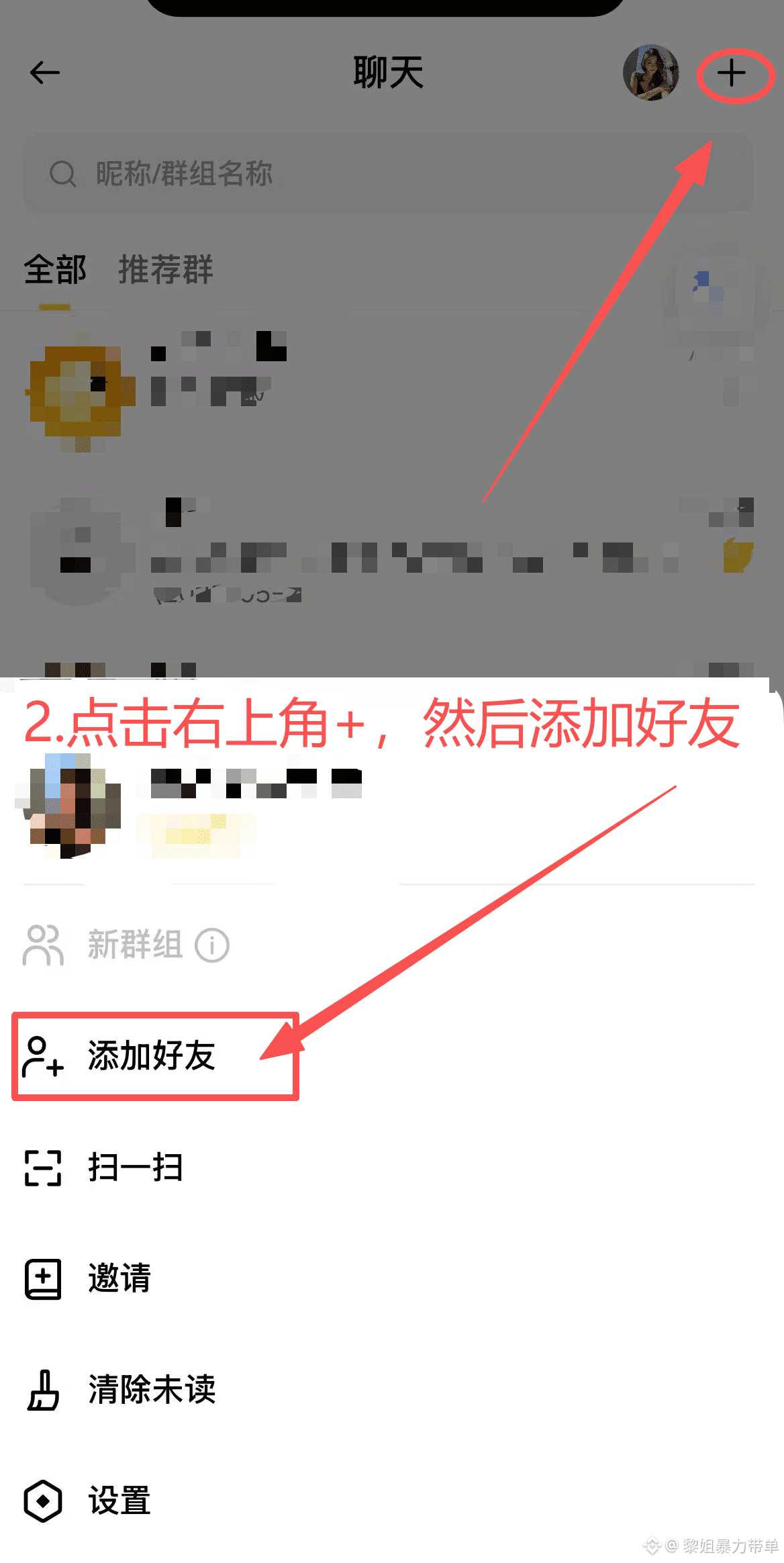
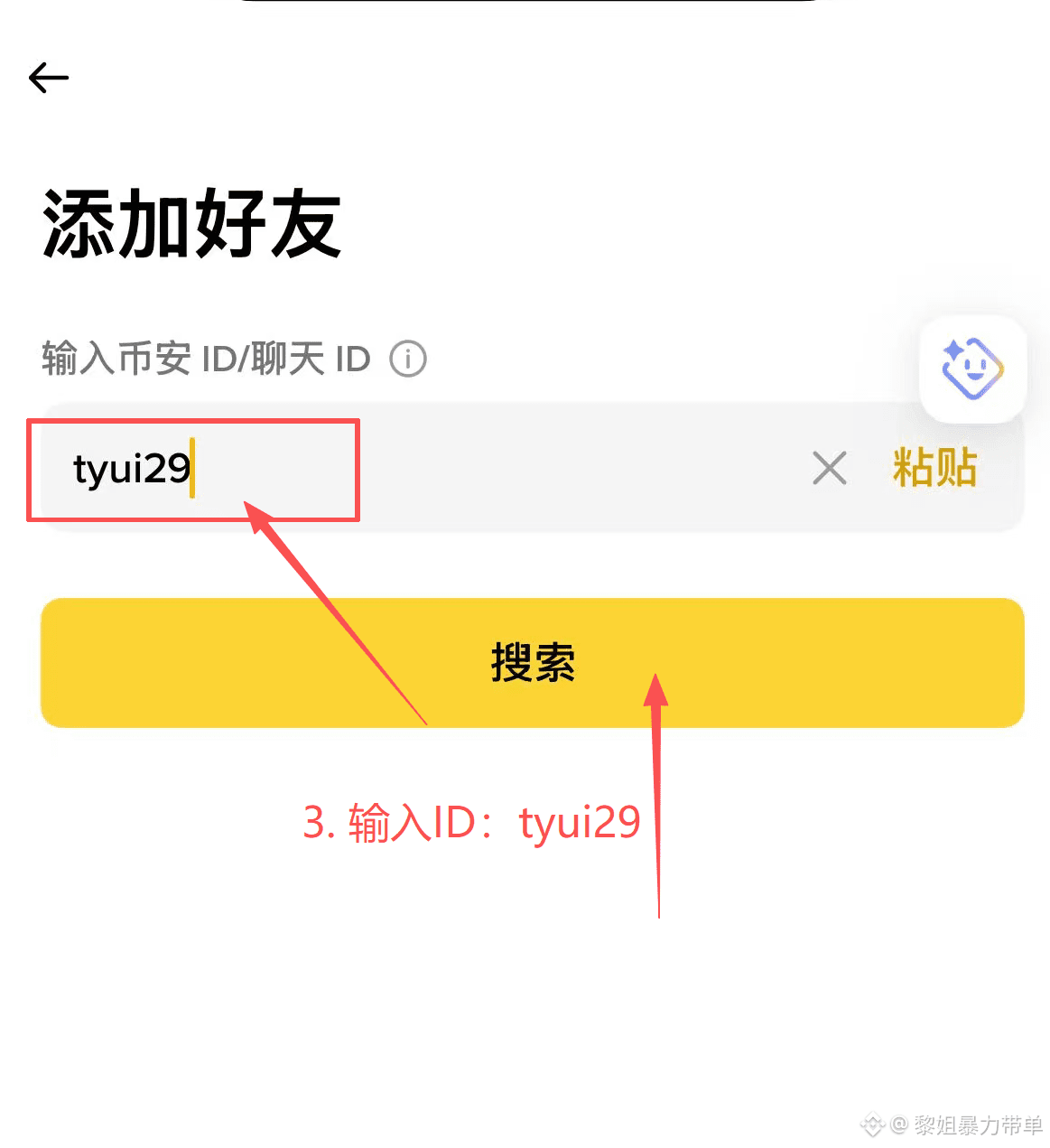
复利跟单👉币安ID/聊天ID:tyui29🔶|公众号:黎姐的复利🔶主攻复利,十天复利50次,每天5次,每次3%,十天收益率为338.39%
0 Following
1.1K+ Followers
238 Liked
Posts
All
Quotes
Videos
·
--
$BTC
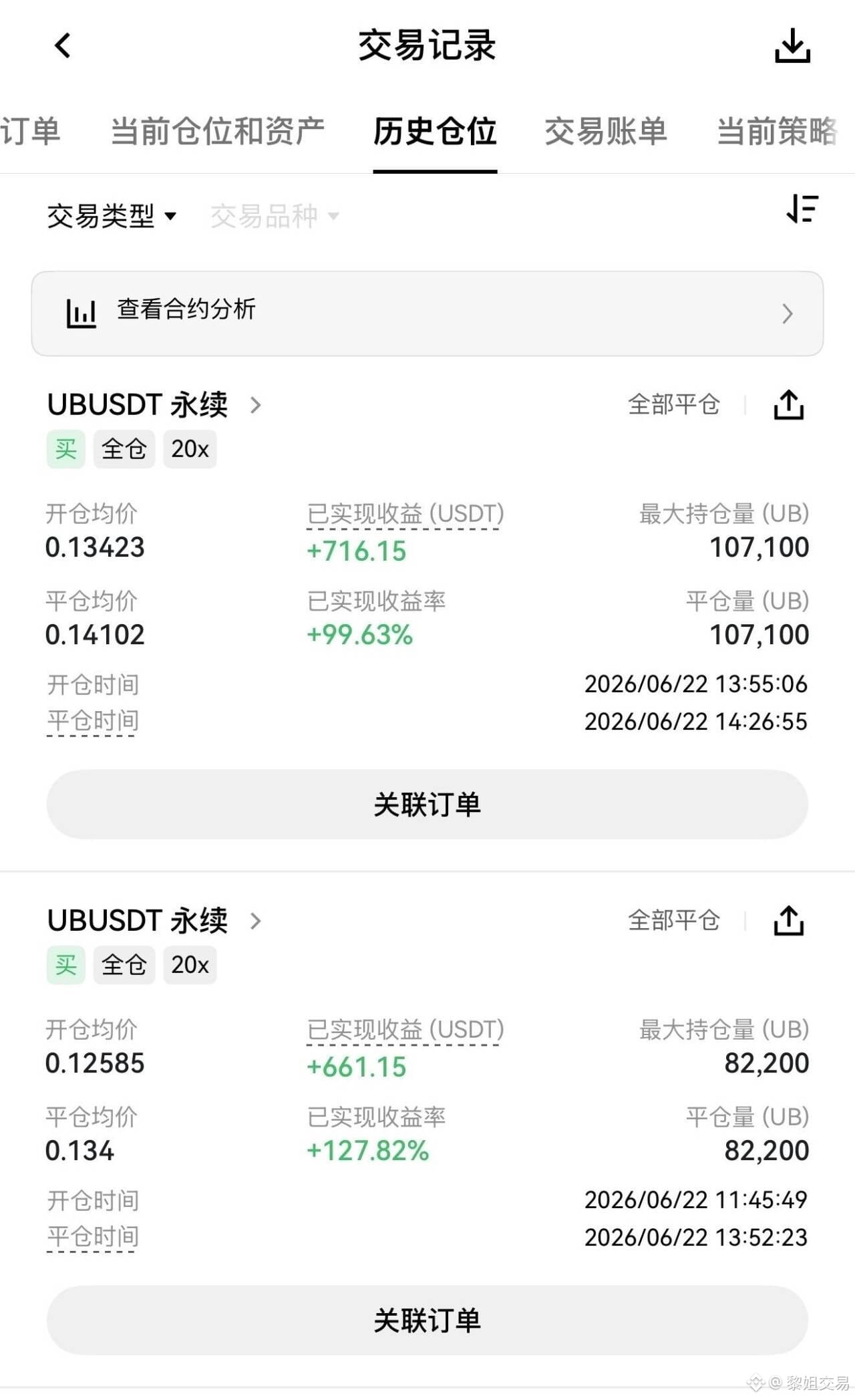
I've seen way too many folks either hit it big or get wrecked, but in the end, very few are left standing, myself included.
The crypto space, compared to stocks and mutual funds, is all about that leverage and trading 24/7 without limits. Some exchanges even let you go for unlimited leverage. Just a 1% or even 0.1% market swing can lead to liquidation. You might say you’re using low leverage, but can you handle a 90% loss overnight? #SK海力士市值超越比特币
145
·
--
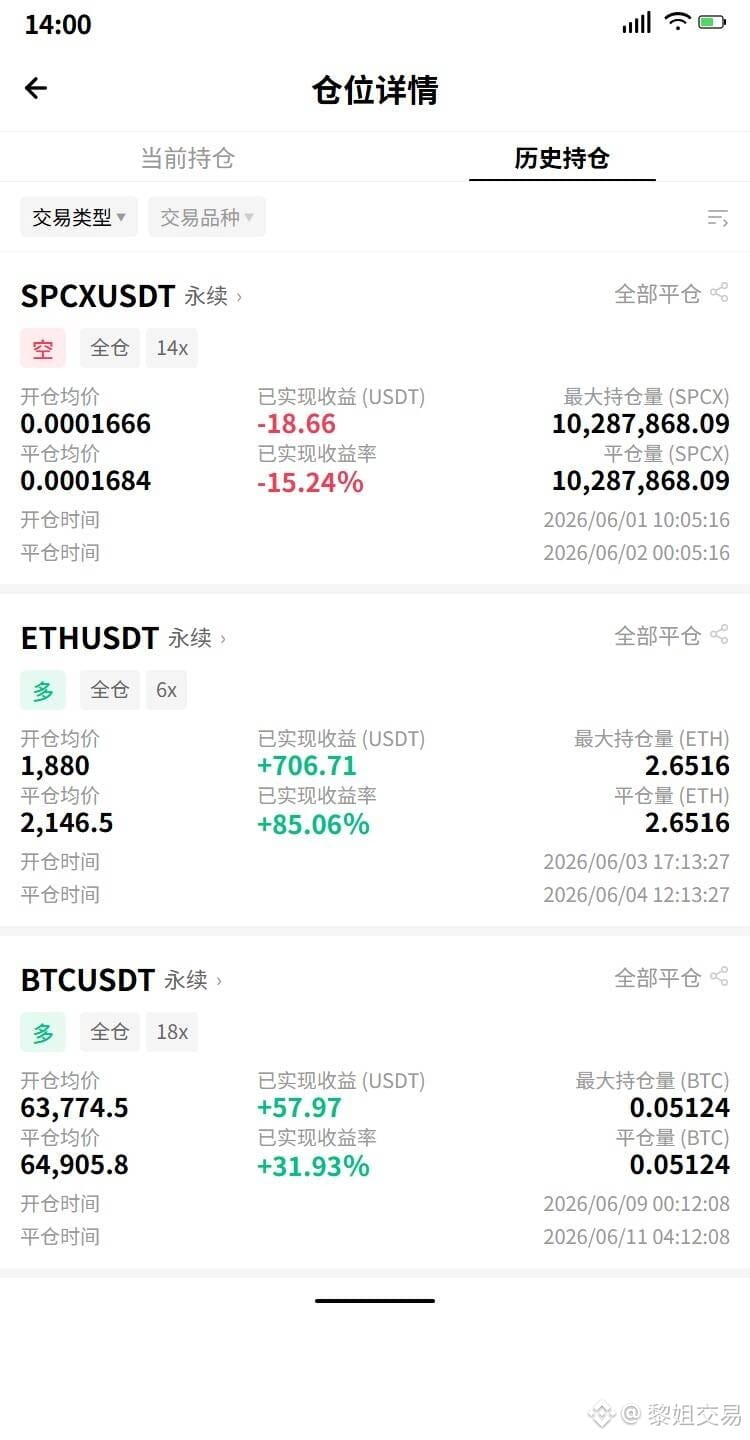
$H In the crypto space for 8 years, I've seen too many people either hit the jackpot or get liquidated, but the ones who survive in the end are few and far between, myself included. The biggest difference between crypto and stocks or funds is the ability to use leverage and trade 24/7 without restrictions. Some exchanges even offer you unlimited leverage.
Just a 1% or even 0.1% market fluctuation can wipe you out; sure, you say you’re using low leverage, but can you withstand a 90% loss overnight?
Just a 1% or even 0.1% market fluctuation can wipe you out; sure, you say you’re using low leverage, but can you withstand a 90% loss overnight?

430
·
--
In the crypto scene, is it better to trade spot or contracts? $BTC
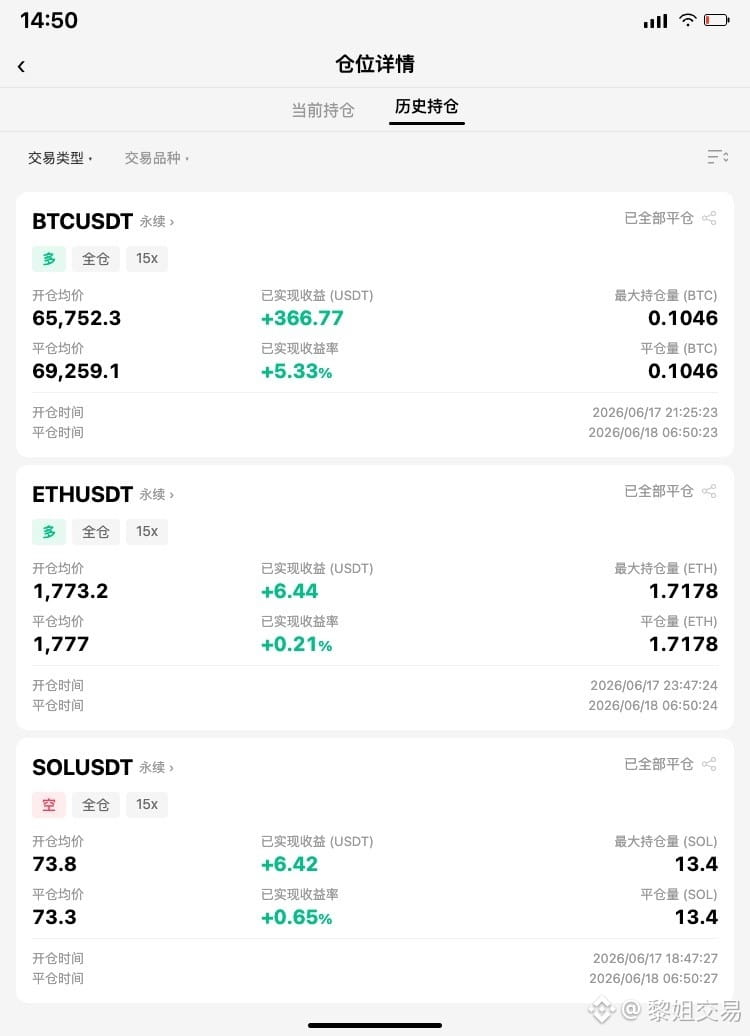
In the crypto world, the classic question of 'is it better to trade spot or contracts' has a straightforward answer: it really depends on your capital size, risk tolerance, and whether you're looking for 'steady asset appreciation' or 'high-risk gambles'.
There's a saying that goes around the community: 'Spot can tie you up for three years, but contracts can wipe you out in three seconds.' #原油价格下跌
176
·
--
$BCH
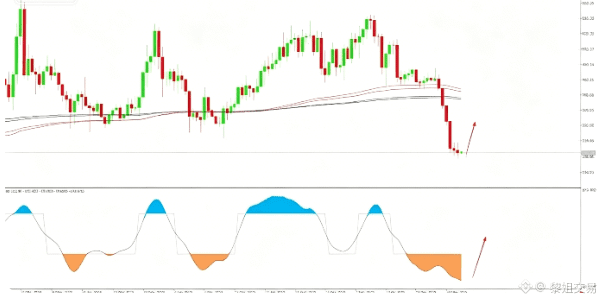
The weekly chart has hit the bottom. This coin's bounce in April wasn't too strong; at this position, the indicators are showing a double bottom. Personally, I think if there's a bounce, BCH could have a nice rally. However, a real bull run is still a bit away. The monthly chart is still in a downtrend, and if Bitcoin kicks off in the second half of the year, this coin might lag behind the market. #原油价格下跌
The weekly chart has hit the bottom. This coin's bounce in April wasn't too strong; at this position, the indicators are showing a double bottom. Personally, I think if there's a bounce, BCH could have a nice rally. However, a real bull run is still a bit away. The monthly chart is still in a downtrend, and if Bitcoin kicks off in the second half of the year, this coin might lag behind the market. #原油价格下跌
236
·
--
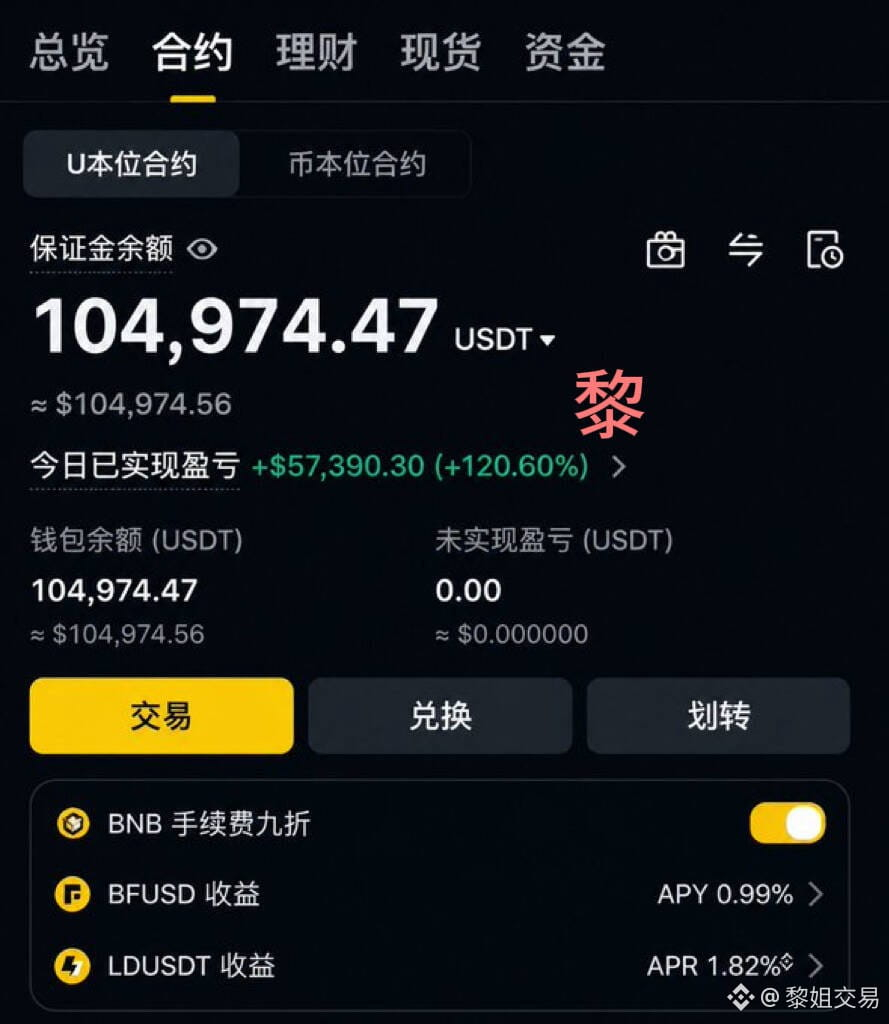
When your account has only one or two thousand USDT, don’t rush in. The faster you act, the quicker you’ll get wrecked; the steadier you play, the more stable your account will be.
Take your time, stick to your rhythm. Split your funds; use the smallest portion for day trades, slowly grinding it out, allocate a slightly larger portion for swing trades when the optimal setups arise, and keep the rest untouched—that’s your cushion for a comeback. Don’t gamble on direction; if the market is ranging, stay hands-off—getting jittery leads to losses. Only enter when the trend is clear, lock in profits of ten to twenty percent by taking some off the table, and let the rest run. Cut losses decisively, keep losses below two percent—when it hits, just exit. Take profits of four to five percent by cashing out half, don’t add to your position. $ETH
Stick to your bottom line, and your account won’t fall into a pit. Smaller accounts need even more patience and rules. It’s not the ones who flip that survive; it’s the ones who survive that can flip the script. #原油价格下跌
67
·
--
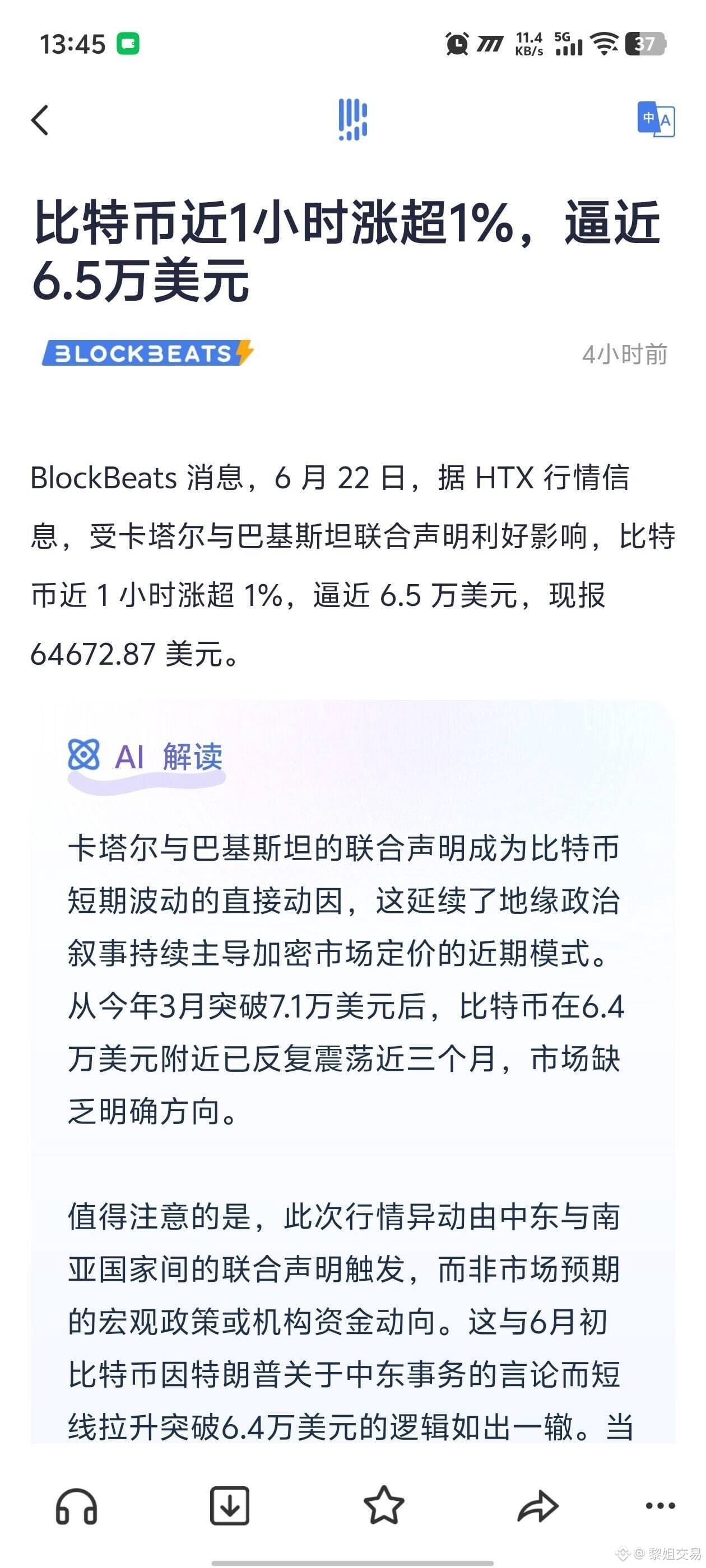
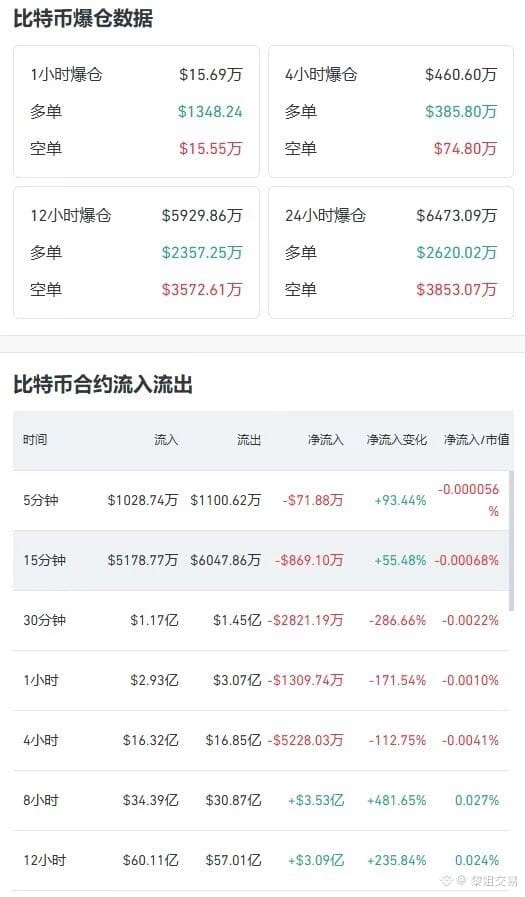
Afternoon Analysis!! $BTC $SYN
Bitcoin made a rapid surge this morning, bouncing from 63220 to around 64700, while Ethereum followed suit, climbing from 1700 to the 1759 line. This is a classic technical rebound following a shakeout.
Overall, on the daily chart, we are still in a recovery phase after a downtrend; the trend hasn't fully reversed yet. The rebound is more of a correction of the prior drop and hasn't established a lasting uptrend structure.
On the 4-hour chart, after hitting a high, we saw a pullback with clear resistance at the upper band. The middle band has become a key battleground for bulls and bears. Until we effectively establish above this level, the continuation of the rebound is limited.
For Bitcoin, consider shorting in the 64500-65000 range, targeting around 63500-62500.
For Ethereum, look to short in the 1780-1760 range, with targets around 1700-1650.
67
·
--
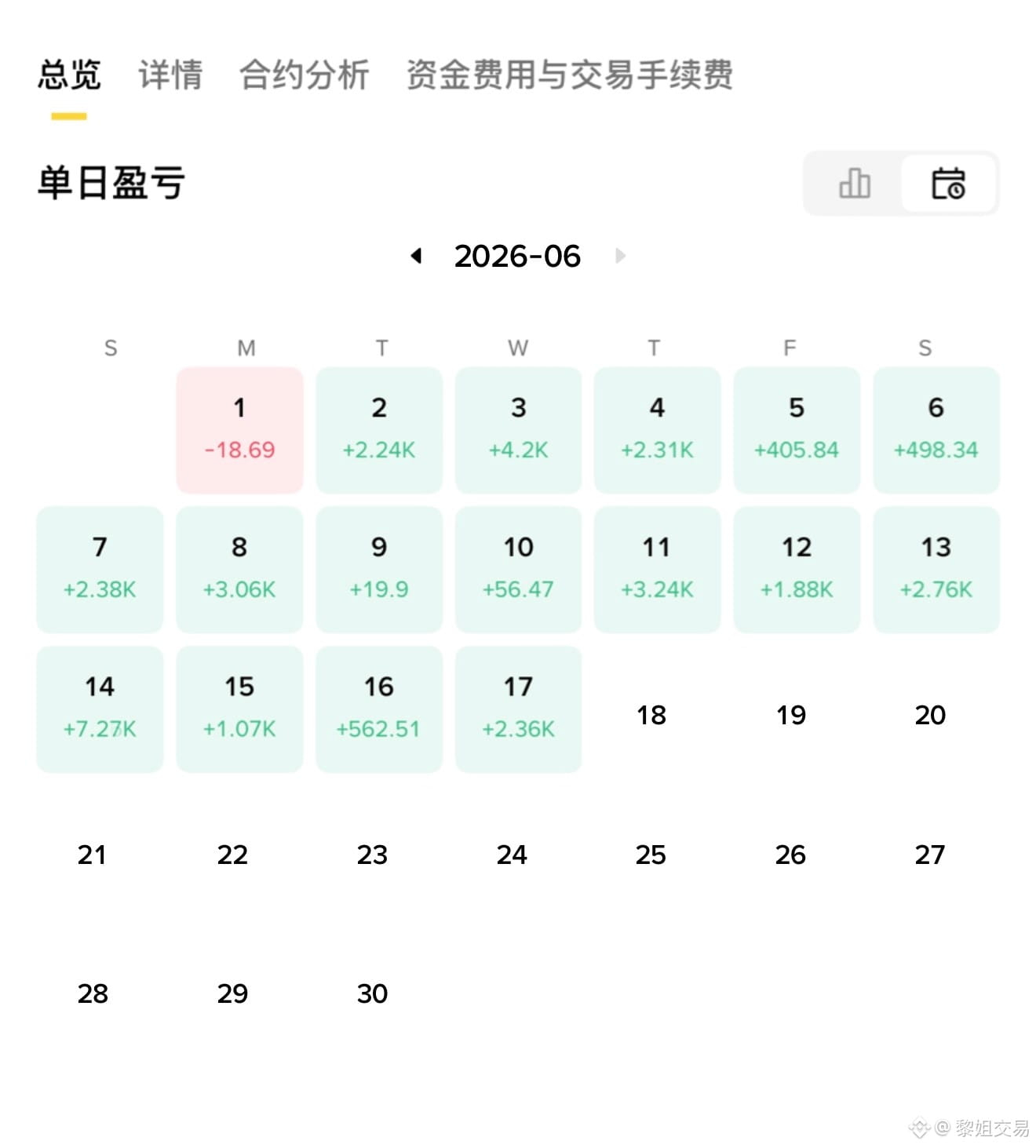
When your account has only one or two thousand U, don't rush in. The faster you act, the quicker you'll burn out; the steadier you play, the steadier your account will be.
Take your time, stick to your rhythm. Split your funds: use the smallest portion for day trading and take it slow, use a slightly larger portion for swing trading when the conditions are right, and keep the remaining chunk untouched—that's your backup for a comeback. Don’t gamble on direction, avoid trading in a sideways market; random moves will lead to losses. Only enter when the trend is clear, lock in profits after gaining ten to twenty percent, and let the rest run. Be decisive with stop losses, keep losses under two percent, and exit when it hits. Take profits at four to five percent, pocket half, and don’t average down. $MUB
Stick to your bottom line, and your account won't fall into a pit. Small capital requires even more patience and discipline. It's not the ones who flip the game who survive; it's those who survive that can flip the game. $币安人生

82
·
--
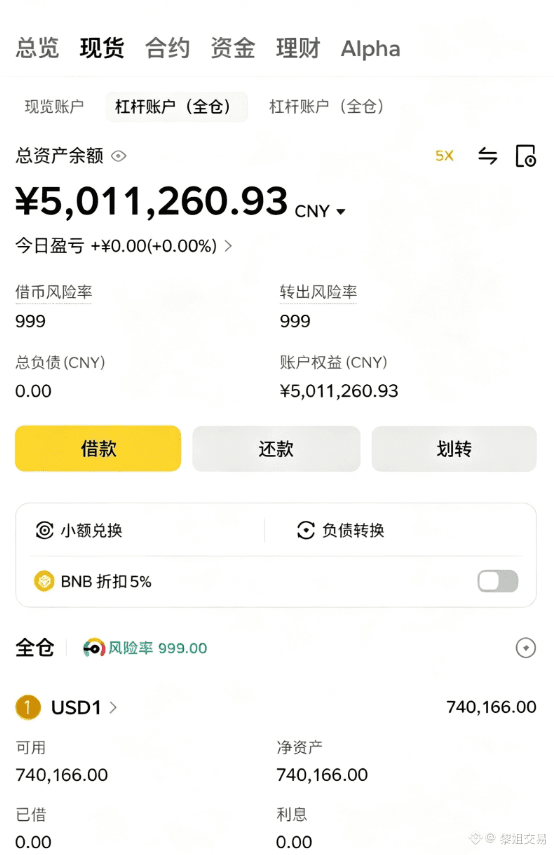
Losing money is normal; losing control is deadly. Nobody can avoid losses forever, and stop-losses are just part of the game. What really makes traders panic and mess up is not those stop-losses but poor position management that leads to losses exceeding expectations—then the mindset just blows up $BSB .
Before opening a position, nail down four things: Are the technical signals clear? Where's the stop-loss line? What’s the target profit? What's the worst-case scenario for losses? If you haven't figured out these four points, don’t hit confirm #伊朗60天不封锁霍尔木兹海峡 .
After entering the market, don’t let your positions dictate your actions. When you have a position, your judgment gets skewed; you amplify favorable signals and pretend not to see unfavorable ones. Once you're in, forget about the position and just mechanically execute your strategy. $BinanceLife
Don’t be greedy with your take profits. When you hit your target zone, if you hesitate, the market might turn, and you’ll lose your profits and might even end up in the red. Consider taking profits in batches or leaving a core position to ride along. The target you set before entering must be executed.
In trading, it’s not about how many losses you dodge; it’s about whether you let emotions lead you astray. Solidify those four points, accept small losses, and lock in profits to go the distance.
90
·
--
$ESPORTS
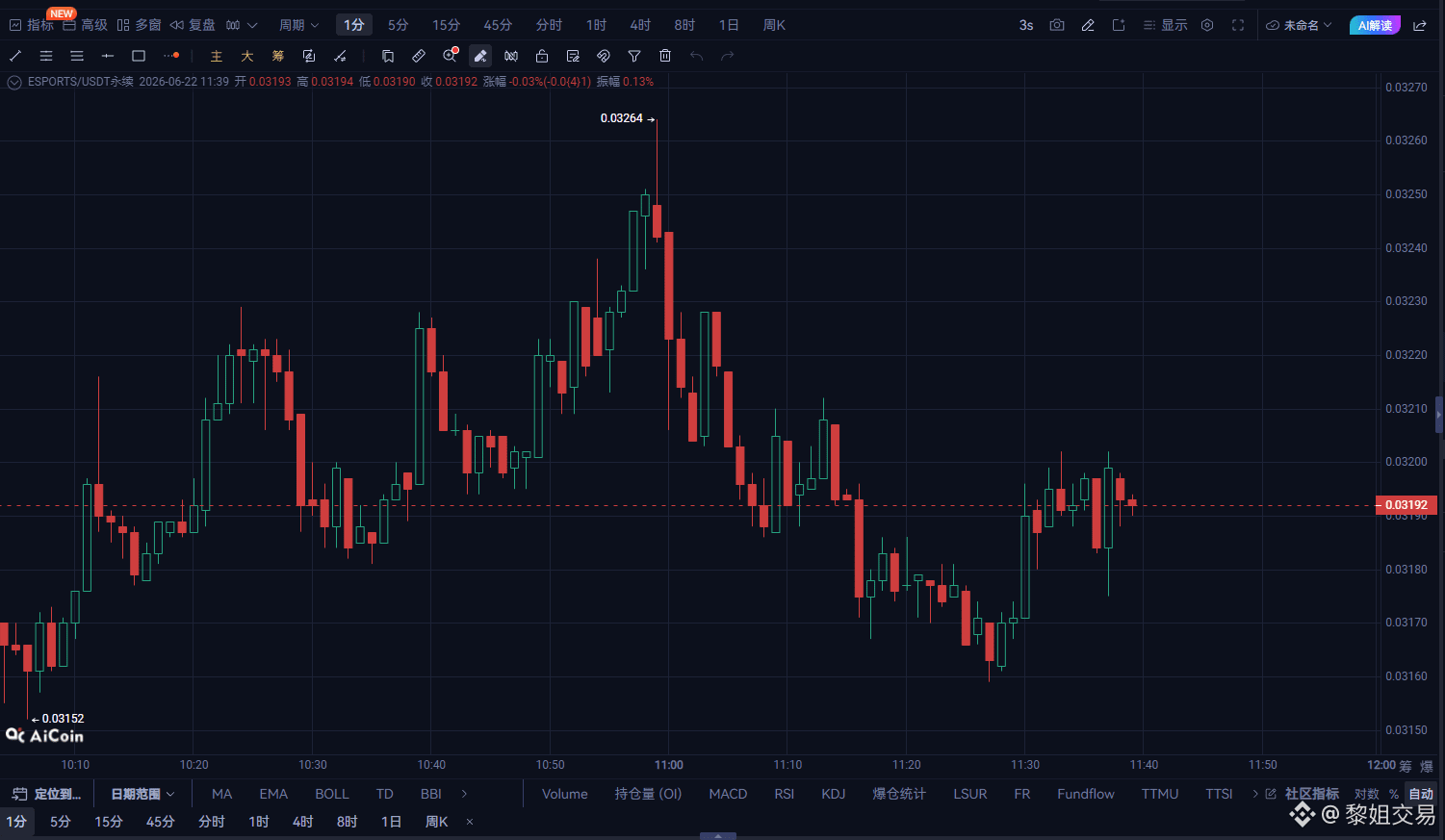
The one-minute scalping was way too extreme, with a violent pump hitting a peak of 0.03264 before a massive dump back down. After a bullish push, the buyers lost their grip, leading to a straight drop. The volume surged at the high, and then it just kept bleeding down, probing for the bottom. A brief bounce at the lows didn’t manage to break through, and we’re currently sitting at 0.03192. The high followed by a pullback has created a washout scenario, with traders split on the short-term direction. Those chasing the highs got wrecked,
and bottom-fishing hasn’t shown any sustainability. What side are you guys more bullish on moving forward?
多头回暖,反弹突破 0.03200 挑战高点
45%
区间震荡,0.03160-0.03200 来回磨盘
14%
空头占优,反弹直接承压再创新低
41%
63 votes • Voting closed
3.2k
·
--
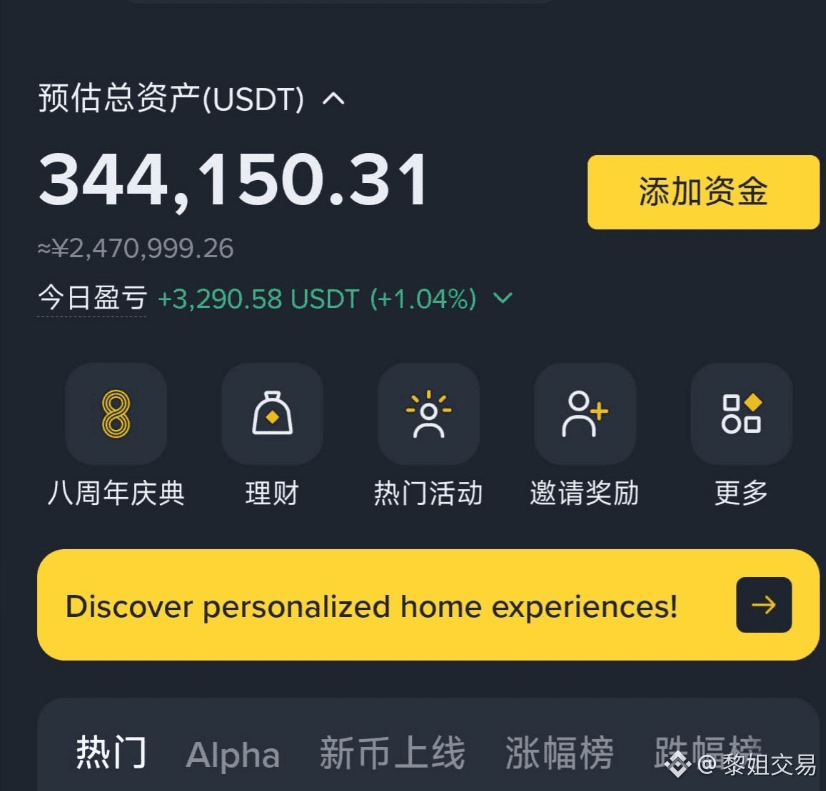
The more I learn, the faster I lose—I've really felt this firsthand. It’s not that knowledge is useless; it’s about applying it in the right way. Switching methods before mastering one is like paying tuition every time you change. In the end, you’ve got nothing left and your account is wiped out.
Trading isn’t about academia. You don’t need to know everything; just get one pattern down to the point where you can execute it with your eyes closed. It’s better to trade consistently than to know a lot. If you keep switching strategies, it’s like starting over every time. You’ll never build experience if you reset every cycle. $HYPE #MEVBotDrained$7.5MInCounterHoneypot $BinanceLife
Stick to one strategy and focus on a single cycle. If there’s a signal, take action; if not, just wait. Don’t change your mind at the last minute, and don’t let others sway you. Once you get the hang of it, you’ll naturally know when to enter, when to exit, and when to hold. $WLD
Making money doesn’t require knowing a ton; knowing one thing well is enough. You don’t need a bunch of skills—just one that you’ve mastered to the point where it doesn’t require thought. #伊朗60天不封锁霍尔木兹海峡
33
·
--
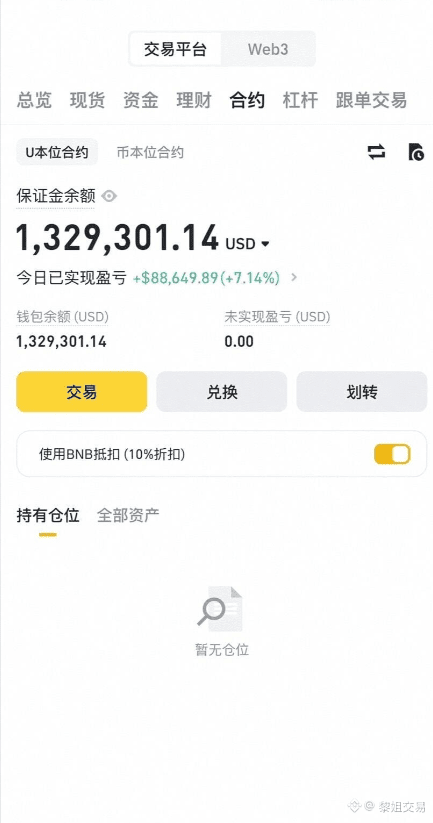
#币圈 The most frustrating thing isn't the floating loss in your account, it's that ungraspable rush. I have a friend who, back then, dipped his toes in with a couple grand and within two days, he was up over forty grand. During that time, he looked at the candlesticks like they were the script of his life, completely ignoring position management and risk alerts; all he could think about was 'next trade, double my money'.
$LAB He didn't even last half a cycle, and just like that, the forty grand plummeted back to three figures. What really trips people up isn’t just the liquidation event, but the inability to look away from the charts afterward. Eating while checking the candlesticks, the last thing he sees before bed is the market, and the first thing upon waking is to check the price action. Even knowing that the contracts are as sharp as a knife, and that he’s been losing more than winning, the moment the market jumps, his finger hits the buy button before his brain can catch up. Many think they’re trading crypto, but in reality, they’re just chasing that few seconds of adrenaline. $ZEC When daily gains are in the dozens of points, it feels like hitting all the right trends; but once losses hit, all that's left in the mind is 'next trade will make it back'. The cycle of opening trades, adding to positions, and averaging down repeats endlessly, and what gets drained isn’t just the principal, but the steady mindset. This space is never short of fleeting opportunities to get rich quick, but what’s lacking is the ability to hold yourself back. Those who can make quick cash aren’t necessarily the most clear-headed, but those who can weather several cycles of bull and bear markets and remain in the game are the ones who truly understand restraint. A single big win doesn’t mean skill; being able to stay at the table for the long haul is what really counts. $ETH I'm Jay, not here to pump or signal trades, just here to share real trading insights.
$LAB He didn't even last half a cycle, and just like that, the forty grand plummeted back to three figures. What really trips people up isn’t just the liquidation event, but the inability to look away from the charts afterward. Eating while checking the candlesticks, the last thing he sees before bed is the market, and the first thing upon waking is to check the price action. Even knowing that the contracts are as sharp as a knife, and that he’s been losing more than winning, the moment the market jumps, his finger hits the buy button before his brain can catch up. Many think they’re trading crypto, but in reality, they’re just chasing that few seconds of adrenaline. $ZEC When daily gains are in the dozens of points, it feels like hitting all the right trends; but once losses hit, all that's left in the mind is 'next trade will make it back'. The cycle of opening trades, adding to positions, and averaging down repeats endlessly, and what gets drained isn’t just the principal, but the steady mindset. This space is never short of fleeting opportunities to get rich quick, but what’s lacking is the ability to hold yourself back. Those who can make quick cash aren’t necessarily the most clear-headed, but those who can weather several cycles of bull and bear markets and remain in the game are the ones who truly understand restraint. A single big win doesn’t mean skill; being able to stay at the table for the long haul is what really counts. $ETH I'm Jay, not here to pump or signal trades, just here to share real trading insights.
27
·
--
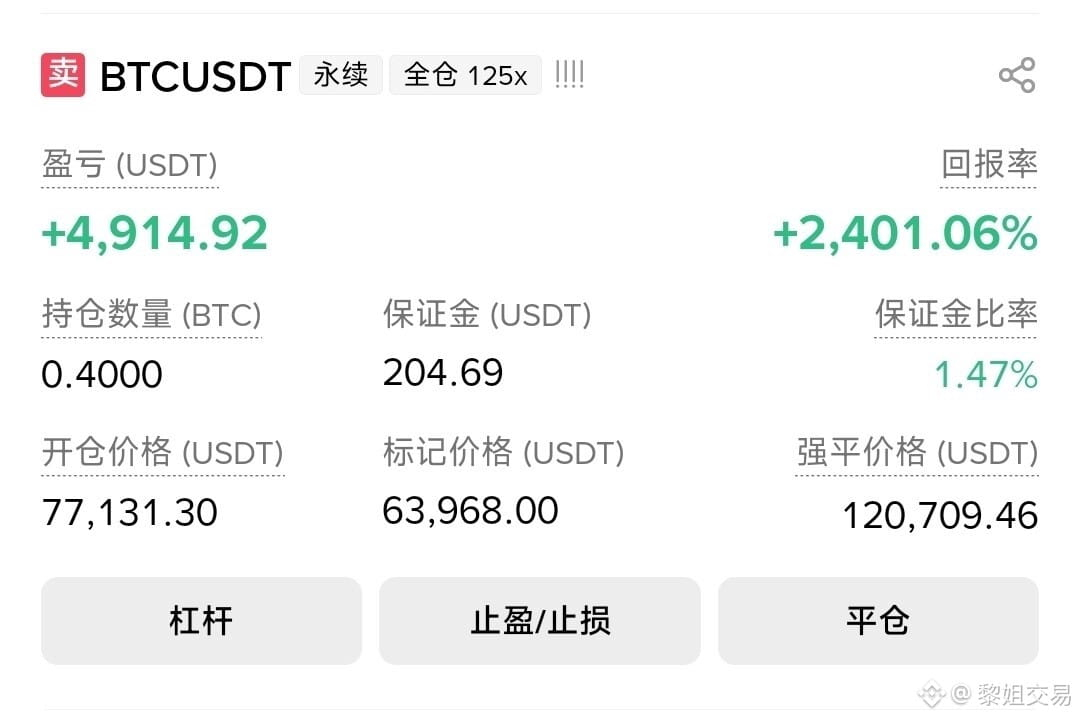
Before the big players pull out, the market always leaves subtle clues. Don’t let the hype cloud your judgment; avoiding most top traps isn’t that hard. When prices shoot up to highs, you’ll see this cycle of rapid spikes and drops — big green candles shooting up only to crash down quickly. This isn’t just normal consolidation; it’s the big players pulling up and selling off their positions. They want you to think that every dip can be bought back up. By the time you let your guard down, they’ve already quietly offloaded their chips.
$ZEC In the market, bullish news keeps flooding in, and everyone is hyped up chasing the highs, yet prices remain stuck in place, or even start to drift downwards. This is a classic signal that the bullish sentiment has run its course. Prices should be climbing with the news, but they remain stagnant — this is the big players quietly cashing out while the heat is on. Keep an eye on these details in the market; don’t let emotions take the wheel. There are always new opportunities; staying alert will help you avoid falling into the trap of buying the dip. #UNI涨22%至3.28美元
$ZEC In the market, bullish news keeps flooding in, and everyone is hyped up chasing the highs, yet prices remain stuck in place, or even start to drift downwards. This is a classic signal that the bullish sentiment has run its course. Prices should be climbing with the news, but they remain stagnant — this is the big players quietly cashing out while the heat is on. Keep an eye on these details in the market; don’t let emotions take the wheel. There are always new opportunities; staying alert will help you avoid falling into the trap of buying the dip. #UNI涨22%至3.28美元
111
·
--
The first thing you need to wrap your head around in trading is not to treat a single loss like the end of the world. It’s never the usual floating losses that take you down; it’s the completely out-of-control trading rhythm.
Those who immerse themselves in the charts will eventually understand; no one can hit profits on every trade. Stop-losses are just part of the game, as common as eating or drinking. What really gets you in a panic, mashing the confirmation button, is not the planned exit losses, but when you mismanage your position and the losses exceed your expectations, your mindset goes haywire. Before your finger hovers over that confirm button, clarify the core issues: Is your entry signal logic solid enough? At what line do you have to exit unconditionally? Where’s your expected profit target? What’s the maximum loss you can handle in the worst-case scenario? If these things aren’t nailed down, don’t even think about hitting confirm. Once the trade is live, don’t let your position cloud your judgment. When your account is holding a position, human nature tends to lean towards bias, subconsciously amplifying signals that support your judgment while deliberately ignoring counter-signals. You simply can’t remain as rational as when you’re in cash. So after entering a trade, try to temporarily forget about your position and stick to the pre-defined strategy mechanically. Unless the market completely overturns your original logic, you shouldn’t even entertain the thought of changing the rules on the fly. The worst thing you can do is to cling to your chips, waiting for higher gains, thinking someone can push all their chips on a one-way trend with the thought of "it can still go up a bit more."
But even the strongest trends will eventually come to an end, and your awareness can’t handle all the unexpected market moves. Too many times, just as the price touches the original target, hesitation for a few extra points causes the market to turn and drop, wiping out all the profits and even eating into your capital. That kind of drop is way more painful than just losing money. It’s better to break your position into several batches and gradually exit, leaving a small portion to ride the market. Execute your predefined take-profit level when it hits; any extra gains after that are just icing on the cake, not worth stubbornly fighting for. In trading, you’ll eventually realize that no one who truly stands out has avoided all losses; it’s those who never let emotions drive them. Lock in your entry logic, exit boundaries, and profit-taking rhythm, and accept small planned losses calmly. By firmly securing the profits you’ve earned in your account, you can walk far in the market. I’m Jiego, and I never gamble on uncertain markets. If you want to hold onto steady gains, I still have spots open in my team.
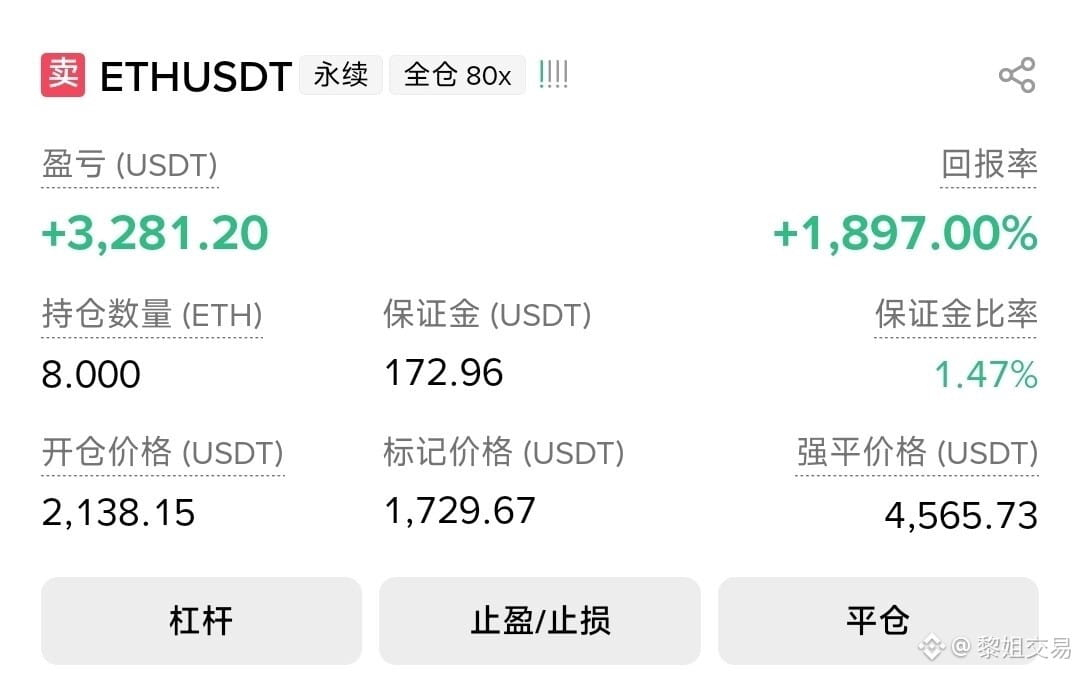
35
·
--
Newbies in the futures game, focus not on profits first, but on mastering the "not losing" aspect. #MustReadForNewbies Many friends with a thousand bucks in capital are stuck, wondering if they can grow it slowly with low leverage, but being too conservative feels like missing out on the market. To find your footing in futures, engrave this survival logic into your bones: $BTC
Don't dump all your capital in at once; split it into ten parts and only use one part at a time, keeping the remaining 90% securely in hand for future entries. $BEAT Keep your leverage under control, 20x is plenty; raising it just amplifies your emotions, not your returns. If you make a mistake, don’t hold on stubbornly. Cut your losses decisively if you hit your stop loss, no averaging down or stubbornly hanging on; take a couple of days off and revisit your strategy, it’s way more effective than stubbornly fighting the market. #GetRichInCrypto Once your mindset is right, take a new position, and lock in the majority of your profits first, leaving just a small portion to keep rolling. Most newbies face liquidation not because the market is harsh, but because they rush in and get wiped out on a single wrong move. Even if you hit nine out of ten trades, one full-margin mistake can wipe out your chance to recover. In futures, it’s not just about skill but about position management and mindset. Don’t chase quick money; first, ensure you’re not getting knocked out of the game. There are always new opportunities in the market, as long as you stay at the table. If you’re tired of being burned by meme coins and getting liquidated on spikes, hit that follow button. I’ll give you three high-certainty opportunities daily with clear stop loss anchors, so we can move forward steadily together. #UNI up 22% to $3.28 #美债上涨油价近三月低位
Don't dump all your capital in at once; split it into ten parts and only use one part at a time, keeping the remaining 90% securely in hand for future entries. $BEAT Keep your leverage under control, 20x is plenty; raising it just amplifies your emotions, not your returns. If you make a mistake, don’t hold on stubbornly. Cut your losses decisively if you hit your stop loss, no averaging down or stubbornly hanging on; take a couple of days off and revisit your strategy, it’s way more effective than stubbornly fighting the market. #GetRichInCrypto Once your mindset is right, take a new position, and lock in the majority of your profits first, leaving just a small portion to keep rolling. Most newbies face liquidation not because the market is harsh, but because they rush in and get wiped out on a single wrong move. Even if you hit nine out of ten trades, one full-margin mistake can wipe out your chance to recover. In futures, it’s not just about skill but about position management and mindset. Don’t chase quick money; first, ensure you’re not getting knocked out of the game. There are always new opportunities in the market, as long as you stay at the table. If you’re tired of being burned by meme coins and getting liquidated on spikes, hit that follow button. I’ll give you three high-certainty opportunities daily with clear stop loss anchors, so we can move forward steadily together. #UNI up 22% to $3.28 #美债上涨油价近三月低位
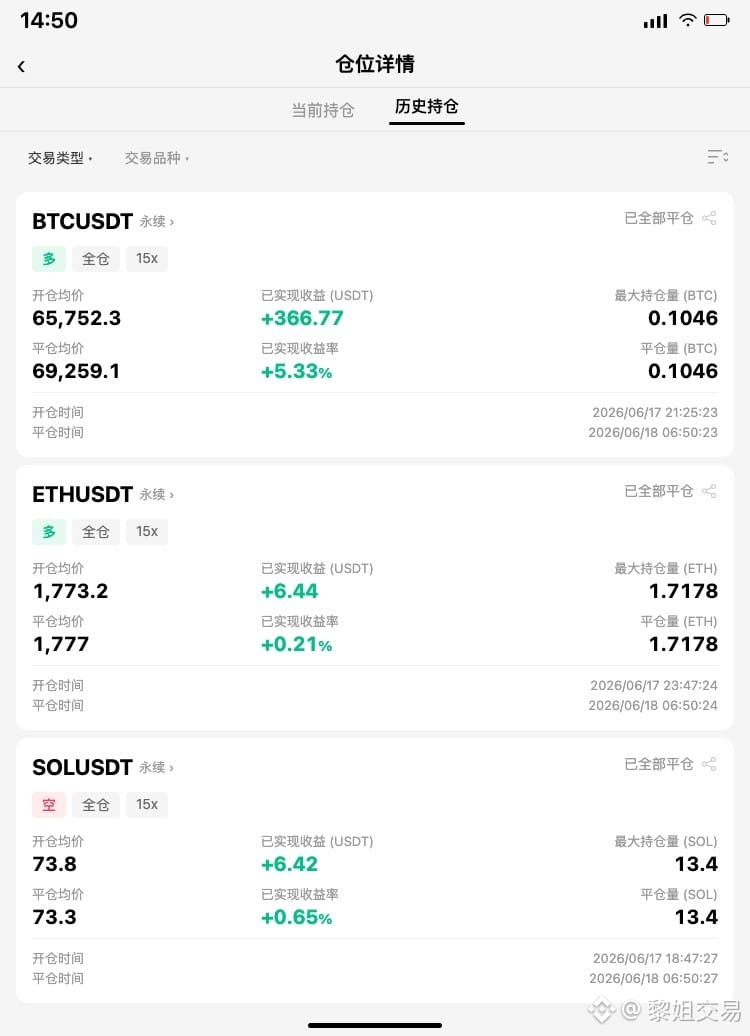
98
·
--
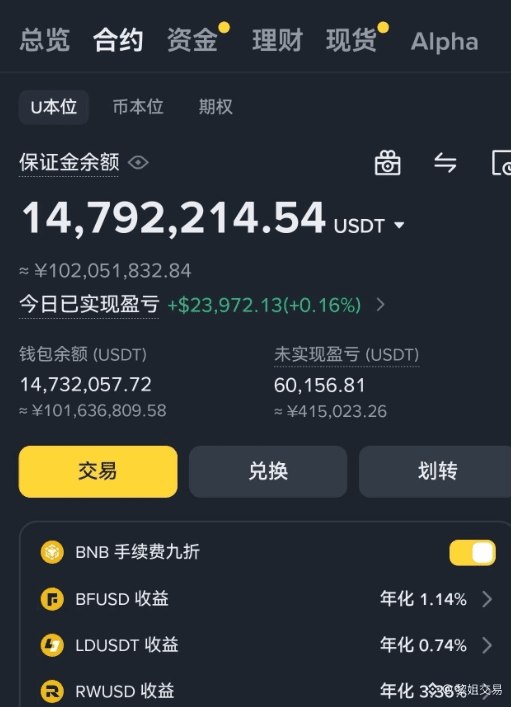
There's always someone who keeps blowing their position and is still stuck in their ways, thinking they got the direction right every time, but just can't hold out until the market pays off. $ZEC Recently, a friend came to me with a trading history full of winning trades, complaining that he clearly judged the trend correctly, yet kept getting stopped out midway. After going through his position details, I was stunned; with a $10,000 account, he was throwing on several tens of thousands in positions, casually claiming to use 5x leverage, but in reality, he had his entire net worth tied to the candlestick movements. A regular pullback on the chart and he didn't even have a moment to react before getting liquidated. $LAB Too many people see their accounts bottom out and still refuse to accept it, always blaming bad luck. The truth is, you aren't trading; you're gambling on the next candlestick going your way. Those who truly understand contracts spend most of their time in cash, waiting until the trend is solidified, key levels are hit, and market sentiment is at its extreme before quietly placing their orders. The moments when you can make stable profits in contracts are never about chasing the market daily, but rather when you finally catch that near-certain opportunity. I've been watching the market for so long that I've ingrained a few bottom lines into my bones: individual trade losses must never exceed 5% of the account; if the market is unclear, I don't touch it; if I take two losses in a row, I close the software and exit. So many get caught in trading, going the wrong way, reluctant to cut losses, and stubbornly holding on; when they make a small profit, they rush to exit. The longer you hold those trapped positions, the heavier your load becomes, and you can’t hold on to a profitable trade for even a moment. Those who survive in this market do so by relying on the logic of cutting small losses and letting profits run; they may not be much smarter than others, but they can control their impulses better than anyone else. #GetRichInCrypto The toughest part of the crypto world has never been finding opportunities, but rather being able to control your urge to make random trades when the opportunity hasn't shown itself yet, and enduring the quiet when there’s no action. I'm Jack, and I never engage in reckless, gambler-style operations. Friends who want to avoid unnecessary pitfalls can always come chat with me. Our trading team still has a few open positions; if you're willing to take the time to hone your trading system, hop on board.
There's always someone who keeps blowing their position and is still stuck in their ways, thinking they got the direction right every time, but just can't hold out until the market pays off. $ZEC Recently, a friend came to me with a trading history full of winning trades, complaining that he clearly judged the trend correctly, yet kept getting stopped out midway. After going through his position details, I was stunned; with a $10,000 account, he was throwing on several tens of thousands in positions, casually claiming to use 5x leverage, but in reality, he had his entire net worth tied to the candlestick movements. A regular pullback on the chart and he didn't even have a moment to react before getting liquidated. $LAB Too many people see their accounts bottom out and still refuse to accept it, always blaming bad luck. The truth is, you aren't trading; you're gambling on the next candlestick going your way. Those who truly understand contracts spend most of their time in cash, waiting until the trend is solidified, key levels are hit, and market sentiment is at its extreme before quietly placing their orders. The moments when you can make stable profits in contracts are never about chasing the market daily, but rather when you finally catch that near-certain opportunity. I've been watching the market for so long that I've ingrained a few bottom lines into my bones: individual trade losses must never exceed 5% of the account; if the market is unclear, I don't touch it; if I take two losses in a row, I close the software and exit. So many get caught in trading, going the wrong way, reluctant to cut losses, and stubbornly holding on; when they make a small profit, they rush to exit. The longer you hold those trapped positions, the heavier your load becomes, and you can’t hold on to a profitable trade for even a moment. Those who survive in this market do so by relying on the logic of cutting small losses and letting profits run; they may not be much smarter than others, but they can control their impulses better than anyone else. #GetRichInCrypto The toughest part of the crypto world has never been finding opportunities, but rather being able to control your urge to make random trades when the opportunity hasn't shown itself yet, and enduring the quiet when there’s no action. I'm Jack, and I never engage in reckless, gambler-style operations. Friends who want to avoid unnecessary pitfalls can always come chat with me. Our trading team still has a few open positions; if you're willing to take the time to hone your trading system, hop on board.

36
·
--
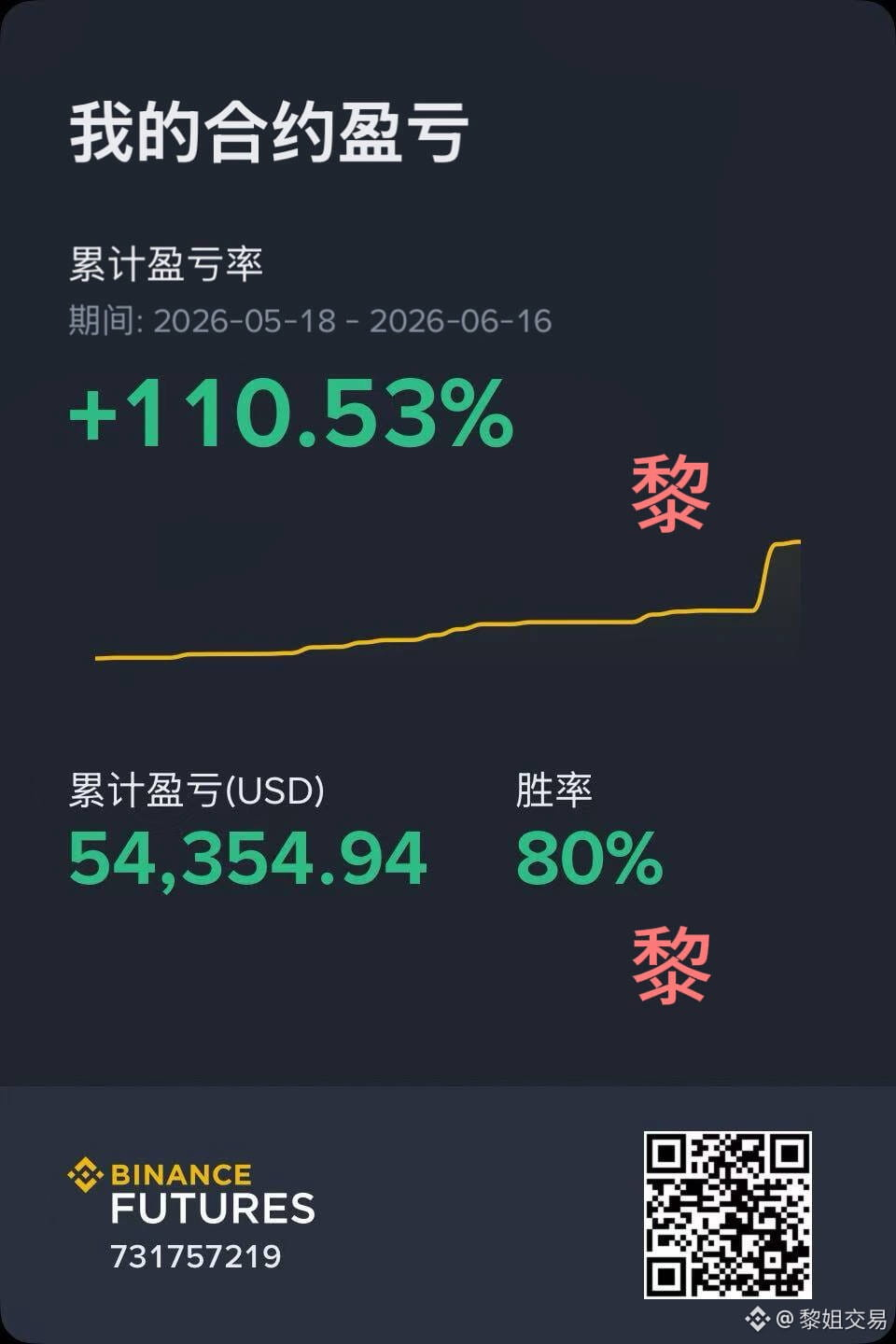
So many folks around me are jumping into the crypto game with a few thousand bucks, dreaming of hitting it big. Let me drop some truth: the more eager you are to snag that cash, the less you should gamble blindly. I rolled in with just a few thousand U, no deep pockets, no connections—just your average retail trader. Now, my account's sitting on an eight-figure balance, all earned bit by bit. I never fixate on a single trade aiming for max gains; before hitting that open position button, I always ask myself if this move is worth it. The journey from a few thousand U to eight figures was no walk in the park.
$ETH When I first entered with about a grand, I split it into five smaller positions and set tight take profit and stop loss levels for each trade. I don’t chase after the so-called 'god trades' others rave about, and if I end up in a losing position, I don’t stubbornly hold on. I only go for solid opportunities I can get a clear read on. Once my account hit ten thousand U, I capped each position at a quarter of my total funds. Only in a trending market did I start slowly adding to my positions, targeting the most stable and lucrative parts of the market. When my account broke the twenty thousand U mark, I made it a point to withdraw a portion of my profits weekly. It’s not that I’m scared the market will turn against me; I’m more worried about getting too cocky when things are going well. Staying grounded is the real secret to making big profits in crypto. $ZEC The vast majority end up getting liquidated, which boils down to three major pitfalls: messy positions, never using stop losses, and being right about the direction but getting wrecked by stubbornly holding on. Recently, a younger trader I was mentoring turned 700 U into 32,000 U, and just yesterday he withdrew his funds, super pumped and chatting with me for over an hour. In crypto, going solo makes it way too easy to trip up. Without people on the same wavelength or a reliable rhythm to follow, it’s easy to end up getting wrecked. If you want to nail down a steady rhythm and gradually make it back to solid ground, hit me up and let’s partner up.
$ETH When I first entered with about a grand, I split it into five smaller positions and set tight take profit and stop loss levels for each trade. I don’t chase after the so-called 'god trades' others rave about, and if I end up in a losing position, I don’t stubbornly hold on. I only go for solid opportunities I can get a clear read on. Once my account hit ten thousand U, I capped each position at a quarter of my total funds. Only in a trending market did I start slowly adding to my positions, targeting the most stable and lucrative parts of the market. When my account broke the twenty thousand U mark, I made it a point to withdraw a portion of my profits weekly. It’s not that I’m scared the market will turn against me; I’m more worried about getting too cocky when things are going well. Staying grounded is the real secret to making big profits in crypto. $ZEC The vast majority end up getting liquidated, which boils down to three major pitfalls: messy positions, never using stop losses, and being right about the direction but getting wrecked by stubbornly holding on. Recently, a younger trader I was mentoring turned 700 U into 32,000 U, and just yesterday he withdrew his funds, super pumped and chatting with me for over an hour. In crypto, going solo makes it way too easy to trip up. Without people on the same wavelength or a reliable rhythm to follow, it’s easy to end up getting wrecked. If you want to nail down a steady rhythm and gradually make it back to solid ground, hit me up and let’s partner up.
49
·
--
Who hasn't stepped into a real pit at #币圈 ?
Back in the day, during the 312 market, I got wrecked for five million in a single day. Just the day before, I was cruising in a Rolls Royce, and the next moment I was gripping the handlebars of a shared bike, feeling the cold wind. Luckily, there’s always a way out. I restarted with the last five thousand and rolled it into twenty million over six years. Some of my students even quadrupled their accounts in just three months. Today, I’m sharing all the hard-earned knowledge I’ve hoarded for years; it’s all solid, real-world experience earned with actual cash. $BTC I never throw my entire stash into a trade; I break my funds into smaller chunks and use them gradually. I only put a small portion in at a time, set a strict stop-loss beforehand, and if I’m wrong, it won't gut me. If I make a profit, I’ll shift my stop-loss along with the trend—never foolish enough to turn a short trade into a “long-term belief” stuck in a loss.
$ZEC I don’t go against the big trends; bear market bounces are just bait, and the dips in a bull market are opportunities handed to you. You’ve got to flow with the current to catch fish; swimming against the tide will only drain your wallet. I don’t even look at those meme coins that spike for three days straight; real trends build up slowly. When there’s crazy growth, it’s often just people exhausting their energy beforehand. If it’s a high-volume situation that isn’t moving, someone’s already counting their profits behind the scenes, and there’s no need to jump in and take the last hit. I use MACD to time my entries and exits clearly—when a golden cross appears below the zero line, I’ll test it with a small position. Once both lines are above the zero line, I’ll commit fully. If the market starts to turn down, I’ll reduce my position for safety, and if it breaks crucial levels, I’ll clear my position. Losing means just paying for a bad decision, while winning means adding to my winning choices. Volume and price never lie; if the bottom has been flat for months and suddenly spikes, it’s clearly smart money moving in—just follow that. If there’s huge volume at the top but it can’t move, that’s distribution; if you’re slow, you’ll end up with nothing.
When picking targets, I only choose those where the moving averages are trending up. For short-term trades, I stick to fast-moving lines; for mid-term, I hold steady on the medium-term trend lines. To catch the major uptrends, I focus on long-term trend lines, and once I’m in, I don’t mess around—profits will come naturally.
Every day, I take fifteen minutes to flip through the charts, checking if my holding logic has changed, if the weekly trend is stable, and if the volume is still good. The moment the wind shifts, I adjust my strategy without hesitation. I used to get dizzy in the ups and downs of candlesticks, but now I’m the captain of my own account. This set of hard-earned experiences not only helps you avoid hidden risks but also guides you through the market—you just have to be willing to reach out and grab it.
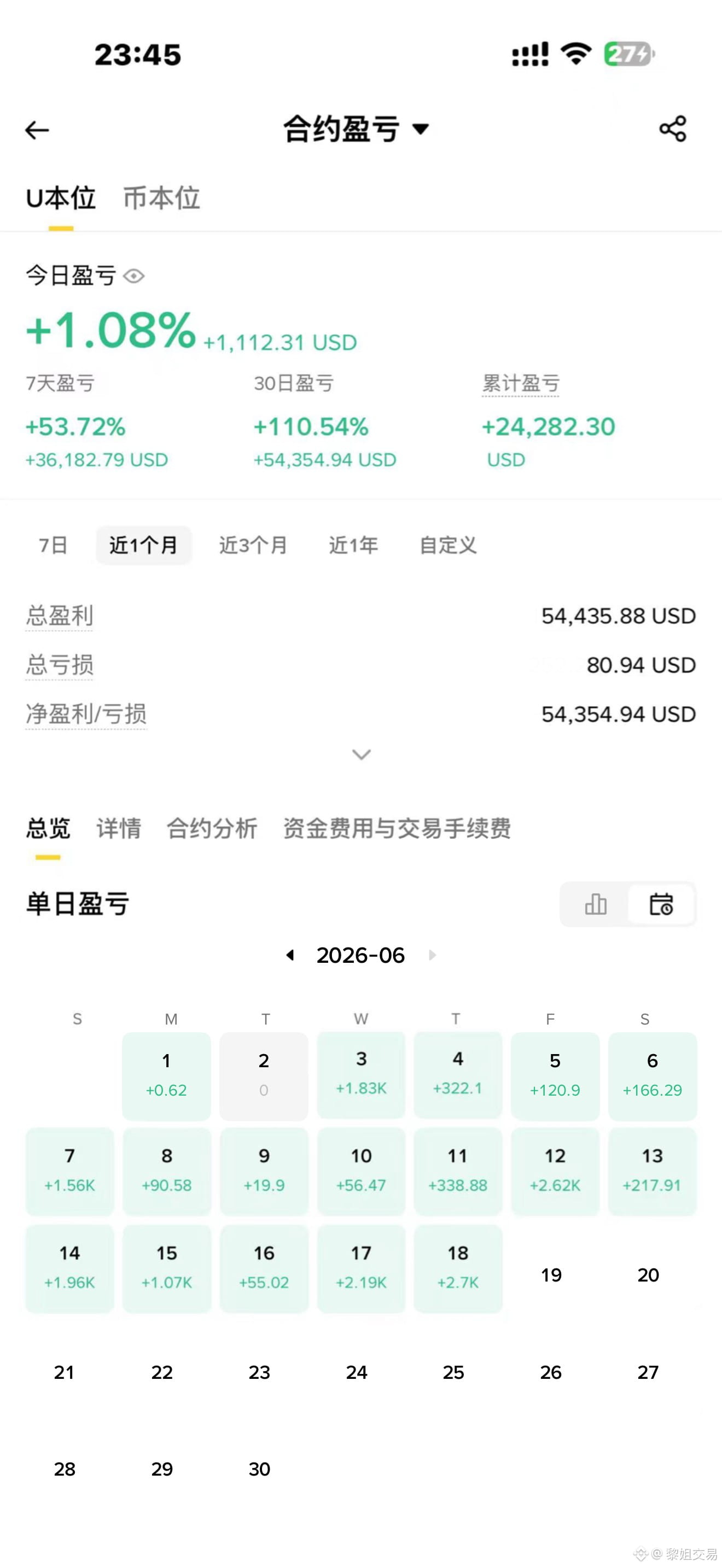
50
·
--
If you're new to the crypto scene and feeling lost, don't scroll away. I've got real insights from my own experiences, no hype about getting rich quick or making unrealistic promises. This will help you avoid paying unnecessary tuition fees.
$BTC Strong coins might be pulling back and consolidating, but that doesn't mean the market is dead. Many trends actually restart once the FOMO fades. If any coin rallies for two consecutive days, consider taking some profits. It's not about predicting the end of the trend, but about regaining control. A coin that shows a strong bullish candle yesterday often has upward momentum the next day, so don't rush in or panic out; just watch the volume to see if it can hold the price. $ZEC A coin with potential for a long bullish cycle will definitely provide comfortable pullback entry points. If you chase without waiting for a correction, you're likely standing at someone else's take-profit level. When the price stagnates for several days, it indicates indecision in the market. Don't waste time; if you can't find a clear direction, just switch to another asset. If the price doesn't even hit the break-even point the next day after you open a position, don't stubbornly hold on; cutting losses timely is the most basic responsibility for your capital. Short-term sentiment builds gradually; if you can accumulate at low points, think about cashing out once the hype heats up. After several consecutive days of gains, the risks increase significantly beyond what you might expect. $LAB
Always prioritize volume and price in your analysis. Pay attention to increased volume at low prices, but if there's high volume at the top and no upward movement, exit decisively. Focus only on upward trending assets; for short-term trades, watch for moving averages turning up, and confirm the medium-term trend is bullish. As long as you stick to a solid trading strategy, even with a small capital, opportunities will always be there. It's not about a lucky bet; it's about consistently following your logic and patiently waiting for your specific market conditions. The crypto space is filled with opportunities but also risks; to go the distance, it's not about luck but about reviewing and adjusting your strategy to survive. If you're still unsure of the direction, don't just blindly rush in; give a thumbs up and follow me to light up the path ahead. #IEA predicts a surplus of 5 million barrels of crude oil by 2027.
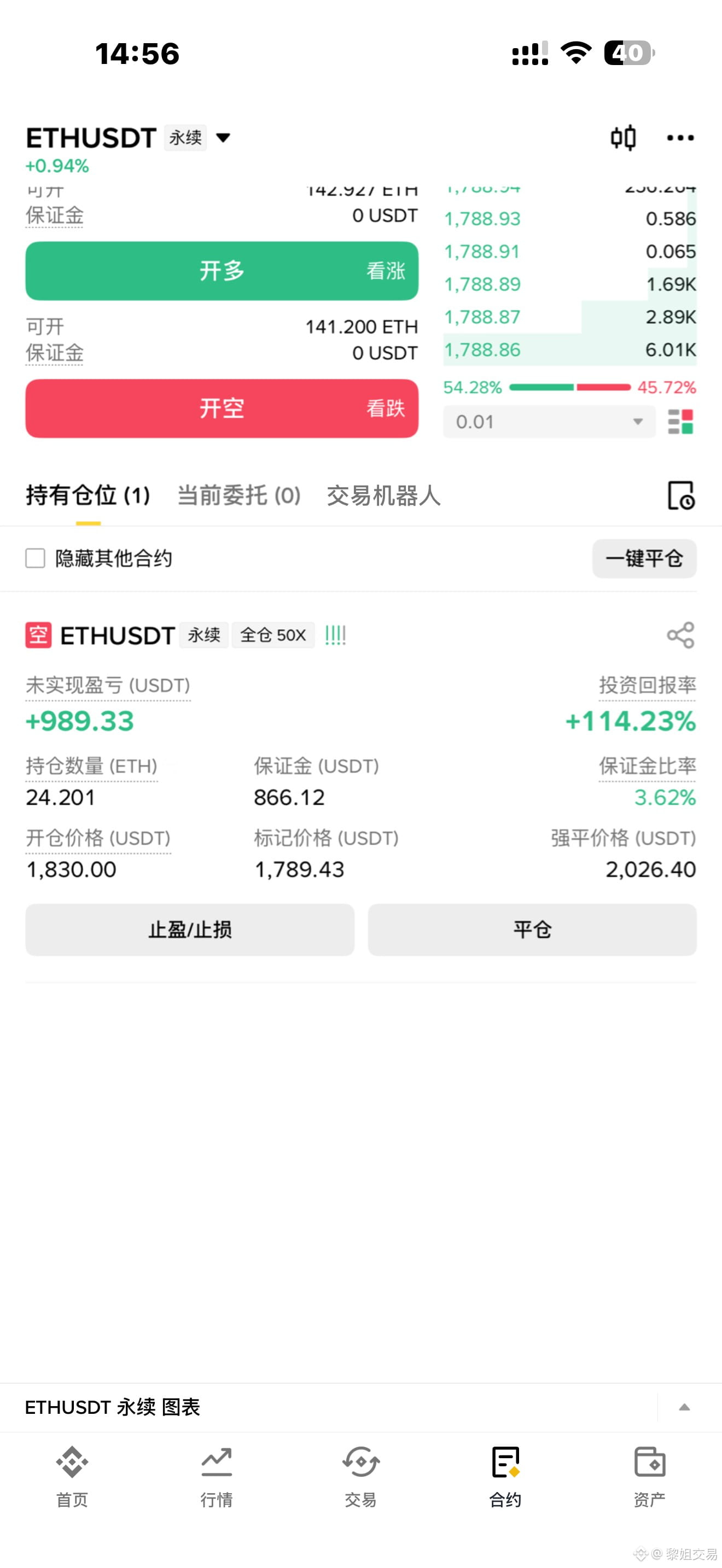

40
·
--
A lot of folks think futures trading is super risky, but it's not really about the contracts—it's about how over-leveraged you are.
With a $10k bankroll, if you go in with 20x leverage, you're actually working with a $200k position. If the market moves against you by just 3%, you could lose $6k, which is like 60% of your principal. And let's be real, most crypto pairs swing more than 3% in a day. It's not the market targeting you; it's that you didn’t leave yourself any breathing room.
Now, if you took that same $10k and only used $1k to go in at 10x leverage, your actual position is $10k. If the market dips by 3%, you only lose $300, which is just 3% of your total funds. That’s manageable, you can handle that, so no liquidation worries. If you’re right about the direction, your profits can still be solid. $ZEC
The lifeline in futures trading isn’t just about direction; it’s whether your position leaves you a way out. Give the market some room to breathe, and it’ll give you a shot at profits. Keep your position in check, and your analysis has a chance to pay off. $币安人生
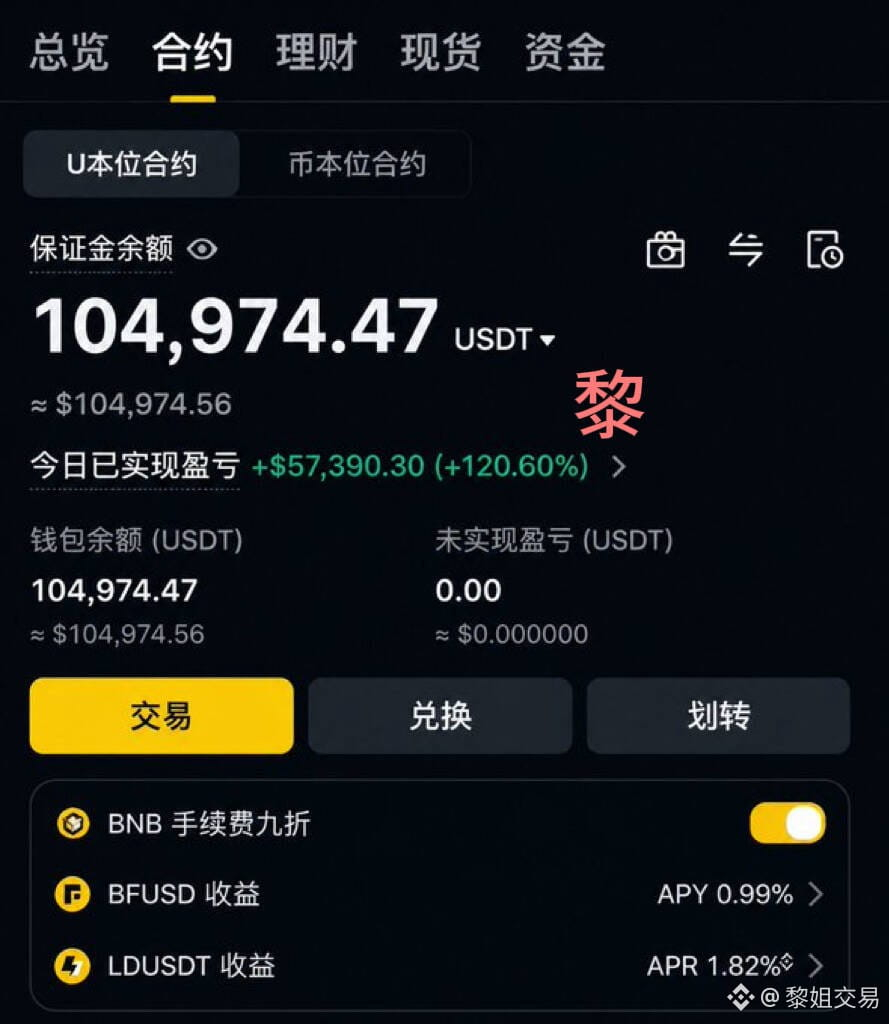

22
Log in to explore more content
Join global crypto users on Binance Square
⚡️ Get latest and useful information about crypto.
💬 Trusted by the world’s largest crypto exchange.
👍 Discover real insights from verified creators.
Email / Phone number
Trending Topics
HotCPIDecemberHikePriced
315,498 views
3,201 Discussing
CPI Market Watch | US CPI Rises 0.4% in October, Hotter Than 0.3% Forecast
Binance News
·34 Likes
·48.6k views
ZcashFallsBelow$1000ForFirstTimeSinceSeptember
8,853 views
55 Discussing
StrategyFaces$2.8BSelloffRiskFromMSCIRemoval
19,447 views
136 Discussing