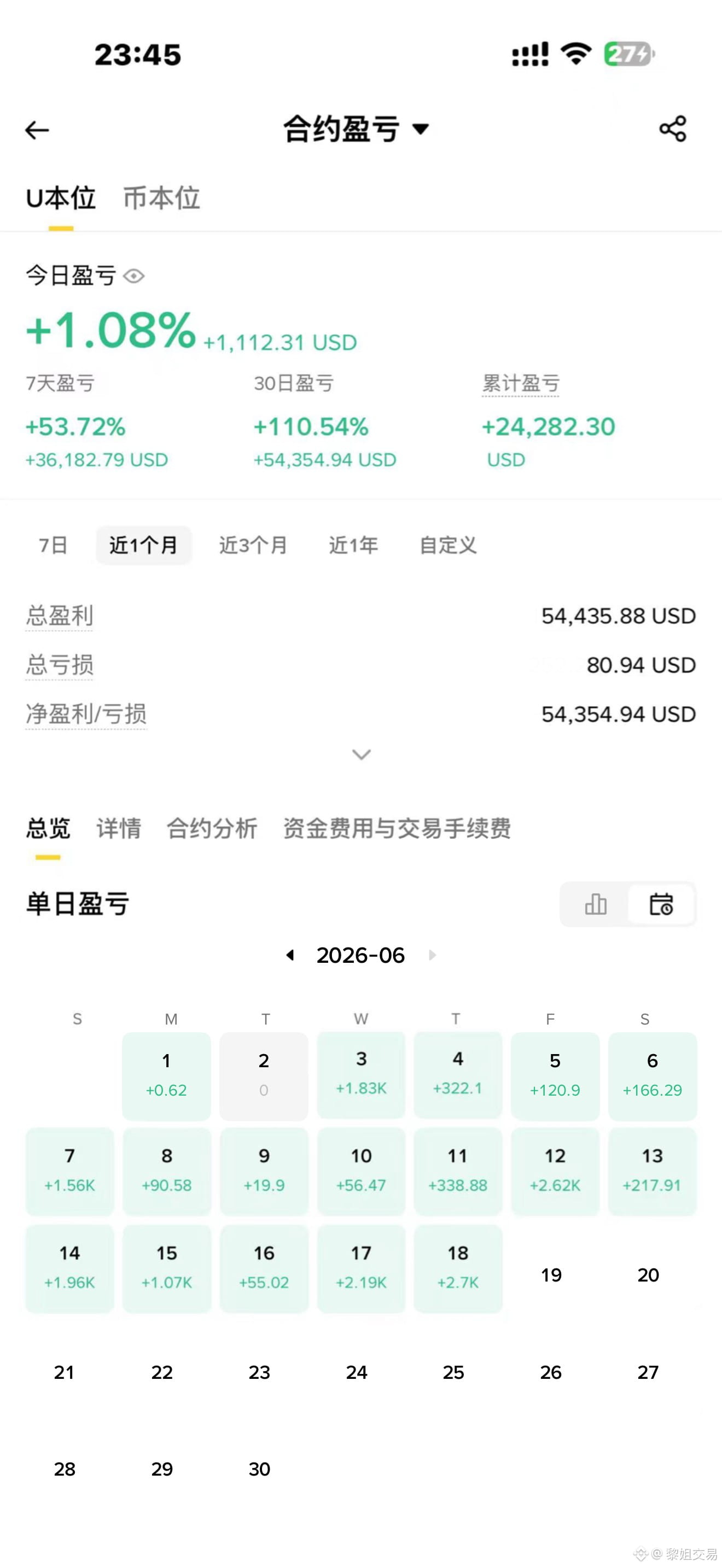
Who hasn't stepped into a real pit at #币圈 ?
Back in the day, during the 312 market, I got wrecked for five million in a single day. Just the day before, I was cruising in a Rolls Royce, and the next moment I was gripping the handlebars of a shared bike, feeling the cold wind. Luckily, there’s always a way out. I restarted with the last five thousand and rolled it into twenty million over six years. Some of my students even quadrupled their accounts in just three months. Today, I’m sharing all the hard-earned knowledge I’ve hoarded for years; it’s all solid, real-world experience earned with actual cash. $BTC I never throw my entire stash into a trade; I break my funds into smaller chunks and use them gradually. I only put a small portion in at a time, set a strict stop-loss beforehand, and if I’m wrong, it won't gut me. If I make a profit, I’ll shift my stop-loss along with the trend—never foolish enough to turn a short trade into a “long-term belief” stuck in a loss.
$ZEC I don’t go against the big trends; bear market bounces are just bait, and the dips in a bull market are opportunities handed to you. You’ve got to flow with the current to catch fish; swimming against the tide will only drain your wallet. I don’t even look at those meme coins that spike for three days straight; real trends build up slowly. When there’s crazy growth, it’s often just people exhausting their energy beforehand. If it’s a high-volume situation that isn’t moving, someone’s already counting their profits behind the scenes, and there’s no need to jump in and take the last hit. I use MACD to time my entries and exits clearly—when a golden cross appears below the zero line, I’ll test it with a small position. Once both lines are above the zero line, I’ll commit fully. If the market starts to turn down, I’ll reduce my position for safety, and if it breaks crucial levels, I’ll clear my position. Losing means just paying for a bad decision, while winning means adding to my winning choices. Volume and price never lie; if the bottom has been flat for months and suddenly spikes, it’s clearly smart money moving in—just follow that. If there’s huge volume at the top but it can’t move, that’s distribution; if you’re slow, you’ll end up with nothing.
When picking targets, I only choose those where the moving averages are trending up. For short-term trades, I stick to fast-moving lines; for mid-term, I hold steady on the medium-term trend lines. To catch the major uptrends, I focus on long-term trend lines, and once I’m in, I don’t mess around—profits will come naturally.
Every day, I take fifteen minutes to flip through the charts, checking if my holding logic has changed, if the weekly trend is stable, and if the volume is still good. The moment the wind shifts, I adjust my strategy without hesitation. I used to get dizzy in the ups and downs of candlesticks, but now I’m the captain of my own account. This set of hard-earned experiences not only helps you avoid hidden risks but also guides you through the market—you just have to be willing to reach out and grab it.