
block_fancy
358 Posts

block_fancy
Report
Block User
Bitcoin: A Peer-to-Peer Electronic Cash System
13 Following
114 Followers
212 Liked
Posts
All
Quotes
·
--
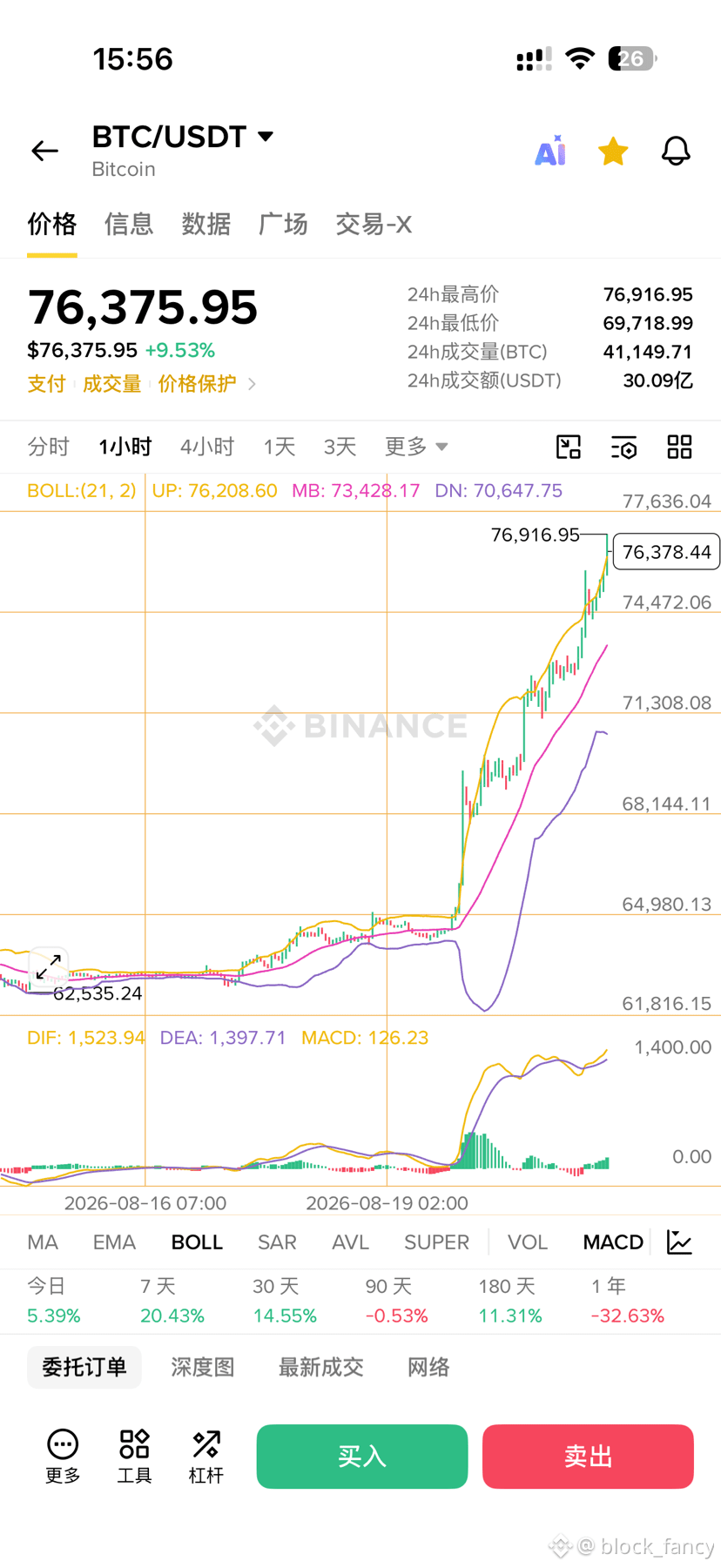
That's too much—this big pancake is on par with a meme
That's too much—this big pancake is on par with a meme
492
·
--
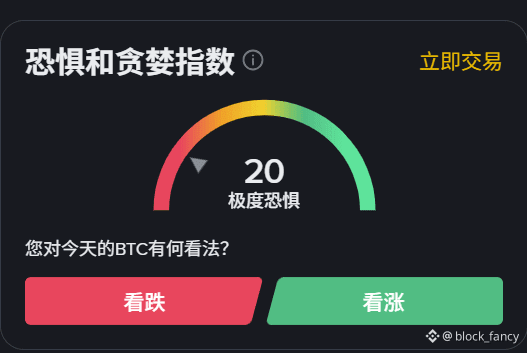
Hey folks, with the market tanking like this, anyone hitting the buy zone?
Hey folks, with the market tanking like this, anyone hitting the buy zone?
69
·
--
Who’s gonna save crypto? If it keeps dipping like this, I might just have to exit the scene!
Who’s gonna save crypto? If it keeps dipping like this, I might just have to exit the scene!
·
--
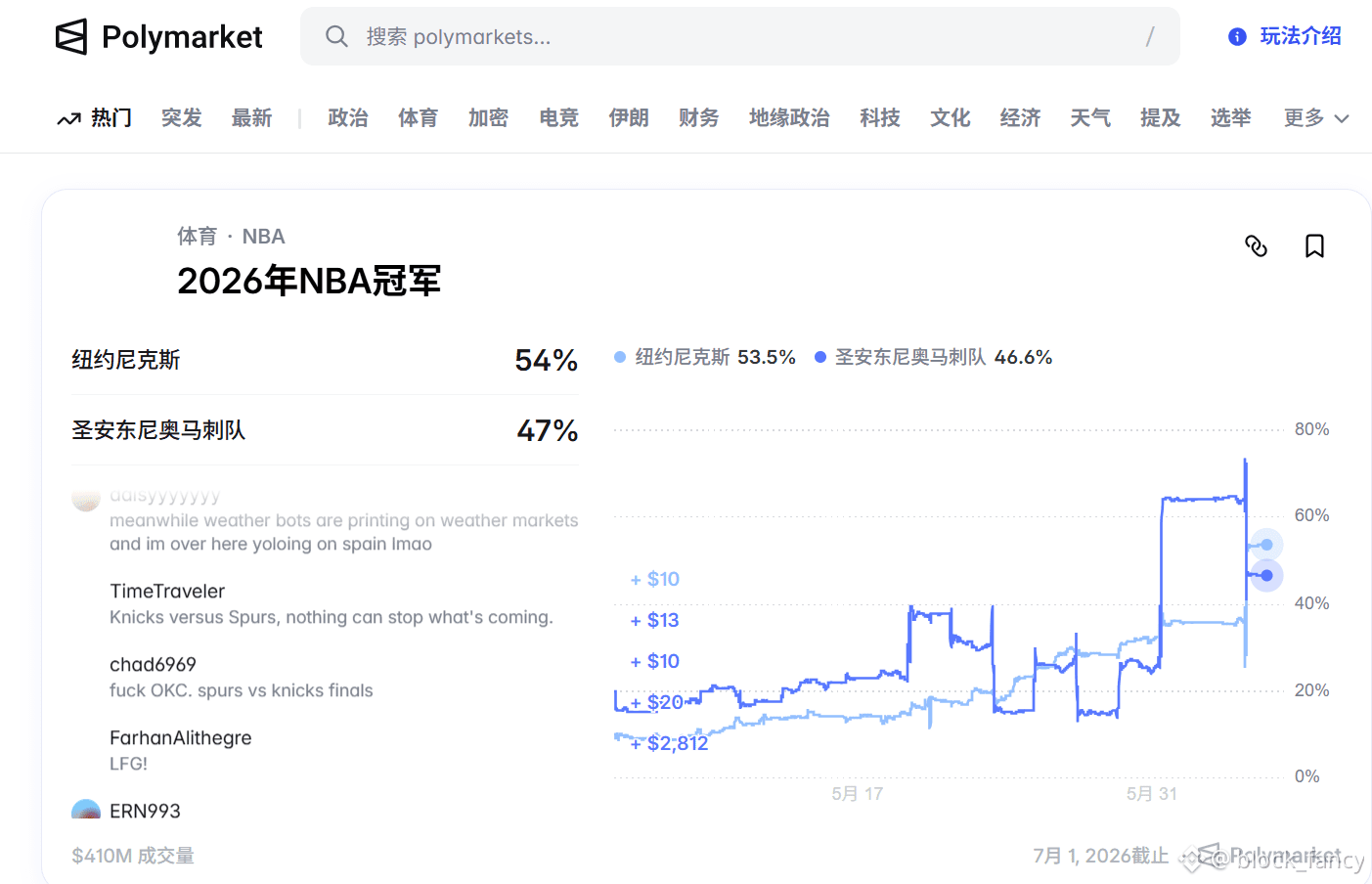
Oh man, the victory scales are starting to tip towards the Knicks. I'm betting the Spurs can turn it around #spur #nicks
Oh man, the victory scales are starting to tip towards the Knicks. I'm betting the Spurs can turn it around #spur #nicks
15
·
--
The crypto community generally has a high level of culture, let's take a look together. This is for my fellow traders during the dip; mindset is crucial!!!
Wang Wei
After the new rain in the empty mountains, the weather turns to autumn.
The bright moon shines between the pines, clear springs flow over the stones.
The bamboo rustles as the laundry girls return, the lotus stirs beneath the fishing boats.
When the spring blossoms fade at will, the noble son can stay on.
The crypto community generally has a high level of culture, let's take a look together. This is for my fellow traders during the dip; mindset is crucial!!!
Wang Wei
After the new rain in the empty mountains, the weather turns to autumn.
The bright moon shines between the pines, clear springs flow over the stones.
The bamboo rustles as the laundry girls return, the lotus stirs beneath the fishing boats.
When the spring blossoms fade at will, the noble son can stay on.
Wang Wei
After the new rain in the empty mountains, the weather turns to autumn.
The bright moon shines between the pines, clear springs flow over the stones.
The bamboo rustles as the laundry girls return, the lotus stirs beneath the fishing boats.
When the spring blossoms fade at will, the noble son can stay on.

42
·
--
Verified
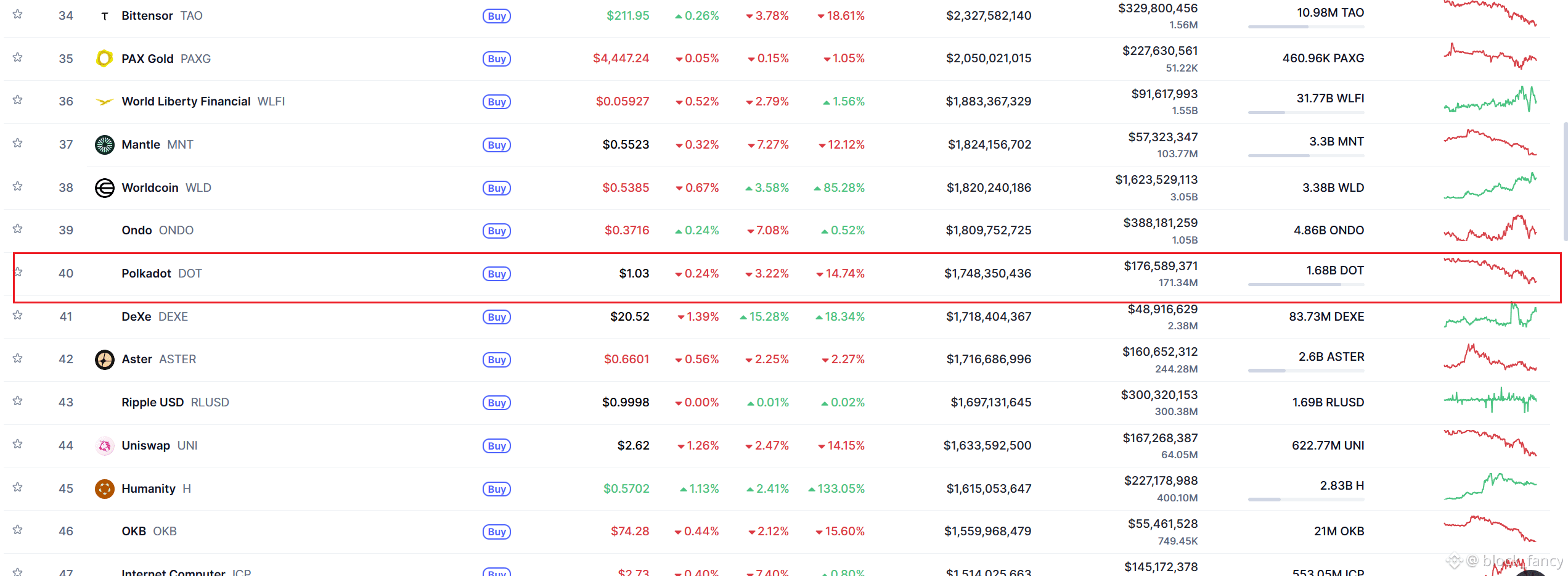
The former cross-chain king seems to be fading into obscurity #Polkadot
The former cross-chain king seems to be fading into obscurity #Polkadot
570
·
--
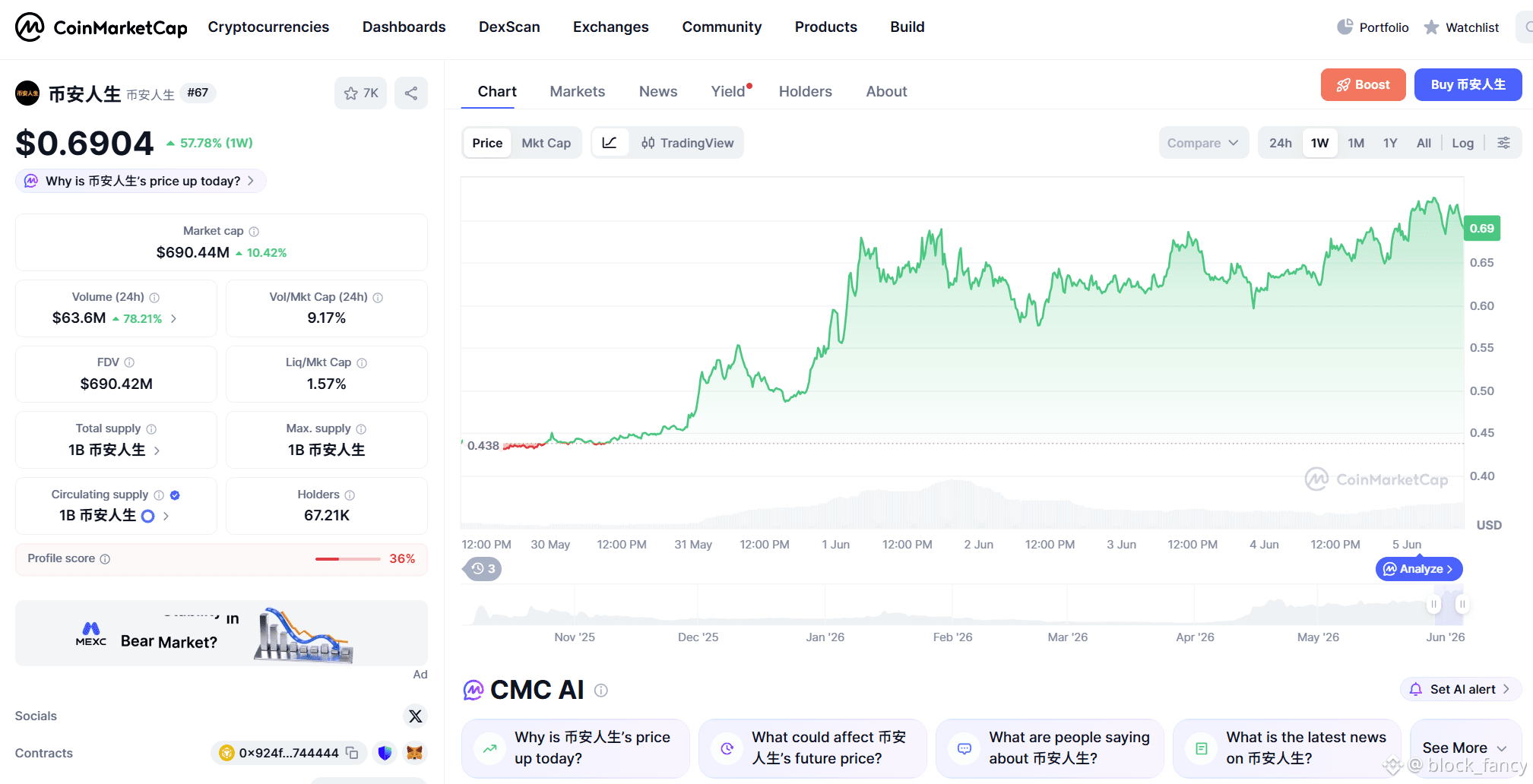
Can't even imagine what would happen if this air takes a dive #币安人生
Can't even imagine what would happen if this air takes a dive #币安人生
214
·
--
Article
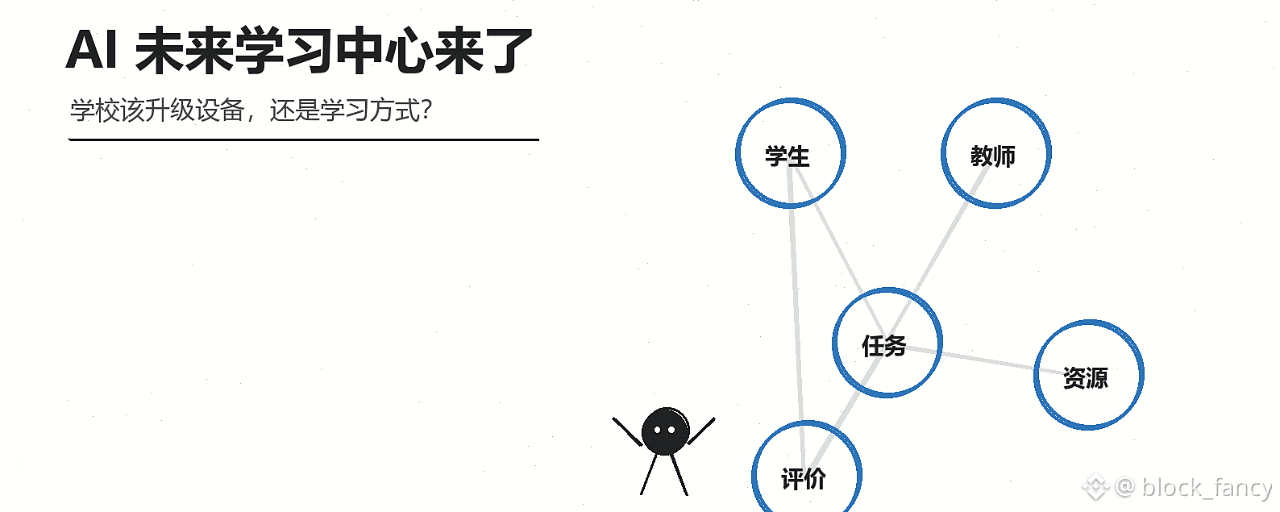
AI Future Learning Center is here: Should schools upgrade their gear or their learning methods?The term 'AI Future Learning Center' tends to make folks think about gear first.
Bigger screens on deck.
More sensors in the mix.
More smart devices coming in.
Classrooms looking sharper than ever.
But just moving the gear into schools won't automatically upgrade learning to the future.
What schools really need to upgrade isn't just how much new hardware is in the room, but what students are actually doing inside.
A lot of past digital education projects stumbled right here.
The gear has arrived, but the classroom is still the same setup.
The platform is live, but the game is still the same.
More entry points for students, but the way of learning hasn't changed.
AI Future Learning Center is here: Should schools upgrade their gear or their learning methods?
The term 'AI Future Learning Center' tends to make folks think about gear first.
Bigger screens on deck.
More sensors in the mix.
More smart devices coming in.
Classrooms looking sharper than ever.
But just moving the gear into schools won't automatically upgrade learning to the future.
What schools really need to upgrade isn't just how much new hardware is in the room, but what students are actually doing inside.
A lot of past digital education projects stumbled right here.
The gear has arrived, but the classroom is still the same setup.
The platform is live, but the game is still the same.
More entry points for students, but the way of learning hasn't changed.
Bigger screens on deck.
More sensors in the mix.
More smart devices coming in.
Classrooms looking sharper than ever.
But just moving the gear into schools won't automatically upgrade learning to the future.
What schools really need to upgrade isn't just how much new hardware is in the room, but what students are actually doing inside.
A lot of past digital education projects stumbled right here.
The gear has arrived, but the classroom is still the same setup.
The platform is live, but the game is still the same.
More entry points for students, but the way of learning hasn't changed.
1
·
--
95
·
--
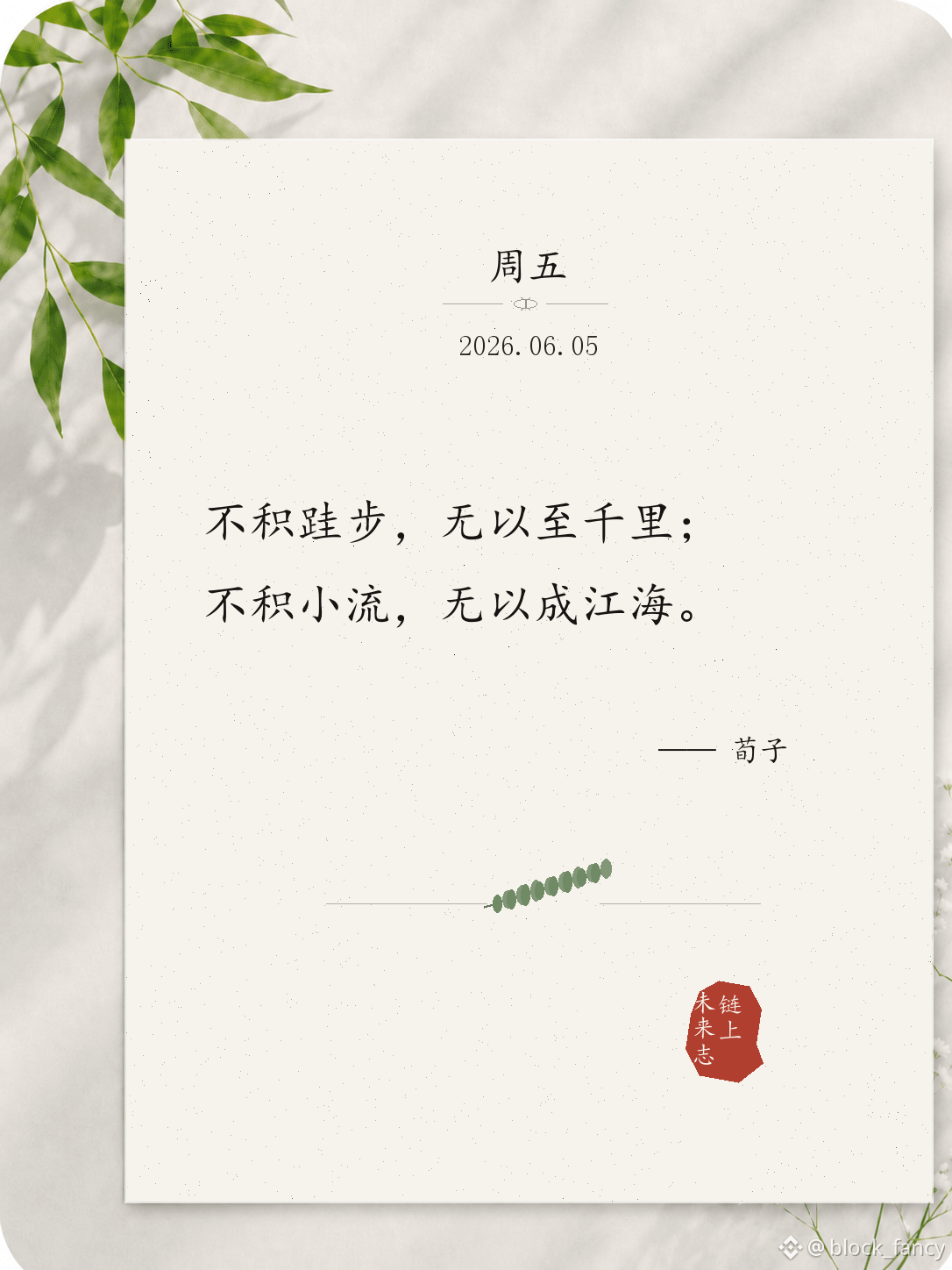
Xunzi's words still ring true today.
Most people overestimate the decisive moments and underestimate the cumulative power of daily small moves.
Content, skills, awareness, and connections aren't built in one big leap; they're accumulated through consistent, steady inputs.
Those who can take small, steady steps often end up going further than those always looking for shortcuts.
So, dollar-cost averaging is definitely worth it!!! #BTC
Xunzi's words still ring true today.
Most people overestimate the decisive moments and underestimate the cumulative power of daily small moves.
Content, skills, awareness, and connections aren't built in one big leap; they're accumulated through consistent, steady inputs.
Those who can take small, steady steps often end up going further than those always looking for shortcuts.
So, dollar-cost averaging is definitely worth it!!! #BTC
Most people overestimate the decisive moments and underestimate the cumulative power of daily small moves.
Content, skills, awareness, and connections aren't built in one big leap; they're accumulated through consistent, steady inputs.
Those who can take small, steady steps often end up going further than those always looking for shortcuts.
So, dollar-cost averaging is definitely worth it!!! #BTC
1
102
·
--

Article
To understand how Anthropic has grown into what it is today, we need to talk about this brother-sister duo.Dario is pushing the models to the cutting edge, while Daniela is focused on organizing a truly avant-garde lab.
If you've been keeping an eye on AI companies over the past couple of years, you probably have a strong sense of the landscape.
OpenAI is like standing in the spotlight, right in the center of attention.
Google resembles an old-school giant with deep pockets and increasingly rapid moves.
Meta feels more like a well-resourced, aggressive machine.
On the other hand, Anthropic has a completely different vibe.
They're not the most dramatic players in the game, but they always manage to bring solid models, clear security narratives, and stable trust from big clients at the crucial moments.
To understand how Anthropic has grown into what it is today, we need to talk about this brother-sister duo.
Dario is pushing the models to the cutting edge, while Daniela is focused on organizing a truly avant-garde lab.
If you've been keeping an eye on AI companies over the past couple of years, you probably have a strong sense of the landscape.
OpenAI is like standing in the spotlight, right in the center of attention.
Google resembles an old-school giant with deep pockets and increasingly rapid moves.
Meta feels more like a well-resourced, aggressive machine.
On the other hand, Anthropic has a completely different vibe.
They're not the most dramatic players in the game, but they always manage to bring solid models, clear security narratives, and stable trust from big clients at the crucial moments.
If you've been keeping an eye on AI companies over the past couple of years, you probably have a strong sense of the landscape.
OpenAI is like standing in the spotlight, right in the center of attention.
Google resembles an old-school giant with deep pockets and increasingly rapid moves.
Meta feels more like a well-resourced, aggressive machine.
On the other hand, Anthropic has a completely different vibe.
They're not the most dramatic players in the game, but they always manage to bring solid models, clear security narratives, and stable trust from big clients at the crucial moments.
6
·
--
Article
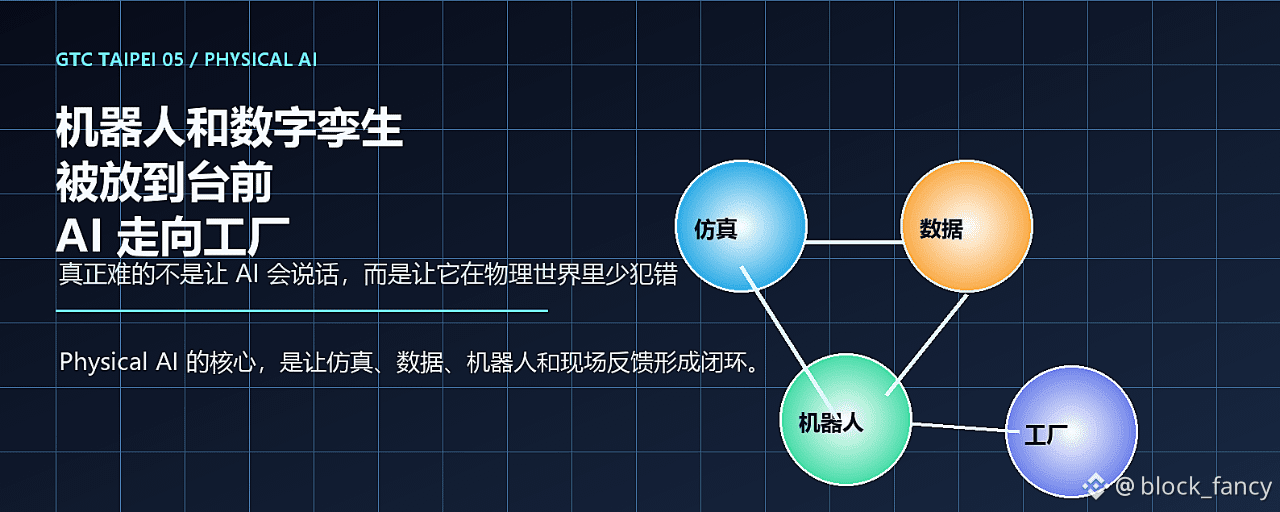
Robots and digital twins are in the spotlight; AI is finally stepping out of the screen and into the factories.In the past two years, AI has often felt like magic, especially when it happens on-screen.
You input a sentence, and it writes an article. You give an image, and it generates a video. You throw in some code, and it helps you fix bugs. All these are mind-blowing, but most of them still linger in the realm of information.
GTC Taipei has pushed another direction to the forefront: physical AI, robots, digital twins, smart factories.
This direction isn't so easy to demo.
Because the physical world doesn't play favorites.
Text generation messed up? No problem, just rewrite it. Image generation went awry? Just generate another one. When robots in factories grab the wrong parts, bump into equipment, or miss quality checks, the stakes are different. The physical world has weight, friction, obstructions, noise, and safety liabilities.
Robots and digital twins are in the spotlight; AI is finally stepping out of the screen and into the factories.
In the past two years, AI has often felt like magic, especially when it happens on-screen.
You input a sentence, and it writes an article. You give an image, and it generates a video. You throw in some code, and it helps you fix bugs. All these are mind-blowing, but most of them still linger in the realm of information.
GTC Taipei has pushed another direction to the forefront: physical AI, robots, digital twins, smart factories.
This direction isn't so easy to demo.
Because the physical world doesn't play favorites.
Text generation messed up? No problem, just rewrite it. Image generation went awry? Just generate another one. When robots in factories grab the wrong parts, bump into equipment, or miss quality checks, the stakes are different. The physical world has weight, friction, obstructions, noise, and safety liabilities.
You input a sentence, and it writes an article. You give an image, and it generates a video. You throw in some code, and it helps you fix bugs. All these are mind-blowing, but most of them still linger in the realm of information.
GTC Taipei has pushed another direction to the forefront: physical AI, robots, digital twins, smart factories.
This direction isn't so easy to demo.
Because the physical world doesn't play favorites.
Text generation messed up? No problem, just rewrite it. Image generation went awry? Just generate another one. When robots in factories grab the wrong parts, bump into equipment, or miss quality checks, the stakes are different. The physical world has weight, friction, obstructions, noise, and safety liabilities.
31
·
--
Article
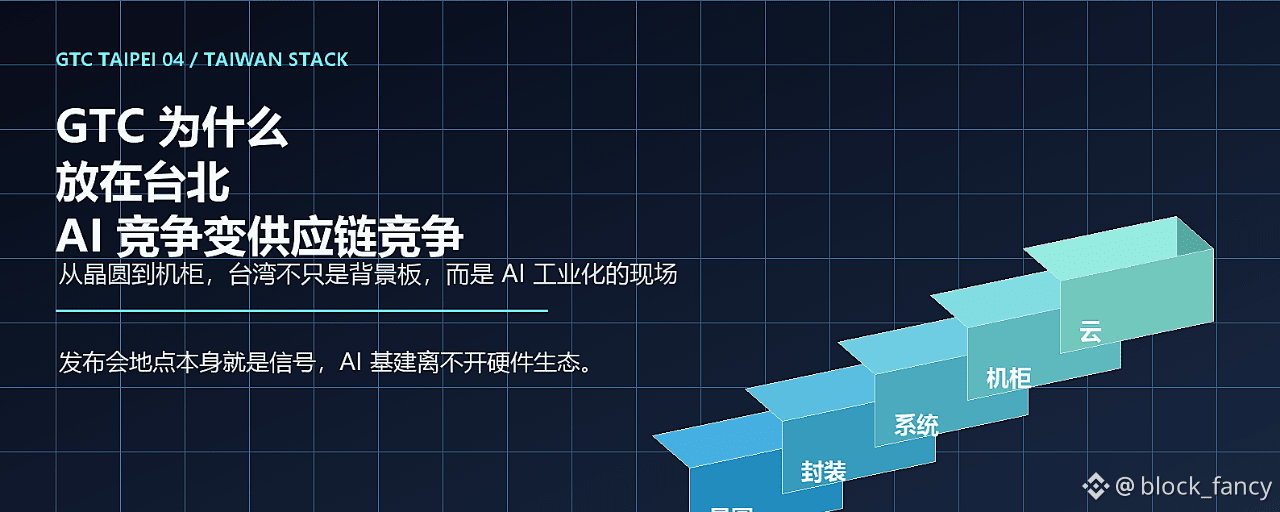
Why GTC is in Taipei, as AI competition turns into a supply chain battleThe term AI PC has been a bit awkward over the past year.
You go check out the computer launch event, and the vendors tell you this is an AI PC. So what? Just an extra button, an additional assistant, a few more local features. Sounds right, but a lot of folks are quietly asking, why should I upgrade my rig?
It's not that consumers don't understand AI.
The problem was that many past AI PCs didn't articulate this clearly.
At GTC Taipei, NVIDIA pushed this issue further. In their blog, they mentioned RTX Spark, combining Blackwell RTX GPUs, Grace CPUs, Windows, MediaTek collaboration, and local personal Agents. The key point isn't the 1 petaflop figure itself, but that it redefines personal computers as living spaces for Agents.
Why GTC is in Taipei, as AI competition turns into a supply chain battle
The term AI PC has been a bit awkward over the past year.
You go check out the computer launch event, and the vendors tell you this is an AI PC. So what? Just an extra button, an additional assistant, a few more local features. Sounds right, but a lot of folks are quietly asking, why should I upgrade my rig?
It's not that consumers don't understand AI.
The problem was that many past AI PCs didn't articulate this clearly.
At GTC Taipei, NVIDIA pushed this issue further. In their blog, they mentioned RTX Spark, combining Blackwell RTX GPUs, Grace CPUs, Windows, MediaTek collaboration, and local personal Agents. The key point isn't the 1 petaflop figure itself, but that it redefines personal computers as living spaces for Agents.
You go check out the computer launch event, and the vendors tell you this is an AI PC. So what? Just an extra button, an additional assistant, a few more local features. Sounds right, but a lot of folks are quietly asking, why should I upgrade my rig?
It's not that consumers don't understand AI.
The problem was that many past AI PCs didn't articulate this clearly.
At GTC Taipei, NVIDIA pushed this issue further. In their blog, they mentioned RTX Spark, combining Blackwell RTX GPUs, Grace CPUs, Windows, MediaTek collaboration, and local personal Agents. The key point isn't the 1 petaflop figure itself, but that it redefines personal computers as living spaces for Agents.
85
·
--
Article
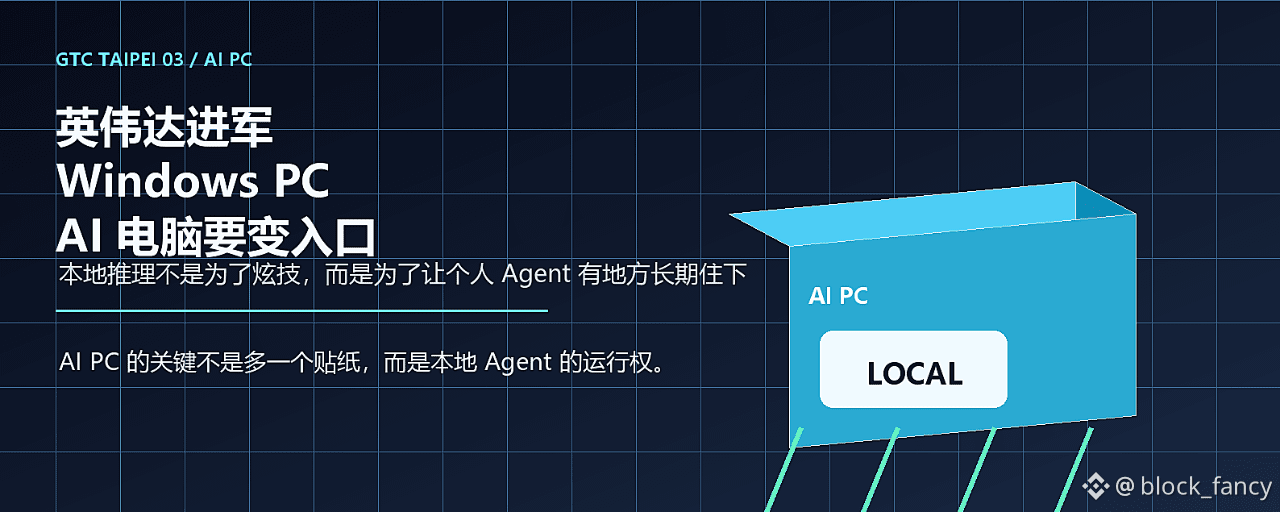
NVIDIA enters the Windows PC market; AI PCs are finally transitioning from just a label to a real gateway.The phrase AI PC has been a bit cringy over the past year.
You go check out the computer launch event, and the vendors will tell you this is an AI PC. So what? Just a new button, a new assistant, a few more local features. It all sounds good, but a lot of folks might be silently asking, why should I swap my rig for that?
It's not that consumers don't get AI.
It's that many previous AI PCs didn't clarify the issues properly.
At GTC Taipei, NVIDIA pushed this issue forward a step. In NVIDIA's blog, they mentioned RTX Spark, bringing together Blackwell RTX GPU, Grace CPU, Windows, MediaTek collaboration, and local personal agents. The key takeaway isn’t the 1 petaflop number itself, but that it redefines the personal computer as a living space for agents.
NVIDIA enters the Windows PC market; AI PCs are finally transitioning from just a label to a real gateway.
The phrase AI PC has been a bit cringy over the past year.
You go check out the computer launch event, and the vendors will tell you this is an AI PC. So what? Just a new button, a new assistant, a few more local features. It all sounds good, but a lot of folks might be silently asking, why should I swap my rig for that?
It's not that consumers don't get AI.
It's that many previous AI PCs didn't clarify the issues properly.
At GTC Taipei, NVIDIA pushed this issue forward a step. In NVIDIA's blog, they mentioned RTX Spark, bringing together Blackwell RTX GPU, Grace CPU, Windows, MediaTek collaboration, and local personal agents. The key takeaway isn’t the 1 petaflop number itself, but that it redefines the personal computer as a living space for agents.
You go check out the computer launch event, and the vendors will tell you this is an AI PC. So what? Just a new button, a new assistant, a few more local features. It all sounds good, but a lot of folks might be silently asking, why should I swap my rig for that?
It's not that consumers don't get AI.
It's that many previous AI PCs didn't clarify the issues properly.
At GTC Taipei, NVIDIA pushed this issue forward a step. In NVIDIA's blog, they mentioned RTX Spark, bringing together Blackwell RTX GPU, Grace CPU, Windows, MediaTek collaboration, and local personal agents. The key takeaway isn’t the 1 petaflop number itself, but that it redefines the personal computer as a living space for agents.
72
·
--
Article
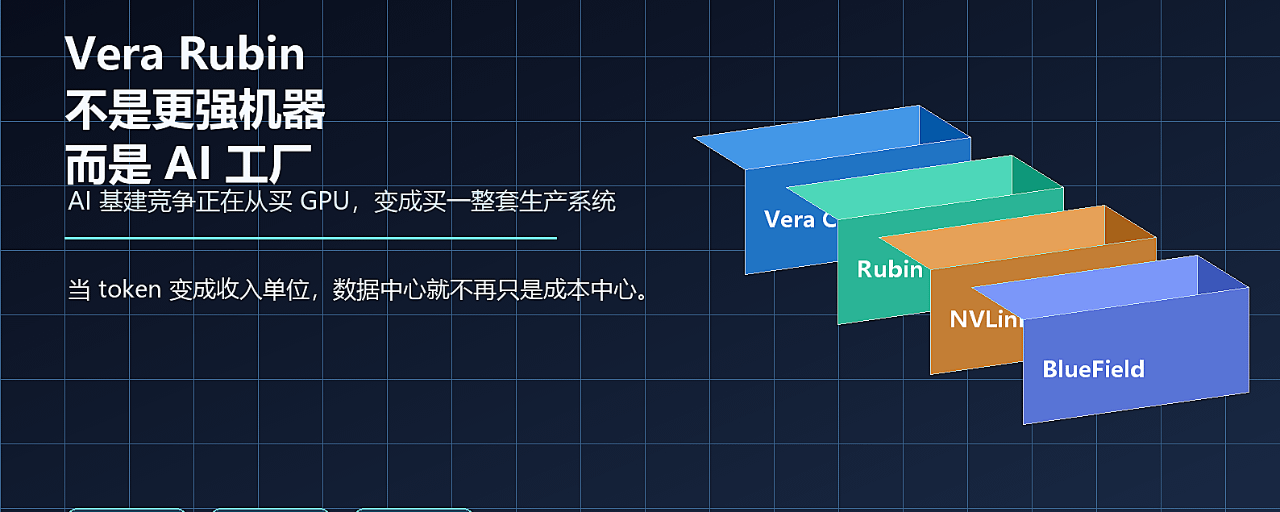
Vera Rubin isn't just a more powerful machine; it's NVIDIA's pitch to sell an AI factory to the world.Back in the day, when I watched hardware launch events, I used to make a common mistake.
When I see a new platform, I instinctively look for the specs: how many GPUs, how much bandwidth, what kind of performance boost, and how much throughput per watt.
This is definitely useful.
But this time at GTC Taipei, what's more interesting about Vera Rubin isn't just the individual numbers, but how NVIDIA is framing it as a factory.
It's not just one server.
It's an AI factory.
This terminology is crucial. Because the word 'factory' inherently carries notions of production, yield, supply chain, capacity, and unit cost. You're not just going to ask if one machine is powerful; you'll want to know how much the whole line can produce in a day, whether it can be repaired if it breaks, if the energy consumption is acceptable, if the parts can be supplied, and whether the output can be sold.
Vera Rubin isn't just a more powerful machine; it's NVIDIA's pitch to sell an AI factory to the world.
Back in the day, when I watched hardware launch events, I used to make a common mistake.
When I see a new platform, I instinctively look for the specs: how many GPUs, how much bandwidth, what kind of performance boost, and how much throughput per watt.
This is definitely useful.
But this time at GTC Taipei, what's more interesting about Vera Rubin isn't just the individual numbers, but how NVIDIA is framing it as a factory.
It's not just one server.
It's an AI factory.
This terminology is crucial. Because the word 'factory' inherently carries notions of production, yield, supply chain, capacity, and unit cost. You're not just going to ask if one machine is powerful; you'll want to know how much the whole line can produce in a day, whether it can be repaired if it breaks, if the energy consumption is acceptable, if the parts can be supplied, and whether the output can be sold.
When I see a new platform, I instinctively look for the specs: how many GPUs, how much bandwidth, what kind of performance boost, and how much throughput per watt.
This is definitely useful.
But this time at GTC Taipei, what's more interesting about Vera Rubin isn't just the individual numbers, but how NVIDIA is framing it as a factory.
It's not just one server.
It's an AI factory.
This terminology is crucial. Because the word 'factory' inherently carries notions of production, yield, supply chain, capacity, and unit cost. You're not just going to ask if one machine is powerful; you'll want to know how much the whole line can produce in a day, whether it can be repaired if it breaks, if the energy consumption is acceptable, if the parts can be supplied, and whether the output can be sold.
131
·
--
Article
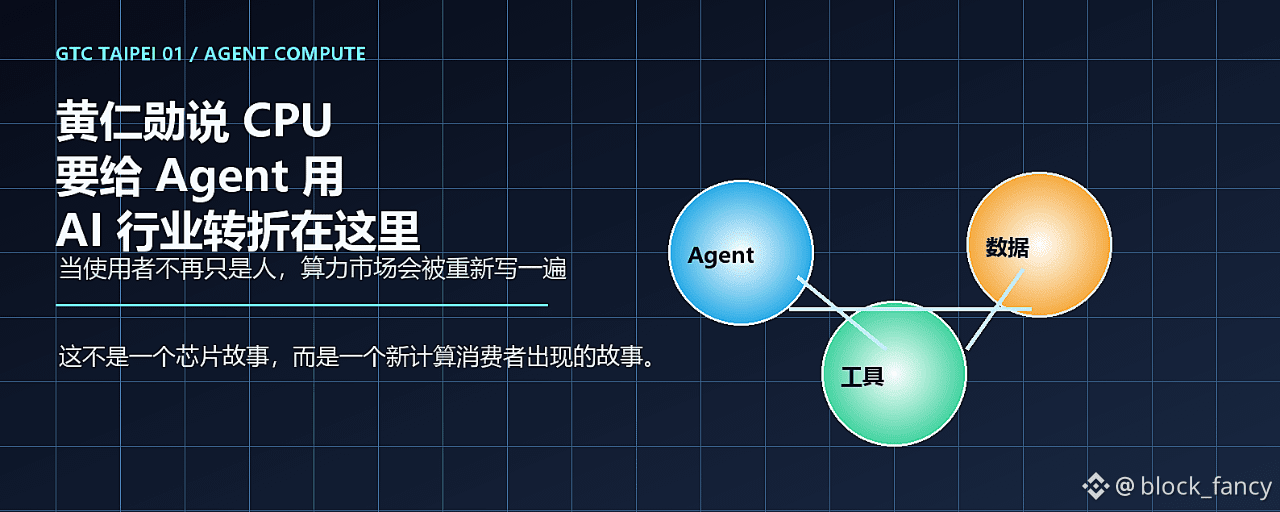
Jensen Huang says CPUs should be used by agents; the real turning point in the AI industry might be here.What caught my attention the most at the GTC Taipei launch was not how much a parameter increased or how impressive a server was.
It was when Jensen Huang talked about the Vera CPU that he mentioned how in the past, CPUs were for humans, but in the future, there will be billions of agents, and these agents will be extremely impatient when using the CPU.
This statement sounds like a stage quote, but if you think about it, it's a bit chilling.
In the past, we discussed AI, and most of the time, it was assumed that the user is human. A person opens ChatGPT, asks a question, waits a few seconds, copies the result, and bounces. Even if it's an AI assistant in a company, it's essentially still a person initiating the action. Humans are the masters of the rhythm, and AI is just the helper that gets called in.
Jensen Huang says CPUs should be used by agents; the real turning point in the AI industry might be here.
What caught my attention the most at the GTC Taipei launch was not how much a parameter increased or how impressive a server was.
It was when Jensen Huang talked about the Vera CPU that he mentioned how in the past, CPUs were for humans, but in the future, there will be billions of agents, and these agents will be extremely impatient when using the CPU.
This statement sounds like a stage quote, but if you think about it, it's a bit chilling.
In the past, we discussed AI, and most of the time, it was assumed that the user is human. A person opens ChatGPT, asks a question, waits a few seconds, copies the result, and bounces. Even if it's an AI assistant in a company, it's essentially still a person initiating the action. Humans are the masters of the rhythm, and AI is just the helper that gets called in.
It was when Jensen Huang talked about the Vera CPU that he mentioned how in the past, CPUs were for humans, but in the future, there will be billions of agents, and these agents will be extremely impatient when using the CPU.
This statement sounds like a stage quote, but if you think about it, it's a bit chilling.
In the past, we discussed AI, and most of the time, it was assumed that the user is human. A person opens ChatGPT, asks a question, waits a few seconds, copies the result, and bounces. Even if it's an AI assistant in a company, it's essentially still a person initiating the action. Humans are the masters of the rhythm, and AI is just the helper that gets called in.
71
Log in to explore more content
Join global crypto users on Binance Square
⚡️ Get latest and useful information about crypto.
💬 Trusted by the world’s largest crypto exchange.
👍 Discover real insights from verified creators.
Email / Phone number
Trending Topics
KospiFallsAsAITradingEuphoriaCools
904 views
73 Discussing
##KospiFallsAsAITradingEuphoriaCools
📉 #KOSPI Falls As AI Euphoria Cools
South Korea’s KOSPI is slipping as investors take profits from AI & semiconductor stocks.
The bigger question now: **Are AI valuations running ahead of reality?** 👀
For crypto traders, this matters too — a broader risk-off move could increase volatility across BTC and altcoins.
#BinanceSquare #Crypto #BTC #AI $AAPLB
$NVDA.US
#KospiFallsAsAITradingEuphoriaCools #TaiwanTAIEXRetakes46500OnChipRally #CentralBanksBuy289TonsGoldInQ2 $NVDAB
Saghrii_OnChain
·1 Likes
·60 views
TaiwanTAIEXRetakes46500OnChipRally
1,654 views
107 Discussing
NvidiaTrades$33.5BInFirst140Minutes
480 views
21 Discussing