
海绵进化论
8.5k Posts

海绵进化论
Report
Block User
币安聊天室lD【967843753】8年币圈老韭菜,合约带单(公众号:币圈最神秘的男人)
10 Following
9.3K+ Followers
11.3K+ Liked
Posts
All
Quotes
Videos
·
--
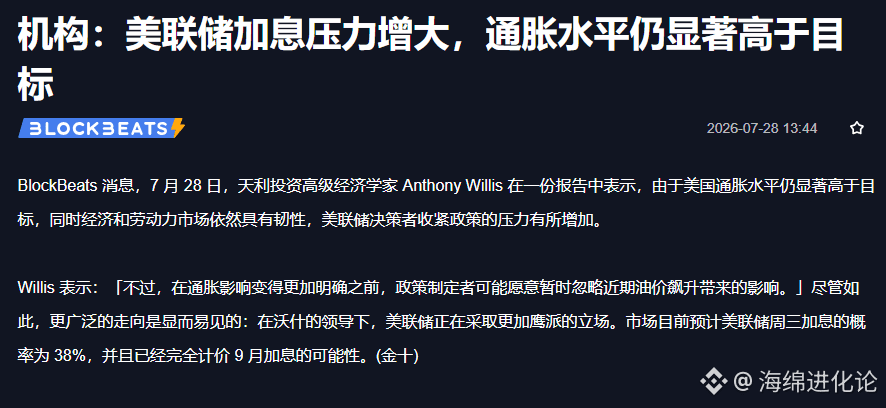
After the July monthly line bottoms out, a decline follows and you buy the dip.
If in September the Federal Reserve really raises rates,
then after the rate hike is implemented, the negative news has already been priced in—so it becomes good news.
+In October, BTC will begin a new cycle again.
#BTC
After the July monthly line bottoms out, a decline follows and you buy the dip.
If in September the Federal Reserve really raises rates,
then after the rate hike is implemented, the negative news has already been priced in—so it becomes good news.
+In October, BTC will begin a new cycle again.
#BTC
If in September the Federal Reserve really raises rates,
then after the rate hike is implemented, the negative news has already been priced in—so it becomes good news.
+In October, BTC will begin a new cycle again.
#BTC
6
1.1k
·
--
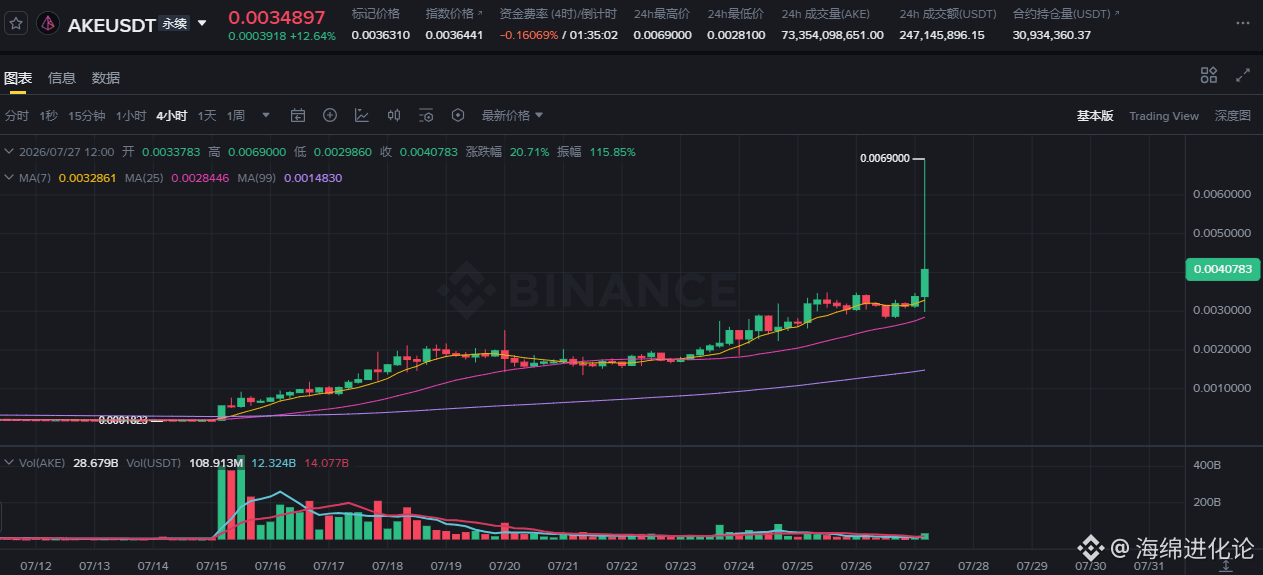
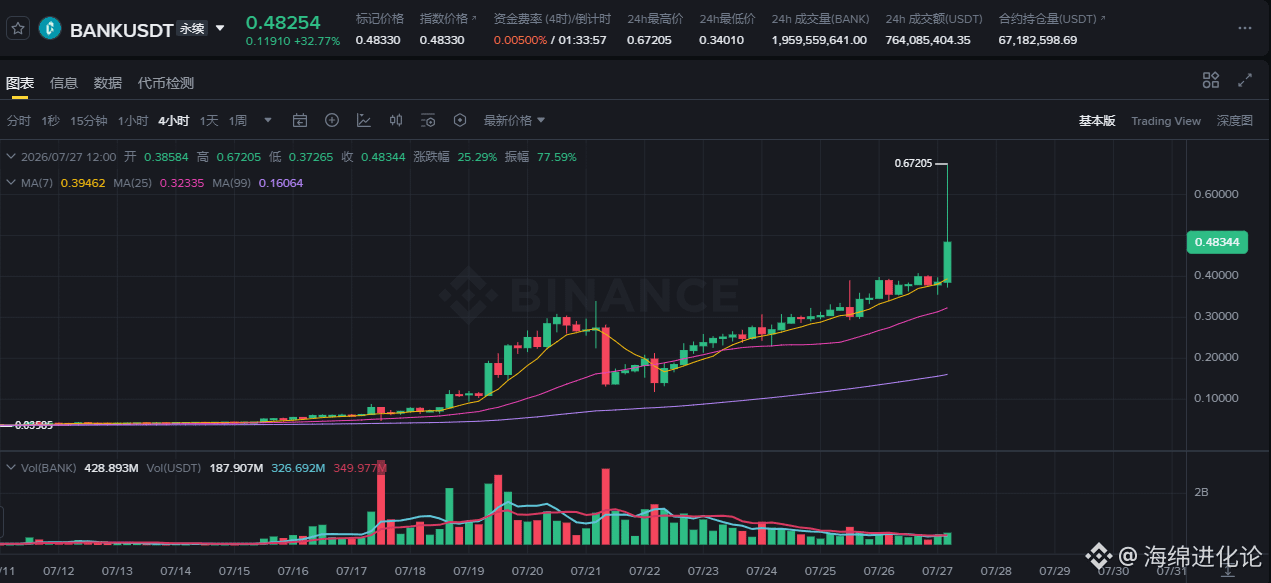
#AKE #bank This is solid evidence: the two coins belong to the same dog cartel—so they can’t be considered “demon coins” anymore.
They belong to the Pixiu coin instead. Just how many short positions can be washed out with a single needle?
Can you still hold the position? Are you still clenching your teeth and holding on? Didn’t we say last week: if you can’t beat them, join them—go long, go long! They just wouldn’t listen. Have these been washed out and eliminated?
Serves you right!!!!
#AKE #bank This is solid evidence: the two coins belong to the same dog cartel—so they can’t be considered “demon coins” anymore.
They belong to the Pixiu coin instead. Just how many short positions can be washed out with a single needle?
Can you still hold the position? Are you still clenching your teeth and holding on? Didn’t we say last week: if you can’t beat them, join them—go long, go long! They just wouldn’t listen. Have these been washed out and eliminated?
Serves you right!!!!
They belong to the Pixiu coin instead. Just how many short positions can be washed out with a single needle?
Can you still hold the position? Are you still clenching your teeth and holding on? Didn’t we say last week: if you can’t beat them, join them—go long, go long! They just wouldn’t listen. Have these been washed out and eliminated?
Serves you right!!!!
1
1
1k
·
--
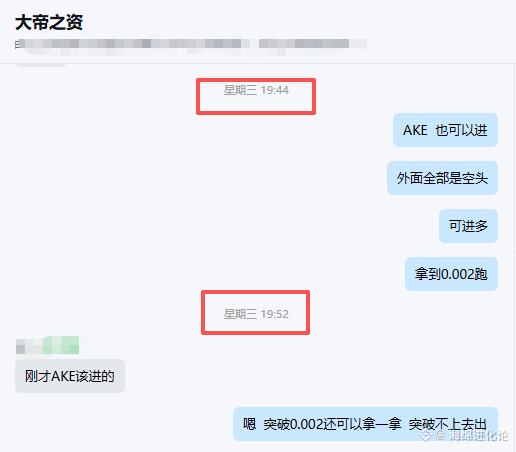
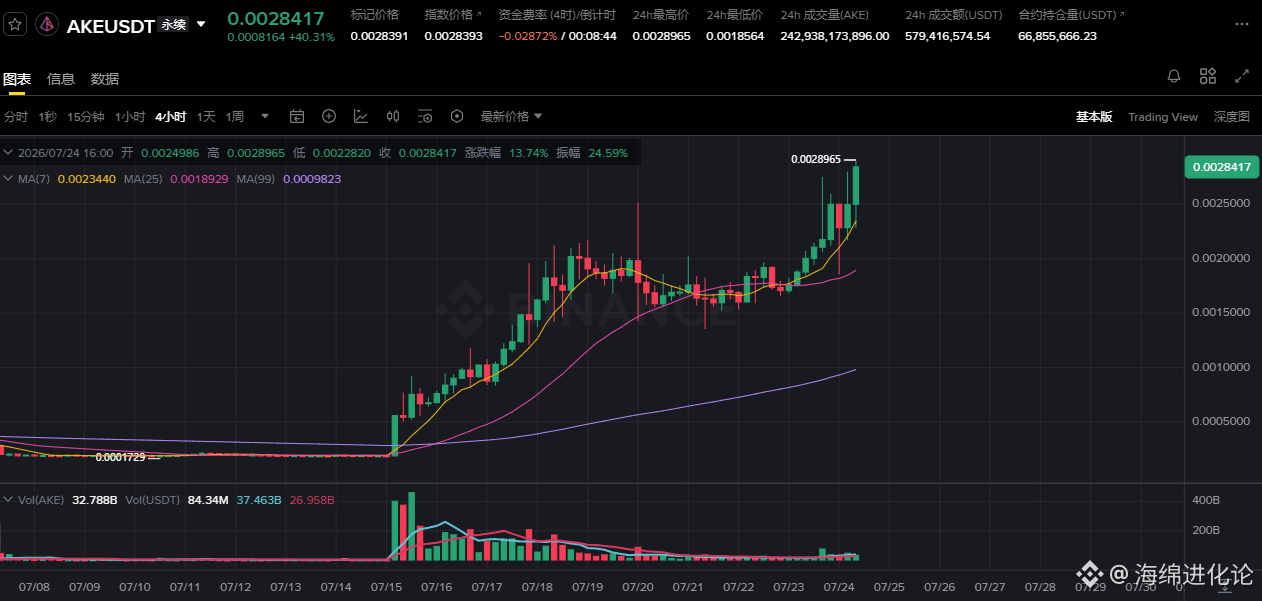
#AKE Is it necessary to do more? I reminded you yesterday, and we’re continuously breaking to new highs.
Didn’t you miss it, bro? Your thighs are probably swollen now! The妖币(meme coin)followed the trend and opened positions.
As the old saying goes—if you can’t beat them, why join them?!
#AKE Is it necessary to do more? I reminded you yesterday, and we’re continuously breaking to new highs.
Didn’t you miss it, bro? Your thighs are probably swollen now! The妖币(meme coin)followed the trend and opened positions.
As the old saying goes—if you can’t beat them, why join them?!
Didn’t you miss it, bro? Your thighs are probably swollen now! The妖币(meme coin)followed the trend and opened positions.
As the old saying goes—if you can’t beat them, why join them?!
1
745
·
--
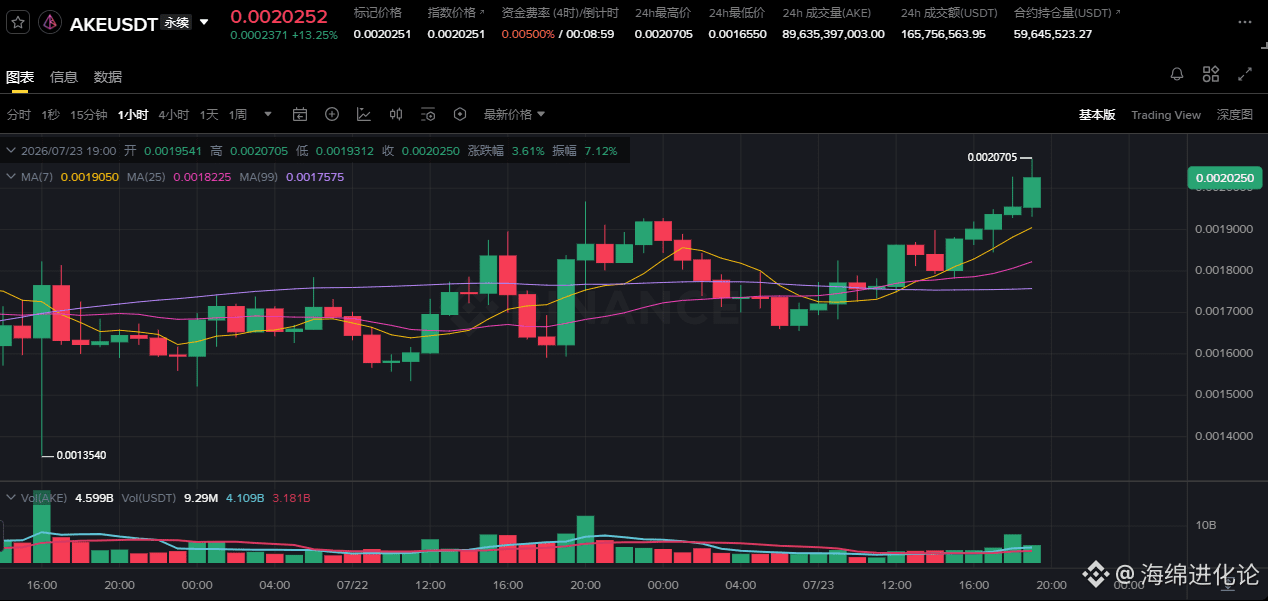
#AKE I said yesterday already: with so many empty orders outside,
the dog stock dealer can’t just stand by and let free money slip away; they will definitely wash the empty orders.
It’s just not strong enough yet—are you still waiting for more empty orders? Eat a wave first, for now. What are you waiting for?
Keep pushing hard, break above the previous high, then thoroughly wash the empty orders below, and then poke (stab) the price.
#AKE I said yesterday already: with so many empty orders outside,
the dog stock dealer can’t just stand by and let free money slip away; they will definitely wash the empty orders.
It’s just not strong enough yet—are you still waiting for more empty orders? Eat a wave first, for now. What are you waiting for?
Keep pushing hard, break above the previous high, then thoroughly wash the empty orders below, and then poke (stab) the price.
the dog stock dealer can’t just stand by and let free money slip away; they will definitely wash the empty orders.
It’s just not strong enough yet—are you still waiting for more empty orders? Eat a wave first, for now. What are you waiting for?
Keep pushing hard, break above the previous high, then thoroughly wash the empty orders below, and then poke (stab) the price.
海绵进化论
·
--
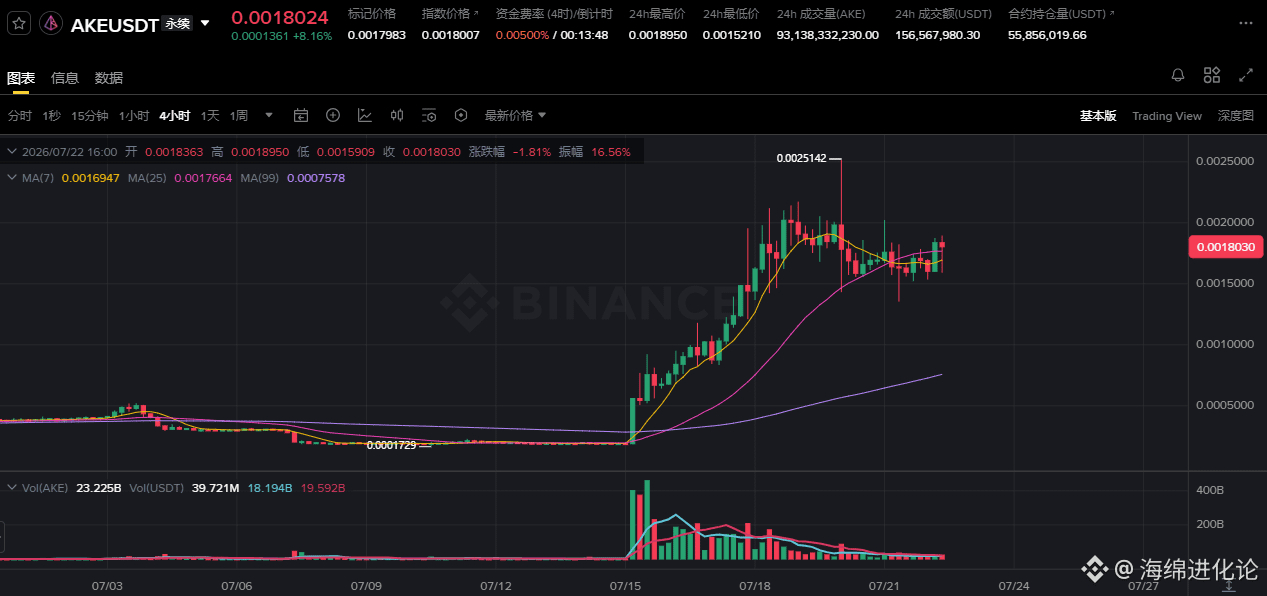
#AKE Keep holding the long positions, let’s go—outside is nothing but bears
They’re just going to insert needles; don’t kid yourself—unless the market maker is a huge idiot
A smart market maker will definitely shake out these bearish positions; the requirements aren’t that high
Just get 0.002, take a lick and run
They’re just going to insert needles; don’t kid yourself—unless the market maker is a huge idiot
A smart market maker will definitely shake out these bearish positions; the requirements aren’t that high
Just get 0.002, take a lick and run
1
513
·
--
#AKE Keep holding the long positions, let’s go—outside is nothing but bears
They’re just going to insert needles; don’t kid yourself—unless the market maker is a huge idiot
A smart market maker will definitely shake out these bearish positions; the requirements aren’t that high
Just get 0.002, take a lick and run
#AKE Keep holding the long positions, let’s go—outside is nothing but bears
They’re just going to insert needles; don’t kid yourself—unless the market maker is a huge idiot
A smart market maker will definitely shake out these bearish positions; the requirements aren’t that high
Just get 0.002, take a lick and run
They’re just going to insert needles; don’t kid yourself—unless the market maker is a huge idiot
A smart market maker will definitely shake out these bearish positions; the requirements aren’t that high
Just get 0.002, take a lick and run
1
1
698
·
--
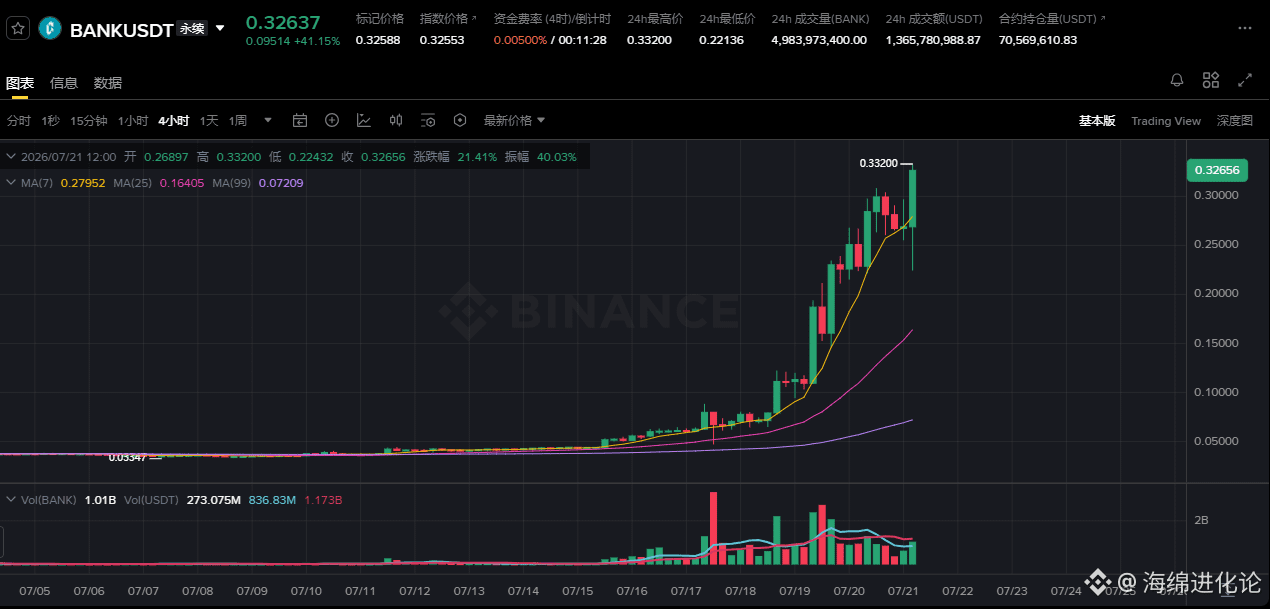
#bank Too intense—another 10 days, and 10x the coin
With this momentum, it looks like we can’t go down to 0.4; we don’t dare—don’t dare to go short.
I accidentally went long a few times and took an extra bite. I’ll consider taking a short only after it runs up.
Right now, we can’t short. The main force and the market makers are just too strong. That unlucky guy has gotten deeply trapped—trapped for several big fish.
#bank Too intense—another 10 days, and 10x the coin
With this momentum, it looks like we can’t go down to 0.4; we don’t dare—don’t dare to go short.
I accidentally went long a few times and took an extra bite. I’ll consider taking a short only after it runs up.
Right now, we can’t short. The main force and the market makers are just too strong. That unlucky guy has gotten deeply trapped—trapped for several big fish.
With this momentum, it looks like we can’t go down to 0.4; we don’t dare—don’t dare to go short.
I accidentally went long a few times and took an extra bite. I’ll consider taking a short only after it runs up.
Right now, we can’t short. The main force and the market makers are just too strong. That unlucky guy has gotten deeply trapped—trapped for several big fish.
1
615
·
--
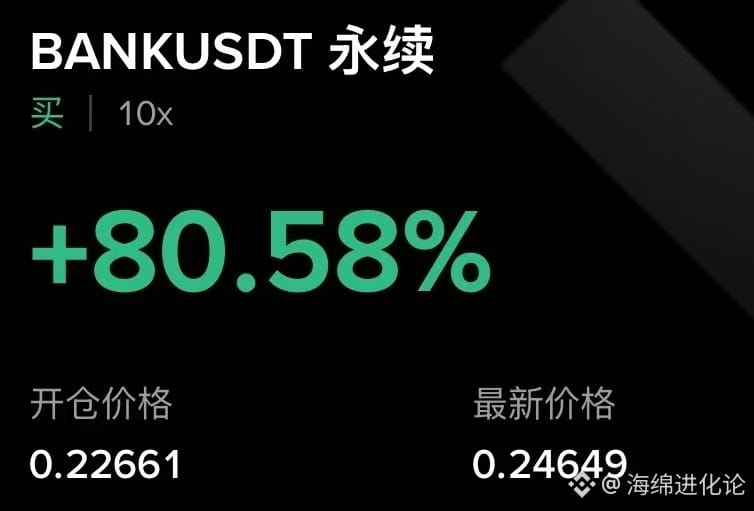
#bank Here's another 10x coin. I directly chased a batch of long orders in the early morning.
I caught a quick short-term move: sold some at 0.26, and the rest at 0.3.
Don’t easily short a “妖币” (meme coin). If you can’t beat it, then join in. Taking a bite on the short-term is still fine.
#bank Here's another 10x coin. I directly chased a batch of long orders in the early morning.
I caught a quick short-term move: sold some at 0.26, and the rest at 0.3.
Don’t easily short a “妖币” (meme coin). If you can’t beat it, then join in. Taking a bite on the short-term is still fine.
I caught a quick short-term move: sold some at 0.26, and the rest at 0.3.
Don’t easily short a “妖币” (meme coin). If you can’t beat it, then join in. Taking a bite on the short-term is still fine.

2
699
·
--
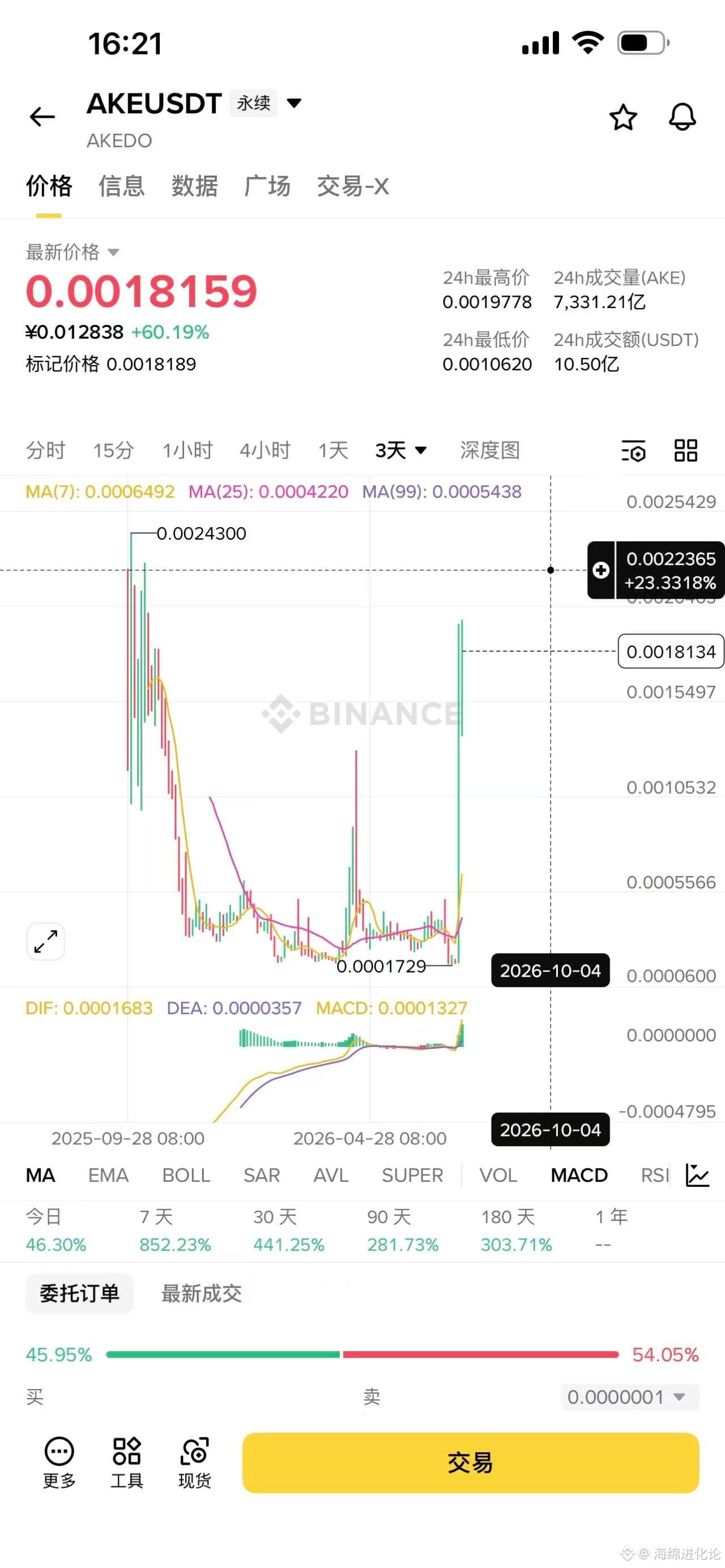
#AKE It smells a bit like the previous lab again. It’s down 10x.
I don’t believe it can still go up. I’m afraid to chase longs—worried the dog traders will dump and spike the price.
For safety, just hang a short at a higher level! Put a short at 0.0022 and see if we can still get some big gains.
#AKE It smells a bit like the previous lab again. It’s down 10x.
I don’t believe it can still go up. I’m afraid to chase longs—worried the dog traders will dump and spike the price.
For safety, just hang a short at a higher level! Put a short at 0.0022 and see if we can still get some big gains.
I don’t believe it can still go up. I’m afraid to chase longs—worried the dog traders will dump and spike the price.
For safety, just hang a short at a higher level! Put a short at 0.0022 and see if we can still get some big gains.
2
2
2.4k
·
--
Future Decade Crypto Market Cap Forecast TOP 10
TOP 1: BTC
“Digital gold,” the only credit anchor point in the global crypto ecosystem, a nation-level strategic reserve asset; its future scale could reach the $5 trillion range.
TOP 2-4: The three major USD stablecoins
2 USDT: A gateway to U.S. dollar liquidity for emerging markets, the deepest stablecoin in terms of channel penetration.
3 USDC: Institutional-grade settlement dollars in the “compliant world,” the optimal path for RWA and regulation.
4 BTC-collateralized yield stablecoin: A U.S. dollar stablecoin minted through a BTC staking and yield mechanism, backed by Bitcoin as the only credit anchor. Let the sleeping gold generate returns—the “lender of last resort” in the crypto world.
2-4 occupy the stablecoin slot because they are units of account, not risk assets.
TOP 5-7: The three major circulating-execution layer infrastructure
5 Native BTC settlement layer (BTC L2 ecosystem): The underlying infrastructure for the Bitcoin economy to expand outward. Home to the world’s largest pool of crypto assets—this is the core settlement layer for future asset issuance and circulation.
6 ETH: Institutional-grade RWA asset tokenization and compliant settlement layer. Provides security and decentralization for issuing large-scale asset tokens, tokenizing government bonds, and meeting institutional clearing needs.
7 SOL: High-speed asset issuance and trading settlement layer. Supports high-throughput, low-fee environments for high-frequency interaction scenarios such as DePIN, Meme, and AI Agent—maintaining strong trade volume and the number of active addresses.
Together, these form the “road network” of the crypto world—an infrastructure layer that carries all asset issuance and trading.
TOP 8-10: The three major application layers
8 HYPE (Hyperliquid): The global on-chain asset contract pricing layer. The central hub for perpetual contract trading of major traditional assets such as cryptocurrencies and gold, U.S. stocks, and oil—core protocol for on-chain liquidity aggregation and cross-asset pricing.
9 BNB: The last ecosystem fortress of the CEX era. Leveraging Binance Launchpad and the BSC network effects, even if imagination is squeezed by emerging infrastructure, its user base and cash flows remain solid—serving as the gatekeeper for exchange public chains.
10 New king of the application layer (super app / AI Agent platform): Super apps in forms like Polymarket define on-chain event pricing power and attention-derived financial products, realizing “truth is an asset.” AI Agent platforms in forms like Virtuals / ai16z are an intelligent agent network for autonomous execution and decision-making on-chain, defining “agents are productivity.”
Future Decade Crypto Market Cap Forecast TOP 10
TOP 1: BTC
“Digital gold,” the only credit anchor point in the global crypto ecosystem, a nation-level strategic reserve asset; its future scale could reach the $5 trillion range.
TOP 2-4: The three major USD stablecoins
2 USDT: A gateway to U.S. dollar liquidity for emerging markets, the deepest stablecoin in terms of channel penetration.
3 USDC: Institutional-grade settlement dollars in the “compliant world,” the optimal path for RWA and regulation.
4 BTC-collateralized yield stablecoin: A U.S. dollar stablecoin minted through a BTC staking and yield mechanism, backed by Bitcoin as the only credit anchor. Let the sleeping gold generate returns—the “lender of last resort” in the crypto world.
2-4 occupy the stablecoin slot because they are units of account, not risk assets.
TOP 5-7: The three major circulating-execution layer infrastructure
5 Native BTC settlement layer (BTC L2 ecosystem): The underlying infrastructure for the Bitcoin economy to expand outward. Home to the world’s largest pool of crypto assets—this is the core settlement layer for future asset issuance and circulation.
6 ETH: Institutional-grade RWA asset tokenization and compliant settlement layer. Provides security and decentralization for issuing large-scale asset tokens, tokenizing government bonds, and meeting institutional clearing needs.
7 SOL: High-speed asset issuance and trading settlement layer. Supports high-throughput, low-fee environments for high-frequency interaction scenarios such as DePIN, Meme, and AI Agent—maintaining strong trade volume and the number of active addresses.
Together, these form the “road network” of the crypto world—an infrastructure layer that carries all asset issuance and trading.
TOP 8-10: The three major application layers
8 HYPE (Hyperliquid): The global on-chain asset contract pricing layer. The central hub for perpetual contract trading of major traditional assets such as cryptocurrencies and gold, U.S. stocks, and oil—core protocol for on-chain liquidity aggregation and cross-asset pricing.
9 BNB: The last ecosystem fortress of the CEX era. Leveraging Binance Launchpad and the BSC network effects, even if imagination is squeezed by emerging infrastructure, its user base and cash flows remain solid—serving as the gatekeeper for exchange public chains.
10 New king of the application layer (super app / AI Agent platform): Super apps in forms like Polymarket define on-chain event pricing power and attention-derived financial products, realizing “truth is an asset.” AI Agent platforms in forms like Virtuals / ai16z are an intelligent agent network for autonomous execution and decision-making on-chain, defining “agents are productivity.”
TOP 1: BTC
“Digital gold,” the only credit anchor point in the global crypto ecosystem, a nation-level strategic reserve asset; its future scale could reach the $5 trillion range.
TOP 2-4: The three major USD stablecoins
2 USDT: A gateway to U.S. dollar liquidity for emerging markets, the deepest stablecoin in terms of channel penetration.
3 USDC: Institutional-grade settlement dollars in the “compliant world,” the optimal path for RWA and regulation.
4 BTC-collateralized yield stablecoin: A U.S. dollar stablecoin minted through a BTC staking and yield mechanism, backed by Bitcoin as the only credit anchor. Let the sleeping gold generate returns—the “lender of last resort” in the crypto world.
2-4 occupy the stablecoin slot because they are units of account, not risk assets.
TOP 5-7: The three major circulating-execution layer infrastructure
5 Native BTC settlement layer (BTC L2 ecosystem): The underlying infrastructure for the Bitcoin economy to expand outward. Home to the world’s largest pool of crypto assets—this is the core settlement layer for future asset issuance and circulation.
6 ETH: Institutional-grade RWA asset tokenization and compliant settlement layer. Provides security and decentralization for issuing large-scale asset tokens, tokenizing government bonds, and meeting institutional clearing needs.
7 SOL: High-speed asset issuance and trading settlement layer. Supports high-throughput, low-fee environments for high-frequency interaction scenarios such as DePIN, Meme, and AI Agent—maintaining strong trade volume and the number of active addresses.
Together, these form the “road network” of the crypto world—an infrastructure layer that carries all asset issuance and trading.
TOP 8-10: The three major application layers
8 HYPE (Hyperliquid): The global on-chain asset contract pricing layer. The central hub for perpetual contract trading of major traditional assets such as cryptocurrencies and gold, U.S. stocks, and oil—core protocol for on-chain liquidity aggregation and cross-asset pricing.
9 BNB: The last ecosystem fortress of the CEX era. Leveraging Binance Launchpad and the BSC network effects, even if imagination is squeezed by emerging infrastructure, its user base and cash flows remain solid—serving as the gatekeeper for exchange public chains.
10 New king of the application layer (super app / AI Agent platform): Super apps in forms like Polymarket define on-chain event pricing power and attention-derived financial products, realizing “truth is an asset.” AI Agent platforms in forms like Virtuals / ai16z are an intelligent agent network for autonomous execution and decision-making on-chain, defining “agents are productivity.”
1
2
1.7k
·
--
Bullish
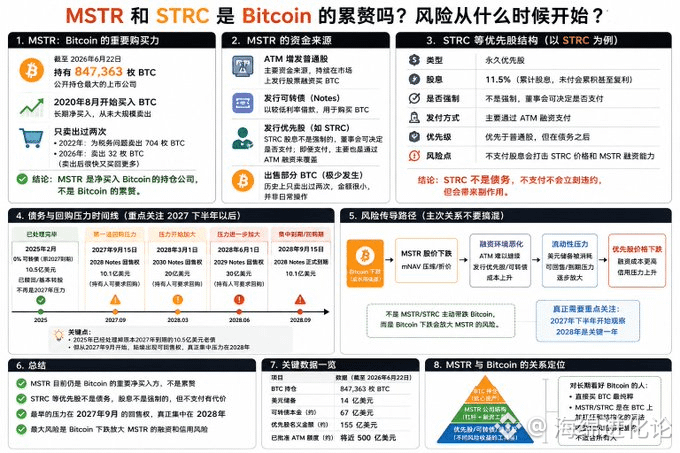
What are people buying STRC thinking—don’t they know there’s something like BTC?
If you buy STRC and BTC drops, you’ll lose.
But if BTC rises, they may not necessarily profit.
Right now, the biggest risk isn’t that MSTR or STRC will drag BTC down with them. Instead, it’s that a drop in BTC would amplify the risk for MSTR.
But it’s still early—there’s no need to be overly afraid in the short term.
What are people buying STRC thinking—don’t they know there’s something like BTC?
If you buy STRC and BTC drops, you’ll lose.
But if BTC rises, they may not necessarily profit.
Right now, the biggest risk isn’t that MSTR or STRC will drag BTC down with them. Instead, it’s that a drop in BTC would amplify the risk for MSTR.
But it’s still early—there’s no need to be overly afraid in the short term.
If you buy STRC and BTC drops, you’ll lose.
But if BTC rises, they may not necessarily profit.
Right now, the biggest risk isn’t that MSTR or STRC will drag BTC down with them. Instead, it’s that a drop in BTC would amplify the risk for MSTR.
But it’s still early—there’s no need to be overly afraid in the short term.
BTC-0.01%
MSTRUS+0.05%
1
1.4k
·
--
Bullish
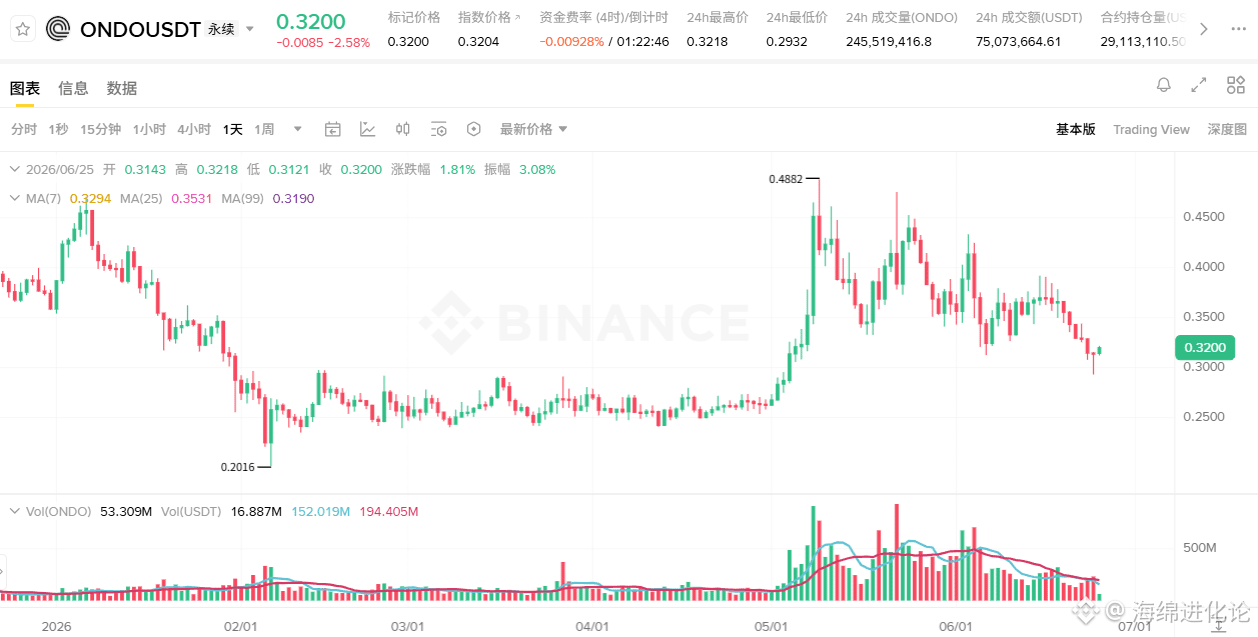
ONDO is about to launch this wave
Recently, I got a bit drained by RE, but the market only reveals who the big players are later on.
With the U.S. stocks starting to rebound from the bottom, ONDO is also a beneficiary; the price has already dropped to rock bottom, so let’s go all in!
ONDO is about to launch this wave
Recently, I got a bit drained by RE, but the market only reveals who the big players are later on.
With the U.S. stocks starting to rebound from the bottom, ONDO is also a beneficiary; the price has already dropped to rock bottom, so let’s go all in!
Recently, I got a bit drained by RE, but the market only reveals who the big players are later on.
With the U.S. stocks starting to rebound from the bottom, ONDO is also a beneficiary; the price has already dropped to rock bottom, so let’s go all in!
2
822
·
--
Bearish
MSTR's dilution from the new issuance is impacting the per-share Bitcoin holdings. If this continues, could we be facing a death spiral?
Currently, the mNAV is at 1.05x and the issuance primarily aims to bolster cash rather than immediately buy BTC. This reality indeed makes 'per-share BTC dilution → death spiral' a genuine and looming tail risk.
However, it's not a 'foregone conclusion.' It's more like a conditional trigger mechanism: if BTC keeps rallying strong → mNAV might recover, easing the dilution risk.
If BTC goes sideways or dips + the continued low-premium issuance → the spiral's probability significantly increases, especially with the added pressure from preferred stock dividends.
This is a crucial stress test for the largest and most leveraged single entity in the Bitcoin ecosystem. The risks are real, but ultimately, it heavily relies on Bitcoin's price action and the management's capital allocation discipline.
MSTR's dilution from the new issuance is impacting the per-share Bitcoin holdings. If this continues, could we be facing a death spiral?
Currently, the mNAV is at 1.05x and the issuance primarily aims to bolster cash rather than immediately buy BTC. This reality indeed makes 'per-share BTC dilution → death spiral' a genuine and looming tail risk.
However, it's not a 'foregone conclusion.' It's more like a conditional trigger mechanism: if BTC keeps rallying strong → mNAV might recover, easing the dilution risk.
If BTC goes sideways or dips + the continued low-premium issuance → the spiral's probability significantly increases, especially with the added pressure from preferred stock dividends.
This is a crucial stress test for the largest and most leveraged single entity in the Bitcoin ecosystem. The risks are real, but ultimately, it heavily relies on Bitcoin's price action and the management's capital allocation discipline.
Currently, the mNAV is at 1.05x and the issuance primarily aims to bolster cash rather than immediately buy BTC. This reality indeed makes 'per-share BTC dilution → death spiral' a genuine and looming tail risk.
However, it's not a 'foregone conclusion.' It's more like a conditional trigger mechanism: if BTC keeps rallying strong → mNAV might recover, easing the dilution risk.
If BTC goes sideways or dips + the continued low-premium issuance → the spiral's probability significantly increases, especially with the added pressure from preferred stock dividends.
This is a crucial stress test for the largest and most leveraged single entity in the Bitcoin ecosystem. The risks are real, but ultimately, it heavily relies on Bitcoin's price action and the management's capital allocation discipline.
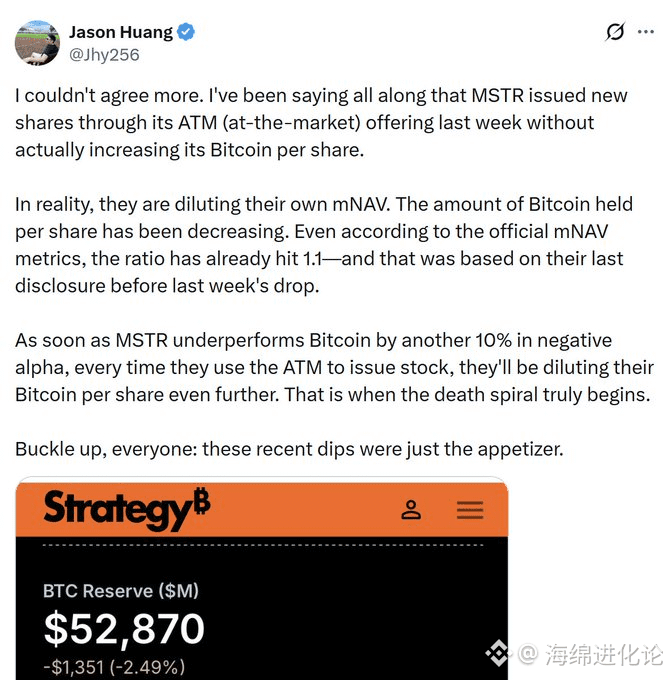
BTC-0.01%
MSTRUS+0.05%
555
·
--
Bearish
Binance's early exit left just this lone gem.
Binance's early exit left just this lone gem.
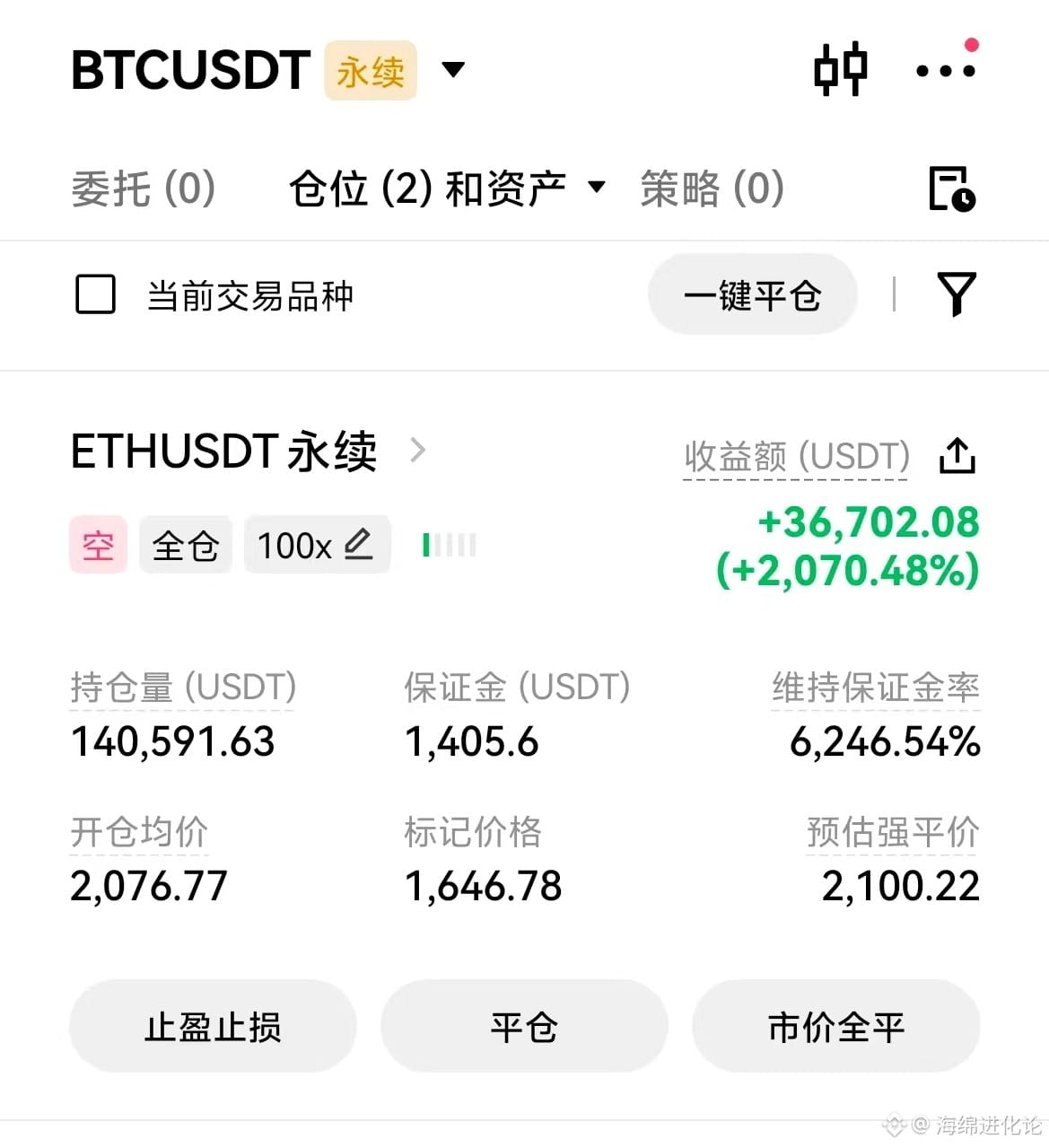
935
·
--
Bullish
BAS is about to launch, and I’m not sure if we’ll see the previous highs with this move.
First off, looking at the past price action, we can see this is a high-cap coin, fitting the profile for a violent pump.
Secondly, it’s recently surged over 35%, but the volume hasn’t really picked up. This suggests the team has been quietly building long positions while washing out the weak hands.
It's not too late to hop on board now.
BAS is about to launch, and I’m not sure if we’ll see the previous highs with this move.
First off, looking at the past price action, we can see this is a high-cap coin, fitting the profile for a violent pump.
Secondly, it’s recently surged over 35%, but the volume hasn’t really picked up. This suggests the team has been quietly building long positions while washing out the weak hands.
It's not too late to hop on board now.
First off, looking at the past price action, we can see this is a high-cap coin, fitting the profile for a violent pump.
Secondly, it’s recently surged over 35%, but the volume hasn’t really picked up. This suggests the team has been quietly building long positions while washing out the weak hands.
It's not too late to hop on board now.
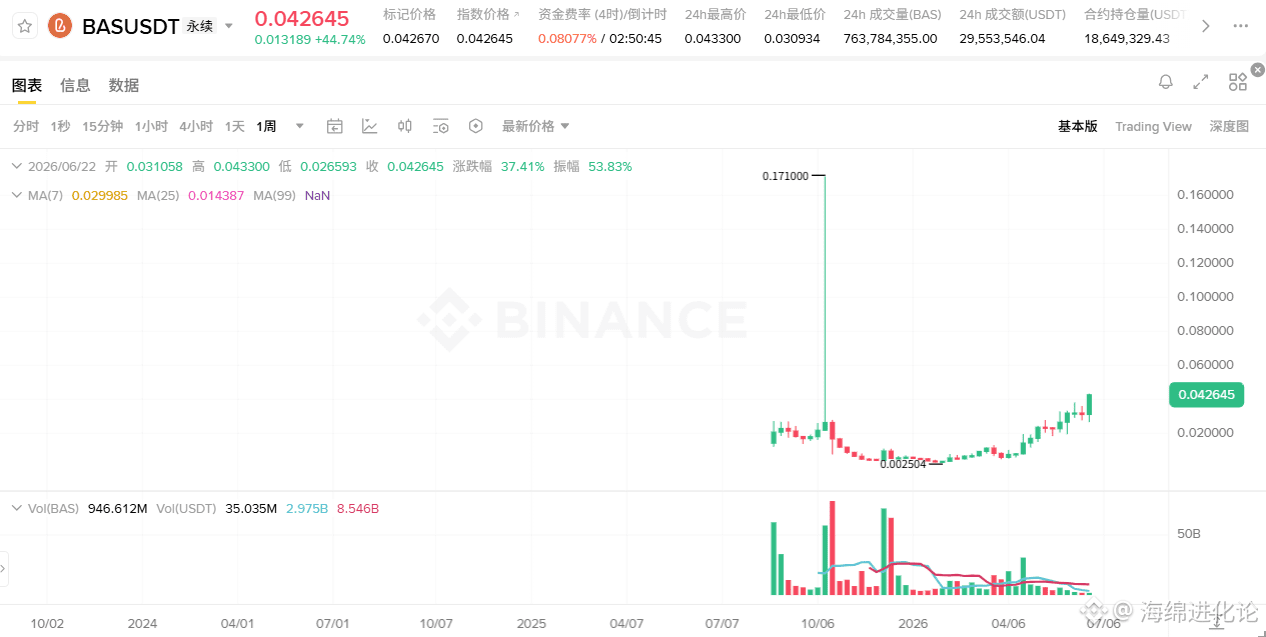
1
2
2.6k
·
--
Strategy's impact on the market isn't just about how much BTC it holds, but also about representing a stable, predictable marginal buy pressure.
When STRC can issue smoothly and MSTR has a high premium, Strategy can keep raising funds from the capital markets to buy BTC. This buy pressure is crucial on an emotional level, as it provides the narrative that 'someone is continuously absorbing the supply.'
However, if STRC stays below par for a long time, preferred stock financing may pause or costs could rise significantly; if common stock issuance is constrained by dilution, then Strategy's pace of buying coins will slow down. For the BTC market, this might not immediately create massive sell pressure, but it will reduce a key buyer.
The bigger risk lies in the narrative. If the market starts believing that 'Bitcoin treasury companies are also bound by financing windows,' then the valuation logic for similar publicly listed companies might be re-priced. In the past, the market gave them BTC exposure premiums; in the future, there could be demands to deduct financing costs, dividend burdens, liquidity risks, and asset discounts. This could shift 'corporate buying of coins' from a bull market narrative to an asset-liability management issue.
Strategy's impact on the market isn't just about how much BTC it holds, but also about representing a stable, predictable marginal buy pressure.
When STRC can issue smoothly and MSTR has a high premium, Strategy can keep raising funds from the capital markets to buy BTC. This buy pressure is crucial on an emotional level, as it provides the narrative that 'someone is continuously absorbing the supply.'
However, if STRC stays below par for a long time, preferred stock financing may pause or costs could rise significantly; if common stock issuance is constrained by dilution, then Strategy's pace of buying coins will slow down. For the BTC market, this might not immediately create massive sell pressure, but it will reduce a key buyer.
The bigger risk lies in the narrative. If the market starts believing that 'Bitcoin treasury companies are also bound by financing windows,' then the valuation logic for similar publicly listed companies might be re-priced. In the past, the market gave them BTC exposure premiums; in the future, there could be demands to deduct financing costs, dividend burdens, liquidity risks, and asset discounts. This could shift 'corporate buying of coins' from a bull market narrative to an asset-liability management issue.
When STRC can issue smoothly and MSTR has a high premium, Strategy can keep raising funds from the capital markets to buy BTC. This buy pressure is crucial on an emotional level, as it provides the narrative that 'someone is continuously absorbing the supply.'
However, if STRC stays below par for a long time, preferred stock financing may pause or costs could rise significantly; if common stock issuance is constrained by dilution, then Strategy's pace of buying coins will slow down. For the BTC market, this might not immediately create massive sell pressure, but it will reduce a key buyer.
The bigger risk lies in the narrative. If the market starts believing that 'Bitcoin treasury companies are also bound by financing windows,' then the valuation logic for similar publicly listed companies might be re-priced. In the past, the market gave them BTC exposure premiums; in the future, there could be demands to deduct financing costs, dividend burdens, liquidity risks, and asset discounts. This could shift 'corporate buying of coins' from a bull market narrative to an asset-liability management issue.
BTC-0.01%
MSTRUS+0.05%
1
162
·
--
Verified
Ethereum Foundation is laying off
The dude who's getting cut is quite the character, venting with a line: I'm the one who sells ETH every time the price pumps 3%.........
If you throw this gig my way, I'm all in.
Ethereum Foundation is laying off
The dude who's getting cut is quite the character, venting with a line: I'm the one who sells ETH every time the price pumps 3%.........
If you throw this gig my way, I'm all in.
The dude who's getting cut is quite the character, venting with a line: I'm the one who sells ETH every time the price pumps 3%.........
If you throw this gig my way, I'm all in.
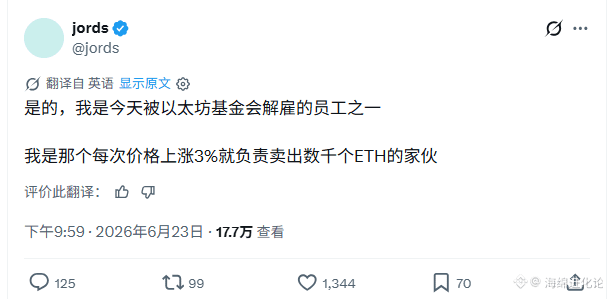
1
17
11.1k
·
--
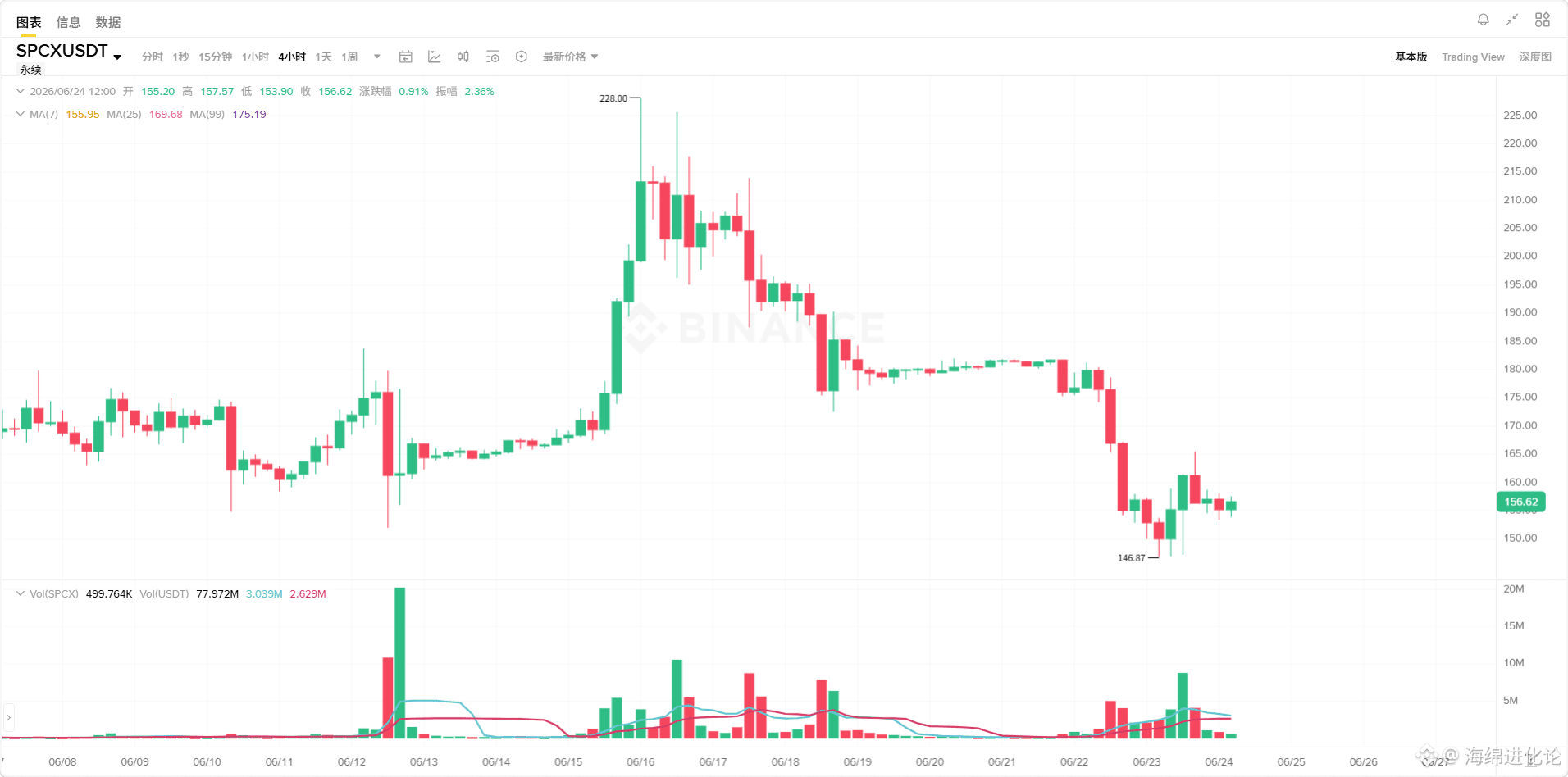
SPCX plummeted 16%, wiping out $500 billion, roughly equivalent to two Ethereum.
Interestingly, SPCX's current market cap is exactly $2 trillion, matching the total crypto market cap.
This is the real capital market.
SPCX plummeted 16%, wiping out $500 billion, roughly equivalent to two Ethereum.
Interestingly, SPCX's current market cap is exactly $2 trillion, matching the total crypto market cap.
This is the real capital market.
Interestingly, SPCX's current market cap is exactly $2 trillion, matching the total crypto market cap.
This is the real capital market.
7
5.4k
·
--
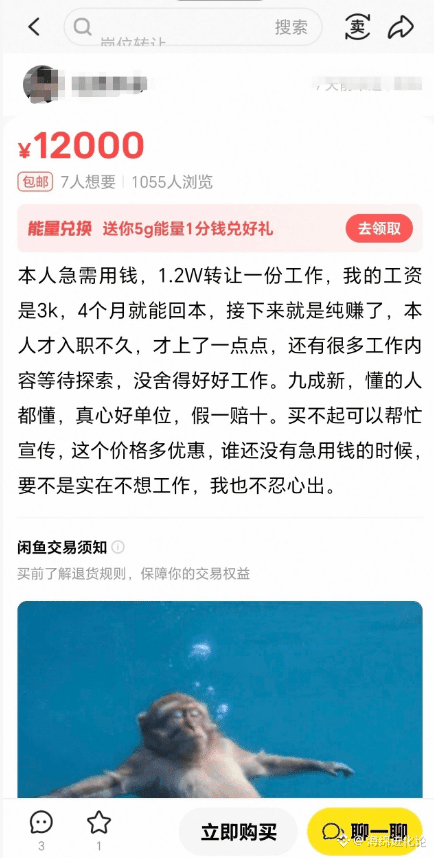
Looks tempting, really wanna make a move
In four months, it's all about those profits
Looks tempting, really wanna make a move
In four months, it's all about those profits
In four months, it's all about those profits
2
5.3k
·
--
Bearish
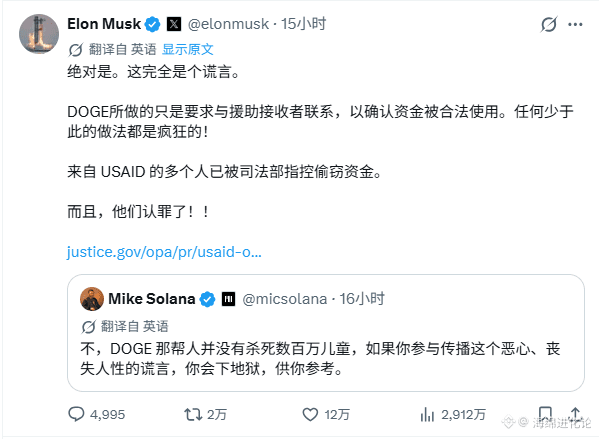
Hey old-timer, don't get caught up with $DOGE , he's no longer your biological son. Don't get stuck in a bind. How about giving a shout-out to $TSLA and $SPCX , those must be your real kin, right? DOGE ain't the same as it used to be when you could just yell and see it pump. Even if it's your kid, there are degrees of closeness to consider, don’t get confused, old-timer. {future}(SPCXUSDT) {future}(TSLAUSDT) {spot}(DOGEUSDT)
Hey old-timer, don't get caught up with $DOGE , he's no longer your biological son. Don't get stuck in a bind. How about giving a shout-out to $TSLA and $SPCX , those must be your real kin, right? DOGE ain't the same as it used to be when you could just yell and see it pump. Even if it's your kid, there are degrees of closeness to consider, don’t get confused, old-timer.
1k
·
--
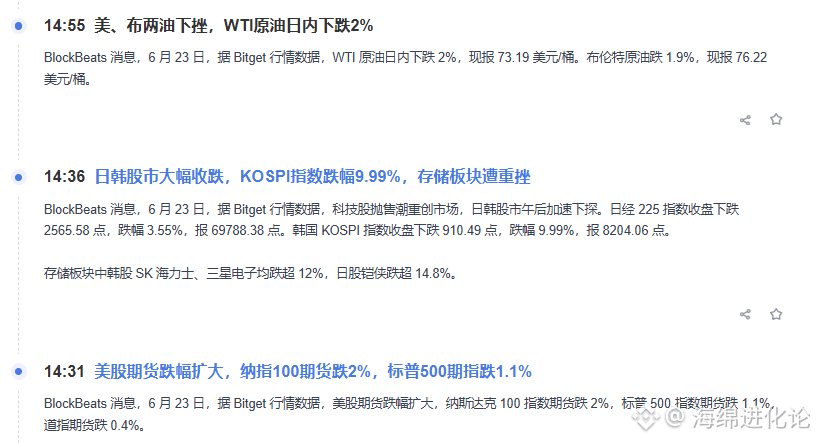
The downward trend just won't quit, and the good times for the Korean traders are coming to an end.
The days of waking up to a bigger balance in the account are long gone.
The downward trend just won't quit, and the good times for the Korean traders are coming to an end.
The days of waking up to a bigger balance in the account are long gone.
The days of waking up to a bigger balance in the account are long gone.
1
231
Log in to explore more content
Join global crypto users on Binance Square
⚡️ Get latest and useful information about crypto.
💬 Trusted by the world’s largest crypto exchange.
👍 Discover real insights from verified creators.
Email / Phone number
Trending Topics
BinanceReopensWithdrawalsForHYPE&APT
22,600 views
440 Discussing
Binance Re-Enables Withdrawals for HYPE and APT, Extends List of Restored Assets
Binance News
·17 Likes
·9.8k views
SouthKoreaDraftLawTargets15To20%ShareholderCap
27,418 views
315 Discussing
TradFiForBeginners
135,953 views
1,434 Discussing