
铁总商业财经
908 Posts

铁总商业财经
Report
Block User
446 Following
652 Followers
494 Liked
Posts
All
Videos
·
--
The Japanese “housewife mutual aid society” that suddenly became wildly popular—tearing away the appearance of respectability in society #Finance #Japan #Practical learning plan #International #Creators Conference
The Japanese “housewife mutual aid society” that suddenly became wildly popular—tearing away the appearance of respectability in society #Finance #Japan #Practical learning plan #International #Creators Conference
1
4.2k
·
--
Marrying a foreigner and then renouncing your nationality? Returning to China for family visits no more than 7 days per trip? #Finance #Real Finance and Practical Learning Program #Igniting the Spirit of Great Power
Marrying a foreigner and then renouncing your nationality? Returning to China for family visits no more than 7 days per trip? #Finance #Real Finance and Practical Learning Program #Igniting the Spirit of Great Power
697
·
--
From being a billionaire dream to being trapped behind bars, what did Xu Jiayin do? #RealWealthPlan #Xu Jiayin #Finance
From being a billionaire dream to being trapped behind bars, what did Xu Jiayin do? #RealWealthPlan #Xu Jiayin #Finance
1.1k
·
--
ConocoPhillips’ Alaska Project Comes Online Early(Source: China Chemical News)
China Chemical News reported that recently, ConocoPhillips’ Alaska Division announced that on August 7, the company achieved first oil from its Coyote 3SX development project. The project is located on an onshore land block on Alaska’s North Slope within the Kuparuk River Unit, with a total investment of about $800 million. It is expected to reach a peak oil production rate of about 12,000 barrels per day. The project was brought online ahead of schedule and at a cost lower than the budget.
ConocoPhillips approved funding for the project in October 2025, and construction will begin in early 2026. The project leverages existing infrastructure within the Kuparuk River Unit to enable the rapid ramp-up of incremental production. The project will also need to build additional pipeline infrastructure to meet the demand for Coyote production growth in 2026 and beyond.
ConocoPhillips’ Alaska Project Comes Online Early
(Source: China Chemical News)
China Chemical News reported that recently, ConocoPhillips’ Alaska Division announced that on August 7, the company achieved first oil from its Coyote 3SX development project. The project is located on an onshore land block on Alaska’s North Slope within the Kuparuk River Unit, with a total investment of about $800 million. It is expected to reach a peak oil production rate of about 12,000 barrels per day. The project was brought online ahead of schedule and at a cost lower than the budget.
ConocoPhillips approved funding for the project in October 2025, and construction will begin in early 2026. The project leverages existing infrastructure within the Kuparuk River Unit to enable the rapid ramp-up of incremental production. The project will also need to build additional pipeline infrastructure to meet the demand for Coyote production growth in 2026 and beyond.
China Chemical News reported that recently, ConocoPhillips’ Alaska Division announced that on August 7, the company achieved first oil from its Coyote 3SX development project. The project is located on an onshore land block on Alaska’s North Slope within the Kuparuk River Unit, with a total investment of about $800 million. It is expected to reach a peak oil production rate of about 12,000 barrels per day. The project was brought online ahead of schedule and at a cost lower than the budget.
ConocoPhillips approved funding for the project in October 2025, and construction will begin in early 2026. The project leverages existing infrastructure within the Kuparuk River Unit to enable the rapid ramp-up of incremental production. The project will also need to build additional pipeline infrastructure to meet the demand for Coyote production growth in 2026 and beyond.
72
·
--
Insider Trading | ConocoPhillips discloses a share sale worth approximately $2.0178 millionU.S.-listed company ConocoPhillips (COP) has disclosed an insider stock transaction. The filing shows that on 2026-08-20, Rose (Kelly Brunetti) (Officer) sold company shares. The transaction value was approximately $2,017,800.00.
Trading data:
? Trader: Rose (Kelly Brunetti) (Officer)
? Trade direction: Sell
? Number of shares traded: 15,000 shares
? Average trade price: $134.52 per share
? Transaction amount: approximately $2,017,800
? Latest shares held: 10,284 shares
In general, stock trades by executives and directors of listed companies are considered one of the important indicators for the market to observe management’s stance. However, insider transactions may involve various factors such as compensation arrangements, tax planning, and asset allocation. A single transaction cannot directly indicate the company’s future operating outlook, so a comprehensive judgment should be made together with fundamentals and subsequent announcements.
Insider Trading | ConocoPhillips discloses a share sale worth approximately $2.0178 million
U.S.-listed company ConocoPhillips (COP) has disclosed an insider stock transaction. The filing shows that on 2026-08-20, Rose (Kelly Brunetti) (Officer) sold company shares. The transaction value was approximately $2,017,800.00.
Trading data:
? Trader: Rose (Kelly Brunetti) (Officer)
? Trade direction: Sell
? Number of shares traded: 15,000 shares
? Average trade price: $134.52 per share
? Transaction amount: approximately $2,017,800
? Latest shares held: 10,284 shares
In general, stock trades by executives and directors of listed companies are considered one of the important indicators for the market to observe management’s stance. However, insider transactions may involve various factors such as compensation arrangements, tax planning, and asset allocation. A single transaction cannot directly indicate the company’s future operating outlook, so a comprehensive judgment should be made together with fundamentals and subsequent announcements.
Trading data:
? Trader: Rose (Kelly Brunetti) (Officer)
? Trade direction: Sell
? Number of shares traded: 15,000 shares
? Average trade price: $134.52 per share
? Transaction amount: approximately $2,017,800
? Latest shares held: 10,284 shares
In general, stock trades by executives and directors of listed companies are considered one of the important indicators for the market to observe management’s stance. However, insider transactions may involve various factors such as compensation arrangements, tax planning, and asset allocation. A single transaction cannot directly indicate the company’s future operating outlook, so a comprehensive judgment should be made together with fundamentals and subsequent announcements.
35
·
--
A patent related to multi-element alloy castings jointly applied for by three companies including Kunming Guipeng New Materials Technology; the process eliminates component segregation caused during alloy casting moldingAugust 22 news: According to information from the National Intellectual Property Administration, Kunming Guipeng New Materials Technology Co., Ltd., Yunnan Guipeng Precious Metal New Materials Holding Group Co., Ltd., and Kunming Institute of Precious Metals have applied for a patent titled “A preparation method for a multi-element alloy casting for aerospace solder.” The application publication number is CN122609859A, the application number is CN202610877827.3, the publication date is August 21, 2026, and the application date is June 17, 2026. Inventors include Wu Biao, Pu Guodong, Wu Haining, Wu Ningxuan, Liu Changxi, Liu Xiaoying, Li Xixian, Huai Ziyu, Liu Zijie, Wei Qichu, Wei Yiwéi, Fang Xiaoxiang, Dai Si, Zhao Qi, Yang Zhenmiao, Song Yin, Xu Hong, Zhou Xiaohui, Li Lei, Xu Ziwén, and Li Ruiqian. The patent agent is Kunming Longhe Intellectual Property Agency (General Partnership), and the patent agent is J e Ya o. Classification numbers are C22C1/02, C22F1/16, and C22F1/02.
A patent related to multi-element alloy castings jointly applied for by three companies including Kunming Guipeng New Materials Technology; the process eliminates component segregation caused during alloy casting molding
August 22 news: According to information from the National Intellectual Property Administration, Kunming Guipeng New Materials Technology Co., Ltd., Yunnan Guipeng Precious Metal New Materials Holding Group Co., Ltd., and Kunming Institute of Precious Metals have applied for a patent titled “A preparation method for a multi-element alloy casting for aerospace solder.” The application publication number is CN122609859A, the application number is CN202610877827.3, the publication date is August 21, 2026, and the application date is June 17, 2026. Inventors include Wu Biao, Pu Guodong, Wu Haining, Wu Ningxuan, Liu Changxi, Liu Xiaoying, Li Xixian, Huai Ziyu, Liu Zijie, Wei Qichu, Wei Yiwéi, Fang Xiaoxiang, Dai Si, Zhao Qi, Yang Zhenmiao, Song Yin, Xu Hong, Zhou Xiaohui, Li Lei, Xu Ziwén, and Li Ruiqian. The patent agent is Kunming Longhe Intellectual Property Agency (General Partnership), and the patent agent is J e Ya o. Classification numbers are C22C1/02, C22F1/16, and C22F1/02.
499
·
--
Six companies including Mining and Metallurgy Technology Group jointly apply for a patent related to metal material performance evaluation, achieving objective, accurate, and quantifiable grading of the performance of reconstituted metal materialsAugust 21 news: According to information from the National Intellectual Property Administration, Mining and Metallurgy Technology Group Co., Ltd., Northwest Institute for Nonferrous Metal Research, Yunnan Precious Metals New Materials Holding Group Co., Ltd., Jinchuan Group Co., Ltd., Kunming University of Science and Technology, and Central South University have applied for a patent titled “Multidimensional evaluation method, system, apparatus and storage medium for the performance of reconstituted metal materials.” The application publication number is CN122596739A, the application number is CN202610732146.8, the application publication date is August 18, 2026, and the application date is May 26, 2026. Inventors include Ma Hao, Sun Honghong, Zhang Busheng, Liu Mumen, Chen Xujun, Ma Yongfeng, Li Bo, Wang Hua, Wei Yonggang, Wang Xun, Chen Ailiang, Dong Haigang, Li Da, and Zhang Xueyou. The patent agency is Beijing Chaofan Hongyu Intellectual Property Agency Co., Ltd., and the patent agent is Yao Dalei. Classification numbers include G06Q10/0639, G06F18/24, G06F18/25, and G01N33/20.
Six companies including Mining and Metallurgy Technology Group jointly apply for a patent related to metal material performance evaluation, achieving objective, accurate, and quantifiable grading of the performance of reconstituted metal materials
August 21 news: According to information from the National Intellectual Property Administration, Mining and Metallurgy Technology Group Co., Ltd., Northwest Institute for Nonferrous Metal Research, Yunnan Precious Metals New Materials Holding Group Co., Ltd., Jinchuan Group Co., Ltd., Kunming University of Science and Technology, and Central South University have applied for a patent titled “Multidimensional evaluation method, system, apparatus and storage medium for the performance of reconstituted metal materials.” The application publication number is CN122596739A, the application number is CN202610732146.8, the application publication date is August 18, 2026, and the application date is May 26, 2026. Inventors include Ma Hao, Sun Honghong, Zhang Busheng, Liu Mumen, Chen Xujun, Ma Yongfeng, Li Bo, Wang Hua, Wei Yonggang, Wang Xun, Chen Ailiang, Dong Haigang, Li Da, and Zhang Xueyou. The patent agency is Beijing Chaofan Hongyu Intellectual Property Agency Co., Ltd., and the patent agent is Yao Dalei. Classification numbers include G06Q10/0639, G06F18/24, G06F18/25, and G01N33/20.
633
·
--
Yunbo Group applies for a patent related to lead-free glass powder; surface modification layer improves the sintering performance of glass powder resistance pasteAugust 21 news, the State Intellectual Property Office has information showing that Yunnan Precious Metals New Materials Holding Group Co., Ltd. has applied for a patent titled "A surface-modified lead-free glass powder of Si-Ca-Al for resistance paste and its preparation method." The application publication number is CN122586378A, the application number is CN202610924318.1, the publication date of the application is August 18, 2026, and the application date is June 25, 2026. The inventors are Li Junpeng, Zhang Zhubo, Sun Hu, Li Wei, Zhou Kai, Li Lei, He Zijuan, Gao Qiqiang, and Chen Kaitea. The patent agency is Beijing Gaowo Law Firm, and the patent agent is Wang Xue. Classification number: C03C12/00.
Yunbo Group applies for a patent related to lead-free glass powder; surface modification layer improves the sintering performance of glass powder resistance paste
August 21 news, the State Intellectual Property Office has information showing that Yunnan Precious Metals New Materials Holding Group Co., Ltd. has applied for a patent titled "A surface-modified lead-free glass powder of Si-Ca-Al for resistance paste and its preparation method." The application publication number is CN122586378A, the application number is CN202610924318.1, the publication date of the application is August 18, 2026, and the application date is June 25, 2026. The inventors are Li Junpeng, Zhang Zhubo, Sun Hu, Li Wei, Zhou Kai, Li Lei, He Zijuan, Gao Qiqiang, and Chen Kaitea. The patent agency is Beijing Gaowo Law Firm, and the patent agent is Wang Xue. Classification number: C03C12/00.
148
·
--
U.S. stocks moved Oil stocks broadly rise ConocoPhillips (COP.US) up more than 3%On Thursday, oil stocks broadly rose. ConocoPhillips (COP.US) and BP (BP.US) both rose by more than 3%, while Petrobras (PBR.US) and Occidental Petroleum (OXY.US) gained more than 2%. WTI crude oil briefly broke above $87 per barrel during the session and was up more than 3% for the day.
In the news, tensions between the United Arab Emirates and Iran have escalated. The UAE Ministry of Defense said it is monitoring two ballistic missiles coming from Iran; one landed in UAE territorial waters. In the early hours of the 19th, the UAE Ministry of Foreign Affairs announced a suspension of all trade, commercial dealings, and financial transactions with Iran. On August 18, Trump clearly stated that "there will be no talks with Iran now or in the future." The U.S. maritime blockade against Iran remains fully effective.
U.S. stocks moved Oil stocks broadly rise ConocoPhillips (COP.US) up more than 3%
On Thursday, oil stocks broadly rose. ConocoPhillips (COP.US) and BP (BP.US) both rose by more than 3%, while Petrobras (PBR.US) and Occidental Petroleum (OXY.US) gained more than 2%. WTI crude oil briefly broke above $87 per barrel during the session and was up more than 3% for the day.
In the news, tensions between the United Arab Emirates and Iran have escalated. The UAE Ministry of Defense said it is monitoring two ballistic missiles coming from Iran; one landed in UAE territorial waters. In the early hours of the 19th, the UAE Ministry of Foreign Affairs announced a suspension of all trade, commercial dealings, and financial transactions with Iran. On August 18, Trump clearly stated that "there will be no talks with Iran now or in the future." The U.S. maritime blockade against Iran remains fully effective.
In the news, tensions between the United Arab Emirates and Iran have escalated. The UAE Ministry of Defense said it is monitoring two ballistic missiles coming from Iran; one landed in UAE territorial waters. In the early hours of the 19th, the UAE Ministry of Foreign Affairs announced a suspension of all trade, commercial dealings, and financial transactions with Iran. On August 18, Trump clearly stated that "there will be no talks with Iran now or in the future." The U.S. maritime blockade against Iran remains fully effective.
OXYUS+0.22%
COPUS+0.21%
PBRUS+0.21%
152
·
--

Article
Chip Report | Mitsubishi Electric and Sony Semiconductor Solutions Company to Form an AI Vision Joint VentureFocus: Artificial Intelligence, Chips and other industries
Welcome, dear guests, please follow and share
Daily Chip Report
Issue 0722
?Has Xiaomi’s Hanxing Chuangtou invested in the company Xinglihang New Energy Technology?
Tianyancha App shows that recently, Zhejiang Xinglihang New Energy Technology Co., Ltd. underwent an industrial and commercial change. Xiaomi’s subsidiary, Hanxing Entrepreneurship Investment Co., Ltd., was added as a shareholder, and the registered capital increased from RMB 100 million to RMB 130 million. The company was established in February 2026, with Shen Hao as the legal representative. Its business scope includes research and development of emerging energy technologies, retail sales of automobile parts, sales of new-energy vehicle accessories, and more. Currently, it is jointly held by Zhejiang Jinrui Automobile Sales Service Co., Ltd. and the newly added shareholder mentioned above.
Chip Report | Mitsubishi Electric and Sony Semiconductor Solutions Company to Form an AI Vision Joint Venture
Focus: Artificial Intelligence, Chips and other industries
Welcome, dear guests, please follow and share
Daily Chip Report
Issue 0722
?Has Xiaomi’s Hanxing Chuangtou invested in the company Xinglihang New Energy Technology?
Tianyancha App shows that recently, Zhejiang Xinglihang New Energy Technology Co., Ltd. underwent an industrial and commercial change. Xiaomi’s subsidiary, Hanxing Entrepreneurship Investment Co., Ltd., was added as a shareholder, and the registered capital increased from RMB 100 million to RMB 130 million. The company was established in February 2026, with Shen Hao as the legal representative. Its business scope includes research and development of emerging energy technologies, retail sales of automobile parts, sales of new-energy vehicle accessories, and more. Currently, it is jointly held by Zhejiang Jinrui Automobile Sales Service Co., Ltd. and the newly added shareholder mentioned above.
Welcome, dear guests, please follow and share
Daily Chip Report
Issue 0722
?Has Xiaomi’s Hanxing Chuangtou invested in the company Xinglihang New Energy Technology?
Tianyancha App shows that recently, Zhejiang Xinglihang New Energy Technology Co., Ltd. underwent an industrial and commercial change. Xiaomi’s subsidiary, Hanxing Entrepreneurship Investment Co., Ltd., was added as a shareholder, and the registered capital increased from RMB 100 million to RMB 130 million. The company was established in February 2026, with Shen Hao as the legal representative. Its business scope includes research and development of emerging energy technologies, retail sales of automobile parts, sales of new-energy vehicle accessories, and more. Currently, it is jointly held by Zhejiang Jinrui Automobile Sales Service Co., Ltd. and the newly added shareholder mentioned above.
77
·
--
Microsoft Tests Kimi K3: Inference Costs Could Be Reduced by RMB 4 BillionOn July 22, 2026, Microsoft is evaluating whether to introduce Kimi K3 to Azure and is testing it to take on part of Copilot’s AI inference tasks.
According to The Information, if some Copilot traffic currently handled by OpenAI and Anthropic models were redirected to Kimi K3, Microsoft estimates that inference costs could be reduced by as much as $600 million (RMB 4 billion).
Microsoft clearly stated when it introduced Microsoft 365 Copilot Wave 3 in March this year that Copilot is no longer limited to a single model vendor. The system can connect models from different companies and choose the appropriate solution based on the type of work.
Microsoft Tests Kimi K3: Inference Costs Could Be Reduced by RMB 4 Billion
On July 22, 2026, Microsoft is evaluating whether to introduce Kimi K3 to Azure and is testing it to take on part of Copilot’s AI inference tasks.
According to The Information, if some Copilot traffic currently handled by OpenAI and Anthropic models were redirected to Kimi K3, Microsoft estimates that inference costs could be reduced by as much as $600 million (RMB 4 billion).
Microsoft clearly stated when it introduced Microsoft 365 Copilot Wave 3 in March this year that Copilot is no longer limited to a single model vendor. The system can connect models from different companies and choose the appropriate solution based on the type of work.
According to The Information, if some Copilot traffic currently handled by OpenAI and Anthropic models were redirected to Kimi K3, Microsoft estimates that inference costs could be reduced by as much as $600 million (RMB 4 billion).
Microsoft clearly stated when it introduced Microsoft 365 Copilot Wave 3 in March this year that Copilot is no longer limited to a single model vendor. The system can connect models from different companies and choose the appropriate solution based on the type of work.
71
·
--
Article
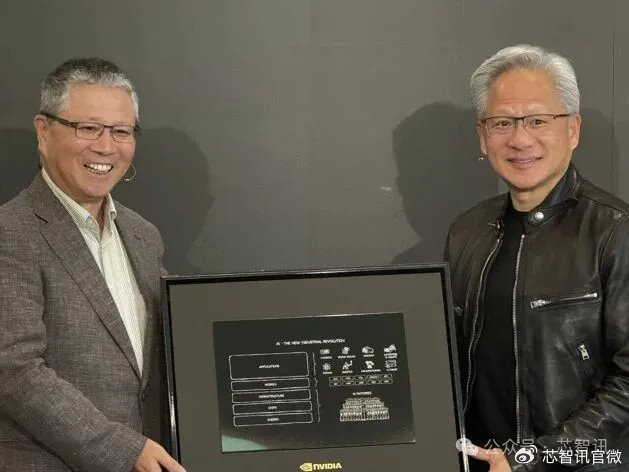
Wistron’s New D1 Factory in Texas Is Officially Launched! Huang Renxun: NVIDIA Needs More New Factories!当地时间7月21日,纬创举行美国德克萨斯州达拉斯新厂D1启用典礼,英伟达CEO黄仁勋特地到场祝贺,并与纬创董事长林宪铭共同揭幕新厂启用。
Wistron表示,新厂D1作为全球AI基础设施制造网络的重要基地,创下全美国第一片英伟达GB300计算基板诞生并成功量产。采用英伟达加速计算技术,并整合Nemotron与Cosmos等开放前沿模型,以及Omniverse与Metropolis,通过数字孪生技术优化厂房设计、生产流程与营运效率。这是纬创在美国设立的首座制造据点,提供在地化服务并生产辉达最具前瞻性的产品。
Wistron’s New D1 Factory in Texas Is Officially Launched! Huang Renxun: NVIDIA Needs More New Factories!
当地时间7月21日,纬创举行美国德克萨斯州达拉斯新厂D1启用典礼,英伟达CEO黄仁勋特地到场祝贺,并与纬创董事长林宪铭共同揭幕新厂启用。
Wistron表示,新厂D1作为全球AI基础设施制造网络的重要基地,创下全美国第一片英伟达GB300计算基板诞生并成功量产。采用英伟达加速计算技术,并整合Nemotron与Cosmos等开放前沿模型,以及Omniverse与Metropolis,通过数字孪生技术优化厂房设计、生产流程与营运效率。这是纬创在美国设立的首座制造据点,提供在地化服务并生产辉达最具前瞻性的产品。
Wistron表示,新厂D1作为全球AI基础设施制造网络的重要基地,创下全美国第一片英伟达GB300计算基板诞生并成功量产。采用英伟达加速计算技术,并整合Nemotron与Cosmos等开放前沿模型,以及Omniverse与Metropolis,通过数字孪生技术优化厂房设计、生产流程与营运效率。这是纬创在美国设立的首座制造据点,提供在地化服务并生产辉达最具前瞻性的产品。
97
·
--
Article
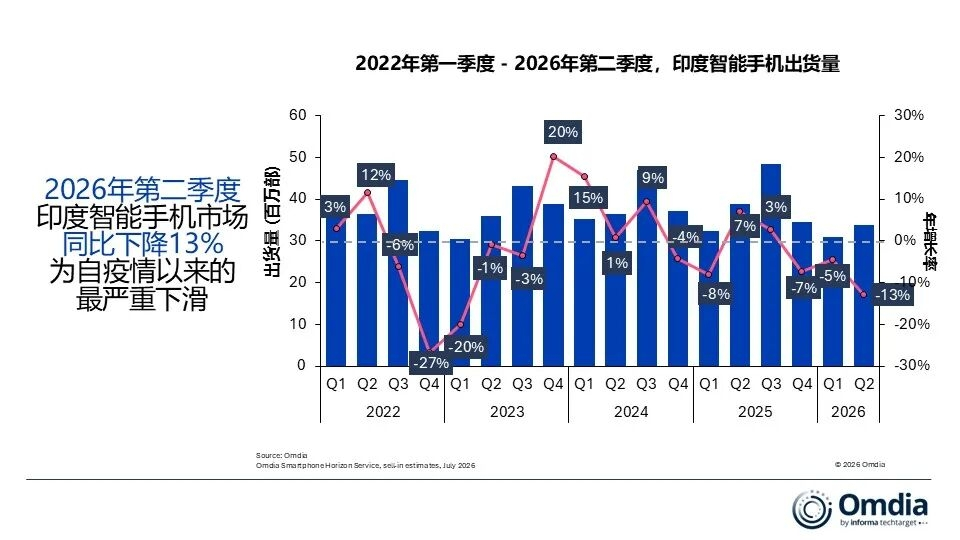
Omdia: India’s smartphone shipments in the second quarter fell 13% year over year; vivo remains No. 1 in the marketAccording to Omdia’s latest research, in the second quarter of 2026 India’s smartphone shipments fell year over year by 13%, dropping to 33.9 million units. Ongoing increases in memory costs have driven manufacturers to keep raising phone prices in succession, weakening the purchasing power of mainstream market consumers. In addition, factors such as consumers waiting for intensified holiday promotions to upgrade their devices, the depreciation of the Indian rupee, inflationary pressure, and weaker summer foot traffic in offline retail have further dampened market demand. Although new phone launches remained active in the second quarter, due to slower end-demand sales and continually rising channel inventory costs, vendors have remained cautious about replenishing inventory through channels.
Omdia: India’s smartphone shipments in the second quarter fell 13% year over year; vivo remains No. 1 in the market
According to Omdia’s latest research, in the second quarter of 2026 India’s smartphone shipments fell year over year by 13%, dropping to 33.9 million units. Ongoing increases in memory costs have driven manufacturers to keep raising phone prices in succession, weakening the purchasing power of mainstream market consumers. In addition, factors such as consumers waiting for intensified holiday promotions to upgrade their devices, the depreciation of the Indian rupee, inflationary pressure, and weaker summer foot traffic in offline retail have further dampened market demand. Although new phone launches remained active in the second quarter, due to slower end-demand sales and continually rising channel inventory costs, vendors have remained cautious about replenishing inventory through channels.
124
·
--
Hot AI investment demand drives new needs; Goldman Sachs builds a private equity direct investment platform for affluent individuals According to reports, Goldman Sachs has created a new platform to expand services for high-net-worth clients and family offices—clients whose demand for direct equity stakes in rapidly growing private companies is becoming increasingly strong.
According to an internal memo, the newly established “alternative investment platform” will integrate Goldman Sachs’ existing alternative asset management business with two newly formed teams.
The memo shows that the new team focuses on direct investments in individual private companies (rather than traditional private equity fund products), while also helping clients buy and sell these equities.
Hot AI investment demand drives new needs; Goldman Sachs builds a private equity direct investment platform for affluent individuals
According to reports, Goldman Sachs has created a new platform to expand services for high-net-worth clients and family offices—clients whose demand for direct equity stakes in rapidly growing private companies is becoming increasingly strong.
According to an internal memo, the newly established “alternative investment platform” will integrate Goldman Sachs’ existing alternative asset management business with two newly formed teams.
The memo shows that the new team focuses on direct investments in individual private companies (rather than traditional private equity fund products), while also helping clients buy and sell these equities.
According to an internal memo, the newly established “alternative investment platform” will integrate Goldman Sachs’ existing alternative asset management business with two newly formed teams.
The memo shows that the new team focuses on direct investments in individual private companies (rather than traditional private equity fund products), while also helping clients buy and sell these equities.
90
·
--

Article
With 2.19 million fewer vehicles sold in six months, the survival logic of China’s automakers has changedTwo replacement battles for driving growth are nearing their end, and China’s auto industry has entered the second half of competing based on system capabilities.
By Lin Jianlan
In the first half of this year, domestic retail sales of passenger vehicles totaled 8.714 million units, down by about 20% year on year—equivalent to selling 12,000 fewer vehicles per day than in the same period last year. Profit has fallen even earlier than sales. In 2025, the profit margin of China’s auto manufacturing industry dropped to 4.1%, the lowest since 2015.
Meanwhile, on-board storage chips, battery-grade lithium carbonate, and automotive metals have all continued to rise in price, pushing per-vehicle manufacturing costs up by 15,000 to 20,000 yuan. Chen Shihua, deputy secretary-general of the China Association of Automobile Manufacturers, said that in the first six months of this year, the average profit margin in the vehicle manufacturing segment was only 1.5%, nearly halving year on year. The capital market set off a chain reaction: in the A-share auto sector, market value fell by nearly 900 billion yuan in six months, while in Hong Kong, the cumulative decline in the new-energy vehicle sector exceeded 20%.
With 2.19 million fewer vehicles sold in six months, the survival logic of China’s automakers has changed
Two replacement battles for driving growth are nearing their end, and China’s auto industry has entered the second half of competing based on system capabilities.
By Lin Jianlan
In the first half of this year, domestic retail sales of passenger vehicles totaled 8.714 million units, down by about 20% year on year—equivalent to selling 12,000 fewer vehicles per day than in the same period last year. Profit has fallen even earlier than sales. In 2025, the profit margin of China’s auto manufacturing industry dropped to 4.1%, the lowest since 2015.
Meanwhile, on-board storage chips, battery-grade lithium carbonate, and automotive metals have all continued to rise in price, pushing per-vehicle manufacturing costs up by 15,000 to 20,000 yuan. Chen Shihua, deputy secretary-general of the China Association of Automobile Manufacturers, said that in the first six months of this year, the average profit margin in the vehicle manufacturing segment was only 1.5%, nearly halving year on year. The capital market set off a chain reaction: in the A-share auto sector, market value fell by nearly 900 billion yuan in six months, while in Hong Kong, the cumulative decline in the new-energy vehicle sector exceeded 20%.
By Lin Jianlan
In the first half of this year, domestic retail sales of passenger vehicles totaled 8.714 million units, down by about 20% year on year—equivalent to selling 12,000 fewer vehicles per day than in the same period last year. Profit has fallen even earlier than sales. In 2025, the profit margin of China’s auto manufacturing industry dropped to 4.1%, the lowest since 2015.
Meanwhile, on-board storage chips, battery-grade lithium carbonate, and automotive metals have all continued to rise in price, pushing per-vehicle manufacturing costs up by 15,000 to 20,000 yuan. Chen Shihua, deputy secretary-general of the China Association of Automobile Manufacturers, said that in the first six months of this year, the average profit margin in the vehicle manufacturing segment was only 1.5%, nearly halving year on year. The capital market set off a chain reaction: in the A-share auto sector, market value fell by nearly 900 billion yuan in six months, while in Hong Kong, the cumulative decline in the new-energy vehicle sector exceeded 20%.
TSLA+0.71%
TSLAUS+0.13%
79
·
--
Ctrip’s Liang Jianzhang: Break away from travel default templates and explore a new paradigm for cultural and tourism experiences for multi-child familiesSource: Global Times
【Global Times Finance Report, Reporter Wang Nan】During the summer travel season, the family travel market has entered a peak period. The travel pain points of the group of multi-child families with tens of millions of cases have become a new challenge for tourism industry supply-chain transformation. For a long time, tourism service systems such as accommodation room types, airline ticketing, and scenic-area package tickets have largely followed the traditional design template of “two adults and one child,” making it difficult to meet the real travel needs of families with three or more children. Liang Jianzhang, co-founder of Ctrip, said in an interview with a reporter that Ctrip is carrying out an end-to-end service overhaul aimed at multi-child families, covering multiple areas including hotel room types, flight booking, scenic-area ticketing, and the platform information system. By systematically addressing current service shortcomings, Ctrip is working to create a family-friendly tourism service model that can be replicated and promoted.
Ctrip’s Liang Jianzhang: Break away from travel default templates and explore a new paradigm for cultural and tourism experiences for multi-child families
Source: Global Times
【Global Times Finance Report, Reporter Wang Nan】During the summer travel season, the family travel market has entered a peak period. The travel pain points of the group of multi-child families with tens of millions of cases have become a new challenge for tourism industry supply-chain transformation. For a long time, tourism service systems such as accommodation room types, airline ticketing, and scenic-area package tickets have largely followed the traditional design template of “two adults and one child,” making it difficult to meet the real travel needs of families with three or more children. Liang Jianzhang, co-founder of Ctrip, said in an interview with a reporter that Ctrip is carrying out an end-to-end service overhaul aimed at multi-child families, covering multiple areas including hotel room types, flight booking, scenic-area ticketing, and the platform information system. By systematically addressing current service shortcomings, Ctrip is working to create a family-friendly tourism service model that can be replicated and promoted.
【Global Times Finance Report, Reporter Wang Nan】During the summer travel season, the family travel market has entered a peak period. The travel pain points of the group of multi-child families with tens of millions of cases have become a new challenge for tourism industry supply-chain transformation. For a long time, tourism service systems such as accommodation room types, airline ticketing, and scenic-area package tickets have largely followed the traditional design template of “two adults and one child,” making it difficult to meet the real travel needs of families with three or more children. Liang Jianzhang, co-founder of Ctrip, said in an interview with a reporter that Ctrip is carrying out an end-to-end service overhaul aimed at multi-child families, covering multiple areas including hotel room types, flight booking, scenic-area ticketing, and the platform information system. By systematically addressing current service shortcomings, Ctrip is working to create a family-friendly tourism service model that can be replicated and promoted.
60
·
--
Nvidia (NVDA.US) Invests in Nebius (NBIS.US); IREN and Hut 8 Win a Billion-Dollar+ Deal—AI Cloud Track Takes OffAccording to a Woofun AI report, the stock prices of independent compute power operators IREN (IREN.US), Hut 8 (HUT.US), and Nebius (NBIS.US) all moved sharply together. The key driving force is that Nvidia (NVDA.US) disclosed in an SEC filing that it holds a 9.3% beneficial ownership interest in Nebius, along with the fact that the first two companies respectively secured massive cloud computing orders.
This series of events marks the neocloud track officially entering a capital-intensive surge period. Wall Street analyst Zhao Ying points out that the construction bottlenecks facing hyperscale cloud service providers are forcing tech giants to accelerate infrastructure spending spilling over to third-party vendors, opening up enormous market space for independent operators.
Nvidia (NVDA.US) Invests in Nebius (NBIS.US); IREN and Hut 8 Win a Billion-Dollar+ Deal—AI Cloud Track Takes Off
According to a Woofun AI report, the stock prices of independent compute power operators IREN (IREN.US), Hut 8 (HUT.US), and Nebius (NBIS.US) all moved sharply together. The key driving force is that Nvidia (NVDA.US) disclosed in an SEC filing that it holds a 9.3% beneficial ownership interest in Nebius, along with the fact that the first two companies respectively secured massive cloud computing orders.
This series of events marks the neocloud track officially entering a capital-intensive surge period. Wall Street analyst Zhao Ying points out that the construction bottlenecks facing hyperscale cloud service providers are forcing tech giants to accelerate infrastructure spending spilling over to third-party vendors, opening up enormous market space for independent operators.
This series of events marks the neocloud track officially entering a capital-intensive surge period. Wall Street analyst Zhao Ying points out that the construction bottlenecks facing hyperscale cloud service providers are forcing tech giants to accelerate infrastructure spending spilling over to third-party vendors, opening up enormous market space for independent operators.
114
·
--
Regulatory Shuffle, Track Differentiation: The Offense, Defense, and Breakthroughs of Three Major Content E-Commerce Platforms in 2026Text | New Entropy Sisi
Editor | Jiu Li
Nowadays, content e-commerce is no longer a “new species,” but has become a full-fledged player. Under the new rule set, the three platforms represented by Douyin, Kuaishou, and Xiaohongshu have faced three different “fates.” The game of checks and balances among regulators, platforms, and merchants also forms the most compelling narrative to document at the current stage of content e-commerce.
On February 1, 2026, China’s first departmental regulation specifically governing livestream e-commerce (the Measures for the Supervision and Administration of Livestream E-commerce) will come into effect. It mainly focuses on four categories of entities—platform operators, livestream-room operators, livestream marketing personnel, and MCN organizations—tightening accountability and setting red lines. Seemingly routine, its impact on platforms and merchants is profound.
Regulatory Shuffle, Track Differentiation: The Offense, Defense, and Breakthroughs of Three Major Content E-Commerce Platforms in 2026
Text | New Entropy Sisi
Editor | Jiu Li
Nowadays, content e-commerce is no longer a “new species,” but has become a full-fledged player. Under the new rule set, the three platforms represented by Douyin, Kuaishou, and Xiaohongshu have faced three different “fates.” The game of checks and balances among regulators, platforms, and merchants also forms the most compelling narrative to document at the current stage of content e-commerce.
On February 1, 2026, China’s first departmental regulation specifically governing livestream e-commerce (the Measures for the Supervision and Administration of Livestream E-commerce) will come into effect. It mainly focuses on four categories of entities—platform operators, livestream-room operators, livestream marketing personnel, and MCN organizations—tightening accountability and setting red lines. Seemingly routine, its impact on platforms and merchants is profound.
Editor | Jiu Li
Nowadays, content e-commerce is no longer a “new species,” but has become a full-fledged player. Under the new rule set, the three platforms represented by Douyin, Kuaishou, and Xiaohongshu have faced three different “fates.” The game of checks and balances among regulators, platforms, and merchants also forms the most compelling narrative to document at the current stage of content e-commerce.
On February 1, 2026, China’s first departmental regulation specifically governing livestream e-commerce (the Measures for the Supervision and Administration of Livestream E-commerce) will come into effect. It mainly focuses on four categories of entities—platform operators, livestream-room operators, livestream marketing personnel, and MCN organizations—tightening accountability and setting red lines. Seemingly routine, its impact on platforms and merchants is profound.
73
·
--
A-share matters: six major positive signals are being released in a concentrated burstRecently, China’s A-share market has shown a volatile and adjusting trend, and investor sentiment has fluctuated. However, just as disagreements among market participants have intensified, multiple positive signals are being released in quick succession—from the CSRC holding an investor symposium to solicit opinions and suggestions, to state-owned capital operation companies announcing share purchases; from listed companies’ ongoing share buybacks and increased holdings, to more than 700 listed companies reporting better-than-expected interim results; from funds and institutions buying in, to net inflows of funds into broad-based ETFs exceeding 150 billion yuan over the past week… With a stack of favorable developments, investor expectations for stabilizing the market have been strengthened.
CSRC holds an investor symposium
On July 20, the CSRC held an investor symposium to solicit opinions and suggestions. This is an important move by the regulator to face the market directly and listen to investors’ voices.
A-share matters: six major positive signals are being released in a concentrated burst
Recently, China’s A-share market has shown a volatile and adjusting trend, and investor sentiment has fluctuated. However, just as disagreements among market participants have intensified, multiple positive signals are being released in quick succession—from the CSRC holding an investor symposium to solicit opinions and suggestions, to state-owned capital operation companies announcing share purchases; from listed companies’ ongoing share buybacks and increased holdings, to more than 700 listed companies reporting better-than-expected interim results; from funds and institutions buying in, to net inflows of funds into broad-based ETFs exceeding 150 billion yuan over the past week… With a stack of favorable developments, investor expectations for stabilizing the market have been strengthened.
CSRC holds an investor symposium
On July 20, the CSRC held an investor symposium to solicit opinions and suggestions. This is an important move by the regulator to face the market directly and listen to investors’ voices.
CSRC holds an investor symposium
On July 20, the CSRC held an investor symposium to solicit opinions and suggestions. This is an important move by the regulator to face the market directly and listen to investors’ voices.
18
·
--

Article
Trump Administration Goes Big With Equity Stakes in Companies, Voters Generally Wary of Government Holdings Key points
A nationwide economic poll shows: 49% of U.S. voters believe it is not appropriate for the federal government to hold equity in domestic companies, and the number of people who oppose this far exceeds the 19% who support it.
The U.S. government has reached equity participation agreements with dozens of companies, holding a 10% stake in the chip giant Intel, with the corresponding market value now reaching hundreds of billions of dollars.
The Trump administration has defended this equity-holding policy, but Republican lawmakers in the Senate have called on the government to act with caution.
The latest nationwide economic survey results across the U.S. show that nearly half of Americans do not approve of the federal government’s practice of taking equity stakes in domestic companies.
Trump Administration Goes Big With Equity Stakes in Companies, Voters Generally Wary of Government Holdings
Key points
A nationwide economic poll shows: 49% of U.S. voters believe it is not appropriate for the federal government to hold equity in domestic companies, and the number of people who oppose this far exceeds the 19% who support it.
The U.S. government has reached equity participation agreements with dozens of companies, holding a 10% stake in the chip giant Intel, with the corresponding market value now reaching hundreds of billions of dollars.
The Trump administration has defended this equity-holding policy, but Republican lawmakers in the Senate have called on the government to act with caution.
The latest nationwide economic survey results across the U.S. show that nearly half of Americans do not approve of the federal government’s practice of taking equity stakes in domestic companies.
A nationwide economic poll shows: 49% of U.S. voters believe it is not appropriate for the federal government to hold equity in domestic companies, and the number of people who oppose this far exceeds the 19% who support it.
The U.S. government has reached equity participation agreements with dozens of companies, holding a 10% stake in the chip giant Intel, with the corresponding market value now reaching hundreds of billions of dollars.
The Trump administration has defended this equity-holding policy, but Republican lawmakers in the Senate have called on the government to act with caution.
The latest nationwide economic survey results across the U.S. show that nearly half of Americans do not approve of the federal government’s practice of taking equity stakes in domestic companies.
89
Log in to explore more content
Join global crypto users on Binance Square
⚡️ Get latest and useful information about crypto.
💬 Trusted by the world’s largest crypto exchange.
👍 Discover real insights from verified creators.
Email / Phone number
Trending Topics
FedRateWatch
1.5M views
6,777 Discussing
Share & Win Traffic Reward in our Trending Hashtag Campaign
✨Topic: FOMC September, What's The Fed's Next Move?
👉How to Join:
Publish a short post or article with hashtag #FedRateWatch
Create content based on the below angles:
- August core CPI rose 0.3% month-over-month, and the odds of a 25bp hike this week are now close to 90%. Do you anticipate a rate hike this week? Is it a one-off, or the start of a longer hiking cycle?
- If the hike lands, how does it play out for BTC, tech stocks, and gold? Bullish or bearish?
- How are you planning to trade next? Share your BTC, stocks or gold trade/holdings with our trade sharing widget.
⏰Campaign Period:
- 2026-09-15 11:00 - 2026-09-17 3:00 UTC
🎁Reward:
- Qualified posts that comply with the above guidelines and contain more than 100 words will be reviewed and may receive a random traffic boost of 500 to 3,000 views. You will receive a notification from your feed secretary if your post is selected.
- Get a chance to have your article featured on Binance Square Official
Need ideas for your post? Visit the topic page #FedRateWatch or the Square Guide on How to Post for Better Reach.
Binance Square Official
·650 Likes
·1.7M views
ZcashRises6%
55,420 views
675 Discussing
XRPSinks10%
37,168 views
441 Discussing