
美中不足也是美
57 Posts

美中不足也是美
Report
Block User
知足常乐,知行合一!
High-Frequency Trader
2 Years
75 Following
368 Followers
80 Liked
Posts
·
--
Verified
In 1620, the Puritans aboard the Mayflower arrived in North America, where they suffered many deaths during their first winter. The local Wampanoag people reached out to help, teaching them how to farm and hunt. After a bountiful harvest the following year, the settlers held a feast of thanksgiving and celebrated with the Indigenous people.
The day after Thanksgiving comes Black Friday, which kicks off the Christmas shopping season and is also a well-known U.S. stock market holiday closure.
On American Thanksgiving, can Asian markets still post gains? $SOXL
2
1
1.1k
·
--
The Double 11 sale is over! We're now waiting to see whether the Double 12 interest rate increase will also be discounted! $BTC $BNB #SOX
The Double 11 sale is over! We're now waiting to see whether the Double 12 interest rate increase will also be discounted! $BTC $BNB #SOX
1
799
·
--
Semiconductors are in a period of bottoming-out competition following a repricing of expectations. The market is no longer following the one-way valuation expansion trend seen in the first half of the year; instead, it has entered a highly volatile window in which macro interest rates, the AI capital expenditure cycle, and investor sentiment are pulling in different directions. Market data show that after a run of profit-taking and panic selling, forward valuations have fallen close to historical lows. Some institutions estimate that the forward P/E ratio is approaching 13.7x, leaving only a limited downside buffer before reaching the historical low of around 12x. This has further widened the divide in the market: bullish investors are beginning to look for opportunities to build positions in stages, while bears continue to bet on a second leg down if capital expenditure falls short of expectations. #SOX #BTC
Semiconductors are in a period of bottoming-out competition following a repricing of expectations. The market is no longer following the one-way valuation expansion trend seen in the first half of the year; instead, it has entered a highly volatile window in which macro interest rates, the AI capital expenditure cycle, and investor sentiment are pulling in different directions. Market data show that after a run of profit-taking and panic selling, forward valuations have fallen close to historical lows. Some institutions estimate that the forward P/E ratio is approaching 13.7x, leaving only a limited downside buffer before reaching the historical low of around 12x. This has further widened the divide in the market: bullish investors are beginning to look for opportunities to build positions in stages, while bears continue to bet on a second leg down if capital expenditure falls short of expectations. #SOX #BTC
1
1.3k
·
--
#SOXL走势分析 The risks to this asset cannot be ignored. If inflation continues to exceed expectations and the Fed keeps interest rates high or even raises them further, valuations could fall to an even lower floor. If cloud providers slash budgets on a large scale, causing a hard landing in spending on computing infrastructure, earnings expectations across the entire industry chain could be revised down a second time. Geopolitical tensions, export controls, and mismatches in capacity cycles could also become new triggers at any moment. Overall, the current SOX is neither the “end of a crash” nor “a rock-bottom level to load up on without a second thought”; it looks more like a valuation shakeout midway through a bull market. For traders, giving up on one-way bets, focusing on scaling into dips, using options for tail-risk protection, and strictly controlling leverage and position sizes may be better suited to the current environment. This bottoming-out process is likely to end for real only when macro conditions, capital flows, and fundamentals align and confirm the turn.
#SOXL走势分析 The risks to this asset cannot be ignored. If inflation continues to exceed expectations and the Fed keeps interest rates high or even raises them further, valuations could fall to an even lower floor. If cloud providers slash budgets on a large scale, causing a hard landing in spending on computing infrastructure, earnings expectations across the entire industry chain could be revised down a second time. Geopolitical tensions, export controls, and mismatches in capacity cycles could also become new triggers at any moment. Overall, the current SOX is neither the “end of a crash” nor “a rock-bottom level to load up on without a second thought”; it looks more like a valuation shakeout midway through a bull market. For traders, giving up on one-way bets, focusing on scaling into dips, using options for tail-risk protection, and strictly controlling leverage and position sizes may be better suited to the current environment. This bottoming-out process is likely to end for real only when macro conditions, capital flows, and fundamentals align and confirm the turn.
3
1
1.2k
·
--
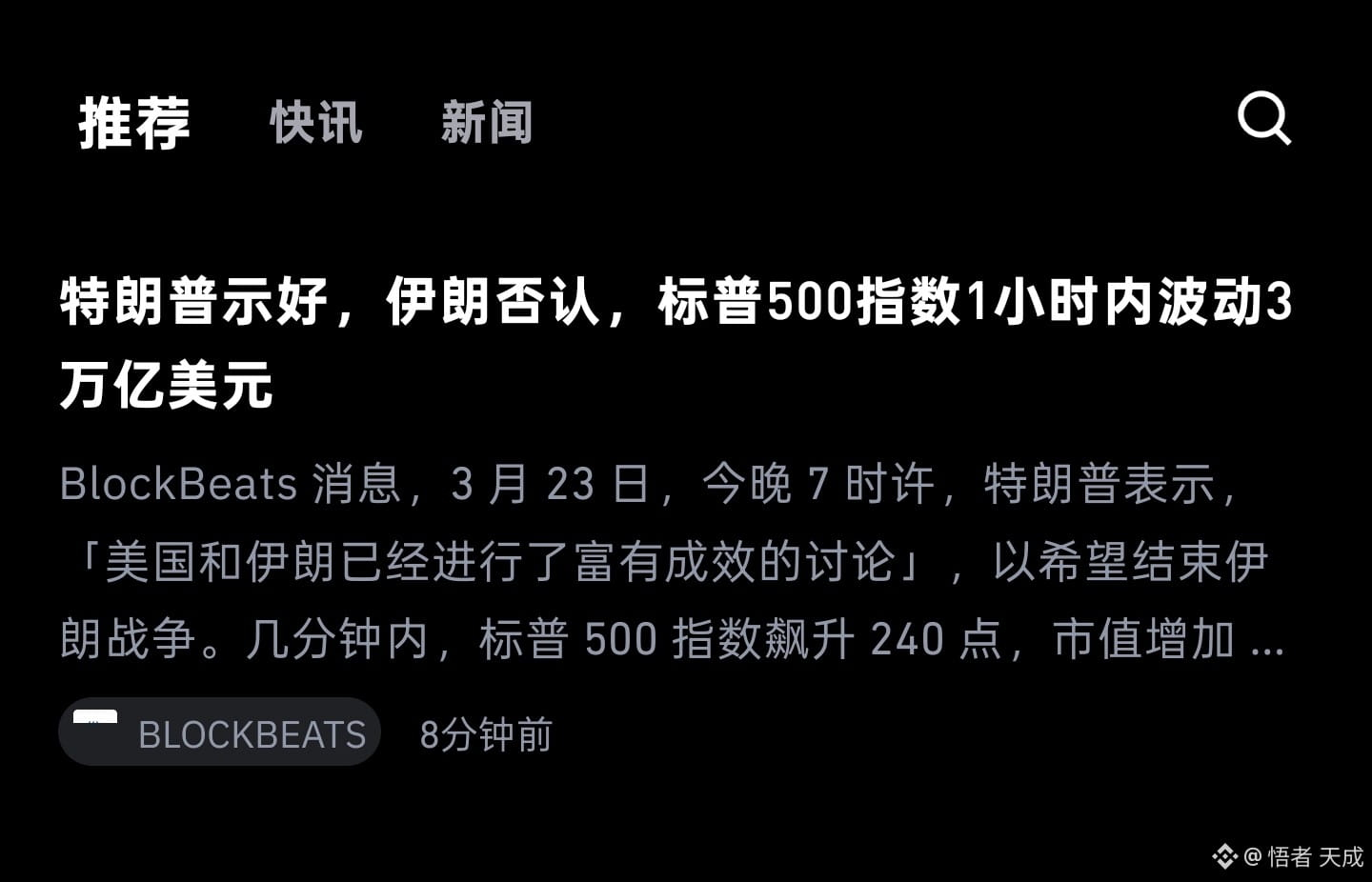
Understanding Wang is just how he plays! K-line drawn by himself
Understanding Wang is just how he plays! K-line drawn by himself

1
1
857
·
--
You know me, no matter what happens, I will still say this: I will find a way.
You know me, no matter what happens, I will still say this: I will find a way.
1
258
Log in to explore more content
Join global crypto users on Binance Square
⚡️ Get latest and useful information about crypto.
💬 Trusted by the world’s largest crypto exchange.
👍 Discover real insights from verified creators.
Email / Phone number
Trending Topics
CanMarketsReboundAfterThanksgiving?
12,859 views
313 Discussing
Rate-Hike Bets Linger as US Markets Head Into Thanksgiving Closure
Binance News
·1 Likes
·1.2k views
CouldSpaceX’sOrbitalDataCentersBoostAIChipDemand?
8,481 views
201 Discussing
EvolveAtBinanceBlockchainWeek
652,248 views
6,886 Discussing