
Danieljean
43 Posts

Danieljean
Report
Block User
7 Following
34 Followers
54 Liked
Posts
All
Quotes
·
--
🚨 The biggest theft in history or conspiracy theories? What we know after the security incident at Binance 🛑
The crypto ecosystem can't stop talking about what happened: a massive cyberattack that affected billions of dollars in assets, marking one of the biggest security challenges in the industry's history. As expected, social media has been flooded with theories, but how much of it is true? Let's break it down:
🔍 The facts according to the investigation:
The origin: Initial reports and blockchain analytics firms (such as TRM Labs and Chainalysis) point with a high degree of confidence to TraderTraitor, a cyberattack unit linked to North Korea, using sophisticated social engineering methods and compromised access.
Response and secured funds: Binance confirmed that it will cover all the losses using the SAFU fund and the company's own resources, and that it managed to freeze a massive portion of the funds with the help of stablecoin issuers and industry partners.
🌪️ The theories circulating in the community:
An inside job? Many users are speculating about internal failures, although technical investigations point to external breaches and attacks on engineering endpoints.
🗣️ Political and market speculation: With conspiracies ranging from alleged corporate maneuvers to connections with public figures, the reality is that so far there is no public evidence to support these rumors.
💡 The real lesson for traders:
Beyond the media noise and conspiracy theories, this event reminds us of the importance of institutional resilience, swift global cooperation to freeze funds, and the enduring golden rule of long-term asset custody. $BTC $USDC
What do you think? Do you believe cybersecurity at exchanges will be able to fully protect them against this level of state-sponsored threats? Share your thoughts in the comments! 👇
#Binance #Ciberseguridad #CryptoNews #BinanceSquare #Blockchain

1
137
·
--
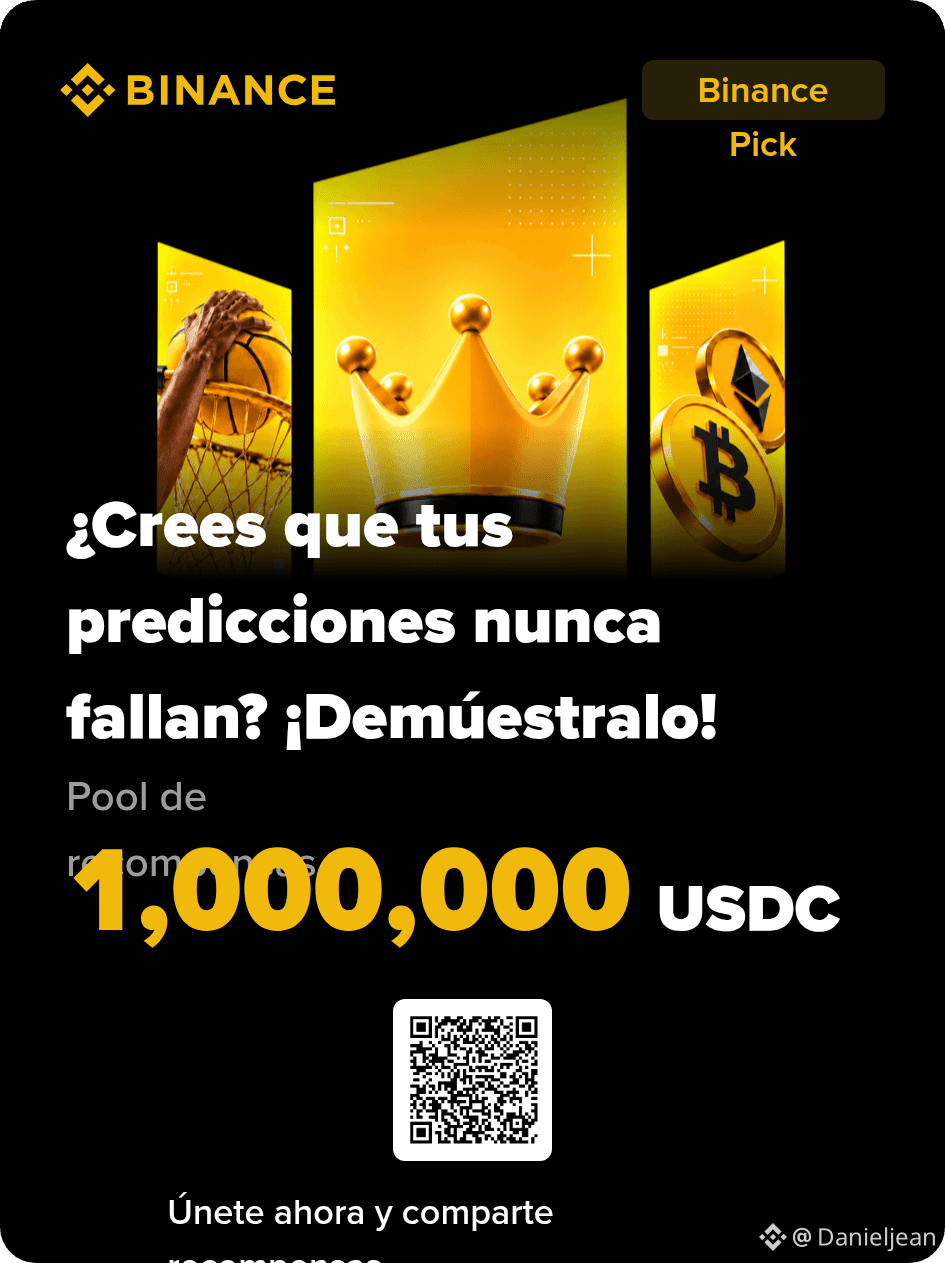
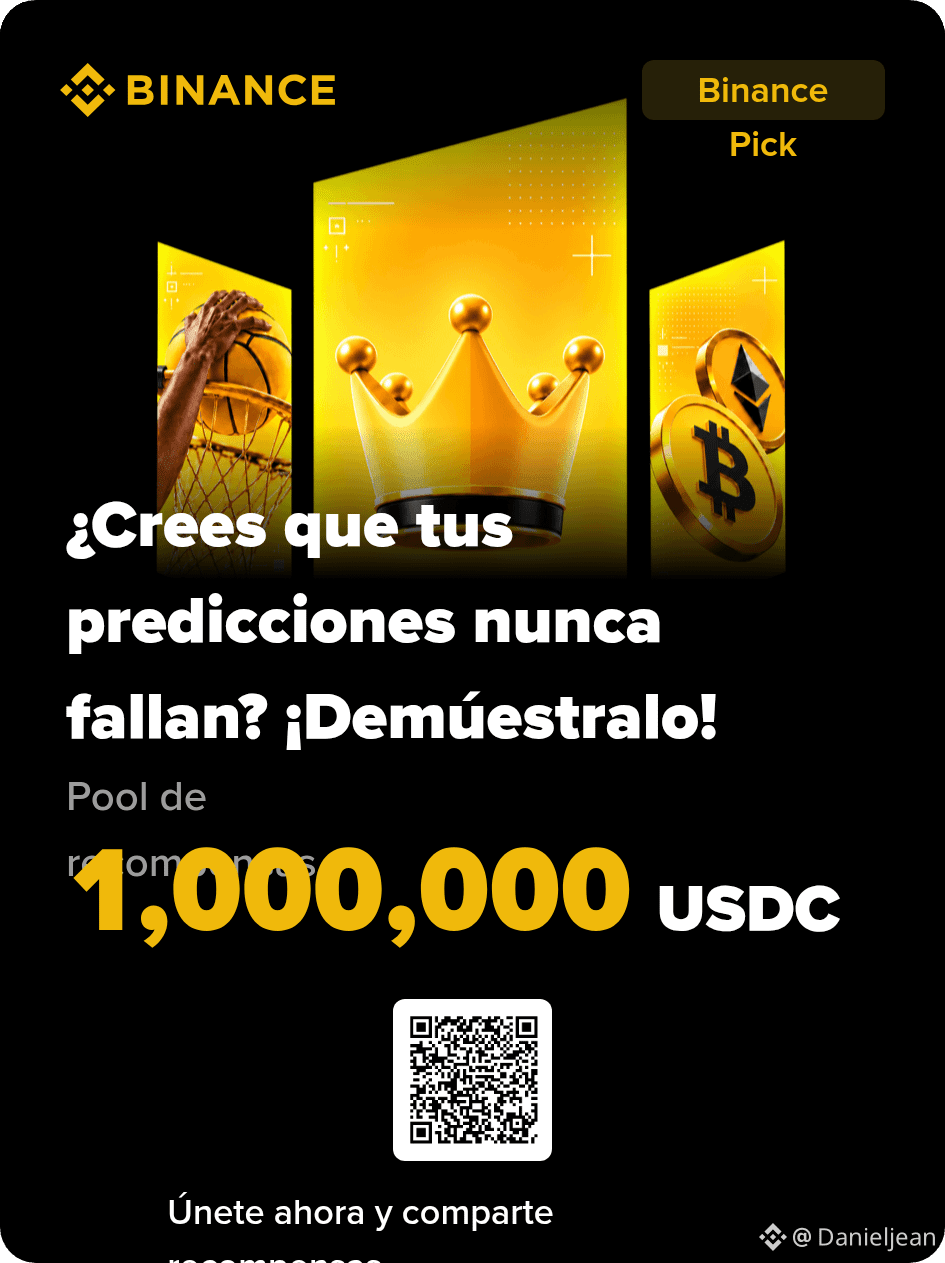
Do you trust your analysis and believe your predictions never fail? It’s time to prove it in #BinancePick.
🔥 Compete for a share of the huge 1,000,000 USDC prize pool and put your market vision to the test.
📈 Don’t miss out—take on the challenge and show everyone who’s the boss of predictions! 🚀
#Binance #Crypto #Trading #BinanceSquare #BinancePick
🔥 Compete for a share of the huge 1,000,000 USDC prize pool and put your market vision to the test.
📈 Don’t miss out—take on the challenge and show everyone who’s the boss of predictions! 🚀
#Binance #Crypto #Trading #BinanceSquare #BinancePick
·
--
Prove that your predictions never fail and claim your share of the prize! 🚀
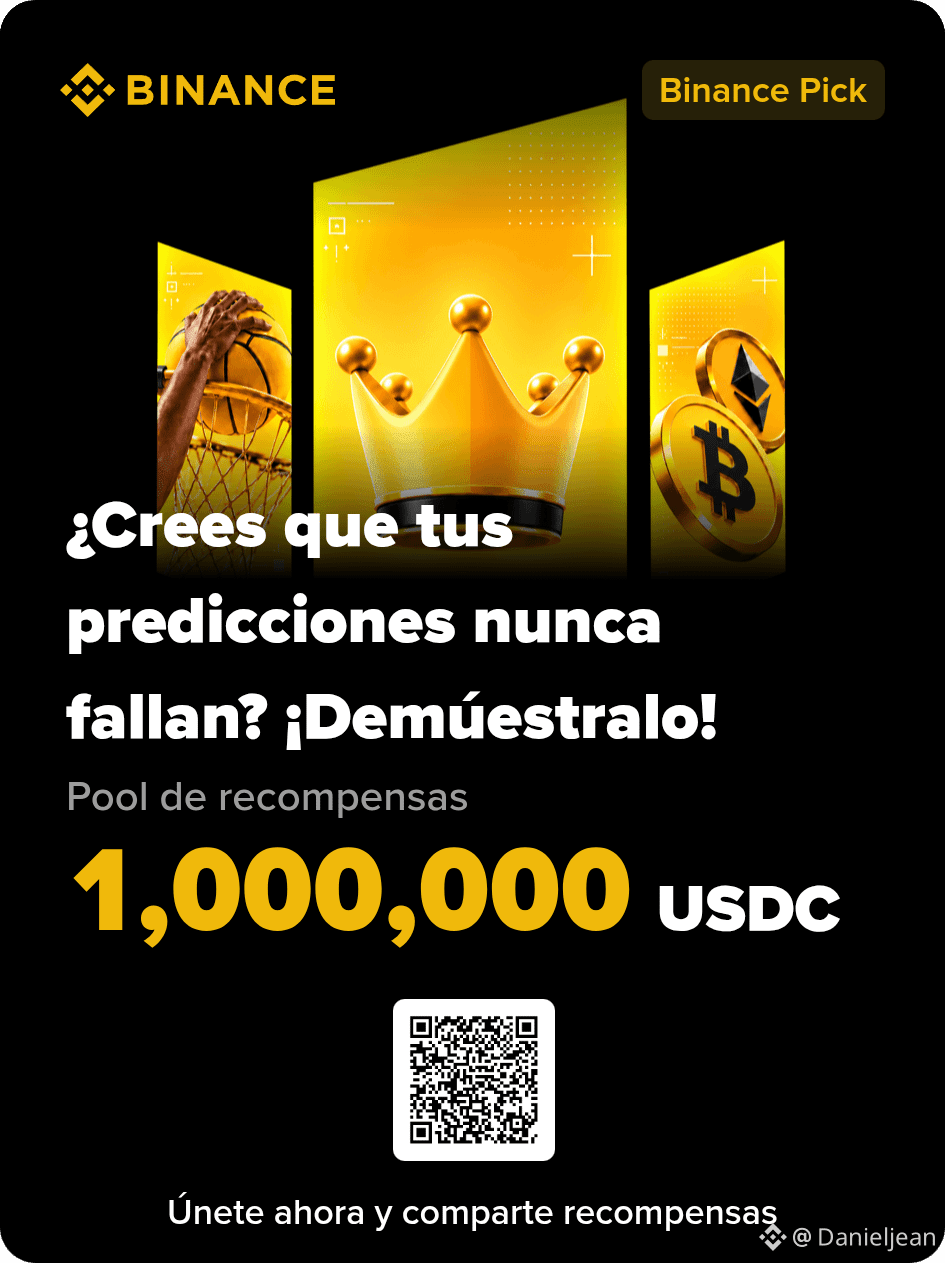
Got a good eye for the market? It’s time to prove it in #BinancePick. Don’t miss your chance to compete for a reward pool of 1,000,000.
Comment your prediction below and share this post so others can join the challenge too. Let the betting begin! 📈#BinancePick
Got a good eye for the market? It’s time to prove it in #BinancePick. Don’t miss your chance to compete for a reward pool of 1,000,000.
Comment your prediction below and share this post so others can join the challenge too. Let the betting begin! 📈#BinancePick
·
--
Bullish
Do you trust your market analysis and predictions? It’s time to prove it! 🧠⚡
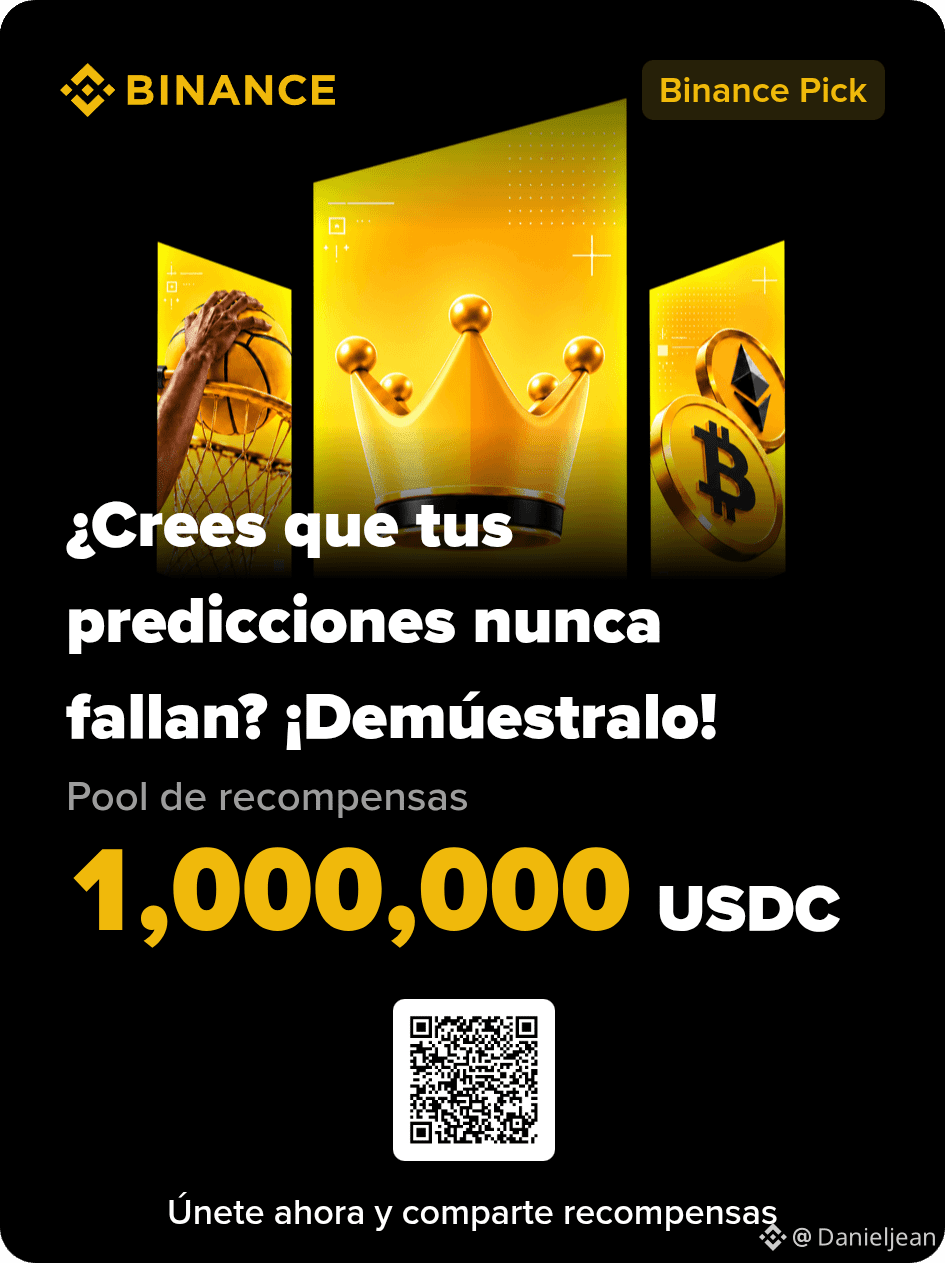
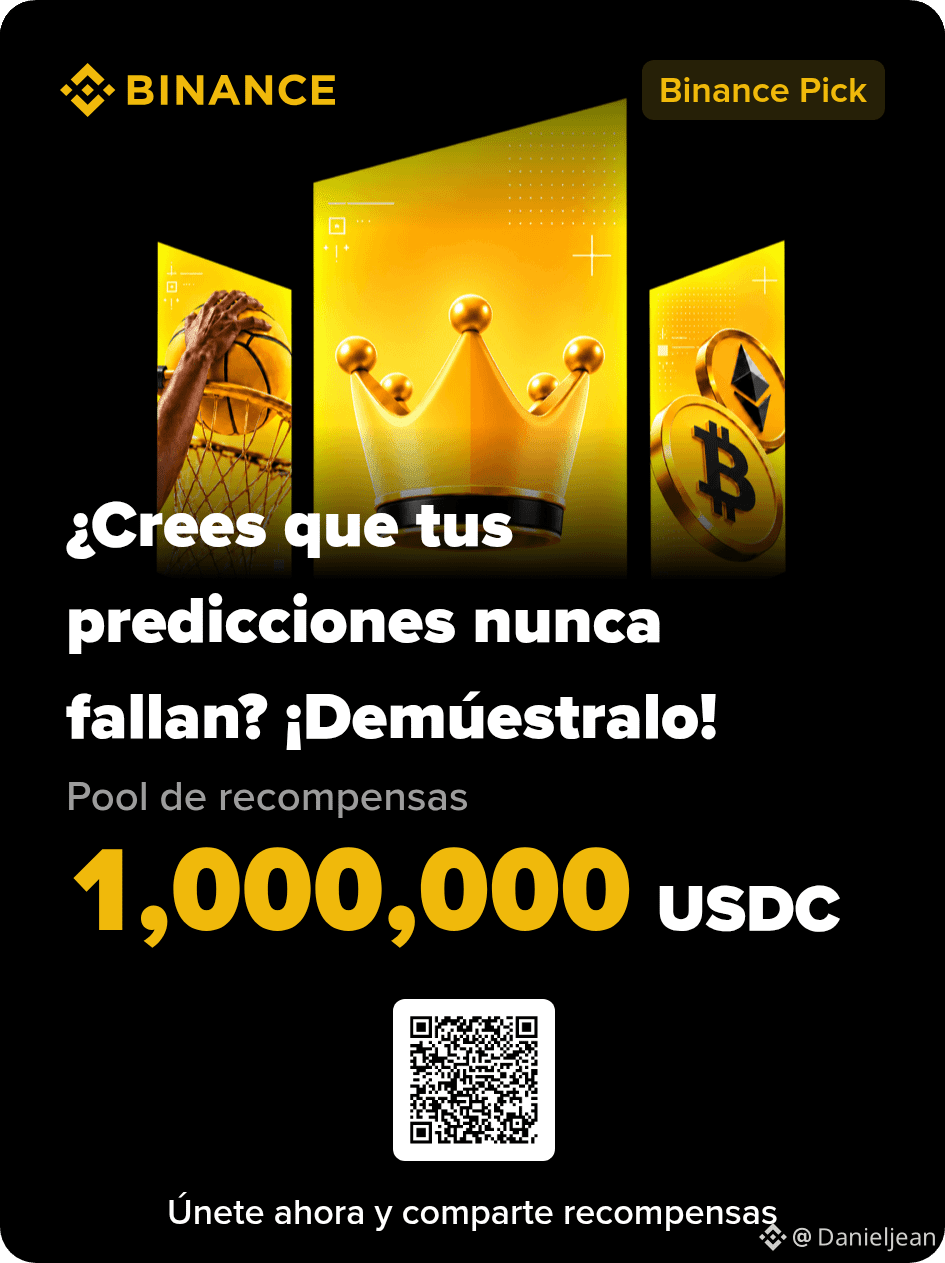
• Join event #BinancePick and compete for a share of the massive 1,000,000 USDC prize pool.
• Test your market insight.
• Showcase your best insights and predictions.
• Win rewards in USDC.
Scan the QR code in the image to join now. 👇
#BINANCE #USDC #BinancePick #BinancePick
• Join event #BinancePick and compete for a share of the massive 1,000,000 USDC prize pool.
• Test your market insight.
• Showcase your best insights and predictions.
• Win rewards in USDC.
Scan the QR code in the image to join now. 👇
#BINANCE #USDC #BinancePick #BinancePick
·
--
Do you trust your market analysis and predictions? It's time to prove it! 🧠⚡
•Take part in event #BinancePick and compete for a share of the massive 1,000,000 USDC prize pool.
•Put your market insight to the test.
•Show off your best insights and predictions.
•Win rewards in USDC.
Scan the QR code in the image to join right now. 👇
#BINANCE #USDC #BinanceSquare #BinancePick
•Take part in event #BinancePick and compete for a share of the massive 1,000,000 USDC prize pool.
•Put your market insight to the test.
•Show off your best insights and predictions.
•Win rewards in USDC.
Scan the QR code in the image to join right now. 👇
#BINANCE #USDC #BinanceSquare #BinancePick
1
·
--
Bullish
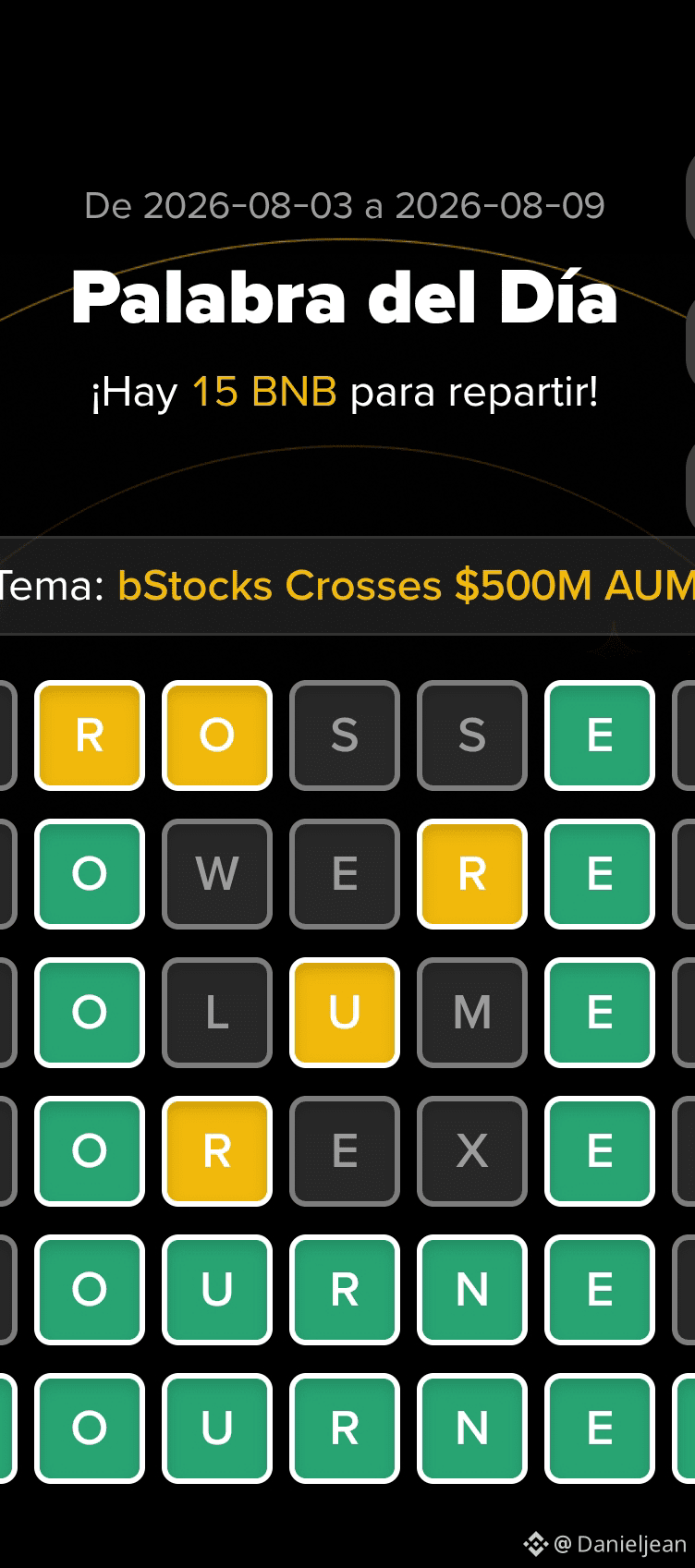
1 hour guessing the correct word, but I did it. #WOTD #Palabrasdeldia #binancescuare
$BNB $USDT $BTC
1 hour guessing the correct word, but I did it. #WOTD #Palabrasdeldia #binancescuare
$BNB $USDT $BTC
$BNB $USDT $BTC
43
·
--
Bullish
An uncomfortable truth about the crypto world:
The biggest enemy of your portfolio is not a bear market, nor whales—we are ourselves when we let emotions decide for us! $BTC $SOL $BNB
What has been your biggest lesson (or stumble) since you entered this world? I’m reading your comments so I know I’m not the only one! 👇
#BinanceSquare #PsicologiaTrading #CriptoReflexion

236
·
--
Bullish
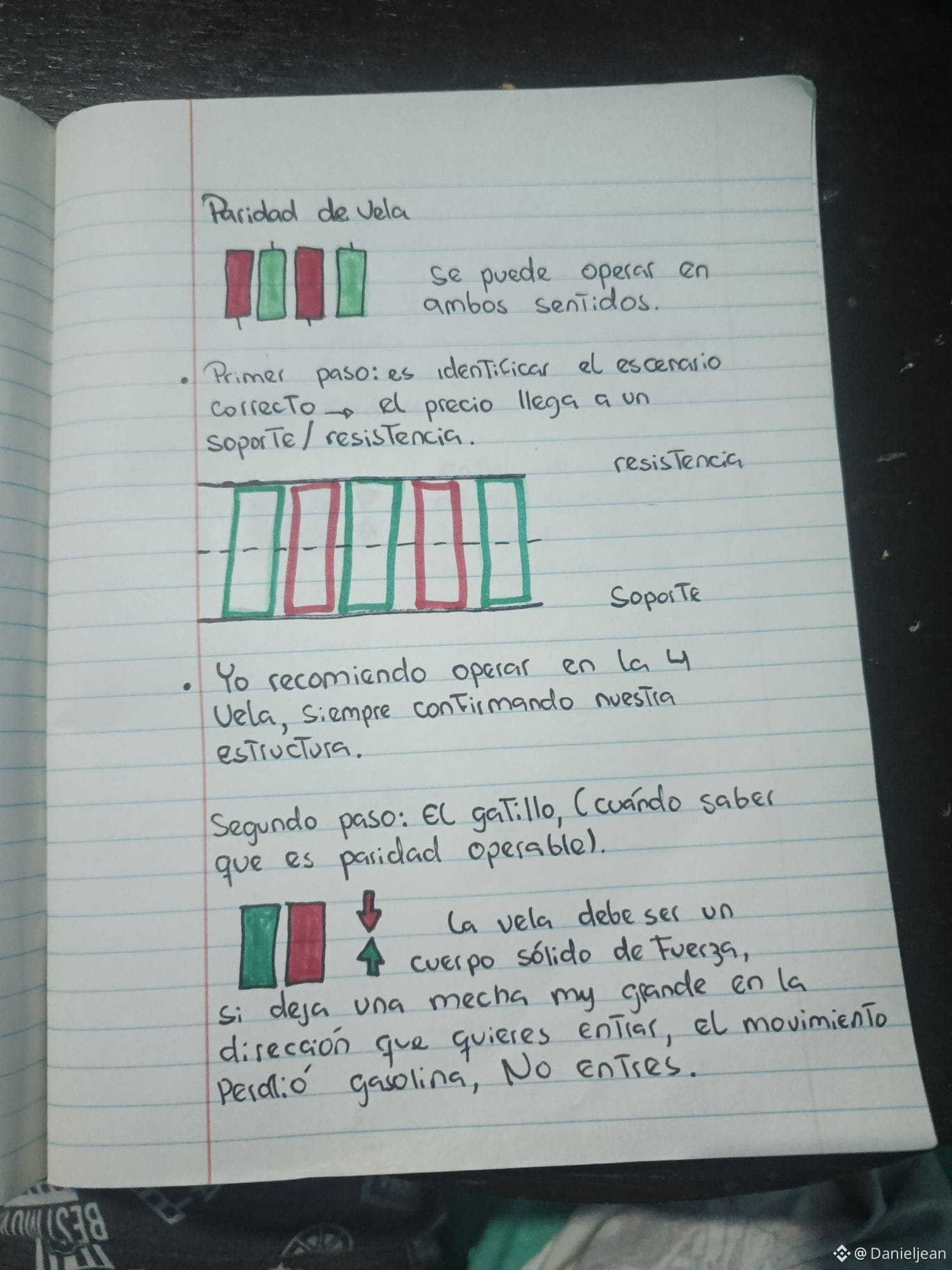
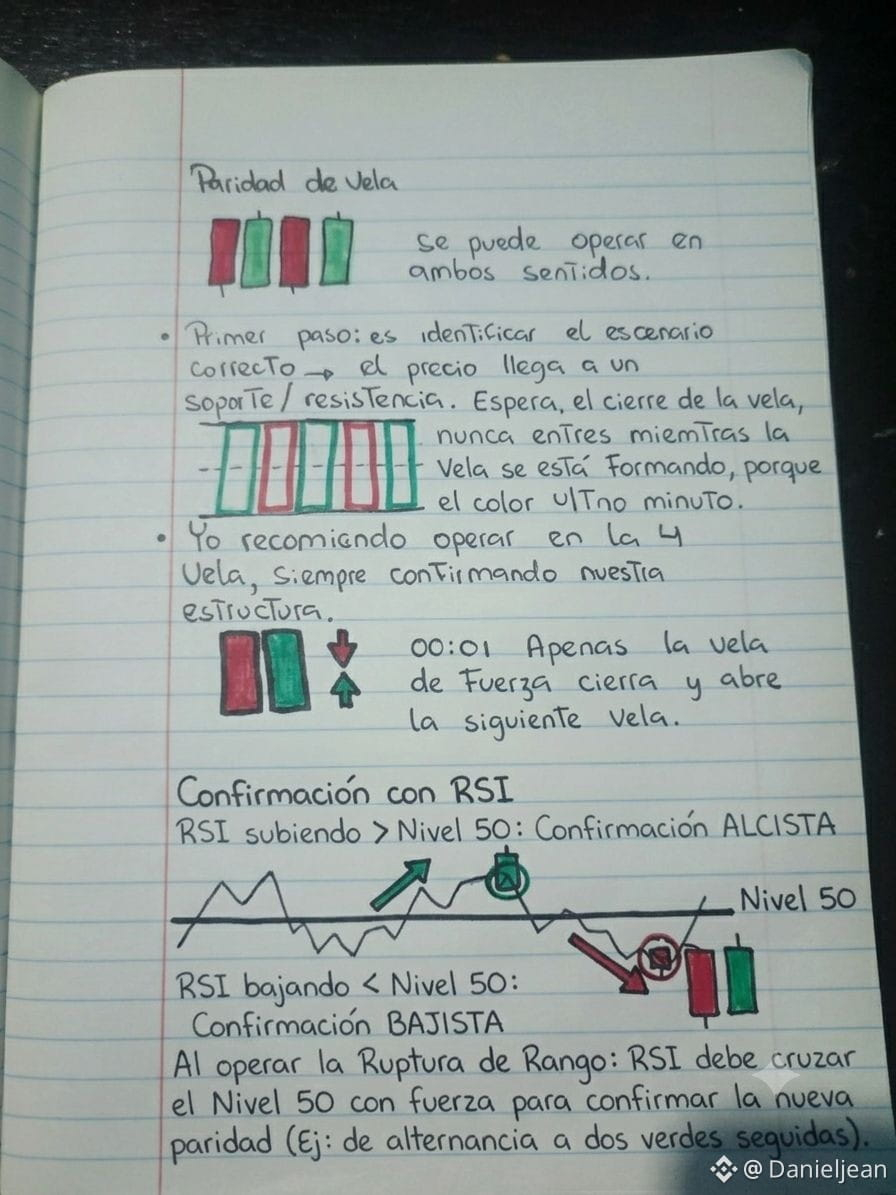
How to Confirm and Trade Candle Parity in Scalping (1m / 5m) 📊
In the previous post, we looked at structures, but when price enters a tight range and starts bouncing with alternating colored candles (Candle Parity), we need a clear method to trade without falling into traps.
Today I’m sharing the exact rules from my notebook to validate this pattern:
1• The Perfect Scenario: Price must be bouncing between clear Support and Resistance.
✓Key rule: I recommend trading from the 4th candle onward, making sure the structure respects the range limits.
2• The Trigger and Candle Symmetry
Solid Body: Candles should have a proportional size (solid, even bodies).
✓No long wicks: Wicks represent rejection. If the previous candle leaves a large wick in the direction you want to enter, the move lost momentum. DO NOT enter.
3• The Essential Confirmation with RSI (Level 50): RSI is the control boundary:
RSI above Level 50 and rising: Green light to trade bullish candle parity.
RSI below Level 50 and falling: Green light to trade bearish candle parity.
✓In Breakout: If RSI is flat above the 50 level and suddenly crosses it strongly, supported by a full-body candle, it confirms the breakout of the alternating parity.
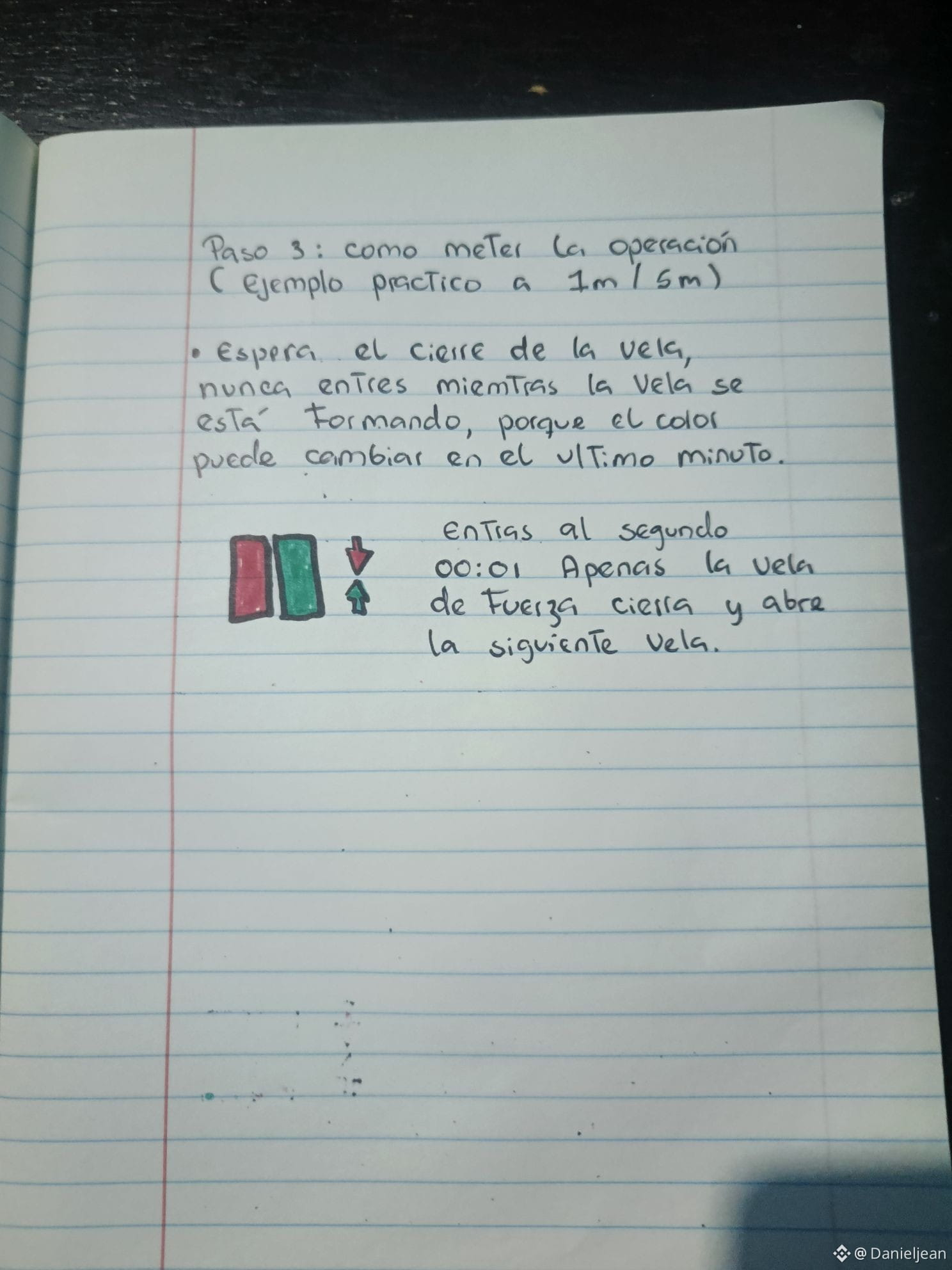
4• Execution at the Exact Second:
ALWAYS wait for the candle to close (never enter while it’s forming—the color can change at the end). Enter at 00:01 as soon as the next candle opens to catch the parity impulse.
Visual technical analysis, clear rules, and discipline on entry. $BTC $USDC $USDT
Do you use the RSI 50 level to confirm your entries, or do you rely only on price action? I’m reading your comments!
#ScalpingTips #BinanceSquare #trainding
1
528
·
--
Bullish
From $100 to $1,000 USDT in 1 day? My visual strategy (Double/Triple Bottom + RSI).
Many try to multiply their account x10 by risking everything in a single shot. I already lived firsthand how dangerous that is (one mistake or a lag in the app and you’re down to $0).
I understood that the key isn’t guessing—it’s waiting for the exact moment when buyers take control.
Today I’m sharing the pattern I study in my notebook for quick entries...
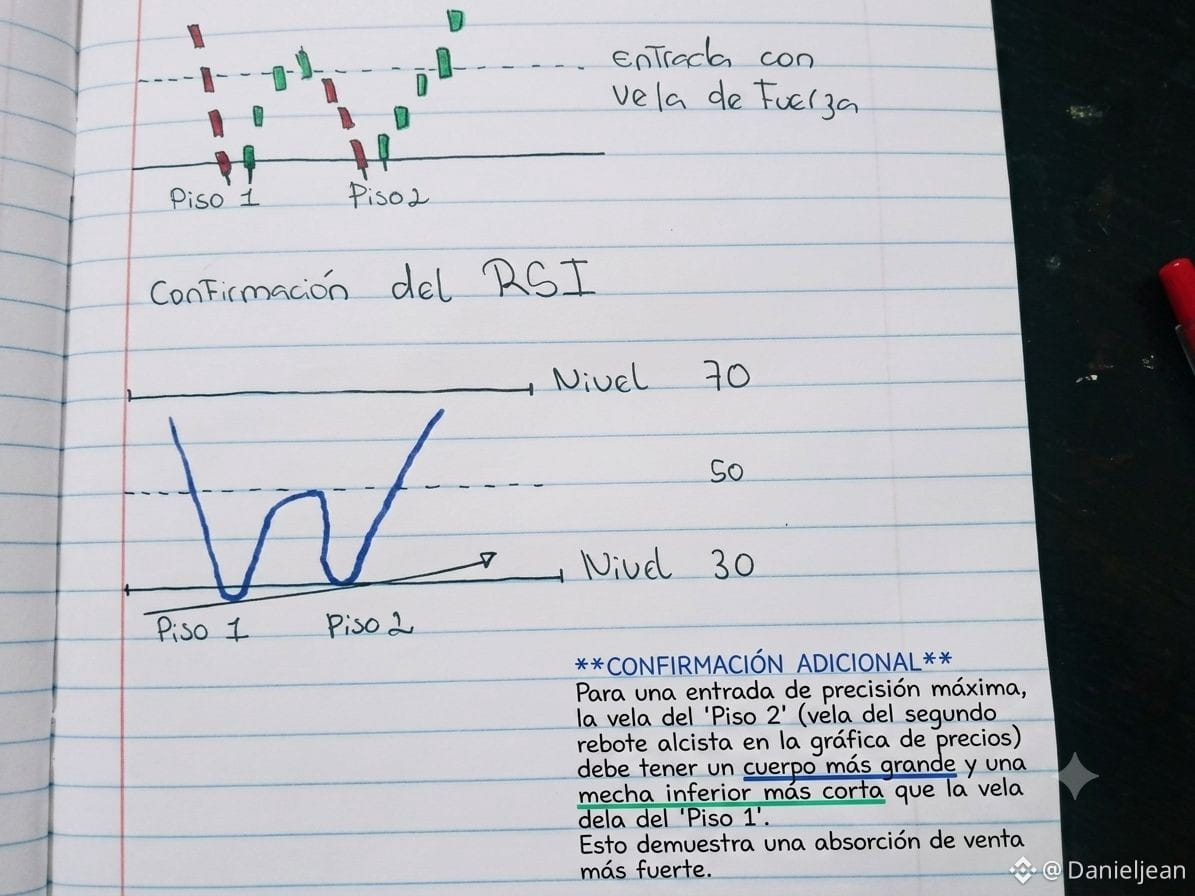
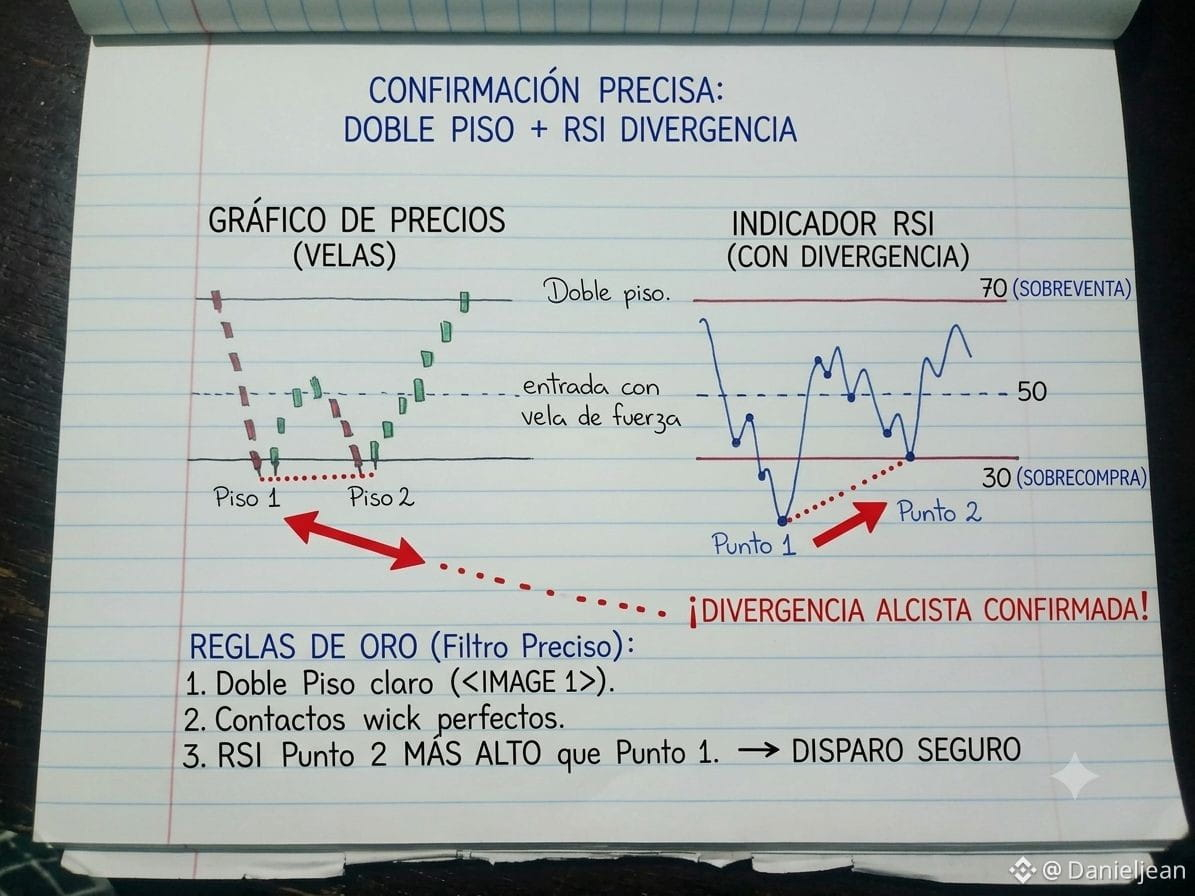
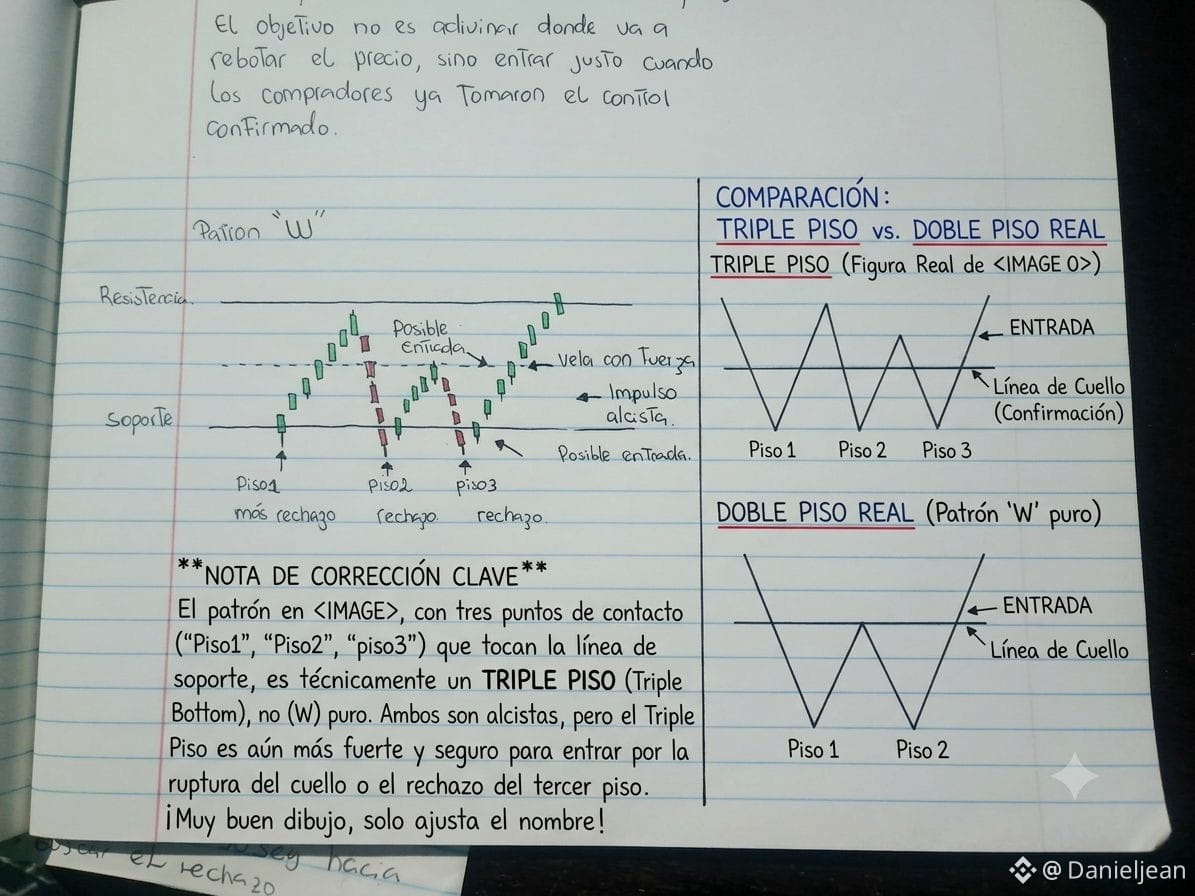
1. The Structure ("W" Pattern or Triple Bottom):
Price touches a support 2 or 3 times and bounces. It shows that the sell side doesn’t have the strength to keep pushing lower.
2. Precise Confirmation (RSI Divergence): While price stays below on the second/third bottom, the RSI line begins to mark LOWS that are HIGHER. Sellers ran out of fuel and buyers quietly step in.
3. The Entry: A trigger candle at the confirmation with a rejection wick, or when breaking the neckline with force.
My 3 Golden Rules:
1️⃣ Test the app with a minimum amount before speeding up.
2️⃣ Lock in partial gains along the way.
3️⃣ 2 bad trades = Total pause. The market will be there tomorrow.
Clean chart, notebook ready, and discipline.
Do you trade clean structures or do you prefer using lots of indicators? I’ll read your answers! $ETH $BTC $SOL
#BinanceSquareBTC #AprendizajeCripto #scalping_trading
7
2
14
3.2k
·
--
Bearish
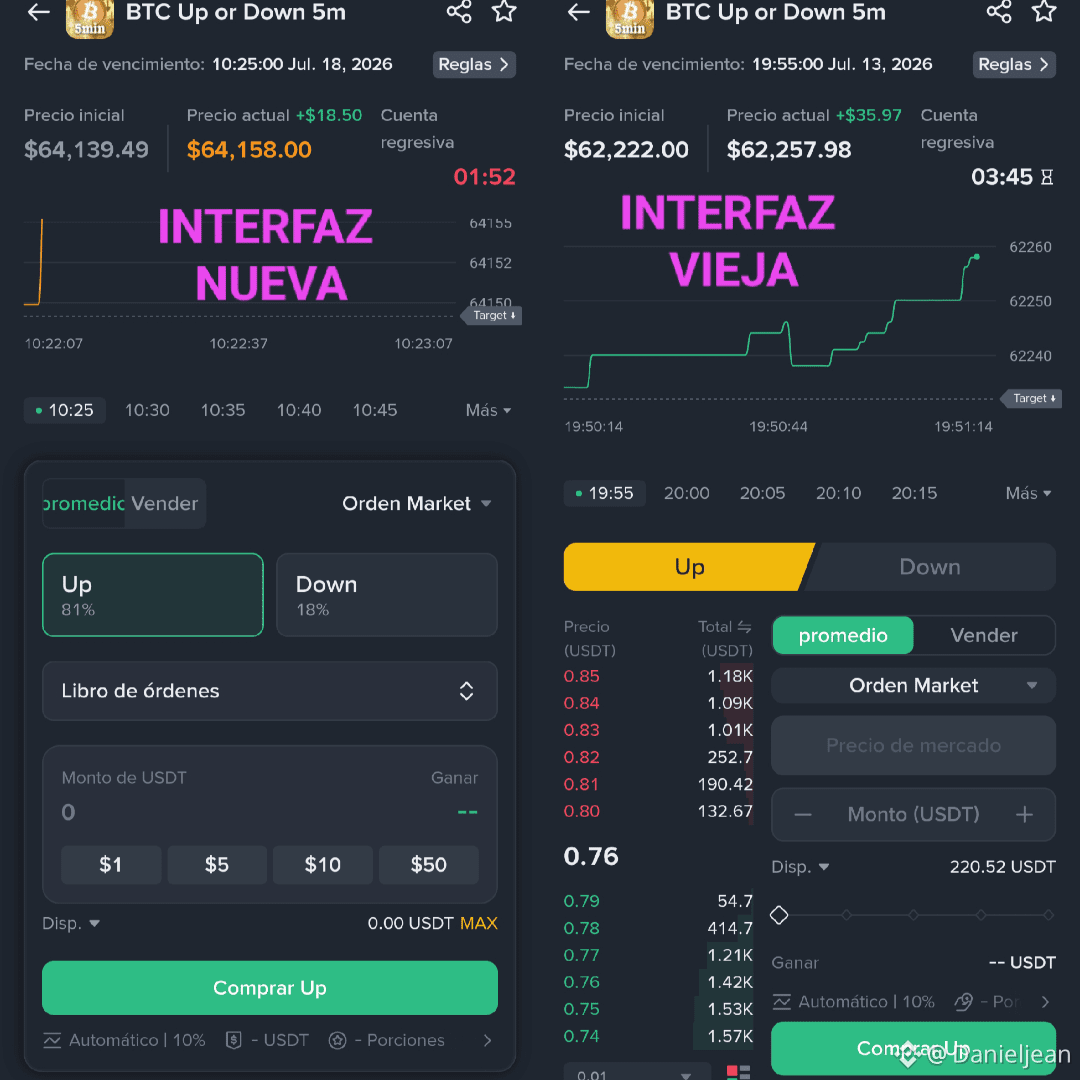
User error or interface glitch... Losing 700 USDT due to an app redesign.
I want to share something that just happened to me, not to attack anyone, but to warn the community and spark a discussion about the responsibility of interfaces in trading.
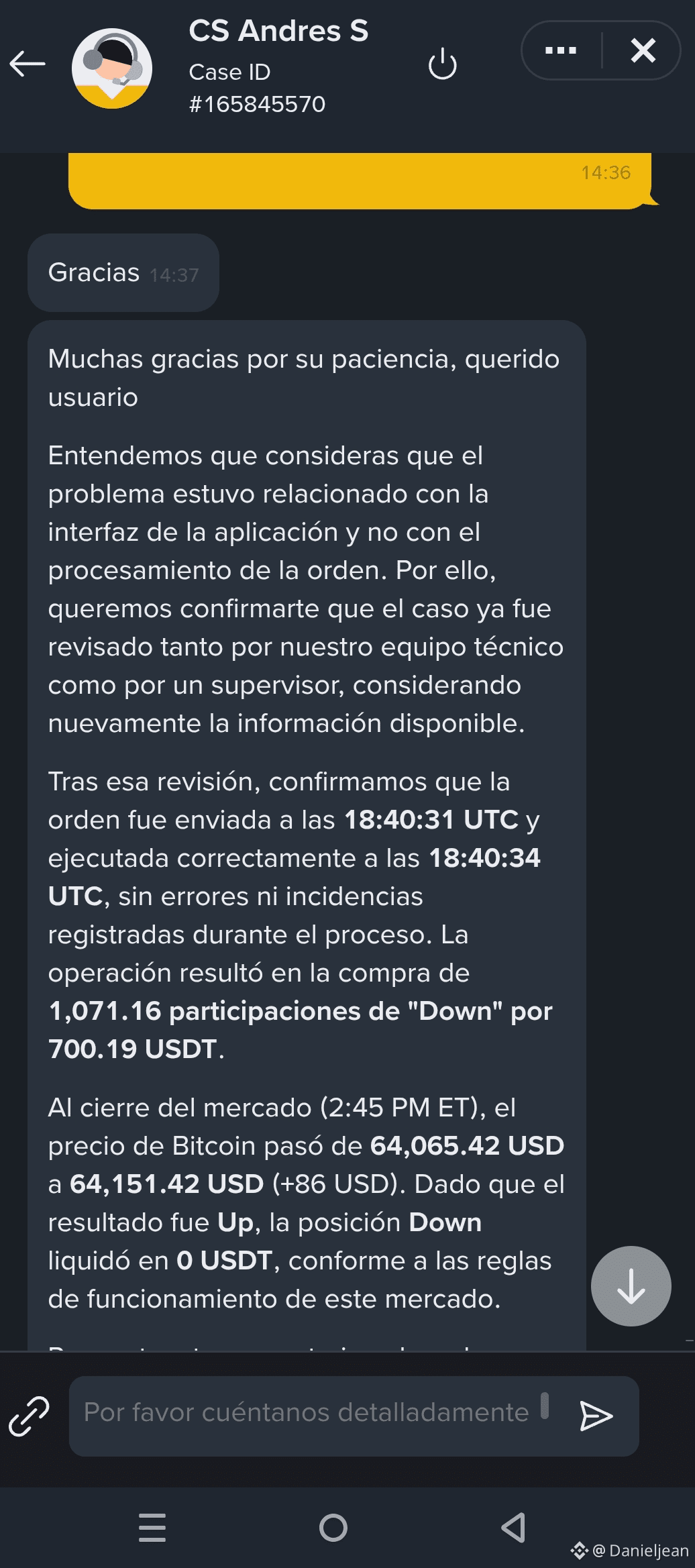
While trading in the prediction market during a visual update of the app, the rendering lag when I pressed the button for my 700.19 USDT order caused the system to register a Down position instead of Up. The market rose and the position liquidated at 0 USDT.
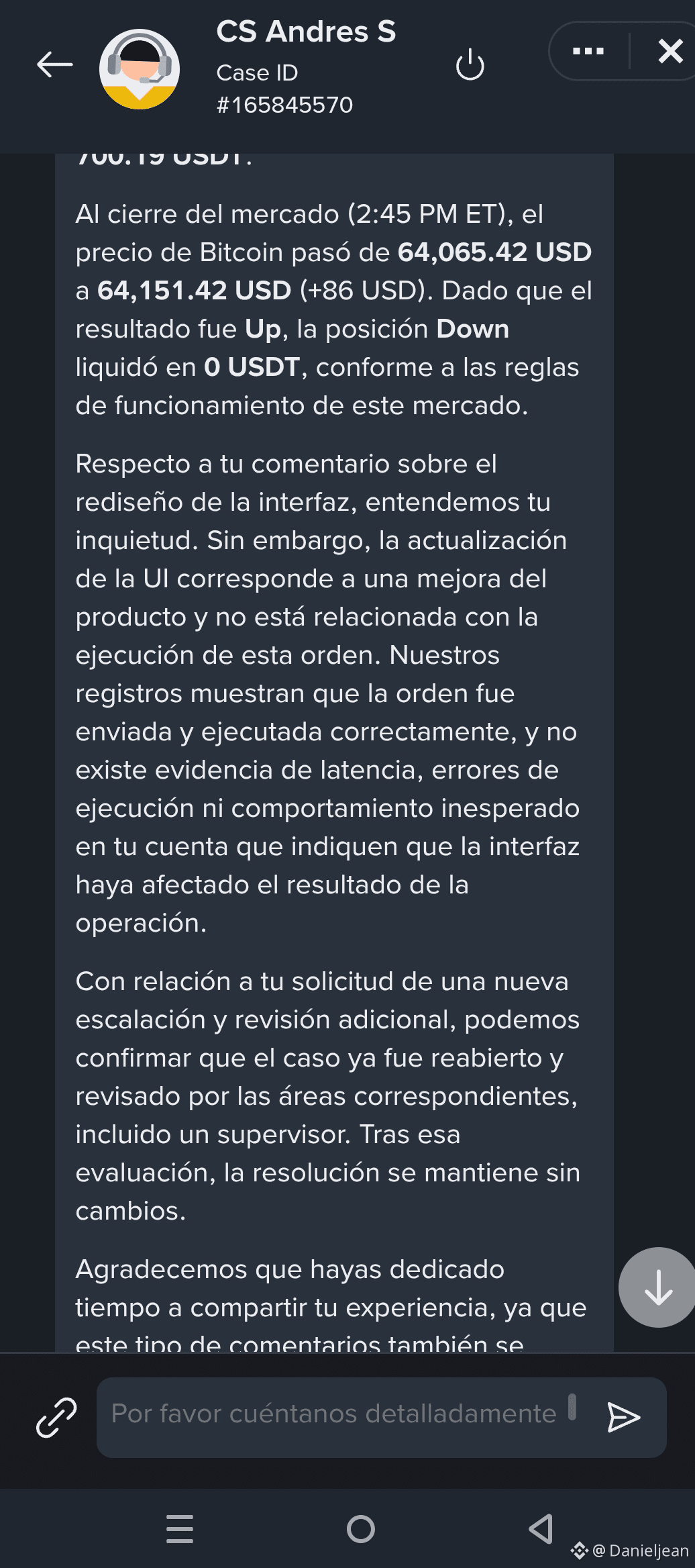
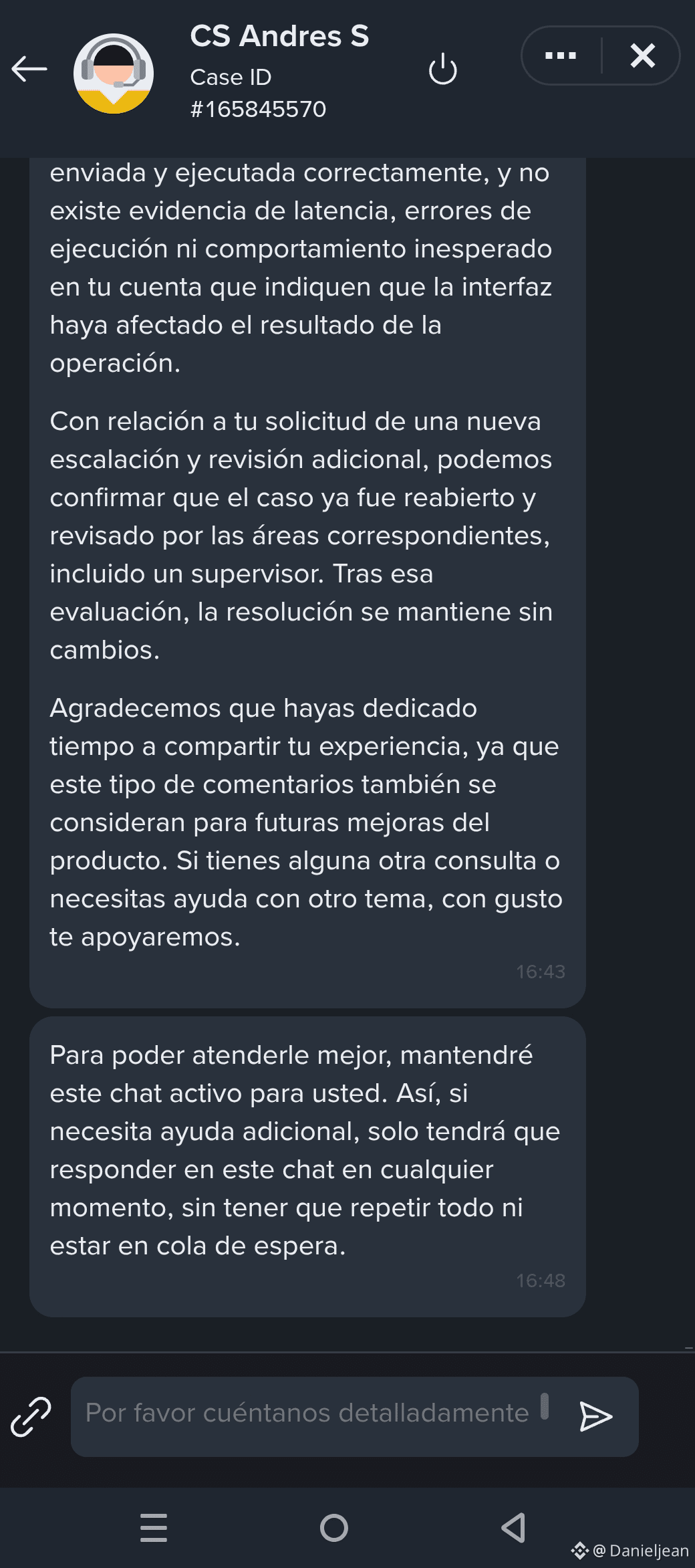
After escalating Case ID #165845570 to a supervisor, the response was the same as always: “For our backend the execution was clean.” The problem is that support reviews the data that reaches the server, but ignores screen glitches on the user’s phone when interacting with an unstable interface.
It hurts to feel that when the failure happens on the visual side of the app, the user is left 100% unprotected.
I ask you:
Has this ever happened to you—that a flicker or lag in the app changes a quick order?
Should Binance review UI screen logs before closing these cases?
I’ll read your comments.
Take care of your trades and always double-check. 📊👇
#BinanceSquare #CryptoTrading #UIUX #BTC $USDT $BTC
{spot}(BTCUSDT)
User error or interface glitch... Losing 700 USDT due to an app redesign.
I want to share something that just happened to me, not to attack anyone, but to warn the community and spark a discussion about the responsibility of interfaces in trading.
While trading in the prediction market during a visual update of the app, the rendering lag when I pressed the button for my 700.19 USDT order caused the system to register a Down position instead of Up. The market rose and the position liquidated at 0 USDT.
After escalating Case ID #165845570 to a supervisor, the response was the same as always: “For our backend the execution was clean.” The problem is that support reviews the data that reaches the server, but ignores screen glitches on the user’s phone when interacting with an unstable interface.
It hurts to feel that when the failure happens on the visual side of the app, the user is left 100% unprotected.
I ask you:
Has this ever happened to you—that a flicker or lag in the app changes a quick order?
Should Binance review UI screen logs before closing these cases?
I’ll read your comments.
Take care of your trades and always double-check. 📊👇
#BinanceSquare #CryptoTrading #UIUX #BTC $USDT $BTC
31
·
--
Bullish
Sometimes you have to learn how to pause, even if we didn’t plan it...
I’ve had days where things don’t go at the pace we’d like. I have a pending issue with an order in the app (700$USDT ); technical support asked me to wait while they review it.
I’ll confess that at first it can feel a bit frustrating. But I took a deep breath and chose to see it from another angle: life and the market always find a way to teach us patience.
Sometimes we rush so much looking for results that we forget how important it is to stay calm, take care of our peace of mind, and trust that everything will fall into place in its own time.
If today you’re going through a waiting period, uncertainty, or you feel like things are moving slowly... don’t put pressure on yourself. Take a breath, focus on the good you have right at hand, and keep going at your own pace.
A hug to everyone, and happy day. Step by step, we go far! 🤝💛
{future}(BTCUSDT)
#Paciencia #Mindset #Comunidad #BuenasVibras #ReflexionDelDia
Sometimes you have to learn how to pause, even if we didn’t plan it...
I’ve had days where things don’t go at the pace we’d like. I have a pending issue with an order in the app (700$USDT ); technical support asked me to wait while they review it.
I’ll confess that at first it can feel a bit frustrating. But I took a deep breath and chose to see it from another angle: life and the market always find a way to teach us patience.
Sometimes we rush so much looking for results that we forget how important it is to stay calm, take care of our peace of mind, and trust that everything will fall into place in its own time.
If today you’re going through a waiting period, uncertainty, or you feel like things are moving slowly... don’t put pressure on yourself. Take a breath, focus on the good you have right at hand, and keep going at your own pace.
A hug to everyone, and happy day. Step by step, we go far! 🤝💛
#Paciencia #Mindset #Comunidad #BuenasVibras #ReflexionDelDia
66
·
--
Bullish
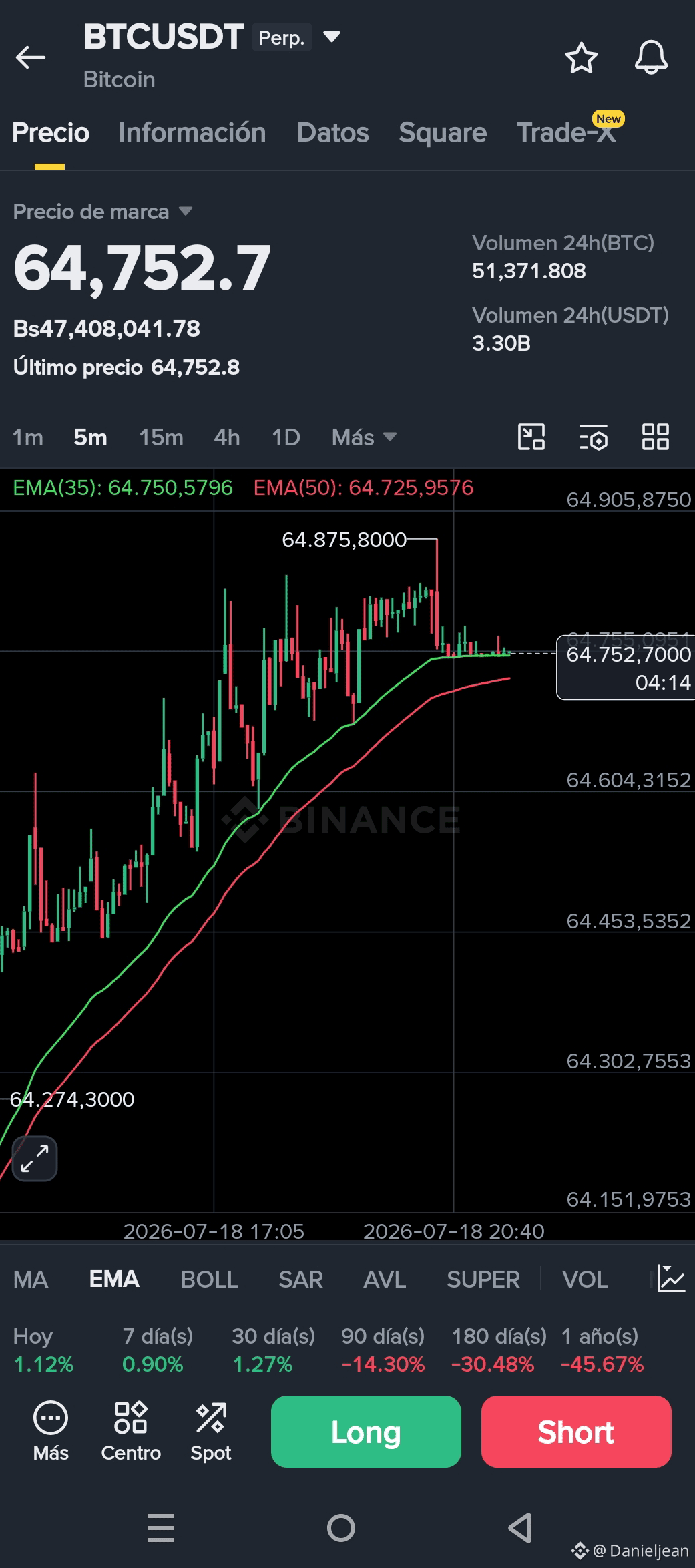
Things you learn the hard way in trading: after losing my capital on predictions, I’ve started studying much more 📉📈
At first, I thought it was just guessing where the price was going, but the market put my feet on the ground. Today, instead of “predictions,” I use analysis. I rely on simple things: the EMAs to spot the trend and the RSI so I don’t enter too late.
But my biggest lesson was this: the Stop Loss is not optional. I’d rather exit a thousand times with a small loss than risk my account waiting for a miracle. Rebuilding capital after a mistake (either from the system or from me) is the real goal.
Trading is 20% analysis and 80% discipline and patience. A cold mind. $BTC $USDT
How many of you have had to learn risk management the hard way? I’m reading your comments.
#Bitcoin #BTC #TradingReal #GestionDeRiesgo #Paciencia
3
12
7.4k
·
--
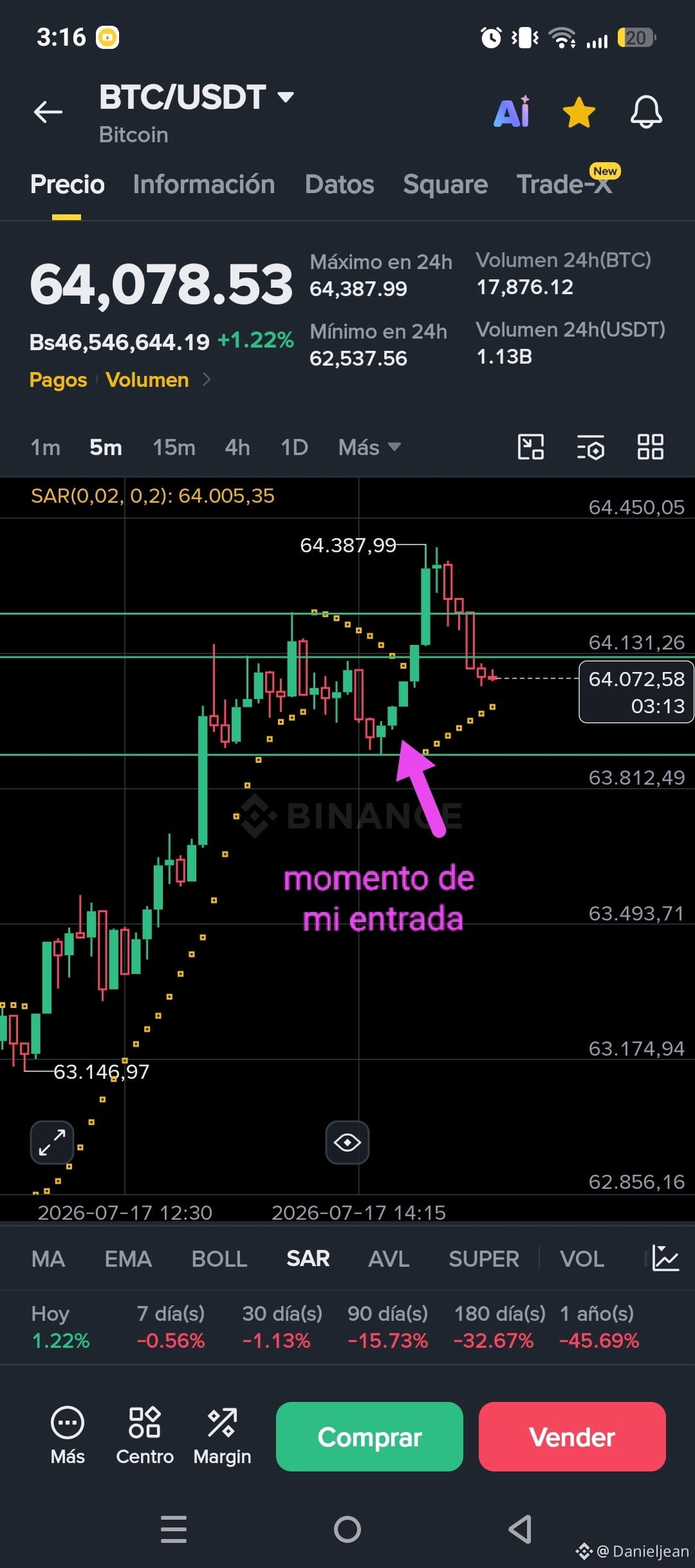
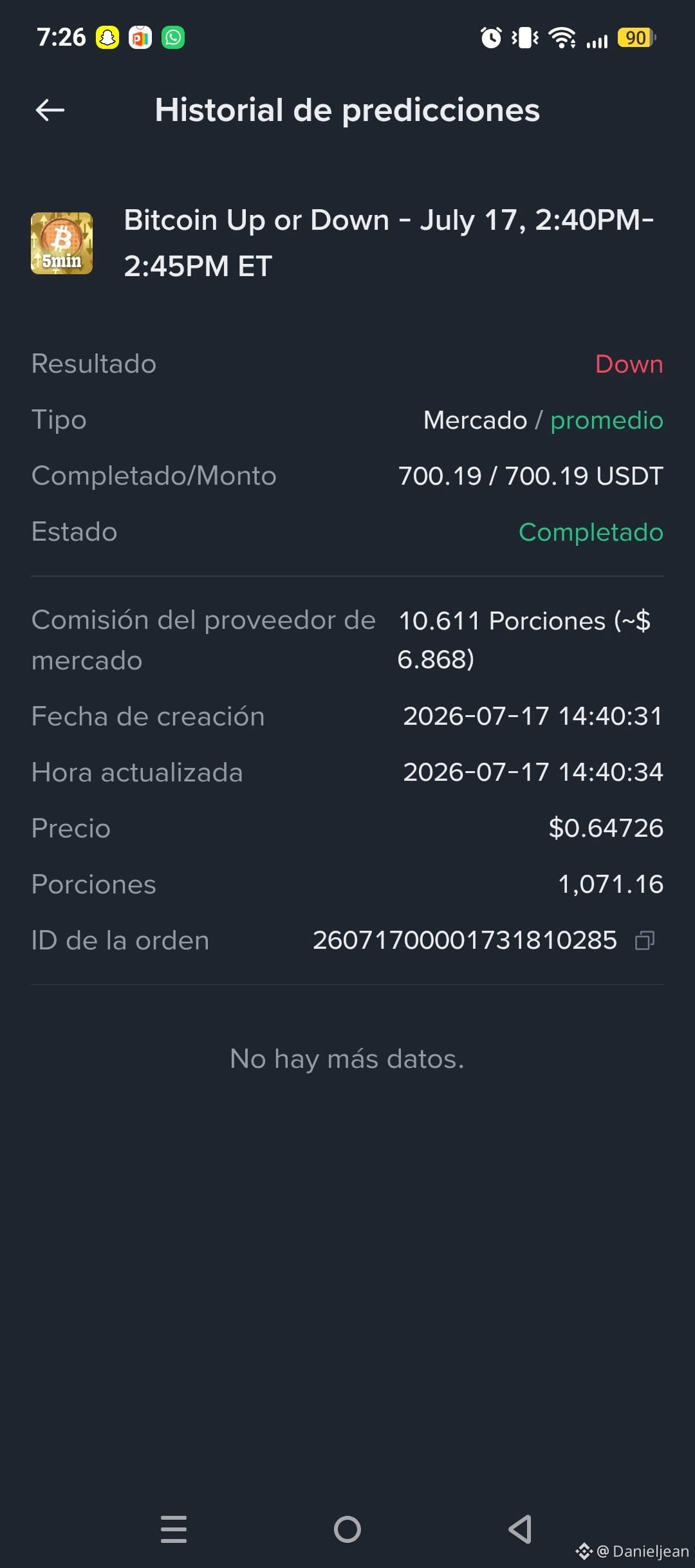
I LOST MY SAVINGS YESTERDAY and I want to alert the community about a serious failure in the bitcoin prediction interface when a micro-connection drop occurs. I saw a clear rise in BTC/USDT (5 min) and pressed Buy (UP). The app froze and showed an error message/failed. I closed and quickly restarted the app, and when I entered again, the system logged the order completely reversed—it placed me on Sell when clearly my trade was a Buy. As a result, the price went up as I analyzed, but because the app recorded the opposite direction due to the glitch, the trade was lost.
Support says that on their servers the order shows up as "normal" and they can’t do anything, ignoring that the problem was the app collapsing when sending the data. It’s extremely frustrating to lose funds when you analyzed correctly and the system turns against you.
Be very careful if the app freezes when placing an order! Has this happened to anyone else? $BTC $USDT
Order details:
Product: Bitcoin Up or Down (5min) - July 17
Amount: 700.19 USDT
Order ID: 26071700001731810285
#Binance #Predictions #Bitcoin #TradingGlitch #BinanceSupport
32
·
--
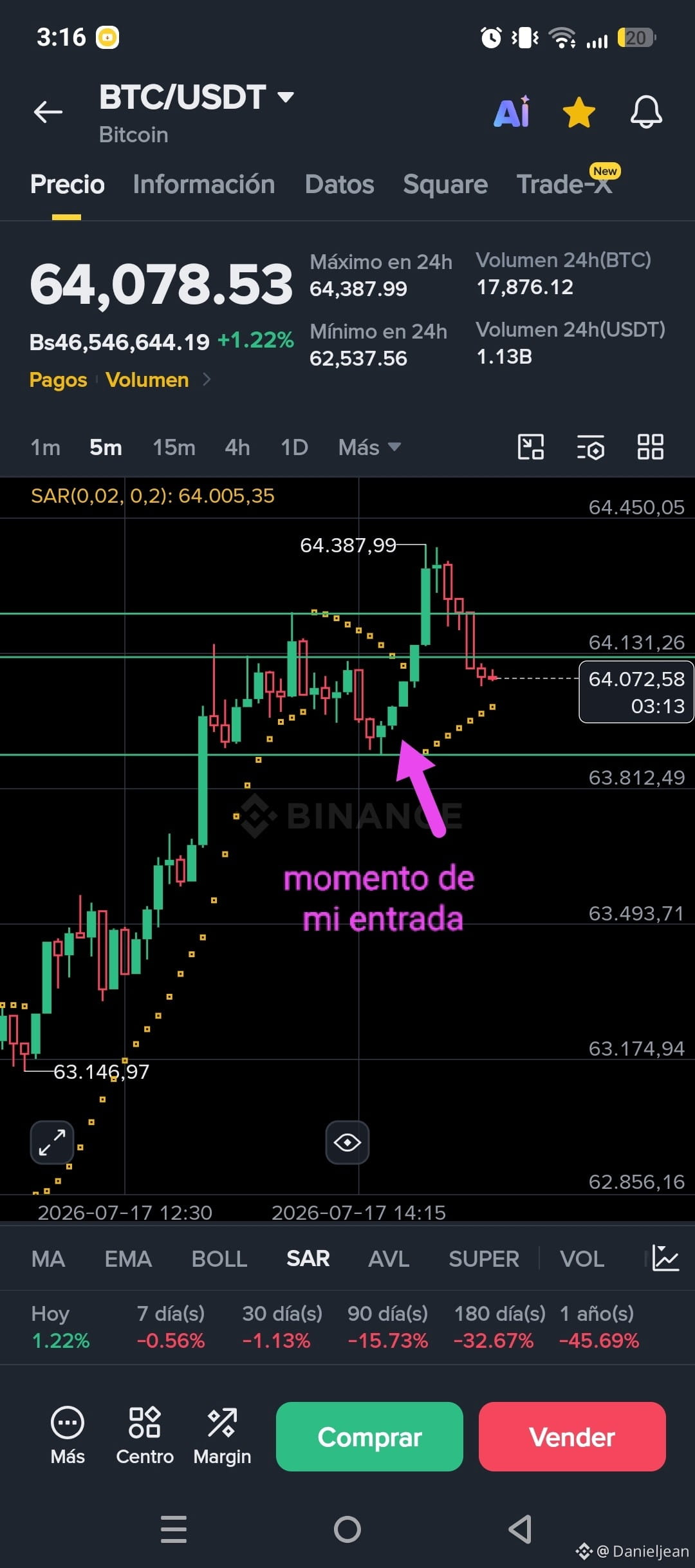
Bearish
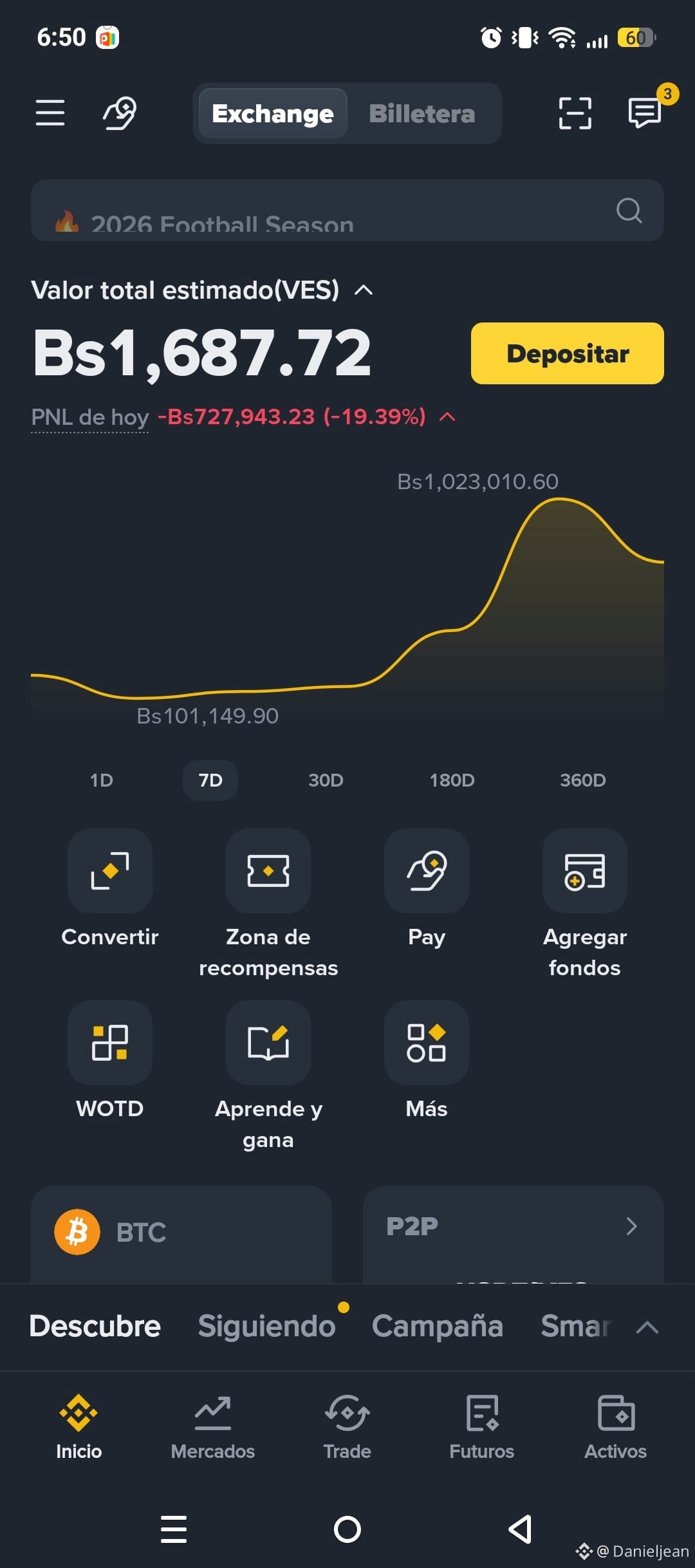
I’m devastated; because of an error I lost my savings in predictions with a bullish move that I had given a buy, but I don’t know what happened. It told me connection error or failed, and I exited. When I went back in, my order was already on sale, and obviously I lost my money. I’m from Venezuela, and it cost me a lot to reach that amount, and even though it wasn’t much for someone else, for me it was more than enough and it would have helped me a lot. #BTC #PrediccionesBitcoin #Binancepredictions $BTC
I’m devastated; because of an error I lost my savings in predictions with a bullish move that I had given a buy, but I don’t know what happened. It told me connection error or failed, and I exited. When I went back in, my order was already on sale, and obviously I lost my money. I’m from Venezuela, and it cost me a lot to reach that amount, and even though it wasn’t much for someone else, for me it was more than enough and it would have helped me a lot. #BTC #PrediccionesBitcoin #Binancepredictions $BTC
16
3
9.9k
·
--
Bullish
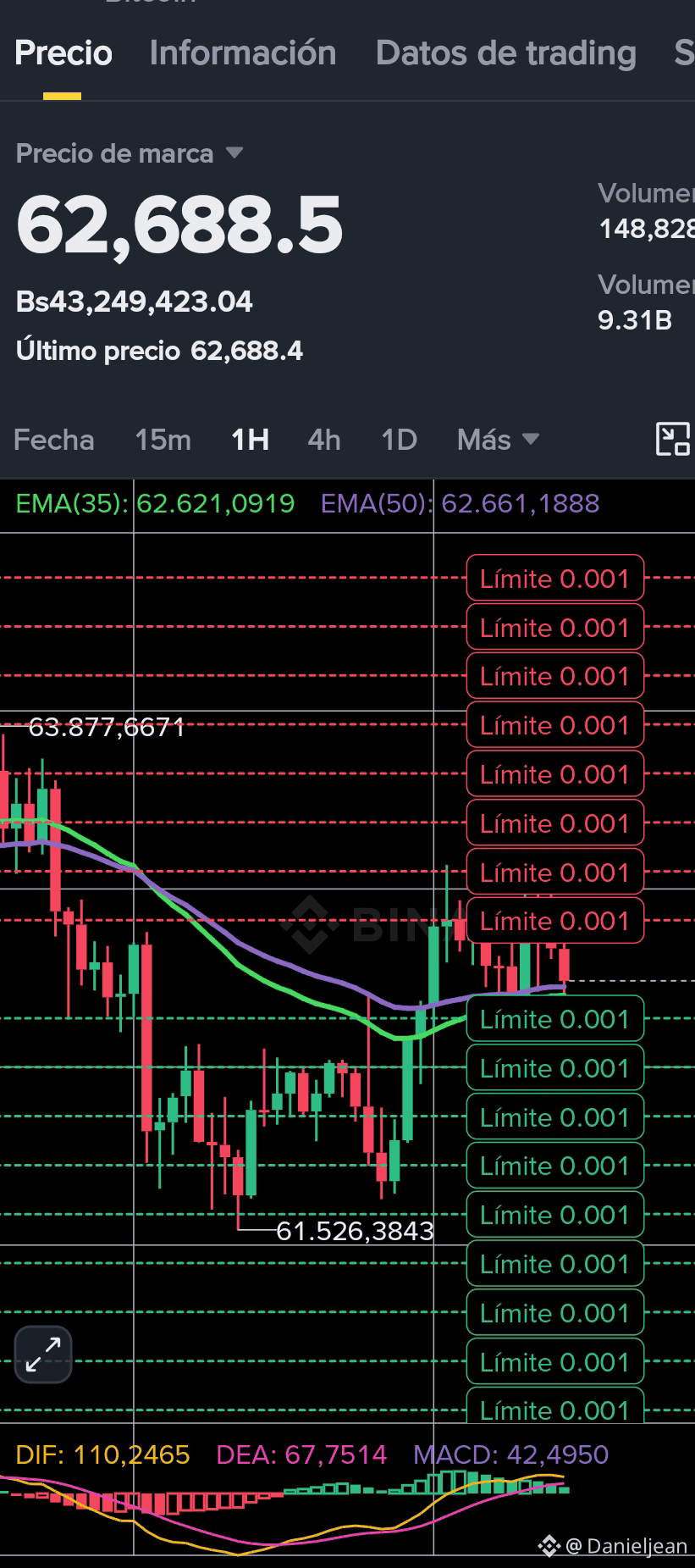
What is better? a bot grid in futures or spot... which one would you use to get quick profits#BTCUSDT #botgrid #BotTrading $BTC
What is better? a bot grid in futures or spot... which one would you use to get quick profits#BTCUSDT #botgrid #BotTrading $BTC
189
·
--
Bullish
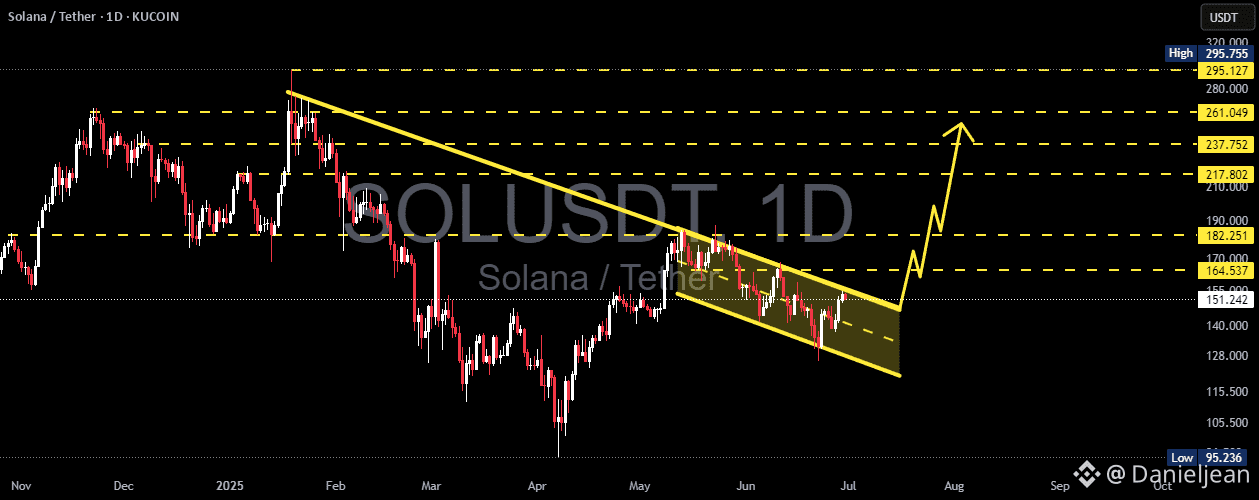
SOL/USDT 15m.
Bearish Structure and Liquidity Hunt at Critical Support
The 15-minute chart for $SOL shows a clear bearish acceleration after losing the dynamic support of the short-term EMAs. The price is currently testing the psychological zone of $90.31, moving within a descending channel that is showing signs of capitulation.
Key Analysis Points:
Supply Pressure: The order book shows strong sell blocks ("walls") concentrated between $91.00 and $92.00, making any immediate recovery difficult without massive buying volume.
$•Active Demand Zone: Major support is located in the range of $90.22 - $90.00. Historically, this type of fractal pattern tends to seek a quick liquidity sweep in round zones before attempting a technical bounce.
•Projection: If the $90.00 support can absorb the selling pressure, the technical target for a relief bounce is initially projected towards $91.50 (EMA test) and subsequently the resistance at $92.20. Conversely, a solid close below $89.00 would invalidate the short-term reversal scenario.
{future}(SOLUSDT)
Monitoring price action closely in this critical zone! 📉📊
#Solana #SOL #TechnicalAnalysis #CryptoTrading #BinanceSquare
SOL/USDT 15m.
Bearish Structure and Liquidity Hunt at Critical Support
The 15-minute chart for $SOL shows a clear bearish acceleration after losing the dynamic support of the short-term EMAs. The price is currently testing the psychological zone of $90.31, moving within a descending channel that is showing signs of capitulation.
Key Analysis Points:
Supply Pressure: The order book shows strong sell blocks ("walls") concentrated between $91.00 and $92.00, making any immediate recovery difficult without massive buying volume.
$•Active Demand Zone: Major support is located in the range of $90.22 - $90.00. Historically, this type of fractal pattern tends to seek a quick liquidity sweep in round zones before attempting a technical bounce.
•Projection: If the $90.00 support can absorb the selling pressure, the technical target for a relief bounce is initially projected towards $91.50 (EMA test) and subsequently the resistance at $92.20. Conversely, a solid close below $89.00 would invalidate the short-term reversal scenario.
Monitoring price action closely in this critical zone! 📉📊
#Solana #SOL #TechnicalAnalysis #CryptoTrading #BinanceSquare
584
·
--
Bullish
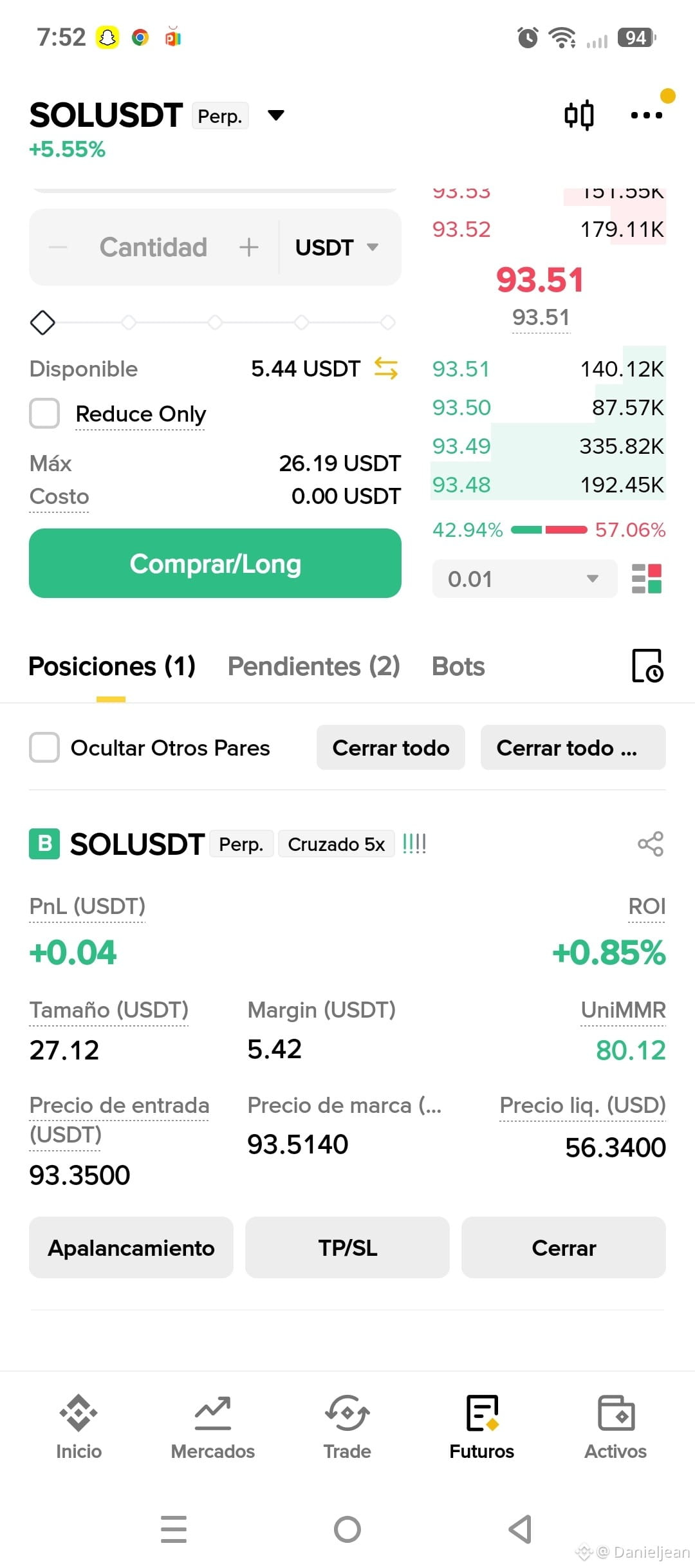
Hey, I'm a newbie, right now I'm trading futures with the pair... SOLUSDT with a small investment. I'm hoping the price hits 105. What do you all think, how do you see the market? $SOL $USDT #solana
Hey, I'm a newbie, right now I'm trading futures with the pair... SOLUSDT with a small investment. I'm hoping the price hits 105. What do you all think, how do you see the market? $SOL $USDT #solana
144
·
--
Bullish
#BinanceLaunchesGoldvs.BTCTradingCompetition
Binance launches an exciting trading competition:
Gold vs. BTC
Binance has officially introduced its "Gold vs. BTC" competition, an event that pits the traditional value of tokenized gold against the leading digital asset in the market. The competition features a dynamic prize pool of up to 200,000 USDC and is designed to attract both newcomers and seasoned traders.
• How does the competition work?
To participate, users must pick their side on the official event page and accumulate a trading volume of at least $100 USD equivalent in the designated cryptocurrency pairs or futures. The prize pool will be distributed between the winning and losing team based on the volume of new participants who meet the requirements. The team that manages to gather the most valid participants takes home 75% of the total pool, while the losing team receives 25%. Participating Trading Pairs
• Users can trade the following pairs (in both Spot and Futures):
• Team Gold 🥇: XAUT/USDT, XAUT/USDC, and XAUTUSDT Futures.
Team BTC ₿: BTC/USDT, BTC/USDC, and BTCUSDT Futures.
• Reward Structure
The prize pool, which can reach up to 200,000 USDC in token coupons, is divided among three user categories:
60% allocated to new traders on the platform. 30% assigned to referrers.
10% for existing traders on Binance.
• ~Key Dates
Event End: May 10, 2026 (at 23:59 UTC).
Reward Distribution: May 31, 2026. $BTC $XAUT
1
150
·
--
The future is now: How will technology change your routine?2026 is showing us that technology is no longer just a screen; it's an active part of our daily lives. We're experiencing a revolution where artificial intelligence, robotics, and smart ecosystems work together to make our lives easier.
Here are 3 key trends that are setting the pace:
Autonomous AI agents: Systems capable of managing processes and optimizing our time.
Robotics and physical AI: Technology taking shape in the real world to enhance our logistics and home.
The future is now: How will technology change your routine?
2026 is showing us that technology is no longer just a screen; it's an active part of our daily lives. We're experiencing a revolution where artificial intelligence, robotics, and smart ecosystems work together to make our lives easier.
Here are 3 key trends that are setting the pace:
Autonomous AI agents: Systems capable of managing processes and optimizing our time.
Robotics and physical AI: Technology taking shape in the real world to enhance our logistics and home.
Here are 3 key trends that are setting the pace:
Autonomous AI agents: Systems capable of managing processes and optimizing our time.
Robotics and physical AI: Technology taking shape in the real world to enhance our logistics and home.
109
Log in to explore more content
Join global crypto users on Binance Square
⚡️ Get latest and useful information about crypto.
💬 Trusted by the world’s largest crypto exchange.
👍 Discover real insights from verified creators.
Email / Phone number
Trending Topics
BinanceIncidentReport
10,243 views
301 Discussing
29 October 2026 Binance Security Incident: Initial Findings and Response Update
Binance Blog
·163 Likes
·469.5k views
BinanceReopensWithdrawalsForMoreAssets
104,859 views
1,579 Discussing
BinanceHourlyDepositsExceedWithdrawals
50,290 views
692 Discussing