
宋词bnb
37 Posts

宋词bnb
Report
Block User
挑战用500U打到50000U
每日分享二级观点,实盘复盘,宏观分析
合约实盘更新中
17 Following
16 Followers
42 Liked
Posts
All
Quotes
·
--
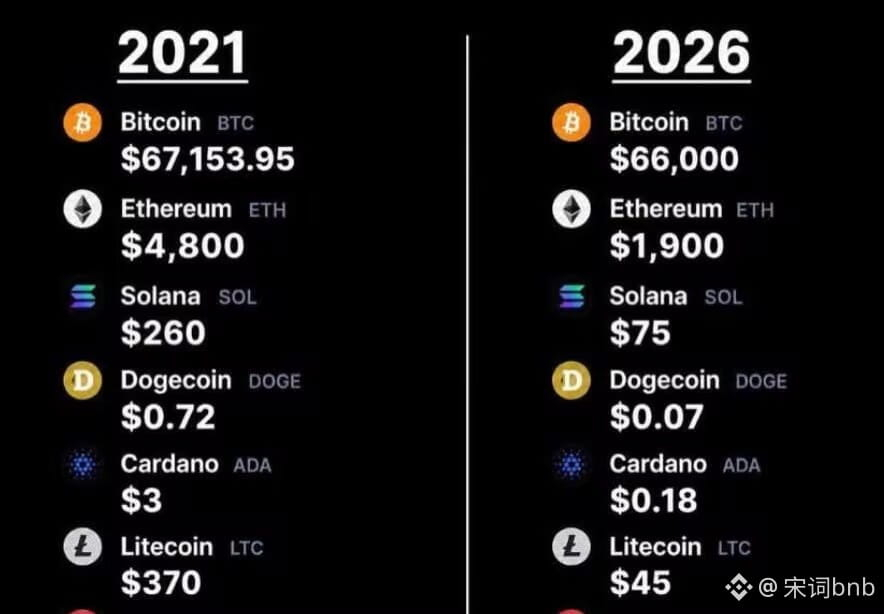
Cryptocurrency has crushed countless dreams in five years 😂 $BTC
{future}(BTCUSDT)
Cryptocurrency has crushed countless dreams in five years 😂 $BTC
3
696
·
--
See translation
以后每天都要依旧稳定!
以后每天都要依旧稳定!
宋词bnb
·
--
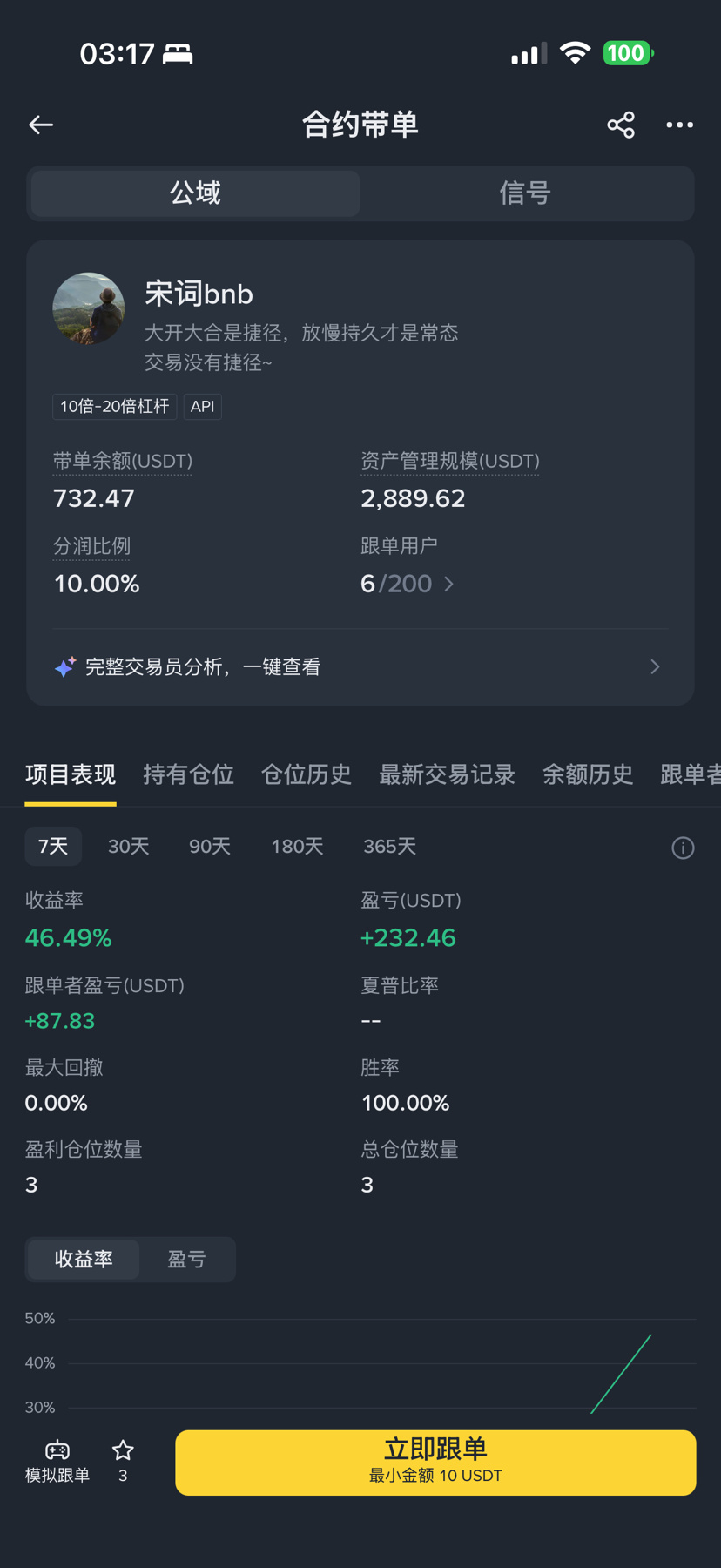
Still steady, it's day four
The return on three trades is 46.49%
The return on three trades is 46.49%
1
17
·
--
Nvidia CEO risk is becoming AI market risk
Nvidia CEO Jensen Huang has suddenly resigned, with CFO Colette Kress serving as interim CEO. Official filings confirmed the personnel change; media reports linked it to personal relationships and national security controversies. NVDA fell about 14% at one point, while AI-related stocks and crypto assets came under pressure in tandem.
What the market is really worried about is not just one person leaving, but this: when valuations, supply chains, geopolitics, and the founder’s credibility are tightly intertwined, any shock to corporate governance could trigger a repricing of the entire AI narrative.
Can Nvidia prove that its growth comes from the system, rather than from Jensen Huang?
#美股 #英伟达 #AI #比特币

1
414
·
--
【Today's Macro Analysis of the Blockchain Market | November 14】
The main tension in the blockchain market recently is that, following a resurgence in inflation, expectations for global liquidity are tightening.
The latest U.S. wholesale price data show that inflation remains significantly above the Federal Reserve's 2% target. Previously released consumer data also showed that housing, food, and energy prices remain elevated, prompting the market to reassess the future path of interest rates.
If core inflation remains high in the coming months, the Federal Reserve may keep interest rates elevated for longer, or even discuss more aggressive rate hikes.
For the blockchain market, high interest rates are transmitted through three channels:
First, the cost of dollar funding rises, reducing leveraged capital. Second, Treasury yields and the dollar strengthen, putting pressure on risk-asset valuations. Third, investors favor cash and highly liquid assets, further amplifying volatility in altcoins, illiquid projects, and highly leveraged strategies.
On the political and regulatory front, expectations of congressional scrutiny of the crypto industry have risen following the U.S. midterm elections, while the progress of market structure legislation remains uncertain.
Stablecoins, payments, and asset tokenization may continue to develop under existing rules, but trading platforms, decentralized finance, leveraged products, and politically connected projects may face stricter compliance requirements.
Therefore, the industry will not simply become “uniformly bearish” or “uniformly bullish.” Instead, it is entering a new phase in which the quality of regulation will determine where capital flows.
My assessment is:
The short-term macro environment is cautious, with interest rates and the dollar remaining important drivers of risk assets. In the medium term, it will be necessary to distinguish between “regulatory crackdowns” and “regulatory clarity.”
Projects with genuine transparency, compliance capabilities, and practical applications may attract more stable institutional capital. Assets driven purely by narratives, with low liquidity and high leverage, may continue to face pressure from capital outflows.
Key developments to watch include remarks from Federal Reserve officials, upcoming inflation data, the progress of crypto regulation in Congress, and the pace of stablecoin regulation.
Until the policy direction becomes fully clear, managing leverage and position sizes is more important than chasing short-term sentiment.
1
216
·
--
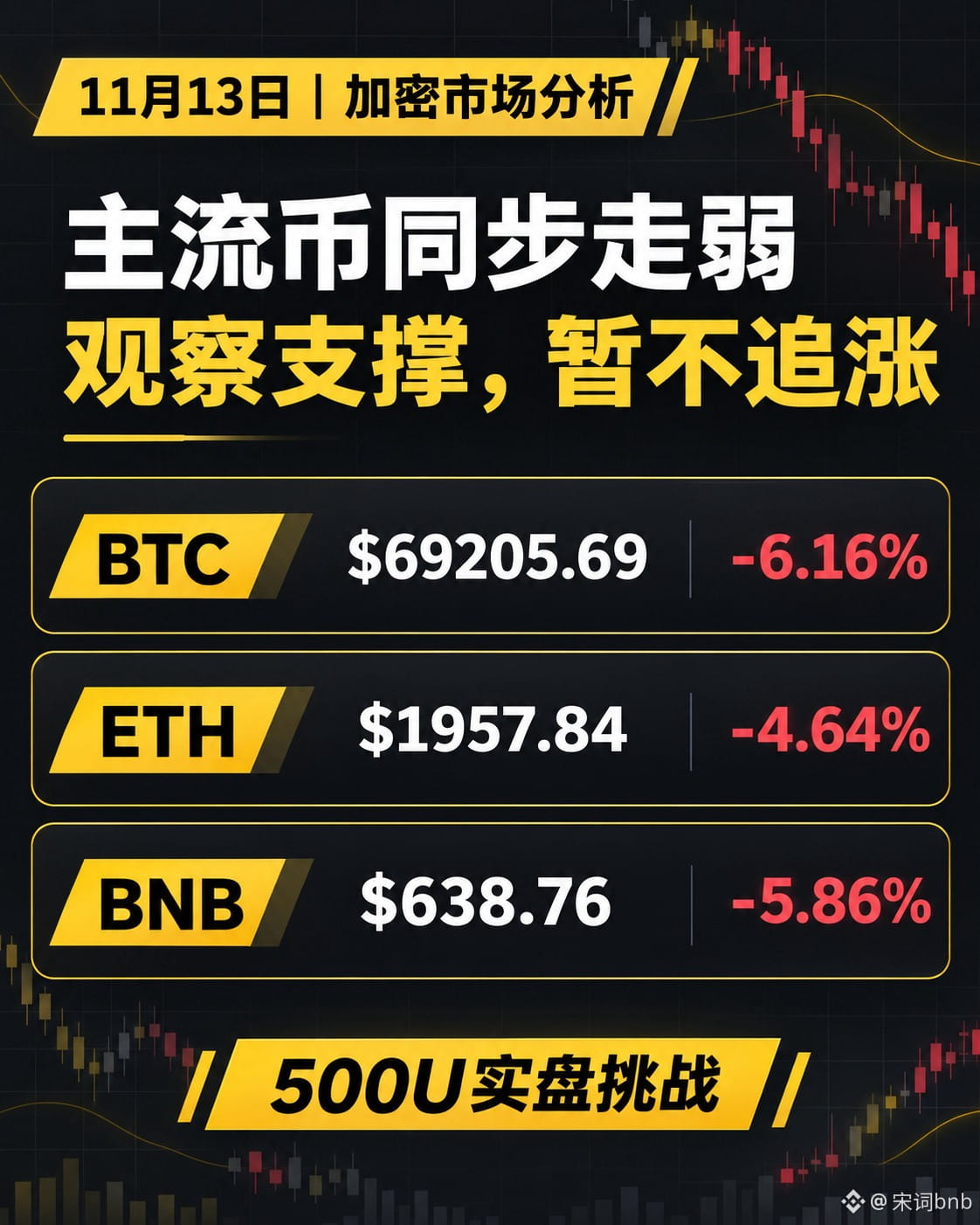
【Crypto Market Analysis | November 13】
I just checked the latest prices on Binance. They have changed slightly since the screenshot:
BTC $69205.69, 24H -6.16%
ETH $1957.84, 24H -4.64%
BNB $638.76, 24H -5.86%
All three major cryptocurrencies are weakening in tandem, with BTC posting the biggest decline. Short-term market risk has risen noticeably. Blindly buying the dip or chasing a rally is not recommended right now; focus on whether prices can find support and stop falling.
Key BTC levels to watch:
Support: $68000-$69000
Resistance: $70500-$71500
A move back above $71500 would open the door to a recovery; a break below $68000 would raise the risk of further declines.
Key ETH levels to watch:
Support: $1900-$1950
Resistance: $2000-$2050
Only a sustained move above $2050 could improve short-term sentiment; if ETH falls below $1900, watch the area around $1850.
Key BNB levels to watch:
Support: $630-$640
Resistance: $650-$665
Reclaiming $665 would create room for a rebound; losing $630 could lead to a further test of $610.
Short-term outlook: Bearish and range-bound. Wait for the market to stop falling before considering trading opportunities. Prices are changing quickly, so it's advisable to refresh Binance prices again before posting.
The 500U live-trading challenge is still being updated, with trades, positions, and reviews recorded publicly.
Follow the Binance account “宋词bnb” to observe live trading execution together.
#BTC #ETH #BNB #合约交易 #500U挑战
1
1
67
·
--
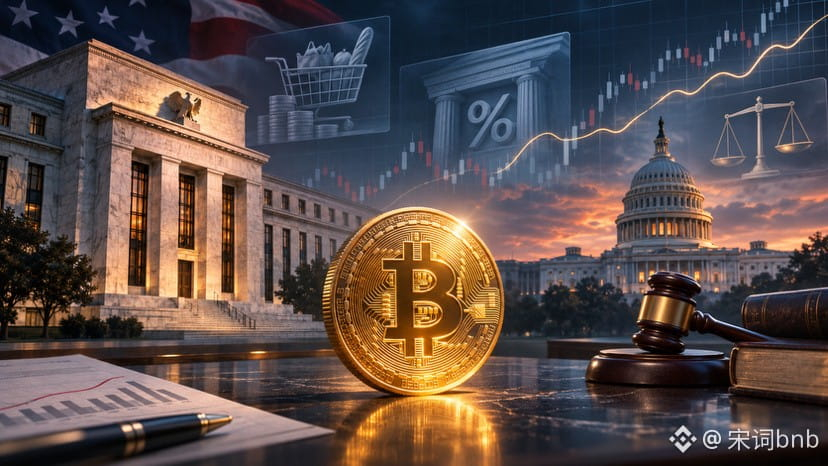
【Today's Macro and Political Analysis | November 11】
Current $BTC price: 73540U $ETH 2055U
The market's central tension has shifted from liquidity expectations alone to three key factors: inflation, the interest rate path, and political regulation.
U.S. CPI rose 0.4% month over month in October. Although this was lower than September's 0.6%, prices for housing, food, and energy continued to rise. More importantly, price pressures are gradually spreading from short-term factors such as energy and tariffs into dining, services, and everyday consumer goods.
This means the Federal Reserve is unlikely to pivot quickly toward easing in the near term. Some officials have already begun discussing a more aggressive path of rate hikes, and market expectations for future rate decisions are being repriced. As long as inflation remains elevated, dollar liquidity may stay tight, and valuation pressures on risk assets are unlikely to disappear quickly.
Politically, the balance of power in the U.S. Congress shifted after the midterm elections, making the policy environment facing the crypto industry more complex. Regulatory priorities in the future may focus on trading platforms, stablecoins, decentralized finance, politically connected funds, and industry compliance.
Stablecoins, asset tokenization, and blockchain payments still have room to grow, but the industry will become increasingly divided. Projects with stronger compliance and real-world use cases may continue to attract institutional interest, while businesses with high leverage, low transparency, or unclear regulatory boundaries will face greater scrutiny.
The 500U live trading challenge is ongoing. I publicly share daily trading plans, entries and exits, take-profit and stop-loss levels, and profit-and-loss reviews.
If you'd like to follow along with the trading, feel free to follow the Binance account: 宋词BNB.
1
446
·
--
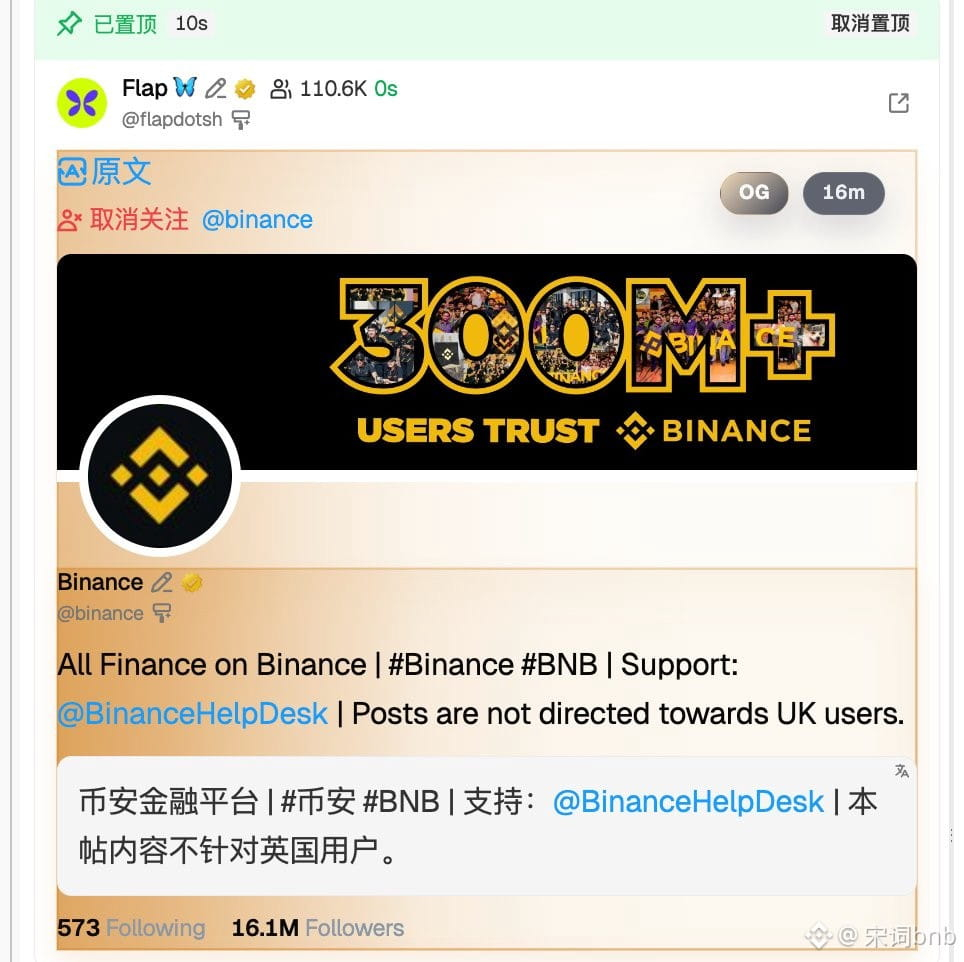
Butterfly🦋 unfollowed both cz and Binance. Has she forgotten her roots? 😂
Butterfly🦋 unfollowed both cz and Binance. Has she forgotten her roots? 😂

1
1
1.6k
Log in to explore more content
Join global crypto users on Binance Square
⚡️ Get latest and useful information about crypto.
💬 Trusted by the world’s largest crypto exchange.
👍 Discover real insights from verified creators.
Email / Phone number
Trending Topics
WhoWillSucceedJensenHuangatNvidia?
168,015 views
1,641 Discussing
Nvidia Says No CEO Talks Underway as "Stand With Jensen" Petition Tops 77,900 Signatures
Binance News
·33 Likes
·61.7k views
WhatWillDriveCryptoandStocks’NextRebound?
571,226 views
3,481 Discussing
BitcoinActiveSupplyInProfitDropsBelow45%
74,228 views
708 Discussing