
泽云Eth
657 Posts

泽云Eth
Report
Block User
2 Following
2.6K+ Followers
1.0K+ Liked
Posts
All
Videos
PINNED
·
--
🎉🎊 Binance has now launched a new feature — you can chat privately directly within the platform. 🎊🎉
If you need to connect or ask for advice, you can scan the QR code below to add. 💗💓
There’s also a chatroom in the personal bio—enter the ID to search and add ZeYun Eth‼️🎊
🎉🎊 Binance has now launched a new feature — you can chat privately directly within the platform. 🎊🎉
If you need to connect or ask for advice, you can scan the QR code below to add. 💗💓
There’s also a chatroom in the personal bio—enter the ID to search and add ZeYun Eth‼️🎊
If you need to connect or ask for advice, you can scan the QR code below to add. 💗💓
There’s also a chatroom in the personal bio—enter the ID to search and add ZeYun Eth‼️🎊

2
102
·
--
Trying to make a living by trading crypto? First remember these 10 iron rules
First, after a strong coin has been continuously drifting down, don’t rush to sell. Often there will be a pullback opportunity—the key is to watch the rhythm.
Second, if it keeps rallying for two consecutive days, remember to reduce your position first. Getting profits into your pocket is what really counts.
Third, don’t get carried away when a single large bullish candle suddenly surges. Chasing at high levels is where people most easily end up stuck.
Fourth, genuinely strong coins will always give you a chance to buy back on a pullback. It’s much safer to wait for low volume stabilization and then enter than to rush in blindly.
Fifth, if it has been consolidating for too long and not moving, don’t just dead-wait. Capital always moves toward the most popular sectors.
Sixth, if it breaks your expected level, get out. Don’t spend every day fantasizing about getting back to even—the longer you拖, the worse it gets.
Seventh, when trading the market, keep a sense of timing. When to enter and when to exit matters more than trying to guess price swings.
Eighth, trading volume is emotion. If it rises with high volume but doesn’t go up, it means someone is already running. Don’t hesitate.
Ninth, always follow the trend. People who stubbornly hold on when moving averages are pointing down most often end up as fuel.
Tenth, don’t feel inferior with small capital. Many people start out rolling from just a few hundred U slowly upward. The key is discipline and execution.
The hardest part in the crypto market has never been finding opportunities—it’s keeping control of yourself. Don’t think about flipping overnight. Learn first how to survive. The people who can truly make money long-term all have their own rules.
Trying to make a living by trading crypto? First remember these 10 iron rules
First, after a strong coin has been continuously drifting down, don’t rush to sell. Often there will be a pullback opportunity—the key is to watch the rhythm.
Second, if it keeps rallying for two consecutive days, remember to reduce your position first. Getting profits into your pocket is what really counts.
Third, don’t get carried away when a single large bullish candle suddenly surges. Chasing at high levels is where people most easily end up stuck.
Fourth, genuinely strong coins will always give you a chance to buy back on a pullback. It’s much safer to wait for low volume stabilization and then enter than to rush in blindly.
Fifth, if it has been consolidating for too long and not moving, don’t just dead-wait. Capital always moves toward the most popular sectors.
Sixth, if it breaks your expected level, get out. Don’t spend every day fantasizing about getting back to even—the longer you拖, the worse it gets.
Seventh, when trading the market, keep a sense of timing. When to enter and when to exit matters more than trying to guess price swings.
Eighth, trading volume is emotion. If it rises with high volume but doesn’t go up, it means someone is already running. Don’t hesitate.
Ninth, always follow the trend. People who stubbornly hold on when moving averages are pointing down most often end up as fuel.
Tenth, don’t feel inferior with small capital. Many people start out rolling from just a few hundred U slowly upward. The key is discipline and execution.
The hardest part in the crypto market has never been finding opportunities—it’s keeping control of yourself. Don’t think about flipping overnight. Learn first how to survive. The people who can truly make money long-term all have their own rules.
First, after a strong coin has been continuously drifting down, don’t rush to sell. Often there will be a pullback opportunity—the key is to watch the rhythm.
Second, if it keeps rallying for two consecutive days, remember to reduce your position first. Getting profits into your pocket is what really counts.
Third, don’t get carried away when a single large bullish candle suddenly surges. Chasing at high levels is where people most easily end up stuck.
Fourth, genuinely strong coins will always give you a chance to buy back on a pullback. It’s much safer to wait for low volume stabilization and then enter than to rush in blindly.
Fifth, if it has been consolidating for too long and not moving, don’t just dead-wait. Capital always moves toward the most popular sectors.
Sixth, if it breaks your expected level, get out. Don’t spend every day fantasizing about getting back to even—the longer you拖, the worse it gets.
Seventh, when trading the market, keep a sense of timing. When to enter and when to exit matters more than trying to guess price swings.
Eighth, trading volume is emotion. If it rises with high volume but doesn’t go up, it means someone is already running. Don’t hesitate.
Ninth, always follow the trend. People who stubbornly hold on when moving averages are pointing down most often end up as fuel.
Tenth, don’t feel inferior with small capital. Many people start out rolling from just a few hundred U slowly upward. The key is discipline and execution.
The hardest part in the crypto market has never been finding opportunities—it’s keeping control of yourself. Don’t think about flipping overnight. Learn first how to survive. The people who can truly make money long-term all have their own rules.

433
·
--
Your account was dragged down long ago by your positions and emotions.
You think you’ve been losing all along because the market is too difficult. But in many cases, your account was already worn down by your positions and emotions. When prices rise, you’re afraid of missing out and chase in—yet you’re also afraid of a pullback. When you incur a loss, you’re reluctant to exit, so you add more to your position, making it even heavier. After you finally stop out, the very next second you want to open a new trade to chase the recovery—when the market is met with this kind of rhythm, even if things look simple, you still can’t hold on to profits.
First, reduce the number of trades, and lower the size of each position. If you keep making mistakes in a row, stop. If you do that, your account will naturally avoid a lot of unnecessary losses. Many problems don’t require changing indicators at all. Get your emotions and position sizing back to normal first, and the results will start to change.
Your account was dragged down long ago by your positions and emotions.
You think you’ve been losing all along because the market is too difficult. But in many cases, your account was already worn down by your positions and emotions. When prices rise, you’re afraid of missing out and chase in—yet you’re also afraid of a pullback. When you incur a loss, you’re reluctant to exit, so you add more to your position, making it even heavier. After you finally stop out, the very next second you want to open a new trade to chase the recovery—when the market is met with this kind of rhythm, even if things look simple, you still can’t hold on to profits.
First, reduce the number of trades, and lower the size of each position. If you keep making mistakes in a row, stop. If you do that, your account will naturally avoid a lot of unnecessary losses. Many problems don’t require changing indicators at all. Get your emotions and position sizing back to normal first, and the results will start to change.
You think you’ve been losing all along because the market is too difficult. But in many cases, your account was already worn down by your positions and emotions. When prices rise, you’re afraid of missing out and chase in—yet you’re also afraid of a pullback. When you incur a loss, you’re reluctant to exit, so you add more to your position, making it even heavier. After you finally stop out, the very next second you want to open a new trade to chase the recovery—when the market is met with this kind of rhythm, even if things look simple, you still can’t hold on to profits.
First, reduce the number of trades, and lower the size of each position. If you keep making mistakes in a row, stop. If you do that, your account will naturally avoid a lot of unnecessary losses. Many problems don’t require changing indicators at all. Get your emotions and position sizing back to normal first, and the results will start to change.

1
1
1.1k
·
--
From 5,000U to 100,000—it's not something you gamble into; it's something you build steadily.
“Bro, I only have 5,000U left in my account. Can I make 100,000 in half a year?” I get questions like that almost every day. That day, I didn’t brush him off. I asked him back: “Do you truly want to turn your life around, or are you just trying to take a gamble?” He said: “I don’t want to gamble anymore. I just want to live.”
You can do it, but starting today, you have to treat yourself like a poor person—no impulsive emotional trades, and don’t count on fate to gamble your luck. Have him send a screenshot of his account—his contract account had only a little over 4,800, with a dense history of blown-up positions from previous losing trades. At least he had the self-awareness not to go all-in at the very bottom.
Start with the most basic small swings: one trade per day, not aiming for something wild—just steadiness. Position sizing must be a fixed proportion at most. Target a daily return of a few percentage points; don’t be greedy, don’t be impatient, and don’t let impulsiveness drive you. In the first week he made 700U, and in the second week his account broke ten thousand. In the third week he asked whether he should add more capital to speed up. I told him to stop for three days and do just one thing: write a review. Every day, write it—don’t write the market; write yourself: emotional control, execution, and resistance to temptation.
Many people think turning the account around is about opportunities. Actually, the real opportunity is that moment every time you close a position according to plan—when you don’t go greedy. After three months, the account reached 42,000U. At that point, change the pace: switch to mid-term setup plus an emotional inflection-point strategy. After half a year, the account balance hit 102,300U.
There’s really no magic trick. But most people’s 5,000U isn’t that there was no chance to turn it around—it’s that they die on the words “hurry, gamble, and don’t believe.” If you really want to turn it around, don’t keep dreaming. On the crypto road, there are many fallen souls—only those who are meant will be guided.
From 5,000U to 100,000—it's not something you gamble into; it's something you build steadily.
“Bro, I only have 5,000U left in my account. Can I make 100,000 in half a year?” I get questions like that almost every day. That day, I didn’t brush him off. I asked him back: “Do you truly want to turn your life around, or are you just trying to take a gamble?” He said: “I don’t want to gamble anymore. I just want to live.”
You can do it, but starting today, you have to treat yourself like a poor person—no impulsive emotional trades, and don’t count on fate to gamble your luck. Have him send a screenshot of his account—his contract account had only a little over 4,800, with a dense history of blown-up positions from previous losing trades. At least he had the self-awareness not to go all-in at the very bottom.
Start with the most basic small swings: one trade per day, not aiming for something wild—just steadiness. Position sizing must be a fixed proportion at most. Target a daily return of a few percentage points; don’t be greedy, don’t be impatient, and don’t let impulsiveness drive you. In the first week he made 700U, and in the second week his account broke ten thousand. In the third week he asked whether he should add more capital to speed up. I told him to stop for three days and do just one thing: write a review. Every day, write it—don’t write the market; write yourself: emotional control, execution, and resistance to temptation.
Many people think turning the account around is about opportunities. Actually, the real opportunity is that moment every time you close a position according to plan—when you don’t go greedy. After three months, the account reached 42,000U. At that point, change the pace: switch to mid-term setup plus an emotional inflection-point strategy. After half a year, the account balance hit 102,300U.
There’s really no magic trick. But most people’s 5,000U isn’t that there was no chance to turn it around—it’s that they die on the words “hurry, gamble, and don’t believe.” If you really want to turn it around, don’t keep dreaming. On the crypto road, there are many fallen souls—only those who are meant will be guided.
“Bro, I only have 5,000U left in my account. Can I make 100,000 in half a year?” I get questions like that almost every day. That day, I didn’t brush him off. I asked him back: “Do you truly want to turn your life around, or are you just trying to take a gamble?” He said: “I don’t want to gamble anymore. I just want to live.”
You can do it, but starting today, you have to treat yourself like a poor person—no impulsive emotional trades, and don’t count on fate to gamble your luck. Have him send a screenshot of his account—his contract account had only a little over 4,800, with a dense history of blown-up positions from previous losing trades. At least he had the self-awareness not to go all-in at the very bottom.
Start with the most basic small swings: one trade per day, not aiming for something wild—just steadiness. Position sizing must be a fixed proportion at most. Target a daily return of a few percentage points; don’t be greedy, don’t be impatient, and don’t let impulsiveness drive you. In the first week he made 700U, and in the second week his account broke ten thousand. In the third week he asked whether he should add more capital to speed up. I told him to stop for three days and do just one thing: write a review. Every day, write it—don’t write the market; write yourself: emotional control, execution, and resistance to temptation.
Many people think turning the account around is about opportunities. Actually, the real opportunity is that moment every time you close a position according to plan—when you don’t go greedy. After three months, the account reached 42,000U. At that point, change the pace: switch to mid-term setup plus an emotional inflection-point strategy. After half a year, the account balance hit 102,300U.
There’s really no magic trick. But most people’s 5,000U isn’t that there was no chance to turn it around—it’s that they die on the words “hurry, gamble, and don’t believe.” If you really want to turn it around, don’t keep dreaming. On the crypto road, there are many fallen souls—only those who are meant will be guided.

2
2
2.3k
·
--
When your account’s daily gain exceeds a year’s salary, you will become calm.
When your account’s daily gain exceeds your month’s salary, what you feel is excitement. Even before taking profit, you’re already happy, planning what to eat for dinner after work.
But when your account’s daily gain exceeds a year’s salary, you will no longer feel excited—more than anything, you feel calm.
On the way home from work, at a crosswalk, the afterglow of the sunset falls on your face. You quietly wait for the red light, watching the people coming and going through the flow of traffic. And you’ll experience a kind of airy, detached sense of being independent from the world.
When others honk or cut you off, you don’t care anymore. If someone behind you keeps blaring their horn, you don’t get angry either. As for the appearance of that boy from memory, it’s almost as if you can’t remember it anymore.
When your account’s daily gain exceeds a year’s salary, you will become calm.
When your account’s daily gain exceeds your month’s salary, what you feel is excitement. Even before taking profit, you’re already happy, planning what to eat for dinner after work.
But when your account’s daily gain exceeds a year’s salary, you will no longer feel excited—more than anything, you feel calm.
On the way home from work, at a crosswalk, the afterglow of the sunset falls on your face. You quietly wait for the red light, watching the people coming and going through the flow of traffic. And you’ll experience a kind of airy, detached sense of being independent from the world.
When others honk or cut you off, you don’t care anymore. If someone behind you keeps blaring their horn, you don’t get angry either. As for the appearance of that boy from memory, it’s almost as if you can’t remember it anymore.
When your account’s daily gain exceeds your month’s salary, what you feel is excitement. Even before taking profit, you’re already happy, planning what to eat for dinner after work.
But when your account’s daily gain exceeds a year’s salary, you will no longer feel excited—more than anything, you feel calm.
On the way home from work, at a crosswalk, the afterglow of the sunset falls on your face. You quietly wait for the red light, watching the people coming and going through the flow of traffic. And you’ll experience a kind of airy, detached sense of being independent from the world.
When others honk or cut you off, you don’t care anymore. If someone behind you keeps blaring their horn, you don’t get angry either. As for the appearance of that boy from memory, it’s almost as if you can’t remember it anymore.

1
137
·
--
Earn 6,000 from working a side job; two crypto trades also earned 6,000
Let me tell you a real story. Xiao Li works a normal 996 schedule and earns 6,300 yuan. Every day he’s busy like a spinning top, but he can’t save much. Later, he took out 700 USDT and followed along to try—on the 5th day he made 460 USDT, on the 10th day the principal doubled, and on the 14th day his account reached 4,120 USDT. Clean and decisive. He wasn’t gambling; he built it up step by step using a compounding (“rolling”) approach.
Turning things around in crypto has never been about luck—it’s about methods. Don’t overthink at the start. Set a small goal. For example, this month first make a few thousand USDT—just enough to replace your “brick-laying” side hustle. Then there are steps for how to break up your orders, how to control your pace, and how to take profit and cut losses.
The key is to set up in advance to “catch misjudged opportunities”—when the main force smashes the price, you place your bottom position; once the direction is confirmed, you add more. Getting a few hundred USDT in a day isn’t rare if you’re right. And if you’re wrong, you won’t get blown up, because he doesn’t go all-in (“doesn’t throw all his chips into it”). He doesn’t trade all day either—just one or two trades carefully. Keep working with the same daily routine, enter when the market is right, take profit and withdraw after easily grabbing a few hundred USDT—much easier than working a full day.
It’s not driven by hot-blooded courage; it’s driven by win rate, rhythm, and discipline. You’re not lacking opportunities—you just don’t have someone to bring you onto the right train. If you want to turn your life around, you don’t need to wait for a raise. Start with this trade. Bullish pullback opportunities come wave after wave. Every day you hesitate, someone else is already eating profits.
No one can make it alone; a lone wooden raft can’t go far and a solitary sail won’t reach distant shores. Having a reliable team to guide you is always far more dependable than you randomly crashing around by yourself.
Earn 6,000 from working a side job; two crypto trades also earned 6,000
Let me tell you a real story. Xiao Li works a normal 996 schedule and earns 6,300 yuan. Every day he’s busy like a spinning top, but he can’t save much. Later, he took out 700 USDT and followed along to try—on the 5th day he made 460 USDT, on the 10th day the principal doubled, and on the 14th day his account reached 4,120 USDT. Clean and decisive. He wasn’t gambling; he built it up step by step using a compounding (“rolling”) approach.
Turning things around in crypto has never been about luck—it’s about methods. Don’t overthink at the start. Set a small goal. For example, this month first make a few thousand USDT—just enough to replace your “brick-laying” side hustle. Then there are steps for how to break up your orders, how to control your pace, and how to take profit and cut losses.
The key is to set up in advance to “catch misjudged opportunities”—when the main force smashes the price, you place your bottom position; once the direction is confirmed, you add more. Getting a few hundred USDT in a day isn’t rare if you’re right. And if you’re wrong, you won’t get blown up, because he doesn’t go all-in (“doesn’t throw all his chips into it”). He doesn’t trade all day either—just one or two trades carefully. Keep working with the same daily routine, enter when the market is right, take profit and withdraw after easily grabbing a few hundred USDT—much easier than working a full day.
It’s not driven by hot-blooded courage; it’s driven by win rate, rhythm, and discipline. You’re not lacking opportunities—you just don’t have someone to bring you onto the right train. If you want to turn your life around, you don’t need to wait for a raise. Start with this trade. Bullish pullback opportunities come wave after wave. Every day you hesitate, someone else is already eating profits.
No one can make it alone; a lone wooden raft can’t go far and a solitary sail won’t reach distant shores. Having a reliable team to guide you is always far more dependable than you randomly crashing around by yourself.
Let me tell you a real story. Xiao Li works a normal 996 schedule and earns 6,300 yuan. Every day he’s busy like a spinning top, but he can’t save much. Later, he took out 700 USDT and followed along to try—on the 5th day he made 460 USDT, on the 10th day the principal doubled, and on the 14th day his account reached 4,120 USDT. Clean and decisive. He wasn’t gambling; he built it up step by step using a compounding (“rolling”) approach.
Turning things around in crypto has never been about luck—it’s about methods. Don’t overthink at the start. Set a small goal. For example, this month first make a few thousand USDT—just enough to replace your “brick-laying” side hustle. Then there are steps for how to break up your orders, how to control your pace, and how to take profit and cut losses.
The key is to set up in advance to “catch misjudged opportunities”—when the main force smashes the price, you place your bottom position; once the direction is confirmed, you add more. Getting a few hundred USDT in a day isn’t rare if you’re right. And if you’re wrong, you won’t get blown up, because he doesn’t go all-in (“doesn’t throw all his chips into it”). He doesn’t trade all day either—just one or two trades carefully. Keep working with the same daily routine, enter when the market is right, take profit and withdraw after easily grabbing a few hundred USDT—much easier than working a full day.
It’s not driven by hot-blooded courage; it’s driven by win rate, rhythm, and discipline. You’re not lacking opportunities—you just don’t have someone to bring you onto the right train. If you want to turn your life around, you don’t need to wait for a raise. Start with this trade. Bullish pullback opportunities come wave after wave. Every day you hesitate, someone else is already eating profits.
No one can make it alone; a lone wooden raft can’t go far and a solitary sail won’t reach distant shores. Having a reliable team to guide you is always far more dependable than you randomly crashing around by yourself.

1
286
·
--
3000U rolled to 100,000—this was done during a ranging market
Rolling 3000U to 100,000 wasn’t done in a big bull or bear run; it was done in a choppy, sideways market. When the price moved sideways and lulled you to sleep, I was already doubling.
I started rolling from 3000U in May. By late June, my account broke 100,000. No luck—just details.
First—don’t fixate on one direction. At that time with ETH, I set up dual-side conditional orders: when it pushed up, I took longs; when it dipped, I stabbed down to take shorts. In one night, I caught both sides. The key isn’t just being right—it’s keeping position sizing tight. Use small size per trade. When take-profit and stop-loss move, you return to your cost basis—risk is locked.
Second—this one is against human nature. Once the account reaches a certain size, withdraw part of it and exit. Keep rolling with the rest. Split it into several portions and add gradually along the way: one SOL position went in, it rose—then I added as it kept climbing, topped up again and again. I made a lot riding it up. But it wasn’t reckless. Position control was firm; after adding, it wouldn’t exceed a certain proportion. The stop-loss was set near the cost basis.
Third—no need to go into detail here. It’s called “ghost positioning.” That night when BTC dumped hard, this technique helped me multiply my gains by several times. But if you explain it too clearly, people can learn it and copy it—so I’ll keep some back.
Don’t keep yelling that there’s no opportunity. Opportunities are always there; it’s just that you don’t dare to go all-in, you’re unwilling to roll, and you hesitate to take profit. One log can’t make a bridge; a single boat won’t sail far. Having a reliable team to guide you is far stronger than blindly trading on your own.
3000U rolled to 100,000—this was done during a ranging market
Rolling 3000U to 100,000 wasn’t done in a big bull or bear run; it was done in a choppy, sideways market. When the price moved sideways and lulled you to sleep, I was already doubling.
I started rolling from 3000U in May. By late June, my account broke 100,000. No luck—just details.
First—don’t fixate on one direction. At that time with ETH, I set up dual-side conditional orders: when it pushed up, I took longs; when it dipped, I stabbed down to take shorts. In one night, I caught both sides. The key isn’t just being right—it’s keeping position sizing tight. Use small size per trade. When take-profit and stop-loss move, you return to your cost basis—risk is locked.
Second—this one is against human nature. Once the account reaches a certain size, withdraw part of it and exit. Keep rolling with the rest. Split it into several portions and add gradually along the way: one SOL position went in, it rose—then I added as it kept climbing, topped up again and again. I made a lot riding it up. But it wasn’t reckless. Position control was firm; after adding, it wouldn’t exceed a certain proportion. The stop-loss was set near the cost basis.
Third—no need to go into detail here. It’s called “ghost positioning.” That night when BTC dumped hard, this technique helped me multiply my gains by several times. But if you explain it too clearly, people can learn it and copy it—so I’ll keep some back.
Don’t keep yelling that there’s no opportunity. Opportunities are always there; it’s just that you don’t dare to go all-in, you’re unwilling to roll, and you hesitate to take profit. One log can’t make a bridge; a single boat won’t sail far. Having a reliable team to guide you is far stronger than blindly trading on your own.
Rolling 3000U to 100,000 wasn’t done in a big bull or bear run; it was done in a choppy, sideways market. When the price moved sideways and lulled you to sleep, I was already doubling.
I started rolling from 3000U in May. By late June, my account broke 100,000. No luck—just details.
First—don’t fixate on one direction. At that time with ETH, I set up dual-side conditional orders: when it pushed up, I took longs; when it dipped, I stabbed down to take shorts. In one night, I caught both sides. The key isn’t just being right—it’s keeping position sizing tight. Use small size per trade. When take-profit and stop-loss move, you return to your cost basis—risk is locked.
Second—this one is against human nature. Once the account reaches a certain size, withdraw part of it and exit. Keep rolling with the rest. Split it into several portions and add gradually along the way: one SOL position went in, it rose—then I added as it kept climbing, topped up again and again. I made a lot riding it up. But it wasn’t reckless. Position control was firm; after adding, it wouldn’t exceed a certain proportion. The stop-loss was set near the cost basis.
Third—no need to go into detail here. It’s called “ghost positioning.” That night when BTC dumped hard, this technique helped me multiply my gains by several times. But if you explain it too clearly, people can learn it and copy it—so I’ll keep some back.
Don’t keep yelling that there’s no opportunity. Opportunities are always there; it’s just that you don’t dare to go all-in, you’re unwilling to roll, and you hesitate to take profit. One log can’t make a bridge; a single boat won’t sail far. Having a reliable team to guide you is far stronger than blindly trading on your own.
1
373
·
--
The dumbest way, the cruelest result—last year, a fool used a stupid method to make 1 million
Last year, there was a fool in the crypto world who made 1 million using the dumbest approach. The most outrageous part is that 80% of his trading records were losses—yet he survived, and not just survived, but thrived. Why? Because he didn’t care about right or wrong at all. He only did one thing: keep the principal from dying.
He split the principal into multiple parts, set stop-losses properly, and after taking several losing trades in a row, he simply stopped, shut down, and went offline. It sounds like a coward’s move, but it’s a ruthless one—he’s not betting on luck at all; he just avoids every scenario that could blow up.
Are you still studying support levels, drawing lines on K charts? One sentence from him ends it: short-term moving averages are a meat grinder, while long-term moving averages are the real lifeline.
When other people see a massive breakout and rush in driven by FOMO and then lose a lot within three days, he doesn’t even blink. He enters only when the trading volume has shrunk to the extreme—when the community is quiet and nobody is talking, and everyone is still cursing. Other people are fearful and he’s greedy; other people are greedy and he just lies back. Even when adding positions, he only does it when floating gains reach a certain proportion—he stacks upward like a pyramid. While others are still gambling on whether it will go up tomorrow, he has already started locking in profits.
He doesn’t rely on one-shot critical hits—he relies on staying alive. Not making money yet because you’re too desperate to flip everything at once? This year, he keeps using the same old method to lead people for multiple times the returns—dumbest method, cruelest result.
This stuff was never explained in detail in public. If you get it, you get it. One wooden log can’t make a boat; a single sail won’t take you far—if you want to learn, come find me.
The dumbest way, the cruelest result—last year, a fool used a stupid method to make 1 million
Last year, there was a fool in the crypto world who made 1 million using the dumbest approach. The most outrageous part is that 80% of his trading records were losses—yet he survived, and not just survived, but thrived. Why? Because he didn’t care about right or wrong at all. He only did one thing: keep the principal from dying.
He split the principal into multiple parts, set stop-losses properly, and after taking several losing trades in a row, he simply stopped, shut down, and went offline. It sounds like a coward’s move, but it’s a ruthless one—he’s not betting on luck at all; he just avoids every scenario that could blow up.
Are you still studying support levels, drawing lines on K charts? One sentence from him ends it: short-term moving averages are a meat grinder, while long-term moving averages are the real lifeline.
When other people see a massive breakout and rush in driven by FOMO and then lose a lot within three days, he doesn’t even blink. He enters only when the trading volume has shrunk to the extreme—when the community is quiet and nobody is talking, and everyone is still cursing. Other people are fearful and he’s greedy; other people are greedy and he just lies back. Even when adding positions, he only does it when floating gains reach a certain proportion—he stacks upward like a pyramid. While others are still gambling on whether it will go up tomorrow, he has already started locking in profits.
He doesn’t rely on one-shot critical hits—he relies on staying alive. Not making money yet because you’re too desperate to flip everything at once? This year, he keeps using the same old method to lead people for multiple times the returns—dumbest method, cruelest result.
This stuff was never explained in detail in public. If you get it, you get it. One wooden log can’t make a boat; a single sail won’t take you far—if you want to learn, come find me.
Last year, there was a fool in the crypto world who made 1 million using the dumbest approach. The most outrageous part is that 80% of his trading records were losses—yet he survived, and not just survived, but thrived. Why? Because he didn’t care about right or wrong at all. He only did one thing: keep the principal from dying.
He split the principal into multiple parts, set stop-losses properly, and after taking several losing trades in a row, he simply stopped, shut down, and went offline. It sounds like a coward’s move, but it’s a ruthless one—he’s not betting on luck at all; he just avoids every scenario that could blow up.
Are you still studying support levels, drawing lines on K charts? One sentence from him ends it: short-term moving averages are a meat grinder, while long-term moving averages are the real lifeline.
When other people see a massive breakout and rush in driven by FOMO and then lose a lot within three days, he doesn’t even blink. He enters only when the trading volume has shrunk to the extreme—when the community is quiet and nobody is talking, and everyone is still cursing. Other people are fearful and he’s greedy; other people are greedy and he just lies back. Even when adding positions, he only does it when floating gains reach a certain proportion—he stacks upward like a pyramid. While others are still gambling on whether it will go up tomorrow, he has already started locking in profits.
He doesn’t rely on one-shot critical hits—he relies on staying alive. Not making money yet because you’re too desperate to flip everything at once? This year, he keeps using the same old method to lead people for multiple times the returns—dumbest method, cruelest result.
This stuff was never explained in detail in public. If you get it, you get it. One wooden log can’t make a boat; a single sail won’t take you far—if you want to learn, come find me.

1
175
·
--
After going to zero with 500,000, using 5,000 U to fight back
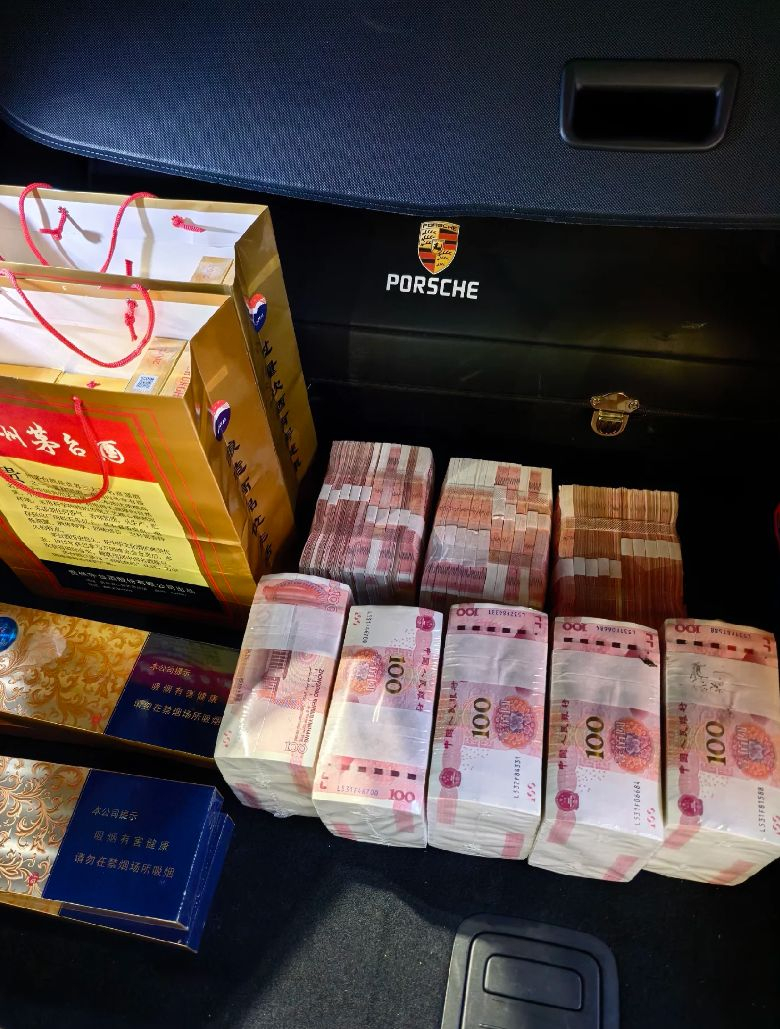
In the year my 500,000 went to zero, I truly couldn’t take it anymore. The candlestick chart made my eyes hurt; my hands shook, I was restless and sleepless, and I smoked until my throat felt like it was on fire. When the backend was left with only 5,000 U, I really did think, “Forget it. I’m done.” But I still did it—because these 5,000 U weren’t a bet; they were what I used to kill my way back.
I only did three things:
First, I picked moments during huge spikes and sudden crashes to trade intraday “pin” moves. When the price got hammered back to key moving averages, I went in with a small position and a low leverage. Took a few points and exited without greed. Rolled it once twice a day, consistently.
Second, I watched newly listed coins. In the first ten minutes, the order book depth was as thin as paper. I placed orders in advance to buy at a low entry and sell a few points higher—like shooting targets, grab the wave and run.
Third, once my account crossed a certain size, I would transfer part of it to a cold wallet every day at the scheduled time. This move saved my life—I’ve seen too many people who turned a few times up but couldn’t bring themselves to leave, and then everything blew up.
At this stage, it doesn’t rely on “technique.” It relies on whether you can control yourself. I’m not a genius, and I’m not lucky either. But I understand one thing clearly: you can be left with nothing, but you can’t be left without understanding. In the crypto market, getting back up doesn’t come from miracles—it comes from whether your moves are ruthless enough and stable enough. Everyone loses money, but whether you can play your last capital clearly depends on whether you truly want to live.
One single plank can’t make a boat; a lone sail won’t travel far. Working in your own head alone makes it hard to turn the tide. Having direction, a rhythm, and a team—that’s what truly lets you hold on to the very end.
After going to zero with 500,000, using 5,000 U to fight back
In the year my 500,000 went to zero, I truly couldn’t take it anymore. The candlestick chart made my eyes hurt; my hands shook, I was restless and sleepless, and I smoked until my throat felt like it was on fire. When the backend was left with only 5,000 U, I really did think, “Forget it. I’m done.” But I still did it—because these 5,000 U weren’t a bet; they were what I used to kill my way back.
I only did three things:
First, I picked moments during huge spikes and sudden crashes to trade intraday “pin” moves. When the price got hammered back to key moving averages, I went in with a small position and a low leverage. Took a few points and exited without greed. Rolled it once twice a day, consistently.
Second, I watched newly listed coins. In the first ten minutes, the order book depth was as thin as paper. I placed orders in advance to buy at a low entry and sell a few points higher—like shooting targets, grab the wave and run.
Third, once my account crossed a certain size, I would transfer part of it to a cold wallet every day at the scheduled time. This move saved my life—I’ve seen too many people who turned a few times up but couldn’t bring themselves to leave, and then everything blew up.
At this stage, it doesn’t rely on “technique.” It relies on whether you can control yourself. I’m not a genius, and I’m not lucky either. But I understand one thing clearly: you can be left with nothing, but you can’t be left without understanding. In the crypto market, getting back up doesn’t come from miracles—it comes from whether your moves are ruthless enough and stable enough. Everyone loses money, but whether you can play your last capital clearly depends on whether you truly want to live.
One single plank can’t make a boat; a lone sail won’t travel far. Working in your own head alone makes it hard to turn the tide. Having direction, a rhythm, and a team—that’s what truly lets you hold on to the very end.
In the year my 500,000 went to zero, I truly couldn’t take it anymore. The candlestick chart made my eyes hurt; my hands shook, I was restless and sleepless, and I smoked until my throat felt like it was on fire. When the backend was left with only 5,000 U, I really did think, “Forget it. I’m done.” But I still did it—because these 5,000 U weren’t a bet; they were what I used to kill my way back.
I only did three things:
First, I picked moments during huge spikes and sudden crashes to trade intraday “pin” moves. When the price got hammered back to key moving averages, I went in with a small position and a low leverage. Took a few points and exited without greed. Rolled it once twice a day, consistently.
Second, I watched newly listed coins. In the first ten minutes, the order book depth was as thin as paper. I placed orders in advance to buy at a low entry and sell a few points higher—like shooting targets, grab the wave and run.
Third, once my account crossed a certain size, I would transfer part of it to a cold wallet every day at the scheduled time. This move saved my life—I’ve seen too many people who turned a few times up but couldn’t bring themselves to leave, and then everything blew up.
At this stage, it doesn’t rely on “technique.” It relies on whether you can control yourself. I’m not a genius, and I’m not lucky either. But I understand one thing clearly: you can be left with nothing, but you can’t be left without understanding. In the crypto market, getting back up doesn’t come from miracles—it comes from whether your moves are ruthless enough and stable enough. Everyone loses money, but whether you can play your last capital clearly depends on whether you truly want to live.
One single plank can’t make a boat; a lone sail won’t travel far. Working in your own head alone makes it hard to turn the tide. Having direction, a rhythm, and a team—that’s what truly lets you hold on to the very end.
1
109
·
--
800U surged 9x—not luck, but position logic
He only had 800U, and I gave him just one piece of logic—the result was a 9x return.
When he first added me, he was already blown up and questioning life. He opened with, “Bro, do I still have a chance to recover?” I didn’t talk him through technicals or promise fake ALL IN on some coin. I only told him one sentence: Instead of getting one correct trade, learn how to control one position.
He took it to heart and followed it carefully. In less than two months, his account went from 800 to 7,400. What did he do? Not going all-in or gambling on luck—he learned three words: rolling positions.
First stage: small-position trial—use a small amount to test the direction. If you’re right, keep rolling. If you’re wrong, treat it as tuition that doesn’t hurt your principal.
Second stage: roll profits—add only with profits. Earn a bit, withdraw part, and keep rolling the remaining position. Profits become principal.
Third stage: lock profits and set take-profit/stop-loss—once the account breaks a certain size, set a take-profit and stop-loss directly. If the trend is still there, hold it; if it’s gone, exit.
It’s not that he’s exceptionally brilliant—he finally understood that surviving matters more than getting rich quick. For those who really want to turn things around
800U surged 9x—not luck, but position logic
He only had 800U, and I gave him just one piece of logic—the result was a 9x return.
When he first added me, he was already blown up and questioning life. He opened with, “Bro, do I still have a chance to recover?” I didn’t talk him through technicals or promise fake ALL IN on some coin. I only told him one sentence: Instead of getting one correct trade, learn how to control one position.
He took it to heart and followed it carefully. In less than two months, his account went from 800 to 7,400. What did he do? Not going all-in or gambling on luck—he learned three words: rolling positions.
First stage: small-position trial—use a small amount to test the direction. If you’re right, keep rolling. If you’re wrong, treat it as tuition that doesn’t hurt your principal.
Second stage: roll profits—add only with profits. Earn a bit, withdraw part, and keep rolling the remaining position. Profits become principal.
Third stage: lock profits and set take-profit/stop-loss—once the account breaks a certain size, set a take-profit and stop-loss directly. If the trend is still there, hold it; if it’s gone, exit.
It’s not that he’s exceptionally brilliant—he finally understood that surviving matters more than getting rich quick. For those who really want to turn things around
He only had 800U, and I gave him just one piece of logic—the result was a 9x return.
When he first added me, he was already blown up and questioning life. He opened with, “Bro, do I still have a chance to recover?” I didn’t talk him through technicals or promise fake ALL IN on some coin. I only told him one sentence: Instead of getting one correct trade, learn how to control one position.
He took it to heart and followed it carefully. In less than two months, his account went from 800 to 7,400. What did he do? Not going all-in or gambling on luck—he learned three words: rolling positions.
First stage: small-position trial—use a small amount to test the direction. If you’re right, keep rolling. If you’re wrong, treat it as tuition that doesn’t hurt your principal.
Second stage: roll profits—add only with profits. Earn a bit, withdraw part, and keep rolling the remaining position. Profits become principal.
Third stage: lock profits and set take-profit/stop-loss—once the account breaks a certain size, set a take-profit and stop-loss directly. If the trend is still there, hold it; if it’s gone, exit.
It’s not that he’s exceptionally brilliant—he finally understood that surviving matters more than getting rich quick. For those who really want to turn things around

1
224
·
--
Spot holding coins and going all-in on futures—two ways of living are worlds apart.
Some people take 100,000 and, year after year, just lie back and build a coin stash until it grows to several million; others go all out trading futures in one furious run, and in three days they’re back to square one.
It’s the same crypto world, but the way you live is completely different.
There’s this older guy who, for three years, only did two things—when it drops, he buys; when it rises, he sells. He doesn’t even care what futures are. As a result, he’s the most stable one—rolling from tens of thousands to over two hundred.
And there’s another brother who plays futures like crazy—fast hands, accurate entries. He once turned a small amount into big gains in a single week, but now he’s already been wiped out several times.
Spot trading isn’t as exciting, but it has a long lifespan. Futures feels great—truly great—but if you can’t play it well, you get wiped out directly.
Right now, many of the people actually making money do both at once: spot accumulating at the base plus futures swing trades together. When the timing is nailed, once the market moves, they go in hard and feast.
But if you can’t control your hands and can’t handle your mindset, then you’d be better off honestly just stacking your coins.
Spot holding coins and going all-in on futures—two ways of living are worlds apart.
Some people take 100,000 and, year after year, just lie back and build a coin stash until it grows to several million; others go all out trading futures in one furious run, and in three days they’re back to square one.
It’s the same crypto world, but the way you live is completely different.
There’s this older guy who, for three years, only did two things—when it drops, he buys; when it rises, he sells. He doesn’t even care what futures are. As a result, he’s the most stable one—rolling from tens of thousands to over two hundred.
And there’s another brother who plays futures like crazy—fast hands, accurate entries. He once turned a small amount into big gains in a single week, but now he’s already been wiped out several times.
Spot trading isn’t as exciting, but it has a long lifespan. Futures feels great—truly great—but if you can’t play it well, you get wiped out directly.
Right now, many of the people actually making money do both at once: spot accumulating at the base plus futures swing trades together. When the timing is nailed, once the market moves, they go in hard and feast.
But if you can’t control your hands and can’t handle your mindset, then you’d be better off honestly just stacking your coins.
Some people take 100,000 and, year after year, just lie back and build a coin stash until it grows to several million; others go all out trading futures in one furious run, and in three days they’re back to square one.
It’s the same crypto world, but the way you live is completely different.
There’s this older guy who, for three years, only did two things—when it drops, he buys; when it rises, he sells. He doesn’t even care what futures are. As a result, he’s the most stable one—rolling from tens of thousands to over two hundred.
And there’s another brother who plays futures like crazy—fast hands, accurate entries. He once turned a small amount into big gains in a single week, but now he’s already been wiped out several times.
Spot trading isn’t as exciting, but it has a long lifespan. Futures feels great—truly great—but if you can’t play it well, you get wiped out directly.
Right now, many of the people actually making money do both at once: spot accumulating at the base plus futures swing trades together. When the timing is nailed, once the market moves, they go in hard and feast.
But if you can’t control your hands and can’t handle your mindset, then you’d be better off honestly just stacking your coins.

1
1
10
3.8k
·
--
From liquidation to earning several thousand U per day—only did three things
It took me a year to go from liquidation to earning several thousand U per day. I only did three things.
Back then I chased hot coins every day too, trying to grab 100x coins—like the kind where you blow up twice in one night and the account gets wiped clean. I understood the real collapse. The hardest one was when I went all-in on shorting BTC right at a needle-like dip during a bounce. A few thousand U just evaporated—I sat there staring at the K-line chart the entire night.
Only then did I truly realize trading isn’t about yelling trade calls, it isn’t about luck, and it definitely isn’t about passion and fantasy. Later, I gritted my teeth and started building a system to control the rhythm.
A few older guys around me were all over the place—some blew up a few times, then had a little capital left; after a couple of weeks they started moving up. Some didn’t have much left and got scolded until they cried, but they managed to turn it around using the roll-over timing rhythm. And there was a younger brother whose execution was on point—every day he only placed one trade, and now he’s stable and makes a daily profit.
I didn’t teach anything deep. I just had them memorize three things: no trading emotional setups—only trade strong signals; position size is fixed and stop-loss is enforced so you can’t lose too much; and each day only do one or two trades—outside of that, say nothing.
That’s how I slowly climbed out of the deep pit.
If you’re still thinking about exploding your account back to zero every day and you feel like your mind will break, then you can take a look at this—no guarantee you’ll get rich overnight, but at least you can stay stable and flip things back.
From liquidation to earning several thousand U per day—only did three things
It took me a year to go from liquidation to earning several thousand U per day. I only did three things.
Back then I chased hot coins every day too, trying to grab 100x coins—like the kind where you blow up twice in one night and the account gets wiped clean. I understood the real collapse. The hardest one was when I went all-in on shorting BTC right at a needle-like dip during a bounce. A few thousand U just evaporated—I sat there staring at the K-line chart the entire night.
Only then did I truly realize trading isn’t about yelling trade calls, it isn’t about luck, and it definitely isn’t about passion and fantasy. Later, I gritted my teeth and started building a system to control the rhythm.
A few older guys around me were all over the place—some blew up a few times, then had a little capital left; after a couple of weeks they started moving up. Some didn’t have much left and got scolded until they cried, but they managed to turn it around using the roll-over timing rhythm. And there was a younger brother whose execution was on point—every day he only placed one trade, and now he’s stable and makes a daily profit.
I didn’t teach anything deep. I just had them memorize three things: no trading emotional setups—only trade strong signals; position size is fixed and stop-loss is enforced so you can’t lose too much; and each day only do one or two trades—outside of that, say nothing.
That’s how I slowly climbed out of the deep pit.
If you’re still thinking about exploding your account back to zero every day and you feel like your mind will break, then you can take a look at this—no guarantee you’ll get rich overnight, but at least you can stay stable and flip things back.
It took me a year to go from liquidation to earning several thousand U per day. I only did three things.
Back then I chased hot coins every day too, trying to grab 100x coins—like the kind where you blow up twice in one night and the account gets wiped clean. I understood the real collapse. The hardest one was when I went all-in on shorting BTC right at a needle-like dip during a bounce. A few thousand U just evaporated—I sat there staring at the K-line chart the entire night.
Only then did I truly realize trading isn’t about yelling trade calls, it isn’t about luck, and it definitely isn’t about passion and fantasy. Later, I gritted my teeth and started building a system to control the rhythm.
A few older guys around me were all over the place—some blew up a few times, then had a little capital left; after a couple of weeks they started moving up. Some didn’t have much left and got scolded until they cried, but they managed to turn it around using the roll-over timing rhythm. And there was a younger brother whose execution was on point—every day he only placed one trade, and now he’s stable and makes a daily profit.
I didn’t teach anything deep. I just had them memorize three things: no trading emotional setups—only trade strong signals; position size is fixed and stop-loss is enforced so you can’t lose too much; and each day only do one or two trades—outside of that, say nothing.
That’s how I slowly climbed out of the deep pit.
If you’re still thinking about exploding your account back to zero every day and you feel like your mind will break, then you can take a look at this—no guarantee you’ll get rich overnight, but at least you can stay stable and flip things back.

3
2.6k
·
--
After losing 200,000, I rolled back with 2,000 U
Back then I lost 200,000, my mindset completely collapsed. I cleared my account to zero and just lay in bed all day without moving. I really wanted to quit the whole scene. But it wasn’t that I wouldn’t trade—it was that I had no method at all. I was just charging around blindly based on feelings.
In the end I only had 2,000 U left. I thought, fine—either I stand back up or I get out.
Then I started doing a really boring thing: reviewing trades. Why each one lost, how I got washed out, where exactly I made the wrong move—everything laid out and studied. Then I set three hard rules: I don’t touch anything besides mainstream coins; coins that pump hard are just for watching, not trading; and I only enter when there’s a triple-confluence signal (technical + sentiment + volume). No triple confluence, no entry. For every rolling cycle, I set a target in advance—hit it and leave, never get hung up.
That’s how I did it. In the first round, 2,000 rolled to 3,400. The second round to 5,800. The third round directly broke 10,000. In the eighth round I reached 42,000, then withdrew 35,000 safely into my pocket. There were no miracles and no plot of doubling after getting liquidated—just honestly rolling forward. Something that can be copied, something that can be executed. Slowly building back up.
That’s basically the method. The hard part is whether you can stay calm and steady—whether you can resist getting knocked back to square one by one needle. If you’re still losing right now, don’t rush to look for a magic trade or a magic coin. First, figure out how to stop your account from continuing to fall. Surviving is what gives you a chance to turn things around. If you really want to get it back, don’t fantasize about getting rich overnight—roll first, that’s all.
After losing 200,000, I rolled back with 2,000 U
Back then I lost 200,000, my mindset completely collapsed. I cleared my account to zero and just lay in bed all day without moving. I really wanted to quit the whole scene. But it wasn’t that I wouldn’t trade—it was that I had no method at all. I was just charging around blindly based on feelings.
In the end I only had 2,000 U left. I thought, fine—either I stand back up or I get out.
Then I started doing a really boring thing: reviewing trades. Why each one lost, how I got washed out, where exactly I made the wrong move—everything laid out and studied. Then I set three hard rules: I don’t touch anything besides mainstream coins; coins that pump hard are just for watching, not trading; and I only enter when there’s a triple-confluence signal (technical + sentiment + volume). No triple confluence, no entry. For every rolling cycle, I set a target in advance—hit it and leave, never get hung up.
That’s how I did it. In the first round, 2,000 rolled to 3,400. The second round to 5,800. The third round directly broke 10,000. In the eighth round I reached 42,000, then withdrew 35,000 safely into my pocket. There were no miracles and no plot of doubling after getting liquidated—just honestly rolling forward. Something that can be copied, something that can be executed. Slowly building back up.
That’s basically the method. The hard part is whether you can stay calm and steady—whether you can resist getting knocked back to square one by one needle. If you’re still losing right now, don’t rush to look for a magic trade or a magic coin. First, figure out how to stop your account from continuing to fall. Surviving is what gives you a chance to turn things around. If you really want to get it back, don’t fantasize about getting rich overnight—roll first, that’s all.
Back then I lost 200,000, my mindset completely collapsed. I cleared my account to zero and just lay in bed all day without moving. I really wanted to quit the whole scene. But it wasn’t that I wouldn’t trade—it was that I had no method at all. I was just charging around blindly based on feelings.
In the end I only had 2,000 U left. I thought, fine—either I stand back up or I get out.
Then I started doing a really boring thing: reviewing trades. Why each one lost, how I got washed out, where exactly I made the wrong move—everything laid out and studied. Then I set three hard rules: I don’t touch anything besides mainstream coins; coins that pump hard are just for watching, not trading; and I only enter when there’s a triple-confluence signal (technical + sentiment + volume). No triple confluence, no entry. For every rolling cycle, I set a target in advance—hit it and leave, never get hung up.
That’s how I did it. In the first round, 2,000 rolled to 3,400. The second round to 5,800. The third round directly broke 10,000. In the eighth round I reached 42,000, then withdrew 35,000 safely into my pocket. There were no miracles and no plot of doubling after getting liquidated—just honestly rolling forward. Something that can be copied, something that can be executed. Slowly building back up.
That’s basically the method. The hard part is whether you can stay calm and steady—whether you can resist getting knocked back to square one by one needle. If you’re still losing right now, don’t rush to look for a magic trade or a magic coin. First, figure out how to stop your account from continuing to fall. Surviving is what gives you a chance to turn things around. If you really want to get it back, don’t fantasize about getting rich overnight—roll first, that’s all.

5
1
10
16.8k
·
--
Post-90s generation, 8 years in the crypto world. From 10k USDT to over 1M
I’m a post-90s generation crypto veteran with 8 years in the space. I started with only about 10k USDT capital, growing it bit by bit to over 1M today. With insider information? No. By going all-in and hitting a huge win? Also no. At the beginning, I even fantasized about a 10x coin trade to achieve financial freedom—but it went terribly and I lost a lot. In the end, I still pulled it up the hard way with the dumbest method: a “rolling/turning-over positions” strategy.
After pushing my way up to 1M, I’ve summed up 6 iron rules—lessons learned from real money and real mistakes:
Fast up, slow down—don’t rush to get off the train. Many people panic when it rises and leave quickly; in reality, the operator is usually eating the market and running a wash. The ones that really want to exit are the kind that “pull up one green candle and then instantly dump,” a pure textbook trap to lure buyers.
Fast down, slow up—don’t assume you’ve found a bargain. Dumping followed by sideways trading can trick you into bottom-fishing, and then they hit you with another round. This game has been played for eight years, and still there are people who believe it’s a good low-buy opportunity.
At the top, big volume doesn’t necessarily mean a crash—no volume is what’s truly dangerous. If you surge and can still push volume higher, it means there’s still emotion and buyers in the market. What you should actually fear is when it rises but there’s no one to take the volume—then it’s just a castle in the air.
A big bullish candle at the bottom? Be careful. One-off explosive volume is a lure. It’s the continuous run of increased volume after a period of shrinking, stabilizing consolidation that shows someone is truly accumulating.
Don’t just read the K-line—watch the sentiment. Don’t just watch price—watch trading volume. Price is only a surface appearance; volume is the market’s consensus reflected in real form.
Crypto pros keep a very “detached” mindset. They don’t cling, they don’t fight to the end; they can go to cash without chasing highs, and they’re bold enough to enter—and equally bold enough to exit. It’s not being “Buddhist,” it’s self-protection.
Understand one rule and you might avoid losing 100k. Actually do three rules, and you’re already stronger than most people. Turning 10k USDT into 1M USDT isn’t a fantasy—but it definitely isn’t something you can achieve through imagination alone.
Post-90s generation, 8 years in the crypto world. From 10k USDT to over 1M
I’m a post-90s generation crypto veteran with 8 years in the space. I started with only about 10k USDT capital, growing it bit by bit to over 1M today. With insider information? No. By going all-in and hitting a huge win? Also no. At the beginning, I even fantasized about a 10x coin trade to achieve financial freedom—but it went terribly and I lost a lot. In the end, I still pulled it up the hard way with the dumbest method: a “rolling/turning-over positions” strategy.
After pushing my way up to 1M, I’ve summed up 6 iron rules—lessons learned from real money and real mistakes:
Fast up, slow down—don’t rush to get off the train. Many people panic when it rises and leave quickly; in reality, the operator is usually eating the market and running a wash. The ones that really want to exit are the kind that “pull up one green candle and then instantly dump,” a pure textbook trap to lure buyers.
Fast down, slow up—don’t assume you’ve found a bargain. Dumping followed by sideways trading can trick you into bottom-fishing, and then they hit you with another round. This game has been played for eight years, and still there are people who believe it’s a good low-buy opportunity.
At the top, big volume doesn’t necessarily mean a crash—no volume is what’s truly dangerous. If you surge and can still push volume higher, it means there’s still emotion and buyers in the market. What you should actually fear is when it rises but there’s no one to take the volume—then it’s just a castle in the air.
A big bullish candle at the bottom? Be careful. One-off explosive volume is a lure. It’s the continuous run of increased volume after a period of shrinking, stabilizing consolidation that shows someone is truly accumulating.
Don’t just read the K-line—watch the sentiment. Don’t just watch price—watch trading volume. Price is only a surface appearance; volume is the market’s consensus reflected in real form.
Crypto pros keep a very “detached” mindset. They don’t cling, they don’t fight to the end; they can go to cash without chasing highs, and they’re bold enough to enter—and equally bold enough to exit. It’s not being “Buddhist,” it’s self-protection.
Understand one rule and you might avoid losing 100k. Actually do three rules, and you’re already stronger than most people. Turning 10k USDT into 1M USDT isn’t a fantasy—but it definitely isn’t something you can achieve through imagination alone.
I’m a post-90s generation crypto veteran with 8 years in the space. I started with only about 10k USDT capital, growing it bit by bit to over 1M today. With insider information? No. By going all-in and hitting a huge win? Also no. At the beginning, I even fantasized about a 10x coin trade to achieve financial freedom—but it went terribly and I lost a lot. In the end, I still pulled it up the hard way with the dumbest method: a “rolling/turning-over positions” strategy.
After pushing my way up to 1M, I’ve summed up 6 iron rules—lessons learned from real money and real mistakes:
Fast up, slow down—don’t rush to get off the train. Many people panic when it rises and leave quickly; in reality, the operator is usually eating the market and running a wash. The ones that really want to exit are the kind that “pull up one green candle and then instantly dump,” a pure textbook trap to lure buyers.
Fast down, slow up—don’t assume you’ve found a bargain. Dumping followed by sideways trading can trick you into bottom-fishing, and then they hit you with another round. This game has been played for eight years, and still there are people who believe it’s a good low-buy opportunity.
At the top, big volume doesn’t necessarily mean a crash—no volume is what’s truly dangerous. If you surge and can still push volume higher, it means there’s still emotion and buyers in the market. What you should actually fear is when it rises but there’s no one to take the volume—then it’s just a castle in the air.
A big bullish candle at the bottom? Be careful. One-off explosive volume is a lure. It’s the continuous run of increased volume after a period of shrinking, stabilizing consolidation that shows someone is truly accumulating.
Don’t just read the K-line—watch the sentiment. Don’t just watch price—watch trading volume. Price is only a surface appearance; volume is the market’s consensus reflected in real form.
Crypto pros keep a very “detached” mindset. They don’t cling, they don’t fight to the end; they can go to cash without chasing highs, and they’re bold enough to enter—and equally bold enough to exit. It’s not being “Buddhist,” it’s self-protection.
Understand one rule and you might avoid losing 100k. Actually do three rules, and you’re already stronger than most people. Turning 10k USDT into 1M USDT isn’t a fantasy—but it definitely isn’t something you can achieve through imagination alone.

5
3
3
3k
·
--
Only after getting schooled by the market did I understand this
When I first entered the crypto world, I really didn’t know anything. When it went up, I was so excited I couldn’t sleep; when it went down, I was so anxious I couldn’t eat. Whenever the candlestick chart moved, my body would twitch along with it. Later, after the market taught me the hard way—getting repeatedly harvested from my account—I finally understood: in crypto, it’s not about how insanely good the technology is. It’s whether you can steady your emotions, and whether you can go against human nature.
I turned things around little by little thanks to some hard-earned, bloody experience. For example: after certain coins have been falling for several days, a rebound usually comes; for coins that have pumped hard, it’s common to see another surge in the early trading session the next day, but if you don’t sell before lunchtime, you’re basically asking to get taken for a cut; when a coin has been consolidating sideways for days and then suddenly spikes with increased volume, don’t hesitate—that might be the main players’ final chance. After you buy, if you can’t even earn back the trading fees, don’t talk about “waiting a bit longer”—cut your loss, or you’ll be worn down and killed by time. And there’s also that kind of coin that rises for three straight days—it often gets harvested at a specific time.
I’m not saying these things are mystical, but at least they stopped me from messing around blindly. There’s no foolproof secret in crypto, but the discipline you should follow and the timing you should respect—none of it can be thrown off.
Only after getting schooled by the market did I understand this
When I first entered the crypto world, I really didn’t know anything. When it went up, I was so excited I couldn’t sleep; when it went down, I was so anxious I couldn’t eat. Whenever the candlestick chart moved, my body would twitch along with it. Later, after the market taught me the hard way—getting repeatedly harvested from my account—I finally understood: in crypto, it’s not about how insanely good the technology is. It’s whether you can steady your emotions, and whether you can go against human nature.
I turned things around little by little thanks to some hard-earned, bloody experience. For example: after certain coins have been falling for several days, a rebound usually comes; for coins that have pumped hard, it’s common to see another surge in the early trading session the next day, but if you don’t sell before lunchtime, you’re basically asking to get taken for a cut; when a coin has been consolidating sideways for days and then suddenly spikes with increased volume, don’t hesitate—that might be the main players’ final chance. After you buy, if you can’t even earn back the trading fees, don’t talk about “waiting a bit longer”—cut your loss, or you’ll be worn down and killed by time. And there’s also that kind of coin that rises for three straight days—it often gets harvested at a specific time.
I’m not saying these things are mystical, but at least they stopped me from messing around blindly. There’s no foolproof secret in crypto, but the discipline you should follow and the timing you should respect—none of it can be thrown off.
When I first entered the crypto world, I really didn’t know anything. When it went up, I was so excited I couldn’t sleep; when it went down, I was so anxious I couldn’t eat. Whenever the candlestick chart moved, my body would twitch along with it. Later, after the market taught me the hard way—getting repeatedly harvested from my account—I finally understood: in crypto, it’s not about how insanely good the technology is. It’s whether you can steady your emotions, and whether you can go against human nature.
I turned things around little by little thanks to some hard-earned, bloody experience. For example: after certain coins have been falling for several days, a rebound usually comes; for coins that have pumped hard, it’s common to see another surge in the early trading session the next day, but if you don’t sell before lunchtime, you’re basically asking to get taken for a cut; when a coin has been consolidating sideways for days and then suddenly spikes with increased volume, don’t hesitate—that might be the main players’ final chance. After you buy, if you can’t even earn back the trading fees, don’t talk about “waiting a bit longer”—cut your loss, or you’ll be worn down and killed by time. And there’s also that kind of coin that rises for three straight days—it often gets harvested at a specific time.
I’m not saying these things are mystical, but at least they stopped me from messing around blindly. There’s no foolproof secret in crypto, but the discipline you should follow and the timing you should respect—none of it can be thrown off.


1
924
·
--
The crypto market is not a gambling game; it is a rhythm game
Do you also feel like the crypto market is just a gamble, always thinking the next trade will turn things around, only to get eaten up by the market again and again? I used to struggle desperately in this cycle too, until I found a simple strategy that could steadily make 2000-4000U a day—not a get-rich-quick myth, but a reality repeated over and over.
The method is very simple: no need to wait for signals, no need to stare at the screen all day, no need to draw complicated technical charts, and you can still make money in a sideways market. It is not “gambling” but “withdrawing money” — a precise rhythm-control position-rolling model. One brother tripled his account in 30 days and directly withdrew the profits to buy a car; another beginner rolled 1500U up to 5600U in less than 30 days.
95% of retail traders are making the same mistakes: adding to positions wrongly, taking profit wrongly, and stopping loss wrongly. What the people I lead do is not complicated—as long as they can listen, understand the rhythm, and execute properly, the returns will naturally follow. The core is rhythm control, position allocation, position adjustment, and exit planning. Once you start practicing, you’ll understand that it is a completely different world from “betting on up or down.”
Stop believing in luck, and stop clinging to the fantasy that “the next trade will turn things around.” Frequent trading only makes you lose more; even when you get the direction right, you still can’t stop the losses, can’t control yourself, can’t hold the position, and in the end you are left only with emotions. If any of these apply to you, don’t keep stubbornly holding on. It’s time to stop and change your mindset. For those still gambling, the market is always ready to take you apart. One stick does not make a boat; blindly going it alone will never bring opportunities
The crypto market is not a gambling game; it is a rhythm game
Do you also feel like the crypto market is just a gamble, always thinking the next trade will turn things around, only to get eaten up by the market again and again? I used to struggle desperately in this cycle too, until I found a simple strategy that could steadily make 2000-4000U a day—not a get-rich-quick myth, but a reality repeated over and over.
The method is very simple: no need to wait for signals, no need to stare at the screen all day, no need to draw complicated technical charts, and you can still make money in a sideways market. It is not “gambling” but “withdrawing money” — a precise rhythm-control position-rolling model. One brother tripled his account in 30 days and directly withdrew the profits to buy a car; another beginner rolled 1500U up to 5600U in less than 30 days.
95% of retail traders are making the same mistakes: adding to positions wrongly, taking profit wrongly, and stopping loss wrongly. What the people I lead do is not complicated—as long as they can listen, understand the rhythm, and execute properly, the returns will naturally follow. The core is rhythm control, position allocation, position adjustment, and exit planning. Once you start practicing, you’ll understand that it is a completely different world from “betting on up or down.”
Stop believing in luck, and stop clinging to the fantasy that “the next trade will turn things around.” Frequent trading only makes you lose more; even when you get the direction right, you still can’t stop the losses, can’t control yourself, can’t hold the position, and in the end you are left only with emotions. If any of these apply to you, don’t keep stubbornly holding on. It’s time to stop and change your mindset. For those still gambling, the market is always ready to take you apart. One stick does not make a boat; blindly going it alone will never bring opportunities
Do you also feel like the crypto market is just a gamble, always thinking the next trade will turn things around, only to get eaten up by the market again and again? I used to struggle desperately in this cycle too, until I found a simple strategy that could steadily make 2000-4000U a day—not a get-rich-quick myth, but a reality repeated over and over.
The method is very simple: no need to wait for signals, no need to stare at the screen all day, no need to draw complicated technical charts, and you can still make money in a sideways market. It is not “gambling” but “withdrawing money” — a precise rhythm-control position-rolling model. One brother tripled his account in 30 days and directly withdrew the profits to buy a car; another beginner rolled 1500U up to 5600U in less than 30 days.
95% of retail traders are making the same mistakes: adding to positions wrongly, taking profit wrongly, and stopping loss wrongly. What the people I lead do is not complicated—as long as they can listen, understand the rhythm, and execute properly, the returns will naturally follow. The core is rhythm control, position allocation, position adjustment, and exit planning. Once you start practicing, you’ll understand that it is a completely different world from “betting on up or down.”
Stop believing in luck, and stop clinging to the fantasy that “the next trade will turn things around.” Frequent trading only makes you lose more; even when you get the direction right, you still can’t stop the losses, can’t control yourself, can’t hold the position, and in the end you are left only with emotions. If any of these apply to you, don’t keep stubbornly holding on. It’s time to stop and change your mindset. For those still gambling, the market is always ready to take you apart. One stick does not make a boat; blindly going it alone will never bring opportunities

145
·
--
Contracts are a double-edged sword: play them right and you can turn things around; play them wrong and it’s the abyss
Contracts really are a double-edged sword. Mess around blindly and you can get wiped out and kicked out in minutes, but if you do it right, turning a few thousand U into hundreds of thousands or even millions is not a dream.
I personally went through 3 months of losing 500,000, and during that time I really felt like jumping off a building, staring at the charts every day with red eyes. The hardest part was that every liquidation felt like I was on the verge of falling apart completely. In the end I only had 5,000 U left, and I made up my mind: either bet once, or stay at the bottom forever.
So I truly started doing three things: choosing coins, opening positions, and setting stop-loss and take-profit. The most important thing is not technical analysis at all, but "rhythm plus control." If you want to win once and stay steady, then win a second time; this is not gambling with your life, it’s betting on being "steady."
Choosing coins is more important than you might think. The market only has two directions—up or down. When it’s going up, find the leading coin and go long; when it’s going down, watch the weakest coin and go short. Absolutely do not touch new coins; 99% of them are just for the big players to cut the leeks.
Don’t go all in blindly when opening a position. The "pyramid adding" method is a lifesaver—only open a small position, and add more after unrealized profit reaches a certain percentage, moving steadily and cautiously. Never treat your principal as a bet.
The art of stop-loss and take-profit is extremely important. Set your stop-loss near your cost basis, and set your take-profit several times the stop-loss amount. Many people are not decisive when taking profit; when they lose, they desperately add more positions. In the end, this kind of "heavy position" only leads to liquidation.
This method brought in the first pot of gold, and the account grew from 5,000 U to 1 million. Many people don’t believe it, but can you really withstand the despair of falling from 500,000 to 5,000 U? Contracts are not gambling; they are a precise mathematical game. One tree does not make a boat, and having a good team to point the way is always stronger than going it alone
Contracts are a double-edged sword: play them right and you can turn things around; play them wrong and it’s the abyss
Contracts really are a double-edged sword. Mess around blindly and you can get wiped out and kicked out in minutes, but if you do it right, turning a few thousand U into hundreds of thousands or even millions is not a dream.
I personally went through 3 months of losing 500,000, and during that time I really felt like jumping off a building, staring at the charts every day with red eyes. The hardest part was that every liquidation felt like I was on the verge of falling apart completely. In the end I only had 5,000 U left, and I made up my mind: either bet once, or stay at the bottom forever.
So I truly started doing three things: choosing coins, opening positions, and setting stop-loss and take-profit. The most important thing is not technical analysis at all, but "rhythm plus control." If you want to win once and stay steady, then win a second time; this is not gambling with your life, it’s betting on being "steady."
Choosing coins is more important than you might think. The market only has two directions—up or down. When it’s going up, find the leading coin and go long; when it’s going down, watch the weakest coin and go short. Absolutely do not touch new coins; 99% of them are just for the big players to cut the leeks.
Don’t go all in blindly when opening a position. The "pyramid adding" method is a lifesaver—only open a small position, and add more after unrealized profit reaches a certain percentage, moving steadily and cautiously. Never treat your principal as a bet.
The art of stop-loss and take-profit is extremely important. Set your stop-loss near your cost basis, and set your take-profit several times the stop-loss amount. Many people are not decisive when taking profit; when they lose, they desperately add more positions. In the end, this kind of "heavy position" only leads to liquidation.
This method brought in the first pot of gold, and the account grew from 5,000 U to 1 million. Many people don’t believe it, but can you really withstand the despair of falling from 500,000 to 5,000 U? Contracts are not gambling; they are a precise mathematical game. One tree does not make a boat, and having a good team to point the way is always stronger than going it alone
Contracts really are a double-edged sword. Mess around blindly and you can get wiped out and kicked out in minutes, but if you do it right, turning a few thousand U into hundreds of thousands or even millions is not a dream.
I personally went through 3 months of losing 500,000, and during that time I really felt like jumping off a building, staring at the charts every day with red eyes. The hardest part was that every liquidation felt like I was on the verge of falling apart completely. In the end I only had 5,000 U left, and I made up my mind: either bet once, or stay at the bottom forever.
So I truly started doing three things: choosing coins, opening positions, and setting stop-loss and take-profit. The most important thing is not technical analysis at all, but "rhythm plus control." If you want to win once and stay steady, then win a second time; this is not gambling with your life, it’s betting on being "steady."
Choosing coins is more important than you might think. The market only has two directions—up or down. When it’s going up, find the leading coin and go long; when it’s going down, watch the weakest coin and go short. Absolutely do not touch new coins; 99% of them are just for the big players to cut the leeks.
Don’t go all in blindly when opening a position. The "pyramid adding" method is a lifesaver—only open a small position, and add more after unrealized profit reaches a certain percentage, moving steadily and cautiously. Never treat your principal as a bet.
The art of stop-loss and take-profit is extremely important. Set your stop-loss near your cost basis, and set your take-profit several times the stop-loss amount. Many people are not decisive when taking profit; when they lose, they desperately add more positions. In the end, this kind of "heavy position" only leads to liquidation.
This method brought in the first pot of gold, and the account grew from 5,000 U to 1 million. Many people don’t believe it, but can you really withstand the despair of falling from 500,000 to 5,000 U? Contracts are not gambling; they are a precise mathematical game. One tree does not make a boat, and having a good team to point the way is always stronger than going it alone

440
·
--
From losing 3 million to slowly clawing my way back with 3,500U
That year, I lost a full 3 million in the bear market. I couldn’t sleep every day, I cleared my朋友圈, my family didn’t understand, my friends avoided me, and I really did think about giving up. Until I read one sentence: losing more is still only the beginning; refusing to let go is the real end. My mind clicked—I felt like I had been awakened.
I treated the remaining 3,500U as my last chance—not as gambling, but as a chance to review my mistakes and start over. I began to thoroughly reflect on my previous errors: no stop-loss, going all-in with oversized positions, blindly following the crowd, frequently switching coins, not understanding position management... to put it bluntly, I didn’t understand trading at all; I was just a gambler betting on odds.
This time I did only one thing: compounding the account with strict rule execution. I split 3,500U into two parts: one for defense and one for offense. I focused only on high-win-rate short-term trades. Every trade aimed for a small profit and I would exit, never being greedy. If a trade lost, I cut it quickly without delay, and I only traded setups I could understand. In the first week, I grew 3,500U to 5,200U; in the second week to 8,600U; by the sixth week, the account finally showed a balance of “4WU+”.
That night, I turned off the screen and sat there silently in a daze. It wasn’t because I had made money—it was the feeling that “I really can make it back” that felt so real. This compounding approach wasn’t some miracle trick; it was a reproducible method for controlling rhythm. Many people fail because their pace is chaotic: they trade impulsively, lose everything, then add more size trying to win it back. If the direction is right and the rhythm is under control, even small capital can still turn around.
The crypto market never lacks opportunities; what it lacks is someone who truly understands the market and still has the discipline to execute. One log can’t make a boat sail; blindly working alone will never bring opportunities. The most important thing is to find like-minded partners to cooperate and explore together
From losing 3 million to slowly clawing my way back with 3,500U
That year, I lost a full 3 million in the bear market. I couldn’t sleep every day, I cleared my朋友圈, my family didn’t understand, my friends avoided me, and I really did think about giving up. Until I read one sentence: losing more is still only the beginning; refusing to let go is the real end. My mind clicked—I felt like I had been awakened.
I treated the remaining 3,500U as my last chance—not as gambling, but as a chance to review my mistakes and start over. I began to thoroughly reflect on my previous errors: no stop-loss, going all-in with oversized positions, blindly following the crowd, frequently switching coins, not understanding position management... to put it bluntly, I didn’t understand trading at all; I was just a gambler betting on odds.
This time I did only one thing: compounding the account with strict rule execution. I split 3,500U into two parts: one for defense and one for offense. I focused only on high-win-rate short-term trades. Every trade aimed for a small profit and I would exit, never being greedy. If a trade lost, I cut it quickly without delay, and I only traded setups I could understand. In the first week, I grew 3,500U to 5,200U; in the second week to 8,600U; by the sixth week, the account finally showed a balance of “4WU+”.
That night, I turned off the screen and sat there silently in a daze. It wasn’t because I had made money—it was the feeling that “I really can make it back” that felt so real. This compounding approach wasn’t some miracle trick; it was a reproducible method for controlling rhythm. Many people fail because their pace is chaotic: they trade impulsively, lose everything, then add more size trying to win it back. If the direction is right and the rhythm is under control, even small capital can still turn around.
The crypto market never lacks opportunities; what it lacks is someone who truly understands the market and still has the discipline to execute. One log can’t make a boat sail; blindly working alone will never bring opportunities. The most important thing is to find like-minded partners to cooperate and explore together
That year, I lost a full 3 million in the bear market. I couldn’t sleep every day, I cleared my朋友圈, my family didn’t understand, my friends avoided me, and I really did think about giving up. Until I read one sentence: losing more is still only the beginning; refusing to let go is the real end. My mind clicked—I felt like I had been awakened.
I treated the remaining 3,500U as my last chance—not as gambling, but as a chance to review my mistakes and start over. I began to thoroughly reflect on my previous errors: no stop-loss, going all-in with oversized positions, blindly following the crowd, frequently switching coins, not understanding position management... to put it bluntly, I didn’t understand trading at all; I was just a gambler betting on odds.
This time I did only one thing: compounding the account with strict rule execution. I split 3,500U into two parts: one for defense and one for offense. I focused only on high-win-rate short-term trades. Every trade aimed for a small profit and I would exit, never being greedy. If a trade lost, I cut it quickly without delay, and I only traded setups I could understand. In the first week, I grew 3,500U to 5,200U; in the second week to 8,600U; by the sixth week, the account finally showed a balance of “4WU+”.
That night, I turned off the screen and sat there silently in a daze. It wasn’t because I had made money—it was the feeling that “I really can make it back” that felt so real. This compounding approach wasn’t some miracle trick; it was a reproducible method for controlling rhythm. Many people fail because their pace is chaotic: they trade impulsively, lose everything, then add more size trying to win it back. If the direction is right and the rhythm is under control, even small capital can still turn around.
The crypto market never lacks opportunities; what it lacks is someone who truly understands the market and still has the discipline to execute. One log can’t make a boat sail; blindly working alone will never bring opportunities. The most important thing is to find like-minded partners to cooperate and explore together
1
496
·
--
From losing 2 million to slowly climbing back with 3500U
That year’s bear market wiped out a full 2 million. I couldn’t sleep every day, my social circle disappeared, my family didn’t understand, and friends kept their distance. I really did think about giving up for a while. Until I saw a sentence online: losing more is just the beginning; holding on blindly is the end. In that moment, it felt like someone had suddenly woken me up.
I took the last remaining 3500U as my final shot—not to gamble, but to honestly review, summarize, and start over. I slowly realized that the reason I kept losing money before wasn’t bad luck at all, but: no stop-loss, going all-in with oversized positions, blindly following the crowd, frequently switching coins, and having no position control whatsoever. Put simply, I wasn’t trading—I was just betting on red or black.
This time, I focused on just one thing: compounding and strict execution. I split the 3500U into two parts, one for defense and one for offense. I only traded setups I could understand. I took small profits quickly and never got greedy; if I was wrong, I cut the loss immediately and never拖延; if there was no signal, I stayed in cash. In the first week, I grew it from 3500U to 5200U. In the second week, it reached 1WU. By the sixth week, the account finally had “5WU+”. That night I shut down the computer and sat there in a daze for a long time—not because of how much I made, but because for the first time I had a real feeling in my heart: it really can be turned around.
It wasn’t some magical move or insider information. It was just a very “simple” rhythm-based method—no reckless charging, no oversized positions, keeping the pace steady, and only playing the setups I could understand. For most people, the root of losing money is just one word: chaos. Chaotic rhythm, chaotic emotions, and an even more chaotic trading plan. As long as you can stabilize your rhythm, even small capital can make a comeback.
From losing 2 million to slowly climbing back with 3500U
That year’s bear market wiped out a full 2 million. I couldn’t sleep every day, my social circle disappeared, my family didn’t understand, and friends kept their distance. I really did think about giving up for a while. Until I saw a sentence online: losing more is just the beginning; holding on blindly is the end. In that moment, it felt like someone had suddenly woken me up.
I took the last remaining 3500U as my final shot—not to gamble, but to honestly review, summarize, and start over. I slowly realized that the reason I kept losing money before wasn’t bad luck at all, but: no stop-loss, going all-in with oversized positions, blindly following the crowd, frequently switching coins, and having no position control whatsoever. Put simply, I wasn’t trading—I was just betting on red or black.
This time, I focused on just one thing: compounding and strict execution. I split the 3500U into two parts, one for defense and one for offense. I only traded setups I could understand. I took small profits quickly and never got greedy; if I was wrong, I cut the loss immediately and never拖延; if there was no signal, I stayed in cash. In the first week, I grew it from 3500U to 5200U. In the second week, it reached 1WU. By the sixth week, the account finally had “5WU+”. That night I shut down the computer and sat there in a daze for a long time—not because of how much I made, but because for the first time I had a real feeling in my heart: it really can be turned around.
It wasn’t some magical move or insider information. It was just a very “simple” rhythm-based method—no reckless charging, no oversized positions, keeping the pace steady, and only playing the setups I could understand. For most people, the root of losing money is just one word: chaos. Chaotic rhythm, chaotic emotions, and an even more chaotic trading plan. As long as you can stabilize your rhythm, even small capital can make a comeback.
That year’s bear market wiped out a full 2 million. I couldn’t sleep every day, my social circle disappeared, my family didn’t understand, and friends kept their distance. I really did think about giving up for a while. Until I saw a sentence online: losing more is just the beginning; holding on blindly is the end. In that moment, it felt like someone had suddenly woken me up.
I took the last remaining 3500U as my final shot—not to gamble, but to honestly review, summarize, and start over. I slowly realized that the reason I kept losing money before wasn’t bad luck at all, but: no stop-loss, going all-in with oversized positions, blindly following the crowd, frequently switching coins, and having no position control whatsoever. Put simply, I wasn’t trading—I was just betting on red or black.
This time, I focused on just one thing: compounding and strict execution. I split the 3500U into two parts, one for defense and one for offense. I only traded setups I could understand. I took small profits quickly and never got greedy; if I was wrong, I cut the loss immediately and never拖延; if there was no signal, I stayed in cash. In the first week, I grew it from 3500U to 5200U. In the second week, it reached 1WU. By the sixth week, the account finally had “5WU+”. That night I shut down the computer and sat there in a daze for a long time—not because of how much I made, but because for the first time I had a real feeling in my heart: it really can be turned around.
It wasn’t some magical move or insider information. It was just a very “simple” rhythm-based method—no reckless charging, no oversized positions, keeping the pace steady, and only playing the setups I could understand. For most people, the root of losing money is just one word: chaos. Chaotic rhythm, chaotic emotions, and an even more chaotic trading plan. As long as you can stabilize your rhythm, even small capital can make a comeback.

578
·
--
From 30,000 U to 620,000, a 7-week grind
From 30,000 U to 620,000, it took 7 weeks, with no liquidation and no gambling with my life. It’s not that I’m amazing; it’s that I finally understood that in the crypto world, you can’t survive on luck.
Back then I was almost at my limit. I had lost my way down from the peak until only 30,000 U was left, and I couldn’t even bear to look at my account. But I wasn’t willing to accept that. I knew this market could be turned around; my previous methods were just too messy and my pace too wild.
From that point on, I did only two things: follow the swings, don’t guess the market or try to catch falling knives; control drawdowns, don’t go heavy on positions, don’t be greedy, and take profit and run once I had made a little. A lot of people die unfairly: even if they get the direction right, they still get shaken out; they can’t stop losses or take profits because emotions are running the show.
I’ve spent three years refining this rolling-position approach, from 2022 until now, and it has been proven many times over. In this round of the market, I also led a few brothers to do pretty well — some turned small capital into solid returns, some focused on short-selling rhythm, and some completed a few trades cleanly and decisively. It’s not that the method is magical; it’s that we finally learned how to move steadily and survive.
Crypto isn’t unprofitable; it’s just that most people take the wrong path. You don’t need to get rich overnight. You only need to build steadily and let compounding do the real magic. One tree does not make a forest, and a lone sail cannot travel far. Having a good team to point you in the right direction is always far stronger than going it alone.
From 30,000 U to 620,000, a 7-week grind
From 30,000 U to 620,000, it took 7 weeks, with no liquidation and no gambling with my life. It’s not that I’m amazing; it’s that I finally understood that in the crypto world, you can’t survive on luck.
Back then I was almost at my limit. I had lost my way down from the peak until only 30,000 U was left, and I couldn’t even bear to look at my account. But I wasn’t willing to accept that. I knew this market could be turned around; my previous methods were just too messy and my pace too wild.
From that point on, I did only two things: follow the swings, don’t guess the market or try to catch falling knives; control drawdowns, don’t go heavy on positions, don’t be greedy, and take profit and run once I had made a little. A lot of people die unfairly: even if they get the direction right, they still get shaken out; they can’t stop losses or take profits because emotions are running the show.
I’ve spent three years refining this rolling-position approach, from 2022 until now, and it has been proven many times over. In this round of the market, I also led a few brothers to do pretty well — some turned small capital into solid returns, some focused on short-selling rhythm, and some completed a few trades cleanly and decisively. It’s not that the method is magical; it’s that we finally learned how to move steadily and survive.
Crypto isn’t unprofitable; it’s just that most people take the wrong path. You don’t need to get rich overnight. You only need to build steadily and let compounding do the real magic. One tree does not make a forest, and a lone sail cannot travel far. Having a good team to point you in the right direction is always far stronger than going it alone.
From 30,000 U to 620,000, it took 7 weeks, with no liquidation and no gambling with my life. It’s not that I’m amazing; it’s that I finally understood that in the crypto world, you can’t survive on luck.
Back then I was almost at my limit. I had lost my way down from the peak until only 30,000 U was left, and I couldn’t even bear to look at my account. But I wasn’t willing to accept that. I knew this market could be turned around; my previous methods were just too messy and my pace too wild.
From that point on, I did only two things: follow the swings, don’t guess the market or try to catch falling knives; control drawdowns, don’t go heavy on positions, don’t be greedy, and take profit and run once I had made a little. A lot of people die unfairly: even if they get the direction right, they still get shaken out; they can’t stop losses or take profits because emotions are running the show.
I’ve spent three years refining this rolling-position approach, from 2022 until now, and it has been proven many times over. In this round of the market, I also led a few brothers to do pretty well — some turned small capital into solid returns, some focused on short-selling rhythm, and some completed a few trades cleanly and decisively. It’s not that the method is magical; it’s that we finally learned how to move steadily and survive.
Crypto isn’t unprofitable; it’s just that most people take the wrong path. You don’t need to get rich overnight. You only need to build steadily and let compounding do the real magic. One tree does not make a forest, and a lone sail cannot travel far. Having a good team to point you in the right direction is always far stronger than going it alone.


1.7k
Log in to explore more content
Join global crypto users on Binance Square
⚡️ Get latest and useful information about crypto.
💬 Trusted by the world’s largest crypto exchange.
👍 Discover real insights from verified creators.
Email / Phone number
Trending Topics
ClarityActFacesProceduralVoteSept15
9,572 views
214 Discussing
#clarityactfacesproceduralvotesept15
🚨 CLARITY Act Faces Procedural Vote September 15 🚨
The Senate chamber is quiet, but the crypto market is already watching the clock. On September 15, one procedural vote could determine whether a major U.S. crypto market-structure bill gets its chance to move forward.
The CLARITY Act is not facing final passage that day. Senators are expected to vote on a motion to proceed, a critical procedural step that requires 60 votes to clear the Senate hurdle.
That distinction matters. A successful vote would not make the bill law, but it would open the door to further Senate consideration and negotiations.
The stakes are substantial because the legislation aims to establish clearer rules around digital assets and determine how responsibilities are divided between U.S. regulators.
The latest 630-page revision also adds provisions addressing certain non-decentralized trading protocols, while several political and regulatory disagreements remain unresolved.
My take: September 15 should be viewed less as a victory-or-defeat day and more as a credibility test. Clearing the procedural barrier could strengthen confidence that U.S. crypto legislation is moving toward a clearer framework. Failure could extend uncertainty.
For crypto markets, regulatory clarity can influence institutional participation, business decisions, and how investors price U.S. exposure. But expectations can move faster than legislation itself.
The real signal is not whether crypto gets clarity overnight, but whether lawmakers can finally build enough consensus to move the process forward.
Will the September 15 vote become a turning point for U.S. crypto regulation, or another delay?
Disclaimer: This article is for educational purposes only and is not financial advice. Conduct your own research and manage risk carefully.
#CryptoRegulation #Bitcoin #GrowWithSAC $SUI $NEAR $BNB
#ClarityActFacesProceduralVoteSept15
Sienna Leo-你真棒-带我走
·2 Likes
·2.2k views
US2YearYieldRisesTo4.61%
14,646 views
329 Discussing
US10YearTreasuryYieldNears5%
7,555 views
192 Discussing