

Blue_Shadow9
7.1k Posts

Blue_Shadow9
 Square Verified+
Report
Block User
crypto lover BNB
751 Following
33.9K+ Followers
23.2K+ Liked
Posts
All
Quotes
Live
·
--
Bullish
🔥 $USDBRL USDT TRADE SETUP
⚠️ Price/chart data isn’t available yet — the screenshot shows the contract is still awaiting trading.
Entry Zone: —
🎯 TP1: —
🎯 TP2: —
🎯 TP3: —
🛑 Stop Loss: —
Once trading opens and the chart has real price action, the entry zone and targets can be calculated properly. Don’t force a setup before the market opens.
$USDBRL
{future}(USDBRLUSDT)
#BTCBreaks80K #ZcashDevelopersTargetNU7MainnetActivationNov5 #BOJHikesRatesTo31YearHigh #ChainlinkPowersBottomlinePaymentPlatform #ChainlinkPowersBottomlinePaymentPlatform
🔥 $USDBRL USDT TRADE SETUP
⚠️ Price/chart data isn’t available yet — the screenshot shows the contract is still awaiting trading.
Entry Zone: —
🎯 TP1: —
🎯 TP2: —
🎯 TP3: —
🛑 Stop Loss: —
Once trading opens and the chart has real price action, the entry zone and targets can be calculated properly. Don’t force a setup before the market opens.
$USDBRL
#BTCBreaks80K #ZcashDevelopersTargetNU7MainnetActivationNov5 #BOJHikesRatesTo31YearHigh #ChainlinkPowersBottomlinePaymentPlatform #ChainlinkPowersBottomlinePaymentPlatform
⚠️ Price/chart data isn’t available yet — the screenshot shows the contract is still awaiting trading.
Entry Zone: —
🎯 TP1: —
🎯 TP2: —
🎯 TP3: —
🛑 Stop Loss: —
Once trading opens and the chart has real price action, the entry zone and targets can be calculated properly. Don’t force a setup before the market opens.
$USDBRL
#BTCBreaks80K #ZcashDevelopersTargetNU7MainnetActivationNov5 #BOJHikesRatesTo31YearHigh #ChainlinkPowersBottomlinePaymentPlatform #ChainlinkPowersBottomlinePaymentPlatform
1
1.4k
·
--
Bearish
🔥 $GUA SDT LONG SETUP
Entry Zone: 0.00970 – 0.00990
🎯 TP1: 0.01040
🎯 TP2: 0.01100
🎯 TP3: 0.01180
🛑 Stop Loss: 0.00925
+127% already… momentum is wild. Watch the entry zone and don’t chase the candle. ⚡
Let’s train now 🚀
$GUA
{future}(GUAUSDT)
#BTCBreaks80K #ZcashDevelopersTargetNU7MainnetActivationNov5 #ChainlinkPowersBottomlinePaymentPlatform #ChainlinkPowersBottomlinePaymentPlatform #ChainlinkPowersBottomlinePaymentPlatform
🔥 $GUA SDT LONG SETUP
Entry Zone: 0.00970 – 0.00990
🎯 TP1: 0.01040
🎯 TP2: 0.01100
🎯 TP3: 0.01180
🛑 Stop Loss: 0.00925
+127% already… momentum is wild. Watch the entry zone and don’t chase the candle. ⚡
Let’s train now 🚀
$GUA
#BTCBreaks80K #ZcashDevelopersTargetNU7MainnetActivationNov5 #ChainlinkPowersBottomlinePaymentPlatform #ChainlinkPowersBottomlinePaymentPlatform #ChainlinkPowersBottomlinePaymentPlatform
Entry Zone: 0.00970 – 0.00990
🎯 TP1: 0.01040
🎯 TP2: 0.01100
🎯 TP3: 0.01180
🛑 Stop Loss: 0.00925
+127% already… momentum is wild. Watch the entry zone and don’t chase the candle. ⚡
Let’s train now 🚀
$GUA
#BTCBreaks80K #ZcashDevelopersTargetNU7MainnetActivationNov5 #ChainlinkPowersBottomlinePaymentPlatform #ChainlinkPowersBottomlinePaymentPlatform #ChainlinkPowersBottomlinePaymentPlatform
336
·
--
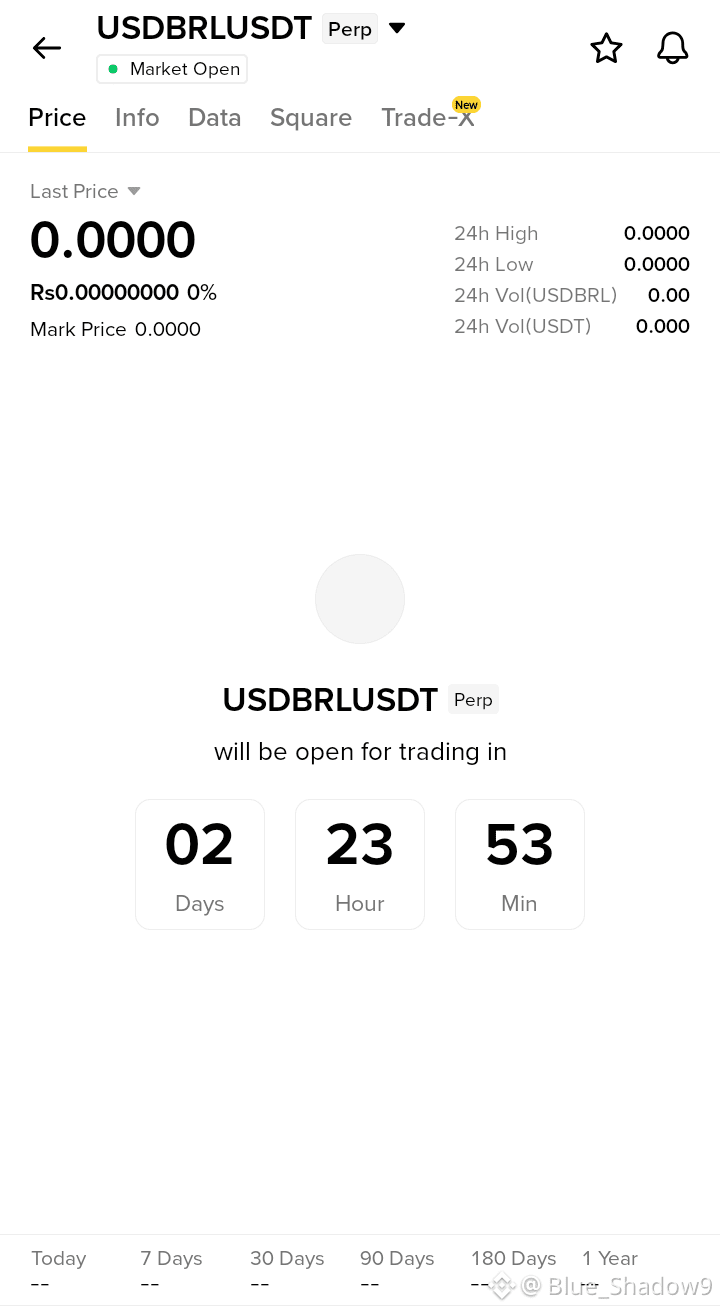
🔥 $USDE BRLUSDT PERP — PRE-LAUNCH WATCH!
Trading opens in ~2 days. No chart levels are visible yet, so I wouldn’t invent entries before price discovery.
📍 Entry Zone: TBD after launch
🎯 TP1: TBD
🎯 TP2: TBD
🎯 TP3: TBD
🛑 Stop Loss: TBD
⏳ Let the market open and form structure first. Then we train. 🚀
#ChainlinkPowersBottomlinePaymentPlatform #ZcashDevelopersTargetNU7MainnetActivationNov5 #HYPEJumpsOver11% #ChainlinkPowersBottomlinePaymentPlatform
🔥 $USDE BRLUSDT PERP — PRE-LAUNCH WATCH!
Trading opens in ~2 days. No chart levels are visible yet, so I wouldn’t invent entries before price discovery.
📍 Entry Zone: TBD after launch
🎯 TP1: TBD
🎯 TP2: TBD
🎯 TP3: TBD
🛑 Stop Loss: TBD
⏳ Let the market open and form structure first. Then we train. 🚀
#ChainlinkPowersBottomlinePaymentPlatform #ZcashDevelopersTargetNU7MainnetActivationNov5 #HYPEJumpsOver11% #ChainlinkPowersBottomlinePaymentPlatform
Trading opens in ~2 days. No chart levels are visible yet, so I wouldn’t invent entries before price discovery.
📍 Entry Zone: TBD after launch
🎯 TP1: TBD
🎯 TP2: TBD
🎯 TP3: TBD
🛑 Stop Loss: TBD
⏳ Let the market open and form structure first. Then we train. 🚀
#ChainlinkPowersBottomlinePaymentPlatform #ZcashDevelopersTargetNU7MainnetActivationNov5 #HYPEJumpsOver11% #ChainlinkPowersBottomlinePaymentPlatform
129
·
--
Verified
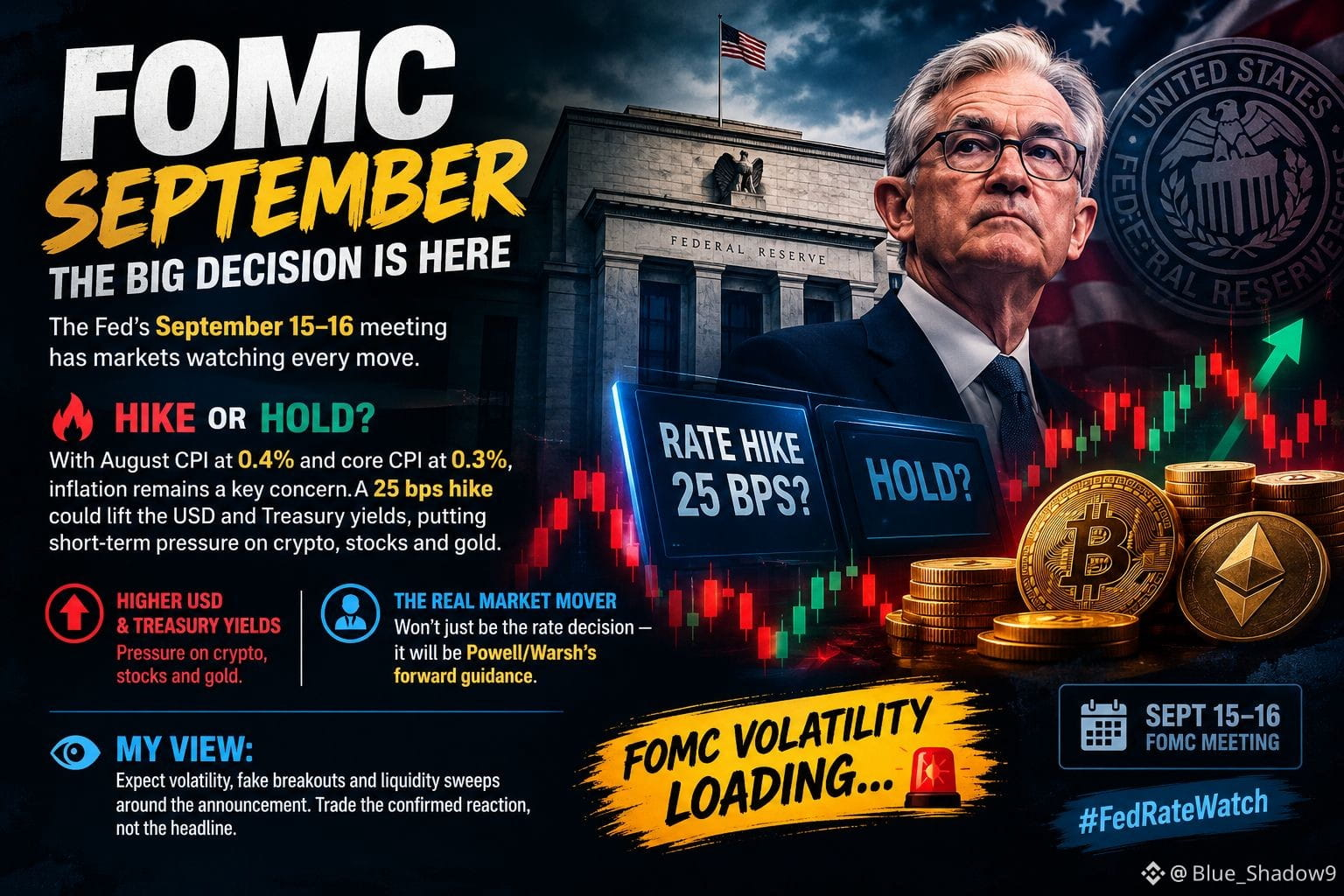
🔥 FOMC SEPTEMBER: THE BIG DECISION IS HERE
The Fed’s September 15–16 meeting has markets watching every move.
🔥 Hike or Hold?
With August CPI at 0.4% and core CPI at 0.3%, inflation remains a key concern. A 25 bps hike could lift the USD and Treasury yields, putting short-term pressure on crypto, stocks, and gold.
But the real fireworks may come from Powell/Warsh’s forward guidance.
👀 Is this a one-off move — or the start of something more aggressive?
⚡ My take: Expect volatility, fake breakouts and liquidity sweeps around the announcement. I’d rather trade the confirmed reaction than chase the headline.
FOMC volatility loading… 🚨
#FedRateWatch
$AKE
{future}(AKEUSDT)
$AIN
{future}(AINUSDT)
🔥 FOMC SEPTEMBER: THE BIG DECISION IS HERE
The Fed’s September 15–16 meeting has markets watching every move.
🔥 Hike or Hold?
With August CPI at 0.4% and core CPI at 0.3%, inflation remains a key concern. A 25 bps hike could lift the USD and Treasury yields, putting short-term pressure on crypto, stocks, and gold.
But the real fireworks may come from Powell/Warsh’s forward guidance.
👀 Is this a one-off move — or the start of something more aggressive?
⚡ My take: Expect volatility, fake breakouts and liquidity sweeps around the announcement. I’d rather trade the confirmed reaction than chase the headline.
FOMC volatility loading… 🚨
#FedRateWatch
$AKE
$AIN
The Fed’s September 15–16 meeting has markets watching every move.
🔥 Hike or Hold?
With August CPI at 0.4% and core CPI at 0.3%, inflation remains a key concern. A 25 bps hike could lift the USD and Treasury yields, putting short-term pressure on crypto, stocks, and gold.
But the real fireworks may come from Powell/Warsh’s forward guidance.
👀 Is this a one-off move — or the start of something more aggressive?
⚡ My take: Expect volatility, fake breakouts and liquidity sweeps around the announcement. I’d rather trade the confirmed reaction than chase the headline.
FOMC volatility loading… 🚨
#FedRateWatch
$AKE
$AIN
6
7
1.5k
·
--
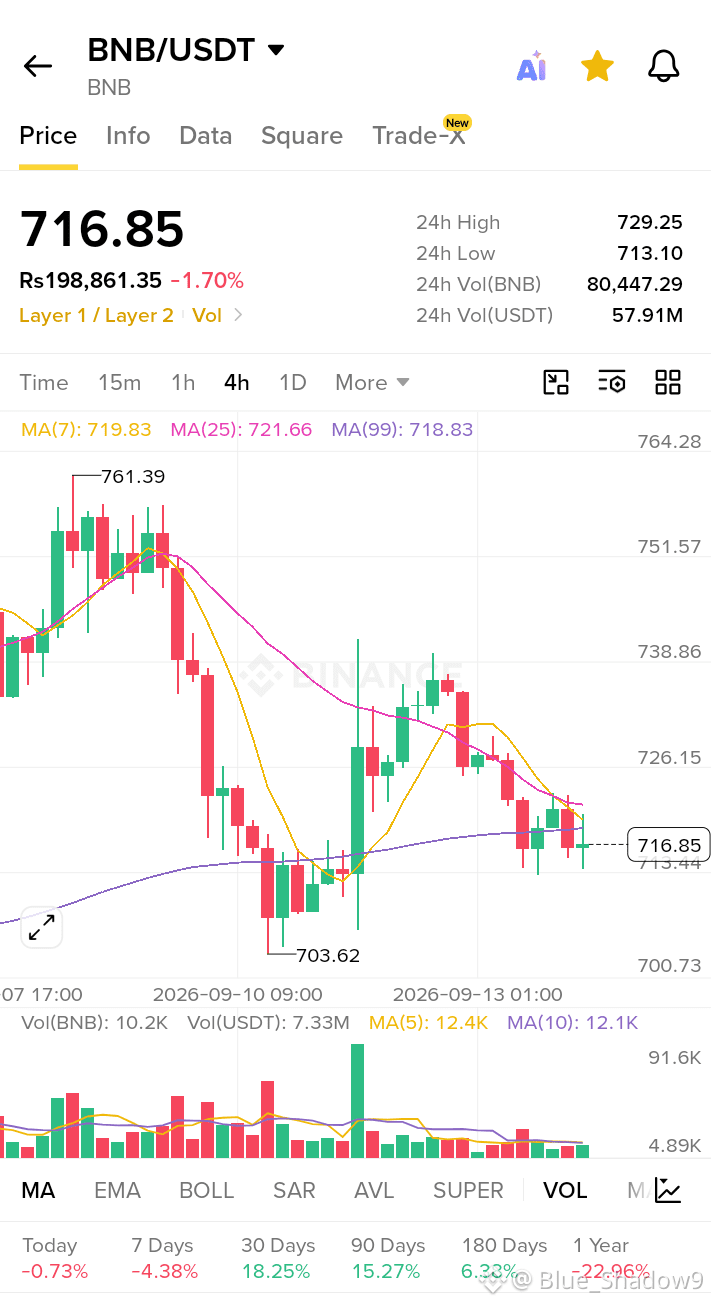
🔥 $BNB SHORT SETUP — RETEST ZONE
Price is sitting below the 4H moving averages. I’m watching the 719–723 resistance zone for rejection.
📍 Entry Zone: 719 – 723
🎯 TP1: 713.5
🎯 TP2: 708.0
🎯 TP3: 703.8
🛑 Stop Loss: 728.0
If price retests the zone and gets rejected, that’s the setup I’m watching. No chase — wait for confirmation.
Let’s go train now. ⚡
$BNB
{spot}(BNBUSDT)
#ClarityActFacesProceduralVoteSept15 #ZcashNU7VoteEndsSeptember14 #BitcoinThirdSingleBlockReorgInFourWeeks #TokenizedStockHoldersUp619.1%
🔥 $BNB SHORT SETUP — RETEST ZONE
Price is sitting below the 4H moving averages. I’m watching the 719–723 resistance zone for rejection.
📍 Entry Zone: 719 – 723
🎯 TP1: 713.5
🎯 TP2: 708.0
🎯 TP3: 703.8
🛑 Stop Loss: 728.0
If price retests the zone and gets rejected, that’s the setup I’m watching. No chase — wait for confirmation.
Let’s go train now. ⚡
$BNB
#ClarityActFacesProceduralVoteSept15 #ZcashNU7VoteEndsSeptember14 #BitcoinThirdSingleBlockReorgInFourWeeks #TokenizedStockHoldersUp619.1%
Price is sitting below the 4H moving averages. I’m watching the 719–723 resistance zone for rejection.
📍 Entry Zone: 719 – 723
🎯 TP1: 713.5
🎯 TP2: 708.0
🎯 TP3: 703.8
🛑 Stop Loss: 728.0
If price retests the zone and gets rejected, that’s the setup I’m watching. No chase — wait for confirmation.
Let’s go train now. ⚡
$BNB
#ClarityActFacesProceduralVoteSept15 #ZcashNU7VoteEndsSeptember14 #BitcoinThirdSingleBlockReorgInFourWeeks #TokenizedStockHoldersUp619.1%
87
·
--
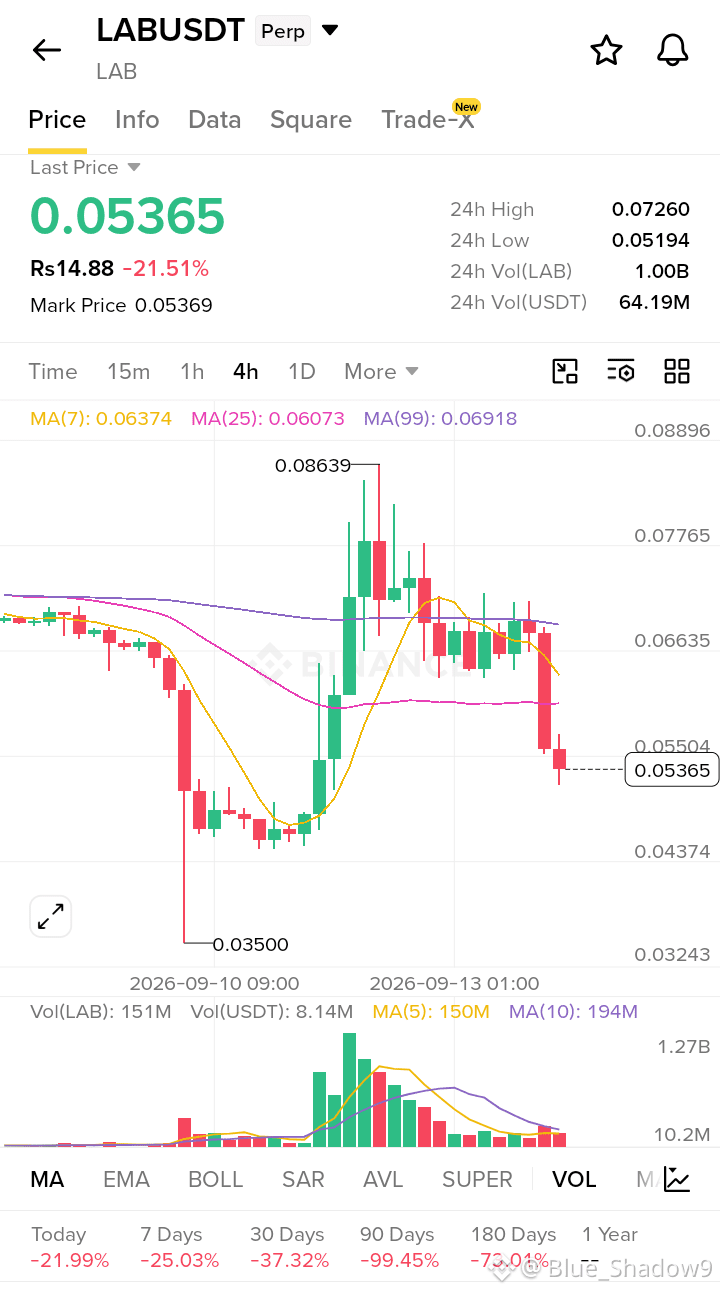
$LAB — TRADE SETUP ⚡
Entry Zone: 0.XXXX – 0.XXXX
🎯 TP1: 0.XXXX
🎯 TP2: 0.XXXX
🎯 TP3: 0.XXXX
🛑 Stop Loss: 0.XXXX
$LAB
{future}(LABUSDT)
#ClarityActFacesProceduralVoteSept15 #LSKSurgesOver515%In24Hours #AnthropicCEOCallsForAISlowdown #TokenizedStockHoldersUp619.1%
$LAB — TRADE SETUP ⚡
Entry Zone: 0.XXXX – 0.XXXX
🎯 TP1: 0.XXXX
🎯 TP2: 0.XXXX
🎯 TP3: 0.XXXX
🛑 Stop Loss: 0.XXXX
$LAB
#ClarityActFacesProceduralVoteSept15 #LSKSurgesOver515%In24Hours #AnthropicCEOCallsForAISlowdown #TokenizedStockHoldersUp619.1%
Entry Zone: 0.XXXX – 0.XXXX
🎯 TP1: 0.XXXX
🎯 TP2: 0.XXXX
🎯 TP3: 0.XXXX
🛑 Stop Loss: 0.XXXX
$LAB
#ClarityActFacesProceduralVoteSept15 #LSKSurgesOver515%In24Hours #AnthropicCEOCallsForAISlowdown #TokenizedStockHoldersUp619.1%
291
·
--
Verified
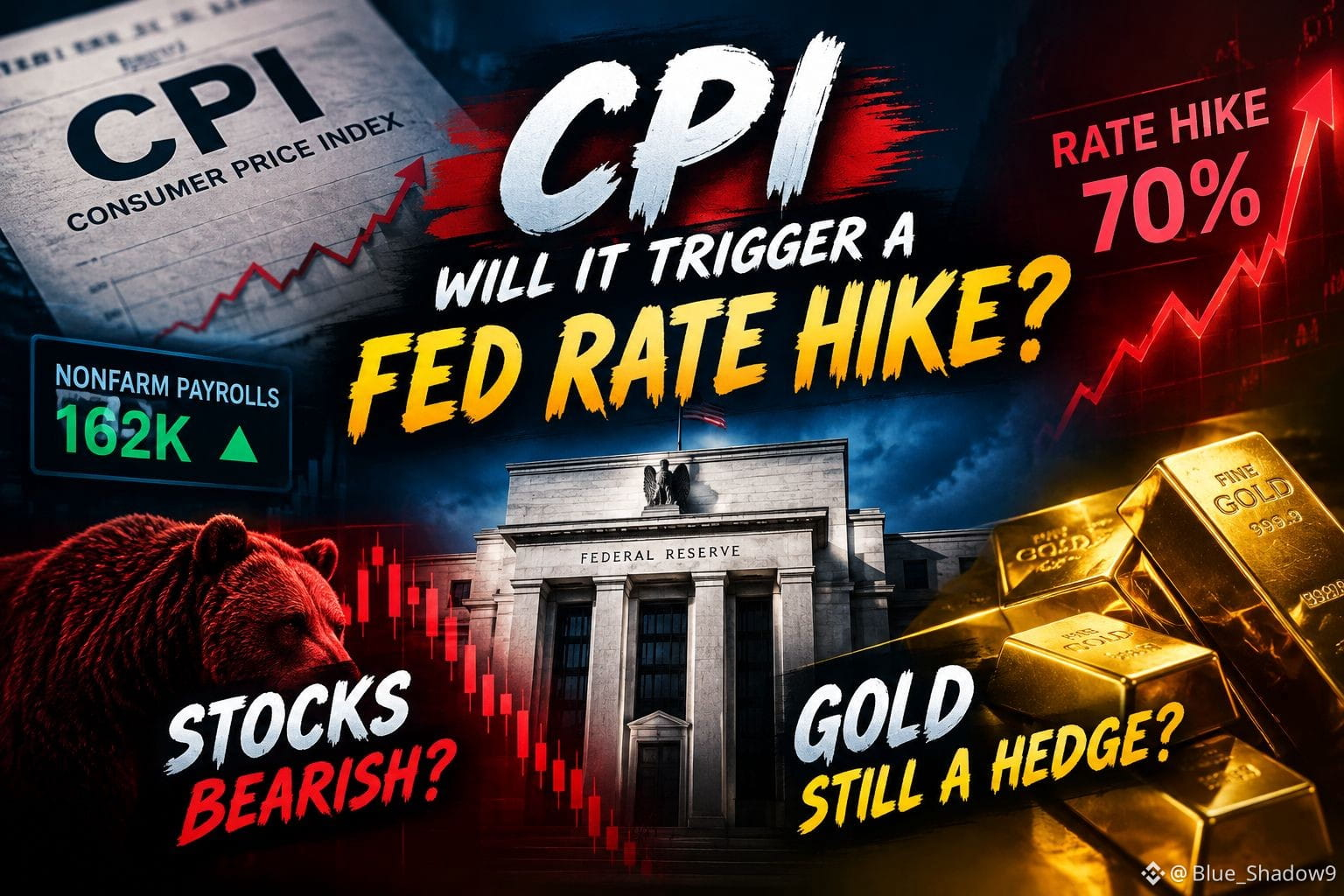
🔥 CPI could be the market’s next big trigger.
NFP came in strong at 162K, keeping the labor market resilient. Now CPI takes center stage, with inflation data potentially shaping the Fed’s next move.
PPI already hinted at renewed inflation pressure, so a hotter-than-expected CPI could bring more hawkish expectations and pressure risk assets.
📉 Stocks: Bearish if CPI surprises higher
🥇 Gold: Still a hedge, but rising yields could weigh short term
My bias is simple: hot CPI = risk-off pressure.
Bullish or bearish? 👀
#CPIWatch
$牛来
{future}(牛来USDT)
$RAYSOL
{future}(RAYSOLUSDT)
$ZEC
{future}(ZECUSDT)
🔥 CPI could be the market’s next big trigger.
NFP came in strong at 162K, keeping the labor market resilient. Now CPI takes center stage, with inflation data potentially shaping the Fed’s next move.
PPI already hinted at renewed inflation pressure, so a hotter-than-expected CPI could bring more hawkish expectations and pressure risk assets.
📉 Stocks: Bearish if CPI surprises higher
🥇 Gold: Still a hedge, but rising yields could weigh short term
My bias is simple: hot CPI = risk-off pressure.
Bullish or bearish? 👀
#CPIWatch
$牛来
$RAYSOL
$ZEC
NFP came in strong at 162K, keeping the labor market resilient. Now CPI takes center stage, with inflation data potentially shaping the Fed’s next move.
PPI already hinted at renewed inflation pressure, so a hotter-than-expected CPI could bring more hawkish expectations and pressure risk assets.
📉 Stocks: Bearish if CPI surprises higher
🥇 Gold: Still a hedge, but rising yields could weigh short term
My bias is simple: hot CPI = risk-off pressure.
Bullish or bearish? 👀
#CPIWatch
$牛来
$RAYSOL
$ZEC
13
3
19
2.6k
·
--
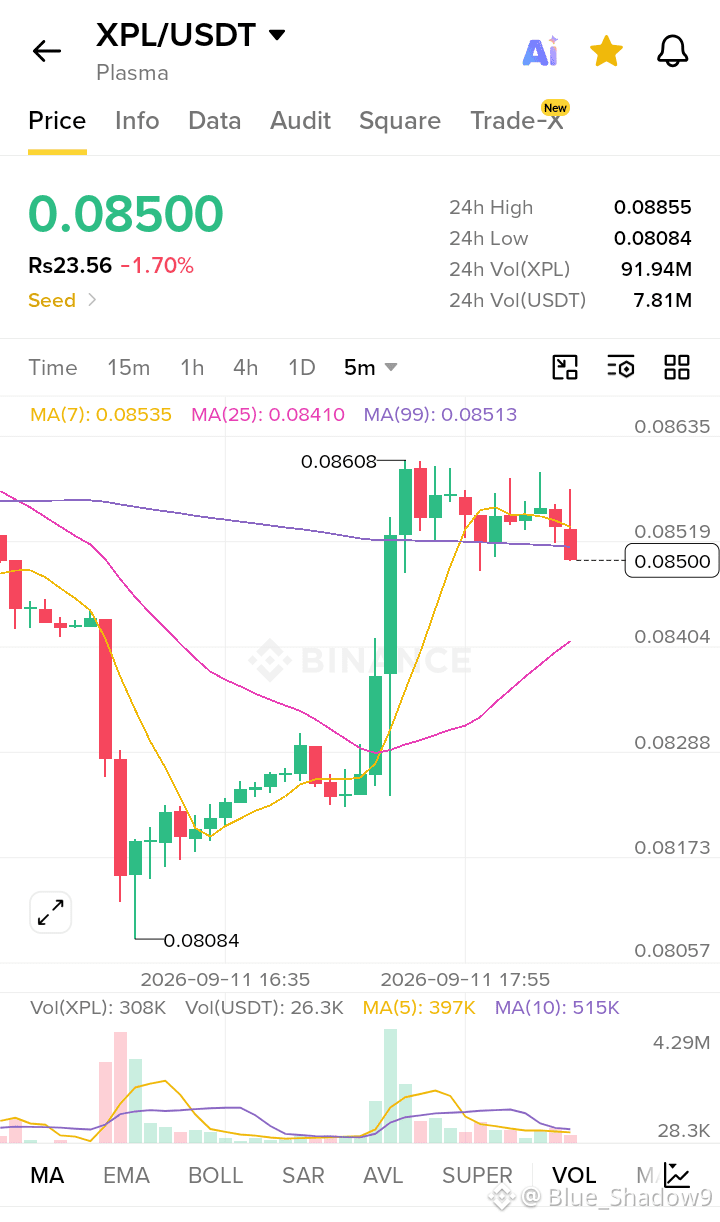
🔥 $XPL SHORT SETUP — ZONE IS LIVE
Entry Zone: 0.08510 – 0.08550
🎯 TP1: 0.08410
🎯 TP2: 0.08290
🎯 TP3: 0.08170
🛑 Stop Loss: 0.08615
Price is rejecting the 0.0852 area — watch the zone carefully.
Let’s trade the setup, not the emotion. ⚡
🔥 $XPL SHORT SETUP — ZONE IS LIVE
Entry Zone: 0.08510 – 0.08550
🎯 TP1: 0.08410
🎯 TP2: 0.08290
🎯 TP3: 0.08170
🛑 Stop Loss: 0.08615
Price is rejecting the 0.0852 area — watch the zone carefully.
Let’s trade the setup, not the emotion. ⚡
Entry Zone: 0.08510 – 0.08550
🎯 TP1: 0.08410
🎯 TP2: 0.08290
🎯 TP3: 0.08170
🛑 Stop Loss: 0.08615
Price is rejecting the 0.0852 area — watch the zone carefully.
Let’s trade the setup, not the emotion. ⚡
1
233
·
--
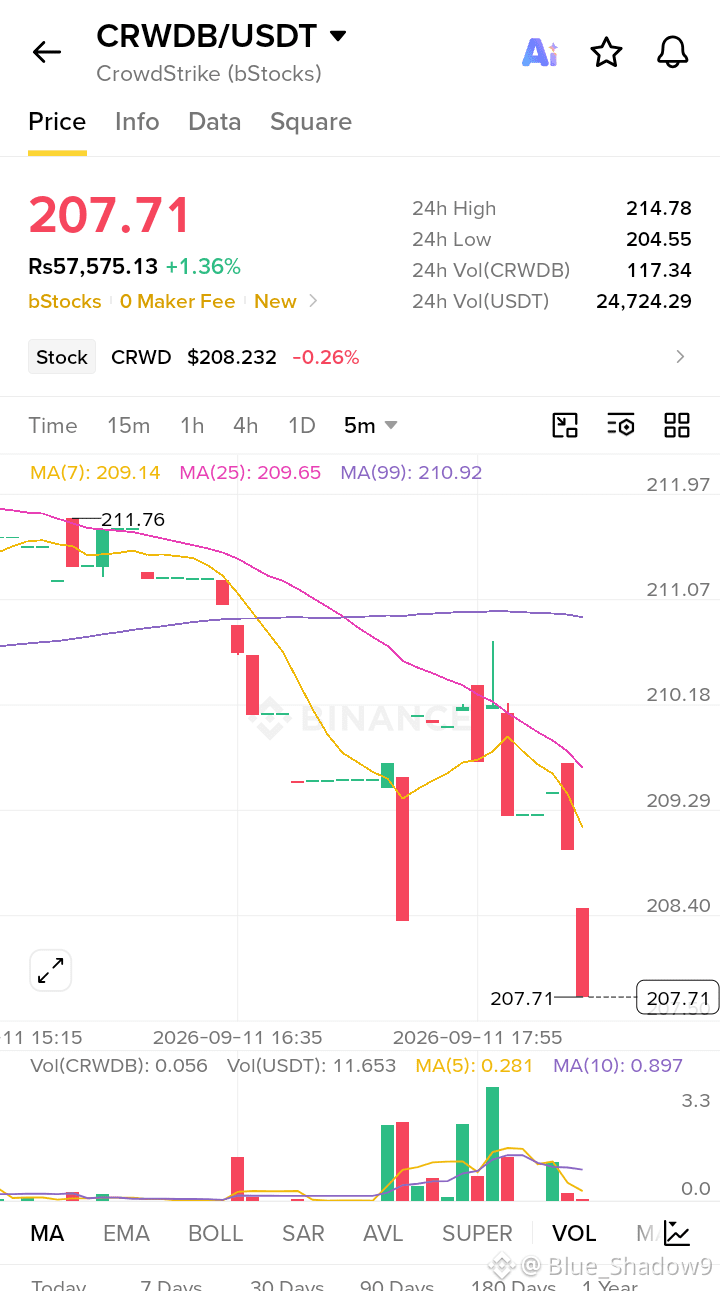
$CRWDB
Short Setup ⚡
Entry Zone: 208.40 – 209.10
🎯 TP1: 207.70
🎯 TP2: 207.00
🎯 TP3: 206.30
🛑 Stop Loss: 210.20
5M chart is showing bearish momentum below the moving averages.
Paper-trade setup only — wait for confirmation before entering.
#CryptoSectorsFallSecondDay #CLARITYActRevisionToRuleNonDeFiControllers #CPIWatch #CryptoSectorsFallSecondDay
$CRWDB
Short Setup ⚡
Entry Zone: 208.40 – 209.10
🎯 TP1: 207.70
🎯 TP2: 207.00
🎯 TP3: 206.30
🛑 Stop Loss: 210.20
5M chart is showing bearish momentum below the moving averages.
Paper-trade setup only — wait for confirmation before entering.
#CryptoSectorsFallSecondDay #CLARITYActRevisionToRuleNonDeFiControllers #CPIWatch #CryptoSectorsFallSecondDay
Short Setup ⚡
Entry Zone: 208.40 – 209.10
🎯 TP1: 207.70
🎯 TP2: 207.00
🎯 TP3: 206.30
🛑 Stop Loss: 210.20
5M chart is showing bearish momentum below the moving averages.
Paper-trade setup only — wait for confirmation before entering.
#CryptoSectorsFallSecondDay #CLARITYActRevisionToRuleNonDeFiControllers #CPIWatch #CryptoSectorsFallSecondDay
115
·
--
🔥 $DASH LONG SETUP
Momentum is strong, but I’d rather chase the pullback than the spike.
📍 Entry Zone: 70.20 – 70.80
🎯 TP1: 72.40
🎯 TP2: 73.50
🎯 TP3: 75.00
🛑 Stop Loss: 69.40
⚡ Strong 5M trend + rising volume.
Let’s ride the momentum! 🚀
Manage risk — DYOR.
🔥 $DASH LONG SETUP
Momentum is strong, but I’d rather chase the pullback than the spike.
📍 Entry Zone: 70.20 – 70.80
🎯 TP1: 72.40
🎯 TP2: 73.50
🎯 TP3: 75.00
🛑 Stop Loss: 69.40
⚡ Strong 5M trend + rising volume.
Let’s ride the momentum! 🚀
Manage risk — DYOR.
Momentum is strong, but I’d rather chase the pullback than the spike.
📍 Entry Zone: 70.20 – 70.80
🎯 TP1: 72.40
🎯 TP2: 73.50
🎯 TP3: 75.00
🛑 Stop Loss: 69.40
⚡ Strong 5M trend + rising volume.
Let’s ride the momentum! 🚀
Manage risk — DYOR.

225
·
--
🔥 $HK0992 0992USDT PERP — PRE-LISTING WATCH
Trading opens soon — but price is still unavailable, so I won’t fake an entry.
📍 Entry Zone: Wait for opening price + first pullback
🎯 TP1: To be set after price discovery
🎯 TP2: To be set after confirmation
🎯 TP3: To be set after confirmation
🛑 Stop Loss: Below confirmed support
⚡ Bias: Wait for structure
Let the market open first, then we hunt the clean setup. 🚀
DYOR & manage risk.
#BitcoinEthereumHitMultiMonthHighs #LululemonTumbles20%OnWeakGuidance #ZECHitsANewAllTimeHigh #USWeeklyInitialJoblessClaimsRiseTo206000
🔥 $HK0992 0992USDT PERP — PRE-LISTING WATCH
Trading opens soon — but price is still unavailable, so I won’t fake an entry.
📍 Entry Zone: Wait for opening price + first pullback
🎯 TP1: To be set after price discovery
🎯 TP2: To be set after confirmation
🎯 TP3: To be set after confirmation
🛑 Stop Loss: Below confirmed support
⚡ Bias: Wait for structure
Let the market open first, then we hunt the clean setup. 🚀
DYOR & manage risk.
#BitcoinEthereumHitMultiMonthHighs #LululemonTumbles20%OnWeakGuidance #ZECHitsANewAllTimeHigh #USWeeklyInitialJoblessClaimsRiseTo206000
Trading opens soon — but price is still unavailable, so I won’t fake an entry.
📍 Entry Zone: Wait for opening price + first pullback
🎯 TP1: To be set after price discovery
🎯 TP2: To be set after confirmation
🎯 TP3: To be set after confirmation
🛑 Stop Loss: Below confirmed support
⚡ Bias: Wait for structure
Let the market open first, then we hunt the clean setup. 🚀
DYOR & manage risk.
#BitcoinEthereumHitMultiMonthHighs #LululemonTumbles20%OnWeakGuidance #ZECHitsANewAllTimeHigh #USWeeklyInitialJoblessClaimsRiseTo206000

132
·
--
Bullish
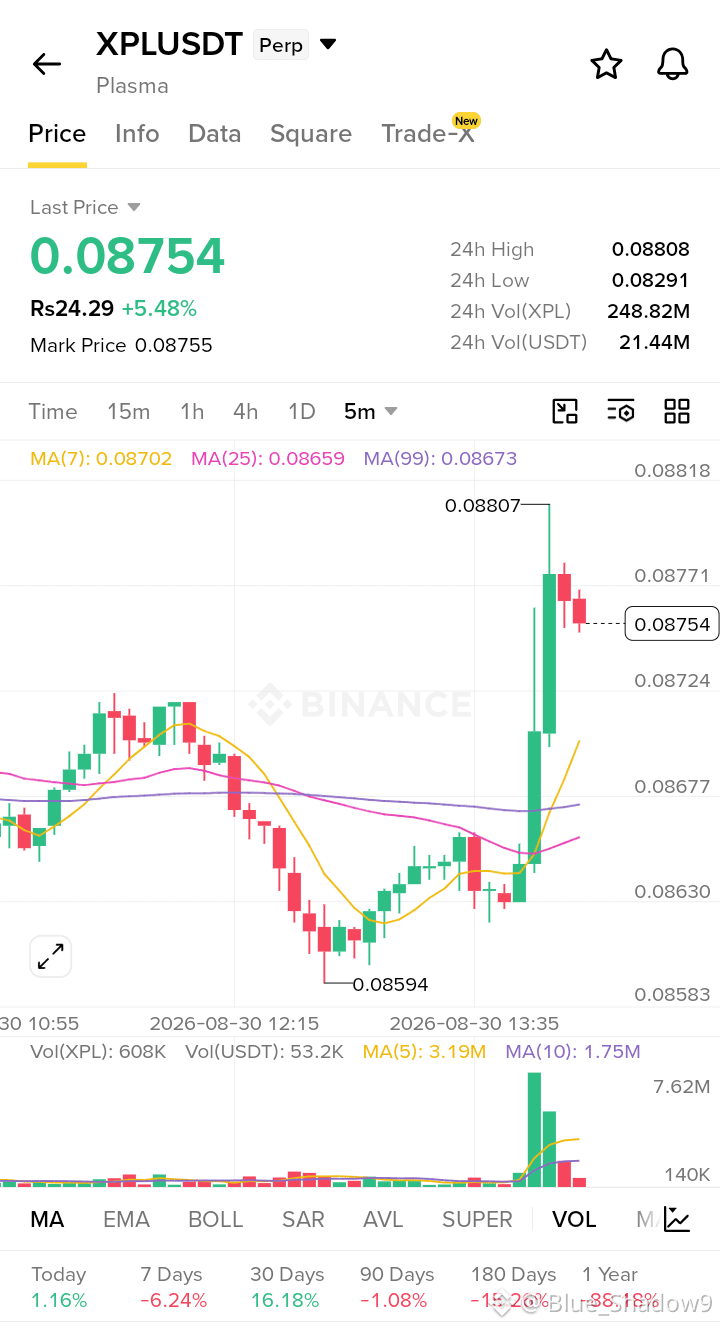
🚨 $XPL LONG SETUP 🚨
📍 Entry: 0.0870 – 0.0880
🎯 TP1: 0.0890
🎯 TP2: 0.0905
🎯 TP3: 0.0920
🛑 SL: 0.0858
Momentum setup is heating up 👀
Watch the entry zone and manage risk carefully.
DYOR. 🚂🔥
$XPL
{spot}(XPLUSDT)
#ICBAOpposesCLARITYActOverStablecoinLoophole #VenezuelaUSSign25YearOilDeal #KoreaSingleStockLeveragedETFTradingFalls #BitcoinSpotETFEnds9DayInflowStreak
🚨 $XPL LONG SETUP 🚨
📍 Entry: 0.0870 – 0.0880
🎯 TP1: 0.0890
🎯 TP2: 0.0905
🎯 TP3: 0.0920
🛑 SL: 0.0858
Momentum setup is heating up 👀
Watch the entry zone and manage risk carefully.
DYOR. 🚂🔥
$XPL
#ICBAOpposesCLARITYActOverStablecoinLoophole #VenezuelaUSSign25YearOilDeal #KoreaSingleStockLeveragedETFTradingFalls #BitcoinSpotETFEnds9DayInflowStreak
📍 Entry: 0.0870 – 0.0880
🎯 TP1: 0.0890
🎯 TP2: 0.0905
🎯 TP3: 0.0920
🛑 SL: 0.0858
Momentum setup is heating up 👀
Watch the entry zone and manage risk carefully.
DYOR. 🚂🔥
$XPL
#ICBAOpposesCLARITYActOverStablecoinLoophole #VenezuelaUSSign25YearOilDeal #KoreaSingleStockLeveragedETFTradingFalls #BitcoinSpotETFEnds9DayInflowStreak
147
·
--
Bullish
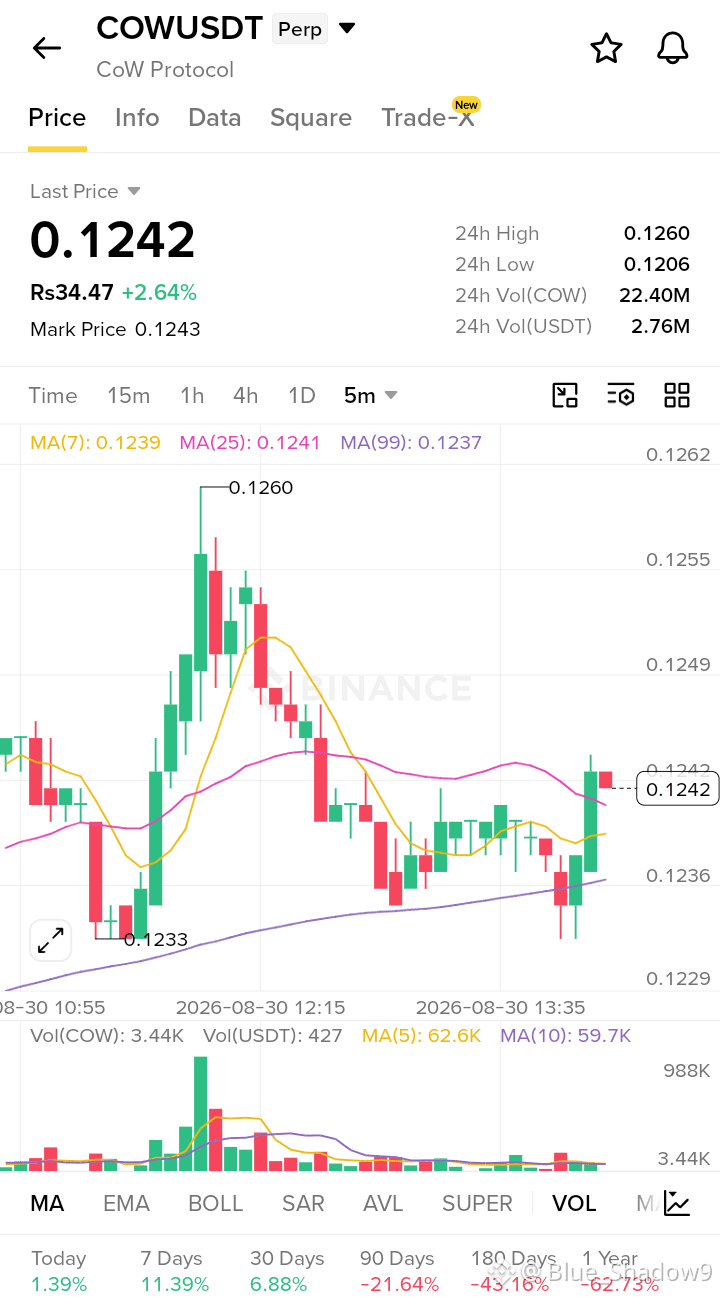
🔥 $COW SHORT SETUP
📍 Entry: 0.14800 – 0.15300
🎯 TP1: 0.13800
🎯 TP2: 0.12500
🎯 TP3: 0.11200
🛑 SL: 0.16200
Sharp rejection + rising sell volume = bears stepping in.
Watching for continuation lower from the entry zone.
Manage risk. DYOR.
Let’s go 🚂🔥
$COW
{spot}(COWUSDT)
#ICBAOpposesCLARITYActOverStablecoinLoophole #VenezuelaUSSign25YearOilDeal #KoreaSingleStockLeveragedETFTradingFalls #BitcoinSpotETFEnds9DayInflowStreak
🔥 $COW SHORT SETUP
📍 Entry: 0.14800 – 0.15300
🎯 TP1: 0.13800
🎯 TP2: 0.12500
🎯 TP3: 0.11200
🛑 SL: 0.16200
Sharp rejection + rising sell volume = bears stepping in.
Watching for continuation lower from the entry zone.
Manage risk. DYOR.
Let’s go 🚂🔥
$COW
#ICBAOpposesCLARITYActOverStablecoinLoophole #VenezuelaUSSign25YearOilDeal #KoreaSingleStockLeveragedETFTradingFalls #BitcoinSpotETFEnds9DayInflowStreak
📍 Entry: 0.14800 – 0.15300
🎯 TP1: 0.13800
🎯 TP2: 0.12500
🎯 TP3: 0.11200
🛑 SL: 0.16200
Sharp rejection + rising sell volume = bears stepping in.
Watching for continuation lower from the entry zone.
Manage risk. DYOR.
Let’s go 🚂🔥
$COW
#ICBAOpposesCLARITYActOverStablecoinLoophole #VenezuelaUSSign25YearOilDeal #KoreaSingleStockLeveragedETFTradingFalls #BitcoinSpotETFEnds9DayInflowStreak
260
·
--
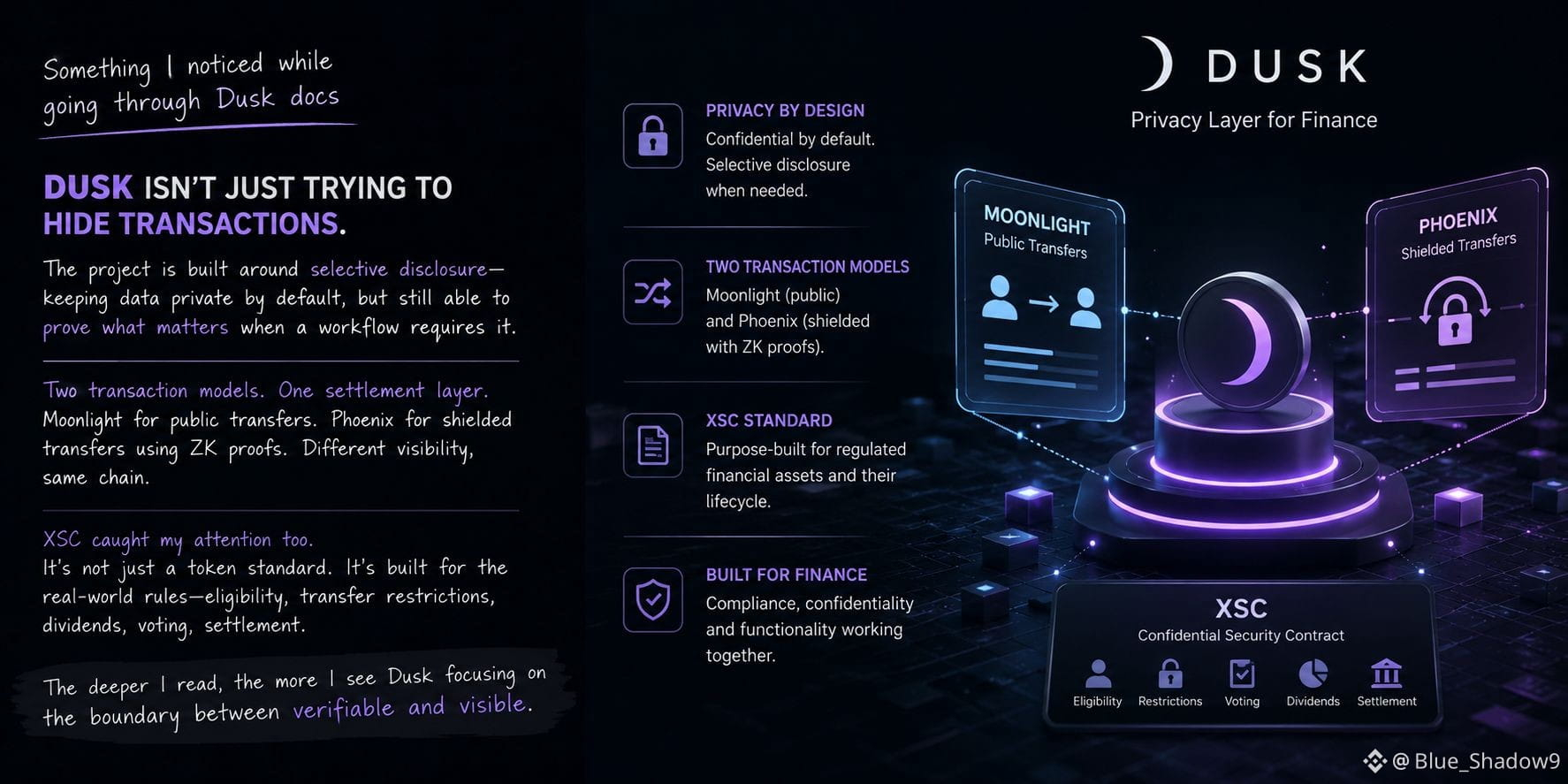
I kept coming back to one detail while reading through Dusk’s docs: privacy here doesn’t seem to mean making everything invisible.
The idea of selective disclosure is what caught my attention.
You can have information that stays private, while still proving something specific when it actually needs to be verified. That feels much closer to how financial systems work in the real world.
The more I looked at the architecture, the more I wondered whether this is the harder problem Dusk is actually trying to solve.
Not “how do we hide transactions?”
But “how do we keep sensitive information private without making the whole system impossible to verify?”
I don’t have a neat answer to that yet. I just found the distinction more interesting than the usual privacy-chain narrative.
$DUSK @Dusk_Foundation
{spot}(DUSKUSDT)
#dusk
I kept coming back to one detail while reading through Dusk’s docs: privacy here doesn’t seem to mean making everything invisible.
The idea of selective disclosure is what caught my attention.
You can have information that stays private, while still proving something specific when it actually needs to be verified. That feels much closer to how financial systems work in the real world.
The more I looked at the architecture, the more I wondered whether this is the harder problem Dusk is actually trying to solve.
Not “how do we hide transactions?”
But “how do we keep sensitive information private without making the whole system impossible to verify?”
I don’t have a neat answer to that yet. I just found the distinction more interesting than the usual privacy-chain narrative.
$DUSK @Dusk
#dusk
The idea of selective disclosure is what caught my attention.
You can have information that stays private, while still proving something specific when it actually needs to be verified. That feels much closer to how financial systems work in the real world.
The more I looked at the architecture, the more I wondered whether this is the harder problem Dusk is actually trying to solve.
Not “how do we hide transactions?”
But “how do we keep sensitive information private without making the whole system impossible to verify?”
I don’t have a neat answer to that yet. I just found the distinction more interesting than the usual privacy-chain narrative.
$DUSK @Dusk
#dusk
2
3
119
·
--
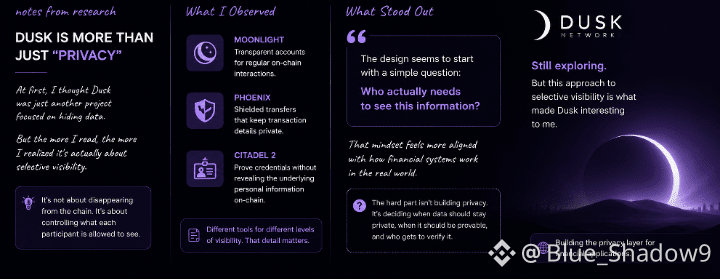
I initially thought Dusk’s interesting part was simply “privacy.”
After spending more time with the docs, I started looking at it differently.
What caught my attention was the idea of selective visibility. Not everything has to be exposed, but the system also isn’t pretending that financial applications can work without verification.
That made me pause.
Phoenix deals with shielded transfers, while Moonlight provides transparent account functionality. Then Citadel 2 goes a step further by letting users prove certain credentials without putting the underlying personal information directly on-chain.
I like that the design seems to start with a practical question:
Who actually needs to see this information?
That feels more relevant to financial infrastructure than simply saying a blockchain is “private.”
I’m still digging through the architecture, but this is the part of Dusk that has made me more curious. The interesting problem doesn’t seem to be hiding everything.
It’s figuring out what should be visible, what shouldn’t, and how those boundaries can be enforced without breaking the usefulness of the network.
@Dusk_Foundation
$DUSK
{spot}(DUSKUSDT)
#dusk
I initially thought Dusk’s interesting part was simply “privacy.”
After spending more time with the docs, I started looking at it differently.
What caught my attention was the idea of selective visibility. Not everything has to be exposed, but the system also isn’t pretending that financial applications can work without verification.
That made me pause.
Phoenix deals with shielded transfers, while Moonlight provides transparent account functionality. Then Citadel 2 goes a step further by letting users prove certain credentials without putting the underlying personal information directly on-chain.
I like that the design seems to start with a practical question:
Who actually needs to see this information?
That feels more relevant to financial infrastructure than simply saying a blockchain is “private.”
I’m still digging through the architecture, but this is the part of Dusk that has made me more curious. The interesting problem doesn’t seem to be hiding everything.
It’s figuring out what should be visible, what shouldn’t, and how those boundaries can be enforced without breaking the usefulness of the network.
@Dusk
$DUSK
#dusk
After spending more time with the docs, I started looking at it differently.
What caught my attention was the idea of selective visibility. Not everything has to be exposed, but the system also isn’t pretending that financial applications can work without verification.
That made me pause.
Phoenix deals with shielded transfers, while Moonlight provides transparent account functionality. Then Citadel 2 goes a step further by letting users prove certain credentials without putting the underlying personal information directly on-chain.
I like that the design seems to start with a practical question:
Who actually needs to see this information?
That feels more relevant to financial infrastructure than simply saying a blockchain is “private.”
I’m still digging through the architecture, but this is the part of Dusk that has made me more curious. The interesting problem doesn’t seem to be hiding everything.
It’s figuring out what should be visible, what shouldn’t, and how those boundaries can be enforced without breaking the usefulness of the network.
@Dusk
$DUSK
#dusk
2
3
137
·
--
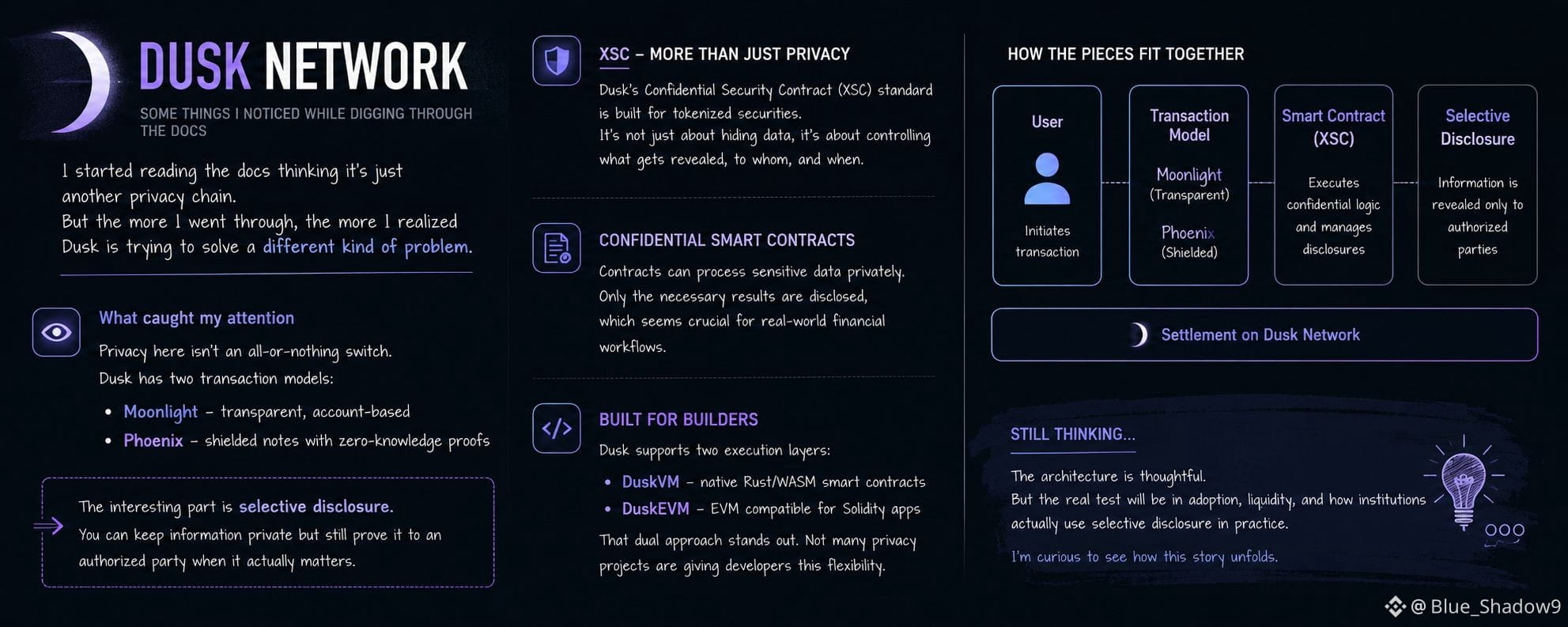
The more I read through Dusk’s docs, the more one small detail kept bothering me—in a good way.
Privacy here doesn’t seem to mean simply hiding everything and calling it done. Dusk separates different transaction models, with public transfers on one side and shielded notes with zero-knowledge proofs on the other.
What really caught my attention was selective disclosure.
You can have information remain private while still allowing the right party to verify something when needed. For financial applications, that feels like a much more interesting problem than just “make transactions private.”
Then I started looking at XSC and the contract side of Dusk. The question becomes less about whether something can be hidden and more about what should stay hidden, what needs to be proven, and who should be able to see it.
Even the developer stack is interesting, with DuskVM for Rust/WASM contracts alongside DuskEVM.
I’m not convinced yet that all of this translates neatly into real-world financial infrastructure.
But the architecture raises some genuinely good questions, and that’s probably what made me keep digging.
$DUSK @Dusk_Foundation
{spot}(DUSKUSDT)
#dusk
The more I read through Dusk’s docs, the more one small detail kept bothering me—in a good way.
Privacy here doesn’t seem to mean simply hiding everything and calling it done. Dusk separates different transaction models, with public transfers on one side and shielded notes with zero-knowledge proofs on the other.
What really caught my attention was selective disclosure.
You can have information remain private while still allowing the right party to verify something when needed. For financial applications, that feels like a much more interesting problem than just “make transactions private.”
Then I started looking at XSC and the contract side of Dusk. The question becomes less about whether something can be hidden and more about what should stay hidden, what needs to be proven, and who should be able to see it.
Even the developer stack is interesting, with DuskVM for Rust/WASM contracts alongside DuskEVM.
I’m not convinced yet that all of this translates neatly into real-world financial infrastructure.
But the architecture raises some genuinely good questions, and that’s probably what made me keep digging.
$DUSK @Dusk
#dusk
Privacy here doesn’t seem to mean simply hiding everything and calling it done. Dusk separates different transaction models, with public transfers on one side and shielded notes with zero-knowledge proofs on the other.
What really caught my attention was selective disclosure.
You can have information remain private while still allowing the right party to verify something when needed. For financial applications, that feels like a much more interesting problem than just “make transactions private.”
Then I started looking at XSC and the contract side of Dusk. The question becomes less about whether something can be hidden and more about what should stay hidden, what needs to be proven, and who should be able to see it.
Even the developer stack is interesting, with DuskVM for Rust/WASM contracts alongside DuskEVM.
I’m not convinced yet that all of this translates neatly into real-world financial infrastructure.
But the architecture raises some genuinely good questions, and that’s probably what made me keep digging.
$DUSK @Dusk
#dusk
3
4
115
·
--
One thing about Dusk kept bothering me in a good way while I was going through the docs: they don’t seem to treat privacy as simply “hide the blockchain.”
@Dusk_Foundation
The more I looked, the more nuanced it became.
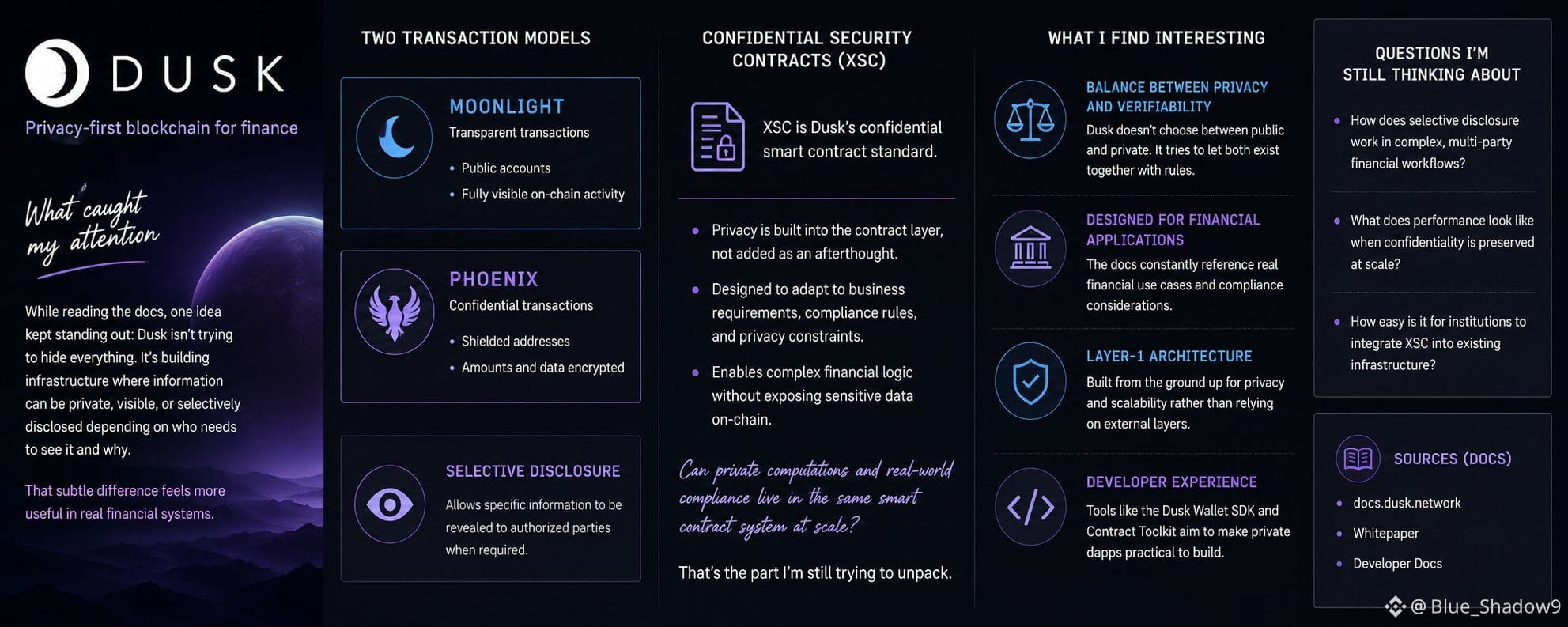
Dusk separates transparent activity through Moonlight from confidential transfers through Phoenix, while also talking about selective disclosure. That last part is what caught my attention. In financial systems, complete secrecy isn’t always useful. Sometimes a transaction has to remain private from the wider network while still being provable to the right party.
That idea also makes the XSC standard more interesting to me. Dusk is trying to give smart contracts a way to operate with confidentiality built into the design, rather than treating privacy like something added afterward.
I’m not sure yet how well all of this translates into real-world financial infrastructure. That’s the part I find more interesting than the usual “privacy blockchain” description.
The architecture raises a bigger question for me: can a blockchain give institutions enough privacy to actually use it, without losing the verifiability that makes blockchains useful in the first place?
That balance is what I’ll be watching.
$DUSK
{spot}(DUSKUSDT)
#dusk
One thing about Dusk kept bothering me in a good way while I was going through the docs: they don’t seem to treat privacy as simply “hide the blockchain.”
@Dusk
The more I looked, the more nuanced it became.
Dusk separates transparent activity through Moonlight from confidential transfers through Phoenix, while also talking about selective disclosure. That last part is what caught my attention. In financial systems, complete secrecy isn’t always useful. Sometimes a transaction has to remain private from the wider network while still being provable to the right party.
That idea also makes the XSC standard more interesting to me. Dusk is trying to give smart contracts a way to operate with confidentiality built into the design, rather than treating privacy like something added afterward.
I’m not sure yet how well all of this translates into real-world financial infrastructure. That’s the part I find more interesting than the usual “privacy blockchain” description.
The architecture raises a bigger question for me: can a blockchain give institutions enough privacy to actually use it, without losing the verifiability that makes blockchains useful in the first place?
That balance is what I’ll be watching.
$DUSK
#dusk
@Dusk
The more I looked, the more nuanced it became.
Dusk separates transparent activity through Moonlight from confidential transfers through Phoenix, while also talking about selective disclosure. That last part is what caught my attention. In financial systems, complete secrecy isn’t always useful. Sometimes a transaction has to remain private from the wider network while still being provable to the right party.
That idea also makes the XSC standard more interesting to me. Dusk is trying to give smart contracts a way to operate with confidentiality built into the design, rather than treating privacy like something added afterward.
I’m not sure yet how well all of this translates into real-world financial infrastructure. That’s the part I find more interesting than the usual “privacy blockchain” description.
The architecture raises a bigger question for me: can a blockchain give institutions enough privacy to actually use it, without losing the verifiability that makes blockchains useful in the first place?
That balance is what I’ll be watching.
$DUSK
#dusk
2
1
125
·
--
🎙️ ONDO Ready to Explode? | Is RWA the Next Big Crypto Narrative in 2026?

End
59 m 42 s
185
1
1
·
--
🎙️ BTC holds steady at 76,000—what do you think about the market?!
End
03 h 31 m 53 s
16.5k
30
37
·
--
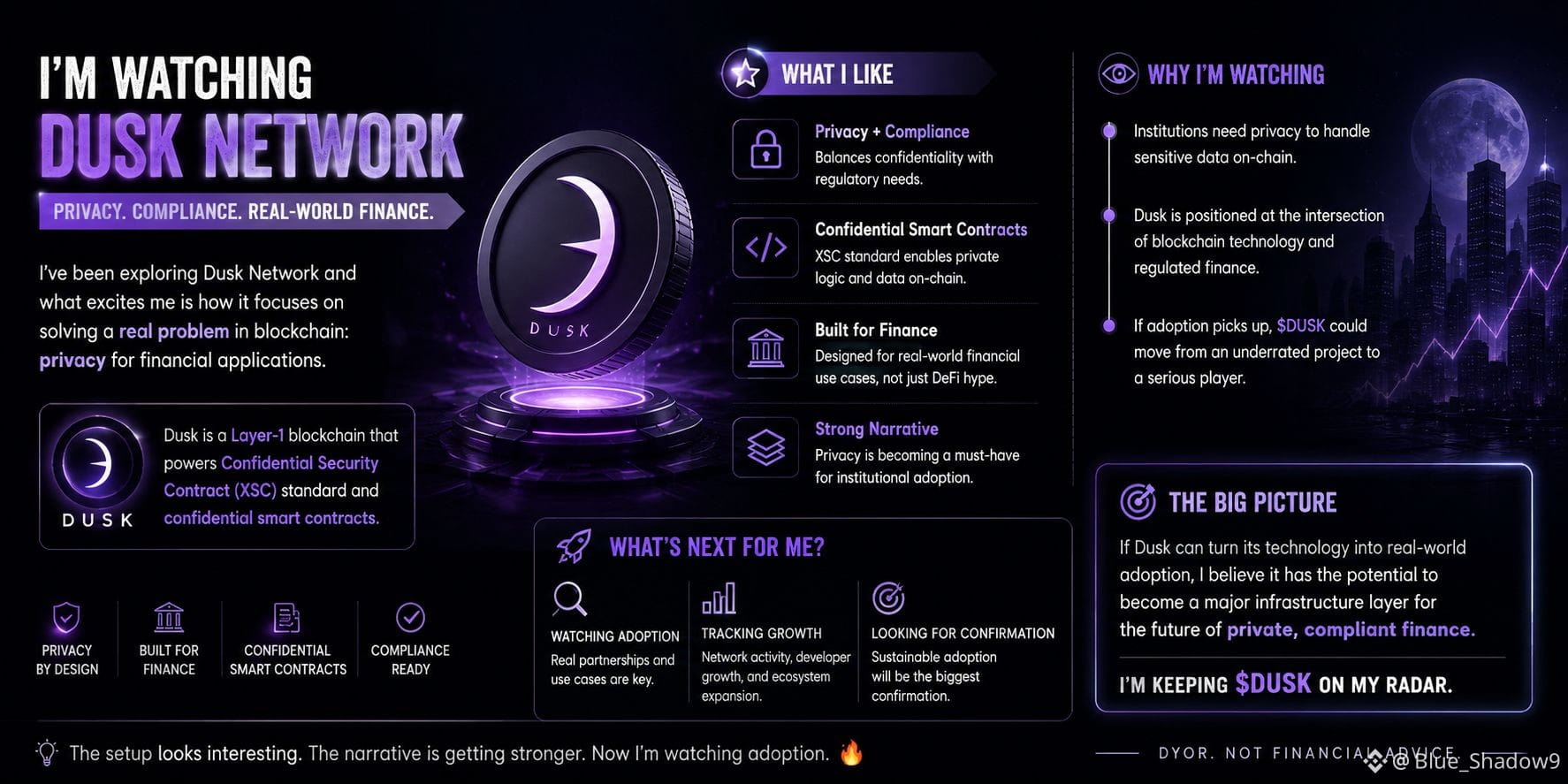
I’ve been looking into Dusk Network lately, and the more I dig into it, the more interesting it gets.
@Dusk_Foundation
What stands out to me is that Dusk isn’t simply chasing the usual “privacy blockchain” narrative. It’s focused on something much more practical: bringing privacy and confidentiality to financial applications.
Dusk is a Layer-1 blockchain built around its Confidential Security Contract (XSC) standard, allowing smart contracts to handle sensitive information without putting everything out in the open.
And honestly, I think this is where the story gets exciting.
Financial institutions deal with tons of sensitive data. If blockchain adoption keeps growing, privacy won’t be a luxury — it could become a necessity.
That’s why I’m keeping $DUSK on my radar.
I’m not saying it’s guaranteed to succeed, but I like the direction. The combination of privacy, smart contracts, and real-world financial use cases gives Dusk a narrative I think is worth watching closely.
For me, the next thing to watch is simple: adoption.
$DUSK
{spot}(DUSKUSDT)
#dusk
I’ve been looking into Dusk Network lately, and the more I dig into it, the more interesting it gets.
@Dusk
What stands out to me is that Dusk isn’t simply chasing the usual “privacy blockchain” narrative. It’s focused on something much more practical: bringing privacy and confidentiality to financial applications.
Dusk is a Layer-1 blockchain built around its Confidential Security Contract (XSC) standard, allowing smart contracts to handle sensitive information without putting everything out in the open.
And honestly, I think this is where the story gets exciting.
Financial institutions deal with tons of sensitive data. If blockchain adoption keeps growing, privacy won’t be a luxury — it could become a necessity.
That’s why I’m keeping $DUSK on my radar.
I’m not saying it’s guaranteed to succeed, but I like the direction. The combination of privacy, smart contracts, and real-world financial use cases gives Dusk a narrative I think is worth watching closely.
For me, the next thing to watch is simple: adoption.
$DUSK
#dusk
@Dusk
What stands out to me is that Dusk isn’t simply chasing the usual “privacy blockchain” narrative. It’s focused on something much more practical: bringing privacy and confidentiality to financial applications.
Dusk is a Layer-1 blockchain built around its Confidential Security Contract (XSC) standard, allowing smart contracts to handle sensitive information without putting everything out in the open.
And honestly, I think this is where the story gets exciting.
Financial institutions deal with tons of sensitive data. If blockchain adoption keeps growing, privacy won’t be a luxury — it could become a necessity.
That’s why I’m keeping $DUSK on my radar.
I’m not saying it’s guaranteed to succeed, but I like the direction. The combination of privacy, smart contracts, and real-world financial use cases gives Dusk a narrative I think is worth watching closely.
For me, the next thing to watch is simple: adoption.
$DUSK
#dusk
1
2
123
Log in to explore more content
Join global crypto users on Binance Square
⚡️ Get latest and useful information about crypto.
💬 Trusted by the world’s largest crypto exchange.
👍 Discover real insights from verified creators.
Email / Phone number
Trending Topics
BitcoinSpotETFsNetInflow$191M
676 views
69 Discussing
#BitcoinFallsBelow$83,000
📉 Flash Dip: Bitcoin Drops Below $83,000—Shakeout or Trend Reversal?
Bitcoin ($BTC) briefly dipped below the key $83,000 support level, triggering liquidations and heightened volatility across derivatives markets.
The sudden pullback is driven by a combination of macroeconomic headwinds—specifically rising U.S. Treasury yields and a rising U.S. Dollar Index (DXY)—alongside profit-taking by long-term holders in the $83,000–$85,000 supply zone.
📌 Breakdown of Key Technical & On-Chain Indicators
🔻 Local Low: Bitcoin hit a 24-hour low around $82,889 on major exchanges before stabilizing back toward $83,500–$84,000.
🛡️ Immediate Support Levels: Traders are closely watching the $82,000 level as primary support, with a deeper downside safety net anchored at the $80,000 psychological floor.
🚀 Resistance Walls: To re-establish bullish momentum, $BTC needs to reclaim and hold above $84,600, opening the path toward $86,000.
⏳ Institutional Backstop: Despite spot price weakness, institutional spot BTC ETFs recorded $191 Million in net inflows, signaling that Wall Street buyers are absorbing sell-side pressure.
🎯 Strategic Takeaways: How to Navigate the Volatility
Avoid High-Leverage Trades: Sudden dips into major options expiry events cause sharp liquidation cascades—keep leverage low or spot position size controlled.
Watch Macro Signals: Rising 10-year Treasury yields and 69.7% odds of an October Fed rate hike are creating short-term risk-off sentiment.
Focus on Structural Demand: Sustained multi-day ETF inflows indicate that large capital allocators treat pullbacks below $83,000 as structural buying opportunities.
Are you panic selling the dip, or dollar-cost averaging (DCA) into key support? Drop your trading plan below! 💬👇
#BitcoinSpotETFsNetInflow$191M #bitcoin #BinanceSquare
Lily星星
·1 Likes
·39 views
CFTCUpdatesGuidanceOnTokenizedAssets
10,434 views
510 Discussing
BitgetSays$352MAffectedInHack
2,255 views
36 Discussing