
Not 歸藏
149 Posts

Not 歸藏
Report
Block User
0 Following
4 Followers
8 Liked
Posts
All
Videos
·
--
Codex and GPT 6 Astra have really fallen off
They’re all the same model, so it’s hard to imagine how OpenAI managed to make them this bad
It’s been two months since they released a flagship model, and the much-talked-about 6.2 is still nowhere in sight
A lot of people say OpenAI is going through its own Gemini 3.5 Pro moment
They’re all the same model, so it’s hard to imagine how OpenAI managed to make them this bad
It’s been two months since they released a flagship model, and the much-talked-about 6.2 is still nowhere in sight
A lot of people say OpenAI is going through its own Gemini 3.5 Pro moment
102
·
--
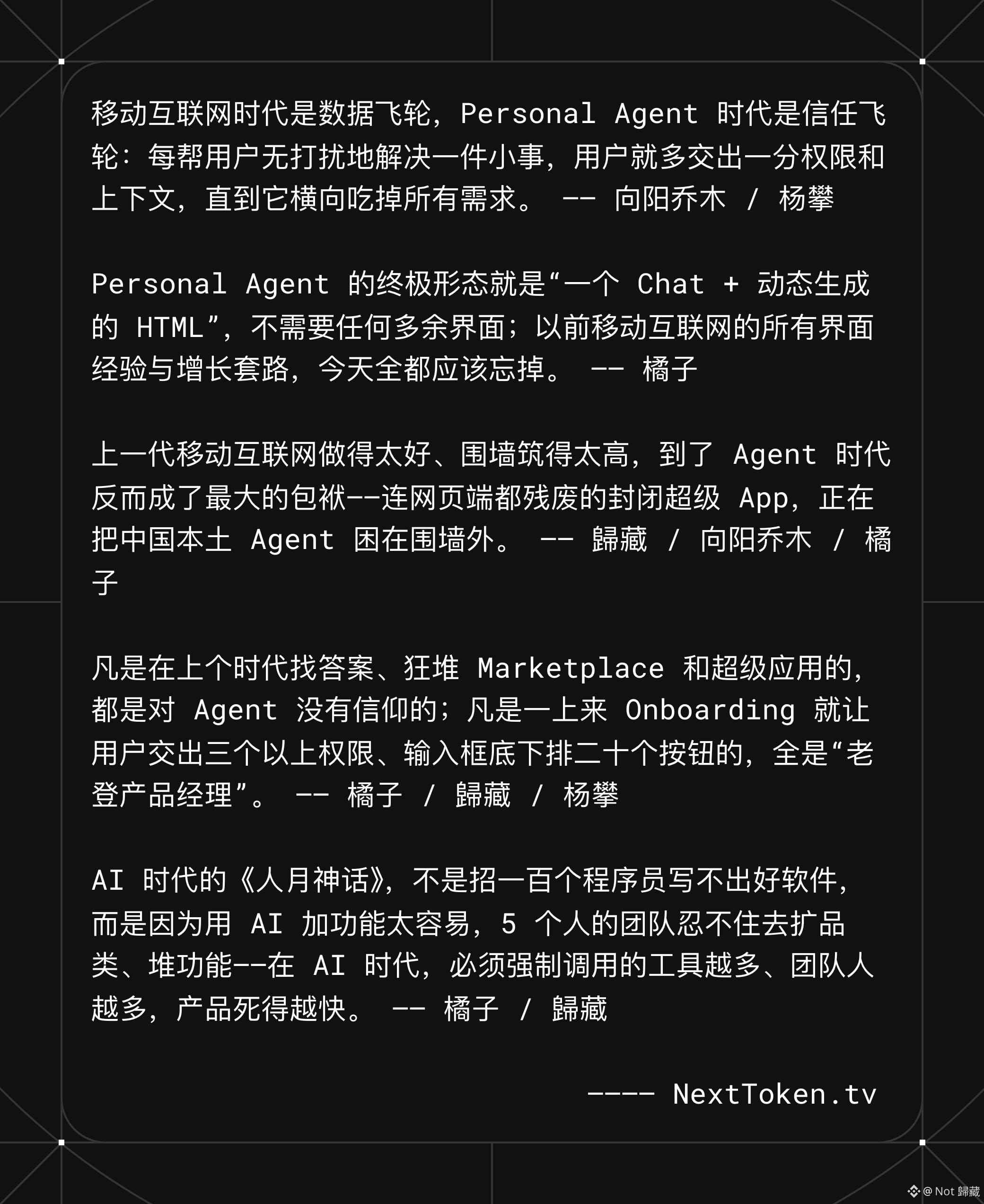
Episode 10 of Next Token—we did such a great job discussing Personal Agents!
I used Gemini 4 to sum up a few points and put them in the image.
We did such a good job with the previous generation of mobile internet that it’s now impossible to build Personal Agents—the walls are too high.
We also have a YouTube version, which offers a better viewing experience: https://www.youtube.com/watch?v=tBMlXQIrYK4
109
·
--
Damn, BLG! The guy who bought RayNeo glasses and was about to return them is losing it.
Damn, BLG! The guy who bought RayNeo glasses and was about to return them is losing it.

88
·
--
🐂🍺 SpaceX uses a mechanical arm to catch a recovered second-stage spacecraft for the first time
🐂🍺 SpaceX uses a mechanical arm to catch a recovered second-stage spacecraft for the first time
61
·
--
Gemini 4 Carbon is seriously good at writing
I had it summarize 30 core insights about AI from the past 9 issues of Next Token:
1. Tokens are the new currency. Buying a local machine to run models is, at its core, minting money at home. — Orange
2. AI isn’t in a bubble; supply is simply constrained by physical infrastructure. — Guicang
3. In the AI era, don’t be embarrassed to admit you sell Tokens. If you don’t sell Tokens, what else can you sell? — Orange
4. A good app doesn’t have to burn Tokens every time a user opens it. Use good taste to crystallize a large number of Tokens into works that countless people can enjoy again and again—that’s how marginal costs come down. — Xiangyang Qiaomu
5. For most people, Vibe Coding isn’t productivity; it’s a creative game with the greatest possible freedom. The Tokens you pour into it are the new-era equivalent of buying in-game currency. — Guicang
6. Once AI raises the starting line for something to sixty points, sixty points becomes zero. — Orange
7. If something can be done with a single sentence, what makes it your moat—and what makes it mine? — Guicang
8. Software and games are becoming platform-driven: platforms no longer restrict publishing, only recommendations. Anyone can list a product, but without traffic, no one will see it. — Guicang
9. By yesterday’s standards, 99% of what people make today counts only as a personal-use tool. The market has grown a hundredfold, but still only the top 1% deserve to be called commercial products. — Yang Pan
10. A product doesn’t have to be an app. As long as it completes the loop of “discovering a need, creating, and distributing,” an article or a podcast can be a product too. — Guicang
11. When development takes just ten minutes but packaging and signing take half an hour, the real bottleneck is no longer intelligence—it’s the old world’s rules for shipping software. — Orange
12. In the past, software squeezed Agents into its own interface. In the future, software will stop trying to build its own Agent and instead become a plugin that Agents call. — Yang Pan
13. Traditional software thinking hardcodes every path. AI-native thinking leaves just one loop and hands the rest to the model. — Yang Pan
14. The fewer buttons there are in software, the closer we are to AGI. — Orange
15. With a super-assistant, people should only have to speak, not manage conversations. If people have to manually search through threads, it just means the model isn’t powerful enough yet. — Orange
16. Tools can change at any time; context must belong to you. Take control of every Agent’s memory, and preserve the process and its outputs in your own repository. — Guicang
17. Human teams are evolving toward one-person loops. Don’t make multiple Agents imitate humans and waste time in meetings. Humans are moving toward AI-native; don’t send Agents back to being human-native. — Orange
18. The previous generation of generative models competed on “understanding,” painstakingly chasing the last one percent of physical fidelity. The new generation wins through “creation,” turning an intention into a complete story with a single sentence. — Guicang
19. An output format that doesn’t throw an error only means you don’t have to retry; it doesn’t mean the answer is correct. Don’t conflate “stable structure” with “no hallucinations.” — Yang Pan
20. A so-called Skill that can’t use tools or operate a computer is, at its core, just a polished prompt. — Guicang
21. Today, the thing that most often limits a model is the person using it. The assumptions you put in your prompt may be exactly what locks down the model’s potential. — Yang Pan
22. Attention is the scarcest resource today. The only commercial value of open-source prompts, Skills, and even software is their ability to serve as a gateway for traffic. — Orange
23. You’re bound to lose if you try to compete with models on technology. Trust built between people and a personal brand are the only things that technological progress won’t eat away. — Orange
24. A brand is, at its core, a way to lower the cost of believing you: you put your real name, face, and sunk costs on the line. — Xiangyang Qiaomu
25. Every business is built on trust: To B means getting businesses to trust you; To C means getting the public to trust you; To A means getting Agents to trust your sources. Without any of those, all that’s left is To Me—doing it for your own satisfaction. — Orange
26. Actively leave genuine, firsthand information about yourself on the public internet. If you don’t define yourself, AI hallucinations will do it for you. — Guicang
27. What we have no shortage of today is content with no personality. Consistently putting out work that has a changing yet coherent human touch—that’s what’s scarce. — Guicang
28. An organization that still divides roles into design, frontend, backend, and QA can’t be called AI-native. In a truly AI-native organization, everyone is a full-stack, end-to-end one-person company. That takes shape through working together and growing—not through HR designing it. — Guicang
29. When big companies break employees down into reliable little cogs, they also kill the conditions for people to grow into systems architects. Architectural thinking comes from running the show, not from dividing up the work. — Guicang
30. When helping a company transform with AI, the priority shouldn’t be overhauling frontline workflows; it should be training the person at the top. — Xiangyang Qiaomu
The above is from: @oran_ge @op7418 @vista8 @ericyangpan @nexttokentv
61
·
--
Gemini 4 Carbon is seriously amazing at writing
I had it summarize 26 core insights about AI from the past 9 issues of Next Token:
1. Tokens are the new currency. Buying a local machine to run models is, essentially, minting money at home. — Orange
2. There is no AI bubble, only a supply shortage constrained by physical infrastructure. — Guizang
3. In the AI era, don’t be embarrassed to admit you sell Tokens—if you don’t sell Tokens, what else can you sell? — Orange
4. A good app doesn’t have to burn Tokens every time a user opens it. Use good taste to turn a large number of Tokens into works that countless people can enjoy again and again; that’s how marginal costs come down. — Xiangyang Qiaomu
5. For most people, Vibe Coding isn’t productivity—it’s the most open-ended creative game there is. The Tokens you put into it are the equivalent of topping up your game account in the new era. — Guizang
6. Once AI raises the starting line for something to 60 points, 60 points becomes zero. — Orange
7. If something can be done with a single sentence, what makes it your moat—and what makes it mine? — Guizang
8. Software and games are becoming web-native: platforms no longer restrict publishing, only recommendations. Anyone can launch something, but without traffic, no one will see it. — Guizang
9. By yesterday’s standards, 99% of what gets built today counts only as a personal-use tool. The market is a hundred times bigger, but only the top 1% still deserves to be called a commercial product. — Yang Pan
10. A product doesn’t have to be an app. As long as it completes the loop of “discovering a need, creating, and distributing,” an article or a podcast can also be a product. — Guizang
11. When development takes only ten minutes but packaging and signing take half an hour, the real bottleneck is no longer intelligence, but the delivery rules of the old world. — Orange
12. In the past, software squeezed Agents into its own interface. In the future, software will stop trying to build its own Agent and instead become a plugin that Agents call. — Yang Pan
13. Traditional software thinking likes to hard-code every path. AI-native thinking leaves just one loop and hands the rest over to the model. — Yang Pan
14. The fewer buttons software has, the closer it is to AGI. — Orange
15. With a super-assistant, people should only have to speak, not manage conversations. If people need to manually hunt through threads, it just means the model isn’t powerful enough yet. — Orange
16. Tools can change at any time; your context must belong to you. Take control of every Agent’s memory, and save the process and its outputs back to your own repository. — Guizang
17. Human teams are evolving toward a one-person loop. Don’t make multiple Agents imitate humans wasting time in meetings. Humans are moving toward AI Native; don’t send Agents back to Human Native. — Orange
18. The previous generation of generative models competed on “understanding,” obsessing over the final one percent of physical accuracy. The new generation wins through “creation,” turning an intention into a complete story with a single sentence. — Guizang
19. An output format that doesn’t throw an error only means you don’t need to retry; it doesn’t mean the judgment is correct. Don’t conflate “stable structure” with “no hallucinations.” — Yang Pan
20. A so-called Skill that can’t call tools or operate a computer is, in essence, just a polished prompt. — Guizang
21. The thing limiting models most today is often the person using them. The assumptions you put in your prompt are exactly what lock down the model’s room to perform. — Yang Pan
22. Attention is the scarcest resource today. The only commercial value of open-source prompts, Skills, and even software is to serve as an entry point for traffic. — Orange
23. You’re bound to lose if you try to compete with models on technology. The trust and personal brand people build with one another are the only things technological progress won’t erode. — Orange
24. The essence of a brand is to put your real name, face, and sunk costs on the line, lowering the cost for others to trust you. — Xiangyang Qiaomu
25. Every business is built on trust: To B means earning a company’s trust, To C means earning the public’s trust, and To A means earning an Agent’s trust as a source of information. If you have none of these, all that’s left is To Me—making things for your own enjoyment. — Orange
26. Proactively leave truthful, firsthand information about yourself on the public internet. If you don’t define yourself, AI’s hallucinations will define you instead. — Guizang
27. What there’s no shortage of today is content with no personality. Consistently putting out work with a changing yet coherent “human touch” is what’s rare. — Guizang
28. An organization that still divides roles into design, front end, back end, and QA isn’t AI-native. In a truly AI-native organization, everyone is a full-stack, self-contained one-person company. That kind of organization grows through working together; it isn’t designed by HR. — Guizang
29. When big companies break employees down into stable little cogs, they kill the very ground from which systems-level architects could grow. Architectural thinking is developed by taking the reins, not carved out by dividing up the work. — Guizang
30. When helping a company with AI transformation, the most important thing isn’t to revamp frontline workflows, but to train the person at the top. — Xiangyang Qiaomu
The above is from: @oran_ge @op7418 @vista8 @ericyangpan @nexttokentv
273
·
--
Today, a lot of people are getting KYC prompts on their old Claude accounts too.
Today, a lot of people are getting KYC prompts on their old Claude accounts too.
·
--
If you can't log in to Claude, don't worry—your account hasn't disappeared; they're having issues.
If you can't log in to Claude, don't worry—your account hasn't disappeared; they're having issues.

83
·
--
It wasn’t easy, but Doubao Work has finally added support for third-party models!
And the discounts are pretty generous, so there are more deals to take advantage of.
Also, new users who sign in to the desktop version of Doubao Work can still claim a 30-day membership. With third-party models available, that 30-day membership is now even better value.
I took a look at the newly launched plans, and they’re pretty good value:
In Auto mode, it’s free if you’re just asking simple questions, handling small tasks, or looking something up. That’s great, since it can be a hassle to spend credits on all those little things that come up from time to time.
Doubao 2.1 Lite and the newly added DeepSeek V4.1 Flash both have a 0.01 multiplier, which is a real bargain. They’ve also added models from Kimi and Zhipu GLM.
Time-based discounts: During designated promotional periods on weekdays and holidays, using promotional models gives you a discounted quota. These periods will be marked in the model selector.
I think adding support for more models was absolutely the right decision. They should have done it a long time ago.
Doubao models are genuinely good in some scenarios, but cost is one consideration, and many tasks require different models.
Domestic models each have different strengths across various dimensions. Adding more models gives you more options and also makes it easier for the system to automatically choose the model best suited to each task. That can both reduce costs and improve results.
Unless a company reaches the level of OpenAI or Anthropic, no provider can realistically rely solely on its own models to handle every task its customers have.
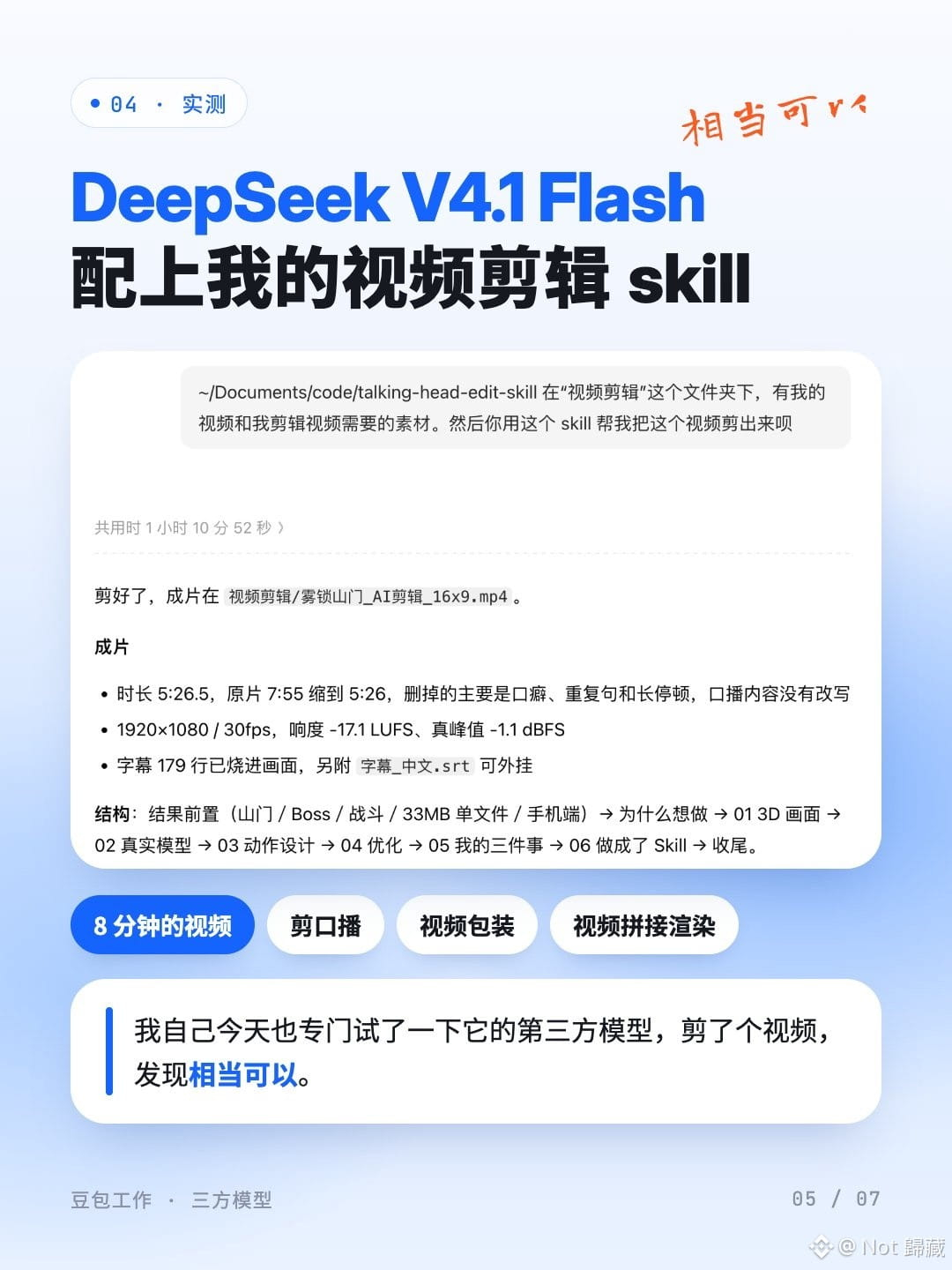
Today, I also took the time to try out its third-party models. I used DeepSeek V4.1 Flash with my video-editing skill to edit a video, and it worked surprisingly well.
I did a quick comparison between Doubao Work and a few other similar tools:
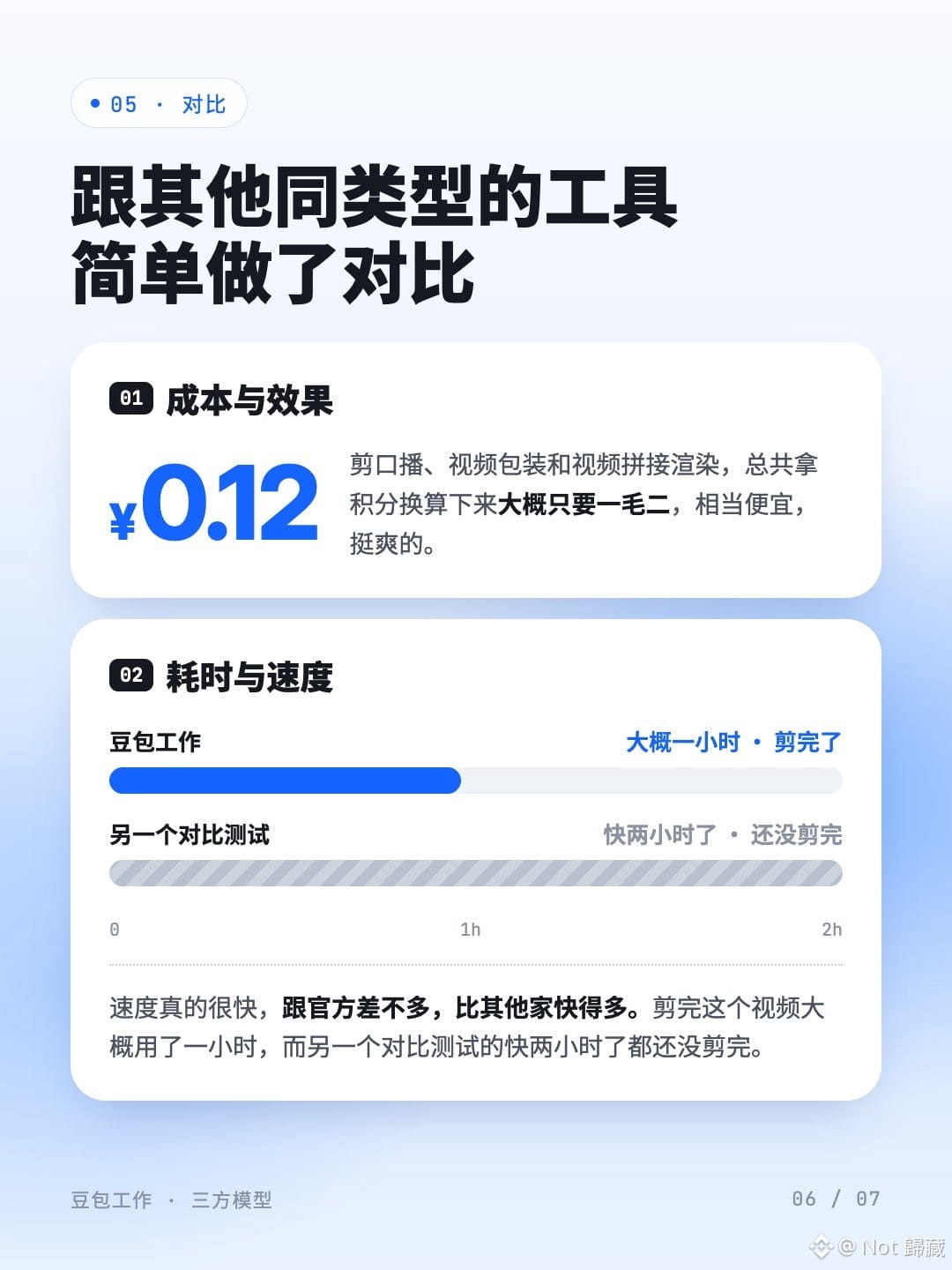
Cost and results: I edited an 8-minute video, including cutting the talking-head footage, adding polish, and stitching and rendering the clips. After converting the credits, it cost only about 0.12 yuan in total—really cheap, and pretty satisfying.
Time and speed: It’s really fast—about as fast as the official tool, and much faster than the others.
It took about an hour to edit this video, while another tool in my comparison test still hadn’t finished after nearly two hours.
Definitely worth taking advantage of a good deal.
This is especially nice if your team uses Feishu or works on a lot of ByteDance-related office projects.
605
·
--
With Anthropic's restrictions in place, having a Claude account is now a huge arbitrage opportunity.
As long as you're not stupid, you can basically make back the cost of your subscription with a Claude account.
With Anthropic's restrictions in place, having a Claude account is now a huge arbitrage opportunity.
As long as you're not stupid, you can basically make back the cost of your subscription with a Claude account.
As long as you're not stupid, you can basically make back the cost of your subscription with a Claude account.
100
·
--
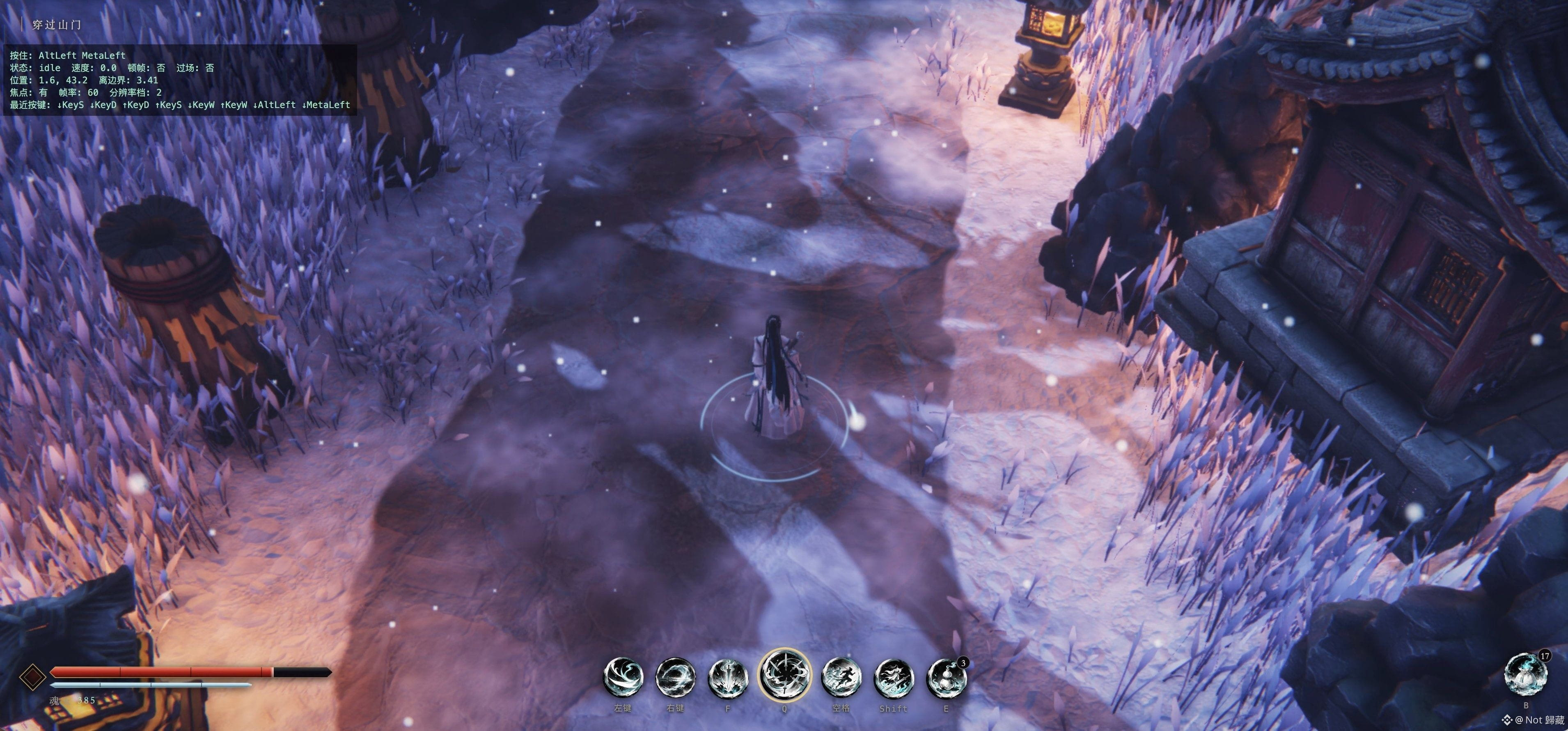
Fable 5.2 is insanely good at making games!
Just give it the tools, and it absolutely nails the scene design and game details.
Fable 5.2 is insanely good at making games!
Just give it the tools, and it absolutely nails the scene design and game details.
Just give it the tools, and it absolutely nails the scene design and game details.
61
·
--
The pelican is still chasing me on a bicycle—I didn't expect this test plan to evolve.
The pelican is still chasing me on a bicycle—I didn't expect this test plan to evolve.
38
·
--
Holy crap, this project is freaking awesome!
You can directly enable the full version of Apple Intelligence on China-market phones!
It can also remove the eSIM limit, I think.
Let me try it on my only daily driver, the Air. Hope it doesn’t blow up.
Holy crap, this project is freaking awesome!
You can directly enable the full version of Apple Intelligence on China-market phones!
It can also remove the eSIM limit, I think.
Let me try it on my only daily driver, the Air. Hope it doesn’t blow up.
You can directly enable the full version of Apple Intelligence on China-market phones!
It can also remove the eSIM limit, I think.
Let me try it on my only daily driver, the Air. Hope it doesn’t blow up.
56
·
--
The bonus resets offered after this Fable 5.2 release are pretty interesting:
The older your account and the longer you’ve been subscribed, the more resets you get. Accounts over a year old receive three resets at once.
Of course, we don’t have many $100 accounts that are over a year old.
The bonus resets offered after this Fable 5.2 release are pretty interesting:
The older your account and the longer you’ve been subscribed, the more resets you get. Accounts over a year old receive three resets at once.
Of course, we don’t have many $100 accounts that are over a year old.
The older your account and the longer you’ve been subscribed, the more resets you get. Accounts over a year old receive three resets at once.
Of course, we don’t have many $100 accounts that are over a year old.

115
·
--
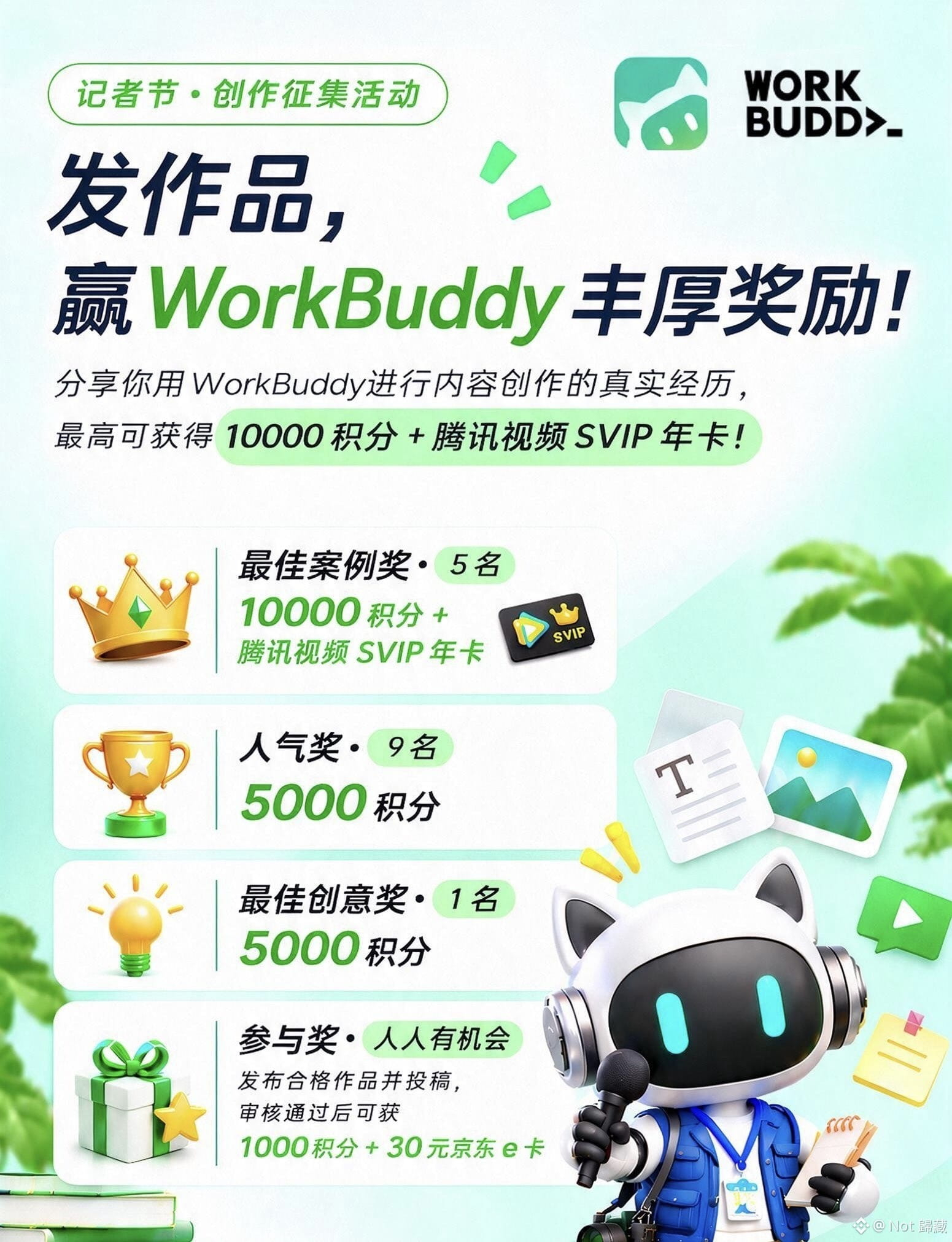
Yesterday was Journalists’ Day, and I found a nice perk on Workbuddy—there are quite a few points up for grabs:
Top prize: 10,000 Workbuddy points + a one-year Tencent Video membership
Participation prize: As long as your submission meets the requirements, you’ll get 1,000 Workbuddy points + a ¥30 JD.com gift card
Although it’s called a Journalists’ Day event, anyone who’s a social media creator, media professional, or works in journalism can take part. Pretty nice!
How to participate:
1. Include both hashtags when you publish: #HowMuchCanWorkBuddyHelpCreators and #ItHasToBeMyBuddy (you need to use both)
2. After publishing, go to the submission page and fill in the relevant information to complete your entry
3. To submit: Reply “Journalists’ Day event submission” to the Workbuddy official WeChat account
Honestly, Workbuddy’s user base has been growing rapidly lately. You see people using it everywhere, and it’s already broken out of the AI bubble: lots of university students and white-collar workers use it, especially people who aren’t in AI.
Workbuddy also offers plenty of perks. You can earn points just by checking in every day.
They’ve also put a lot of effort into making it easy to use. There are lots of ready-made plugins and Skills (some of my Skills are already available there too), which greatly lowers the barrier to getting started and makes it easier for everyone to learn how to use it.
For example, its daily tasks guide you through its various capabilities and show you how they can help solve problems. I think this kind of reward-based task system is something many of today’s complex agents could learn from.
This event gives away a lot of points.
If you’re a social media creator with ideas, or you’ve recently made some content using Workbuddy, it seems worth taking part. After all, as long as your entry passes review, you’ll get the 1,000-point and JD.com gift card participation prize.
Also, during this period, you can take part in the Journalists’ Day event through the Workbuddy mini program or app. Verified journalists can also claim 1,000 points.
62
·
--
I didn’t expect the rumors from a few days ago to be true. Huang admitted this morning that he cheated.
Normally, this wouldn’t even be a big deal in Silicon Valley—certainly not something worth a separate apology. I guess that woman really wasn’t so innocent after all; they must have caught her doing something.
Normally, this wouldn’t even be a big deal in Silicon Valley—certainly not something worth a separate apology. I guess that woman really wasn’t so innocent after all; they must have caught her doing something.
65
·
--
Last week, I sold my iPhone Duo and switched back to the iPhone Air.
It feels like I’ve finally gone back to using a phone the way it’s meant to be used.
Now I see the Air costs over 7,000. I think I bought mine for just over 5,000.
The iPhone Duo really does feel premium, and the experience is pretty good in some well-optimized apps. But the main problem with foldable phones is that they make me pay too much attention to the phone itself.
When using a phone day to day, your attention should often be on the content. That’s what makes using it feel comfortable.
The iPhone Duo is also heavy, and support for mainstream Chinese apps is really poor. So you end up putting a lot of effort into using it, and can’t focus on the content at all—your attention is completely taken up by the phone itself.
After switching to the Air, it feels so light that you almost forget it’s there. I even think the display is a bit better overall.
As for the Air’s single speaker and single camera, they don’t bother me much since I have a backup phone.
As for the battery, I’m usually at home, so I don’t mind charging it a few times a day. When I go out, I already get anxious about battery life, and I carry a power bank no matter which phone I bring, so that’s totally fine with me too.

174
·
--
I sold my iPhone Duo last week and switched back to the iPhone Air.
It finally feels like I’m using a phone again.
The iPhone Duo definitely feels very premium, and the experience is pretty good in some well-optimized apps. But the main problem with foldable phones is that they make me pay too much attention to the phone itself.
When using a phone day to day, your attention should usually be on the content. That’s what makes it comfortable to use.
The iPhone Duo is also heavy, and optimization for mainstream Chinese apps is very poor. As a result, you have to put a lot of effort into using it, and it’s hard to focus on the content because the phone itself keeps distracting you.
Since switching to the Air, I’ve found it incredibly light—you can barely feel it’s there. I even think the display is a little better overall.
As for the Air’s single speaker and single camera, I also have a backup phone, so they don’t make much difference to me.
When it comes to battery life, I’m at home most of the time, so I don’t mind charging it several times a day. When I go out, I already get anxious about running out of battery, so I bring a power bank no matter which phone I’m carrying. I’m totally fine with that.

1
53
·
--
All U.S. stocks in the AI sector and AI hardware-related stocks have plunged. The Democrats’ victory is having far too much of an impact.
All U.S. stocks in the AI sector and AI hardware-related stocks have plunged. The Democrats’ victory is having far too much of an impact.
36
·
--
A few days ago, I was talking about voice input methods again.
Someone in the comments said NetEase’s Bage Shuo was good, so I gave it a try. It really is!
NetEase has been doing a great job with these small AI products lately. Bage Shuo and UU Remote are both excellent.
It’s free, whereas Typeless and many similar products overseas are paid.
The local model they use is an ASR model they trained themselves.
On desktop, I mainly keep my voice input method separate from my regular input method so they don’t interfere with each other.
When you use voice input with a regular keyboard, switching input methods and things like that often interrupt it. You can dictate a long string, only for it to get interrupted and disappear at the end.
That’s really inconvenient. Keeping them separate avoids the problem.
And what’s one advantage of domestic voice input methods like this? They’re fast. Really fast.
There aren’t any unnecessary features either; it’s very restrained. It just has input and translation, with no flashy interface. You open it and get straight to work.
Then there’s polishing—like Typeless’s polishing feature. It’s really annoying.
Especially with model names and numbers, it stubbornly thinks Claude’s models only go up to 3.5. It deliberately gets model names and numbers wrong, even when I’ve said them very clearly.
Bage Shuo doesn’t have that problem. It handles them really well and doesn’t over-polish.
It also supports a custom dictionary. I have my own Memory, so I had Codex analyze it and generate a custom dictionary file for me. I uploaded it, and everything was set up.
This whole segment was dictated using Bage Shuo, too.
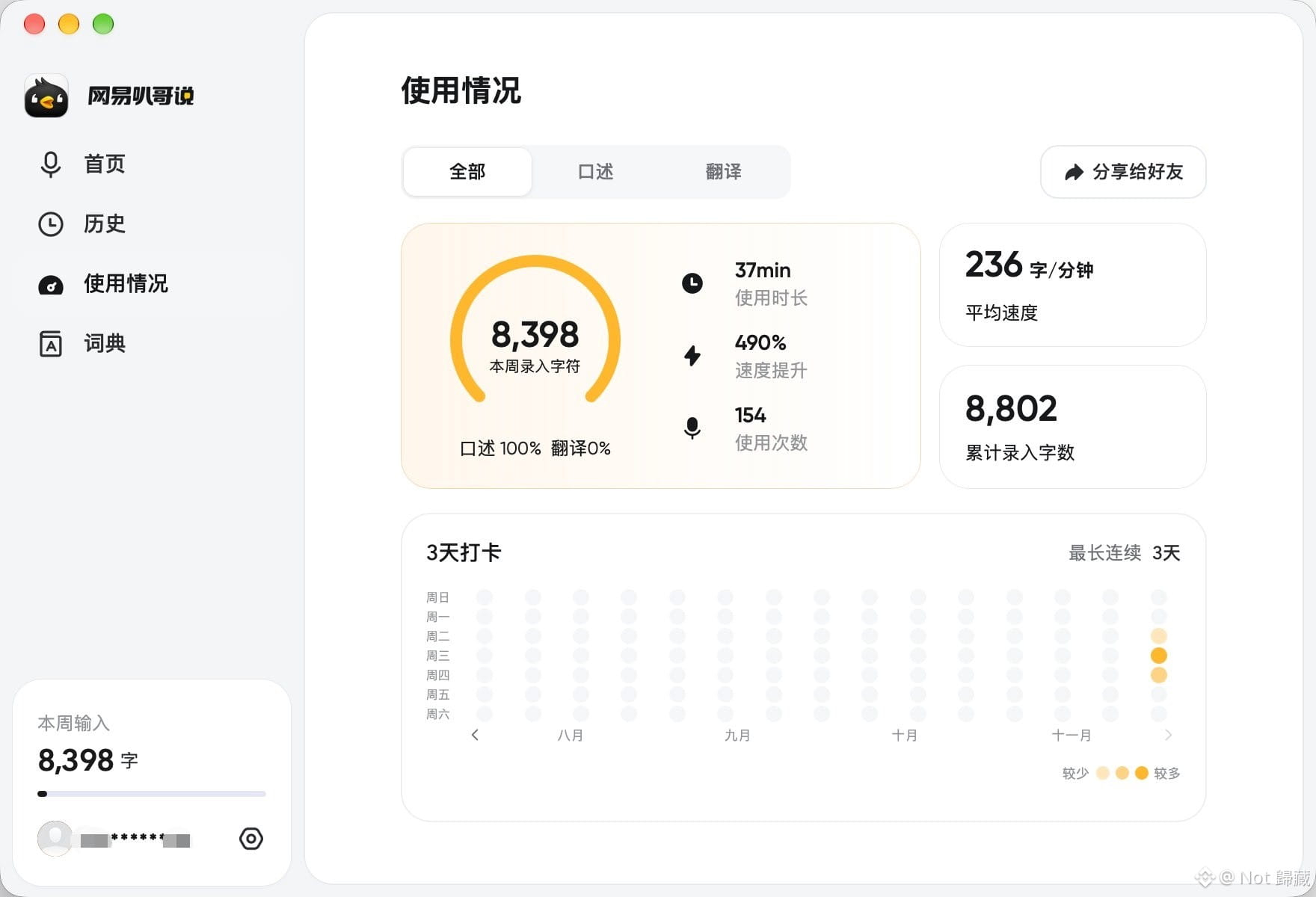
NTESUS-1.86%
78
Log in to explore more content
Join global crypto users on Binance Square
⚡️ Get latest and useful information about crypto.
💬 Trusted by the world’s largest crypto exchange.
👍 Discover real insights from verified creators.
Email / Phone number
Trending Topics
NvidiaBeatsEstimatesWith$130BQ4Outlook
204 views
7 Discussing
Nvidia Beats With $115.8 Billion in Revenue, Guides to $130 Billion and Adds $150 Billion Buyback
Binance News
·16 Likes
·18.1k views
AnthropicIPOPriceCouldExceed$80
240 views
22 Discussing
CanNvidia’sDataCenterGrowthContinue?
691 views
18 Discussing