
luhonghai
11 Posts

luhonghai
Report
Block User
Co-Founder & CEO at NOTT. NOTT’s mission is to empower individuals and communities to take control of their health and wellness through innovative technology.
6 Following
26 Followers
49 Liked
Posts
All
Quotes
PINNED
·
--
Article
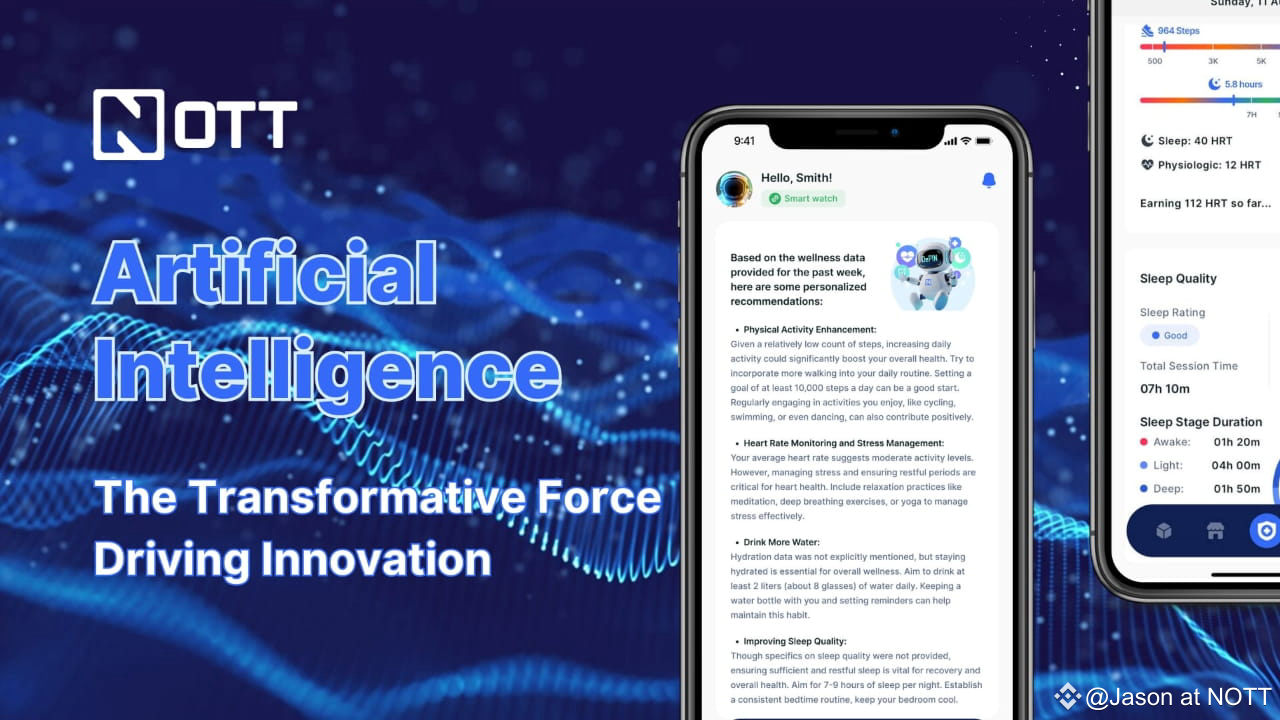
AI: The Transformative Force Driving Innovation in the NOTT PlatformArtificial Intelligence (AI) stands as a cornerstone of the NOTT platform, fundamentally transforming the way users manage their health and offering valuable insights for partners and the broader ecosystem. The integration of AI within NOTT is not just a feature—it's the driving force that powers personalization, scalability, and continuous innovation, ensuring that every user can embark on a wellness journey tailored specifically to their needs.
Personalized Health Insights: Tailoring Wellness to Individual Needs
AI is at the forefront of the NOTT platform, where it plays a crucial role in delivering personalized health insights and recommendations. Through the continuous analysis of user-generated health data, AI algorithms detect patterns, predict future health trends, and provide tailored advice that aligns with each user’s unique wellness goals. Whether it's optimizing sleep patterns, improving fitness routines, or managing stress, AI ensures that every recommendation is backed by data and designed to help users achieve the best possible health outcomes.
This level of personalization goes beyond generic advice; it creates a truly customized health management experience. By understanding the intricacies of each user's health data, AI can suggest specific actions and lifestyle changes that are most likely to result in positive outcomes. As a result, users can trust that the guidance they receive is not only relevant but also optimized for their personal health journey.
Data Analysis and Management: Making Sense of Vast Health Data
In an era where data is as valuable as the oil of the digital age, the NOTT platform leverages AI to manage and analyze vast quantities of health data. AI-driven analytics within the platform are designed to categorize, interpret, and secure user data with precision. This ensures that the insights generated are not only accurate but also meaningful, providing users with actionable information that can significantly impact their health and wellness.
Moreover, AI’s role in data management extends to safeguarding user privacy. In a world increasingly concerned with data security, AI helps ensure that all user data is protected, encrypted, and handled in compliance with the highest standards of privacy. This creates a secure environment where users can confidently share their health data, knowing that it will be used responsibly and effectively.
Continuous Learning and Improvement: Adapting to Users’ Needs
One of the most powerful aspects of AI within the NOTT platform is its ability to continuously learn and adapt. Unlike static systems, AI in NOTT evolves over time, improving its accuracy and relevance as it processes new data. This continuous learning capability means that the platform grows with its users, refining the health insights it provides based on the latest information.
As users engage with the platform, AI becomes increasingly adept at recognizing patterns and predicting outcomes. This ongoing improvement ensures that the recommendations and insights provided by the platform remain up-to-date and highly relevant, even as the user’s health and wellness needs change over time. In essence, the platform evolves alongside its users, offering a dynamic and ever-improving health management experience.
AI-Driven User Engagement: Keeping Users Motivated and Involved
User engagement is critical to the success of any wellness platform, and AI plays a pivotal role in this area within NOTT. By analyzing individual behaviors and preferences, AI tailors the platform’s challenges, rewards, and health recommendations to keep users motivated and engaged. This personalized approach to engagement ensures that users remain active participants in their wellness journey, rather than passive observers.
For instance, AI can identify when a user might need an extra push to stay on track with their wellness goals, offering timely challenges or rewards that encourage continued participation. By understanding what motivates each user, AI can create a more engaging and rewarding experience, helping users maintain long-term commitment to their health and wellness objectives.
Facilitating Research and Development: Driving Innovation through Data
Beyond its role in personal health management, AI within the NOTT platform also plays a crucial part in facilitating research and development. By analyzing large datasets, AI can uncover new health insights and contribute to the development of innovative wellness solutions. This data-driven approach accelerates the creation of cutting-edge products and services, pushing the boundaries of what’s possible in digital health.
For example, AI might identify emerging health trends or patterns that were previously unnoticed, leading to new discoveries in how certain behaviors or conditions affect overall wellness. These insights can then be used to inform the development of new features within the platform, or even entirely new products that address specific health challenges.
Enhancing the Open Marketplace: Connecting Users with the Right Products and Services
The NOTT ecosystem includes an open marketplace where users can access a wide range of wellness products and services. AI enhances this marketplace by providing personalized recommendations that align with each user’s health patterns and needs. By analyzing the user’s data, AI can match them with the most suitable products and services offered by merchants on the platform.
This level of personalization ensures that users find exactly what they need to support their wellness journey, whether it's a new wearable device, a specialized fitness program, or a tailored nutritional plan. Merchants, in turn, benefit from reaching an audience that is specifically matched to their offerings, creating a win-win situation within the ecosystem.
Scalability and Efficiency: Growing with the User Base
As the NOTT platform continues to expand, AI ensures that it can scale efficiently without compromising on the personalization that users expect. The platform’s AI-driven infrastructure is designed to handle increasing volumes of data and complexity, making it capable of supporting a growing user base while maintaining high levels of performance and responsiveness.
This scalability is particularly important as more users join the NOTT ecosystem, bringing with them diverse health data and unique wellness needs. AI enables the platform to process and analyze this influx of information in real-time, ensuring that every user continues to receive a personalized and effective health management experience, regardless of how large the ecosystem becomes.
A Transformative Element of the NOTT Platform
In summary, AI is more than just a feature of the NOTT platform—it is a transformative force that drives the entire ecosystem. By empowering users with personalized health management tools, facilitating continuous learning and improvement, and enhancing both user engagement and marketplace interactions, AI fosters a data-driven ecosystem that supports ongoing innovation and growth.
Through its integration of AI, NOTT not only enhances individual wellness journeys but also contributes to the broader evolution of digital health. As the platform continues to grow and evolve, AI will remain at the heart of its success, ensuring that it delivers meaningful, personalized, and impactful health management experiences to users around the world.
#NOTT #DePIN #AI #RWA #Write2Earn! $SOL $TON
AI: The Transformative Force Driving Innovation in the NOTT Platform
Artificial Intelligence (AI) stands as a cornerstone of the NOTT platform, fundamentally transforming the way users manage their health and offering valuable insights for partners and the broader ecosystem. The integration of AI within NOTT is not just a feature—it's the driving force that powers personalization, scalability, and continuous innovation, ensuring that every user can embark on a wellness journey tailored specifically to their needs.
Personalized Health Insights: Tailoring Wellness to Individual Needs
AI is at the forefront of the NOTT platform, where it plays a crucial role in delivering personalized health insights and recommendations. Through the continuous analysis of user-generated health data, AI algorithms detect patterns, predict future health trends, and provide tailored advice that aligns with each user’s unique wellness goals. Whether it's optimizing sleep patterns, improving fitness routines, or managing stress, AI ensures that every recommendation is backed by data and designed to help users achieve the best possible health outcomes.
This level of personalization goes beyond generic advice; it creates a truly customized health management experience. By understanding the intricacies of each user's health data, AI can suggest specific actions and lifestyle changes that are most likely to result in positive outcomes. As a result, users can trust that the guidance they receive is not only relevant but also optimized for their personal health journey.
Data Analysis and Management: Making Sense of Vast Health Data
In an era where data is as valuable as the oil of the digital age, the NOTT platform leverages AI to manage and analyze vast quantities of health data. AI-driven analytics within the platform are designed to categorize, interpret, and secure user data with precision. This ensures that the insights generated are not only accurate but also meaningful, providing users with actionable information that can significantly impact their health and wellness.
Moreover, AI’s role in data management extends to safeguarding user privacy. In a world increasingly concerned with data security, AI helps ensure that all user data is protected, encrypted, and handled in compliance with the highest standards of privacy. This creates a secure environment where users can confidently share their health data, knowing that it will be used responsibly and effectively.
Continuous Learning and Improvement: Adapting to Users’ Needs
One of the most powerful aspects of AI within the NOTT platform is its ability to continuously learn and adapt. Unlike static systems, AI in NOTT evolves over time, improving its accuracy and relevance as it processes new data. This continuous learning capability means that the platform grows with its users, refining the health insights it provides based on the latest information.
As users engage with the platform, AI becomes increasingly adept at recognizing patterns and predicting outcomes. This ongoing improvement ensures that the recommendations and insights provided by the platform remain up-to-date and highly relevant, even as the user’s health and wellness needs change over time. In essence, the platform evolves alongside its users, offering a dynamic and ever-improving health management experience.
AI-Driven User Engagement: Keeping Users Motivated and Involved
User engagement is critical to the success of any wellness platform, and AI plays a pivotal role in this area within NOTT. By analyzing individual behaviors and preferences, AI tailors the platform’s challenges, rewards, and health recommendations to keep users motivated and engaged. This personalized approach to engagement ensures that users remain active participants in their wellness journey, rather than passive observers.
For instance, AI can identify when a user might need an extra push to stay on track with their wellness goals, offering timely challenges or rewards that encourage continued participation. By understanding what motivates each user, AI can create a more engaging and rewarding experience, helping users maintain long-term commitment to their health and wellness objectives.
Facilitating Research and Development: Driving Innovation through Data
Beyond its role in personal health management, AI within the NOTT platform also plays a crucial part in facilitating research and development. By analyzing large datasets, AI can uncover new health insights and contribute to the development of innovative wellness solutions. This data-driven approach accelerates the creation of cutting-edge products and services, pushing the boundaries of what’s possible in digital health.
For example, AI might identify emerging health trends or patterns that were previously unnoticed, leading to new discoveries in how certain behaviors or conditions affect overall wellness. These insights can then be used to inform the development of new features within the platform, or even entirely new products that address specific health challenges.
Enhancing the Open Marketplace: Connecting Users with the Right Products and Services
The NOTT ecosystem includes an open marketplace where users can access a wide range of wellness products and services. AI enhances this marketplace by providing personalized recommendations that align with each user’s health patterns and needs. By analyzing the user’s data, AI can match them with the most suitable products and services offered by merchants on the platform.
This level of personalization ensures that users find exactly what they need to support their wellness journey, whether it's a new wearable device, a specialized fitness program, or a tailored nutritional plan. Merchants, in turn, benefit from reaching an audience that is specifically matched to their offerings, creating a win-win situation within the ecosystem.
Scalability and Efficiency: Growing with the User Base
As the NOTT platform continues to expand, AI ensures that it can scale efficiently without compromising on the personalization that users expect. The platform’s AI-driven infrastructure is designed to handle increasing volumes of data and complexity, making it capable of supporting a growing user base while maintaining high levels of performance and responsiveness.
This scalability is particularly important as more users join the NOTT ecosystem, bringing with them diverse health data and unique wellness needs. AI enables the platform to process and analyze this influx of information in real-time, ensuring that every user continues to receive a personalized and effective health management experience, regardless of how large the ecosystem becomes.
A Transformative Element of the NOTT Platform
In summary, AI is more than just a feature of the NOTT platform—it is a transformative force that drives the entire ecosystem. By empowering users with personalized health management tools, facilitating continuous learning and improvement, and enhancing both user engagement and marketplace interactions, AI fosters a data-driven ecosystem that supports ongoing innovation and growth.
Through its integration of AI, NOTT not only enhances individual wellness journeys but also contributes to the broader evolution of digital health. As the platform continues to grow and evolve, AI will remain at the heart of its success, ensuring that it delivers meaningful, personalized, and impactful health management experiences to users around the world.
#NOTT #DePIN #AI #RWA #Write2Earn! $SOL $TON
Personalized Health Insights: Tailoring Wellness to Individual Needs
AI is at the forefront of the NOTT platform, where it plays a crucial role in delivering personalized health insights and recommendations. Through the continuous analysis of user-generated health data, AI algorithms detect patterns, predict future health trends, and provide tailored advice that aligns with each user’s unique wellness goals. Whether it's optimizing sleep patterns, improving fitness routines, or managing stress, AI ensures that every recommendation is backed by data and designed to help users achieve the best possible health outcomes.
This level of personalization goes beyond generic advice; it creates a truly customized health management experience. By understanding the intricacies of each user's health data, AI can suggest specific actions and lifestyle changes that are most likely to result in positive outcomes. As a result, users can trust that the guidance they receive is not only relevant but also optimized for their personal health journey.
Data Analysis and Management: Making Sense of Vast Health Data
In an era where data is as valuable as the oil of the digital age, the NOTT platform leverages AI to manage and analyze vast quantities of health data. AI-driven analytics within the platform are designed to categorize, interpret, and secure user data with precision. This ensures that the insights generated are not only accurate but also meaningful, providing users with actionable information that can significantly impact their health and wellness.
Moreover, AI’s role in data management extends to safeguarding user privacy. In a world increasingly concerned with data security, AI helps ensure that all user data is protected, encrypted, and handled in compliance with the highest standards of privacy. This creates a secure environment where users can confidently share their health data, knowing that it will be used responsibly and effectively.
Continuous Learning and Improvement: Adapting to Users’ Needs
One of the most powerful aspects of AI within the NOTT platform is its ability to continuously learn and adapt. Unlike static systems, AI in NOTT evolves over time, improving its accuracy and relevance as it processes new data. This continuous learning capability means that the platform grows with its users, refining the health insights it provides based on the latest information.
As users engage with the platform, AI becomes increasingly adept at recognizing patterns and predicting outcomes. This ongoing improvement ensures that the recommendations and insights provided by the platform remain up-to-date and highly relevant, even as the user’s health and wellness needs change over time. In essence, the platform evolves alongside its users, offering a dynamic and ever-improving health management experience.
AI-Driven User Engagement: Keeping Users Motivated and Involved
User engagement is critical to the success of any wellness platform, and AI plays a pivotal role in this area within NOTT. By analyzing individual behaviors and preferences, AI tailors the platform’s challenges, rewards, and health recommendations to keep users motivated and engaged. This personalized approach to engagement ensures that users remain active participants in their wellness journey, rather than passive observers.
For instance, AI can identify when a user might need an extra push to stay on track with their wellness goals, offering timely challenges or rewards that encourage continued participation. By understanding what motivates each user, AI can create a more engaging and rewarding experience, helping users maintain long-term commitment to their health and wellness objectives.
Facilitating Research and Development: Driving Innovation through Data
Beyond its role in personal health management, AI within the NOTT platform also plays a crucial part in facilitating research and development. By analyzing large datasets, AI can uncover new health insights and contribute to the development of innovative wellness solutions. This data-driven approach accelerates the creation of cutting-edge products and services, pushing the boundaries of what’s possible in digital health.
For example, AI might identify emerging health trends or patterns that were previously unnoticed, leading to new discoveries in how certain behaviors or conditions affect overall wellness. These insights can then be used to inform the development of new features within the platform, or even entirely new products that address specific health challenges.
Enhancing the Open Marketplace: Connecting Users with the Right Products and Services
The NOTT ecosystem includes an open marketplace where users can access a wide range of wellness products and services. AI enhances this marketplace by providing personalized recommendations that align with each user’s health patterns and needs. By analyzing the user’s data, AI can match them with the most suitable products and services offered by merchants on the platform.
This level of personalization ensures that users find exactly what they need to support their wellness journey, whether it's a new wearable device, a specialized fitness program, or a tailored nutritional plan. Merchants, in turn, benefit from reaching an audience that is specifically matched to their offerings, creating a win-win situation within the ecosystem.
Scalability and Efficiency: Growing with the User Base
As the NOTT platform continues to expand, AI ensures that it can scale efficiently without compromising on the personalization that users expect. The platform’s AI-driven infrastructure is designed to handle increasing volumes of data and complexity, making it capable of supporting a growing user base while maintaining high levels of performance and responsiveness.
This scalability is particularly important as more users join the NOTT ecosystem, bringing with them diverse health data and unique wellness needs. AI enables the platform to process and analyze this influx of information in real-time, ensuring that every user continues to receive a personalized and effective health management experience, regardless of how large the ecosystem becomes.
A Transformative Element of the NOTT Platform
In summary, AI is more than just a feature of the NOTT platform—it is a transformative force that drives the entire ecosystem. By empowering users with personalized health management tools, facilitating continuous learning and improvement, and enhancing both user engagement and marketplace interactions, AI fosters a data-driven ecosystem that supports ongoing innovation and growth.
Through its integration of AI, NOTT not only enhances individual wellness journeys but also contributes to the broader evolution of digital health. As the platform continues to grow and evolve, AI will remain at the heart of its success, ensuring that it delivers meaningful, personalized, and impactful health management experiences to users around the world.
#NOTT #DePIN #AI #RWA #Write2Earn! $SOL $TON
1
3
747
·
--
Bullish
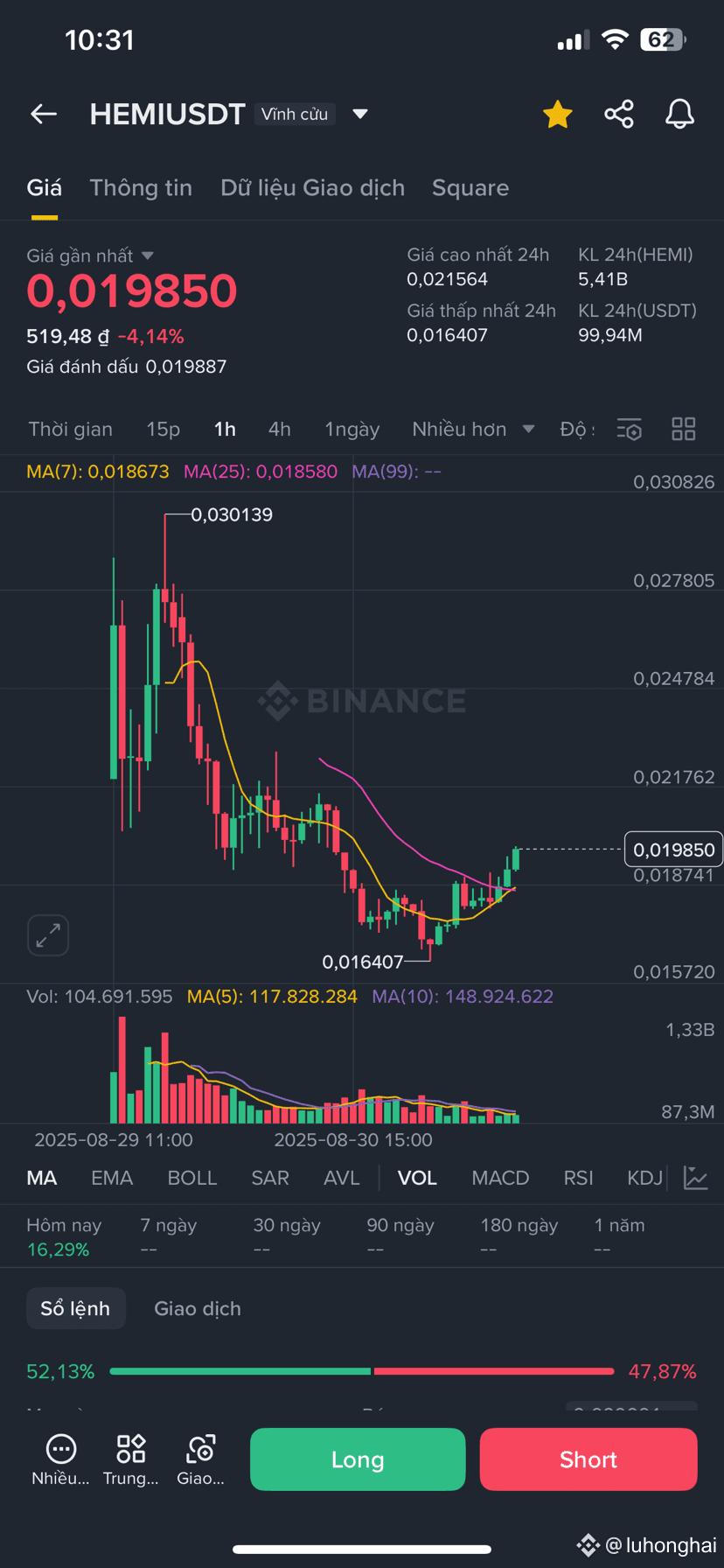
$HEMI L2 quality of connection BTC and ETH with a market cap of only $20M, the market this year has really good prices, no longer being confused by prices like before. Just buy and wait for the uptrend.
$HEMI L2 quality of connection BTC and ETH with a market cap of only $20M, the market this year has really good prices, no longer being confused by prices like before. Just buy and wait for the uptrend.
885

·
--
Article
The Dawn of a New Era in Sleep Health: Exploring the NOTT SmartBed ProjectSleep is a universal human experience, yet its significance often goes unnoticed until it's disrupted. In a world that constantly pushes us towards productivity, the importance of sleep in maintaining our physical and mental health has never been more critical. Despite spending approximately one-third of our lives asleep, many people struggle to achieve the deep, restorative sleep necessary for optimal health and well-being. The NOTT SmartBed project, an innovative approach to sleep health care, aims to transform how we perceive and manage sleep by integrating advanced technology into our nightly routines.
The Indispensable Role of Sleep in Health and Well-being
Sleep is not merely a time when our bodies rest; it is a complex, active process that plays a vital role in nearly every system of the body. Adequate sleep is essential for cognitive function, allowing us to think clearly, learn effectively, and remember information. It is during sleep that our brains consolidate memories, making connections between new information and existing knowledge, which enhances our ability to learn and adapt.
Furthermore, sleep is critical for regulating the body’s hormone production. Hormones such as cortisol, which helps manage stress, and growth hormone, which is essential for tissue repair and muscle growth, follow a circadian rhythm that is heavily influenced by our sleep patterns. Disruptions to sleep can lead to hormonal imbalances, which may contribute to a range of health issues, including weight gain, diabetes, and heart disease.
Sleep also plays a key role in maintaining a strong immune system. Studies have shown that individuals who do not get enough sleep are more susceptible to infections, including the common cold and influenza. Moreover, a lack of sleep can reduce the effectiveness of vaccines, making it harder for the body to build immunity against diseases.
The psychological impact of sleep cannot be understated either. Poor sleep is closely linked to mood disorders such as depression and anxiety. Chronic sleep deprivation can lead to increased irritability, difficulty managing stress, and even cognitive decline. For children, adequate sleep is crucial for emotional regulation, behavior, and academic performance. Without sufficient sleep, children may exhibit symptoms similar to attention deficit hyperactivity disorder (ADHD), affecting their ability to learn and develop socially.
Technological Advancements in Health Monitoring: A Paradigm Shift
The last decade has seen remarkable advancements in health monitoring technologies, particularly with the introduction of wearable devices. These devices, equipped with biosensors, can track a range of vital signs, including heart rate, blood pressure, and oxygen saturation. Companies like Apple, Google, and Samsung have pioneered the development of smartwatches and fitness bands that monitor sleep patterns, offering users insights into their sleep quality.
However, despite these advancements, the focus has largely remained on monitoring health during waking hours. While existing devices provide valuable data on sleep stages and duration, they often lack the precision and comprehensiveness needed to offer a full picture of an individual’s sleep health. Additionally, most of these devices are standalone products, offering limited integration with other health monitoring systems.
This is where the SmartBed project comes in, addressing the gaps in current health monitoring technologies by providing a holistic solution that focuses specifically on sleep health. The SmartBed is designed to be an all-encompassing system that not only monitors sleep but also actively enhances the sleep environment to promote better health outcomes.
Introducing the NOTT SmartBed Project: Revolutionizing Sleep Health Care
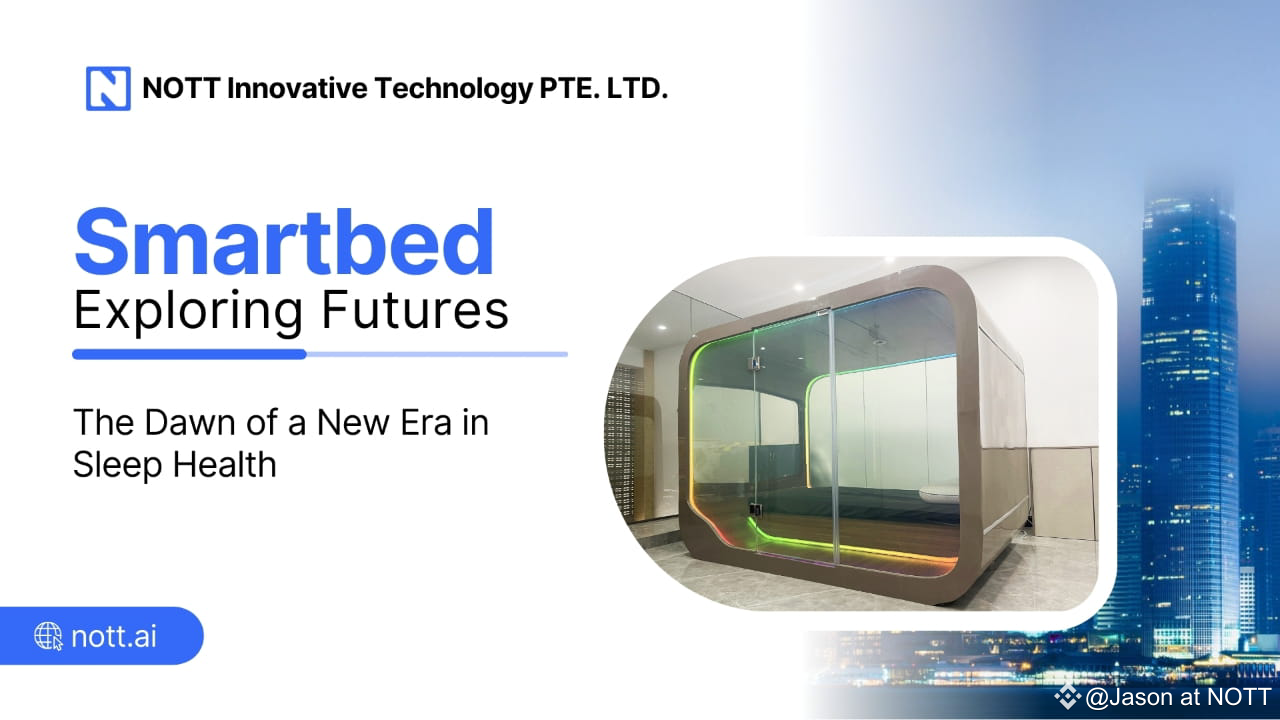
The SmartBed project is a pioneering initiative that seeks to redefine the way we care for our health during sleep. At its core, the SmartBed is a sophisticated sleep chamber equipped with state-of-the-art non-invasive biosensors. These sensors continuously monitor a comprehensive range of health indicators, including blood pressure, electrocardiograms (ECG), oxygen levels (SpO2), brain activity (EEG), heart rate, and breathing patterns. In addition, the SmartBed can analyze the composition of a person’s breath, providing insights into metabolic processes and potential health issues.
All the data collected by the SmartBed is transmitted in real-time to a central processing unit, where advanced artificial intelligence (AI) algorithms analyze it against global health databases. This process enables the system to generate personalized health insights and recommendations, which can then be reviewed by medical professionals. These insights are not just limited to identifying sleep disorders but also include suggestions for improving overall health based on sleep patterns.
For instance, if the SmartBed detects irregularities in heart rate or breathing, it can alert the user or their healthcare provider, allowing for early intervention. This proactive approach to health care has the potential to significantly reduce the risk of serious health conditions that often go unnoticed until they become severe.
Creating the Ultimate Sleep Environment with SmartBed
Beyond its health monitoring capabilities, the SmartBed is designed to create an optimal sleep environment tailored to each individual’s needs. The sleep chamber, which is roughly the size of a single bed, is equipped with a range of features designed to enhance comfort and promote restful sleep.
One of the standout features of the SmartBed is its ability to regulate temperature automatically. Temperature plays a crucial role in sleep quality, with cooler environments generally being more conducive to deep sleep. The SmartBed can adjust its temperature settings based on the user’s body temperature throughout the night, ensuring that they remain comfortable and undisturbed.
The SmartBed also features an advanced lighting system that mimics natural light patterns. This system can gradually dim in the evening, signaling to the body that it’s time to wind down, and slowly brighten in the morning, simulating a natural sunrise to make waking up easier and more pleasant.
In addition to temperature and lighting, the SmartBed offers fresh oxygen supply and a voice-controlled multimedia entertainment system. Whether you want to listen to calming music, watch a movie, or catch up on the news, the SmartBed’s entertainment system can be customized to your preferences. These features are particularly beneficial for individuals who struggle with insomnia or other sleep disorders, as they provide soothing distractions that can help ease the transition into sleep.
Moreover, the SmartBed can automatically adjust its position, including incline and support, to ensure that the user maintains a healthy posture throughout the night. This feature is especially useful for individuals with conditions such as sleep apnea or acid reflux, where sleeping in a slightly elevated position can significantly improve symptoms.
Addressing Sleep Disorders and Enhancing Health Outcomes
One of the most significant benefits of the SmartBed is its ability to detect and address common sleep disorders. For example, the SmartBed can identify signs of sleep apnea, a condition where breathing repeatedly stops and starts during sleep. Left untreated, sleep apnea can lead to serious health problems, including heart disease, stroke, and high blood pressure.
The SmartBed’s real-time monitoring allows it to detect these disruptions and adjust the sleep environment accordingly, such as altering the bed’s position to open up airways. Additionally, the SmartBed can provide detailed reports on sleep patterns, which can be used by healthcare providers to diagnose and treat sleep disorders more effectively.
In a broader context, the SmartBed’s continuous health monitoring offers an unprecedented level of care. By analyzing sleep data in conjunction with other health metrics, the SmartBed can provide comprehensive health assessments that go beyond sleep alone. For instance, it can offer insights into how sleep quality affects blood pressure, heart rate variability, and even mental health.
This holistic approach ensures that sleep is not treated as an isolated aspect of health but as an integral part of overall well-being. By improving sleep quality, the SmartBed can contribute to better health outcomes in multiple areas, including cardiovascular health, cognitive function, and emotional stability.
The Future of Sleep Health Care: A SmartBed in Every Home?
As the SmartBed project continues to develop, its potential to revolutionize sleep health care becomes increasingly apparent. The SmartBed represents a significant leap forward in how we approach health monitoring and treatment, offering a level of personalization and precision that was previously unattainable.
Looking ahead, the widespread adoption of SmartBed technology could lead to a future where sleep health is as closely monitored and managed as physical fitness or diet. With the ability to provide continuous, real-time insights into health during sleep, the SmartBed could become an essential tool in preventive health care, helping to identify and address potential health issues before they become serious.
Moreover, the SmartBed’s ability to create a customized sleep environment means that it can be tailored to suit the needs of different individuals, from those who simply want to improve their sleep quality to those with chronic health conditions that require ongoing management. This versatility makes the SmartBed an attractive option for a wide range of users, from young professionals to elderly individuals seeking to maintain their independence and health.
Conclusion: SmartBed - A New Frontier in Health Care
In conclusion, the SmartBed project is more than just a technological innovation; it represents a new frontier in health care. By integrating advanced biosensors, AI-driven analytics, and personalized environmental controls, the SmartBed offers a comprehensive solution for improving sleep health and, by extension, overall well-being.
As we continue to recognize the importance of sleep in maintaining health, projects like SmartBed will play an increasingly vital role in our daily lives. Whether you are looking to enhance your sleep quality, manage a sleep disorder, or simply ensure that you are getting the most out of your nightly rest, the SmartBed offers a revolutionary approach to sleep health care that promises to improve lives around the world.
The future of health care is here, and it starts with a good night’s sleep. With the SmartBed, you can rest assured that your health is in good hands, even while you sleep.
#NOTT #AI #IoT #DePIN #HealthFi $SOL $BTC
The name "NOTT" is inspired by Norse mythology, where Nótt (Old Norse: [ˈnoːtː], meaning "night") is the personification of the night. In ancient texts such as the Poetic Edda and the Prose Edda, Nótt is depicted as the daughter of Nörvi and is associated with the horse Hrímfaxi. Nótt's story includes her three marriages, with her third marriage to the god Dellingr resulting in their son Dagr, the personification of the day. The choice of the name "NOTT" for the project draws a symbolic connection to the natural cycles of night and day, embodying the project's focus on enhancing and monitoring sleep.
The Dawn of a New Era in Sleep Health: Exploring the NOTT SmartBed Project
Sleep is a universal human experience, yet its significance often goes unnoticed until it's disrupted. In a world that constantly pushes us towards productivity, the importance of sleep in maintaining our physical and mental health has never been more critical. Despite spending approximately one-third of our lives asleep, many people struggle to achieve the deep, restorative sleep necessary for optimal health and well-being. The NOTT SmartBed project, an innovative approach to sleep health care, aims to transform how we perceive and manage sleep by integrating advanced technology into our nightly routines.
The Indispensable Role of Sleep in Health and Well-being
Sleep is not merely a time when our bodies rest; it is a complex, active process that plays a vital role in nearly every system of the body. Adequate sleep is essential for cognitive function, allowing us to think clearly, learn effectively, and remember information. It is during sleep that our brains consolidate memories, making connections between new information and existing knowledge, which enhances our ability to learn and adapt.
Furthermore, sleep is critical for regulating the body’s hormone production. Hormones such as cortisol, which helps manage stress, and growth hormone, which is essential for tissue repair and muscle growth, follow a circadian rhythm that is heavily influenced by our sleep patterns. Disruptions to sleep can lead to hormonal imbalances, which may contribute to a range of health issues, including weight gain, diabetes, and heart disease.
Sleep also plays a key role in maintaining a strong immune system. Studies have shown that individuals who do not get enough sleep are more susceptible to infections, including the common cold and influenza. Moreover, a lack of sleep can reduce the effectiveness of vaccines, making it harder for the body to build immunity against diseases.
The psychological impact of sleep cannot be understated either. Poor sleep is closely linked to mood disorders such as depression and anxiety. Chronic sleep deprivation can lead to increased irritability, difficulty managing stress, and even cognitive decline. For children, adequate sleep is crucial for emotional regulation, behavior, and academic performance. Without sufficient sleep, children may exhibit symptoms similar to attention deficit hyperactivity disorder (ADHD), affecting their ability to learn and develop socially.
Technological Advancements in Health Monitoring: A Paradigm Shift
The last decade has seen remarkable advancements in health monitoring technologies, particularly with the introduction of wearable devices. These devices, equipped with biosensors, can track a range of vital signs, including heart rate, blood pressure, and oxygen saturation. Companies like Apple, Google, and Samsung have pioneered the development of smartwatches and fitness bands that monitor sleep patterns, offering users insights into their sleep quality.
However, despite these advancements, the focus has largely remained on monitoring health during waking hours. While existing devices provide valuable data on sleep stages and duration, they often lack the precision and comprehensiveness needed to offer a full picture of an individual’s sleep health. Additionally, most of these devices are standalone products, offering limited integration with other health monitoring systems.
This is where the SmartBed project comes in, addressing the gaps in current health monitoring technologies by providing a holistic solution that focuses specifically on sleep health. The SmartBed is designed to be an all-encompassing system that not only monitors sleep but also actively enhances the sleep environment to promote better health outcomes.
Introducing the NOTT SmartBed Project: Revolutionizing Sleep Health Care
The SmartBed project is a pioneering initiative that seeks to redefine the way we care for our health during sleep. At its core, the SmartBed is a sophisticated sleep chamber equipped with state-of-the-art non-invasive biosensors. These sensors continuously monitor a comprehensive range of health indicators, including blood pressure, electrocardiograms (ECG), oxygen levels (SpO2), brain activity (EEG), heart rate, and breathing patterns. In addition, the SmartBed can analyze the composition of a person’s breath, providing insights into metabolic processes and potential health issues.
All the data collected by the SmartBed is transmitted in real-time to a central processing unit, where advanced artificial intelligence (AI) algorithms analyze it against global health databases. This process enables the system to generate personalized health insights and recommendations, which can then be reviewed by medical professionals. These insights are not just limited to identifying sleep disorders but also include suggestions for improving overall health based on sleep patterns.
For instance, if the SmartBed detects irregularities in heart rate or breathing, it can alert the user or their healthcare provider, allowing for early intervention. This proactive approach to health care has the potential to significantly reduce the risk of serious health conditions that often go unnoticed until they become severe.
Creating the Ultimate Sleep Environment with SmartBed
Beyond its health monitoring capabilities, the SmartBed is designed to create an optimal sleep environment tailored to each individual’s needs. The sleep chamber, which is roughly the size of a single bed, is equipped with a range of features designed to enhance comfort and promote restful sleep.
One of the standout features of the SmartBed is its ability to regulate temperature automatically. Temperature plays a crucial role in sleep quality, with cooler environments generally being more conducive to deep sleep. The SmartBed can adjust its temperature settings based on the user’s body temperature throughout the night, ensuring that they remain comfortable and undisturbed.
The SmartBed also features an advanced lighting system that mimics natural light patterns. This system can gradually dim in the evening, signaling to the body that it’s time to wind down, and slowly brighten in the morning, simulating a natural sunrise to make waking up easier and more pleasant.
In addition to temperature and lighting, the SmartBed offers fresh oxygen supply and a voice-controlled multimedia entertainment system. Whether you want to listen to calming music, watch a movie, or catch up on the news, the SmartBed’s entertainment system can be customized to your preferences. These features are particularly beneficial for individuals who struggle with insomnia or other sleep disorders, as they provide soothing distractions that can help ease the transition into sleep.
Moreover, the SmartBed can automatically adjust its position, including incline and support, to ensure that the user maintains a healthy posture throughout the night. This feature is especially useful for individuals with conditions such as sleep apnea or acid reflux, where sleeping in a slightly elevated position can significantly improve symptoms.
Addressing Sleep Disorders and Enhancing Health Outcomes
One of the most significant benefits of the SmartBed is its ability to detect and address common sleep disorders. For example, the SmartBed can identify signs of sleep apnea, a condition where breathing repeatedly stops and starts during sleep. Left untreated, sleep apnea can lead to serious health problems, including heart disease, stroke, and high blood pressure.
The SmartBed’s real-time monitoring allows it to detect these disruptions and adjust the sleep environment accordingly, such as altering the bed’s position to open up airways. Additionally, the SmartBed can provide detailed reports on sleep patterns, which can be used by healthcare providers to diagnose and treat sleep disorders more effectively.
In a broader context, the SmartBed’s continuous health monitoring offers an unprecedented level of care. By analyzing sleep data in conjunction with other health metrics, the SmartBed can provide comprehensive health assessments that go beyond sleep alone. For instance, it can offer insights into how sleep quality affects blood pressure, heart rate variability, and even mental health.
This holistic approach ensures that sleep is not treated as an isolated aspect of health but as an integral part of overall well-being. By improving sleep quality, the SmartBed can contribute to better health outcomes in multiple areas, including cardiovascular health, cognitive function, and emotional stability.
The Future of Sleep Health Care: A SmartBed in Every Home?
As the SmartBed project continues to develop, its potential to revolutionize sleep health care becomes increasingly apparent. The SmartBed represents a significant leap forward in how we approach health monitoring and treatment, offering a level of personalization and precision that was previously unattainable.
Looking ahead, the widespread adoption of SmartBed technology could lead to a future where sleep health is as closely monitored and managed as physical fitness or diet. With the ability to provide continuous, real-time insights into health during sleep, the SmartBed could become an essential tool in preventive health care, helping to identify and address potential health issues before they become serious.
Moreover, the SmartBed’s ability to create a customized sleep environment means that it can be tailored to suit the needs of different individuals, from those who simply want to improve their sleep quality to those with chronic health conditions that require ongoing management. This versatility makes the SmartBed an attractive option for a wide range of users, from young professionals to elderly individuals seeking to maintain their independence and health.
Conclusion: SmartBed - A New Frontier in Health Care
In conclusion, the SmartBed project is more than just a technological innovation; it represents a new frontier in health care. By integrating advanced biosensors, AI-driven analytics, and personalized environmental controls, the SmartBed offers a comprehensive solution for improving sleep health and, by extension, overall well-being.
As we continue to recognize the importance of sleep in maintaining health, projects like SmartBed will play an increasingly vital role in our daily lives. Whether you are looking to enhance your sleep quality, manage a sleep disorder, or simply ensure that you are getting the most out of your nightly rest, the SmartBed offers a revolutionary approach to sleep health care that promises to improve lives around the world.
The future of health care is here, and it starts with a good night’s sleep. With the SmartBed, you can rest assured that your health is in good hands, even while you sleep.
#NOTT #AI #IoT #DePIN #HealthFi $SOL $BTC
The name "NOTT" is inspired by Norse mythology, where Nótt (Old Norse: [ˈnoːtː], meaning "night") is the personification of the night. In ancient texts such as the Poetic Edda and the Prose Edda, Nótt is depicted as the daughter of Nörvi and is associated with the horse Hrímfaxi. Nótt's story includes her three marriages, with her third marriage to the god Dellingr resulting in their son Dagr, the personification of the day. The choice of the name "NOTT" for the project draws a symbolic connection to the natural cycles of night and day, embodying the project's focus on enhancing and monitoring sleep.
The Indispensable Role of Sleep in Health and Well-being
Sleep is not merely a time when our bodies rest; it is a complex, active process that plays a vital role in nearly every system of the body. Adequate sleep is essential for cognitive function, allowing us to think clearly, learn effectively, and remember information. It is during sleep that our brains consolidate memories, making connections between new information and existing knowledge, which enhances our ability to learn and adapt.
Furthermore, sleep is critical for regulating the body’s hormone production. Hormones such as cortisol, which helps manage stress, and growth hormone, which is essential for tissue repair and muscle growth, follow a circadian rhythm that is heavily influenced by our sleep patterns. Disruptions to sleep can lead to hormonal imbalances, which may contribute to a range of health issues, including weight gain, diabetes, and heart disease.
Sleep also plays a key role in maintaining a strong immune system. Studies have shown that individuals who do not get enough sleep are more susceptible to infections, including the common cold and influenza. Moreover, a lack of sleep can reduce the effectiveness of vaccines, making it harder for the body to build immunity against diseases.
The psychological impact of sleep cannot be understated either. Poor sleep is closely linked to mood disorders such as depression and anxiety. Chronic sleep deprivation can lead to increased irritability, difficulty managing stress, and even cognitive decline. For children, adequate sleep is crucial for emotional regulation, behavior, and academic performance. Without sufficient sleep, children may exhibit symptoms similar to attention deficit hyperactivity disorder (ADHD), affecting their ability to learn and develop socially.
Technological Advancements in Health Monitoring: A Paradigm Shift
The last decade has seen remarkable advancements in health monitoring technologies, particularly with the introduction of wearable devices. These devices, equipped with biosensors, can track a range of vital signs, including heart rate, blood pressure, and oxygen saturation. Companies like Apple, Google, and Samsung have pioneered the development of smartwatches and fitness bands that monitor sleep patterns, offering users insights into their sleep quality.
However, despite these advancements, the focus has largely remained on monitoring health during waking hours. While existing devices provide valuable data on sleep stages and duration, they often lack the precision and comprehensiveness needed to offer a full picture of an individual’s sleep health. Additionally, most of these devices are standalone products, offering limited integration with other health monitoring systems.
This is where the SmartBed project comes in, addressing the gaps in current health monitoring technologies by providing a holistic solution that focuses specifically on sleep health. The SmartBed is designed to be an all-encompassing system that not only monitors sleep but also actively enhances the sleep environment to promote better health outcomes.
Introducing the NOTT SmartBed Project: Revolutionizing Sleep Health Care
The SmartBed project is a pioneering initiative that seeks to redefine the way we care for our health during sleep. At its core, the SmartBed is a sophisticated sleep chamber equipped with state-of-the-art non-invasive biosensors. These sensors continuously monitor a comprehensive range of health indicators, including blood pressure, electrocardiograms (ECG), oxygen levels (SpO2), brain activity (EEG), heart rate, and breathing patterns. In addition, the SmartBed can analyze the composition of a person’s breath, providing insights into metabolic processes and potential health issues.
All the data collected by the SmartBed is transmitted in real-time to a central processing unit, where advanced artificial intelligence (AI) algorithms analyze it against global health databases. This process enables the system to generate personalized health insights and recommendations, which can then be reviewed by medical professionals. These insights are not just limited to identifying sleep disorders but also include suggestions for improving overall health based on sleep patterns.
For instance, if the SmartBed detects irregularities in heart rate or breathing, it can alert the user or their healthcare provider, allowing for early intervention. This proactive approach to health care has the potential to significantly reduce the risk of serious health conditions that often go unnoticed until they become severe.
Creating the Ultimate Sleep Environment with SmartBed
Beyond its health monitoring capabilities, the SmartBed is designed to create an optimal sleep environment tailored to each individual’s needs. The sleep chamber, which is roughly the size of a single bed, is equipped with a range of features designed to enhance comfort and promote restful sleep.
One of the standout features of the SmartBed is its ability to regulate temperature automatically. Temperature plays a crucial role in sleep quality, with cooler environments generally being more conducive to deep sleep. The SmartBed can adjust its temperature settings based on the user’s body temperature throughout the night, ensuring that they remain comfortable and undisturbed.
The SmartBed also features an advanced lighting system that mimics natural light patterns. This system can gradually dim in the evening, signaling to the body that it’s time to wind down, and slowly brighten in the morning, simulating a natural sunrise to make waking up easier and more pleasant.
In addition to temperature and lighting, the SmartBed offers fresh oxygen supply and a voice-controlled multimedia entertainment system. Whether you want to listen to calming music, watch a movie, or catch up on the news, the SmartBed’s entertainment system can be customized to your preferences. These features are particularly beneficial for individuals who struggle with insomnia or other sleep disorders, as they provide soothing distractions that can help ease the transition into sleep.
Moreover, the SmartBed can automatically adjust its position, including incline and support, to ensure that the user maintains a healthy posture throughout the night. This feature is especially useful for individuals with conditions such as sleep apnea or acid reflux, where sleeping in a slightly elevated position can significantly improve symptoms.
Addressing Sleep Disorders and Enhancing Health Outcomes
One of the most significant benefits of the SmartBed is its ability to detect and address common sleep disorders. For example, the SmartBed can identify signs of sleep apnea, a condition where breathing repeatedly stops and starts during sleep. Left untreated, sleep apnea can lead to serious health problems, including heart disease, stroke, and high blood pressure.
The SmartBed’s real-time monitoring allows it to detect these disruptions and adjust the sleep environment accordingly, such as altering the bed’s position to open up airways. Additionally, the SmartBed can provide detailed reports on sleep patterns, which can be used by healthcare providers to diagnose and treat sleep disorders more effectively.
In a broader context, the SmartBed’s continuous health monitoring offers an unprecedented level of care. By analyzing sleep data in conjunction with other health metrics, the SmartBed can provide comprehensive health assessments that go beyond sleep alone. For instance, it can offer insights into how sleep quality affects blood pressure, heart rate variability, and even mental health.
This holistic approach ensures that sleep is not treated as an isolated aspect of health but as an integral part of overall well-being. By improving sleep quality, the SmartBed can contribute to better health outcomes in multiple areas, including cardiovascular health, cognitive function, and emotional stability.
The Future of Sleep Health Care: A SmartBed in Every Home?
As the SmartBed project continues to develop, its potential to revolutionize sleep health care becomes increasingly apparent. The SmartBed represents a significant leap forward in how we approach health monitoring and treatment, offering a level of personalization and precision that was previously unattainable.
Looking ahead, the widespread adoption of SmartBed technology could lead to a future where sleep health is as closely monitored and managed as physical fitness or diet. With the ability to provide continuous, real-time insights into health during sleep, the SmartBed could become an essential tool in preventive health care, helping to identify and address potential health issues before they become serious.
Moreover, the SmartBed’s ability to create a customized sleep environment means that it can be tailored to suit the needs of different individuals, from those who simply want to improve their sleep quality to those with chronic health conditions that require ongoing management. This versatility makes the SmartBed an attractive option for a wide range of users, from young professionals to elderly individuals seeking to maintain their independence and health.
Conclusion: SmartBed - A New Frontier in Health Care
In conclusion, the SmartBed project is more than just a technological innovation; it represents a new frontier in health care. By integrating advanced biosensors, AI-driven analytics, and personalized environmental controls, the SmartBed offers a comprehensive solution for improving sleep health and, by extension, overall well-being.
As we continue to recognize the importance of sleep in maintaining health, projects like SmartBed will play an increasingly vital role in our daily lives. Whether you are looking to enhance your sleep quality, manage a sleep disorder, or simply ensure that you are getting the most out of your nightly rest, the SmartBed offers a revolutionary approach to sleep health care that promises to improve lives around the world.
The future of health care is here, and it starts with a good night’s sleep. With the SmartBed, you can rest assured that your health is in good hands, even while you sleep.
#NOTT #AI #IoT #DePIN #HealthFi $SOL $BTC
The name "NOTT" is inspired by Norse mythology, where Nótt (Old Norse: [ˈnoːtː], meaning "night") is the personification of the night. In ancient texts such as the Poetic Edda and the Prose Edda, Nótt is depicted as the daughter of Nörvi and is associated with the horse Hrímfaxi. Nótt's story includes her three marriages, with her third marriage to the god Dellingr resulting in their son Dagr, the personification of the day. The choice of the name "NOTT" for the project draws a symbolic connection to the natural cycles of night and day, embodying the project's focus on enhancing and monitoring sleep.
1
1
389
·
--
Article
The Future of Digital Health and Wellness: Navigating Growth and InnovationThe digital health and wellness market is a rapidly evolving sector, standing at the intersection of technological innovation, health, and consumer behavior. This dynamic market includes a wide array of products and services designed to improve health outcomes and personal well-being through digital means.
Growth Drivers
Technological Advancements: Innovations in AI, IoT, and mobile technology are significantly expanding the capabilities of health and wellness applications. These technologies enable more precise health monitoring, personalized health insights, and real-time data analysis, enhancing the overall user experience.
Increasing Health Awareness: There's a growing global focus on health and well-being, driven by an aging population and the prevalence of chronic diseases. People are more conscious about maintaining their health, leading to a higher demand for digital health solutions that can support proactive health management.
Pandemic Impact: The COVID-19 pandemic has accelerated the adoption of digital health solutions due to the necessity for remote monitoring and tele-health services. This shift has demonstrated the effectiveness of digital health tools in managing health remotely, paving the way for continued growth in this sector.
Market Size and Projections
As of 2024, the global digital health market size is estimated at USD 296.46 billion. The market is expected to reach USD 655.57 billion by 2029, reflecting a Compound Annual Growth Rate (CAGR) of 17.20% during the forecast period (2024-2029). This robust growth underscores the increasing demand and investment in digital health technologies.
Market Segments
Wearable Devices: Devices like smartwatches and fitness trackers that monitor various health metrics are becoming more sophisticated, offering features such as heart rate monitoring, sleep tracking, and even stress level detection.
Telehealth and Remote Monitoring: Services that allow patients to receive healthcare remotely have gained traction, especially during the pandemic. These services provide convenience and accessibility, reducing the need for in-person visits.
Wellness and Fitness Apps: Applications focused on fitness, nutrition, mental health, and lifestyle management are becoming integral to many people's daily routines. These apps help users set health goals, track progress, and receive personalized recommendations.
Personalized Health Insights: AI-driven platforms are providing customized health recommendations based on individual data, enabling more effective and tailored health management strategies.
Mordor Intelligence Research & Advisory. (2023, December). Digital Health Market Size & Share Analysis - Growth Trends & Forecasts (2024 - 2029). Mordor Intelligence. Retrieved August 7, 2024, from www.mordorintelligence.com/industry-reports/digital-health-market
Current Trends
Integration of AI and Big Data: AI is being used to analyze vast amounts of data, providing personalized health insights and predictive analytics. This integration helps in early detection of health issues and supports personalized treatment plans.
Focus on Mental Health: There is an increasing emphasis on digital solutions for mental well-being. Apps and platforms focusing on mental health are gaining popularity, addressing the growing awareness and need for mental health support.
Blockchain and Data Security: Enhancing security and privacy in health data management through blockchain technology is becoming a key focus. Blockchain offers a secure and transparent way to manage sensitive health information, addressing concerns about data privacy and security.
Challenges and Opportunities
Data Privacy and Security: Ensuring user data is protected and handled ethically is a significant challenge. Companies need to implement robust security measures and comply with data protection regulations to build trust with users.
Regulatory Compliance: Navigating complex healthcare regulations across different regions can be challenging. Companies must stay updated with regulatory changes and ensure compliance to avoid legal issues.
Market Penetration and User Trust: Building trust with users in a market with privacy concerns and varying levels of tech literacy is crucial. Transparent communication about data usage and robust customer support can help in gaining user trust.
Future Outlook
The digital health and wellness market is poised for significant growth, with emerging technologies like decentralized networks and AI playing a pivotal role. Companies that innovate while prioritizing user privacy and regulatory compliance are likely to lead this transformation. As the market evolves, the focus will be on creating solutions that not only enhance health outcomes but also address the ethical and regulatory challenges associated with digital health technologies.
In conclusion, the future of digital health and wellness looks promising, driven by technological advancements and an increasing focus on health and well-being. By embracing innovation and addressing the associated challenges, the digital health sector can achieve substantial growth and make a meaningful impact on global health outcomes.
#NOTT #DePIN #Wellness #HealthFi #AI $SOL $BTC
The Future of Digital Health and Wellness: Navigating Growth and Innovation
The digital health and wellness market is a rapidly evolving sector, standing at the intersection of technological innovation, health, and consumer behavior. This dynamic market includes a wide array of products and services designed to improve health outcomes and personal well-being through digital means.
Growth Drivers
Technological Advancements: Innovations in AI, IoT, and mobile technology are significantly expanding the capabilities of health and wellness applications. These technologies enable more precise health monitoring, personalized health insights, and real-time data analysis, enhancing the overall user experience.
Increasing Health Awareness: There's a growing global focus on health and well-being, driven by an aging population and the prevalence of chronic diseases. People are more conscious about maintaining their health, leading to a higher demand for digital health solutions that can support proactive health management.
Pandemic Impact: The COVID-19 pandemic has accelerated the adoption of digital health solutions due to the necessity for remote monitoring and tele-health services. This shift has demonstrated the effectiveness of digital health tools in managing health remotely, paving the way for continued growth in this sector.
Market Size and Projections
As of 2024, the global digital health market size is estimated at USD 296.46 billion. The market is expected to reach USD 655.57 billion by 2029, reflecting a Compound Annual Growth Rate (CAGR) of 17.20% during the forecast period (2024-2029). This robust growth underscores the increasing demand and investment in digital health technologies.
Market Segments
Wearable Devices: Devices like smartwatches and fitness trackers that monitor various health metrics are becoming more sophisticated, offering features such as heart rate monitoring, sleep tracking, and even stress level detection.
Telehealth and Remote Monitoring: Services that allow patients to receive healthcare remotely have gained traction, especially during the pandemic. These services provide convenience and accessibility, reducing the need for in-person visits.
Wellness and Fitness Apps: Applications focused on fitness, nutrition, mental health, and lifestyle management are becoming integral to many people's daily routines. These apps help users set health goals, track progress, and receive personalized recommendations.
Personalized Health Insights: AI-driven platforms are providing customized health recommendations based on individual data, enabling more effective and tailored health management strategies.
Mordor Intelligence Research & Advisory. (2023, December). Digital Health Market Size & Share Analysis - Growth Trends & Forecasts (2024 - 2029). Mordor Intelligence. Retrieved August 7, 2024, from www.mordorintelligence.com/industry-reports/digital-health-market
Current Trends
Integration of AI and Big Data: AI is being used to analyze vast amounts of data, providing personalized health insights and predictive analytics. This integration helps in early detection of health issues and supports personalized treatment plans.
Focus on Mental Health: There is an increasing emphasis on digital solutions for mental well-being. Apps and platforms focusing on mental health are gaining popularity, addressing the growing awareness and need for mental health support.
Blockchain and Data Security: Enhancing security and privacy in health data management through blockchain technology is becoming a key focus. Blockchain offers a secure and transparent way to manage sensitive health information, addressing concerns about data privacy and security.
Challenges and Opportunities
Data Privacy and Security: Ensuring user data is protected and handled ethically is a significant challenge. Companies need to implement robust security measures and comply with data protection regulations to build trust with users.
Regulatory Compliance: Navigating complex healthcare regulations across different regions can be challenging. Companies must stay updated with regulatory changes and ensure compliance to avoid legal issues.
Market Penetration and User Trust: Building trust with users in a market with privacy concerns and varying levels of tech literacy is crucial. Transparent communication about data usage and robust customer support can help in gaining user trust.
Future Outlook
The digital health and wellness market is poised for significant growth, with emerging technologies like decentralized networks and AI playing a pivotal role. Companies that innovate while prioritizing user privacy and regulatory compliance are likely to lead this transformation. As the market evolves, the focus will be on creating solutions that not only enhance health outcomes but also address the ethical and regulatory challenges associated with digital health technologies.
In conclusion, the future of digital health and wellness looks promising, driven by technological advancements and an increasing focus on health and well-being. By embracing innovation and addressing the associated challenges, the digital health sector can achieve substantial growth and make a meaningful impact on global health outcomes.
#NOTT #DePIN #Wellness #HealthFi #AI $SOL $BTC
Growth Drivers
Technological Advancements: Innovations in AI, IoT, and mobile technology are significantly expanding the capabilities of health and wellness applications. These technologies enable more precise health monitoring, personalized health insights, and real-time data analysis, enhancing the overall user experience.
Increasing Health Awareness: There's a growing global focus on health and well-being, driven by an aging population and the prevalence of chronic diseases. People are more conscious about maintaining their health, leading to a higher demand for digital health solutions that can support proactive health management.
Pandemic Impact: The COVID-19 pandemic has accelerated the adoption of digital health solutions due to the necessity for remote monitoring and tele-health services. This shift has demonstrated the effectiveness of digital health tools in managing health remotely, paving the way for continued growth in this sector.
Market Size and Projections
As of 2024, the global digital health market size is estimated at USD 296.46 billion. The market is expected to reach USD 655.57 billion by 2029, reflecting a Compound Annual Growth Rate (CAGR) of 17.20% during the forecast period (2024-2029). This robust growth underscores the increasing demand and investment in digital health technologies.
Market Segments
Wearable Devices: Devices like smartwatches and fitness trackers that monitor various health metrics are becoming more sophisticated, offering features such as heart rate monitoring, sleep tracking, and even stress level detection.
Telehealth and Remote Monitoring: Services that allow patients to receive healthcare remotely have gained traction, especially during the pandemic. These services provide convenience and accessibility, reducing the need for in-person visits.
Wellness and Fitness Apps: Applications focused on fitness, nutrition, mental health, and lifestyle management are becoming integral to many people's daily routines. These apps help users set health goals, track progress, and receive personalized recommendations.
Personalized Health Insights: AI-driven platforms are providing customized health recommendations based on individual data, enabling more effective and tailored health management strategies.
Mordor Intelligence Research & Advisory. (2023, December). Digital Health Market Size & Share Analysis - Growth Trends & Forecasts (2024 - 2029). Mordor Intelligence. Retrieved August 7, 2024, from www.mordorintelligence.com/industry-reports/digital-health-market
Current Trends
Integration of AI and Big Data: AI is being used to analyze vast amounts of data, providing personalized health insights and predictive analytics. This integration helps in early detection of health issues and supports personalized treatment plans.
Focus on Mental Health: There is an increasing emphasis on digital solutions for mental well-being. Apps and platforms focusing on mental health are gaining popularity, addressing the growing awareness and need for mental health support.
Blockchain and Data Security: Enhancing security and privacy in health data management through blockchain technology is becoming a key focus. Blockchain offers a secure and transparent way to manage sensitive health information, addressing concerns about data privacy and security.
Challenges and Opportunities
Data Privacy and Security: Ensuring user data is protected and handled ethically is a significant challenge. Companies need to implement robust security measures and comply with data protection regulations to build trust with users.
Regulatory Compliance: Navigating complex healthcare regulations across different regions can be challenging. Companies must stay updated with regulatory changes and ensure compliance to avoid legal issues.
Market Penetration and User Trust: Building trust with users in a market with privacy concerns and varying levels of tech literacy is crucial. Transparent communication about data usage and robust customer support can help in gaining user trust.
Future Outlook
The digital health and wellness market is poised for significant growth, with emerging technologies like decentralized networks and AI playing a pivotal role. Companies that innovate while prioritizing user privacy and regulatory compliance are likely to lead this transformation. As the market evolves, the focus will be on creating solutions that not only enhance health outcomes but also address the ethical and regulatory challenges associated with digital health technologies.
In conclusion, the future of digital health and wellness looks promising, driven by technological advancements and an increasing focus on health and well-being. By embracing innovation and addressing the associated challenges, the digital health sector can achieve substantial growth and make a meaningful impact on global health outcomes.
#NOTT #DePIN #Wellness #HealthFi #AI $SOL $BTC
2
1
8
29
·
--
With the aspiration to address global health management and care challenges, NOTT's mission is to empower individuals and communities to understand, protect, and enhance their health through the integration of advanced technologies such as blockchain, DePIN, and artificial intelligence.
Our vision is to create a world where everyone actively manages their health and has easy access to the best health protection methods, driven by the principles of empowerment, security, and community focus.
#NOTT #AI #DePIN #RWA $BTC $SOL
With the aspiration to address global health management and care challenges, NOTT's mission is to empower individuals and communities to understand, protect, and enhance their health through the integration of advanced technologies such as blockchain, DePIN, and artificial intelligence.
Our vision is to create a world where everyone actively manages their health and has easy access to the best health protection methods, driven by the principles of empowerment, security, and community focus.
#NOTT #AI #DePIN #RWA $BTC $SOL
Our vision is to create a world where everyone actively manages their health and has easy access to the best health protection methods, driven by the principles of empowerment, security, and community focus.
#NOTT #AI #DePIN #RWA $BTC $SOL

1
3
531
·
--
Bullish
NOTT is a pioneering platform at the intersection of health and technology, leveraging the power of Decentralized Physical Infrastructure Networks (DePIN), advanced Artificial Intelligence (AI), and a unique Health Finance (HealthFi) model. At its core, NOTT aims to revolutionize personal wellness and community health through technological innovation.
Founded on the principles of decentralization and user empowerment, NOTT offers an ecosystem that seamlessly integrates health monitoring devices, AI-driven insights, and a token-based incentive system. This unique blend positions NOTT not only as a health monitoring platform but also as a comprehensive wellness ecosystem that motivates users to engage actively in their health journey.
NOTT is not just a one-way solution but a comprehensive platform that connects end-users with healthcare service and product providers. It aims to build a multi-beneficial community that promotes and enhances value for society.
#NOTT #DePIN #RWA $SOL $BTC #AI #blockchainvietnam
NOTT is a pioneering platform at the intersection of health and technology, leveraging the power of Decentralized Physical Infrastructure Networks (DePIN), advanced Artificial Intelligence (AI), and a unique Health Finance (HealthFi) model. At its core, NOTT aims to revolutionize personal wellness and community health through technological innovation.
Founded on the principles of decentralization and user empowerment, NOTT offers an ecosystem that seamlessly integrates health monitoring devices, AI-driven insights, and a token-based incentive system. This unique blend positions NOTT not only as a health monitoring platform but also as a comprehensive wellness ecosystem that motivates users to engage actively in their health journey.
NOTT is not just a one-way solution but a comprehensive platform that connects end-users with healthcare service and product providers. It aims to build a multi-beneficial community that promotes and enhances value for society.
#NOTT #DePIN #RWA $SOL $BTC #AI #blockchainvietnam
Founded on the principles of decentralization and user empowerment, NOTT offers an ecosystem that seamlessly integrates health monitoring devices, AI-driven insights, and a token-based incentive system. This unique blend positions NOTT not only as a health monitoring platform but also as a comprehensive wellness ecosystem that motivates users to engage actively in their health journey.
NOTT is not just a one-way solution but a comprehensive platform that connects end-users with healthcare service and product providers. It aims to build a multi-beneficial community that promotes and enhances value for society.
#NOTT #DePIN #RWA $SOL $BTC #AI #blockchainvietnam
1
5
619
·
--
Article
Blockchain, AI, IoT and the Future of DePINImagine wearing a pair of smart glasses equipped with sensors near your temples that can collect a variety of data such as brain waves, images, and sounds. These signals can indicate your heart rate, blood pressure, stress levels, and various other states of your body. It would be fantastic if, when you encounter health issues, the glasses could display information and alerts to you and your family doctor. Additionally, these glasses could offer thousands of features, like helping you navigate, recognizing objects, and automatically translating for you. They would serve as an amazing virtual assistant, much like J.A.R.V.I.S in Iron Man.
Google Glass, which launched in 2011, was a revolutionary product in my opinion, but it still hasn’t become widespread. One significant reason is the challenge of developing a compact device that can perform numerous complex tasks requiring high computational power. Similarly, Apple Vision Pro, despite its innovative design and advanced features, faces similar hurdles. Apple Vision Pro, like Google Glass, aims to blend the digital and physical worlds seamlessly, yet the demand for high computational power in a compact form factor remains a significant obstacle. The need for efficient energy storage and advanced processing capabilities in a lightweight, wearable device continues to be a formidable challenge for both companies.
Technologies related to energy storage, CPUs (Central Processing Units), and GPUs (Graphics Processing Units) are advancing daily to balance and resolve issues of computational power, efficiency, and power consumption. However, integrating all that technology into a compact device remains impossible. Most current wearable devices link to a device with better computational power, like a smartphone, or connect directly to cloud server systems. This significantly impacts the autonomous computational capabilities of the device and its flexibility during use.
Let’s consider a hypothesis about a distributed computing system to solve this problem and how it would operate. Imagine that when you put on the glasses in the morning to start your day, the virtual assistant says, “Good morning, you slept for 8 hours last night without waking up, which is great. You are in a very refreshed state to start today’s work. You have a meeting at 9 AM with Mr. X and need to check the progress of product Y development this morning.”
The sensors on the smart bed you slept on last night collected data during your sleep, including sleep duration, sleep stages (N1, N2, REM, Deep), heart rate, breathing rate, and more. This data is stored in the bed’s central system.
When you put on the glasses in the morning, the sensors on the glasses immediately collect your current health status and send it to the bed’s central system. Simultaneously, they send a request to summarize and report on your sleep last night and your current health status. During this time, the glasses also compile the tasks you need to do for the day; this data is previously recorded in the bed system, your daily work MacBook, your phone, or other surrounding IoT (Internet of Things) devices.
All the data is sent from these devices to systems with sufficient computational power (GPUs) nearby, such as a passing Tesla car, or a high-configuration Gaming PC of a neighbor. Data transmission can be through Wifi, 4G, 5G, or LoRa waves. A process using Generative AI on these devices produces the responses the virtual assistant needs and sends them back to your glasses. Through the images on the glasses and sound transmission through the bone, you receive your response almost immediately.
This interesting combination of surrounding devices helps you get the fastest response, with the glasses merely acting as a bridge between you and those peripheral devices. The challenge here is how you can trust a device storing and processing your data, ensuring it is safe and accurate, and what about your privacy. And if someone else’s device, what do they gain from storing and computing for you? Or even using AI systems from big names like OpenAI, Google, and Microsoft, can you trust them enough to give them your sensitive information?
Blockchain is a powerful solution to address these issues. Your retina-scanning glasses create a Passkey that only you have the right to unlock; data is encrypted and authenticated based on this Passkey. The reward-punishment mechanisms of the decentralized computing process ensure the system’s transparency. Each participating device is allocated a corresponding reward, incentivizing the sharing of storage and computational resources. This approach not only avoids wasting resources that are not continuously used but also meets the increasing demand for smart devices.
This will be a massive system of billions of devices, a continuously operating brain built, managed, and operated by the community. This is Decentralized Physical Infrastructure Networks (DePIN).
The perfect combination of Blockchain, IoT, and AI creates a solid foundation for DePIN, helping to solve numerous problems in various fields. DePIN is a giant picture, being colored by hundreds of different projects. For example, Helium Network provides solutions for data transmission, Fetch.AI offers an AI platform, and NOTT provides healthcare solutions through continuous monitoring devices and a distributed wellness data system. We are getting very close to stories that seem only possible in science fiction movies. We are building that future, so in my opinion, the future is now.
#Write2Win #NOTT #DePIN #IoT #Blockchain $BTC $SOL
Blockchain, AI, IoT and the Future of DePIN
Imagine wearing a pair of smart glasses equipped with sensors near your temples that can collect a variety of data such as brain waves, images, and sounds. These signals can indicate your heart rate, blood pressure, stress levels, and various other states of your body. It would be fantastic if, when you encounter health issues, the glasses could display information and alerts to you and your family doctor. Additionally, these glasses could offer thousands of features, like helping you navigate, recognizing objects, and automatically translating for you. They would serve as an amazing virtual assistant, much like J.A.R.V.I.S in Iron Man.
Google Glass, which launched in 2011, was a revolutionary product in my opinion, but it still hasn’t become widespread. One significant reason is the challenge of developing a compact device that can perform numerous complex tasks requiring high computational power. Similarly, Apple Vision Pro, despite its innovative design and advanced features, faces similar hurdles. Apple Vision Pro, like Google Glass, aims to blend the digital and physical worlds seamlessly, yet the demand for high computational power in a compact form factor remains a significant obstacle. The need for efficient energy storage and advanced processing capabilities in a lightweight, wearable device continues to be a formidable challenge for both companies.
Technologies related to energy storage, CPUs (Central Processing Units), and GPUs (Graphics Processing Units) are advancing daily to balance and resolve issues of computational power, efficiency, and power consumption. However, integrating all that technology into a compact device remains impossible. Most current wearable devices link to a device with better computational power, like a smartphone, or connect directly to cloud server systems. This significantly impacts the autonomous computational capabilities of the device and its flexibility during use.
Let’s consider a hypothesis about a distributed computing system to solve this problem and how it would operate. Imagine that when you put on the glasses in the morning to start your day, the virtual assistant says, “Good morning, you slept for 8 hours last night without waking up, which is great. You are in a very refreshed state to start today’s work. You have a meeting at 9 AM with Mr. X and need to check the progress of product Y development this morning.”
The sensors on the smart bed you slept on last night collected data during your sleep, including sleep duration, sleep stages (N1, N2, REM, Deep), heart rate, breathing rate, and more. This data is stored in the bed’s central system.
When you put on the glasses in the morning, the sensors on the glasses immediately collect your current health status and send it to the bed’s central system. Simultaneously, they send a request to summarize and report on your sleep last night and your current health status. During this time, the glasses also compile the tasks you need to do for the day; this data is previously recorded in the bed system, your daily work MacBook, your phone, or other surrounding IoT (Internet of Things) devices.
All the data is sent from these devices to systems with sufficient computational power (GPUs) nearby, such as a passing Tesla car, or a high-configuration Gaming PC of a neighbor. Data transmission can be through Wifi, 4G, 5G, or LoRa waves. A process using Generative AI on these devices produces the responses the virtual assistant needs and sends them back to your glasses. Through the images on the glasses and sound transmission through the bone, you receive your response almost immediately.
This interesting combination of surrounding devices helps you get the fastest response, with the glasses merely acting as a bridge between you and those peripheral devices. The challenge here is how you can trust a device storing and processing your data, ensuring it is safe and accurate, and what about your privacy. And if someone else’s device, what do they gain from storing and computing for you? Or even using AI systems from big names like OpenAI, Google, and Microsoft, can you trust them enough to give them your sensitive information?
Blockchain is a powerful solution to address these issues. Your retina-scanning glasses create a Passkey that only you have the right to unlock; data is encrypted and authenticated based on this Passkey. The reward-punishment mechanisms of the decentralized computing process ensure the system’s transparency. Each participating device is allocated a corresponding reward, incentivizing the sharing of storage and computational resources. This approach not only avoids wasting resources that are not continuously used but also meets the increasing demand for smart devices.
This will be a massive system of billions of devices, a continuously operating brain built, managed, and operated by the community. This is Decentralized Physical Infrastructure Networks (DePIN).
The perfect combination of Blockchain, IoT, and AI creates a solid foundation for DePIN, helping to solve numerous problems in various fields. DePIN is a giant picture, being colored by hundreds of different projects. For example, Helium Network provides solutions for data transmission, Fetch.AI offers an AI platform, and NOTT provides healthcare solutions through continuous monitoring devices and a distributed wellness data system. We are getting very close to stories that seem only possible in science fiction movies. We are building that future, so in my opinion, the future is now.
#Write2Win #NOTT #DePIN #IoT #Blockchain $BTC $SOL
Google Glass, which launched in 2011, was a revolutionary product in my opinion, but it still hasn’t become widespread. One significant reason is the challenge of developing a compact device that can perform numerous complex tasks requiring high computational power. Similarly, Apple Vision Pro, despite its innovative design and advanced features, faces similar hurdles. Apple Vision Pro, like Google Glass, aims to blend the digital and physical worlds seamlessly, yet the demand for high computational power in a compact form factor remains a significant obstacle. The need for efficient energy storage and advanced processing capabilities in a lightweight, wearable device continues to be a formidable challenge for both companies.
Technologies related to energy storage, CPUs (Central Processing Units), and GPUs (Graphics Processing Units) are advancing daily to balance and resolve issues of computational power, efficiency, and power consumption. However, integrating all that technology into a compact device remains impossible. Most current wearable devices link to a device with better computational power, like a smartphone, or connect directly to cloud server systems. This significantly impacts the autonomous computational capabilities of the device and its flexibility during use.
Let’s consider a hypothesis about a distributed computing system to solve this problem and how it would operate. Imagine that when you put on the glasses in the morning to start your day, the virtual assistant says, “Good morning, you slept for 8 hours last night without waking up, which is great. You are in a very refreshed state to start today’s work. You have a meeting at 9 AM with Mr. X and need to check the progress of product Y development this morning.”
The sensors on the smart bed you slept on last night collected data during your sleep, including sleep duration, sleep stages (N1, N2, REM, Deep), heart rate, breathing rate, and more. This data is stored in the bed’s central system.
When you put on the glasses in the morning, the sensors on the glasses immediately collect your current health status and send it to the bed’s central system. Simultaneously, they send a request to summarize and report on your sleep last night and your current health status. During this time, the glasses also compile the tasks you need to do for the day; this data is previously recorded in the bed system, your daily work MacBook, your phone, or other surrounding IoT (Internet of Things) devices.
All the data is sent from these devices to systems with sufficient computational power (GPUs) nearby, such as a passing Tesla car, or a high-configuration Gaming PC of a neighbor. Data transmission can be through Wifi, 4G, 5G, or LoRa waves. A process using Generative AI on these devices produces the responses the virtual assistant needs and sends them back to your glasses. Through the images on the glasses and sound transmission through the bone, you receive your response almost immediately.
This interesting combination of surrounding devices helps you get the fastest response, with the glasses merely acting as a bridge between you and those peripheral devices. The challenge here is how you can trust a device storing and processing your data, ensuring it is safe and accurate, and what about your privacy. And if someone else’s device, what do they gain from storing and computing for you? Or even using AI systems from big names like OpenAI, Google, and Microsoft, can you trust them enough to give them your sensitive information?
Blockchain is a powerful solution to address these issues. Your retina-scanning glasses create a Passkey that only you have the right to unlock; data is encrypted and authenticated based on this Passkey. The reward-punishment mechanisms of the decentralized computing process ensure the system’s transparency. Each participating device is allocated a corresponding reward, incentivizing the sharing of storage and computational resources. This approach not only avoids wasting resources that are not continuously used but also meets the increasing demand for smart devices.
This will be a massive system of billions of devices, a continuously operating brain built, managed, and operated by the community. This is Decentralized Physical Infrastructure Networks (DePIN).
The perfect combination of Blockchain, IoT, and AI creates a solid foundation for DePIN, helping to solve numerous problems in various fields. DePIN is a giant picture, being colored by hundreds of different projects. For example, Helium Network provides solutions for data transmission, Fetch.AI offers an AI platform, and NOTT provides healthcare solutions through continuous monitoring devices and a distributed wellness data system. We are getting very close to stories that seem only possible in science fiction movies. We are building that future, so in my opinion, the future is now.
#Write2Win #NOTT #DePIN #IoT #Blockchain $BTC $SOL
6
15
·
--
Bullish
Building a successful startup means clearly identifying the problems you aim to solve and the target audience. In my journey, I've found Blockchain to be a powerful solution, alongside AI and IoT, for addressing user challenges. And Blockchain has proven its effectiveness over time.
However, I believe Blockchain shouldn't be the sole foundation for a startup. Instead, it should be one of the key tools to tackle complex problems and solve user issues that remain unaddressed.
The biggest challenge for Web3 projects lies with the users. When users truly understand and trust the technology, startups must effectively convey its importance, impact, and value. Additionally, users need to feel secure when using it.
We're on a mission to educate users about the true value of Blockchain, and I believe there will come a time when this value is widely recognized.
#NOTT #AI #HealthFi #DePIN #RWA @bitcoin @Solana_Official $BTC $SOL
Building a successful startup means clearly identifying the problems you aim to solve and the target audience. In my journey, I've found Blockchain to be a powerful solution, alongside AI and IoT, for addressing user challenges. And Blockchain has proven its effectiveness over time.
However, I believe Blockchain shouldn't be the sole foundation for a startup. Instead, it should be one of the key tools to tackle complex problems and solve user issues that remain unaddressed.
The biggest challenge for Web3 projects lies with the users. When users truly understand and trust the technology, startups must effectively convey its importance, impact, and value. Additionally, users need to feel secure when using it.
We're on a mission to educate users about the true value of Blockchain, and I believe there will come a time when this value is widely recognized.
#NOTT #AI #HealthFi #DePIN #RWA @Bitcoin @Solana Official $BTC $SOL
However, I believe Blockchain shouldn't be the sole foundation for a startup. Instead, it should be one of the key tools to tackle complex problems and solve user issues that remain unaddressed.
The biggest challenge for Web3 projects lies with the users. When users truly understand and trust the technology, startups must effectively convey its importance, impact, and value. Additionally, users need to feel secure when using it.
We're on a mission to educate users about the true value of Blockchain, and I believe there will come a time when this value is widely recognized.
#NOTT #AI #HealthFi #DePIN #RWA @Bitcoin @Solana Official $BTC $SOL

5
723
·
--
Bullish
Imagine a network of billions of devices working together, constantly operating, managed, and driven by the community. This is the essence of Decentralized Physical Infrastructure Network (DePIN), a dynamic system built on the synergy of Blockchain, IoT, and AI, providing groundbreaking solutions across various fields.
Now, picture wearing smart glasses equipped with advanced sensors near your temples, capable of capturing brain waves, images, and sounds. These glasses could monitor your heart rate, blood pressure, stress levels, and more. If health issues arise, they could instantly display critical information and alerts to you and your family doctor. Beyond that, they could navigate your journey, recognize objects, and translate languages, transforming into a virtual assistant as intuitive as J.A.R.V.I.S. from Iron Man.
DePIN is the canvas for countless innovative projects, painting a future that feels like science fiction but is quickly becoming our reality. We’re on the brink of a technological revolution, and the future is unfolding before our eyes.
#NOTT #depin #rwa #HealthFi #AI @Solana_Official @bitcoin $BTC $SOL
Imagine a network of billions of devices working together, constantly operating, managed, and driven by the community. This is the essence of Decentralized Physical Infrastructure Network (DePIN), a dynamic system built on the synergy of Blockchain, IoT, and AI, providing groundbreaking solutions across various fields.
Now, picture wearing smart glasses equipped with advanced sensors near your temples, capable of capturing brain waves, images, and sounds. These glasses could monitor your heart rate, blood pressure, stress levels, and more. If health issues arise, they could instantly display critical information and alerts to you and your family doctor. Beyond that, they could navigate your journey, recognize objects, and translate languages, transforming into a virtual assistant as intuitive as J.A.R.V.I.S. from Iron Man.
DePIN is the canvas for countless innovative projects, painting a future that feels like science fiction but is quickly becoming our reality. We’re on the brink of a technological revolution, and the future is unfolding before our eyes.
#NOTT #depin #rwa #HealthFi #AI @Solana Official @Bitcoin $BTC $SOL
Now, picture wearing smart glasses equipped with advanced sensors near your temples, capable of capturing brain waves, images, and sounds. These glasses could monitor your heart rate, blood pressure, stress levels, and more. If health issues arise, they could instantly display critical information and alerts to you and your family doctor. Beyond that, they could navigate your journey, recognize objects, and translate languages, transforming into a virtual assistant as intuitive as J.A.R.V.I.S. from Iron Man.
DePIN is the canvas for countless innovative projects, painting a future that feels like science fiction but is quickly becoming our reality. We’re on the brink of a technological revolution, and the future is unfolding before our eyes.
#NOTT #depin #rwa #HealthFi #AI @Solana Official @Bitcoin $BTC $SOL
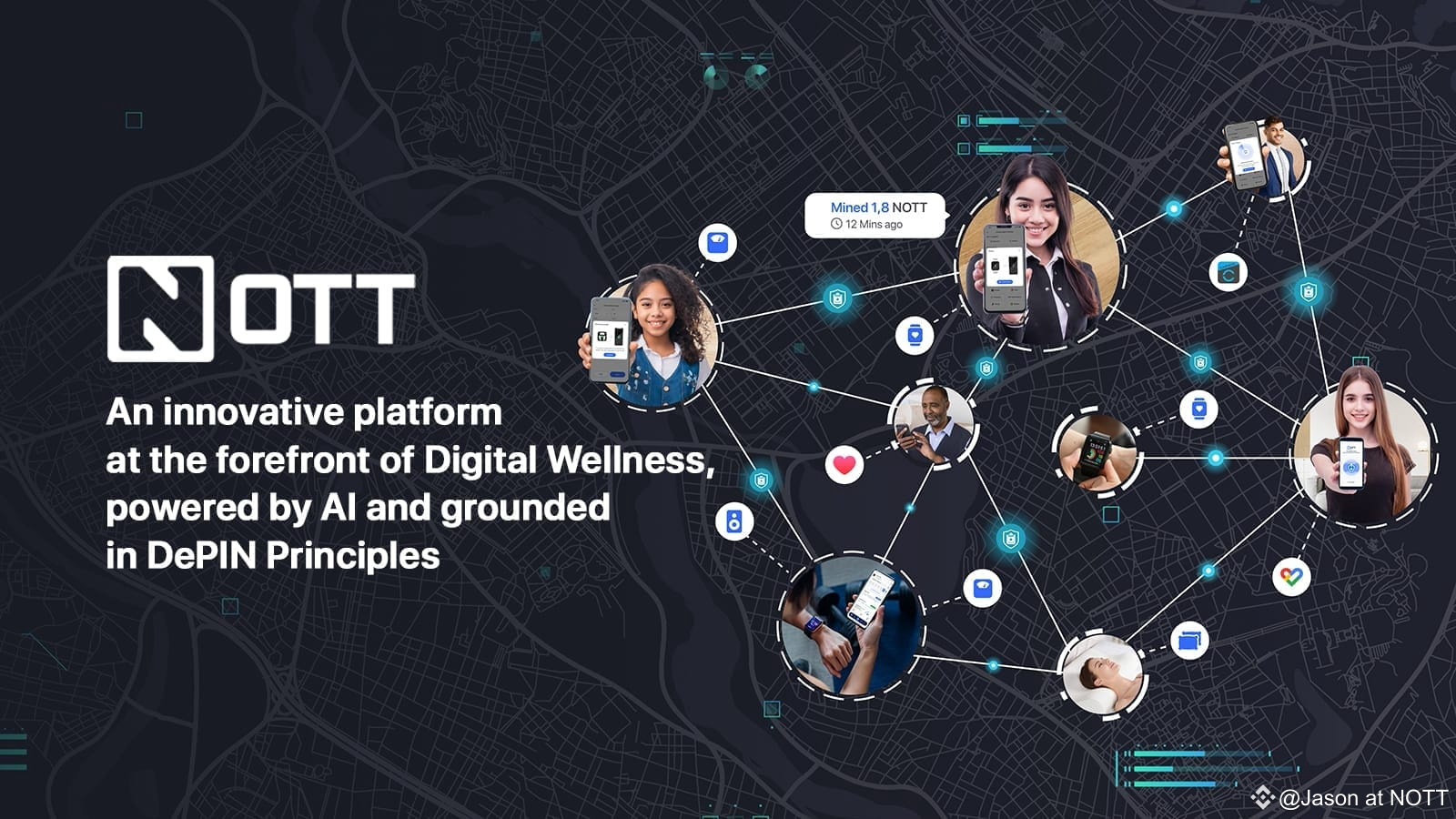
9
666
·
--
In Vietnamese, there's a saying, "Ba cây chụm lại nên hòn núi cao," which translates to "Three trees together make a high mountain." To me, this perfectly encapsulates the transformative potential of combining three key technologies: Blockchain, IoT, and AI.
1. Blockchain: Solving financial challenges and ensuring secure, transparent transactions.
2. IoT: Serving as the critical touchpoint, connecting devices and systems seamlessly.
3. AI: Evolving into Intelligent Assistants (IA), enhancing our decision-making and efficiency.
Together, these technologies form the backbone of DePIN (Decentralized Physical Infrastructure Network), creating practical, everyday solutions that can change the world. Let's harness the power of synergy and innovation to shape a better future!
#NOTT #DePIN #AI #IoT #HealthFi $SOL
In Vietnamese, there's a saying, "Ba cây chụm lại nên hòn núi cao," which translates to "Three trees together make a high mountain." To me, this perfectly encapsulates the transformative potential of combining three key technologies: Blockchain, IoT, and AI.
1. Blockchain: Solving financial challenges and ensuring secure, transparent transactions.
2. IoT: Serving as the critical touchpoint, connecting devices and systems seamlessly.
3. AI: Evolving into Intelligent Assistants (IA), enhancing our decision-making and efficiency.
Together, these technologies form the backbone of DePIN (Decentralized Physical Infrastructure Network), creating practical, everyday solutions that can change the world. Let's harness the power of synergy and innovation to shape a better future!
#NOTT #DePIN #AI #IoT #HealthFi $SOL
1. Blockchain: Solving financial challenges and ensuring secure, transparent transactions.
2. IoT: Serving as the critical touchpoint, connecting devices and systems seamlessly.
3. AI: Evolving into Intelligent Assistants (IA), enhancing our decision-making and efficiency.
Together, these technologies form the backbone of DePIN (Decentralized Physical Infrastructure Network), creating practical, everyday solutions that can change the world. Let's harness the power of synergy and innovation to shape a better future!
#NOTT #DePIN #AI #IoT #HealthFi $SOL
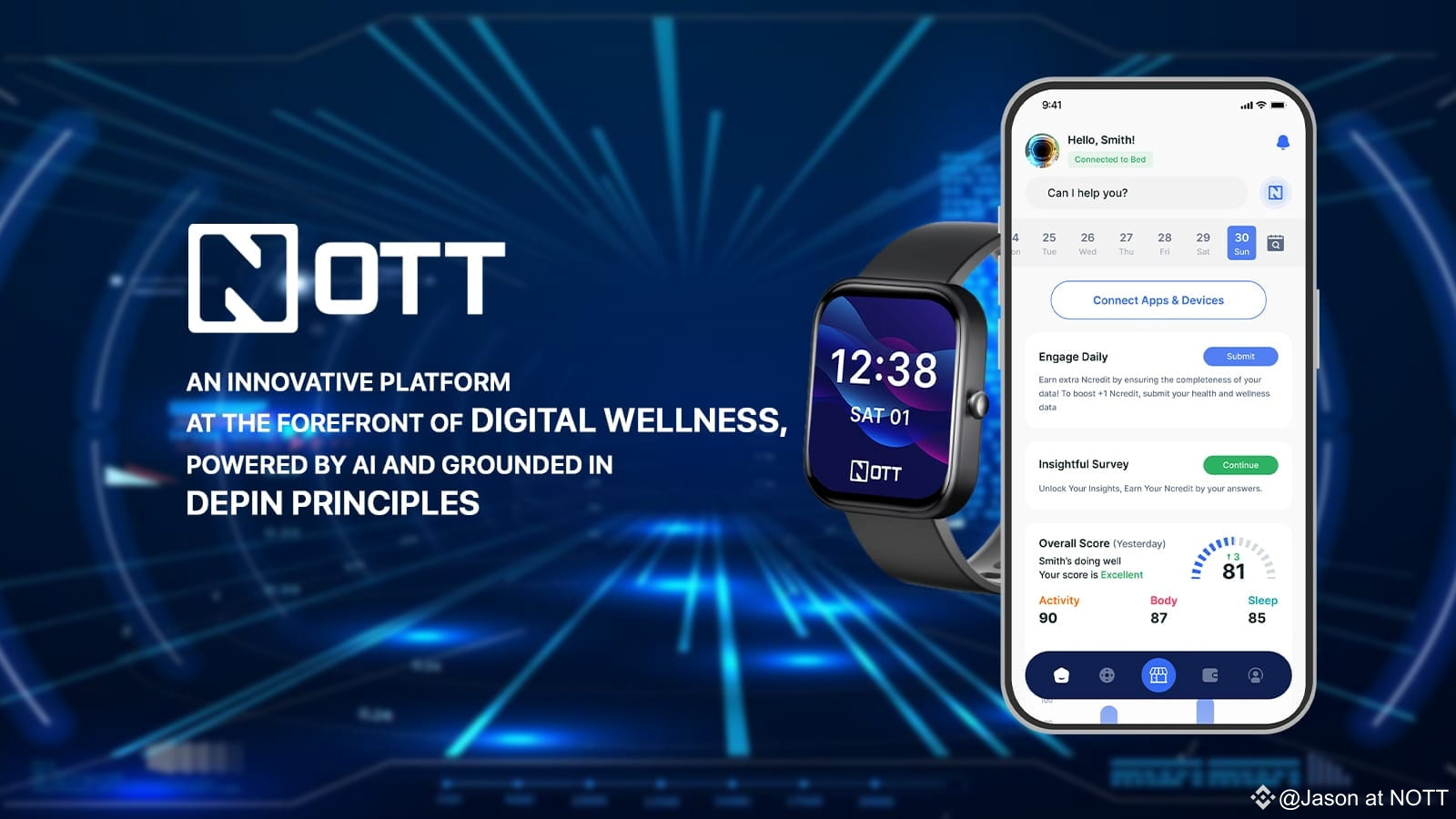
9
339
Log in to explore more content
Join global crypto users on Binance Square
⚡️ Get latest and useful information about crypto.
💬 Trusted by the world’s largest crypto exchange.
👍 Discover real insights from verified creators.
Email / Phone number
Trending Topics
BitcoinReboundsTo$79K
19,608 views
166 Discussing
🚨 $BTC is pushing higher.
Bitcoin is trading around $78,804, up roughly 1.9%, after reclaiming the $78K area. The next level to watch is the intraday high near $78,905.
A clean break above that level could open the way toward $79K–$80K. If BTC gets rejected, support sits around $78,300, then $77,975.
Bulls have momentum, but BTC needs to hold above $78K.
#Bitcoin #BTC #CryptoTrading #CryptoMarket #CryptoAnalysis
PulseON
·18 Likes
·16.9k views
BitcoinSpotETFsNetInflow$160M
40 views
21 Discussing
SouthKoreaCryptoTaxDelayPetitionTops50000
7,877 views
216 Discussing