

Livecoins
923 Posts

Livecoins
 Square Verified+
Report
Block User
Maior portal de notícias sobre Bitcoin e criptomoedas no Brasil
18 Following
23.6K+ Followers
6.3K+ Liked
1 Badges
Posts
All
Quotes
Videos
·
--
Verified
🚨 Dollar surges and Brazilian stock exchange triggers circuit breaker after Lula’s victory
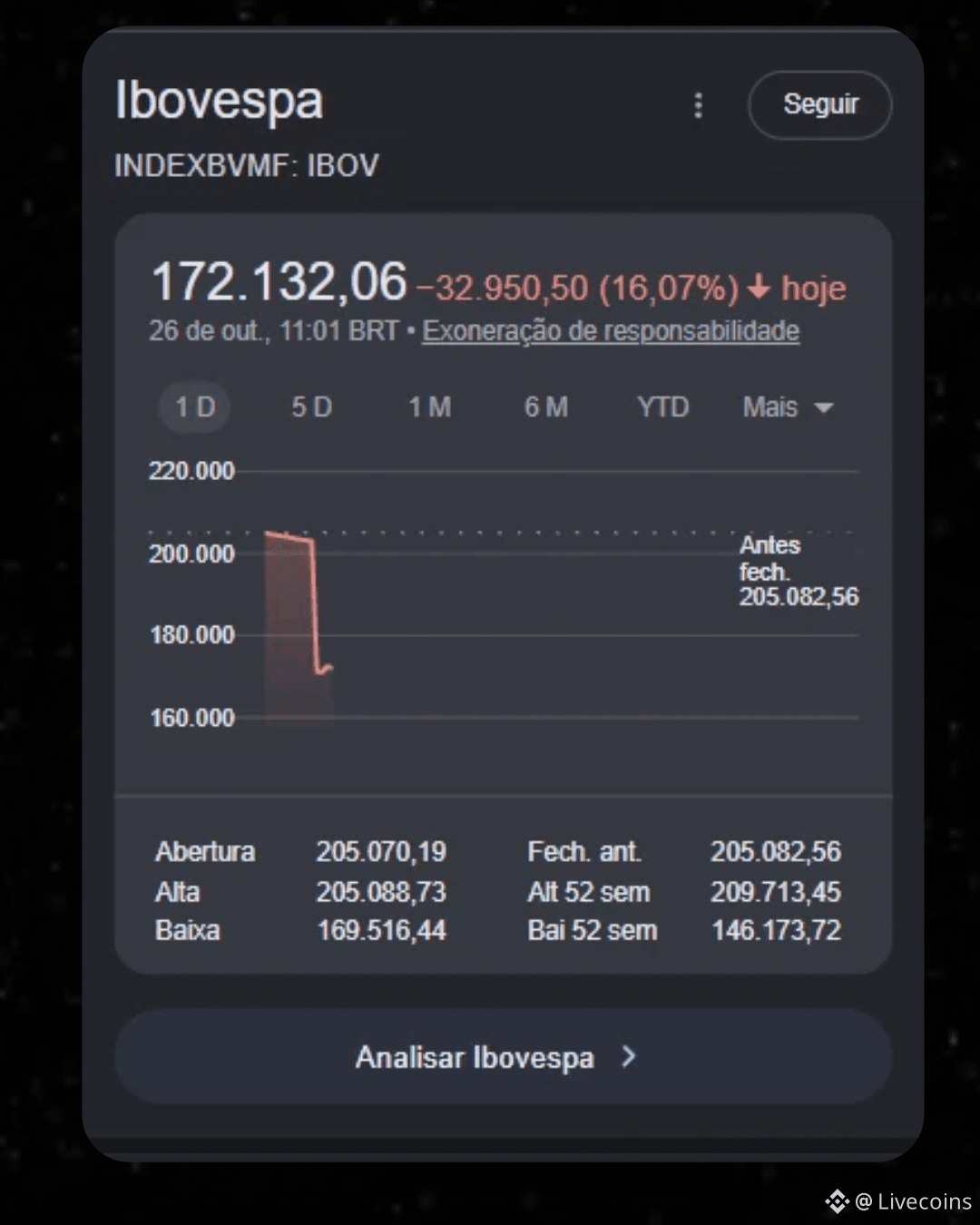
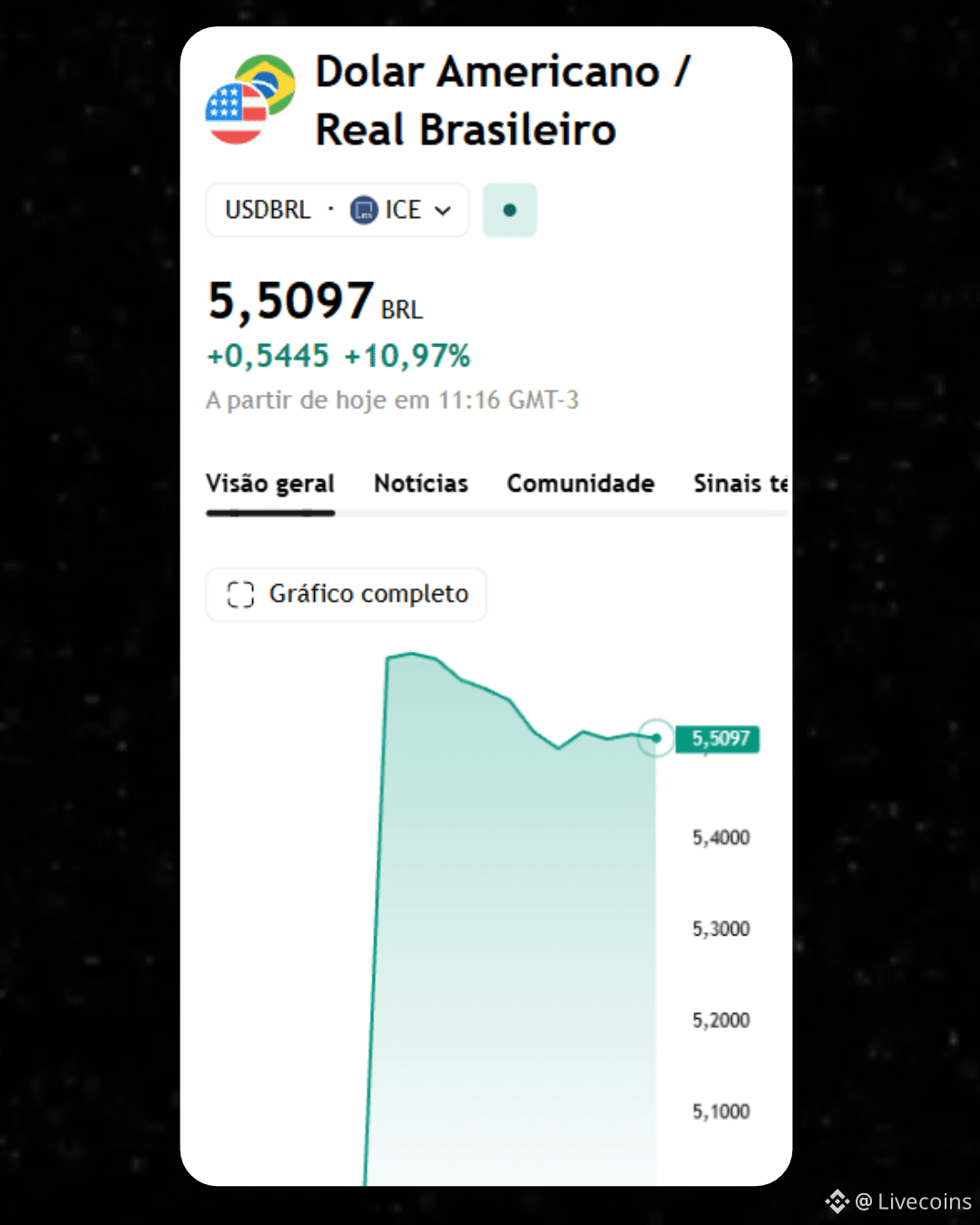
Brazil’s financial market experienced severe turbulence this Monday (26) following the reelection of Luiz Inácio Lula da Silva (PT). At around 10:50 a.m., the dollar was up 10.28%, trading at R$ 5,50, after reaching a high of R$ 5,60.
The Ibovespa, Brazil’s main stock market index, plunged 16.59% to 171,000 points. After it fell by more than 10% in the first minutes of trading, B3 triggered the circuit breaker, a mechanism that temporarily halts trading during sharp market declines.
📉 The reaction reflects some investors’ surprise at the election result and uncertainty over fiscal policy, the trajectory of public debt, government spending, and interest rates during the next term.
Brazilian stocks traded abroad also recorded steep losses. The EWZ ETF, traded in New York, fell more than 26% before U.S. markets opened.
The volatile climate also involves possible legal challenges to the election result, as investors monitor the economic agenda and await the Federal Reserve’s (Fed) next interest rate decision. The Fed is the central bank of the United States.
📊 The circuit breaker halts trading for 30 minutes when the Ibovespa falls more than 10% from its previous close. The last time the mechanism was triggered was during the crisis caused by the Covid-19 pandemic in 2020.

EWZETF-0.58%
1
2
973
·
--
Bullish
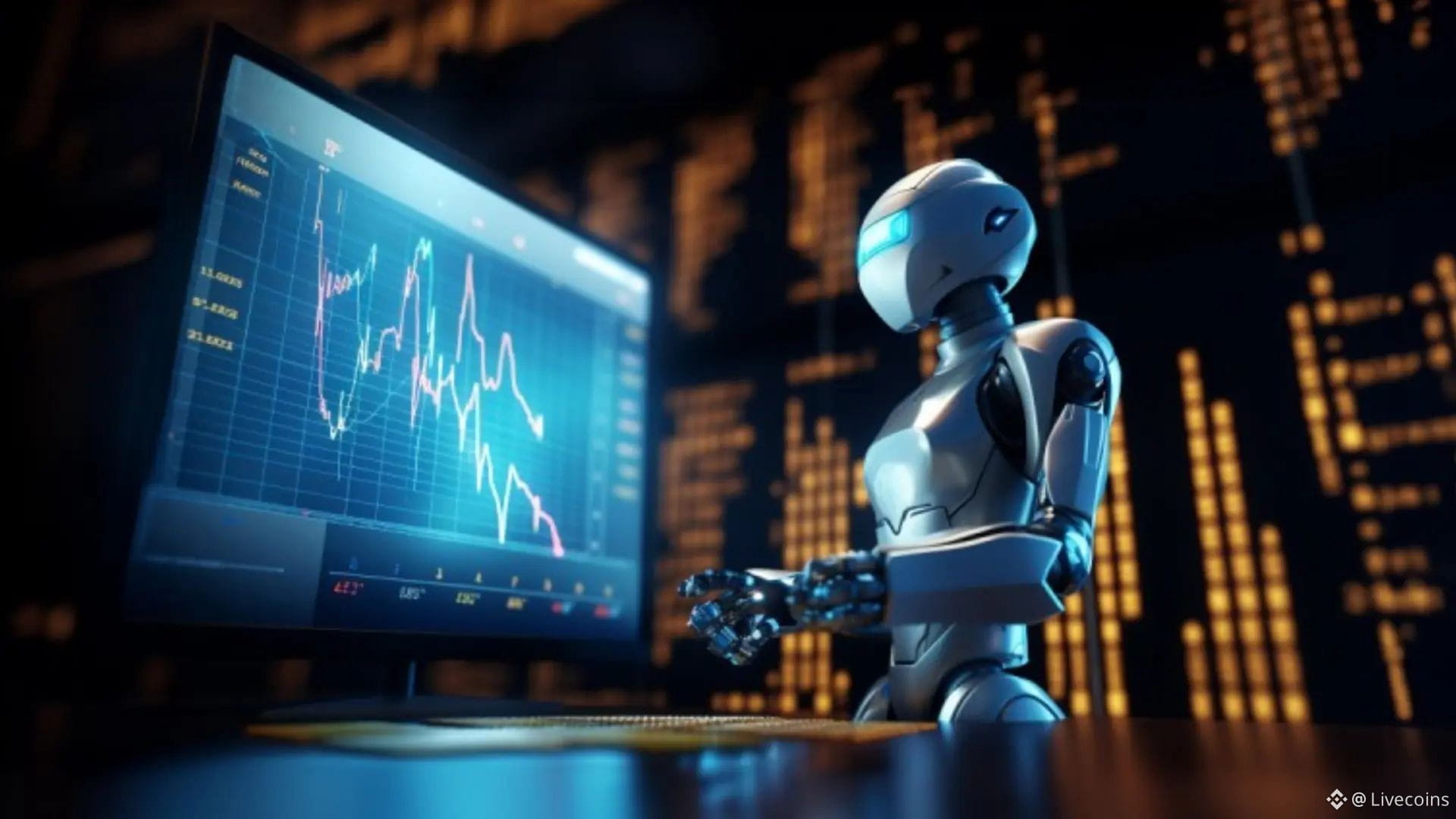
Binance, the world's largest cryptocurrency exchange, [anunciou](https://www.binance.com/en/blog/ecosystem/2231059782060061449) announced on Monday (5) the launch of ‘Binance Intelligence,’ a suite of Artificial Intelligence (AI) products focused on helping its users make better investment decisions.
This package includes Agent OS, launched in August, which allows users to employ agents such as Claude Code to make trades, make and accept payments, read real-time market data, and perform other functions.
Binance, the world's largest cryptocurrency exchange, anunciou announced on Monday (5) the launch of ‘Binance Intelligence,’ a suite of Artificial Intelligence (AI) products focused on helping its users make better investment decisions.
This package includes Agent OS, launched in August, which allows users to employ agents such as Claude Code to make trades, make and accept payments, read real-time market data, and perform other functions.
This package includes Agent OS, launched in August, which allows users to employ agents such as Claude Code to make trades, make and accept payments, read real-time market data, and perform other functions.
572
·
--
Developer Jameson Lopp updated his famous list of physical attacks against cryptocurrency investors, popularly known as wrench attacks, this Thursday (16).
The work involved the participation of user ‘Pizza Bitcoiner’, who used Artificial Intelligence (AI) tools to search for cases that had been left out of previous contributions.
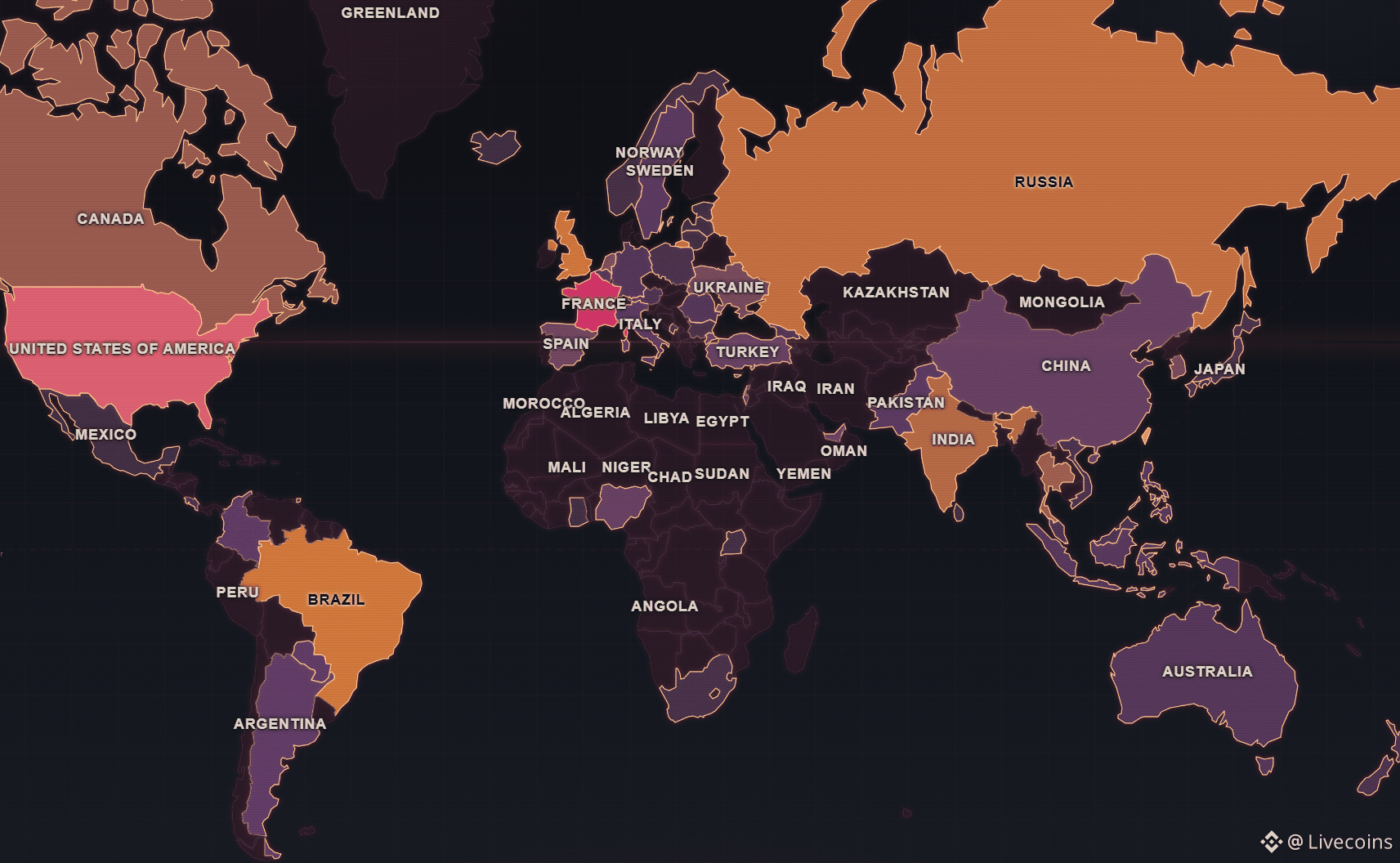
In total, the number of cases exceeds 700 recorded incidents. In Brazil, the count has risen to 35, putting the country among the most violent in the world for cryptocurrency investors.
France and the U.S. remain in the lead, followed by Taiwan and Brazil
In short, the list created by Jameson Lopp aims to compile public cases of physical attacks against cryptocurrency investors, among other things, to remind people that physical security is just as important as digital security.
The developer himself is among the victims, having suffered an attempted extortion and had his home raided by police in 2017 following a false report.
In a statement published this Friday (17), Lopp says the number of cases doubled after an AI searched for cases that had not yet been included on the list.
“Good news: the Bitcoin Wrench Attack archive is now much more accurate. Bad news: we’ve just doubled the total number of known attacks, which now exceeds 700.”
1
509
·
--
September was the month with the biggest losses and attacks in the cryptocurrency sector in 2026, reveals CertiK
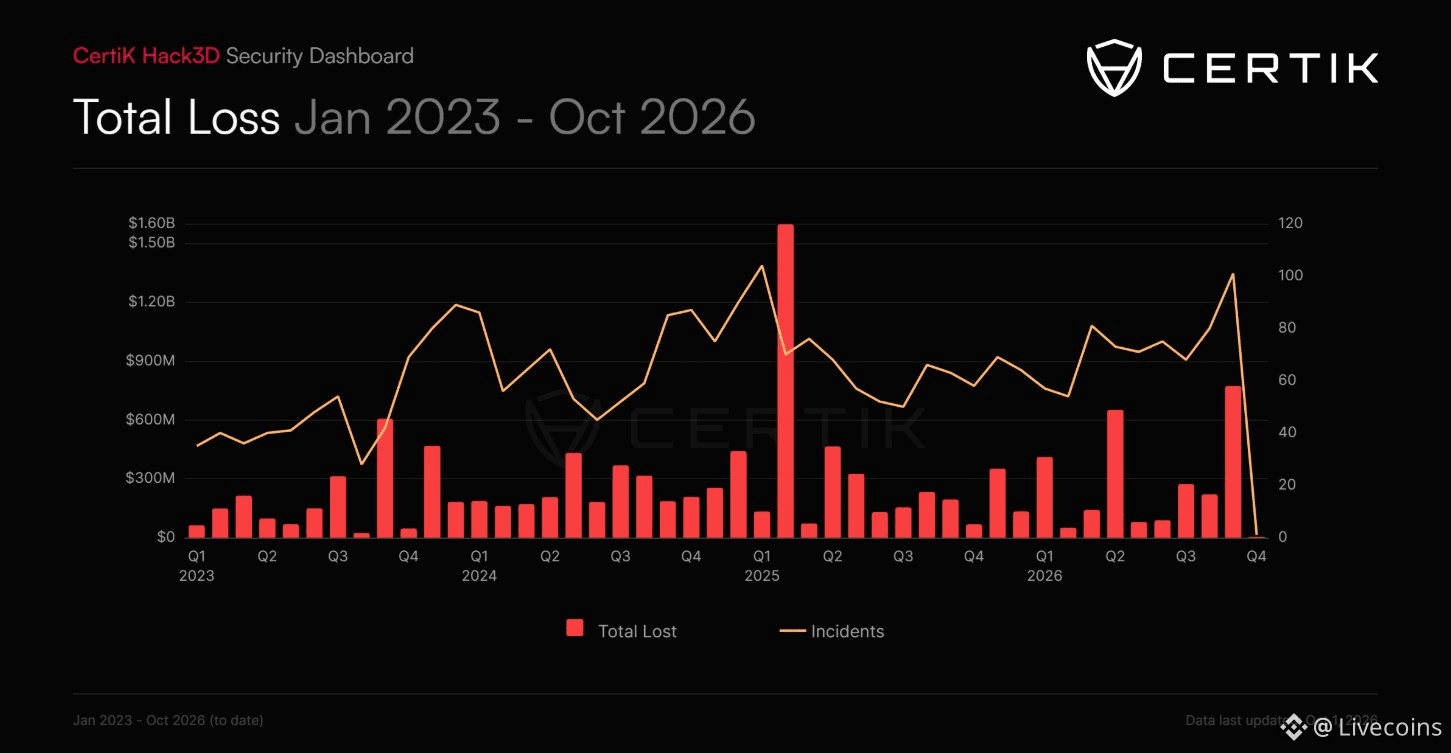
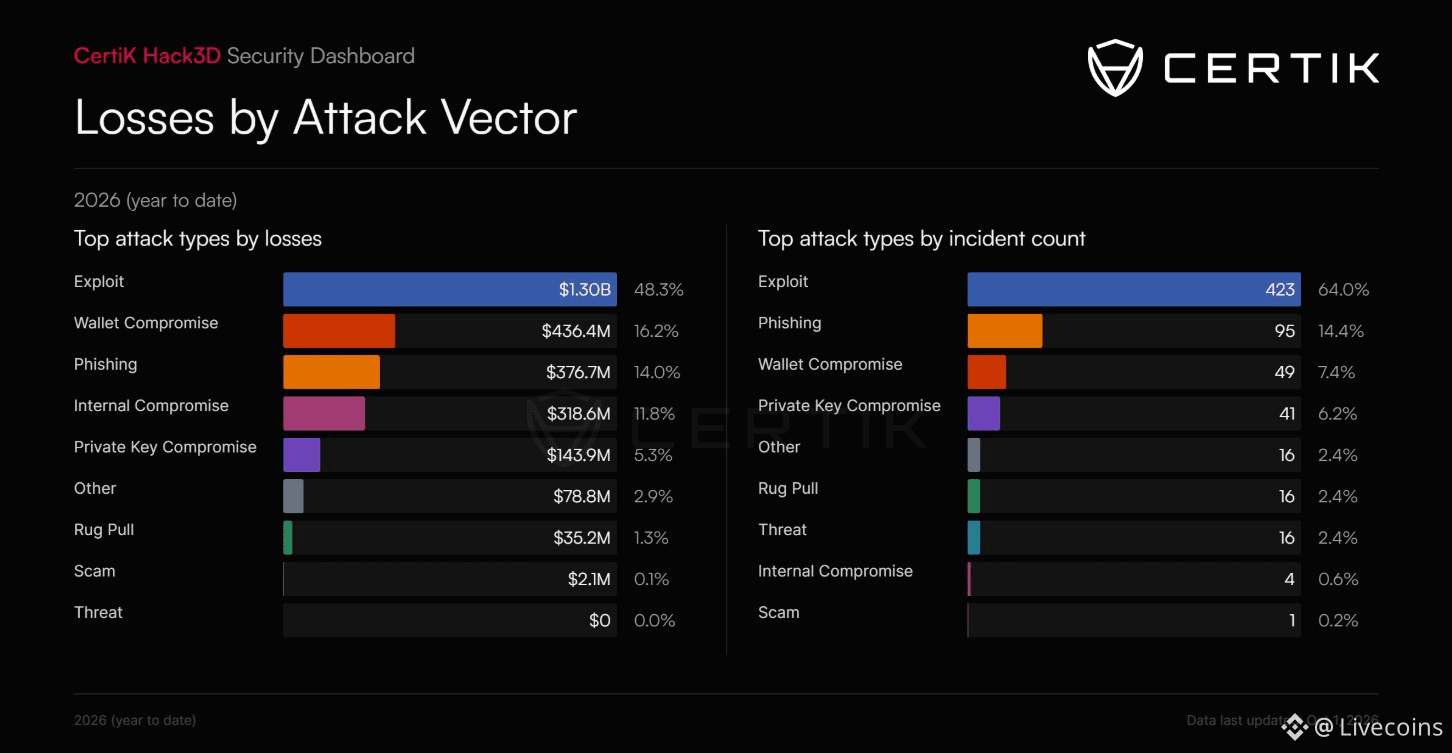
Data shared by CertiK shows that September was the worst month for the cryptocurrency industry in 2026, setting records both in total losses and in the number of attacks.
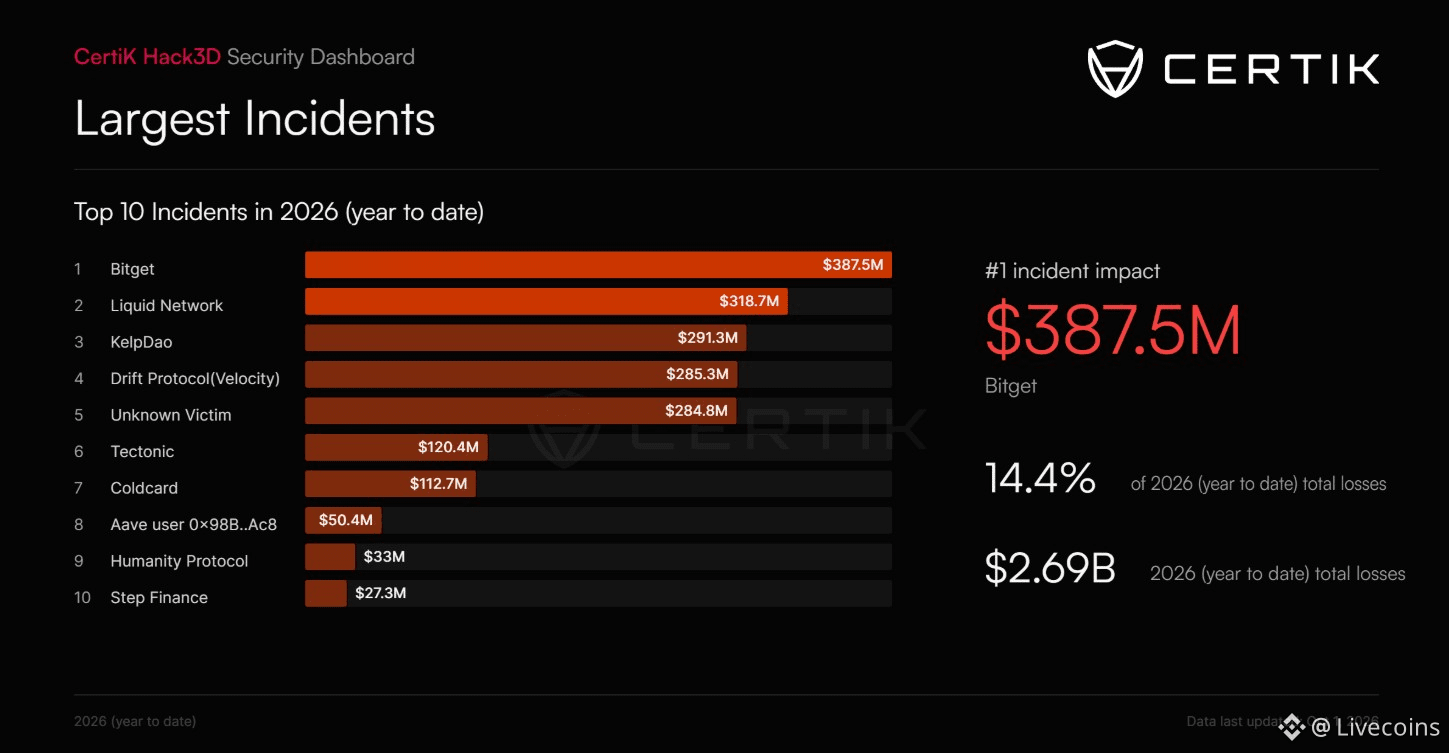
The two main events are the attack on Bitget, which resulted in losses of US$ 387,5 million, and Liquid Network which, although the hacker returned most of the funds, is valued at US$ 320 million.
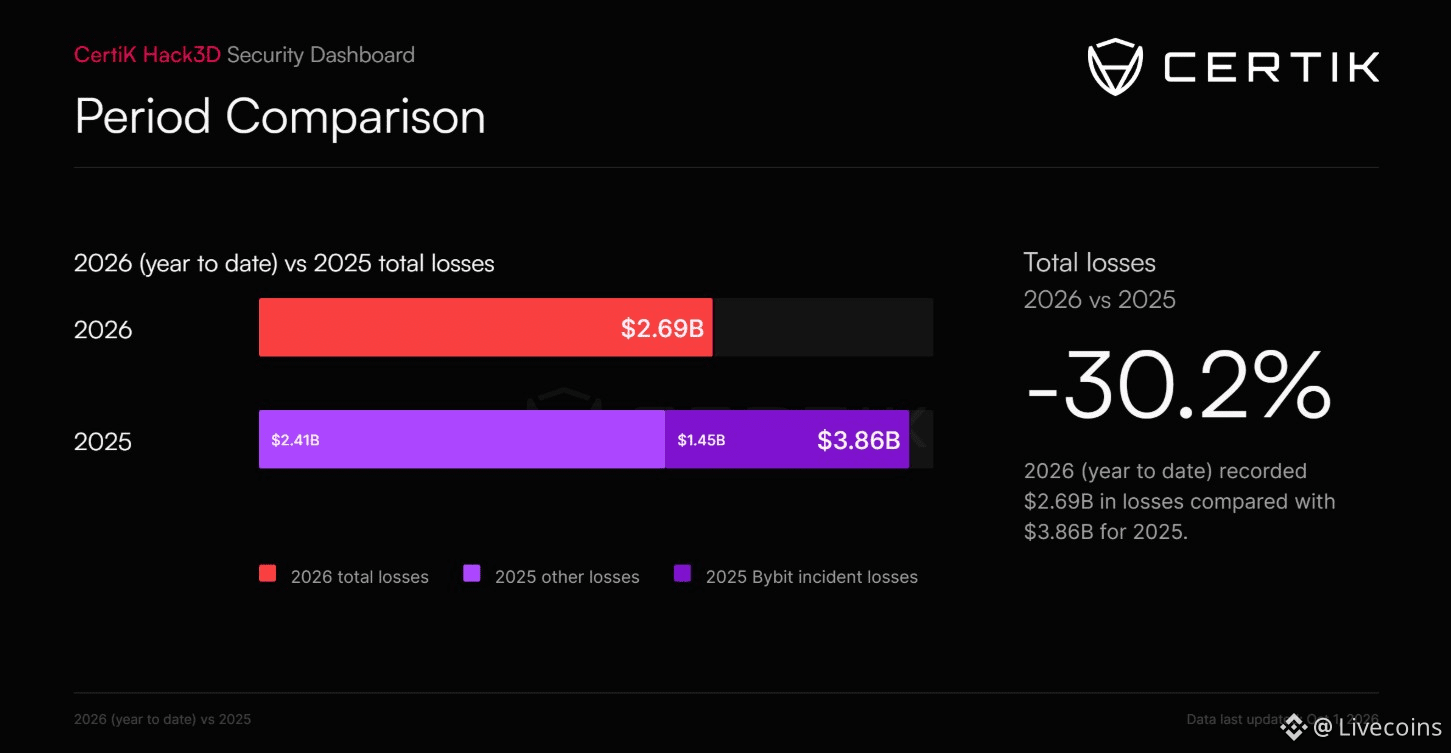
With three months left until the end of the year, accumulated losses reach US$ 2,69 billion. For comparison, US$ 3,11 billion were lost in 2024 and another US$ 3,86 billion in 2025, including US$ 1,45 billion lost by Bybit.
2
1.6k
·
--
Binance invested US$ 100 million in Circle, the issuer of the USDC stablecoin, expanding a partnership that has existed since 2024.
The deal also provides for extending the partnership for another five years. According to the companies, Binance bought Circle’s common shares at a 5% discount compared to the market price.
USDC currently has a market value of US$ 74.6 billion and is the second-largest stablecoin in the market.
The investment comes at a busy time for Circle, which recently announced Arc, its own network, in partnership with giants such as BlackRock, Visa, and Mastercard, as well as acquiring a financial transfer platform.
For Binance, the agreement reinforces its strategy of expanding the use of stablecoins and digital-dollar-based infrastructure.

4
567
·
--
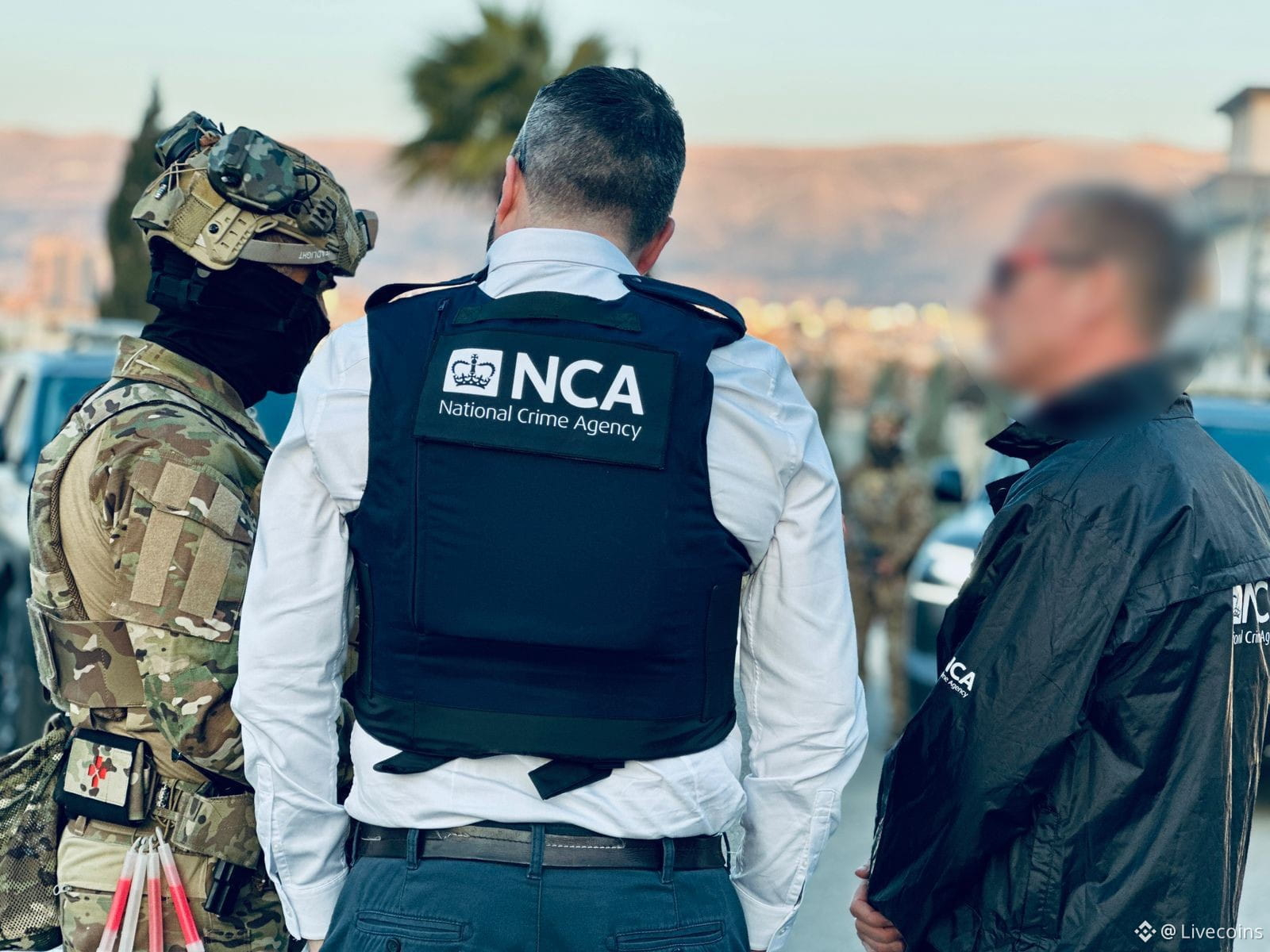
Former NCA agent sentenced to return stolen bitcoins during investigation
The Crown Prosecution Service (CPS), the UK’s public prosecutor, announced this Wednesday (30) that a former National Crime Agency (NCA) agent was sentenced to return more than £1.8 million (R$ 12.4 million) after stealing bitcoins seized during an investigation.
In addition, Paul Chowles (44) was also sentenced to five years and six months in prison in 2025, when he pleaded guilty to the charges.
Also this week, the US sentenced a former deputy sheriff to 21 months in prison for involvement in an extortion scheme targeting cryptocurrency investors. The cases show corruption events, but justice prevails in the end.
4
793
·
--
Brazil rises to 1st place in Chainalysis’ cryptocurrency adoption index
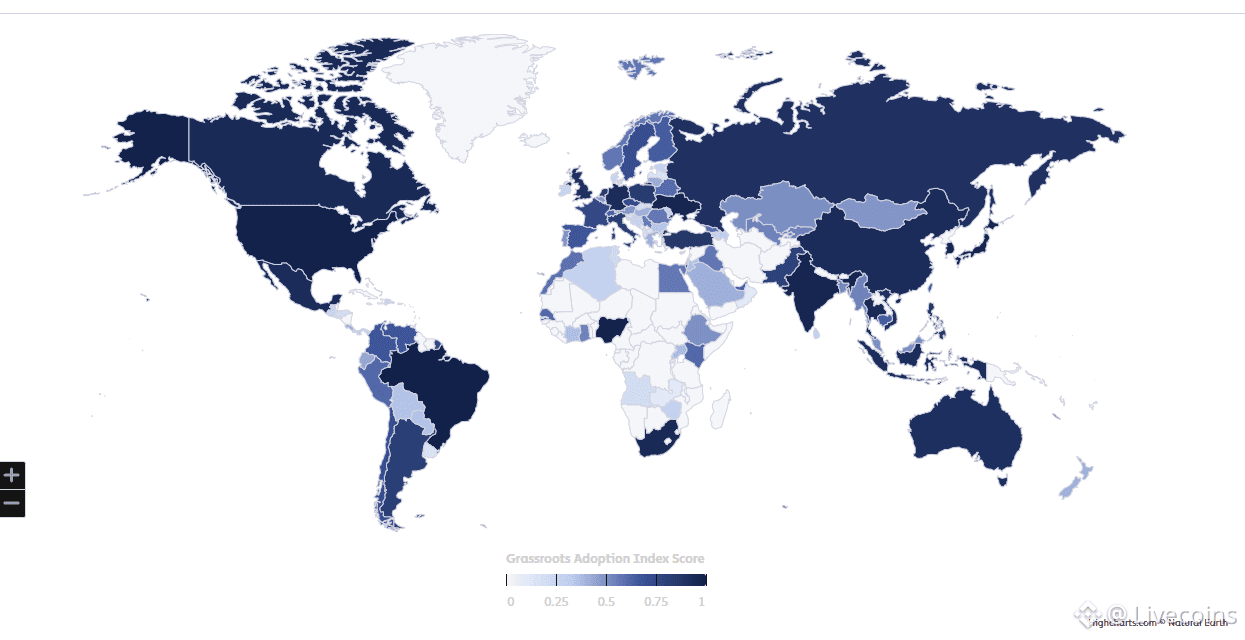
Brazil moved up from 5th to 1st place in Chainalysis’ 2026 Global Crypto Adoption Index, surpassing countries such as the United States, India, Nigeria, Japan, and South Korea.
The ranking considers four metrics: total flows, cryptocurrency balances, P2P economy, and international flows. According to Chainalysis, Brazil did not lead individually in any of the categories, but showed consistent performance across all of them.
The company also highlighted the size of Brazil’s crypto economy. Between June 2025 and June 2026, the country handled US$ 252.5 billion in cryptocurrencies, the largest volume in Latin America.
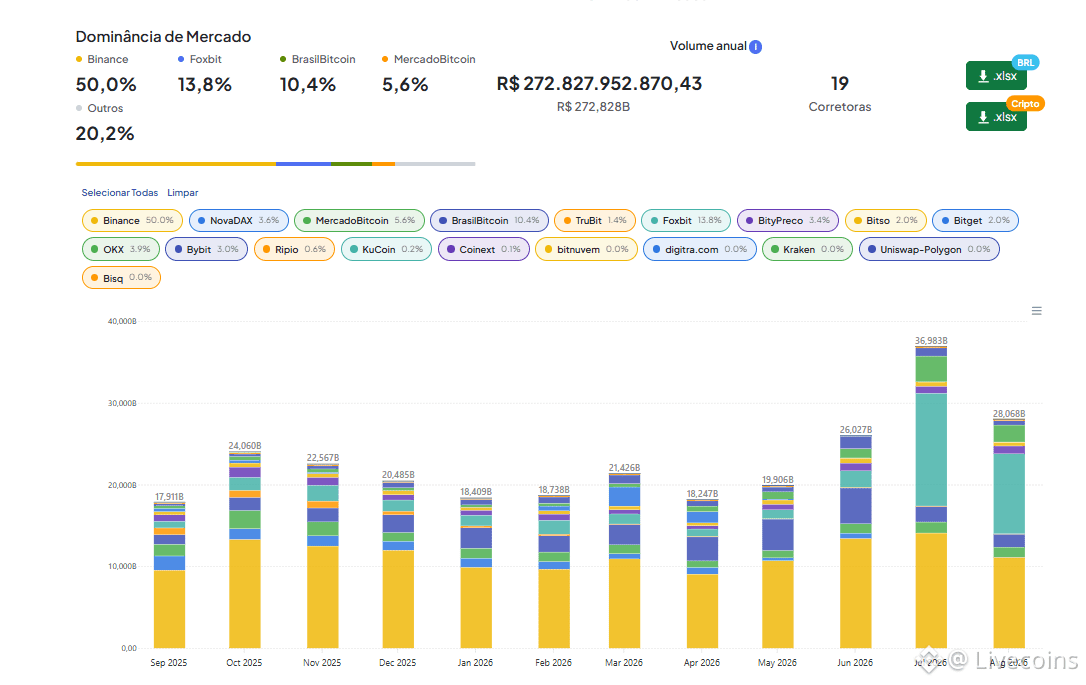
Thiago Sarandy, Binance’s general director in Brazil, said the figures show a diversification of cryptocurrency use cases in the country:
“The country’s performance is accompanied by a diversification of use cases, which include investments, access to dollar-denominated assets, payments, and other use cases.”
1
8
1.4k
·
--
Brazilian sues the IRS after having his BMW seized for transporting Bitcoin mining machines without paying import tax
A Brazilian has filed a lawsuit against the Federal Revenue after having his BMW X3 XDRIVE 30I vehicle seized in November 2024 after being caught transporting Bitcoin mining machines without paying import taxes.
The lawyers argue that their client had loaned the car to a friend and was not aware of the shipment being transported.
After the appeal was denied by the Federal Regional Court of the 4th Region (TRF4), the Brazilian tried to appeal to the Superior Court of Justice (STJ), which also rejected the appeal this Monday (21).

5
2.4k
·
--
Verified
Strategy buys 950 bitcoins, taking advantage of the crypto surge
Strategy, the world’s largest Bitcoin treasury company, announced on Monday (21) the purchase of 950 bitcoins. This is the company’s first contribution in September.
The purchase aligns with the Bitcoin rally, which is trading above US$ 85.000 for the first time since January.
In addition, the company carried out another buyback of STRC, its preferred shares, aiming to bring them back to the US$ 100 range, which has not yet happened.
3
1.8k
·
--
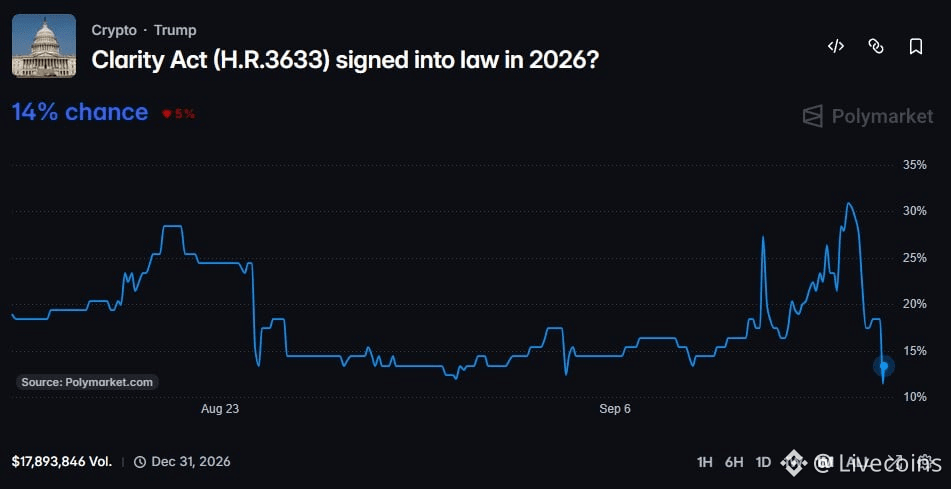
🇺🇸 Clarity Act suffers defeat in the US Senate and may be delayed until 2027
The Clarity Act needed 60 votes to advance, but it ended with 49 in favor and 50 against.
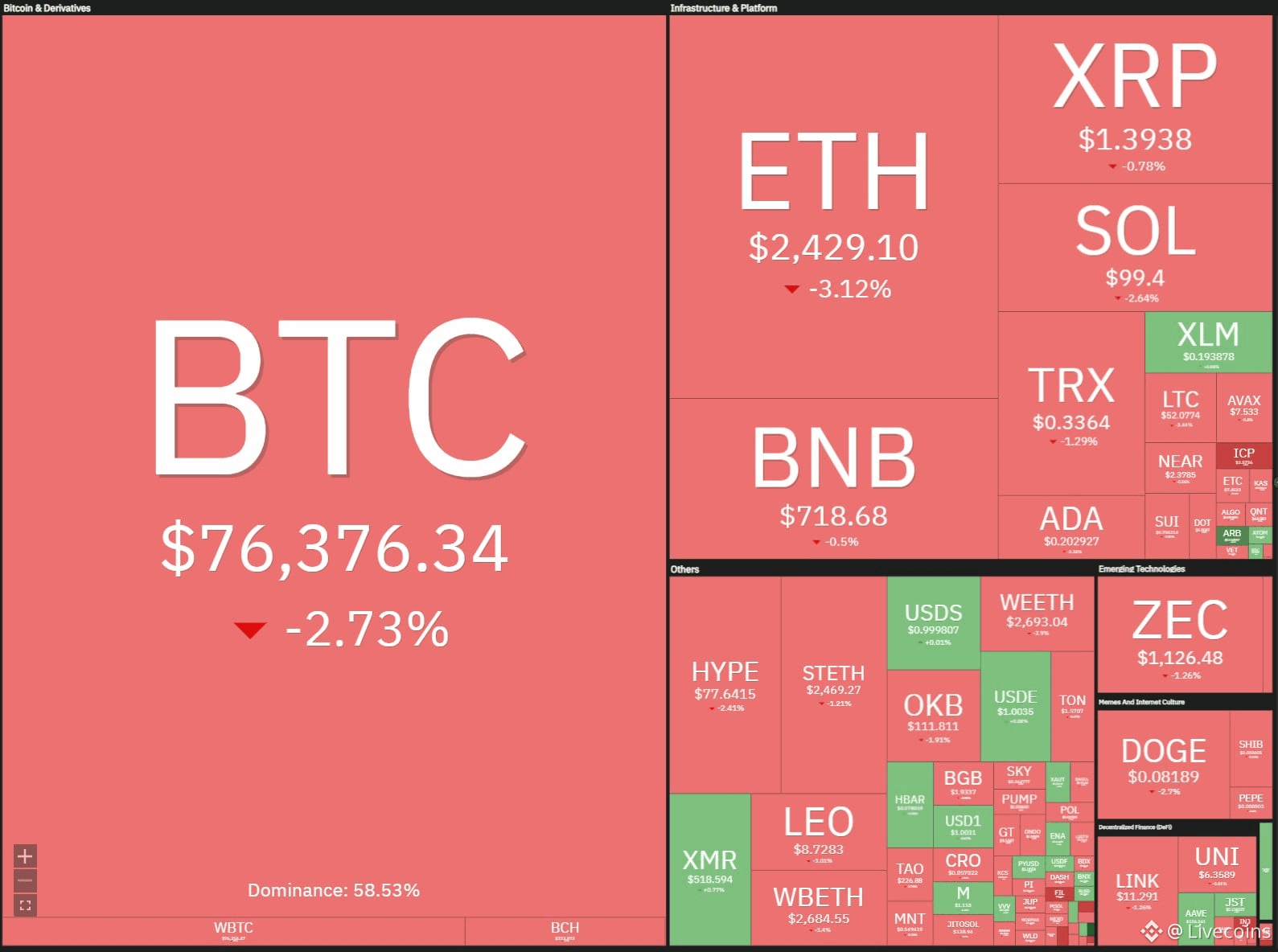
The outcome could push the bill’s discussion to 2027. After the vote, Bitcoin fell 3.9%, Ethereum 5.2%, and XRP 10.2%.
The opposition cited ethics rules considered insufficient and other concerns about the text.
1
3
483
·
--
Verified
Binance Card grows 53% in Brazil and spending volume advances 80%
The Binance Card grew 53% in users in Brazil since its launch, in October 2025, through the 2nd quarter of 2026. Spending volume increased by 80%.
In Latin America, users +106% and spending +178%.
Globally, crypto cards moved a record of US$ 1,11 billion in August, with more than 11 million transactions.
4
2k
·
--
600 bitcoins from the “Satoshi era” are moved for the first time in 16 years
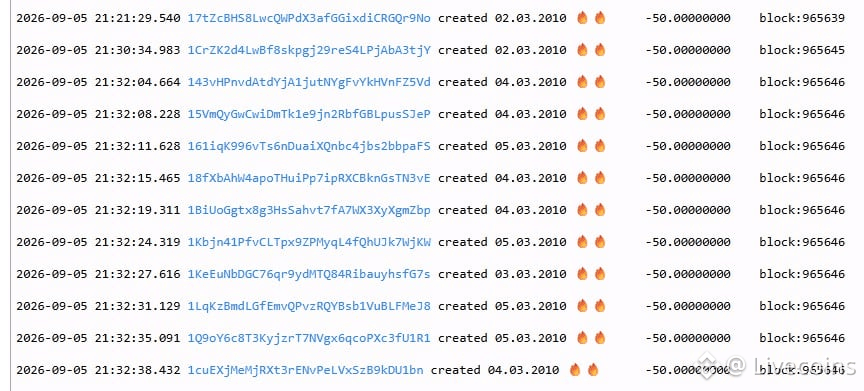
A miner from the “Satoshi era”, when the creator of Bitcoin was still involved in developing the project, moved 600 bitcoins for the first time on September 5 of the last day. The coins had been idle for 16 years at twelve addresses.
On-chain data shows that the coins remain idle in another twelve new Bech32-type addresses, which start with bc1q. Therefore, this indicates that the investor did not move their coins to sell them, but rather to improve their security.
That’s because these 600 bitcoins, valued at US$ 47 million/R$ 242 million, were in P2PK (Pay-to-Public-Key) addresses, which— as the name suggests—have their public keys exposed and can be targets of long-range attacks by quantum computers.
6
3.9k
·
--
Verified
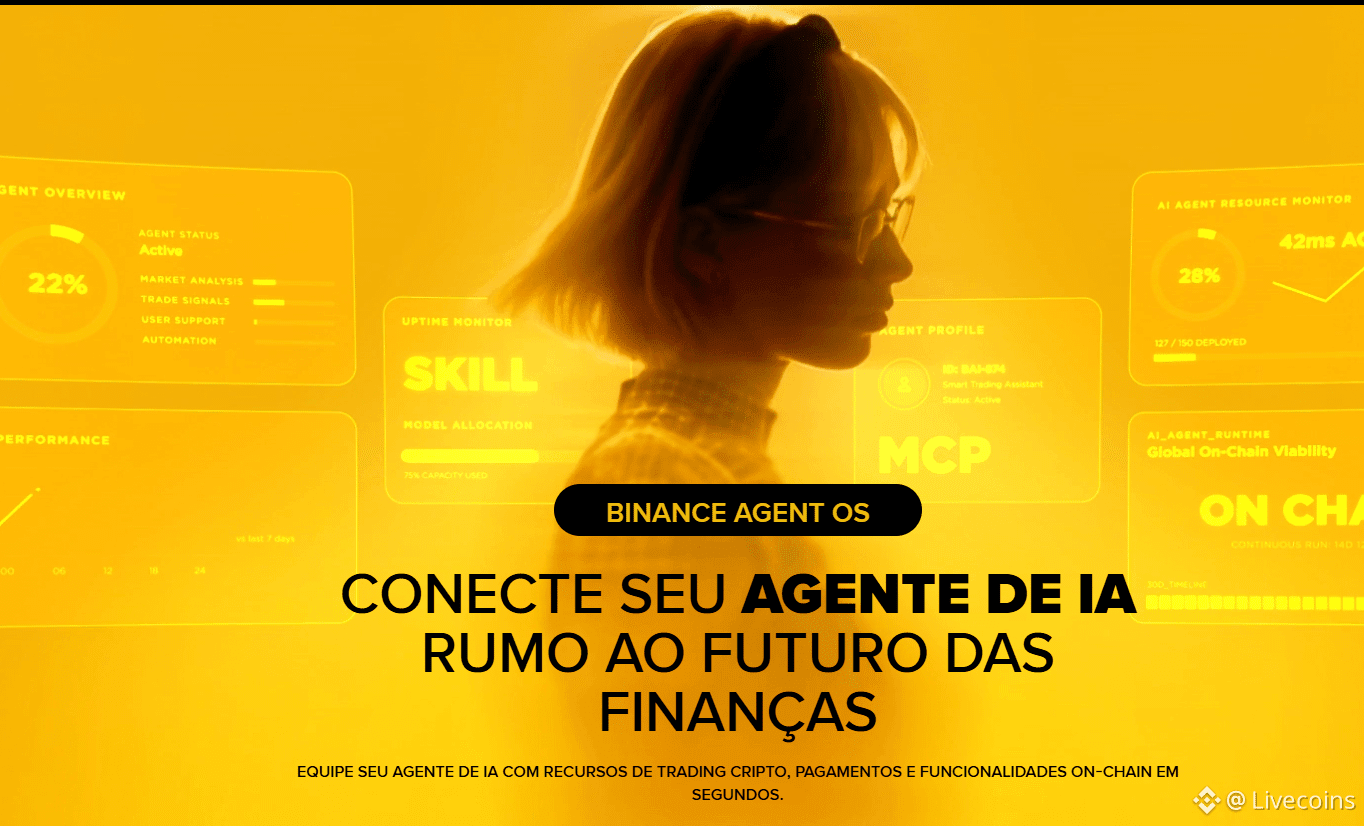
Binance wants to place AI agents to trade in the crypto market.
The brokerage has launched Binance Agent OS, which lets you connect agents like Claude Desktop and Codex to the platform.
They can trade, track a portfolio, read the market in real time, make payments, and even trade on-chain.
The future of trading can be done by AI agents. ₿
The brokerage has launched Binance Agent OS, which lets you connect agents like Claude Desktop and Codex to the platform.
They can trade, track a portfolio, read the market in real time, make payments, and even trade on-chain.
The future of trading can be done by AI agents. ₿
2
5
795
·
--
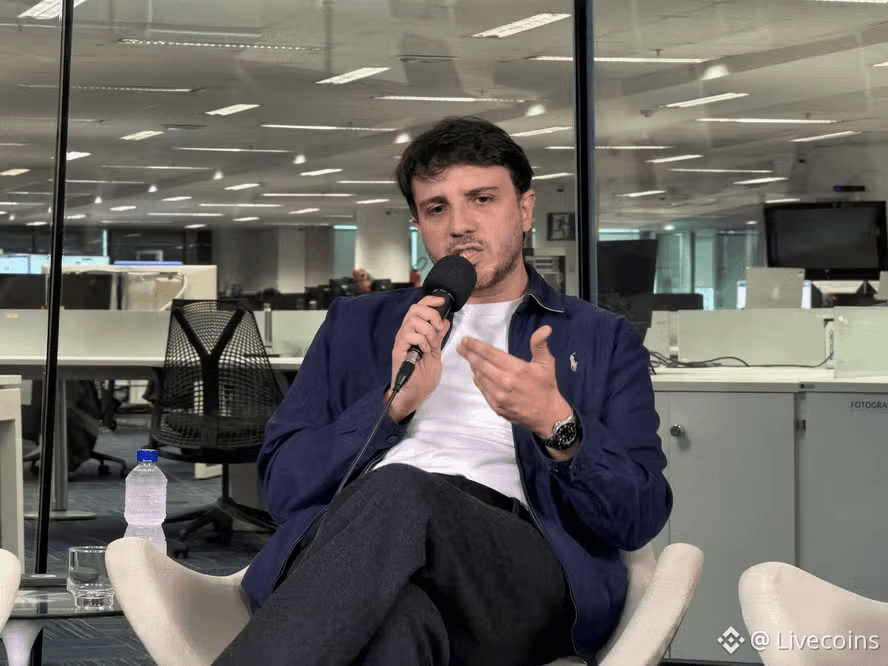
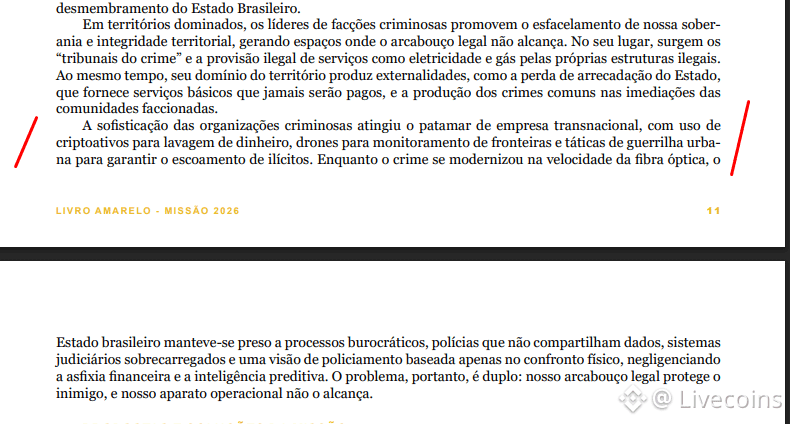
Renan Santos' government plan leaves bitcoin out and cites crypto as a tool for crime
Renan Santos' government plan leaves bitcoin out and cites crypto as a tool for crime
22
10
7.9k
·
--
Verified
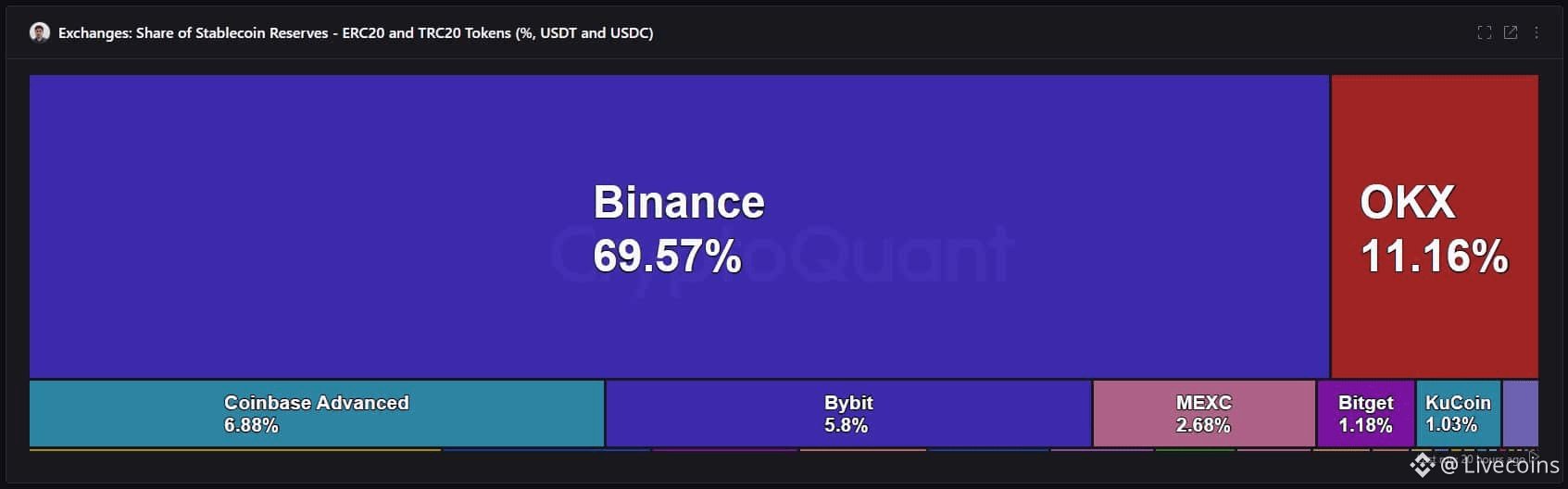
A study published by CryptoQuant last Tuesday (18) reveals that stablecoin reserves on exchanges fell 20%, from $80 billion to $64 billion, between November 2025 and August 2026.
Despite this, Binance showed the smallest decline among the largest exchanges and, as a result, increased its market dominance.
As for stablecoins, USDT continues to be investors’ preferred currency, accounting for more than 80% of exchange reserves.
Despite this, Binance showed the smallest decline among the largest exchanges and, as a result, increased its market dominance.
As for stablecoins, USDT continues to be investors’ preferred currency, accounting for more than 80% of exchange reserves.
3
820
·
--
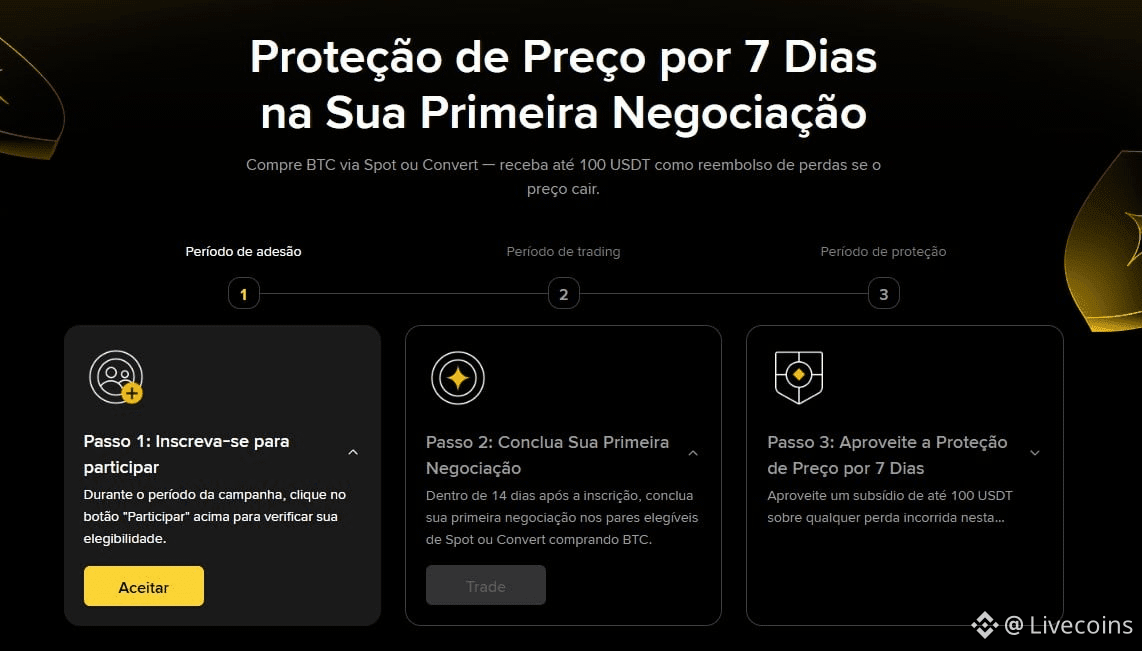
Fear of falling? Binance provides 7 days of protection for those who buy Bitcoin for the first time
The campaign offers protection of up to 100 USDT against losses for 7 days after trading, valid for pairs such as BTC/USDT and BTC/BRL.
👀
Fear of falling? Binance provides 7 days of protection for those who buy Bitcoin for the first time
The campaign offers protection of up to 100 USDT against losses for 7 days after trading, valid for pairs such as BTC/USDT and BTC/BRL.
👀
The campaign offers protection of up to 100 USDT against losses for 7 days after trading, valid for pairs such as BTC/USDT and BTC/BRL.
👀
1
5
1.9k
·
--
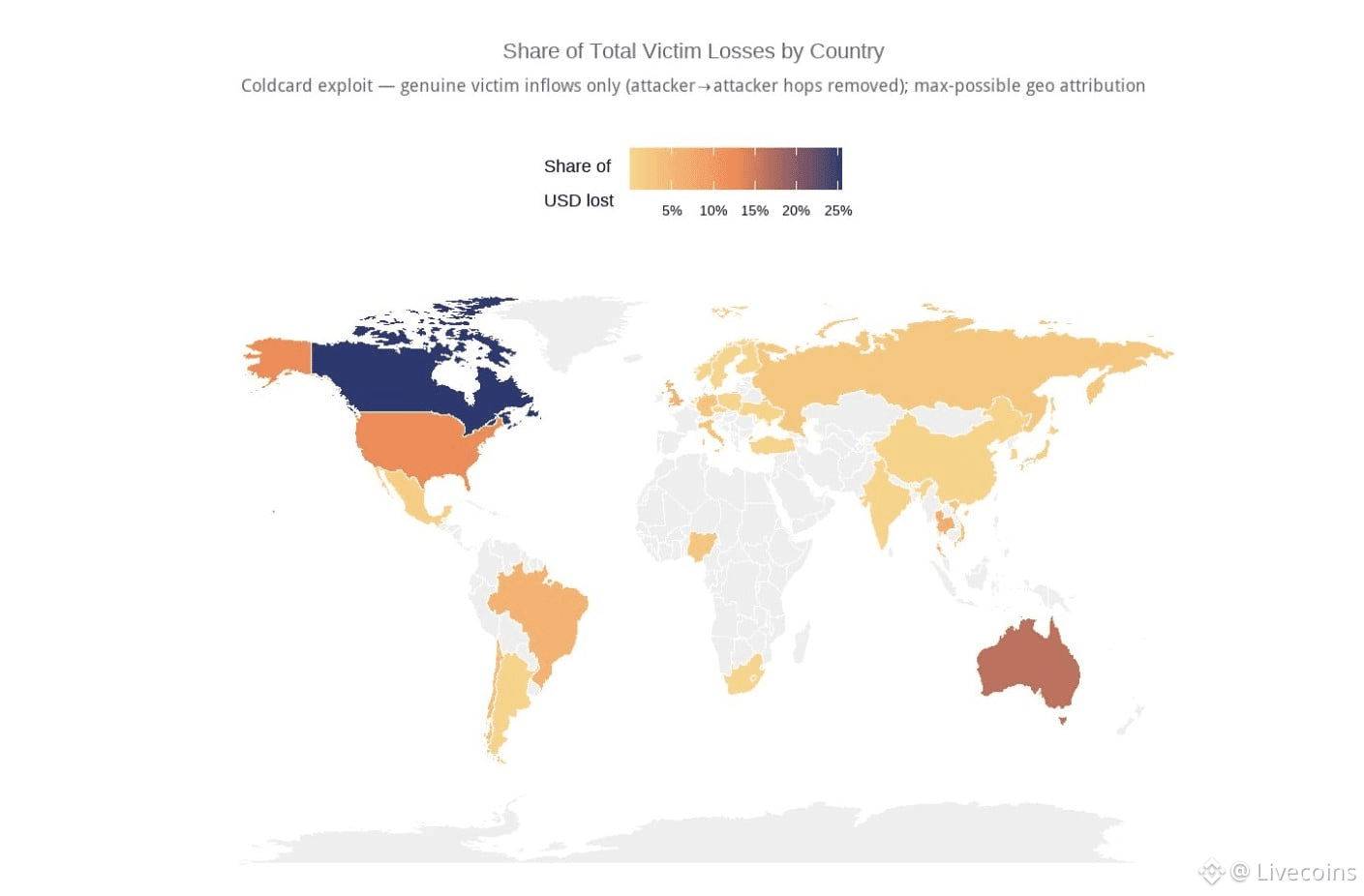
Brazilians are among those most affected by the vulnerability of Coldcard wallets, says Chainalysis
According to data shared by Chainalysis this Tuesday (4), Brazil appears among the countries most affected by thefts. According to Coinkite, the manufacturer of the Coldcard, which is based in Canada, the biggest losses were attributed to Canadians.
“The Coldcard hack is especially harmful to Canadian bitcoiners. Our analysis of the attackers and the victims shows that BTC holders in Canada are bearing 25% of the losses attributable to the incident. With estimates reaching US$ 110 million, according to the Galaxy Research dataset, we analyzed the geographic distribution of the ongoing hack.”
5
8
6.4k
·
--
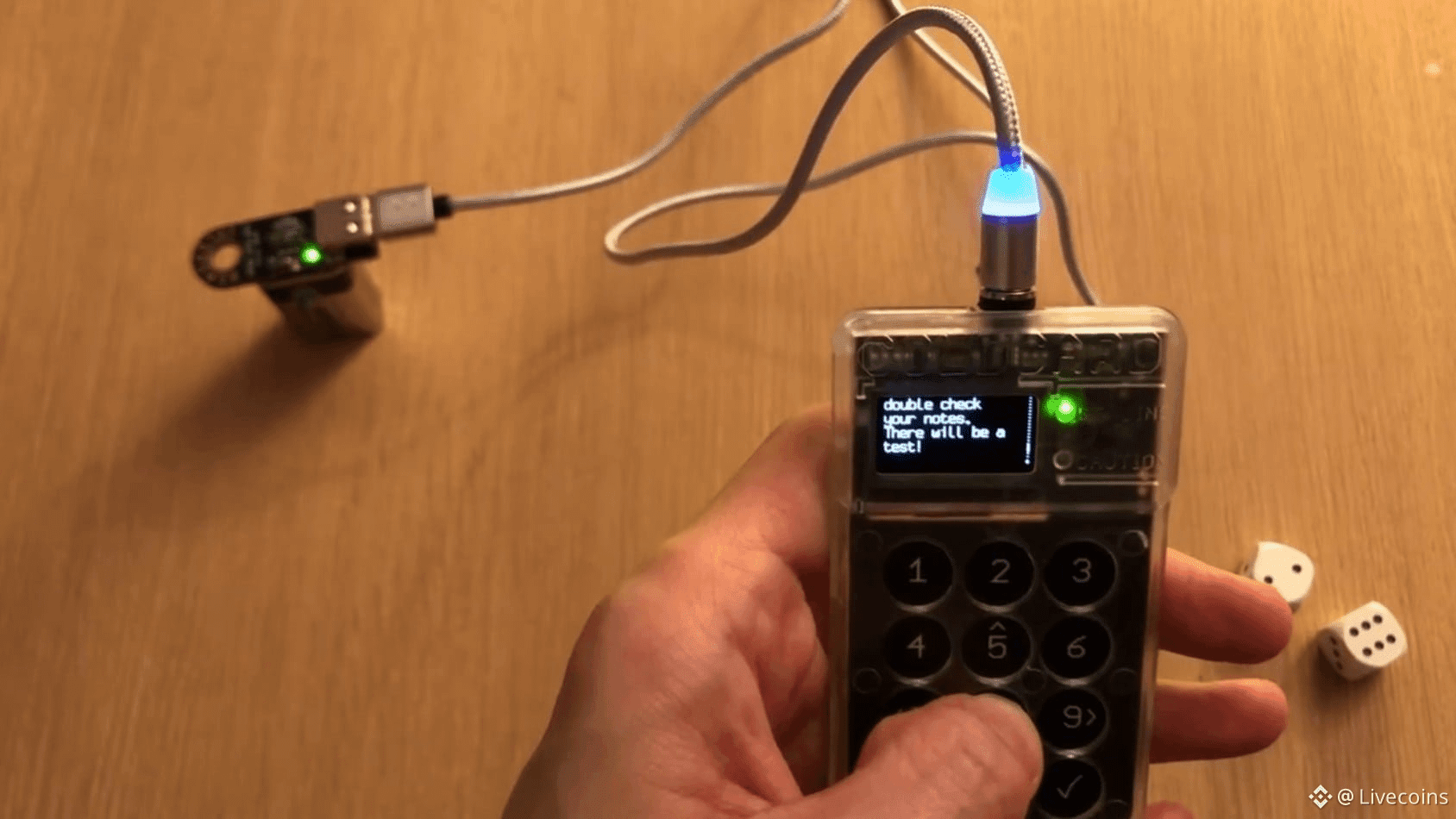
Lawsuits against the founder of Coldcard are starting to reach Brazilian courts.
Victims are also naming as defendants influencers who recommended the wallet 👀
Do they have legal liability?
Apparently, there is a lot of case law discussing influencer responsibility because, according to the courts, by doing advertising (especially paid advertising), the influencer becomes part of the consumer chain, as if they were a “supplier” under the Consumer Protection Code (CDC).
4
10
2.6k
·
--
Partly True
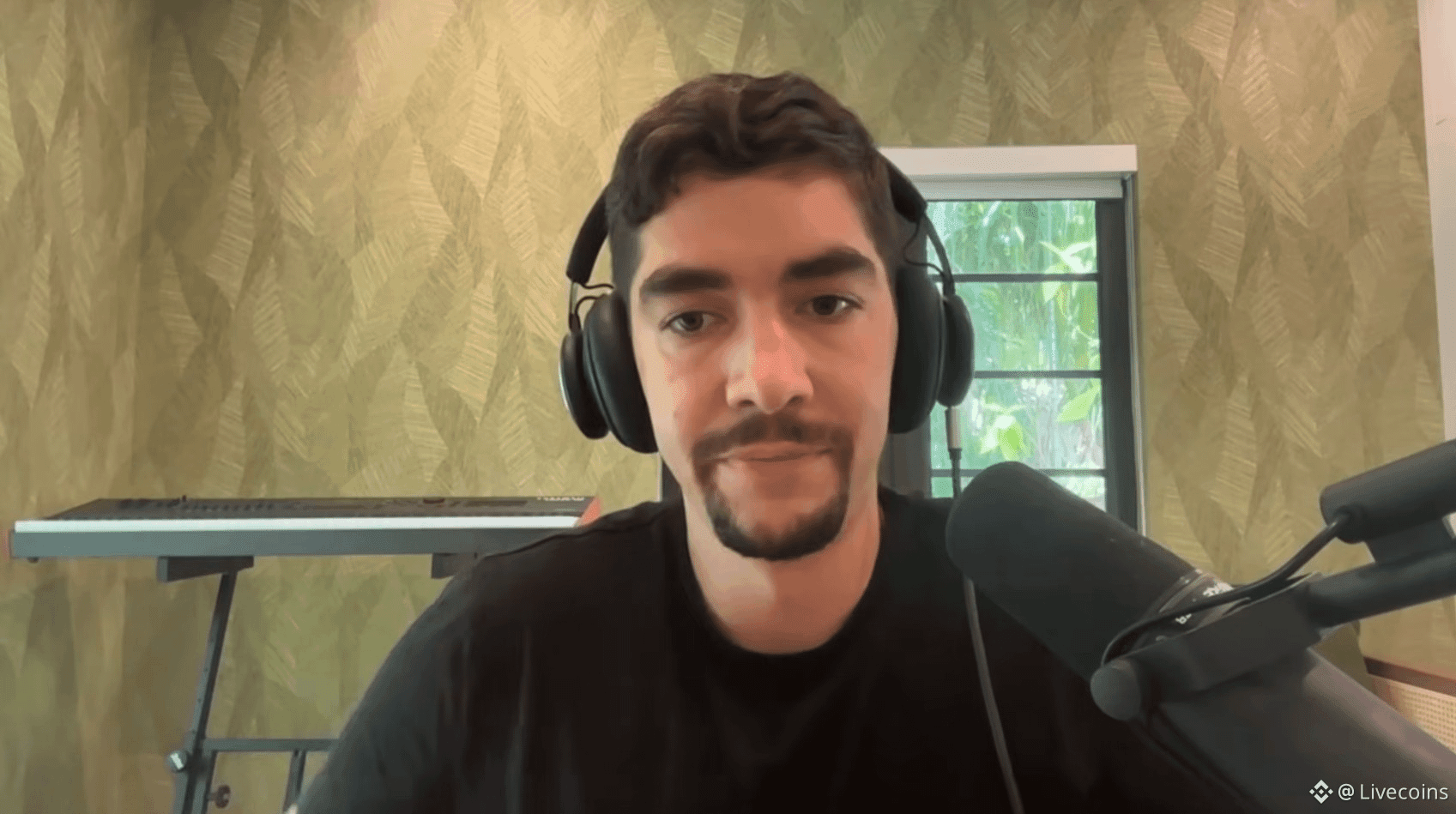
Nic Carter says that the US, publicly or privately, will use quantum computers to recover bitcoins threatened by the technology
Nic Carter, the famed Bitcoin advocate, believes that the US will use quantum computers to recover the coins that are threatened by this technology.
In 2023, Carter popularized the phrase “Operation Choke Point 2.0” to warn companies and investors that the Biden administration is trying to quietly ban cryptocurrencies.
In the conversation published on the Galaxy channel this Friday (23), the specialist also talked about the macroeconomic scenario, institutional adoption, artificial intelligence, and other topics.
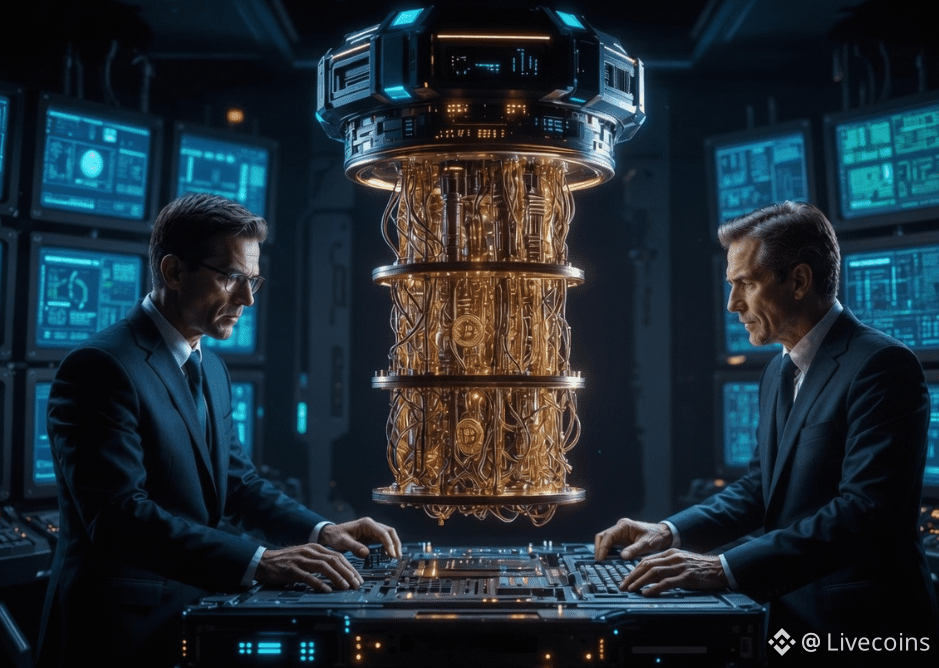
Studies suggest that 4 to 10 million bitcoins—about 20 to 50% of the entire circulating supply—are threatened by quantum computers. While many may be able to move their coins to addresses resistant to this new threat, which have not yet been released, the text estimates that 2 to 3 million coins are lost/abandoned.
One proposed solution was to freeze these coins, preventing them from being moved even after the arrival of quantum computers.
For Nic Carter, this feature is controversial. In the specialist’s view, what should happen is a technological race, where the US wins other countries and becomes the protector of these bitcoins.
“I believe there will be an effort to recover these coins, probably led by the government. They are the most prepared to do it. Maybe a private-sector company gets there first. And the reason I think this will happen is because I believe the US is leading in quantum computing.”
Continuing, Carter says that the issue really matters and one of the first priorities will be the recovery of these bitcoins.
4
3.1k
·
--
Arena: Meta is preparing a prediction market to compete with Polymarket and Kalshi
Meta, the company behind Facebook, Instagram, and WhatsApp, would be preparing to enter the prediction market with an app called “Arena”. Today, the sector is dominated by Polymarket and Kalshi.
Sources from The New York Times say the move would have come directly from Mark Zuckerberg, the creator of Facebook.
Although the app is not connected to the company’s other brand products, the company intends to use its social networks to boost early adoption of the platform.

1.7k
Log in to explore more content
Join global crypto users on Binance Square
⚡️ Get latest and useful information about crypto.
💬 Trusted by the world’s largest crypto exchange.
👍 Discover real insights from verified creators.
Email / Phone number