
Duonggg12
1.2k Posts

Duonggg12
Report
Block User
2008 tập viết content
Open Trade
Frequent Trader
1 Years
34 Following
1.7K+ Followers
1.7K+ Liked
Posts
Portfolio
All
Quotes
·
--
Verified
#dusk $DUSK @Dusk_Foundation $BTC 11 host queries shared the same wrapper. Eight had the same deserialization risk.
That made me look closer.
The contract controlled the bytes. The node was the one reading them. A malformed relative pointer could push the host toward an out of bounds read. At that point, the problem was no longer contained inside the contract.
What caught my attention was the fix.
Dusk did not patch eight queries separately. It fixed the shared boundary and validates the archived data before deserializing it.
That order matters.
Validate first. Deserialize second.
There was no useful user side workaround here. The boundary itself had to be fixed, and because the same wrapper served 11 queries, fixing that layer covered the whole group.
The test is simple. Feed malformed archived data into those queries. The node should reject it before the wrapper tries to interpret the bytes.
#dusk $DUSK @Dusk $BTC 11 host queries shared the same wrapper. Eight had the same deserialization risk.
That made me look closer.
The contract controlled the bytes. The node was the one reading them. A malformed relative pointer could push the host toward an out of bounds read. At that point, the problem was no longer contained inside the contract.
What caught my attention was the fix.
Dusk did not patch eight queries separately. It fixed the shared boundary and validates the archived data before deserializing it.
That order matters.
Validate first. Deserialize second.
There was no useful user side workaround here. The boundary itself had to be fixed, and because the same wrapper served 11 queries, fixing that layer covered the whole group.
The test is simple. Feed malformed archived data into those queries. The node should reject it before the wrapper tries to interpret the bytes.
That made me look closer.
The contract controlled the bytes. The node was the one reading them. A malformed relative pointer could push the host toward an out of bounds read. At that point, the problem was no longer contained inside the contract.
What caught my attention was the fix.
Dusk did not patch eight queries separately. It fixed the shared boundary and validates the archived data before deserializing it.
That order matters.
Validate first. Deserialize second.
There was no useful user side workaround here. The boundary itself had to be fixed, and because the same wrapper served 11 queries, fixing that layer covered the whole group.
The test is simple. Feed malformed archived data into those queries. The node should reject it before the wrapper tries to interpret the bytes.
1
113
·
--
#binancep2pantoan @Binance_Vietnam $BTC Documents have been submitted. The case has been escalated. However, around 10,000 USDT has remained idle in the account for nearly 3 months.
Case #167469366 / Complaint #CC9828395 is a case I dug into for quite a while. The user stated that the account had been restricted for over 2 months and that they had submitted the P2P verification documents Binance requires. As of 19/08/2026, withdrawals still have not been enabled.
I checked Binance’s responses, and Support confirmed that the case was escalated and is still under review. Binance explained that a manual review may take longer because the due diligence steps involve account security and compliance. But the specific trigger for this case is not disclosed.
There is one detail that caught my attention: the user has completed the requested steps, but the review is still ongoing. Another case in the same Support Thread also had about 1,000 USD subject to a withdrawal restriction for more than 2 months; Binance had previously given a deadline of 28/07/2026, but after the deadline withdrawals still were not enabled, and Support confirmed there were no documents pending from the user’s side.
So the real cost here is not money that is lost. About 10,000 USDT remains in the account, but for nearly 3 months it cannot be used for withdrawals.
In this case, there is also no bypass. The documents have been submitted, the case has been escalated, and the rest is simply waiting for Binance to complete the review.
As of 19/08, Case #167469366 still has no unlock date. The 10,000 USDT remains in the account, but cannot be withdrawn yet.
#binancep2pantoan @Binance Vietnam $BTC Documents have been submitted. The case has been escalated. However, around 10,000 USDT has remained idle in the account for nearly 3 months.
Case #167469366 / Complaint #CC9828395 is a case I dug into for quite a while. The user stated that the account had been restricted for over 2 months and that they had submitted the P2P verification documents Binance requires. As of 19/08/2026, withdrawals still have not been enabled.
I checked Binance’s responses, and Support confirmed that the case was escalated and is still under review. Binance explained that a manual review may take longer because the due diligence steps involve account security and compliance. But the specific trigger for this case is not disclosed.
There is one detail that caught my attention: the user has completed the requested steps, but the review is still ongoing. Another case in the same Support Thread also had about 1,000 USD subject to a withdrawal restriction for more than 2 months; Binance had previously given a deadline of 28/07/2026, but after the deadline withdrawals still were not enabled, and Support confirmed there were no documents pending from the user’s side.
So the real cost here is not money that is lost. About 10,000 USDT remains in the account, but for nearly 3 months it cannot be used for withdrawals.
In this case, there is also no bypass. The documents have been submitted, the case has been escalated, and the rest is simply waiting for Binance to complete the review.
As of 19/08, Case #167469366 still has no unlock date. The 10,000 USDT remains in the account, but cannot be withdrawn yet.
Case #167469366 / Complaint #CC9828395 is a case I dug into for quite a while. The user stated that the account had been restricted for over 2 months and that they had submitted the P2P verification documents Binance requires. As of 19/08/2026, withdrawals still have not been enabled.
I checked Binance’s responses, and Support confirmed that the case was escalated and is still under review. Binance explained that a manual review may take longer because the due diligence steps involve account security and compliance. But the specific trigger for this case is not disclosed.
There is one detail that caught my attention: the user has completed the requested steps, but the review is still ongoing. Another case in the same Support Thread also had about 1,000 USD subject to a withdrawal restriction for more than 2 months; Binance had previously given a deadline of 28/07/2026, but after the deadline withdrawals still were not enabled, and Support confirmed there were no documents pending from the user’s side.
So the real cost here is not money that is lost. About 10,000 USDT remains in the account, but for nearly 3 months it cannot be used for withdrawals.
In this case, there is also no bypass. The documents have been submitted, the case has been escalated, and the rest is simply waiting for Binance to complete the review.
As of 19/08, Case #167469366 still has no unlock date. The 10,000 USDT remains in the account, but cannot be withdrawn yet.
1
1
2
19
·
--
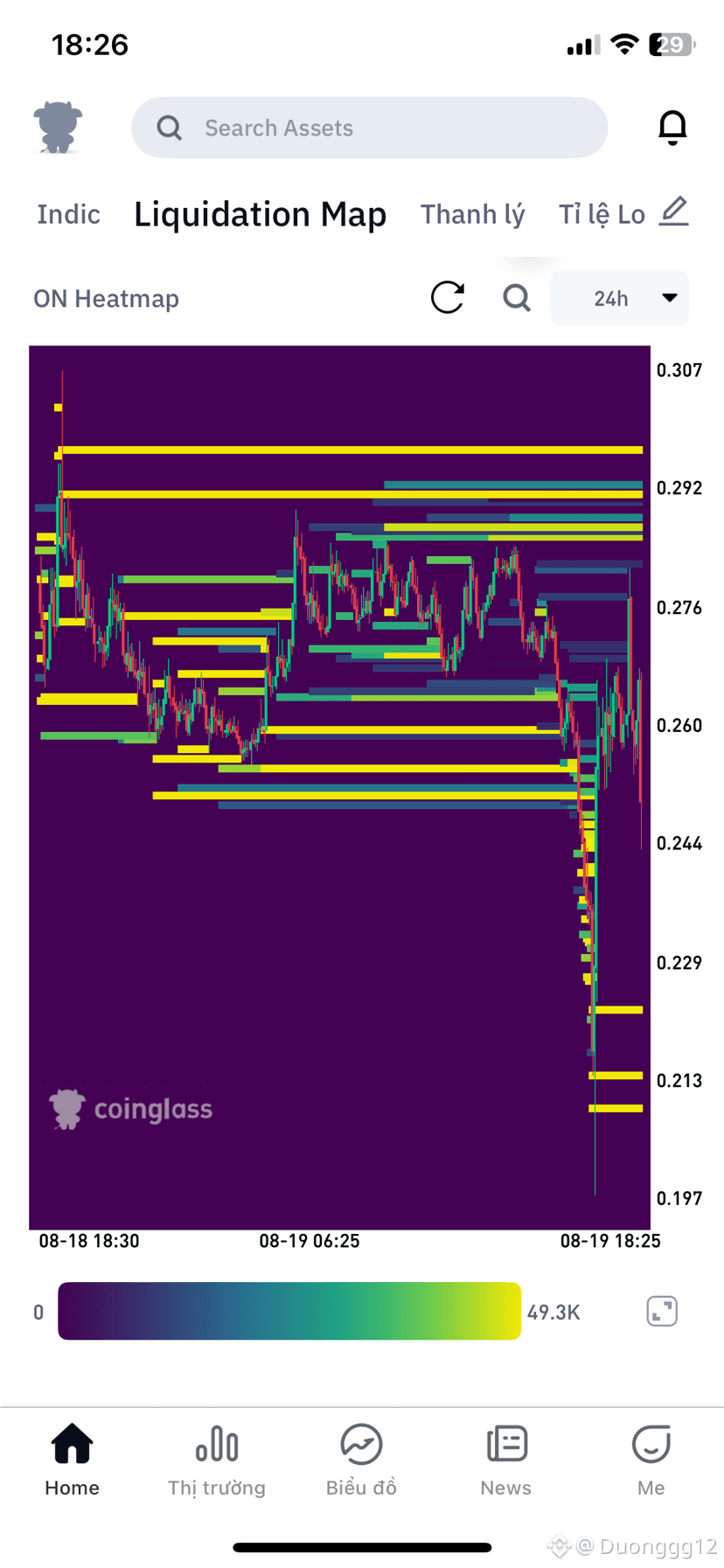
$ON
My view: Extremely volatile and currently bearish after the sharp liquidation from ~0.27–0.28 toward 0.20–0.25.
* Current area: roughly 0.25
* Resistance: 0.26–0.276
* Major resistance: 0.292–0.300
* Strong support/liquidation zone: 0.213–0.229
* If 0.244 fails again, another leg lower is possible.
Bias: Bearish / extremely high risk
{future}(ONUSDT)
$ON
My view: Extremely volatile and currently bearish after the sharp liquidation from ~0.27–0.28 toward 0.20–0.25.
* Current area: roughly 0.25
* Resistance: 0.26–0.276
* Major resistance: 0.292–0.300
* Strong support/liquidation zone: 0.213–0.229
* If 0.244 fails again, another leg lower is possible.
Bias: Bearish / extremely high risk
My view: Extremely volatile and currently bearish after the sharp liquidation from ~0.27–0.28 toward 0.20–0.25.
* Current area: roughly 0.25
* Resistance: 0.26–0.276
* Major resistance: 0.292–0.300
* Strong support/liquidation zone: 0.213–0.229
* If 0.244 fails again, another leg lower is possible.
Bias: Bearish / extremely high risk
1
146
·
--
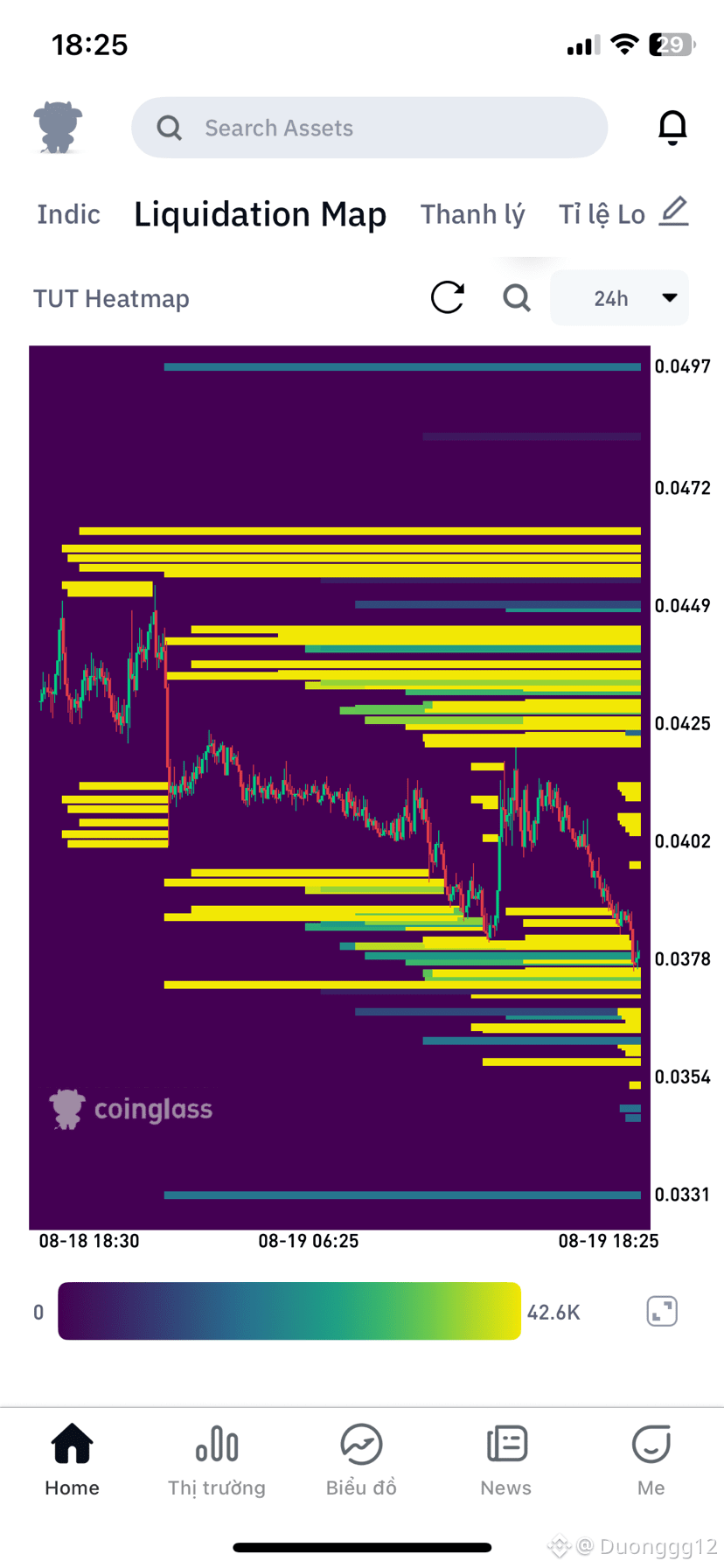
$TUT
My view: Bearish, but price is approaching a significant liquidity/support cluster.
* Current price: around 0.0378
* Support: 0.0370–0.0378
* Next support: 0.0354
* Resistance: 0.0400–0.0405
* Strong resistance: 0.0425–0.0450
A bounce from 0.037–0.038 is possible, but the broader structure remains weak.
Bias: Bearish
{future}(TUTUSDT)
$TUT
My view: Bearish, but price is approaching a significant liquidity/support cluster.
* Current price: around 0.0378
* Support: 0.0370–0.0378
* Next support: 0.0354
* Resistance: 0.0400–0.0405
* Strong resistance: 0.0425–0.0450
A bounce from 0.037–0.038 is possible, but the broader structure remains weak.
Bias: Bearish
My view: Bearish, but price is approaching a significant liquidity/support cluster.
* Current price: around 0.0378
* Support: 0.0370–0.0378
* Next support: 0.0354
* Resistance: 0.0400–0.0405
* Strong resistance: 0.0425–0.0450
A bounce from 0.037–0.038 is possible, but the broader structure remains weak.
Bias: Bearish
1
192
·
--
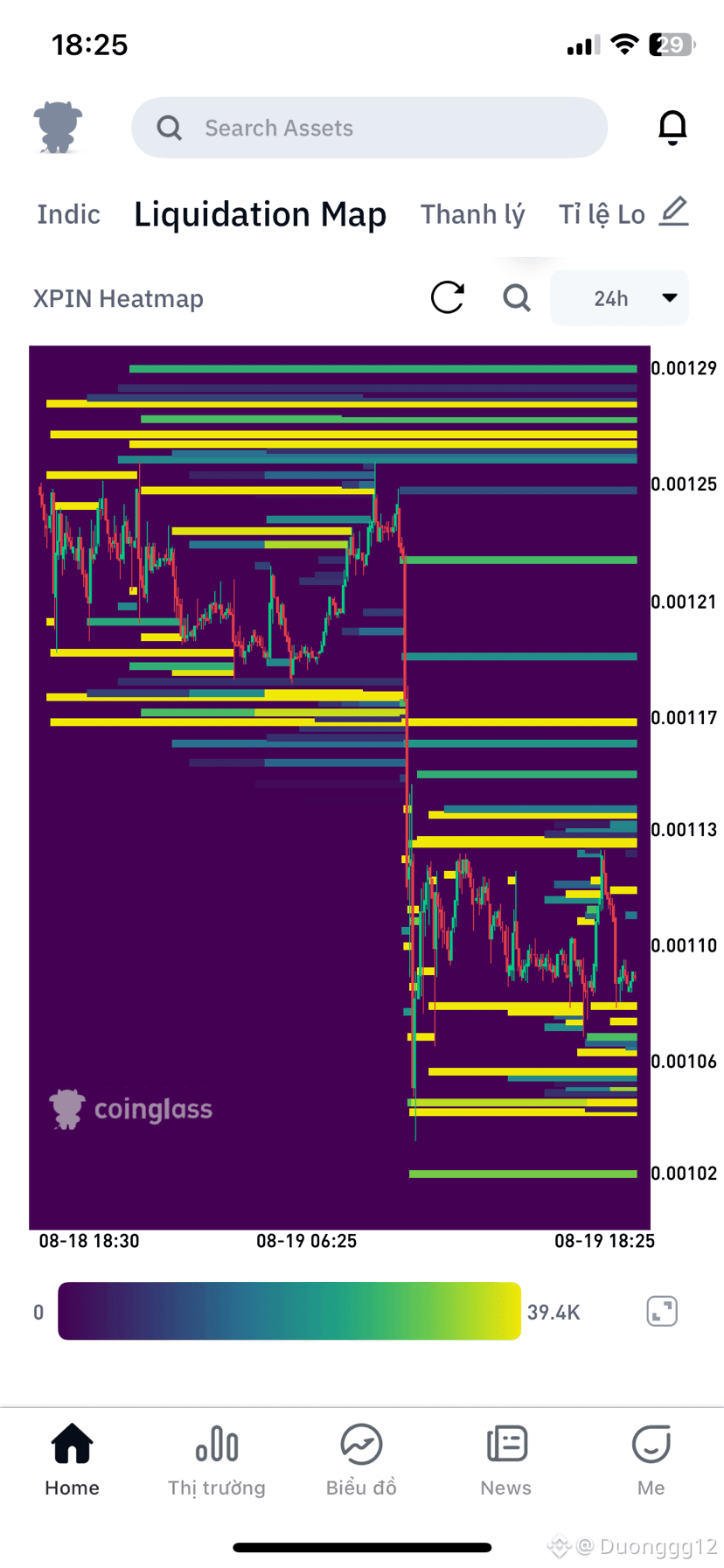
$XPIN
My view: Very bearish after the huge liquidation move from ~0.00124 to ~0.00109.
* Current area: 0.00108–0.00110
* Resistance: 0.00113–0.00117
* Major resistance: 0.00121–0.00125
* Support: 0.00106, then 0.00102
* Until 0.00113–0.00117 is reclaimed, I would treat rebounds as relief bounces.
{future}(XPINUSDT)
$XPIN
My view: Very bearish after the huge liquidation move from ~0.00124 to ~0.00109.
* Current area: 0.00108–0.00110
* Resistance: 0.00113–0.00117
* Major resistance: 0.00121–0.00125
* Support: 0.00106, then 0.00102
* Until 0.00113–0.00117 is reclaimed, I would treat rebounds as relief bounces.
My view: Very bearish after the huge liquidation move from ~0.00124 to ~0.00109.
* Current area: 0.00108–0.00110
* Resistance: 0.00113–0.00117
* Major resistance: 0.00121–0.00125
* Support: 0.00106, then 0.00102
* Until 0.00113–0.00117 is reclaimed, I would treat rebounds as relief bounces.
1
163
·
--
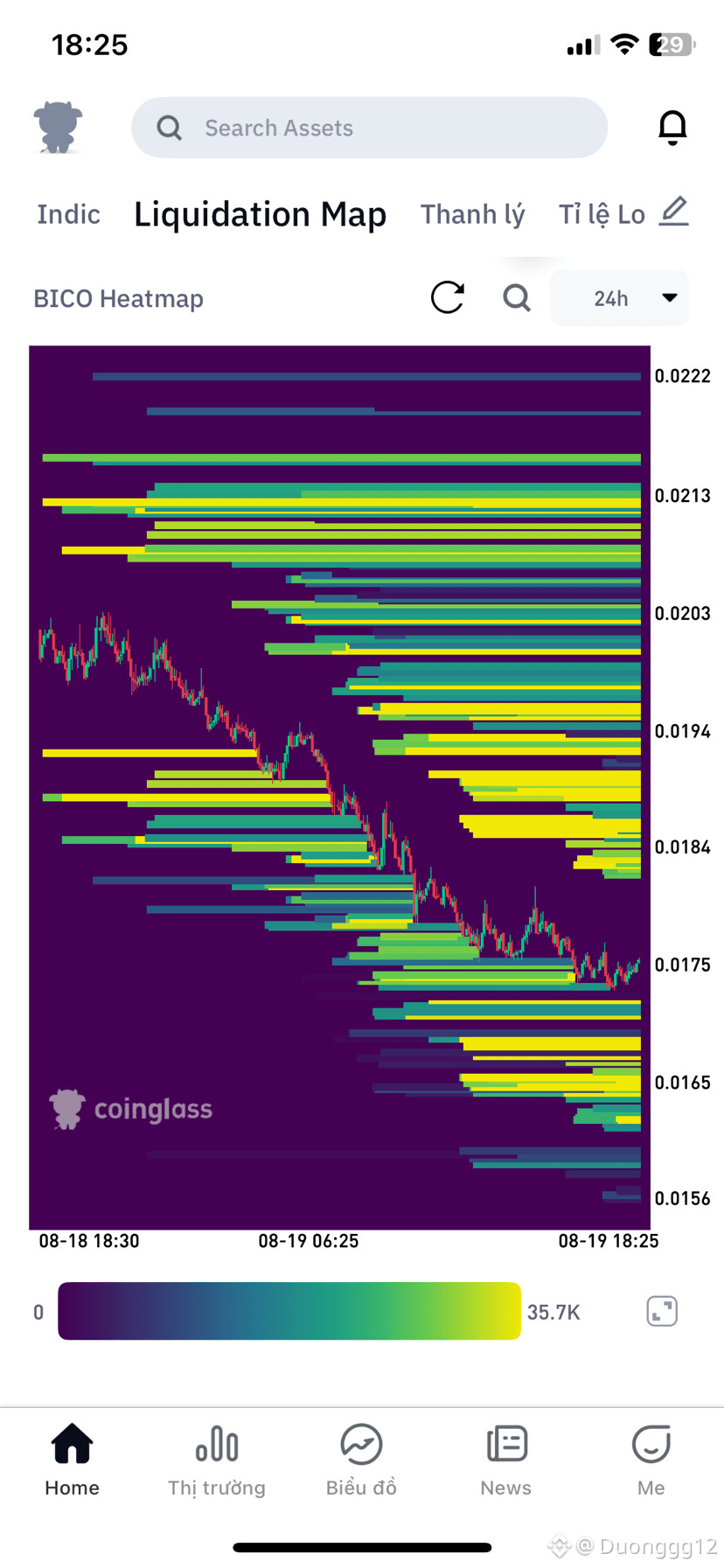
$BICO
My view: Downtrend is still dominant, but price is sitting near a potentially important support zone around 0.0173–0.0176.
* Resistance: 0.0184–0.0194
* Strong resistance: 0.0203–0.0213
* Support: 0.0173–0.0175
* Break below 0.0173 → 0.0165 becomes the next area.
Bias: Bearish → watch for stabilization
{future}(BICOUSDT)
$BICO
My view: Downtrend is still dominant, but price is sitting near a potentially important support zone around 0.0173–0.0176.
* Resistance: 0.0184–0.0194
* Strong resistance: 0.0203–0.0213
* Support: 0.0173–0.0175
* Break below 0.0173 → 0.0165 becomes the next area.
Bias: Bearish → watch for stabilization
My view: Downtrend is still dominant, but price is sitting near a potentially important support zone around 0.0173–0.0176.
* Resistance: 0.0184–0.0194
* Strong resistance: 0.0203–0.0213
* Support: 0.0173–0.0175
* Break below 0.0173 → 0.0165 becomes the next area.
Bias: Bearish → watch for stabilization
1
125
·
--
$H
My view: Bearish, with a clear lower-high/lower-low structure. Current price is around 0.095–0.096.
* Immediate resistance: 0.096–0.100
* Major liquidity zone: 0.103–0.105
* Support: 0.088–0.090
* A reclaim above 0.104 would significantly improve the setup.
Bias: Bearish
{future}(HUSDT)
$H
My view: Bearish, with a clear lower-high/lower-low structure. Current price is around 0.095–0.096.
* Immediate resistance: 0.096–0.100
* Major liquidity zone: 0.103–0.105
* Support: 0.088–0.090
* A reclaim above 0.104 would significantly improve the setup.
Bias: Bearish
My view: Bearish, with a clear lower-high/lower-low structure. Current price is around 0.095–0.096.
* Immediate resistance: 0.096–0.100
* Major liquidity zone: 0.103–0.105
* Support: 0.088–0.090
* A reclaim above 0.104 would significantly improve the setup.
Bias: Bearish
1
85
·
--
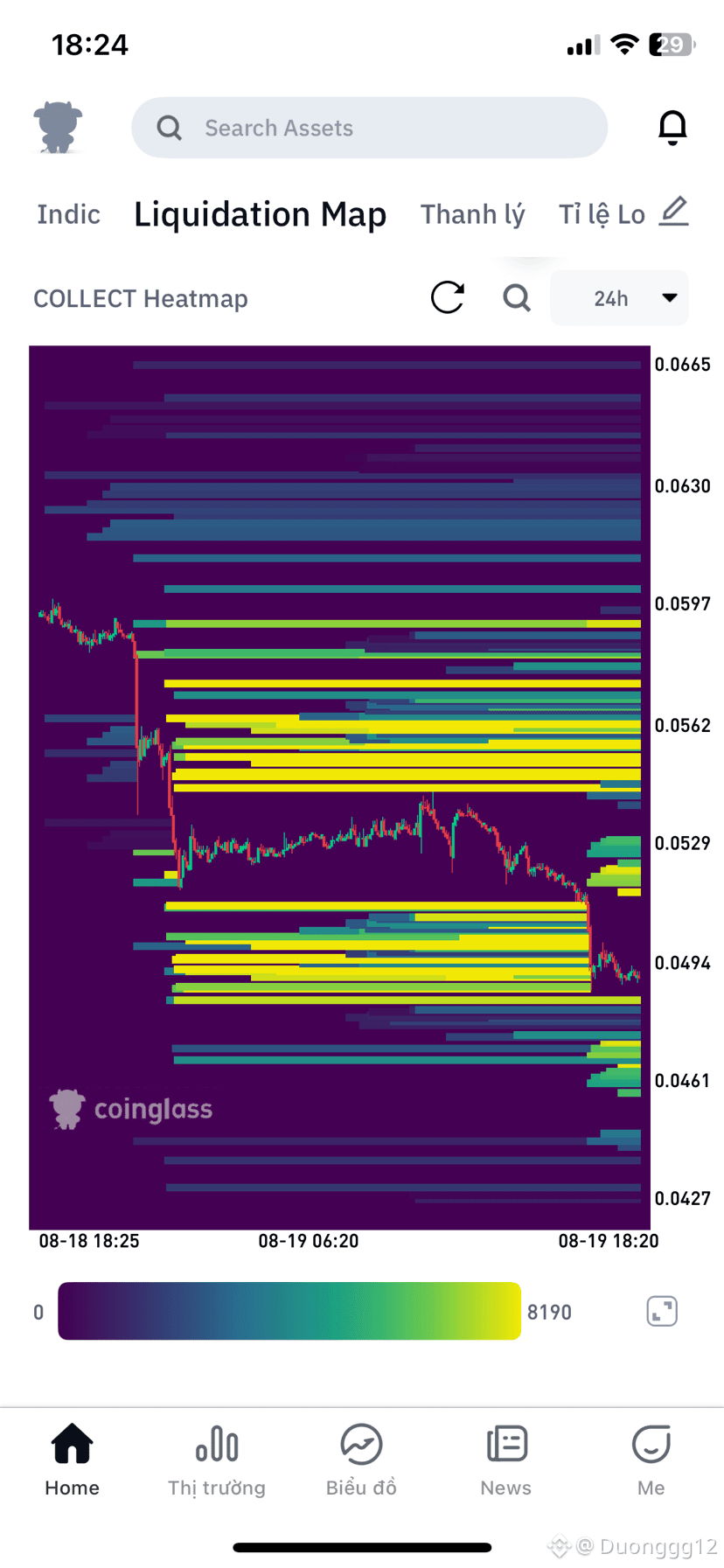
$COLLECT
My view: Very weak after the sharp breakdown from ~0.053 to 0.049.
* Resistance/liquidity cluster: 0.052–0.056
* Current support: 0.0490–0.0495
* If 0.049 fails → potential move toward 0.046–0.047
* I would prefer waiting for a reclaim of 0.052 before considering a bullish setup.
Bias: Bearish
{future}(COLLECTUSDT)
$COLLECT
My view: Very weak after the sharp breakdown from ~0.053 to 0.049.
* Resistance/liquidity cluster: 0.052–0.056
* Current support: 0.0490–0.0495
* If 0.049 fails → potential move toward 0.046–0.047
* I would prefer waiting for a reclaim of 0.052 before considering a bullish setup.
Bias: Bearish
My view: Very weak after the sharp breakdown from ~0.053 to 0.049.
* Resistance/liquidity cluster: 0.052–0.056
* Current support: 0.0490–0.0495
* If 0.049 fails → potential move toward 0.046–0.047
* I would prefer waiting for a reclaim of 0.052 before considering a bullish setup.
Bias: Bearish
108
·
--
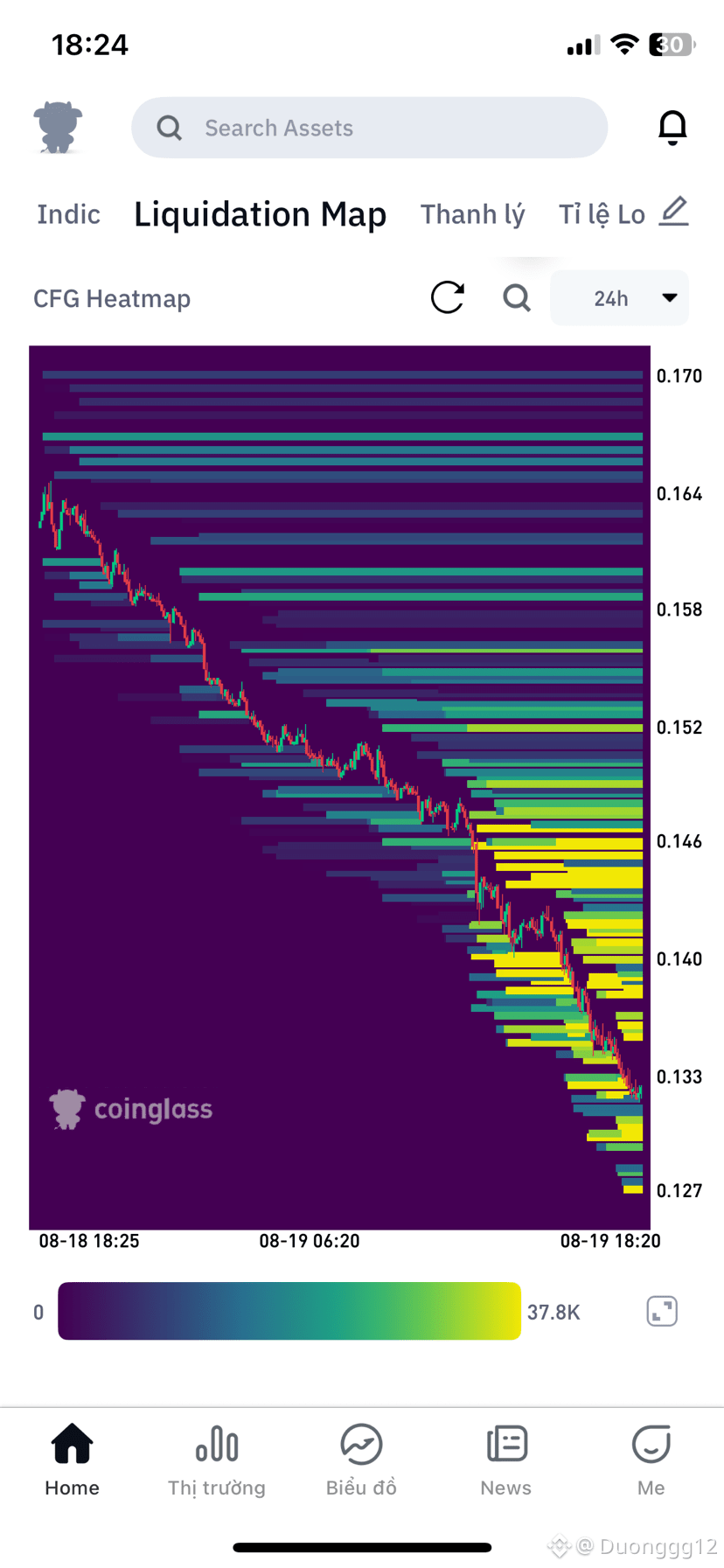
$CFG
My view: This is one of the clearest bearish charts. Price has continuously stepped lower from 0.164 → ~0.133.
* Immediate resistance: 0.140–0.146
* Stronger resistance: 0.152–0.158
* Current price is near 0.133
* A break below 0.133 could accelerate toward 0.127.
Bias: Strong bearish
{future}(CFGUSDT)
$CFG
My view: This is one of the clearest bearish charts. Price has continuously stepped lower from 0.164 → ~0.133.
* Immediate resistance: 0.140–0.146
* Stronger resistance: 0.152–0.158
* Current price is near 0.133
* A break below 0.133 could accelerate toward 0.127.
Bias: Strong bearish
My view: This is one of the clearest bearish charts. Price has continuously stepped lower from 0.164 → ~0.133.
* Immediate resistance: 0.140–0.146
* Stronger resistance: 0.152–0.158
* Current price is near 0.133
* A break below 0.133 could accelerate toward 0.127.
Bias: Strong bearish
96
·
--
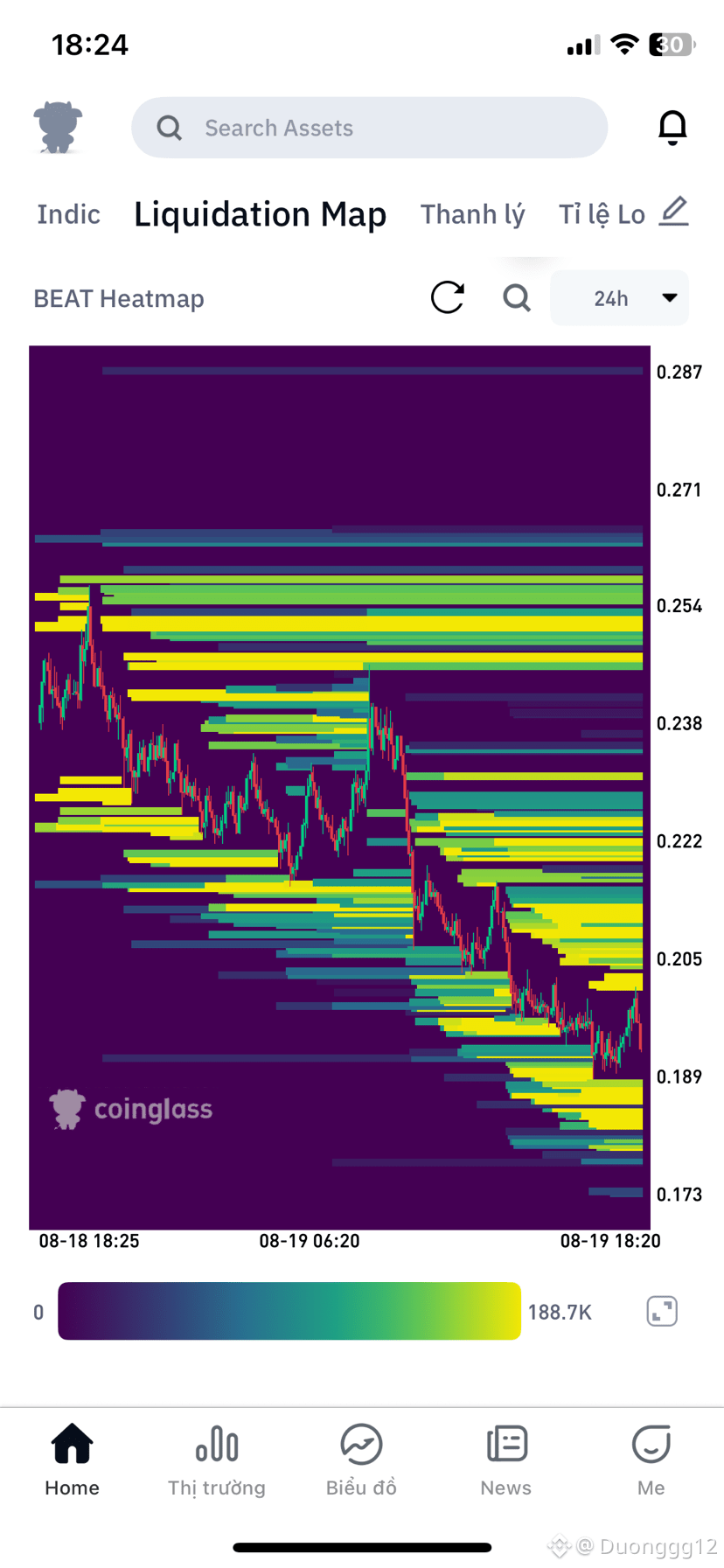
$BEAT
My view: Bearish structure with price around 0.19–0.20.
* Heavy liquidity above: 0.205–0.222
* Bigger resistance: 0.238–0.254
* Immediate support: 0.189–0.190
* Losing 0.189 could open the way toward 0.18.
Bias: Bearish, possible short-term bounce
{future}(BEATUSDT)
$BEAT
My view: Bearish structure with price around 0.19–0.20.
* Heavy liquidity above: 0.205–0.222
* Bigger resistance: 0.238–0.254
* Immediate support: 0.189–0.190
* Losing 0.189 could open the way toward 0.18.
Bias: Bearish, possible short-term bounce
My view: Bearish structure with price around 0.19–0.20.
* Heavy liquidity above: 0.205–0.222
* Bigger resistance: 0.238–0.254
* Immediate support: 0.189–0.190
* Losing 0.189 could open the way toward 0.18.
Bias: Bearish, possible short-term bounce
234
·
--
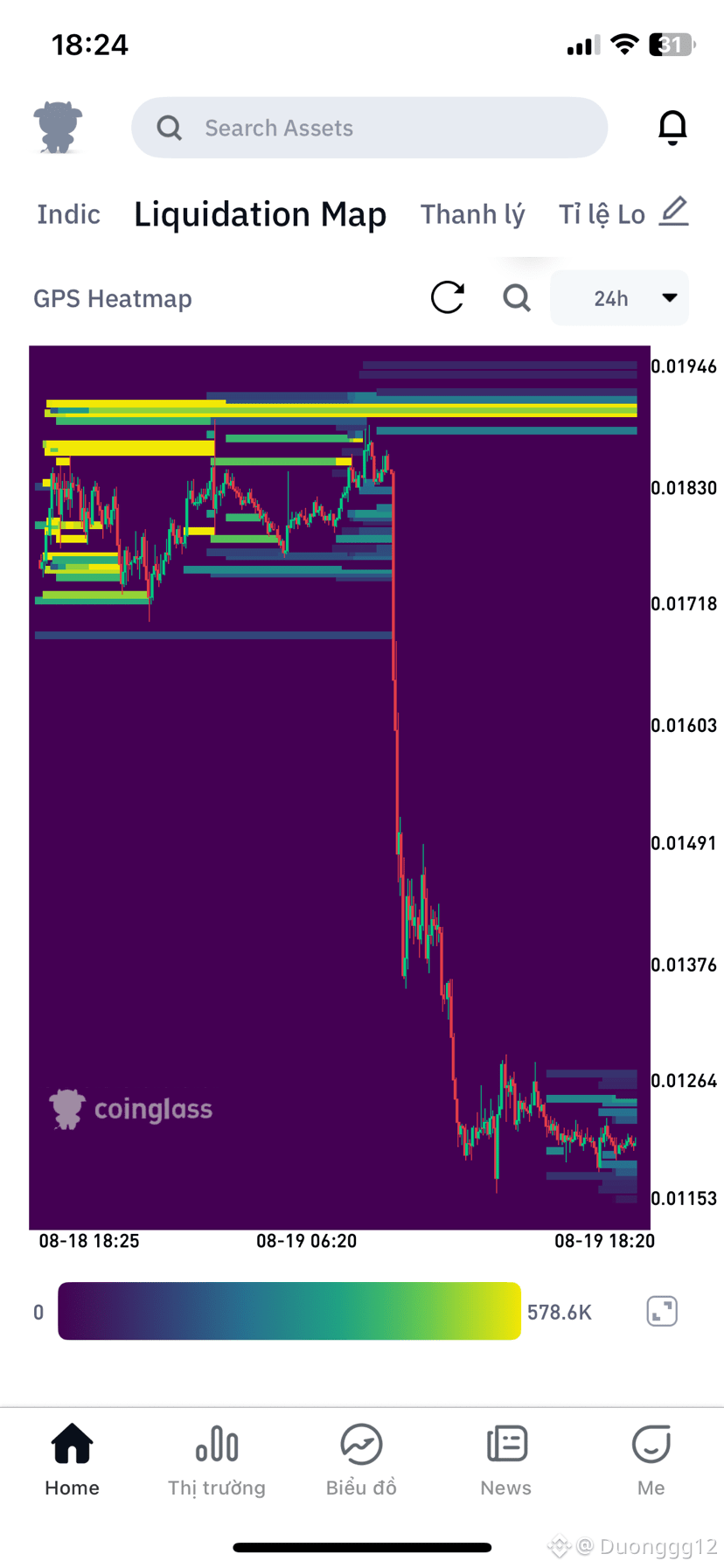
$GPS
My view: Very bearish. The chart shows a massive liquidation cascade from ~0.0185 to 0.0118.
* Current area: 0.0117–0.0120
* Liquidity above: 0.0123–0.0126
* Major resistance: 0.0137–0.0140
* Unless price reclaims 0.0126, I would avoid chasing longs.
Bias: Strong bearish
{future}(GPSUSDT)
$GPS
My view: Very bearish. The chart shows a massive liquidation cascade from ~0.0185 to 0.0118.
* Current area: 0.0117–0.0120
* Liquidity above: 0.0123–0.0126
* Major resistance: 0.0137–0.0140
* Unless price reclaims 0.0126, I would avoid chasing longs.
Bias: Strong bearish
My view: Very bearish. The chart shows a massive liquidation cascade from ~0.0185 to 0.0118.
* Current area: 0.0117–0.0120
* Liquidity above: 0.0123–0.0126
* Major resistance: 0.0137–0.0140
* Unless price reclaims 0.0126, I would avoid chasing longs.
Bias: Strong bearish
72
·
--
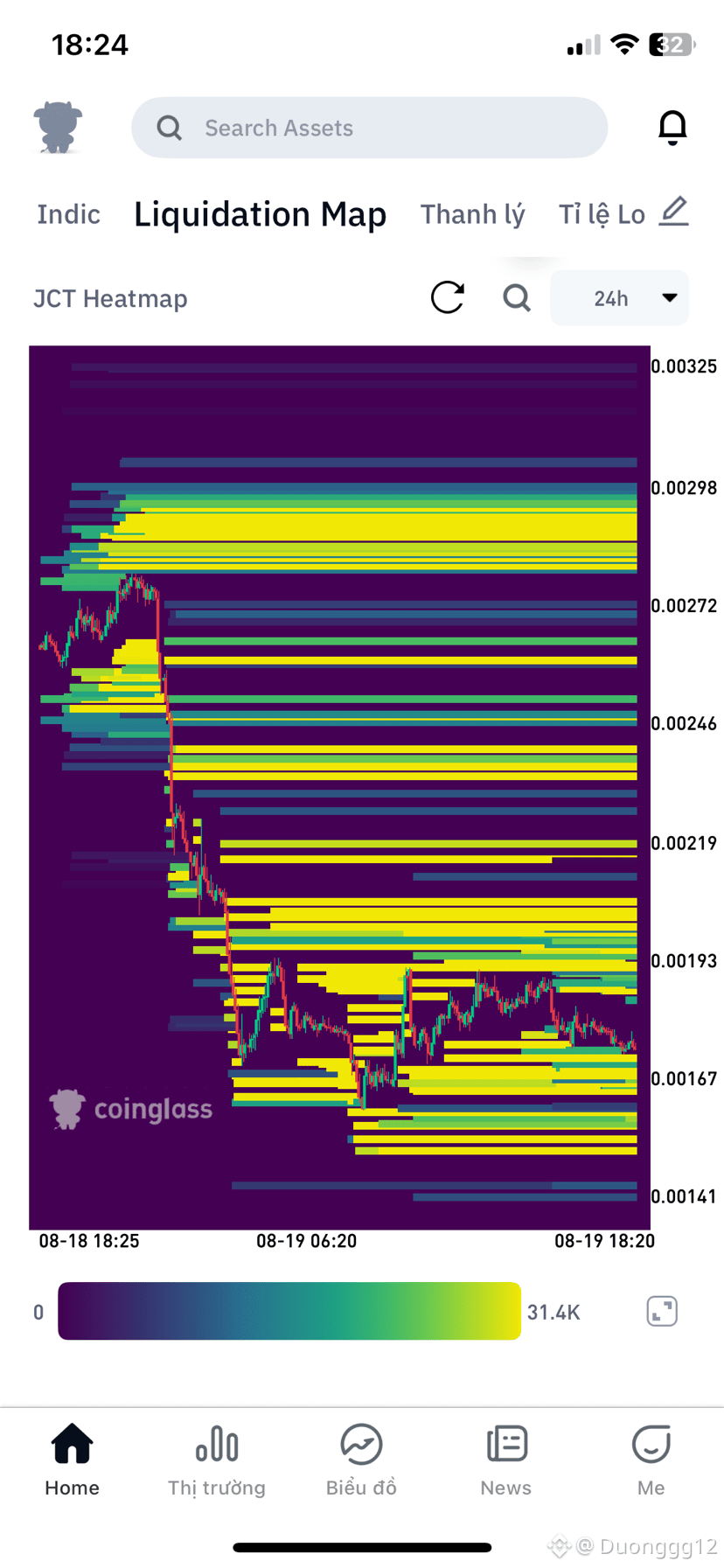
$JCT
My view: Bearish, but price is trying to stabilize around 0.00167–0.00175.
* Strong liquidation/liquidity above: 0.00190–0.00195
* Support: 0.00167–0.00170
* If support breaks → 0.00160–0.00165 is likely.
* A reclaim of 0.00190 could trigger a squeeze higher.
Bias: Bearish → neutral
{future}(JCTUSDT)
$JCT
My view: Bearish, but price is trying to stabilize around 0.00167–0.00175.
* Strong liquidation/liquidity above: 0.00190–0.00195
* Support: 0.00167–0.00170
* If support breaks → 0.00160–0.00165 is likely.
* A reclaim of 0.00190 could trigger a squeeze higher.
Bias: Bearish → neutral
My view: Bearish, but price is trying to stabilize around 0.00167–0.00175.
* Strong liquidation/liquidity above: 0.00190–0.00195
* Support: 0.00167–0.00170
* If support breaks → 0.00160–0.00165 is likely.
* A reclaim of 0.00190 could trigger a squeeze higher.
Bias: Bearish → neutral
40
·
--
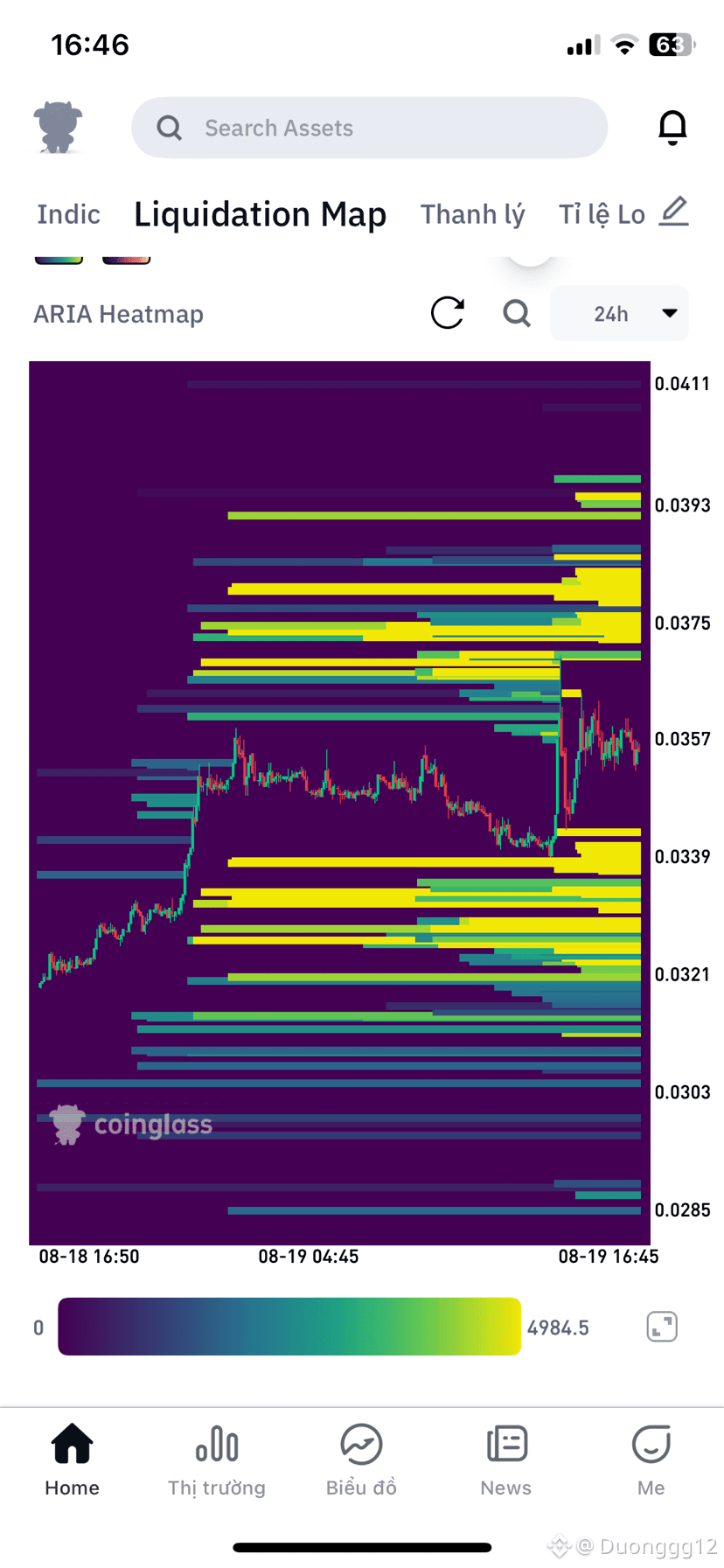
$ARIA
Bias: Neutral / slightly bullish.
Price is around 0.0355, recovering after a sharp dip toward 0.034. There is very heavy liquidity around 0.037–0.039, while 0.033–0.034 is an important support zone.
My view: I think 0.037–0.039 is the main magnet. If price breaks and holds above 0.039, momentum could accelerate. Below 0.033, the setup becomes considerably weaker.
{future}(ARIAUSDT)
$ARIA
Bias: Neutral / slightly bullish.
Price is around 0.0355, recovering after a sharp dip toward 0.034. There is very heavy liquidity around 0.037–0.039, while 0.033–0.034 is an important support zone.
My view: I think 0.037–0.039 is the main magnet. If price breaks and holds above 0.039, momentum could accelerate. Below 0.033, the setup becomes considerably weaker.
Bias: Neutral / slightly bullish.
Price is around 0.0355, recovering after a sharp dip toward 0.034. There is very heavy liquidity around 0.037–0.039, while 0.033–0.034 is an important support zone.
My view: I think 0.037–0.039 is the main magnet. If price breaks and holds above 0.039, momentum could accelerate. Below 0.033, the setup becomes considerably weaker.
55
·
--
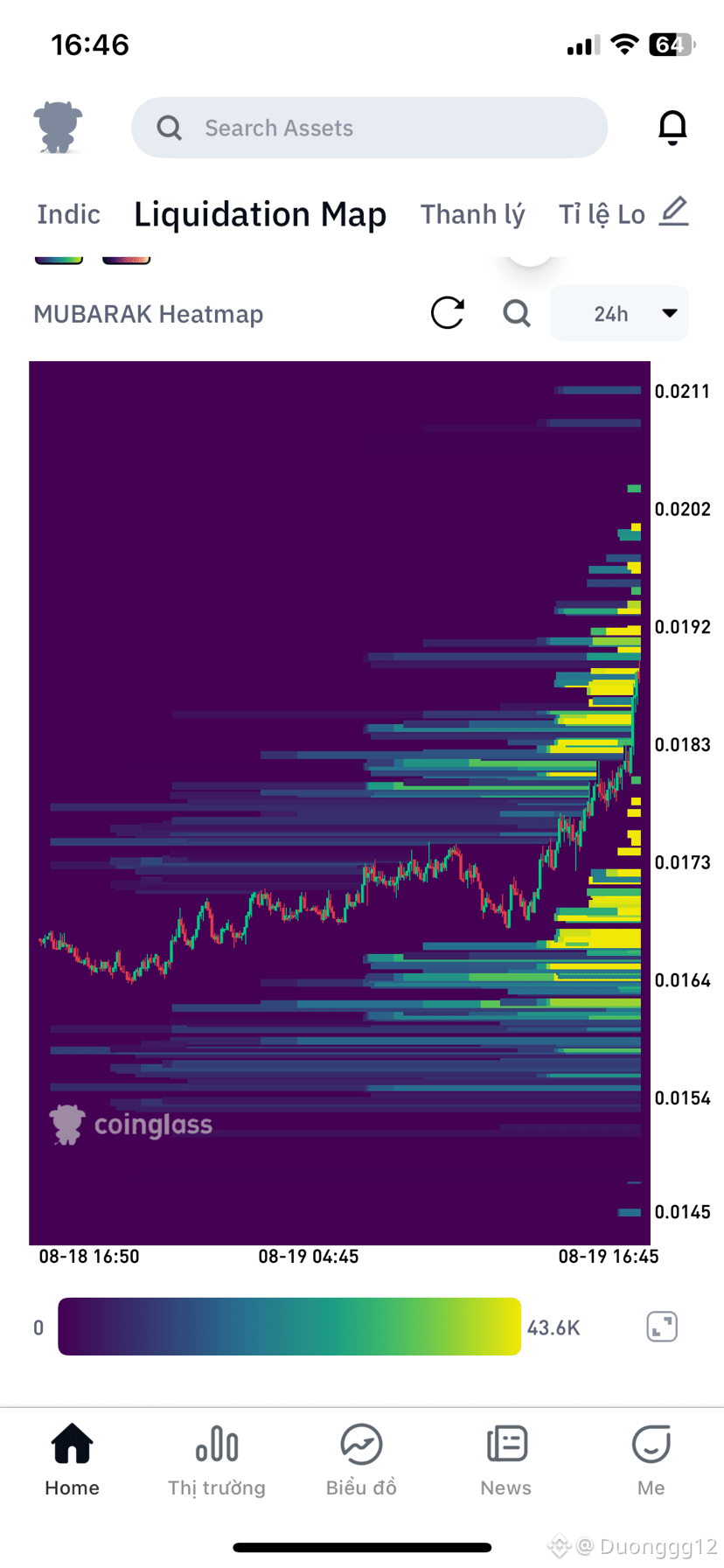
$MUBARAK
Bias: Bullish short-term.
Price is around 0.0183–0.0185, with a strong upward move from the 0.016–0.017 region. Heavy liquidity is concentrated around 0.0185–0.0195.
My view: This is one of the cleaner bullish charts in the set. 0.019–0.0195 is the obvious liquidity target. Losing 0.018 would weaken the setup.
{future}(MUBARAKUSDT)
$MUBARAK
Bias: Bullish short-term.
Price is around 0.0183–0.0185, with a strong upward move from the 0.016–0.017 region. Heavy liquidity is concentrated around 0.0185–0.0195.
My view: This is one of the cleaner bullish charts in the set. 0.019–0.0195 is the obvious liquidity target. Losing 0.018 would weaken the setup.
Bias: Bullish short-term.
Price is around 0.0183–0.0185, with a strong upward move from the 0.016–0.017 region. Heavy liquidity is concentrated around 0.0185–0.0195.
My view: This is one of the cleaner bullish charts in the set. 0.019–0.0195 is the obvious liquidity target. Losing 0.018 would weaken the setup.
63
·
--
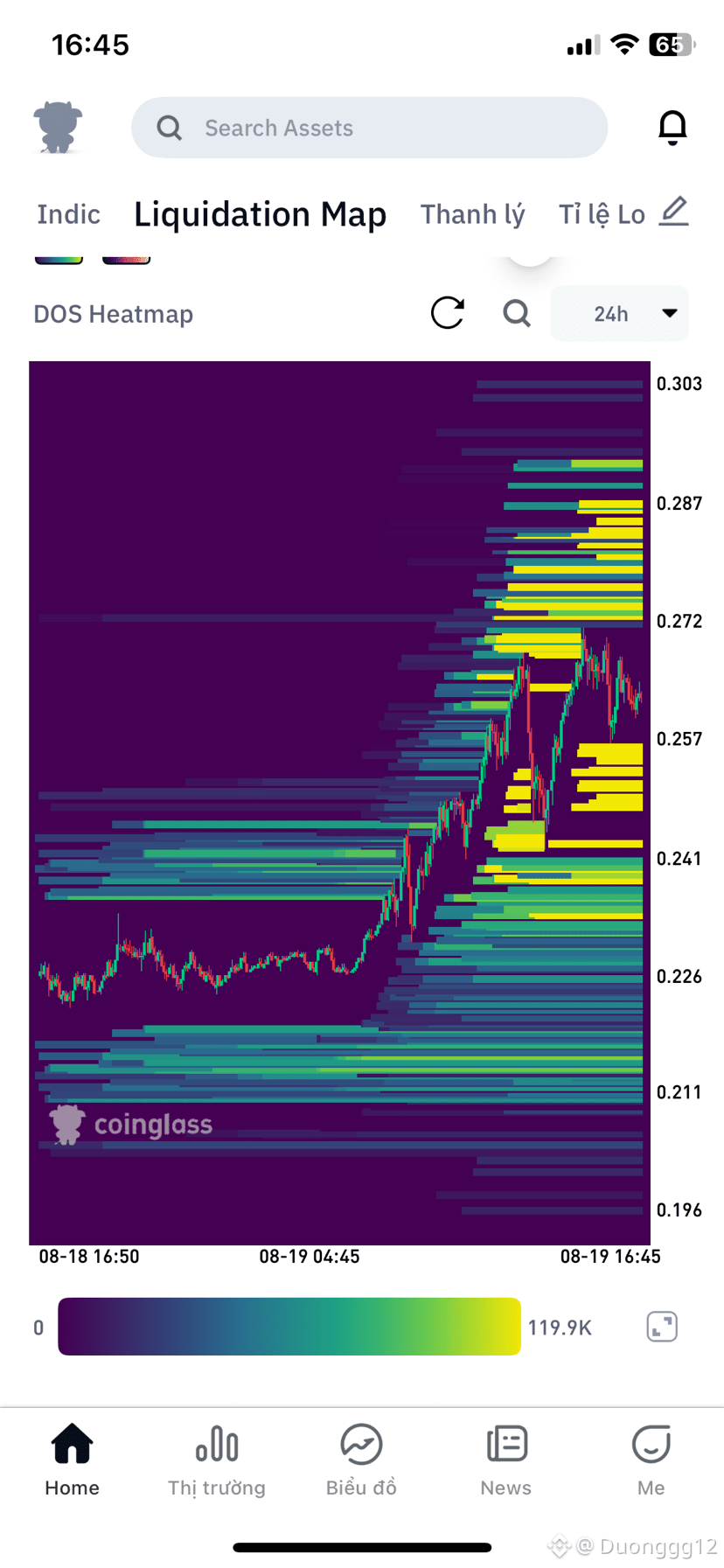
$DOS
Bias: Bullish, but facing resistance.
Price is around 0.26, after a strong move from approximately 0.225. There is significant liquidity around 0.27–0.29, while 0.24–0.25 has strong support/liquidity.
My view: I favor another push higher if 0.27 breaks. However, a rejection there could send price back toward 0.24–0.25 before another attempt.
{future}(DOSUSDT)
$DOS
Bias: Bullish, but facing resistance.
Price is around 0.26, after a strong move from approximately 0.225. There is significant liquidity around 0.27–0.29, while 0.24–0.25 has strong support/liquidity.
My view: I favor another push higher if 0.27 breaks. However, a rejection there could send price back toward 0.24–0.25 before another attempt.
Bias: Bullish, but facing resistance.
Price is around 0.26, after a strong move from approximately 0.225. There is significant liquidity around 0.27–0.29, while 0.24–0.25 has strong support/liquidity.
My view: I favor another push higher if 0.27 breaks. However, a rejection there could send price back toward 0.24–0.25 before another attempt.
153
·
--
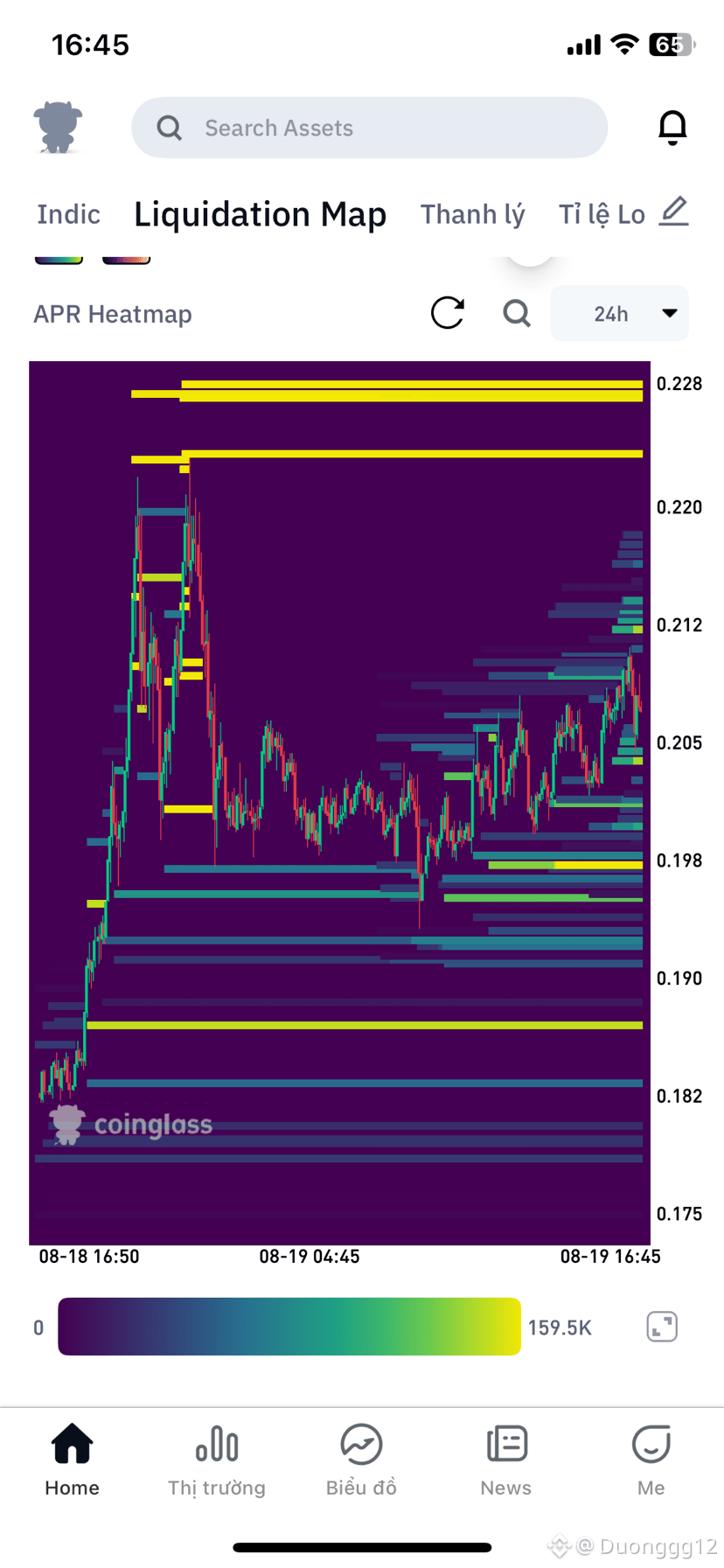
$APR
Bias: Neutral / mildly bullish.
Price is around 0.208, moving gradually higher after spending a long time around 0.20. Heavy liquidity sits around 0.198–0.20, while the upside has liquidity around 0.212–0.22.
My view: Structure is improving, but not explosive. Holding 0.20 keeps the bullish setup alive; 0.212–0.22 is the main upside liquidity zone.
{future}(APRUSDT)
$APR
Bias: Neutral / mildly bullish.
Price is around 0.208, moving gradually higher after spending a long time around 0.20. Heavy liquidity sits around 0.198–0.20, while the upside has liquidity around 0.212–0.22.
My view: Structure is improving, but not explosive. Holding 0.20 keeps the bullish setup alive; 0.212–0.22 is the main upside liquidity zone.
Bias: Neutral / mildly bullish.
Price is around 0.208, moving gradually higher after spending a long time around 0.20. Heavy liquidity sits around 0.198–0.20, while the upside has liquidity around 0.212–0.22.
My view: Structure is improving, but not explosive. Holding 0.20 keeps the bullish setup alive; 0.212–0.22 is the main upside liquidity zone.
67
·
--
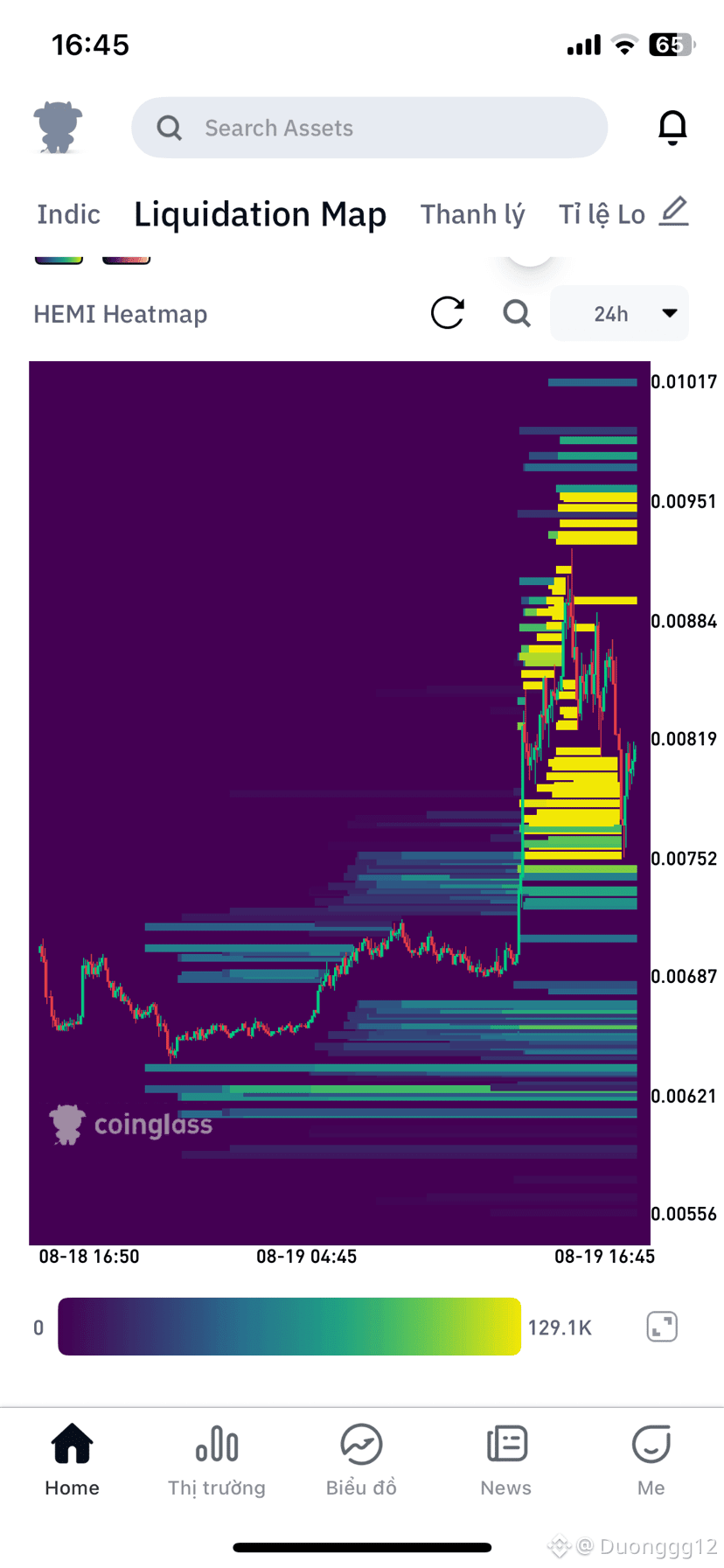
$HEMI
Bias: Bullish but highly volatile.
Price exploded from roughly 0.0068 to 0.0082. Large liquidation clusters are visible around 0.0075–0.0080 and higher around 0.0088–0.0095.
My view: This is a classic squeeze setup. If 0.0088 breaks cleanly, 0.0095 could be targeted. If momentum fails, 0.0075 is the first important area to watch.
{future}(HEMIUSDT)
$HEMI
Bias: Bullish but highly volatile.
Price exploded from roughly 0.0068 to 0.0082. Large liquidation clusters are visible around 0.0075–0.0080 and higher around 0.0088–0.0095.
My view: This is a classic squeeze setup. If 0.0088 breaks cleanly, 0.0095 could be targeted. If momentum fails, 0.0075 is the first important area to watch.
Bias: Bullish but highly volatile.
Price exploded from roughly 0.0068 to 0.0082. Large liquidation clusters are visible around 0.0075–0.0080 and higher around 0.0088–0.0095.
My view: This is a classic squeeze setup. If 0.0088 breaks cleanly, 0.0095 could be targeted. If momentum fails, 0.0075 is the first important area to watch.
63
·
--
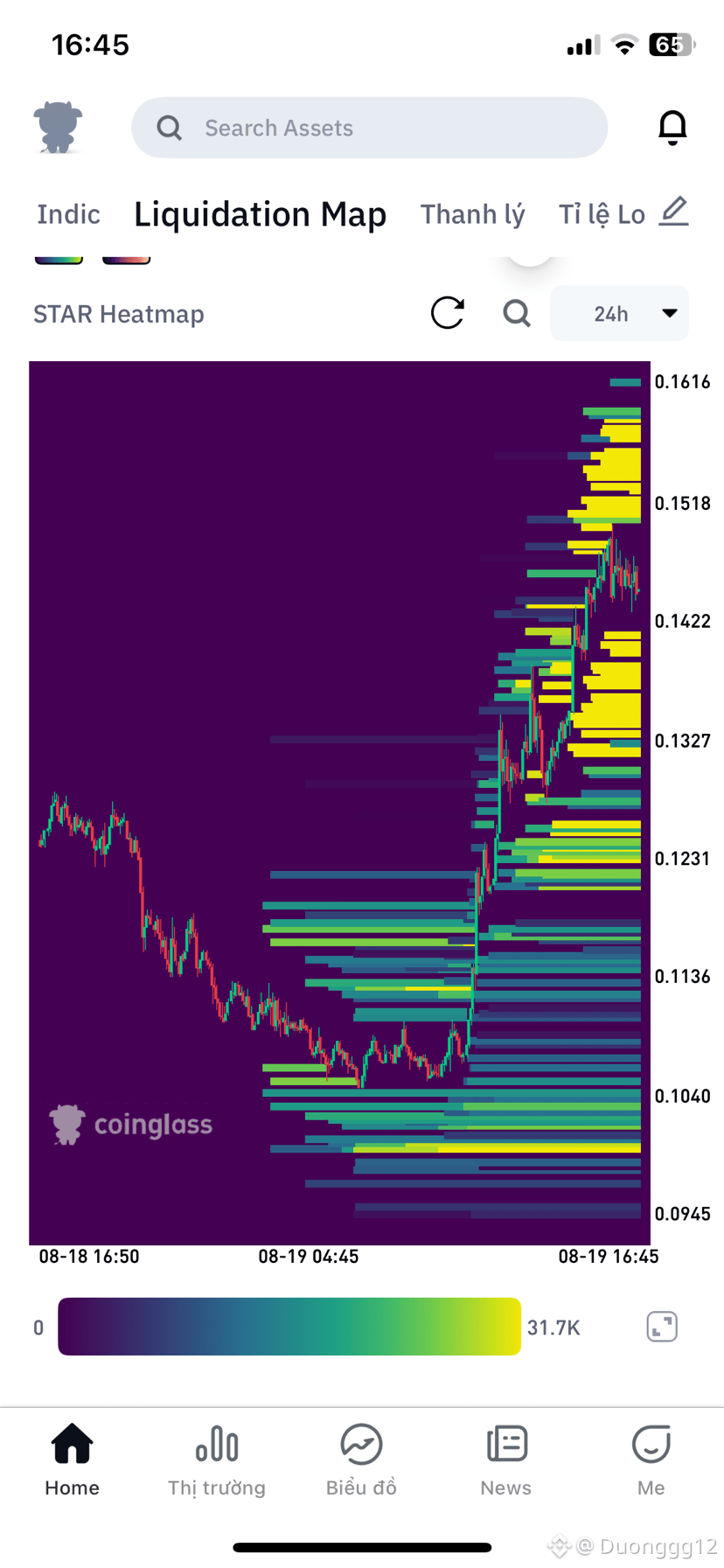
$STAR
Bias: Bullish, but extended.
STAR has moved aggressively from around 0.105 to 0.145. There is substantial liquidity above around 0.15–0.155 and support around 0.123–0.13.
My view: The trend is strong, but the risk/reward is worse after this run. 0.15–0.155 looks like the obvious liquidity target; a retracement toward 0.13 would be much more attractive.
{future}(STARUSDT)
$STAR
Bias: Bullish, but extended.
STAR has moved aggressively from around 0.105 to 0.145. There is substantial liquidity above around 0.15–0.155 and support around 0.123–0.13.
My view: The trend is strong, but the risk/reward is worse after this run. 0.15–0.155 looks like the obvious liquidity target; a retracement toward 0.13 would be much more attractive.
Bias: Bullish, but extended.
STAR has moved aggressively from around 0.105 to 0.145. There is substantial liquidity above around 0.15–0.155 and support around 0.123–0.13.
My view: The trend is strong, but the risk/reward is worse after this run. 0.15–0.155 looks like the obvious liquidity target; a retracement toward 0.13 would be much more attractive.
84
·
--
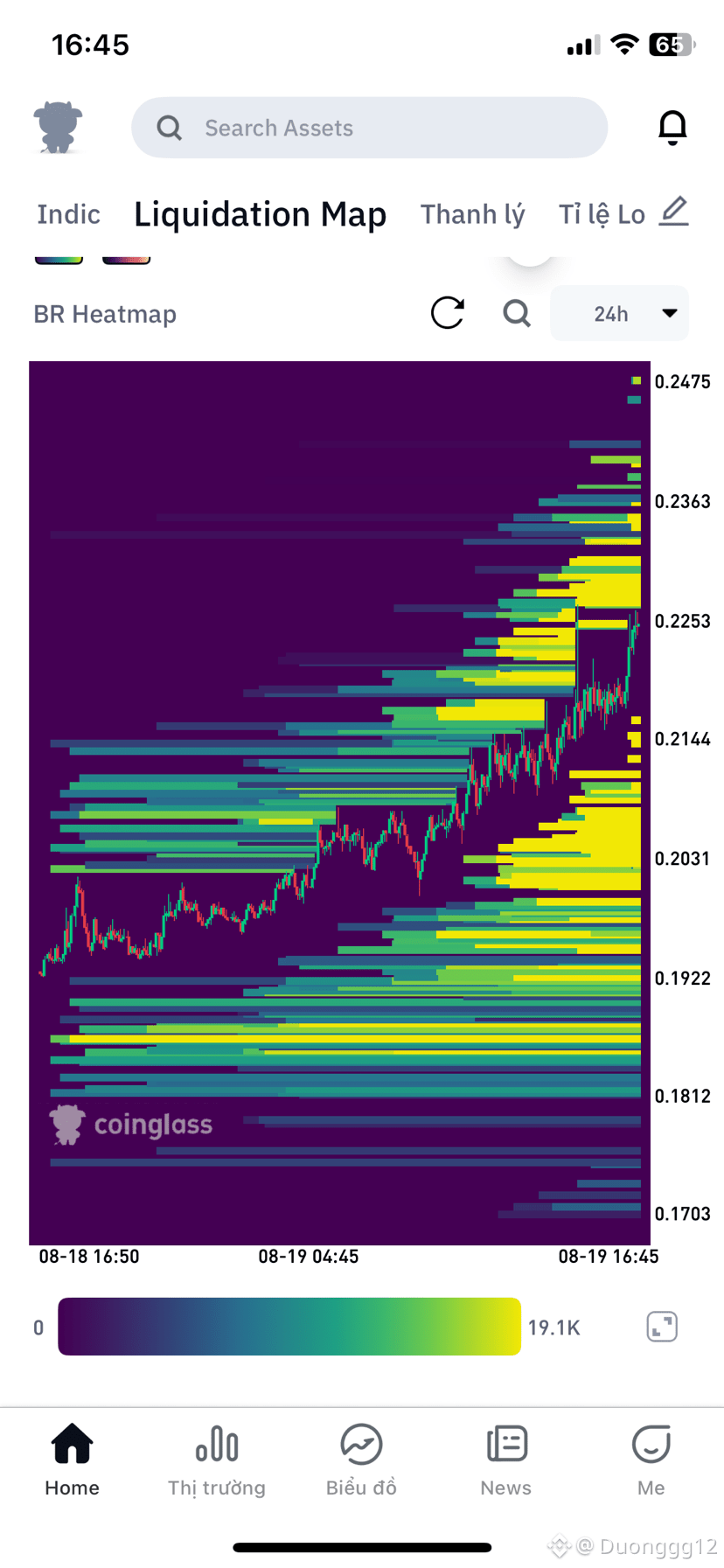
$BR
Bias: Bullish short-term.
The chart shows a clear upward trend, with price approaching 0.225. Heavy liquidity exists around 0.23–0.24, while 0.20–0.21 provides a large support/liquidity cluster.
My view: Momentum still favors upside, but 0.23–0.24 could produce a strong reaction. I would rather buy a pullback than chase the current move.
{future}(BRUSDT)
$BR
Bias: Bullish short-term.
The chart shows a clear upward trend, with price approaching 0.225. Heavy liquidity exists around 0.23–0.24, while 0.20–0.21 provides a large support/liquidity cluster.
My view: Momentum still favors upside, but 0.23–0.24 could produce a strong reaction. I would rather buy a pullback than chase the current move.
Bias: Bullish short-term.
The chart shows a clear upward trend, with price approaching 0.225. Heavy liquidity exists around 0.23–0.24, while 0.20–0.21 provides a large support/liquidity cluster.
My view: Momentum still favors upside, but 0.23–0.24 could produce a strong reaction. I would rather buy a pullback than chase the current move.
40
·
--
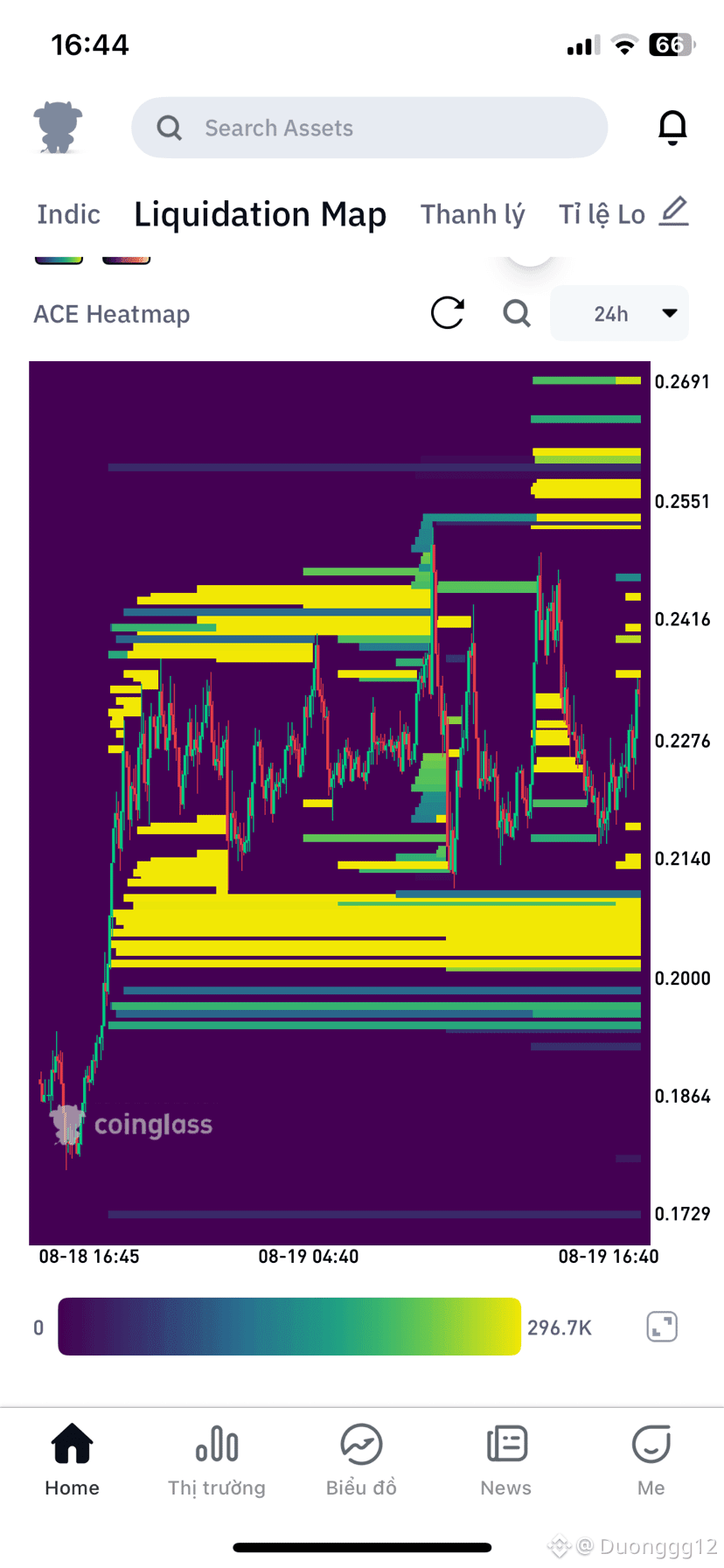
$ACE
Bias: Neutral.
Price is around 0.225–0.23. There is strong liquidity around 0.20–0.21, while the upper side has notable liquidity around 0.24–0.26.
My view: I prefer waiting for confirmation. 0.24–0.25 is the main upside magnet; 0.20–0.21 is the key downside liquidity zone.
{future}(ACEUSDT)
$ACE
Bias: Neutral.
Price is around 0.225–0.23. There is strong liquidity around 0.20–0.21, while the upper side has notable liquidity around 0.24–0.26.
My view: I prefer waiting for confirmation. 0.24–0.25 is the main upside magnet; 0.20–0.21 is the key downside liquidity zone.
Bias: Neutral.
Price is around 0.225–0.23. There is strong liquidity around 0.20–0.21, while the upper side has notable liquidity around 0.24–0.26.
My view: I prefer waiting for confirmation. 0.24–0.25 is the main upside magnet; 0.20–0.21 is the key downside liquidity zone.
101
Log in to explore more content
Join global crypto users on Binance Square
⚡️ Get latest and useful information about crypto.
💬 Trusted by the world’s largest crypto exchange.
👍 Discover real insights from verified creators.
Email / Phone number
Trending Topics
AppleDebutsFoldablePhone
8,518 views
211 Discussing
#appledebutsfoldablephone I Got My Hands on the iPhone Duo, Apple’s First Foldable Phone. Here’s What Stands Out
The palm-size phone is Apple's boldest handset in years, with a 5.4-inch cover screen and a 7.6-inch main display. I spent some time with the Duo before its October launch.It’s finally here: Apple on Wednesday unveiled its first foldable iPhone, called the iPhone Duo.
iPhone Duo design and build
The iPhone Duo is compact, with a passport-size design. It has a 7.6-inch display on the inside and a 5.4-inch outer display. It fits squarely in my palm, with dimensions similar to Samsung’s Galaxy Z Fold 8, which has a 7.6-inch inner display and a 5.5-inch cover display.
Apple says the Duo is the thinnest iPhone ever when open, measuring 5.2mm. It’s 11.3mm thick when closed. A titanium frame keeps it lightweight at 254 grams.
One of the key differences in feel between Apple’s and Samsung’s phones is that the iPhone Duo has a matte, nano-textured finish on the inner display, which reduces the phone’s crease while also curbing reflections. It has a satisfying feel and really makes the crease virtually disappear when the screen is on. I find it even harder to notice than the Z Fold 8’s, which also has an anti-reflective display.$ONG $IMX $TAC
Isabella-I
·4 Likes
·914 views
EUExtendsCentralContactPointToCASPs
0 views
1 Discussing
US10YTreasuryYieldHitsHighestSinceNov2023
12,536 views
243 Discussing