

ARIES BNB
1k Posts

ARIES BNB
Report
Block User
Frequent Trader
1 Years
301 Following
3.1K+ Followers
1.3K+ Liked
Posts
All
Quotes
Live
·
--
Bullish
🔥 Percentage change is eye-catching, but token mechanisms are often more understated.
VELVET’s official documentation describes VELVET as the ecosystem’s main token, with some of its functions enabled through veVELVET staking and governance.
This also means that, while you track price trends, the token structure is equally worth researching.
📚 Product
📚 Utility
📚 Tokenomics (token economics)
The strongest-looking chart doesn’t necessarily mean the strongest logic.
$VELVET
{future}(VELVETUSDT)
$APR
{future}(APRUSDT)
· $ACU
{future}(ACUUSDT)
🔥 Percentage change is eye-catching, but token mechanisms are often more understated.
VELVET’s official documentation describes VELVET as the ecosystem’s main token, with some of its functions enabled through veVELVET staking and governance.
This also means that, while you track price trends, the token structure is equally worth researching.
📚 Product
📚 Utility
📚 Tokenomics (token economics)
The strongest-looking chart doesn’t necessarily mean the strongest logic.
$VELVET
$APR
· $ACU
VELVET’s official documentation describes VELVET as the ecosystem’s main token, with some of its functions enabled through veVELVET staking and governance.
This also means that, while you track price trends, the token structure is equally worth researching.
📚 Product
📚 Utility
📚 Tokenomics (token economics)
The strongest-looking chart doesn’t necessarily mean the strongest logic.
$VELVET
$APR
· $ACU
2
255
·
--
Bullish
👀 Not every “Crypto” code represents the same thing.
On Binance Futures, QNTX is a pre-IPO perpetual contract related to Quantinuum—not a traditional crypto token. Later, Quantinuum officially listed on Nasdaq under the ticker symbol QNT.
This distinction is important.
📊 Same trading interface.
🧩 But the underlying asset exposure is completely different.
Always confirm what instrument you’re actually trading.
$QNTX
{future}(QNTXUSDT)
$BR
{future}(BRUSDT)
$VELVET
{future}(VELVETUSDT)
👀 Not every “Crypto” code represents the same thing.
On Binance Futures, QNTX is a pre-IPO perpetual contract related to Quantinuum—not a traditional crypto token. Later, Quantinuum officially listed on Nasdaq under the ticker symbol QNT.
This distinction is important.
📊 Same trading interface.
🧩 But the underlying asset exposure is completely different.
Always confirm what instrument you’re actually trading.
$QNTX
$BR
$VELVET
On Binance Futures, QNTX is a pre-IPO perpetual contract related to Quantinuum—not a traditional crypto token. Later, Quantinuum officially listed on Nasdaq under the ticker symbol QNT.
This distinction is important.
📊 Same trading interface.
🧩 But the underlying asset exposure is completely different.
Always confirm what instrument you’re actually trading.
$QNTX
$BR
$VELVET
257
·
--
Bullish
🚨 Percentage price-change will attract attention, but the story behind the token is even more worth looking at.
BR is related to the multi-asset yield/rehypothecation ecosystem of Bedrock.
APR is built within the MEV + liquid staking infrastructure constructed by aPriori on Monad.
And ACU supports Acurast’s decentralized compute economy.
Three completely different designs may still produce K-line charts that look similar.
📊 So before forming any opinion, I’ll separate the price action from the protocol mechanics.
$BR
{future}(BRUSDT)
$APR
{future}(APRUSDT)
$ACU
{future}(ACUUSDT)
🚨 Percentage price-change will attract attention, but the story behind the token is even more worth looking at.
BR is related to the multi-asset yield/rehypothecation ecosystem of Bedrock.
APR is built within the MEV + liquid staking infrastructure constructed by aPriori on Monad.
And ACU supports Acurast’s decentralized compute economy.
Three completely different designs may still produce K-line charts that look similar.
📊 So before forming any opinion, I’ll separate the price action from the protocol mechanics.
$BR
$APR
$ACU
BR is related to the multi-asset yield/rehypothecation ecosystem of Bedrock.
APR is built within the MEV + liquid staking infrastructure constructed by aPriori on Monad.
And ACU supports Acurast’s decentralized compute economy.
Three completely different designs may still produce K-line charts that look similar.
📊 So before forming any opinion, I’ll separate the price action from the protocol mechanics.
$BR
$APR
$ACU
1
269
·
--
📝 Research Notes
I've been thinking about a question:
Tokenomics is not just “how many tokens.”
More important are the relationships between them:
Supply → Allocation → Incentives → Utility → Demand
If any one link changes, the entire token economic structure could end up completely different.
This is the framework I’m using while researching $VELVET , $FHE , and $LUNA2 .
I’m not trying to predict who will win.
Just want to understand the structure first.
📝 Research Notes
I've been thinking about a question:
Tokenomics is not just “how many tokens.”
More important are the relationships between them:
Supply → Allocation → Incentives → Utility → Demand
If any one link changes, the entire token economic structure could end up completely different.
This is the framework I’m using while researching $VELVET , $FHE , and $LUNA2 .
I’m not trying to predict who will win.
Just want to understand the structure first.
I've been thinking about a question:
Tokenomics is not just “how many tokens.”
More important are the relationships between them:
Supply → Allocation → Incentives → Utility → Demand
If any one link changes, the entire token economic structure could end up completely different.
This is the framework I’m using while researching $VELVET , $FHE , and $LUNA2 .
I’m not trying to predict who will win.
Just want to understand the structure first.
1️⃣ 供应量
0%
2️⃣ 实用性
0%
3️⃣ 激励机制
0%
4️⃣ 代币分配
0%
0 votes • Voting closed
895
·
--
Bullish
I recently changed a habit:
I no longer ask:
“How high can this token go?”
Instead, I start asking:
“What needs to happen for demand to absorb all of this supply?”
That question forces me to focus on:
Supply.
Unlocking.
Incentive mechanisms.
Token distribution.
Real-world utility.
For example, with Velvet, the official staking/governance mechanism allows you to lock $VELVET as veVELVET, and the lock duration affects voting power.
This is the mechanism I want to understand before forming an opinion.
Right now, I’m researching $LSK , $FHE , and $LUNA2 .
Before you research a token, what question do you usually ask first? 👀
#MoneyGramExpandsCashCryptoServiceToSolana
{future}(LSKUSDT)
{future}(FHEUSDT)
{future}(LUNA2USDT)
I recently changed a habit:
I no longer ask:
“How high can this token go?”
Instead, I start asking:
“What needs to happen for demand to absorb all of this supply?”
That question forces me to focus on:
Supply.
Unlocking.
Incentive mechanisms.
Token distribution.
Real-world utility.
For example, with Velvet, the official staking/governance mechanism allows you to lock $VELVET as veVELVET, and the lock duration affects voting power.
This is the mechanism I want to understand before forming an opinion.
Right now, I’m researching $LSK , $FHE , and $LUNA2 .
Before you research a token, what question do you usually ask first? 👀
#MoneyGramExpandsCashCryptoServiceToSolana
I no longer ask:
“How high can this token go?”
Instead, I start asking:
“What needs to happen for demand to absorb all of this supply?”
That question forces me to focus on:
Supply.
Unlocking.
Incentive mechanisms.
Token distribution.
Real-world utility.
For example, with Velvet, the official staking/governance mechanism allows you to lock $VELVET as veVELVET, and the lock duration affects voting power.
This is the mechanism I want to understand before forming an opinion.
Right now, I’m researching $LSK , $FHE , and $LUNA2 .
Before you research a token, what question do you usually ask first? 👀
#MoneyGramExpandsCashCryptoServiceToSolana
1
1
321
·
--
Bullish
Product: “We’re growing.”
Tokenomics: “So how much new supply is entering the market?”
Both of these statements can be true at the same time.
So I’m going to look at protocol growth and token economics separately.
A successful product doesn’t mean token demand will automatically grow proportionally.
Right now, I’m studying $BTR / $CLO / $LSK .
{future}(BTRUSDT)
{future}(CLOUSDT)
{future}(LSKUSDT)
Product: “We’re growing.”
Tokenomics: “So how much new supply is entering the market?”
Both of these statements can be true at the same time.
So I’m going to look at protocol growth and token economics separately.
A successful product doesn’t mean token demand will automatically grow proportionally.
Right now, I’m studying $BTR / $CLO / $LSK .
Tokenomics: “So how much new supply is entering the market?”
Both of these statements can be true at the same time.
So I’m going to look at protocol growth and token economics separately.
A successful product doesn’t mean token demand will automatically grow proportionally.
Right now, I’m studying $BTR / $CLO / $LSK .
🟢 产品增长
67%
🔴 代币需求
0%
🟡 两者都需要
33%
3 votes • Voting closed
979
·
--
Bullish
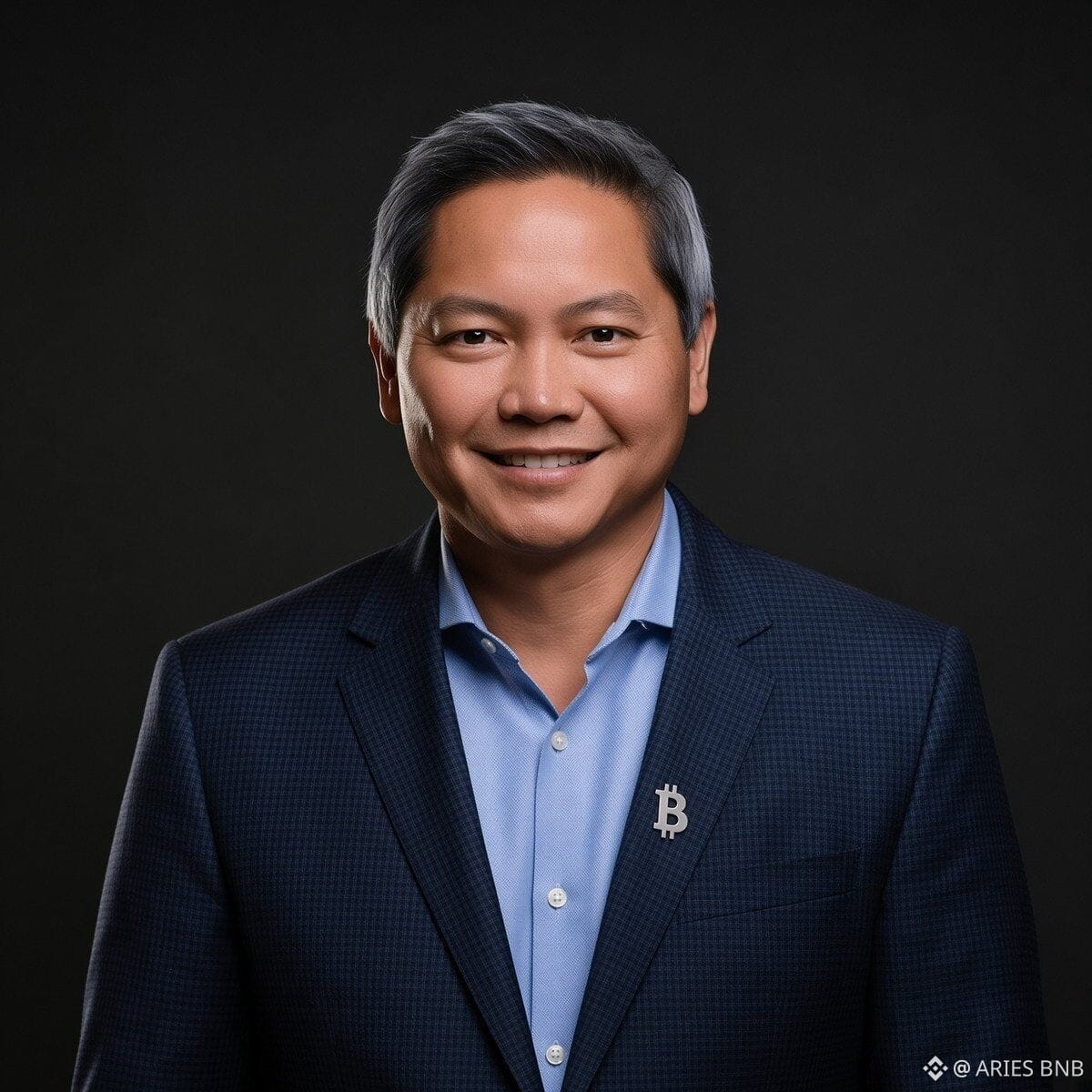
🔥 Latest Updates: Strategy may resume buying Bitcoin this year.
CEO Phong Le said that even though it has recently paused additional purchases, the company will continue to adhere to its Bitcoin strategy.
Strategy also emphasized that it will maintain a more ample cash reserve to ensure liquidity.👀
#BTC #strategy
$BTR
{future}(BTRUSDT)
$VELVET
{future}(VELVETUSDT)
$PLAG.US
{stock_us}(PLAG.US)
🔥 Latest Updates: Strategy may resume buying Bitcoin this year.
CEO Phong Le said that even though it has recently paused additional purchases, the company will continue to adhere to its Bitcoin strategy.
Strategy also emphasized that it will maintain a more ample cash reserve to ensure liquidity.👀
#BTC #strategy
$BTR
$VELVET
$PLAG.US
CEO Phong Le said that even though it has recently paused additional purchases, the company will continue to adhere to its Bitcoin strategy.
Strategy also emphasized that it will maintain a more ample cash reserve to ensure liquidity.👀
#BTC #strategy
$BTR
$VELVET
$PLAG.US
445
·
--
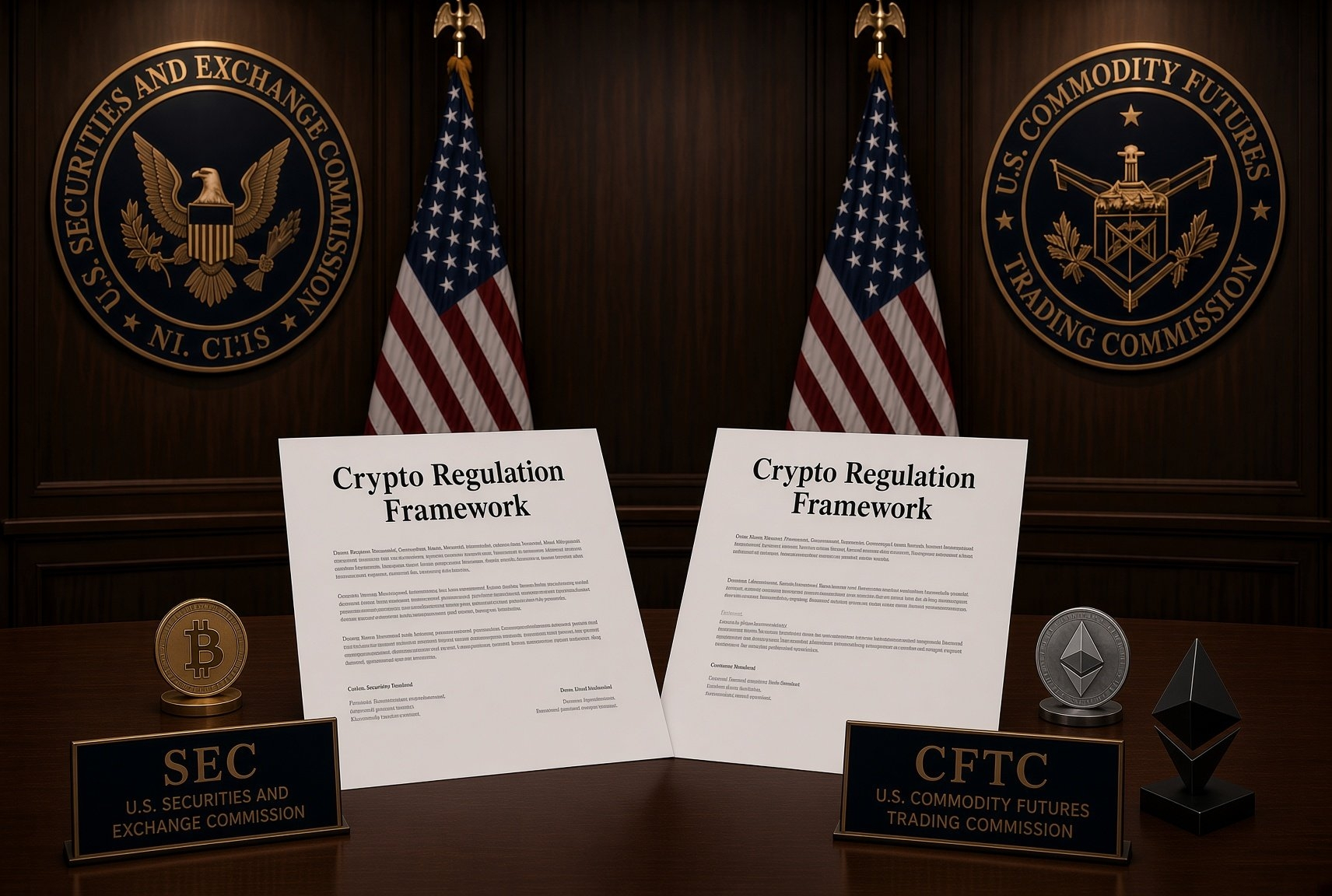
🇺🇸 SEC and CFTC may advance crypto regulatory rules
If the CLARITY Act stalls, the two agencies could continue pushing for crypto regulatory rules via Project Crypto, rather than waiting indefinitely for Congress to take action. 👀
The regulatory pathway may change, but efforts to establish clearer crypto rules are still ongoing.
#crypto #bitcoin #CLARITYAct
$BTR
{future}(BTRUSDT)
$VELVET
{future}(VELVETUSDT)
$PLAG.US
{stock_us}(PLAG.US)
🇺🇸 SEC and CFTC may advance crypto regulatory rules
If the CLARITY Act stalls, the two agencies could continue pushing for crypto regulatory rules via Project Crypto, rather than waiting indefinitely for Congress to take action. 👀
The regulatory pathway may change, but efforts to establish clearer crypto rules are still ongoing.
#crypto #bitcoin #CLARITYAct
$BTR
$VELVET
$PLAG.US
If the CLARITY Act stalls, the two agencies could continue pushing for crypto regulatory rules via Project Crypto, rather than waiting indefinitely for Congress to take action. 👀
The regulatory pathway may change, but efforts to establish clearer crypto rules are still ongoing.
#crypto #bitcoin #CLARITYAct
$BTR
$VELVET
$PLAG.US
474
·
--
Bearish
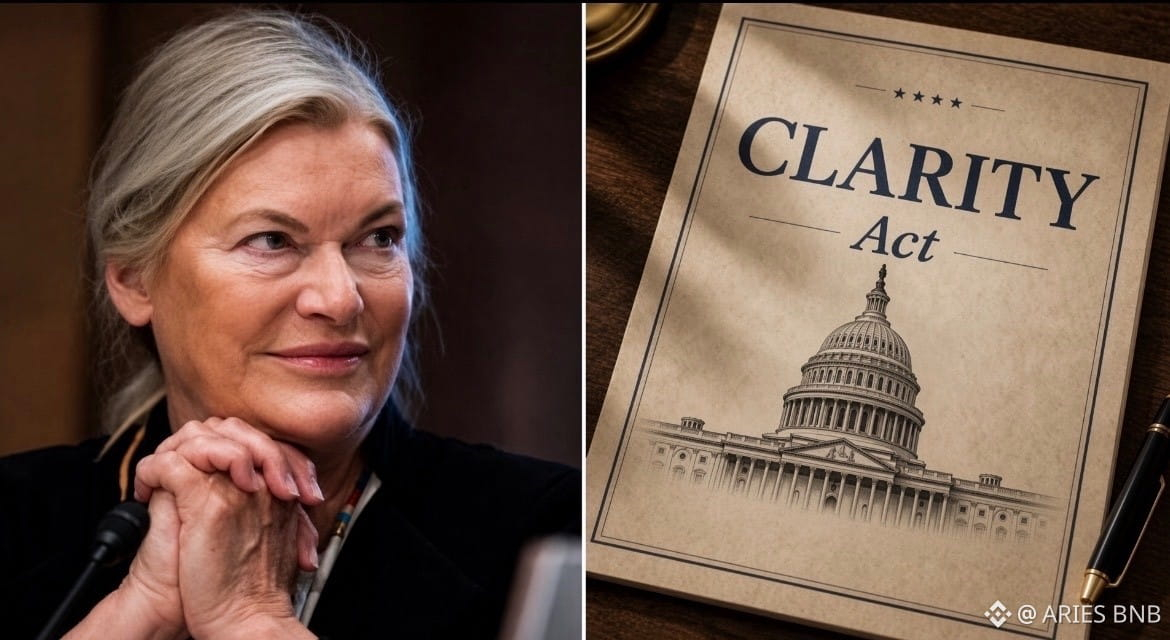
⚡️ Latest update: 🇺🇸 U.S. Senator Cynthia Lummis said that stablecoins have not caused deposit outflows from community banks, and she continues to push the CLARITY Act.
She also said, “Blocking the CLARITY Act can’t help community banks.” 👀
The impact of stablecoins on bank deposits remains an important point of contention between traditional banks and the crypto industry.
#CLARITYAct #RobinhoodToOfferCryptoTradingInUK
$DODO
{spot}(DODOUSDT)
$TUT
{future}(TUTUSDT)
$EPIC
{future}(EPICUSDT)
⚡️ Latest update: 🇺🇸 U.S. Senator Cynthia Lummis said that stablecoins have not caused deposit outflows from community banks, and she continues to push the CLARITY Act.
She also said, “Blocking the CLARITY Act can’t help community banks.” 👀
The impact of stablecoins on bank deposits remains an important point of contention between traditional banks and the crypto industry.
#CLARITYAct #RobinhoodToOfferCryptoTradingInUK
$DODO
$TUT
$EPIC
She also said, “Blocking the CLARITY Act can’t help community banks.” 👀
The impact of stablecoins on bank deposits remains an important point of contention between traditional banks and the crypto industry.
#CLARITYAct #RobinhoodToOfferCryptoTradingInUK
$DODO
$TUT
$EPIC
294
·
--
Bullish
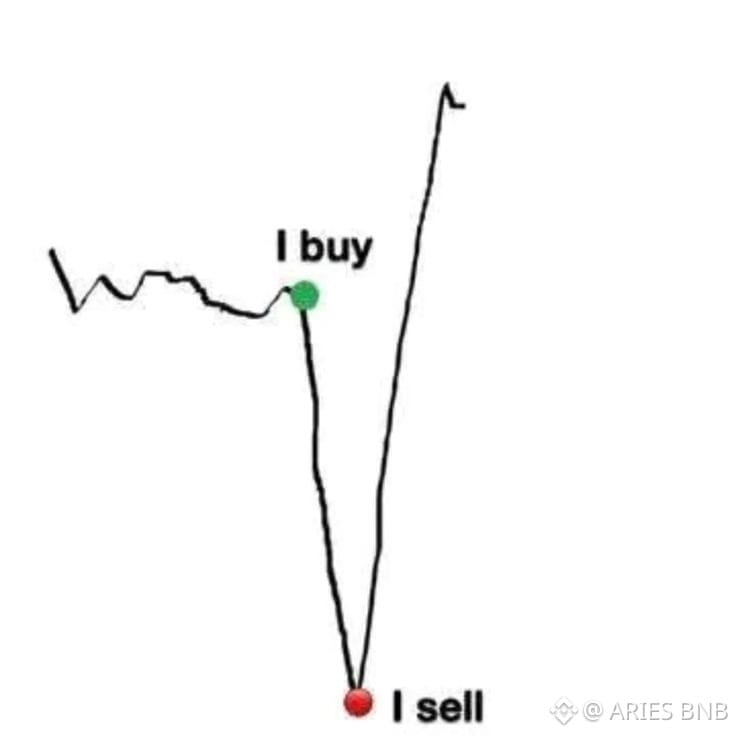
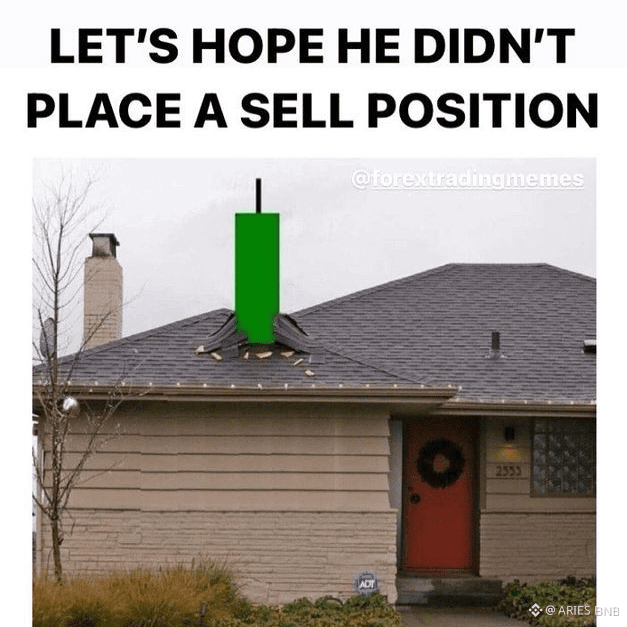
😂 Hope he didn’t go short on an empty order… This K-line just tore the roof off! 🚀📈
The moment traders fear the most: they just opened a short position, but the market suddenly takes off. 💀
#RobinhoodToOfferCryptoTradingInUK
$BLUAI
{future}(BLUAIUSDT)
$GUA
{future}(GUAUSDT)
$GWEI
{future}(GWEIUSDT)
😂 Hope he didn’t go short on an empty order… This K-line just tore the roof off! 🚀📈
The moment traders fear the most: they just opened a short position, but the market suddenly takes off. 💀
#RobinhoodToOfferCryptoTradingInUK
$BLUAI
$GUA
$GWEI
The moment traders fear the most: they just opened a short position, but the market suddenly takes off. 💀
#RobinhoodToOfferCryptoTradingInUK
$BLUAI
$GUA
$GWEI
289
·
--
Bullish
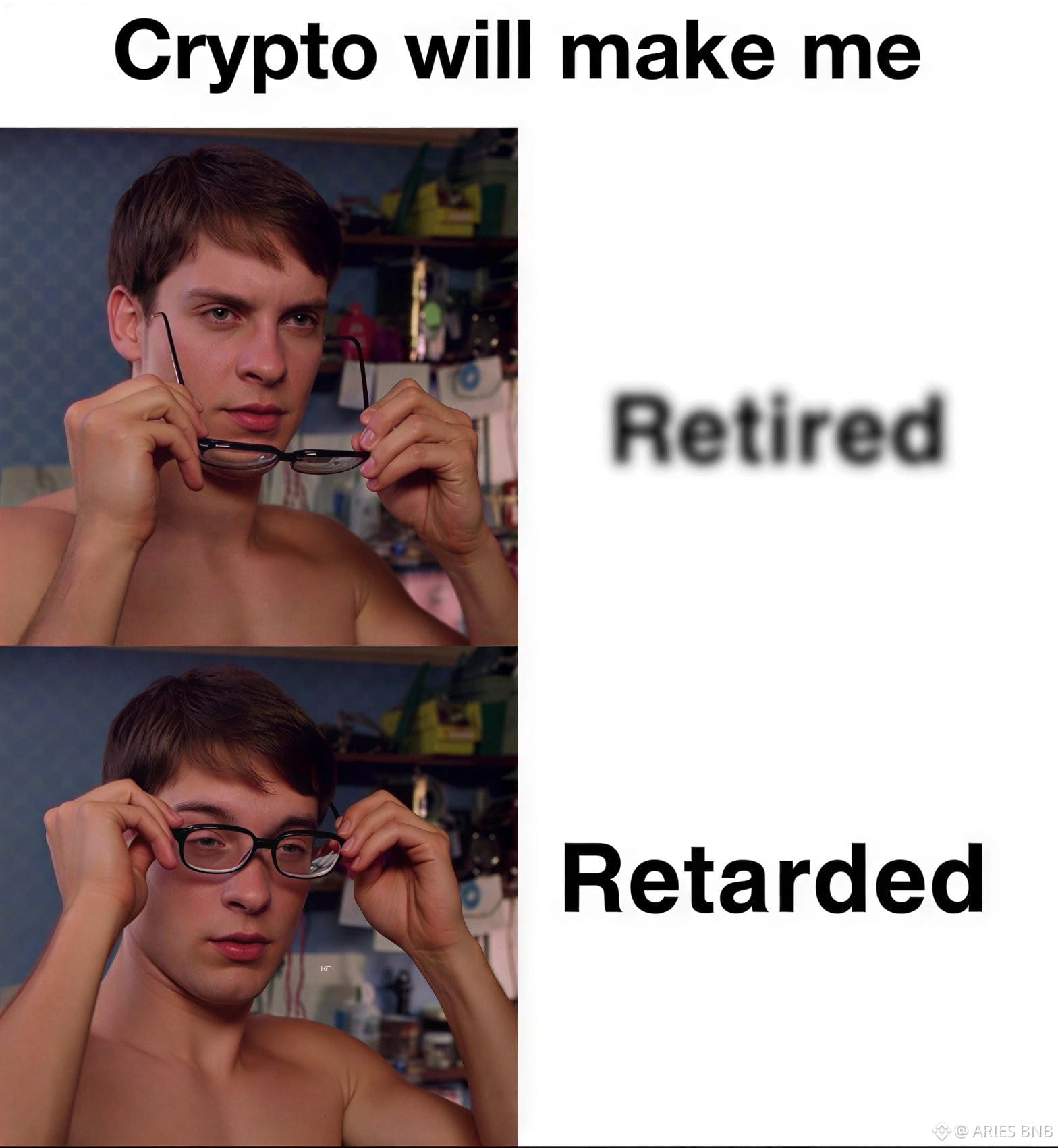
Too real! 😜
$TUT
{future}(TUTUSDT)
$IOTX
{future}(IOTXUSDT)
$ACE
{future}(ACEUSDT)
Too real! 😜
$TUT
$IOTX
$ACE
$TUT
$IOTX
$ACE
251
·
--
Bullish
⚡ $ESPORTS is presenting a technical structure worth paying attention to.
{future}(ESPORTSUSDT)
The price is currently consolidating and ranging around $0.018, while the Stoch RSI is nearing the oversold zone. 👀
Will it become the next $TUT , or will it be another false breakout?
#altcoins
#BIP110SoftForkAttemptBegins
$TUT
{future}(TUTUSDT)
{future}(BMTUSDT)
⚡ $ESPORTS is presenting a technical structure worth paying attention to.
The price is currently consolidating and ranging around $0.018, while the Stoch RSI is nearing the oversold zone. 👀
Will it become the next $TUT , or will it be another false breakout?
#altcoins
#BIP110SoftForkAttemptBegins
$TUT
The price is currently consolidating and ranging around $0.018, while the Stoch RSI is nearing the oversold zone. 👀
Will it become the next $TUT , or will it be another false breakout?
#altcoins
#BIP110SoftForkAttemptBegins
$TUT
🔥 可能迎来突破
59%
🤔 可能是假突破
41%
29 votes • Voting closed
1
1.7k
·
--
Bullish
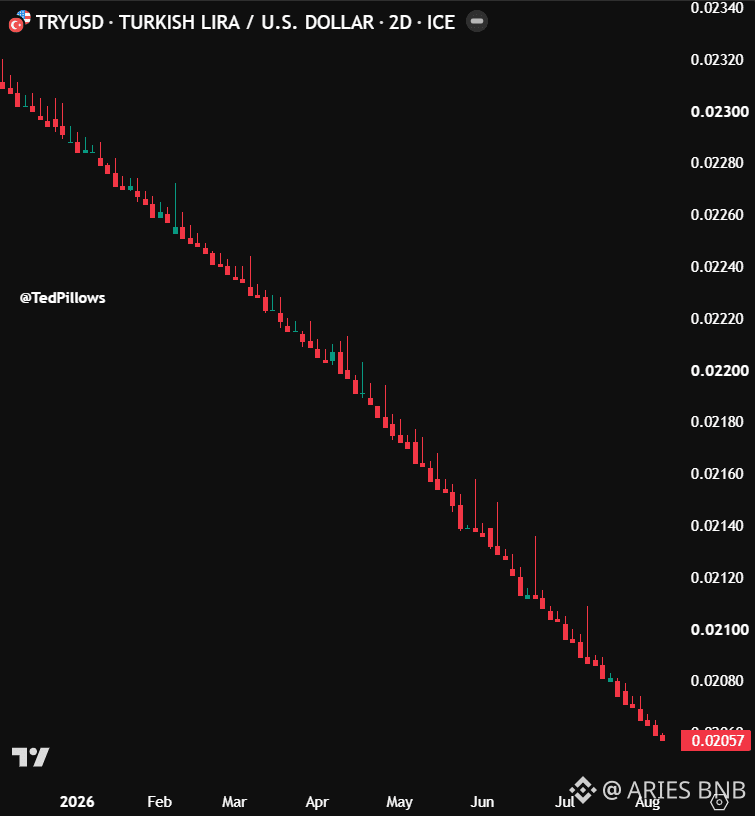
🇹🇷 Turkey has been selling gold reserves to cope with the persistent pressure on the lira.
According to data from the World Gold Council, as of May 2026, the Turkish central bank has sold 81 tons of gold year-to-date.📉🪙
At the same time, the Turkish lira against the US dollar continues to weaken.
#BIP110SoftForkAttemptBegins
$TUT
{future}(TUTUSDT)
$IOTX
{future}(IOTXUSDT)
$ACE
{future}(ACEUSDT)
🇹🇷 Turkey has been selling gold reserves to cope with the persistent pressure on the lira.
According to data from the World Gold Council, as of May 2026, the Turkish central bank has sold 81 tons of gold year-to-date.📉🪙
At the same time, the Turkish lira against the US dollar continues to weaken.
#BIP110SoftForkAttemptBegins
$TUT
$IOTX
$ACE
According to data from the World Gold Council, as of May 2026, the Turkish central bank has sold 81 tons of gold year-to-date.📉🪙
At the same time, the Turkish lira against the US dollar continues to weaken.
#BIP110SoftForkAttemptBegins
$TUT
$IOTX
$ACE
1
495
·
--
Bullish
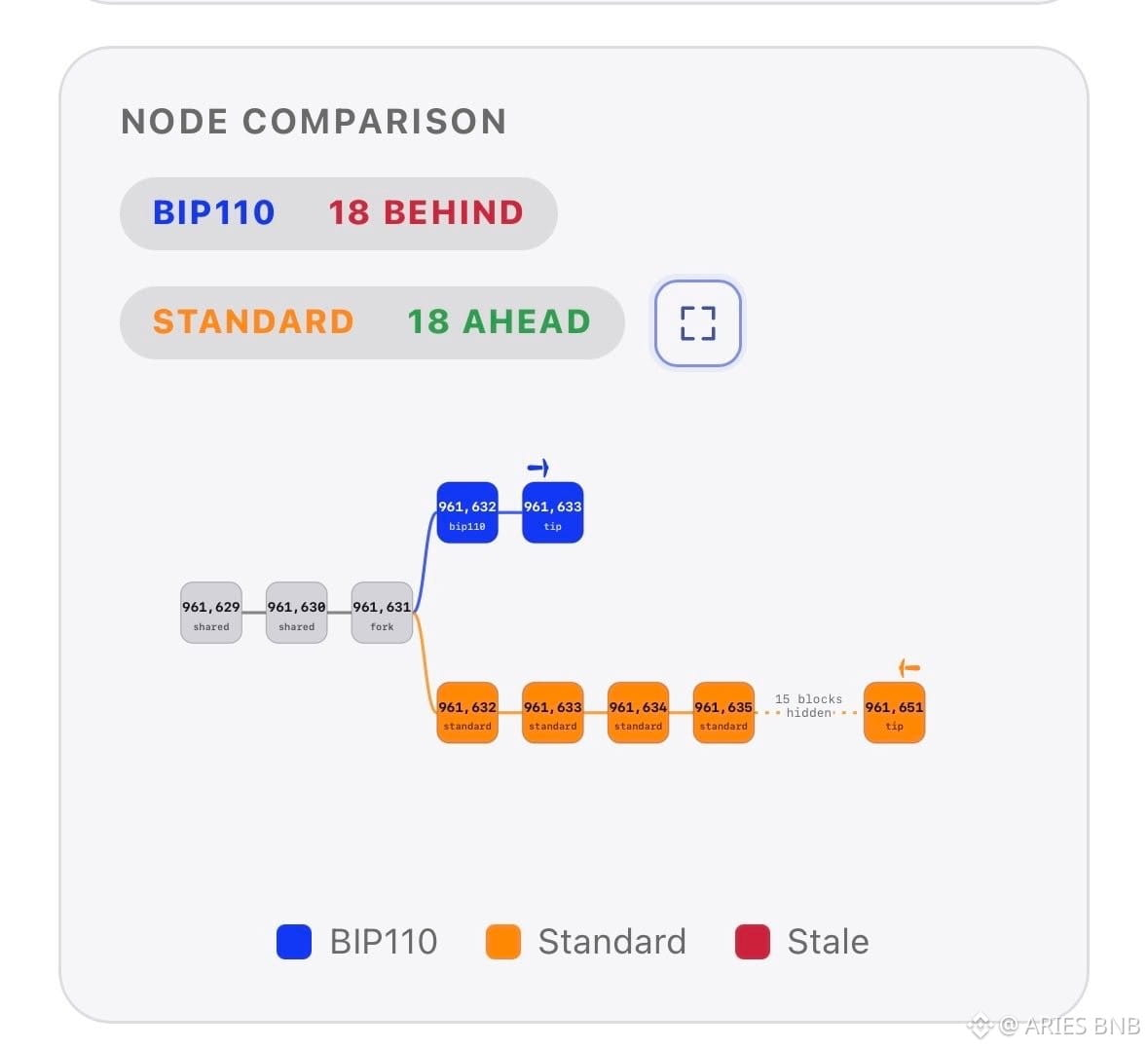
🚨 $BTC Latest Updates: BIP-110—The minority chain is currently lagging behind the Bitcoin main chain.
{future}(BTCUSDT)
Due to extremely limited miner support, the block production speed is unable to keep up with the main chain.⛏️📉
This chain fork once again highlights the importance of hashrate and miner support for Bitcoin consensus.
#BIP110 #BIP110SoftForkAttemptBegins
$TUT
{future}(TUTUSDT)
$BMT
{future}(BMTUSDT)
🚨 $BTC Latest Updates: BIP-110—The minority chain is currently lagging behind the Bitcoin main chain.
Due to extremely limited miner support, the block production speed is unable to keep up with the main chain.⛏️📉
This chain fork once again highlights the importance of hashrate and miner support for Bitcoin consensus.
#BIP110 #BIP110SoftForkAttemptBegins
$TUT
$BMT
Due to extremely limited miner support, the block production speed is unable to keep up with the main chain.⛏️📉
This chain fork once again highlights the importance of hashrate and miner support for Bitcoin consensus.
#BIP110 #BIP110SoftForkAttemptBegins
$TUT
$BMT
292
·
--
Bullish
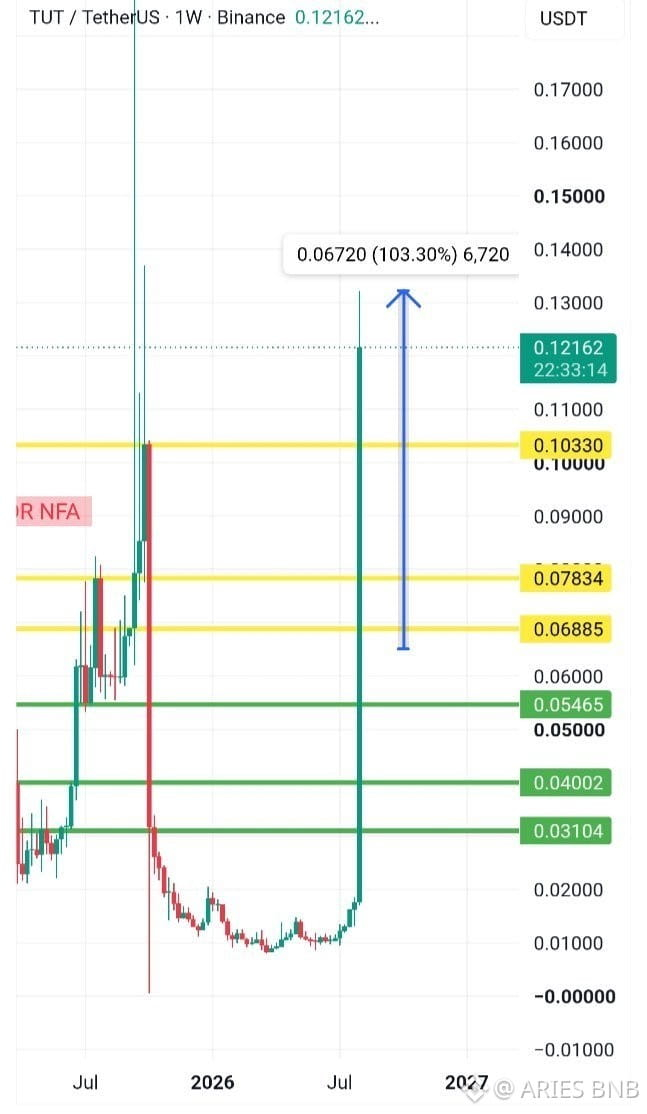
🔷️ $TUT Just broke through the resistance level I’ve been watching for a while. 📈
{future}(TUTUSDT)
Right now the increase is about +103%, but the key is whether this breakout can hold and turn the old resistance into support.
I don’t currently hold any position—just observing this price action structure. 👀
Is this a valid breakout, or will a fake breakout happen soon?
#TUT $IOTX
{future}(IOTXUSDT)
🔷️ $TUT Just broke through the resistance level I’ve been watching for a while. 📈
Right now the increase is about +103%, but the key is whether this breakout can hold and turn the old resistance into support.
I don’t currently hold any position—just observing this price action structure. 👀
Is this a valid breakout, or will a fake breakout happen soon?
#TUT $IOTX
Right now the increase is about +103%, but the key is whether this breakout can hold and turn the old resistance into support.
I don’t currently hold any position—just observing this price action structure. 👀
Is this a valid breakout, or will a fake breakout happen soon?
#TUT $IOTX
1
315
·
--
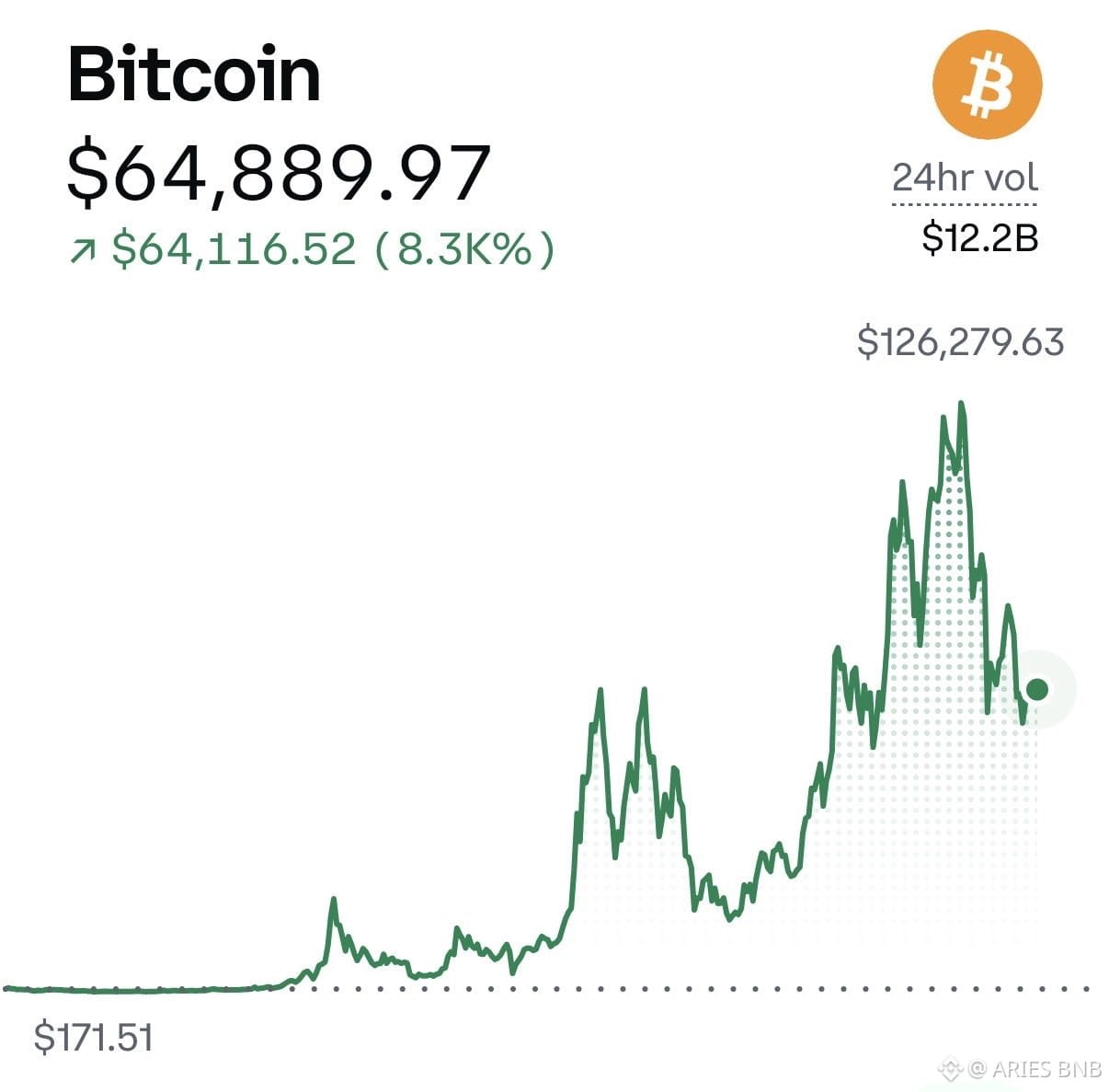
🚀 Bitcoin is showing a potentially noteworthy trend worth watching.
BTC is currently back around $65,000, but before judging a major surge, it still needs to break through a key resistance level.👀📈
Could the next breakout be closer than you think?
#BIP110SoftForkAttemptBegins #crypto
$TUT
{future}(TUTUSDT)
$BTC
{future}(BTCUSDT)
$IOTX
{future}(IOTXUSDT)
🚀 Bitcoin is showing a potentially noteworthy trend worth watching.
BTC is currently back around $65,000, but before judging a major surge, it still needs to break through a key resistance level.👀📈
Could the next breakout be closer than you think?
#BIP110SoftForkAttemptBegins #crypto
$TUT
$BTC
$IOTX
BTC is currently back around $65,000, but before judging a major surge, it still needs to break through a key resistance level.👀📈
Could the next breakout be closer than you think?
#BIP110SoftForkAttemptBegins #crypto
$TUT
$BTC
$IOTX
1
376
·
--
Bullish
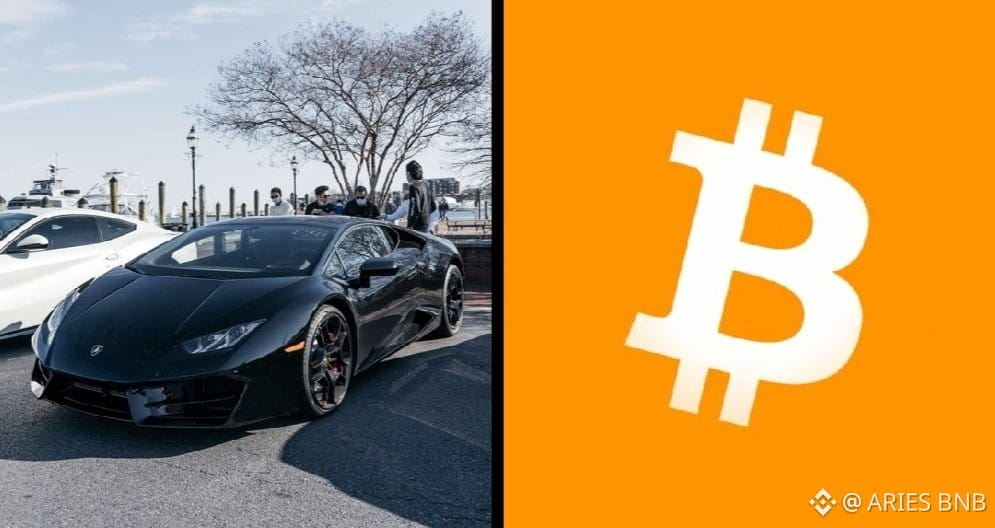
🚨 Bitcoin meets “When should I buy a Lamborghini?”🟠
🇺🇸 Some Lamborghini dealers in the United States have started accepting cryptocurrency payments, including paying with BTC via BitPay.
From “When should I buy a Lamborghini?” to actually using Bitcoin to buy a Lamborghini.👀🔥
If you could, would you buy a Lamborghini with $BTC ?
#crypto
{future}(BTCUSDT)
$TUT
{future}(TUTUSDT)
$1000CAT
{future}(1000CATUSDT)
🚨 Bitcoin meets “When should I buy a Lamborghini?”🟠
🇺🇸 Some Lamborghini dealers in the United States have started accepting cryptocurrency payments, including paying with BTC via BitPay.
From “When should I buy a Lamborghini?” to actually using Bitcoin to buy a Lamborghini.👀🔥
If you could, would you buy a Lamborghini with $BTC ?
#crypto
$TUT
$1000CAT
🇺🇸 Some Lamborghini dealers in the United States have started accepting cryptocurrency payments, including paying with BTC via BitPay.
From “When should I buy a Lamborghini?” to actually using Bitcoin to buy a Lamborghini.👀🔥
If you could, would you buy a Lamborghini with $BTC ?
#crypto
$TUT
$1000CAT
1
443
·
--
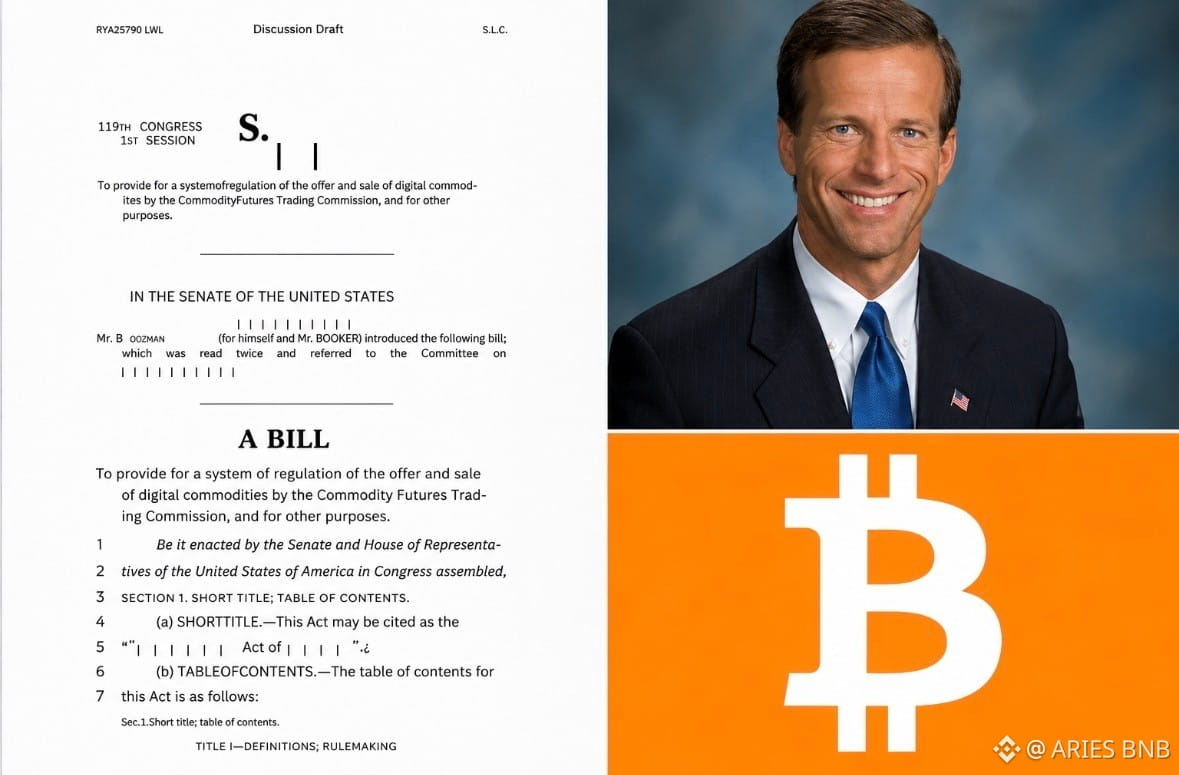
🇺🇸 The CLARITY Act is not over yet.
John Thune, the Senate Majority Leader, has already set the procedural process in motion to advance the bill.
The Senate is expected to hold a vote after the August recess ends, with September possibly becoming the next key window. 👀
The bill is still in progress, and the final outcome has not yet been determined.
#crypto #CLARITYAct #IraqOilExportsFall75%
$TUT
{future}(TUTUSDT)
$MMT
{future}(MMTUSDT)
$SYN
{future}(SYNUSDT)
🇺🇸 The CLARITY Act is not over yet.
John Thune, the Senate Majority Leader, has already set the procedural process in motion to advance the bill.
The Senate is expected to hold a vote after the August recess ends, with September possibly becoming the next key window. 👀
The bill is still in progress, and the final outcome has not yet been determined.
#crypto #CLARITYAct #IraqOilExportsFall75%
$TUT
$MMT
$SYN
John Thune, the Senate Majority Leader, has already set the procedural process in motion to advance the bill.
The Senate is expected to hold a vote after the August recess ends, with September possibly becoming the next key window. 👀
The bill is still in progress, and the final outcome has not yet been determined.
#crypto #CLARITYAct #IraqOilExportsFall75%
$TUT
$MMT
$SYN
1
254
·
--
Bullish
Verified
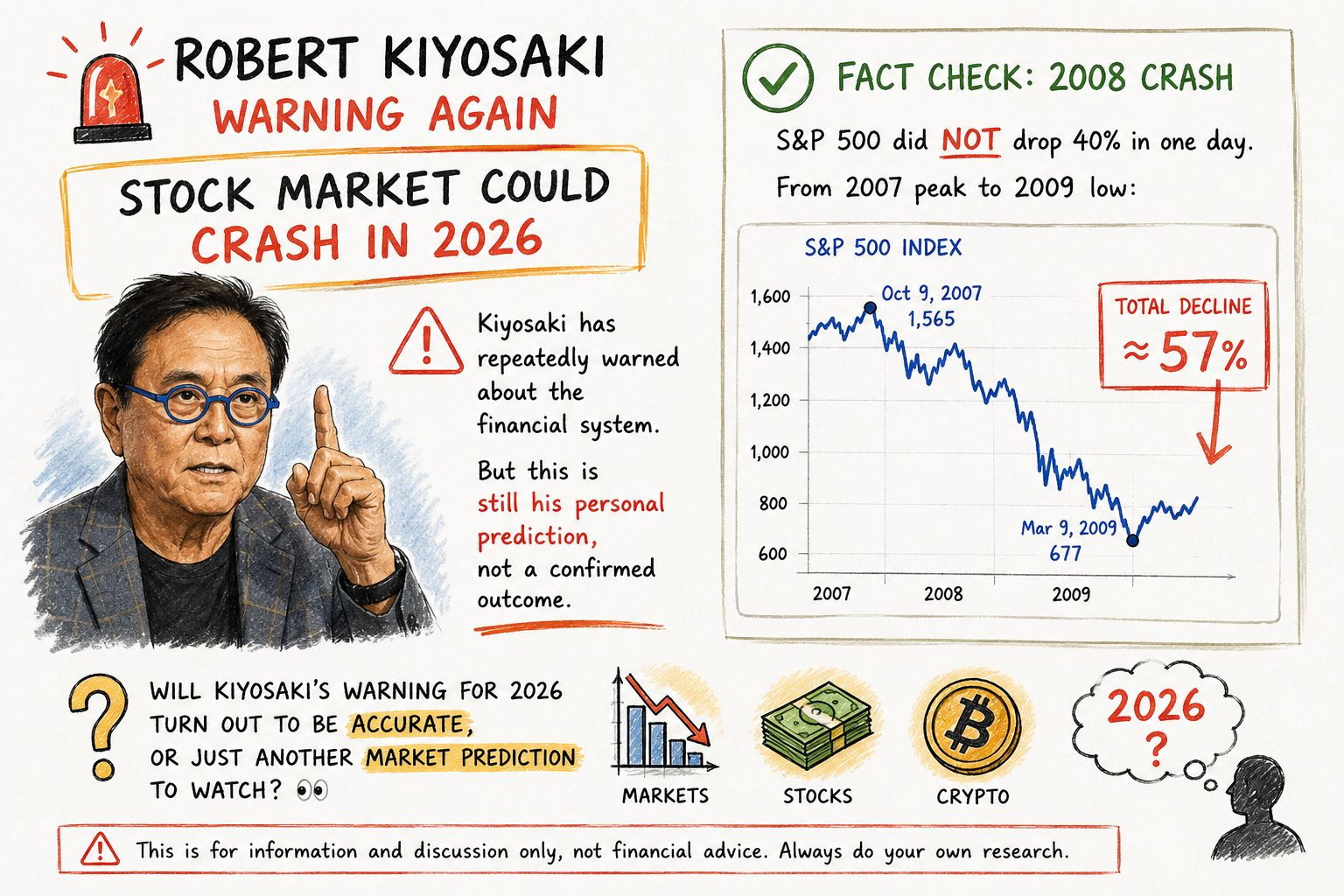
🚨 Robert Kiyosaki issues another warning: the stock market in 2026 may see a sharp downturn.
In the past, he has issued similar warnings to the financial system multiple times, but at this point it is still only his personal prediction—an unverified result.
An important fact check: the S&P 500 did not drop 40% in a single day in 2008. From the 2007 peak to the 2009 low, the S&P 500’s cumulative decline was about 57%.
Will Kiyosaki’s warning for 2026 ultimately prove accurate, or will it turn into yet another market prediction worth watching?👀
#markets #crypto
#FedSplitOnRateHikesDeepens
$ELON
{alpha}(560xe07ae3a6f1bd86b92b563084e286757eb34878d7)
$MMT
{future}(MMTUSDT)
$TUT
{future}(TUTUSDT)
🚨 Robert Kiyosaki issues another warning: the stock market in 2026 may see a sharp downturn.
In the past, he has issued similar warnings to the financial system multiple times, but at this point it is still only his personal prediction—an unverified result.
An important fact check: the S&P 500 did not drop 40% in a single day in 2008. From the 2007 peak to the 2009 low, the S&P 500’s cumulative decline was about 57%.
Will Kiyosaki’s warning for 2026 ultimately prove accurate, or will it turn into yet another market prediction worth watching?👀
#markets #crypto
#FedSplitOnRateHikesDeepens
$ELON
$MMT
$TUT
In the past, he has issued similar warnings to the financial system multiple times, but at this point it is still only his personal prediction—an unverified result.
An important fact check: the S&P 500 did not drop 40% in a single day in 2008. From the 2007 peak to the 2009 low, the S&P 500’s cumulative decline was about 57%.
Will Kiyosaki’s warning for 2026 ultimately prove accurate, or will it turn into yet another market prediction worth watching?👀
#markets #crypto
#FedSplitOnRateHikesDeepens
$ELON
$MMT
$TUT
1
399
·
--
Bullish
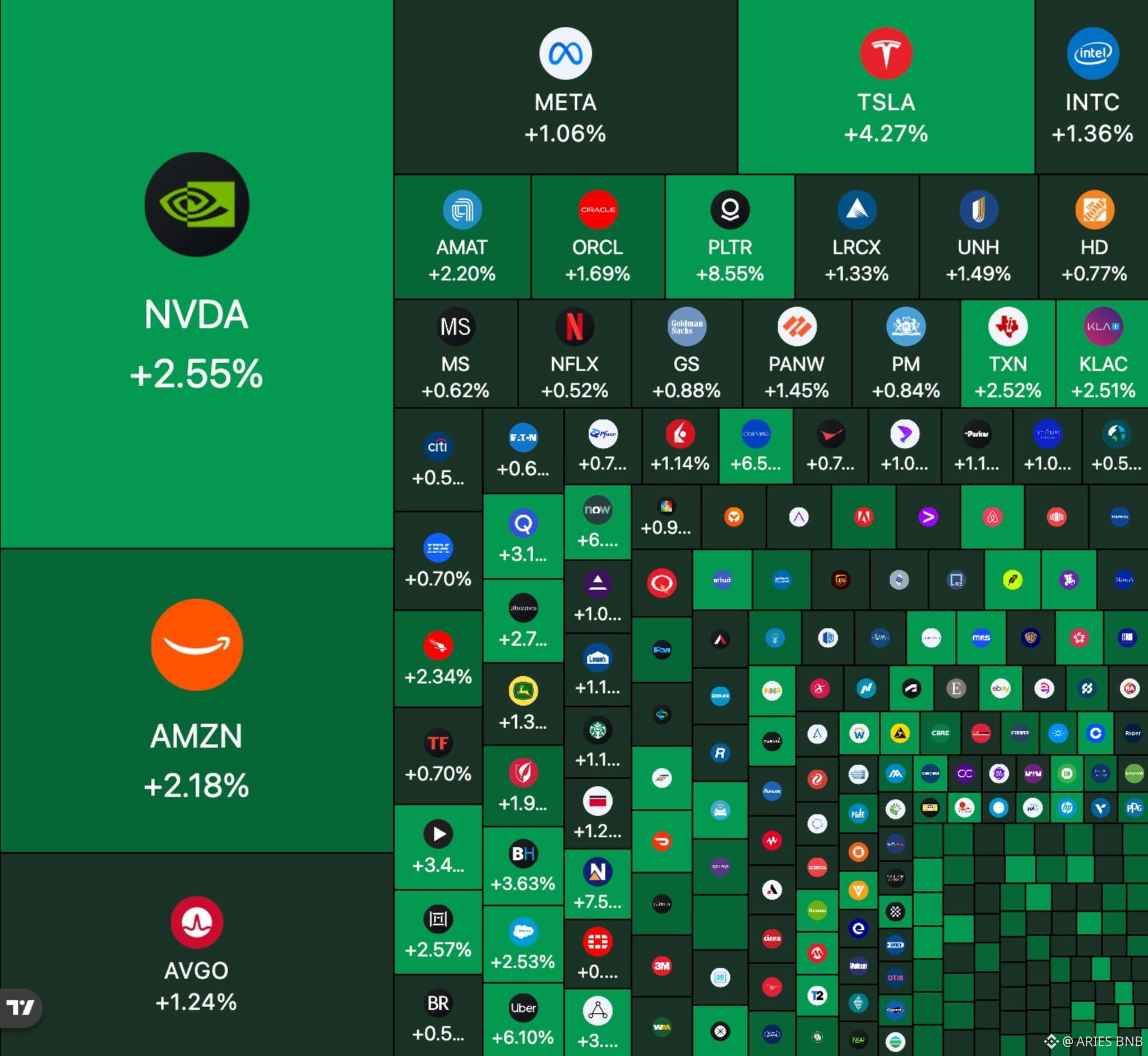
$550 billion added to the US stock market today as weak employment data reduced the likelihood that the Federal Reserve (Fed) would raise interest rates.
$NVDAB $AMZN.US $MB.US
{stock_us}(MB.US)
{stock_us}(AMZN.US)
$550 billion added to the US stock market today as weak employment data reduced the likelihood that the Federal Reserve (Fed) would raise interest rates.
$NVDAB $AMZN.US $MB.US
$NVDAB $AMZN.US $MB.US
1
146
Log in to explore more content
Join global crypto users on Binance Square
⚡️ Get latest and useful information about crypto.
💬 Trusted by the world’s largest crypto exchange.
👍 Discover real insights from verified creators.
Email / Phone number
Trending Topics
CircleMints500MUSDCOnSolana
92,570 views
2,039 Discussing
#circlemints500musdconsolana
🚨 $500M USDC MINTED ON SOLANA! 💵🔥
Circle Treasury just minted 500M USDC on Solana, pushing total global supply to $75.2B! 📈✨
💡 Quick Reality Check:
🔹 Minting = Fresh Inventory Creation (Not instant buying power!🛒
🔹 Real Trigger = Capital Deployment into DeFi, Exchanges & Pools! 🌐🚀
🎯 Coins to Watch:
⚡ $SOL — Network activity is booming, and fresh liquidity continues to drive ecosystem growth!
💎 $RARE — A high-volatility altcoin that reacts fast to fresh market liquidity and sentiment!🪐
💥 Are you accumulating now or waiting for full capital deployment? Drop your thoughts below! 👇✨
#CircleMints500MUSDCOnSolana
#PolymarketBankFailureBetsDrawFDICConcern
#BlackRockBuildsTokenizedPortfoliosForOndo
#BitwiseFilesToListNEARETFOnNYSEArca
Hifza Rubab
·4 Likes
·4.5k views
PolymarketBankFailureBetsDrawFDICConcern
94,046 views
1,819 Discussing
BlackRockBuildsTokenizedPortfoliosForOndo
87,032 views
1,293 Discussing