

yyy
623 Posts

yyy
收手吧,阿祖。
Shitposts. Head of E-beggers. Chief Fud Officer.
BP-471CF4989575
X 账号:@y_cryptoanalyst
9 Following
675 Followers
23.6K+ Liked
Posts
All
Quotes
PINNED
Partly True
yyy
·
--
BullishShare a conspiracy theory:
The Pons official has significantly lowered the burn rate of $PONS , which may be related to the Robinhood HOOD Summit meeting scheduled for 5 days from now.
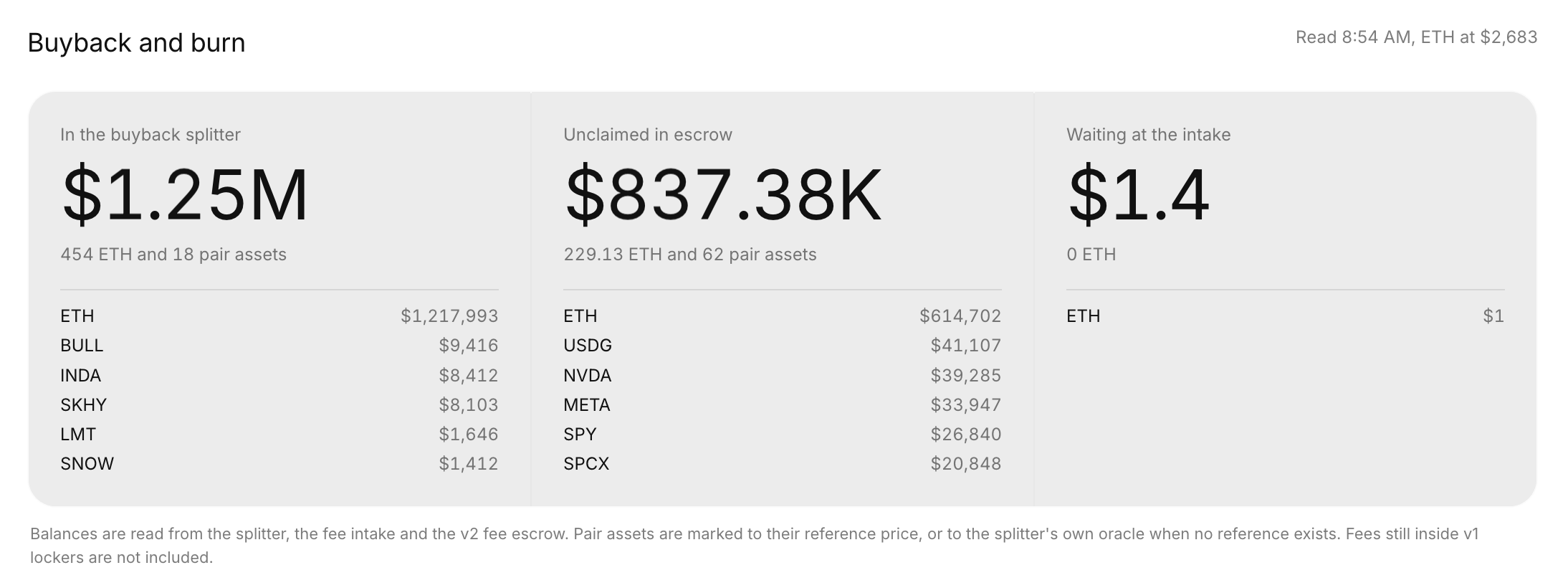
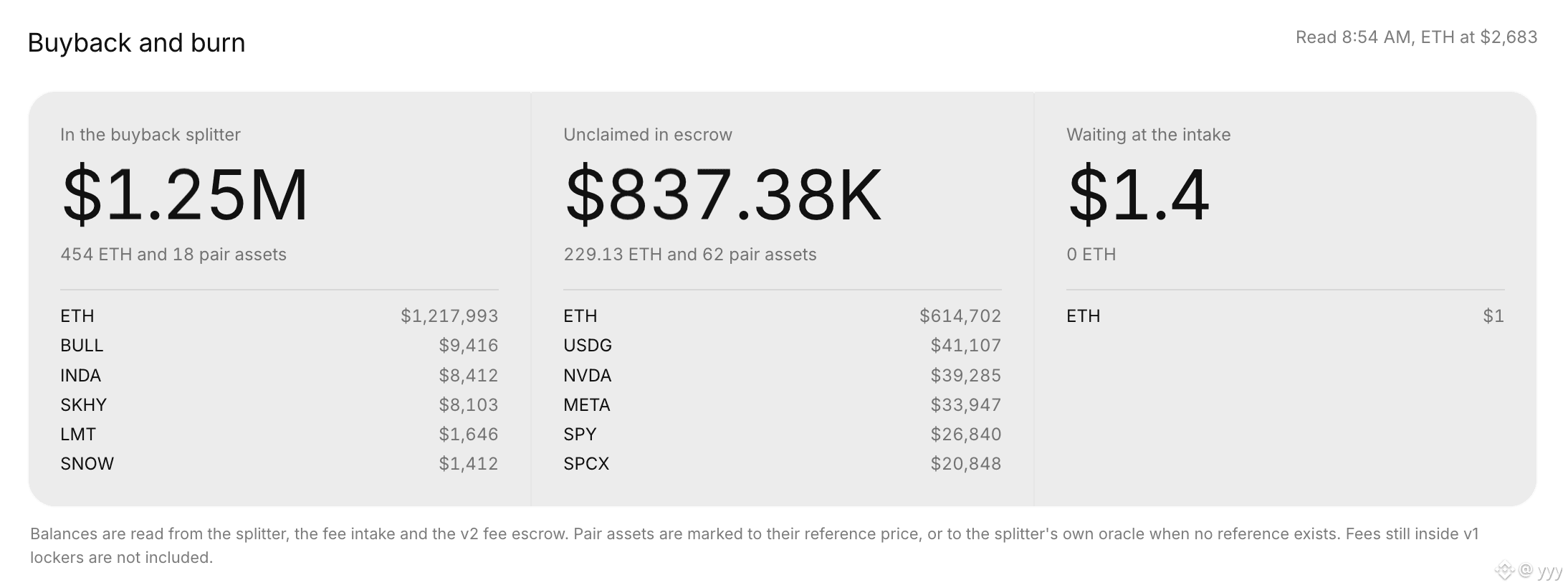
At the current burn pace, about 120,000 U equivalent is burned per day, so in 5 days that would be 600,000 U. The existing buyback allocator has 1.25 million U; after 5 days, the buyback allocator will only have 500,000–600,000 U left to use for repurchases. By convention, they would need to top up the buyback funds.
So how much can be topped up for buybacks at this time? Based on Pons’s current protocol revenue level, income is about 400,000 U per day, meaning 2 million U in 5 days. In addition, the escrow account has not yet been claimed of 840,000 U, which means the funds that can be added back to the buyback allocator for PONS repurchases could reach 2.84 million * 80% = 2.272 million U.
At this point, combined with the Robinhood summit being a major positive catalyst that greatly increases the burn rate, it’s yet another perfect market-making move.
#pons $PONS
The Pons official has significantly lowered the burn rate of $PONS , which may be related to the Robinhood HOOD Summit meeting scheduled for 5 days from now.
At the current burn pace, about 120,000 U equivalent is burned per day, so in 5 days that would be 600,000 U. The existing buyback allocator has 1.25 million U; after 5 days, the buyback allocator will only have 500,000–600,000 U left to use for repurchases. By convention, they would need to top up the buyback funds.
So how much can be topped up for buybacks at this time? Based on Pons’s current protocol revenue level, income is about 400,000 U per day, meaning 2 million U in 5 days. In addition, the escrow account has not yet been claimed of 840,000 U, which means the funds that can be added back to the buyback allocator for PONS repurchases could reach 2.84 million * 80% = 2.272 million U.
At this point, combined with the Robinhood summit being a major positive catalyst that greatly increases the burn rate, it’s yet another perfect market-making move.
#pons $PONS
yyy
·
--
BullishCorrection:
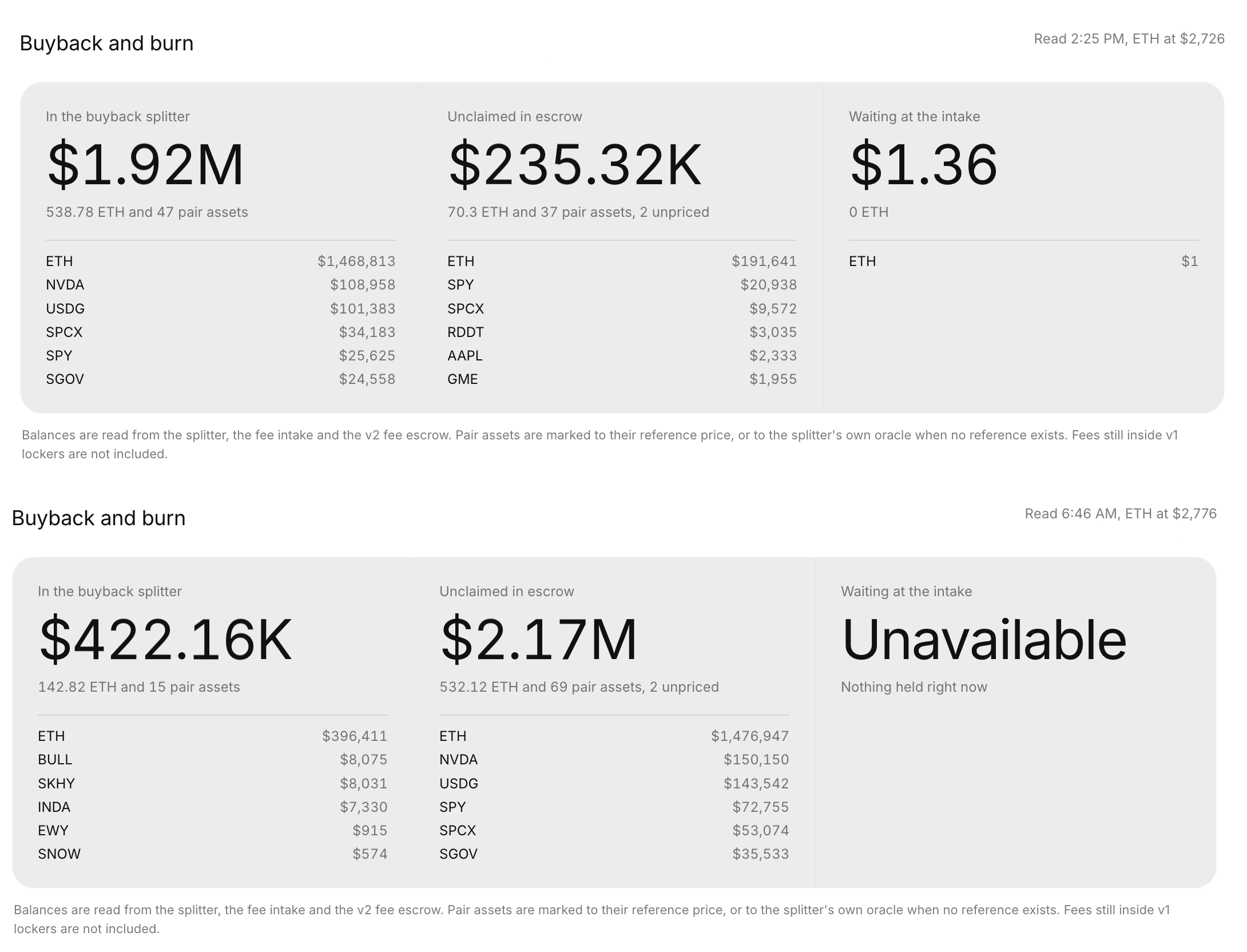
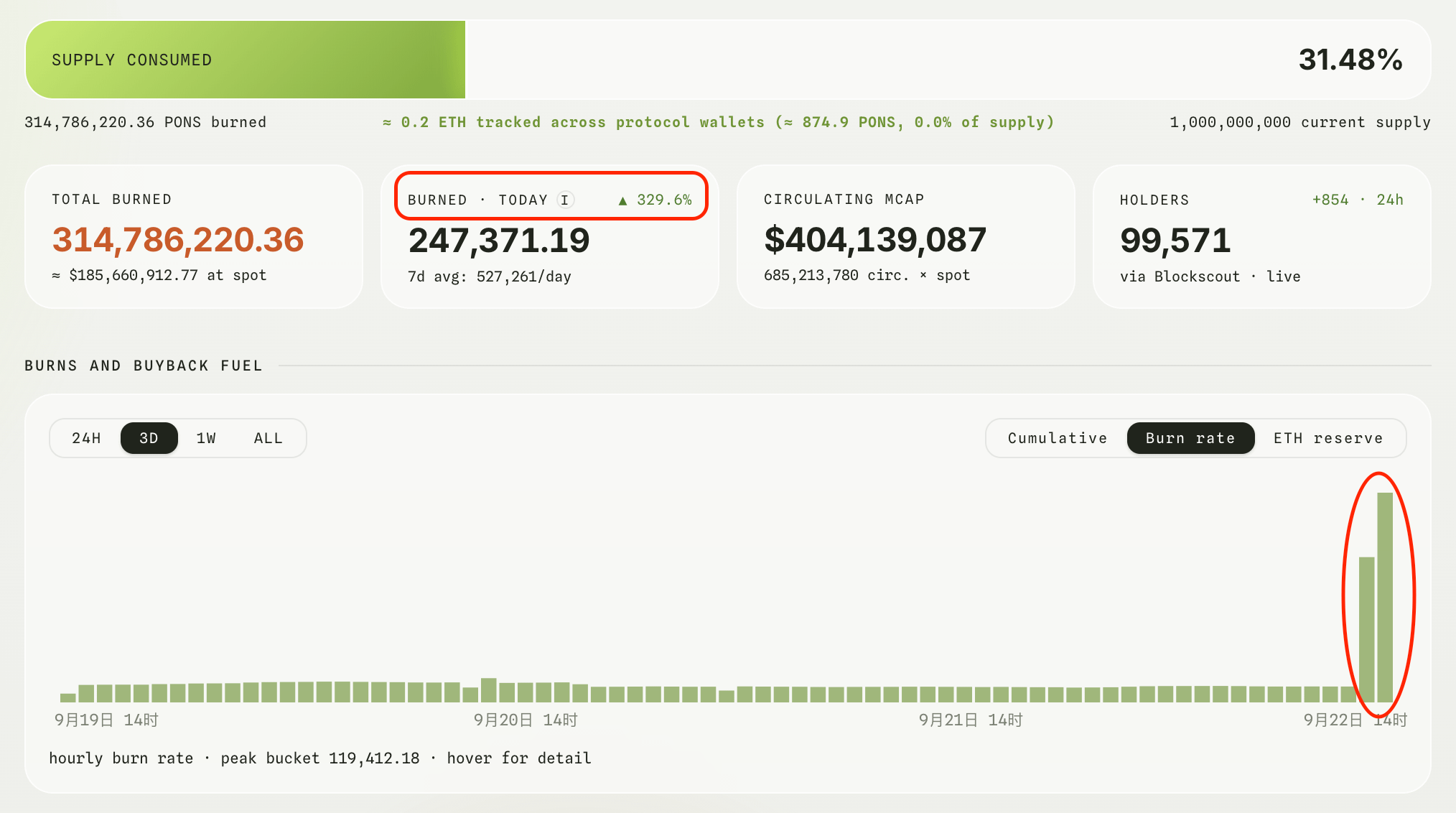
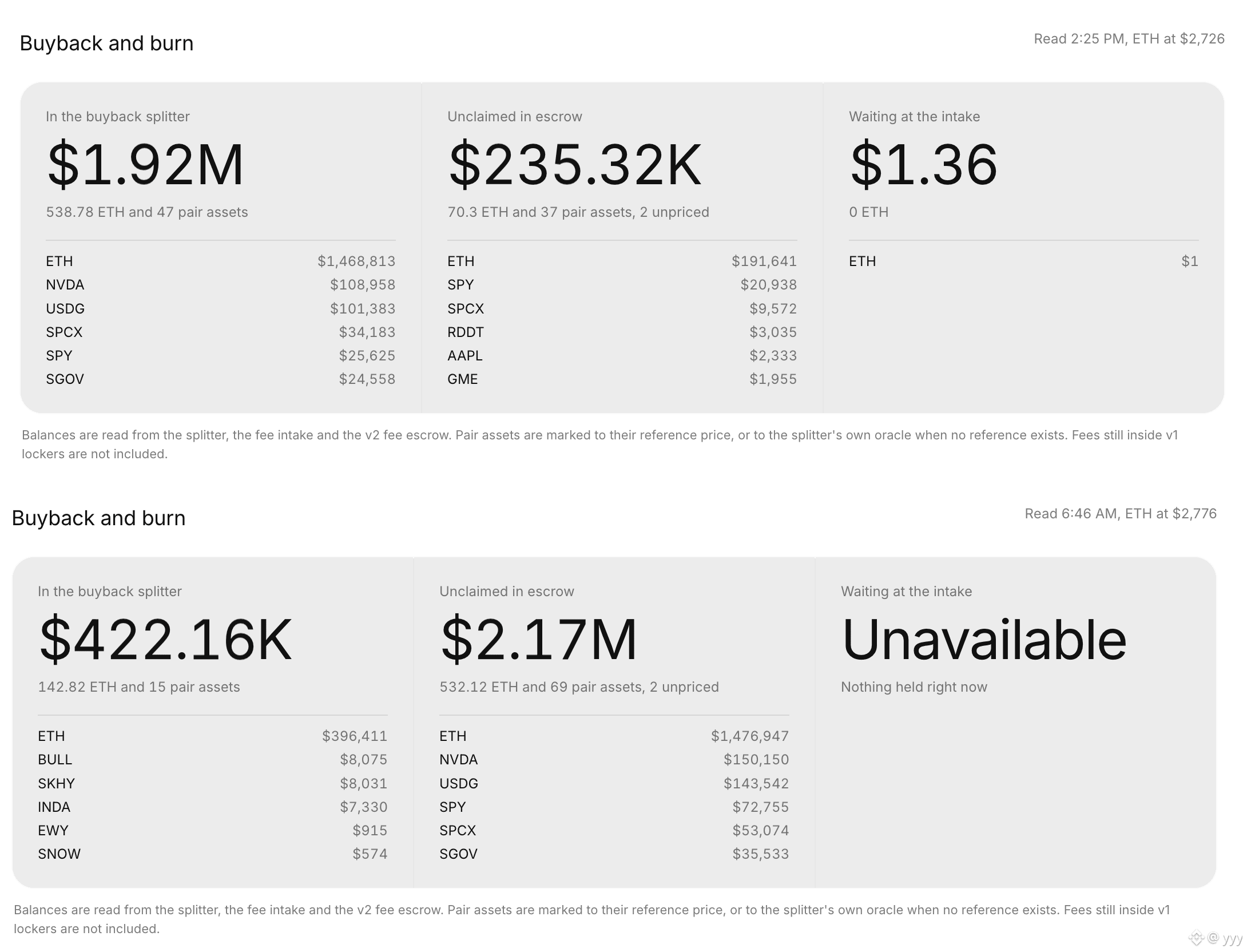
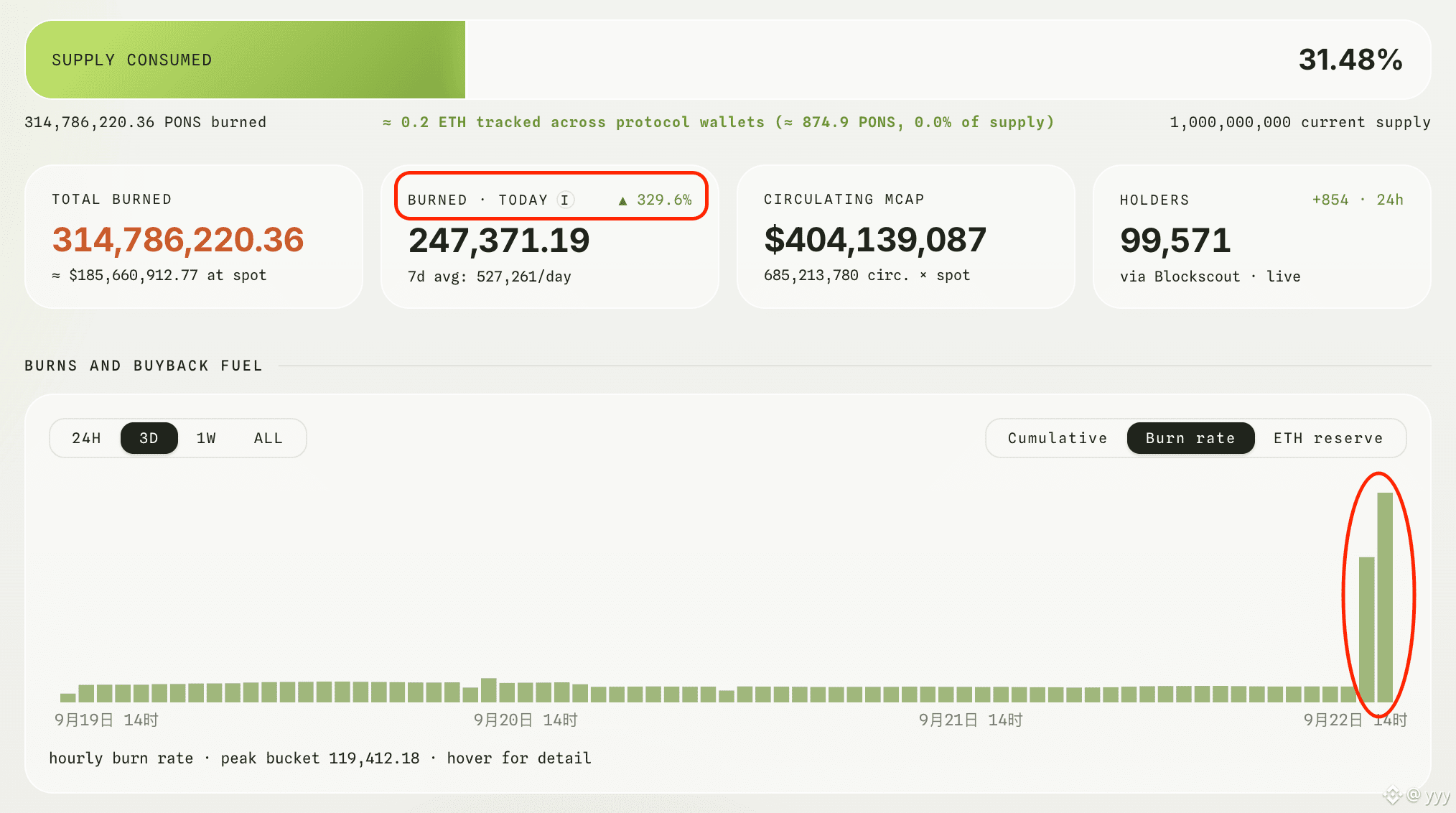
I compared the data before and after funds were transferred to the buyback distributor, and it can be determined that 80% of the funds in the escrow custody account are used to buy back $PONS .
About one hour ago, the PONS team transferred about $1.6M into the buyback distributor to purchase ammunition for the buyback.
$PONS has started accelerated burning.
#pons $PONS
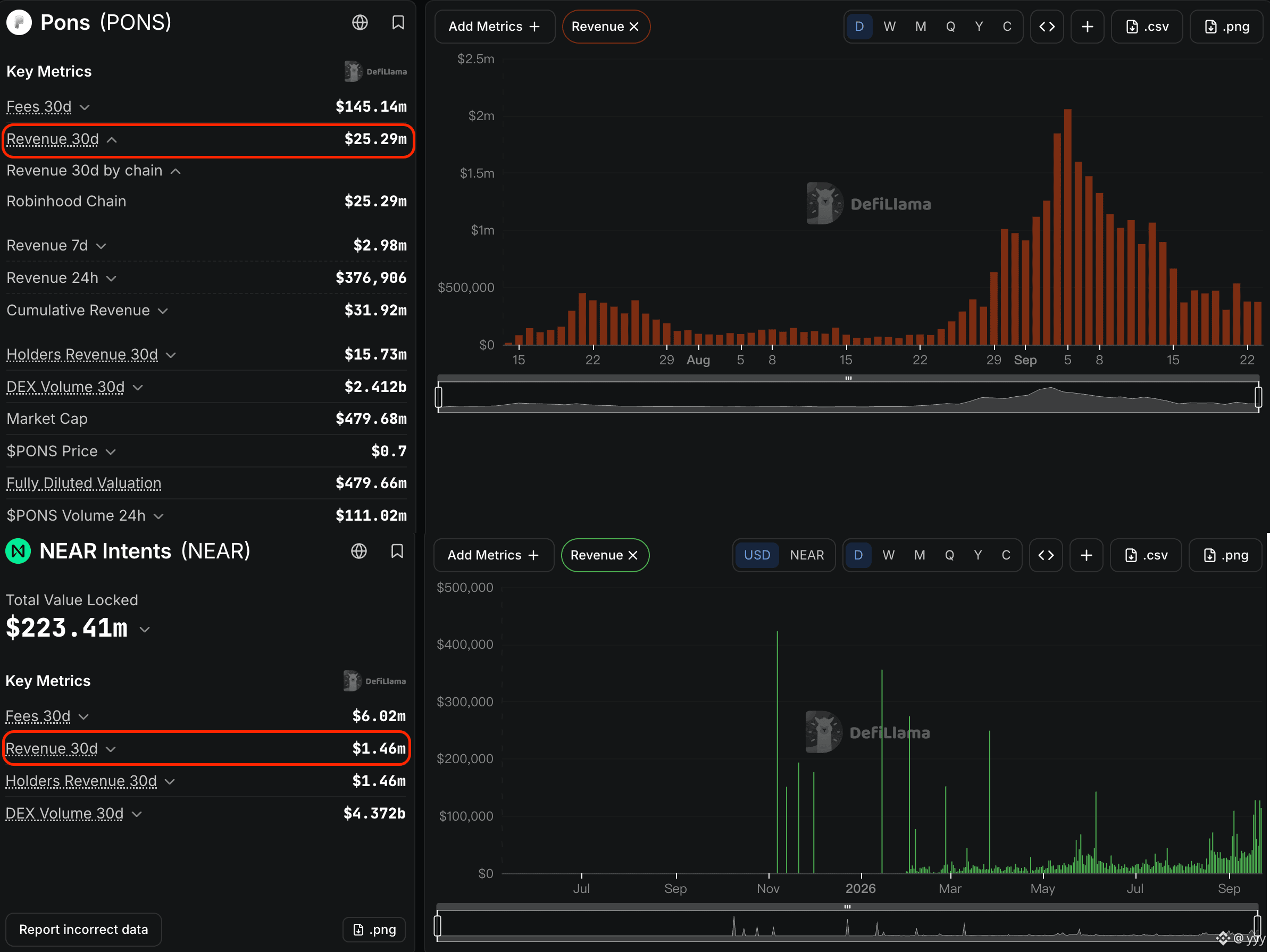
I compared the data before and after funds were transferred to the buyback distributor, and it can be determined that 80% of the funds in the escrow custody account are used to buy back $PONS .
About one hour ago, the PONS team transferred about $1.6M into the buyback distributor to purchase ammunition for the buyback.
$PONS has started accelerated burning.
#pons $PONS
yyy
·
--
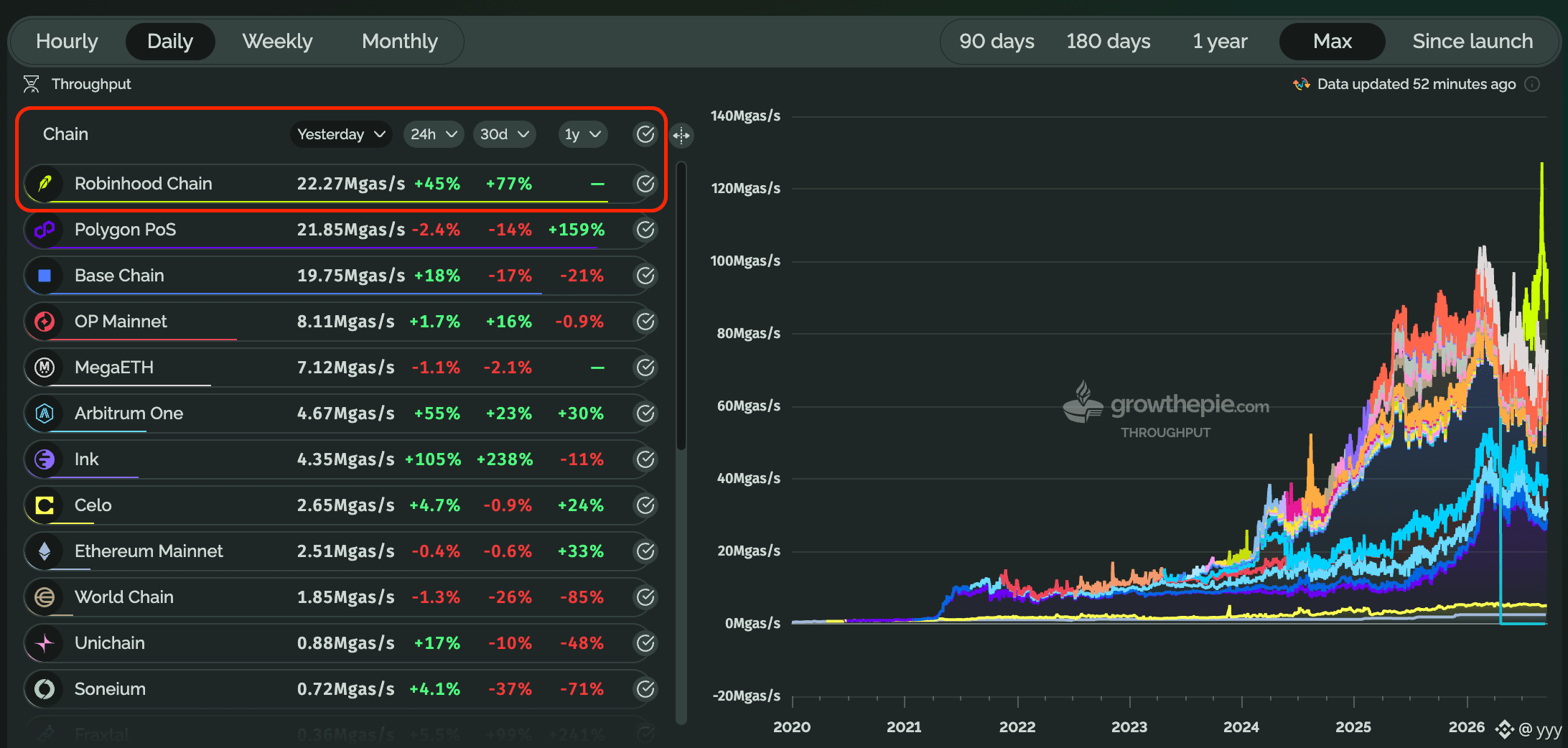
BullishRobinhood Chain The first wave has basically finished and the adjustment is complete; we are ready to start the second wave.
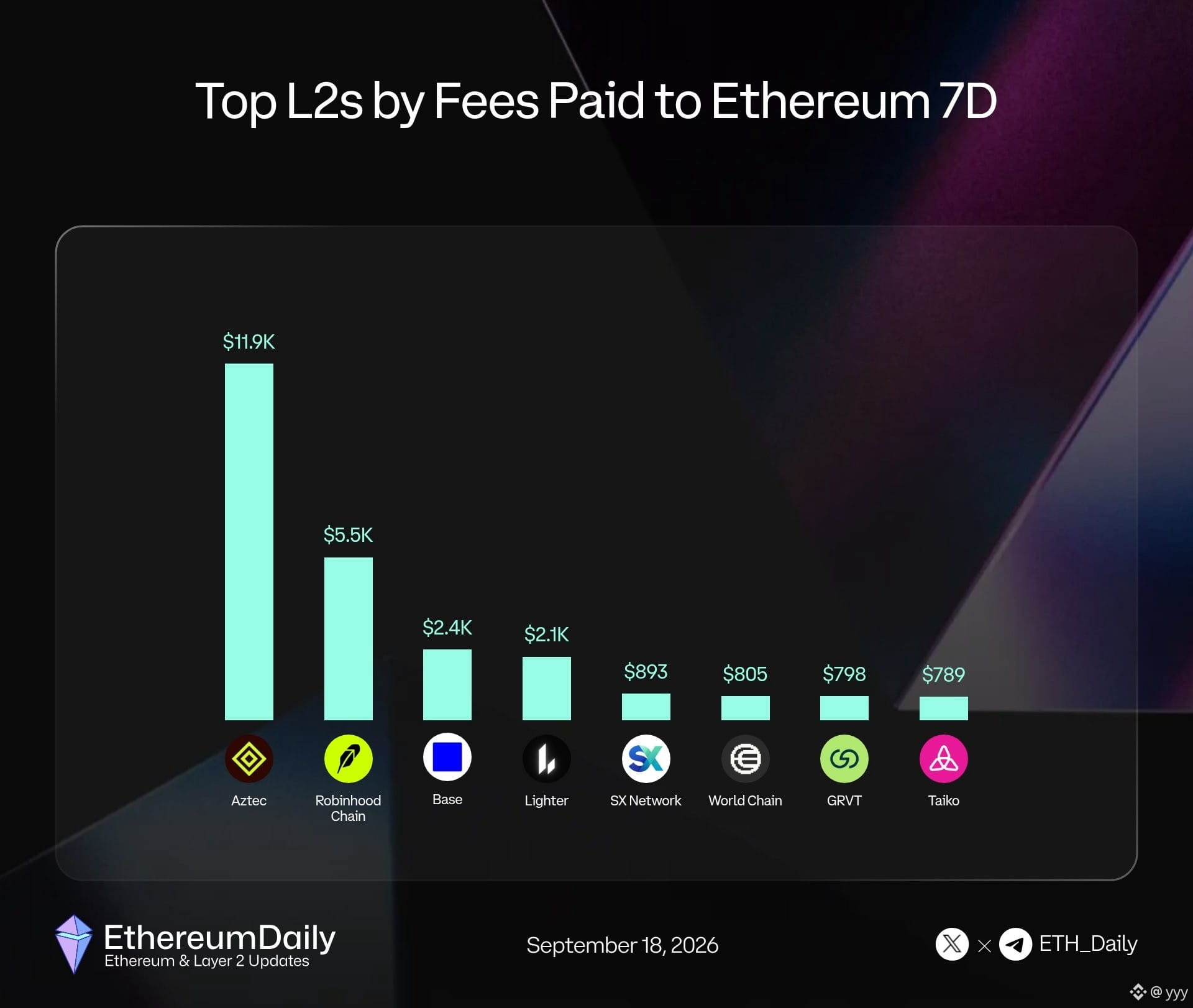
RH Chain Yesterday, the average daily network actual liabilities returned to 22.27 million gas/s, surging 45% in the past 24 hours.
It has once again surpassed Base to become the most active Ethereum L2 on-chain.
#robinhoodchain
RH Chain Yesterday, the average daily network actual liabilities returned to 22.27 million gas/s, surging 45% in the past 24 hours.
It has once again surpassed Base to become the most active Ethereum L2 on-chain.
#robinhoodchain
yyy
·
--
BullishCorrection:
I compared the data before and after funds were transferred to the buyback distributor, and it can be determined that 80% of the funds in the escrow custody account are used to buy back $PONS .
About one hour ago, the PONS team transferred about $1.6M into the buyback distributor to purchase ammunition for the buyback.
$PONS has started accelerated burning.
#pons $PONS
I compared the data before and after funds were transferred to the buyback distributor, and it can be determined that 80% of the funds in the escrow custody account are used to buy back $PONS .
About one hour ago, the PONS team transferred about $1.6M into the buyback distributor to purchase ammunition for the buyback.
$PONS has started accelerated burning.
#pons $PONS
Partly True
yyy
·
--
BullishRegarding the $2.3M pending buyback funds mentioned in multiple posts from the English region about pons, this figure is incorrect. The actual amount of pending buyback funds is not that high.
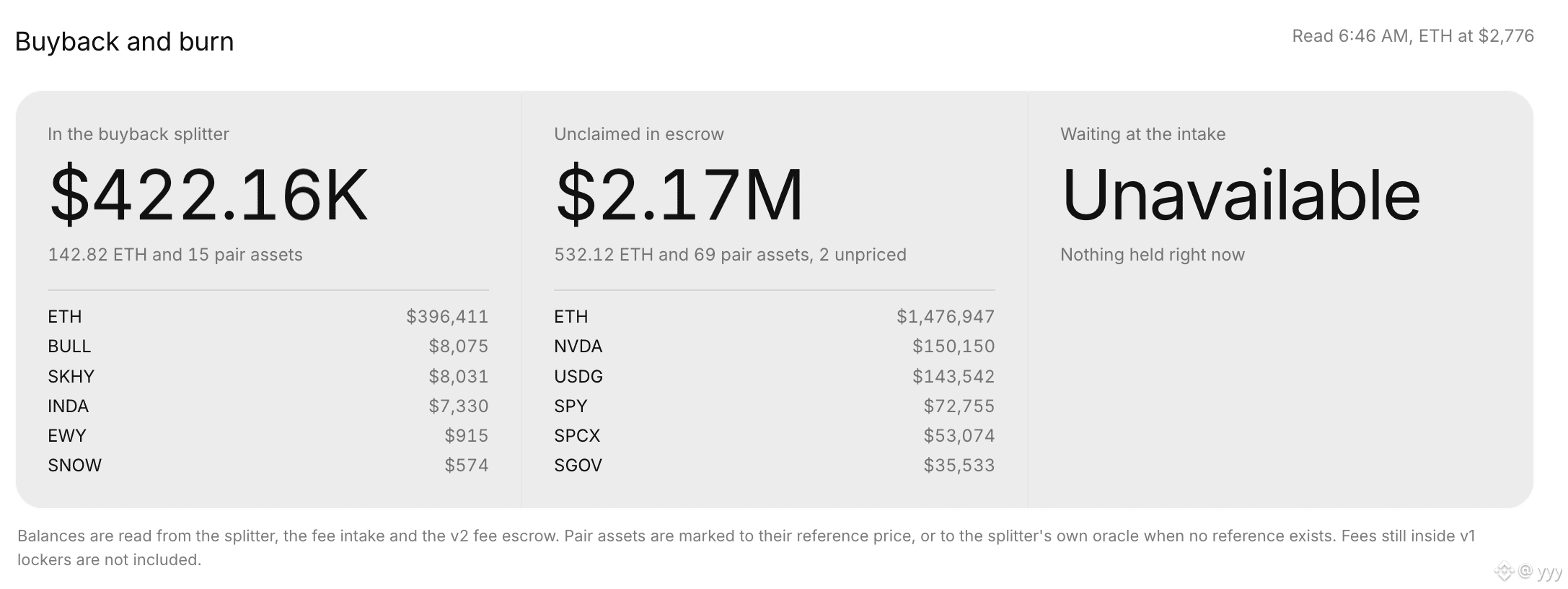
Their counting methodology for pons pending buyback funds is: the remaining amount in the buyback distributor + the amount in escrow that has not yet been claimed. According to pons’ official website data, this figure has now risen to approximately $2.6 million, of which $420k remains in the buyback distributor and $2.17M in escrow has not been claimed.
However, the $2.17M in escrow includes two parts: (1) creator funds that have not yet been withdrawn and (2) the 20% portion that the pons protocol has retained and not yet allocated. Therefore, only after subtracting the creator portion and the protocol-retained 20% portion do you get the funds that are actually available for buyback.
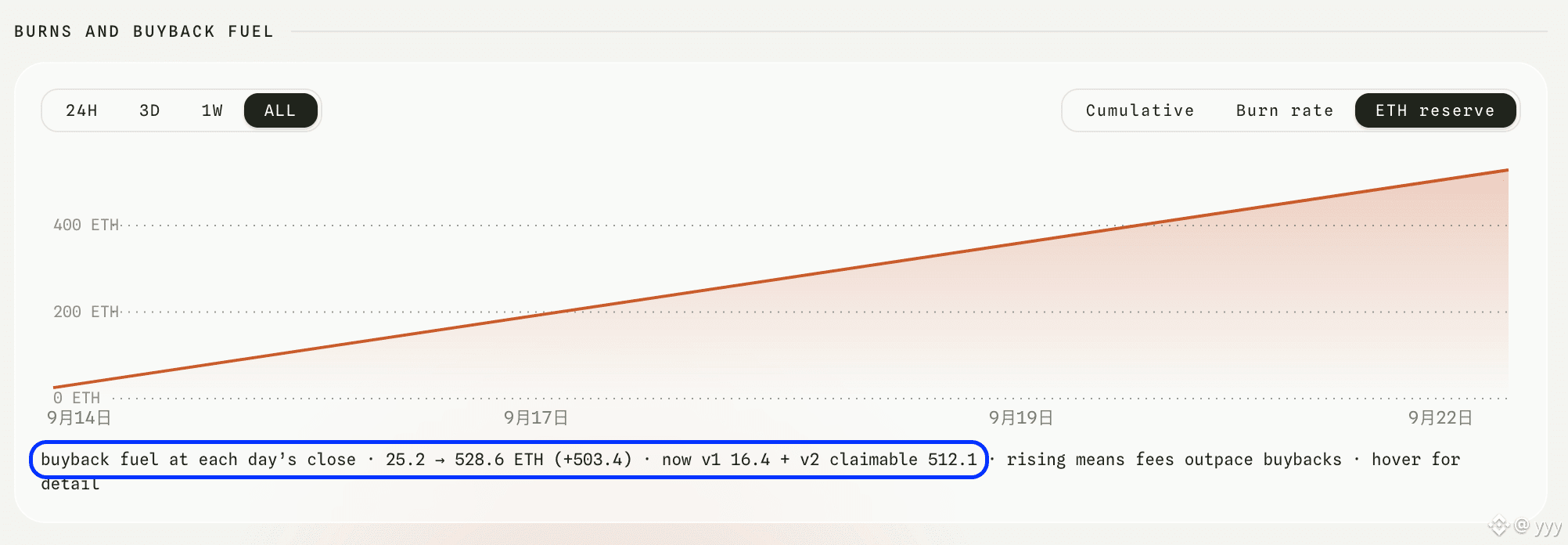
The amount of pending buyback funds reported by the data website pons terminal is 528.6 ETH, about $1.47M. This figure is relatively accurate. That means the unclaimed funds in escrow amount to only $1.47M − $0.42M = $1.05M available for buybacks.
But one thing is beyond doubt: the buyback funds at $PONS are continuously accumulating, waiting for the team’s multisignature claims to be completed before being transferred into the buyback distributor.
#pons $PONS
Their counting methodology for pons pending buyback funds is: the remaining amount in the buyback distributor + the amount in escrow that has not yet been claimed. According to pons’ official website data, this figure has now risen to approximately $2.6 million, of which $420k remains in the buyback distributor and $2.17M in escrow has not been claimed.
However, the $2.17M in escrow includes two parts: (1) creator funds that have not yet been withdrawn and (2) the 20% portion that the pons protocol has retained and not yet allocated. Therefore, only after subtracting the creator portion and the protocol-retained 20% portion do you get the funds that are actually available for buyback.
The amount of pending buyback funds reported by the data website pons terminal is 528.6 ETH, about $1.47M. This figure is relatively accurate. That means the unclaimed funds in escrow amount to only $1.47M − $0.42M = $1.05M available for buybacks.
But one thing is beyond doubt: the buyback funds at $PONS are continuously accumulating, waiting for the team’s multisignature claims to be completed before being transferred into the buyback distributor.
#pons $PONS
yyy
·
--
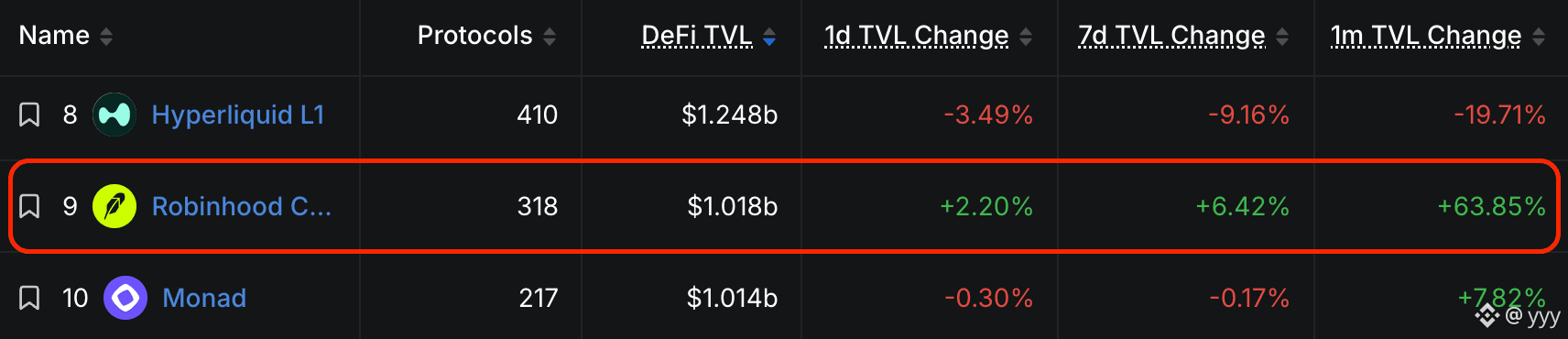
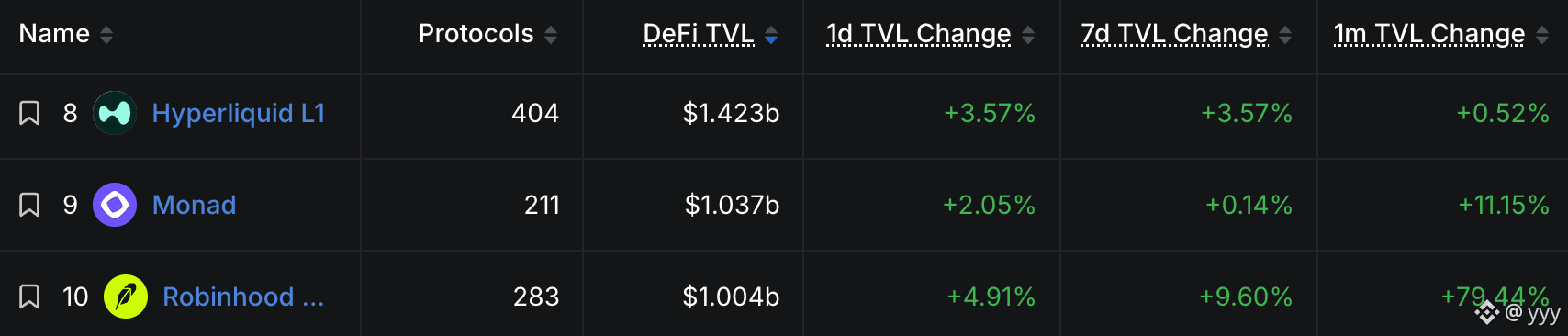
BullishRobinhood Chain’s full-chain DeFi TVL has quietly crossed the $1 billion mark, and Arc has not produced any meaningful diversion.
It is now very close to overtaking the leading Monad at $1.03 billion—so the next DefiLlama data update should be enough to flip Monad.
At that time, RH Chain will become the #9 blockchain by full-chain TVL rankings.
#robinhoodchain
It is now very close to overtaking the leading Monad at $1.03 billion—so the next DefiLlama data update should be enough to flip Monad.
At that time, RH Chain will become the #9 blockchain by full-chain TVL rankings.
#robinhoodchain
Partly True
yyy
·
--
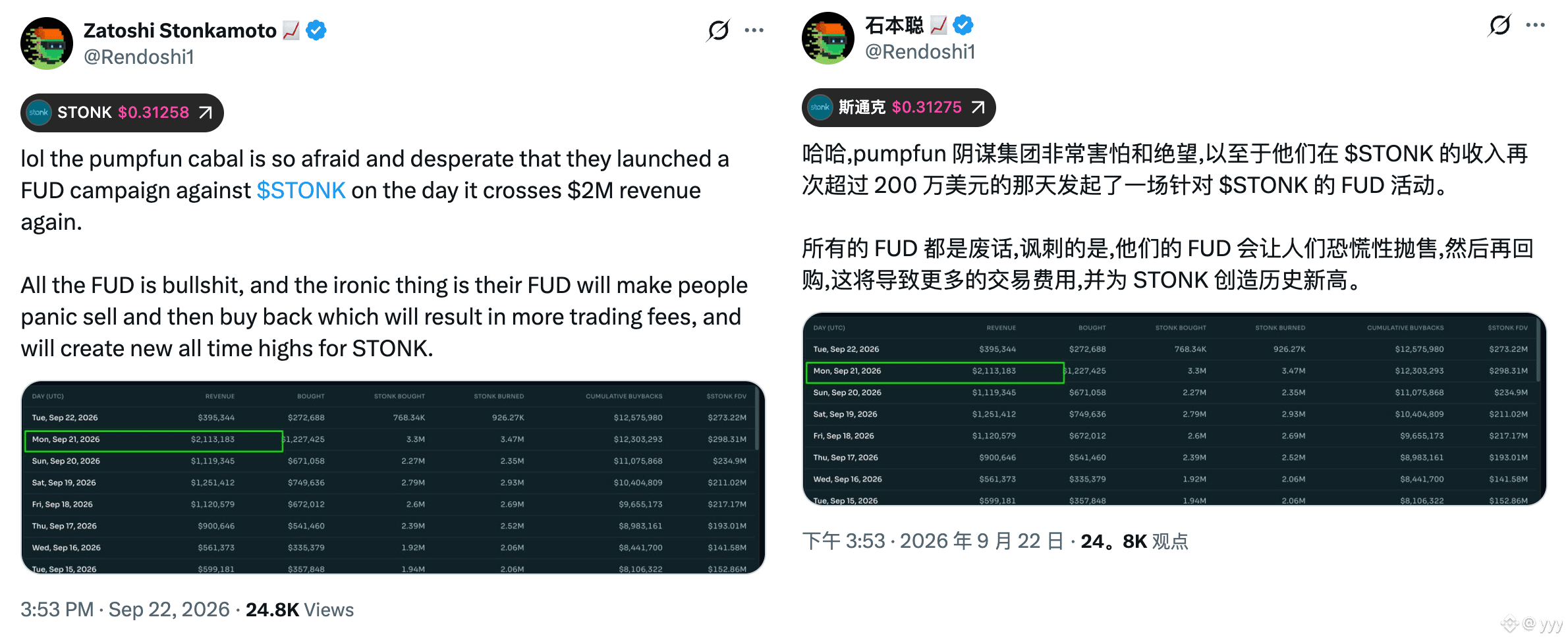
BullishPons’ buyback and burn strategy isn’t quite the same as Stonk’s, and it may lead to some misunderstandings. Let’s clarify where the differences are.
As everyone knows, @ponsdotfamily uses 80% of protocol revenue for buyback and burn, while @LaunchOnSF uses 60%.
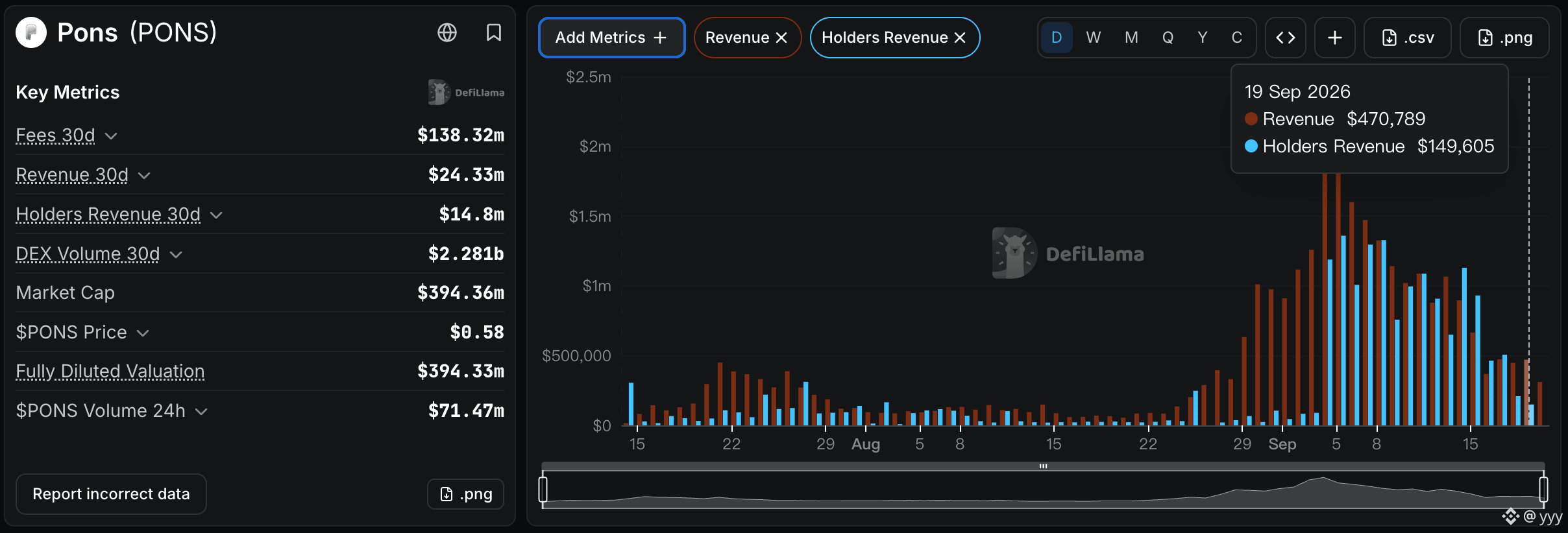
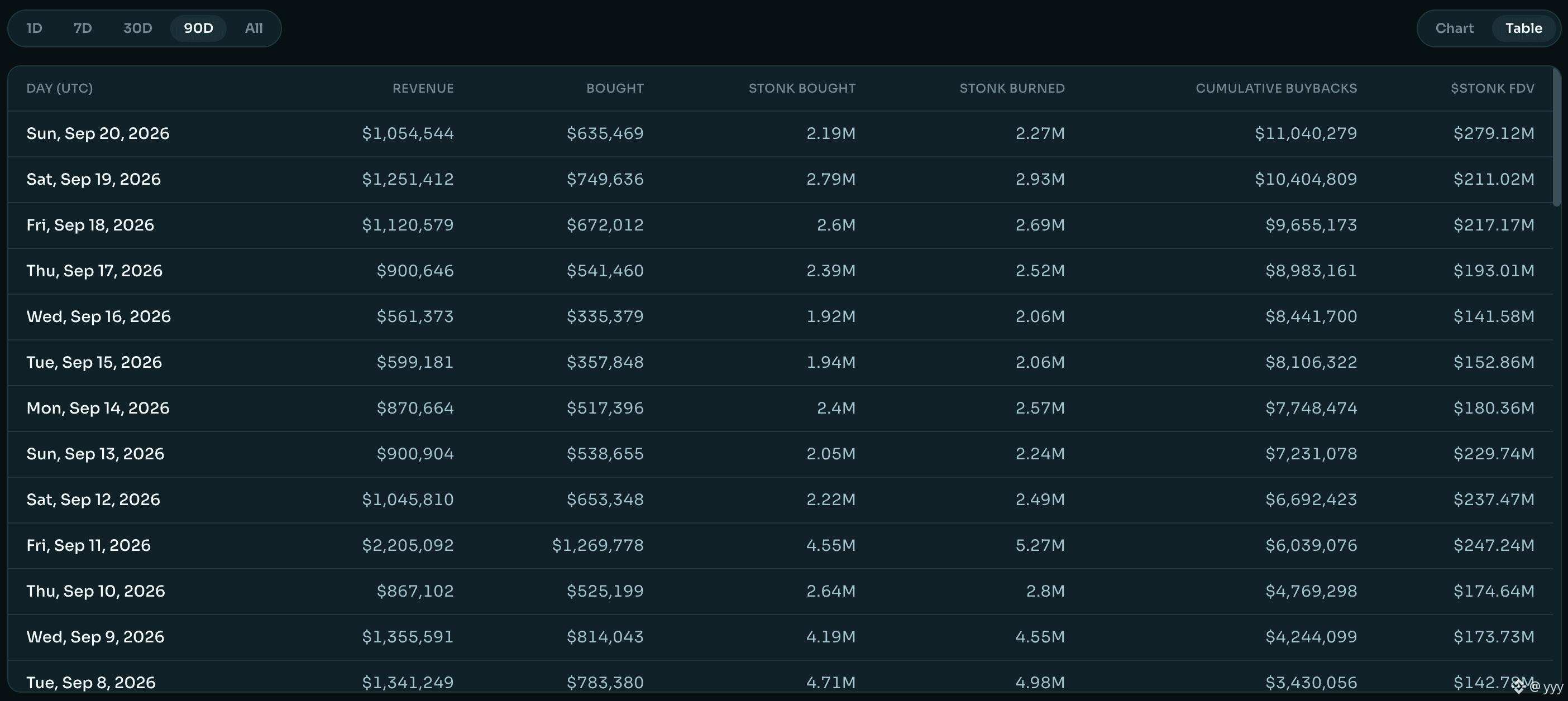
But have you noticed: Stonk’s burn basically stays around 60% of protocol revenue every day, whereas Pons’ burn sometimes is clearly higher than 80% of protocol revenue, sometimes is about the same, and in recent days has been noticeably lower than 80%. Where is the issue?
Stonk’s operations wallet continuously and automatically claims the fees in batches, so there’s almost no accumulation. Then, through a high-frequency cadence of small orders, there are a dozen or so small buyback transactions per minute, and every few minutes they’re bundled and sent to the burn address—so there’s almost never a gap. Whatever ammunition comes in gets sent out; no delays.
Pons, on the other hand, has to have the fee claimed manually with multisig signatures. The funds used for buyback often sit in the custody account. If they aren’t claimed from custody and transferred into the buyback distributor in time, then the TWAP buyback and burn of $PONS every 15 minutes will be lower. So: if more ammunition comes in, more gets sent out; if less comes in, less gets sent out.
However, when you look over a longer timeline, both approaches are ultimately the same in outcome—they both achieve the predetermined buyback-and-burn ratio of protocol revenue.
One thing to note: whether it’s Pons or Stonk, the step of claiming the claim fees has not been decentralized. Stonk has only achieved high-frequency automated claiming.
#pons
$PONS
As everyone knows, @ponsdotfamily uses 80% of protocol revenue for buyback and burn, while @LaunchOnSF uses 60%.
But have you noticed: Stonk’s burn basically stays around 60% of protocol revenue every day, whereas Pons’ burn sometimes is clearly higher than 80% of protocol revenue, sometimes is about the same, and in recent days has been noticeably lower than 80%. Where is the issue?
Stonk’s operations wallet continuously and automatically claims the fees in batches, so there’s almost no accumulation. Then, through a high-frequency cadence of small orders, there are a dozen or so small buyback transactions per minute, and every few minutes they’re bundled and sent to the burn address—so there’s almost never a gap. Whatever ammunition comes in gets sent out; no delays.
Pons, on the other hand, has to have the fee claimed manually with multisig signatures. The funds used for buyback often sit in the custody account. If they aren’t claimed from custody and transferred into the buyback distributor in time, then the TWAP buyback and burn of $PONS every 15 minutes will be lower. So: if more ammunition comes in, more gets sent out; if less comes in, less gets sent out.
However, when you look over a longer timeline, both approaches are ultimately the same in outcome—they both achieve the predetermined buyback-and-burn ratio of protocol revenue.
One thing to note: whether it’s Pons or Stonk, the step of claiming the claim fees has not been decentralized. Stonk has only achieved high-frequency automated claiming.
#pons
$PONS
yyy
·
--
Let me tell a joke:
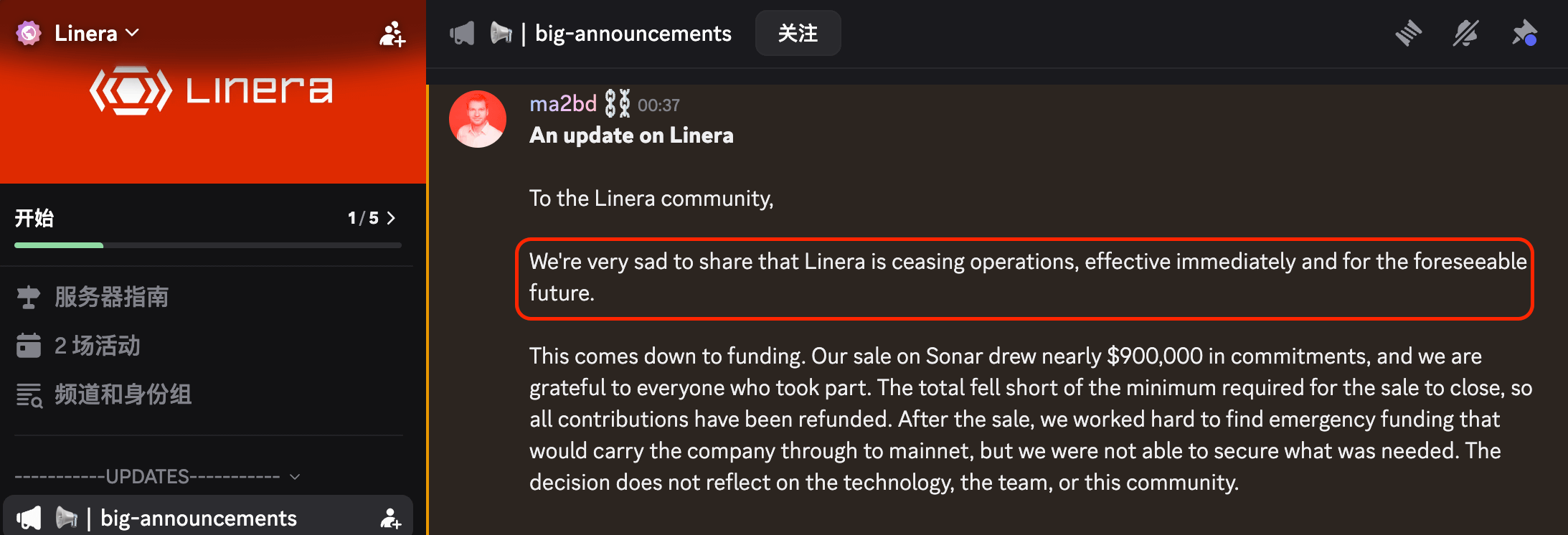
Linera went bankrupt and stopped operations because the public sale failed to raise funds.
@linera_io The founder @ma2bd posted an announcement on Discord saying that, effective immediately, Linera will stop operations. The reason is that the public sale failed to reach the $1.5 million USDC soft cap, so they were forced to issue full refunds. The company has no money left and can’t hold on until Linera’s mainnet goes live.
We failed. Sorry, everyone.
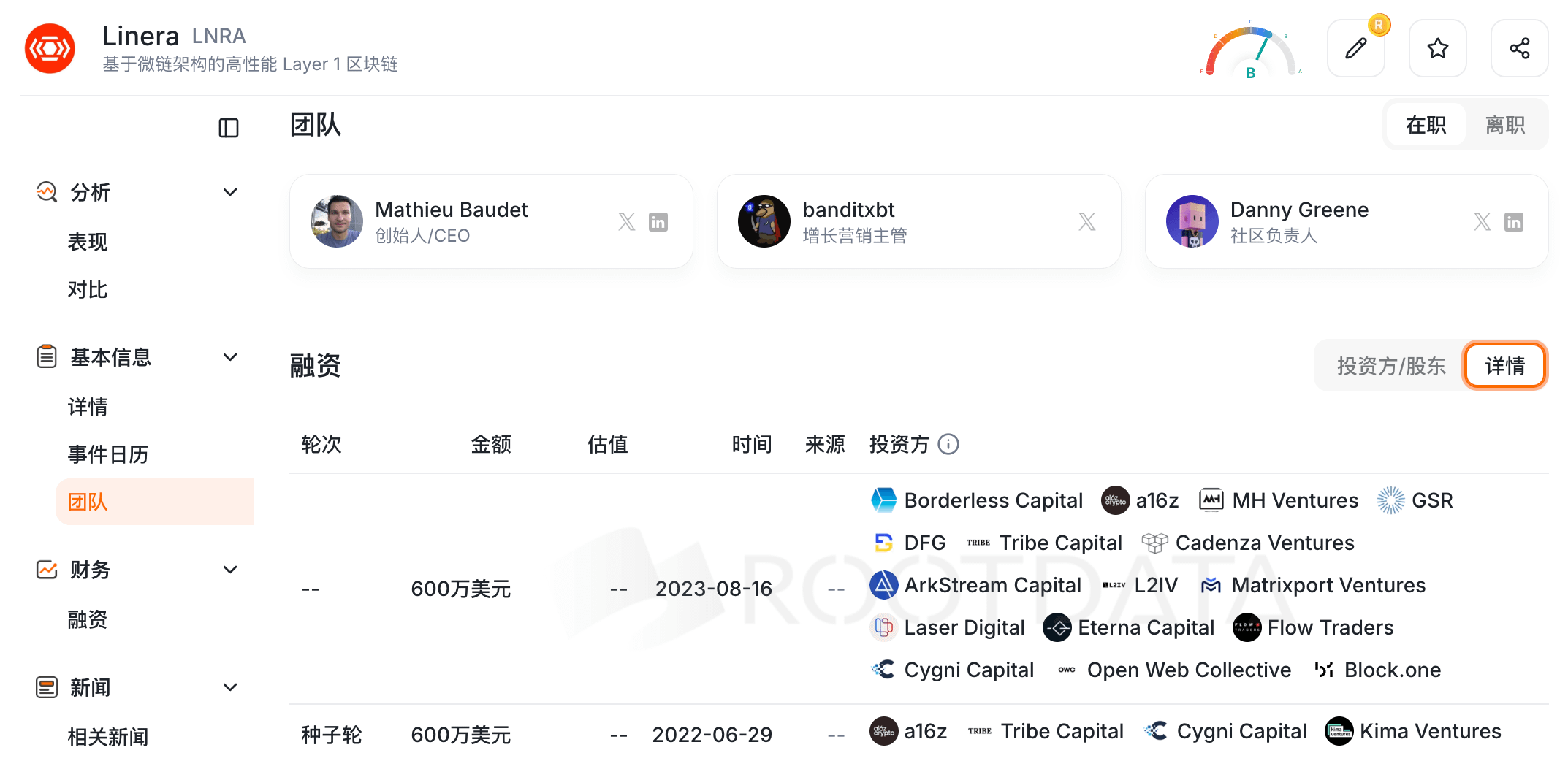
The $16 million raised previously has already been spent. Testnet points have been treated as zero. Thanks to everyone for your participation and contributions.
I want to ask the founder @ma2bd—do you remember the great ambition you made by the Daming Lake back then, to become the next Hyperliquid?
#linera #meta
Linera went bankrupt and stopped operations because the public sale failed to raise funds.
@linera_io The founder @ma2bd posted an announcement on Discord saying that, effective immediately, Linera will stop operations. The reason is that the public sale failed to reach the $1.5 million USDC soft cap, so they were forced to issue full refunds. The company has no money left and can’t hold on until Linera’s mainnet goes live.
We failed. Sorry, everyone.
The $16 million raised previously has already been spent. Testnet points have been treated as zero. Thanks to everyone for your participation and contributions.
I want to ask the founder @ma2bd—do you remember the great ambition you made by the Daming Lake back then, to become the next Hyperliquid?
#linera #meta
Log in to explore more content