

Eyder Arredondo - Aprende Bitcoin
417 Posts
Eyder Arredondo - Aprende Bitcoin
Report
Block User
📚 Bitcoin para principiantes | 📈 Mi camino al millón de satoshis | 💡 Aprender primero. Invertir después.
Open Trade

BTC Holder
Frequent Trader
3.2 Years
40 Following
162 Followers
368 Liked
Posts
Portfolio
All
Quotes
Videos
PINNED
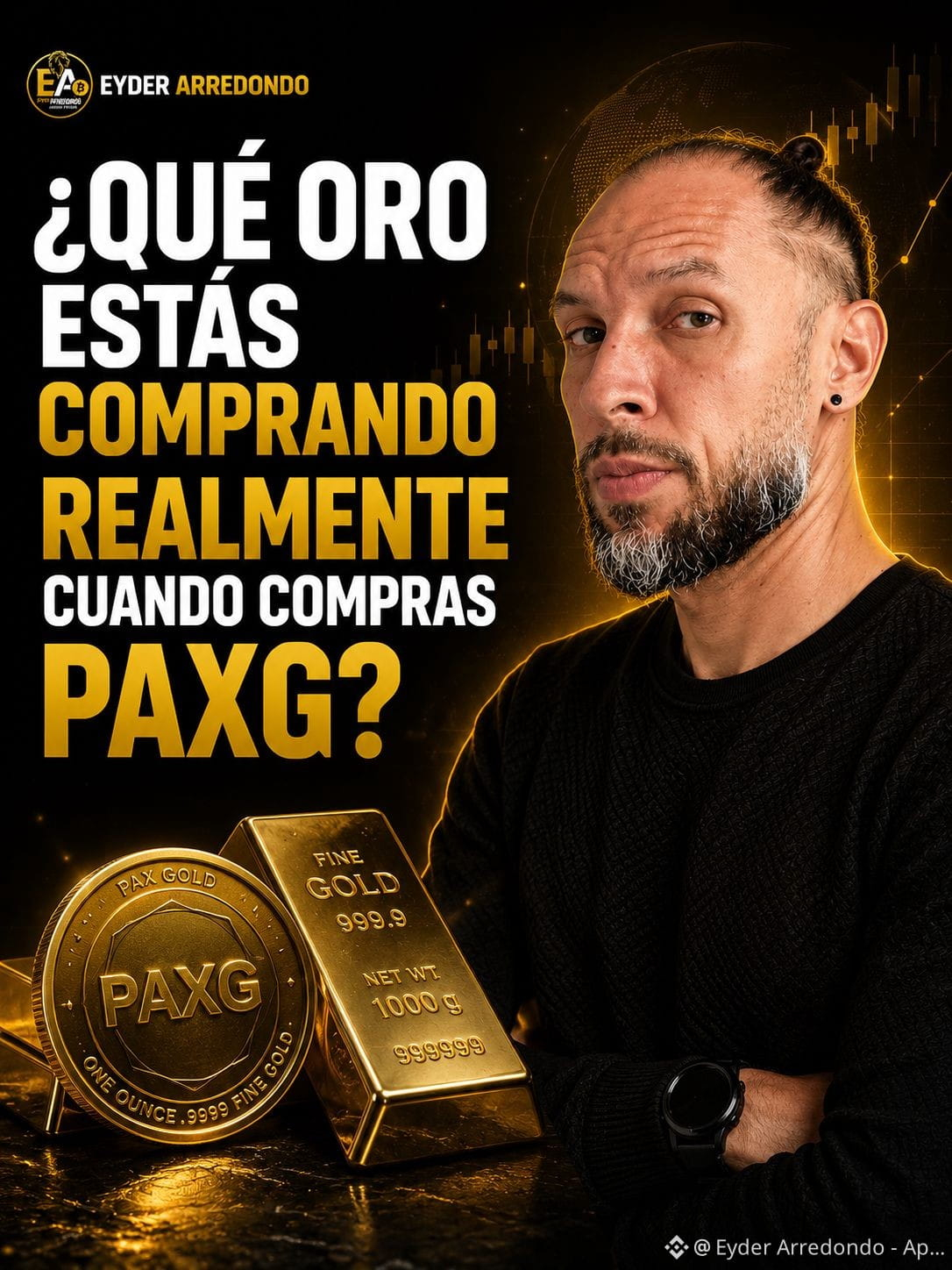
🥇 What gold are you really buying when you buy PAXG?
Many see $PAXG and think: “it’s digital gold.”
But understanding it properly is a bit more interesting 👇
🪙 PAXG (PAX Gold) is a token designed to represent physical gold.
The idea is:
🥇 Physical gold → 🏦 custody → ⛓️ blockchain → 🪙 PAXG
That means the gold remains physically held in custody, while you can hold a digital representation of that gold.
📈 Why does PAXG go up and down?
Because gold also has a market price that fluctuates.
If gold rises → PAXG tends to rise.
If gold falls → PAXG tends to fall.
That’s why PAXG doesn’t work like USDT, which aims to stay around $1.
💰 What does it mean if you buy a fraction?
If you buy a small amount of PAXG, you’re getting a fraction of the gold exposure represented by the token.
And this lets you access the gold market without having to buy and store a physical bar.
⚠️ But take care:
“Backed by gold” doesn’t mean “no risk.”
You also need to understand who holds the gold in custody, how it’s verified, what token holders’ rights are, and what happens if you want to redeem it.
💡 My takeaway: before investing in an asset, it’s not enough to just know that its price goes up. First you have to understand what we’re really buying.
👇 Did you already know how PAXG works, or did you think it was simply “digital gold”?
#PAXG #oro #AprendeAInvertir
🥇 What gold are you really buying when you buy PAXG?
Many see $PAXG and think: “it’s digital gold.”
But understanding it properly is a bit more interesting 👇
🪙 PAXG (PAX Gold) is a token designed to represent physical gold.
The idea is:
🥇 Physical gold → 🏦 custody → ⛓️ blockchain → 🪙 PAXG
That means the gold remains physically held in custody, while you can hold a digital representation of that gold.
📈 Why does PAXG go up and down?
Because gold also has a market price that fluctuates.
If gold rises → PAXG tends to rise.
If gold falls → PAXG tends to fall.
That’s why PAXG doesn’t work like USDT, which aims to stay around $1.
💰 What does it mean if you buy a fraction?
If you buy a small amount of PAXG, you’re getting a fraction of the gold exposure represented by the token.
And this lets you access the gold market without having to buy and store a physical bar.
⚠️ But take care:
“Backed by gold” doesn’t mean “no risk.”
You also need to understand who holds the gold in custody, how it’s verified, what token holders’ rights are, and what happens if you want to redeem it.
💡 My takeaway: before investing in an asset, it’s not enough to just know that its price goes up. First you have to understand what we’re really buying.
👇 Did you already know how PAXG works, or did you think it was simply “digital gold”?
#PAXG #oro #AprendeAInvertir
Many see $PAXG and think: “it’s digital gold.”
But understanding it properly is a bit more interesting 👇
🪙 PAXG (PAX Gold) is a token designed to represent physical gold.
The idea is:
🥇 Physical gold → 🏦 custody → ⛓️ blockchain → 🪙 PAXG
That means the gold remains physically held in custody, while you can hold a digital representation of that gold.
📈 Why does PAXG go up and down?
Because gold also has a market price that fluctuates.
If gold rises → PAXG tends to rise.
If gold falls → PAXG tends to fall.
That’s why PAXG doesn’t work like USDT, which aims to stay around $1.
💰 What does it mean if you buy a fraction?
If you buy a small amount of PAXG, you’re getting a fraction of the gold exposure represented by the token.
And this lets you access the gold market without having to buy and store a physical bar.
⚠️ But take care:
“Backed by gold” doesn’t mean “no risk.”
You also need to understand who holds the gold in custody, how it’s verified, what token holders’ rights are, and what happens if you want to redeem it.
💡 My takeaway: before investing in an asset, it’s not enough to just know that its price goes up. First you have to understand what we’re really buying.
👇 Did you already know how PAXG works, or did you think it was simply “digital gold”?
#PAXG #oro #AprendeAInvertir
4
20
9.4k
PINNED
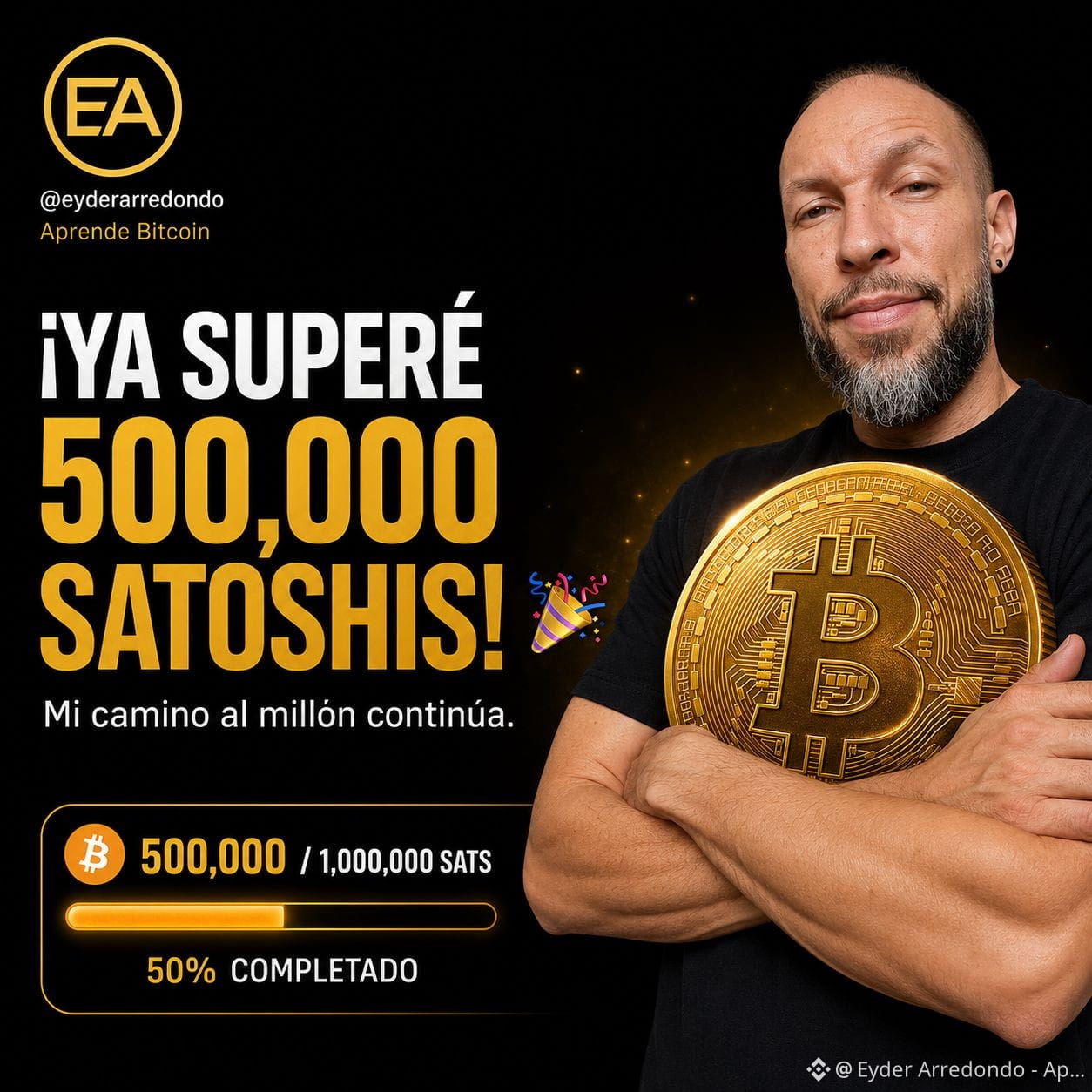
🚨 I’ve already surpassed 500,000 satoshis!
Not long ago, it felt like a distant goal… today I’ve crossed the halfway mark to half a million satoshis. 🟠
I didn’t buy 1 $BTC all at once.
I accumulated little by little, learning along the way and sharing every step.
📈 My next goal is to reach one million satoshis.
💬 If you’re also just starting out, remember: consistency is usually more important than trying to do everything at once.
👍 Follow me and join me on this journey to learn Bitcoin from scratch.
#Bitcoin #Binance #AprendeBitcoin
🚨 I’ve already surpassed 500,000 satoshis!
Not long ago, it felt like a distant goal… today I’ve crossed the halfway mark to half a million satoshis. 🟠
I didn’t buy 1 $BTC all at once.
I accumulated little by little, learning along the way and sharing every step.
📈 My next goal is to reach one million satoshis.
💬 If you’re also just starting out, remember: consistency is usually more important than trying to do everything at once.
👍 Follow me and join me on this journey to learn Bitcoin from scratch.
#Bitcoin #Binance #AprendeBitcoin
Not long ago, it felt like a distant goal… today I’ve crossed the halfway mark to half a million satoshis. 🟠
I didn’t buy 1 $BTC all at once.
I accumulated little by little, learning along the way and sharing every step.
📈 My next goal is to reach one million satoshis.
💬 If you’re also just starting out, remember: consistency is usually more important than trying to do everything at once.
👍 Follow me and join me on this journey to learn Bitcoin from scratch.
#Bitcoin #Binance #AprendeBitcoin
33
15
7.4k
·
--
Bearish
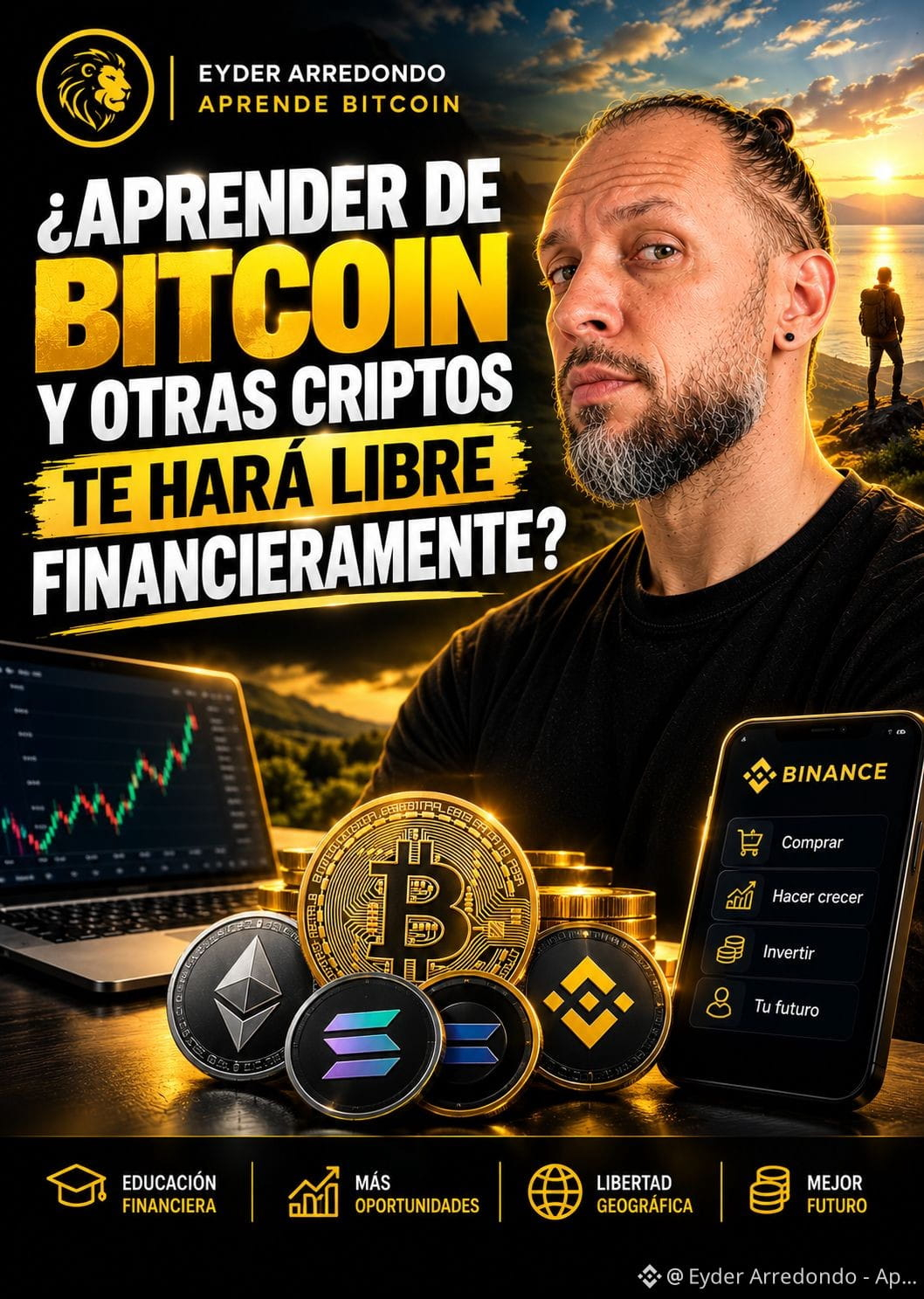
🪙 Learn about $BTC , $ETH , $SOL or any other cryptocurrency does not guarantee that you will achieve financial freedom.
But the process can teach you something much more valuable: how to think like an investor.
When I started studying different projects, I realized it’s not simply about finding a coin that will go up.
For example, when I analyze a project, I ask myself:
🔎 What problem does it solve?
🧩 What is it for?
👥 Who uses it?
💰 How does its token work?
📈 Where could the demand come from?
⚠️ What risks does it have?
🤔 Does it make sense for me?
That changes the question from:
What crypto will go up?
to:
What am I buying and why?
And that’s where a lesson appears that goes far beyond cryptocurrencies:
🪙 Money → asset → utility → demand → valuation → risk → decision.
You don’t need to memorize 100 cryptocurrency names.
You need to learn how to analyze what you’re buying.
And instead of asking yourself:
❌ “How do I turn $100 into $1 million?”
the right question would be:
✅ “How can I progressively build wealth that can grow over many years?”
Because when the goal changes, the way you make decisions changes too.
I’m not learning crypto to guess which one will be the next to go up.
I’m learning to understand better how money works, how to value assets, and how to consciously take on risk.
📚 DYOR. INVESTIGATE YOURSELF
#bitcoin #Criptomonedas #AprendeBitcoin
🪙 Learn about $BTC , $ETH , $SOL or any other cryptocurrency does not guarantee that you will achieve financial freedom.
But the process can teach you something much more valuable: how to think like an investor.
When I started studying different projects, I realized it’s not simply about finding a coin that will go up.
For example, when I analyze a project, I ask myself:
🔎 What problem does it solve?
🧩 What is it for?
👥 Who uses it?
💰 How does its token work?
📈 Where could the demand come from?
⚠️ What risks does it have?
🤔 Does it make sense for me?
That changes the question from:
What crypto will go up?
to:
What am I buying and why?
And that’s where a lesson appears that goes far beyond cryptocurrencies:
🪙 Money → asset → utility → demand → valuation → risk → decision.
You don’t need to memorize 100 cryptocurrency names.
You need to learn how to analyze what you’re buying.
And instead of asking yourself:
❌ “How do I turn $100 into $1 million?”
the right question would be:
✅ “How can I progressively build wealth that can grow over many years?”
Because when the goal changes, the way you make decisions changes too.
I’m not learning crypto to guess which one will be the next to go up.
I’m learning to understand better how money works, how to value assets, and how to consciously take on risk.
📚 DYOR. INVESTIGATE YOURSELF
#bitcoin #Criptomonedas #AprendeBitcoin
But the process can teach you something much more valuable: how to think like an investor.
When I started studying different projects, I realized it’s not simply about finding a coin that will go up.
For example, when I analyze a project, I ask myself:
🔎 What problem does it solve?
🧩 What is it for?
👥 Who uses it?
💰 How does its token work?
📈 Where could the demand come from?
⚠️ What risks does it have?
🤔 Does it make sense for me?
That changes the question from:
What crypto will go up?
to:
What am I buying and why?
And that’s where a lesson appears that goes far beyond cryptocurrencies:
🪙 Money → asset → utility → demand → valuation → risk → decision.
You don’t need to memorize 100 cryptocurrency names.
You need to learn how to analyze what you’re buying.
And instead of asking yourself:
❌ “How do I turn $100 into $1 million?”
the right question would be:
✅ “How can I progressively build wealth that can grow over many years?”
Because when the goal changes, the way you make decisions changes too.
I’m not learning crypto to guess which one will be the next to go up.
I’m learning to understand better how money works, how to value assets, and how to consciously take on risk.
📚 DYOR. INVESTIGATE YOURSELF
#bitcoin #Criptomonedas #AprendeBitcoin
42
·
--
Bullish
I DECIDED TO PUT A BIT OF MY MONEY INTO $SUI AND I’LL TELL YOU WHY
I’ve been learning that if I truly want to understand the world of cryptocurrencies, I can’t just keep staring at $BTC
Bitcoin is still an important part of my strategy, but I also want to know what other projects are building.
And that’s why I decided to put a little of my money into SUI.
But why SUI?
Because its proposal caught my attention as a Layer 1 blockchain and the ecosystem being developed around it.
And here’s the important part:
I didn’t buy SUI because someone told me it was going to go up.
I bought it because I want to learn about the project, follow its development, and understand what it could contribute within this new digital infrastructure that’s being built.
My way of seeing it is simple:
I don’t need to bet all my money on a single project to learn from it.
I can have a small exposure, research, and observe what happens over time.
And that’s exactly what I’m doing with SUI.
I don’t know what the price will be tomorrow.
But I do know that I want to understand better the technologies that are forming part of this new digital economy.
And this time, I also decided to learn with a small portion of my own money.
This is not financial advice. It’s my personal experience as I keep learning.
DYOR. INVESTIGATE FOR YOURSELF.
#SUI🔥 #EducaciónFinanciera
I DECIDED TO PUT A BIT OF MY MONEY INTO $SUI AND I’LL TELL YOU WHY
I’ve been learning that if I truly want to understand the world of cryptocurrencies, I can’t just keep staring at $BTC
Bitcoin is still an important part of my strategy, but I also want to know what other projects are building.
And that’s why I decided to put a little of my money into SUI.
But why SUI?
Because its proposal caught my attention as a Layer 1 blockchain and the ecosystem being developed around it.
And here’s the important part:
I didn’t buy SUI because someone told me it was going to go up.
I bought it because I want to learn about the project, follow its development, and understand what it could contribute within this new digital infrastructure that’s being built.
My way of seeing it is simple:
I don’t need to bet all my money on a single project to learn from it.
I can have a small exposure, research, and observe what happens over time.
And that’s exactly what I’m doing with SUI.
I don’t know what the price will be tomorrow.
But I do know that I want to understand better the technologies that are forming part of this new digital economy.
And this time, I also decided to learn with a small portion of my own money.
This is not financial advice. It’s my personal experience as I keep learning.
DYOR. INVESTIGATE FOR YOURSELF.
#SUI🔥 #EducaciónFinanciera
I’ve been learning that if I truly want to understand the world of cryptocurrencies, I can’t just keep staring at $BTC
Bitcoin is still an important part of my strategy, but I also want to know what other projects are building.
And that’s why I decided to put a little of my money into SUI.
But why SUI?
Because its proposal caught my attention as a Layer 1 blockchain and the ecosystem being developed around it.
And here’s the important part:
I didn’t buy SUI because someone told me it was going to go up.
I bought it because I want to learn about the project, follow its development, and understand what it could contribute within this new digital infrastructure that’s being built.
My way of seeing it is simple:
I don’t need to bet all my money on a single project to learn from it.
I can have a small exposure, research, and observe what happens over time.
And that’s exactly what I’m doing with SUI.
I don’t know what the price will be tomorrow.
But I do know that I want to understand better the technologies that are forming part of this new digital economy.
And this time, I also decided to learn with a small portion of my own money.
This is not financial advice. It’s my personal experience as I keep learning.
DYOR. INVESTIGATE FOR YOURSELF.
#SUI🔥 #EducaciónFinanciera
5
3
1.1k
·
--
Bullish
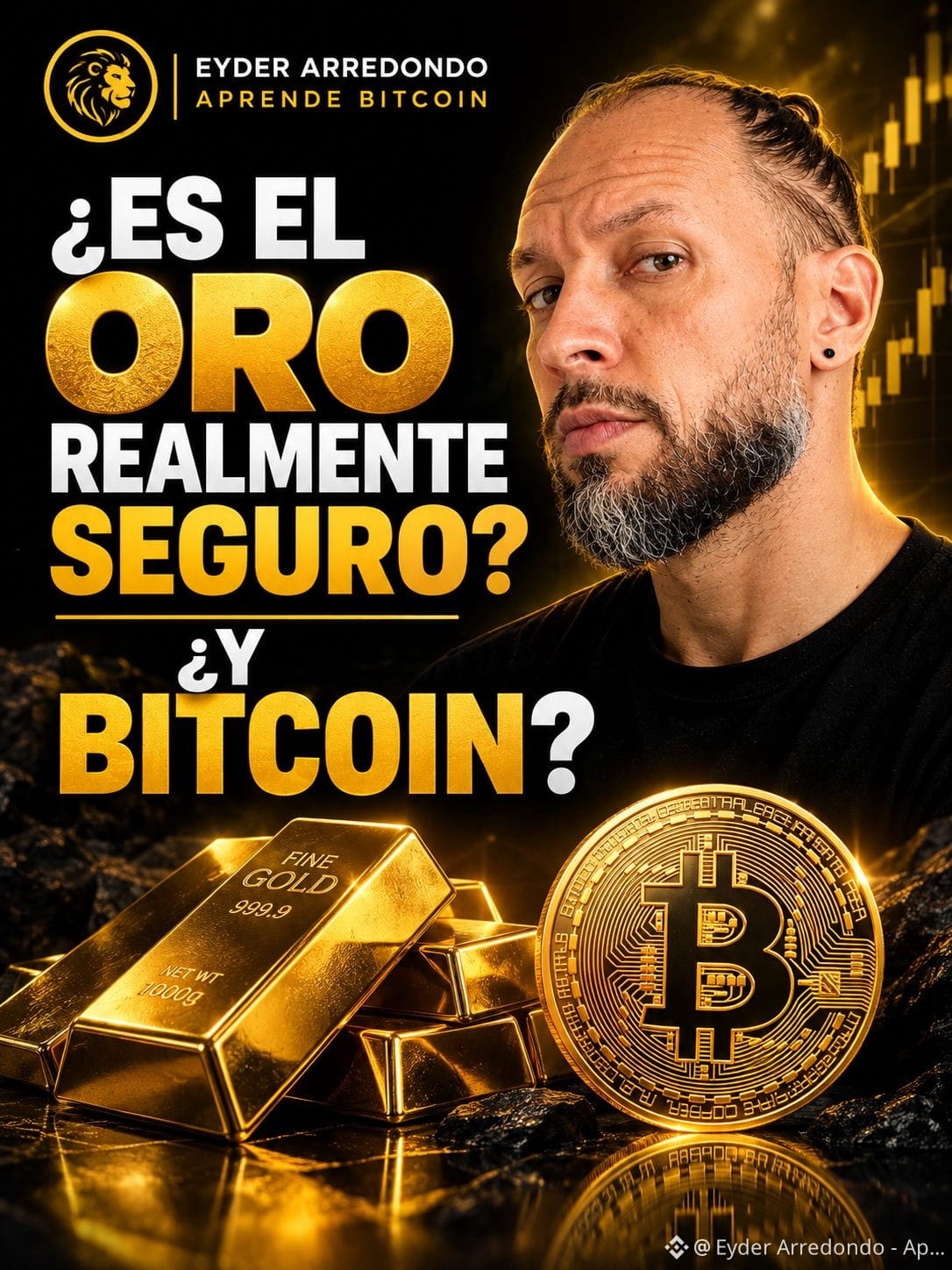
In 1983, one of the most famous gold heists in history took place.
Six thieves entered the Brink’s-Mat vault near Heathrow, London, and took approximately 3 tons of gold bullion, along with other valuables.
And this made me think about something:
Having value doesn’t mean being risk-free.
Gold $PAXG has physical risks:
🔸 it can be stolen
🔸 it needs custody
🔸 transporting and storing it has costs
$BTC has another type of risks:
🔸 loss or theft of keys
🔸 digital attacks
🔸 human error
🔸 technological challenges like quantum computing.
Quantum computing still doesn’t represent a practical threat to today’s cryptography, but scientists and organizations like NIST are already working on quantum-resistant cryptography.
So for me, the interesting question isn’t:
What asset is 100% safe?
Because that asset probably doesn’t exist.
The question is:
What kind of risk am I willing to understand, accept, and learn to manage?
And maybe that’s one of the most important things we should learn before buying any asset.
DYOR. INVESTIGATE FOR YOURSELF.
#bitcoin #PAXG #AprendeBitcoin
In 1983, one of the most famous gold heists in history took place.
Six thieves entered the Brink’s-Mat vault near Heathrow, London, and took approximately 3 tons of gold bullion, along with other valuables.
And this made me think about something:
Having value doesn’t mean being risk-free.
Gold $PAXG has physical risks:
🔸 it can be stolen
🔸 it needs custody
🔸 transporting and storing it has costs
$BTC has another type of risks:
🔸 loss or theft of keys
🔸 digital attacks
🔸 human error
🔸 technological challenges like quantum computing.
Quantum computing still doesn’t represent a practical threat to today’s cryptography, but scientists and organizations like NIST are already working on quantum-resistant cryptography.
So for me, the interesting question isn’t:
What asset is 100% safe?
Because that asset probably doesn’t exist.
The question is:
What kind of risk am I willing to understand, accept, and learn to manage?
And maybe that’s one of the most important things we should learn before buying any asset.
DYOR. INVESTIGATE FOR YOURSELF.
#bitcoin #PAXG #AprendeBitcoin
Six thieves entered the Brink’s-Mat vault near Heathrow, London, and took approximately 3 tons of gold bullion, along with other valuables.
And this made me think about something:
Having value doesn’t mean being risk-free.
Gold $PAXG has physical risks:
🔸 it can be stolen
🔸 it needs custody
🔸 transporting and storing it has costs
$BTC has another type of risks:
🔸 loss or theft of keys
🔸 digital attacks
🔸 human error
🔸 technological challenges like quantum computing.
Quantum computing still doesn’t represent a practical threat to today’s cryptography, but scientists and organizations like NIST are already working on quantum-resistant cryptography.
So for me, the interesting question isn’t:
What asset is 100% safe?
Because that asset probably doesn’t exist.
The question is:
What kind of risk am I willing to understand, accept, and learn to manage?
And maybe that’s one of the most important things we should learn before buying any asset.
DYOR. INVESTIGATE FOR YOURSELF.
#bitcoin #PAXG #AprendeBitcoin
222
·
--
Bullish
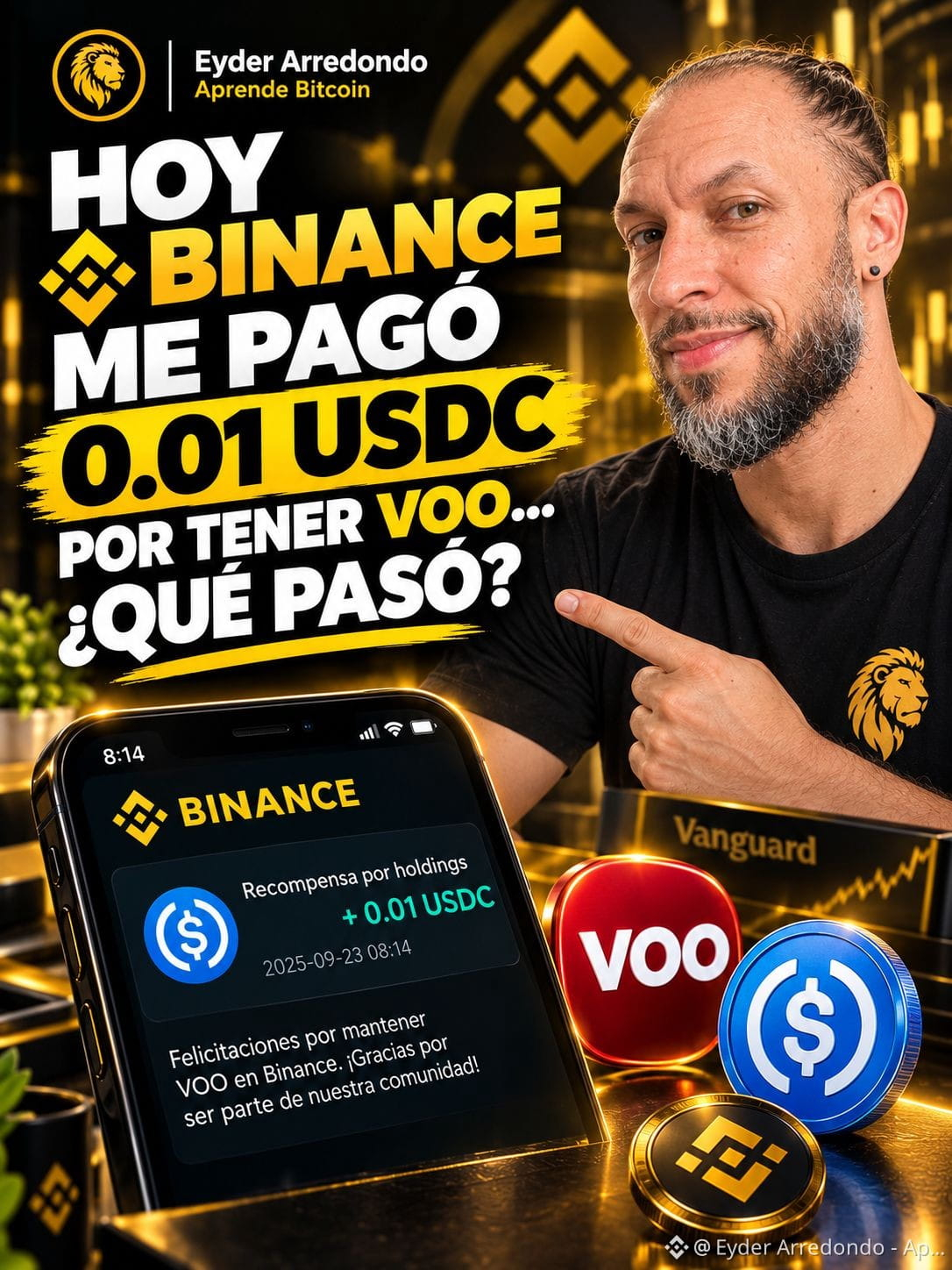
🪙 TODAY BINANCE PAID ME 0.01 $USDC FOR HAVING $VOO.ETF … WHAT HAPPENED?
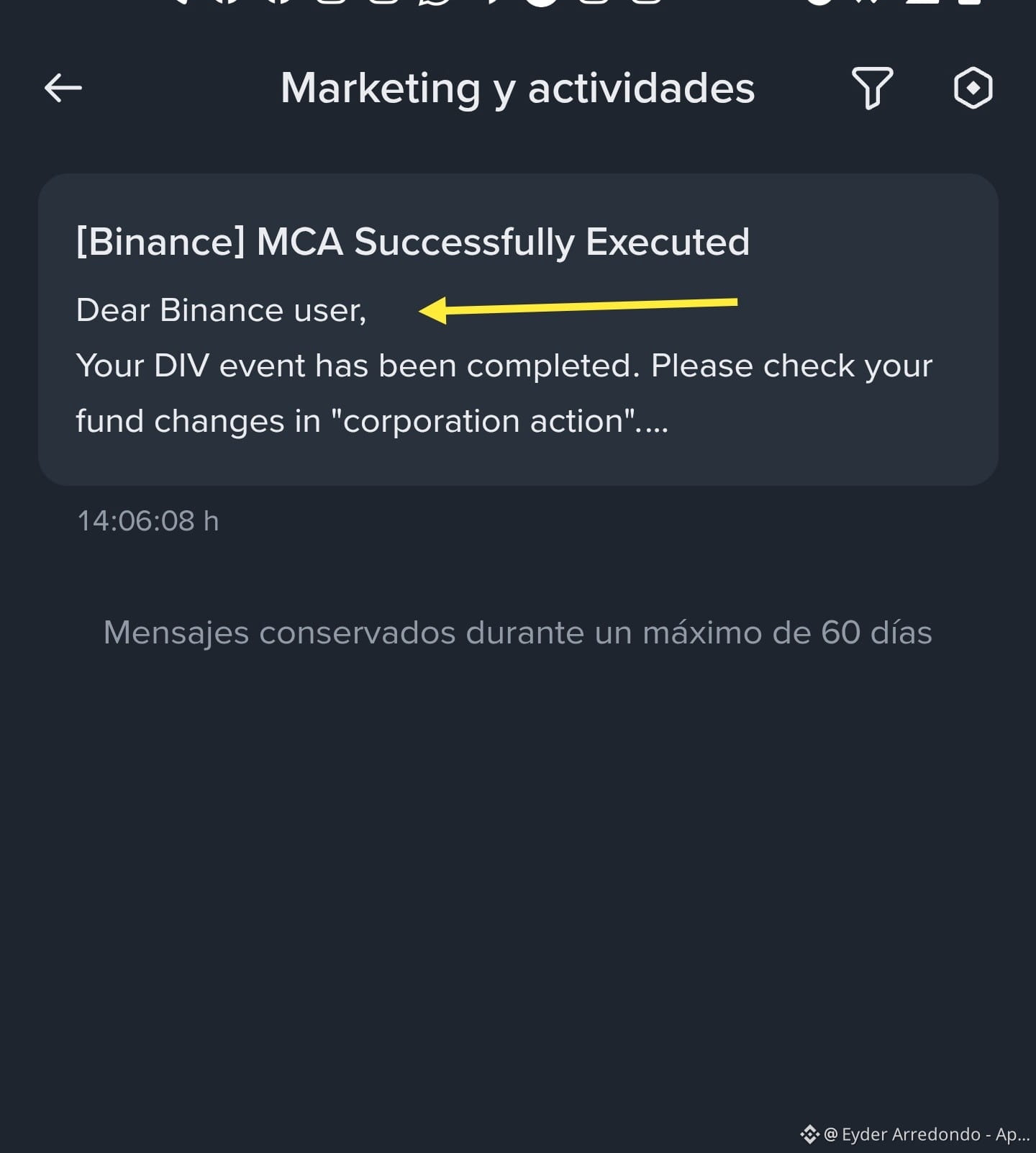
Today I received a message from Binance that said:
“Your DIV event has been completed.”
At first I didn’t understand what that meant.
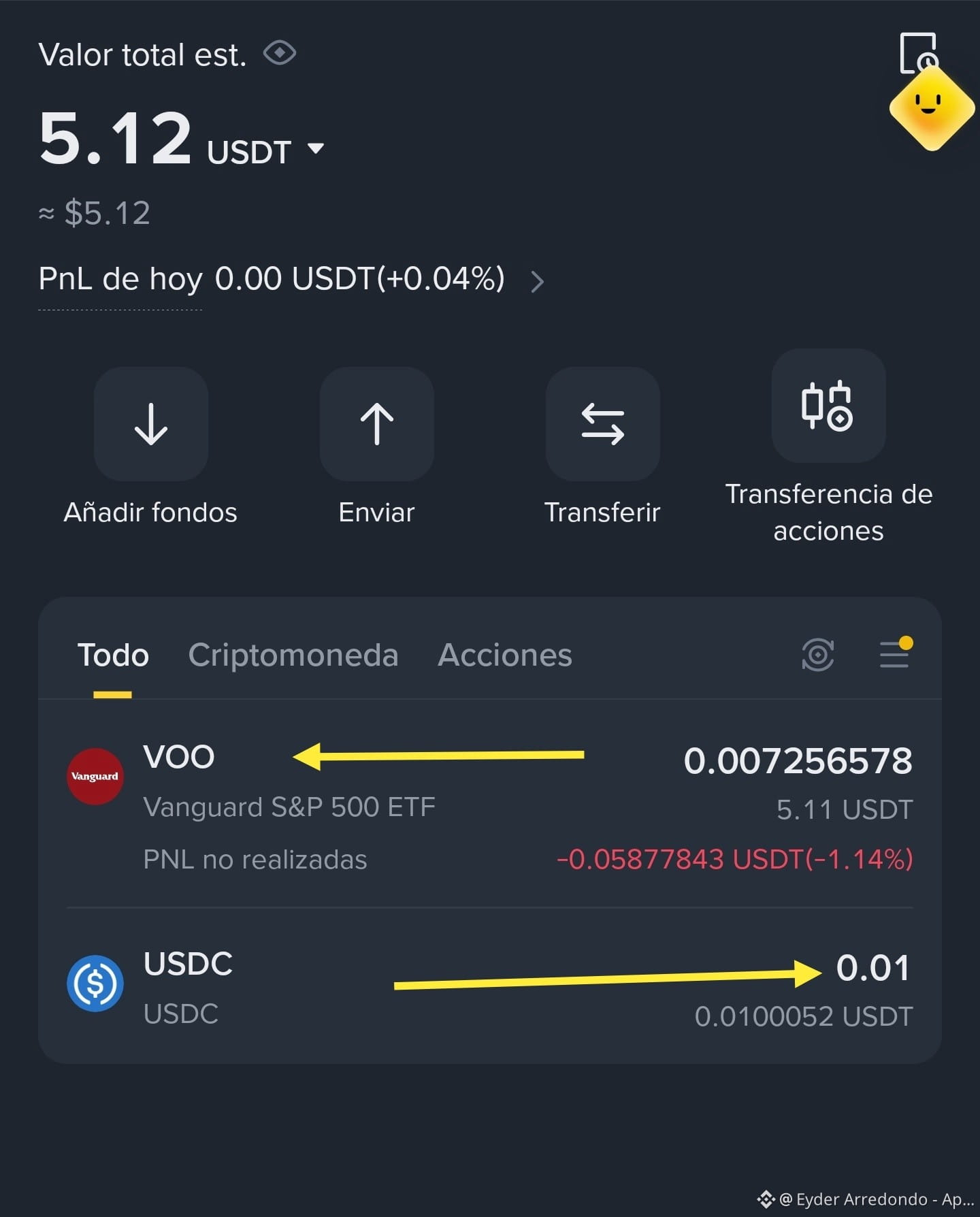
Then I checked my assets and found something new:
USDC: 0.01
Where did it come from?
📚 The simple explanation
I have a small position in VOO, an ETF that aims to track the performance of the S&P 500.
VOO, like other ETFs, can receive dividends from the companies that make up its portfolio and distribute them to its investors.
In my case, Binance processed that dividend and it appeared approximately:
0.01 USDC
in my account.
And here’s something important I learned:
The performance of an investment doesn’t always come only from the price going up.
There are assets that can also generate dividends.
For example:
📈 If VOO goes up in price → my position can increase in value.
💰 If VOO distributes dividends → I can receive a payment, depending on my stake and the product’s terms.
In my case it was only 0.01 USDC because my position is still small.
But for me, what was interesting wasn’t the 0.01 USDC.
It was understanding how a dividend really works.
I’m learning that investing isn’t only about checking whether the price is going up or down.
You also need to understand what you have, how it works, and where returns can come from.
This is my personal experience, not financial advice.
What mattered most to me was understanding where it came from.
That’s how I’m learning to invest: by knowing what I have, not just watching the price.
DYOR. INVESTIGATE YOURSELF.
#bitcoin #EducaciónFinanciera
🪙 TODAY BINANCE PAID ME 0.01 $USDC FOR HAVING $VOO.ETF … WHAT HAPPENED?
Today I received a message from Binance that said:
“Your DIV event has been completed.”
At first I didn’t understand what that meant.
Then I checked my assets and found something new:
USDC: 0.01
Where did it come from?
📚 The simple explanation
I have a small position in VOO, an ETF that aims to track the performance of the S&P 500.
VOO, like other ETFs, can receive dividends from the companies that make up its portfolio and distribute them to its investors.
In my case, Binance processed that dividend and it appeared approximately:
0.01 USDC
in my account.
And here’s something important I learned:
The performance of an investment doesn’t always come only from the price going up.
There are assets that can also generate dividends.
For example:
📈 If VOO goes up in price → my position can increase in value.
💰 If VOO distributes dividends → I can receive a payment, depending on my stake and the product’s terms.
In my case it was only 0.01 USDC because my position is still small.
But for me, what was interesting wasn’t the 0.01 USDC.
It was understanding how a dividend really works.
I’m learning that investing isn’t only about checking whether the price is going up or down.
You also need to understand what you have, how it works, and where returns can come from.
This is my personal experience, not financial advice.
What mattered most to me was understanding where it came from.
That’s how I’m learning to invest: by knowing what I have, not just watching the price.
DYOR. INVESTIGATE YOURSELF.
#bitcoin #EducaciónFinanciera
Today I received a message from Binance that said:
“Your DIV event has been completed.”
At first I didn’t understand what that meant.
Then I checked my assets and found something new:
USDC: 0.01
Where did it come from?
📚 The simple explanation
I have a small position in VOO, an ETF that aims to track the performance of the S&P 500.
VOO, like other ETFs, can receive dividends from the companies that make up its portfolio and distribute them to its investors.
In my case, Binance processed that dividend and it appeared approximately:
0.01 USDC
in my account.
And here’s something important I learned:
The performance of an investment doesn’t always come only from the price going up.
There are assets that can also generate dividends.
For example:
📈 If VOO goes up in price → my position can increase in value.
💰 If VOO distributes dividends → I can receive a payment, depending on my stake and the product’s terms.
In my case it was only 0.01 USDC because my position is still small.
But for me, what was interesting wasn’t the 0.01 USDC.
It was understanding how a dividend really works.
I’m learning that investing isn’t only about checking whether the price is going up or down.
You also need to understand what you have, how it works, and where returns can come from.
This is my personal experience, not financial advice.
What mattered most to me was understanding where it came from.
That’s how I’m learning to invest: by knowing what I have, not just watching the price.
DYOR. INVESTIGATE YOURSELF.
#bitcoin #EducaciónFinanciera
USDC+0.00%
VOOETF+0.72%
1
58
Article
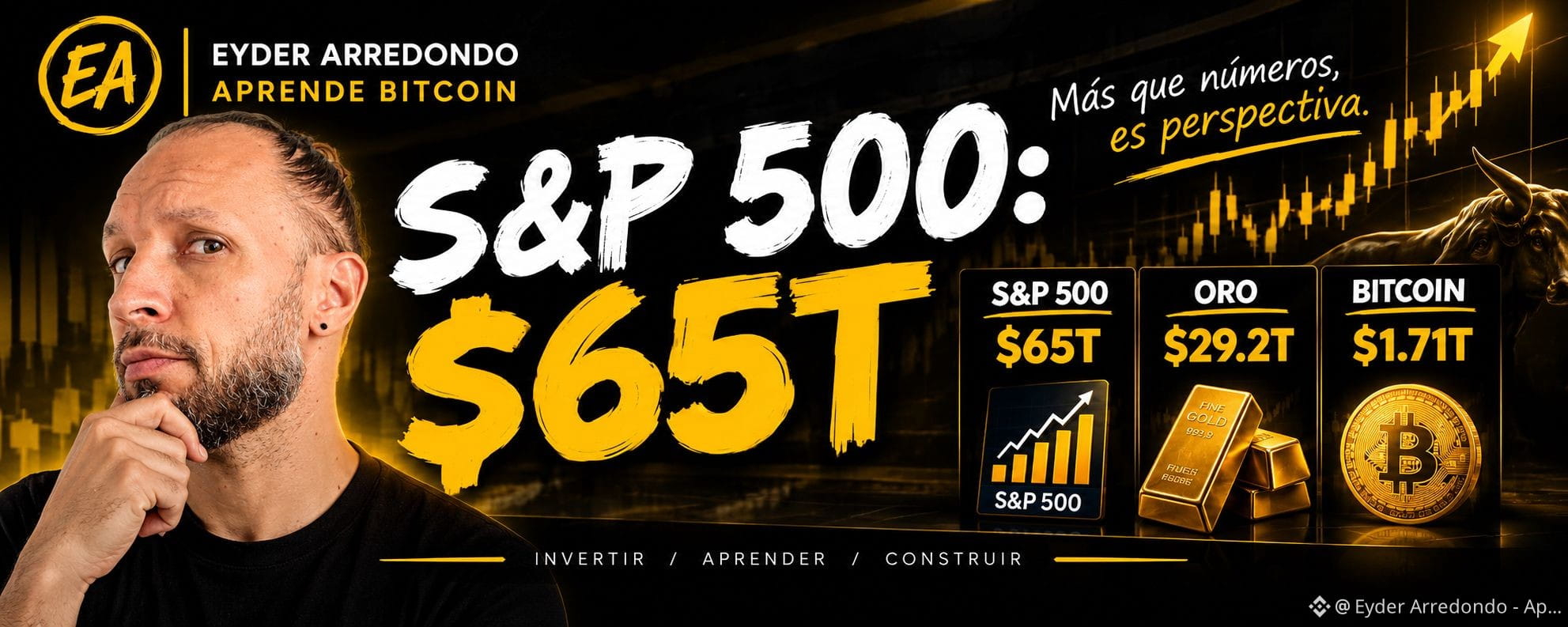
🪙 IS BITCOIN ALREADY HUGE? OR IS IT STILL SMALL?When we talk about $BTC we often only look at its price.
Today BTC is around US$83,000 and its market capitalization is around US$1.7 trillion.
But there’s a much more interesting question:
How big is Bitcoin compared to other markets?
Let’s look at the numbers approximately as of September 30, 2026:
🟠 GOLD: ~US$29 trillion
🟠 BITCOIN: ~US$1.7 trillion
🔵 S&P 500 COMPANIES: ~US$60+ trillion
And this is where market capitalization starts to make sense.
What does it really mean?
🪙 IS BITCOIN ALREADY HUGE? OR IS IT STILL SMALL?
When we talk about $BTC we often only look at its price.
Today BTC is around US$83,000 and its market capitalization is around US$1.7 trillion.
But there’s a much more interesting question:
How big is Bitcoin compared to other markets?
Let’s look at the numbers approximately as of September 30, 2026:
🟠 GOLD: ~US$29 trillion
🟠 BITCOIN: ~US$1.7 trillion
🔵 S&P 500 COMPANIES: ~US$60+ trillion
And this is where market capitalization starts to make sense.
What does it really mean?
Today BTC is around US$83,000 and its market capitalization is around US$1.7 trillion.
But there’s a much more interesting question:
How big is Bitcoin compared to other markets?
Let’s look at the numbers approximately as of September 30, 2026:
🟠 GOLD: ~US$29 trillion
🟠 BITCOIN: ~US$1.7 trillion
🔵 S&P 500 COMPANIES: ~US$60+ trillion
And this is where market capitalization starts to make sense.
What does it really mean?
1
1.3k
·
--
Bullish
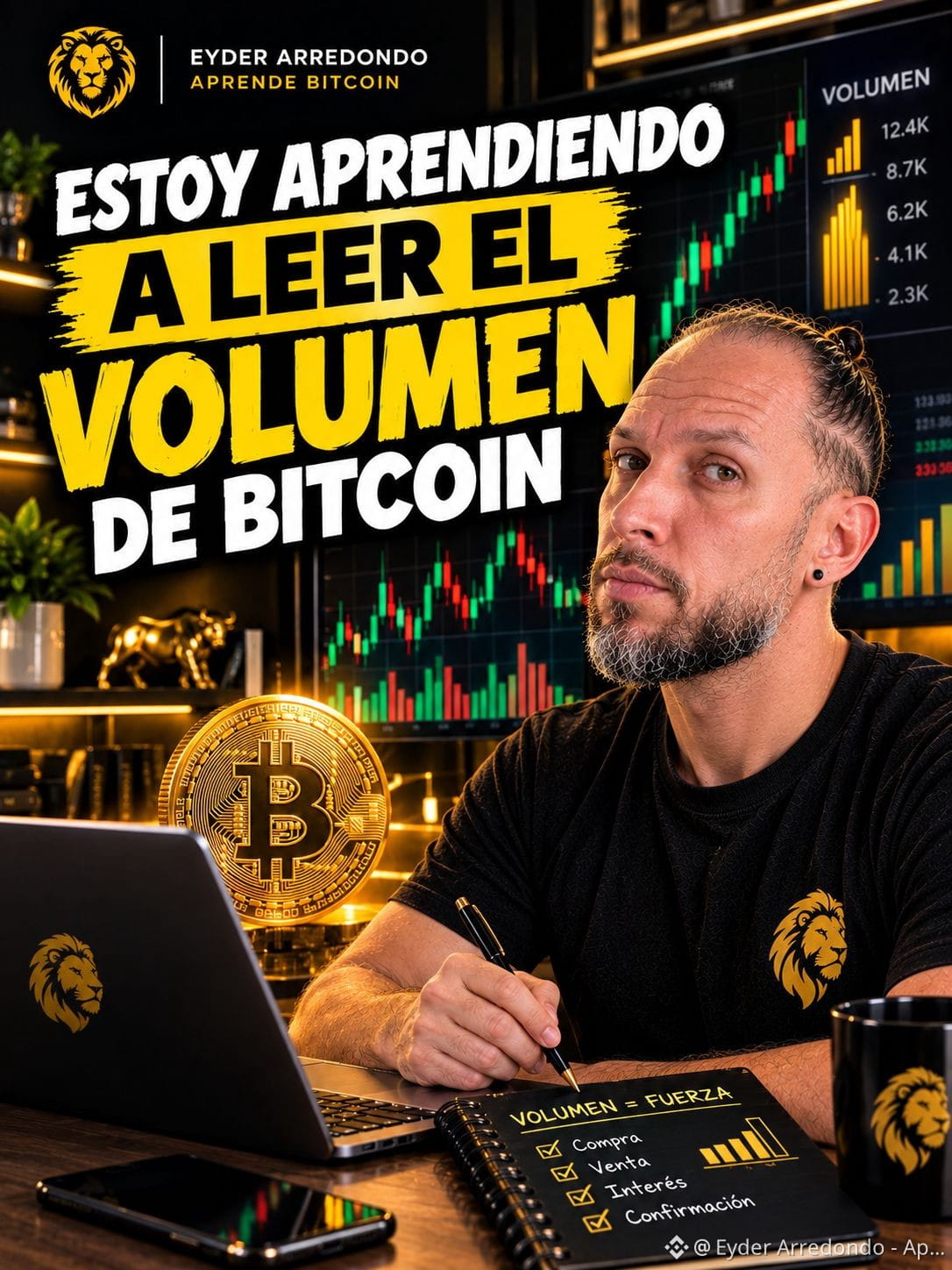
🌕 Something I’m starting to understand is that it’s not simply about asking:
❌ “Is this volume high?”
The correct question is:
✅ “Is it high compared to the candles around it?”
For example:
If $BTC makes a new high, but the volume is much lower than at the previous high, it’s something worth paying attention to.
It doesn’t mean that Bitcoin is necessarily going to drop. It just gives us more information to better understand what’s happening.
💡 Volume makes more sense when you compare it with its context.
I’m applying this indicator to my charts to learn to interpret Bitcoin’s movements better.
DYOR. INVESTIGATE YOURSELF.
#bitcoin #EducaciónFinanciera #AprendeBitcoin
🌕 Something I’m starting to understand is that it’s not simply about asking:
❌ “Is this volume high?”
The correct question is:
✅ “Is it high compared to the candles around it?”
For example:
If $BTC makes a new high, but the volume is much lower than at the previous high, it’s something worth paying attention to.
It doesn’t mean that Bitcoin is necessarily going to drop. It just gives us more information to better understand what’s happening.
💡 Volume makes more sense when you compare it with its context.
I’m applying this indicator to my charts to learn to interpret Bitcoin’s movements better.
DYOR. INVESTIGATE YOURSELF.
#bitcoin #EducaciónFinanciera #AprendeBitcoin
❌ “Is this volume high?”
The correct question is:
✅ “Is it high compared to the candles around it?”
For example:
If $BTC makes a new high, but the volume is much lower than at the previous high, it’s something worth paying attention to.
It doesn’t mean that Bitcoin is necessarily going to drop. It just gives us more information to better understand what’s happening.
💡 Volume makes more sense when you compare it with its context.
I’m applying this indicator to my charts to learn to interpret Bitcoin’s movements better.
DYOR. INVESTIGATE YOURSELF.
#bitcoin #EducaciónFinanciera #AprendeBitcoin
155
·
--
Bearish
🪙 When I started learning about $BTC y cryptocurrencies, I used to see that one coin cost $1, another $100, and another $0.10.
But I discovered something important:
👉 The price of a cryptocurrency alone does NOT tell me how big it really is.
That’s what market capitalization is for.
📊 The formula is simple:
Market capitalization = price × circulating coins
For example:
If a cryptocurrency costs $2 and there are 10 million coins in circulation:
➡️ Its market cap would be $20 million.
So what is knowing this information for?
🔹 It helps me compare the size of different projects.
🔹 It helps me better understand why a coin with a low price doesn’t necessarily mean it’s “cheap.”
🔹 It helps me put into context the growth a project would need in order to reach a certain valuation.
🔹 I can also observe how the market is distributed across different cryptocurrencies.
That’s why, when I’m analyzing an asset, I try not to focus only on:
❌ “This coin costs $0.50, it’s cheap.”
Instead, I prefer to ask myself:
✅ How many coins are there?
✅ What is its market cap?
✅ What is its circulating supply?
✅ What utility and fundamentals does the project have?
Price is only one part of the story.
And understanding market capitalization is one of those basic tools that every beginner should know.
DYOR. INVESTIGATE YOURSELF.
#AprendeBitcoin #BinanceSquare #EducaciónFinanciera
🪙 When I started learning about $BTC y cryptocurrencies, I used to see that one coin cost $1, another $100, and another $0.10.
But I discovered something important:
👉 The price of a cryptocurrency alone does NOT tell me how big it really is.
That’s what market capitalization is for.
📊 The formula is simple:
Market capitalization = price × circulating coins
For example:
If a cryptocurrency costs $2 and there are 10 million coins in circulation:
➡️ Its market cap would be $20 million.
So what is knowing this information for?
🔹 It helps me compare the size of different projects.
🔹 It helps me better understand why a coin with a low price doesn’t necessarily mean it’s “cheap.”
🔹 It helps me put into context the growth a project would need in order to reach a certain valuation.
🔹 I can also observe how the market is distributed across different cryptocurrencies.
That’s why, when I’m analyzing an asset, I try not to focus only on:
❌ “This coin costs $0.50, it’s cheap.”
Instead, I prefer to ask myself:
✅ How many coins are there?
✅ What is its market cap?
✅ What is its circulating supply?
✅ What utility and fundamentals does the project have?
Price is only one part of the story.
And understanding market capitalization is one of those basic tools that every beginner should know.
DYOR. INVESTIGATE YOURSELF.
#AprendeBitcoin #BinanceSquare #EducaciónFinanciera
But I discovered something important:
👉 The price of a cryptocurrency alone does NOT tell me how big it really is.
That’s what market capitalization is for.
📊 The formula is simple:
Market capitalization = price × circulating coins
For example:
If a cryptocurrency costs $2 and there are 10 million coins in circulation:
➡️ Its market cap would be $20 million.
So what is knowing this information for?
🔹 It helps me compare the size of different projects.
🔹 It helps me better understand why a coin with a low price doesn’t necessarily mean it’s “cheap.”
🔹 It helps me put into context the growth a project would need in order to reach a certain valuation.
🔹 I can also observe how the market is distributed across different cryptocurrencies.
That’s why, when I’m analyzing an asset, I try not to focus only on:
❌ “This coin costs $0.50, it’s cheap.”
Instead, I prefer to ask myself:
✅ How many coins are there?
✅ What is its market cap?
✅ What is its circulating supply?
✅ What utility and fundamentals does the project have?
Price is only one part of the story.
And understanding market capitalization is one of those basic tools that every beginner should know.
DYOR. INVESTIGATE YOURSELF.
#AprendeBitcoin #BinanceSquare #EducaciónFinanciera

1
10
3.9k
·
--
Bearish
🪙 If I only look at the chart of $BTC , I can think:
“BTC is going down… what happened?”
But when I look at the whole market, the story changes.
Today, Monday, September 28, futures on major US indexes are under pressure as bond yields rise and oil gains strength again.
And Bitcoin is also pulling back along with Ethereum and several altcoins.
This reminds me of something important:
Bitcoin is part of an increasingly interconnected financial market.
When liquidity conditions change, interest rates change, or risk appetite shifts, it doesn’t necessarily move only Bitcoin.
That’s why I’m learning to stop only watching:
📉 BTC
📈 ETH
🪙 Altcoins
And start also looking at:
🇺🇸 S&P 500
💻 Nasdaq
💵 Dollar
🏦 Interest rates
📊 Bonds
🛢️ Oil
🥇 Gold
Not to guess what Bitcoin will do tomorrow.
But to understand what’s happening around Bitcoin.
That shift in perspective seems far more important to me than trying to predict the next move in price.
Note: this is not financial advice. It’s my personal experience and what I’m learning while studying the markets.
#bitcoin #AprendeBitcoin #EducaciónFinanciera
🪙 If I only look at the chart of $BTC , I can think:
“BTC is going down… what happened?”
But when I look at the whole market, the story changes.
Today, Monday, September 28, futures on major US indexes are under pressure as bond yields rise and oil gains strength again.
And Bitcoin is also pulling back along with Ethereum and several altcoins.
This reminds me of something important:
Bitcoin is part of an increasingly interconnected financial market.
When liquidity conditions change, interest rates change, or risk appetite shifts, it doesn’t necessarily move only Bitcoin.
That’s why I’m learning to stop only watching:
📉 BTC
📈 ETH
🪙 Altcoins
And start also looking at:
🇺🇸 S&P 500
💻 Nasdaq
💵 Dollar
🏦 Interest rates
📊 Bonds
🛢️ Oil
🥇 Gold
Not to guess what Bitcoin will do tomorrow.
But to understand what’s happening around Bitcoin.
That shift in perspective seems far more important to me than trying to predict the next move in price.
Note: this is not financial advice. It’s my personal experience and what I’m learning while studying the markets.
#bitcoin #AprendeBitcoin #EducaciónFinanciera
“BTC is going down… what happened?”
But when I look at the whole market, the story changes.
Today, Monday, September 28, futures on major US indexes are under pressure as bond yields rise and oil gains strength again.
And Bitcoin is also pulling back along with Ethereum and several altcoins.
This reminds me of something important:
Bitcoin is part of an increasingly interconnected financial market.
When liquidity conditions change, interest rates change, or risk appetite shifts, it doesn’t necessarily move only Bitcoin.
That’s why I’m learning to stop only watching:
📉 BTC
📈 ETH
🪙 Altcoins
And start also looking at:
🇺🇸 S&P 500
💻 Nasdaq
💵 Dollar
🏦 Interest rates
📊 Bonds
🛢️ Oil
🥇 Gold
Not to guess what Bitcoin will do tomorrow.
But to understand what’s happening around Bitcoin.
That shift in perspective seems far more important to me than trying to predict the next move in price.
Note: this is not financial advice. It’s my personal experience and what I’m learning while studying the markets.
#bitcoin #AprendeBitcoin #EducaciónFinanciera

2
930
·
--
Bullish
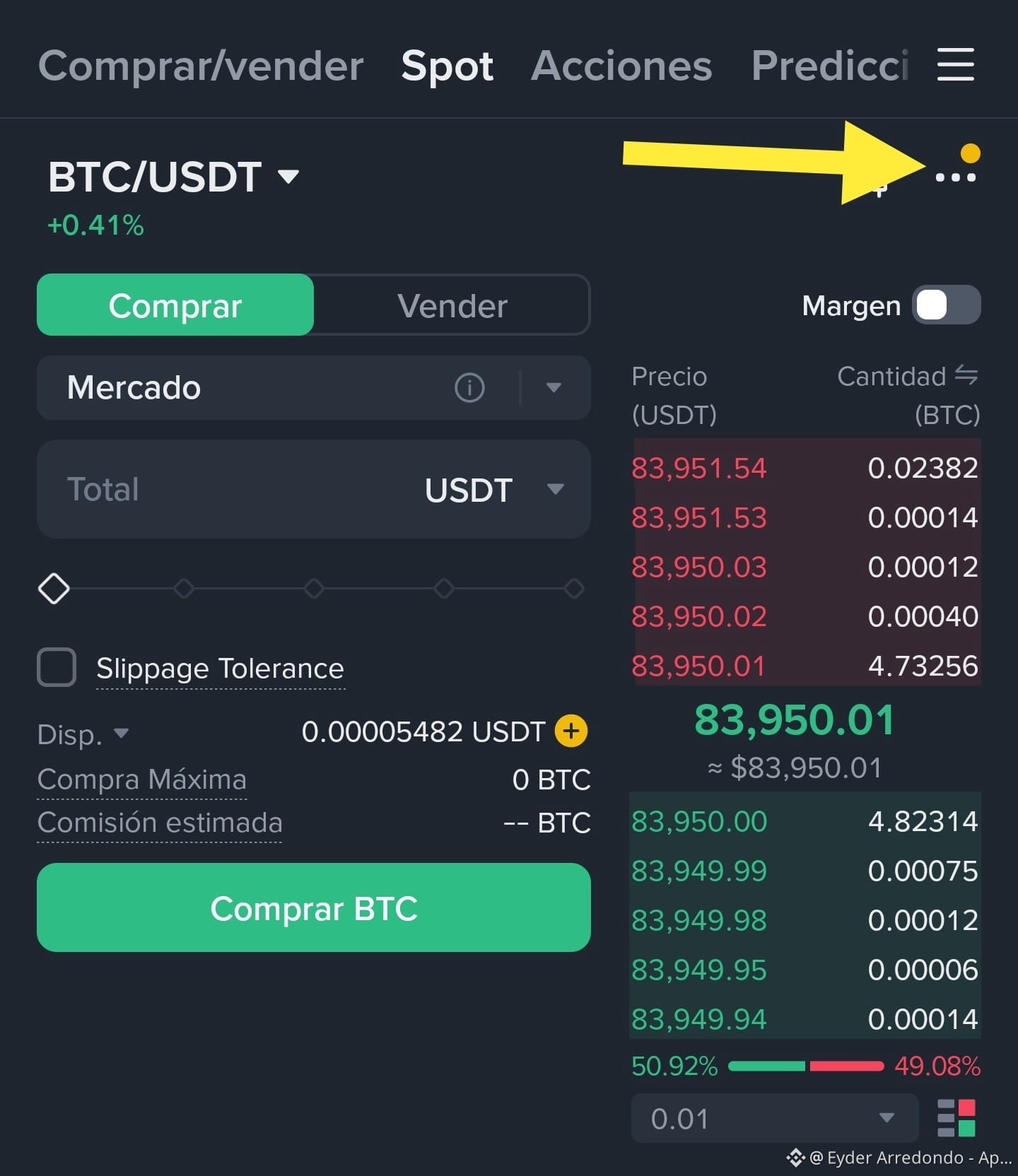
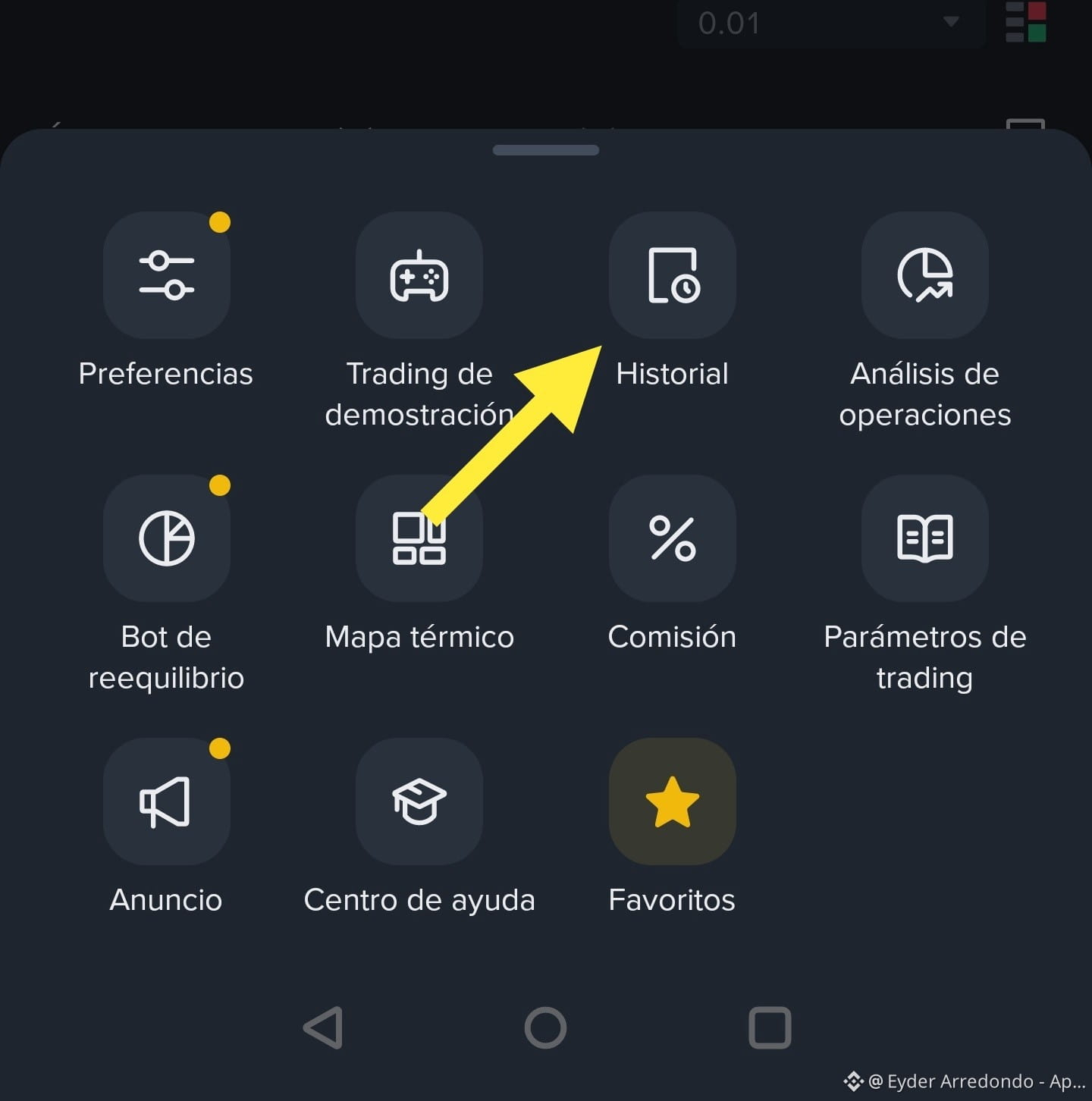
🪙 If you buy cryptocurrencies and you don’t know where to see what you really did, learn this:
🔹 **1. ORDER HISTORY**
Here you can review the orders you placed on Binance.
For example:
📌 Which asset you wanted to buy or sell.
📌 The type of order you used.
📌 The price you set.
📌 The quantity.
📌 Whether the order was executed, canceled, or left pending.
👉 It’s like checking the orders you’ve sent to the market.
🔹 **2. TRADES HISTORY**
Here you can check the trades that were actually executed.
You can review:
📌 What you bought or sold.
📌 How much was executed.
📌 The execution price.
📌 The date and time.
📌 The commission you paid.
💡 **SEE THE DIFFERENCE?**
An **order** is what you tried to do.
A **trade** is what was actually executed.
For example:
👉 You place an order to buy 100 USDT of $BTC
But only 60 USDT are executed
In the order history you can see the order you placed.
In the trades history you can confirm what portion was really executed and how much you paid.
That’s why you shouldn’t just look at your current balance.
Learn to review your histories and start understanding what you’re really doing with your money inside Binance.
📚 Learning to use Binance is also learning to read your own actions.
DYOR. Investigate yourself.
#BinanceSquareTalks #CriptoParaPrincipiantes #AprendeBitcoin
🪙 If you buy cryptocurrencies and you don’t know where to see what you really did, learn this:
🔹 **1. ORDER HISTORY**
Here you can review the orders you placed on Binance.
For example:
📌 Which asset you wanted to buy or sell.
📌 The type of order you used.
📌 The price you set.
📌 The quantity.
📌 Whether the order was executed, canceled, or left pending.
👉 It’s like checking the orders you’ve sent to the market.
🔹 **2. TRADES HISTORY**
Here you can check the trades that were actually executed.
You can review:
📌 What you bought or sold.
📌 How much was executed.
📌 The execution price.
📌 The date and time.
📌 The commission you paid.
💡 **SEE THE DIFFERENCE?**
An **order** is what you tried to do.
A **trade** is what was actually executed.
For example:
👉 You place an order to buy 100 USDT of $BTC
But only 60 USDT are executed
In the order history you can see the order you placed.
In the trades history you can confirm what portion was really executed and how much you paid.
That’s why you shouldn’t just look at your current balance.
Learn to review your histories and start understanding what you’re really doing with your money inside Binance.
📚 Learning to use Binance is also learning to read your own actions.
DYOR. Investigate yourself.
#BinanceSquareTalks #CriptoParaPrincipiantes #AprendeBitcoin
🔹 **1. ORDER HISTORY**
Here you can review the orders you placed on Binance.
For example:
📌 Which asset you wanted to buy or sell.
📌 The type of order you used.
📌 The price you set.
📌 The quantity.
📌 Whether the order was executed, canceled, or left pending.
👉 It’s like checking the orders you’ve sent to the market.
🔹 **2. TRADES HISTORY**
Here you can check the trades that were actually executed.
You can review:
📌 What you bought or sold.
📌 How much was executed.
📌 The execution price.
📌 The date and time.
📌 The commission you paid.
💡 **SEE THE DIFFERENCE?**
An **order** is what you tried to do.
A **trade** is what was actually executed.
For example:
👉 You place an order to buy 100 USDT of $BTC
But only 60 USDT are executed
In the order history you can see the order you placed.
In the trades history you can confirm what portion was really executed and how much you paid.
That’s why you shouldn’t just look at your current balance.
Learn to review your histories and start understanding what you’re really doing with your money inside Binance.
📚 Learning to use Binance is also learning to read your own actions.
DYOR. Investigate yourself.
#BinanceSquareTalks #CriptoParaPrincipiantes #AprendeBitcoin

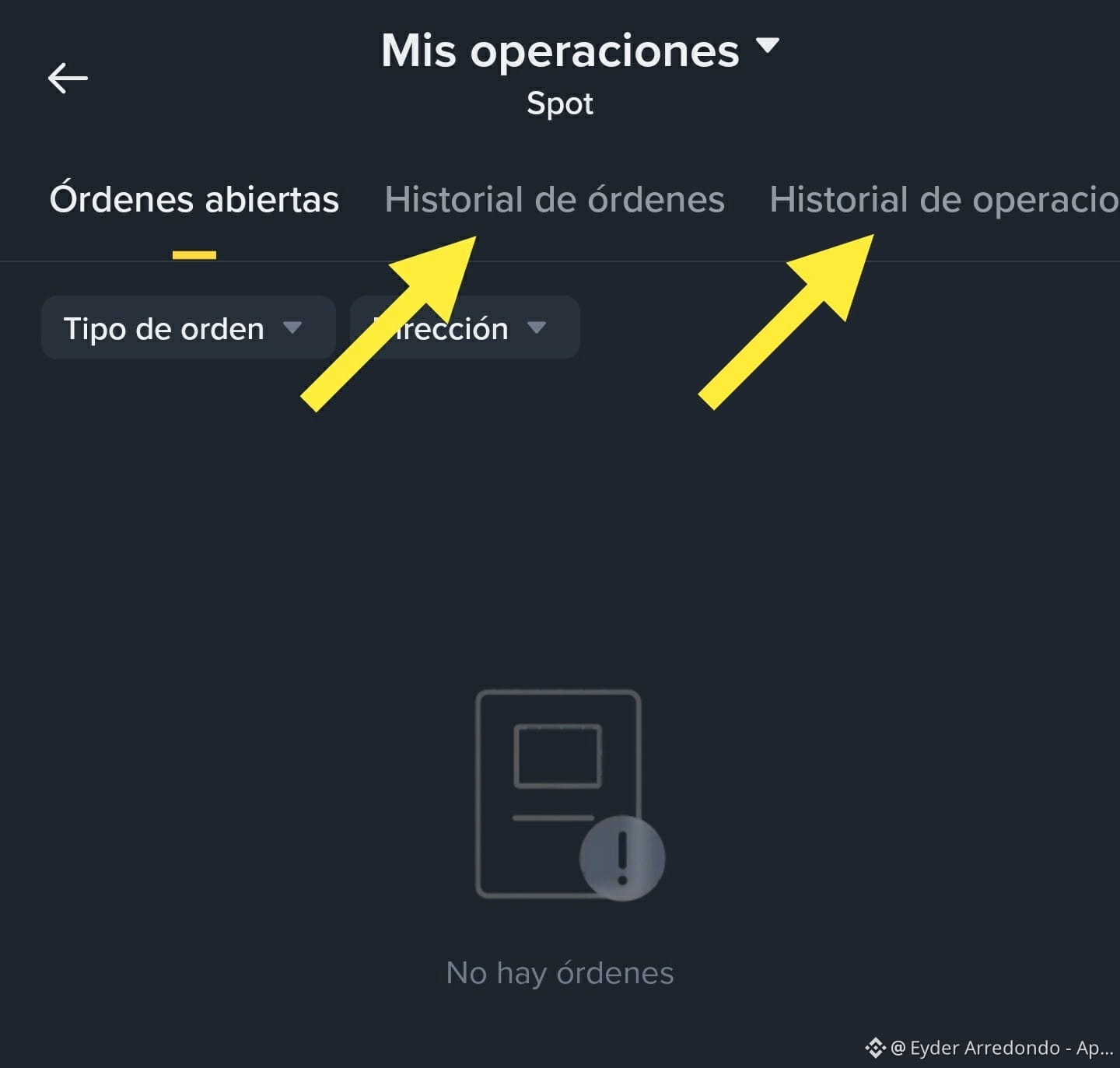
1
1k
·
--
Bullish
🪙 So you’re probably only using a small part of everything the platform offers.
If you’re a beginner, here are a few options worth knowing about 👇
🔹 **CONVERT**
You can swap one cryptocurrency for another in a simple way, without using the traditional trading interface. Binance also offers recurring conversions.
🔹 **BINANCE EARN**
Allows you to put certain assets into Earn products to receive rewards, depending on the product and the conditions available. ⚠️ It does not mean that all cryptocurrencies generate returns, nor that it’s risk-free.
🔹 **P2P**
You can buy or sell cryptocurrencies directly with other users through Binance’s P2P marketplace.
🔹 **RECURRENT PURCHASES**
You can schedule periodic buys of certain assets—an инструмент related to the DCA strategy.
🔹 **BINANCE LITE**
If the Pro interface seems complicated, Binance has a Lite version designed to simplify basic actions for beginners.
🔹 **WEB3 Y WALLET**
Binance also lets you explore Web3-related applications and services, in addition to the exchange’s traditional features.
🔹 **SECURITY**
And this is perhaps one of the MOST IMPORTANT options: enable 2FA, use a strong password, and set up protection measures like an anti-phishing code.
👉 Binance isn’t just buying $BTC and waiting for it to go up.
Before using any feature, learn what it’s for, what its conditions are, and what risks it involves.
DYOR. Research it yourself. 👍🏻
#Binance #CriptoParaPrincipiantes #AprendeBitcoin
🪙 So you’re probably only using a small part of everything the platform offers.
If you’re a beginner, here are a few options worth knowing about 👇
🔹 **CONVERT**
You can swap one cryptocurrency for another in a simple way, without using the traditional trading interface. Binance also offers recurring conversions.
🔹 **BINANCE EARN**
Allows you to put certain assets into Earn products to receive rewards, depending on the product and the conditions available. ⚠️ It does not mean that all cryptocurrencies generate returns, nor that it’s risk-free.
🔹 **P2P**
You can buy or sell cryptocurrencies directly with other users through Binance’s P2P marketplace.
🔹 **RECURRENT PURCHASES**
You can schedule periodic buys of certain assets—an инструмент related to the DCA strategy.
🔹 **BINANCE LITE**
If the Pro interface seems complicated, Binance has a Lite version designed to simplify basic actions for beginners.
🔹 **WEB3 Y WALLET**
Binance also lets you explore Web3-related applications and services, in addition to the exchange’s traditional features.
🔹 **SECURITY**
And this is perhaps one of the MOST IMPORTANT options: enable 2FA, use a strong password, and set up protection measures like an anti-phishing code.
👉 Binance isn’t just buying $BTC and waiting for it to go up.
Before using any feature, learn what it’s for, what its conditions are, and what risks it involves.
DYOR. Research it yourself. 👍🏻
#Binance #CriptoParaPrincipiantes #AprendeBitcoin
If you’re a beginner, here are a few options worth knowing about 👇
🔹 **CONVERT**
You can swap one cryptocurrency for another in a simple way, without using the traditional trading interface. Binance also offers recurring conversions.
🔹 **BINANCE EARN**
Allows you to put certain assets into Earn products to receive rewards, depending on the product and the conditions available. ⚠️ It does not mean that all cryptocurrencies generate returns, nor that it’s risk-free.
🔹 **P2P**
You can buy or sell cryptocurrencies directly with other users through Binance’s P2P marketplace.
🔹 **RECURRENT PURCHASES**
You can schedule periodic buys of certain assets—an инструмент related to the DCA strategy.
🔹 **BINANCE LITE**
If the Pro interface seems complicated, Binance has a Lite version designed to simplify basic actions for beginners.
🔹 **WEB3 Y WALLET**
Binance also lets you explore Web3-related applications and services, in addition to the exchange’s traditional features.
🔹 **SECURITY**
And this is perhaps one of the MOST IMPORTANT options: enable 2FA, use a strong password, and set up protection measures like an anti-phishing code.
👉 Binance isn’t just buying $BTC and waiting for it to go up.
Before using any feature, learn what it’s for, what its conditions are, and what risks it involves.
DYOR. Research it yourself. 👍🏻
#Binance #CriptoParaPrincipiantes #AprendeBitcoin
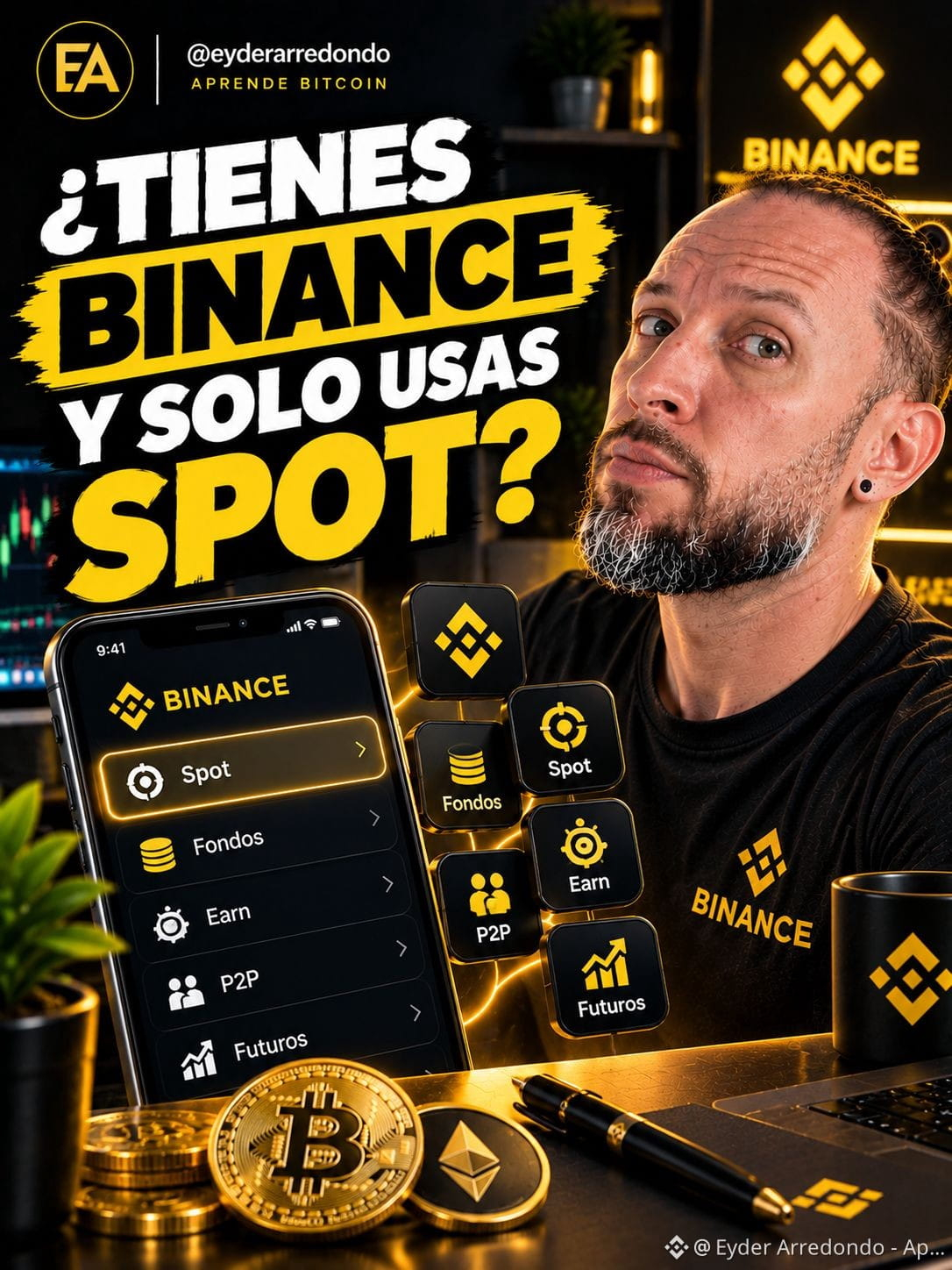
14
1
5
1.2k
·
--
Bearish
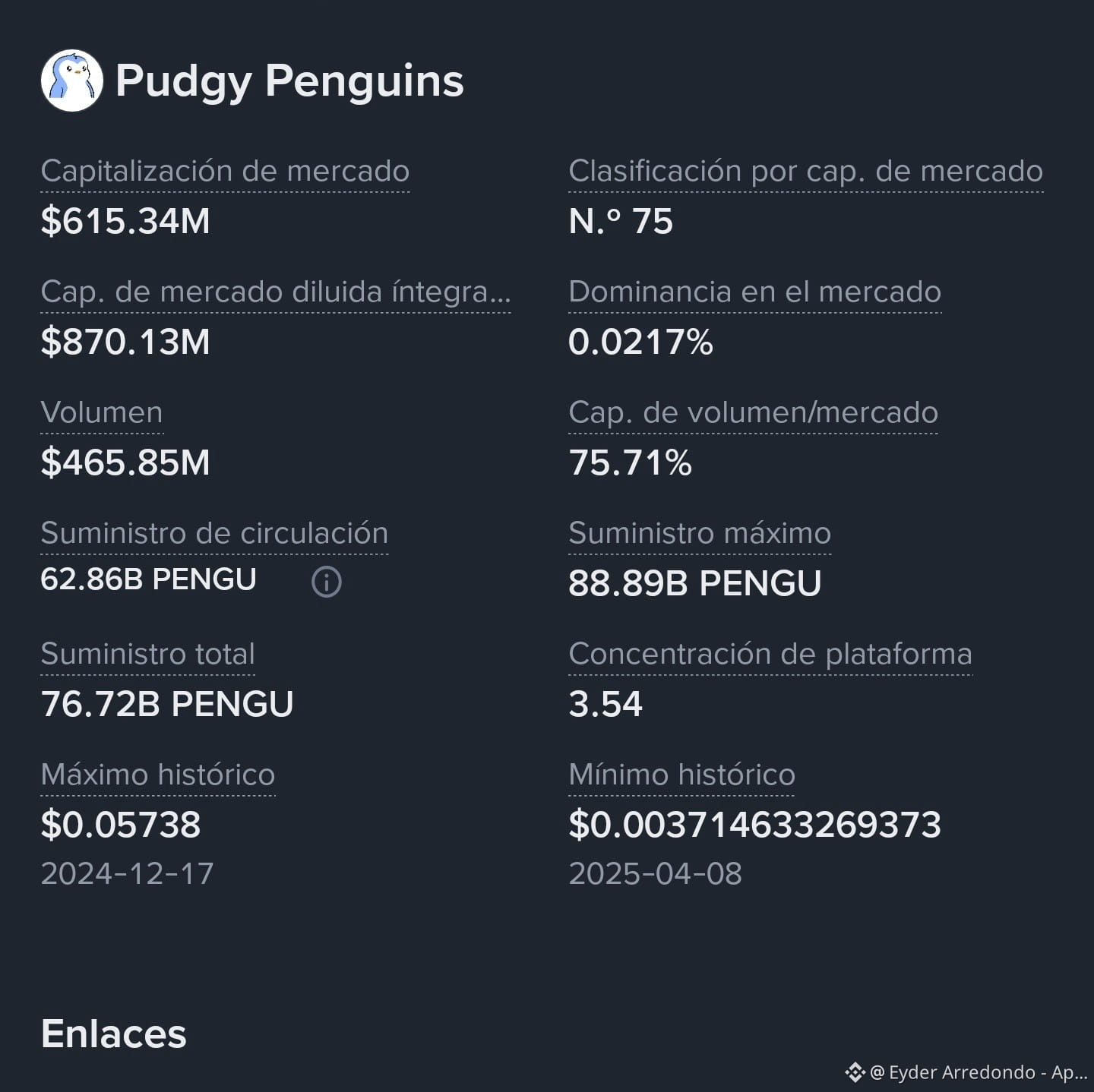
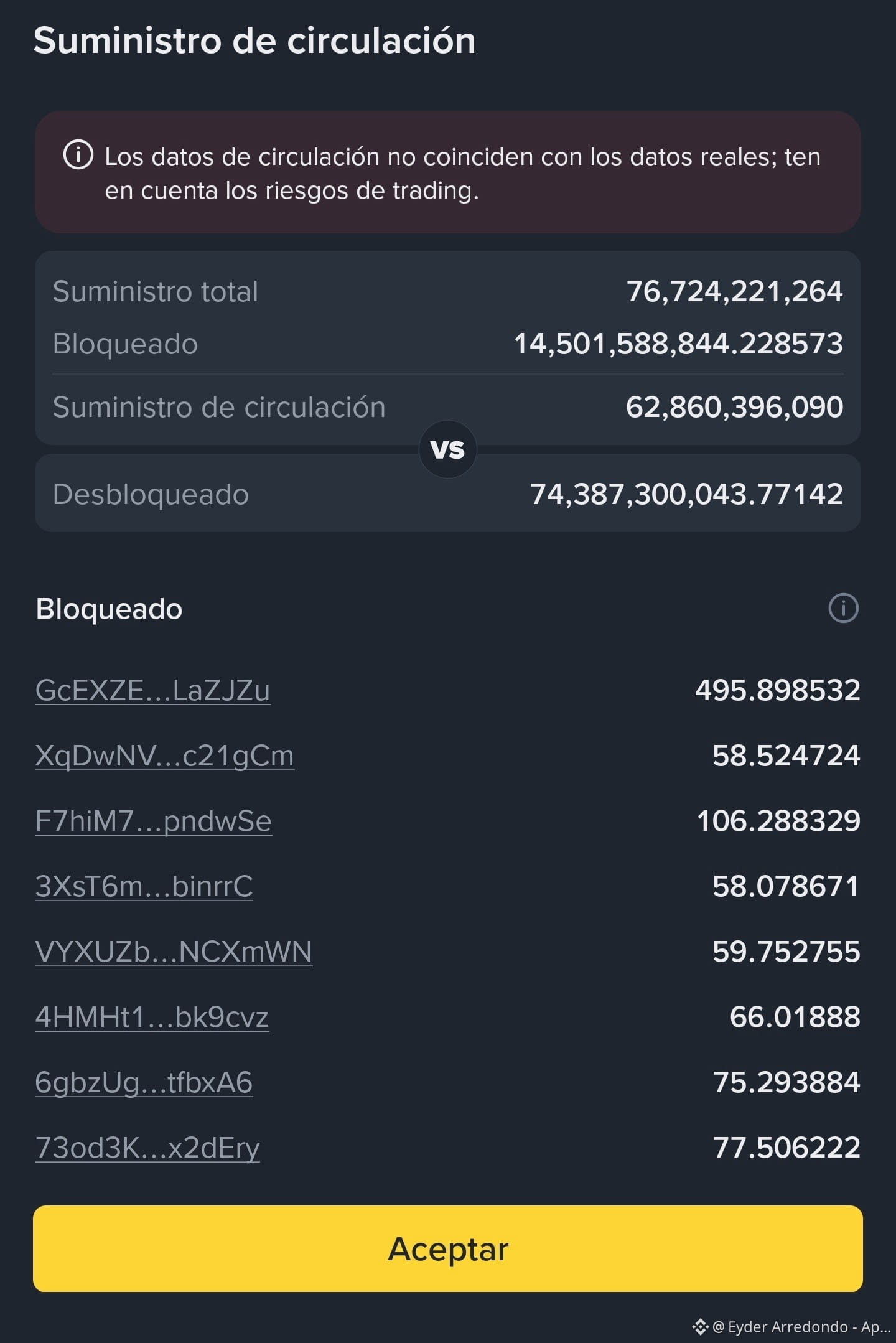
🌕 Today I was checking $PENGU on Binance and I found something that made me stop.
In the coin information, it shows:
🟢 62.86B PENGU in circulation
🟡 76.72B total supply
🔴 88.89B max supply
And Binance even shows a warning:
"Circulating supply data does not match real data."
So I asked myself:
What does this mean for me?
I learned that before looking only at a crypto’s price, we also need to study its tokenomics.
We have to know:
🔹 How many tokens exist?
🔹 How many are circulating?
🔹 How many could enter the market later?
🔹 Who holds those tokens?
🔹 What is the token used for?
🔹 Where could the demand come from?
Because if the amount of available tokens increases and demand doesn’t grow at the same pace, there can be price pressure.
⚠️ And this DOES NOT automatically mean that PENGU will go up or down.
It means there is information we need to learn how to analyze before making a decision.
Don’t buy a crypto just because you see that its price is small.
A token that costs $0.01 doesn’t necessarily mean it’s “cheap.”
First look at its market cap, supply, tokenomics, utility, and demand.
That is also part of learning crypto.
DYOR = Do Your Own Research. Investigate it yourself.
#pengu #CryptoEducacion #DYOR
🌕 Today I was checking $PENGU on Binance and I found something that made me stop.
In the coin information, it shows:
🟢 62.86B PENGU in circulation
🟡 76.72B total supply
🔴 88.89B max supply
And Binance even shows a warning:
"Circulating supply data does not match real data."
So I asked myself:
What does this mean for me?
I learned that before looking only at a crypto’s price, we also need to study its tokenomics.
We have to know:
🔹 How many tokens exist?
🔹 How many are circulating?
🔹 How many could enter the market later?
🔹 Who holds those tokens?
🔹 What is the token used for?
🔹 Where could the demand come from?
Because if the amount of available tokens increases and demand doesn’t grow at the same pace, there can be price pressure.
⚠️ And this DOES NOT automatically mean that PENGU will go up or down.
It means there is information we need to learn how to analyze before making a decision.
Don’t buy a crypto just because you see that its price is small.
A token that costs $0.01 doesn’t necessarily mean it’s “cheap.”
First look at its market cap, supply, tokenomics, utility, and demand.
That is also part of learning crypto.
DYOR = Do Your Own Research. Investigate it yourself.
#pengu #CryptoEducacion #DYOR
In the coin information, it shows:
🟢 62.86B PENGU in circulation
🟡 76.72B total supply
🔴 88.89B max supply
And Binance even shows a warning:
"Circulating supply data does not match real data."
So I asked myself:
What does this mean for me?
I learned that before looking only at a crypto’s price, we also need to study its tokenomics.
We have to know:
🔹 How many tokens exist?
🔹 How many are circulating?
🔹 How many could enter the market later?
🔹 Who holds those tokens?
🔹 What is the token used for?
🔹 Where could the demand come from?
Because if the amount of available tokens increases and demand doesn’t grow at the same pace, there can be price pressure.
⚠️ And this DOES NOT automatically mean that PENGU will go up or down.
It means there is information we need to learn how to analyze before making a decision.
Don’t buy a crypto just because you see that its price is small.
A token that costs $0.01 doesn’t necessarily mean it’s “cheap.”
First look at its market cap, supply, tokenomics, utility, and demand.
That is also part of learning crypto.
DYOR = Do Your Own Research. Investigate it yourself.
#pengu #CryptoEducacion #DYOR
304
·
--
Bullish
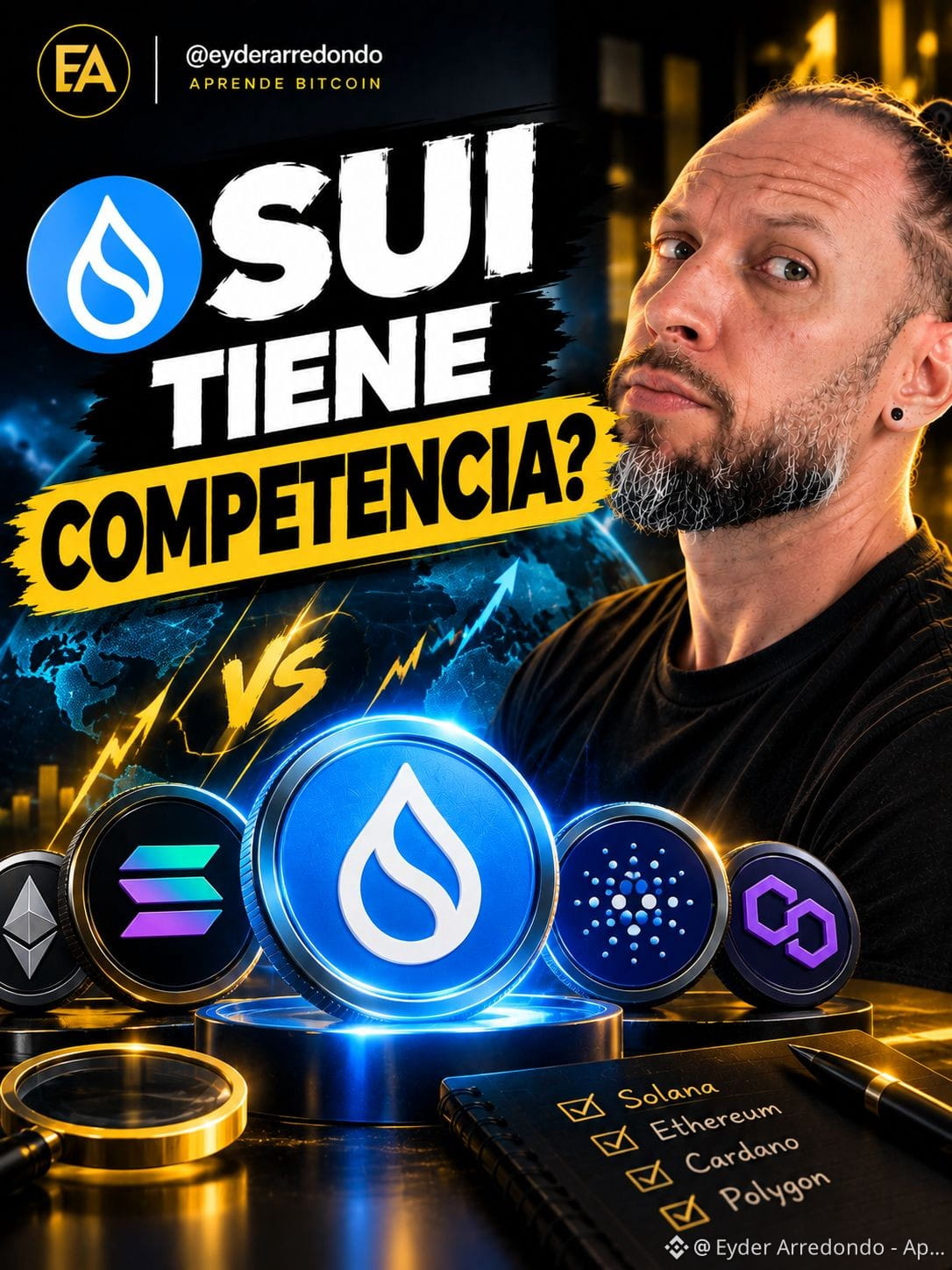
🪙 When I started to get to know $SUI , I understood something important:
Not all cryptocurrencies do the same thing.
SUI is a Layer 1, meaning a blockchain that allows you to create applications and smart contracts.
But… who competes in that space?
🔵 SUI
Layer 1 focused on scalability, Web3 applications, DeFi, gaming, and digital assets.
🟣 APTOS ($APT )
Probably one of the most direct comparisons to SUI. It’s also a Layer 1 and uses the Move language.
🟢 SOLANA ($SOL )
Another high-performance Layer 1, used in DeFi, gaming, Web3 applications, and other projects.
🔷 ETHEREUM (ETH)
Also a smart contract platform, but with a much more developed ecosystem and a longer history.
So when I look at SUI now, I don’t just see it as “a coin that can go up.”
I’m studying it as a technological network, and I want to understand whether it can attract users, developers, and applications that give it real utility.
💡 So before asking “how much can it go up?”, we should also ask:
What problem is this blockchain trying to solve, and who is using it?
#SUI #CryptoEducacion #AprendeBitcoin
🪙 When I started to get to know $SUI , I understood something important:
Not all cryptocurrencies do the same thing.
SUI is a Layer 1, meaning a blockchain that allows you to create applications and smart contracts.
But… who competes in that space?
🔵 SUI
Layer 1 focused on scalability, Web3 applications, DeFi, gaming, and digital assets.
🟣 APTOS ($APT )
Probably one of the most direct comparisons to SUI. It’s also a Layer 1 and uses the Move language.
🟢 SOLANA ($SOL )
Another high-performance Layer 1, used in DeFi, gaming, Web3 applications, and other projects.
🔷 ETHEREUM (ETH)
Also a smart contract platform, but with a much more developed ecosystem and a longer history.
So when I look at SUI now, I don’t just see it as “a coin that can go up.”
I’m studying it as a technological network, and I want to understand whether it can attract users, developers, and applications that give it real utility.
💡 So before asking “how much can it go up?”, we should also ask:
What problem is this blockchain trying to solve, and who is using it?
#SUI #CryptoEducacion #AprendeBitcoin
Not all cryptocurrencies do the same thing.
SUI is a Layer 1, meaning a blockchain that allows you to create applications and smart contracts.
But… who competes in that space?
🔵 SUI
Layer 1 focused on scalability, Web3 applications, DeFi, gaming, and digital assets.
🟣 APTOS ($APT )
Probably one of the most direct comparisons to SUI. It’s also a Layer 1 and uses the Move language.
🟢 SOLANA ($SOL )
Another high-performance Layer 1, used in DeFi, gaming, Web3 applications, and other projects.
🔷 ETHEREUM (ETH)
Also a smart contract platform, but with a much more developed ecosystem and a longer history.
So when I look at SUI now, I don’t just see it as “a coin that can go up.”
I’m studying it as a technological network, and I want to understand whether it can attract users, developers, and applications that give it real utility.
💡 So before asking “how much can it go up?”, we should also ask:
What problem is this blockchain trying to solve, and who is using it?
#SUI #CryptoEducacion #AprendeBitcoin
4
1.4k
·
--
Bullish
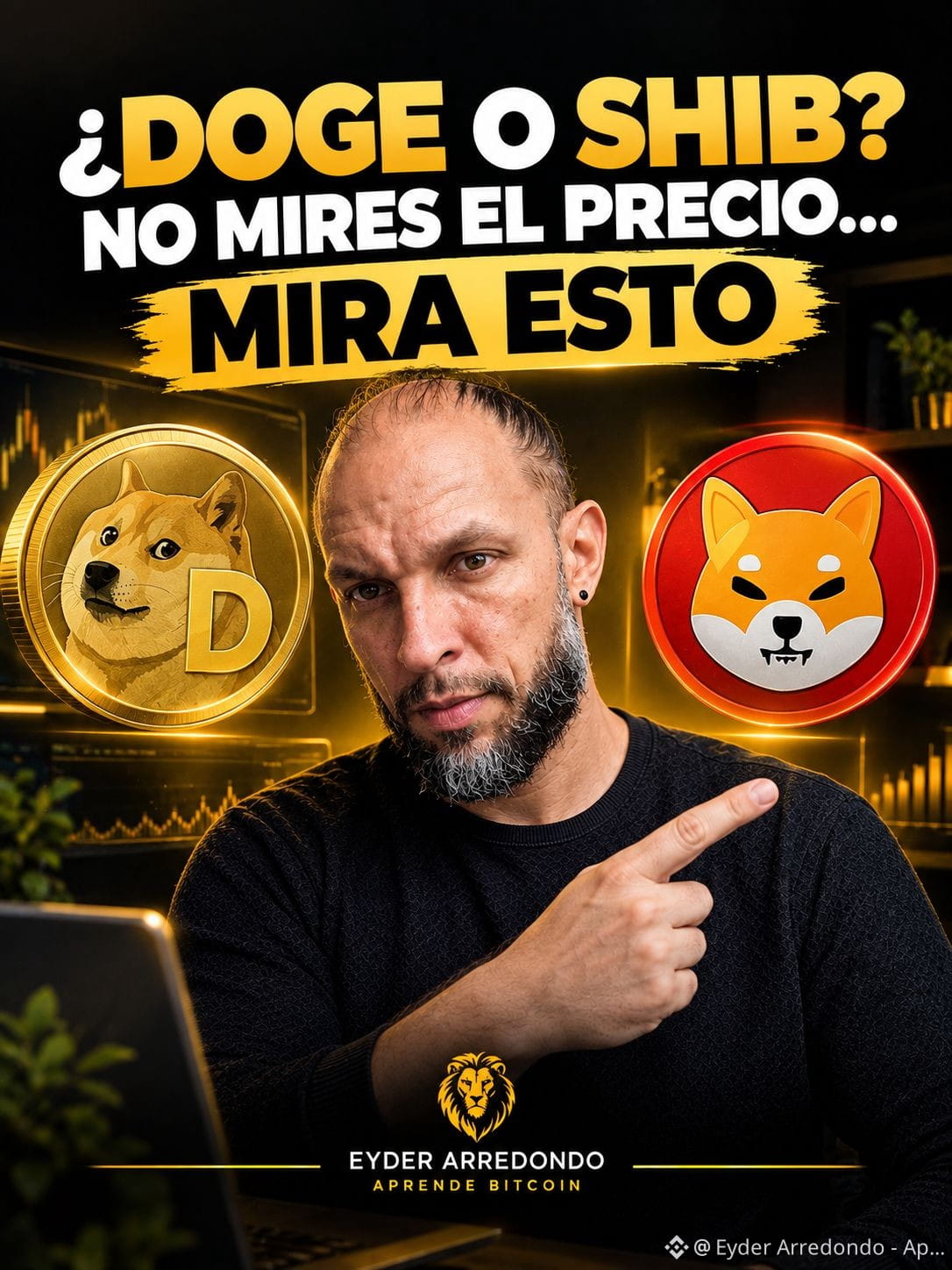
$DOGE vs $SHIB Which seems cheaper?
When I started looking into cryptocurrencies, it was easy to think:
SHIB costs way less than DOGE, so maybe it has more room to rise.
But after learning about market cap and supply, I realized that comparison doesn’t work that way.
Look at these numbers:
🟡 DOGE
Price: $0.09986
Market cap: $17.25 B
Circulating supply: 171.73 B DOGE
🔴 SHIB
Price: $0.00000598
Market cap: $3.55 B
Circulating supply: 589.5 T SHIB
And here’s the interesting part:
DOGE has approximately 171.73 billion coins, while SHIB has approximately 589.5 trillion.
That’s why SHIB can have an extremely small per-unit price without necessarily being "cheap."
🧮 Let’s do the math
The formula I’m learning is:
Market cap = Price × Supply
And if I want to know what price a coin would have with a given market cap:
Price = Market cap ÷ Supply
For example, imagine that DOGE and SHIB both reach a market cap of $100 billion.
DOGE:
$100 B ÷ 171.73 B ≈ $0.58
SHIB:
$100 B ÷ 589.5 T ≈ $0.00017
👉 Same market cap, but completely different per-coin prices.
That made me understand something important:
A coin that costs $0.000005 doesn’t necessarily have more upside than one that costs $0.10.
First, I need to look at how many coins exist and what market cap would need to be reached to get to the price I’m imagining.
And there are other factors worth studying too: volume, max supply, emissions, utility, and demand.
Now I understand why the price of a cryptocurrency by itself doesn’t tell me whether it’s cheap or expensive. First I have to look at how much supply exists and what market cap would be needed to reach the price I’m imagining.
👉 Note: This is not financial advice.
#Dogecoin #Shibalnu #memecoins
$DOGE vs $SHIB Which seems cheaper?
When I started looking into cryptocurrencies, it was easy to think:
SHIB costs way less than DOGE, so maybe it has more room to rise.
But after learning about market cap and supply, I realized that comparison doesn’t work that way.
Look at these numbers:
🟡 DOGE
Price: $0.09986
Market cap: $17.25 B
Circulating supply: 171.73 B DOGE
🔴 SHIB
Price: $0.00000598
Market cap: $3.55 B
Circulating supply: 589.5 T SHIB
And here’s the interesting part:
DOGE has approximately 171.73 billion coins, while SHIB has approximately 589.5 trillion.
That’s why SHIB can have an extremely small per-unit price without necessarily being "cheap."
🧮 Let’s do the math
The formula I’m learning is:
Market cap = Price × Supply
And if I want to know what price a coin would have with a given market cap:
Price = Market cap ÷ Supply
For example, imagine that DOGE and SHIB both reach a market cap of $100 billion.
DOGE:
$100 B ÷ 171.73 B ≈ $0.58
SHIB:
$100 B ÷ 589.5 T ≈ $0.00017
👉 Same market cap, but completely different per-coin prices.
That made me understand something important:
A coin that costs $0.000005 doesn’t necessarily have more upside than one that costs $0.10.
First, I need to look at how many coins exist and what market cap would need to be reached to get to the price I’m imagining.
And there are other factors worth studying too: volume, max supply, emissions, utility, and demand.
Now I understand why the price of a cryptocurrency by itself doesn’t tell me whether it’s cheap or expensive. First I have to look at how much supply exists and what market cap would be needed to reach the price I’m imagining.
👉 Note: This is not financial advice.
#Dogecoin #Shibalnu #memecoins
When I started looking into cryptocurrencies, it was easy to think:
SHIB costs way less than DOGE, so maybe it has more room to rise.
But after learning about market cap and supply, I realized that comparison doesn’t work that way.
Look at these numbers:
🟡 DOGE
Price: $0.09986
Market cap: $17.25 B
Circulating supply: 171.73 B DOGE
🔴 SHIB
Price: $0.00000598
Market cap: $3.55 B
Circulating supply: 589.5 T SHIB
And here’s the interesting part:
DOGE has approximately 171.73 billion coins, while SHIB has approximately 589.5 trillion.
That’s why SHIB can have an extremely small per-unit price without necessarily being "cheap."
🧮 Let’s do the math
The formula I’m learning is:
Market cap = Price × Supply
And if I want to know what price a coin would have with a given market cap:
Price = Market cap ÷ Supply
For example, imagine that DOGE and SHIB both reach a market cap of $100 billion.
DOGE:
$100 B ÷ 171.73 B ≈ $0.58
SHIB:
$100 B ÷ 589.5 T ≈ $0.00017
👉 Same market cap, but completely different per-coin prices.
That made me understand something important:
A coin that costs $0.000005 doesn’t necessarily have more upside than one that costs $0.10.
First, I need to look at how many coins exist and what market cap would need to be reached to get to the price I’m imagining.
And there are other factors worth studying too: volume, max supply, emissions, utility, and demand.
Now I understand why the price of a cryptocurrency by itself doesn’t tell me whether it’s cheap or expensive. First I have to look at how much supply exists and what market cap would be needed to reach the price I’m imagining.
👉 Note: This is not financial advice.
#Dogecoin #Shibalnu #memecoins
11
2
18
11.6k
·
--
Bullish
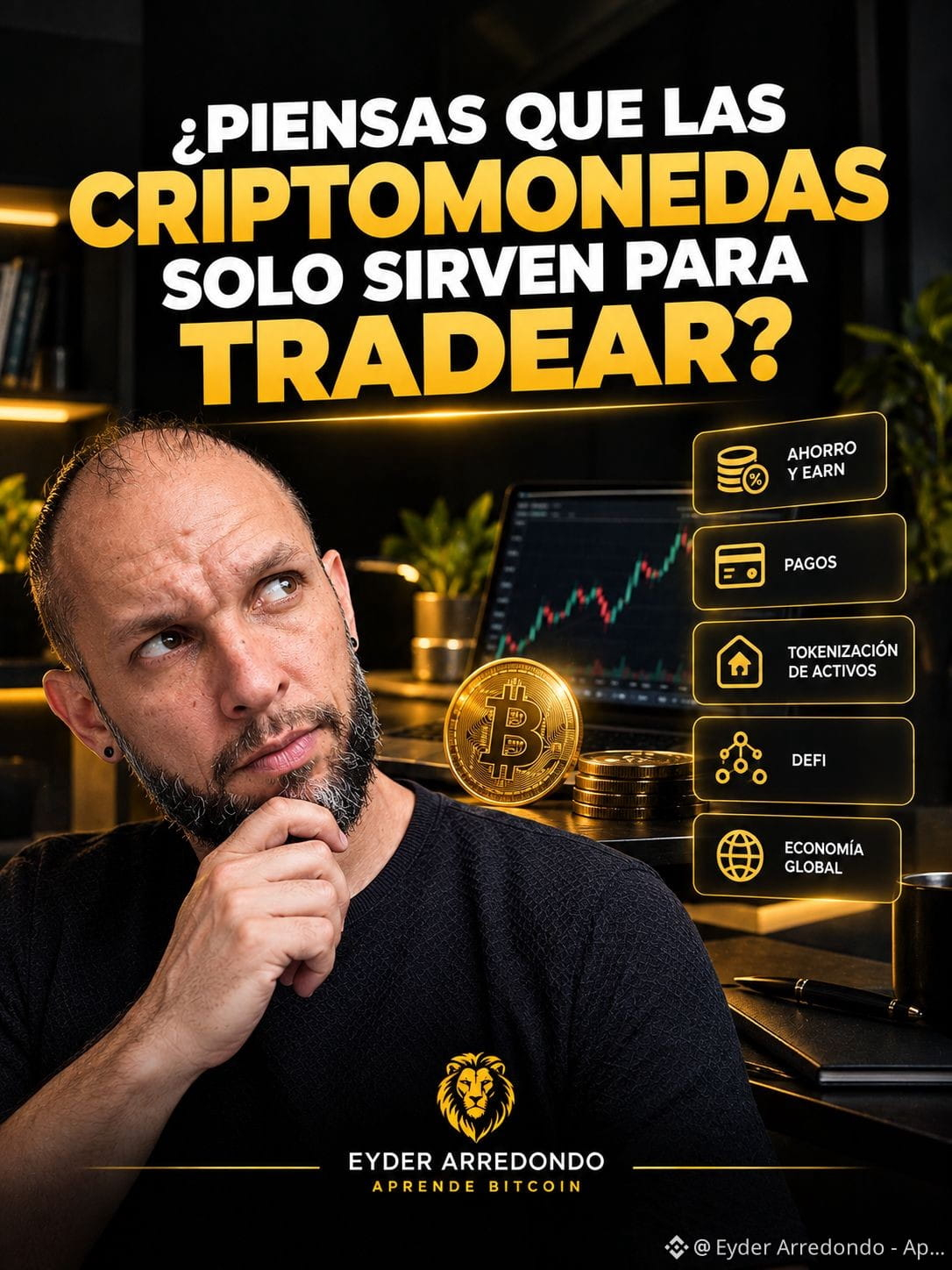
🌕 When someone hears “crypto,” many times they immediately think of:
📈 Buying low and selling high
📉 Doing trading
🎰 Betting on a coin that can go up
⚠️ Risking money
But the crypto ecosystem is much broader.
For example, you can:
ACCUMULATE $BTC :
Buy small amounts and learn to save in BTC in the long term.
USE STABLECOINS:
USDT and USDC aim to keep a value close to the dollar and can be used to move digital value.
STORE YOUR OWN ASSETS:
With a wallet you can learn about self-custody and have direct control over certain assets.
GENERATE YIELD:
Some platforms offer Earn or staking products where certain assets can generate rewards. That said: there are risks and the terms can change.
SEND AND RECEIVE MONEY:
Cryptocurrencies can be used to transfer value between people and countries without necessarily depending on traditional systems.
LEARN ABOUT NEW TECHNOLOGIES:
Ethereum, Solana, and other networks enable decentralized applications, smart contracts, and different financial and digital services.
USE WEB3 APPLICATIONS AND SERVICES:
The ecosystem also includes games, apps, NFTs, DeFi, and other blockchain-based projects.
AND ABOVE ALL: LEARN!
I don’t want you to see cryptocurrencies only as a way to bet that something will go up.
I want you to understand what they are, what they’re for, how they work, and what their risks are.
Because before looking for big profits, better LEARN TO UNDERSTAND WHAT YOU’RE BUYING.
⚠️ Educational content. Not financial advice.
#bitcoin #AprendeBitcoin #stablecoin
🌕 When someone hears “crypto,” many times they immediately think of:
📈 Buying low and selling high
📉 Doing trading
🎰 Betting on a coin that can go up
⚠️ Risking money
But the crypto ecosystem is much broader.
For example, you can:
ACCUMULATE $BTC :
Buy small amounts and learn to save in BTC in the long term.
USE STABLECOINS:
USDT and USDC aim to keep a value close to the dollar and can be used to move digital value.
STORE YOUR OWN ASSETS:
With a wallet you can learn about self-custody and have direct control over certain assets.
GENERATE YIELD:
Some platforms offer Earn or staking products where certain assets can generate rewards. That said: there are risks and the terms can change.
SEND AND RECEIVE MONEY:
Cryptocurrencies can be used to transfer value between people and countries without necessarily depending on traditional systems.
LEARN ABOUT NEW TECHNOLOGIES:
Ethereum, Solana, and other networks enable decentralized applications, smart contracts, and different financial and digital services.
USE WEB3 APPLICATIONS AND SERVICES:
The ecosystem also includes games, apps, NFTs, DeFi, and other blockchain-based projects.
AND ABOVE ALL: LEARN!
I don’t want you to see cryptocurrencies only as a way to bet that something will go up.
I want you to understand what they are, what they’re for, how they work, and what their risks are.
Because before looking for big profits, better LEARN TO UNDERSTAND WHAT YOU’RE BUYING.
⚠️ Educational content. Not financial advice.
#bitcoin #AprendeBitcoin #stablecoin
📈 Buying low and selling high
📉 Doing trading
🎰 Betting on a coin that can go up
⚠️ Risking money
But the crypto ecosystem is much broader.
For example, you can:
ACCUMULATE $BTC :
Buy small amounts and learn to save in BTC in the long term.
USE STABLECOINS:
USDT and USDC aim to keep a value close to the dollar and can be used to move digital value.
STORE YOUR OWN ASSETS:
With a wallet you can learn about self-custody and have direct control over certain assets.
GENERATE YIELD:
Some platforms offer Earn or staking products where certain assets can generate rewards. That said: there are risks and the terms can change.
SEND AND RECEIVE MONEY:
Cryptocurrencies can be used to transfer value between people and countries without necessarily depending on traditional systems.
LEARN ABOUT NEW TECHNOLOGIES:
Ethereum, Solana, and other networks enable decentralized applications, smart contracts, and different financial and digital services.
USE WEB3 APPLICATIONS AND SERVICES:
The ecosystem also includes games, apps, NFTs, DeFi, and other blockchain-based projects.
AND ABOVE ALL: LEARN!
I don’t want you to see cryptocurrencies only as a way to bet that something will go up.
I want you to understand what they are, what they’re for, how they work, and what their risks are.
Because before looking for big profits, better LEARN TO UNDERSTAND WHAT YOU’RE BUYING.
⚠️ Educational content. Not financial advice.
#bitcoin #AprendeBitcoin #stablecoin
1
153
·
--
Bullish
🌕 Did you know you don’t need to have 1 $BTC to start talking about Bitcoin?
Bitcoin is divided into smaller units called satoshis or sats.
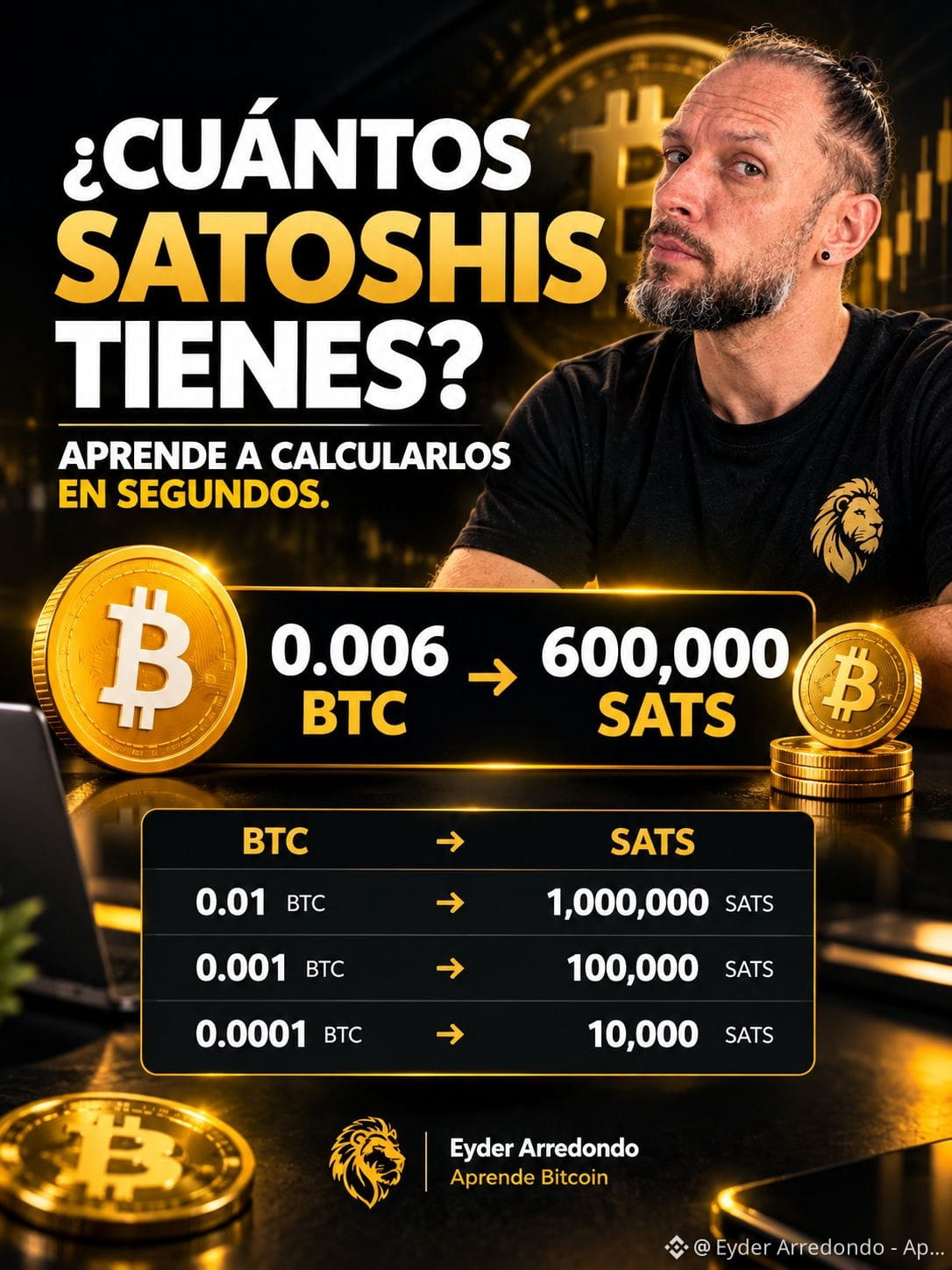
1 Bitcoin = 100,000,000 satoshis
So:
0.1 BTC = 10,000,000 sats
0.01 BTC = 1,000,000 sats
0.001 BTC = 100,000 sats
0.0001 BTC = 10,000 sats
0.00001 BTC = 1,000 sats
The formula is very simple:
BTC × 100,000,000 = SATOSHIS
For example:
If you have 0.006 BTC:
0.006 × 100,000,000 = 600,000 sats
That means you don’t just have “only 0.006 Bitcoin”.
You have exactly 600,000 satoshis.
And here’s something that I think is important when we’re just getting started:
Instead of only thinking:
❌ “I can’t buy 1 Bitcoin.”
We can start thinking:
✅ “How many satoshis am I accumulating?”
Because Bitcoin was designed so it can be divided into very small units.
It’s not just about how many BTC you have, but about how many satoshis you’re accumulating over time.
1 BTC = 100 million sats.
Now you can calculate yours.
#bitcoin #AprendeBitcoin #sats
🌕 Did you know you don’t need to have 1 $BTC to start talking about Bitcoin?
Bitcoin is divided into smaller units called satoshis or sats.
1 Bitcoin = 100,000,000 satoshis
So:
0.1 BTC = 10,000,000 sats
0.01 BTC = 1,000,000 sats
0.001 BTC = 100,000 sats
0.0001 BTC = 10,000 sats
0.00001 BTC = 1,000 sats
The formula is very simple:
BTC × 100,000,000 = SATOSHIS
For example:
If you have 0.006 BTC:
0.006 × 100,000,000 = 600,000 sats
That means you don’t just have “only 0.006 Bitcoin”.
You have exactly 600,000 satoshis.
And here’s something that I think is important when we’re just getting started:
Instead of only thinking:
❌ “I can’t buy 1 Bitcoin.”
We can start thinking:
✅ “How many satoshis am I accumulating?”
Because Bitcoin was designed so it can be divided into very small units.
It’s not just about how many BTC you have, but about how many satoshis you’re accumulating over time.
1 BTC = 100 million sats.
Now you can calculate yours.
#bitcoin #AprendeBitcoin #sats
Bitcoin is divided into smaller units called satoshis or sats.
1 Bitcoin = 100,000,000 satoshis
So:
0.1 BTC = 10,000,000 sats
0.01 BTC = 1,000,000 sats
0.001 BTC = 100,000 sats
0.0001 BTC = 10,000 sats
0.00001 BTC = 1,000 sats
The formula is very simple:
BTC × 100,000,000 = SATOSHIS
For example:
If you have 0.006 BTC:
0.006 × 100,000,000 = 600,000 sats
That means you don’t just have “only 0.006 Bitcoin”.
You have exactly 600,000 satoshis.
And here’s something that I think is important when we’re just getting started:
Instead of only thinking:
❌ “I can’t buy 1 Bitcoin.”
We can start thinking:
✅ “How many satoshis am I accumulating?”
Because Bitcoin was designed so it can be divided into very small units.
It’s not just about how many BTC you have, but about how many satoshis you’re accumulating over time.
1 BTC = 100 million sats.
Now you can calculate yours.
#bitcoin #AprendeBitcoin #sats
2
2k
·
--
Bullish
Many of us grew up using cash, bank passbooks, and doing things in a completely different way.
That’s why it’s normal that when we hear words like:
$BTC
Blockchain
Cryptocurrencies
Wallet
DeFi
Fiat Money
we think: How does that work?
And maybe we still don’t fully trust this world.
But it’s one thing not to trust yet, and a very different thing not to be willing to learn.
I decided to start from scratch, with small amounts, asking questions and learning from my own mistakes.
I don’t want to become an expert overnight.
I want to understand.
Because our generation has already learned how to adapt to cell phones, the internet, social media, and many technologies that didn’t even exist when we were young.
No matter what age you start at.
It’s never too late to learn something new.
#AprendeBitcoin #bitcoin #BinanceSquareTalks
Many of us grew up using cash, bank passbooks, and doing things in a completely different way.
That’s why it’s normal that when we hear words like:
$BTC
Blockchain
Cryptocurrencies
Wallet
DeFi
Fiat Money
we think: How does that work?
And maybe we still don’t fully trust this world.
But it’s one thing not to trust yet, and a very different thing not to be willing to learn.
I decided to start from scratch, with small amounts, asking questions and learning from my own mistakes.
I don’t want to become an expert overnight.
I want to understand.
Because our generation has already learned how to adapt to cell phones, the internet, social media, and many technologies that didn’t even exist when we were young.
No matter what age you start at.
It’s never too late to learn something new.
#AprendeBitcoin #bitcoin #BinanceSquareTalks
That’s why it’s normal that when we hear words like:
$BTC
Blockchain
Cryptocurrencies
Wallet
DeFi
Fiat Money
we think: How does that work?
And maybe we still don’t fully trust this world.
But it’s one thing not to trust yet, and a very different thing not to be willing to learn.
I decided to start from scratch, with small amounts, asking questions and learning from my own mistakes.
I don’t want to become an expert overnight.
I want to understand.
Because our generation has already learned how to adapt to cell phones, the internet, social media, and many technologies that didn’t even exist when we were young.
No matter what age you start at.
It’s never too late to learn something new.
#AprendeBitcoin #bitcoin #BinanceSquareTalks
1
166
Log in to explore more content
Join global crypto users on Binance Square
⚡️ Get latest and useful information about crypto.
💬 Trusted by the world’s largest crypto exchange.
👍 Discover real insights from verified creators.
Email / Phone number
Trending Topics
BitcoinRejectedAt$87K
22,314 views
57 Discussing
$BTC Update 🚨 🐼 Skip THIS Warning at Your Own Risk ⚠️
BTC is knocking on 87K like it already owns the place 😂Bulls are awake… but BTC usually likes to shake a few people out before the real move.
Overall, BTC is breaking out and the higher-timeframe picture is still bullish. The 4H and daily structure are strong, price is holding above the major averages, and momentum is still supporting the move.
83K was honestly a beautiful buy location. That was the area where risk/reward made sense. Anyone who bought there is already sitting enjoying profit
Now come to main
BTC is sitting right under the previous high around 87K. So I would not be surprised if we first see a little downside liquidity grab, flush some late longs, and then BTC decides whether it wants the real breakout.
For today’s scalp, This is my Plan 👇
BTC SHORT scalp Entry: 86,550–86,900
TP1: 85,650
TP2: 84,850
TP3: 84,050
SL: 87,800
I only like this if we get a proper rejection near the highs. No blind shorting.
For the bigger picture, I’m still bullish as long as the 82.5K–83K area keeps holding. If BTC gets a clean breakout and starts accepting above 87.4K, then this whole short idea is invalid and the next bullish leg becomes much more interesting.
SO BASICALLY OCTOBER HISTORICAL IS BULLISH MONTH FOR BITCOIN.
ALWAYS DYOR
Panda Traders
·31 Likes
·12.9k views
FedOctoberRateHikeOddsFallTo17%
16,103 views
296 Discussing
NvidiaHitsRecordHighUp2.4%
3,659 views
192 Discussing