

Crypto-Bushi
18 Posts

Crypto-Bushi
Report
Block User
5 Following
22 Followers
41 Liked
Posts
·
--
👀 Coins I’m watching right now
The market is getting interesting again.
BTC is holding around the $77K area, but I’m not chasing candles here. I want to see if BTC can build another higher low and continue the move.
A few alts are starting to catch my attention too:
🟣 ETH — still one of the first coins I’d watch if BTC stays strong.
🟢 SOL — sitting around $94 and starting to look interesting again. If momentum comes back to alts, SOL is one I don’t want to ignore.
My approach right now:
BTC confirms → ETH/SOL strengthen → then look for the stronger alts.
I’m not buying just because something is pumping.
I want volume + structure + momentum.
The next few days could get very interesting. 👀
Which one are you watching?
$BTC $ETH $SOL
{future}(BTCUSDT)
{future}(ETHUSDT)
#altcoins #BinanceSquare #Trading
👀 Coins I’m watching right now
The market is getting interesting again.
BTC is holding around the $77K area, but I’m not chasing candles here. I want to see if BTC can build another higher low and continue the move.
A few alts are starting to catch my attention too:
🟣 ETH — still one of the first coins I’d watch if BTC stays strong.
🟢 SOL — sitting around $94 and starting to look interesting again. If momentum comes back to alts, SOL is one I don’t want to ignore.
My approach right now:
BTC confirms → ETH/SOL strengthen → then look for the stronger alts.
I’m not buying just because something is pumping.
I want volume + structure + momentum.
The next few days could get very interesting. 👀
Which one are you watching?
$BTC $ETH $SOL
#altcoins #BinanceSquare #Trading
The market is getting interesting again.
BTC is holding around the $77K area, but I’m not chasing candles here. I want to see if BTC can build another higher low and continue the move.
A few alts are starting to catch my attention too:
🟣 ETH — still one of the first coins I’d watch if BTC stays strong.
🟢 SOL — sitting around $94 and starting to look interesting again. If momentum comes back to alts, SOL is one I don’t want to ignore.
My approach right now:
BTC confirms → ETH/SOL strengthen → then look for the stronger alts.
I’m not buying just because something is pumping.
I want volume + structure + momentum.
The next few days could get very interesting. 👀
Which one are you watching?
$BTC $ETH $SOL
#altcoins #BinanceSquare #Trading
92
·
--
Bullish
$BTC has had a crazy week.
We went from a strong push toward $79K to a pretty nasty flush as leveraged longs got wiped out. Now the interesting part isn't chasing the pump — it's seeing whether buyers can actually defend the pullback.
$ETH is also worth watching here. It had a strong move recently, but the market clearly needs to cool off after all that volatility.
Personally, I'm watching BTC price action around the recent support zones and waiting for the market to show its hand.
If BTC holds and starts making higher lows again, I think the altcoins could get another chance to run.
If it loses support, I'd rather sit on my hands than catch a falling knife.
What are you watching right now — BTC, ETH, or alts?
#BTC #ETH #Crypto #Bitcoin
{future}(BTCUSDT)
{future}(ETHUSDT)
#BinanceSquare
$BTC has had a crazy week.
We went from a strong push toward $79K to a pretty nasty flush as leveraged longs got wiped out. Now the interesting part isn't chasing the pump — it's seeing whether buyers can actually defend the pullback.
$ETH is also worth watching here. It had a strong move recently, but the market clearly needs to cool off after all that volatility.
Personally, I'm watching BTC price action around the recent support zones and waiting for the market to show its hand.
If BTC holds and starts making higher lows again, I think the altcoins could get another chance to run.
If it loses support, I'd rather sit on my hands than catch a falling knife.
What are you watching right now — BTC, ETH, or alts?
#BTC #ETH #Crypto #Bitcoin
#BinanceSquare
We went from a strong push toward $79K to a pretty nasty flush as leveraged longs got wiped out. Now the interesting part isn't chasing the pump — it's seeing whether buyers can actually defend the pullback.
$ETH is also worth watching here. It had a strong move recently, but the market clearly needs to cool off after all that volatility.
Personally, I'm watching BTC price action around the recent support zones and waiting for the market to show its hand.
If BTC holds and starts making higher lows again, I think the altcoins could get another chance to run.
If it loses support, I'd rather sit on my hands than catch a falling knife.
What are you watching right now — BTC, ETH, or alts?
#BTC #ETH #Crypto #Bitcoin
#BinanceSquare
89
·
--
Bullish
🚨 BTC OR ETH — WHICH ONE MOVES FIRST?
Something interesting is happening in crypto right now 👀
BTC is struggling around the $63K area…
Meanwhile, ETH has pushed back above $1,900.
That makes me ask:
Are we about to see ETH outperform BTC? 🤔
My watchlist:
🟠 $BTC — Can it reclaim $64K?
🔵 $ETH — Can it hold above $1,900?
🟡 $BNB — Can Binance's own token catch up?
I don't think the next move is obvious yet.
And that's exactly why I'm watching volume + liquidity, not just candles.
👇 If you had to choose ONE for the next move:
BTC or ETH?
Comment your choice and your target price.
Let's see which side wins. 👇
#Bitcoin #Ethereum #BNB #Crypto #BinanceSquare #CryptoTrading #Altcoins
{future}(BTCUSDT)
{future}(ETHUSDT)
{future}(BNBUSDT)
🚨 BTC OR ETH — WHICH ONE MOVES FIRST?
Something interesting is happening in crypto right now 👀
BTC is struggling around the $63K area…
Meanwhile, ETH has pushed back above $1,900.
That makes me ask:
Are we about to see ETH outperform BTC? 🤔
My watchlist:
🟠 $BTC — Can it reclaim $64K?
🔵 $ETH — Can it hold above $1,900?
🟡 $BNB — Can Binance's own token catch up?
I don't think the next move is obvious yet.
And that's exactly why I'm watching volume + liquidity, not just candles.
👇 If you had to choose ONE for the next move:
BTC or ETH?
Comment your choice and your target price.
Let's see which side wins. 👇
#Bitcoin #Ethereum #BNB #Crypto #BinanceSquare #CryptoTrading #Altcoins
Something interesting is happening in crypto right now 👀
BTC is struggling around the $63K area…
Meanwhile, ETH has pushed back above $1,900.
That makes me ask:
Are we about to see ETH outperform BTC? 🤔
My watchlist:
🟠 $BTC — Can it reclaim $64K?
🔵 $ETH — Can it hold above $1,900?
🟡 $BNB — Can Binance's own token catch up?
I don't think the next move is obvious yet.
And that's exactly why I'm watching volume + liquidity, not just candles.
👇 If you had to choose ONE for the next move:
BTC or ETH?
Comment your choice and your target price.
Let's see which side wins. 👇
#Bitcoin #Ethereum #BNB #Crypto #BinanceSquare #CryptoTrading #Altcoins
60
·
--
Bullish
🚨 6 COINS JUST GOT REMOVED FROM BINANCE
Today Binance delisted:
$ACX
$HFT
$PIVX
$PYR
$VANRY
$VIC
But the interesting part isn't the six coins.
It's what happens next. 👀
Binance regularly reviews listed projects using factors such as liquidity, development activity, network/security, transparency, compliance and other criteria.
And here's the question:
⚠️ Which Binance-listed coin could be NEXT?
I'm watching projects with:
📉 Falling liquidity
📊 Weak trading volume
👨💻 Low development activity
🔓 Heavy token unlocks
⚠️ Monitoring Tags
📉 Declining community interest
Don't wait for the delisting announcement to start researching.
The biggest opportunities — and the biggest traps — often become visible before the headline.
👇 Name ONE Binance coin you think deserves a closer look.
I'll pick the most-mentioned one and break it down in the next post.
$BTC $ETH $BNB #BinanceSquare
{future}(BTCUSDT)
{future}(ETHUSDT)
{future}(BNBUSDT)
🚨 6 COINS JUST GOT REMOVED FROM BINANCE
Today Binance delisted:
$ACX
$HFT
$PIVX
$PYR
$VANRY
$VIC
But the interesting part isn't the six coins.
It's what happens next. 👀
Binance regularly reviews listed projects using factors such as liquidity, development activity, network/security, transparency, compliance and other criteria.
And here's the question:
⚠️ Which Binance-listed coin could be NEXT?
I'm watching projects with:
📉 Falling liquidity
📊 Weak trading volume
👨💻 Low development activity
🔓 Heavy token unlocks
⚠️ Monitoring Tags
📉 Declining community interest
Don't wait for the delisting announcement to start researching.
The biggest opportunities — and the biggest traps — often become visible before the headline.
👇 Name ONE Binance coin you think deserves a closer look.
I'll pick the most-mentioned one and break it down in the next post.
$BTC $ETH $BNB #BinanceSquare
Today Binance delisted:
$ACX
$HFT
$PIVX
$PYR
$VANRY
$VIC
But the interesting part isn't the six coins.
It's what happens next. 👀
Binance regularly reviews listed projects using factors such as liquidity, development activity, network/security, transparency, compliance and other criteria.
And here's the question:
⚠️ Which Binance-listed coin could be NEXT?
I'm watching projects with:
📉 Falling liquidity
📊 Weak trading volume
👨💻 Low development activity
🔓 Heavy token unlocks
⚠️ Monitoring Tags
📉 Declining community interest
Don't wait for the delisting announcement to start researching.
The biggest opportunities — and the biggest traps — often become visible before the headline.
👇 Name ONE Binance coin you think deserves a closer look.
I'll pick the most-mentioned one and break it down in the next post.
$BTC $ETH $BNB #BinanceSquare
88
·
--
🚨 BINANCE JUST REMOVED 6 TOKENS — DID YOU SEE THIS?
Binance has officially delisted 6 tokens today:
🔴 $ACX
🔴 $HFT
🔴 $PIVX
🔴 $PYR
🔴 $VANRY
🔴 $VIC
Spot trading ended at 03:00 UTC today. Binance says its reviews consider factors including liquidity, development activity, team commitment, network security, transparency, compliance and tokenomics.
But here's the question I think traders should be asking 👇
Which token could be NEXT?
Binance previously placed several of these assets under its Monitoring Tag, which Binance says indicates higher volatility/risk and that the assets are subject to closer review.
So before buying a small-cap token just because it's trending, I'm watching:
📊 Trading volume
💧 Liquidity
👨💻 Development activity
📈 Token unlocks / supply changes
👥 Community activity
⚠️ Binance Monitoring Tag
The biggest mistake isn't buying the wrong coin.
It's ignoring the warning signs before buying it.
👇 Which Binance-listed token do you think is most at risk of being reviewed next?
Drop the ticker below.
I'll look at the strongest candidates.
#Binance #Crypto #Bitcoin #Altcoins #CryptoNews #BinanceSquare #Trading
🚨 BINANCE JUST REMOVED 6 TOKENS — DID YOU SEE THIS?
Binance has officially delisted 6 tokens today:
🔴 $ACX
🔴 $HFT
🔴 $PIVX
🔴 $PYR
🔴 $VANRY
🔴 $VIC
Spot trading ended at 03:00 UTC today. Binance says its reviews consider factors including liquidity, development activity, team commitment, network security, transparency, compliance and tokenomics.
But here's the question I think traders should be asking 👇
Which token could be NEXT?
Binance previously placed several of these assets under its Monitoring Tag, which Binance says indicates higher volatility/risk and that the assets are subject to closer review.
So before buying a small-cap token just because it's trending, I'm watching:
📊 Trading volume
💧 Liquidity
👨💻 Development activity
📈 Token unlocks / supply changes
👥 Community activity
⚠️ Binance Monitoring Tag
The biggest mistake isn't buying the wrong coin.
It's ignoring the warning signs before buying it.
👇 Which Binance-listed token do you think is most at risk of being reviewed next?
Drop the ticker below.
I'll look at the strongest candidates.
#Binance #Crypto #Bitcoin #Altcoins #CryptoNews #BinanceSquare #Trading
Binance has officially delisted 6 tokens today:
🔴 $ACX
🔴 $HFT
🔴 $PIVX
🔴 $PYR
🔴 $VANRY
🔴 $VIC
Spot trading ended at 03:00 UTC today. Binance says its reviews consider factors including liquidity, development activity, team commitment, network security, transparency, compliance and tokenomics.
But here's the question I think traders should be asking 👇
Which token could be NEXT?
Binance previously placed several of these assets under its Monitoring Tag, which Binance says indicates higher volatility/risk and that the assets are subject to closer review.
So before buying a small-cap token just because it's trending, I'm watching:
📊 Trading volume
💧 Liquidity
👨💻 Development activity
📈 Token unlocks / supply changes
👥 Community activity
⚠️ Binance Monitoring Tag
The biggest mistake isn't buying the wrong coin.
It's ignoring the warning signs before buying it.
👇 Which Binance-listed token do you think is most at risk of being reviewed next?
Drop the ticker below.
I'll look at the strongest candidates.
#Binance #Crypto #Bitcoin #Altcoins #CryptoNews #BinanceSquare #Trading
82
·
--
Bullish
$IO looking heavily undervalued compared to the entire AI + DePIN sector. 👀
While retail keeps chasing meme narratives, projects focused on GPU compute and AI infrastructure may become the real winners this cycle.
io.net is building decentralized GPU infrastructure — a market with actual demand, especially with AI compute shortages continuing globally.
Still risky because of:
• token unlocks
• competition
• adoption pressure
But if decentralized AI compute keeps growing, $IO could surprise a lot of people from these levels.
Watching network growth and real usage very closely. 📊🔥
#IO #ionet #Aİ #DePIN #Crypto #BinanceSquare
$IO looking heavily undervalued compared to the entire AI + DePIN sector. 👀
While retail keeps chasing meme narratives, projects focused on GPU compute and AI infrastructure may become the real winners this cycle.
io.net is building decentralized GPU infrastructure — a market with actual demand, especially with AI compute shortages continuing globally.
Still risky because of:
• token unlocks
• competition
• adoption pressure
But if decentralized AI compute keeps growing, $IO could surprise a lot of people from these levels.
Watching network growth and real usage very closely. 📊🔥
#IO #ionet #Aİ #DePIN #Crypto #BinanceSquare
While retail keeps chasing meme narratives, projects focused on GPU compute and AI infrastructure may become the real winners this cycle.
io.net is building decentralized GPU infrastructure — a market with actual demand, especially with AI compute shortages continuing globally.
Still risky because of:
• token unlocks
• competition
• adoption pressure
But if decentralized AI compute keeps growing, $IO could surprise a lot of people from these levels.
Watching network growth and real usage very closely. 📊🔥
#IO #ionet #Aİ #DePIN #Crypto #BinanceSquare
1
312
·
--
$NEX — Real talk, this airdrop was a huge disappointment for the community.
People spent real money and time running nodes, supporting the project, and believing in the ecosystem… only to receive rewards that barely feel worth it.
Meanwhile, large allocations seem to go elsewhere while early community supporters get treated like an afterthought.
This is exactly why many people are losing interest in airdrops. Communities build projects first — not influencers, not hype, not exchanges.
When loyal supporters feel undervalued, trust disappears fast.
Projects should reward the people who helped build from day one, not make them feel used.
$NEX — Real talk, this airdrop was a huge disappointment for the community.
People spent real money and time running nodes, supporting the project, and believing in the ecosystem… only to receive rewards that barely feel worth it.
Meanwhile, large allocations seem to go elsewhere while early community supporters get treated like an afterthought.
This is exactly why many people are losing interest in airdrops. Communities build projects first — not influencers, not hype, not exchanges.
When loyal supporters feel undervalued, trust disappears fast.
Projects should reward the people who helped build from day one, not make them feel used.
People spent real money and time running nodes, supporting the project, and believing in the ecosystem… only to receive rewards that barely feel worth it.
Meanwhile, large allocations seem to go elsewhere while early community supporters get treated like an afterthought.
This is exactly why many people are losing interest in airdrops. Communities build projects first — not influencers, not hype, not exchanges.
When loyal supporters feel undervalued, trust disappears fast.
Projects should reward the people who helped build from day one, not make them feel used.
2
797
·
--
Bullish
Most traders are sleeping on $IO right now… and that’s exactly why I’m watching it closely 👀
io.net sits at the center of one of the strongest narratives this cycle:
AI + decentralized GPU power.
While meme coins fight for temporary hype, $IO is targeting real infrastructure demand from the AI industry itself.
What makes the current movement interesting:
🔥 Buyers defending dips aggressively
🔥 Volume slowly returning
🔥 AI narrative heating up again
🔥 Strong volatility attracting momentum traders
The market still hasn’t fully priced in how massive decentralized compute could become.
And when AI coins start running together, $IO is usually one of the first names traders rotate into.
Right now feels less like “late”…
and more like the calm before attention returns. 🚀
#IONET #IO #Aİ #Crypto #BinanceSquare #Altcoins
{future}(IOUSDT)
Most traders are sleeping on $IO right now… and that’s exactly why I’m watching it closely 👀
io.net sits at the center of one of the strongest narratives this cycle:
AI + decentralized GPU power.
While meme coins fight for temporary hype, $IO is targeting real infrastructure demand from the AI industry itself.
What makes the current movement interesting:
🔥 Buyers defending dips aggressively
🔥 Volume slowly returning
🔥 AI narrative heating up again
🔥 Strong volatility attracting momentum traders
The market still hasn’t fully priced in how massive decentralized compute could become.
And when AI coins start running together, $IO is usually one of the first names traders rotate into.
Right now feels less like “late”…
and more like the calm before attention returns. 🚀
#IONET #IO #Aİ #Crypto #BinanceSquare #Altcoins
io.net sits at the center of one of the strongest narratives this cycle:
AI + decentralized GPU power.
While meme coins fight for temporary hype, $IO is targeting real infrastructure demand from the AI industry itself.
What makes the current movement interesting:
🔥 Buyers defending dips aggressively
🔥 Volume slowly returning
🔥 AI narrative heating up again
🔥 Strong volatility attracting momentum traders
The market still hasn’t fully priced in how massive decentralized compute could become.
And when AI coins start running together, $IO is usually one of the first names traders rotate into.
Right now feels less like “late”…
and more like the calm before attention returns. 🚀
#IONET #IO #Aİ #Crypto #BinanceSquare #Altcoins
276
·
--
Bullish
$AIGENSYN price action is getting very interesting right now 👀
The token is showing strong momentum with buyers stepping in aggressively after every dip.
What I’m watching:
📈 Rising volume
📈 Strong recovery attempts
📈 Growing AI narrative attention
📈 Traders starting to rotate back into AI coins
This kind of movement usually means one thing:
Smart money is positioning before the crowd notices.
But volatility is still high, so expect sharp moves both ways.
If momentum continues, $AIGENSYN could enter a serious breakout phase soon 🚀
AI season might just be warming up…
#AIGENSYN #AI #Crypto #altcoins #BinanceSquare $AIGENSYN
{future}(AIGENSYNUSDT)
$AIGENSYN price action is getting very interesting right now 👀
The token is showing strong momentum with buyers stepping in aggressively after every dip.
What I’m watching:
📈 Rising volume
📈 Strong recovery attempts
📈 Growing AI narrative attention
📈 Traders starting to rotate back into AI coins
This kind of movement usually means one thing:
Smart money is positioning before the crowd notices.
But volatility is still high, so expect sharp moves both ways.
If momentum continues, $AIGENSYN could enter a serious breakout phase soon 🚀
AI season might just be warming up…
#AIGENSYN #AI #Crypto #altcoins #BinanceSquare $AIGENSYN
The token is showing strong momentum with buyers stepping in aggressively after every dip.
What I’m watching:
📈 Rising volume
📈 Strong recovery attempts
📈 Growing AI narrative attention
📈 Traders starting to rotate back into AI coins
This kind of movement usually means one thing:
Smart money is positioning before the crowd notices.
But volatility is still high, so expect sharp moves both ways.
If momentum continues, $AIGENSYN could enter a serious breakout phase soon 🚀
AI season might just be warming up…
#AIGENSYN #AI #Crypto #altcoins #BinanceSquare $AIGENSYN
213
·
--
Bullish
$AIGENSYN is starting to look like one of the most underrated AI gems in the market right now 👀
While everyone chases old narratives, smart traders are watching AI infrastructure tokens quietly build momentum.
Why $AIGENSYN is interesting:
🔥 Strong AI narrative
🔥 High volatility = high opportunity
🔥 Early attention phase
🔥 Momentum can explode with volume
The chart still feels “early”. And in crypto, early attention is where the biggest moves begin.
If AI narrative returns full force this cycle, don’t be surprised if $AIGENSYN becomes one of the unexpected runners 🚀
High risk. High reward. That’s where legends are made.
#AIGENSY #AI #Crypto #Altcoins #BinanceSquare #ETH
{spot}(AIGENSYNUSDT)
$AIGENSYN is starting to look like one of the most underrated AI gems in the market right now 👀
While everyone chases old narratives, smart traders are watching AI infrastructure tokens quietly build momentum.
Why $AIGENSYN is interesting:
🔥 Strong AI narrative
🔥 High volatility = high opportunity
🔥 Early attention phase
🔥 Momentum can explode with volume
The chart still feels “early”. And in crypto, early attention is where the biggest moves begin.
If AI narrative returns full force this cycle, don’t be surprised if $AIGENSYN becomes one of the unexpected runners 🚀
High risk. High reward. That’s where legends are made.
#AIGENSY #AI #Crypto #Altcoins #BinanceSquare #ETH
While everyone chases old narratives, smart traders are watching AI infrastructure tokens quietly build momentum.
Why $AIGENSYN is interesting:
🔥 Strong AI narrative
🔥 High volatility = high opportunity
🔥 Early attention phase
🔥 Momentum can explode with volume
The chart still feels “early”. And in crypto, early attention is where the biggest moves begin.
If AI narrative returns full force this cycle, don’t be surprised if $AIGENSYN becomes one of the unexpected runners 🚀
High risk. High reward. That’s where legends are made.
#AIGENSY #AI #Crypto #Altcoins #BinanceSquare #ETH
1
222
·
--
Bullish
🚨 $ETH Is Quietly Setting Up For Something Big… 👀
Most people are distracted by memes and hype coins right now.
Meanwhile, Ethereum keeps building in silence:
✅ Institutions are accumulating
✅ Layer 2 ecosystem keeps expanding
✅ ETF attention is growing
✅ Staking continues reducing liquid supply
✅ Real-world assets are moving on-chain
This is how major moves usually begin: First boredom. Then disbelief. Then FOMO.
The market loves to shake people out before the real breakout starts.
If BTC is digital gold, ETH is becoming the infrastructure of the entire crypto economy.
The question is not: “Can ETH survive?”
The real question is: “How expensive will blockspace become once mass adoption arrives?” 🔥
Smart money watches narratives. Experienced money watches liquidity.
But elite money watches infrastructure.
And Ethereum is still the king of on-chain infrastructure.
2026 could become the year people realize they underestimated ETH again.
What’s your ETH target this cycle? 📈👇
#ETH #Crypto #ALT coins #BinanceSquare #BTC突破7万大关 #web3_binance #DeFi $ETH
🚨 $ETH Is Quietly Setting Up For Something Big… 👀
Most people are distracted by memes and hype coins right now.
Meanwhile, Ethereum keeps building in silence:
✅ Institutions are accumulating
✅ Layer 2 ecosystem keeps expanding
✅ ETF attention is growing
✅ Staking continues reducing liquid supply
✅ Real-world assets are moving on-chain
This is how major moves usually begin: First boredom. Then disbelief. Then FOMO.
The market loves to shake people out before the real breakout starts.
If BTC is digital gold, ETH is becoming the infrastructure of the entire crypto economy.
The question is not: “Can ETH survive?”
The real question is: “How expensive will blockspace become once mass adoption arrives?” 🔥
Smart money watches narratives. Experienced money watches liquidity.
But elite money watches infrastructure.
And Ethereum is still the king of on-chain infrastructure.
2026 could become the year people realize they underestimated ETH again.
What’s your ETH target this cycle? 📈👇
#ETH #Crypto #ALT coins #BinanceSquare #BTC突破7万大关 #web3_binance #DeFi $ETH
Most people are distracted by memes and hype coins right now.
Meanwhile, Ethereum keeps building in silence:
✅ Institutions are accumulating
✅ Layer 2 ecosystem keeps expanding
✅ ETF attention is growing
✅ Staking continues reducing liquid supply
✅ Real-world assets are moving on-chain
This is how major moves usually begin: First boredom. Then disbelief. Then FOMO.
The market loves to shake people out before the real breakout starts.
If BTC is digital gold, ETH is becoming the infrastructure of the entire crypto economy.
The question is not: “Can ETH survive?”
The real question is: “How expensive will blockspace become once mass adoption arrives?” 🔥
Smart money watches narratives. Experienced money watches liquidity.
But elite money watches infrastructure.
And Ethereum is still the king of on-chain infrastructure.
2026 could become the year people realize they underestimated ETH again.
What’s your ETH target this cycle? 📈👇
#ETH #Crypto #ALT coins #BinanceSquare #BTC突破7万大关 #web3_binance #DeFi $ETH
1
189
·
--
Bearish
$BILL Instead of airdrop for community, it made mandatory staking and to be released on October 31.
#airdropclaim #Downdrop #AirdropAlerts
$BILL Instead of airdrop for community, it made mandatory staking and to be released on October 31.
#airdropclaim #Downdrop #AirdropAlerts
#airdropclaim #Downdrop #AirdropAlerts
1
1
333
·
--
$ARIA its pure hype token, buy very small size at the bottom and wait when it's turn to pump.
purely speculative
$ARIA its pure hype token, buy very small size at the bottom and wait when it's turn to pump.
purely speculative
purely speculative
312
·
--
Bearish
$BSB it let down the community the airdrops range from not eligible to 3 bsb per pperson, plus the eth fee just to transfer it.
P.S: not talking about alpha's members
$BSB it let down the community the airdrops range from not eligible to 3 bsb per pperson, plus the eth fee just to transfer it.
P.S: not talking about alpha's members
P.S: not talking about alpha's members
17
470
·
--
Bearish
Recognize the underlying force that drives every market movement.
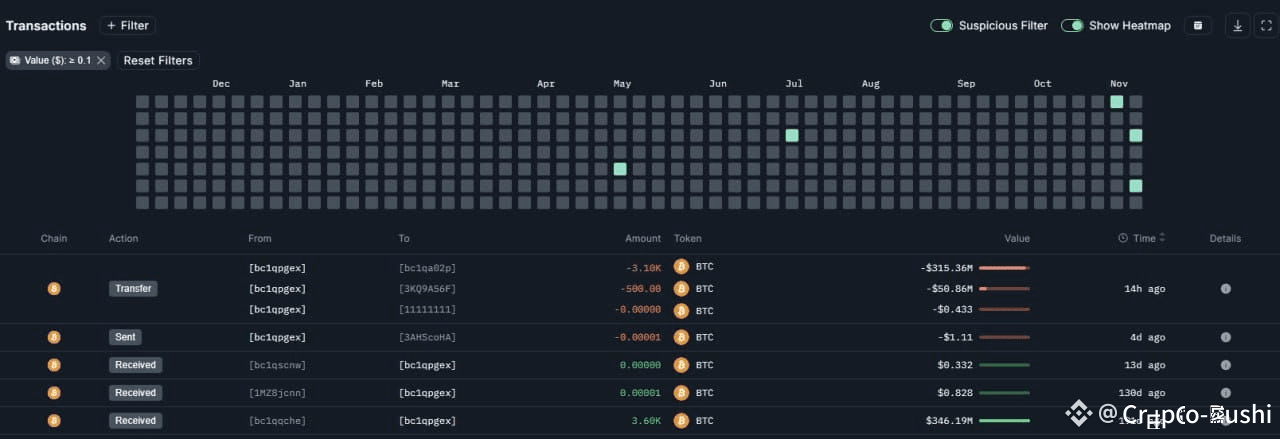
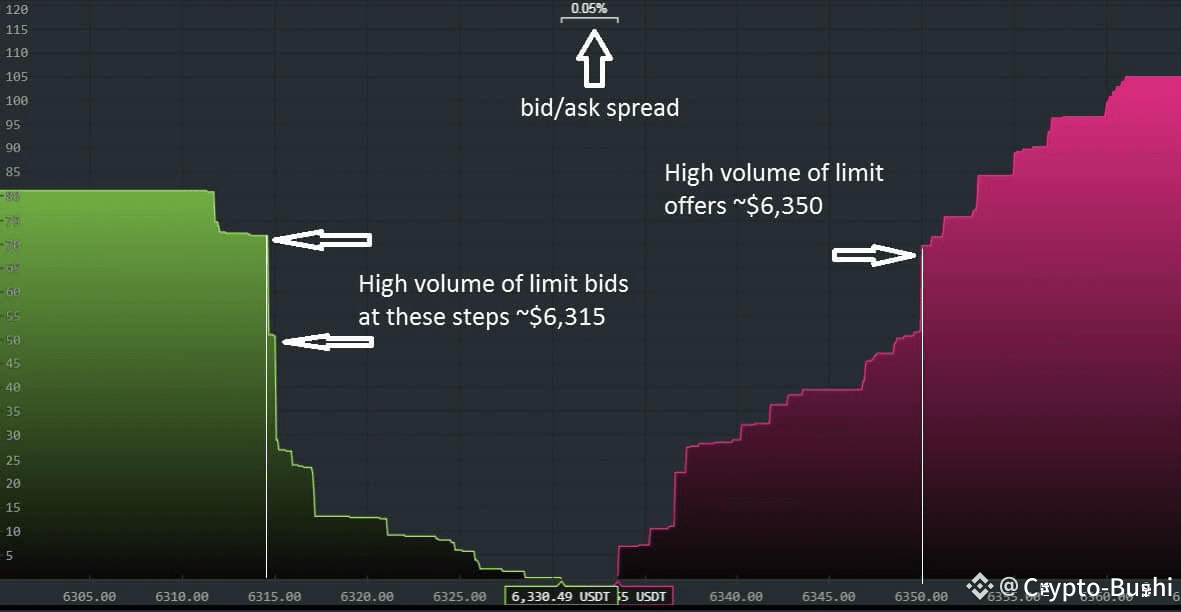
The majority of retail traders examine charts and indicators such as price, volume, RSI, and possibly MACD. However, an order flow—something far less obvious—is what actually drives these figures. The stream of buy and sell orders that enter the market every second is known as order flow. You can determine who is buying, who is selling, and how fiercely by listening to the pulse of liquidity.
It is used by experts on Wall Street and decentralized exchanges to price risk, identify imbalances, and predict short-term movements before they appear on a chart. You can cease battling the invisible current of the market by comprehending order flow.
Why order flow is important
Buyers and sellers negotiate every market price. The order flow indicates the level of intensity of the negotiation. It is used by market makers to determine the width of their spreads. Orders that "know something" expand their reach in order to defend themselves if they spot a hazardous flow wave. Flow data is used by institutions to manage inventory and gauge sentiment. For instance, a sudden surge of aggressive buy orders in oil futures frequently indicates fund re-weighting, a hint that regular traders may not notice for hours. Liquidity, slippage, and execution quality are all related to your comprehension of the flow.
Why should I care about order flow ?
Because every trade, whether on Binance or Robinhood, is a contest for execution excellence. You're paying hidden costs if your flow is unsecured or poorly routed. That could result in a few basis points being lost on each deal for retail traders. It can cost institutions millions of dollars in lost opportunities and slippage. The future of order flow appears to be more democratic as AI and blockchain transparency merge, with traders ultimately capturing the value rather than middlemen.
$BTC $ETH $BNB
{future}(BTCUSDT)
{future}(BNBUSDT)
{future}(ETHUSDT)
#AltcoinMarketRecovery #StablecoinLaw #BinanceHODLerC #BTC #Ethereum
Recognize the underlying force that drives every market movement.
The majority of retail traders examine charts and indicators such as price, volume, RSI, and possibly MACD. However, an order flow—something far less obvious—is what actually drives these figures. The stream of buy and sell orders that enter the market every second is known as order flow. You can determine who is buying, who is selling, and how fiercely by listening to the pulse of liquidity.
It is used by experts on Wall Street and decentralized exchanges to price risk, identify imbalances, and predict short-term movements before they appear on a chart. You can cease battling the invisible current of the market by comprehending order flow.
Why order flow is important
Buyers and sellers negotiate every market price. The order flow indicates the level of intensity of the negotiation. It is used by market makers to determine the width of their spreads. Orders that "know something" expand their reach in order to defend themselves if they spot a hazardous flow wave. Flow data is used by institutions to manage inventory and gauge sentiment. For instance, a sudden surge of aggressive buy orders in oil futures frequently indicates fund re-weighting, a hint that regular traders may not notice for hours. Liquidity, slippage, and execution quality are all related to your comprehension of the flow.
Why should I care about order flow ?
Because every trade, whether on Binance or Robinhood, is a contest for execution excellence. You're paying hidden costs if your flow is unsecured or poorly routed. That could result in a few basis points being lost on each deal for retail traders. It can cost institutions millions of dollars in lost opportunities and slippage. The future of order flow appears to be more democratic as AI and blockchain transparency merge, with traders ultimately capturing the value rather than middlemen.
$BTC $ETH $BNB
#AltcoinMarketRecovery #StablecoinLaw #BinanceHODLerC #BTC #Ethereum
The majority of retail traders examine charts and indicators such as price, volume, RSI, and possibly MACD. However, an order flow—something far less obvious—is what actually drives these figures. The stream of buy and sell orders that enter the market every second is known as order flow. You can determine who is buying, who is selling, and how fiercely by listening to the pulse of liquidity.
It is used by experts on Wall Street and decentralized exchanges to price risk, identify imbalances, and predict short-term movements before they appear on a chart. You can cease battling the invisible current of the market by comprehending order flow.
Why order flow is important
Buyers and sellers negotiate every market price. The order flow indicates the level of intensity of the negotiation. It is used by market makers to determine the width of their spreads. Orders that "know something" expand their reach in order to defend themselves if they spot a hazardous flow wave. Flow data is used by institutions to manage inventory and gauge sentiment. For instance, a sudden surge of aggressive buy orders in oil futures frequently indicates fund re-weighting, a hint that regular traders may not notice for hours. Liquidity, slippage, and execution quality are all related to your comprehension of the flow.
Why should I care about order flow ?
Because every trade, whether on Binance or Robinhood, is a contest for execution excellence. You're paying hidden costs if your flow is unsecured or poorly routed. That could result in a few basis points being lost on each deal for retail traders. It can cost institutions millions of dollars in lost opportunities and slippage. The future of order flow appears to be more democratic as AI and blockchain transparency merge, with traders ultimately capturing the value rather than middlemen.
$BTC $ETH $BNB
#AltcoinMarketRecovery #StablecoinLaw #BinanceHODLerC #BTC #Ethereum
9
38
Log in to explore more content
Join global crypto users on Binance Square
⚡️ Get latest and useful information about crypto.
💬 Trusted by the world’s largest crypto exchange.
👍 Discover real insights from verified creators.
Email / Phone number