

CryptoLex_Advisors
123 Posts

CryptoLex_Advisors
Report
Block User
Asesoría profesional cripto en la intersección del Legaltech y DeFi markets.
Análisis legal - Estrategia DeFi - Inteligencia regulatoria.
Open Trade

XRP Holder
Occasional Trader
2.6 Years
50 Following
121 Followers
341 Liked
Posts
Portfolio
All
Quotes
Videos
PINNED

Article
On-Chain in the Courts: Sanctions for FTX, Prediction Markets, and Fraud of 165 MillionThe intersection between digital assets and regulatory compliance continues to make headlines of high impact in federal courts in the United States. This week, the legal landscape in crypto shows a clear trend: the tough regulatory hand does not retreat, spanning from the collapsed ecosystems of the past to new prediction markets and cross-border Ponzi schemes. ⚖️
Next, from Cryptolex Advisors, we analyze the three key cases of the week and their implications for traders, investors, and builders in the Web3 ecosystem.
On-Chain in the Courts: Sanctions for FTX, Prediction Markets, and Fraud of 165 Million
The intersection between digital assets and regulatory compliance continues to make headlines of high impact in federal courts in the United States. This week, the legal landscape in crypto shows a clear trend: the tough regulatory hand does not retreat, spanning from the collapsed ecosystems of the past to new prediction markets and cross-border Ponzi schemes. ⚖️
Next, from Cryptolex Advisors, we analyze the three key cases of the week and their implications for traders, investors, and builders in the Web3 ecosystem.
Next, from Cryptolex Advisors, we analyze the three key cases of the week and their implications for traders, investors, and builders in the Web3 ecosystem.
1
161
Article
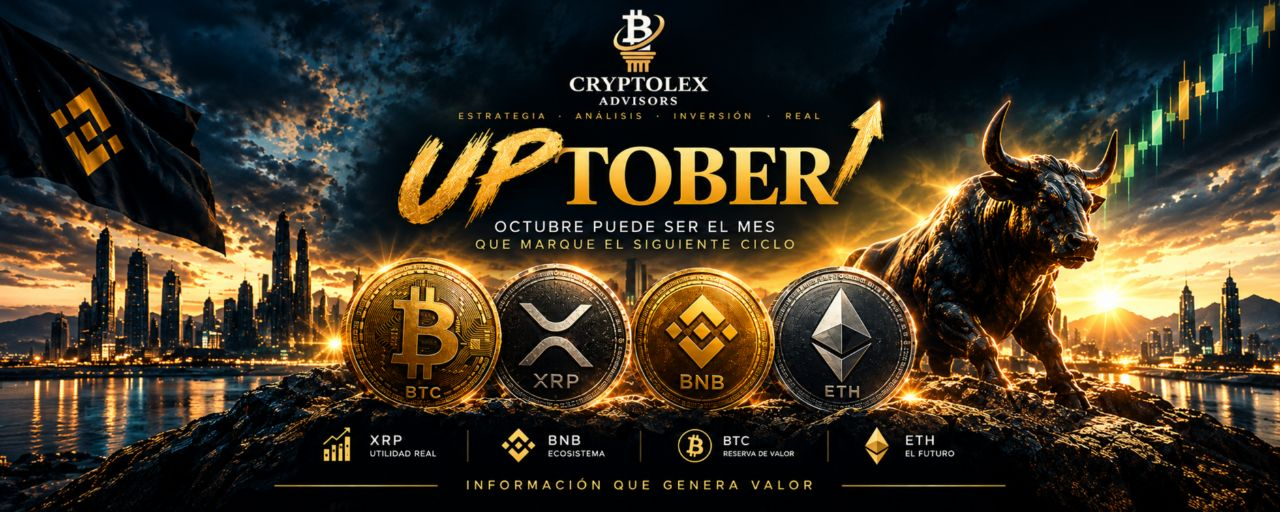
UPTOBER 2026: IS THE CRYPTO MARKET READY FOR ITS NEXT MOVE?October has a reputation for being the month of Bitcoin… but 2026 has something different: we now have ETFs, institutional flows, and a market much more connected to macroeconomics.
October is back on the radar of cryptocurrency investors. But this time, the question shouldn’t simply be “Will Bitcoin go up?”, but rather:
What conditions could turn October 2026 into a new Uptober?
Historically, October has been one of Bitcoin’s strongest months. An analysis of the last ten years found an average return of approximately +22.5% in October, while September showed a negative average close to -3.2%. However, statistics don’t guarantee future performance: in 2025, Bitcoin broke a streak of seven positive Octobers.
UPTOBER 2026: IS THE CRYPTO MARKET READY FOR ITS NEXT MOVE?
October has a reputation for being the month of Bitcoin… but 2026 has something different: we now have ETFs, institutional flows, and a market much more connected to macroeconomics.
October is back on the radar of cryptocurrency investors. But this time, the question shouldn’t simply be “Will Bitcoin go up?”, but rather:
What conditions could turn October 2026 into a new Uptober?
Historically, October has been one of Bitcoin’s strongest months. An analysis of the last ten years found an average return of approximately +22.5% in October, while September showed a negative average close to -3.2%. However, statistics don’t guarantee future performance: in 2025, Bitcoin broke a streak of seven positive Octobers.
October is back on the radar of cryptocurrency investors. But this time, the question shouldn’t simply be “Will Bitcoin go up?”, but rather:
What conditions could turn October 2026 into a new Uptober?
Historically, October has been one of Bitcoin’s strongest months. An analysis of the last ten years found an average return of approximately +22.5% in October, while September showed a negative average close to -3.2%. However, statistics don’t guarantee future performance: in 2025, Bitcoin broke a streak of seven positive Octobers.
1
1
483
·
--
Bullish
🚨 DON’T YOU HAVE YOUR BINANCE PHYSICAL CARD YET? 💳
While many talk about crypto adoption, others are already using their digital assets in the real world. 🌍
🎁 Request your Binance Physical Card and take advantage of the current promotion to get it with no issuance fee.
🟠 Bitcoin (BTC)
🔵 Ethereum (ETH)
⚫ XRP (XRP)
🟡 BNB (BNB)
🟢 USDT (Tether)
🔷 USDC (USD Coin)
⚡ And many other compatible cryptocurrencies within the Binance ecosystem.
With it, you can:
✅ Pay at millions of merchants.
✅ Use your cryptocurrencies practically.
✅ Access the Binance ecosystem in your day-to-day.
✅ Take your digital finances to the next level.
At CryptoLex Advisors, we’ll guide you throughout the entire process so you can make the most of the tools in the crypto ecosystem.
🔥 The financial future is already here.
👇 Tell us in the comments:
Which cryptocurrency would you use first with your Binance Card: BTC, ETH, BNB, or USDT?
📩 Contact us for more information.
#Binance #binanceCard #BTC #CryptoLexAdvisors $BTC $XRP $USDT
{spot}(XRPUSDT)
{spot}(BTCUSDT)
🚨 DON’T YOU HAVE YOUR BINANCE PHYSICAL CARD YET? 💳
While many talk about crypto adoption, others are already using their digital assets in the real world. 🌍
🎁 Request your Binance Physical Card and take advantage of the current promotion to get it with no issuance fee.
🟠 Bitcoin (BTC)
🔵 Ethereum (ETH)
⚫ XRP (XRP)
🟡 BNB (BNB)
🟢 USDT (Tether)
🔷 USDC (USD Coin)
⚡ And many other compatible cryptocurrencies within the Binance ecosystem.
With it, you can:
✅ Pay at millions of merchants.
✅ Use your cryptocurrencies practically.
✅ Access the Binance ecosystem in your day-to-day.
✅ Take your digital finances to the next level.
At CryptoLex Advisors, we’ll guide you throughout the entire process so you can make the most of the tools in the crypto ecosystem.
🔥 The financial future is already here.
👇 Tell us in the comments:
Which cryptocurrency would you use first with your Binance Card: BTC, ETH, BNB, or USDT?
📩 Contact us for more information.
#Binance #binanceCard #BTC #CryptoLexAdvisors $BTC $XRP $USDT
While many talk about crypto adoption, others are already using their digital assets in the real world. 🌍
🎁 Request your Binance Physical Card and take advantage of the current promotion to get it with no issuance fee.
🟠 Bitcoin (BTC)
🔵 Ethereum (ETH)
⚫ XRP (XRP)
🟡 BNB (BNB)
🟢 USDT (Tether)
🔷 USDC (USD Coin)
⚡ And many other compatible cryptocurrencies within the Binance ecosystem.
With it, you can:
✅ Pay at millions of merchants.
✅ Use your cryptocurrencies practically.
✅ Access the Binance ecosystem in your day-to-day.
✅ Take your digital finances to the next level.
At CryptoLex Advisors, we’ll guide you throughout the entire process so you can make the most of the tools in the crypto ecosystem.
🔥 The financial future is already here.
👇 Tell us in the comments:
Which cryptocurrency would you use first with your Binance Card: BTC, ETH, BNB, or USDT?
📩 Contact us for more information.
#Binance #binanceCard #BTC #CryptoLexAdvisors $BTC $XRP $USDT

2
464

Article
Technical Analysis and BTC Prediction: Strategic Consolidation at $84.4KHello, Binance Square community! 👋 The market is showing us a very interesting technical breather in Bitcoin after reaching the recent highs above $87,200. Currently, BTC/USDT is trading around $84,419, which appears to be a key accumulation phase ahead of the next move.
Here I share a deep breakdown of the indicators and the order book, updating the 4-hour chart (4H):
BTC - RSI - 50-MA - VOLUME
Technical Analysis and BTC Prediction: Strategic Consolidation at $84.4K
Hello, Binance Square community! 👋 The market is showing us a very interesting technical breather in Bitcoin after reaching the recent highs above $87,200. Currently, BTC/USDT is trading around $84,419, which appears to be a key accumulation phase ahead of the next move.
Here I share a deep breakdown of the indicators and the order book, updating the 4-hour chart (4H):
BTC - RSI - 50-MA - VOLUME
Here I share a deep breakdown of the indicators and the order book, updating the 4-hour chart (4H):
BTC - RSI - 50-MA - VOLUME
1
798
·
--
Bullish
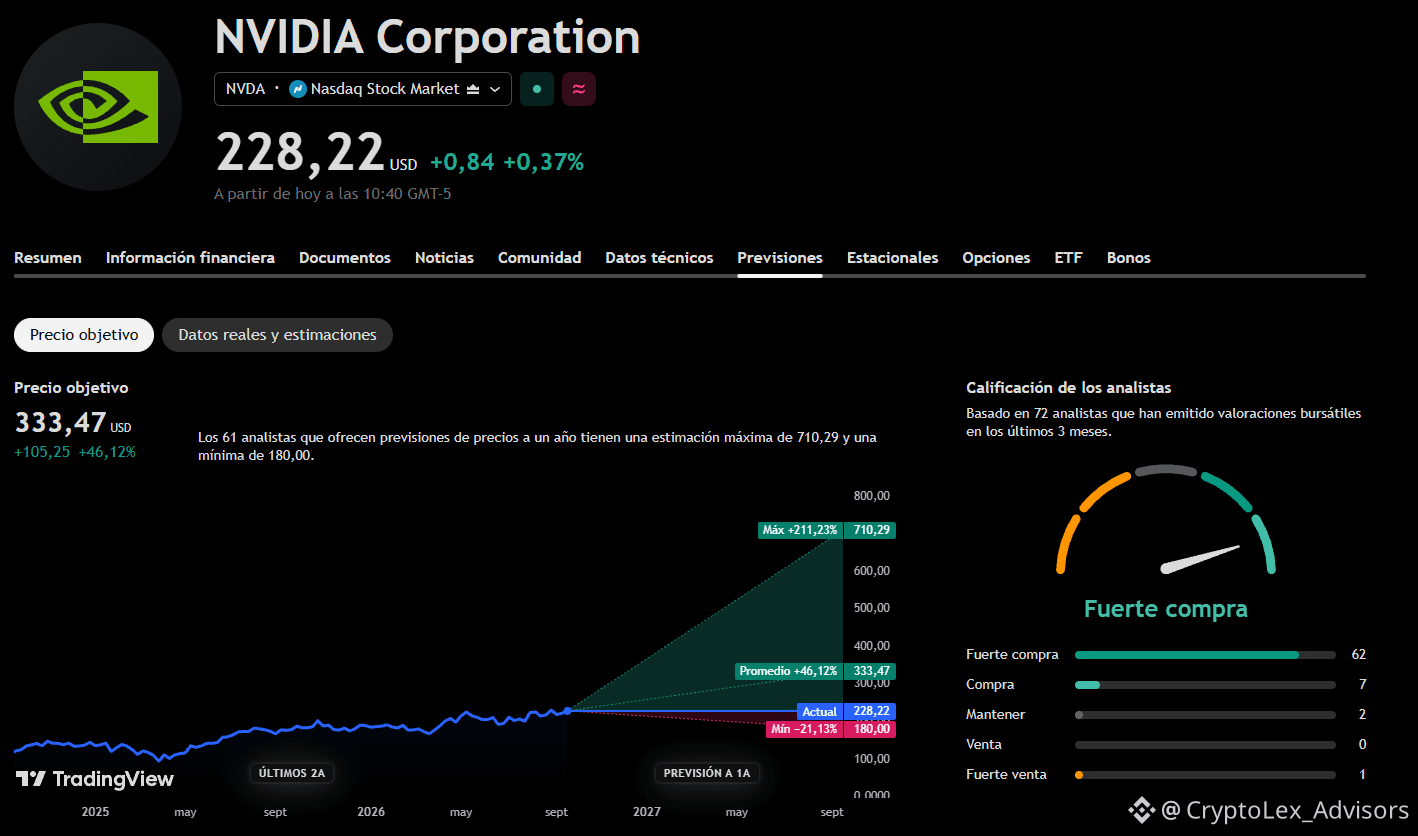
NVIDIA and AI: how much growth is already priced in? 🤖📈
The AI revolution is no longer just a technological narrative—it’s turning into an industry with concrete financial results.
#NVIDIA has just reported quarterly revenue of US$96.2 billion, up 106% year over year. 🤯
Its Data Center business reached US$89 billion, growing 117% compared to the same quarter of the prior year.
For its next quarter, the company projects revenue of approximately US$108 billion ±2%
The numbers show that demand for AI infrastructure continues to be extraordinary.
That’s why analyzing AI only through NVIDIA’s growth may fall short.
You have to look at the entire ecosystem:
Chips → data centers → energy → infrastructure → AI models → software → autonomous agents.
And here’s an interesting question for the coming years:
Where will the value capture be within this chain?
The expansion of AI is opening increasingly relevant conversations for other tech sectors, including blockchain, tokenization, decentralized infrastructure, and digital assets.
From an investment perspective, the question shouldn’t simply be:
“Will AI keep growing?”
But rather:
“What expectations are already built into prices, and what risks still aren’t?”
That shift in perspective is essential for moving from chasing narratives to analyzing opportunities with risk management.
Which part of the AI ecosystem do you find most interesting for the next few years: chips, infrastructure, energy, software, AI agents, or the convergence between AI and blockchain?
I’m reading your thoughts. 👇
CryptoLex Advisors
Strategy • Risk • Digital assets
#AIStocksWhatNext #NVIDIA #Aİ #Crypto #Blockchain $NVDAB
{spot}(NVDABUSDT)
NVIDIA and AI: how much growth is already priced in? 🤖📈
The AI revolution is no longer just a technological narrative—it’s turning into an industry with concrete financial results.
#NVIDIA has just reported quarterly revenue of US$96.2 billion, up 106% year over year. 🤯
Its Data Center business reached US$89 billion, growing 117% compared to the same quarter of the prior year.
For its next quarter, the company projects revenue of approximately US$108 billion ±2%
The numbers show that demand for AI infrastructure continues to be extraordinary.
That’s why analyzing AI only through NVIDIA’s growth may fall short.
You have to look at the entire ecosystem:
Chips → data centers → energy → infrastructure → AI models → software → autonomous agents.
And here’s an interesting question for the coming years:
Where will the value capture be within this chain?
The expansion of AI is opening increasingly relevant conversations for other tech sectors, including blockchain, tokenization, decentralized infrastructure, and digital assets.
From an investment perspective, the question shouldn’t simply be:
“Will AI keep growing?”
But rather:
“What expectations are already built into prices, and what risks still aren’t?”
That shift in perspective is essential for moving from chasing narratives to analyzing opportunities with risk management.
Which part of the AI ecosystem do you find most interesting for the next few years: chips, infrastructure, energy, software, AI agents, or the convergence between AI and blockchain?
I’m reading your thoughts. 👇
CryptoLex Advisors
Strategy • Risk • Digital assets
#AIStocksWhatNext #NVIDIA #Aİ #Crypto #Blockchain $NVDAB
The AI revolution is no longer just a technological narrative—it’s turning into an industry with concrete financial results.
#NVIDIA has just reported quarterly revenue of US$96.2 billion, up 106% year over year. 🤯
Its Data Center business reached US$89 billion, growing 117% compared to the same quarter of the prior year.
For its next quarter, the company projects revenue of approximately US$108 billion ±2%
The numbers show that demand for AI infrastructure continues to be extraordinary.
That’s why analyzing AI only through NVIDIA’s growth may fall short.
You have to look at the entire ecosystem:
Chips → data centers → energy → infrastructure → AI models → software → autonomous agents.
And here’s an interesting question for the coming years:
Where will the value capture be within this chain?
The expansion of AI is opening increasingly relevant conversations for other tech sectors, including blockchain, tokenization, decentralized infrastructure, and digital assets.
From an investment perspective, the question shouldn’t simply be:
“Will AI keep growing?”
But rather:
“What expectations are already built into prices, and what risks still aren’t?”
That shift in perspective is essential for moving from chasing narratives to analyzing opportunities with risk management.
Which part of the AI ecosystem do you find most interesting for the next few years: chips, infrastructure, energy, software, AI agents, or the convergence between AI and blockchain?
I’m reading your thoughts. 👇
CryptoLex Advisors
Strategy • Risk • Digital assets
#AIStocksWhatNext #NVIDIA #Aİ #Crypto #Blockchain $NVDAB
1
140
·
--
Bullish
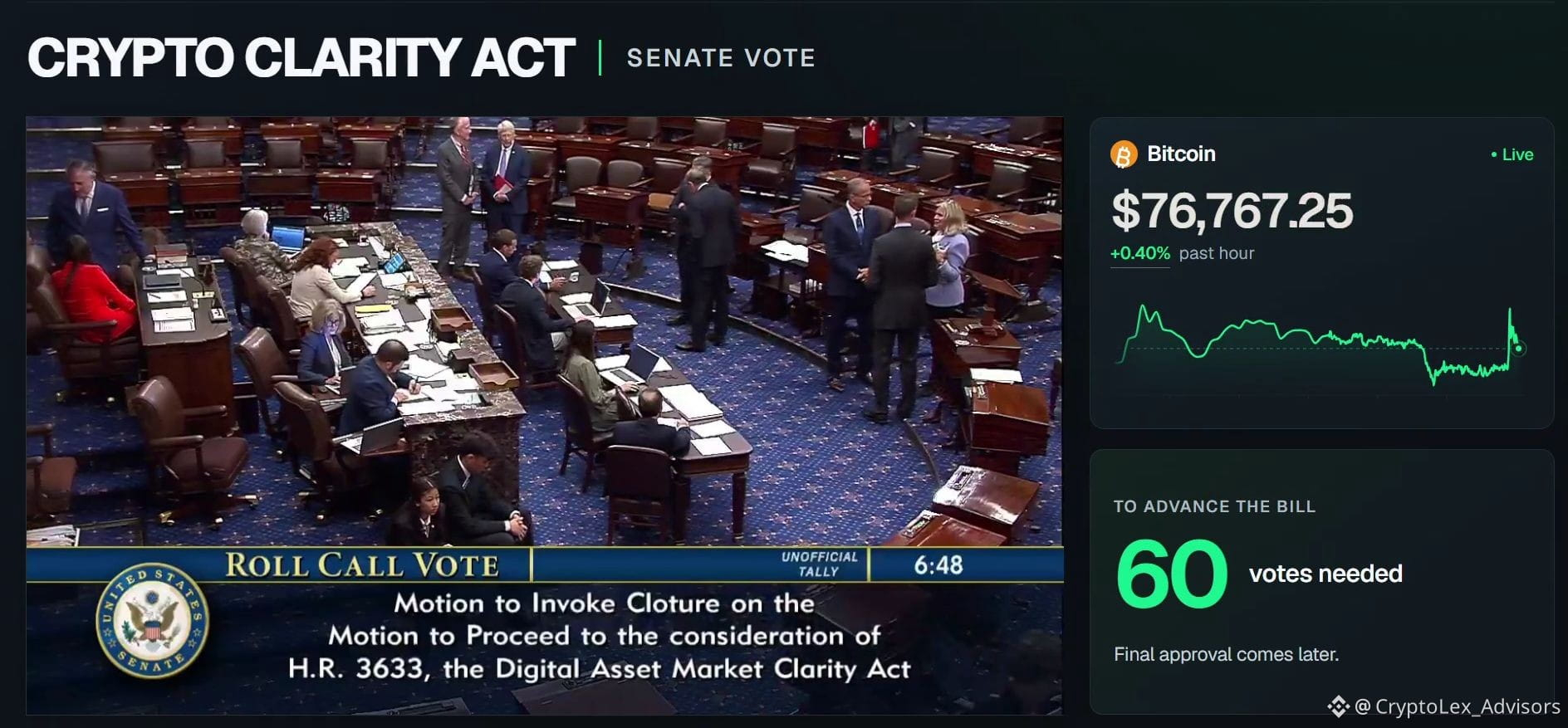
⚡ HISTORIC: The Senate sets the fate of cryptocurrencies with the #ClarityAct 🏛️💥
Today, all eyes across the crypto ecosystem are on Washington. The moment of truth has arrived with the procedural vote on the Digital Asset Market Clarity Act, an event that could forever rewrite the rules of the financial game.
🔍 What’s at stake today?
The big hurdle of 60 votes: The Senate faces a key cloture vote to decide whether the bill officially moves forward to a full floor debate.
Negotiation at the limit: After months of intense debate, more than 120 proposed amendments from Democrats have been incorporated—including strict ethics and consumer protection rules—aiming to secure the bipartisan support needed.
⚠️ What should you keep in mind?
The political pulse: Although the administration and Republican sponsors are pushing for a green light, prediction markets show considerable skepticism about whether it will clear the entire finish line this year amid persistent political divisions.
The perfect storm: The market is in a high-tension session, as this legislative milestone is closely timed with expectations for Federal Reserve interest-rate moves. Volatility is guaranteed.
🚀 Why is this so monumental for the market?
It’s about ending the regulatory “gray zone.” The Clarity Act seeks to draw a clear line between securities and digital commodities, transparently dividing responsibilities between the SEC and the CFTC. For major investment funds, asset managers, and institutional capital, the lack of clear rules has been the only barrier.
If this wall falls, the doors open to mass adoption and legal certainty that the industry has been waiting for for years.
Will we see a new historic milestone for Bitcoin and the market?
⚡ HISTORIC: The Senate sets the fate of cryptocurrencies with the #ClarityAct 🏛️💥
Today, all eyes across the crypto ecosystem are on Washington. The moment of truth has arrived with the procedural vote on the Digital Asset Market Clarity Act, an event that could forever rewrite the rules of the financial game.
🔍 What’s at stake today?
The big hurdle of 60 votes: The Senate faces a key cloture vote to decide whether the bill officially moves forward to a full floor debate.
Negotiation at the limit: After months of intense debate, more than 120 proposed amendments from Democrats have been incorporated—including strict ethics and consumer protection rules—aiming to secure the bipartisan support needed.
⚠️ What should you keep in mind?
The political pulse: Although the administration and Republican sponsors are pushing for a green light, prediction markets show considerable skepticism about whether it will clear the entire finish line this year amid persistent political divisions.
The perfect storm: The market is in a high-tension session, as this legislative milestone is closely timed with expectations for Federal Reserve interest-rate moves. Volatility is guaranteed.
🚀 Why is this so monumental for the market?
It’s about ending the regulatory “gray zone.” The Clarity Act seeks to draw a clear line between securities and digital commodities, transparently dividing responsibilities between the SEC and the CFTC. For major investment funds, asset managers, and institutional capital, the lack of clear rules has been the only barrier.
If this wall falls, the doors open to mass adoption and legal certainty that the industry has been waiting for for years.
Will we see a new historic milestone for Bitcoin and the market?
Today, all eyes across the crypto ecosystem are on Washington. The moment of truth has arrived with the procedural vote on the Digital Asset Market Clarity Act, an event that could forever rewrite the rules of the financial game.
🔍 What’s at stake today?
The big hurdle of 60 votes: The Senate faces a key cloture vote to decide whether the bill officially moves forward to a full floor debate.
Negotiation at the limit: After months of intense debate, more than 120 proposed amendments from Democrats have been incorporated—including strict ethics and consumer protection rules—aiming to secure the bipartisan support needed.
⚠️ What should you keep in mind?
The political pulse: Although the administration and Republican sponsors are pushing for a green light, prediction markets show considerable skepticism about whether it will clear the entire finish line this year amid persistent political divisions.
The perfect storm: The market is in a high-tension session, as this legislative milestone is closely timed with expectations for Federal Reserve interest-rate moves. Volatility is guaranteed.
🚀 Why is this so monumental for the market?
It’s about ending the regulatory “gray zone.” The Clarity Act seeks to draw a clear line between securities and digital commodities, transparently dividing responsibilities between the SEC and the CFTC. For major investment funds, asset managers, and institutional capital, the lack of clear rules has been the only barrier.
If this wall falls, the doors open to mass adoption and legal certainty that the industry has been waiting for for years.
Will we see a new historic milestone for Bitcoin and the market?
1
2
1.1k

Article
AI + Documentation: The system that crypto and financial professionals still aren’t usingLet’s be direct.
If you work in crypto, DeFi, institutional trading, or financial services, you deal with a brutal amount of documentation:
Whitepapers. Investment contracts. Exchange terms. Audit reports. AML/KYC regulations. Protocol updates. Governance proposals. On-chain analysis.
Most operators in this space read 20% of what they should be reading. Not because they’re careless. Because the volume is inhumane.
This is exactly where Claude comes in.
AI + Documentation: The system that crypto and financial professionals still aren’t using
Let’s be direct.
If you work in crypto, DeFi, institutional trading, or financial services, you deal with a brutal amount of documentation:
Whitepapers. Investment contracts. Exchange terms. Audit reports. AML/KYC regulations. Protocol updates. Governance proposals. On-chain analysis.
Most operators in this space read 20% of what they should be reading. Not because they’re careless. Because the volume is inhumane.
This is exactly where Claude comes in.
If you work in crypto, DeFi, institutional trading, or financial services, you deal with a brutal amount of documentation:
Whitepapers. Investment contracts. Exchange terms. Audit reports. AML/KYC regulations. Protocol updates. Governance proposals. On-chain analysis.
Most operators in this space read 20% of what they should be reading. Not because they’re careless. Because the volume is inhumane.
This is exactly where Claude comes in.
1
98
·
--
Bullish
@Binance_Academy This is changing the global market with these payment acquisitions.
@Binance Academy This is changing the global market with these payment acquisitions.


Binance Academy
·
--
Master the 4-step framework to secure your crypto with our new Risk Management course.
88

Article
XRP: 3 weeks without capital outflows from its ETFs. Is the institutional investor profile changing?While much of the crypto market continues to look for signs of strength, XRP is showing one that deserves attention: its U.S.-listed ETFs have accumulated three consecutive weeks without recording capital outflows. And the most recent data raises the signal even further. ⭐
During this period, XRP ETFs accumulated approximately USD 111 million in net inflows, while on August 26, 2026 they captured another USD 28 million—the highest daily inflow recorded by these products since January. 💵
XRP: 3 weeks without capital outflows from its ETFs. Is the institutional investor profile changing?
While much of the crypto market continues to look for signs of strength, XRP is showing one that deserves attention: its U.S.-listed ETFs have accumulated three consecutive weeks without recording capital outflows. And the most recent data raises the signal even further. ⭐
During this period, XRP ETFs accumulated approximately USD 111 million in net inflows, while on August 26, 2026 they captured another USD 28 million—the highest daily inflow recorded by these products since January. 💵
During this period, XRP ETFs accumulated approximately USD 111 million in net inflows, while on August 26, 2026 they captured another USD 28 million—the highest daily inflow recorded by these products since January. 💵
1
219
·
--
Bullish
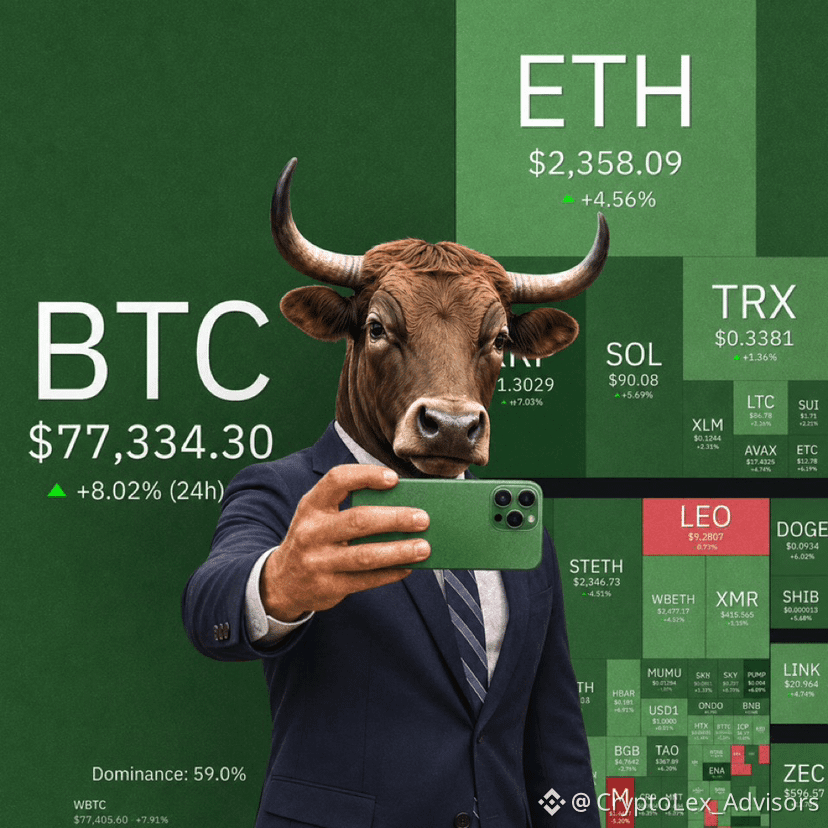
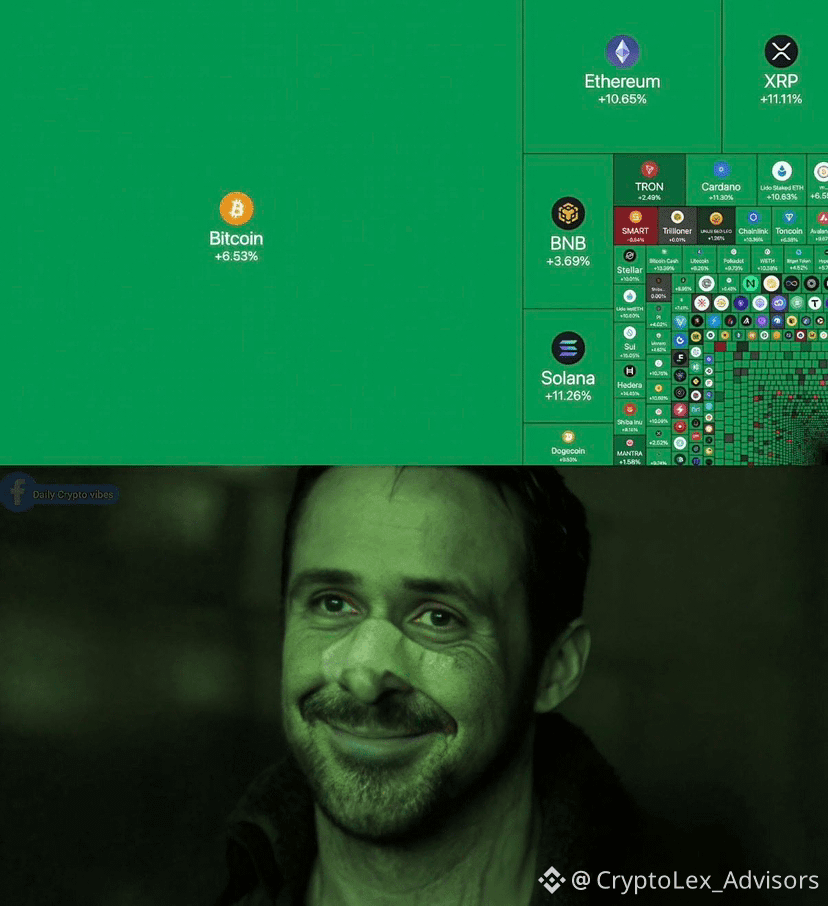
I always trust that patience always pays #GoldReboundsNearly5%
I always trust that patience always pays #GoldReboundsNearly5%
147
·
--
Bearish
🚨 ATTENTION CRYPTO! The Senate postpones the vote on the CLARITY Act until September: What you need to know 🚨
The much-anticipated CLARITY Act (Digital Asset Market Clarity Act), the key bill aimed at defining the rules of the game for cryptocurrencies in the U.S., has once again suffered a decisive delay in the Senate.
Although the bill gained momentum after approval in the Banking Committee in May, the lack of prior consensus before the summer recess has pushed the full Senate vote to mid-September.
📅 Timeline and Key Dates
July 2025: The House of Representatives passes the bill.
May 2026: The Senate Banking Committee approves the revised draft (15-9).
August 6–7, 2026: The deadline expires before the summer recess without putting the bill to a vote.
September 14, 2026 (Approx.): The Senate returns to Washington, D.C. The new voting window opens.
November 2026: Legislative elections (midterms) in the U.S., which could stall the bill if it isn’t passed beforehand.
🔑 Key Points After the Delay
1. Why was the vote delayed?
The slowdown is mainly due to ethical debates over public officials holding cryptoassets, as well as disagreements in regulations on illicit financing (AML) and the distribution of yields in stablecoins.
2. The 60-vote hurdle:
To overcome a filibuster in the Senate, at least 60 votes are needed. Republicans have 53 seats, which means a bipartisan agreement with the Democratic bloc is required before proceeding.
3. SEC vs. CFTC divide:
The law aims to delineate jurisdiction between the SEC (securities) and the CFTC (commodities), creating the “mature blockchain” criterion to determine which tokens become classified as digital commodities.
Follow us and don’t miss the best information, brought to you by the best 🤝
#CLARITYAct #RegulationDebate #CryptoLexAdvisors
🚨 ATTENTION CRYPTO! The Senate postpones the vote on the CLARITY Act until September: What you need to know 🚨
The much-anticipated CLARITY Act (Digital Asset Market Clarity Act), the key bill aimed at defining the rules of the game for cryptocurrencies in the U.S., has once again suffered a decisive delay in the Senate.
Although the bill gained momentum after approval in the Banking Committee in May, the lack of prior consensus before the summer recess has pushed the full Senate vote to mid-September.
📅 Timeline and Key Dates
July 2025: The House of Representatives passes the bill.
May 2026: The Senate Banking Committee approves the revised draft (15-9).
August 6–7, 2026: The deadline expires before the summer recess without putting the bill to a vote.
September 14, 2026 (Approx.): The Senate returns to Washington, D.C. The new voting window opens.
November 2026: Legislative elections (midterms) in the U.S., which could stall the bill if it isn’t passed beforehand.
🔑 Key Points After the Delay
1. Why was the vote delayed?
The slowdown is mainly due to ethical debates over public officials holding cryptoassets, as well as disagreements in regulations on illicit financing (AML) and the distribution of yields in stablecoins.
2. The 60-vote hurdle:
To overcome a filibuster in the Senate, at least 60 votes are needed. Republicans have 53 seats, which means a bipartisan agreement with the Democratic bloc is required before proceeding.
3. SEC vs. CFTC divide:
The law aims to delineate jurisdiction between the SEC (securities) and the CFTC (commodities), creating the “mature blockchain” criterion to determine which tokens become classified as digital commodities.
Follow us and don’t miss the best information, brought to you by the best 🤝
#CLARITYAct #RegulationDebate #CryptoLexAdvisors
The much-anticipated CLARITY Act (Digital Asset Market Clarity Act), the key bill aimed at defining the rules of the game for cryptocurrencies in the U.S., has once again suffered a decisive delay in the Senate.
Although the bill gained momentum after approval in the Banking Committee in May, the lack of prior consensus before the summer recess has pushed the full Senate vote to mid-September.
📅 Timeline and Key Dates
July 2025: The House of Representatives passes the bill.
May 2026: The Senate Banking Committee approves the revised draft (15-9).
August 6–7, 2026: The deadline expires before the summer recess without putting the bill to a vote.
September 14, 2026 (Approx.): The Senate returns to Washington, D.C. The new voting window opens.
November 2026: Legislative elections (midterms) in the U.S., which could stall the bill if it isn’t passed beforehand.
🔑 Key Points After the Delay
1. Why was the vote delayed?
The slowdown is mainly due to ethical debates over public officials holding cryptoassets, as well as disagreements in regulations on illicit financing (AML) and the distribution of yields in stablecoins.
2. The 60-vote hurdle:
To overcome a filibuster in the Senate, at least 60 votes are needed. Republicans have 53 seats, which means a bipartisan agreement with the Democratic bloc is required before proceeding.
3. SEC vs. CFTC divide:
The law aims to delineate jurisdiction between the SEC (securities) and the CFTC (commodities), creating the “mature blockchain” criterion to determine which tokens become classified as digital commodities.
Follow us and don’t miss the best information, brought to you by the best 🤝
#CLARITYAct #RegulationDebate #CryptoLexAdvisors

1
82
·
--
Bullish
@Binancelatam gives us a sneak peek at the famous #BTC Pizza Day 🍕
These milestones show the reach of the ecosystem and how it can bring communities together on the same date.
@Binance LATAM Official gives us a sneak peek at the famous #BTC Pizza Day 🍕
These milestones show the reach of the ecosystem and how it can bring communities together on the same date.
These milestones show the reach of the ecosystem and how it can bring communities together on the same date.

Binance LATAM Official
·
--
🔸🔸🔸🔸
🍕 Bitcoin Pizza Day isn't just a meme…
it's one of the most significant moments in Bitcoin's history.
On May 22, 2010, a programmer paid 10,000 BTC for two pizzas 🍕
At the time, it seemed like a simple transaction.
Today, that transaction represents one of the biggest symbols of:
→ adoption
→ long-term vision
→ real innovation
💡 Beyond BTC's current price, that purchase demonstrated something key:
Bitcoin could be used in the real world.
And since then…
everything has changed.
🚀 Binance will celebrate Bitcoin Pizza Day alongside the community in various LATAM countries.
🍕 Because some stories didn't just shake the market…they shaped an entire industry.
🍕 Bitcoin Pizza Day isn't just a meme…
it's one of the most significant moments in Bitcoin's history.
On May 22, 2010, a programmer paid 10,000 BTC for two pizzas 🍕
At the time, it seemed like a simple transaction.
Today, that transaction represents one of the biggest symbols of:
→ adoption
→ long-term vision
→ real innovation
💡 Beyond BTC's current price, that purchase demonstrated something key:
Bitcoin could be used in the real world.
And since then…
everything has changed.
🚀 Binance will celebrate Bitcoin Pizza Day alongside the community in various LATAM countries.
🍕 Because some stories didn't just shake the market…they shaped an entire industry.

2
157
Article
WHY IS BTC FALLING? What no one is explaining (but the data does)An analysis that no one in your feed is providing — with real data, not panic.
Here's what happened in numbers:
BTC dropped below $77,000 USD on May 18, 2026. This decline triggered over $657 million in liquidations within 24 hours, with long positions accounting for 89% of the total liquidated. It wasn't just a fluke. It was the result of multiple pressures converging at once. CoinMarketCap
📌 CAUSE 1 — Geopolitics hit first
The lack of progress in the conflict between Iran and the United States keeps global markets in uncertainty, reducing the appetite for risk assets like Bitcoin. Additionally, oil prices are climbing due to ongoing geopolitical tensions, adding inflationary pressure that negatively impacts crypto and equity markets. Mudrex
WHY IS BTC FALLING? What no one is explaining (but the data does)
An analysis that no one in your feed is providing — with real data, not panic.
Here's what happened in numbers:
BTC dropped below $77,000 USD on May 18, 2026. This decline triggered over $657 million in liquidations within 24 hours, with long positions accounting for 89% of the total liquidated. It wasn't just a fluke. It was the result of multiple pressures converging at once. CoinMarketCap
📌 CAUSE 1 — Geopolitics hit first
The lack of progress in the conflict between Iran and the United States keeps global markets in uncertainty, reducing the appetite for risk assets like Bitcoin. Additionally, oil prices are climbing due to ongoing geopolitical tensions, adding inflationary pressure that negatively impacts crypto and equity markets. Mudrex
Here's what happened in numbers:
BTC dropped below $77,000 USD on May 18, 2026. This decline triggered over $657 million in liquidations within 24 hours, with long positions accounting for 89% of the total liquidated. It wasn't just a fluke. It was the result of multiple pressures converging at once. CoinMarketCap
📌 CAUSE 1 — Geopolitics hit first
The lack of progress in the conflict between Iran and the United States keeps global markets in uncertainty, reducing the appetite for risk assets like Bitcoin. Additionally, oil prices are climbing due to ongoing geopolitical tensions, adding inflationary pressure that negatively impacts crypto and equity markets. Mudrex
1
237

Article
P2P Trading in Crypto: What No One Tells You Before You Lose Your FundsThe peer-to-peer market looks simple. It’s not. Behind every transaction lies an ecosystem of legal, technical, and financial risks that few traders understand until they face them. This is the guide you needed from day one.
Why P2P is fertile ground for fraud
P2P trading cuts out the centralized middleman. That's its advantage. But it's also exactly why it concentrates the highest risk of losing your assets in the retail ecosystem. No institutional custody, no transaction reversibility, and dispute systems that scammers study better than legit users.
P2P Trading in Crypto: What No One Tells You Before You Lose Your Funds
The peer-to-peer market looks simple. It’s not. Behind every transaction lies an ecosystem of legal, technical, and financial risks that few traders understand until they face them. This is the guide you needed from day one.
Why P2P is fertile ground for fraud
P2P trading cuts out the centralized middleman. That's its advantage. But it's also exactly why it concentrates the highest risk of losing your assets in the retail ecosystem. No institutional custody, no transaction reversibility, and dispute systems that scammers study better than legit users.
Why P2P is fertile ground for fraud
P2P trading cuts out the centralized middleman. That's its advantage. But it's also exactly why it concentrates the highest risk of losing your assets in the retail ecosystem. No institutional custody, no transaction reversibility, and dispute systems that scammers study better than legit users.
1
2
240
·
--
Bullish
Do you really know how much you're willing to lose? 🤔
Before entering the market, that's the question almost nobody asks.
It's not a trick question. It's the foundation of any serious crypto investment strategy. 🧠
Without a clear answer, there’s no portfolio that can withstand a bear market. No risk management that works. And no way to know if what you're doing makes sense for your actual situation. 📉
At CryptoLex Advisors, we work with three types of clients:
- The trader who is trading but doesn’t have a defined risk system
- The investor who has capital and wants to build a structured portfolio
- The project or company that needs to manage its treasury in digital assets
And the first step is always the same: understanding who you are as an investor. 🎯
✅ Investor profiling
✅ Building a crypto portfolio tailored to your profile
✅ Active risk management
All integrated. No generic solutions. No templates. 🛡️
If you want to understand your real exposure to the market and build a strategy that makes sense for you — let’s talk. 💬
We focus on assets like;
$BTC
{spot}(BTCUSDT)
$XRP
{spot}(XRPUSDT)
$BNB
{spot}(BNBUSDT)
📩 First session at no cost.
#GestiónDeRiesgo #PortafolioCrypto #InversiónCrypto #PerfilamientoInversor #BinanceSquare
Do you really know how much you're willing to lose? 🤔
Before entering the market, that's the question almost nobody asks.
It's not a trick question. It's the foundation of any serious crypto investment strategy. 🧠
Without a clear answer, there’s no portfolio that can withstand a bear market. No risk management that works. And no way to know if what you're doing makes sense for your actual situation. 📉
At CryptoLex Advisors, we work with three types of clients:
- The trader who is trading but doesn’t have a defined risk system
- The investor who has capital and wants to build a structured portfolio
- The project or company that needs to manage its treasury in digital assets
And the first step is always the same: understanding who you are as an investor. 🎯
✅ Investor profiling
✅ Building a crypto portfolio tailored to your profile
✅ Active risk management
All integrated. No generic solutions. No templates. 🛡️
If you want to understand your real exposure to the market and build a strategy that makes sense for you — let’s talk. 💬
We focus on assets like;
$BTC
$XRP
$BNB
📩 First session at no cost.
#GestiónDeRiesgo #PortafolioCrypto #InversiónCrypto #PerfilamientoInversor #BinanceSquare
Before entering the market, that's the question almost nobody asks.
It's not a trick question. It's the foundation of any serious crypto investment strategy. 🧠
Without a clear answer, there’s no portfolio that can withstand a bear market. No risk management that works. And no way to know if what you're doing makes sense for your actual situation. 📉
At CryptoLex Advisors, we work with three types of clients:
- The trader who is trading but doesn’t have a defined risk system
- The investor who has capital and wants to build a structured portfolio
- The project or company that needs to manage its treasury in digital assets
And the first step is always the same: understanding who you are as an investor. 🎯
✅ Investor profiling
✅ Building a crypto portfolio tailored to your profile
✅ Active risk management
All integrated. No generic solutions. No templates. 🛡️
If you want to understand your real exposure to the market and build a strategy that makes sense for you — let’s talk. 💬
We focus on assets like;
$BTC
$XRP
$BNB
📩 First session at no cost.
#GestiónDeRiesgo #PortafolioCrypto #InversiónCrypto #PerfilamientoInversor #BinanceSquare

3
414
·
--
Bullish
🚨 $XRP EXPLODES +8% but BE CAREFUL, you need to tread lightly.
While the overall market corrected, XRP jumped from $1.39 to $1.55 in 7 days. It wasn’t luck. It was structure.
Today, May 14, 2026, the U.S. Senate approved the CLARITY Act in committee with a vote of 15-9, the bill that would formally classify XRP as a commodity under U.S. law.
What does that mean in simple terms?
🔓 The SEC vs. Ripple case: definitively buried.
For years, the SEC argued that XRP was an unregistered security. The CLARITY Act cuts that argument off at the root: if XRP is a commodity, the SEC never had real jurisdiction.
📊 Here’s what the candlestick says right now:
Current price: ~$1.45–$1.49
RSI 14D: 67.64 (bullish momentum without extreme overbought conditions)
Golden Cross active: MA50 and MA200 aligned upwards
Open Interest in futures: +23% in May
XRP ETF holdings: $1.36B accumulated
Transactions on XRP Ledger in April: 71M (+65% year-over-year)
📍 Key resistance to break: $1.50
If there’s a weekly close above this, analysts are targeting $1.73–$1.83 as the first objective, with $2.40 as the projection for year-end.
🏦 Why were institutional investors waiting for this?
Because no bank, fund, or regulated custodian could touch XRP with an active SEC lawsuit hanging over it. That barrier just vanished.
Smart money doesn’t wait for confirmation.
The wait was the lowest price you saw.
⚠️ DYOR $XRP #CLARITYAct #SmartInvesting
{spot}(XRPUSDT)
🚨 $XRP EXPLODES +8% but BE CAREFUL, you need to tread lightly.
While the overall market corrected, XRP jumped from $1.39 to $1.55 in 7 days. It wasn’t luck. It was structure.
Today, May 14, 2026, the U.S. Senate approved the CLARITY Act in committee with a vote of 15-9, the bill that would formally classify XRP as a commodity under U.S. law.
What does that mean in simple terms?
🔓 The SEC vs. Ripple case: definitively buried.
For years, the SEC argued that XRP was an unregistered security. The CLARITY Act cuts that argument off at the root: if XRP is a commodity, the SEC never had real jurisdiction.
📊 Here’s what the candlestick says right now:
Current price: ~$1.45–$1.49
RSI 14D: 67.64 (bullish momentum without extreme overbought conditions)
Golden Cross active: MA50 and MA200 aligned upwards
Open Interest in futures: +23% in May
XRP ETF holdings: $1.36B accumulated
Transactions on XRP Ledger in April: 71M (+65% year-over-year)
📍 Key resistance to break: $1.50
If there’s a weekly close above this, analysts are targeting $1.73–$1.83 as the first objective, with $2.40 as the projection for year-end.
🏦 Why were institutional investors waiting for this?
Because no bank, fund, or regulated custodian could touch XRP with an active SEC lawsuit hanging over it. That barrier just vanished.
Smart money doesn’t wait for confirmation.
The wait was the lowest price you saw.
⚠️ DYOR $XRP #CLARITYAct #SmartInvesting
While the overall market corrected, XRP jumped from $1.39 to $1.55 in 7 days. It wasn’t luck. It was structure.
Today, May 14, 2026, the U.S. Senate approved the CLARITY Act in committee with a vote of 15-9, the bill that would formally classify XRP as a commodity under U.S. law.
What does that mean in simple terms?
🔓 The SEC vs. Ripple case: definitively buried.
For years, the SEC argued that XRP was an unregistered security. The CLARITY Act cuts that argument off at the root: if XRP is a commodity, the SEC never had real jurisdiction.
📊 Here’s what the candlestick says right now:
Current price: ~$1.45–$1.49
RSI 14D: 67.64 (bullish momentum without extreme overbought conditions)
Golden Cross active: MA50 and MA200 aligned upwards
Open Interest in futures: +23% in May
XRP ETF holdings: $1.36B accumulated
Transactions on XRP Ledger in April: 71M (+65% year-over-year)
📍 Key resistance to break: $1.50
If there’s a weekly close above this, analysts are targeting $1.73–$1.83 as the first objective, with $2.40 as the projection for year-end.
🏦 Why were institutional investors waiting for this?
Because no bank, fund, or regulated custodian could touch XRP with an active SEC lawsuit hanging over it. That barrier just vanished.
Smart money doesn’t wait for confirmation.
The wait was the lowest price you saw.
⚠️ DYOR $XRP #CLARITYAct #SmartInvesting
1
2
1.1k
·
--
Bullish
🚨 BREAKING: The CLARITY Act just passed the U.S. Senate Committee — 15 votes for, 9 against.
For over 10 years, the crypto market operated without clear rules. That’s about to change.
What does this mean for you as a holder?
✅ Greater legal security for exchanges
✅ Clear separation between what the SEC and CFTC regulate
✅ Green light for institutions to enter without legal fears
✅ Less risk of arbitrary shutdowns like FTX
This isn’t FUD. It’s the biggest regulatory breakthrough in the history of U.S. crypto.
Institutional money was waiting for exactly this. 👀
Have you already positioned your portfolio? 🔥
$BTC
{spot}(BTCUSDT)
$XRP
{spot}(XRPUSDT)
$BNB
{spot}(BNBUSDT)
#CryptoNewss #altcoins #CryptoRegulationBattle #ClarityActDraft
🚨 BREAKING: The CLARITY Act just passed the U.S. Senate Committee — 15 votes for, 9 against.
For over 10 years, the crypto market operated without clear rules. That’s about to change.
What does this mean for you as a holder?
✅ Greater legal security for exchanges
✅ Clear separation between what the SEC and CFTC regulate
✅ Green light for institutions to enter without legal fears
✅ Less risk of arbitrary shutdowns like FTX
This isn’t FUD. It’s the biggest regulatory breakthrough in the history of U.S. crypto.
Institutional money was waiting for exactly this. 👀
Have you already positioned your portfolio? 🔥
$BTC
$XRP
$BNB
#CryptoNewss #altcoins #CryptoRegulationBattle #ClarityActDraft
For over 10 years, the crypto market operated without clear rules. That’s about to change.
What does this mean for you as a holder?
✅ Greater legal security for exchanges
✅ Clear separation between what the SEC and CFTC regulate
✅ Green light for institutions to enter without legal fears
✅ Less risk of arbitrary shutdowns like FTX
This isn’t FUD. It’s the biggest regulatory breakthrough in the history of U.S. crypto.
Institutional money was waiting for exactly this. 👀
Have you already positioned your portfolio? 🔥
$BTC
$XRP
$BNB
#CryptoNewss #altcoins #CryptoRegulationBattle #ClarityActDraft
1
2
378

Article
For 10 years, the crypto market operated in legal darkness; that's changing now.X |
For over a decade, the crypto industry in the United States has been operating in a gray area: unsure whether a token was a security or a commodity, lacking clarity on which regulator had authority, and without legal frameworks allowing for the massive influx of institutional money. That landscape is about to change, and the effects will be felt across the global market.
On May 14, 2026, the U.S. Senate Banking Committee holds the markup (committee voting) of the Digital Asset Market Clarity Act, simply known as the CLARITY Act. This is, without exaggeration, the most significant regulatory policy event for crypto since the GENIUS Act regulated stablecoins in 2025.
For 10 years, the crypto market operated in legal darkness; that's changing now.
X |
For over a decade, the crypto industry in the United States has been operating in a gray area: unsure whether a token was a security or a commodity, lacking clarity on which regulator had authority, and without legal frameworks allowing for the massive influx of institutional money. That landscape is about to change, and the effects will be felt across the global market.
On May 14, 2026, the U.S. Senate Banking Committee holds the markup (committee voting) of the Digital Asset Market Clarity Act, simply known as the CLARITY Act. This is, without exaggeration, the most significant regulatory policy event for crypto since the GENIUS Act regulated stablecoins in 2025.
For over a decade, the crypto industry in the United States has been operating in a gray area: unsure whether a token was a security or a commodity, lacking clarity on which regulator had authority, and without legal frameworks allowing for the massive influx of institutional money. That landscape is about to change, and the effects will be felt across the global market.
On May 14, 2026, the U.S. Senate Banking Committee holds the markup (committee voting) of the Digital Asset Market Clarity Act, simply known as the CLARITY Act. This is, without exaggeration, the most significant regulatory policy event for crypto since the GENIUS Act regulated stablecoins in 2025.
1
2
231

Article
Ripple Treasury: The first TMS that bridges traditional finance and digital assets.Before we dive into Ripple Treasury, you need to grasp one thing: what the heck is a TMS? Because without that, you won't get why this is a big deal. 🚀
A
TMS (Transportation Management System)
is a
logistics software platform that automates, plans, and optimizes the transport of goods
. It helps companies pick carriers, optimize routes, cut costs, and track in real-time from departure to delivery.
For years, CFOs and corporate treasurers have had to navigate two parallel and disconnected worlds: on one hand, their traditional banking systems, ERPs, and fiat cash flows; on the other, a burgeoning but irreversible exposure to digital assets growing without the right institutional tools.
Ripple Treasury: The first TMS that bridges traditional finance and digital assets.
Before we dive into Ripple Treasury, you need to grasp one thing: what the heck is a TMS? Because without that, you won't get why this is a big deal. 🚀
A
TMS (Transportation Management System)
is a
logistics software platform that automates, plans, and optimizes the transport of goods
. It helps companies pick carriers, optimize routes, cut costs, and track in real-time from departure to delivery.
For years, CFOs and corporate treasurers have had to navigate two parallel and disconnected worlds: on one hand, their traditional banking systems, ERPs, and fiat cash flows; on the other, a burgeoning but irreversible exposure to digital assets growing without the right institutional tools.
A
TMS (Transportation Management System)
is a
logistics software platform that automates, plans, and optimizes the transport of goods
. It helps companies pick carriers, optimize routes, cut costs, and track in real-time from departure to delivery.
For years, CFOs and corporate treasurers have had to navigate two parallel and disconnected worlds: on one hand, their traditional banking systems, ERPs, and fiat cash flows; on the other, a burgeoning but irreversible exposure to digital assets growing without the right institutional tools.
4
808
Log in to explore more content
Join global crypto users on Binance Square
⚡️ Get latest and useful information about crypto.
💬 Trusted by the world’s largest crypto exchange.
👍 Discover real insights from verified creators.
Email / Phone number
Trending Topics
AltcoinSeasonIndexHoldsAbove60For5Days
26 views
65 Discussing
#altcoinseasonindexholdsabove60for5days
🚨 ALTCOIN SEASON SIGNAL JUST GOT STRONGER! 🔥
The Altcoin Season Index has stayed above 60 for 5 consecutive days — putting traders on alert for a potential shift toward altcoins. 👀
📊 Above 60 for 5 days
🔥 Altcoin momentum building
💰 Capital rotation narrative heating up
🚀 Traders watching for the next breakout
The BIG question:
ARE ALTS FINALLY READY TO TAKE OVER? 👀
🟢 Altseason incoming 🚀
🟡 More confirmation needed 📊
🔴 BTC takes back control ₿
👇 VOTE YOUR OUTLOOK!
#altcoinseason $BTC $SOL #Altcoin #crypto
Faizan Crypto Learner
·0 Likes
·42 views
BitcoinSlipsBelow$84000
487 views
50 Discussing
KospiPostsWorstQuarterSince2020
18 views
39 Discussing