


大老师Bugsbunny
 Square Verified
机构级视角、期权流、推特同名、每晚九点半美股开盘直播、高阶视角挖掘内幕交易

2025 Blockchain 100 — Rising Star

SPCXB Holder
Frequent Trader
8.8 Years
90 Following
12.7K+ Followers
1.9K+ Liked
1 Badges
Posts
All
Quotes
Live
PINNED
·
--
🎙️ We’re live—wake up and check out the earnings report! Earnings, earnings, earnings!!!!!
End
01 h 25 m 15 s
873
0
·
--
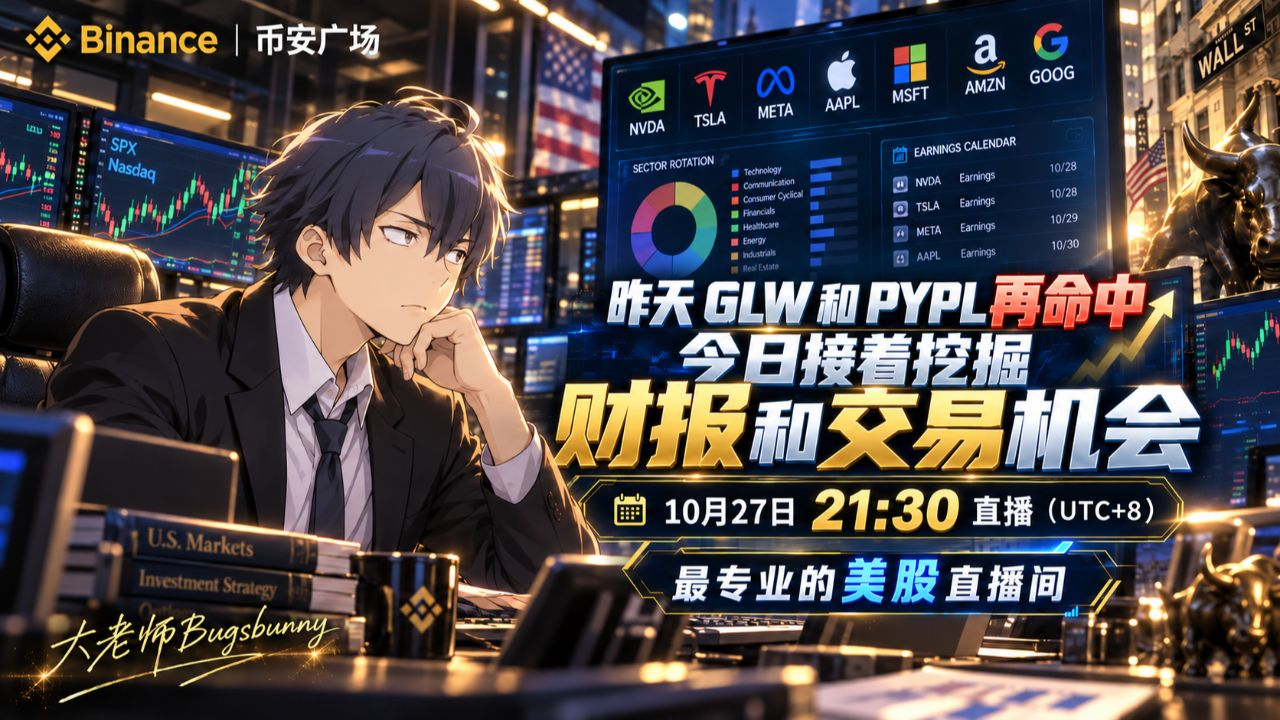
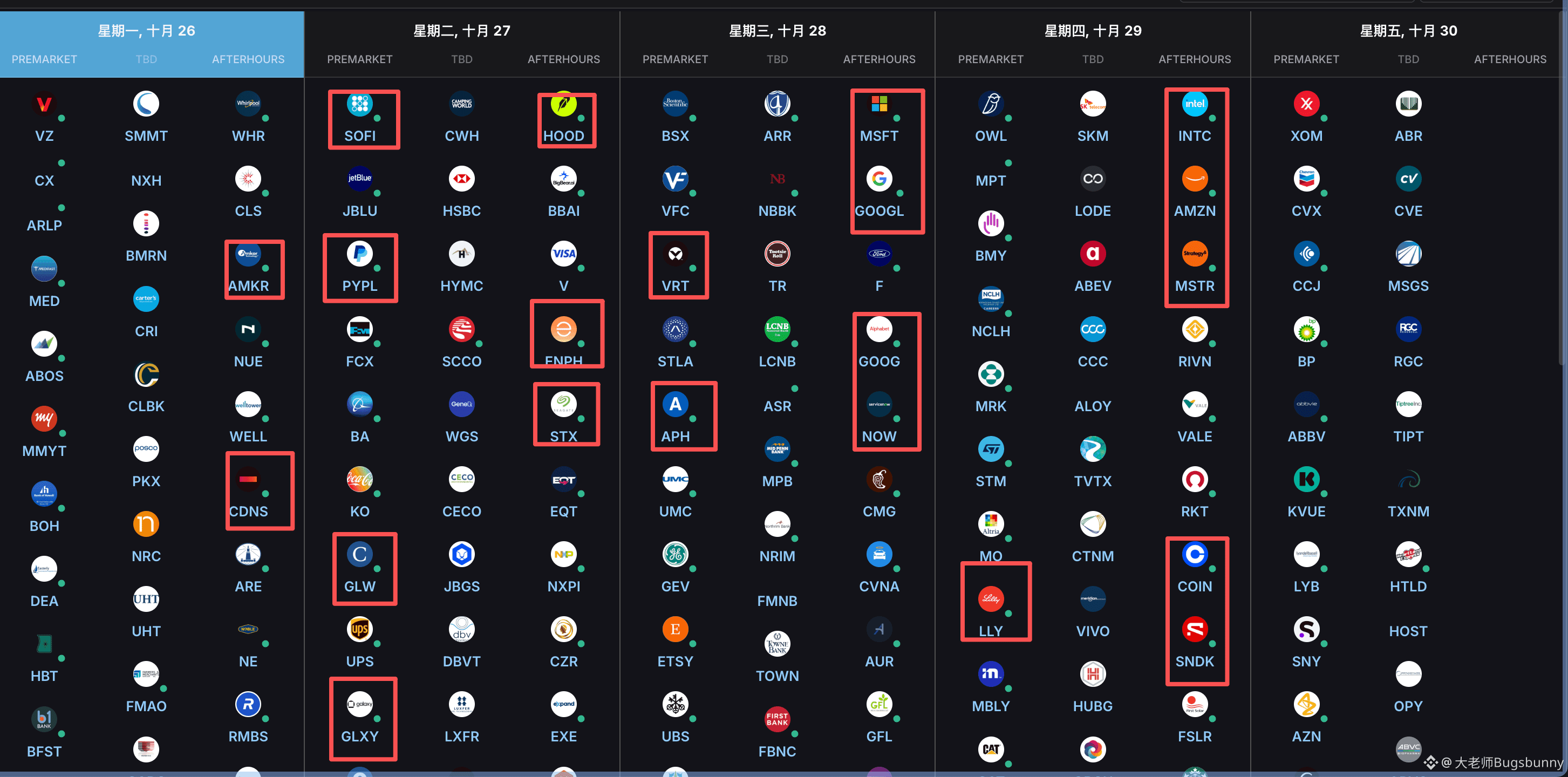
🎙️ GLW and PYPL hit again yesterday; today, we’ll keep digging into earnings and trading opportunities.
End
01 h 39 m 47 s
2.1k
0
·
--
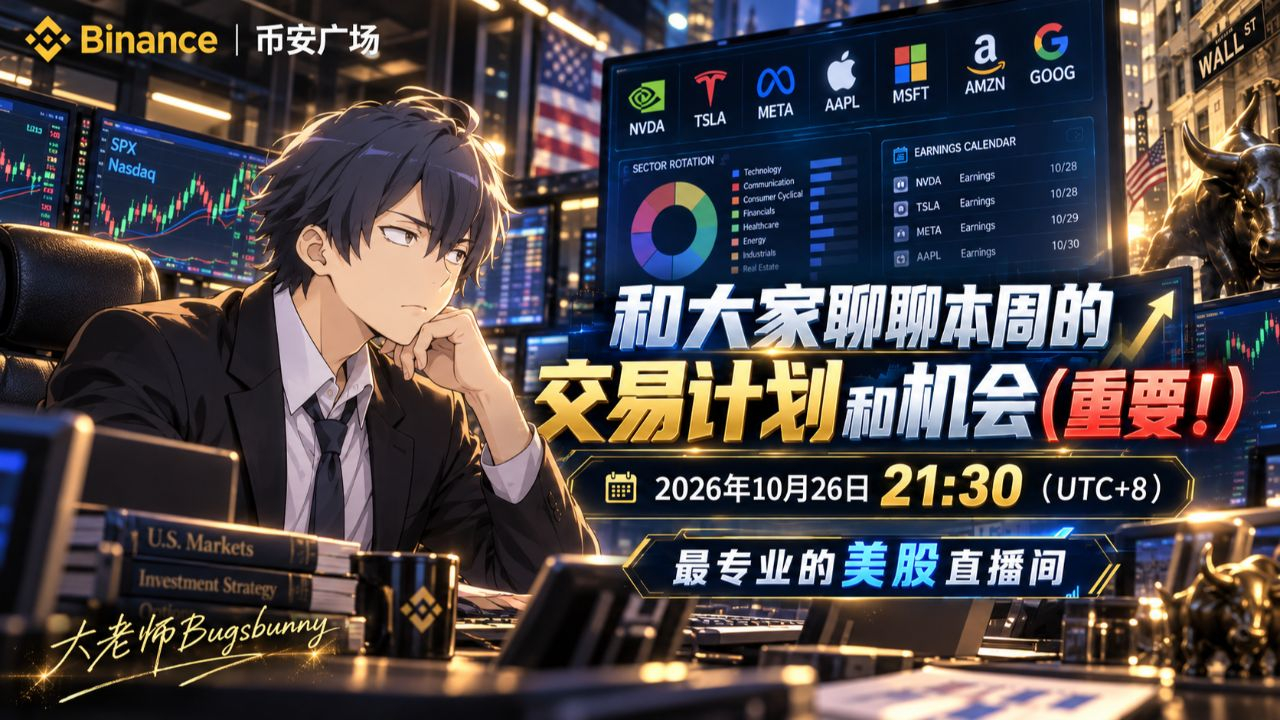
🎙️ This Week's Trading Plan and Opportunities, Along with Earnings Forecasts
End
01 h 45 m 31 s
4.7k
0
·
--
🎙️ Pro-Level Earnings and Market Analysis (5 of 6 Earnings This Week)
End
02 h 10 m 21 s
1.2k
0
·
--
🎙️ Keep streaming, and keep looking at earnings reports and short-term trading opportunities!
End
48 m 16 s
299
0


币安广场
·
--
Notice on Actions Taken Against Vote Fraud and Manipulation in the Binance Top 100 Creators Campaign
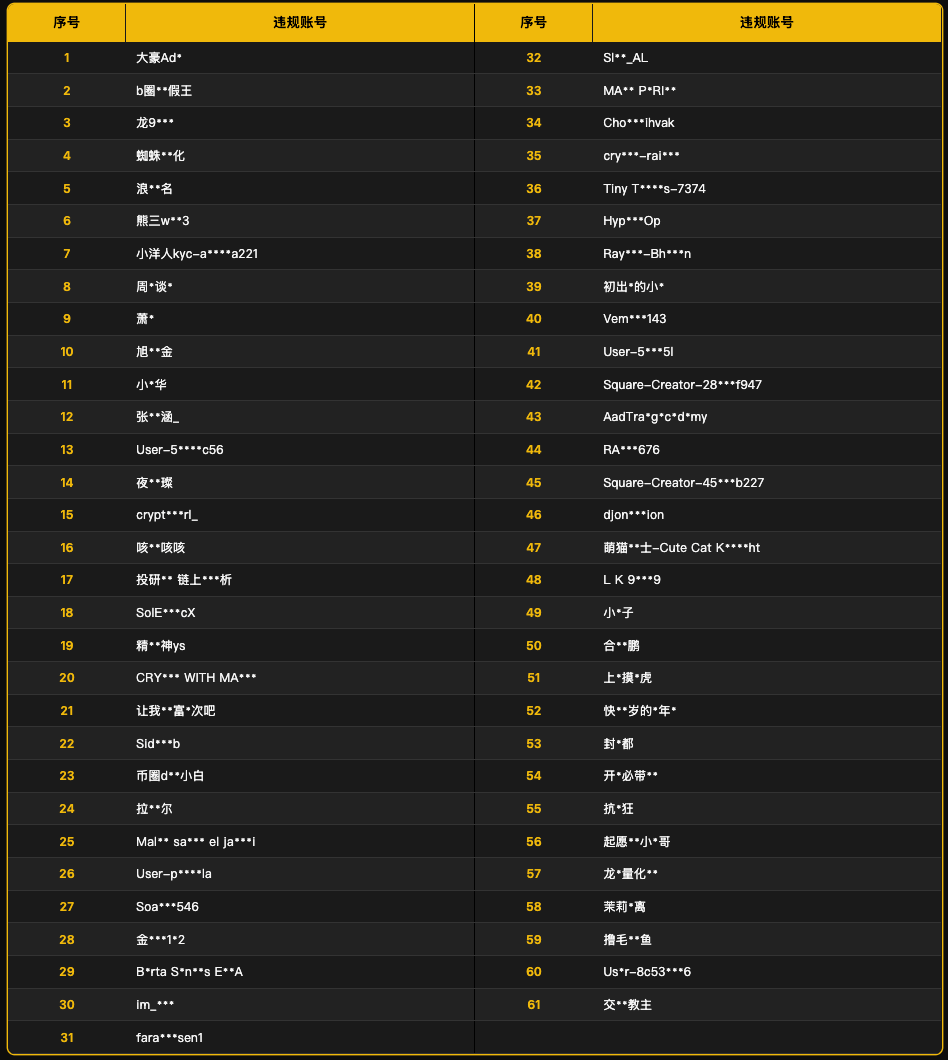
We identified a total of 140 accounts engaging in violations, including vote fraud, buying and selling votes, and manipulating votes for the Blockchain Top 100 by using mass-registered accounts. Binance Square has taken action against the accounts in question by muting or banning them, and the votes involved have been invalidated.
We would like to remind the community that any form of buying or selling votes, vote fraud, or vote manipulation using mass-registered accounts will be treated as a violation on Binance Square if verified, and may result in disqualification from the campaign and ineligibility to participate in future activities. Please participate fairly, and feel free to report any violations to us.
Of the 140 accounts found in violation, the following 61 accounts have been muted. The remaining 79 bot accounts have been permanently banned:
We identified a total of 140 accounts engaging in violations, including vote fraud, buying and selling votes, and manipulating votes for the Blockchain Top 100 by using mass-registered accounts. Binance Square has taken action against the accounts in question by muting or banning them, and the votes involved have been invalidated.
We would like to remind the community that any form of buying or selling votes, vote fraud, or vote manipulation using mass-registered accounts will be treated as a violation on Binance Square if verified, and may result in disqualification from the campaign and ineligibility to participate in future activities. Please participate fairly, and feel free to report any violations to us.
Of the 140 accounts found in violation, the following 61 accounts have been muted. The remaining 79 bot accounts have been permanently banned:
大老师Bugsbunny
·
--
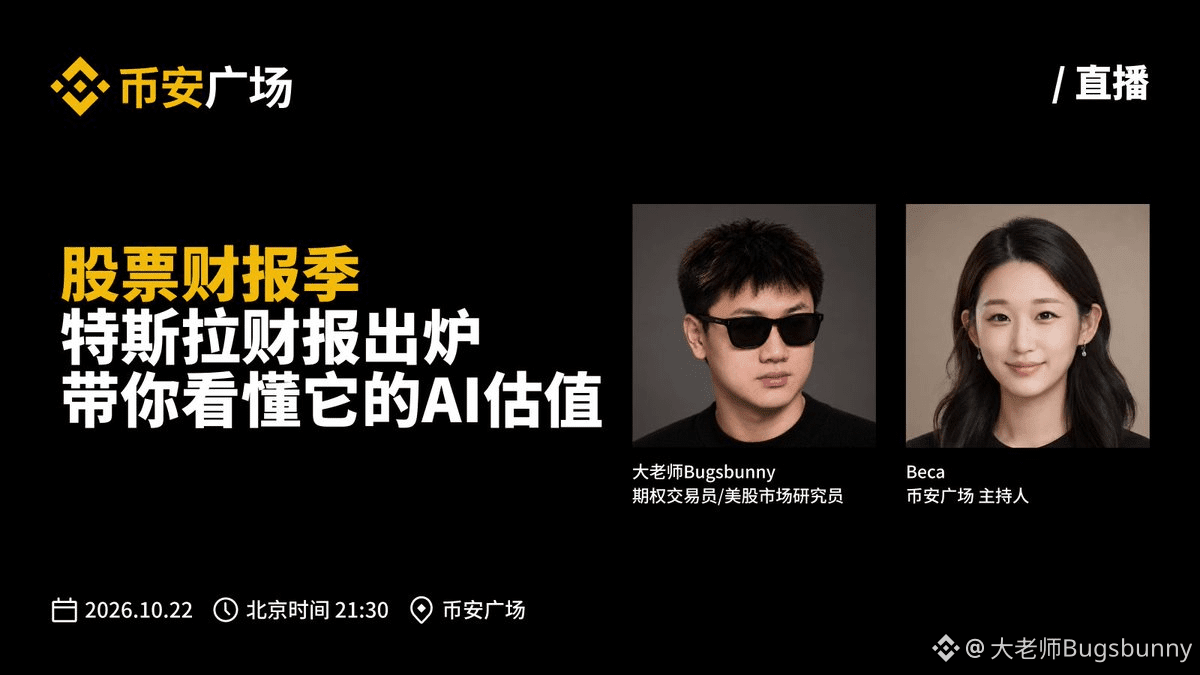
BearishFinal take on TSLA earnings: As of 3:41, the earnings results haven't changed.
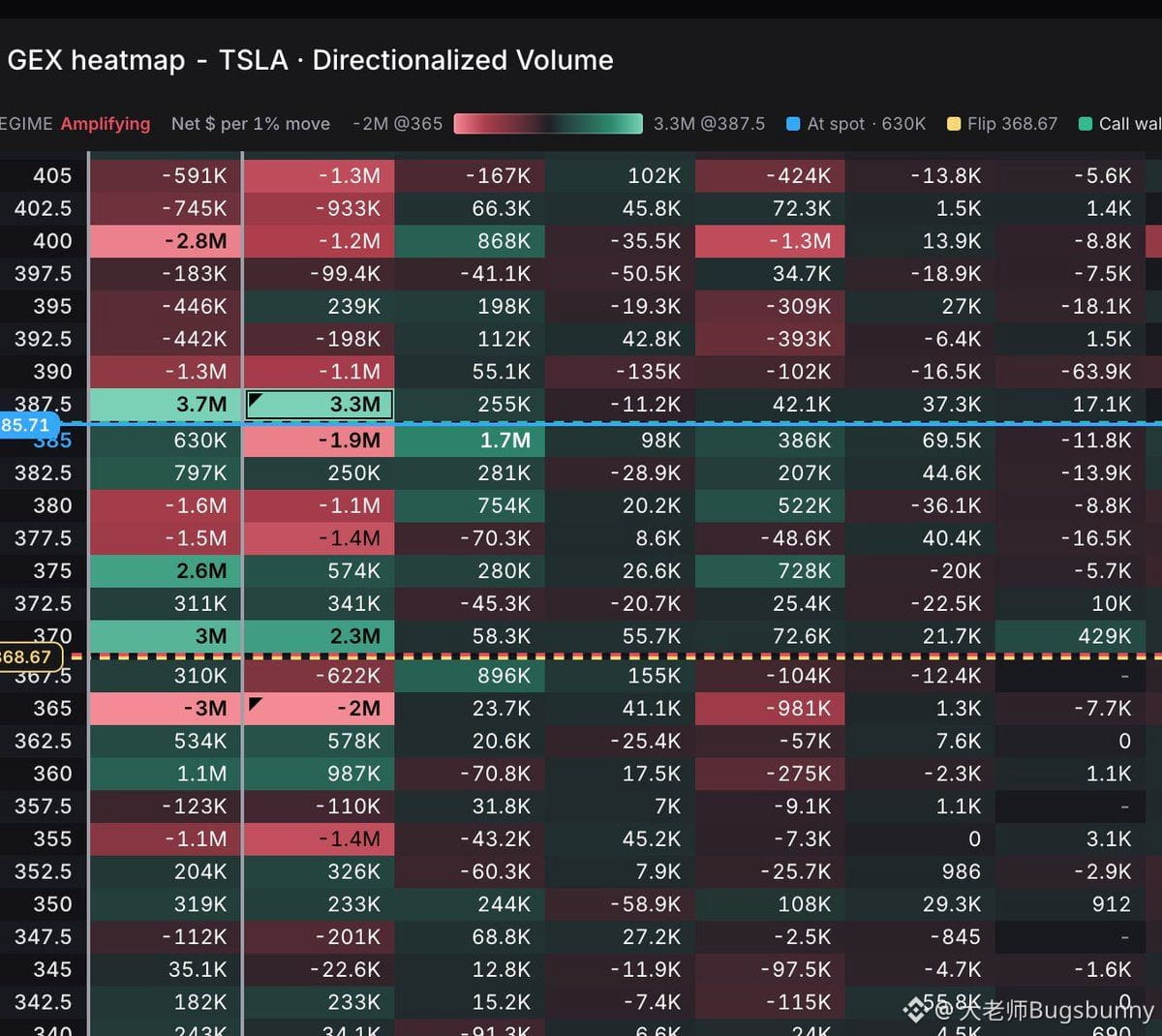
$TSLA Bearish. Earnings are in line with expectations or below expectations; they won't significantly exceed expectations.
Unless earnings deliver a massive beat,
the stock may rebound after hours and touch 390 due to liquidity issues. This is characteristic of TSLA stock: retail investors create huge volatility. But I think the market has already priced in some of TSLA's positive catalysts (such as the Roadster merger, etc.).
The downside may be around 370.
360 and 350 are also levels where a lot of bets are placed, so if it falls, the decline won't be especially steady.
#股票财报季
$TSLA Bearish. Earnings are in line with expectations or below expectations; they won't significantly exceed expectations.
Unless earnings deliver a massive beat,
the stock may rebound after hours and touch 390 due to liquidity issues. This is characteristic of TSLA stock: retail investors create huge volatility. But I think the market has already priced in some of TSLA's positive catalysts (such as the Roadster merger, etc.).
The downside may be around 370.
360 and 350 are also levels where a lot of bets are placed, so if it falls, the decline won't be especially steady.
#股票财报季
·
--
🎙️ Take a quick shower and come on over—we’re going to look at the financial report!
End
02 h 28 m 57 s
1.1k
0
颜驰Bit
·
--
People keep asking if I’ve returned to China?
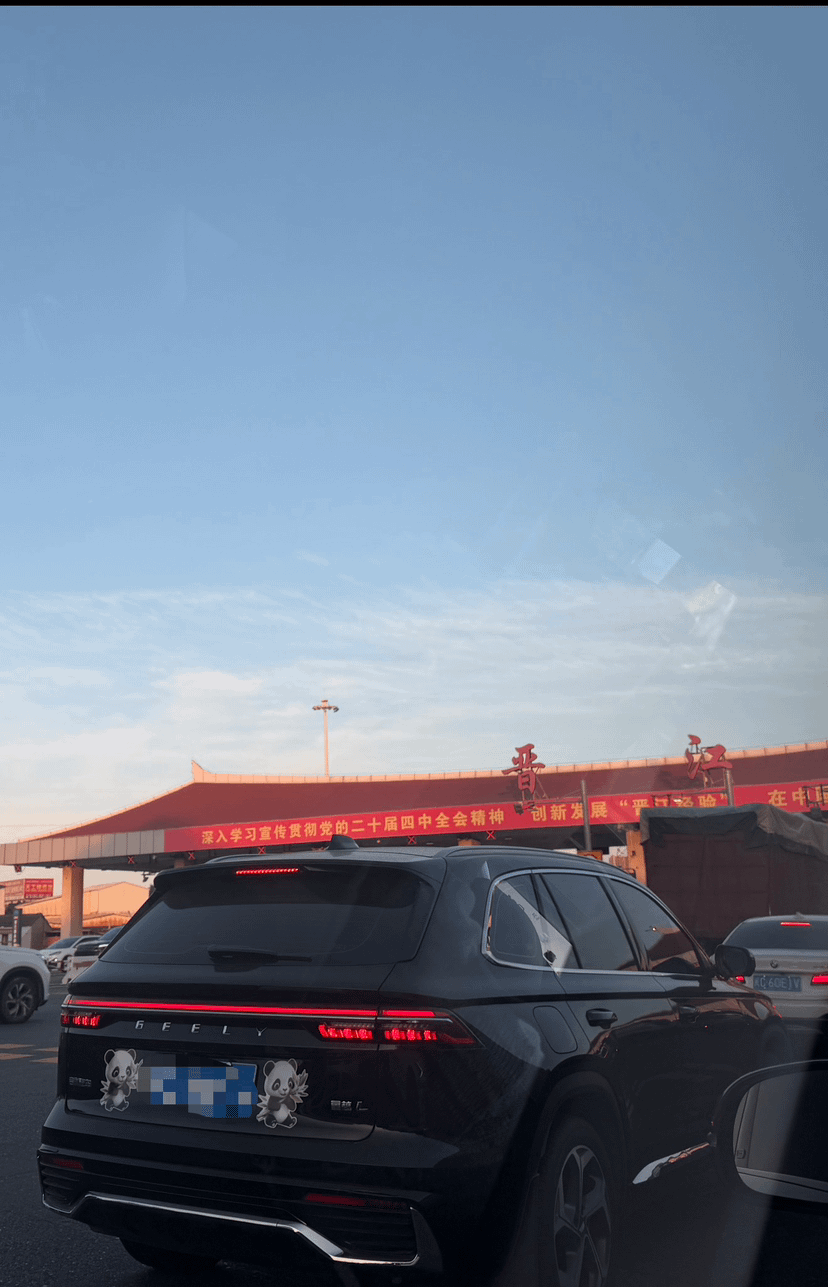
I’m just overseas to give my family a better life. It’s not like I can’t come back, is it?
The Toad Legion keeps yapping day in, day out that Yanchi has fled~
And the lie disproves itself again 😁
I only asked whether the Toad Legion had any shame, and they’re going around saying I traffic in human organs 🌚
I’m just overseas to give my family a better life. It’s not like I can’t come back, is it?
The Toad Legion keeps yapping day in, day out that Yanchi has fled~
And the lie disproves itself again 😁
I only asked whether the Toad Legion had any shame, and they’re going around saying I traffic in human organs 🌚
Log in to explore more content