
TCPcent
228 Posts

TCPcent
Report
Block User
Open Trade
3.5 Years
3 Following
141 Followers
377 Liked
Posts
Portfolio
All
Quotes
·
--

Article
Why we created TCPcr
and what is it in general?!With you I am Nastya and TCP-MARKET
The most common question we are asked is WHY create a TCP-MARKET (TCPcredit and what is it in general?). So, if you look at the market (from anywhere in the world), there are already so many new tokens with different names, but essentially repeating each other and having dubious value both as a token itself and as the product it provides. There are enough of them for humanity for the next two hundred years, and creating yet another token just to put a beautiful word “innovation” in the Whitepaper, in my opinion, is simply meaningless. Either it’s an outright scam or speculation—both aimed at a single goal: to squeeze (“bleed out”) the user. Even taking a quick look at the market of existing coins and products they provide, it’s obvious that the value of the product at all is not being investigated. And the coin is traded either due to some random factor or with a clear speculative component (hence PAMP/DAMP).
Why we created TCPcr and what is it in general?!
With you I am Nastya and TCP-MARKET
The most common question we are asked is WHY create a TCP-MARKET (TCPcredit and what is it in general?). So, if you look at the market (from anywhere in the world), there are already so many new tokens with different names, but essentially repeating each other and having dubious value both as a token itself and as the product it provides. There are enough of them for humanity for the next two hundred years, and creating yet another token just to put a beautiful word “innovation” in the Whitepaper, in my opinion, is simply meaningless. Either it’s an outright scam or speculation—both aimed at a single goal: to squeeze (“bleed out”) the user. Even taking a quick look at the market of existing coins and products they provide, it’s obvious that the value of the product at all is not being investigated. And the coin is traded either due to some random factor or with a clear speculative component (hence PAMP/DAMP).
The most common question we are asked is WHY create a TCP-MARKET (TCPcredit and what is it in general?). So, if you look at the market (from anywhere in the world), there are already so many new tokens with different names, but essentially repeating each other and having dubious value both as a token itself and as the product it provides. There are enough of them for humanity for the next two hundred years, and creating yet another token just to put a beautiful word “innovation” in the Whitepaper, in my opinion, is simply meaningless. Either it’s an outright scam or speculation—both aimed at a single goal: to squeeze (“bleed out”) the user. Even taking a quick look at the market of existing coins and products they provide, it’s obvious that the value of the product at all is not being investigated. And the coin is traded either due to some random factor or with a clear speculative component (hence PAMP/DAMP).
1
245
·
--

Article
Economics after Money. Part 4. Who Do Your Money Actually Belong To?Nastya and TCP-MARKET
In the previous parts, I said that money is probably not the value itself. They only allow a person to preserve the ability to meet their future needs. But today I want to ask a different, very simple question.
Who do your money actually belong to?
Economics after Money. Part 4. Who Do Your Money Actually Belong To?
Nastya and TCP-MARKET
In the previous parts, I said that money is probably not the value itself. They only allow a person to preserve the ability to meet their future needs. But today I want to ask a different, very simple question.
Who do your money actually belong to?
In the previous parts, I said that money is probably not the value itself. They only allow a person to preserve the ability to meet their future needs. But today I want to ask a different, very simple question.
Who do your money actually belong to?
1
314
·
--
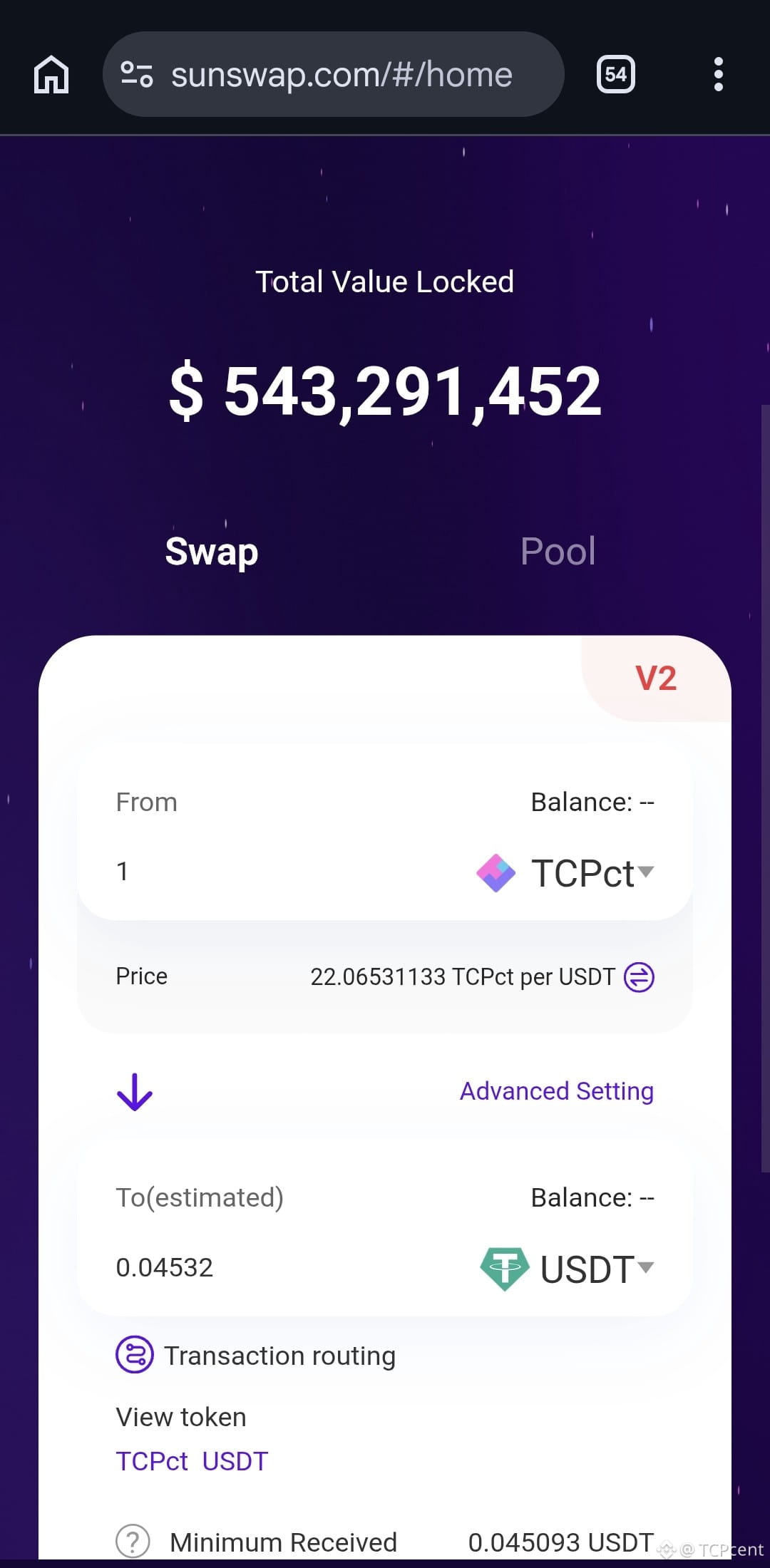
🚀 Giveaway TCPct!
Win $10 000 in TCPct
Buy 1–10$ → Contract address:
TQG8XGXYzRTciGiR8yjPv7yme2AVJ2n12b
Repost + comment with your wallet + “I participate”
TVL >$543M 🔥
Results in 7 days!
#TCPct #GIVEAWAY #TCPMarket
🚀 Giveaway TCPct!
Win $10 000 in TCPct
Buy 1–10$ → Contract address:
TQG8XGXYzRTciGiR8yjPv7yme2AVJ2n12b
Repost + comment with your wallet + “I participate”
TVL >$543M 🔥
Results in 7 days!
#TCPct #GIVEAWAY #TCPMarket
Win $10 000 in TCPct
Buy 1–10$ → Contract address:
TQG8XGXYzRTciGiR8yjPv7yme2AVJ2n12b
Repost + comment with your wallet + “I participate”
TVL >$543M 🔥
Results in 7 days!
#TCPct #GIVEAWAY #TCPMarket
1
114
·
--
@TCPct
@TCPct
TCPcent
·
--
Economics after money Part 3. Why do we trust money more than each other?
Nastia | TCP-MARKET
Imagine an unusual situation.
You met a person you’ve known for many years.
He is honest.
Always keeps his promises.
I’ve never let you down.
He asks to borrow a small sum of money and promises to pay it back in a month.
Most people will agree.
. Why?
Imagine an unusual situation.
You met a person you’ve known for many years.
He is honest.
Always keeps his promises.
I’ve never let you down.
He asks to borrow a small sum of money and promises to pay it back in a month.
Most people will agree.
. Why?

1
6
·
--
Article
Economics after money Part 3. Why do we trust money more than each other?Nastia | TCP-MARKET
Imagine an unusual situation.
You met a person you’ve known for many years.
He is honest.
Always keeps his promises.
I’ve never let you down.
He asks to borrow a small sum of money and promises to pay it back in a month.
Most people will agree.
. Why?
Economics after money Part 3. Why do we trust money more than each other?
Nastia | TCP-MARKET
Imagine an unusual situation.
You met a person you’ve known for many years.
He is honest.
Always keeps his promises.
I’ve never let you down.
He asks to borrow a small sum of money and promises to pay it back in a month.
Most people will agree.
. Why?
Imagine an unusual situation.
You met a person you’ve known for many years.
He is honest.
Always keeps his promises.
I’ve never let you down.
He asks to borrow a small sum of money and promises to pay it back in a month.
Most people will agree.
. Why?
1
1
1
512
·
--
Article
Part 2 When money stops showing real value?Nastya and TCP-MARKET.
Please hit like and subscribe if you’re going to finish it!
We are used to thinking of money as a universal measure of value. If a person has a certain amount, we automatically assume they have a certain number of opportunities.
- But is that really the case???
Part 2 When money stops showing real value?
Nastya and TCP-MARKET.
Please hit like and subscribe if you’re going to finish it!
We are used to thinking of money as a universal measure of value. If a person has a certain amount, we automatically assume they have a certain number of opportunities.
- But is that really the case???
Please hit like and subscribe if you’re going to finish it!
We are used to thinking of money as a universal measure of value. If a person has a certain amount, we automatically assume they have a certain number of opportunities.
- But is that really the case???
2
112
·
--

Article
The Economy After MoneyA cycle of articles.
PLEASE LIKE THIS AND SUBSCRIBE.
Part 1. Why humanity still thinks in terms of money raises the question: “How else could we think?”
With you, Nastya, and TCP-MARKET
When I first started working on the concept of TCP-MARKET, it seemed to me that the main task was to create a more convenient system for international settlements. But the deeper I went into economics, the more often I caught myself thinking that maybe we’re looking for answers to the wrong questions.
The Economy After Money
A cycle of articles.
PLEASE LIKE THIS AND SUBSCRIBE.
Part 1. Why humanity still thinks in terms of money raises the question: “How else could we think?”
With you, Nastya, and TCP-MARKET
When I first started working on the concept of TCP-MARKET, it seemed to me that the main task was to create a more convenient system for international settlements. But the deeper I went into economics, the more often I caught myself thinking that maybe we’re looking for answers to the wrong questions.
PLEASE LIKE THIS AND SUBSCRIBE.
Part 1. Why humanity still thinks in terms of money raises the question: “How else could we think?”
With you, Nastya, and TCP-MARKET
When I first started working on the concept of TCP-MARKET, it seemed to me that the main task was to create a more convenient system for international settlements. But the deeper I went into economics, the more often I caught myself thinking that maybe we’re looking for answers to the wrong questions.
1
1
117
·
--
Article
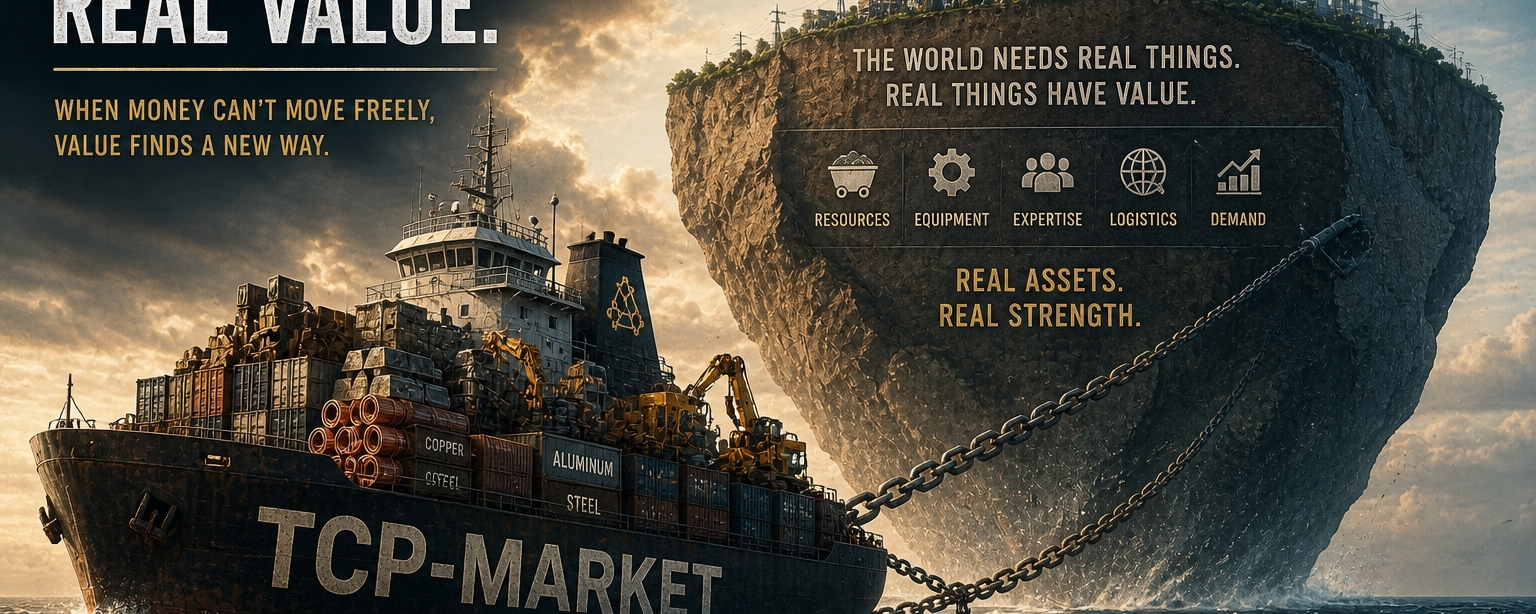
Money seems to be there. But the feeling is that they're no longer yoursHello again, it's Nastya with TCP-MARKET
Lately, I can't shake off a rather unpleasant thought.
Not about the rates.
Not about inflation.
Not about 'where the market is going'.
About a simpler thing:
money seem to stop being yours exactly at the moment you try to use it
Money seems to be there. But the feeling is that they're no longer yours
Hello again, it's Nastya with TCP-MARKET
Lately, I can't shake off a rather unpleasant thought.
Not about the rates.
Not about inflation.
Not about 'where the market is going'.
About a simpler thing:
money seem to stop being yours exactly at the moment you try to use it
Lately, I can't shake off a rather unpleasant thought.
Not about the rates.
Not about inflation.
Not about 'where the market is going'.
About a simpler thing:
money seem to stop being yours exactly at the moment you try to use it
1
1
98
·
--
Article
an unpleasant truth that is ignored even in cryptoGeopolitics, oil, and capital: an unpleasant truth that is ignored even in crypto
I am Nastya, and TCP-MARKET
The market loves beautiful stories.
About 'the digital future',
about 'the end of old money',
about 'the decentralization of everything'.
But there is one thing that no blockchain has canceled:
energy and resources still govern the world.
an unpleasant truth that is ignored even in crypto
Geopolitics, oil, and capital: an unpleasant truth that is ignored even in crypto
I am Nastya, and TCP-MARKET
The market loves beautiful stories.
About 'the digital future',
about 'the end of old money',
about 'the decentralization of everything'.
But there is one thing that no blockchain has canceled:
energy and resources still govern the world.
I am Nastya, and TCP-MARKET
The market loves beautiful stories.
About 'the digital future',
about 'the end of old money',
about 'the decentralization of everything'.
But there is one thing that no blockchain has canceled:
energy and resources still govern the world.
1
183
·
--
The architecture of trust in the era of inflationPublication cycle: The architecture of trust in the era of inflation
Part 1. Money is depreciating. Trust is too.
Nastya, TCP-MARKET
We live in a paradoxical time.
Never has the financial system been so technological.
And never has it been so burdened with debt.
The government budgets of most developed countries are chronically deficit. Government debt exceeds GDP. The money supply is growing faster than the real economy. Inflation is officially 'slowing down,' but the purchasing power of currencies is decreasing year by year.
The architecture of trust in the era of inflation
Publication cycle: The architecture of trust in the era of inflation
Part 1. Money is depreciating. Trust is too.
Nastya, TCP-MARKET
We live in a paradoxical time.
Never has the financial system been so technological.
And never has it been so burdened with debt.
The government budgets of most developed countries are chronically deficit. Government debt exceeds GDP. The money supply is growing faster than the real economy. Inflation is officially 'slowing down,' but the purchasing power of currencies is decreasing year by year.
Part 1. Money is depreciating. Trust is too.
Nastya, TCP-MARKET
We live in a paradoxical time.
Never has the financial system been so technological.
And never has it been so burdened with debt.
The government budgets of most developed countries are chronically deficit. Government debt exceeds GDP. The money supply is growing faster than the real economy. Inflation is officially 'slowing down,' but the purchasing power of currencies is decreasing year by year.
1
69
·
--
Article
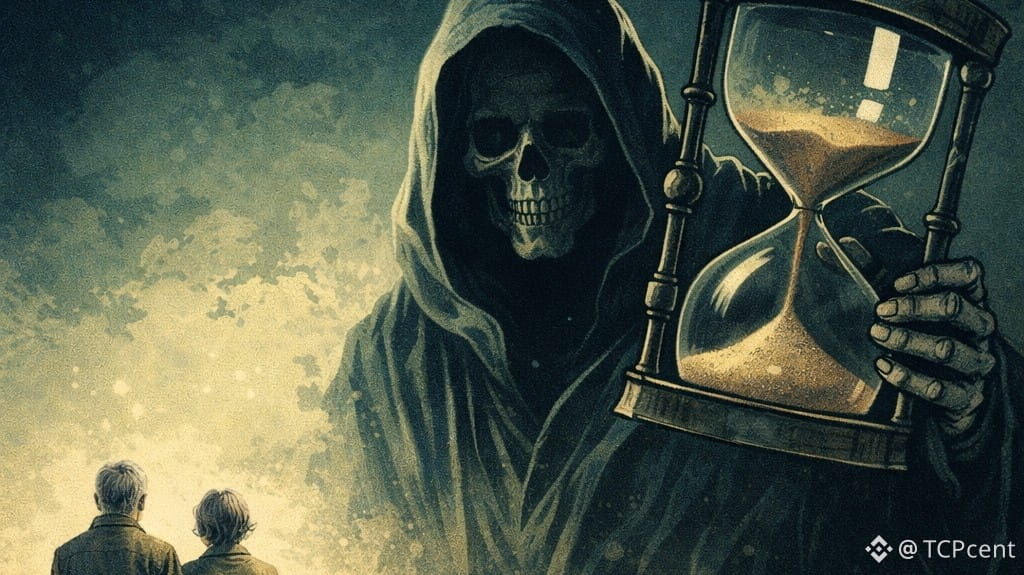
Do people not want to live long? Observations on the finiteness of life…Hello, this is Nastya and TCP-MARKET.
Recently, we have been increasingly returning to topics of the future — financial, technological, social.
But there is one topic that surprisingly fails to hold attention, despite its fundamental importance.
It is longevity.
An observation that is hard to ignore
Do people not want to live long? Observations on the finiteness of life…
Hello, this is Nastya and TCP-MARKET.
Recently, we have been increasingly returning to topics of the future — financial, technological, social.
But there is one topic that surprisingly fails to hold attention, despite its fundamental importance.
It is longevity.
An observation that is hard to ignore
Recently, we have been increasingly returning to topics of the future — financial, technological, social.
But there is one topic that surprisingly fails to hold attention, despite its fundamental importance.
It is longevity.
An observation that is hard to ignore
1
61
·
--
Article
Part II. Venezuela: sanctions, oil, and why money no longer solves everythingAuthor: Nastya, TCP-MARKET
When the news features the words 'Venezuela', 'oil', and 'USA', most people automatically expect price jumps and another round of sanctions. But the real story is much deeper.
Today, Venezuela is not just a troubled economy. It is a telling example of how the old financial architecture of the world is breaking down.
Part II. Venezuela: sanctions, oil, and why money no longer solves everything
Author: Nastya, TCP-MARKET
When the news features the words 'Venezuela', 'oil', and 'USA', most people automatically expect price jumps and another round of sanctions. But the real story is much deeper.
Today, Venezuela is not just a troubled economy. It is a telling example of how the old financial architecture of the world is breaking down.
When the news features the words 'Venezuela', 'oil', and 'USA', most people automatically expect price jumps and another round of sanctions. But the real story is much deeper.
Today, Venezuela is not just a troubled economy. It is a telling example of how the old financial architecture of the world is breaking down.
3
656
·
--
Article
From information noise to structure: why Latin America is the next node of global changesAuthor: Nastya, TCP-MARKET
We live in an era where news has ceased to be events, and events — a rarity. The flow of information overloads perception, and meaning drowns in the endless updating of feeds. Against this background, it is especially important not to react but to understand processes.
The beginning of 2026 vividly demonstrates this.
From information noise to structure: why Latin America is the next node of global changes
Author: Nastya, TCP-MARKET
We live in an era where news has ceased to be events, and events — a rarity. The flow of information overloads perception, and meaning drowns in the endless updating of feeds. Against this background, it is especially important not to react but to understand processes.
The beginning of 2026 vividly demonstrates this.
We live in an era where news has ceased to be events, and events — a rarity. The flow of information overloads perception, and meaning drowns in the endless updating of feeds. Against this background, it is especially important not to react but to understand processes.
The beginning of 2026 vividly demonstrates this.
1
413
·
--

Article
Perhaps the last chance to prepare for 2026…
Hello! This is Nastya and TCP-MARKET.
Today — without exaggeration — a conversation about the future that is already breathing down our necks.
Why the year 2026 will be a turning point
Interest rate cuts, rising inflation, overloaded national debts — all of this is not random fluctuations.
The global monetary system is approaching a point of internal wear and tear.
Perhaps the last chance to prepare for 2026…
Hello! This is Nastya and TCP-MARKET.
Today — without exaggeration — a conversation about the future that is already breathing down our necks.
Why the year 2026 will be a turning point
Interest rate cuts, rising inflation, overloaded national debts — all of this is not random fluctuations.
The global monetary system is approaching a point of internal wear and tear.
Today — without exaggeration — a conversation about the future that is already breathing down our necks.
Why the year 2026 will be a turning point
Interest rate cuts, rising inflation, overloaded national debts — all of this is not random fluctuations.
The global monetary system is approaching a point of internal wear and tear.
7
1
9
7.5k
·
--
🤖 AI-bubble: 17× more than dot-coms. What's next?
According to MacroStrategy Partnership, the amount of inefficiently allocated capital in the US economy has exceeded 60% of GDP — 17 times more than the dot-com bubble and 4 times more than the mortgage crisis of 2008.
Capital is once again flowing into overvalued sectors: from AI startups without revenue to companies with 'paper capitalization'. This concentration creates collapse risks comparable to the largest crises of the 21st century.
💡 Against this backdrop, interest in ecosystems of real capital is growing — where money works, not speculates.
TCP-MARKET offers such an alternative:
TCPct — a digital unit for payments and cashbacks;
TCPcr — tokenized claims that turn the real economy into a liquid market.
While markets prepare for a correction, TCP-MARKET is building resilience infrastructure.
#TCPct #TCPcr #AI #DeFi #CryptoMarket
🤖 AI-bubble: 17× more than dot-coms. What's next?
According to MacroStrategy Partnership, the amount of inefficiently allocated capital in the US economy has exceeded 60% of GDP — 17 times more than the dot-com bubble and 4 times more than the mortgage crisis of 2008.
Capital is once again flowing into overvalued sectors: from AI startups without revenue to companies with 'paper capitalization'. This concentration creates collapse risks comparable to the largest crises of the 21st century.
💡 Against this backdrop, interest in ecosystems of real capital is growing — where money works, not speculates.
TCP-MARKET offers such an alternative:
TCPct — a digital unit for payments and cashbacks;
TCPcr — tokenized claims that turn the real economy into a liquid market.
While markets prepare for a correction, TCP-MARKET is building resilience infrastructure.
#TCPct #TCPcr #AI #DeFi #CryptoMarket
According to MacroStrategy Partnership, the amount of inefficiently allocated capital in the US economy has exceeded 60% of GDP — 17 times more than the dot-com bubble and 4 times more than the mortgage crisis of 2008.
Capital is once again flowing into overvalued sectors: from AI startups without revenue to companies with 'paper capitalization'. This concentration creates collapse risks comparable to the largest crises of the 21st century.
💡 Against this backdrop, interest in ecosystems of real capital is growing — where money works, not speculates.
TCP-MARKET offers such an alternative:
TCPct — a digital unit for payments and cashbacks;
TCPcr — tokenized claims that turn the real economy into a liquid market.
While markets prepare for a correction, TCP-MARKET is building resilience infrastructure.
#TCPct #TCPcr #AI #DeFi #CryptoMarket
1
202
·
--
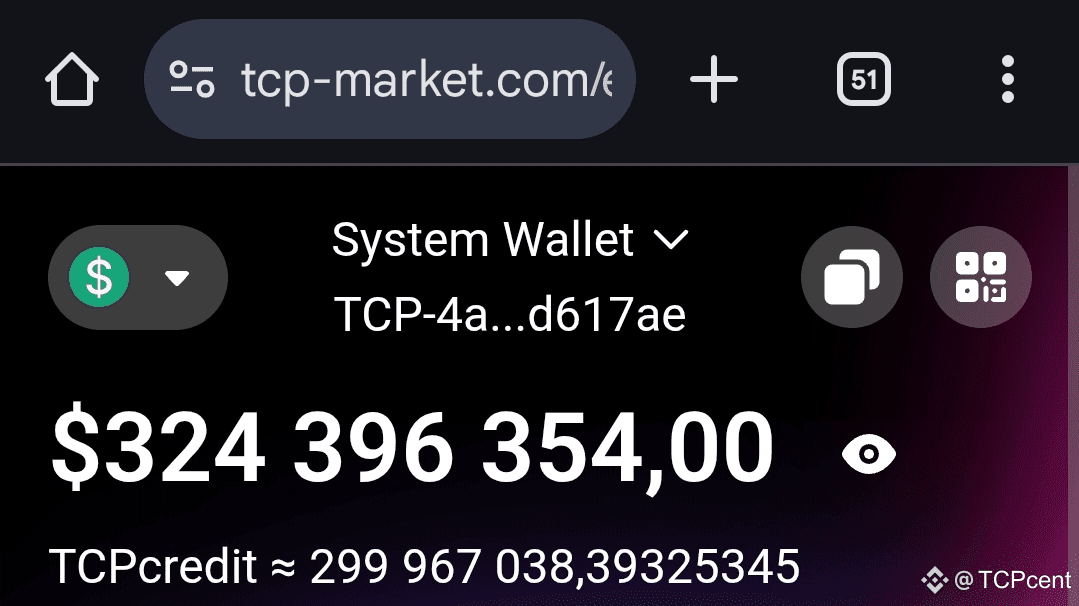
Article
What to invest in during times of change? Assets, sectors, strategyNastya from TCP-MARKET for Binance Blogs
Hello everyone! Today I want to share an analysis of which asset classes and strategies have proven effective in recent years — and what lessons this offers for the future.
WE ARE NOT ABOUT POLITICS, WE ARE ABOUT MONEY
(THIS IS FOR HATERS)
🇷🇺 Russian market: a bet on liquidity and bonds
What to invest in during times of change? Assets, sectors, strategy
Nastya from TCP-MARKET for Binance Blogs
Hello everyone! Today I want to share an analysis of which asset classes and strategies have proven effective in recent years — and what lessons this offers for the future.
WE ARE NOT ABOUT POLITICS, WE ARE ABOUT MONEY
(THIS IS FOR HATERS)
🇷🇺 Russian market: a bet on liquidity and bonds
Hello everyone! Today I want to share an analysis of which asset classes and strategies have proven effective in recent years — and what lessons this offers for the future.
WE ARE NOT ABOUT POLITICS, WE ARE ABOUT MONEY
(THIS IS FOR HATERS)
🇷🇺 Russian market: a bet on liquidity and bonds
1
207
·
--
Article
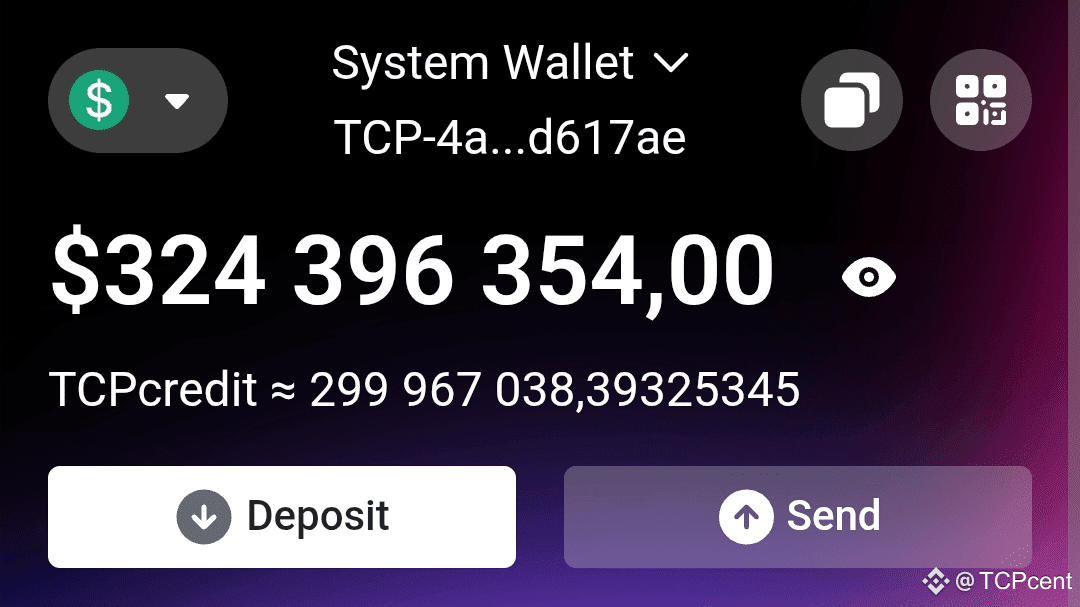
When will the global monetary system rot from the inside?Hello, this is Nastya and TCP-MARKET.
Today we will discuss one of the most serious threats to the global economy — and show what role TCP-MARKET can play in this picture.
France as a mirror of the system
France looks solid:
GDP — 3.16 trillion dollars;
service economy — 70–75%;
production — about 20%;
When will the global monetary system rot from the inside?
Hello, this is Nastya and TCP-MARKET.
Today we will discuss one of the most serious threats to the global economy — and show what role TCP-MARKET can play in this picture.
France as a mirror of the system
France looks solid:
GDP — 3.16 trillion dollars;
service economy — 70–75%;
production — about 20%;
Today we will discuss one of the most serious threats to the global economy — and show what role TCP-MARKET can play in this picture.
France as a mirror of the system
France looks solid:
GDP — 3.16 trillion dollars;
service economy — 70–75%;
production — about 20%;
1
295
·
--
Money is cheaper = decrease in their purchasing power. Look deeper into the problem.
Money is cheaper = decrease in their purchasing power. Look deeper into the problem.
TCPcent
·
--
The Economic Future of Russia: The 'Dirty Secret' of Debt and Demon Determinism
Nastya, TCP-MARKET — for Binance Blogs
TL;DR
Global background: developed economies operate with debt >100% of GDP; growth is slowing, rates remain high, budget windows are narrowing.
Russia: low government debt by global standards (low 20% of GDP), but high key interest rate, demographics, technological constraints, and sanctions are pressuring growth potential; current account is narrowing.
TL;DR
Global background: developed economies operate with debt >100% of GDP; growth is slowing, rates remain high, budget windows are narrowing.
Russia: low government debt by global standards (low 20% of GDP), but high key interest rate, demographics, technological constraints, and sanctions are pressuring growth potential; current account is narrowing.
1
144
Log in to explore more content
Join global crypto users on Binance Square
⚡️ Get latest and useful information about crypto.
💬 Trusted by the world’s largest crypto exchange.
👍 Discover real insights from verified creators.
Email / Phone number
Trending Topics
BTCTops$80K
9,278 views
116 Discussing
🚨 BITCOIN PUMPED TO $80,000 FOR A REASON.
This is the FINAL bull trap before new lows.
I warned you before, and I'm warning you again.
The plan is simple:
$80K → $83K → $73K → $70K → $67K $62K → $52K
Don’t chase the final pump.
Don’t become exit liquidity.
$BTC
Crypto_lens_
·34 Likes
·25.1k views
USWeeklyInitialJoblessClaimsRiseTo206000
30,632 views
677 Discussing
NvidiaToAcquireHuggingFaceFor$12.9B
839 views
36 Discussing