
Alexandre 8
8.7k Posts

Alexandre 8
Report
Block User
Open Trade
Frequent Trader
1.3 Years
5.2K+ Following
1.6K+ Followers
5.1K+ Liked
Posts
Portfolio
All
Quotes
Videos
Live
PINNED
·
--
Partly True
🤖 THE AGE OF AI AGENTS: When Technology surpasses human support!
Hey, community! 🚀
I just read the new Binance Research report and the conclusion is clear: AI is no longer just becoming an “assistant” to turn into an Execution Agent. And I experienced it firsthand today! 🛠️
Recently, I ran into a technical challenge in my account. As many know, I’m Verified Plus and holder of BAB Token, but I fell into a security “false positive” due to a simple detail: the App update delay + intense withdrawal behavior.
A reality check:
❌ While human support (chat) was limited to canned scripts and didn’t know how to analyze the technical layer of my identity on the blockchain...
✅ Binance BiBi (AI) was surgical! It recognized that my complaint was legitimate, verified my trust tokens, and explained the algorithm logic that human support ignored.
What we learned from the Binance Research report?
The crypto market is the real lab for AI. We’re moving to a scenario where execution will be carried out by intelligent agents that don’t have “technical laziness” and analyze data impartially.
🛡️ My tip for you: Don’t underestimate the power of your digital identity (KYC, Tokens). Human support can fail, but network technology doesn’t lie. The future of support is technical accuracy—something that only AI is demonstrating right now.
Congratulations to the Research team for the report. May this execution layer reach support soon so that we, real investors, have the speed Web3 demands! 🌐💪
#BinanceResearch #AI #ArtificialIntelligence #BABtoken #BinanceSquare #FalsoPositivo #BinanceSupport
🤖 THE AGE OF AI AGENTS: When Technology surpasses human support!
Hey, community! 🚀
I just read the new Binance Research report and the conclusion is clear: AI is no longer just becoming an “assistant” to turn into an Execution Agent. And I experienced it firsthand today! 🛠️
Recently, I ran into a technical challenge in my account. As many know, I’m Verified Plus and holder of BAB Token, but I fell into a security “false positive” due to a simple detail: the App update delay + intense withdrawal behavior.
A reality check:
❌ While human support (chat) was limited to canned scripts and didn’t know how to analyze the technical layer of my identity on the blockchain...
✅ Binance BiBi (AI) was surgical! It recognized that my complaint was legitimate, verified my trust tokens, and explained the algorithm logic that human support ignored.
What we learned from the Binance Research report?
The crypto market is the real lab for AI. We’re moving to a scenario where execution will be carried out by intelligent agents that don’t have “technical laziness” and analyze data impartially.
🛡️ My tip for you: Don’t underestimate the power of your digital identity (KYC, Tokens). Human support can fail, but network technology doesn’t lie. The future of support is technical accuracy—something that only AI is demonstrating right now.
Congratulations to the Research team for the report. May this execution layer reach support soon so that we, real investors, have the speed Web3 demands! 🌐💪
#BinanceResearch #AI #ArtificialIntelligence #BABtoken #BinanceSquare #FalsoPositivo #BinanceSupport
Hey, community! 🚀
I just read the new Binance Research report and the conclusion is clear: AI is no longer just becoming an “assistant” to turn into an Execution Agent. And I experienced it firsthand today! 🛠️
Recently, I ran into a technical challenge in my account. As many know, I’m Verified Plus and holder of BAB Token, but I fell into a security “false positive” due to a simple detail: the App update delay + intense withdrawal behavior.
A reality check:
❌ While human support (chat) was limited to canned scripts and didn’t know how to analyze the technical layer of my identity on the blockchain...
✅ Binance BiBi (AI) was surgical! It recognized that my complaint was legitimate, verified my trust tokens, and explained the algorithm logic that human support ignored.
What we learned from the Binance Research report?
The crypto market is the real lab for AI. We’re moving to a scenario where execution will be carried out by intelligent agents that don’t have “technical laziness” and analyze data impartially.
🛡️ My tip for you: Don’t underestimate the power of your digital identity (KYC, Tokens). Human support can fail, but network technology doesn’t lie. The future of support is technical accuracy—something that only AI is demonstrating right now.
Congratulations to the Research team for the report. May this execution layer reach support soon so that we, real investors, have the speed Web3 demands! 🌐💪
#BinanceResearch #AI #ArtificialIntelligence #BABtoken #BinanceSquare #FalsoPositivo #BinanceSupport

6
12
154
PINNED
·
--
🛡️ FALSE POSITIVE: How not to be mistaken for a BOT when you're a real human!
Hey, investors! 🚀
Have you ever felt that frustration of trying to join a Live or claim a Red Packet and receiving a message saying "Abnormal Activity"? Well, the security system (algorithm) is strict, but sometimes it fails and generates the famous False Positive.
I got caught in that fine mesh recently, and even though I’m Verified Plus and hold a BAB Token (my identity on the blockchain), the system still blocked me. So that you don’t go through the same "lump in your throat" I did, here’s a step-by-step guide to keep your account protected from security bots:
1️⃣ UPDATES ARE EVERYTHING: Never ignore the App update request. Older versions can cause API conflicts that the system interprets as third-party software (bot). Updated? Security guaranteed! ✅
2️⃣ HUMAN RHYTHM: In Lives, avoid mechanical, ultra-fast clicking every single second. The system looks for repetitive patterns. Vary your click timing and act like a human! 👣
3️⃣ YOUR IDENTITY IS WORTH GOLD: Keep your BAB Token and your Verified Plus status up to date. Even if human support sometimes gets lost in the protocols, these are your biggest proofs that you’re a real and serious investor. 💎
4️⃣ DIVERSIFY YOUR ACCOUNT: Don’t use the account only for red packet claims. Interact on Square, use Earn, make trades. This builds a "trust score" for your UID.
Unfortunately, support can’t always tell the difference between a log error and a real violation, so as a community, we need to be smarter than the algorithm! 💡
Keep your head up and keep the apps updated! Drop a comment here: have you ever been a victim of a false positive? 👇
#BinanceSquare #Seguranca #BABToken #FalsoPositivo #InvestidorReal #BinanceSupport
🛡️ FALSE POSITIVE: How not to be mistaken for a BOT when you're a real human!
Hey, investors! 🚀
Have you ever felt that frustration of trying to join a Live or claim a Red Packet and receiving a message saying "Abnormal Activity"? Well, the security system (algorithm) is strict, but sometimes it fails and generates the famous False Positive.
I got caught in that fine mesh recently, and even though I’m Verified Plus and hold a BAB Token (my identity on the blockchain), the system still blocked me. So that you don’t go through the same "lump in your throat" I did, here’s a step-by-step guide to keep your account protected from security bots:
1️⃣ UPDATES ARE EVERYTHING: Never ignore the App update request. Older versions can cause API conflicts that the system interprets as third-party software (bot). Updated? Security guaranteed! ✅
2️⃣ HUMAN RHYTHM: In Lives, avoid mechanical, ultra-fast clicking every single second. The system looks for repetitive patterns. Vary your click timing and act like a human! 👣
3️⃣ YOUR IDENTITY IS WORTH GOLD: Keep your BAB Token and your Verified Plus status up to date. Even if human support sometimes gets lost in the protocols, these are your biggest proofs that you’re a real and serious investor. 💎
4️⃣ DIVERSIFY YOUR ACCOUNT: Don’t use the account only for red packet claims. Interact on Square, use Earn, make trades. This builds a "trust score" for your UID.
Unfortunately, support can’t always tell the difference between a log error and a real violation, so as a community, we need to be smarter than the algorithm! 💡
Keep your head up and keep the apps updated! Drop a comment here: have you ever been a victim of a false positive? 👇
#BinanceSquare #Seguranca #BABToken #FalsoPositivo #InvestidorReal #BinanceSupport
Hey, investors! 🚀
Have you ever felt that frustration of trying to join a Live or claim a Red Packet and receiving a message saying "Abnormal Activity"? Well, the security system (algorithm) is strict, but sometimes it fails and generates the famous False Positive.
I got caught in that fine mesh recently, and even though I’m Verified Plus and hold a BAB Token (my identity on the blockchain), the system still blocked me. So that you don’t go through the same "lump in your throat" I did, here’s a step-by-step guide to keep your account protected from security bots:
1️⃣ UPDATES ARE EVERYTHING: Never ignore the App update request. Older versions can cause API conflicts that the system interprets as third-party software (bot). Updated? Security guaranteed! ✅
2️⃣ HUMAN RHYTHM: In Lives, avoid mechanical, ultra-fast clicking every single second. The system looks for repetitive patterns. Vary your click timing and act like a human! 👣
3️⃣ YOUR IDENTITY IS WORTH GOLD: Keep your BAB Token and your Verified Plus status up to date. Even if human support sometimes gets lost in the protocols, these are your biggest proofs that you’re a real and serious investor. 💎
4️⃣ DIVERSIFY YOUR ACCOUNT: Don’t use the account only for red packet claims. Interact on Square, use Earn, make trades. This builds a "trust score" for your UID.
Unfortunately, support can’t always tell the difference between a log error and a real violation, so as a community, we need to be smarter than the algorithm! 💡
Keep your head up and keep the apps updated! Drop a comment here: have you ever been a victim of a false positive? 👇
#BinanceSquare #Seguranca #BABToken #FalsoPositivo #InvestidorReal #BinanceSupport

2
8
333
·
--
Memecoins on the Rise (+129% in Volume): What to Expect Next? 🚀🔥
After a prolonged period of low liquidity and risk aversion, the memecoin sector saw a strong recovery in recent days, accumulating a significant jump of +129% in weekly trading volume (reaching $5.55 billion) and a notable increase in its market capitalization.
Projects like $PEPE (with gains of over 40% in 7 days), $DOGE, and $SHIB led this rebound, driven by inflows of corporate capital and retail investors alongside the strengthening of Bitcoin.
What does this move teach us?
Relationship with Bitcoin: Optimism around BTC continues to work as the main trigger for risk appetite in higher-beta assets like memecoins.
Volatility and Profit-Taking: Despite the explosive rally, the sector still shows a negative balance for 2026 (~ -20%). With such sharp moves over short timeframes, the chance of profit-taking and steep pullbacks is always high.
Risk Management: Memecoins are driven by strong speculative appeal. Entering during moments of euphoria requires caution and a well-defined strategy.
Do you believe this rally marks the start of a new altcoin season, or are we just seeing a temporary recovery?
#Memecoins #CryptoMarket
#BinanceSquare
Memecoins on the Rise (+129% in Volume): What to Expect Next? 🚀🔥
After a prolonged period of low liquidity and risk aversion, the memecoin sector saw a strong recovery in recent days, accumulating a significant jump of +129% in weekly trading volume (reaching $5.55 billion) and a notable increase in its market capitalization.
Projects like $PEPE (with gains of over 40% in 7 days), $DOGE, and $SHIB led this rebound, driven by inflows of corporate capital and retail investors alongside the strengthening of Bitcoin.
What does this move teach us?
Relationship with Bitcoin: Optimism around BTC continues to work as the main trigger for risk appetite in higher-beta assets like memecoins.
Volatility and Profit-Taking: Despite the explosive rally, the sector still shows a negative balance for 2026 (~ -20%). With such sharp moves over short timeframes, the chance of profit-taking and steep pullbacks is always high.
Risk Management: Memecoins are driven by strong speculative appeal. Entering during moments of euphoria requires caution and a well-defined strategy.
Do you believe this rally marks the start of a new altcoin season, or are we just seeing a temporary recovery?
#Memecoins #CryptoMarket
#BinanceSquare
After a prolonged period of low liquidity and risk aversion, the memecoin sector saw a strong recovery in recent days, accumulating a significant jump of +129% in weekly trading volume (reaching $5.55 billion) and a notable increase in its market capitalization.
Projects like $PEPE (with gains of over 40% in 7 days), $DOGE, and $SHIB led this rebound, driven by inflows of corporate capital and retail investors alongside the strengthening of Bitcoin.
What does this move teach us?
Relationship with Bitcoin: Optimism around BTC continues to work as the main trigger for risk appetite in higher-beta assets like memecoins.
Volatility and Profit-Taking: Despite the explosive rally, the sector still shows a negative balance for 2026 (~ -20%). With such sharp moves over short timeframes, the chance of profit-taking and steep pullbacks is always high.
Risk Management: Memecoins are driven by strong speculative appeal. Entering during moments of euphoria requires caution and a well-defined strategy.
Do you believe this rally marks the start of a new altcoin season, or are we just seeing a temporary recovery?
#Memecoins #CryptoMarket
#BinanceSquare

1
2
113
·
--
AI Tokens Soaring (+50% in 30 Days): Speculation or Structural Change? 🚀🤖
After weeks of pressure and local lows, the Artificial Intelligence token sector saw an impressive recovery, adding roughly 50% over the last 30 days and reaching more than $25 billion in market value. Infrastructure projects like NEAR, TAO (Bittensor), and AIOZ led the move with strong gains over short timeframes.
I’m Bullish for the long term in the Web3 AI sector, but mindful of short-term volatility.
1. The Engine Behind the Rally
The AI crypto ecosystem has outperformed even the memecoin sector over the last few weeks. Demand for decentralized compute networks (DePIN), autonomous agents, and decentralized language models has attracted strong capital inflows, showing that the AI narrative remains one of the pillars of this cycle.
2. Dependence on Bitcoin and Macroeconomic Risks
While the appreciation of AI tokens is significant, the move remains dependent on Bitcoin’s stability and liquidity. Geopolitical tensions and inflationary pressures affecting global markets could reduce liquidity for higher-risk assets, increasing the likelihood of pullbacks after sharp rallies.
3. Real Infrastructure vs. Speculative Capital
The big question for the coming months is to identify which projects deliver real adoption and profitability—and which are driven only by temporary speculation.
DePIN and Autonomous Agents: Will be the main engines to sustain token value long term.
How do you assess this move: is it strengthening the AI ecosystem, or booking profits on the immediate horizon?
#AIStocksWhatNext
$TAO
{spot}(TAOUSDT)
$NEAR
{spot}(NEARUSDT)
$BTC
{spot}(BTCUSDT)
AI Tokens Soaring (+50% in 30 Days): Speculation or Structural Change? 🚀🤖
After weeks of pressure and local lows, the Artificial Intelligence token sector saw an impressive recovery, adding roughly 50% over the last 30 days and reaching more than $25 billion in market value. Infrastructure projects like NEAR, TAO (Bittensor), and AIOZ led the move with strong gains over short timeframes.
I’m Bullish for the long term in the Web3 AI sector, but mindful of short-term volatility.
1. The Engine Behind the Rally
The AI crypto ecosystem has outperformed even the memecoin sector over the last few weeks. Demand for decentralized compute networks (DePIN), autonomous agents, and decentralized language models has attracted strong capital inflows, showing that the AI narrative remains one of the pillars of this cycle.
2. Dependence on Bitcoin and Macroeconomic Risks
While the appreciation of AI tokens is significant, the move remains dependent on Bitcoin’s stability and liquidity. Geopolitical tensions and inflationary pressures affecting global markets could reduce liquidity for higher-risk assets, increasing the likelihood of pullbacks after sharp rallies.
3. Real Infrastructure vs. Speculative Capital
The big question for the coming months is to identify which projects deliver real adoption and profitability—and which are driven only by temporary speculation.
DePIN and Autonomous Agents: Will be the main engines to sustain token value long term.
How do you assess this move: is it strengthening the AI ecosystem, or booking profits on the immediate horizon?
#AIStocksWhatNext
$TAO
$NEAR
$BTC
After weeks of pressure and local lows, the Artificial Intelligence token sector saw an impressive recovery, adding roughly 50% over the last 30 days and reaching more than $25 billion in market value. Infrastructure projects like NEAR, TAO (Bittensor), and AIOZ led the move with strong gains over short timeframes.
I’m Bullish for the long term in the Web3 AI sector, but mindful of short-term volatility.
1. The Engine Behind the Rally
The AI crypto ecosystem has outperformed even the memecoin sector over the last few weeks. Demand for decentralized compute networks (DePIN), autonomous agents, and decentralized language models has attracted strong capital inflows, showing that the AI narrative remains one of the pillars of this cycle.
2. Dependence on Bitcoin and Macroeconomic Risks
While the appreciation of AI tokens is significant, the move remains dependent on Bitcoin’s stability and liquidity. Geopolitical tensions and inflationary pressures affecting global markets could reduce liquidity for higher-risk assets, increasing the likelihood of pullbacks after sharp rallies.
3. Real Infrastructure vs. Speculative Capital
The big question for the coming months is to identify which projects deliver real adoption and profitability—and which are driven only by temporary speculation.
DePIN and Autonomous Agents: Will be the main engines to sustain token value long term.
How do you assess this move: is it strengthening the AI ecosystem, or booking profits on the immediate horizon?
#AIStocksWhatNext
$TAO
$NEAR
$BTC
110
·
--
Time Capsule: Where were you on September 22, 2015? ⏳⏳
Looking at the crypto market’s past gives us a unique perspective on cycles, volatility, and above all, resilience.
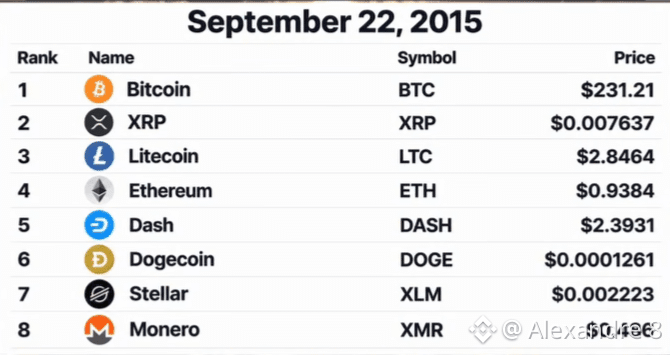
On September 22, 2015 — exactly a few years ago — this was the Top 8 of the largest cryptocurrencies by market capitalization:
Bitcoin ($BTC): $231.21 2. XRP ($XRP): $0.0076 3. Litecoin ($LTC): $2.84 4. Ethereum ($ETH): $0.93 5. Dash ($DASH): $2.39 6. Dogecoin ($DOGE): $0.00012 7. Stellar ($XLM): $0.0022 8. Monero ($XMR): $0.48
What does this X-ray teach us?
The Rise of Ethereum: Launched just a few months before this photo, ETH cost less than $1.00. Anyone who recognized the potential of smart contracts back then witnessed one of the biggest valuations in history.
Bitcoin’s Resilience: Buying BTC at $231 looked “expensive” or “risky” to many. Today, it has established itself as the leading global digital store of value.
The Evolution of Narratives: Pioneering projects like Dash and Monero were all the rage for privacy and payments. Today, the market has made room for new theses such as DePIN, Artificial Intelligence, and Layer 2s.
Surviving market cycles requires patience and a long-term perspective.
If you could go back in time with just $100 in your pocket in 2015, which of these coins would you bet on?
#Bitcoin #Ethereum #CryptoHistory
Time Capsule: Where were you on September 22, 2015? ⏳⏳
Looking at the crypto market’s past gives us a unique perspective on cycles, volatility, and above all, resilience.
On September 22, 2015 — exactly a few years ago — this was the Top 8 of the largest cryptocurrencies by market capitalization:
Bitcoin ($BTC): $231.21 2. XRP ($XRP): $0.0076 3. Litecoin ($LTC): $2.84 4. Ethereum ($ETH): $0.93 5. Dash ($DASH): $2.39 6. Dogecoin ($DOGE): $0.00012 7. Stellar ($XLM): $0.0022 8. Monero ($XMR): $0.48
What does this X-ray teach us?
The Rise of Ethereum: Launched just a few months before this photo, ETH cost less than $1.00. Anyone who recognized the potential of smart contracts back then witnessed one of the biggest valuations in history.
Bitcoin’s Resilience: Buying BTC at $231 looked “expensive” or “risky” to many. Today, it has established itself as the leading global digital store of value.
The Evolution of Narratives: Pioneering projects like Dash and Monero were all the rage for privacy and payments. Today, the market has made room for new theses such as DePIN, Artificial Intelligence, and Layer 2s.
Surviving market cycles requires patience and a long-term perspective.
If you could go back in time with just $100 in your pocket in 2015, which of these coins would you bet on?
#Bitcoin #Ethereum #CryptoHistory
Looking at the crypto market’s past gives us a unique perspective on cycles, volatility, and above all, resilience.
On September 22, 2015 — exactly a few years ago — this was the Top 8 of the largest cryptocurrencies by market capitalization:
Bitcoin ($BTC): $231.21 2. XRP ($XRP): $0.0076 3. Litecoin ($LTC): $2.84 4. Ethereum ($ETH): $0.93 5. Dash ($DASH): $2.39 6. Dogecoin ($DOGE): $0.00012 7. Stellar ($XLM): $0.0022 8. Monero ($XMR): $0.48
What does this X-ray teach us?
The Rise of Ethereum: Launched just a few months before this photo, ETH cost less than $1.00. Anyone who recognized the potential of smart contracts back then witnessed one of the biggest valuations in history.
Bitcoin’s Resilience: Buying BTC at $231 looked “expensive” or “risky” to many. Today, it has established itself as the leading global digital store of value.
The Evolution of Narratives: Pioneering projects like Dash and Monero were all the rage for privacy and payments. Today, the market has made room for new theses such as DePIN, Artificial Intelligence, and Layer 2s.
Surviving market cycles requires patience and a long-term perspective.
If you could go back in time with just $100 in your pocket in 2015, which of these coins would you bet on?
#Bitcoin #Ethereum #CryptoHistory
1
531
·
--
Alibaba, the Zhenwu V900 Chip, and the Race for AI Infrastructure 🤖🇨🇳The announcement of the Zhenwu V900 AI chip by Alibaba at the Apsara Conference marks a critical turning point in the global technology race. With the promise to triple the performance of its predecessor and an ambitious goal to expand its data centers to more than 20 gigawatts (GW) by 2032, the Chinese giant shows that semiconductor independence is no longer an option, but a strategic urgency.
I’m bullish for the long term in the infrastructure thesis, but aware of margin risks in the short term.
Alibaba, the Zhenwu V900 Chip, and the Race for AI Infrastructure 🤖🇨🇳
The announcement of the Zhenwu V900 AI chip by Alibaba at the Apsara Conference marks a critical turning point in the global technology race. With the promise to triple the performance of its predecessor and an ambitious goal to expand its data centers to more than 20 gigawatts (GW) by 2032, the Chinese giant shows that semiconductor independence is no longer an option, but a strategic urgency.
I’m bullish for the long term in the infrastructure thesis, but aware of margin risks in the short term.
I’m bullish for the long term in the infrastructure thesis, but aware of margin risks in the short term.
55
·
--
META and the AI Dilemma: Price Rally vs. Cash-Flow Pressure 📈🤖
Meta Platforms (META) surged more than 11% in a single session, hitting the $741.25 mark, driven by optimism around the Muse AI assistant and the Meta Connect event. However, the sharp rise brings up a major seasonal question: can the company translate these astronomical costs into sustainable profit in the short term?
I’m bullish for the long term, but I’m paying extra attention to monetization risks in the short term.
1. The Cost of Innovation vs. Free Cash Flow
Despite reporting solid revenues in the advertising business ($60.8B in Q2), Meta’s operating margin fell from 43% to 31%. Free cash flow shrank to $784M, while the forecast for capital expenditures (Capex) for 2026 reaches a staggering $130B to $145B, driven by AI infrastructure.
2. The Monetization Proof Test
With the launch of Muse (2.8M installs in 12 days) and the Meta One plan, the company is trying to prove that AI will generate direct recurring revenue. However, regulatory challenges and security objections from partners (such as Amazon’s purchase-blocking move) show that commercial integration won’t be straightforward.
3. Spillover Effects for the Crypto Market and Web3
Big Tech’s push to monetize AI agents and smart devices highlights the need for more efficient infrastructure:
DePIN Networks: Could become crucial to decentralizing and lowering the compute costs of models like Meta’s.
Autonomous Payments: The crypto ecosystem provides ideal native infrastructure for micropayments between virtual AI agents.
The market’s reaction to Meta Connect will determine whether today’s optimism has staying power or whether we’ll face profit-taking in the short term.
How do you assess the balance between AI costs and Big Tech’s real returns?
#AIStocksWhatNext
$METAB
{spot}(METABUSDT)
$NVDAB
{spot}(NVDABUSDT)
META and the AI Dilemma: Price Rally vs. Cash-Flow Pressure 📈🤖
Meta Platforms (META) surged more than 11% in a single session, hitting the $741.25 mark, driven by optimism around the Muse AI assistant and the Meta Connect event. However, the sharp rise brings up a major seasonal question: can the company translate these astronomical costs into sustainable profit in the short term?
I’m bullish for the long term, but I’m paying extra attention to monetization risks in the short term.
1. The Cost of Innovation vs. Free Cash Flow
Despite reporting solid revenues in the advertising business ($60.8B in Q2), Meta’s operating margin fell from 43% to 31%. Free cash flow shrank to $784M, while the forecast for capital expenditures (Capex) for 2026 reaches a staggering $130B to $145B, driven by AI infrastructure.
2. The Monetization Proof Test
With the launch of Muse (2.8M installs in 12 days) and the Meta One plan, the company is trying to prove that AI will generate direct recurring revenue. However, regulatory challenges and security objections from partners (such as Amazon’s purchase-blocking move) show that commercial integration won’t be straightforward.
3. Spillover Effects for the Crypto Market and Web3
Big Tech’s push to monetize AI agents and smart devices highlights the need for more efficient infrastructure:
DePIN Networks: Could become crucial to decentralizing and lowering the compute costs of models like Meta’s.
Autonomous Payments: The crypto ecosystem provides ideal native infrastructure for micropayments between virtual AI agents.
The market’s reaction to Meta Connect will determine whether today’s optimism has staying power or whether we’ll face profit-taking in the short term.
How do you assess the balance between AI costs and Big Tech’s real returns?
#AIStocksWhatNext
$METAB
$NVDAB
Meta Platforms (META) surged more than 11% in a single session, hitting the $741.25 mark, driven by optimism around the Muse AI assistant and the Meta Connect event. However, the sharp rise brings up a major seasonal question: can the company translate these astronomical costs into sustainable profit in the short term?
I’m bullish for the long term, but I’m paying extra attention to monetization risks in the short term.
1. The Cost of Innovation vs. Free Cash Flow
Despite reporting solid revenues in the advertising business ($60.8B in Q2), Meta’s operating margin fell from 43% to 31%. Free cash flow shrank to $784M, while the forecast for capital expenditures (Capex) for 2026 reaches a staggering $130B to $145B, driven by AI infrastructure.
2. The Monetization Proof Test
With the launch of Muse (2.8M installs in 12 days) and the Meta One plan, the company is trying to prove that AI will generate direct recurring revenue. However, regulatory challenges and security objections from partners (such as Amazon’s purchase-blocking move) show that commercial integration won’t be straightforward.
3. Spillover Effects for the Crypto Market and Web3
Big Tech’s push to monetize AI agents and smart devices highlights the need for more efficient infrastructure:
DePIN Networks: Could become crucial to decentralizing and lowering the compute costs of models like Meta’s.
Autonomous Payments: The crypto ecosystem provides ideal native infrastructure for micropayments between virtual AI agents.
The market’s reaction to Meta Connect will determine whether today’s optimism has staying power or whether we’ll face profit-taking in the short term.
How do you assess the balance between AI costs and Big Tech’s real returns?
#AIStocksWhatNext
$METAB
$NVDAB
76
·
--
AI on the Hill: The Infrastructure Bottleneck and the Future of the Market 🤖📈
The technology market is in a frenetic race. With companies like Nvidia reporting record revenues and projecting massive demand for chips, it’s clear that Artificial Intelligence infrastructure requires an unprecedented volume of capital. But the real question is: is this pace sustainable in the short term?
In my view, the sector is Bullish for the long run, but we need caution in the short term.
1. The Cost of “Being in the Game”
Investing in data centers, electricity, and next-generation chips is no longer just an option for expansion—it has become the minimum entry cost in the tech sector. However, when investment happens out of necessity for survival rather than guaranteed returns, the risk of overheating and tight margins increases considerably.
2. Government Support vs. Market Risks
The debate over the development of state-backed AI initiatives in the U.S. reinforces that this technology is now a national security priority. While government support brings stability, the enormous amount of debt issued to finance this infrastructure can keep inflation and interest rates elevated for longer.
3. The Opportunity in the Web3 Ecosystem
While traditional stocks face the challenge of delivering astronomical results to justify their valuations, the crypto sector offers complementary solutions:
DePIN: Decentralized networks that monetize idle computing power.
Autonomous Agents: Integrating intelligence models with smart contracts to create new financial ecosystems.
I believe the market will go through healthy corrections along the way, but the structural transformation is here to stay.
And in your opinion: is AI in a bubble about to correct, or does it still have a lot of room to rise in the short term?
#AIStocksWhatNext
$RENDER
{spot}(RENDERUSDT)
AI on the Hill: The Infrastructure Bottleneck and the Future of the Market 🤖📈
The technology market is in a frenetic race. With companies like Nvidia reporting record revenues and projecting massive demand for chips, it’s clear that Artificial Intelligence infrastructure requires an unprecedented volume of capital. But the real question is: is this pace sustainable in the short term?
In my view, the sector is Bullish for the long run, but we need caution in the short term.
1. The Cost of “Being in the Game”
Investing in data centers, electricity, and next-generation chips is no longer just an option for expansion—it has become the minimum entry cost in the tech sector. However, when investment happens out of necessity for survival rather than guaranteed returns, the risk of overheating and tight margins increases considerably.
2. Government Support vs. Market Risks
The debate over the development of state-backed AI initiatives in the U.S. reinforces that this technology is now a national security priority. While government support brings stability, the enormous amount of debt issued to finance this infrastructure can keep inflation and interest rates elevated for longer.
3. The Opportunity in the Web3 Ecosystem
While traditional stocks face the challenge of delivering astronomical results to justify their valuations, the crypto sector offers complementary solutions:
DePIN: Decentralized networks that monetize idle computing power.
Autonomous Agents: Integrating intelligence models with smart contracts to create new financial ecosystems.
I believe the market will go through healthy corrections along the way, but the structural transformation is here to stay.
And in your opinion: is AI in a bubble about to correct, or does it still have a lot of room to rise in the short term?
#AIStocksWhatNext
$RENDER
The technology market is in a frenetic race. With companies like Nvidia reporting record revenues and projecting massive demand for chips, it’s clear that Artificial Intelligence infrastructure requires an unprecedented volume of capital. But the real question is: is this pace sustainable in the short term?
In my view, the sector is Bullish for the long run, but we need caution in the short term.
1. The Cost of “Being in the Game”
Investing in data centers, electricity, and next-generation chips is no longer just an option for expansion—it has become the minimum entry cost in the tech sector. However, when investment happens out of necessity for survival rather than guaranteed returns, the risk of overheating and tight margins increases considerably.
2. Government Support vs. Market Risks
The debate over the development of state-backed AI initiatives in the U.S. reinforces that this technology is now a national security priority. While government support brings stability, the enormous amount of debt issued to finance this infrastructure can keep inflation and interest rates elevated for longer.
3. The Opportunity in the Web3 Ecosystem
While traditional stocks face the challenge of delivering astronomical results to justify their valuations, the crypto sector offers complementary solutions:
DePIN: Decentralized networks that monetize idle computing power.
Autonomous Agents: Integrating intelligence models with smart contracts to create new financial ecosystems.
I believe the market will go through healthy corrections along the way, but the structural transformation is here to stay.
And in your opinion: is AI in a bubble about to correct, or does it still have a lot of room to rise in the short term?
#AIStocksWhatNext
$RENDER
122
·
--
What if the bet on AI fails? Why Bitcoin can win either way 🤖⚡
The massive investment in data centers, energy, and chips for Artificial Intelligence is being heavily funded by debt. But what if the real revenue from AI falls short of expectations and can’t foot the bill?
According to a recent analysis by Arthur Hayes, even if the AI infrastructure bubble faces a profitability crisis, the final outcome could be paradoxically optimistic (bullish) for Bitcoin and the crypto market.
1. The Debt Dilemma in AI
Building infrastructure requires billions of dollars. If demand or margins for AI models fall, companies will struggle to meet their financial obligations, shifting risk to creditors and insurers.
2. The Two Paths of Government Intervention
To prevent a financial collapse or the loss of technological sovereignty to global competitors, Hayes outlines two scenarios for government response:
Preventive Intervention: The government becomes the "buyer of last resort" for computational power, subsidizing the sector for national security reasons.
Rescue of the Financial System: Direct support to institutions and insurers exposed to debt in the AI sector to contain systemic losses.
3. The Link to Bitcoin and Cryptocurrencies
Both paths require the same remedy: monetary expansion and liquidity injection. When central banks and governments issue more money to cover deficits or rescue sectors, capital seeks scarce, decentralized assets that are immune to inflation — making Bitcoin the main beneficiary of this liquidity.
Market View (Bullish in the Long Run):
In the short term, a credit shock in the AI sector could create volatility and widespread liquidations. However, the inevitable response of printing money will make the BTC scarcity thesis even stronger.
How are you protecting your portfolio against inflation and credit risk?
#AIStocksWhatNext
$BTC
{spot}(BTCUSDT)
What if the bet on AI fails? Why Bitcoin can win either way 🤖⚡
The massive investment in data centers, energy, and chips for Artificial Intelligence is being heavily funded by debt. But what if the real revenue from AI falls short of expectations and can’t foot the bill?
According to a recent analysis by Arthur Hayes, even if the AI infrastructure bubble faces a profitability crisis, the final outcome could be paradoxically optimistic (bullish) for Bitcoin and the crypto market.
1. The Debt Dilemma in AI
Building infrastructure requires billions of dollars. If demand or margins for AI models fall, companies will struggle to meet their financial obligations, shifting risk to creditors and insurers.
2. The Two Paths of Government Intervention
To prevent a financial collapse or the loss of technological sovereignty to global competitors, Hayes outlines two scenarios for government response:
Preventive Intervention: The government becomes the "buyer of last resort" for computational power, subsidizing the sector for national security reasons.
Rescue of the Financial System: Direct support to institutions and insurers exposed to debt in the AI sector to contain systemic losses.
3. The Link to Bitcoin and Cryptocurrencies
Both paths require the same remedy: monetary expansion and liquidity injection. When central banks and governments issue more money to cover deficits or rescue sectors, capital seeks scarce, decentralized assets that are immune to inflation — making Bitcoin the main beneficiary of this liquidity.
Market View (Bullish in the Long Run):
In the short term, a credit shock in the AI sector could create volatility and widespread liquidations. However, the inevitable response of printing money will make the BTC scarcity thesis even stronger.
How are you protecting your portfolio against inflation and credit risk?
#AIStocksWhatNext
$BTC
The massive investment in data centers, energy, and chips for Artificial Intelligence is being heavily funded by debt. But what if the real revenue from AI falls short of expectations and can’t foot the bill?
According to a recent analysis by Arthur Hayes, even if the AI infrastructure bubble faces a profitability crisis, the final outcome could be paradoxically optimistic (bullish) for Bitcoin and the crypto market.
1. The Debt Dilemma in AI
Building infrastructure requires billions of dollars. If demand or margins for AI models fall, companies will struggle to meet their financial obligations, shifting risk to creditors and insurers.
2. The Two Paths of Government Intervention
To prevent a financial collapse or the loss of technological sovereignty to global competitors, Hayes outlines two scenarios for government response:
Preventive Intervention: The government becomes the "buyer of last resort" for computational power, subsidizing the sector for national security reasons.
Rescue of the Financial System: Direct support to institutions and insurers exposed to debt in the AI sector to contain systemic losses.
3. The Link to Bitcoin and Cryptocurrencies
Both paths require the same remedy: monetary expansion and liquidity injection. When central banks and governments issue more money to cover deficits or rescue sectors, capital seeks scarce, decentralized assets that are immune to inflation — making Bitcoin the main beneficiary of this liquidity.
Market View (Bullish in the Long Run):
In the short term, a credit shock in the AI sector could create volatility and widespread liquidations. However, the inevitable response of printing money will make the BTC scarcity thesis even stronger.
How are you protecting your portfolio against inflation and credit risk?
#AIStocksWhatNext
$BTC
98
·
--
🚨 BTC vs. ETH: The Change Few Noticed in the Derivatives Market! 📊⚡
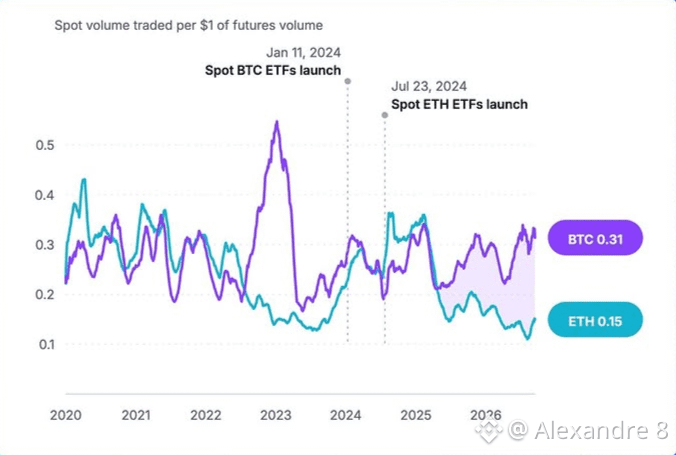
A recent analysis by CoinMarketCap/The Block revealed a crucial divergence between the two largest cryptocurrencies in the world: Ethereum has become a much heavier derivative asset than Bitcoin!
🔍 What the Numbers Say?
⚖️ Spot/Futures Ratio (30d): BTC’s indicator is at 0.31, while ETH’s plunged to 0.15 (a 57% drop since 2025).
🏛️ Institutional Dominance on the CME: In Q2 2026, the CME handled $114.2B in notional contract volume for ETH (average 89.7k contracts/day).
📈 Price Impact: The lower the spot/futures ratio, the more the asset is driven by leverage, hedging positions, and matched liquidations—and the less by direct accumulation in the spot market.
💡 Market Take:
While <0>$BTC </0> preserves a more consistent spot-buying structure, $ETH has turned into the preferred playground for leveraged institutional strategies and arbitrage in the futures market. That’s why Ether’s price reactions have been more aggressive and why there’s point-in-time volatility during leverage rebalancing!
💬 In your view: does the rise in futures volume for ETH bring healthier liquidity or does it make the price more manipulable by institutions?
👇 Share your opinion in the comments, keep it concise, and follow for more data insights from on-chain and derivatives!
⚠️ Legal Disclaimer: Informational content for the community. DYOR (Do your own research).
#Bitcoin #Ethereum #Derivative #BinanceSquare #CryptoAnalysis
$BTC
{spot}(BTCUSDT)
🚨 BTC vs. ETH: The Change Few Noticed in the Derivatives Market! 📊⚡
A recent analysis by CoinMarketCap/The Block revealed a crucial divergence between the two largest cryptocurrencies in the world: Ethereum has become a much heavier derivative asset than Bitcoin!
🔍 What the Numbers Say?
⚖️ Spot/Futures Ratio (30d): BTC’s indicator is at 0.31, while ETH’s plunged to 0.15 (a 57% drop since 2025).
🏛️ Institutional Dominance on the CME: In Q2 2026, the CME handled $114.2B in notional contract volume for ETH (average 89.7k contracts/day).
📈 Price Impact: The lower the spot/futures ratio, the more the asset is driven by leverage, hedging positions, and matched liquidations—and the less by direct accumulation in the spot market.
💡 Market Take:
While <0>$BTC </0> preserves a more consistent spot-buying structure, $ETH has turned into the preferred playground for leveraged institutional strategies and arbitrage in the futures market. That’s why Ether’s price reactions have been more aggressive and why there’s point-in-time volatility during leverage rebalancing!
💬 In your view: does the rise in futures volume for ETH bring healthier liquidity or does it make the price more manipulable by institutions?
👇 Share your opinion in the comments, keep it concise, and follow for more data insights from on-chain and derivatives!
⚠️ Legal Disclaimer: Informational content for the community. DYOR (Do your own research).
#Bitcoin #Ethereum #Derivative #BinanceSquare #CryptoAnalysis
$BTC
A recent analysis by CoinMarketCap/The Block revealed a crucial divergence between the two largest cryptocurrencies in the world: Ethereum has become a much heavier derivative asset than Bitcoin!
🔍 What the Numbers Say?
⚖️ Spot/Futures Ratio (30d): BTC’s indicator is at 0.31, while ETH’s plunged to 0.15 (a 57% drop since 2025).
🏛️ Institutional Dominance on the CME: In Q2 2026, the CME handled $114.2B in notional contract volume for ETH (average 89.7k contracts/day).
📈 Price Impact: The lower the spot/futures ratio, the more the asset is driven by leverage, hedging positions, and matched liquidations—and the less by direct accumulation in the spot market.
💡 Market Take:
While <0>$BTC </0> preserves a more consistent spot-buying structure, $ETH has turned into the preferred playground for leveraged institutional strategies and arbitrage in the futures market. That’s why Ether’s price reactions have been more aggressive and why there’s point-in-time volatility during leverage rebalancing!
💬 In your view: does the rise in futures volume for ETH bring healthier liquidity or does it make the price more manipulable by institutions?
👇 Share your opinion in the comments, keep it concise, and follow for more data insights from on-chain and derivatives!
⚠️ Legal Disclaimer: Informational content for the community. DYOR (Do your own research).
#Bitcoin #Ethereum #Derivative #BinanceSquare #CryptoAnalysis
$BTC
32
·
--
🚀 SUI BREAKS THROUGH THE US$ 1.00 BARRIER: Parabolic Rally and +28% Surge! 🌊📈
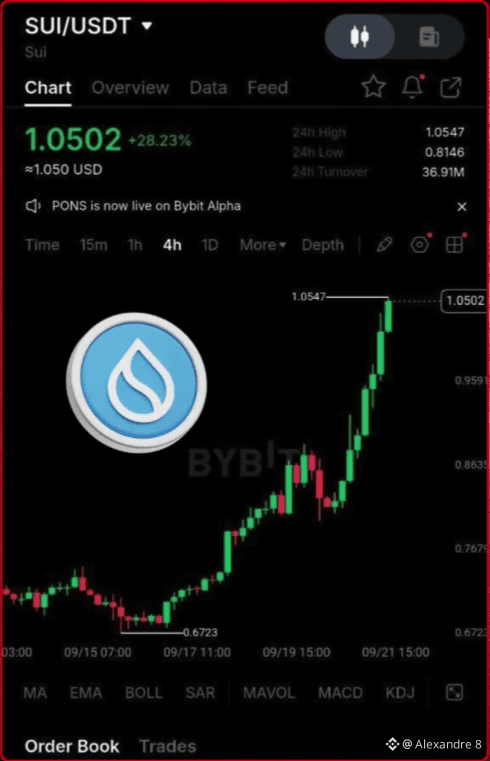
A $SUI acelerou strongly on the 4-hour chart, broke the psychological US$ 1.00 barrier, and hit a high of US$ 1.0547 (accumulating an impressive +28.23% gain in 24h). The move reflects the strong buying flow that shifted to high-speed Layer-1 altcoins.
🔑 Highlights of the Move on the Chart:
* 📊 Low x High: The asset moved from the support region near US$ 0.6723 on September 17 to surpass US$ 1.05 on September 21.
* 🟢 Parabolic Structure: The 4-hour candles show a pattern of continuous buying with no major intermediate pullbacks, indicating strong buying pressure and the liquidation of short positions (short squeeze).
* 📈 Volume and Rotation: The movement comes with a significant financial turnover of 36.91M in traded volume on Bybit.
💡 Market Take for the Community:
* Break of a Crucial Resistance: Acceptance above US$ 1.00 turns the old psychological top into a new technical support zone.
* Watch the RSI/Overbought: With an almost vertical rise on the smaller time-chart, it’s natural to expect volatility or consolidation to test support before any further advances.
💬 Does SUI have the room to target the US$ 1.20 area still this week, or will we see a retest of the US$ 1.00 support?
👇 Share your opinion in the comments, hit like, and follow for more market analysis and daily news!
⚠️ Disclaimer: This content is for informational and educational purposes only. It does not constitute investment advice. DYOR (Do your own research).
$SUI
{spot}(SUIUSDT)
#SuiNetwork #Crypto #Altcoins #TechnicalAnalysis #BinanceSquare
🚀 SUI BREAKS THROUGH THE US$ 1.00 BARRIER: Parabolic Rally and +28% Surge! 🌊📈
A $SUI acelerou strongly on the 4-hour chart, broke the psychological US$ 1.00 barrier, and hit a high of US$ 1.0547 (accumulating an impressive +28.23% gain in 24h). The move reflects the strong buying flow that shifted to high-speed Layer-1 altcoins.
🔑 Highlights of the Move on the Chart:
* 📊 Low x High: The asset moved from the support region near US$ 0.6723 on September 17 to surpass US$ 1.05 on September 21.
* 🟢 Parabolic Structure: The 4-hour candles show a pattern of continuous buying with no major intermediate pullbacks, indicating strong buying pressure and the liquidation of short positions (short squeeze).
* 📈 Volume and Rotation: The movement comes with a significant financial turnover of 36.91M in traded volume on Bybit.
💡 Market Take for the Community:
* Break of a Crucial Resistance: Acceptance above US$ 1.00 turns the old psychological top into a new technical support zone.
* Watch the RSI/Overbought: With an almost vertical rise on the smaller time-chart, it’s natural to expect volatility or consolidation to test support before any further advances.
💬 Does SUI have the room to target the US$ 1.20 area still this week, or will we see a retest of the US$ 1.00 support?
👇 Share your opinion in the comments, hit like, and follow for more market analysis and daily news!
⚠️ Disclaimer: This content is for informational and educational purposes only. It does not constitute investment advice. DYOR (Do your own research).
$SUI
#SuiNetwork #Crypto #Altcoins #TechnicalAnalysis #BinanceSquare
A $SUI acelerou strongly on the 4-hour chart, broke the psychological US$ 1.00 barrier, and hit a high of US$ 1.0547 (accumulating an impressive +28.23% gain in 24h). The move reflects the strong buying flow that shifted to high-speed Layer-1 altcoins.
🔑 Highlights of the Move on the Chart:
* 📊 Low x High: The asset moved from the support region near US$ 0.6723 on September 17 to surpass US$ 1.05 on September 21.
* 🟢 Parabolic Structure: The 4-hour candles show a pattern of continuous buying with no major intermediate pullbacks, indicating strong buying pressure and the liquidation of short positions (short squeeze).
* 📈 Volume and Rotation: The movement comes with a significant financial turnover of 36.91M in traded volume on Bybit.
💡 Market Take for the Community:
* Break of a Crucial Resistance: Acceptance above US$ 1.00 turns the old psychological top into a new technical support zone.
* Watch the RSI/Overbought: With an almost vertical rise on the smaller time-chart, it’s natural to expect volatility or consolidation to test support before any further advances.
💬 Does SUI have the room to target the US$ 1.20 area still this week, or will we see a retest of the US$ 1.00 support?
👇 Share your opinion in the comments, hit like, and follow for more market analysis and daily news!
⚠️ Disclaimer: This content is for informational and educational purposes only. It does not constitute investment advice. DYOR (Do your own research).
$SUI
#SuiNetwork #Crypto #Altcoins #TechnicalAnalysis #BinanceSquare
2
3
603
·
--
🔥 SOLANA ($SOL): Record Revenue, Governance Reform, and On-Chain RWA 🚀📊
Solana keeps accelerating. While traditional markets closed over the weekend, the network hit crucial operational records—combining record profitability, governance evolution, and a direct bridge to Wall Street.
💥 The 4 Biggest News Stories of the Week:
💰 1. Record Revenue of $7.93B in dApps
The daily revenue of the ecosystem’s applications hit an all-time high this year, surpassing the total of the 4 largest traditional brokerages. The network’s daily volume remains solid above $7B/day, proving the flow isn’t just speculative—it’s profitable for developers.
🛡️ 2. Anatoly Yakovenko Proposes “Cleaning Up” Validators
The cofounder proposed banning from governance voting the validators that intentionally delay slots to extract MEV.
Mechanism: Create a Quality of Service (QoS) standard to weight votes.
Goal: Prevent slow nodes from affecting global performance and manipulating issuance/inflation decisions.
🏦 3. Collateralized Loans in $ZEC on Kamino
The Kamino protocol activated loans in USDC backed by ZEC, allowing up to 1.6x exposure via ZEC Multiply. A strategic expansion of DeFi credit using privacy-focused assets.
📜 4. Real-World Assets (RWA) via API in Backpack
Backpack Securities opened mint/redeem of real company shares via API. Any developer can tokenize traditional assets with 1:1 custody support, reducing friction between Wall Street and Solana dApps.
💡 “The success of a blockchain is creating experiences so smooth that people use the technology without even noticing.” — Raj Gokal
💬 Do you think $SOL is gearing up for a new all-time high with this strong on-chain revenue? What did you think about the ban on slow validators?
👇 Comment, like, and follow for more complete analyses!
#SOL #DeFi #BinanceSquare #CryptoNews #RWA
$SOL
{spot}(SOLUSDT)
🔥 SOLANA ($SOL ): Record Revenue, Governance Reform, and On-Chain RWA 🚀📊
Solana keeps accelerating. While traditional markets closed over the weekend, the network hit crucial operational records—combining record profitability, governance evolution, and a direct bridge to Wall Street.
💥 The 4 Biggest News Stories of the Week:
💰 1. Record Revenue of $7.93B in dApps
The daily revenue of the ecosystem’s applications hit an all-time high this year, surpassing the total of the 4 largest traditional brokerages. The network’s daily volume remains solid above $7B/day, proving the flow isn’t just speculative—it’s profitable for developers.
🛡️ 2. Anatoly Yakovenko Proposes “Cleaning Up” Validators
The cofounder proposed banning from governance voting the validators that intentionally delay slots to extract MEV.
Mechanism: Create a Quality of Service (QoS) standard to weight votes.
Goal: Prevent slow nodes from affecting global performance and manipulating issuance/inflation decisions.
🏦 3. Collateralized Loans in $ZEC on Kamino
The Kamino protocol activated loans in USDC backed by ZEC, allowing up to 1.6x exposure via ZEC Multiply. A strategic expansion of DeFi credit using privacy-focused assets.
📜 4. Real-World Assets (RWA) via API in Backpack
Backpack Securities opened mint/redeem of real company shares via API. Any developer can tokenize traditional assets with 1:1 custody support, reducing friction between Wall Street and Solana dApps.
💡 “The success of a blockchain is creating experiences so smooth that people use the technology without even noticing.” — Raj Gokal
💬 Do you think $SOL is gearing up for a new all-time high with this strong on-chain revenue? What did you think about the ban on slow validators?
👇 Comment, like, and follow for more complete analyses!
#SOL #DeFi #BinanceSquare #CryptoNews #RWA
$SOL
Solana keeps accelerating. While traditional markets closed over the weekend, the network hit crucial operational records—combining record profitability, governance evolution, and a direct bridge to Wall Street.
💥 The 4 Biggest News Stories of the Week:
💰 1. Record Revenue of $7.93B in dApps
The daily revenue of the ecosystem’s applications hit an all-time high this year, surpassing the total of the 4 largest traditional brokerages. The network’s daily volume remains solid above $7B/day, proving the flow isn’t just speculative—it’s profitable for developers.
🛡️ 2. Anatoly Yakovenko Proposes “Cleaning Up” Validators
The cofounder proposed banning from governance voting the validators that intentionally delay slots to extract MEV.
Mechanism: Create a Quality of Service (QoS) standard to weight votes.
Goal: Prevent slow nodes from affecting global performance and manipulating issuance/inflation decisions.
🏦 3. Collateralized Loans in $ZEC on Kamino
The Kamino protocol activated loans in USDC backed by ZEC, allowing up to 1.6x exposure via ZEC Multiply. A strategic expansion of DeFi credit using privacy-focused assets.
📜 4. Real-World Assets (RWA) via API in Backpack
Backpack Securities opened mint/redeem of real company shares via API. Any developer can tokenize traditional assets with 1:1 custody support, reducing friction between Wall Street and Solana dApps.
💡 “The success of a blockchain is creating experiences so smooth that people use the technology without even noticing.” — Raj Gokal
💬 Do you think $SOL is gearing up for a new all-time high with this strong on-chain revenue? What did you think about the ban on slow validators?
👇 Comment, like, and follow for more complete analyses!
#SOL #DeFi #BinanceSquare #CryptoNews #RWA
$SOL

2
330
·
--
🚀 NEAR PROTOCOL ($NEAR) SURGES +20%: Per... Confidentials and Strategic Partnership with Hyperliquid! 🔒📈
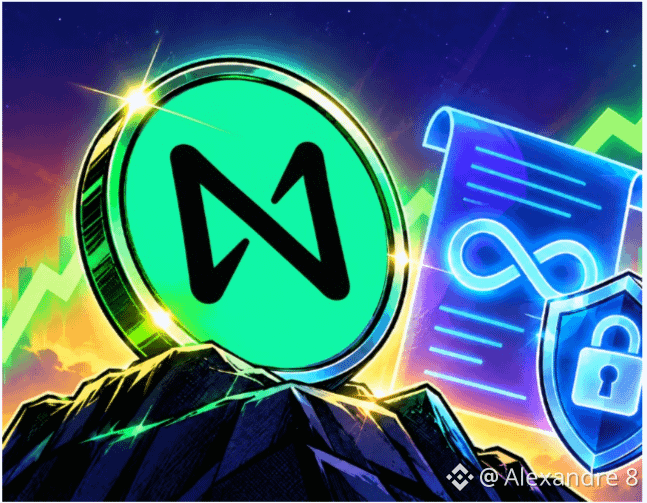
The $NEAR saw an impressive spike of more than +20% in 24h, jumping into the US$ 3.61 range (with a daily high of US$ 3.77). The key catalyst was the launch of perpetual contract trading with native privacy via near.com integrated into Hyperliquid’s infrastructure.
🔑 The 4 Highlights of the Rally:
🥷 1. Privacy Without Sacrificing Liquidity
Using Confidential Intents technology and a private shard with a TEE (Trusted Execution Environment) bridge, NEAR hides the trader’s fund origin and on-chain strategies. This eliminates front-running and MEV risks without exposing financial data.
⚡ 2. Heavyweight Integration with Hyperliquid ($HYPE)
Execution and the order book remain within Hyperliquid’s infrastructure, providing access to 50+ markets with leverage up to 40x. All of this is powered by assets from 35+ blockchains without the need for manual bridges.
🤖 3. Payments via AI Agents
NEAR’s privacy infrastructure also integrates $USDC for automatic transactions between AI Agents in the NEAR AI Agent Market, hiding values and counterparties.
📊 4. Market Metrics Soar
Market Cap: Reached US$ 4.7 Billion.
24h Volume: Surpassed the US$ 2 Billion mark.
Domino Effect: Hyperliquid’s partner (HYPE) also hit a new all-time high above **US 90.
⚠️ Watch Out for Risks: The asset remains highly volatile. A consolidation above US$ 3.60 may seek higher resistance levels, while support failures could trigger profit-taking after the strong run.
💬 Do you think NEAR will keep the momentum until US$ 5.00 with the AI + Privacy narrative? Or will we see a technical correction?
👇 Leave your thoughts, and stay tuned for daily market analyses!
#CryptoNews #DeFi #Privacy #BinanceSquare #Hyperliquid
$NEAR
{spot}(NEARUSDT)
🚀 NEAR PROTOCOL ($NEAR ) SURGES +20%: Per... Confidentials and Strategic Partnership with Hyperliquid! 🔒📈
The $NEAR saw an impressive spike of more than +20% in 24h, jumping into the US$ 3.61 range (with a daily high of US$ 3.77). The key catalyst was the launch of perpetual contract trading with native privacy via near.com integrated into Hyperliquid’s infrastructure.
🔑 The 4 Highlights of the Rally:
🥷 1. Privacy Without Sacrificing Liquidity
Using Confidential Intents technology and a private shard with a TEE (Trusted Execution Environment) bridge, NEAR hides the trader’s fund origin and on-chain strategies. This eliminates front-running and MEV risks without exposing financial data.
⚡ 2. Heavyweight Integration with Hyperliquid ($HYPE)
Execution and the order book remain within Hyperliquid’s infrastructure, providing access to 50+ markets with leverage up to 40x. All of this is powered by assets from 35+ blockchains without the need for manual bridges.
🤖 3. Payments via AI Agents
NEAR’s privacy infrastructure also integrates $USDC for automatic transactions between AI Agents in the NEAR AI Agent Market, hiding values and counterparties.
📊 4. Market Metrics Soar
Market Cap: Reached US$ 4.7 Billion.
24h Volume: Surpassed the US$ 2 Billion mark.
Domino Effect: Hyperliquid’s partner (HYPE) also hit a new all-time high above **US 90.
⚠️ Watch Out for Risks: The asset remains highly volatile. A consolidation above US$ 3.60 may seek higher resistance levels, while support failures could trigger profit-taking after the strong run.
💬 Do you think NEAR will keep the momentum until US$ 5.00 with the AI + Privacy narrative? Or will we see a technical correction?
👇 Leave your thoughts, and stay tuned for daily market analyses!
#CryptoNews #DeFi #Privacy #BinanceSquare #Hyperliquid
$NEAR
The $NEAR saw an impressive spike of more than +20% in 24h, jumping into the US$ 3.61 range (with a daily high of US$ 3.77). The key catalyst was the launch of perpetual contract trading with native privacy via near.com integrated into Hyperliquid’s infrastructure.
🔑 The 4 Highlights of the Rally:
🥷 1. Privacy Without Sacrificing Liquidity
Using Confidential Intents technology and a private shard with a TEE (Trusted Execution Environment) bridge, NEAR hides the trader’s fund origin and on-chain strategies. This eliminates front-running and MEV risks without exposing financial data.
⚡ 2. Heavyweight Integration with Hyperliquid ($HYPE)
Execution and the order book remain within Hyperliquid’s infrastructure, providing access to 50+ markets with leverage up to 40x. All of this is powered by assets from 35+ blockchains without the need for manual bridges.
🤖 3. Payments via AI Agents
NEAR’s privacy infrastructure also integrates $USDC for automatic transactions between AI Agents in the NEAR AI Agent Market, hiding values and counterparties.
📊 4. Market Metrics Soar
Market Cap: Reached US$ 4.7 Billion.
24h Volume: Surpassed the US$ 2 Billion mark.
Domino Effect: Hyperliquid’s partner (HYPE) also hit a new all-time high above **US 90.
⚠️ Watch Out for Risks: The asset remains highly volatile. A consolidation above US$ 3.60 may seek higher resistance levels, while support failures could trigger profit-taking after the strong run.
💬 Do you think NEAR will keep the momentum until US$ 5.00 with the AI + Privacy narrative? Or will we see a technical correction?
👇 Leave your thoughts, and stay tuned for daily market analyses!
#CryptoNews #DeFi #Privacy #BinanceSquare #Hyperliquid
$NEAR
2
1
238
·
--
🚨 FLASH 24/7: $BTC at $85K, Capital Rotation and Security Alert in the Crypto Sector! 📊🚀
The cryptocurrency market starts the week with Bitcoin holding steady above US$ 85.000 (up +1.23%), lifting the global market cap to US$ 2,79 Trillion. However, the real highlight is the rotation of capital into higher-beta assets.
⚡ 1. Altcoins on Fire: Speculative Rotation
While BTC consolidates, capital moves into high-performance altcoins:
Ethereum ($ETH): Leads among the giants with a rise of +3.26% (US$ 2.664).
Zcash ($ZEC): Rockets +36% in 7 days, breaking through the US$ 1.500 barrier.
NEAR Protocol ($NEAR): Spikes +27% in 24h (US$ 4,42), driven by the AI and privacy narrative.
🏛️ 2. Tokenization of Stocks: Wall Street Maps Winners
Reports from Goldman Sachs and Citizens point to Coinbase, Robinhood, and Circle as the main beneficiaries of the SEC’s new signal for the tokenization of real assets (RWA). The opportunity spans custody, settlement via stablecoins, and on-chain infrastructure.
⚠️ 3. Security Alert: Targeted Attacks on Devs
International agencies (USA, Japan, Germany, and Australia) issued a joint alert about the WaterPlum cyber group. The group stole US$ 10,7 Million through fake job offers aimed at Crypto/AI programmers. The most vulnerable link remains social engineering!
💬 Will $BTC manage to consolidate above $81K, or will we see the altcoin rally accelerate even more this week?
👇 Comment with your opinion, leave a like, and follow for more daily updates!
⚠️ Legal Notice: For informational purposes only. Does not constitute financial advice. DYOR.
#Write2Earrn #NEAR #ZEC #BinanceSquare #CryptoNews
🚨 FLASH 24/7: $BTC at $85K, Capital Rotation and Security Alert in the Crypto Sector! 📊🚀
The cryptocurrency market starts the week with Bitcoin holding steady above US$ 85.000 (up +1.23%), lifting the global market cap to US$ 2,79 Trillion. However, the real highlight is the rotation of capital into higher-beta assets.
⚡ 1. Altcoins on Fire: Speculative Rotation
While BTC consolidates, capital moves into high-performance altcoins:
Ethereum ($ETH): Leads among the giants with a rise of +3.26% (US$ 2.664).
Zcash ($ZEC): Rockets +36% in 7 days, breaking through the US$ 1.500 barrier.
NEAR Protocol ($NEAR): Spikes +27% in 24h (US$ 4,42), driven by the AI and privacy narrative.
🏛️ 2. Tokenization of Stocks: Wall Street Maps Winners
Reports from Goldman Sachs and Citizens point to Coinbase, Robinhood, and Circle as the main beneficiaries of the SEC’s new signal for the tokenization of real assets (RWA). The opportunity spans custody, settlement via stablecoins, and on-chain infrastructure.
⚠️ 3. Security Alert: Targeted Attacks on Devs
International agencies (USA, Japan, Germany, and Australia) issued a joint alert about the WaterPlum cyber group. The group stole US$ 10,7 Million through fake job offers aimed at Crypto/AI programmers. The most vulnerable link remains social engineering!
💬 Will $BTC manage to consolidate above $81K, or will we see the altcoin rally accelerate even more this week?
👇 Comment with your opinion, leave a like, and follow for more daily updates!
⚠️ Legal Notice: For informational purposes only. Does not constitute financial advice. DYOR.
#Write2Earrn #NEAR #ZEC #BinanceSquare #CryptoNews
The cryptocurrency market starts the week with Bitcoin holding steady above US$ 85.000 (up +1.23%), lifting the global market cap to US$ 2,79 Trillion. However, the real highlight is the rotation of capital into higher-beta assets.
⚡ 1. Altcoins on Fire: Speculative Rotation
While BTC consolidates, capital moves into high-performance altcoins:
Ethereum ($ETH): Leads among the giants with a rise of +3.26% (US$ 2.664).
Zcash ($ZEC): Rockets +36% in 7 days, breaking through the US$ 1.500 barrier.
NEAR Protocol ($NEAR): Spikes +27% in 24h (US$ 4,42), driven by the AI and privacy narrative.
🏛️ 2. Tokenization of Stocks: Wall Street Maps Winners
Reports from Goldman Sachs and Citizens point to Coinbase, Robinhood, and Circle as the main beneficiaries of the SEC’s new signal for the tokenization of real assets (RWA). The opportunity spans custody, settlement via stablecoins, and on-chain infrastructure.
⚠️ 3. Security Alert: Targeted Attacks on Devs
International agencies (USA, Japan, Germany, and Australia) issued a joint alert about the WaterPlum cyber group. The group stole US$ 10,7 Million through fake job offers aimed at Crypto/AI programmers. The most vulnerable link remains social engineering!
💬 Will $BTC manage to consolidate above $81K, or will we see the altcoin rally accelerate even more this week?
👇 Comment with your opinion, leave a like, and follow for more daily updates!
⚠️ Legal Notice: For informational purposes only. Does not constitute financial advice. DYOR.
#Write2Earrn #NEAR #ZEC #BinanceSquare #CryptoNews

107
·
--
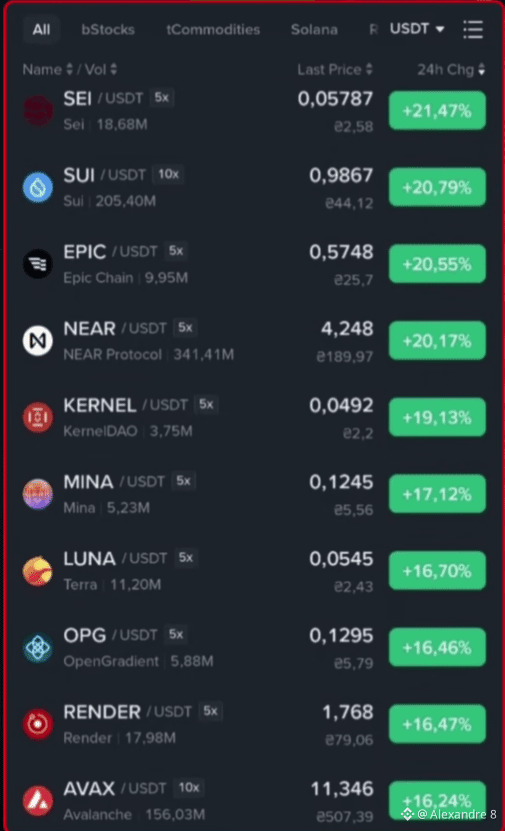
📊 Capital Rotation Scenario and the Layer-1 Boom 🚀📈
Looking at your exchange screen, it’s clear what’s happening in the current spot market: while established assets (like BTC and XRP) go through consolidation periods and shorter percent-range fluctuations, capital is mass-migrating into high-speed Layer-1 networks (High Beta) and highlighted narratives (such as AI and DePIN)
.
🔥 Main Highlights on Your Screen:
* 🟢 SEI ($SEI) (+21.47%): Leads the day’s gains, driven by an ecosystem focused on parallel execution and ultra-high-frequency trading.
* 🟢 SUI ($SUI) (+20.79%): Flirting with the psychological level of US$ 1.00, fueled by strong TVL growth and DeFi volume.
* 🟢 NEAR ($NEAR) (+20.17%): Strong surge driven by new confidential perpetual contracts with Hyperliquid and the AI agent thesis.
* 🟢 RENDER ($RENDER) (+16.47%): Standout in the distributed computing (GPU) infrastructure sector and Artificial Intelligence.
💡 Market Take:
* High Risk Appetite: Days with mostly green screens in altcoins point to confidence and incoming liquidity into the spot market.
* Rotation Cycle: Capital usually stabilizes in Bitcoin, then moves to the major Layer-1s (like SUI, SEI, NEAR, AVAX), and afterward flows into smaller ecosystems.
💬 And for you, which of the coins on your list has the best technical setup to keep rising this week?
👇 Drop your opinion in the comments, keep it short, and follow along to get the daily analyses!
⚠️ Legal Disclaimer: For informational purposes only for the community. DYOR (Do your own research).
#SUI #NEAR #Render #BinanceSquare #TechnicalAnalysis
📊 Capital Rotation Scenario and the Layer-1 Boom 🚀📈
Looking at your exchange screen, it’s clear what’s happening in the current spot market: while established assets (like BTC and XRP) go through consolidation periods and shorter percent-range fluctuations, capital is mass-migrating into high-speed Layer-1 networks (High Beta) and highlighted narratives (such as AI and DePIN)
.
🔥 Main Highlights on Your Screen:
* 🟢 SEI ($SEI) (+21.47%): Leads the day’s gains, driven by an ecosystem focused on parallel execution and ultra-high-frequency trading.
* 🟢 SUI ($SUI) (+20.79%): Flirting with the psychological level of US$ 1.00, fueled by strong TVL growth and DeFi volume.
* 🟢 NEAR ($NEAR) (+20.17%): Strong surge driven by new confidential perpetual contracts with Hyperliquid and the AI agent thesis.
* 🟢 RENDER ($RENDER) (+16.47%): Standout in the distributed computing (GPU) infrastructure sector and Artificial Intelligence.
💡 Market Take:
* High Risk Appetite: Days with mostly green screens in altcoins point to confidence and incoming liquidity into the spot market.
* Rotation Cycle: Capital usually stabilizes in Bitcoin, then moves to the major Layer-1s (like SUI, SEI, NEAR, AVAX), and afterward flows into smaller ecosystems.
💬 And for you, which of the coins on your list has the best technical setup to keep rising this week?
👇 Drop your opinion in the comments, keep it short, and follow along to get the daily analyses!
⚠️ Legal Disclaimer: For informational purposes only for the community. DYOR (Do your own research).
#SUI #NEAR #Render #BinanceSquare #TechnicalAnalysis
Looking at your exchange screen, it’s clear what’s happening in the current spot market: while established assets (like BTC and XRP) go through consolidation periods and shorter percent-range fluctuations, capital is mass-migrating into high-speed Layer-1 networks (High Beta) and highlighted narratives (such as AI and DePIN)
.
🔥 Main Highlights on Your Screen:
* 🟢 SEI ($SEI) (+21.47%): Leads the day’s gains, driven by an ecosystem focused on parallel execution and ultra-high-frequency trading.
* 🟢 SUI ($SUI) (+20.79%): Flirting with the psychological level of US$ 1.00, fueled by strong TVL growth and DeFi volume.
* 🟢 NEAR ($NEAR) (+20.17%): Strong surge driven by new confidential perpetual contracts with Hyperliquid and the AI agent thesis.
* 🟢 RENDER ($RENDER) (+16.47%): Standout in the distributed computing (GPU) infrastructure sector and Artificial Intelligence.
💡 Market Take:
* High Risk Appetite: Days with mostly green screens in altcoins point to confidence and incoming liquidity into the spot market.
* Rotation Cycle: Capital usually stabilizes in Bitcoin, then moves to the major Layer-1s (like SUI, SEI, NEAR, AVAX), and afterward flows into smaller ecosystems.
💬 And for you, which of the coins on your list has the best technical setup to keep rising this week?
👇 Drop your opinion in the comments, keep it short, and follow along to get the daily analyses!
⚠️ Legal Disclaimer: For informational purposes only for the community. DYOR (Do your own research).
#SUI #NEAR #Render #BinanceSquare #TechnicalAnalysis
2
1
944
·
--
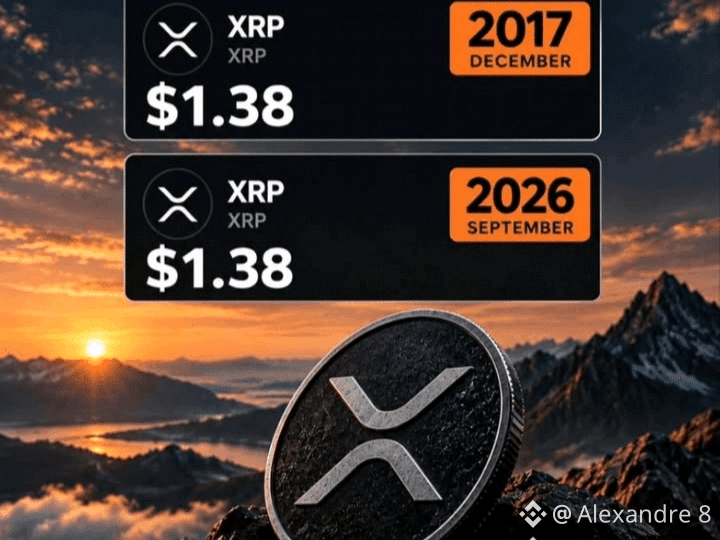
🚨 XRP at $1.37: Clear Fundamentals vs. the Real Market Reality! 📊 No-Hype Disclaimer and Cold Analysis
After the legal resolution of $XRP e with the ecosystem moving forward via smart contracts (EVM Sidechain and Hooks), comes the challenge: Why didn’t the price explode and why is it still stuck in the $1.37 range?
The answer lies in the clash between technical fundamentals and real market dynamics:
1. The Scarcity Thesis Doesn’t Hold the Price
Unlike networks with aggressive supply-reduction mechanics, XRP doesn’t have a relevant burn model (token burns) to create scarcity. Price depends 100% on marginal demand:
Capital rotation
Liquidity and the macroeconomic environment
Real usage volume and investor sentiment
2. Maturity Creates “Slow Pricing”
With the end of the SEC v. Ripple dispute, XRP stopped being an asset driven only by judicial expectations and hype.
Pricing now requires objective metrics (corporate adoption, volumes in DeFi, and real integrations).
As the network matures, valuation becomes a slower and more predictable process—where excellent technical progress takes time to show up on the chart.
3. The Market Timing Dilemma
Strong fundamentals don’t guarantee a fast recovery when the flow of capital is looking for higher-beta assets (new developments and altcoins with lower capitalization) during the cycle. Network utility expands, but the price multiple requires time and new institutional inflows.
💬 In your view: will XRP’s maturity and regulatory clarity attract institutional capital in the long run, or will retail keep chasing assets with higher volatility?
👇 Leave your opinion in the comments—short and let’s keep the discussion going!
⚠️ Legal Notice: Disclaimer. Informational content for the community. DYOR (Do your own research).
#XRP #Ripple #XRPL #BinanceSquare #DeFi
$XRP $XRP
{spot}(XRPUSDT)
🚨 XRP at $1.37: Clear Fundamentals vs. the Real Market Reality! 📊 No-Hype Disclaimer and Cold Analysis
After the legal resolution of $XRP e with the ecosystem moving forward via smart contracts (EVM Sidechain and Hooks), comes the challenge: Why didn’t the price explode and why is it still stuck in the $1.37 range?
The answer lies in the clash between technical fundamentals and real market dynamics:
1. The Scarcity Thesis Doesn’t Hold the Price
Unlike networks with aggressive supply-reduction mechanics, XRP doesn’t have a relevant burn model (token burns) to create scarcity. Price depends 100% on marginal demand:
Capital rotation
Liquidity and the macroeconomic environment
Real usage volume and investor sentiment
2. Maturity Creates “Slow Pricing”
With the end of the SEC v. Ripple dispute, XRP stopped being an asset driven only by judicial expectations and hype.
Pricing now requires objective metrics (corporate adoption, volumes in DeFi, and real integrations).
As the network matures, valuation becomes a slower and more predictable process—where excellent technical progress takes time to show up on the chart.
3. The Market Timing Dilemma
Strong fundamentals don’t guarantee a fast recovery when the flow of capital is looking for higher-beta assets (new developments and altcoins with lower capitalization) during the cycle. Network utility expands, but the price multiple requires time and new institutional inflows.
💬 In your view: will XRP’s maturity and regulatory clarity attract institutional capital in the long run, or will retail keep chasing assets with higher volatility?
👇 Leave your opinion in the comments—short and let’s keep the discussion going!
⚠️ Legal Notice: Disclaimer. Informational content for the community. DYOR (Do your own research).
#XRP #Ripple #XRPL #BinanceSquare #DeFi
$XRP $XRP
After the legal resolution of $XRP e with the ecosystem moving forward via smart contracts (EVM Sidechain and Hooks), comes the challenge: Why didn’t the price explode and why is it still stuck in the $1.37 range?
The answer lies in the clash between technical fundamentals and real market dynamics:
1. The Scarcity Thesis Doesn’t Hold the Price
Unlike networks with aggressive supply-reduction mechanics, XRP doesn’t have a relevant burn model (token burns) to create scarcity. Price depends 100% on marginal demand:
Capital rotation
Liquidity and the macroeconomic environment
Real usage volume and investor sentiment
2. Maturity Creates “Slow Pricing”
With the end of the SEC v. Ripple dispute, XRP stopped being an asset driven only by judicial expectations and hype.
Pricing now requires objective metrics (corporate adoption, volumes in DeFi, and real integrations).
As the network matures, valuation becomes a slower and more predictable process—where excellent technical progress takes time to show up on the chart.
3. The Market Timing Dilemma
Strong fundamentals don’t guarantee a fast recovery when the flow of capital is looking for higher-beta assets (new developments and altcoins with lower capitalization) during the cycle. Network utility expands, but the price multiple requires time and new institutional inflows.
💬 In your view: will XRP’s maturity and regulatory clarity attract institutional capital in the long run, or will retail keep chasing assets with higher volatility?
👇 Leave your opinion in the comments—short and let’s keep the discussion going!
⚠️ Legal Notice: Disclaimer. Informational content for the community. DYOR (Do your own research).
#XRP #Ripple #XRPL #BinanceSquare #DeFi
$XRP $XRP
2
2
2.3k
·
--
🚨 BITCOIN RESILIENT: What lies behind the US$80,000 counterattack? 📊📈
While the traditional market was taking a break, $BTC staged a technical battle to consolidate above the psychological level of US$80,000, sustaining a weekly high of +4.8%.
🌪️ Macro Context x Weekly News:
* 🏛️ CLARITY Act: The Senate vote in the U.S. did not reach the threshold needed to move forward, creating short-term volatility.
* 📈 Monetary Policy: The Fed raised the rate by 25 bps (range of 3.75%–4.00%) and the Bank of Japan increased to 1.25% (highest level in 31 years).
* 🛢️ Oil on the Rise: Geopolitics in the Middle East pushed crude above US$100.
What held the market up?
* Pricing: The market had already absorbed much of the bad news.
* Regulatory Advances: The SEC announced a framework for temporary relief for tokenized assets, and the CFTC submitted a proposal for rules review.
📉 Technical Analysis: Liquidity Mapping
* 🎯 Resistances: US$81,819 and US$82,242. The zone between US$83,000 and US$86,000 concentrates strong liquidity from orders and short positions.
* 🛡️ Supports: US$79,800 (immediate pivot) and US$75,000 (crucial re-buy zone).
🗓️ Weekly Triggers: Keep an eye on PMI data (Wednesday) and U.S. unemployment aid claims (Thursday).
💬 What’s your setup for the week? Will we break above US$83,000, or will there be a retest before the next leg?
👇 Comment, like, and follow for more updates!
⚠️ Legal Disclaimer: Educational and opinion-based content based on market data. It does not constitute financial advice.
#Bitcoin #BTC #CryptoAnalysis #BinanceSquare #TechnicalAnalysis
$BTC
{spot}(BTCUSDT)
🚨 BITCOIN RESILIENT: What lies behind the US$80,000 counterattack? 📊📈
While the traditional market was taking a break, $BTC staged a technical battle to consolidate above the psychological level of US$80,000, sustaining a weekly high of +4.8%.
🌪️ Macro Context x Weekly News:
* 🏛️ CLARITY Act: The Senate vote in the U.S. did not reach the threshold needed to move forward, creating short-term volatility.
* 📈 Monetary Policy: The Fed raised the rate by 25 bps (range of 3.75%–4.00%) and the Bank of Japan increased to 1.25% (highest level in 31 years).
* 🛢️ Oil on the Rise: Geopolitics in the Middle East pushed crude above US$100.
What held the market up?
* Pricing: The market had already absorbed much of the bad news.
* Regulatory Advances: The SEC announced a framework for temporary relief for tokenized assets, and the CFTC submitted a proposal for rules review.
📉 Technical Analysis: Liquidity Mapping
* 🎯 Resistances: US$81,819 and US$82,242. The zone between US$83,000 and US$86,000 concentrates strong liquidity from orders and short positions.
* 🛡️ Supports: US$79,800 (immediate pivot) and US$75,000 (crucial re-buy zone).
🗓️ Weekly Triggers: Keep an eye on PMI data (Wednesday) and U.S. unemployment aid claims (Thursday).
💬 What’s your setup for the week? Will we break above US$83,000, or will there be a retest before the next leg?
👇 Comment, like, and follow for more updates!
⚠️ Legal Disclaimer: Educational and opinion-based content based on market data. It does not constitute financial advice.
#Bitcoin #BTC #CryptoAnalysis #BinanceSquare #TechnicalAnalysis
$BTC
While the traditional market was taking a break, $BTC staged a technical battle to consolidate above the psychological level of US$80,000, sustaining a weekly high of +4.8%.
🌪️ Macro Context x Weekly News:
* 🏛️ CLARITY Act: The Senate vote in the U.S. did not reach the threshold needed to move forward, creating short-term volatility.
* 📈 Monetary Policy: The Fed raised the rate by 25 bps (range of 3.75%–4.00%) and the Bank of Japan increased to 1.25% (highest level in 31 years).
* 🛢️ Oil on the Rise: Geopolitics in the Middle East pushed crude above US$100.
What held the market up?
* Pricing: The market had already absorbed much of the bad news.
* Regulatory Advances: The SEC announced a framework for temporary relief for tokenized assets, and the CFTC submitted a proposal for rules review.
📉 Technical Analysis: Liquidity Mapping
* 🎯 Resistances: US$81,819 and US$82,242. The zone between US$83,000 and US$86,000 concentrates strong liquidity from orders and short positions.
* 🛡️ Supports: US$79,800 (immediate pivot) and US$75,000 (crucial re-buy zone).
🗓️ Weekly Triggers: Keep an eye on PMI data (Wednesday) and U.S. unemployment aid claims (Thursday).
💬 What’s your setup for the week? Will we break above US$83,000, or will there be a retest before the next leg?
👇 Comment, like, and follow for more updates!
⚠️ Legal Disclaimer: Educational and opinion-based content based on market data. It does not constitute financial advice.
#Bitcoin #BTC #CryptoAnalysis #BinanceSquare #TechnicalAnalysis
$BTC

2
64
·
--
🚨 BITCOIN RESILIENT: What’s Behind the US$ 80.000 Counterattack? 📊📉
While the traditional market took a breather over the weekend, $BTC fought a real technical battle to consolidate above the psychological level of US$ 80.000.
🌪️ Macro Pressured: Why Didn’t the Market Turn Sour?
In the past week, the crypto market faced a real storm of negative macroeconomic data:
* 🏛️ Legislative Gridlock: The failure of the CLARITY Act vote in the U.S. Senate temporarily pushed BTC to US$ 74.800.
* 📈 Tight Monetary Policy: The Fed raised interest rates by 25 bps (to the 3.75% – 4.00% range), alongside the Bank of Japan, which lifted its rate to 1.25% (the highest level in 31 years).
* 🛢️ Inflationary Pressure: Oil surged above US$ 100/barrel due to tensions in the Middle East.
Why did the price rise anyway?
* Priced-In Expectations: The market had already absorbed and priced in much of the bad news.
* Operational Regulatory Progress: The SEC’s temporary 5-year exemption for tokenized assets and the new rule proposal submitted by the CFTC to the White House injected institutional appetite and provided regulatory breathing room.
* 🎯 Resistance Levels:
* US$ 81.819 and US$ 82.242: Local highs and short-term barriers.
* US$ 83.000 – US$ 86.000: A high-supply zone where more than 1.07 million BTCs accumulated by long-term holders sit, along with a massive volume of liquidations of short positions.
* 🛡️ Support Levels:
* US$ 79.800: The former bullish pivot, now acting as the immediate floor.
* US$ 75.000: A strong accumulation zone for buyers and a trend turning point.
🗓️ This Week’s Catalyst: Watch U.S. Data
Keep an eye on the next volatility triggers on the economic calendar:
* Wednesday (23/09): Release of the U.S. Manufacturing and Services PMI.
* Thursday (24/09): Initial Jobless Claims in the U.S.
#Bitcoin #BTC #CryptoAnalysis
🚨 BITCOIN RESILIENT: What’s Behind the US$ 80.000 Counterattack? 📊📉
While the traditional market took a breather over the weekend, $BTC fought a real technical battle to consolidate above the psychological level of US$ 80.000.
🌪️ Macro Pressured: Why Didn’t the Market Turn Sour?
In the past week, the crypto market faced a real storm of negative macroeconomic data:
* 🏛️ Legislative Gridlock: The failure of the CLARITY Act vote in the U.S. Senate temporarily pushed BTC to US$ 74.800.
* 📈 Tight Monetary Policy: The Fed raised interest rates by 25 bps (to the 3.75% – 4.00% range), alongside the Bank of Japan, which lifted its rate to 1.25% (the highest level in 31 years).
* 🛢️ Inflationary Pressure: Oil surged above US$ 100/barrel due to tensions in the Middle East.
Why did the price rise anyway?
* Priced-In Expectations: The market had already absorbed and priced in much of the bad news.
* Operational Regulatory Progress: The SEC’s temporary 5-year exemption for tokenized assets and the new rule proposal submitted by the CFTC to the White House injected institutional appetite and provided regulatory breathing room.
* 🎯 Resistance Levels:
* US$ 81.819 and US$ 82.242: Local highs and short-term barriers.
* US$ 83.000 – US$ 86.000: A high-supply zone where more than 1.07 million BTCs accumulated by long-term holders sit, along with a massive volume of liquidations of short positions.
* 🛡️ Support Levels:
* US$ 79.800: The former bullish pivot, now acting as the immediate floor.
* US$ 75.000: A strong accumulation zone for buyers and a trend turning point.
🗓️ This Week’s Catalyst: Watch U.S. Data
Keep an eye on the next volatility triggers on the economic calendar:
* Wednesday (23/09): Release of the U.S. Manufacturing and Services PMI.
* Thursday (24/09): Initial Jobless Claims in the U.S.
#Bitcoin #BTC #CryptoAnalysis
While the traditional market took a breather over the weekend, $BTC fought a real technical battle to consolidate above the psychological level of US$ 80.000.
🌪️ Macro Pressured: Why Didn’t the Market Turn Sour?
In the past week, the crypto market faced a real storm of negative macroeconomic data:
* 🏛️ Legislative Gridlock: The failure of the CLARITY Act vote in the U.S. Senate temporarily pushed BTC to US$ 74.800.
* 📈 Tight Monetary Policy: The Fed raised interest rates by 25 bps (to the 3.75% – 4.00% range), alongside the Bank of Japan, which lifted its rate to 1.25% (the highest level in 31 years).
* 🛢️ Inflationary Pressure: Oil surged above US$ 100/barrel due to tensions in the Middle East.
Why did the price rise anyway?
* Priced-In Expectations: The market had already absorbed and priced in much of the bad news.
* Operational Regulatory Progress: The SEC’s temporary 5-year exemption for tokenized assets and the new rule proposal submitted by the CFTC to the White House injected institutional appetite and provided regulatory breathing room.
* 🎯 Resistance Levels:
* US$ 81.819 and US$ 82.242: Local highs and short-term barriers.
* US$ 83.000 – US$ 86.000: A high-supply zone where more than 1.07 million BTCs accumulated by long-term holders sit, along with a massive volume of liquidations of short positions.
* 🛡️ Support Levels:
* US$ 79.800: The former bullish pivot, now acting as the immediate floor.
* US$ 75.000: A strong accumulation zone for buyers and a trend turning point.
🗓️ This Week’s Catalyst: Watch U.S. Data
Keep an eye on the next volatility triggers on the economic calendar:
* Wednesday (23/09): Release of the U.S. Manufacturing and Services PMI.
* Thursday (24/09): Initial Jobless Claims in the U.S.
#Bitcoin #BTC #CryptoAnalysis
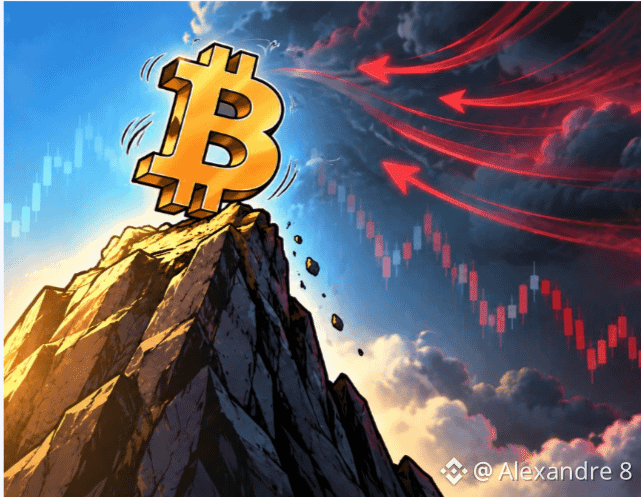
2
205
·
--
🚀 BTC back at $80k and the reaction from Altcoins!
When Bitcoin gains traction and breaks key resistances, the domino effect in the altcoin market is inevitable. Risk appetite returns strong, and liquidity rotation begins flowing from DeFi/DEX protocols to privacy coins and L2s.
Looking at the 30-day valuations (Raydium +123%, Zcash +120%, UNI +118%), the capital rotation signal is clear.
💬 What’s your strategy? Did you ride the BTC move and are you now rotating into altcoins, or are you still accumulating the main asset? 👇
#Bitcoin #Altcoins #Crypto #BinanceSquare #Trading
🚀 BTC back at $80k and the reaction from Altcoins!
When Bitcoin gains traction and breaks key resistances, the domino effect in the altcoin market is inevitable. Risk appetite returns strong, and liquidity rotation begins flowing from DeFi/DEX protocols to privacy coins and L2s.
Looking at the 30-day valuations (Raydium +123%, Zcash +120%, UNI +118%), the capital rotation signal is clear.
💬 What’s your strategy? Did you ride the BTC move and are you now rotating into altcoins, or are you still accumulating the main asset? 👇
#Bitcoin #Altcoins #Crypto #BinanceSquare #Trading
When Bitcoin gains traction and breaks key resistances, the domino effect in the altcoin market is inevitable. Risk appetite returns strong, and liquidity rotation begins flowing from DeFi/DEX protocols to privacy coins and L2s.
Looking at the 30-day valuations (Raydium +123%, Zcash +120%, UNI +118%), the capital rotation signal is clear.
💬 What’s your strategy? Did you ride the BTC move and are you now rotating into altcoins, or are you still accumulating the main asset? 👇
#Bitcoin #Altcoins #Crypto #BinanceSquare #Trading
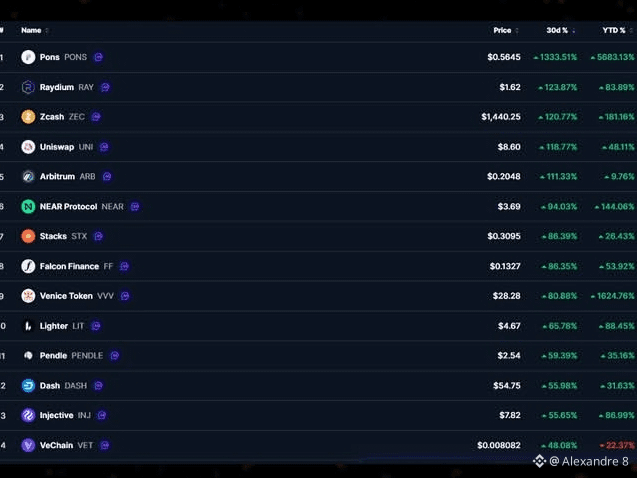
2
1.3k
·
--
⏳ December 2017 vs September 2026: What changed in XRP besides the price?
Seeing $1.38 on the screen at such distant times gives the impression that time has stopped. But the fundamental context is completely different:
🔹 2017: Pure speculation from the bull market, with no regulatory clarity and no institutional adoption at the start.
🔹 2026: End of legal proceedings in the US, progress of the XRP Ledger (XRPL), smart contracts, and a focus on cross-border payments.
The big question is: does the current price reflect the asset’s maturity, or has the market not priced in the real utility yet?
💬 Let us know in the comments: Is XRP a patience-driven asset for the long term, or has it already lost its speculative appeal? 👇
#XRP #Ripple #BinanceSquare #CryptoAnalysis #Altcoins
$XRP
{spot}(XRPUSDT)
⏳ December 2017 vs September 2026: What changed in XRP besides the price?
Seeing $1.38 on the screen at such distant times gives the impression that time has stopped. But the fundamental context is completely different:
🔹 2017: Pure speculation from the bull market, with no regulatory clarity and no institutional adoption at the start.
🔹 2026: End of legal proceedings in the US, progress of the XRP Ledger (XRPL), smart contracts, and a focus on cross-border payments.
The big question is: does the current price reflect the asset’s maturity, or has the market not priced in the real utility yet?
💬 Let us know in the comments: Is XRP a patience-driven asset for the long term, or has it already lost its speculative appeal? 👇
#XRP #Ripple #BinanceSquare #CryptoAnalysis #Altcoins
$XRP
Seeing $1.38 on the screen at such distant times gives the impression that time has stopped. But the fundamental context is completely different:
🔹 2017: Pure speculation from the bull market, with no regulatory clarity and no institutional adoption at the start.
🔹 2026: End of legal proceedings in the US, progress of the XRP Ledger (XRPL), smart contracts, and a focus on cross-border payments.
The big question is: does the current price reflect the asset’s maturity, or has the market not priced in the real utility yet?
💬 Let us know in the comments: Is XRP a patience-driven asset for the long term, or has it already lost its speculative appeal? 👇
#XRP #Ripple #BinanceSquare #CryptoAnalysis #Altcoins
$XRP
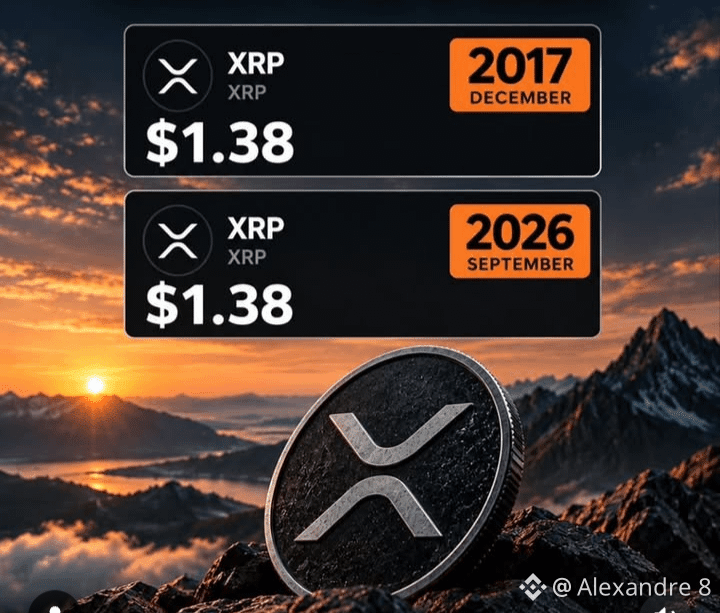
5
3
2.2k
Log in to explore more content
Join global crypto users on Binance Square
⚡️ Get latest and useful information about crypto.
💬 Trusted by the world’s largest crypto exchange.
👍 Discover real insights from verified creators.
Email / Phone number
Trending Topics
AIStocksWhatNext
227,779 views
2,395 Discussing
Share & Win Traffic Reward in our Trending Hashtag Campaign
✨Topic: What Other Investment Opportunities Remain as AI Stocks Keep Rising?
👉How to Join:
Publish a short post or article with hashtag #AIStocksWhatNext
Share whether you’re bullish or bearish, and post your AI stock holdings or trade — using the trade widget may improve your eligibility.
You can also strengthen your post by sharing data or charts, and avoiding AI-generated images.
✍️Create content based on the below angles:
- Nvidia says chip sales will double next year, and top AI companies keep hitting record revenue, the compute spend behind it is just as staggering. Is AI demand really taking off? And how long can it last? AI stocks are up across the board. Is this a real breakout, or just a short-term bounce?
- Industry leaders are calling to slow down AI development, while Trump plans to build an “AI Force”, claiming AI could account for 25% of U.S. GDP in the future. Whose side are you on? Will state-level backing be a long-term win for AI stocks?
- Are you buying AI stocks? Share your AI-related trade/holdings with our trade sharing widget.
⏰Campaign Period:
- 2026-09-22 7:00 - 2026-09-24 4:00 UTC
🎁Reward:
- Qualified posts that comply with the above guidelines and contain more than 100 words will be reviewed and may receive a random traffic boost of 500 to 3,000 views. You will receive a notification from your feed secretary if your post is selected.
- Get a chance to have your article featured on Binance Square Official
Need ideas for your post? Visit the topic page #AIStocksWhatNext or the Square Guide on How to Post for Better Reach.
Binance Square Official
·311 Likes
·679.5k views
BitcoinBreaksAboveMayHighNears$86K
8,170 views
136 Discussing
DogecoinRises15%
20,652 views
721 Discussing