
4DeFighter
5 Posts

4DeFighter
Report
Block User
An avid NFT collector striving to build the most unique collection of digital art.
1 Following
82 Followers
45 Liked
Posts
PINNED
·
--

Article
The ideal and reality of decentralization: How monopoly power erodes the spirit of blockchainThe core spirit of blockchain lies in "decentralization", which is not only a technological innovation, but also a revolution in thought. It breaks the traditional power structure and gives individuals and communities more autonomy. However, as the industry develops, this revolutionary concept is gradually being eroded by a few oligarchs and centralized exchanges, resulting in the distortion of the ideal of decentralization in practice.
Nowadays, many blockchain projects and communities are forced to compromise with large centralized exchanges, gradually deviating from the track of decentralization. Project parties often need to cater to the rules and requirements of these exchanges, and the close cooperation between these exchanges and venture capital institutions has exacerbated this phenomenon. VC (venture capital) enters at a low cost, obtains early chips of the project, and then pushes up the FDV (fully diluted valuation) of the project through the exchange, and sells high-priced tokens to ordinary investors, resulting in a large number of retail investors becoming "takers". This operation not only undermines the healthy development of the market, but also makes the original intention of decentralization become meaningless.
The ideal and reality of decentralization: How monopoly power erodes the spirit of blockchain
The core spirit of blockchain lies in "decentralization", which is not only a technological innovation, but also a revolution in thought. It breaks the traditional power structure and gives individuals and communities more autonomy. However, as the industry develops, this revolutionary concept is gradually being eroded by a few oligarchs and centralized exchanges, resulting in the distortion of the ideal of decentralization in practice.
Nowadays, many blockchain projects and communities are forced to compromise with large centralized exchanges, gradually deviating from the track of decentralization. Project parties often need to cater to the rules and requirements of these exchanges, and the close cooperation between these exchanges and venture capital institutions has exacerbated this phenomenon. VC (venture capital) enters at a low cost, obtains early chips of the project, and then pushes up the FDV (fully diluted valuation) of the project through the exchange, and sells high-priced tokens to ordinary investors, resulting in a large number of retail investors becoming "takers". This operation not only undermines the healthy development of the market, but also makes the original intention of decentralization become meaningless.
Nowadays, many blockchain projects and communities are forced to compromise with large centralized exchanges, gradually deviating from the track of decentralization. Project parties often need to cater to the rules and requirements of these exchanges, and the close cooperation between these exchanges and venture capital institutions has exacerbated this phenomenon. VC (venture capital) enters at a low cost, obtains early chips of the project, and then pushes up the FDV (fully diluted valuation) of the project through the exchange, and sells high-priced tokens to ordinary investors, resulting in a large number of retail investors becoming "takers". This operation not only undermines the healthy development of the market, but also makes the original intention of decentralization become meaningless.
6
91
·
--
Article
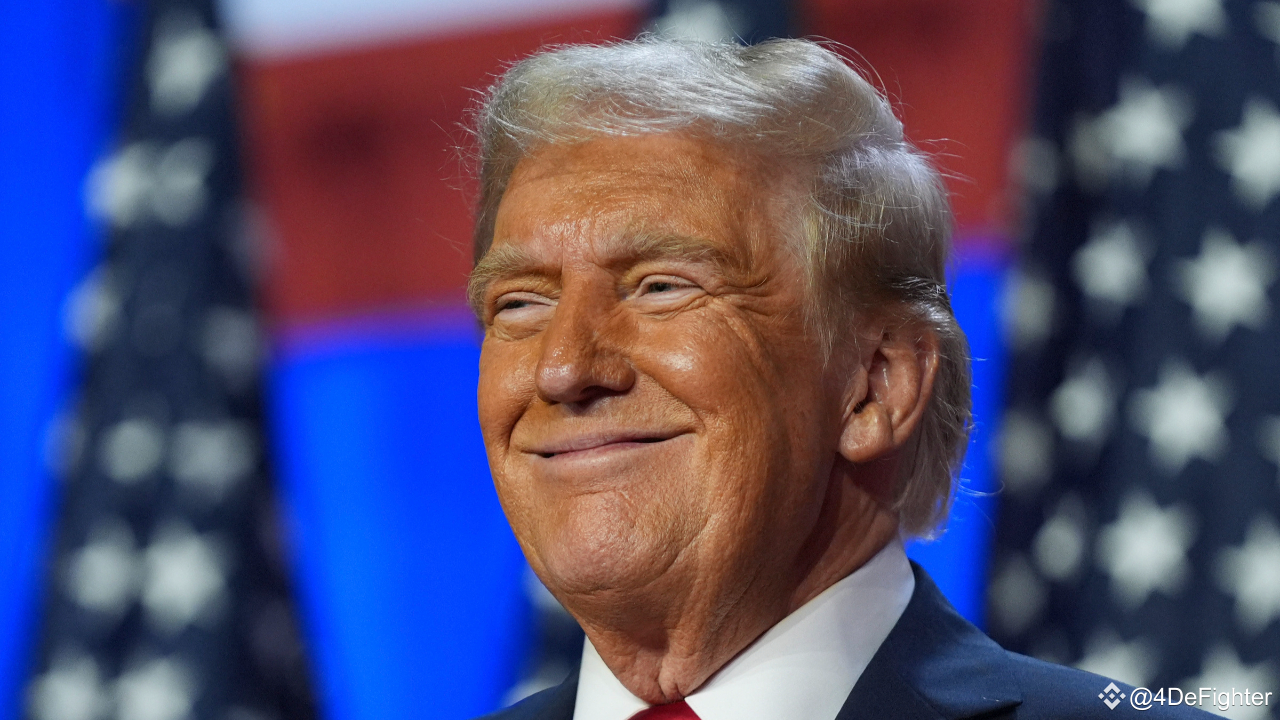
10 Most Significant Positive Impacts if Trump Becomes President:SEC Leadership ChangesRemoval of Gary GenslerReduced litigation pressure on cryptoMore industry-friendly policiesStrategic Bitcoin MovesBTC becoming a national reserve assetAttracting institutional investmentPrice could reach $100K+New ETFsApproval of ETFs for various altcoinsOpportunities for SOL, XRP ETFsIncreased accessibility for investorsDeFi GrowthReduced regulatory controlRising prices of DeFi tokensLaunch of new projectsICO 2.0Americans allowed to participate in ICOsFreer airdropsA wave of new tokensBanks & CryptoFreer interaction between banks and cryptoWider acceptance of stablecoinsTradFi integrating cryptoRegulatory TransitionShift from SEC to CFTCTokens recognized as commoditiesClearer legal frameworkBroader MarketStrong altcoin ralliesDeFi resurgenceMemecoins (especially DOGE) risingMining SupportEncouraging mining in the U.S.Development of infrastructureJob creationTechnological InnovationElon Musk advising on technologyNo bans on CBDCsFavorable environment for innovation
10 Most Significant Positive Impacts if Trump Becomes President:
SEC Leadership ChangesRemoval of Gary GenslerReduced litigation pressure on cryptoMore industry-friendly policiesStrategic Bitcoin MovesBTC becoming a national reserve assetAttracting institutional investmentPrice could reach $100K+New ETFsApproval of ETFs for various altcoinsOpportunities for SOL, XRP ETFsIncreased accessibility for investorsDeFi GrowthReduced regulatory controlRising prices of DeFi tokensLaunch of new projectsICO 2.0Americans allowed to participate in ICOsFreer airdropsA wave of new tokensBanks & CryptoFreer interaction between banks and cryptoWider acceptance of stablecoinsTradFi integrating cryptoRegulatory TransitionShift from SEC to CFTCTokens recognized as commoditiesClearer legal frameworkBroader MarketStrong altcoin ralliesDeFi resurgenceMemecoins (especially DOGE) risingMining SupportEncouraging mining in the U.S.Development of infrastructureJob creationTechnological InnovationElon Musk advising on technologyNo bans on CBDCsFavorable environment for innovation
1.1k
·
--
Article
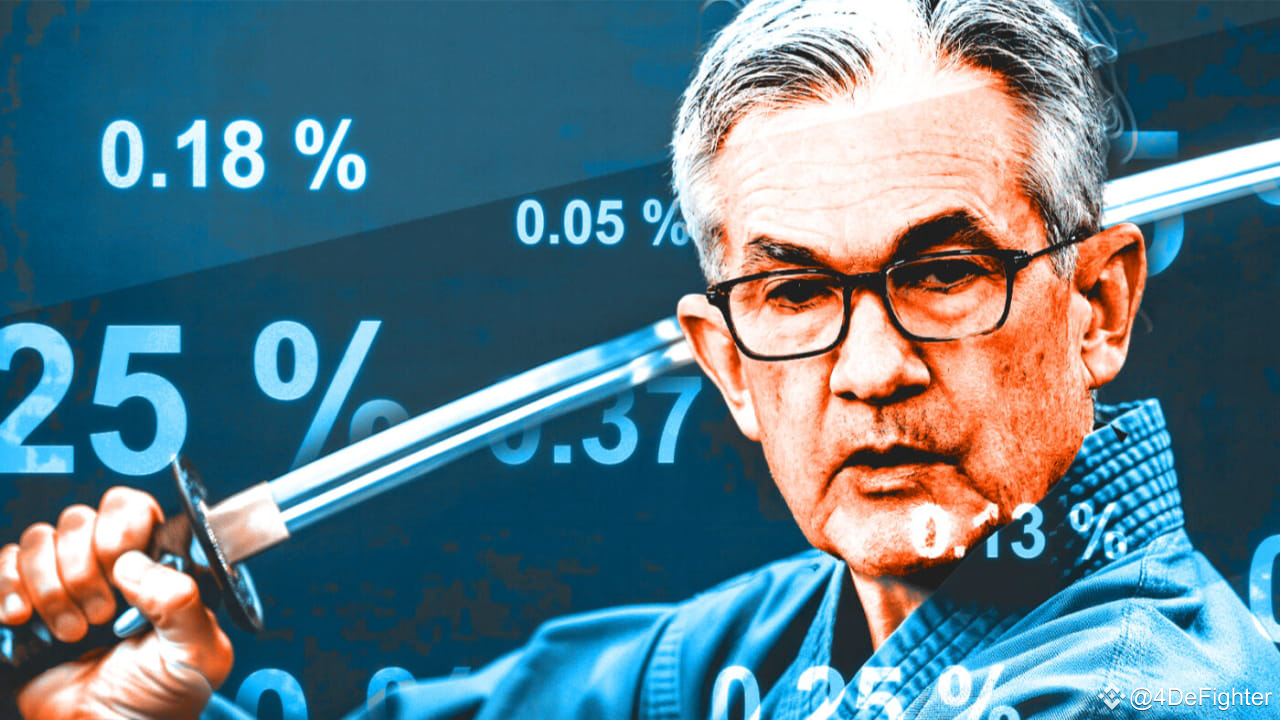
Comparison of Fed’s Rate Cuts in 2024, 2008, and 2001: Is History Repeating Itself?The Fed’s Rate Cut: A Comparison of Key Moments
The Fed has officially cut interest rates for the first time since 2020. Western media are drawing parallels between this cut and the one in 2007.
So, how does this compare to the Fed’s previous rate cuts in 2001, 2007-2008, and now? Let’s dive into the analysis below!
Comparing Fed's Rate Cuts
2001: Dot-com Bubble and 9/11
In the early 2000s, the dot-com bubble burst, leading to a sharp stock market decline. To respond, the Fed cut interest rates from 6.5% to 1.75% in 2001.
This aggressive rate cut aimed to stimulate investment, boost consumer spending, and ease recession impacts. Despite these measures, unemployment rose from 3.9% to 6% by the end of 2002, reflecting ongoing economic challenges.
From 2000-2002, the market went through a major correction, with the S&P 500 falling nearly 78%, driving many companies towards bankruptcy after peaking in March 2000 at an all-time high of 1,548 points.
2007-2008: Global Financial Crisis
The next major turning point began on September 18, 2007, when the Fed started cutting rates. Exactly one year later, on September 15, 2008, Lehman Brothers—a 158-year-old investment bank—declared bankruptcy.
This triggered a series of events leading to the 2008-2009 financial crisis. Before the domino effect began, interest rates had already dropped to 2%. The collapse of the housing market and the subprime mortgage crisis forced the Fed to cut rates to near zero.
In addition to rate cuts, the Fed implemented large bailout packages and quantitative easing (QE) to inject liquidity into the financial system. Unemployment spiked from 4.6% in 2007 to 10% by the end of 2009, and the U.S. economy took years to fully recover.
2020: The COVID-19 Pandemic
In January 2020, the FOMC stated that the U.S. labor market remained strong, and economic activity was steadily growing. However, within weeks, the global outbreak of COVID-19 led to strict lockdown measures. The World Health Organization (WHO) declared COVID-19 a global pandemic on March 11, 2020. The Fed held two emergency meetings in March 2020, slashing the federal funds rate to nearly zero.
This period also saw a financial market crash, causing widespread panic among investors. Around 20.5 million jobs were lost in April 2020, and unemployment surged to 14.7%. While the U.S. economy began to recover in May 2020, the negative impacts of the pandemic and lockdowns lingered.
2024: The Fed’s Latest Move
On September 18, 2024, the Fed cut interest rates again, from 5.5% to 5.0% (a 50 basis point cut), after the release of CPI data, alongside slowing economic growth and a rise in unemployment to 4.4%. This is the first rate cut since March 2020, and the initial reaction from the crypto market has been FOMO-driven.
However, concerns that a 2008-style crisis might be repeating are starting to gain attention, given the similarities with the rate cut announcement in September 2007.
Analysts worry that financial markets could face shocks if the situation spirals out of control, as inflation may rise again, potentially leading to a recession in early 2025. Unlike in 2008, when the Fed faced severe liquidity shortages and applied QE to inject money into the system, in 2024, the Fed needs to carefully control liquidity while maintaining quantitative tightening (QT). The current economic data differs from the 2008 period.
During the 2007-2008 financial crisis, unemployment spiked from 4.6% to 10%, resulting in the collapse of many large banking and real estate companies. The Fed implemented QE and increased bank reserves to address the liquidity shortage.
In contrast, in 2024, while the labor market is stable, it is starting to slow, with unemployment rising from 3.9% to 4.4% after the Fed's rate cut. This time, the financial system has more ample liquidity, regulated through Reverse Repo transactions and a more gradual pace of QT.
Conclusion:
In theory, the risk of a crisis and recession seems lower for now.
Perspective:
Current economic data suggests that the financial system is under tighter “control” compared to 2007-2008.
While the Fed’s 50 basis point cut, despite not achieving the 2% inflation target, carries risks of inflation rebounding, this rate cut—being the first since March 2020—could help stimulate the real estate market and capital markets, such as stocks and bonds.
Impact on the Crypto Market:
The crypto market could benefit as the economy begins to absorb these changes.
In the crypto space, there are signs of entering an uptrend, as seen in the growth of money supply from 21 major central banks, correlating with Bitcoin's price.
Global money supply (M2) recently crossed above Bitcoin’s price, a pattern last seen in May 2020 when Bitcoin surged to an all-time high of $69,000.
Outlook:
From a cyclical perspective, Bitcoin is nearing a new growth phase, and the crypto market could enter a bull run.
In the short term, trading on daily fluctuations could be risky, but from a long-term perspective, the upcoming Bitcoin Halving cycle promises a brighter future for the market, starting from late 2024.
Note: This analysis is for informational purposes only and does not constitute investment advice.
Comparison of Fed’s Rate Cuts in 2024, 2008, and 2001: Is History Repeating Itself?
The Fed’s Rate Cut: A Comparison of Key Moments
The Fed has officially cut interest rates for the first time since 2020. Western media are drawing parallels between this cut and the one in 2007.
So, how does this compare to the Fed’s previous rate cuts in 2001, 2007-2008, and now? Let’s dive into the analysis below!
Comparing Fed's Rate Cuts
2001: Dot-com Bubble and 9/11
In the early 2000s, the dot-com bubble burst, leading to a sharp stock market decline. To respond, the Fed cut interest rates from 6.5% to 1.75% in 2001.
This aggressive rate cut aimed to stimulate investment, boost consumer spending, and ease recession impacts. Despite these measures, unemployment rose from 3.9% to 6% by the end of 2002, reflecting ongoing economic challenges.
From 2000-2002, the market went through a major correction, with the S&P 500 falling nearly 78%, driving many companies towards bankruptcy after peaking in March 2000 at an all-time high of 1,548 points.
2007-2008: Global Financial Crisis
The next major turning point began on September 18, 2007, when the Fed started cutting rates. Exactly one year later, on September 15, 2008, Lehman Brothers—a 158-year-old investment bank—declared bankruptcy.
This triggered a series of events leading to the 2008-2009 financial crisis. Before the domino effect began, interest rates had already dropped to 2%. The collapse of the housing market and the subprime mortgage crisis forced the Fed to cut rates to near zero.
In addition to rate cuts, the Fed implemented large bailout packages and quantitative easing (QE) to inject liquidity into the financial system. Unemployment spiked from 4.6% in 2007 to 10% by the end of 2009, and the U.S. economy took years to fully recover.
2020: The COVID-19 Pandemic
In January 2020, the FOMC stated that the U.S. labor market remained strong, and economic activity was steadily growing. However, within weeks, the global outbreak of COVID-19 led to strict lockdown measures. The World Health Organization (WHO) declared COVID-19 a global pandemic on March 11, 2020. The Fed held two emergency meetings in March 2020, slashing the federal funds rate to nearly zero.
This period also saw a financial market crash, causing widespread panic among investors. Around 20.5 million jobs were lost in April 2020, and unemployment surged to 14.7%. While the U.S. economy began to recover in May 2020, the negative impacts of the pandemic and lockdowns lingered.
2024: The Fed’s Latest Move
On September 18, 2024, the Fed cut interest rates again, from 5.5% to 5.0% (a 50 basis point cut), after the release of CPI data, alongside slowing economic growth and a rise in unemployment to 4.4%. This is the first rate cut since March 2020, and the initial reaction from the crypto market has been FOMO-driven.
However, concerns that a 2008-style crisis might be repeating are starting to gain attention, given the similarities with the rate cut announcement in September 2007.
Analysts worry that financial markets could face shocks if the situation spirals out of control, as inflation may rise again, potentially leading to a recession in early 2025. Unlike in 2008, when the Fed faced severe liquidity shortages and applied QE to inject money into the system, in 2024, the Fed needs to carefully control liquidity while maintaining quantitative tightening (QT). The current economic data differs from the 2008 period.
During the 2007-2008 financial crisis, unemployment spiked from 4.6% to 10%, resulting in the collapse of many large banking and real estate companies. The Fed implemented QE and increased bank reserves to address the liquidity shortage.
In contrast, in 2024, while the labor market is stable, it is starting to slow, with unemployment rising from 3.9% to 4.4% after the Fed's rate cut. This time, the financial system has more ample liquidity, regulated through Reverse Repo transactions and a more gradual pace of QT.
Conclusion:
In theory, the risk of a crisis and recession seems lower for now.
Perspective:
Current economic data suggests that the financial system is under tighter “control” compared to 2007-2008.
While the Fed’s 50 basis point cut, despite not achieving the 2% inflation target, carries risks of inflation rebounding, this rate cut—being the first since March 2020—could help stimulate the real estate market and capital markets, such as stocks and bonds.
Impact on the Crypto Market:
The crypto market could benefit as the economy begins to absorb these changes.
In the crypto space, there are signs of entering an uptrend, as seen in the growth of money supply from 21 major central banks, correlating with Bitcoin's price.
Global money supply (M2) recently crossed above Bitcoin’s price, a pattern last seen in May 2020 when Bitcoin surged to an all-time high of $69,000.
Outlook:
From a cyclical perspective, Bitcoin is nearing a new growth phase, and the crypto market could enter a bull run.
In the short term, trading on daily fluctuations could be risky, but from a long-term perspective, the upcoming Bitcoin Halving cycle promises a brighter future for the market, starting from late 2024.
Note: This analysis is for informational purposes only and does not constitute investment advice.
The Fed has officially cut interest rates for the first time since 2020. Western media are drawing parallels between this cut and the one in 2007.
So, how does this compare to the Fed’s previous rate cuts in 2001, 2007-2008, and now? Let’s dive into the analysis below!
Comparing Fed's Rate Cuts
2001: Dot-com Bubble and 9/11
In the early 2000s, the dot-com bubble burst, leading to a sharp stock market decline. To respond, the Fed cut interest rates from 6.5% to 1.75% in 2001.
This aggressive rate cut aimed to stimulate investment, boost consumer spending, and ease recession impacts. Despite these measures, unemployment rose from 3.9% to 6% by the end of 2002, reflecting ongoing economic challenges.
From 2000-2002, the market went through a major correction, with the S&P 500 falling nearly 78%, driving many companies towards bankruptcy after peaking in March 2000 at an all-time high of 1,548 points.
2007-2008: Global Financial Crisis
The next major turning point began on September 18, 2007, when the Fed started cutting rates. Exactly one year later, on September 15, 2008, Lehman Brothers—a 158-year-old investment bank—declared bankruptcy.
This triggered a series of events leading to the 2008-2009 financial crisis. Before the domino effect began, interest rates had already dropped to 2%. The collapse of the housing market and the subprime mortgage crisis forced the Fed to cut rates to near zero.
In addition to rate cuts, the Fed implemented large bailout packages and quantitative easing (QE) to inject liquidity into the financial system. Unemployment spiked from 4.6% in 2007 to 10% by the end of 2009, and the U.S. economy took years to fully recover.
2020: The COVID-19 Pandemic
In January 2020, the FOMC stated that the U.S. labor market remained strong, and economic activity was steadily growing. However, within weeks, the global outbreak of COVID-19 led to strict lockdown measures. The World Health Organization (WHO) declared COVID-19 a global pandemic on March 11, 2020. The Fed held two emergency meetings in March 2020, slashing the federal funds rate to nearly zero.
This period also saw a financial market crash, causing widespread panic among investors. Around 20.5 million jobs were lost in April 2020, and unemployment surged to 14.7%. While the U.S. economy began to recover in May 2020, the negative impacts of the pandemic and lockdowns lingered.
2024: The Fed’s Latest Move
On September 18, 2024, the Fed cut interest rates again, from 5.5% to 5.0% (a 50 basis point cut), after the release of CPI data, alongside slowing economic growth and a rise in unemployment to 4.4%. This is the first rate cut since March 2020, and the initial reaction from the crypto market has been FOMO-driven.
However, concerns that a 2008-style crisis might be repeating are starting to gain attention, given the similarities with the rate cut announcement in September 2007.
Analysts worry that financial markets could face shocks if the situation spirals out of control, as inflation may rise again, potentially leading to a recession in early 2025. Unlike in 2008, when the Fed faced severe liquidity shortages and applied QE to inject money into the system, in 2024, the Fed needs to carefully control liquidity while maintaining quantitative tightening (QT). The current economic data differs from the 2008 period.
During the 2007-2008 financial crisis, unemployment spiked from 4.6% to 10%, resulting in the collapse of many large banking and real estate companies. The Fed implemented QE and increased bank reserves to address the liquidity shortage.
In contrast, in 2024, while the labor market is stable, it is starting to slow, with unemployment rising from 3.9% to 4.4% after the Fed's rate cut. This time, the financial system has more ample liquidity, regulated through Reverse Repo transactions and a more gradual pace of QT.
Conclusion:
In theory, the risk of a crisis and recession seems lower for now.
Perspective:
Current economic data suggests that the financial system is under tighter “control” compared to 2007-2008.
While the Fed’s 50 basis point cut, despite not achieving the 2% inflation target, carries risks of inflation rebounding, this rate cut—being the first since March 2020—could help stimulate the real estate market and capital markets, such as stocks and bonds.
Impact on the Crypto Market:
The crypto market could benefit as the economy begins to absorb these changes.
In the crypto space, there are signs of entering an uptrend, as seen in the growth of money supply from 21 major central banks, correlating with Bitcoin's price.
Global money supply (M2) recently crossed above Bitcoin’s price, a pattern last seen in May 2020 when Bitcoin surged to an all-time high of $69,000.
Outlook:
From a cyclical perspective, Bitcoin is nearing a new growth phase, and the crypto market could enter a bull run.
In the short term, trading on daily fluctuations could be risky, but from a long-term perspective, the upcoming Bitcoin Halving cycle promises a brighter future for the market, starting from late 2024.
Note: This analysis is for informational purposes only and does not constitute investment advice.
7
680
·
--

Article
The Impending Collapse: A Financial Storm No One Saw ComingAll warning lights are flashing, yet it seems no one is paying attention. We are nearing the end of a 42-year-long bull market, and the global financial system is teetering on the brink of collapse. With $320 trillion in global debt and the U.S. government burdened with $35 trillion in liabilities, we are sitting on a powder keg ready to explode. Leverage like this? It’s a recipe for disaster, and when it blows, it will be far bigger than anything we’ve seen before.The Federal Reserve cutting interest rates? China’s stimulus packages? These are merely desperate attempts to slow down a speeding train heading for a cliff. A 50 basis point cut by the Federal Reserve is like trying to stop a freight train with a feather. Market expectations have already priced in these cuts, but they won’t be enough. The bond market, which has always been ahead of the Fed, has spoken: The 10-year bond yields are dropping because the market knows what’s coming—a major economic recession.And what about China? The so-called economic powerhouse has pumped billions into its ailing real estate sector, but that’s like giving a dying patient a temporary adrenaline shot. China’s economy is a bubble inflated by excessive debt and overbuilding, and when that bubble bursts, it will send shockwaves globally. The collapse of China's real estate sector will make the 2008 financial crisis look like a minor hiccup.Let’s not forget the Middle East. Sure, oil prices may temporarily spike due to geopolitical tensions, but that's just a fleeting distraction. The real shock will come when oil prices drop to $30 a barrel as demand plummets during a global recession. When that happens, oil companies will go bankrupt, unemployment will skyrocket, and the economy will spiral into a DEFLATIONARY tailspin.As for gold and silver, these two assets are about to shine like never before. Gold is set to reach $3,400, and silver might hit $75. But don’t get too comfortable. Even these “safe havens” will see significant volatility as we near the end of this market cycle. Gold and silver will spike, but their peak will signal the final wave before everything collapses.Remember 2008? The collapse of Lehman Brothers triggered a global financial crisis. Now imagine that same scenario but on a much larger scale. This time, it’s not just banks collapsing—it’s entire economies. This is a global financial tsunami, and most people don’t even realize it’s right in front of them.The truth is: a major crisis is coming, and no central bank, no amount of stimulus, and no interest rate cuts can stop it. The financial system as we know it is disintegrating, and only those who are prepared will survive the storm.This isn’t just a market correction; it’s the endgame. It’s time to choose your strategy for the final act. Grab the last profits and get out quickly. Time is running out.
The Impending Collapse: A Financial Storm No One Saw Coming
All warning lights are flashing, yet it seems no one is paying attention. We are nearing the end of a 42-year-long bull market, and the global financial system is teetering on the brink of collapse. With $320 trillion in global debt and the U.S. government burdened with $35 trillion in liabilities, we are sitting on a powder keg ready to explode. Leverage like this? It’s a recipe for disaster, and when it blows, it will be far bigger than anything we’ve seen before.The Federal Reserve cutting interest rates? China’s stimulus packages? These are merely desperate attempts to slow down a speeding train heading for a cliff. A 50 basis point cut by the Federal Reserve is like trying to stop a freight train with a feather. Market expectations have already priced in these cuts, but they won’t be enough. The bond market, which has always been ahead of the Fed, has spoken: The 10-year bond yields are dropping because the market knows what’s coming—a major economic recession.And what about China? The so-called economic powerhouse has pumped billions into its ailing real estate sector, but that’s like giving a dying patient a temporary adrenaline shot. China’s economy is a bubble inflated by excessive debt and overbuilding, and when that bubble bursts, it will send shockwaves globally. The collapse of China's real estate sector will make the 2008 financial crisis look like a minor hiccup.Let’s not forget the Middle East. Sure, oil prices may temporarily spike due to geopolitical tensions, but that's just a fleeting distraction. The real shock will come when oil prices drop to $30 a barrel as demand plummets during a global recession. When that happens, oil companies will go bankrupt, unemployment will skyrocket, and the economy will spiral into a DEFLATIONARY tailspin.As for gold and silver, these two assets are about to shine like never before. Gold is set to reach $3,400, and silver might hit $75. But don’t get too comfortable. Even these “safe havens” will see significant volatility as we near the end of this market cycle. Gold and silver will spike, but their peak will signal the final wave before everything collapses.Remember 2008? The collapse of Lehman Brothers triggered a global financial crisis. Now imagine that same scenario but on a much larger scale. This time, it’s not just banks collapsing—it’s entire economies. This is a global financial tsunami, and most people don’t even realize it’s right in front of them.The truth is: a major crisis is coming, and no central bank, no amount of stimulus, and no interest rate cuts can stop it. The financial system as we know it is disintegrating, and only those who are prepared will survive the storm.This isn’t just a market correction; it’s the endgame. It’s time to choose your strategy for the final act. Grab the last profits and get out quickly. Time is running out.
30
1
32
48.1k
Log in to explore more content
Join global crypto users on Binance Square
⚡️ Get latest and useful information about crypto.
💬 Trusted by the world’s largest crypto exchange.
👍 Discover real insights from verified creators.
Email / Phone number
Trending Topics
FedRateWatch
523,154 views
2,572 Discussing
Share & Win Traffic Reward in our Trending Hashtag Campaign
✨Topic: FOMC September, What's The Fed's Next Move?
👉How to Join:
Publish a short post or article with hashtag #FedRateWatch
Create content based on the below angles:
- August core CPI rose 0.3% month-over-month, and the odds of a 25bp hike this week are now close to 90%. Do you anticipate a rate hike this week? Is it a one-off, or the start of a longer hiking cycle?
- If the hike lands, how does it play out for BTC, tech stocks, and gold? Bullish or bearish?
- How are you planning to trade next? Share your BTC, stocks or gold trade/holdings with our trade sharing widget.
⏰Campaign Period:
- 2026-09-15 11:00 - 2026-09-17 3:00 UTC
🎁Reward:
- Qualified posts that comply with the above guidelines and contain more than 100 words will be reviewed and may receive a random traffic boost of 500 to 3,000 views. You will receive a notification from your feed secretary if your post is selected.
- Get a chance to have your article featured on Binance Square Official
Need ideas for your post? Visit the topic page #FedRateWatch or the Square Guide on How to Post for Better Reach.
Binance Square Official
·372 Likes
·806.6k views
BitcoinSlidesTo$76000
17,744 views
110 Discussing
BitcoinReboundsTo$79K
60,542 views
398 Discussing