


As the world of finance continues to evolve and transform, new digital currencies are gaining popularity and challenging traditional systems. Two of the most talked-about digital currencies today are Bitcoin and Central Bank Digital Currencies (CBDCs). In this article, we'll compare Bitcoin and CBDCs, explore their use cases, and discuss which one may be better.
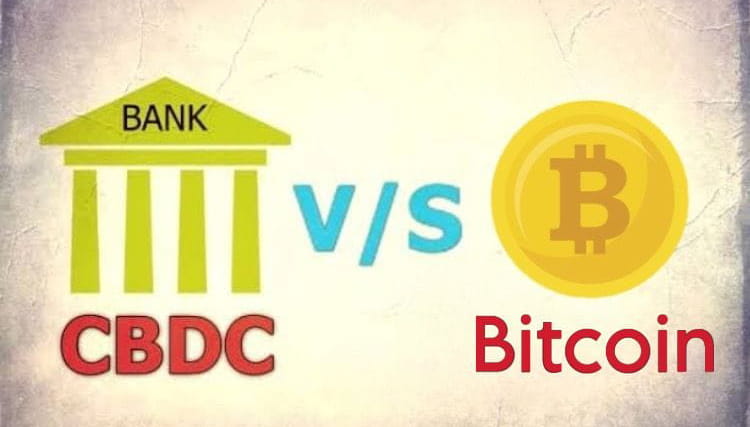
First, let's define what #bitcoin and CBDCs are. Bitcoin is a decentralized digital currency that operates on a peer-to-peer network. It is not controlled by any central authority or government, making it a truly decentralized currency. CBDCs, on the other hand, are digital versions of fiat currencies issued by central banks. They are centralized and operate under the control of their respective central banks.
Now let's take a look at the use cases for #BTC and CBDCs. Bitcoin was created to serve as a decentralized currency that can be used for peer-to-peer transactions without the need for intermediaries like banks. It's often touted as a store of value and a hedge against inflation. In recent years, Bitcoin has also gained mainstream adoption as a payment method and an investment vehicle.
CBDCs, on the other hand, are being developed by central banks to modernize their existing payment systems and increase financial inclusion. They aim to provide a faster, cheaper, and more secure alternative to cash payments. CBDCs can also be used for government transfers, welfare payments, and other public services.
So, which one is better? The answer depends on the intended use case. If you're looking for a decentralized currency that operates independently of governments and banks, then Bitcoin is the clear choice. Its limited supply and decentralized nature make it a great store of value and hedge against inflation. However, Bitcoin's volatility and lack of regulation may make it a riskier investment option.
On the other hand, if you're looking for a digital version of your national currency that offers fast and secure transactions, then a #cbdc may be the way to go. CBDCs offer the convenience of digital payments while still being backed by a central authority. However, CBDCs may also be subject to government surveillance and control, which could limit their appeal to some users.
In conclusion, Bitcoin and CBDCs are two very different digital currencies with different use cases. Bitcoin offers a decentralized, independent currency that can serve as a store of value and a payment method. CBDCs offer the convenience of digital payments while still being backed by a central authority. The choice between the two ultimately comes down to your personal preferences and intended use case.