


橙子Joyce
 Square Verified+
币安广场的每天直播北京时间晚上20:00-23:00|十年以上美股市场投研策略|十年以上投资BTC.ETH.BNB.SOL|贵金属投资策略黄金.白银.铜|中长期价值投资者|WEB3项目投研|推特X:@Joyce88AI|✨星河社区联合创始人✨

BNB Holder
Frequent Trader
8.9 Years
1.7K+ Following
42.0K+ Followers
48.7K+ Liked
Posts
All
Quotes
Videos
Live
PINNED
·
--
🎙️ #Building the Binance Square ecosystem together with BNB, connecting to the future, empowering through diversity, and creating an interconnected world! U.S. stock investment strategy analysis and live trading on Binance Exchange!

End
2.4k
BNB
Holding
-10.17
12
PINNED

AMZNUS-1.50%
NVDAUS-4.09%
SPCXUS-5.45%

金猫1688
·
--
$FIRECAT Click to enter
$FIRECAT Redeem 🔥Fire Alarm Cat🐱
Starting to rise again📈📈📈
Join the 🔥Fire Alarm Cat🐱 livestream at 20:00,
with prizes for answering first💰💰💰💰💰💰💰💰💰
$FIRECAT Redeem 🔥Fire Alarm Cat🐱
Starting to rise again📈📈📈
Join the 🔥Fire Alarm Cat🐱 livestream at 20:00,
with prizes for answering first💰💰💰💰💰💰💰💰💰


天龙敏姝-光明社区
·
--
❤️❤️❤️
When our understanding isn’t quite there,
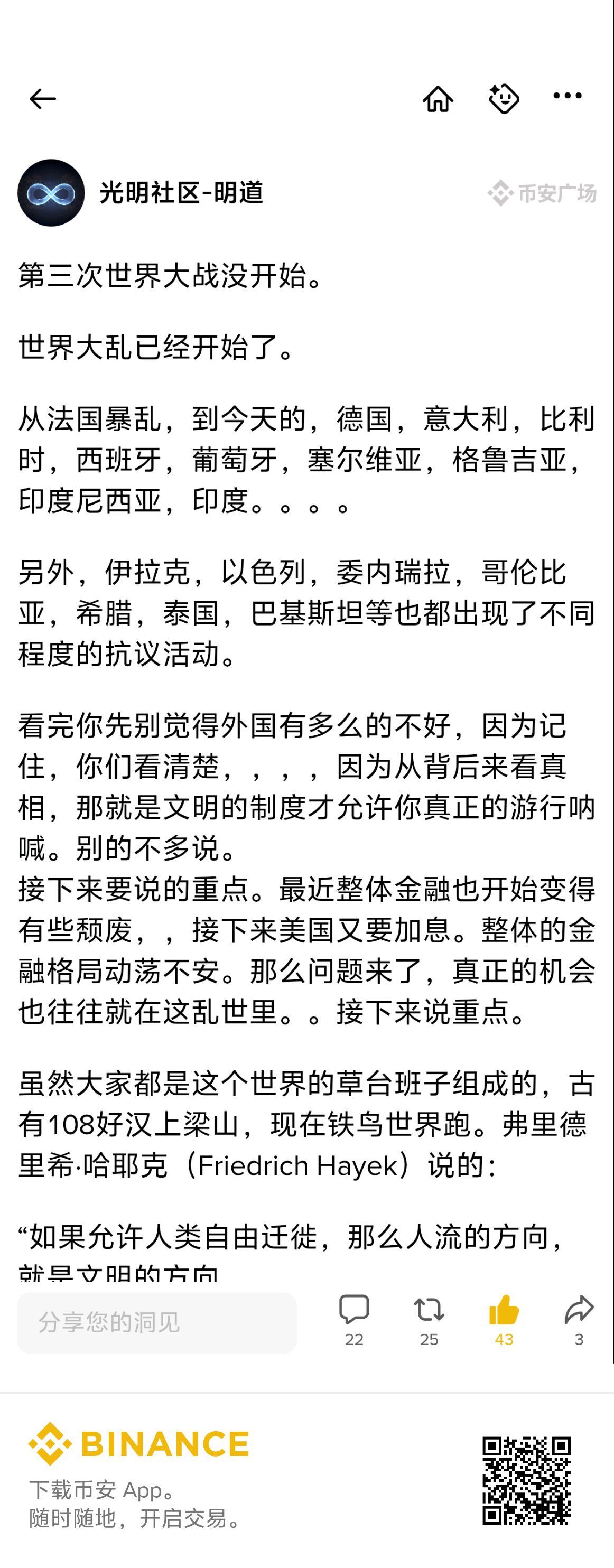
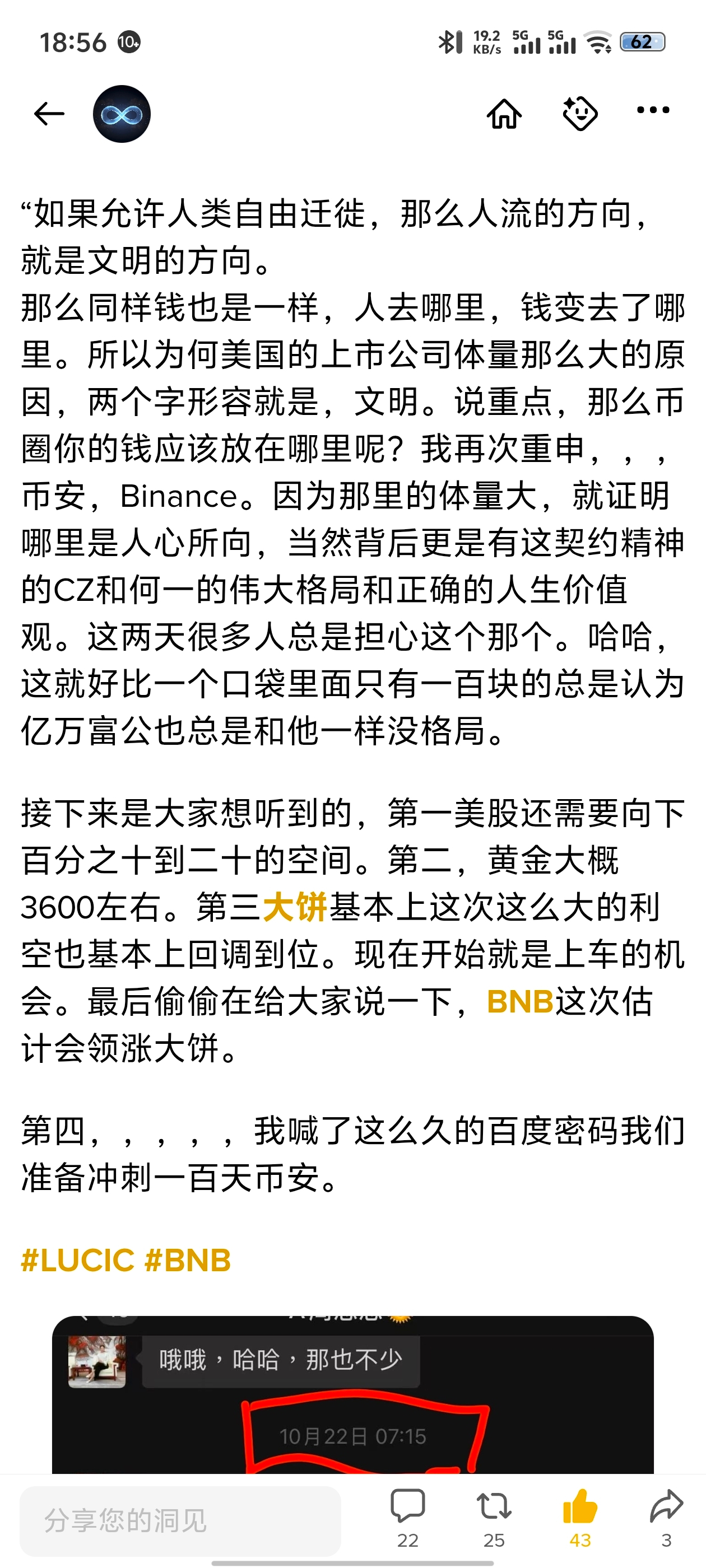
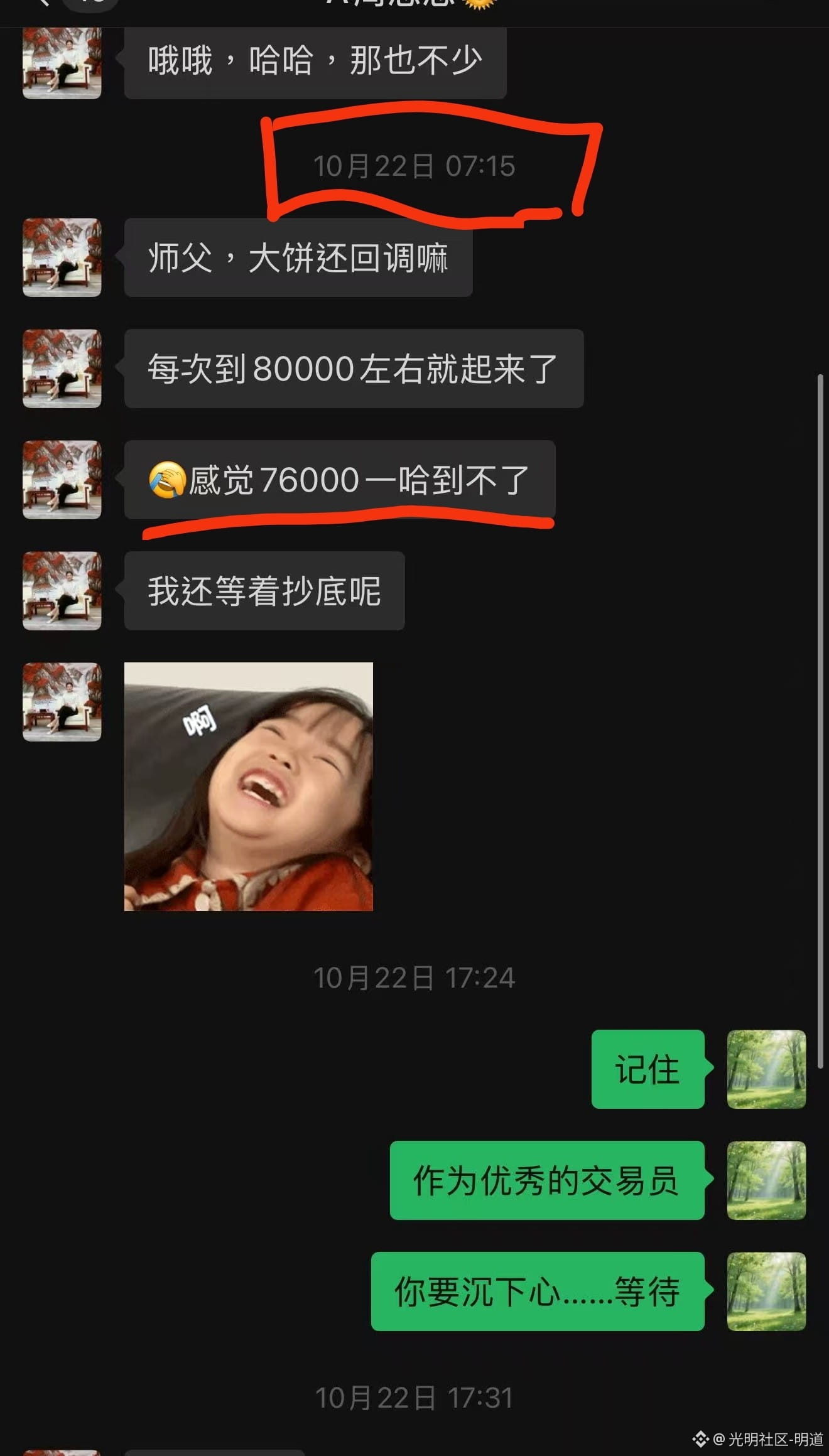
we’ll learn as we copy the homework @光明社区-明道
#LUCiC 🚀🚀🚀
When our understanding isn’t quite there,
we’ll learn as we copy the homework @光明社区-明道
#LUCiC 🚀🚀🚀

兰汐kyL
·
--
$BTC $ETH
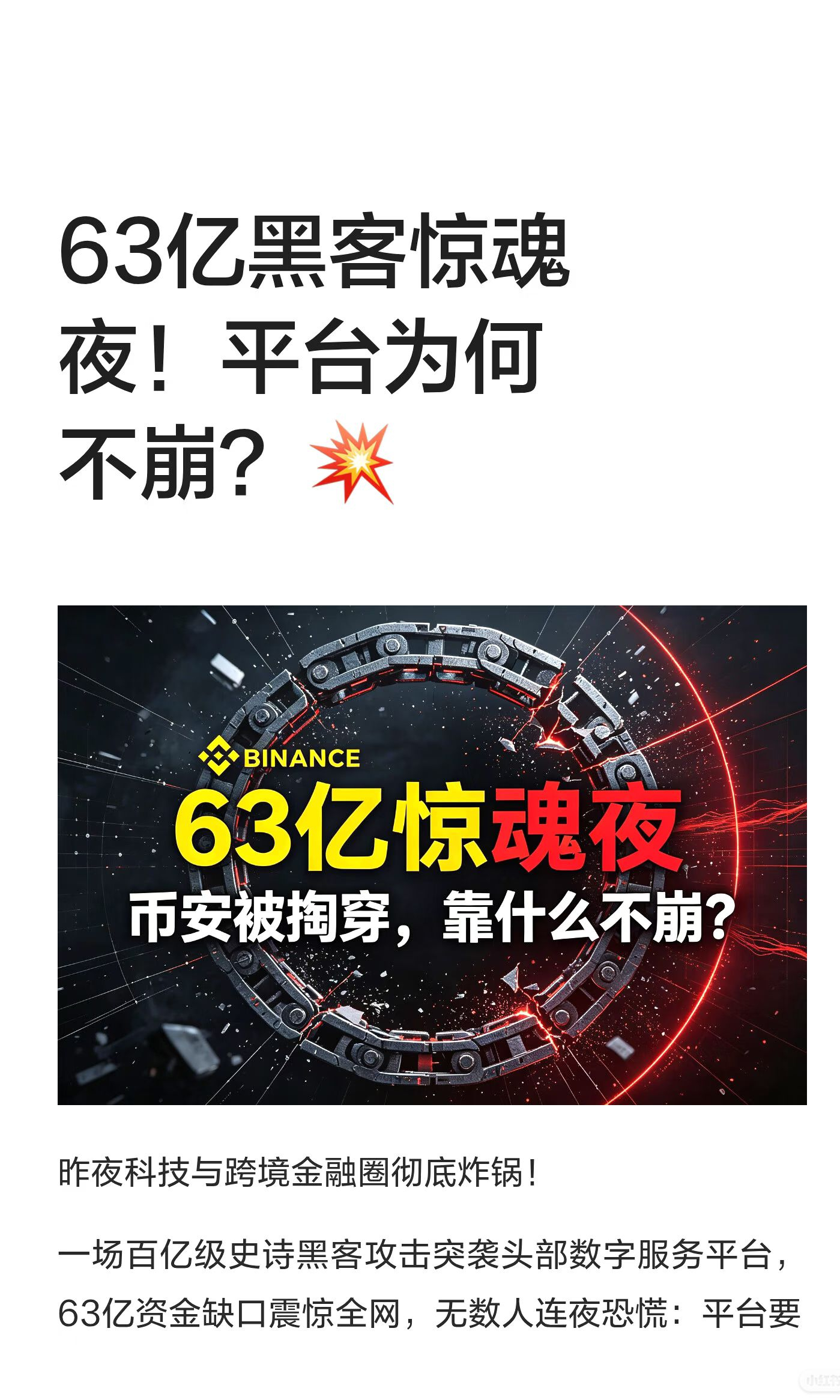
Binance was robbed of $6.3 billion—the root cause was that its signing authority was compromised. 🚨
The hackers started on the XRP chain and emptied nine chains in 55 minutes. On Ethereum, they slipped dozens of sequential authorizations into legitimate withdrawals. Three minutes later, they swept away more than $2.5 billion.
🚨
How the funds were frozen: Stablecoin issuers reacted quickly, freezing $3 billion within an hour. But the hackers had already converted more than $400 million to cash and put up $60 million as collateral. In the end, they escaped with $3.3 billion in Bitcoin and Ethereum. 🚨
Where did the keys go? The private keys may never have been lost. The hackers may have gained access to the signing service. If the machine blindly signs without checking the contents, the vault can still be emptied. 🚨
Why did every line of defense fail? The signing machines were too blind. Wallets blindly trusted one another, and individual wallets held too much money. The hackers had a clear path, while the bank took two and a half hours to react. 🚨
This incident is a wake-up call for the industry: protecting private keys isn’t enough—you also have to
control the hand that signs. 🚨
#币安将恢复第一阶段提现 #币安已覆盖60亿美元被盗损失

大鹤1688
·
--
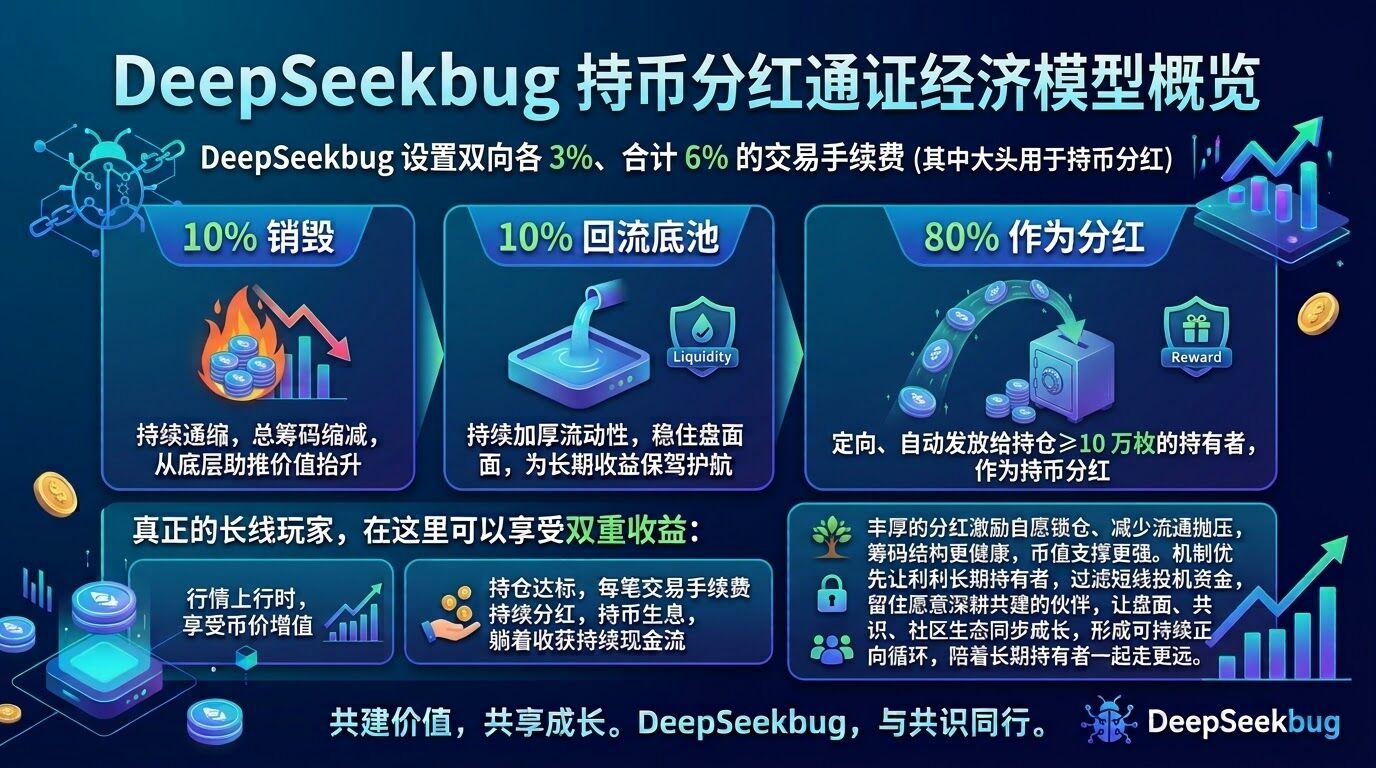
Follow me, and follow #DeepSeekbug to claim a 🧧 red envelope!!!
When you believe in a coin and its community, all you need to do is hold on to it. You may be new here; one attempt at learning through trial and error is enough. If it goes to zero, take what you’ve learned and move on to the next one! Keep going until, well, you get results!
If you can’t hold on, you’ve got nothing! Even if it goes up 10,000x, it won’t be yours!!!!


光明社区-亮总
·
--
LUCiC is about to take off. Let's wait and see together.

王婷-光明社区
·
--
BullishLeaf shadows fall upon the wall; light and shadow are silent, yet have a tenderness all their own.
#币安披露黑客事件进展63亿美元损失已弥补八成
#币安披露黑客事件进展63亿美元损失已弥补八成


一休哥168
·
--
BullishYou should stand in the light, not have the light stand there—and definitely not stand there naked.
#币安披露黑客事件进展63亿美元损失已弥补八成
#币安披露黑客事件进展63亿美元损失已弥补八成


哈达Hada-BNB
·
--
How should we view the differences between China and the U.S. in their approaches to putting AI into practice?
Anthropic’s annualized revenue is already close to $70 billion, while OpenAI’s annualized revenue has also reached $50 billion. DeepSeek and Kimi each have annualized revenue in the $1 billion range.
What do $50 billion and $70 billion mean? Oracle, a software giant founded more than 50 years ago, most recently reported revenue of $67.4 billion. OpenAI and Anthropic have surpassed that in just two or three years.
This isn’t a question of getting off track. One view put forward earlier was that the internet failed to take off in Europe and Japan because their domestic markets were too small. Now, the more important question to consider is whether your consumer market and enterprise applications can support this kind of business model. Anthropic’s revenue currently comes mainly from businesses. If businesses—especially privately owned companies—aren’t willing to buy these products, will tokens end up becoming just another procurement metric?
The way AI is applied is merely one form in which an AI product is presented. The question is: does technology exist for people, or do people exist for technology? If businesses aren’t independently inclined or willing to purchase tokens, the gap in long-term productivity gains will widen.
$SOL



静心1688
·
--
🎉Follow, reply, and claim🧧🧧🧧
#币安披露黑客事件进展63亿美元损失已弥补八成
#币安披露黑客事件进展63亿美元损失已弥补八成

涟漪-光明社区
·
--
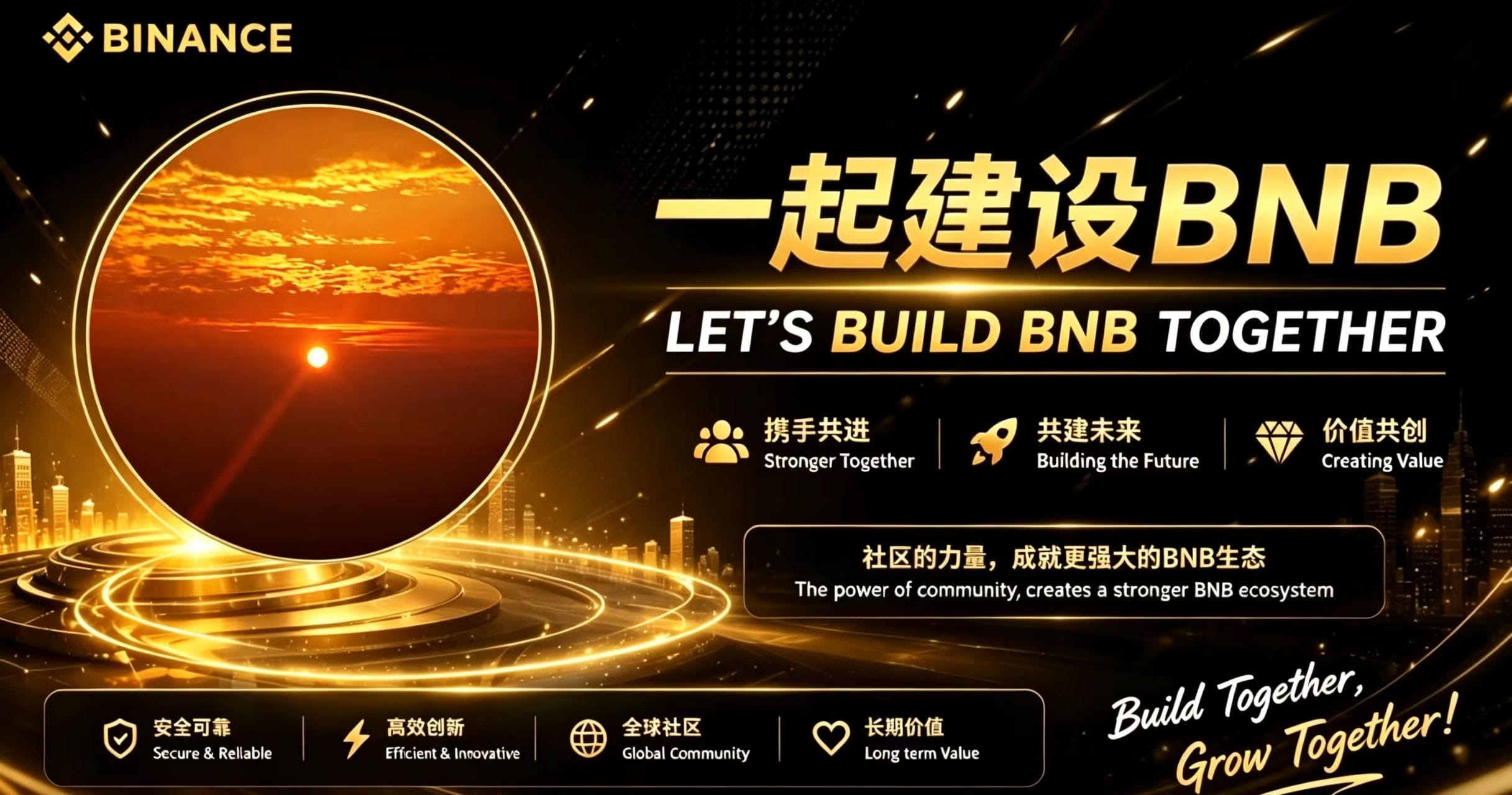
BullishMingdao once again nails the trend! Can BNB lead Bitcoin in this wave? Let's wait and see!#CZ称币安赔付到位最重要是保护用户

Sherry长得帅不如跑的快1688
·
--
🚨 OIL SURGES, BUT OPEC+ SIGNALS NO OUTPUT INCREASE! IS A BIGGER MARKET TEST COMING?
Brent crude futures gained approximately 13.6% in October, marking a strong monthly rally.
As energy supply concerns grow, Reuters reported on October 31 that seven core OPEC+ producers had agreed in principle to keep December output targets unchanged, pending formal confirmation at their November 1 meeting.
Four key signals 👇
🛢️ ① SUPPLY REMAINS TIGHT: Unchanged production targets do not mean actual oil supply has recovered.
🚢 ② SHIPPING RISKS PERSIST: Security threats around the Strait of Hormuz and Middle Eastern energy infrastructure could continue disrupting supplies.
📊 ③ INFLATION PRESSURE: Sustained high energy costs may influence inflation expectations and central-bank policy flexibility.
₿ ④ CRYPTO FACES A TEST: BTC, ETH and BNB may react to changes in global risk appetite, but higher oil prices do not automatically mean lower crypto prices.
THE BIG QUESTION:
Is the market worried about OPEC+ refusing to increase production, or about producers being unable to deliver more oil even with higher quotas?
🎯 CORE VARIABLES: ACTUAL SUPPLY × MIDDLE EAST RISKS × GLOBAL LIQUIDITY
What to watch:
👀 Official OPEC+ meeting statement
👀 Middle East shipping and energy security
👀 Oil, Treasury yields and the dollar next week
👀 BTC, ETH and BNB trading volume
👀 U.S. spot crypto ETF flows
U.S. stocks and spot ETFs are closed on Sunday. Crypto markets remain open.
👇 Which scenario do you expect?
🟢 Supply risks ease and market sentiment recovers
🔴 Oil stays strong and risk assets remain under pressure
#BTC #ETH #BNB$BNB


Kellywu_
·
--
Hello 👋 Good afternoon$



奋斗Hustle1688
·
--
[Replay] 🎙️ Continue building Binance Square bnb
02 h 15 m 15 s · 5.8k listens


NVDAUS-4.09%
SPCXUS-5.45%
TSMUS-5.31%

Log in to explore more content