
橙子Joyce
619 Posts

橙子Joyce
 Square Verified+
Report
Block User
十年以上专注美股市场实战投资策略与资产管理|十年以上投资BTC.ETH.BNB.|每日分享美股实盘与宏观盘面解盘|追踪美联储货币政策解读|前瞻·宏观数据点评·加密市场的联动分析|贵金属投资策略黄金.白银.铜|中长期价值投资者|直播北京时间晚上21:00-23:30|推特X:@Joyce88AI|✨星河社区联合创始人✨
Frequent Trader
8.9 Years
2.0K+ Following
43.1K+ Followers
49.6K+ Liked
Posts
All
Quotes
Videos
Live
PINNED
·
--
Anthropic Seeks to Raise Up to $90.4 Billion Through IPO and Private Placements, Could Surpass SpaceX Record
November 10 | Anthropic PBC is seeking a fully diluted valuation of about $1.4 trillion in its initial public offering (IPO), aiming to become the first publicly listed frontier AI lab. The developer of the Claude chatbot and some of its shareholders are seeking to raise up to $90.4 billion through the IPO and private placements.
According to a filing submitted to the U.S. Securities and Exchange Commission on Tuesday, the base offering is expected to raise up to $64.4 billion, with an indicative price range of $70 to $78 per share.
Anthropic will issue 801.4 million shares, while its investors will sell 23.6 million shares. The filing shows that the offering also includes private placements totaling $26 billion, with AMD, Broadcom, Google parent Alphabet, Micron Technology, Microsoft, Nvidia, and TSMC among the recipients.
Anthropic's ambitious fundraising target, including the private placements, would reach about $100 billion if the so-called overallotment option is also exercised. That would exceed SpaceX's $75 billion base offering and the $86.2 billion it raised after exercising its overallotment option.
~~~~~~~~~~~~~~~~~~~~
SpaceX: Targeting November 13 for a Falcon 9 launch carrying the USSF-317 payload from Space Launch Complex 4E at Vandenberg Space Force Base.
SpaceX: Targeting November 17 for a Falcon 9 launch on the USSF-266 mission from Space Launch Complex 4E at Vandenberg Space Force Base.
$AMZN.US
{stock_us}(AMZN.US)
$SPCX.US
{stock_us}(SPCX.US)
$LLY.US
{stock_us}(LLY.US)
Anthropic Seeks to Raise Up to $90.4 Billion Through IPO and Private Placements, Could Surpass SpaceX Record
November 10 | Anthropic PBC is seeking a fully diluted valuation of about $1.4 trillion in its initial public offering (IPO), aiming to become the first publicly listed frontier AI lab. The developer of the Claude chatbot and some of its shareholders are seeking to raise up to $90.4 billion through the IPO and private placements.
According to a filing submitted to the U.S. Securities and Exchange Commission on Tuesday, the base offering is expected to raise up to $64.4 billion, with an indicative price range of $70 to $78 per share.
Anthropic will issue 801.4 million shares, while its investors will sell 23.6 million shares. The filing shows that the offering also includes private placements totaling $26 billion, with AMD, Broadcom, Google parent Alphabet, Micron Technology, Microsoft, Nvidia, and TSMC among the recipients.
Anthropic's ambitious fundraising target, including the private placements, would reach about $100 billion if the so-called overallotment option is also exercised. That would exceed SpaceX's $75 billion base offering and the $86.2 billion it raised after exercising its overallotment option.
~~~~~~~~~~~~~~~~~~~~
SpaceX: Targeting November 13 for a Falcon 9 launch carrying the USSF-317 payload from Space Launch Complex 4E at Vandenberg Space Force Base.
SpaceX: Targeting November 17 for a Falcon 9 launch on the USSF-266 mission from Space Launch Complex 4E at Vandenberg Space Force Base.
$AMZN.US
$SPCX.US
$LLY.US
2.4k
6
129
2.4k

·
--
@Square-Creator-d90929bda48d7 An exceptionally talented and beautiful woman—what a fantastic debut! 🥳🥳👍👍🌹🌹🚀🚀🍺🍺🔥🔥💵💵
@幸运雨Rainny An exceptionally talented and beautiful woman—what a fantastic debut! 🥳🥳👍👍🌹🌹🚀🚀🍺🍺🔥🔥💵💵

幸运雨Rainny
·
--
Galaxy Community’s Triumphant First Livestream
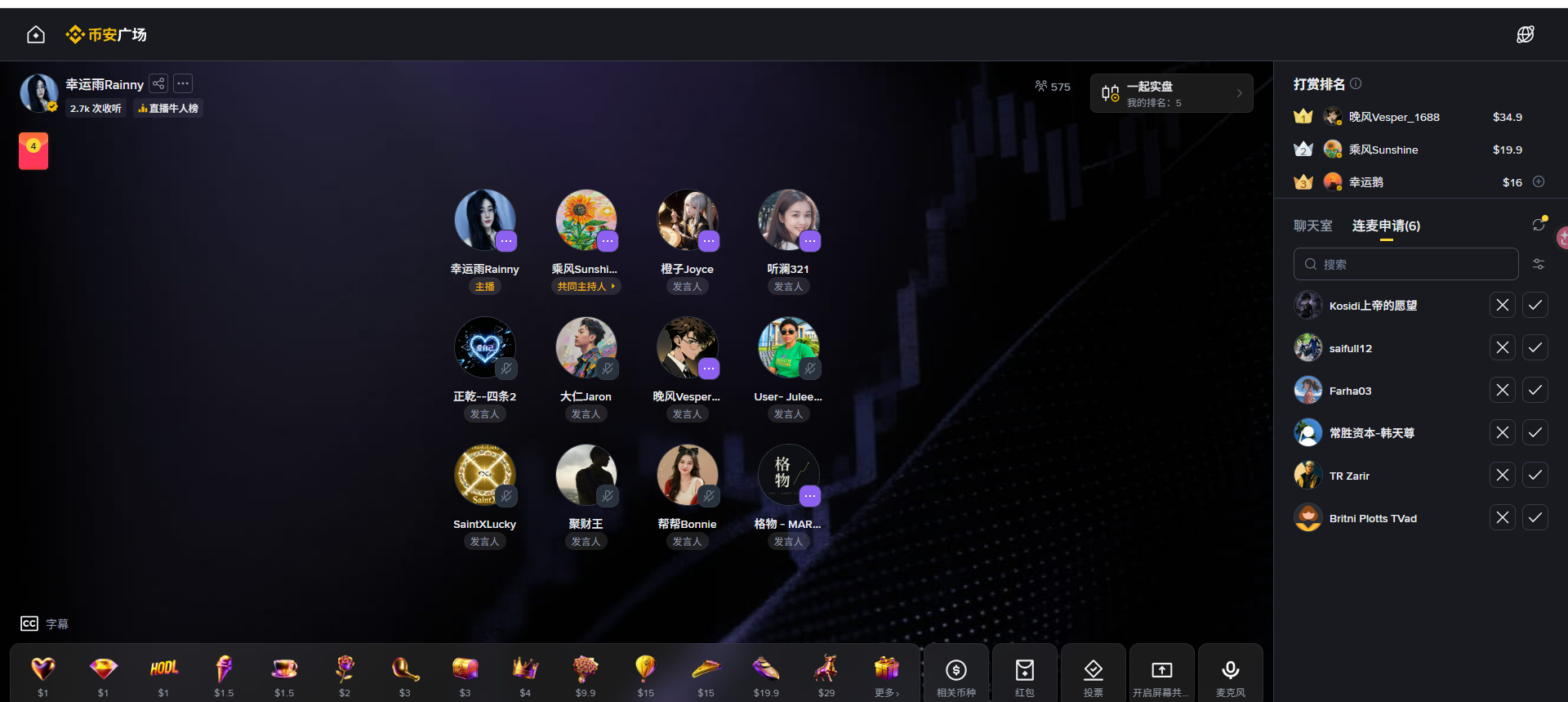
By a twist of fate, someone brought me to this plaza, where I was fortunate to meet Bangbang, Teacher Xiami, Chengfeng, Wanfeng, Shengkes, Daren, Chengzi, Sofi, and so many other kindred spirits who have been by my side.
A group of like-minded people came together as a glimmer of light, and so Galaxy Community took root.
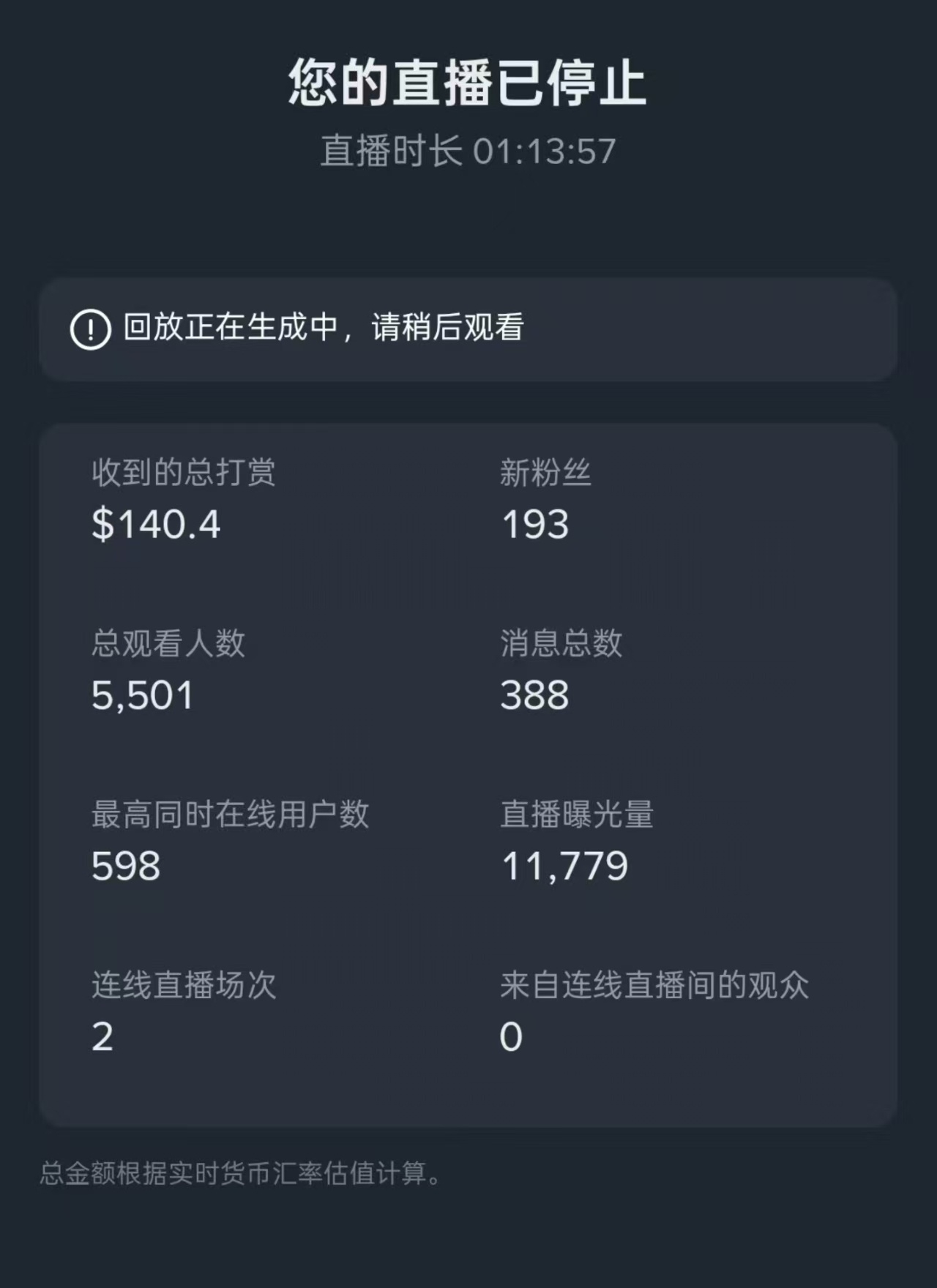
Today was our very first livestream. As a newcomer making my debut, I was nervous, but thankfully, you all gave us your wholehearted support. The audience grew throughout the stream, reaching a peak of over 600 people. This unexpected warmth was a precious gift and a tremendous encouragement. So I wanted to record this moment!
Our journey has brought us this far, with mountains and seas still ahead. How fortunate we were to meet such good friends along the way. The road ahead is long, but we will continue onward together.

2
659
·
--
幸运雨Rainny
·
--
Galaxy Community’s Triumphant First Livestream
By a twist of fate, someone brought me to this plaza, where I was fortunate to meet Bangbang, Teacher Xiami, Chengfeng, Wanfeng, Shengkes, Daren, Chengzi, Sofi, and so many other kindred spirits who have been by my side.
A group of like-minded people came together as a glimmer of light, and so Galaxy Community took root.
Today was our very first livestream. As a newcomer making my debut, I was nervous, but thankfully, you all gave us your wholehearted support. The audience grew throughout the stream, reaching a peak of over 600 people. This unexpected warmth was a precious gift and a tremendous encouragement. So I wanted to record this moment!
Our journey has brought us this far, with mountains and seas still ahead. How fortunate we were to meet such good friends along the way. The road ahead is long, but we will continue onward together.
By a twist of fate, someone brought me to this plaza, where I was fortunate to meet Bangbang, Teacher Xiami, Chengfeng, Wanfeng, Shengkes, Daren, Chengzi, Sofi, and so many other kindred spirits who have been by my side.
A group of like-minded people came together as a glimmer of light, and so Galaxy Community took root.
Today was our very first livestream. As a newcomer making my debut, I was nervous, but thankfully, you all gave us your wholehearted support. The audience grew throughout the stream, reaching a peak of over 600 people. This unexpected warmth was a precious gift and a tremendous encouragement. So I wanted to record this moment!
Our journey has brought us this far, with mountains and seas still ahead. How fortunate we were to meet such good friends along the way. The road ahead is long, but we will continue onward together.
246
·
--
幸运雨Rainny
·
--
[Replay] 🎙️ A Newcomer’s First Livestream—Let’s Chat About the Market Together
01 h 13 m 53 s · 6.2k listens
308
·
--
🎙️ A newcomer’s first livestream—let’s chat about the market together
End
01 h 13 m 53 s
5.5k
13
13
·
--
Bullish
Verified
🚨 U.S. October CPI arrives Tuesday at 21:30 Beijing time: with year-over-year data unavailable, watch these 3 things
The U.S. Bureau of Labor Statistics will release its October CPI report at 21:30 Beijing time on Tuesday. Because the 2025 U.S. federal government shutdown left the baseline data unavailable, this report will not include year-over-year figures. The market's attention will be focused entirely on month-over-month changes and specific components.
📊 Key data expectations
* Headline CPI, month over month: expected 0.3% (previous: 0.6%)
* Core CPI, month over month: expected 0.2% (previous: 0.3%, potentially the smallest increase in three months)
🔍 What to watch tonight
* Is inflation genuinely cooling, or is it still passing through to downstream prices?
Although international oil prices have recently fallen below $100, they are still up nearly 60% year to date. Earnings-season data show that S&P 500 companies mentioned “inflation” 820 times on October earnings calls—the highest number since February 2024. Industrial and consumer-goods giants are widely facing higher logistics and raw-material costs. Tonight, pay close attention to housing, transportation services, used cars, and consumer electronics to see whether high energy costs are spreading to core prices.
* The final piece of the puzzle ahead of the Fed's December rate meeting
This is the last CPI report before the December FOMC meeting. Last Friday, October nonfarm payrolls rose by 165,000, far exceeding expectations. Combined with calls for rate hikes from hawkish officials such as Cleveland Fed President Hammack, the market has already priced in a strong chance of a December rate hike.
* Friday's PPI will provide another check
October PPI is also due this Friday. The market expects the year-over-year rate to accelerate to 6.6%, a nearly four-year high, further testing price pressures at the producer level.
💡 Market scenarios
* If core CPI comes in below expectations: The market may scale back bets on the size and frequency of rate hikes, potentially easing pressure on risk-asset sentiment.
* If inflation once again exceeds expectations: Economic resilience combined with stubborn inflation would reinforce expectations that rates will “stay higher for longer,” or even tighten further. Watch for sharp market volatility around 21:30 tonight.
Do you think core CPI can come down to 0.2% tonight? Share your view in the comments 👇
#美国10月CPI数据即将公布
$AAPL.US
{stock_us}(AAPL.US)
$SPCX.US
{stock_us}(SPCX.US)
$TSM.US
{stock_us}(TSM.US)
🚨 U.S. October CPI arrives Tuesday at 21:30 Beijing time: with year-over-year data unavailable, watch these 3 things
The U.S. Bureau of Labor Statistics will release its October CPI report at 21:30 Beijing time on Tuesday. Because the 2025 U.S. federal government shutdown left the baseline data unavailable, this report will not include year-over-year figures. The market's attention will be focused entirely on month-over-month changes and specific components.
📊 Key data expectations
* Headline CPI, month over month: expected 0.3% (previous: 0.6%)
* Core CPI, month over month: expected 0.2% (previous: 0.3%, potentially the smallest increase in three months)
🔍 What to watch tonight
* Is inflation genuinely cooling, or is it still passing through to downstream prices?
Although international oil prices have recently fallen below $100, they are still up nearly 60% year to date. Earnings-season data show that S&P 500 companies mentioned “inflation” 820 times on October earnings calls—the highest number since February 2024. Industrial and consumer-goods giants are widely facing higher logistics and raw-material costs. Tonight, pay close attention to housing, transportation services, used cars, and consumer electronics to see whether high energy costs are spreading to core prices.
* The final piece of the puzzle ahead of the Fed's December rate meeting
This is the last CPI report before the December FOMC meeting. Last Friday, October nonfarm payrolls rose by 165,000, far exceeding expectations. Combined with calls for rate hikes from hawkish officials such as Cleveland Fed President Hammack, the market has already priced in a strong chance of a December rate hike.
* Friday's PPI will provide another check
October PPI is also due this Friday. The market expects the year-over-year rate to accelerate to 6.6%, a nearly four-year high, further testing price pressures at the producer level.
💡 Market scenarios
* If core CPI comes in below expectations: The market may scale back bets on the size and frequency of rate hikes, potentially easing pressure on risk-asset sentiment.
* If inflation once again exceeds expectations: Economic resilience combined with stubborn inflation would reinforce expectations that rates will “stay higher for longer,” or even tighten further. Watch for sharp market volatility around 21:30 tonight.
Do you think core CPI can come down to 0.2% tonight? Share your view in the comments 👇
#美国10月CPI数据即将公布
$AAPL.US
$SPCX.US
$TSM.US

AAPLUS-0.29%
SPCXUS+1.40%
TSMUS+3.02%
3
1.1k
·
--
Bullish
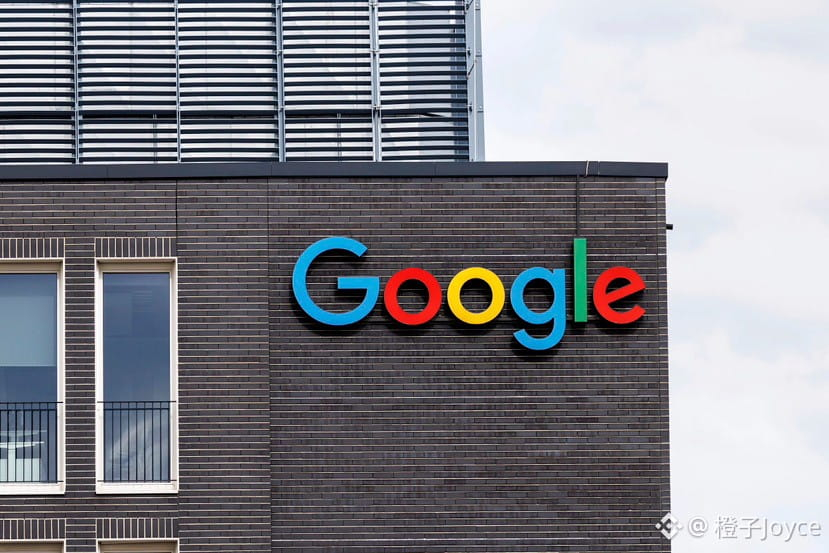
Google launches two new TPU chips, stepping up competition with Nvidia
Google will launch two new Tensor Processing Unit (TPU) chips, the TPU 8tx and 8i Max, to meet the needs of different AI applications.
The TPU 8tx is designed for confidential computing needs at government agencies and in regulated industries, and works in conjunction with AMD chips. The TPU 8i Max is primarily aimed at AI applications that require long context windows; it boosts computing power and memory capacity by packaging two TPU chips together.
Google chip chief Amin Vahdat said the two new products are expected to launch next year. Industry research estimates that sales of Google TPU-related chips, software, and hardware will exceed $135 billion by 2028, up from an estimated $12 billion this year.
~~~~~~~~~~~~~~~~~~~~~We continue to invest and buy the dips
$GOOG.US
{stock_us}(GOOG.US)
$NVDA.US
{stock_us}(NVDA.US)
$TSM.US
{stock_us}(TSM.US)
Google launches two new TPU chips, stepping up competition with Nvidia
Google will launch two new Tensor Processing Unit (TPU) chips, the TPU 8tx and 8i Max, to meet the needs of different AI applications.
The TPU 8tx is designed for confidential computing needs at government agencies and in regulated industries, and works in conjunction with AMD chips. The TPU 8i Max is primarily aimed at AI applications that require long context windows; it boosts computing power and memory capacity by packaging two TPU chips together.
Google chip chief Amin Vahdat said the two new products are expected to launch next year. Industry research estimates that sales of Google TPU-related chips, software, and hardware will exceed $135 billion by 2028, up from an estimated $12 billion this year.
~~~~~~~~~~~~~~~~~~~~~We continue to invest and buy the dips
$GOOG.US
$NVDA.US
$TSM.US
4
1.2k
·
--
Verified
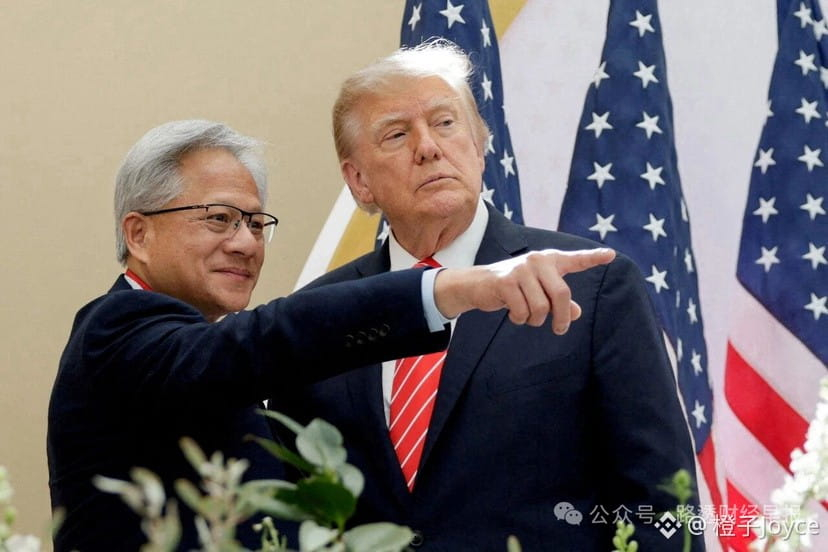
Nvidia (NVDA) shares fell to a nearly seven-month low on Monday. Following revelations by The New York Times and the company board’s launch of an investigation, market concerns about the geopolitical and corporate governance risks facing the AI chip giant surged.
Here is a summary of the key developments:
📌 1. The Trigger and the Board Investigation
* Cause: The New York Times reported that Nvidia CEO Jensen Huang has a close relationship with a Chinese businesswoman.
* Action: Nvidia’s board has formally launched an investigation to determine whether Huang has become a target of a foreign intelligence agency (for espionage).
* Statements: Trump called Huang an “honest man” on Sunday. On Monday, he said the FBI was investigating the matter and added, “I think he’ll be fine.”
📌 2. Congressional Pressure and National Security Concerns
* Delaware Democratic Senator Chris Coons has publicly called for an investigation into Huang and Nvidia, demanding answers on whether U.S. national security has been compromised and “who exactly is at the policy steering wheel.”
📌 3. The Closely Scrutinized “Business and Politics Timeline”
As one of Trump’s closest allies in Silicon Valley, Huang has made frequent appearances in Washington in recent years, during which Nvidia has benefited from several key policy decisions:
* April 2025: After attending a dinner at Mar-a-Lago, the Trump administration dropped plans to restrict exports to China of some Nvidia AI chips.
* December 2025: The U.S. allowed Nvidia to export H200 chips to China (with a 25% fee); around the same time, Reuters reporters witnessed Huang call Trump directly on his cellphone.
* May 2026: Traveled to China with Trump aboard Air Force One, in the first such visit in nearly a decade.
* September 2026: Attended a White House state dinner; Nvidia reportedly pledged a $25 million donation to Trump’s White House ballroom project.
* October 2026: Trump presented Huang with the highest honor for scientific achievement in the United States; on the same day, it was disclosed that Huang had bought up to $1.6 million and sold up to $1 million worth of Nvidia stock during the summer (the White House said it was independently managed by a third party).
As a key bellwether for the AI sector in U.S. stocks, Nvidia has shifted in the short term from being valued purely on fundamentals to a dual-track valuation based on “fundamentals + geopolitical and compliance risks.” Going forward, investors should closely monitor the progress of the FBI and board investigations and be alert to the spillover effects of sentiment-driven volatility on tech stocks and crypto-related AI sectors.
2
566
·
--
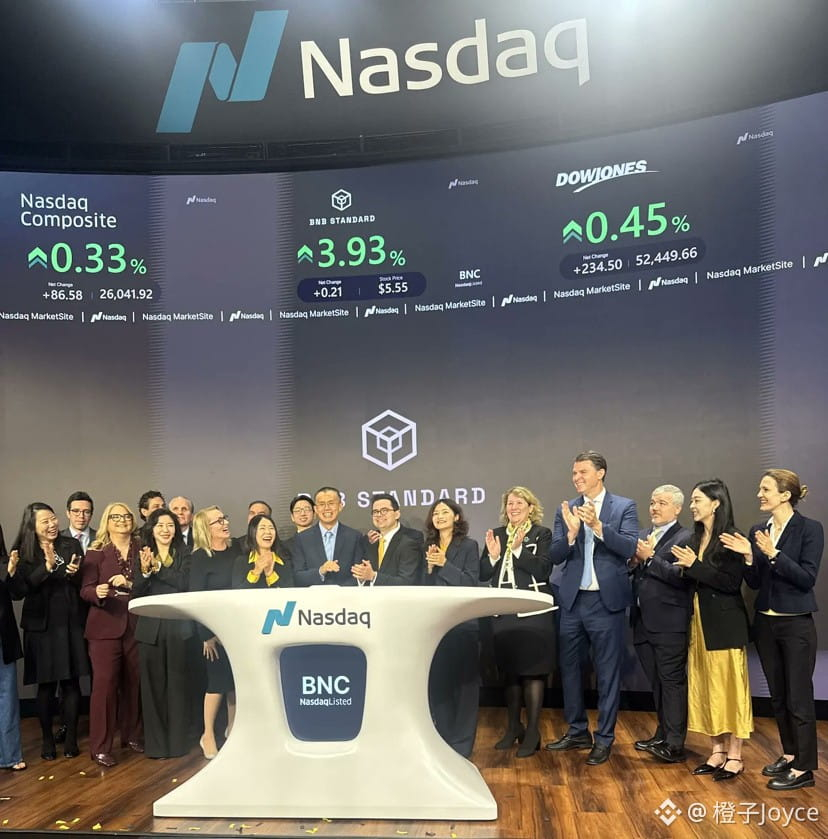
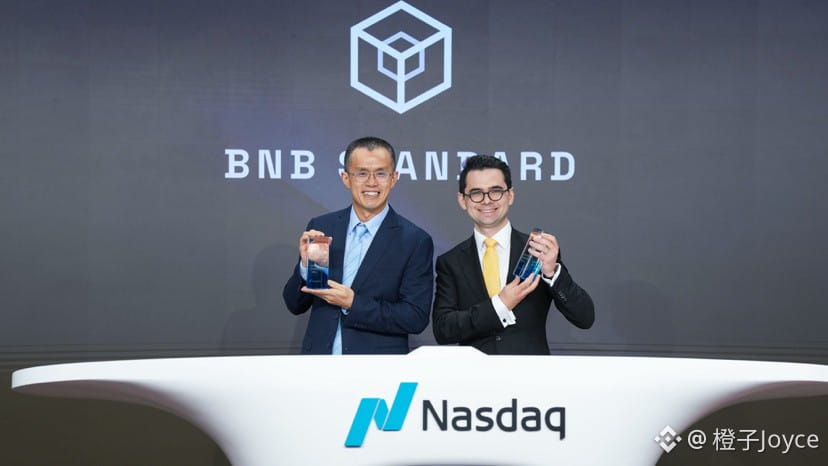
🔥 BOSS|Arriving with capital ambitions
━━━━━━━━━━━━━━
A community-building movement focused on capital markets
Jointly launched by the grassroots BNB Chain community
“BNC On-Chain Board of Directors” is the vision
Bringing the community onto the capital stage is the ambition
◆ Understand BOSS, and see the vision of a group of people
━━━━━━━━━━━━━━
A community-building movement focused on capital markets
Jointly launched by the grassroots BNB Chain community
“BNC On-Chain Board of Directors” is the vision
Bringing the community onto the capital stage is the ambition
◆ Understand BOSS, and see the vision of a group of people
2
3
9
483
·
--
Bullish
🚀 Funding expectations for AI giants shrink across the board! OpenAI valuation falls to $1.25 trillion, while Anthropic’s IPO valuation faces a reality check
Amid a sell-off in U.S. tech stocks and concerns about data center policies following the U.S. midterm elections, market enthusiasm for AI has cooled noticeably. The latest funding and IPO developments for two leading AI giants have seen significant adjustments:
📌 OpenAI receives first $11 billion installment as funding round shrinks sharply
• Latest valuation and funds received: The first installment of about $11 billion from OpenAI’s latest funding round was deposited into the company’s account on Friday, putting its current valuation at $1.25 trillion.
• Expected final size: The remaining funds are expected to arrive in the coming weeks, bringing total funding to as much as $20 billion. That is a notable reduction from the initial plan to raise $30 billion at a $1.4 trillion valuation.
• High-profile investors: Participants include Coatue, T. Rowe Price, SoftBank Group, Sequoia Capital, Founders Fund, a16z, and a consortium of investors from the UAE.
📉 Rival Anthropic’s valuation also gets a reality check
• IPO valuation expectations for Anthropic, the developer of Claude and a formidable OpenAI rival, have been revised sharply downward.
• Some buyers’ target valuations have fallen from $2 trillion a month ago and $1.5 trillion more recently to between $1.2 trillion and $1.3 trillion.
Although the world’s leading AI companies remain highly capable of attracting capital, financial markets have shifted from frenzied exuberance toward a more rational phase of valuation reassessment.
$MSFT.US
{stock_us}(MSFT.US)
$GOOG.US
{stock_us}(GOOG.US)
$META.US
{stock_us}(META.US)
🚀 Funding expectations for AI giants shrink across the board! OpenAI valuation falls to $1.25 trillion, while Anthropic’s IPO valuation faces a reality check
Amid a sell-off in U.S. tech stocks and concerns about data center policies following the U.S. midterm elections, market enthusiasm for AI has cooled noticeably. The latest funding and IPO developments for two leading AI giants have seen significant adjustments:
📌 OpenAI receives first $11 billion installment as funding round shrinks sharply
• Latest valuation and funds received: The first installment of about $11 billion from OpenAI’s latest funding round was deposited into the company’s account on Friday, putting its current valuation at $1.25 trillion.
• Expected final size: The remaining funds are expected to arrive in the coming weeks, bringing total funding to as much as $20 billion. That is a notable reduction from the initial plan to raise $30 billion at a $1.4 trillion valuation.
• High-profile investors: Participants include Coatue, T. Rowe Price, SoftBank Group, Sequoia Capital, Founders Fund, a16z, and a consortium of investors from the UAE.
📉 Rival Anthropic’s valuation also gets a reality check
• IPO valuation expectations for Anthropic, the developer of Claude and a formidable OpenAI rival, have been revised sharply downward.
• Some buyers’ target valuations have fallen from $2 trillion a month ago and $1.5 trillion more recently to between $1.2 trillion and $1.3 trillion.
Although the world’s leading AI companies remain highly capable of attracting capital, financial markets have shifted from frenzied exuberance toward a more rational phase of valuation reassessment.
$MSFT.US
$GOOG.US
$META.US
517
·
--
Dear friends, something came up tonight. Some friends from abroad have arrived, and I need to pick them up at the airport and host them, so I won’t be livestreaming tonight. Thank you so much 🙏 for your support and kindness! I’ll be back live tomorrow night!
Dear friends, something came up tonight. Some friends from abroad have arrived, and I need to pick them up at the airport and host them, so I won’t be livestreaming tonight. Thank you so much 🙏 for your support and kindness! I’ll be back live tomorrow night!

1.8k
5
119
1.8k
·
--
Bullish
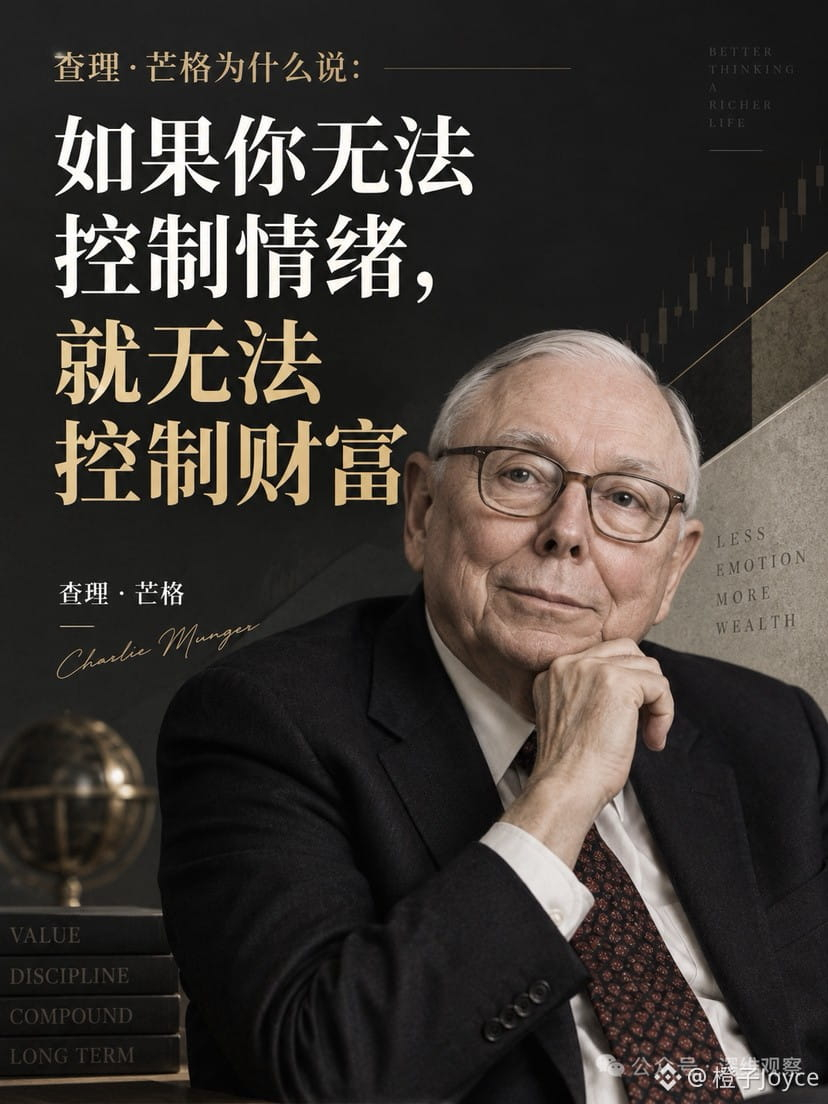
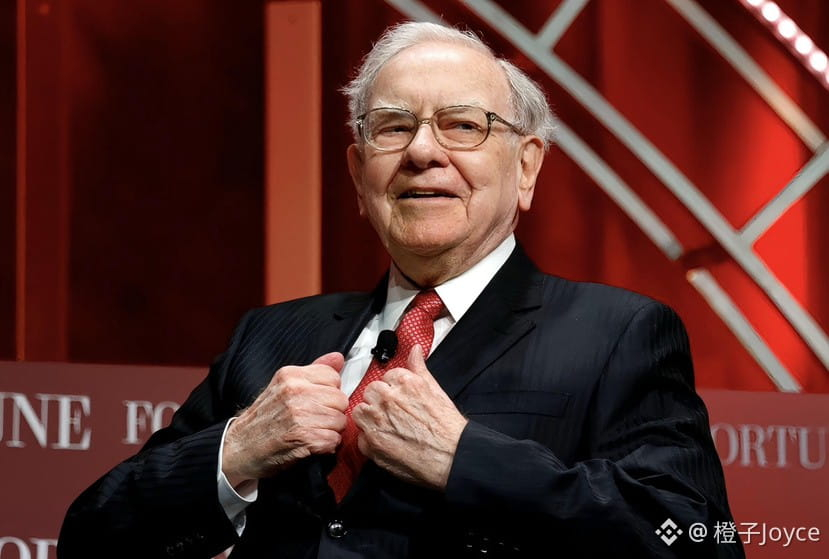
Munger: If you can't control your emotions, you can't control your wealth
The most expensive thing in investing is often not overpaying for a stock, but making a decision when you're in the worst emotional state.
When prices rise, we're afraid of missing out and can't help chasing them;
When prices fall, we're afraid of losing more and can't help selling.
The slightest jolt from the market can make people start abandoning their principles.
What truly sets investors apart is often not who knows more, but who can still think clearly in extreme conditions.
Munger placed great importance throughout his life on people's psychological biases, because he understood clearly that the human brain isn't naturally suited to investing.
We like to follow the crowd, get instant feedback, prove we're right, and we naturally hate losses.
These instincts may not be bad in everyday life, but in the capital markets, they can easily turn us into a “buy high, sell low” machine.
So the truly difficult part of investing has never been learning a valuation formula, but building a system that keeps us from readily abandoning discipline when we're gripped by fear or greed.
Wealth doesn't necessarily reward the smartest people.
Very often, it rewards those who remain calm when everyone else loses control.
~~~~~~~~~~~~~~~~~~~~~We continue to make regular investments in BTC, BNB, and the stocks of the following companies listed on the Binance exchange
$SPCXB
{spot}(SPCXBUSDT)
$GOOGLB
{spot}(GOOGLBUSDT)
$AMZNB
{spot}(AMZNBUSDT)
Munger: If you can't control your emotions, you can't control your wealth
The most expensive thing in investing is often not overpaying for a stock, but making a decision when you're in the worst emotional state.
When prices rise, we're afraid of missing out and can't help chasing them;
When prices fall, we're afraid of losing more and can't help selling.
The slightest jolt from the market can make people start abandoning their principles.
What truly sets investors apart is often not who knows more, but who can still think clearly in extreme conditions.
Munger placed great importance throughout his life on people's psychological biases, because he understood clearly that the human brain isn't naturally suited to investing.
We like to follow the crowd, get instant feedback, prove we're right, and we naturally hate losses.
These instincts may not be bad in everyday life, but in the capital markets, they can easily turn us into a “buy high, sell low” machine.
So the truly difficult part of investing has never been learning a valuation formula, but building a system that keeps us from readily abandoning discipline when we're gripped by fear or greed.
Wealth doesn't necessarily reward the smartest people.
Very often, it rewards those who remain calm when everyone else loses control.
~~~~~~~~~~~~~~~~~~~~~We continue to make regular investments in BTC, BNB, and the stocks of the following companies listed on the Binance exchange
$SPCXB
$GOOGLB
$AMZNB
727
·
--
Bullish
Verified
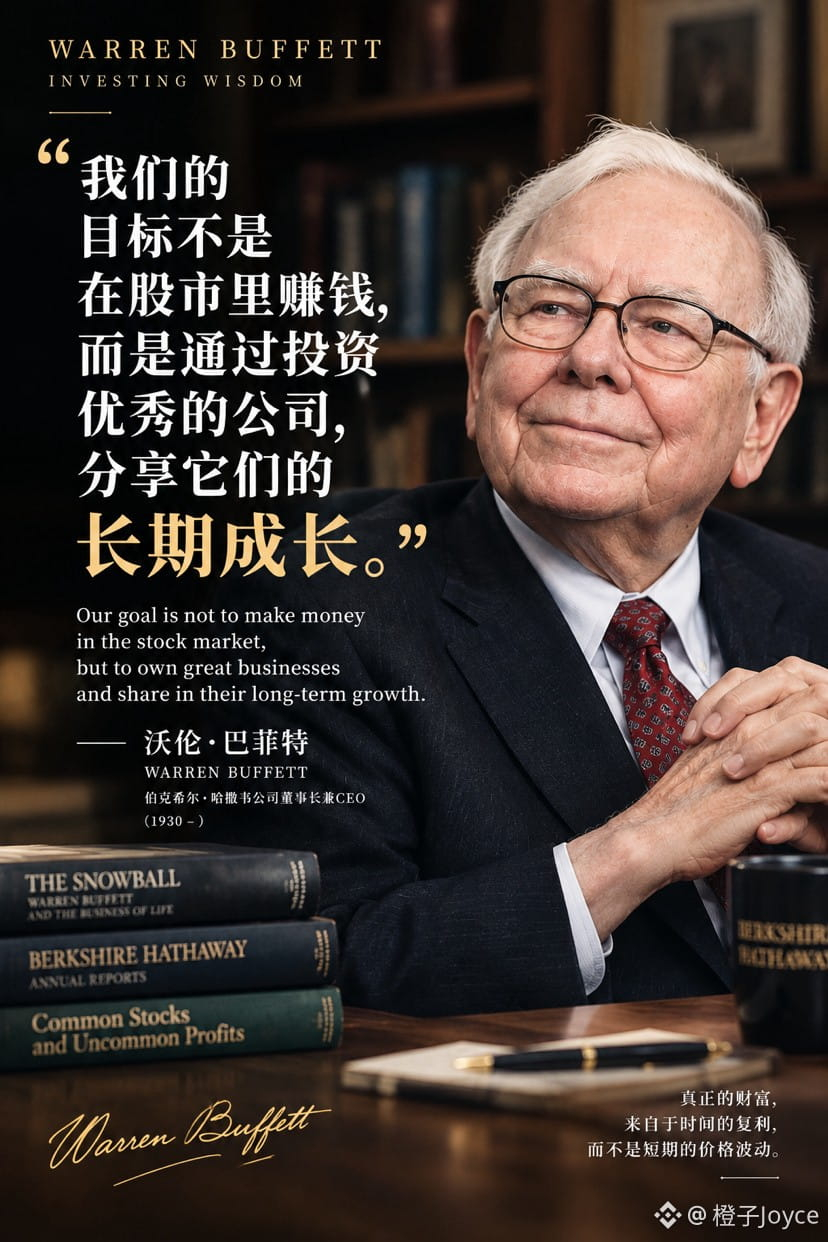
Munger agreed with Buffett: **Small amounts of capital should be invested according to business value, too; they simply allow investors to research overlooked, mispriced opportunities. His entire philosophy can be summed up in one sentence: use multidisciplinary thinking to screen businesses, avoid major pitfalls first, then buy a few good companies at reasonable prices and hold them for the long term.**
- **Latticework of mental models**: Add tools from disciplines such as mathematics, psychology, and economics to your “toolbox” for thinking, and evaluate a business from multiple angles. Looking at every problem with just one tool makes everything look like a nail.
- **Circle of competence**: Invest only in businesses you understand and whose profit-making logic you can clearly explain. Your circle can expand as you learn, while honesty about what you don’t know helps you stay within its boundaries.
- **Inversion**: First ask, “How could this fail?” Then work backward to eliminate risks. In investing, that means avoiding companies with high debt, untrustworthy management, complex business models, or excessive valuations.
- **Finding great businesses**: Focus on competitive moats, excellent management, free cash flow, and long-term competitiveness. A moat is the strength of a brand, cost advantage, network effect, or other factor that makes it difficult for competitors to take away a company’s business.
- **Margin of safety and opportunity cost**: The price should be below the value the business is expected to create in the future; at the same time, consider whether your money could be put to better use elsewhere. Concentrate your bets only when you truly understand the opportunity and the odds are in your favor.
- **Rationality and patience**: In the short term, the market is a voting machine; over the long term, it is more like a weighing machine. Trade less and let greed and fear influence you less, giving compounding time to work.
Munger later helped move Buffett away from buying “extremely cheap companies” and toward buying “great companies at reasonable prices.” The focus of this framework is not to predict share prices, but to judge what a business will be worth in the future and whether you truly understand it.
The principles of investing are the same for small and large amounts of capital; what really differs is the number of opportunities available. Having less capital only limits the amount you can invest for now, and may actually allow you to research a wider range of opportunities.
~~~~~~~~~~~~~~~~~~~~~
We continue to invest regularly in great companies
$GOOG.US
{stock_us}(GOOG.US)
$BRK.B.US
{stock_us}(BRK.B.US)
$AMZN.US
{stock_us}(AMZN.US)
Munger agreed with Buffett: **Small amounts of capital should be invested according to business value, too; they simply allow investors to research overlooked, mispriced opportunities. His entire philosophy can be summed up in one sentence: use multidisciplinary thinking to screen businesses, avoid major pitfalls first, then buy a few good companies at reasonable prices and hold them for the long term.**
- **Latticework of mental models**: Add tools from disciplines such as mathematics, psychology, and economics to your “toolbox” for thinking, and evaluate a business from multiple angles. Looking at every problem with just one tool makes everything look like a nail.
- **Circle of competence**: Invest only in businesses you understand and whose profit-making logic you can clearly explain. Your circle can expand as you learn, while honesty about what you don’t know helps you stay within its boundaries.
- **Inversion**: First ask, “How could this fail?” Then work backward to eliminate risks. In investing, that means avoiding companies with high debt, untrustworthy management, complex business models, or excessive valuations.
- **Finding great businesses**: Focus on competitive moats, excellent management, free cash flow, and long-term competitiveness. A moat is the strength of a brand, cost advantage, network effect, or other factor that makes it difficult for competitors to take away a company’s business.
- **Margin of safety and opportunity cost**: The price should be below the value the business is expected to create in the future; at the same time, consider whether your money could be put to better use elsewhere. Concentrate your bets only when you truly understand the opportunity and the odds are in your favor.
- **Rationality and patience**: In the short term, the market is a voting machine; over the long term, it is more like a weighing machine. Trade less and let greed and fear influence you less, giving compounding time to work.
Munger later helped move Buffett away from buying “extremely cheap companies” and toward buying “great companies at reasonable prices.” The focus of this framework is not to predict share prices, but to judge what a business will be worth in the future and whether you truly understand it.
The principles of investing are the same for small and large amounts of capital; what really differs is the number of opportunities available. Having less capital only limits the amount you can invest for now, and may actually allow you to research a wider range of opportunities.
~~~~~~~~~~~~~~~~~~~~~
We continue to invest regularly in great companies
$GOOG.US
$BRK.B.US
$AMZN.US
1
1.2k
·
--
Today reminded me of my first broadcast, which went live on September 28, 2026, from 21:00 to 23:30 Beijing time, on an auspicious day we had chosen. Hello, friends on Binance Square! I’m Joyce Orange. We went from discussing the U.S. stock market and macroeconomics to crypto allocation, and I was truly impressed by your lively comments and thoughtful, in-depth questions. Investing is a lifelong pursuit, and being able to share my trading logic and market insights with everyone on this vibrant platform is a wonderful thing.
Going forward, I’ll continue bringing you objective, in-depth, and accessible market analysis on Binance Square every evening from 20:00 to 23:00 Beijing time. Sound logic, strategies that stay on track! $AMZNB
$XAU
Going forward, I’ll continue bringing you objective, in-depth, and accessible market analysis on Binance Square every evening from 20:00 to 23:00 Beijing time. Sound logic, strategies that stay on track! $AMZNB
$XAU
2
6
763
·
--
Bullish
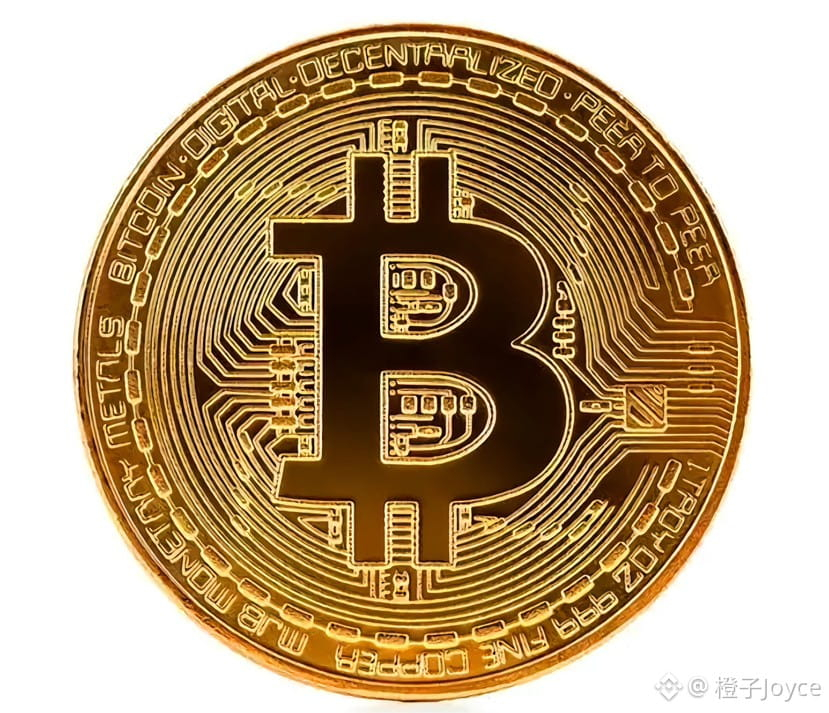
Top 10 “Whale” Institutions and Entities Holding BTC Worldwide
When analyzing institutional Bitcoin holdings worldwide, the distinction between traditional finance (TradFi) and crypto-native giants is becoming increasingly clear. The market is primarily divided into two core camps: centralized custodians of spot ETFs and publicly listed companies with corporate treasuries.
I. Traditional Asset Management Giants: Three-Way Race in Spot ETFs
Since the approval and listing of U.S. spot ETFs, asset management giants have become the world’s largest BTC custodians through ETFs:
* BlackRock (IBIT): Holds approximately 811,000 BTC. As the world’s largest spot Bitcoin ETF, IBIT has a significant capital-siphoning effect and leads by a wide margin.
* Fidelity (FBTC): Holds approximately 260,000 BTC. Its independent custody system (Fidelity Digital Assets) has secured its position in the second tier of asset managers.
* Grayscale (GBTC/BTC): Holds approximately 220,000 BTC. Though the long-established trust has seen outflows, it still has substantial reserves.
II. Publicly Listed Company Treasuries: Strategy Leads the “Corporate Dollar-Cost Averaging” Race
Ranked by BTC held directly on companies’ own balance sheets:
* Strategy (formerly MicroStrategy): Holds 849,000 BTC (average cost approximately $66,384). It continues to make frequent large purchases through “stock issuance + debt issuance,” accounting for approximately 4.04% of the total BTC supply.
* MARA Holdings: Holds approximately 43,000 BTC. A North American mining leader that adheres to a full-retention “HODL” strategy.
* Metaplanet: Holds approximately 43,000 BTC. Dubbed “Asia’s MicroStrategy,” it actively uses low-interest yen financing to build treasury reserves.
* Twenty One Capital: Holds approximately 43,000 BTC. An emerging player allocating assets to corporate treasuries.
* Bullish: Holds approximately 24,000 BTC. An institutional-grade crypto trading and liquidity services provider.
* Riot Platforms: Holds approximately 15,000 BTC. A traditional mining infrastructure giant.
* CleanSpark: Holds approximately 13,000 BTC. A mining company focused on green energy.
* Tesla: Holds approximately 10,000 BTC. A core long-term holding of Elon Musk’s company, with most of it remaining untouched.
* Coinbase Global: Holds approximately 9,000–16,000 BTC (proprietary assets only; excludes customer funds held in custody).
* Block, Inc.: Holds approximately 8,000 BTC. The payments giant led by Jack Dorsey makes regular purchases based on a fixed percentage of its profits.
$BTC
$BNB
2
14
1.6k
·
--
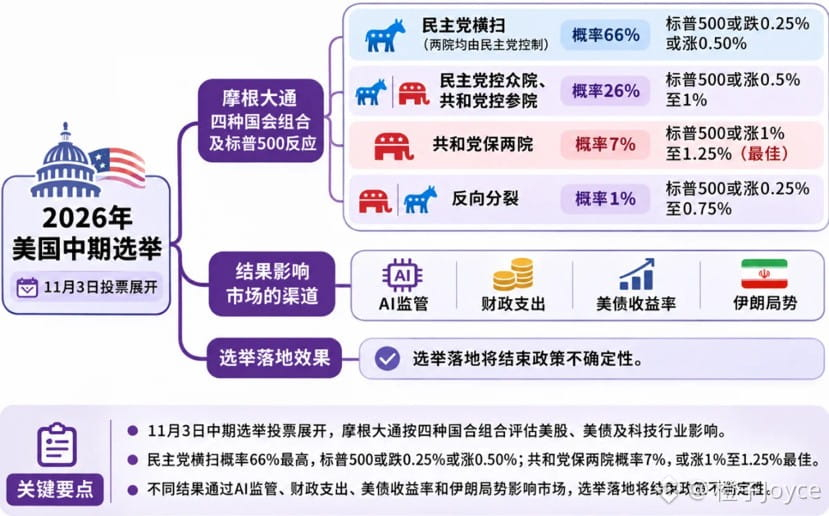
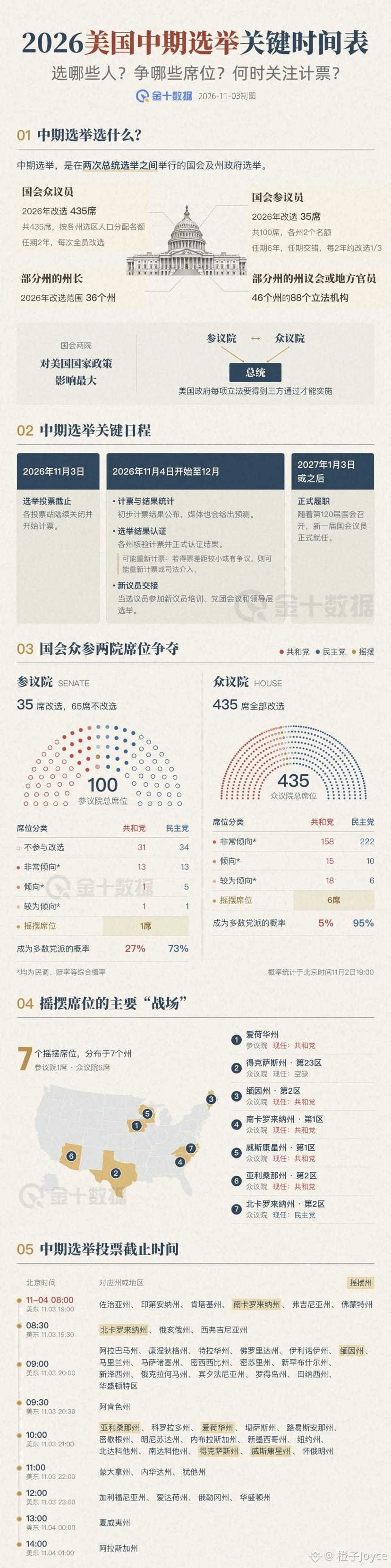
【JPMorgan’s major scenario analysis: 4 US election outcomes and their potential impact on US stocks and crypto markets】
As voting in the US midterm elections gets underway, Wall Street heavyweight JPMorgan has released its latest scenario forecasts for the balance of power in Congress. The analysis shows an “inverse relationship” between short-term market gains and the probability of each outcome:
📊 Four possible balances of power and expected S&P 500 performance:
1️⃣ Democrats sweep both chambers (66% probability): S&P 500 expected to range from -0.25% to +0.50%. Concerns over tighter AI regulation and a pullback in tech stocks may weigh on markets. However, since such measures are unlikely to overcome a presidential veto, JPMorgan recommends buying AI and tech assets on dips.
2️⃣ Divided Congress: Democrats control the House, Republicans the Senate (26% probability): S&P 500 expected to gain +0.5% to +1.0%. Gridlock would reduce the likelihood of major policy changes, while US Treasury yields may ease.
3️⃣ Republican red wave sweep (7% probability): S&P 500 expected to gain +1.0% to +1.25% (the largest rise). The removal of regulatory risks would directly benefit the tech and crypto sectors, though a widening deficit could push US Treasury yields higher.
4️⃣ Reverse split: Republicans control the House, Democrats the Senate (1% probability): S&P 500 expected to gain +0.25% to +0.75%. Budget standoffs could cause short-term volatility.
💡 What crypto investors should watch:
Although a Democratic sweep is the most likely outcome, its boost to US stocks would be relatively limited. By contrast, a “Republican sweep,” with just a 7% probability, would be the most likely to spur risk appetite. For crypto markets, whatever the final outcome, the resolution of political uncertainty could act as a catalyst for improving liquidity across risk assets.
2
559
·
--
Bullish
Verified
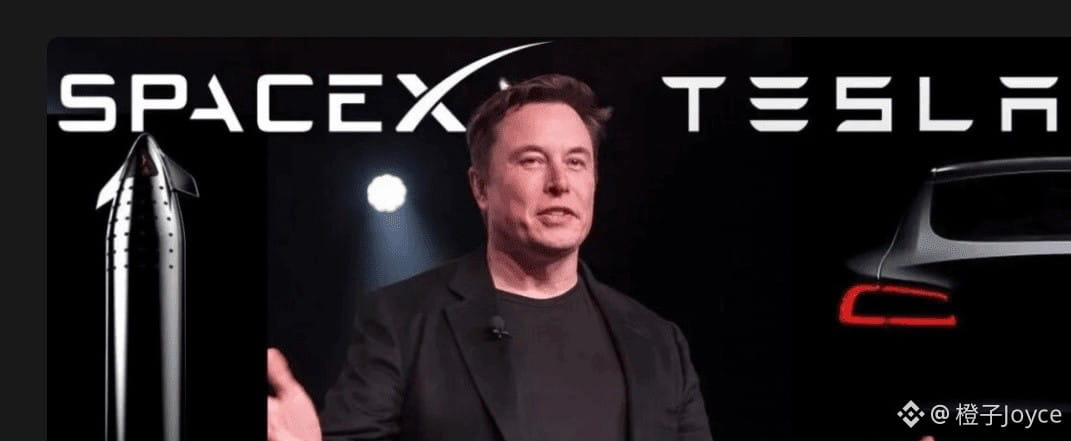
🚀 【Major News】SpaceX Plans to Acquire Boost Mobile! Starlink Accelerates the Buildout of a “Space-to-Ground” Hybrid Network, Taking on U.S. Telecom Giants
Elon Musk’s SpaceX ($SPCX) is in talks with EchoStar ($ECHO) about acquiring its wireless service brand Boost Mobile or gaining access to its network.
If the deal goes through, SpaceX would gain direct access to Boost’s 7.38 million wireless subscribers and established distribution channels, significantly shortening the time needed to build its own network. Following the news, SpaceX shares rose more than 4% intraday and EchoStar gained nearly 2%, while shares of the three major U.S. traditional carriers—AT&T ($T), Verizon ($VZ), and T-Mobile ($TMUS)—all came under pressure.
Core strategy: a “one-two punch” of spectrum, satellites, and ground stations
SpaceX isn’t just building a satellite communications business. Its ultimate goal is to create a hybrid “satellite + ground” mobile network and challenge the three telecom giants in a market with annual revenues of $600 billion:
* Prime spectrum assets: SpaceX recently spent $8 billion to acquire 800 MHz of low-band spectrum, which has strong signal penetration. Combined with the 65 MHz of nationwide spectrum it previously purchased from EchoStar, its spectrum holdings are highly complementary.
* Second-generation Starlink satellites: The FCC has approved deployment of the second-generation Starlink Mobile constellation, with up to 15,000 satellites. Launches are expected to begin in 2027, with commercial service in 2028; the company says performance is expected to improve 100-fold.
* Ground station and terminal rollout: SpaceX is in talks to secure at least 80,000 ground station sites across the U.S. Elon Musk has also proposed adding small radios to residential and commercial Starlink terminals, turning them into cell sites that provide coverage to mobile phones.
Potential challenges and hurdles
* Transfer of network leasing agreements: Boost Mobile currently leases network capacity from AT&T and T-Mobile. Transferring those contracts to SpaceX would require approval from its competitors, making the restructuring process uncertain.
* High operating costs: Building a nationwide network requires substantial CapEx, including subscriber subsidies, ground station construction, and customer service, posing a major test of operational execution.
As Starlink Mobile gradually completes the four pieces of the puzzle—spectrum, satellites, ground infrastructure, and distribution—commercial spaceflight is evolving from a “tool for filling coverage gaps” into a “direct competitor.” The boundaries between low-Earth-orbit satellites and concepts such as RWA/DePIN (decentralized physical infrastructure) are also converging rapidly!
$SPCX.US
{stock_us}(SPCX.US)
🚀 【Major News】SpaceX Plans to Acquire Boost Mobile! Starlink Accelerates the Buildout of a “Space-to-Ground” Hybrid Network, Taking on U.S. Telecom Giants
Elon Musk’s SpaceX ($SPCX) is in talks with EchoStar ($ECHO) about acquiring its wireless service brand Boost Mobile or gaining access to its network.
If the deal goes through, SpaceX would gain direct access to Boost’s 7.38 million wireless subscribers and established distribution channels, significantly shortening the time needed to build its own network. Following the news, SpaceX shares rose more than 4% intraday and EchoStar gained nearly 2%, while shares of the three major U.S. traditional carriers—AT&T ($T), Verizon ($VZ), and T-Mobile ($TMUS)—all came under pressure.
Core strategy: a “one-two punch” of spectrum, satellites, and ground stations
SpaceX isn’t just building a satellite communications business. Its ultimate goal is to create a hybrid “satellite + ground” mobile network and challenge the three telecom giants in a market with annual revenues of $600 billion:
* Prime spectrum assets: SpaceX recently spent $8 billion to acquire 800 MHz of low-band spectrum, which has strong signal penetration. Combined with the 65 MHz of nationwide spectrum it previously purchased from EchoStar, its spectrum holdings are highly complementary.
* Second-generation Starlink satellites: The FCC has approved deployment of the second-generation Starlink Mobile constellation, with up to 15,000 satellites. Launches are expected to begin in 2027, with commercial service in 2028; the company says performance is expected to improve 100-fold.
* Ground station and terminal rollout: SpaceX is in talks to secure at least 80,000 ground station sites across the U.S. Elon Musk has also proposed adding small radios to residential and commercial Starlink terminals, turning them into cell sites that provide coverage to mobile phones.
Potential challenges and hurdles
* Transfer of network leasing agreements: Boost Mobile currently leases network capacity from AT&T and T-Mobile. Transferring those contracts to SpaceX would require approval from its competitors, making the restructuring process uncertain.
* High operating costs: Building a nationwide network requires substantial CapEx, including subscriber subsidies, ground station construction, and customer service, posing a major test of operational execution.
As Starlink Mobile gradually completes the four pieces of the puzzle—spectrum, satellites, ground infrastructure, and distribution—commercial spaceflight is evolving from a “tool for filling coverage gaps” into a “direct competitor.” The boundaries between low-Earth-orbit satellites and concepts such as RWA/DePIN (decentralized physical infrastructure) are also converging rapidly!
$SPCX.US
SPCXUS+1.40%
8
2.4k
·
--
Article
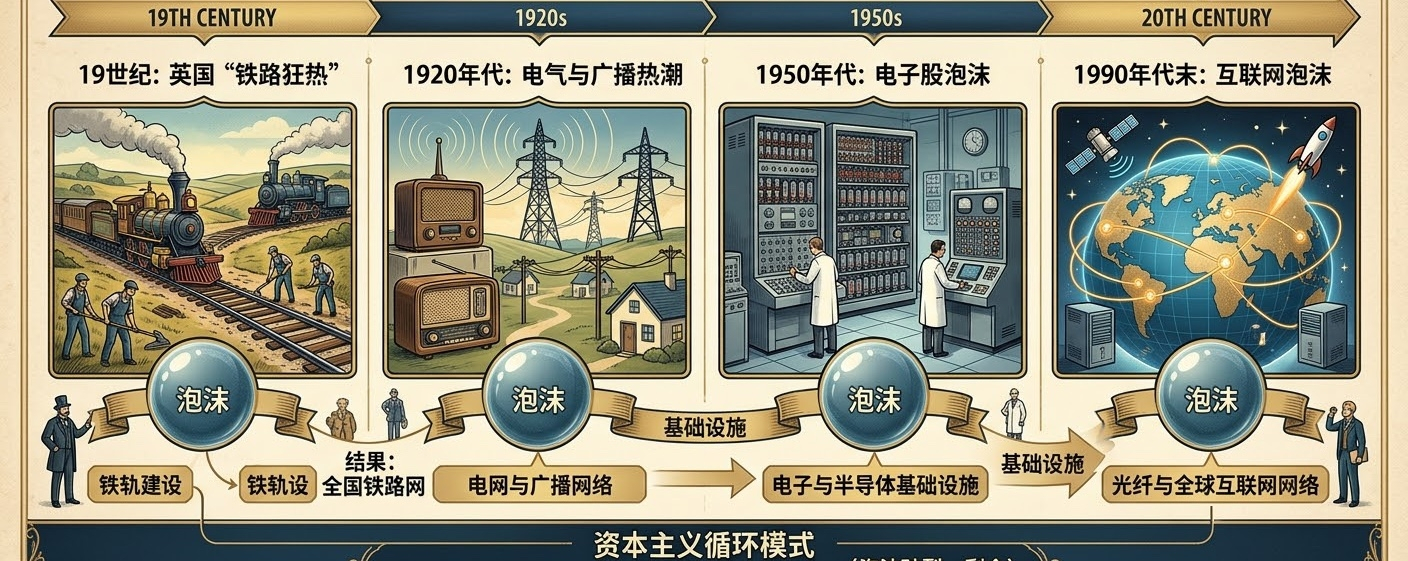
150 Years of Financial History: Capitalism Has Always Relied on “Technology Bubbles” to Build Infrastructure That Ushers in a New Era.The past 150 years of financial history—from Britain’s “railway mania” in the 19th century and the electricity and radio booms of the 1920s, to the electronics stock bubble of the 1950s and the Internet bubble of the late 1990s—have repeatedly shown the same pattern: capitalism has always relied on “technology bubbles” to build infrastructure that ushers in a new era.
From the perspective of long-term history, today’s AI boom is nothing unusual; it fits squarely within the standard pattern of how technological revolutions unfold in capital markets.
I. The Great Historical Cycle: Bubbles as “Catalysts” for Infrastructure
Looking back at the famous technology bubbles of the past 150 years, the key lesson is this: bubbles are not simply a loss of control over capital; they are a necessary financial instrument for the diffusion of technology.
150 Years of Financial History: Capitalism Has Always Relied on “Technology Bubbles” to Build Infrastructure That Ushers in a New Era.
The past 150 years of financial history—from Britain’s “railway mania” in the 19th century and the electricity and radio booms of the 1920s, to the electronics stock bubble of the 1950s and the Internet bubble of the late 1990s—have repeatedly shown the same pattern: capitalism has always relied on “technology bubbles” to build infrastructure that ushers in a new era.
From the perspective of long-term history, today’s AI boom is nothing unusual; it fits squarely within the standard pattern of how technological revolutions unfold in capital markets.
I. The Great Historical Cycle: Bubbles as “Catalysts” for Infrastructure
Looking back at the famous technology bubbles of the past 150 years, the key lesson is this: bubbles are not simply a loss of control over capital; they are a necessary financial instrument for the diffusion of technology.
1
4
695
Log in to explore more content
Join global crypto users on Binance Square
⚡️ Get latest and useful information about crypto.
💬 Trusted by the world’s largest crypto exchange.
👍 Discover real insights from verified creators.
Email / Phone number
Trending Topics
HotCPIDecemberHikePriced
108,879 views
1,269 Discussing
CPI Market Watch | US CPI Rises 0.4% in October, Hotter Than 0.3% Forecast
Binance News
·27 Likes
·41.7k views
AnthropicRejectsIPODelayValuationinQuestion
231,835 views
1,940 Discussing
CanNvidiaEarningsEaseMarketConcerns?
39,792 views
581 Discussing