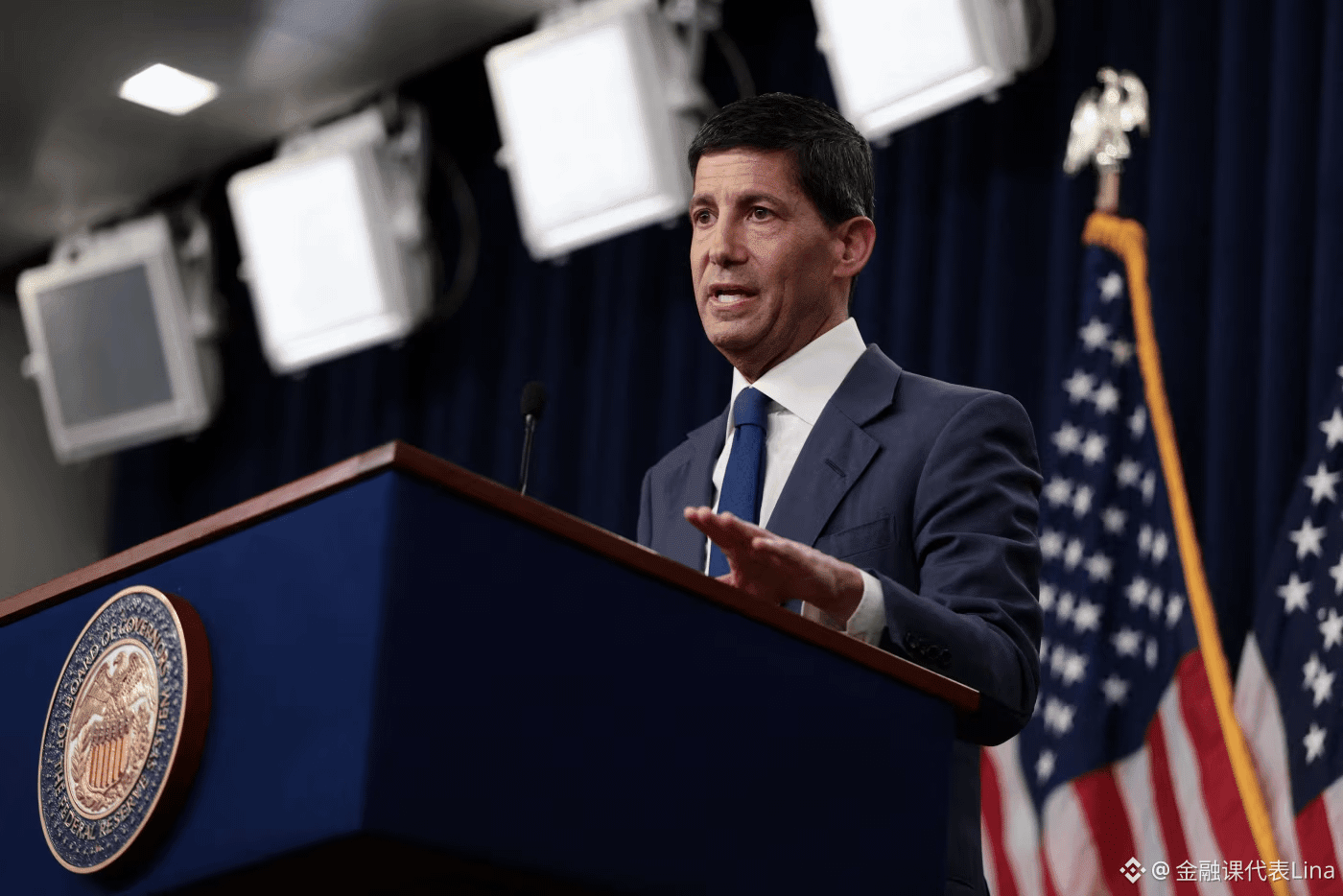
#美联储利率决议 The Fed is almost certain to hold rates steady this time: CME FedWatch puts the probability of keeping rates at 3.75%–4.00% at around 90.6%. So what we should really be thinking about in advance is whether it will hike again in December.
Let’s lay out the latest three sets of data. You’ll see they point in opposite directions:
First, the labor market is softening. September payrolls added just 29,000 jobs, far below the market’s expectation of 90,000, and the unemployment rate edged up from 4.1% to 4.2%. Taken on its own, this is a dovish signal—the case for a Fed rate hike should be weaker.
Second, inflation hasn’t backed down. PCE inflation is still expected to be more than a full percentage point above the 2% target, and may not return to target until 2028 at the earliest. With energy prices rising and new tariffs adding pressure to the cost of living, inflation remains a concern for the Fed.
Third, the economy hasn’t lost momentum. The Atlanta Fed’s latest GDPNow estimate for Q3 annualized growth is still 3.7% (the official estimate comes out this Thursday—a double feature: the rate decision and GDP, two big numbers in one night). That’s above the 2% threshold the Fed considers consistent with avoiding inflation, so the foundations for a soft landing are still in place.
Put all three together and the picture is fairly clear: the labor market is soft, but not collapsing; inflation is high and sticky; and the economy is steady, with no need for stimulus. In this combination, the Fed has no reason to pivot to rate cuts, but it’s also unlikely to back down just because payrolls came in soft for one month.
And the FOMC just raised rates by 25 bp on September 16. The minutes released on October 7 stated in black and white: “Most participants thought that further increases in interest rates might be appropriate before the end of 2026.” In the latest Reuters poll, all 100 economists expected another rate hike in December.
So my view is: the Fed will hold steady this week, but its language will lean hawkish, and Warsh will most likely keep the door open to a December hike. The key thing to watch isn’t whether rates move this time, but how much room he leaves for a December hike—that’s what the market will be repricing around over the next month. $SPY $QQQ $BTC #FOMC #Fed #Macro