

易琳Ten
134 Posts

易琳Ten
交易是修行,盈利是结果,纪律是信仰。🐺📈
70 Following
21.9K+ Followers
8.8K+ Liked
Posts
All
Quotes
Videos
PINNED
PINNED


猫咪神9527
·
--
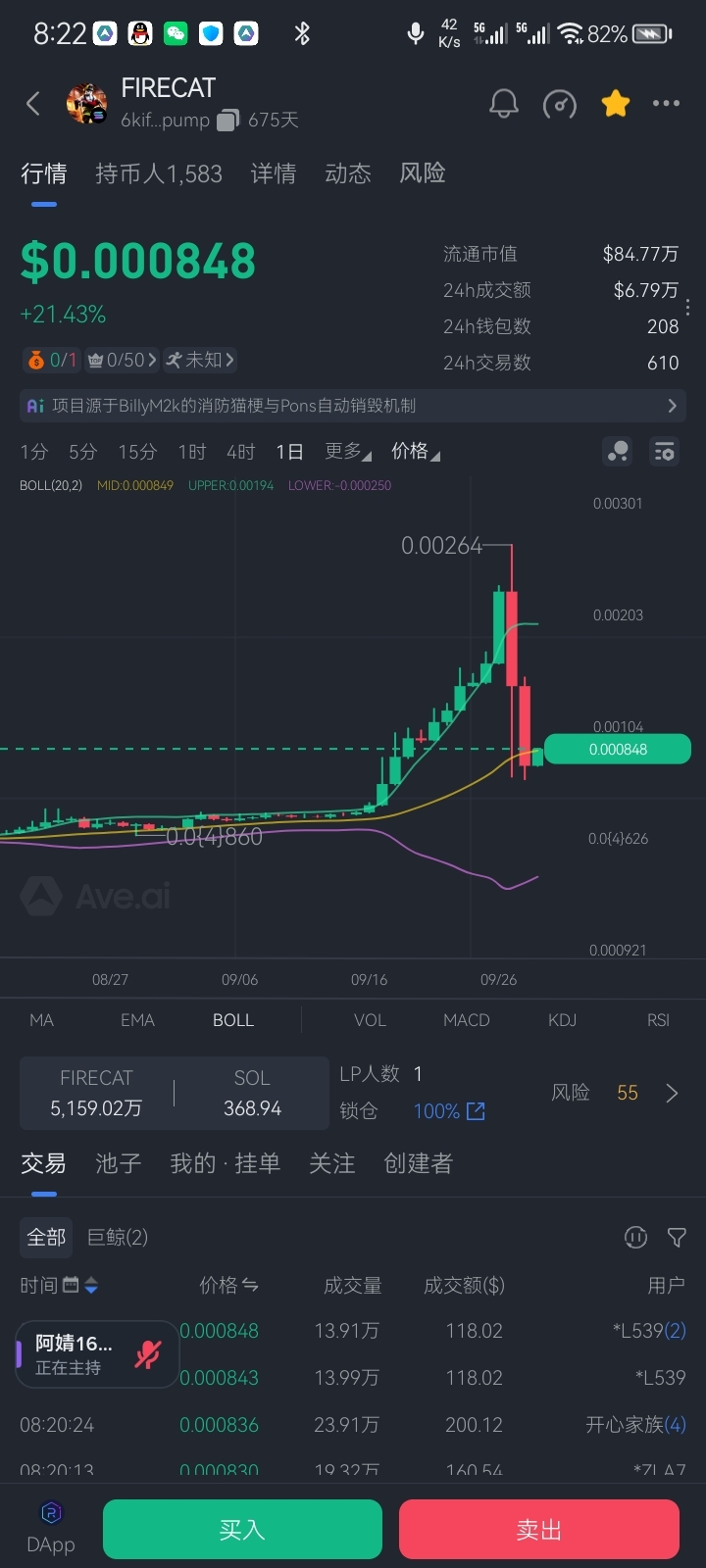
The fire alarm cat is currently in the callback phase 🔥 Ready to set sail and go! 🔥 Let those who believe make money, let those who work hard make a fortune. A great target/asset 🔥 The cost of missing out is low 🔥 The price of missing the chance is a bit regrettable. 🔥 Grab the opportunity and you’ll grab wealth.


Fabi_4043
·
--
Be wise and persistent 🥰🎁
Like and follow 🎁🎁
$BNB
#BitgetHackerMoves$83MStolenXRP
Like and follow 🎁🎁
$BNB
#BitgetHackerMoves$83MStolenXRP


Muzamil Abbas⁷⁵ 穆扎米尔_阿巴斯
·
--
Bullish$BANK
🎁 BANK COIN GIVEAWAY! 🏦🔥
Today I’m giving away BANK (Lorenzo Protocol) to the Binance Community 💛
Want to grab some BANK? 👇
✅ Follow me
❤️ Like this post
🔁 Repost
💬 Comment “1”
That’s it! 😎
Good luck to everyone joining! 🔥
Let’s spread some BANK love today! 🏦💛
#BANK #LorenzoProtocol #Giveaway #Binance #Crypto
$NVDAB
🎁 BANK COIN GIVEAWAY! 🏦🔥
Today I’m giving away BANK (Lorenzo Protocol) to the Binance Community 💛
Want to grab some BANK? 👇
✅ Follow me
❤️ Like this post
🔁 Repost
💬 Comment “1”
That’s it! 😎
Good luck to everyone joining! 🔥
Let’s spread some BANK love today! 🏦💛
#BANK #LorenzoProtocol #Giveaway #Binance #Crypto
$NVDAB


林仙姑131419
·
--
🔥🔥🔥🔥🔥🔥 The fire-alarm cat’s train has departed 👉👉👉 for you and me who are on the road to financial freedom 👌👌👌 Let’s welcome everyone who can board this train to financial freedom and keep it up 💪💪💪💪💪💪




分析师尤斯1688
·
--
comment to get your bonus.🧧


到月球喝茶
·
--
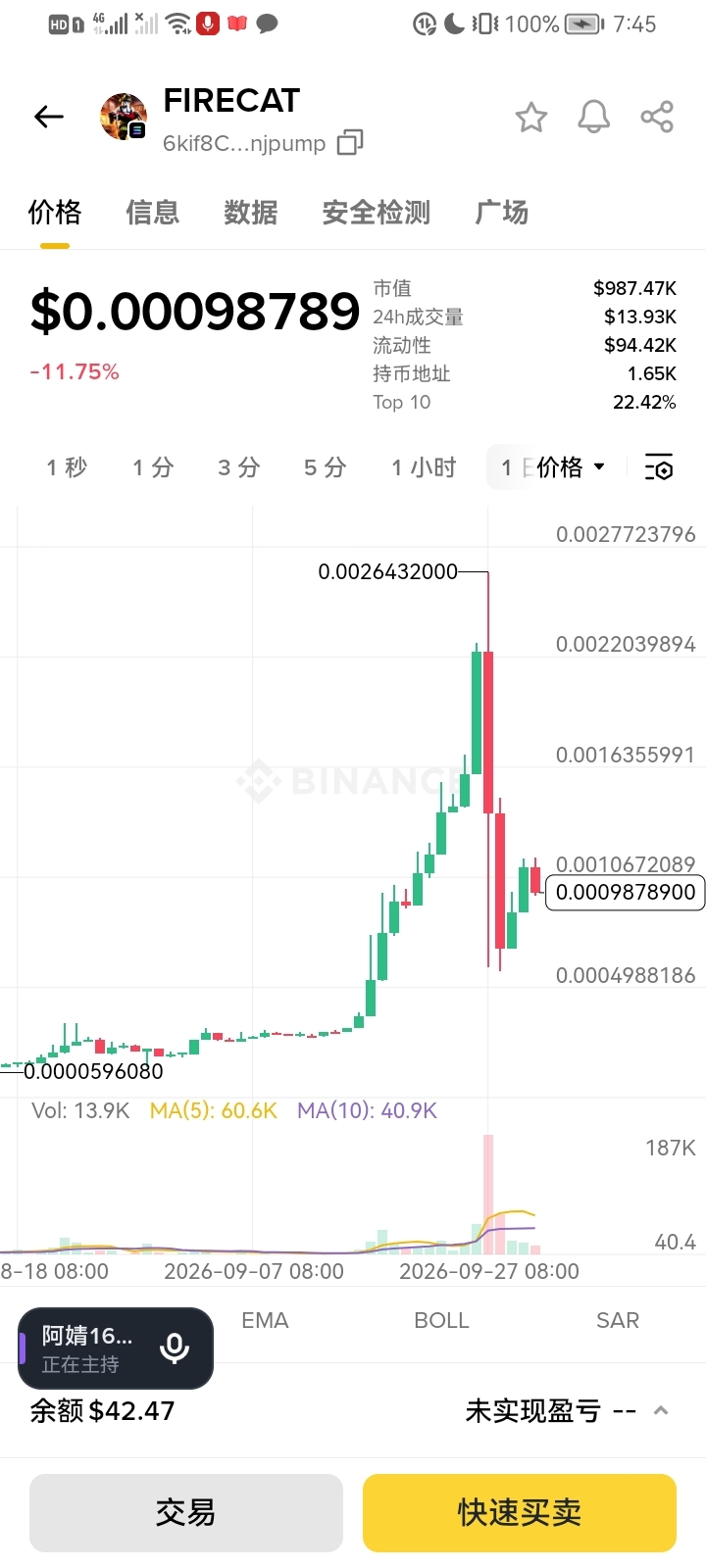
Do you have a fire alarm cat? Protect your family’s health, and enjoy a double harvest of health and wealth!


阿婧1688
·
--
On the National Day holiday, wishing you a journey with gentle winds and bright sunshine—may every sight be a beautiful scenery. Taste the warmth of everyday life, stay safe and joyful, and may all things go as you wish.
$SOL $BTC
$SOL $BTC

易琳Ten
·
--
Bullish#BTC Why am I still firmly optimistic about the bull market?
Many people believe that with rate-hike expectations heating up, oil prices staying high, and US Treasury yields remaining at elevated levels, the market environment does not support a bull market.
So, they conclude that this rally is just a bull trap, and that fresh lows will appear afterward.
That’s fine—everyone has their own judgment.
But I’ve always believed that in the early stage of switching from bear to bull, it is often accompanied by massive disagreement and doubt.
I don’t believe that a real bull market must wait until external conditions stabilize, economic data improves across the board, and only then—after the FOMC meeting—when Waller signals a rate-cut direction, will the market officially get started.
If everyone waits until good news is already in place, data turns better, and the market is unanimously bullish before entering, then where would the market be at that point?
Do institutions really not know that rate hikes may continue in the future? Don’t they pay attention to the US10Y and US30Y Treasury yields, or the persistently high oil prices?
Since these risks are all on the table, why has BTC still managed to put out such a行情?
I won’t easily deny my own judgment just because there are bearish factors in the market. Of course, my judgment could also be wrong—ultimately it still needs the market’s price action to verify.
Let time give the answer.
Maybe a year from now, when Bitcoin breaks its all-time high again, market voices will gradually shift from doubt to belief, and more and more people will firmly start to think: the bull market really is here.
But by then, what stage of the bull market will the行情 be in?
The market always starts amid doubt, moves forward amid differences, and turns狂热 amid consensus.
I don’t need everyone to agree with my view right now.
I only need to keep independent thinking, respect market signals, manage risk well, and then let time verify everything.
What’s truly worth thinking about is not when everyone believes in the bull market, but whether—in a market still full of disagreement—you have your own judgment, and the ability to take the risk that comes with that judgment.
#BTC #Bitcoin #EarlyBullMarket #交易认知
Many people believe that with rate-hike expectations heating up, oil prices staying high, and US Treasury yields remaining at elevated levels, the market environment does not support a bull market.
So, they conclude that this rally is just a bull trap, and that fresh lows will appear afterward.
That’s fine—everyone has their own judgment.
But I’ve always believed that in the early stage of switching from bear to bull, it is often accompanied by massive disagreement and doubt.
I don’t believe that a real bull market must wait until external conditions stabilize, economic data improves across the board, and only then—after the FOMC meeting—when Waller signals a rate-cut direction, will the market officially get started.
If everyone waits until good news is already in place, data turns better, and the market is unanimously bullish before entering, then where would the market be at that point?
Do institutions really not know that rate hikes may continue in the future? Don’t they pay attention to the US10Y and US30Y Treasury yields, or the persistently high oil prices?
Since these risks are all on the table, why has BTC still managed to put out such a行情?
I won’t easily deny my own judgment just because there are bearish factors in the market. Of course, my judgment could also be wrong—ultimately it still needs the market’s price action to verify.
Let time give the answer.
Maybe a year from now, when Bitcoin breaks its all-time high again, market voices will gradually shift from doubt to belief, and more and more people will firmly start to think: the bull market really is here.
But by then, what stage of the bull market will the行情 be in?
The market always starts amid doubt, moves forward amid differences, and turns狂热 amid consensus.
I don’t need everyone to agree with my view right now.
I only need to keep independent thinking, respect market signals, manage risk well, and then let time verify everything.
What’s truly worth thinking about is not when everyone believes in the bull market, but whether—in a market still full of disagreement—you have your own judgment, and the ability to take the risk that comes with that judgment.
#BTC #Bitcoin #EarlyBullMarket #交易认知

易琳Ten
·
--
The courage to buy the dip, and the rationality to avoid the top.
How much you earn is decided by the market; how much you lose is determined by yourself.
How much you earn is decided by the market; how much you lose is determined by yourself.

易琳Ten
·
--
BullishThe market surface changes in an instant, with constant message-driven disruptions,
while capital rivalries continue to intensify.
The hotter the market gets, the more you must stay calm;
The more tempting the opportunities are, the more you must stick to discipline.
Don’t blindly chase higher prices, don’t stake everything at once,
and don’t let FOMO sway your judgment.
while capital rivalries continue to intensify.
The hotter the market gets, the more you must stay calm;
The more tempting the opportunities are, the more you must stick to discipline.
Don’t blindly chase higher prices, don’t stake everything at once,
and don’t let FOMO sway your judgment.

易琳Ten
·
--
Bullish📈 #BTC bull market may have quietly begun,
and you may currently be in the early
stage of a new round of market activity!
Many people are still watching from the sidelines,
wondering whether midterm elections,
future interest rate hikes, and
various policy news will trigger another
round of declines.
But there is one important signal in trading worth paying attention to: when bad news materializes and the market does not experience the expected sharp selloff, it is worth re-examining the market’s true ability to absorb selling.
❤ Thank you for your attention!
and you may currently be in the early
stage of a new round of market activity!
Many people are still watching from the sidelines,
wondering whether midterm elections,
future interest rate hikes, and
various policy news will trigger another
round of declines.
But there is one important signal in trading worth paying attention to: when bad news materializes and the market does not experience the expected sharp selloff, it is worth re-examining the market’s true ability to absorb selling.
❤ Thank you for your attention!

易琳Ten
·
--
Bullish#BTC Why am I still firmly optimistic about the bull market?
Many people believe that with rate-hike expectations heating up, oil prices staying high, and US Treasury yields remaining at elevated levels, the market environment does not support a bull market.
So, they conclude that this rally is just a bull trap, and that fresh lows will appear afterward.
That’s fine—everyone has their own judgment.
But I’ve always believed that in the early stage of switching from bear to bull, it is often accompanied by massive disagreement and doubt.
I don’t believe that a real bull market must wait until external conditions stabilize, economic data improves across the board, and only then—after the FOMC meeting—when Waller signals a rate-cut direction, will the market officially get started.
If everyone waits until good news is already in place, data turns better, and the market is unanimously bullish before entering, then where would the market be at that point?
Do institutions really not know that rate hikes may continue in the future? Don’t they pay attention to the US10Y and US30Y Treasury yields, or the persistently high oil prices?
Since these risks are all on the table, why has BTC still managed to put out such a行情?
I won’t easily deny my own judgment just because there are bearish factors in the market. Of course, my judgment could also be wrong—ultimately it still needs the market’s price action to verify.
Let time give the answer.
Maybe a year from now, when Bitcoin breaks its all-time high again, market voices will gradually shift from doubt to belief, and more and more people will firmly start to think: the bull market really is here.
But by then, what stage of the bull market will the行情 be in?
The market always starts amid doubt, moves forward amid differences, and turns狂热 amid consensus.
I don’t need everyone to agree with my view right now.
I only need to keep independent thinking, respect market signals, manage risk well, and then let time verify everything.
What’s truly worth thinking about is not when everyone believes in the bull market, but whether—in a market still full of disagreement—you have your own judgment, and the ability to take the risk that comes with that judgment.
#BTC #Bitcoin #EarlyBullMarket #交易认知
Many people believe that with rate-hike expectations heating up, oil prices staying high, and US Treasury yields remaining at elevated levels, the market environment does not support a bull market.
So, they conclude that this rally is just a bull trap, and that fresh lows will appear afterward.
That’s fine—everyone has their own judgment.
But I’ve always believed that in the early stage of switching from bear to bull, it is often accompanied by massive disagreement and doubt.
I don’t believe that a real bull market must wait until external conditions stabilize, economic data improves across the board, and only then—after the FOMC meeting—when Waller signals a rate-cut direction, will the market officially get started.
If everyone waits until good news is already in place, data turns better, and the market is unanimously bullish before entering, then where would the market be at that point?
Do institutions really not know that rate hikes may continue in the future? Don’t they pay attention to the US10Y and US30Y Treasury yields, or the persistently high oil prices?
Since these risks are all on the table, why has BTC still managed to put out such a行情?
I won’t easily deny my own judgment just because there are bearish factors in the market. Of course, my judgment could also be wrong—ultimately it still needs the market’s price action to verify.
Let time give the answer.
Maybe a year from now, when Bitcoin breaks its all-time high again, market voices will gradually shift from doubt to belief, and more and more people will firmly start to think: the bull market really is here.
But by then, what stage of the bull market will the行情 be in?
The market always starts amid doubt, moves forward amid differences, and turns狂热 amid consensus.
I don’t need everyone to agree with my view right now.
I only need to keep independent thinking, respect market signals, manage risk well, and then let time verify everything.
What’s truly worth thinking about is not when everyone believes in the bull market, but whether—in a market still full of disagreement—you have your own judgment, and the ability to take the risk that comes with that judgment.
#BTC #Bitcoin #EarlyBullMarket #交易认知




Log in to explore more content