

易琳Ten
131 Posts

易琳Ten
交易是修行,盈利是结果,纪律是信仰。🐺📈
62 Following
21.0K+ Followers
7.7K+ Liked
Posts
All
Quotes
Videos
PINNED

PINNED

易琳Ten
·
--
To grow the principal, you don’t rely on luck—you rely on discipline
If you don’t have much capital, really stop chasing charts blindly and making random trades.
The crypto market has never been a place where you can survive long-term by luck alone.
The smaller your principal, the less you can afford to be anxious.
The more you want to turn things around, the more you must restrain yourself.
Because the biggest advantage of small capital isn’t that you’re bold enough to gamble—it’s that you can control risk and still have a chance to start over.
Remember these 3 rules:
① Capital allocation—never go all-in
Divide your capital into three parts.
One part for short-term trades: when you have profit, take it off the table—don’t get greedy to the very end;
One part for waiting for trends: if the market hasn’t moved in your expected direction, be patient and wait;
The last part as a reserve: unless it’s truly necessary, never touch it lightly.
Always leave yourself a way to retreat.
② Only make money from what you can understand
If there’s no opportunity, stay in cash.
If there’s no signal, wait.
Not every candlestick is worth participating in,
And you don’t have to make money every day.
If you don’t understand the market, it’s better to miss it;
Only after you understand the opportunity should you act seriously.
Trading isn’t about who makes more moves—it’s about who makes fewer mistakes.
③ Take-profit and stop-loss must be executed
If you’re wrong, admit it.
If you’re in profit, reduce your position according to the plan.
If you’re at a loss, don’t mindlessly add just to average down.
The real danger has never been a single small loss.
It’s when you’re clearly wrong, but because you’re unwilling to accept it, you stubbornly turn a small loss into a big one.
No one can guarantee that every trade will be profitable.
But you can do this:
Keep small losses under control, hold onto profits, and never touch big losses.
Having a small principal isn’t scary.
What’s truly terrifying is trying to turn things around in a rush.
When you’re anxious, you chase the surge.
When you have a loss, you add.
When you get a win, you start getting greedy again.
In the end, your trading is completely taken over by emotions.
The real growth path for small capital has never been:
All-in → a sudden surge → a fortune overnight.
It should be:
First survive → control drawdowns → execute steadily → accumulate slowly → let compounding work.
So don’t always think about how much you’ll make on the next trade.
First ask yourself:
If this trade is wrong, what’s the maximum I can afford to lose?
In the end, trading isn’t about who’s most willing to gamble.
It’s about who can, through repeated fluctuations, keep their principal, keep their discipline, and keep their own rhythm.
Don’t be greedy. Don’t panic. Don’t gamble.
The first step in turning around with a small principal has never been making money—it’s learning how not to lose your chance first.
If you don’t have much capital, really stop chasing charts blindly and making random trades.
The crypto market has never been a place where you can survive long-term by luck alone.
The smaller your principal, the less you can afford to be anxious.
The more you want to turn things around, the more you must restrain yourself.
Because the biggest advantage of small capital isn’t that you’re bold enough to gamble—it’s that you can control risk and still have a chance to start over.
Remember these 3 rules:
① Capital allocation—never go all-in
Divide your capital into three parts.
One part for short-term trades: when you have profit, take it off the table—don’t get greedy to the very end;
One part for waiting for trends: if the market hasn’t moved in your expected direction, be patient and wait;
The last part as a reserve: unless it’s truly necessary, never touch it lightly.
Always leave yourself a way to retreat.
② Only make money from what you can understand
If there’s no opportunity, stay in cash.
If there’s no signal, wait.
Not every candlestick is worth participating in,
And you don’t have to make money every day.
If you don’t understand the market, it’s better to miss it;
Only after you understand the opportunity should you act seriously.
Trading isn’t about who makes more moves—it’s about who makes fewer mistakes.
③ Take-profit and stop-loss must be executed
If you’re wrong, admit it.
If you’re in profit, reduce your position according to the plan.
If you’re at a loss, don’t mindlessly add just to average down.
The real danger has never been a single small loss.
It’s when you’re clearly wrong, but because you’re unwilling to accept it, you stubbornly turn a small loss into a big one.
No one can guarantee that every trade will be profitable.
But you can do this:
Keep small losses under control, hold onto profits, and never touch big losses.
Having a small principal isn’t scary.
What’s truly terrifying is trying to turn things around in a rush.
When you’re anxious, you chase the surge.
When you have a loss, you add.
When you get a win, you start getting greedy again.
In the end, your trading is completely taken over by emotions.
The real growth path for small capital has never been:
All-in → a sudden surge → a fortune overnight.
It should be:
First survive → control drawdowns → execute steadily → accumulate slowly → let compounding work.
So don’t always think about how much you’ll make on the next trade.
First ask yourself:
If this trade is wrong, what’s the maximum I can afford to lose?
In the end, trading isn’t about who’s most willing to gamble.
It’s about who can, through repeated fluctuations, keep their principal, keep their discipline, and keep their own rhythm.
Don’t be greedy. Don’t panic. Don’t gamble.
The first step in turning around with a small principal has never been making money—it’s learning how not to lose your chance first.

易琳Ten
·
--
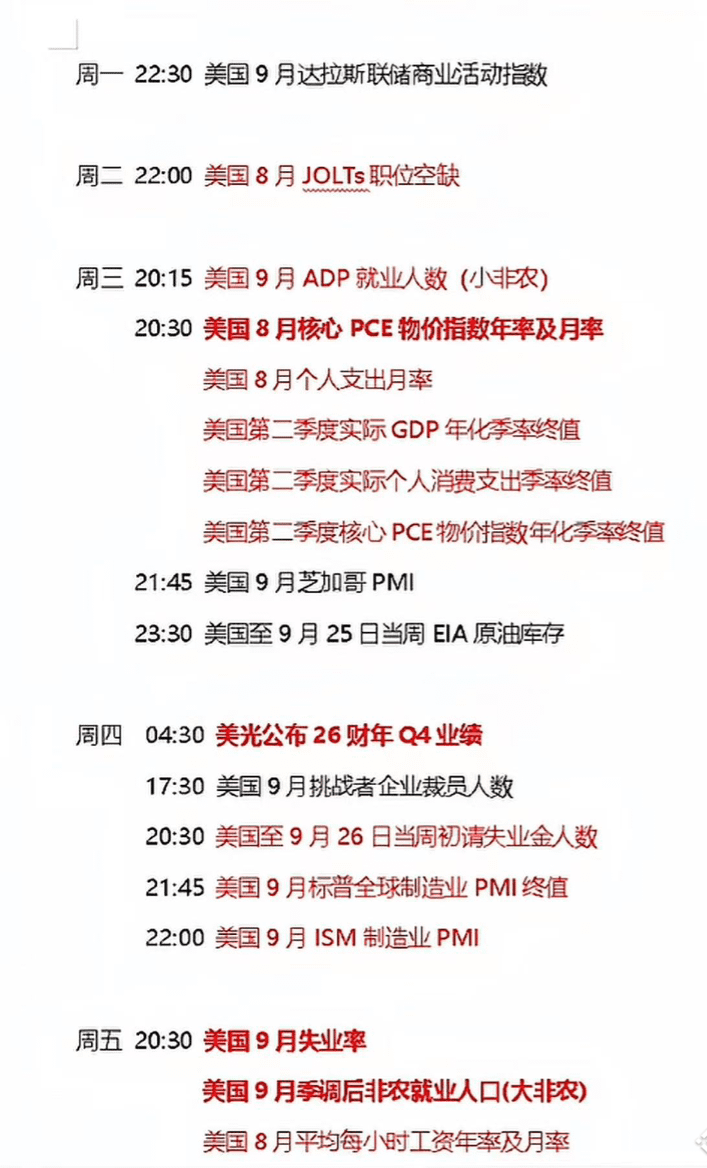
This week, the United States will release a lot of important data—big ones are coming.
易琳Ten
·
--
Trading Core ❤ Principles
Trading core principles
1. Hold the line—survive first, then make money.
The first rule of trading isn’t quick profits—it’s long-term survival.
Never add to losing trades. Cut losses immediately after a mistake. Eliminate high-leverage gambling.
Don’t let losses drive emotions. Don’t retaliate with an oversized position. Don’t borrow to try to get even.
Staying alive is the market’s biggest trump card.
2. Take profits and keep taking—lock them in for safety.
Paper gains are all just imaginary. The profits you lock in are the real, hard money.
If your position is in profit, take profit in batches. Never let winning gains turn into losses.
Ditch the fantasy of getting rich overnight. Small gains accumulated steadily with compounding is the only path to growing capital.
1. Hold the line—survive first, then make money.
The first rule of trading isn’t quick profits—it’s long-term survival.
Never add to losing trades. Cut losses immediately after a mistake. Eliminate high-leverage gambling.
Don’t let losses drive emotions. Don’t retaliate with an oversized position. Don’t borrow to try to get even.
Staying alive is the market’s biggest trump card.
2. Take profits and keep taking—lock them in for safety.
Paper gains are all just imaginary. The profits you lock in are the real, hard money.
If your position is in profit, take profit in batches. Never let winning gains turn into losses.
Ditch the fantasy of getting rich overnight. Small gains accumulated steadily with compounding is the only path to growing capital.

易琳Ten
·
--
Bitget hackers are transferring approximately $83 million worth of stolen $XRP.
What’s truly unsettling isn’t the $83 million—it’s the fact that there are about $75 million worth of XRP sitting in the hackers’ wallets, and no one can directly freeze it.
Why?
Because XRP is a native asset.
The XRP Ledger has no mechanism to “freeze native assets,” and Ripple doesn’t have the kind of authority that Tether has to freeze USDT or Circle has to freeze USDC.
In plain language:
If USDT/USDC is stolen, the issuer can freeze it;
If XRP is stolen, the coins in the hacker’s wallet can’t simply be paused by anyone.
What exchanges can do is: once the hacker moves the coins into the exchange, they can lock the account and prevent withdrawals, but they can’t directly freeze the hacker’s own wallet.
This is also the most important thing worth remembering from this incident:
“Decentralization” means fewer safety nets, and it also means it’s harder to get things back after something goes wrong.
Kudos to exchanges like Binance and Bitget teaming up to track the funds 👍🏻
But what’s really worth thinking about is:
Before you buy an asset, you shouldn’t only look at how much it can go up—you should also figure out whether, if something happens, anyone can actually hit the “freeze button.”
What’s truly unsettling isn’t the $83 million—it’s the fact that there are about $75 million worth of XRP sitting in the hackers’ wallets, and no one can directly freeze it.
Why?
Because XRP is a native asset.
The XRP Ledger has no mechanism to “freeze native assets,” and Ripple doesn’t have the kind of authority that Tether has to freeze USDT or Circle has to freeze USDC.
In plain language:
If USDT/USDC is stolen, the issuer can freeze it;
If XRP is stolen, the coins in the hacker’s wallet can’t simply be paused by anyone.
What exchanges can do is: once the hacker moves the coins into the exchange, they can lock the account and prevent withdrawals, but they can’t directly freeze the hacker’s own wallet.
This is also the most important thing worth remembering from this incident:
“Decentralization” means fewer safety nets, and it also means it’s harder to get things back after something goes wrong.
Kudos to exchanges like Binance and Bitget teaming up to track the funds 👍🏻
But what’s really worth thinking about is:
Before you buy an asset, you shouldn’t only look at how much it can go up—you should also figure out whether, if something happens, anyone can actually hit the “freeze button.”

易琳Ten
·
--
To grow the principal, you don’t rely on luck—you rely on discipline
If you don’t have much capital, really stop chasing charts blindly and making random trades.
The crypto market has never been a place where you can survive long-term by luck alone.
The smaller your principal, the less you can afford to be anxious.
The more you want to turn things around, the more you must restrain yourself.
Because the biggest advantage of small capital isn’t that you’re bold enough to gamble—it’s that you can control risk and still have a chance to start over.
Remember these 3 rules:
① Capital allocation—never go all-in
Divide your capital into three parts.
One part for short-term trades: when you have profit, take it off the table—don’t get greedy to the very end;
One part for waiting for trends: if the market hasn’t moved in your expected direction, be patient and wait;
The last part as a reserve: unless it’s truly necessary, never touch it lightly.
Always leave yourself a way to retreat.
② Only make money from what you can understand
If there’s no opportunity, stay in cash.
If there’s no signal, wait.
Not every candlestick is worth participating in,
And you don’t have to make money every day.
If you don’t understand the market, it’s better to miss it;
Only after you understand the opportunity should you act seriously.
Trading isn’t about who makes more moves—it’s about who makes fewer mistakes.
③ Take-profit and stop-loss must be executed
If you’re wrong, admit it.
If you’re in profit, reduce your position according to the plan.
If you’re at a loss, don’t mindlessly add just to average down.
The real danger has never been a single small loss.
It’s when you’re clearly wrong, but because you’re unwilling to accept it, you stubbornly turn a small loss into a big one.
No one can guarantee that every trade will be profitable.
But you can do this:
Keep small losses under control, hold onto profits, and never touch big losses.
Having a small principal isn’t scary.
What’s truly terrifying is trying to turn things around in a rush.
When you’re anxious, you chase the surge.
When you have a loss, you add.
When you get a win, you start getting greedy again.
In the end, your trading is completely taken over by emotions.
The real growth path for small capital has never been:
All-in → a sudden surge → a fortune overnight.
It should be:
First survive → control drawdowns → execute steadily → accumulate slowly → let compounding work.
So don’t always think about how much you’ll make on the next trade.
First ask yourself:
If this trade is wrong, what’s the maximum I can afford to lose?
In the end, trading isn’t about who’s most willing to gamble.
It’s about who can, through repeated fluctuations, keep their principal, keep their discipline, and keep their own rhythm.
Don’t be greedy. Don’t panic. Don’t gamble.
The first step in turning around with a small principal has never been making money—it’s learning how not to lose your chance first.
If you don’t have much capital, really stop chasing charts blindly and making random trades.
The crypto market has never been a place where you can survive long-term by luck alone.
The smaller your principal, the less you can afford to be anxious.
The more you want to turn things around, the more you must restrain yourself.
Because the biggest advantage of small capital isn’t that you’re bold enough to gamble—it’s that you can control risk and still have a chance to start over.
Remember these 3 rules:
① Capital allocation—never go all-in
Divide your capital into three parts.
One part for short-term trades: when you have profit, take it off the table—don’t get greedy to the very end;
One part for waiting for trends: if the market hasn’t moved in your expected direction, be patient and wait;
The last part as a reserve: unless it’s truly necessary, never touch it lightly.
Always leave yourself a way to retreat.
② Only make money from what you can understand
If there’s no opportunity, stay in cash.
If there’s no signal, wait.
Not every candlestick is worth participating in,
And you don’t have to make money every day.
If you don’t understand the market, it’s better to miss it;
Only after you understand the opportunity should you act seriously.
Trading isn’t about who makes more moves—it’s about who makes fewer mistakes.
③ Take-profit and stop-loss must be executed
If you’re wrong, admit it.
If you’re in profit, reduce your position according to the plan.
If you’re at a loss, don’t mindlessly add just to average down.
The real danger has never been a single small loss.
It’s when you’re clearly wrong, but because you’re unwilling to accept it, you stubbornly turn a small loss into a big one.
No one can guarantee that every trade will be profitable.
But you can do this:
Keep small losses under control, hold onto profits, and never touch big losses.
Having a small principal isn’t scary.
What’s truly terrifying is trying to turn things around in a rush.
When you’re anxious, you chase the surge.
When you have a loss, you add.
When you get a win, you start getting greedy again.
In the end, your trading is completely taken over by emotions.
The real growth path for small capital has never been:
All-in → a sudden surge → a fortune overnight.
It should be:
First survive → control drawdowns → execute steadily → accumulate slowly → let compounding work.
So don’t always think about how much you’ll make on the next trade.
First ask yourself:
If this trade is wrong, what’s the maximum I can afford to lose?
In the end, trading isn’t about who’s most willing to gamble.
It’s about who can, through repeated fluctuations, keep their principal, keep their discipline, and keep their own rhythm.
Don’t be greedy. Don’t panic. Don’t gamble.
The first step in turning around with a small principal has never been making money—it’s learning how not to lose your chance first.

BLOCK Rayne
·
--
A BIG gift 🎁 from me to our amazing community. ❤️
Claim your $DOGE reward and enjoy!
Hurry up, everyone! 🔥
Claim your $DOGE reward and enjoy!
Hurry up, everyone! 🔥


Stella_ DCruz
·
--
Three different L1 bets:
.
claim 📦👈🌹🌹🌹
.
claim 2 👈🌹🌹🌹🌹
.
$SOL → users and apps
$SUI → object-centric applications
$SEI → trading execution
.
.
claim 📦👈🌹🌹🌹
.
claim 2 👈🌹🌹🌹🌹
.
$SOL → users and apps
$SUI → object-centric applications
$SEI → trading execution
.


泽栩191
·
--
Choose LUCiC, and make elegance part of your everyday.
Choose LUCiC, and make elegance part of your everyday.
Choose LUCiC, and make elegance part of your everyday.



帮帮Bonnie
·
--
March forward with solitary courage, view gains and losses calmly.
March forward with solitary courage, view gains and losses calmly.
#Circle与Tether冻结Bitget黑客钱包
March forward with solitary courage, view gains and losses calmly.
#Circle与Tether冻结Bitget黑客钱包


只会呐喊的尖刀手
·
--
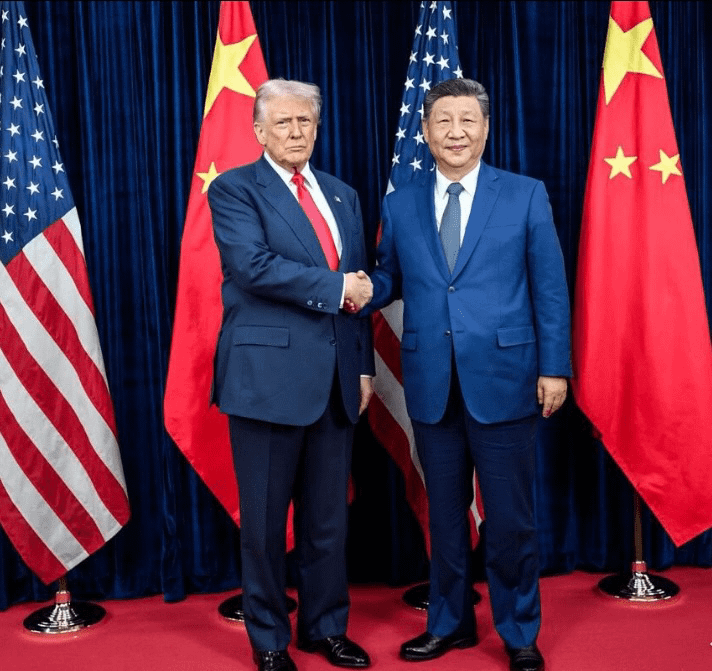
U.S.-China Tariffs Cut by About $30 Billion Each: Moving From “Statements” to “Implementation”
Substantive progress has been made in economic and trade talks between the U.S. and China. The two sides are no longer confined to a verbal consensus of “willingness to reduce tariffs.” They have reached agreement on reciprocal tariff-reduction lists for about $30 billion worth of each side’s imported goods: more than 90% of the relevant items’ tariffs will be rolled back to the MFN rate level. After their respective domestic legal procedures are completed, the reductions will be implemented simultaneously.
The “gold content” of the lists is high. On the U.S. side, the 77 items related to China’s exports include toys, household appliances, baby products, kitchen and bathroom appliances, and holiday gifts—mostly people-focused consumer categories frequently purchased by consumers in the U.S. mainland. On the China side, the 1,619 items related to imports from the U.S. include agricultural products, personal care items, medical devices, and coal, directly targeting real needs on the domestic consumption, healthcare, and industrial fronts. Neither side has filled the lists with obscure or peripheral items. This indicates that the concessions are targeted and come with “give-and-take.”
Its significance goes beyond sentiment. In the short term, the uncertainty surrounding trade frictions is narrowing. Global markets’ risk-avoidance expectations of “tariffs driving inflation and supply chains breaking again” may cool, and preferences for risk assets could recover. In the medium term, tariff reductions on consumer goods and intermediate inputs will directly ease U.S. household spending and reduce import costs for Chinese companies—both positive factors for inflation control on both sides and for stabilizing supply chains.
Of course, this is still “cooling off,” not “ceasefire.” Deeper issues such as remaining tariffs, non-tariff barriers, and industrial subsidies have not yet reached the bottom. But at the very least, both sides are willing to put real goods backed by real dollars on the table and pull tariff rates back. That in itself is a long-awaited rational signal in the narrative of a trade war—confrontation has a cost, and stepping back is more worthwhile than hardening one’s stance.
Substantive progress has been made in economic and trade talks between the U.S. and China. The two sides are no longer confined to a verbal consensus of “willingness to reduce tariffs.” They have reached agreement on reciprocal tariff-reduction lists for about $30 billion worth of each side’s imported goods: more than 90% of the relevant items’ tariffs will be rolled back to the MFN rate level. After their respective domestic legal procedures are completed, the reductions will be implemented simultaneously.
The “gold content” of the lists is high. On the U.S. side, the 77 items related to China’s exports include toys, household appliances, baby products, kitchen and bathroom appliances, and holiday gifts—mostly people-focused consumer categories frequently purchased by consumers in the U.S. mainland. On the China side, the 1,619 items related to imports from the U.S. include agricultural products, personal care items, medical devices, and coal, directly targeting real needs on the domestic consumption, healthcare, and industrial fronts. Neither side has filled the lists with obscure or peripheral items. This indicates that the concessions are targeted and come with “give-and-take.”
Its significance goes beyond sentiment. In the short term, the uncertainty surrounding trade frictions is narrowing. Global markets’ risk-avoidance expectations of “tariffs driving inflation and supply chains breaking again” may cool, and preferences for risk assets could recover. In the medium term, tariff reductions on consumer goods and intermediate inputs will directly ease U.S. household spending and reduce import costs for Chinese companies—both positive factors for inflation control on both sides and for stabilizing supply chains.
Of course, this is still “cooling off,” not “ceasefire.” Deeper issues such as remaining tariffs, non-tariff barriers, and industrial subsidies have not yet reached the bottom. But at the very least, both sides are willing to put real goods backed by real dollars on the table and pull tariff rates back. That in itself is a long-awaited rational signal in the narrative of a trade war—confrontation has a cost, and stepping back is more worthwhile than hardening one’s stance.

DK短线复刻
·
--
Reply to receive a red envelope 🎁


奕泽YIZZE
·
--
🧧🧧🧧Follow, like, share, and get red envelopes!
静待时光沉淀,LUCIC前路自有万丈光芒。
静待时光沉淀,LUCIC前路自有万丈光芒。


CZ_ANUU
·
--
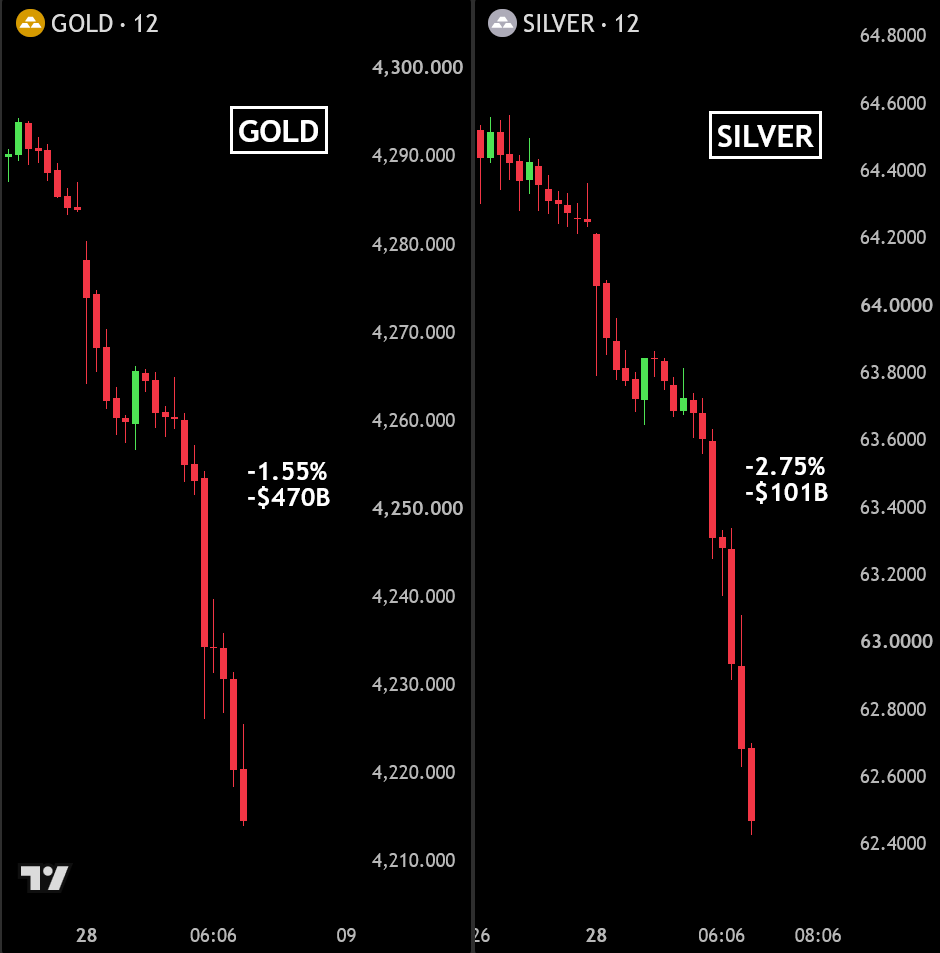
BREAKING: Over $550 BILLION has been wiped out from gold and silver in the last 3 hours.

兰汐kyL
·
--
$ETH China-US Reach Eight-Point Consensus—Many Crypto Friends Haven’t Realized This Yet. This Is a Major Piece of News That Can Affect the Market!
With the macro environment easing, market risk-aversion sentiment is cooling down directly, and investors’ risk appetite will gradually rise. What everyone feared before was that tensions would keep dragging on, making capital afraid to enter and causing the overall market to keep grinding at the bottom. Now that this news has landed, it’s a positive signal for the crypto market. 💥
But please don’t let your head get hot and rush in with a full position. In market moves driven by news like this, many are short-term, pulse-like rallies—after a run-up, it’s easy for profit-taking to slam the brakes and trigger a pullback. Seasoned players know this: news-driven momentum usually doesn’t last long, and you can’t treat it as a signal that a full bull market is starting. 💥
Bitcoin and altcoins will likely diverge. BTC will first help lift the overall market, driving a rebound; smaller coins may look like they’re pumping hard, but when they retrace, they can drop just as violently. For execution, the suggestion is to participate with a light position—don’t chase. If you already hold positions, you can use the rebound to reduce some of the high-level trapped positions and set up proper take-profit. 💥
Remember: news is only a catalyst. What truly determines the bigger trend is still the Fed’s policy. Even if good news comes out, it doesn’t mean the market will rise in one direction forever—the board can flip at any time. In the crypto world, risk always comes first. Protect your principal, and only then will you have a chance to catch the next wave of opportunities 💥#Circle与Tether冻结Bitget黑客钱包 #中美达成300亿美元关税削减共识 #
With the macro environment easing, market risk-aversion sentiment is cooling down directly, and investors’ risk appetite will gradually rise. What everyone feared before was that tensions would keep dragging on, making capital afraid to enter and causing the overall market to keep grinding at the bottom. Now that this news has landed, it’s a positive signal for the crypto market. 💥
But please don’t let your head get hot and rush in with a full position. In market moves driven by news like this, many are short-term, pulse-like rallies—after a run-up, it’s easy for profit-taking to slam the brakes and trigger a pullback. Seasoned players know this: news-driven momentum usually doesn’t last long, and you can’t treat it as a signal that a full bull market is starting. 💥
Bitcoin and altcoins will likely diverge. BTC will first help lift the overall market, driving a rebound; smaller coins may look like they’re pumping hard, but when they retrace, they can drop just as violently. For execution, the suggestion is to participate with a light position—don’t chase. If you already hold positions, you can use the rebound to reduce some of the high-level trapped positions and set up proper take-profit. 💥
Remember: news is only a catalyst. What truly determines the bigger trend is still the Fed’s policy. Even if good news comes out, it doesn’t mean the market will rise in one direction forever—the board can flip at any time. In the crypto world, risk always comes first. Protect your principal, and only then will you have a chance to catch the next wave of opportunities 💥#Circle与Tether冻结Bitget黑客钱包 #中美达成300亿美元关税削减共识 #


Ahmed Ali Nizamani
·
--
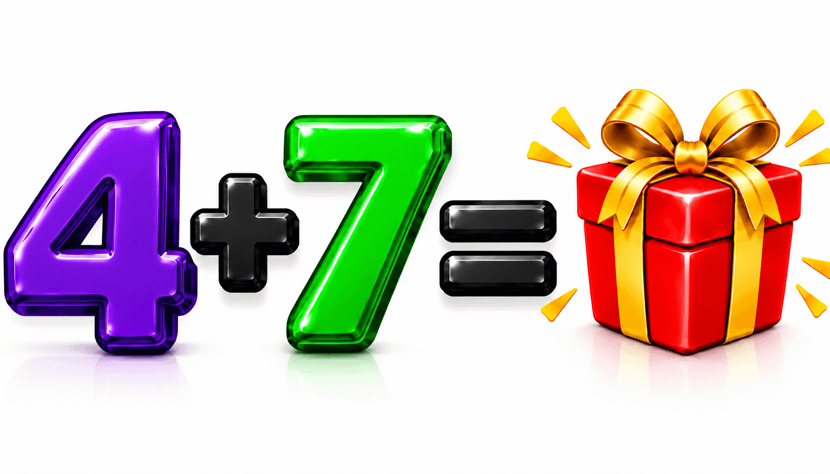
Lets play again 4 and 7 = 🤔🎁🎁🎁🎁

奋斗Hustle1688
·
--
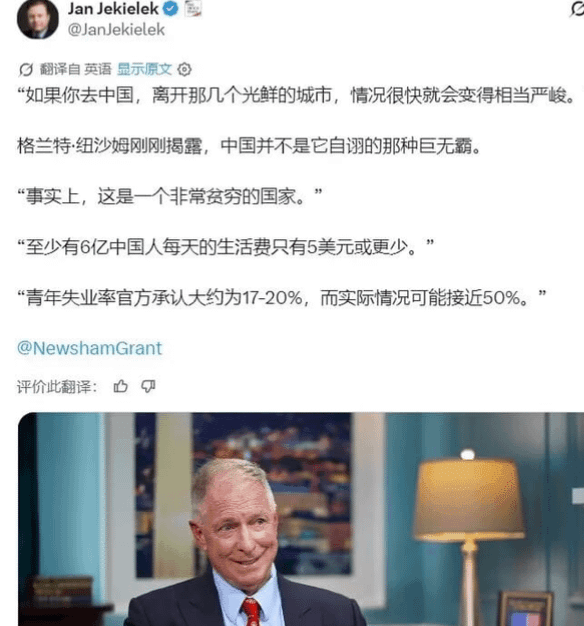
It’s basically going to dig everyone’s family assets out and talk about them~Honestly, have we really reached a living standard of $5 a day? Let’s be real—don’t fool ourselves, haha. If we haven’t, then isn’t hitting 50 yuan a day actually pretty easy?

幸运雨Rain
·
--
☁️With an original heart,迎接新旅程🍃
Fluctuations in the market are all part of cultivation📈
Do not let short-term rises and falls disturb your mind✨
Hold fast to your beliefs and endure the磨练💛
Time never fails those who keep standing firm💎
#Circle与Tether冻结Bitget黑客钱包
Fluctuations in the market are all part of cultivation📈
Do not let short-term rises and falls disturb your mind✨
Hold fast to your beliefs and endure the磨练💛
Time never fails those who keep standing firm💎
#Circle与Tether冻结Bitget黑客钱包


路人1688luren
·
--
$ONDO O USDT
The bulls are in control, brothers!
After $ONDO broke through the 0.53–0.57 support zone, it has shown strong bullish momentum. Currently, the price is trading around 0.6056, supported by strong trading volume for this upswing.
As long as the price can hold above 0.5800, the bullish continuation could still target 0.6200, 0.6400, and 0.6600.
Confirmation signal: Hold 0.6000, and break above 0.6200 with strong volume.#本周Strategy与Strive增持2305枚BTC
The bulls are in control, brothers!
After $ONDO broke through the 0.53–0.57 support zone, it has shown strong bullish momentum. Currently, the price is trading around 0.6056, supported by strong trading volume for this upswing.
As long as the price can hold above 0.5800, the bullish continuation could still target 0.6200, 0.6400, and 0.6600.
Confirmation signal: Hold 0.6000, and break above 0.6200 with strong volume.#本周Strategy与Strive增持2305枚BTC



Log in to explore more content