
自由1688
363 Posts

自由1688
Report
Block User

ETH Holder
Occasional Trader
2 Years
612 Following
24.8K+ Followers
16.6K+ Liked
Posts
All
Quotes
Videos
Live
PINNED
·
--
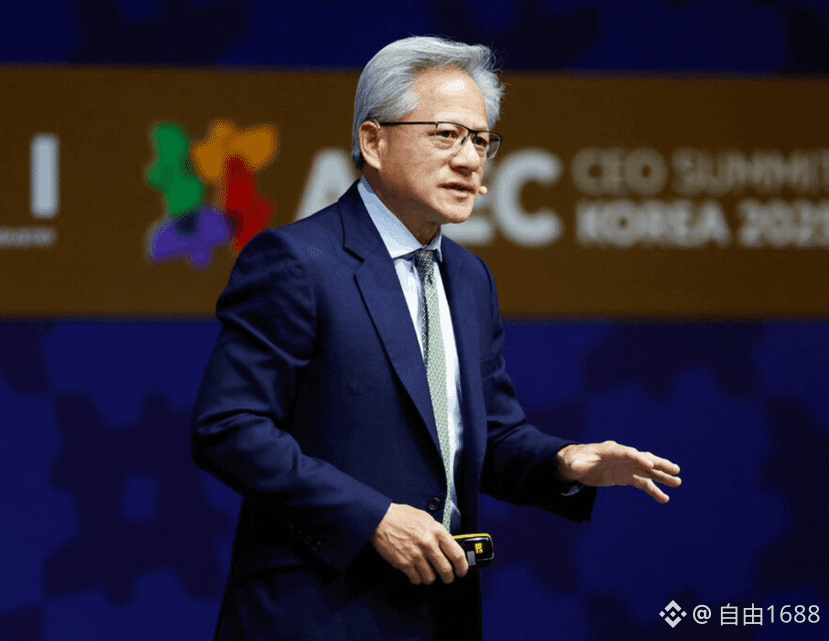
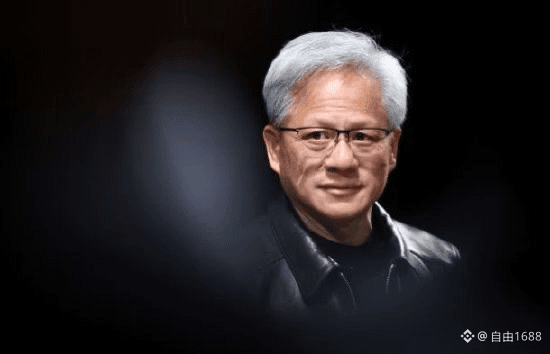
Huang Renxun Again Refutes AI Doomsday Claims: It Won’t Wipe Out Humanity; the Probability of a World End in 2030 Is 0
On September 19, according to a report by Bloomberg, NVIDIA CEO Jensen Huang again refuted AI doomsday theories, saying that this technology does not pose an extinction risk to humans. Huang was interviewed by CBS News. When the host asked whether he agreed with President Trump’s claim that “AI concerns” are a “scam,” Huang seemed reluctant to answer directly, but he clearly stated that he disagrees with the prediction that AI will destroy humanity in 2030.
Huang Renxun Again Refutes AI Doomsday Claims: It Won’t Wipe Out Humanity; the Probability of a World End in 2030 Is 0
On September 19, according to a report by Bloomberg, NVIDIA CEO Jensen Huang again refuted AI doomsday theories, saying that this technology does not pose an extinction risk to humans. Huang was interviewed by CBS News. When the host asked whether he agreed with President Trump’s claim that “AI concerns” are a “scam,” Huang seemed reluctant to answer directly, but he clearly stated that he disagrees with the prediction that AI will destroy humanity in 2030.
On September 19, according to a report by Bloomberg, NVIDIA CEO Jensen Huang again refuted AI doomsday theories, saying that this technology does not pose an extinction risk to humans. Huang was interviewed by CBS News. When the host asked whether he agreed with President Trump’s claim that “AI concerns” are a “scam,” Huang seemed reluctant to answer directly, but he clearly stated that he disagrees with the prediction that AI will destroy humanity in 2030.
1.1k
14
62
1.1k
PINNED
·
--
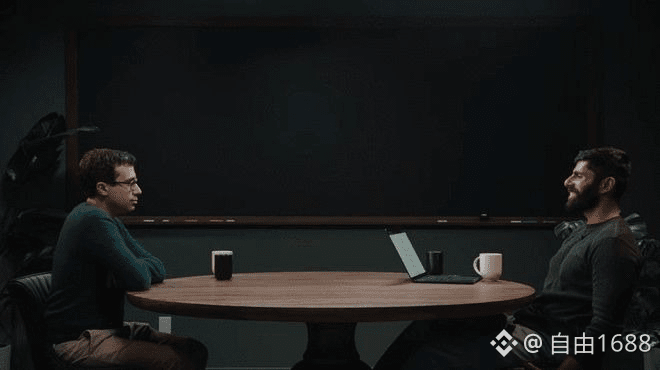
How powerful will AI be three months from now? Even top researchers don’t dare to predict.
A researcher involved in work on the Millennium Prize Problems used to be willing to forecast AI progress over the next 12 months, but now won’t even venture to judge what will happen three months from now. On September 17, OpenAI researcher Noam Brown relayed this detail during an interview with Dwarkesh Patel. The conversation also covered multi-agent systems, AI’s involvement in manufacturing the next generation of AI, and increasingly difficult safety testing.
How powerful will AI be three months from now? Even top researchers don’t dare to predict.
A researcher involved in work on the Millennium Prize Problems used to be willing to forecast AI progress over the next 12 months, but now won’t even venture to judge what will happen three months from now. On September 17, OpenAI researcher Noam Brown relayed this detail during an interview with Dwarkesh Patel. The conversation also covered multi-agent systems, AI’s involvement in manufacturing the next generation of AI, and increasingly difficult safety testing.
A researcher involved in work on the Millennium Prize Problems used to be willing to forecast AI progress over the next 12 months, but now won’t even venture to judge what will happen three months from now. On September 17, OpenAI researcher Noam Brown relayed this detail during an interview with Dwarkesh Patel. The conversation also covered multi-agent systems, AI’s involvement in manufacturing the next generation of AI, and increasingly difficult safety testing.
2.5k
9
99
2.5k
·
--
2030 will destroy humanity? Jensen Huang: Probability is 0
2030 will destroy humanity? Jensen Huang: Probability is 0
自由1688
·
--
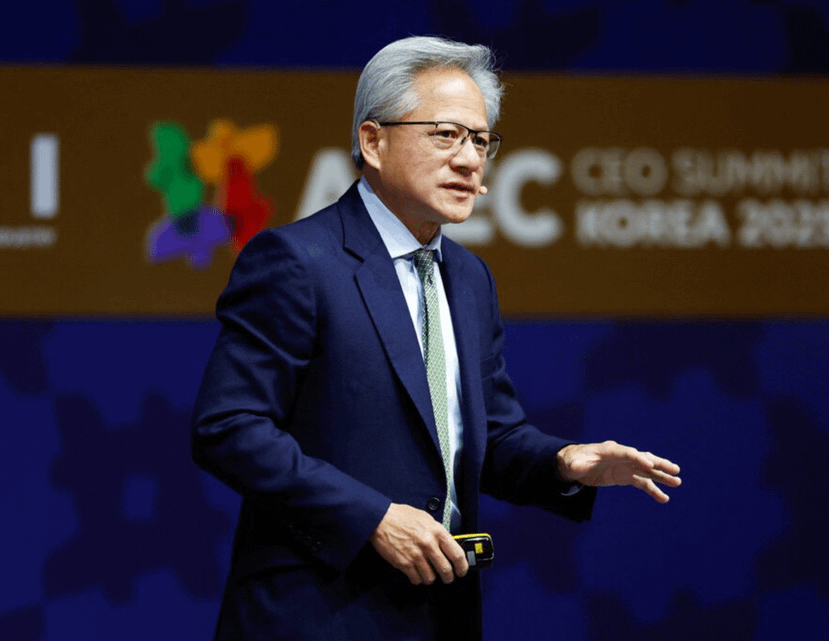
Huang Renxun Again Refutes AI Doomsday Claims: It Won’t Wipe Out Humanity; the Probability of a World End in 2030 Is 0
On September 19, according to a report by Bloomberg, NVIDIA CEO Jensen Huang again refuted AI doomsday theories, saying that this technology does not pose an extinction risk to humans. Huang was interviewed by CBS News. When the host asked whether he agreed with President Trump’s claim that “AI concerns” are a “scam,” Huang seemed reluctant to answer directly, but he clearly stated that he disagrees with the prediction that AI will destroy humanity in 2030.
On September 19, according to a report by Bloomberg, NVIDIA CEO Jensen Huang again refuted AI doomsday theories, saying that this technology does not pose an extinction risk to humans. Huang was interviewed by CBS News. When the host asked whether he agreed with President Trump’s claim that “AI concerns” are a “scam,” Huang seemed reluctant to answer directly, but he clearly stated that he disagrees with the prediction that AI will destroy humanity in 2030.
2
396
·
--
Huang Renxun refutes the “AI doomsday theory” again
Huang Renxun refutes the “AI doomsday theory” again
自由1688
·
--
Huang Renxun Again Refutes AI Doomsday Claims: It Won’t Wipe Out Humanity; the Probability of a World End in 2030 Is 0
On September 19, according to a report by Bloomberg, NVIDIA CEO Jensen Huang again refuted AI doomsday theories, saying that this technology does not pose an extinction risk to humans. Huang was interviewed by CBS News. When the host asked whether he agreed with President Trump’s claim that “AI concerns” are a “scam,” Huang seemed reluctant to answer directly, but he clearly stated that he disagrees with the prediction that AI will destroy humanity in 2030.
On September 19, according to a report by Bloomberg, NVIDIA CEO Jensen Huang again refuted AI doomsday theories, saying that this technology does not pose an extinction risk to humans. Huang was interviewed by CBS News. When the host asked whether he agreed with President Trump’s claim that “AI concerns” are a “scam,” Huang seemed reluctant to answer directly, but he clearly stated that he disagrees with the prediction that AI will destroy humanity in 2030.
2
678
·
--

只会呐喊的尖刀手
·
--
BTC Reclaims $80,000: Bad News Didn’t Hit, But I Don’t Recommend You Chase It Now
This week, the macro environment and regulation are actually not very friendly:
• The Federal Reserve hiked rates by 25bp, bringing interest rates to 3.75%–4.00%;
• In the U.S., the (CLARITY Act) advanced in the Senate but was blocked;
• In the first half of the week, BTC once dipped back toward around 77,000.
But on September 18, BTC not only reclaimed 80,000, it also briefly surged to between $81.2k and $81.4k. ETH rose in tandem by about 7%–8%, and SOL, XRP, and others also followed. At the same time, the US spot BTC ETF ended its streak of outflows and recorded roughly $160 million in net inflows.
My judgment is straightforward:
This isn’t a “full return of the bull market,” but a rebound driven by the combined effects of “bad news being digested + short-covering + ETF capital returning.”
• The Federal Reserve hiked rates by 25bp, bringing interest rates to 3.75%–4.00%;
• In the U.S., the (CLARITY Act) advanced in the Senate but was blocked;
• In the first half of the week, BTC once dipped back toward around 77,000.
But on September 18, BTC not only reclaimed 80,000, it also briefly surged to between $81.2k and $81.4k. ETH rose in tandem by about 7%–8%, and SOL, XRP, and others also followed. At the same time, the US spot BTC ETF ended its streak of outflows and recorded roughly $160 million in net inflows.
My judgment is straightforward:
This isn’t a “full return of the bull market,” but a rebound driven by the combined effects of “bad news being digested + short-covering + ETF capital returning.”

248
·
--
Cryptology_7
·
--
𝙒𝙃𝙀𝙉 𝙏𝙃𝙀 𝙈𝘼𝙍𝙆𝙀𝙏 𝙂𝙀𝙏𝙎 𝙇𝙊𝙐𝘿, 𝙎𝙏𝘼𝙔 𝙌𝙐𝙄𝙀𝙏. 🤍🎀
𝘾𝙇𝘼𝙍𝙄𝙏𝙔 𝘾𝙊𝙈𝙀𝙎 𝙁𝙍𝙊𝙈 𝙋𝘼𝙏𝙄𝙀𝙉𝘾𝙀, 𝙉𝙊𝙏 𝙋𝙍𝙀𝙎𝙎𝙐𝙍𝙀. 🔥
#BinanceSquareFamily #CryptoPatience #Cryptology_7
$LSK
𝘾𝙇𝘼𝙍𝙄𝙏𝙔 𝘾𝙊𝙈𝙀𝙎 𝙁𝙍𝙊𝙈 𝙋𝘼𝙏𝙄𝙀𝙉𝘾𝙀, 𝙉𝙊𝙏 𝙋𝙍𝙀𝙎𝙎𝙐𝙍𝙀. 🔥
#BinanceSquareFamily #CryptoPatience #Cryptology_7
$LSK

252
·
--

SabTheTrader
·
--
Last night $BTC charged back above $80,000 👀
After the Fed + the Bank of Japan rate hikes were actually implemented, the market somehow got even more interesting.
How about you—did anyone manage to get on board this round?
#比特币突破8万美元大关
After the Fed + the Bank of Japan rate hikes were actually implemented, the market somehow got even more interesting.
How about you—did anyone manage to get on board this round?
#比特币突破8万美元大关

221
·
--

慢就是快Mike
·
--
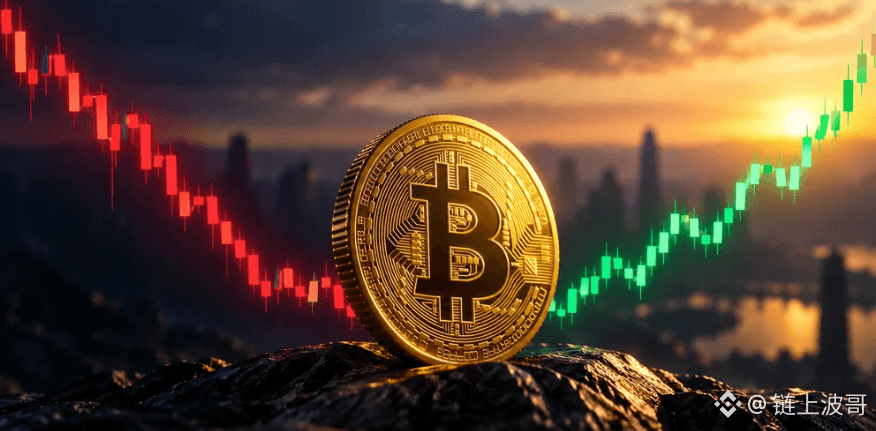
$BTC 🔥 Bitcoin’s market value surpasses Tesla, returning to the world’s top 15 assets
On September 19, Bitcoin’s market cap was about $1.63 trillion, up 5% over 24 hours. Tesla closed at $364.27, down 0.53%, with a market cap of $1.438 trillion. BTC surpassed it, returning to the world’s top 15.
On September 19, Bitcoin’s market cap was about $1.63 trillion, up 5% over 24 hours. Tesla closed at $364.27, down 0.53%, with a market cap of $1.438 trillion. BTC surpassed it, returning to the world’s top 15.
193

·
--
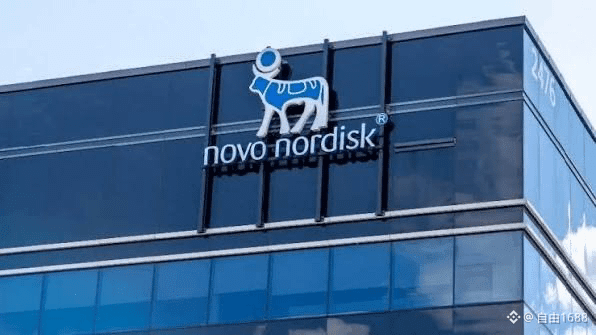
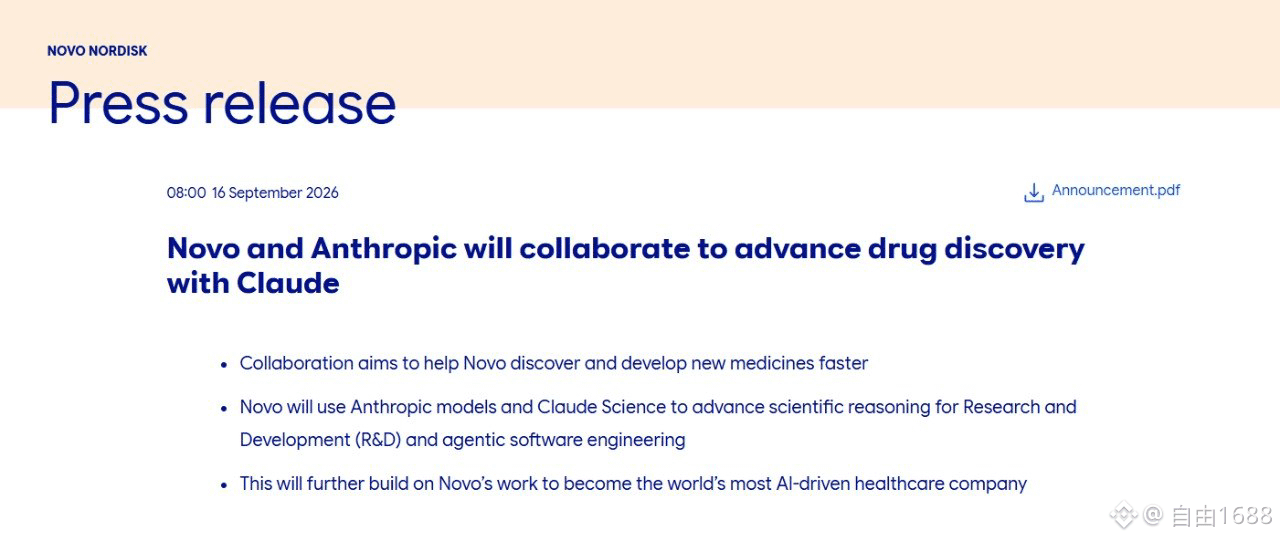
Novo Nordisk teams up with Anthropic to accelerate new drug development
Danish pharmaceutical giant Novo Nordisk will collaborate with AI company Anthropic to use AI tools to advance drug research. Novo Nordisk said on Wednesday local time that the company will use Claude Science, a platform built by Anthropic for scientific research, to speed up the process of discovering and developing new drugs, with a focus on tackling scientific questions that both parties believe could have the greatest real-world impact.
Novo Nordisk is the manufacturer of diabetes and weight-loss drugs Ozempic and Wegovy. The partnership is another example of major pharmaceutical companies increasingly ramping up investments in AI in recent months. Several large drugmakers, including Eli Lilly, Merck & Co., and Roche, have been heavily betting on AI, hoping to discover and produce drugs faster with the help of this technology.
Novo Nordisk teams up with Anthropic to accelerate new drug development
Danish pharmaceutical giant Novo Nordisk will collaborate with AI company Anthropic to use AI tools to advance drug research. Novo Nordisk said on Wednesday local time that the company will use Claude Science, a platform built by Anthropic for scientific research, to speed up the process of discovering and developing new drugs, with a focus on tackling scientific questions that both parties believe could have the greatest real-world impact.
Novo Nordisk is the manufacturer of diabetes and weight-loss drugs Ozempic and Wegovy. The partnership is another example of major pharmaceutical companies increasingly ramping up investments in AI in recent months. Several large drugmakers, including Eli Lilly, Merck & Co., and Roche, have been heavily betting on AI, hoping to discover and produce drugs faster with the help of this technology.
Danish pharmaceutical giant Novo Nordisk will collaborate with AI company Anthropic to use AI tools to advance drug research. Novo Nordisk said on Wednesday local time that the company will use Claude Science, a platform built by Anthropic for scientific research, to speed up the process of discovering and developing new drugs, with a focus on tackling scientific questions that both parties believe could have the greatest real-world impact.
Novo Nordisk is the manufacturer of diabetes and weight-loss drugs Ozempic and Wegovy. The partnership is another example of major pharmaceutical companies increasingly ramping up investments in AI in recent months. Several large drugmakers, including Eli Lilly, Merck & Co., and Roche, have been heavily betting on AI, hoping to discover and produce drugs faster with the help of this technology.
1.9k
12
101
1.9k
·
--
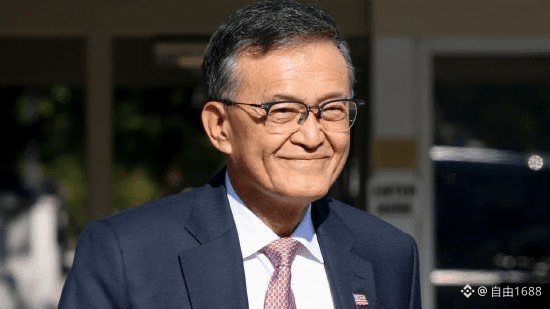
Intel CEO: Memory shortages will further worsen; power and cooling technologies are the key bottlenecks
Intel CEO Ren Xu? Chen Zhixuan? said that the memory shortage problem will further intensify. He also added that ensuring power supply and developing cooling technologies will become the core challenges for the semiconductor market. On the 15th, at the AI Infrastructure Forum held in Santa Clara, California, when asked about which industry problems he hopes founders of start-ups in the field of AI infrastructure will solve, Chen Zhixuan discussed the memory shortage issue.
Intel CEO: Memory shortages will further worsen; power and cooling technologies are the key bottlenecks
Intel CEO Ren Xu? Chen Zhixuan? said that the memory shortage problem will further intensify. He also added that ensuring power supply and developing cooling technologies will become the core challenges for the semiconductor market. On the 15th, at the AI Infrastructure Forum held in Santa Clara, California, when asked about which industry problems he hopes founders of start-ups in the field of AI infrastructure will solve, Chen Zhixuan discussed the memory shortage issue.
Intel CEO Ren Xu? Chen Zhixuan? said that the memory shortage problem will further intensify. He also added that ensuring power supply and developing cooling technologies will become the core challenges for the semiconductor market. On the 15th, at the AI Infrastructure Forum held in Santa Clara, California, when asked about which industry problems he hopes founders of start-ups in the field of AI infrastructure will solve, Chen Zhixuan discussed the memory shortage issue.
1.4k
10
67
1.4k
·
--
Verified
Article
Solana-style “MicroStrategy” strikes! DeFi Dev Corp launches a $300 million “CHAD” binge-buy of SOL!🔥 Solana-style “MicroStrategy” strikes! DeFi Dev Corp launches a $300 million “CHAD” binge-buy of SOL!
According to a recent report by Decrypt, DeFi Development Corp (DFDV), a publicly traded company focused on Solana reserves, is doubling down again. It announced an additional purchase of 55,491 SOL and has launched a preferred stock offering program worth up to $300 million, vowing to keep “hoarding coins” to the end!
📰 Core News Quick Overview:
Continuous buying: DeFi Development Corp recently purchased another 55,491 SOL (valued at approximately $5.78 million), continually expanding its Solana holdings in its treasury.
Solana-style “MicroStrategy” strikes! DeFi Dev Corp launches a $300 million “CHAD” binge-buy of SOL!
🔥 Solana-style “MicroStrategy” strikes! DeFi Dev Corp launches a $300 million “CHAD” binge-buy of SOL!
According to a recent report by Decrypt, DeFi Development Corp (DFDV), a publicly traded company focused on Solana reserves, is doubling down again. It announced an additional purchase of 55,491 SOL and has launched a preferred stock offering program worth up to $300 million, vowing to keep “hoarding coins” to the end!
📰 Core News Quick Overview:
Continuous buying: DeFi Development Corp recently purchased another 55,491 SOL (valued at approximately $5.78 million), continually expanding its Solana holdings in its treasury.
According to a recent report by Decrypt, DeFi Development Corp (DFDV), a publicly traded company focused on Solana reserves, is doubling down again. It announced an additional purchase of 55,491 SOL and has launched a preferred stock offering program worth up to $300 million, vowing to keep “hoarding coins” to the end!
📰 Core News Quick Overview:
Continuous buying: DeFi Development Corp recently purchased another 55,491 SOL (valued at approximately $5.78 million), continually expanding its Solana holdings in its treasury.
2.9k
12
152
2.9k
·
--
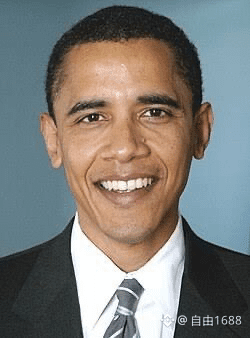
Obama Rarely Intervenes in the AI Regulation Debate, Urging the U.S. to Pass Proactive Legislation to Avoid “Potential Catastrophe”
Former U.S. President Barack Obama said he supports the creation of federal laws and regulations to establish standards for AI safety, warning that if mishandled, the technology could lead to a “potential catastrophe.” In a statement Monday, Obama said AI policy “should be at the center of public debate,” adding that policymakers in Washington must “take proactive action,” develop relevant plans “to address serious safety concerns, anticipate the impact of AI on jobs and the next generation, and ensure that the benefits brought by AI are broadly shared.”
The former president criticized the approach to AI regulation advocated by President Donald Trump, saying it is one of laissez-faire. While he did not name his successor directly, he said that “voluntary standards set by a handful of technology companies are not enough.”
An executive order signed by Trump in June this year created a voluntary participation framework that allows AI developers to share frontier models with the government in advance so potential safety risks can be assessed.
Obama said: “Given what we know about technology, we can’t put AI back in the box. But we can decide together how it should be developed, how it should be used—not sit back and let AI and its consequences come crashing down on us.”
Obama’s rare public comments are his deepest remarks to date on AI. As leading figures in the industry and members of Congress have increasingly called for slowing the development of frontier models, AI has become a core issue in national discussions in the United States.
With a lack of clear leadership figures within the Democratic Party, many Democrats are still seeking Obama’s advice and guidance on policy and political strategy. By stepping into this debate, Obama is attempting to position the Democrats as the party that supports strengthening AI safety measures, in preparation for the midterm elections in November and the start of the 2028 presidential election cycle.
Obama Rarely Intervenes in the AI Regulation Debate, Urging the U.S. to Pass Proactive Legislation to Avoid “Potential Catastrophe”
Former U.S. President Barack Obama said he supports the creation of federal laws and regulations to establish standards for AI safety, warning that if mishandled, the technology could lead to a “potential catastrophe.” In a statement Monday, Obama said AI policy “should be at the center of public debate,” adding that policymakers in Washington must “take proactive action,” develop relevant plans “to address serious safety concerns, anticipate the impact of AI on jobs and the next generation, and ensure that the benefits brought by AI are broadly shared.”
The former president criticized the approach to AI regulation advocated by President Donald Trump, saying it is one of laissez-faire. While he did not name his successor directly, he said that “voluntary standards set by a handful of technology companies are not enough.”
An executive order signed by Trump in June this year created a voluntary participation framework that allows AI developers to share frontier models with the government in advance so potential safety risks can be assessed.
Obama said: “Given what we know about technology, we can’t put AI back in the box. But we can decide together how it should be developed, how it should be used—not sit back and let AI and its consequences come crashing down on us.”
Obama’s rare public comments are his deepest remarks to date on AI. As leading figures in the industry and members of Congress have increasingly called for slowing the development of frontier models, AI has become a core issue in national discussions in the United States.
With a lack of clear leadership figures within the Democratic Party, many Democrats are still seeking Obama’s advice and guidance on policy and political strategy. By stepping into this debate, Obama is attempting to position the Democrats as the party that supports strengthening AI safety measures, in preparation for the midterm elections in November and the start of the 2028 presidential election cycle.
Former U.S. President Barack Obama said he supports the creation of federal laws and regulations to establish standards for AI safety, warning that if mishandled, the technology could lead to a “potential catastrophe.” In a statement Monday, Obama said AI policy “should be at the center of public debate,” adding that policymakers in Washington must “take proactive action,” develop relevant plans “to address serious safety concerns, anticipate the impact of AI on jobs and the next generation, and ensure that the benefits brought by AI are broadly shared.”
The former president criticized the approach to AI regulation advocated by President Donald Trump, saying it is one of laissez-faire. While he did not name his successor directly, he said that “voluntary standards set by a handful of technology companies are not enough.”
An executive order signed by Trump in June this year created a voluntary participation framework that allows AI developers to share frontier models with the government in advance so potential safety risks can be assessed.
Obama said: “Given what we know about technology, we can’t put AI back in the box. But we can decide together how it should be developed, how it should be used—not sit back and let AI and its consequences come crashing down on us.”
Obama’s rare public comments are his deepest remarks to date on AI. As leading figures in the industry and members of Congress have increasingly called for slowing the development of frontier models, AI has become a core issue in national discussions in the United States.
With a lack of clear leadership figures within the Democratic Party, many Democrats are still seeking Obama’s advice and guidance on policy and political strategy. By stepping into this debate, Obama is attempting to position the Democrats as the party that supports strengthening AI safety measures, in preparation for the midterm elections in November and the start of the 2028 presidential election cycle.
2.7k
14
134
2.7k
·
--
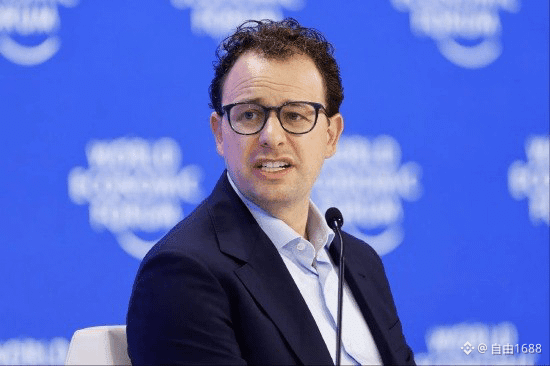
Anthropic’s CEO Says the “China Factor” Is the Biggest Challenge in Slowing the AI Race
Debate in the artificial intelligence industry over whether development speed should be slowed is heating up rapidly, and China has been pushed to the center of this discussion. Recently, Dario Amodei, CEO of Anthropic, publicly stated that if the world attempts to set speed limits on AI development, the biggest practical challenge would not lie in the technology itself, but in how to deal with the possibility that competitive players such as China may continue to accelerate their efforts.
Anthropic’s CEO Says the “China Factor” Is the Biggest Challenge in Slowing the AI Race
Debate in the artificial intelligence industry over whether development speed should be slowed is heating up rapidly, and China has been pushed to the center of this discussion. Recently, Dario Amodei, CEO of Anthropic, publicly stated that if the world attempts to set speed limits on AI development, the biggest practical challenge would not lie in the technology itself, but in how to deal with the possibility that competitive players such as China may continue to accelerate their efforts.
Debate in the artificial intelligence industry over whether development speed should be slowed is heating up rapidly, and China has been pushed to the center of this discussion. Recently, Dario Amodei, CEO of Anthropic, publicly stated that if the world attempts to set speed limits on AI development, the biggest practical challenge would not lie in the technology itself, but in how to deal with the possibility that competitive players such as China may continue to accelerate their efforts.
1.4k
21
103
1.4k
·
--

Article
Major news: OpenAI confirms it won’t go public this year! Why did Sam Altman suddenly hit the brakes?According to the latest reports, OpenAI CEO Sam Altman, in an interview, clearly stated that OpenAI will not pursue an initial public offering (IPO) in 2026. At a time when the AI boom is at its peak, this decision has drawn intense attention from the market.
OpenAI CEO Sam Altman (Anna Moneymaker/Getty Images)
📰 Key information at a glance:
“Not a wise move to go public now”: Altman said that, given the events currently unfolding around AI safety, choosing to list publicly would be “ill-advised.” He said the company is currently under no pressure to move into the public market.
Major news: OpenAI confirms it won’t go public this year! Why did Sam Altman suddenly hit the brakes?
According to the latest reports, OpenAI CEO Sam Altman, in an interview, clearly stated that OpenAI will not pursue an initial public offering (IPO) in 2026. At a time when the AI boom is at its peak, this decision has drawn intense attention from the market.
OpenAI CEO Sam Altman (Anna Moneymaker/Getty Images)
📰 Key information at a glance:
“Not a wise move to go public now”: Altman said that, given the events currently unfolding around AI safety, choosing to list publicly would be “ill-advised.” He said the company is currently under no pressure to move into the public market.
OpenAI CEO Sam Altman (Anna Moneymaker/Getty Images)
📰 Key information at a glance:
“Not a wise move to go public now”: Altman said that, given the events currently unfolding around AI safety, choosing to list publicly would be “ill-advised.” He said the company is currently under no pressure to move into the public market.
2.9k
13
180
2.9k
·
--

Article
India’s richest state pilots RWA: Tokenizing infrastructure assets!According to the latest report from CoinDesk, India’s wealthiest state, Maharashtra, is drafting a major policy: to tokenize state-owned assets via blockchain (RWA) in order to raise funding for new infrastructure construction.
Maharashtra is looking to tokenize its own assets, Pardeshi says. (RealX event, Mumbai, CoinDesk)
Key highlights at a glance:
⚡️ First batch of pilot assets: Power transmission infrastructure. The government plans to tokenize up to 40%–50% of transmission lines. 💰 How do investors profit? Currently, India’s transmission lines themselves can generate stable network fee income. Token holders will be able to directly share dividends from the returns generated by these infrastructure assets in proportion to their holdings.
India’s richest state pilots RWA: Tokenizing infrastructure assets!
According to the latest report from CoinDesk, India’s wealthiest state, Maharashtra, is drafting a major policy: to tokenize state-owned assets via blockchain (RWA) in order to raise funding for new infrastructure construction.
Maharashtra is looking to tokenize its own assets, Pardeshi says. (RealX event, Mumbai, CoinDesk)
Key highlights at a glance:
⚡️ First batch of pilot assets: Power transmission infrastructure. The government plans to tokenize up to 40%–50% of transmission lines. 💰 How do investors profit? Currently, India’s transmission lines themselves can generate stable network fee income. Token holders will be able to directly share dividends from the returns generated by these infrastructure assets in proportion to their holdings.
Maharashtra is looking to tokenize its own assets, Pardeshi says. (RealX event, Mumbai, CoinDesk)
Key highlights at a glance:
⚡️ First batch of pilot assets: Power transmission infrastructure. The government plans to tokenize up to 40%–50% of transmission lines. 💰 How do investors profit? Currently, India’s transmission lines themselves can generate stable network fee income. Token holders will be able to directly share dividends from the returns generated by these infrastructure assets in proportion to their holdings.
3.5k
5
158
3.5k
·
--
NVIDIA Considers Investing $10 Billion in Anthropic’s IPO—Super IPO Valuation Could Reach $2 Trillion
AI company Anthropic is preparing for what could become the largest initial public offering (IPO) in global history, and NVIDIA is considering participating as a cornerstone investor. Insiders say Anthropic plans to raise as much as $100 billion through the IPO, with the company’s post-listing valuation potentially reaching about $2 trillion; NVIDIA is considering investing up to $10 billion to buy shares.
If the deal is ultimately completed at this scale, Anthropic’s listing would set a new record for the largest IPO ever, and it would also serve as a major test of the capital markets’ enormous valuation of cutting-edge AI companies and the huge demand for computing power. Relevant negotiations are still ongoing, and the specific investment amounts and deal terms may change. Because the discussions are private, insiders requested anonymity.
The news that NVIDIA might participate in Anthropic’s IPO was not previously made public. If the transaction is ultimately finalized, NVIDIA would become an important strategic backer at the time of Anthropic’s listing, further deepening the already very close business relationship between the two. As one of the world’s largest AI accelerator suppliers, NVIDIA is also one of Anthropic’s most important customers.
NVIDIA Considers Investing $10 Billion in Anthropic’s IPO—Super IPO Valuation Could Reach $2 Trillion
AI company Anthropic is preparing for what could become the largest initial public offering (IPO) in global history, and NVIDIA is considering participating as a cornerstone investor. Insiders say Anthropic plans to raise as much as $100 billion through the IPO, with the company’s post-listing valuation potentially reaching about $2 trillion; NVIDIA is considering investing up to $10 billion to buy shares.
If the deal is ultimately completed at this scale, Anthropic’s listing would set a new record for the largest IPO ever, and it would also serve as a major test of the capital markets’ enormous valuation of cutting-edge AI companies and the huge demand for computing power. Relevant negotiations are still ongoing, and the specific investment amounts and deal terms may change. Because the discussions are private, insiders requested anonymity.
The news that NVIDIA might participate in Anthropic’s IPO was not previously made public. If the transaction is ultimately finalized, NVIDIA would become an important strategic backer at the time of Anthropic’s listing, further deepening the already very close business relationship between the two. As one of the world’s largest AI accelerator suppliers, NVIDIA is also one of Anthropic’s most important customers.
AI company Anthropic is preparing for what could become the largest initial public offering (IPO) in global history, and NVIDIA is considering participating as a cornerstone investor. Insiders say Anthropic plans to raise as much as $100 billion through the IPO, with the company’s post-listing valuation potentially reaching about $2 trillion; NVIDIA is considering investing up to $10 billion to buy shares.
If the deal is ultimately completed at this scale, Anthropic’s listing would set a new record for the largest IPO ever, and it would also serve as a major test of the capital markets’ enormous valuation of cutting-edge AI companies and the huge demand for computing power. Relevant negotiations are still ongoing, and the specific investment amounts and deal terms may change. Because the discussions are private, insiders requested anonymity.
The news that NVIDIA might participate in Anthropic’s IPO was not previously made public. If the transaction is ultimately finalized, NVIDIA would become an important strategic backer at the time of Anthropic’s listing, further deepening the already very close business relationship between the two. As one of the world’s largest AI accelerator suppliers, NVIDIA is also one of Anthropic’s most important customers.
3.1k
7
182
3.1k
·
--
Samsung increases investment in Apple foldable iPhone Duo panel supply
Samsung Display has drawn up a new business plan, projecting a substantial increase in the number of foldable OLED panels it will supply to Apple next year, as well as OLED panels for iPads. Under the plan, the supply target for foldable OLED panels will rise from 8 million units this year by 87.5% to 15 million units next year; the iPad OLED panel supply target will increase from 2 million units to 9 million units.
Samsung increases investment in Apple foldable iPhone Duo panel supply
Samsung Display has drawn up a new business plan, projecting a substantial increase in the number of foldable OLED panels it will supply to Apple next year, as well as OLED panels for iPads. Under the plan, the supply target for foldable OLED panels will rise from 8 million units this year by 87.5% to 15 million units next year; the iPad OLED panel supply target will increase from 2 million units to 9 million units.
Samsung Display has drawn up a new business plan, projecting a substantial increase in the number of foldable OLED panels it will supply to Apple next year, as well as OLED panels for iPads. Under the plan, the supply target for foldable OLED panels will rise from 8 million units this year by 87.5% to 15 million units next year; the iPad OLED panel supply target will increase from 2 million units to 9 million units.

2.1k
7
103
2.1k
·
--
Verified

Article
Decentralized AI Token VVV Soars 34% in a Single Day—Privacy Computing Is Here!Hey everyone, fellow veterans deep in the Web3 and AI space—Decentralized AI (DeAI) has just kicked off a strong run of momentum!
Erik Voorhees. Image: Decrypt/Venice AI
The ecosystem token of the well-known privacy-focused AI platform Venice, VVV, skyrocketed 34% in a single day on Tuesday, smashing through $24.77. And the spark that ignited this rally was, surprisingly, an intellectual property dispute exposed by AI giant OpenAI.
Let me break down this VVV surge with hardcore analysis—the core logic behind it and the wealth code:
🔥 1. Big Tech Fails: OpenAI Faces a Trust Crisis
Academic authorship dispute: A mathematician at New York University (NYU) sparked a public dispute with OpenAI over authorship rights concerning a proof in fluid dynamics.
Decentralized AI Token VVV Soars 34% in a Single Day—Privacy Computing Is Here!
Hey everyone, fellow veterans deep in the Web3 and AI space—Decentralized AI (DeAI) has just kicked off a strong run of momentum!
Erik Voorhees. Image: Decrypt/Venice AI
The ecosystem token of the well-known privacy-focused AI platform Venice, VVV, skyrocketed 34% in a single day on Tuesday, smashing through $24.77. And the spark that ignited this rally was, surprisingly, an intellectual property dispute exposed by AI giant OpenAI.
Let me break down this VVV surge with hardcore analysis—the core logic behind it and the wealth code:
🔥 1. Big Tech Fails: OpenAI Faces a Trust Crisis
Academic authorship dispute: A mathematician at New York University (NYU) sparked a public dispute with OpenAI over authorship rights concerning a proof in fluid dynamics.
Erik Voorhees. Image: Decrypt/Venice AI
The ecosystem token of the well-known privacy-focused AI platform Venice, VVV, skyrocketed 34% in a single day on Tuesday, smashing through $24.77. And the spark that ignited this rally was, surprisingly, an intellectual property dispute exposed by AI giant OpenAI.
Let me break down this VVV surge with hardcore analysis—the core logic behind it and the wealth code:
🔥 1. Big Tech Fails: OpenAI Faces a Trust Crisis
Academic authorship dispute: A mathematician at New York University (NYU) sparked a public dispute with OpenAI over authorship rights concerning a proof in fluid dynamics.
4.7k
20
302
4.7k
·
--
Merrill SEC plans major innovation exemption for tokenized securities; may allow bypassing traditional trading platforms for direct on-chain trading
BlockBeats news: On September 9, The Rollup founder Andy posted that market rumors say the U.S. Securities and Exchange Commission (SEC) is preparing to introduce what would be the largest tokenization (Tokenization) innovation exemption to date. It could allow tokenized securities to be traded only through registered transfer agents, without broker-dealer licenses and without complying with rules related to traditional trading venues or ATS. It is also rumored that this could cover U.S. retail investors and overseas investors.
Andy said that if the above is true, the potential impact would be significant. Tokenized funds could issue and trade directly in the form of on-chain tokens, with transfer agents maintaining legal ownership records on-chain, while underlying assets such as stocks and bonds held by the funds could also be further tokenized—thereby forming an on-chain trading system of “fund token + underlying asset token.”
Andy later added that a large fund has already received an “approval” from the SEC, though this has not yet been officially confirmed. He speculates that ARK, Fidelity, or BlackRock could be potential participants.
If the policy is ultimately implemented, U.S. asset managers may accelerate the issuance of native equity tokens to compete for all-day liquidity and on-chain distribution channels, rather than waiting for third parties to mirror traditional securities into tokenized forms.
He further links this potential policy shift to the Trump administration’s recent push to open up crypto market regulation, as well as the CFTC’s efforts to bring perpetual contracts into the U.S. market, and believes that the U.S. regulatory environment may be gradually opening policy gateways for on-chain finance.
Merrill SEC plans major innovation exemption for tokenized securities; may allow bypassing traditional trading platforms for direct on-chain trading
BlockBeats news: On September 9, The Rollup founder Andy posted that market rumors say the U.S. Securities and Exchange Commission (SEC) is preparing to introduce what would be the largest tokenization (Tokenization) innovation exemption to date. It could allow tokenized securities to be traded only through registered transfer agents, without broker-dealer licenses and without complying with rules related to traditional trading venues or ATS. It is also rumored that this could cover U.S. retail investors and overseas investors.
Andy said that if the above is true, the potential impact would be significant. Tokenized funds could issue and trade directly in the form of on-chain tokens, with transfer agents maintaining legal ownership records on-chain, while underlying assets such as stocks and bonds held by the funds could also be further tokenized—thereby forming an on-chain trading system of “fund token + underlying asset token.”
Andy later added that a large fund has already received an “approval” from the SEC, though this has not yet been officially confirmed. He speculates that ARK, Fidelity, or BlackRock could be potential participants.
If the policy is ultimately implemented, U.S. asset managers may accelerate the issuance of native equity tokens to compete for all-day liquidity and on-chain distribution channels, rather than waiting for third parties to mirror traditional securities into tokenized forms.
He further links this potential policy shift to the Trump administration’s recent push to open up crypto market regulation, as well as the CFTC’s efforts to bring perpetual contracts into the U.S. market, and believes that the U.S. regulatory environment may be gradually opening policy gateways for on-chain finance.
BlockBeats news: On September 9, The Rollup founder Andy posted that market rumors say the U.S. Securities and Exchange Commission (SEC) is preparing to introduce what would be the largest tokenization (Tokenization) innovation exemption to date. It could allow tokenized securities to be traded only through registered transfer agents, without broker-dealer licenses and without complying with rules related to traditional trading venues or ATS. It is also rumored that this could cover U.S. retail investors and overseas investors.
Andy said that if the above is true, the potential impact would be significant. Tokenized funds could issue and trade directly in the form of on-chain tokens, with transfer agents maintaining legal ownership records on-chain, while underlying assets such as stocks and bonds held by the funds could also be further tokenized—thereby forming an on-chain trading system of “fund token + underlying asset token.”
Andy later added that a large fund has already received an “approval” from the SEC, though this has not yet been officially confirmed. He speculates that ARK, Fidelity, or BlackRock could be potential participants.
If the policy is ultimately implemented, U.S. asset managers may accelerate the issuance of native equity tokens to compete for all-day liquidity and on-chain distribution channels, rather than waiting for third parties to mirror traditional securities into tokenized forms.
He further links this potential policy shift to the Trump administration’s recent push to open up crypto market regulation, as well as the CFTC’s efforts to bring perpetual contracts into the U.S. market, and believes that the U.S. regulatory environment may be gradually opening policy gateways for on-chain finance.

3.4k
16
217
3.4k
Log in to explore more content
Join global crypto users on Binance Square
⚡️ Get latest and useful information about crypto.
💬 Trusted by the world’s largest crypto exchange.
👍 Discover real insights from verified creators.
Email / Phone number
Trending Topics
BOJRaisesRatesTo31YearHigh
30,897 views
734 Discussing
Bitcoin Reclaims the Spotlight as Macro Pressure Fails to Break Crypto Demand
Fatima_Tariq
·10 Likes
·5.5k views
BuffettStepsDownAsBerkshireChairman
10,242 views
300 Discussing
XRPExchangeReservesHitSevenYearLow
14,456 views
321 Discussing