


According to the latest report from CoinDesk, India’s wealthiest state, Maharashtra, is drafting a major policy: to tokenize state-owned assets via blockchain (RWA) in order to raise funding for new infrastructure construction.
Key highlights at a glance:
⚡️ First batch of pilot assets: Power transmission infrastructure. The government plans to tokenize up to 40%–50% of transmission lines. 💰 How do investors profit? Currently, India’s transmission lines themselves can generate stable network fee income. Token holders will be able to directly share dividends from the returns generated by these infrastructure assets in proportion to their holdings.
🏗 Unlock liquidity for capital flows: In the past, enormous capital used to build the power grid was locked away for the long term. Through tokenization, the government can activate this portion of assets, and the “new money” raised will be directly used to build more new transmission lines and solar energy storage centers.
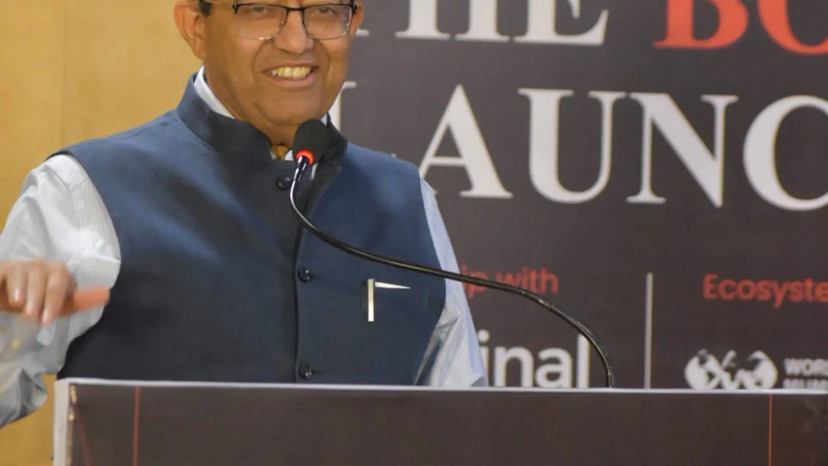
⚖️ Tokenization ≠ Privatization: Praveen Pardeshi, CEO of the state’s policy transformation institution (MITRA), emphasizes that this is not about privatizing state-owned assets. Instead, it enables more ordinary citizens and investors to participate in building public assets.
📜 Pioneering legislation: As an economic powerhouse contributing about 14% of India’s GDP, Maharashtra also plans to issue India’s first law on the tokenization of blockchain property, providing a compliance framework for it.
💡 [Personal views and summary]
RWA is rapidly breaking into the mainstream: The RWA market size is already close to $38 billion, but it is mainly concentrated in U.S. Treasuries and private credit. This move by India shows us the larger potential of RWA—not just a Wall Street financial game, but an excellent tool for governments to unlock existing assets and raise funding for national-level infrastructure projects.
Web3 and the real economy: a win-win. Turning massive, indivisible “fixed assets” into high-liquidity, low-barrier “digital receipts” addresses the government’s shortage of infrastructure funding while also giving everyday crypto investors an underlying interest-earning asset with stable cash flows.
A “new template” for the world to emulate? Even though India’s official stance on trading crypto tokens has always been extremely strict, they are highly forward-looking when it comes to embracing blockchain’s underlying technology and putting assets on-chain. If this “infrastructure tokenization” closed loop can be successfully run in India, it is very likely to become a new Web3 financing template that local governments around the world will compete to adopt in the future.
