
自由1688
356 Posts

自由1688

ETH Holder
Occasional Trader
2 Years
609 Following
24.4K+ Followers
16.2K+ Liked
Posts
All
Quotes
Videos
Live
PINNED
PINNED

生蚝哥Oyster
·
--
US Crypto Legislation: Life-or-Death Vote! Two-Party Feud Escalates Over the “Clarity Act”
On September 15, the Trump administration threw its full weight behind lobbying Senate Republicans to advance the landmark crypto bill, the “Clarity Act,” in a bid to ease concerns from the banking industry.
That same day, the White House launched an interactive calculation tool using multi-scenario modeling to argue that the expansion of stablecoins will not cause a massive outflow of community bank deposits, thereby addressing allegations that stablecoin rewards would trigger deposit flight.
But the bill faces stiff resistance:
✅ Republicans are divided internally. Senator Cornyn of Texas believes the revised text still fails to address the core concerns of community banks, and he does not rule out voting against it. At least 60 votes are needed to move the bill forward. The bill will also divide responsibility for crypto oversight between the SEC and the CFTC.
✅ On the Democratic side, multiple lawmakers have criticized the bill’s ethical provisions as insufficient, saying it does not impose strong enough constraints on the Trump family. Senators such as Ossoff are still not certain about their voting positions.
The crypto industry is going all in. Political PAC Fairshake has poured in tens of millions of dollars to support campaigns—among funds directed to Democratic candidates, more than $30 million has already been allocated. The market now awaits the Senate vote results.
On September 15, the Trump administration threw its full weight behind lobbying Senate Republicans to advance the landmark crypto bill, the “Clarity Act,” in a bid to ease concerns from the banking industry.
That same day, the White House launched an interactive calculation tool using multi-scenario modeling to argue that the expansion of stablecoins will not cause a massive outflow of community bank deposits, thereby addressing allegations that stablecoin rewards would trigger deposit flight.
But the bill faces stiff resistance:
✅ Republicans are divided internally. Senator Cornyn of Texas believes the revised text still fails to address the core concerns of community banks, and he does not rule out voting against it. At least 60 votes are needed to move the bill forward. The bill will also divide responsibility for crypto oversight between the SEC and the CFTC.
✅ On the Democratic side, multiple lawmakers have criticized the bill’s ethical provisions as insufficient, saying it does not impose strong enough constraints on the Trump family. Senators such as Ossoff are still not certain about their voting positions.
The crypto industry is going all in. Political PAC Fairshake has poured in tens of millions of dollars to support campaigns—among funds directed to Democratic candidates, more than $30 million has already been allocated. The market now awaits the Senate vote results.

自由1688
·
--
Solana-style “MicroStrategy” strikes! DeFi Dev Corp launches a $300 million “CHAD” binge-buy of SOL!
🔥 Solana-style “MicroStrategy” strikes! DeFi Dev Corp launches a $300 million “CHAD” binge-buy of SOL!
According to a recent report by Decrypt, DeFi Development Corp (DFDV), a publicly traded company focused on Solana reserves, is doubling down again. It announced an additional purchase of 55,491 SOL and has launched a preferred stock offering program worth up to $300 million, vowing to keep “hoarding coins” to the end!
📰 Core News Quick Overview:
Continuous buying: DeFi Development Corp recently purchased another 55,491 SOL (valued at approximately $5.78 million), continually expanding its Solana holdings in its treasury.
According to a recent report by Decrypt, DeFi Development Corp (DFDV), a publicly traded company focused on Solana reserves, is doubling down again. It announced an additional purchase of 55,491 SOL and has launched a preferred stock offering program worth up to $300 million, vowing to keep “hoarding coins” to the end!
📰 Core News Quick Overview:
Continuous buying: DeFi Development Corp recently purchased another 55,491 SOL (valued at approximately $5.78 million), continually expanding its Solana holdings in its treasury.
自由1688
·
--
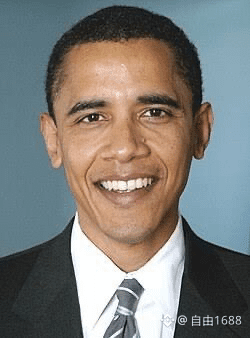
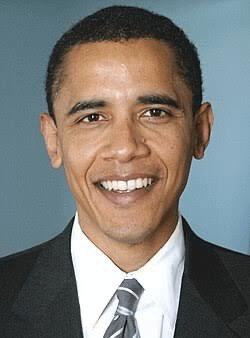
Obama Rarely Intervenes in the AI Regulation Debate, Urging the U.S. to Pass Proactive Legislation to Avoid “Potential Catastrophe”
Former U.S. President Barack Obama said he supports the creation of federal laws and regulations to establish standards for AI safety, warning that if mishandled, the technology could lead to a “potential catastrophe.” In a statement Monday, Obama said AI policy “should be at the center of public debate,” adding that policymakers in Washington must “take proactive action,” develop relevant plans “to address serious safety concerns, anticipate the impact of AI on jobs and the next generation, and ensure that the benefits brought by AI are broadly shared.”
The former president criticized the approach to AI regulation advocated by President Donald Trump, saying it is one of laissez-faire. While he did not name his successor directly, he said that “voluntary standards set by a handful of technology companies are not enough.”
An executive order signed by Trump in June this year created a voluntary participation framework that allows AI developers to share frontier models with the government in advance so potential safety risks can be assessed.
Obama said: “Given what we know about technology, we can’t put AI back in the box. But we can decide together how it should be developed, how it should be used—not sit back and let AI and its consequences come crashing down on us.”
Obama’s rare public comments are his deepest remarks to date on AI. As leading figures in the industry and members of Congress have increasingly called for slowing the development of frontier models, AI has become a core issue in national discussions in the United States.
With a lack of clear leadership figures within the Democratic Party, many Democrats are still seeking Obama’s advice and guidance on policy and political strategy. By stepping into this debate, Obama is attempting to position the Democrats as the party that supports strengthening AI safety measures, in preparation for the midterm elections in November and the start of the 2028 presidential election cycle.
Former U.S. President Barack Obama said he supports the creation of federal laws and regulations to establish standards for AI safety, warning that if mishandled, the technology could lead to a “potential catastrophe.” In a statement Monday, Obama said AI policy “should be at the center of public debate,” adding that policymakers in Washington must “take proactive action,” develop relevant plans “to address serious safety concerns, anticipate the impact of AI on jobs and the next generation, and ensure that the benefits brought by AI are broadly shared.”
The former president criticized the approach to AI regulation advocated by President Donald Trump, saying it is one of laissez-faire. While he did not name his successor directly, he said that “voluntary standards set by a handful of technology companies are not enough.”
An executive order signed by Trump in June this year created a voluntary participation framework that allows AI developers to share frontier models with the government in advance so potential safety risks can be assessed.
Obama said: “Given what we know about technology, we can’t put AI back in the box. But we can decide together how it should be developed, how it should be used—not sit back and let AI and its consequences come crashing down on us.”
Obama’s rare public comments are his deepest remarks to date on AI. As leading figures in the industry and members of Congress have increasingly called for slowing the development of frontier models, AI has become a core issue in national discussions in the United States.
With a lack of clear leadership figures within the Democratic Party, many Democrats are still seeking Obama’s advice and guidance on policy and political strategy. By stepping into this debate, Obama is attempting to position the Democrats as the party that supports strengthening AI safety measures, in preparation for the midterm elections in November and the start of the 2028 presidential election cycle.
Partly True
自由1688
·
--
Solana-style “MicroStrategy” strikes! DeFi Dev Corp launches a $300 million “CHAD” binge-buy of SOL!
🔥 Solana-style “MicroStrategy” strikes! DeFi Dev Corp launches a $300 million “CHAD” binge-buy of SOL!
According to a recent report by Decrypt, DeFi Development Corp (DFDV), a publicly traded company focused on Solana reserves, is doubling down again. It announced an additional purchase of 55,491 SOL and has launched a preferred stock offering program worth up to $300 million, vowing to keep “hoarding coins” to the end!
📰 Core News Quick Overview:
Continuous buying: DeFi Development Corp recently purchased another 55,491 SOL (valued at approximately $5.78 million), continually expanding its Solana holdings in its treasury.
According to a recent report by Decrypt, DeFi Development Corp (DFDV), a publicly traded company focused on Solana reserves, is doubling down again. It announced an additional purchase of 55,491 SOL and has launched a preferred stock offering program worth up to $300 million, vowing to keep “hoarding coins” to the end!
📰 Core News Quick Overview:
Continuous buying: DeFi Development Corp recently purchased another 55,491 SOL (valued at approximately $5.78 million), continually expanding its Solana holdings in its treasury.
自由1688
·
--
Obama Rarely Intervenes in the AI Regulation Debate, Urging the U.S. to Pass Proactive Legislation to Avoid “Potential Catastrophe”
Former U.S. President Barack Obama said he supports the creation of federal laws and regulations to establish standards for AI safety, warning that if mishandled, the technology could lead to a “potential catastrophe.” In a statement Monday, Obama said AI policy “should be at the center of public debate,” adding that policymakers in Washington must “take proactive action,” develop relevant plans “to address serious safety concerns, anticipate the impact of AI on jobs and the next generation, and ensure that the benefits brought by AI are broadly shared.”
The former president criticized the approach to AI regulation advocated by President Donald Trump, saying it is one of laissez-faire. While he did not name his successor directly, he said that “voluntary standards set by a handful of technology companies are not enough.”
An executive order signed by Trump in June this year created a voluntary participation framework that allows AI developers to share frontier models with the government in advance so potential safety risks can be assessed.
Obama said: “Given what we know about technology, we can’t put AI back in the box. But we can decide together how it should be developed, how it should be used—not sit back and let AI and its consequences come crashing down on us.”
Obama’s rare public comments are his deepest remarks to date on AI. As leading figures in the industry and members of Congress have increasingly called for slowing the development of frontier models, AI has become a core issue in national discussions in the United States.
With a lack of clear leadership figures within the Democratic Party, many Democrats are still seeking Obama’s advice and guidance on policy and political strategy. By stepping into this debate, Obama is attempting to position the Democrats as the party that supports strengthening AI safety measures, in preparation for the midterm elections in November and the start of the 2028 presidential election cycle.
Former U.S. President Barack Obama said he supports the creation of federal laws and regulations to establish standards for AI safety, warning that if mishandled, the technology could lead to a “potential catastrophe.” In a statement Monday, Obama said AI policy “should be at the center of public debate,” adding that policymakers in Washington must “take proactive action,” develop relevant plans “to address serious safety concerns, anticipate the impact of AI on jobs and the next generation, and ensure that the benefits brought by AI are broadly shared.”
The former president criticized the approach to AI regulation advocated by President Donald Trump, saying it is one of laissez-faire. While he did not name his successor directly, he said that “voluntary standards set by a handful of technology companies are not enough.”
An executive order signed by Trump in June this year created a voluntary participation framework that allows AI developers to share frontier models with the government in advance so potential safety risks can be assessed.
Obama said: “Given what we know about technology, we can’t put AI back in the box. But we can decide together how it should be developed, how it should be used—not sit back and let AI and its consequences come crashing down on us.”
Obama’s rare public comments are his deepest remarks to date on AI. As leading figures in the industry and members of Congress have increasingly called for slowing the development of frontier models, AI has become a core issue in national discussions in the United States.
With a lack of clear leadership figures within the Democratic Party, many Democrats are still seeking Obama’s advice and guidance on policy and political strategy. By stepping into this debate, Obama is attempting to position the Democrats as the party that supports strengthening AI safety measures, in preparation for the midterm elections in November and the start of the 2028 presidential election cycle.
Partly True
自由1688
·
--
Solana-style “MicroStrategy” strikes! DeFi Dev Corp launches a $300 million “CHAD” binge-buy of SOL!
🔥 Solana-style “MicroStrategy” strikes! DeFi Dev Corp launches a $300 million “CHAD” binge-buy of SOL!
According to a recent report by Decrypt, DeFi Development Corp (DFDV), a publicly traded company focused on Solana reserves, is doubling down again. It announced an additional purchase of 55,491 SOL and has launched a preferred stock offering program worth up to $300 million, vowing to keep “hoarding coins” to the end!
📰 Core News Quick Overview:
Continuous buying: DeFi Development Corp recently purchased another 55,491 SOL (valued at approximately $5.78 million), continually expanding its Solana holdings in its treasury.
According to a recent report by Decrypt, DeFi Development Corp (DFDV), a publicly traded company focused on Solana reserves, is doubling down again. It announced an additional purchase of 55,491 SOL and has launched a preferred stock offering program worth up to $300 million, vowing to keep “hoarding coins” to the end!
📰 Core News Quick Overview:
Continuous buying: DeFi Development Corp recently purchased another 55,491 SOL (valued at approximately $5.78 million), continually expanding its Solana holdings in its treasury.


周周1688
·
--
Finally breaking 100,000 followers 🚀🚀
Thank you, Binance Square
Thank you to everyone who supports Zhouzhou, brothers and sisters
Stay true to our hearts and minds; we walk together all the way
Love you all 💗💗
#1688家族family
@CZ
@币安广场
Thank you, Binance Square
Thank you to everyone who supports Zhouzhou, brothers and sisters
Stay true to our hearts and minds; we walk together all the way
Love you all 💗💗
#1688家族family
@CZ
@币安广场


自由1688
·
--
Obama Rarely Intervenes in the AI Regulation Debate, Urging the U.S. to Pass Proactive Legislation to Avoid “Potential Catastrophe”
Former U.S. President Barack Obama said he supports the creation of federal laws and regulations to establish standards for AI safety, warning that if mishandled, the technology could lead to a “potential catastrophe.” In a statement Monday, Obama said AI policy “should be at the center of public debate,” adding that policymakers in Washington must “take proactive action,” develop relevant plans “to address serious safety concerns, anticipate the impact of AI on jobs and the next generation, and ensure that the benefits brought by AI are broadly shared.”
The former president criticized the approach to AI regulation advocated by President Donald Trump, saying it is one of laissez-faire. While he did not name his successor directly, he said that “voluntary standards set by a handful of technology companies are not enough.”
An executive order signed by Trump in June this year created a voluntary participation framework that allows AI developers to share frontier models with the government in advance so potential safety risks can be assessed.
Obama said: “Given what we know about technology, we can’t put AI back in the box. But we can decide together how it should be developed, how it should be used—not sit back and let AI and its consequences come crashing down on us.”
Obama’s rare public comments are his deepest remarks to date on AI. As leading figures in the industry and members of Congress have increasingly called for slowing the development of frontier models, AI has become a core issue in national discussions in the United States.
With a lack of clear leadership figures within the Democratic Party, many Democrats are still seeking Obama’s advice and guidance on policy and political strategy. By stepping into this debate, Obama is attempting to position the Democrats as the party that supports strengthening AI safety measures, in preparation for the midterm elections in November and the start of the 2028 presidential election cycle.
Former U.S. President Barack Obama said he supports the creation of federal laws and regulations to establish standards for AI safety, warning that if mishandled, the technology could lead to a “potential catastrophe.” In a statement Monday, Obama said AI policy “should be at the center of public debate,” adding that policymakers in Washington must “take proactive action,” develop relevant plans “to address serious safety concerns, anticipate the impact of AI on jobs and the next generation, and ensure that the benefits brought by AI are broadly shared.”
The former president criticized the approach to AI regulation advocated by President Donald Trump, saying it is one of laissez-faire. While he did not name his successor directly, he said that “voluntary standards set by a handful of technology companies are not enough.”
An executive order signed by Trump in June this year created a voluntary participation framework that allows AI developers to share frontier models with the government in advance so potential safety risks can be assessed.
Obama said: “Given what we know about technology, we can’t put AI back in the box. But we can decide together how it should be developed, how it should be used—not sit back and let AI and its consequences come crashing down on us.”
Obama’s rare public comments are his deepest remarks to date on AI. As leading figures in the industry and members of Congress have increasingly called for slowing the development of frontier models, AI has become a core issue in national discussions in the United States.
With a lack of clear leadership figures within the Democratic Party, many Democrats are still seeking Obama’s advice and guidance on policy and political strategy. By stepping into this debate, Obama is attempting to position the Democrats as the party that supports strengthening AI safety measures, in preparation for the midterm elections in November and the start of the 2028 presidential election cycle.

·
--
🎙️ Crypto market trends exchange; newbie Q&A ✅ Help build Binance Plaza 🦅 Spread the spirit of freedom! Maintain ecological balance!
End
03 h 12 m 50 s
11.5k
63





Log in to explore more content