
周周1688
1.4k Posts

周周1688
 Square Verified+
1688品牌创始人 ‖ BNB布道者 ‖ 晚上19:00-22:00直播 ‖ KOL宣发&项目推广‖ 💗推特X:zzhou1688
High-Frequency Trader
9.1 Years
1.3K+ Following
100.1K+ Followers
155.4K+ Liked
Posts
All
Quotes
Videos
Live
PINNED


PINNED


生蚝哥Oyster
·
--
Major news! The CLARITY Act’s procedural vote fails! U.S. crypto regulatory legislation falls short by 10 votes
September 16 | U.S. CLARITY crypto bill procedural vote fails, with industry hopes for near-term regulatory rollout dashed
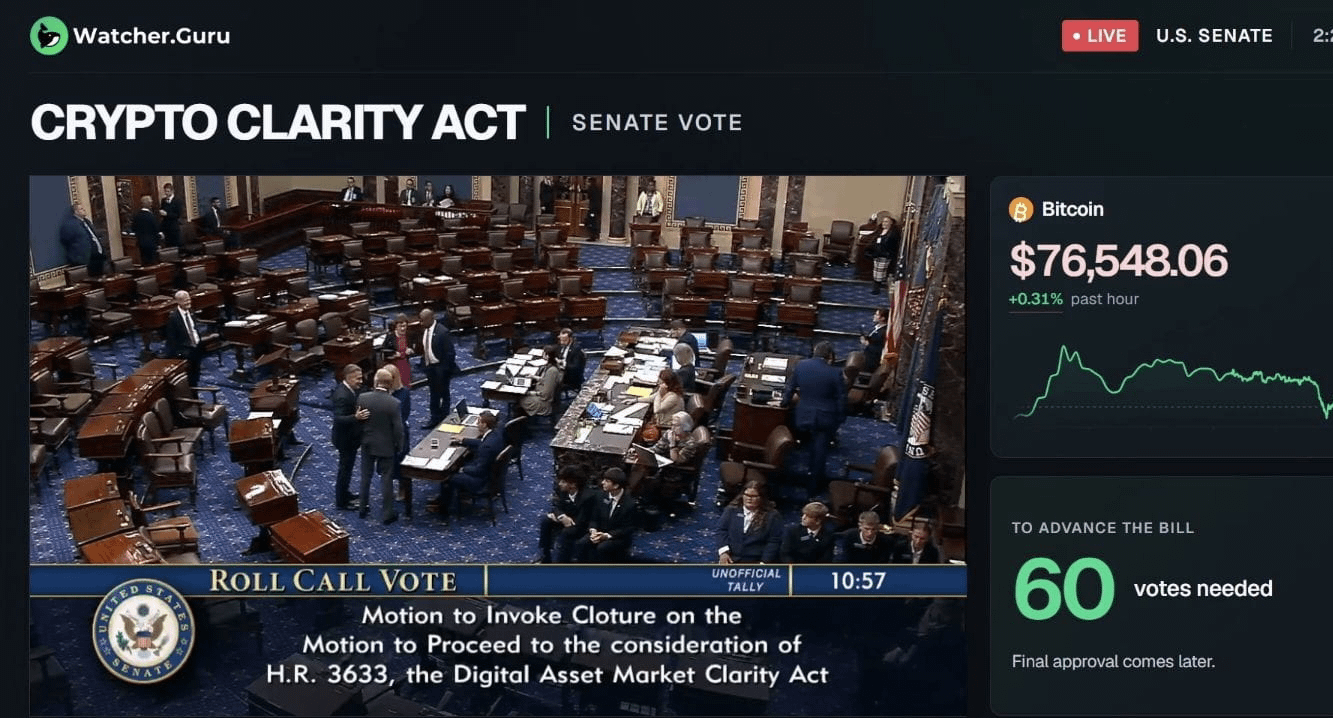
In the late hours of September 15 (Beijing time in the early hours of September 16), the U.S. Senate held key procedural votes on the (Digital Assets Market Clarity Act) (the CLARITY Act). The purpose of this vote was to end debate and move the bill into formal consideration. Under Senate rules, the hard threshold for approval is 60 votes in favor.
The final vote outcome was set: 50 in favor, 49 against, and 1 absent. This was far below the 60-vote threshold, so the bill was stopped in its first round and could not enter the Senate’s review process in the near term. This failure does not completely reject the bill’s principles, but rather reflects a serious lack of bipartisan consensus—there was a full 10-vote gap. Legislative progress faces extremely strong resistance.
In the late hours of September 15 (Beijing time in the early hours of September 16), the U.S. Senate held key procedural votes on the (Digital Assets Market Clarity Act) (the CLARITY Act). The purpose of this vote was to end debate and move the bill into formal consideration. Under Senate rules, the hard threshold for approval is 60 votes in favor.
The final vote outcome was set: 50 in favor, 49 against, and 1 absent. This was far below the 60-vote threshold, so the bill was stopped in its first round and could not enter the Senate’s review process in the near term. This failure does not completely reject the bill’s principles, but rather reflects a serious lack of bipartisan consensus—there was a full 10-vote gap. Legislative progress faces extremely strong resistance.


蒋雅琪1368
·
--
Bitcoin rebounds—will it continue to rise further?
✅ Reasons for the rebound: Price pulled back to support above the 75,000 level that has been confirmed multiple times in the past, triggering the rebound.
Rebound targets: First target at 78,500; next resistance at 80,500. For more cautious investors, take profit around 78,500; spot holdings can take profits in batches.
✅ My view: The market is highly uncertain right now, so it’s not suitable for long-term holding. Tomorrow’s bill, Wednesday’s interest rate hike, and officials’ remarks are all unknown variables. The priority is to lock in existing profits, then re-enter with a heavier position once the market becomes clearer.
During yesterday’s sharp sell-off, I advised setting up spot positions around 76,000; it has now risen nearly 2,000 points. Strategy logic: Buy at support to catch the rebound; take profit at resistance. Do not open positions unless support is reached; if the price continues to surge and approaches the resistance zone, you can try shorting.
Strong resistance is at 81,000–82,000. Attempt shorts in this range; the expected win rate is about 70%. Swing trade based on support and resistance—if the price breaks out, cut losses. In complex market conditions, I’ll keep digging for opportunities and synchronize my real-time trading mindset every day.
✅ Reasons for the rebound: Price pulled back to support above the 75,000 level that has been confirmed multiple times in the past, triggering the rebound.
Rebound targets: First target at 78,500; next resistance at 80,500. For more cautious investors, take profit around 78,500; spot holdings can take profits in batches.
✅ My view: The market is highly uncertain right now, so it’s not suitable for long-term holding. Tomorrow’s bill, Wednesday’s interest rate hike, and officials’ remarks are all unknown variables. The priority is to lock in existing profits, then re-enter with a heavier position once the market becomes clearer.
During yesterday’s sharp sell-off, I advised setting up spot positions around 76,000; it has now risen nearly 2,000 points. Strategy logic: Buy at support to catch the rebound; take profit at resistance. Do not open positions unless support is reached; if the price continues to surge and approaches the resistance zone, you can try shorting.
Strong resistance is at 81,000–82,000. Attempt shorts in this range; the expected win rate is about 70%. Swing trade based on support and resistance—if the price breaks out, cut losses. In complex market conditions, I’ll keep digging for opportunities and synchronize my real-time trading mindset every day.

幸运雨Rain
·
--
☀️🧧Morning light passes through the forest, and a new journey is officially underway 🌿
When traveling, it matters to proceed step by step—trading is the same 📊.
The market has its ups and downs; there’s no need to let a momentary rise or fall unsettle your mind 🕊️.
Stay sharp, hold your focus, and don’t blindly chase short-term fluctuations ✨.
Slowly deepen your understanding, make a plan, and patiently wait for your own opportunity 💎.
May fellow travelers move forward steadily and live up to the time 🌱
#美联储加息是否已成定局
#交易训练
#1688家族family
When traveling, it matters to proceed step by step—trading is the same 📊.
The market has its ups and downs; there’s no need to let a momentary rise or fall unsettle your mind 🕊️.
Stay sharp, hold your focus, and don’t blindly chase short-term fluctuations ✨.
Slowly deepen your understanding, make a plan, and patiently wait for your own opportunity 💎.
May fellow travelers move forward steadily and live up to the time 🌱
#美联储加息是否已成定局
#交易训练
#1688家族family


远方1688BNB
·
--
You don’t have to live as a “standard answer”
Keep going seriously
That’s your own answer
#定投BTC #定投BNB
Keep going seriously
That’s your own answer
#定投BTC #定投BNB


心月势不可挡
·
--
In the early hours of September 16, Beijing time, the U.S. Senate delivered its result on a procedural vote regarding the “Clarity Act” for the digital assets market. The bill failed to clear the 60-vote threshold, so it cannot move on to the next stage of formal consideration. The highly anticipated crypto regulatory legislation—one that the industry had pinned great hopes on—has, for now, been stalled.
One point needs to be clarified: this time, the bill was not directly rejected. Instead, it failed at the procedural step required to advance. The bill remains on the congressional calendar, and in theory there is still a possibility of being brought back for reconsideration. However, given the pace of congressional proceedings, the likelihood of it being enacted again within 2026 has become extremely low.
What problem the bill was originally meant to address
The bill is widely seen as a landmark piece of legislation in the crypto industry. Its core goal is to clarify regulatory authority and responsibilities: to define the jurisdictional boundaries between the SEC and the CFTC; to lay out a federal-level compliance path for crypto exchanges and stablecoin projects; and to put an end to the long-standing situation where “regulation relies on enforcement actions and the rules are unclear.”
For a long time, the biggest pain point for the crypto industry has been vague and ambiguous rules. Institutional capital wants to enter the market but lacks a unified legal benchmark. Ordinary investors also face the risk of platform blowups and having no clear path to seek redress. Industry stakeholders from multiple sides have spent significant effort lobbying and negotiating, hoping that this bill could end the regulatory gray area.
Why it ultimately failed to clear the threshold
The bill was stalled due to irreconcilable disagreements between the two parties.
On the Democratic side, the view is that the existing version does not provide sufficient strength on consumer protection, anti-money laundering, and risk controls. They worry that the bill would give the industry overly relaxed space, sowing hidden financial risk vulnerabilities. Some Republican lawmakers, meanwhile, are concerned that expanding regulatory authority would raise compliance costs for businesses and dampen the innovative momentum of digital asset development.
Even though the legislative team revised the provisions multiple times and added patches such as interest-constraint measures for public officials, the core conflict still could not be bridged. In the end, the vote margin was clearly insufficient, and it failed to meet the Senate’s hard requirements to advance the bill.
One point needs to be clarified: this time, the bill was not directly rejected. Instead, it failed at the procedural step required to advance. The bill remains on the congressional calendar, and in theory there is still a possibility of being brought back for reconsideration. However, given the pace of congressional proceedings, the likelihood of it being enacted again within 2026 has become extremely low.
What problem the bill was originally meant to address
The bill is widely seen as a landmark piece of legislation in the crypto industry. Its core goal is to clarify regulatory authority and responsibilities: to define the jurisdictional boundaries between the SEC and the CFTC; to lay out a federal-level compliance path for crypto exchanges and stablecoin projects; and to put an end to the long-standing situation where “regulation relies on enforcement actions and the rules are unclear.”
For a long time, the biggest pain point for the crypto industry has been vague and ambiguous rules. Institutional capital wants to enter the market but lacks a unified legal benchmark. Ordinary investors also face the risk of platform blowups and having no clear path to seek redress. Industry stakeholders from multiple sides have spent significant effort lobbying and negotiating, hoping that this bill could end the regulatory gray area.
Why it ultimately failed to clear the threshold
The bill was stalled due to irreconcilable disagreements between the two parties.
On the Democratic side, the view is that the existing version does not provide sufficient strength on consumer protection, anti-money laundering, and risk controls. They worry that the bill would give the industry overly relaxed space, sowing hidden financial risk vulnerabilities. Some Republican lawmakers, meanwhile, are concerned that expanding regulatory authority would raise compliance costs for businesses and dampen the innovative momentum of digital asset development.
Even though the legislative team revised the provisions multiple times and added patches such as interest-constraint measures for public officials, the core conflict still could not be bridged. In the end, the vote margin was clearly insufficient, and it failed to meet the Senate’s hard requirements to advance the bill.

蒋雅琪1368
·
--
Bitcoin rebounds—will it continue to rise further?
✅ Reasons for the rebound: Price pulled back to support above the 75,000 level that has been confirmed multiple times in the past, triggering the rebound.
Rebound targets: First target at 78,500; next resistance at 80,500. For more cautious investors, take profit around 78,500; spot holdings can take profits in batches.
✅ My view: The market is highly uncertain right now, so it’s not suitable for long-term holding. Tomorrow’s bill, Wednesday’s interest rate hike, and officials’ remarks are all unknown variables. The priority is to lock in existing profits, then re-enter with a heavier position once the market becomes clearer.
During yesterday’s sharp sell-off, I advised setting up spot positions around 76,000; it has now risen nearly 2,000 points. Strategy logic: Buy at support to catch the rebound; take profit at resistance. Do not open positions unless support is reached; if the price continues to surge and approaches the resistance zone, you can try shorting.
Strong resistance is at 81,000–82,000. Attempt shorts in this range; the expected win rate is about 70%. Swing trade based on support and resistance—if the price breaks out, cut losses. In complex market conditions, I’ll keep digging for opportunities and synchronize my real-time trading mindset every day.
✅ Reasons for the rebound: Price pulled back to support above the 75,000 level that has been confirmed multiple times in the past, triggering the rebound.
Rebound targets: First target at 78,500; next resistance at 80,500. For more cautious investors, take profit around 78,500; spot holdings can take profits in batches.
✅ My view: The market is highly uncertain right now, so it’s not suitable for long-term holding. Tomorrow’s bill, Wednesday’s interest rate hike, and officials’ remarks are all unknown variables. The priority is to lock in existing profits, then re-enter with a heavier position once the market becomes clearer.
During yesterday’s sharp sell-off, I advised setting up spot positions around 76,000; it has now risen nearly 2,000 points. Strategy logic: Buy at support to catch the rebound; take profit at resistance. Do not open positions unless support is reached; if the price continues to surge and approaches the resistance zone, you can try shorting.
Strong resistance is at 81,000–82,000. Attempt shorts in this range; the expected win rate is about 70%. Swing trade based on support and resistance—if the price breaks out, cut losses. In complex market conditions, I’ll keep digging for opportunities and synchronize my real-time trading mindset every day.


Ahmed Ali Nizamani
·
--
Who is the CEO of Binance ?
Correct Answer = 🎁🎁🎁🎁
Correct Answer = 🎁🎁🎁🎁


币圈淘金小旋风
·
--
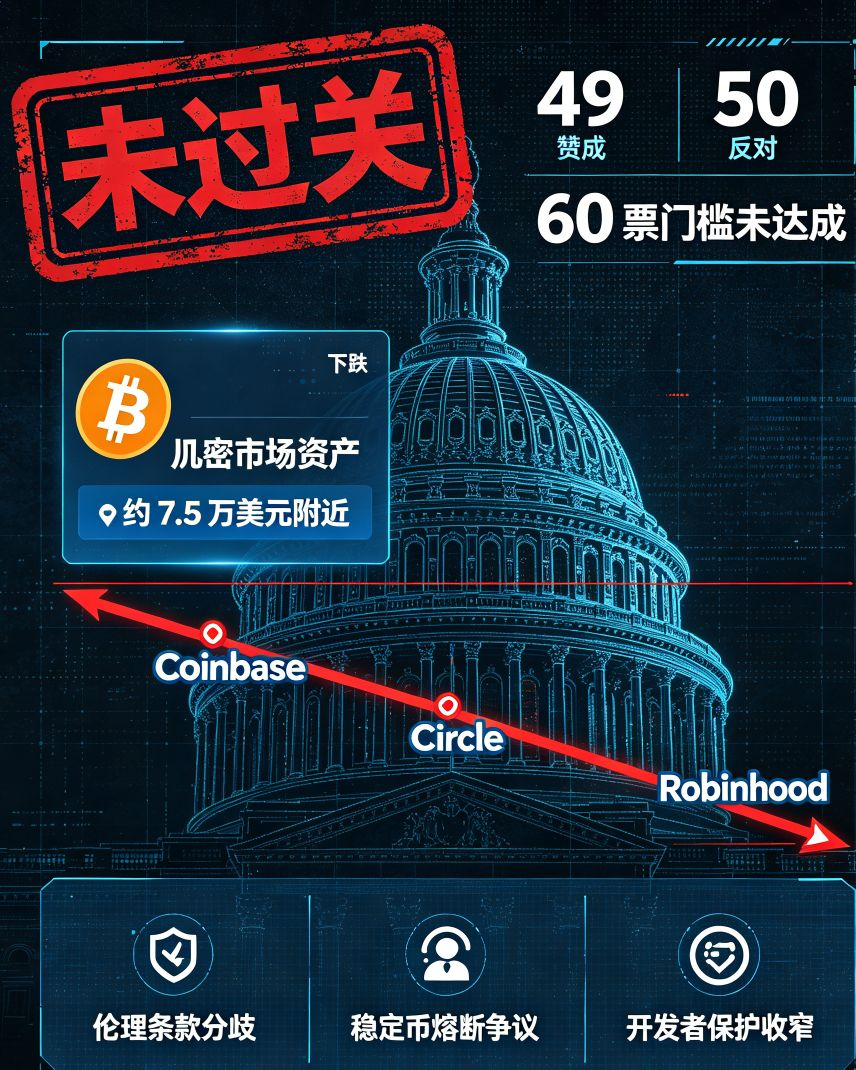
$ZEC $SOL Fellow folks, pay attention: early this morning, the U.S. Senate’s encrypted regulation bill hit a snag in the voting—it failed outright, with 49 in favor and 50 against. It missed the 60-vote threshold by a single breath, and was immediately stalled. After more than a year of back-and-forth and two postponements of the vote, it still couldn’t be enacted. As soon as the news broke, Bitcoin’s price dipped in the short term to around 75,000, and crypto-related stocks like Coinbase also fell across the board. 🚨
The core reason this time the bill got stuck is the ethics clause. The Democrats won’t accept the final proposal from the Republicans, and in the end neither side was willing to give an inch. The Republicans had already compromised on a number of points—adjusting officials’ holdings, stabilizing-coin circuit breakers, and protections for DeFi developers—but they still couldn’t win enough votes. 🚨
Many people think that if a bill doesn’t pass, regulation will completely loosen—don’t think that. The bill is only temporarily shelved, not permanently dead. Even if Congress can’t get legislation through, the SEC will still continue regulating the market under the existing rules. 🚨
The biggest impact of this incident is that market expectations cool off. Funds that had been betting on the bill’s passage are starting to withdraw. In the short term, price fluctuations will likely be amplified—don’t blindly try to bottom-fish. Going forward, keep an eye on whether both parties will restart negotiations, because news can trigger sudden surges and plunges at any time. Market risk is very high—everyone make sure to manage positions properly and control risk. 🚨#美联储加息是否已成定局 #以太坊跌破2400美元 #比特币跌至7.6万美元
The core reason this time the bill got stuck is the ethics clause. The Democrats won’t accept the final proposal from the Republicans, and in the end neither side was willing to give an inch. The Republicans had already compromised on a number of points—adjusting officials’ holdings, stabilizing-coin circuit breakers, and protections for DeFi developers—but they still couldn’t win enough votes. 🚨
Many people think that if a bill doesn’t pass, regulation will completely loosen—don’t think that. The bill is only temporarily shelved, not permanently dead. Even if Congress can’t get legislation through, the SEC will still continue regulating the market under the existing rules. 🚨
The biggest impact of this incident is that market expectations cool off. Funds that had been betting on the bill’s passage are starting to withdraw. In the short term, price fluctuations will likely be amplified—don’t blindly try to bottom-fish. Going forward, keep an eye on whether both parties will restart negotiations, because news can trigger sudden surges and plunges at any time. Market risk is very high—everyone make sure to manage positions properly and control risk. 🚨#美联储加息是否已成定局 #以太坊跌破2400美元 #比特币跌至7.6万美元


全球零撸达人
·
--
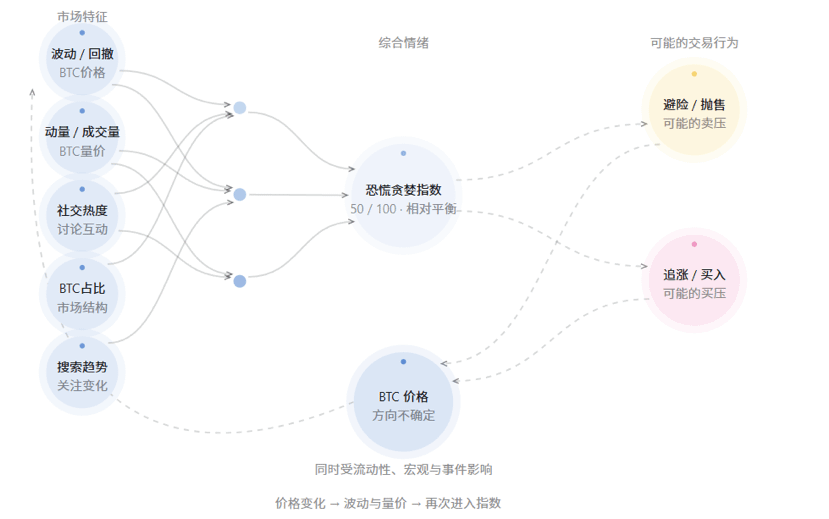
The panic index is increasing, and the greed index is decreasing!
Market sentiment is emotional, and it is very important for the market!$BTC
Market sentiment is emotional, and it is very important for the market!$BTC


路人1688luren
·
--
#美联储加息是否已成定局
$BTC Make a bold prediction. If the clear bill is not passed tonight, and then the Fed rate hike is implemented as well, things will get extremely hawkish—double bearish pressure! Bitcoin will fall straight back into the 60s. $ETH Will directly break below 2000! Bear market, start!
$BTC Make a bold prediction. If the clear bill is not passed tonight, and then the Fed rate hike is implemented as well, things will get extremely hawkish—double bearish pressure! Bitcoin will fall straight back into the 60s. $ETH Will directly break below 2000! Bear market, start!



慢就是快Mike
·
--
$XAU Let’s review tonight’s proposed vote result for the “Clear Bill.” In the end, 49 votes were in favor, 50 against—out of 99 total voters.
Clearly, this outcome is not simply because it didn’t reach 60 votes. Ultimately, it ended in temporary failure. Evidently, the threshold for pushing the bill is still quite high, making it a tough challenge.
Currently, there are 53 seats for the Republican Party in the Senate, 45 for the Democrats, and 2 for independents. This means that if the Republicans fully back it, they could at least secure 53 support votes.
But the real outcome directly contradicts that. Not only did the Democrats oppose it, but the Republicans also were not fully united in support—4 Republicans voted against.
Now look at the chart. Before the vote results came out, the broader market had already started a sharp pullback, indicating that the main funds likely weren’t optimistic, or had already anticipated the result in advance. Right now, it’s best not to rush in early to buy the dip or short. Wait until tomorrow’s rate-hike results are released, and then enter based on the K-line trend—it’ll be better!
Clearly, this outcome is not simply because it didn’t reach 60 votes. Ultimately, it ended in temporary failure. Evidently, the threshold for pushing the bill is still quite high, making it a tough challenge.
Currently, there are 53 seats for the Republican Party in the Senate, 45 for the Democrats, and 2 for independents. This means that if the Republicans fully back it, they could at least secure 53 support votes.
But the real outcome directly contradicts that. Not only did the Democrats oppose it, but the Republicans also were not fully united in support—4 Republicans voted against.
Now look at the chart. Before the vote results came out, the broader market had already started a sharp pullback, indicating that the main funds likely weren’t optimistic, or had already anticipated the result in advance. Right now, it’s best not to rush in early to buy the dip or short. Wait until tomorrow’s rate-hike results are released, and then enter based on the K-line trend—it’ll be better!



Bilverse
·
--
🧧 $ETH believers, where you at? 👀🔥
Markets test your conviction.
Real communities strengthen it. 🧡
If you’ve been building, supporting, and holding through the highs & lows, this one’s for you.
🎁 $ETH Red Packet is BACK!
💬 Comment “5000”
❤️ Like + Repost
✅ Follow @Bilverse
No complicated quests.
Just a little ETH love for the community. 🧧
Still bullish? 🚀
#ETH #Bilverse #RedPacketMission
Markets test your conviction.
Real communities strengthen it. 🧡
If you’ve been building, supporting, and holding through the highs & lows, this one’s for you.
🎁 $ETH Red Packet is BACK!
💬 Comment “5000”
❤️ Like + Repost
✅ Follow @Bilverse
No complicated quests.
Just a little ETH love for the community. 🧧
Still bullish? 🚀
#ETH #Bilverse #RedPacketMission


静静Amily
·
--
Bullish#美参议院否决CLARITY法案 US encryption regulatory landmark bill—procedural vote fails to clear the 60-vote threshold, and the bill is temporarily stalled.
The market reacts quickly; $BTC experiences a short-term pullback.
In the short term, U.S. federal crypto legislation has fallen through. Regulatory uncertainty persists, market volatility increases, and be mindful of risks.
Is Bitcoin set to keep moving downward? Is it a chance to add to spot positions?
The market reacts quickly; $BTC experiences a short-term pullback.
In the short term, U.S. federal crypto legislation has fallen through. Regulatory uncertainty persists, market volatility increases, and be mindful of risks.
Is Bitcoin set to keep moving downward? Is it a chance to add to spot positions?

NAJAF_加密 143
·
--
‼️$BTC 🐕 Reward is here ‼️
I’m sharing $BTC rewards with the community as a Bigger thank-you.
✨ Just claim your reward and enjoy! ✨
Claim it. Get rewarded
$BTC #BTC #bitcoin
I’m sharing $BTC rewards with the community as a Bigger thank-you.
✨ Just claim your reward and enjoy! ✨
Claim it. Get rewarded
$BTC #BTC #bitcoin


灼见
·
--
🚨 The Fed rate hike—is it already a done deal?
Now, the market’s answer is already very close:
YES.
The latest market pricing shows the probability of the Fed hiking rates by 25BP today has reached over 90%.
If it happens, the target range for the Federal Funds rate will move from:
3.50%–3.75%
to:
3.75%–4.00%
But I think what Crypto truly needs to focus on today is no longer:
“Will the Fed hike or not?”
Because when an event is already priced in by more than 90%,
what usually creates volatility is—
something unexpected.
There are three possible scenarios:
🟡 Scenario 1: Hike 25BP, but Warsh is more dovish
If the Fed tells the market:
“This is just a policy adjustment; it doesn’t mean a new sequence of consecutive hikes has started.”
Then you could see a very interesting move:
The risk assets could actually rise after the hike is implemented.
Reason is simple:
Everyone already knew they were going to hike.
⸻
🔴 Scenario 2: Hike 25BP + clearly signals more hikes ahead
This could be the real source of pressure.
Because the market won’t just be trading a single 25BP move anymore;
it becomes:
NEW HIKING CYCLE?
The U.S. dollar, Treasury yields, and global liquidity will all be repriced.
That’s the real stress test for $BTC, $ETH, and $BNB.
⸻
🟢 Scenario 3: An unexpected no-hike
The probability is low, but precisely because it’s low,
if it happens, the market reaction could be the biggest.
The dollar could drop quickly,
and risk assets could see intense volatility.
⸻
So tonight,
I won’t just be watching the news headline:
“FED +25BP”
What I’m really watching are a few words from Warsh’s press conference:
ONE-OFF?
Or:
MORE HIKES AHEAD?
Because for Crypto,
one already Price In 25BP may not be the most terrifying part.
What matters most is:
Today is it just a single rate hike,
or the start of a new hiking cycle?
If the market ultimately finds that—
“It’s only this one time.”
Then tonight’s biggest surprise might not be the hike.
Instead, it could be:
After the hike, BTC still can’t drop.
👇 What do you think about tonight’s Fed?
Hike and stop once 🟢 / Keep hiking 🔴
#BTC #ETH #BNB
Now, the market’s answer is already very close:
YES.
The latest market pricing shows the probability of the Fed hiking rates by 25BP today has reached over 90%.
If it happens, the target range for the Federal Funds rate will move from:
3.50%–3.75%
to:
3.75%–4.00%
But I think what Crypto truly needs to focus on today is no longer:
“Will the Fed hike or not?”
Because when an event is already priced in by more than 90%,
what usually creates volatility is—
something unexpected.
There are three possible scenarios:
🟡 Scenario 1: Hike 25BP, but Warsh is more dovish
If the Fed tells the market:
“This is just a policy adjustment; it doesn’t mean a new sequence of consecutive hikes has started.”
Then you could see a very interesting move:
The risk assets could actually rise after the hike is implemented.
Reason is simple:
Everyone already knew they were going to hike.
⸻
🔴 Scenario 2: Hike 25BP + clearly signals more hikes ahead
This could be the real source of pressure.
Because the market won’t just be trading a single 25BP move anymore;
it becomes:
NEW HIKING CYCLE?
The U.S. dollar, Treasury yields, and global liquidity will all be repriced.
That’s the real stress test for $BTC, $ETH, and $BNB.
⸻
🟢 Scenario 3: An unexpected no-hike
The probability is low, but precisely because it’s low,
if it happens, the market reaction could be the biggest.
The dollar could drop quickly,
and risk assets could see intense volatility.
⸻
So tonight,
I won’t just be watching the news headline:
“FED +25BP”
What I’m really watching are a few words from Warsh’s press conference:
ONE-OFF?
Or:
MORE HIKES AHEAD?
Because for Crypto,
one already Price In 25BP may not be the most terrifying part.
What matters most is:
Today is it just a single rate hike,
or the start of a new hiking cycle?
If the market ultimately finds that—
“It’s only this one time.”
Then tonight’s biggest surprise might not be the hike.
Instead, it could be:
After the hike, BTC still can’t drop.
👇 What do you think about tonight’s Fed?
Hike and stop once 🟢 / Keep hiking 🔴
#BTC #ETH #BNB


Bitroot铄鸿
·
--
AI won’t slow down. The real question is how far our infrastructure can carry it.
Recently, Jensen Huang referred to data centers as the “oil” for the next 20–25 years, emphasizing that engineering and infrastructure will determine how far AI can actually scale.
At Bitroot, we believe the same principle applies to Web3:
The next wave won’t be won by narrative alone. It will be built on infrastructure.
Parallel execution. High-performance L1. AI-native infrastructure.
Build the rails—so the next generation of applications can run on top of them.
Recently, Jensen Huang referred to data centers as the “oil” for the next 20–25 years, emphasizing that engineering and infrastructure will determine how far AI can actually scale.
At Bitroot, we believe the same principle applies to Web3:
The next wave won’t be won by narrative alone. It will be built on infrastructure.
Parallel execution. High-performance L1. AI-native infrastructure.
Build the rails—so the next generation of applications can run on top of them.


Mira小白桃
·
--
Crude Oil Rises—Why Is Gold Under Pressure Instead?
Recently, the market has been influenced at the same time by geopolitical risks, energy prices, and expectations for Federal Reserve policy.
At present, Brent crude is around $107, while WTI is around $105. Oil prices have remained at elevated levels. What the market is most worried about is not crude oil itself, but its impact on inflation expectations.
The logic is simple:
Oil prices rise → inflation pressure increases → the Fed’s room to cut rates is constrained → U.S. Treasury yields rise → gold comes under pressure.
So right now, gold is being pulled by two forces:
On one hand, safe-haven demand driven by geopolitical conditions supports gold;
On the other hand, higher oil prices boost inflation and rate-expectation pressures that suppress gold.
That’s also why you can’t simply understand it as:
“Geopolitical risk rises = gold must rise.”
In reality, gold’s short-term price action still depends on the U.S. dollar and U.S. Treasury yields.
Currently, the 10-year Treasury yield is already around 5%. If yields continue to move higher, gold’s short-term downside pressure could increase further.
Next, I will focus on three variables:
First, crude oil.
If oil prices keep rising quickly, inflation expectations may heat up further.
Second, Treasury yields.
If the 10-year yield keeps moving higher, gold may continue to be weighed down.
Third, the Federal Reserve.
Today’s FOMC rate decision is only the first step; more important is the policy guidance/signals after the meeting.
If the Fed releases more hawkish signals:
A stronger dollar and firmer yields → gold faces pressure.
If the policy statement is not as hawkish as the market expected:
Yields fall back → gold receives support.
So my view on gold now won’t be based solely on geopolitical news.
Crude oil determines inflation expectations, interest rates determine the cost of capital, and risk-off/safe-haven sentiment determines how much support is underneath gold.
Only when all three factors move at the same time is the key to understanding this round of the gold market.
$XAU
$CL
$BZ
Recently, the market has been influenced at the same time by geopolitical risks, energy prices, and expectations for Federal Reserve policy.
At present, Brent crude is around $107, while WTI is around $105. Oil prices have remained at elevated levels. What the market is most worried about is not crude oil itself, but its impact on inflation expectations.
The logic is simple:
Oil prices rise → inflation pressure increases → the Fed’s room to cut rates is constrained → U.S. Treasury yields rise → gold comes under pressure.
So right now, gold is being pulled by two forces:
On one hand, safe-haven demand driven by geopolitical conditions supports gold;
On the other hand, higher oil prices boost inflation and rate-expectation pressures that suppress gold.
That’s also why you can’t simply understand it as:
“Geopolitical risk rises = gold must rise.”
In reality, gold’s short-term price action still depends on the U.S. dollar and U.S. Treasury yields.
Currently, the 10-year Treasury yield is already around 5%. If yields continue to move higher, gold’s short-term downside pressure could increase further.
Next, I will focus on three variables:
First, crude oil.
If oil prices keep rising quickly, inflation expectations may heat up further.
Second, Treasury yields.
If the 10-year yield keeps moving higher, gold may continue to be weighed down.
Third, the Federal Reserve.
Today’s FOMC rate decision is only the first step; more important is the policy guidance/signals after the meeting.
If the Fed releases more hawkish signals:
A stronger dollar and firmer yields → gold faces pressure.
If the policy statement is not as hawkish as the market expected:
Yields fall back → gold receives support.
So my view on gold now won’t be based solely on geopolitical news.
Crude oil determines inflation expectations, interest rates determine the cost of capital, and risk-off/safe-haven sentiment determines how much support is underneath gold.
Only when all three factors move at the same time is the key to understanding this round of the gold market.
$XAU
$CL
$BZ

Log in to explore more content